
WHY Tanzania
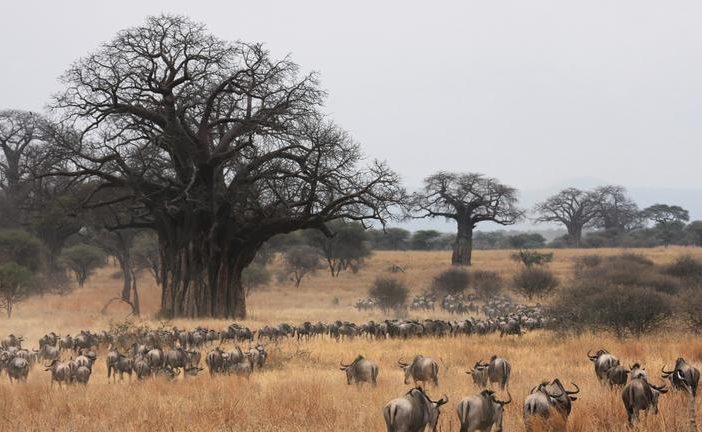
Tanzania is a huge and diverse country with several prominent safari destinations which are among the top choices in Africa, such as the vast Serengeti National Park and Ngorongoro Crater. The Serengeti has indeed become practically synonymous with the annual zebra and wildebeest migration, unfortunately leading to some degree of congestion in the central and northern Serengeti in the peak season.

Other safari areas like Tarangire in the north, Nyerere and Ruaha in the south and Katavi and the Mahale Mountains National Parks in the west, may not be as well known but are no less exciting to visit. Together with its Indian Ocean beach destinations and nearby Zanzibar, Tanzania is an ideal all-round safari destination where one can easily combine game-viewing, adventure, cultural interaction and a beach or resort experience. For keen hikers, successfully reaching the summit of Tanzania’s Mt. Kilimanjaro is a bucket list item. At 19,341 feet above sea level, Kilimanjaro is the highest peak in Africa and also the highest single free-standing mountain in the world. Fish Eagle Safaris founder Bert has climbed four of the five major Kilimanjaro routes so reach out to him for advice, recommendations and inspiration.
Over the last few years we’ve been visiting Tanzania at least once every year.
Here are some of our observations:
• If there’s one place in Africa where we recommend spending some time in a mobile tented camp, it’s the Serengeti. Particularly during the migration season but really on any safari. It evokes the Africa of old, with expedition style accommodation and furnishings, maybe even a traditional ‘bucket’ shower. More importantly a mobile tented camp opens up the entire night to your imagination. You will hear lions roaring, hyenas and jackals calling, the chirping of African Scops Owls, hopefully wildebeest grunting and – my favorite – the hauntingly beautiful, evocative braying of the zebra stallions, reverberating over the savannah.
• Tanzania is the best ‘migration’ destination in East Africa so if you want to maximize your chances to experience this awesome phenomenon, then by all means plan on spending some time in the Serengeti. While it is possible to include both the Serengeti (Tanzania) and the Masai Mara (Kenya) in one itinerary, it is somewhat of a duplication as the two reserves are part of the same eco-system. The Masai Mara is simply the northernmost extension of the Serengeti. So you’ll be seeing the same mammals and birds, same general environment, same scenery.
• Instead of the more traditional northern Serengeti migration safari from July through October), consider traveling to Tanzania in the (US) winter months, particularly from January through the end of March. This is when the zebra and wildebeest herds find themselves in the southern Serengeti – often congregated in the short-grass plains of the greater Ndutu area – for the calving season. While there won’t be any river crossings, observing thousands of wildebeest and zebras – sometimes in every direction of the compass – can be just as fascinating. Groups will often erupt into motion and start to run in a direction, causing a chain reaction with hundreds of animals running full speed not to fall behind, and then abruptly slowing down or even stopping, all with no apparent rhyme or reason.
• We have been checking out a few moderately priced safari camp options in both the central and northern Serengeti which we think maximize the game-viewing potential with superb guiding and great vehicles but without having to pay a super premium price. Ask any of us for more information or a cost estimate.
WHEN SHOULD I TRAVEL TO Tanzania?
The peak Tanzania safari season is from June through October during the long dry season, but the country can be visited year-round. Just like in neighboring Kenya, some safari camps and lodges close for the rains in April and May. For the wildebeest migration, the best time for river crossings would be from June through October in the west and north, while the wildebeest calving season takes place in the southern Serengeti from December through the end of March. For trekking Kilimanjaro, the best times are from December to March and then again from June to October.
RELATED BLOGS
[recent_post_carousel category=”16″ show_date=”true” slides_to_show=”3″ slides_to_scroll=”1″ content_words_limit=”4″ autoplay=”false” autoplay_interval=”9000″ show_category=”true”]
MIGHT ALSO BE INTERESTED IN
BOTSWANA

KENYA

MADAGASCAR

namibia

RWANDA

SOUTH AFRICA

UGANDA

TANZANIA

ZAMBIA

zimbabwe