WHY choose Kenya
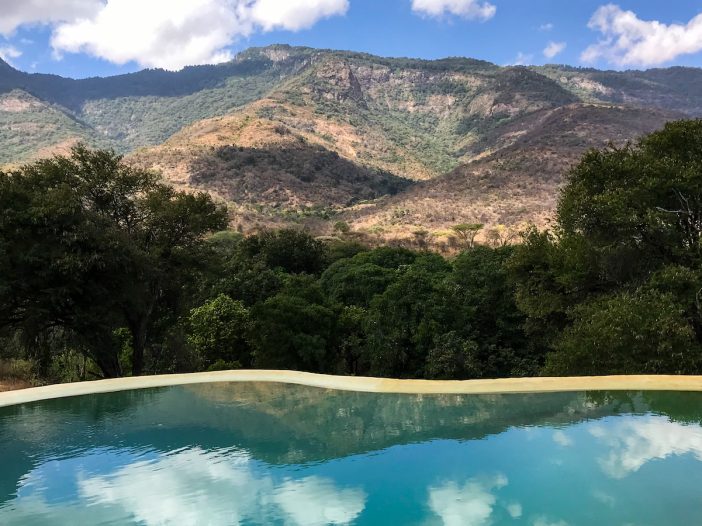
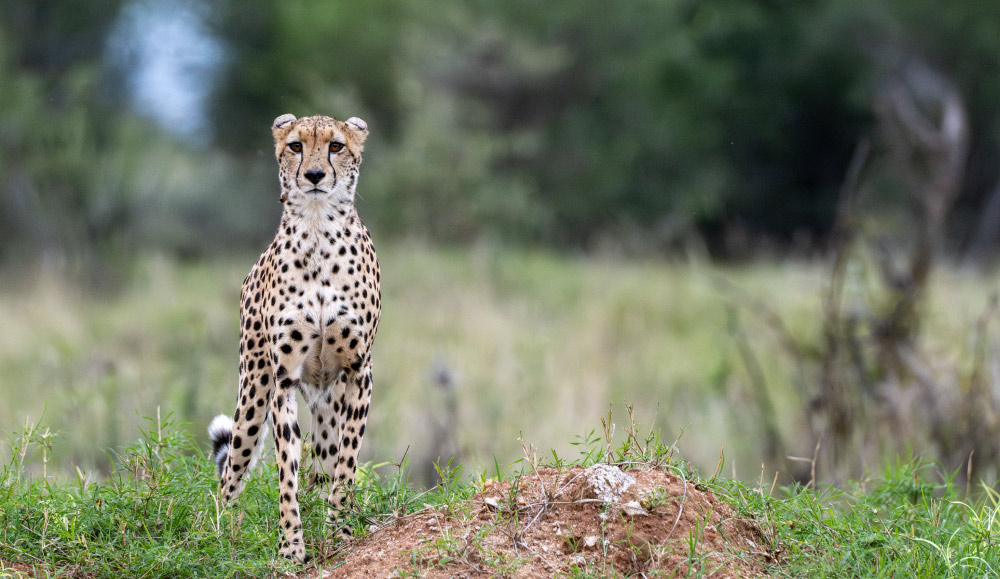
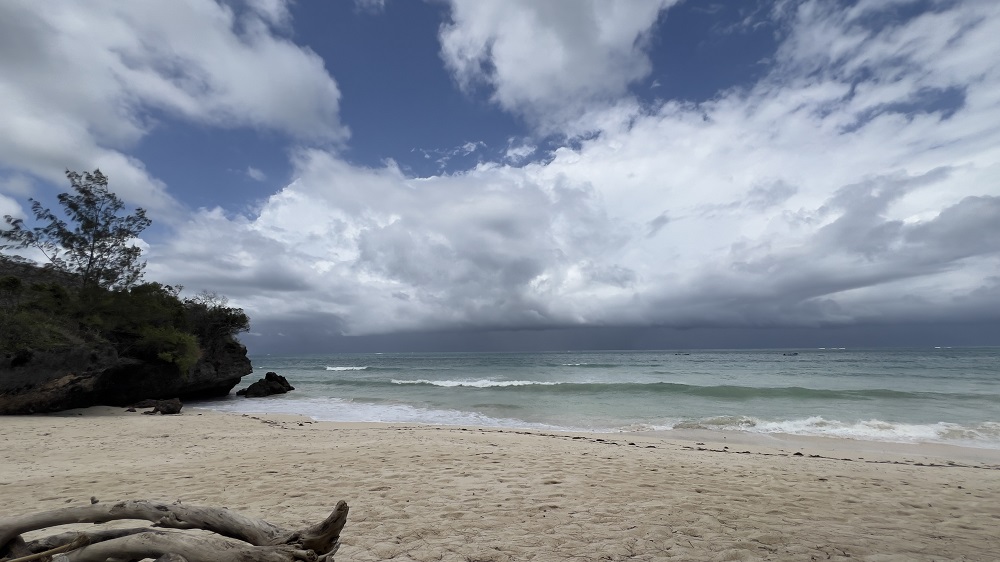
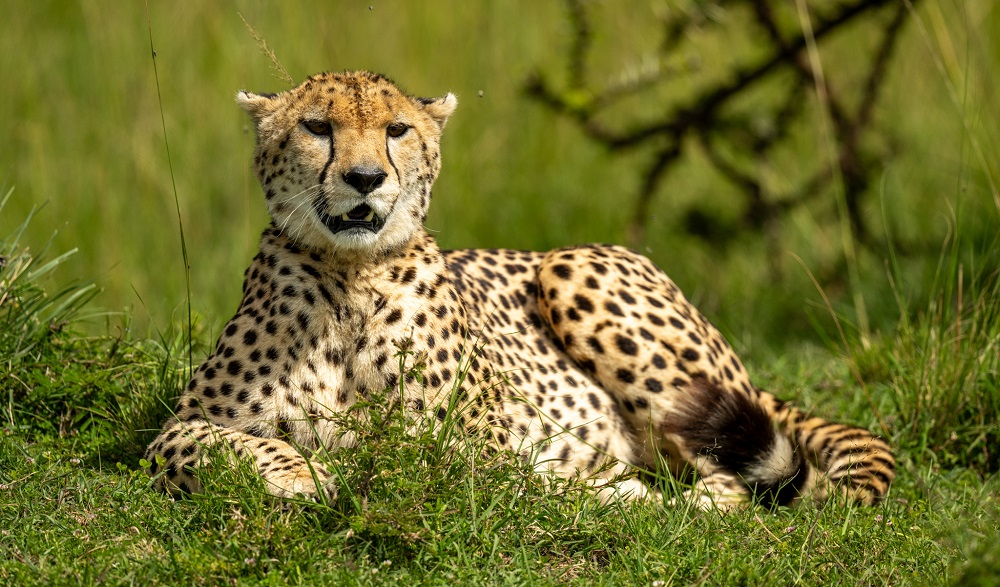
Kenya has as much diversity as any safari country in Africa with a multitude of habitats, climate zones and vegetation types, resulting in an equally diverse safari experience. Nowhere else are you likely to see as wide a variety of big game and other mammals, birds and reptiles, as easily. Much of the terrain is open and easily accessible, so game-viewing is generally productive and enjoyable with excellent photo opportunities. Observing and experiencing culture in the way of interacting with people like the Masai and the Samburu is an integral part of the Kenya experience. Kenya also has some beautiful Indian Ocean beaches so consider spending a few days at a resort like Kinondo Kwetu or Almanara in Diani Beach or Cardamom House in the Vipingo area, for some rest and relaxation at the end of your safari. While it’s not a traditional ‘beach’ destination, the town of Lamu and nearby village of Shela have much to offer as well.

Not a year goes by for us without a Kenya trip as we use Nairobi as a stopover en route to South Africa.
Here’s what has impressed us most on our last couple of visits:
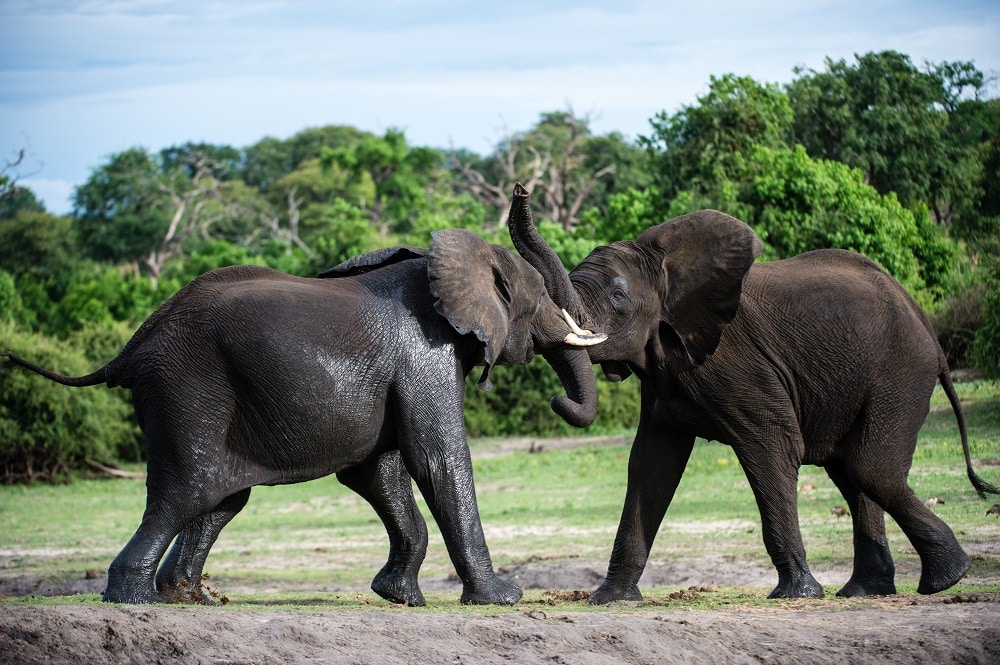
• One of the best things we ever did in Kenya (twice) was to visit two of the reintegration units where the Sheldrick elephant orphans are released back into the Wilderness. First at Ithumba and then Galdessa. Ithumba is the best choice for anyone wanting a complete ‘morning, noon and night’ orphan elephant immersion. Galdessa has an inspired location right on the Galana River, at the base of the Yatta Plateau. Spend a few days there, including a day trip to visit the Voi reintegration unit and interacting with the large group of orphan elephants there – and you may never want to leave.
• We pretty much fell in love with the Peponi Hotel in Shela at first sight. The location, the people, the food! We could have had the stuffed crab every day. Come to think of it, we did… Using the Peponi as a base for a couple of days or so, you can immerse yourself into the Swahili culture and customs, among others with a cooking lesson in a private home. Take a guided walk in the quaint village of Shela, have some kikoi pants tailored just for you, go on a sundowner dhow cruise, and take a dip in the Indian Ocean. It is the perfect area to kick back a little bit, take in what is happening right around you and soak in the atmosphere of this very different area, a world away from the Mara or Samburu. Relaxing yet fascinating, with some new (and something really, really old) around every corner.
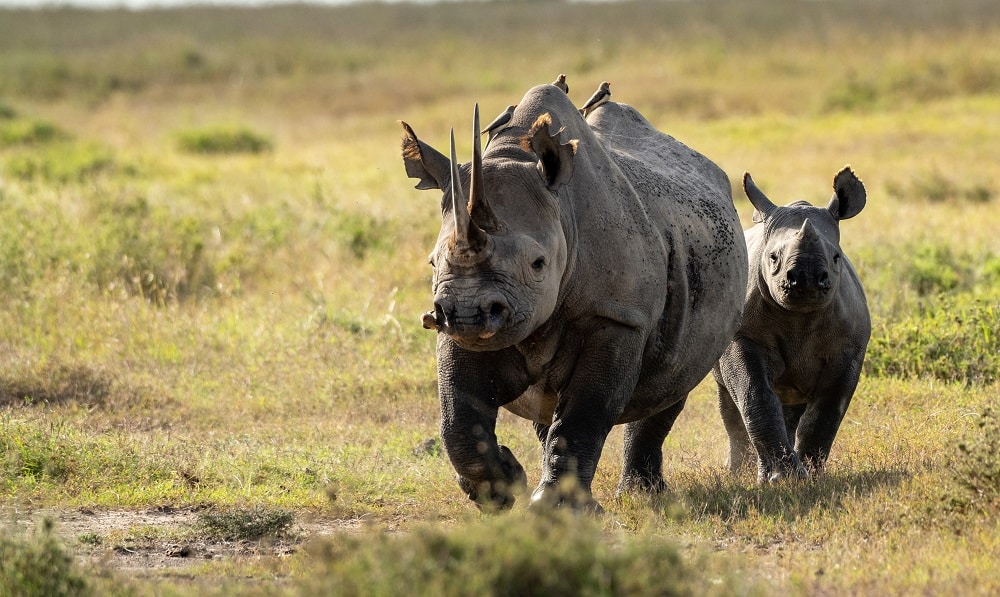
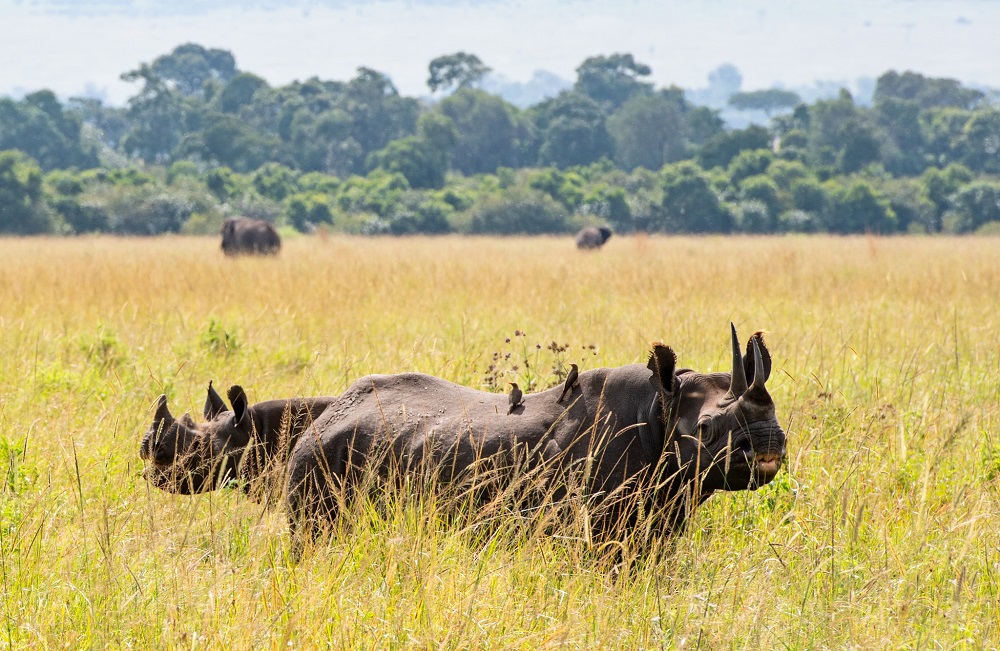
• Many people want to see rhinos on their African safari and understandably so, as these prehistoric-looking behemoths are one of the ‘Big Five’ mammals and several rhino species – including the African black rhino – are critically endangered. Contrary to the situation in some other African countries – where rhinos are routinely de-horned in order to make them less attractive to poachers – this is not prevalent in Kenya. You can visit private conservancies like Lewa or Ol Pejeta and observe dozens of black and white rhinos – there’s lots of them – all with their beautiful horns perfectly intact.
• On every visit to Kenya, we discover something new or special; some facet of the wilderness experience which elevates it from interesting to extraordinary. Going off-road in Tsavo East with researchers from the Tsavo Trust, looking for and finding a super tusker elephant (one with more than 100 pounds of ivory on each side) was such an experience. Another was sleeping on a raised platform inside a black rhino sanctuary in Tsavo West and watching their ghostly white shapes – generated by a thermal camera – move into and out of a waterhole at night. Together with several other mammals including elephants and the occasional predator. Witnessing a black leopard kill in Laikipia was our most recent addition to our personal Kenyan ‘hall of fame’ safari experiences. With more surely to come.
WHEN SHOULD I TRAVEL TO kenya
Kenya is a year-round destination although the best months for game-viewing are generally considered to be from June through October. The annual wildebeest migration is present in Kenya’s Masai Mara area from about July through October so to catch the migration that would be the best time to go. Even so, the migration is unpredictable due to being weather-driven. Some of Kenya’s safari camps close in April and May for the ‘long rains’. We have had some of our best experiences in Kenya in November and February-March, when there are fewer visitors around and the prices are lower.
RELATED BLOGS

East or Southern Africa: your choice


The 2025-2026 Safari Landscape

The Leopards of Laikipia Wilderness
Kenya’s Laikipia Plateau: Ol Pejeta Private Conservancy
A Few of Our Favorite Elephant Destinations
A Blissful Stay in Diani Beach on Kenya’s Southern Coast
Returning to Tanzania’s Serengeti National Park and Kenya’s Masai Mara – May 2024
Where in Africa to Go Next In 2024-2025
Groundhog Day Properties – 2024
MIGHT ALSO BE INTERESTED IN
BOTSWANA

KENYA

MADAGASCAR

namibia

RWANDA

SOUTH AFRICA

UGANDA

TANZANIA

ZAMBIA

zimbabwe