WHY choose INDIA?
India is a huge and incredibly diverse country – more like a continent really – with a complex and fascinating history, as well as stunning cultural, religious and linguistic diversity. Visiting India is akin to experiencing literally everything and anything simultaneously. It is a riot of color and experiences like no other and can be a bit daunting for inexperienced travelers. Rest assured that the highly experienced team at Encounters Asia – our India partners – will be there 24-7 to assist you personally as needed. So that you can focus 100% on the experience, and not have to worry about any of the logistics. From a pre-allocated seat on the Gathimaan Express train from Delhi to Agra to extra luggage allowance on all domestic and regional flights, everything has been taken care of. All you have to do is enjoy the food, the people, the landscapes, the wildlife, the architecture and everything else that makes up the incredible India experience.

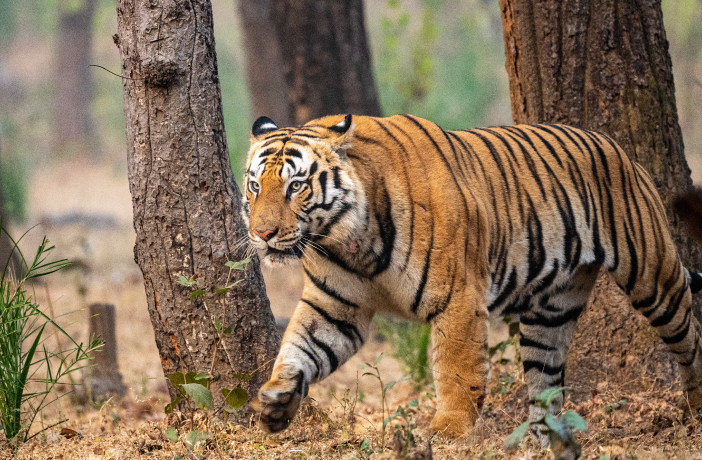
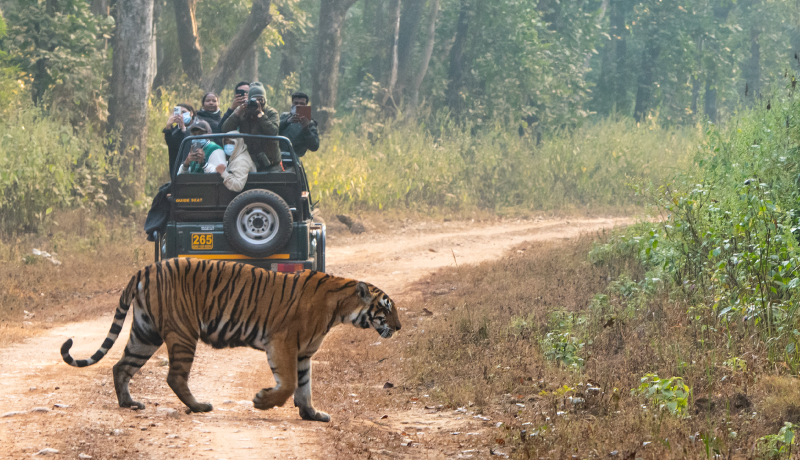
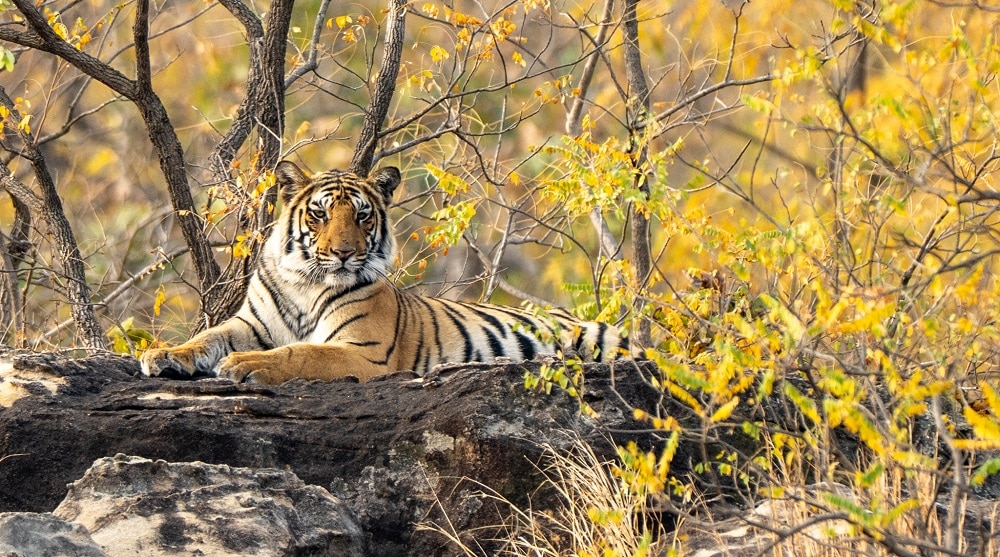
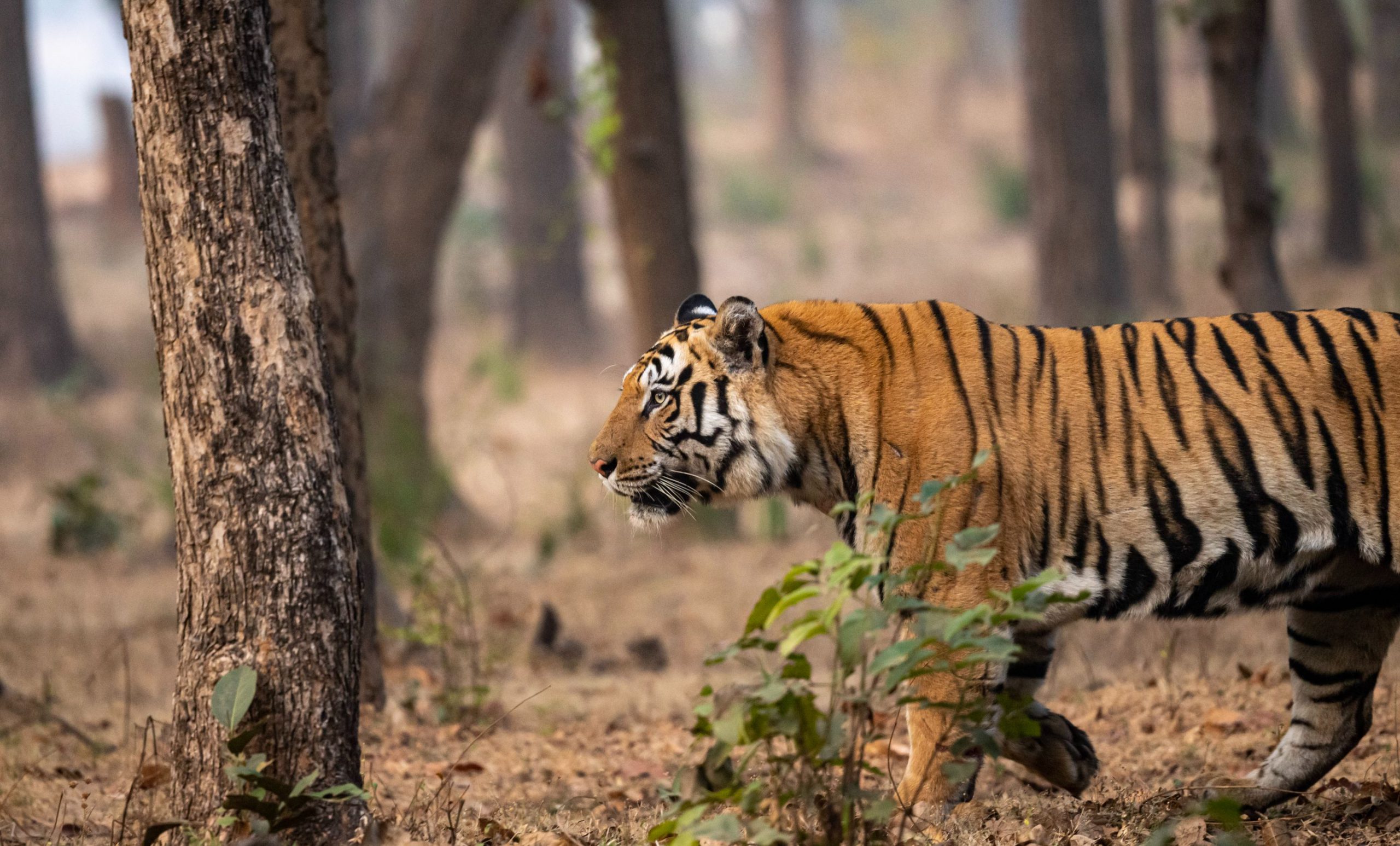
On the trips we design, clearly finding and seeing Bengal Tigers and other fascinating Indian mammals such as sloth bears, Indian leopards, Asian elephants, Guar (Indian Bison), and the one-horned rhinos of Kaziranga in the far eastern state of Assam, is a priority. Beyond that, we think absolutely everyone should include a short visit to Agra to experience the Taj Mahal. If you do want to explore the amazing cultural and religious diversity and rich history of India beyond just Delhi or Mumbai and Agra, we’re ready with advice and recommendations for cities like Jaipur (the pink city) and Varanasi – for an incredible immersion into the Hindu way of life.
India has almost 1.5 billion inhabitants so yes, you can anticipate some traffic, pollution and congestion. I think my best advice is not to fight it, just embrace it. Adjust your attitude and roll with it. Do that and you will find wonderful, interesting people literally around every corner. People who are genuinely keen to meet and interact with complete strangers. Never will you be asked to pose for as many selfies with strangers as in India.
Our passion for India keeps growing apace and our lengthy March-April 2025 trip added considerably to our knowledge base.
Here are a few thoughts and suggestions:
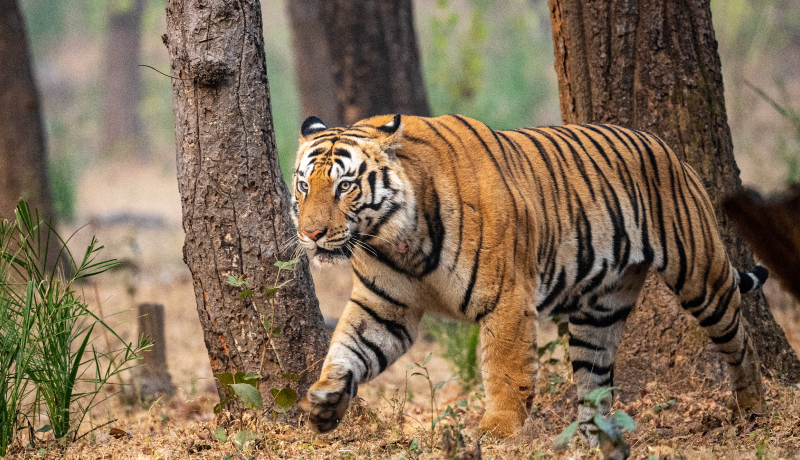
• If there’s one tiger reserve you absolutely cannot leave off your India itinerary, it has to be Bandhavgarh in Madhya Pradesh. So many tigers, so much adventure! Look no further than Bandhavgarh Jungle Lodge where general manager Sadhvi Singh and her team (including her husband Harsh) will turn you into a tiger aficionado in no time!
• Satpura National Park is fast turning into one of the best overall and certainly most diverse tiger reserves, with fewer visitors around and more opportunities for undisturbed moments than many of the ‘big name’ reserves. Look for the sloth bears – and don’t be fooled by the ‘sloth’ in the name. Those are real bears.
• I don’t think I’m the only person around who liked Mumbai more than Delhi, as the starting point for a tiger-focused trip. Maybe it was the sea breeze or the stunning views from Mumbai’s Arabian Sea coastline, or its cosmopolitan, lively atmosphere.
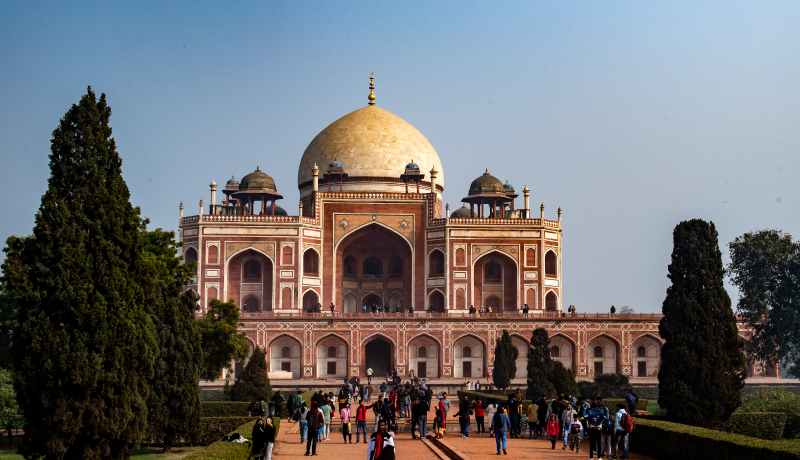
• For the love of everything holy, don’t leave the Taj Mahal off your India itinerary. It’s a mesmering sight. Even if there’s a thousand people there on the day of your visit, it will not matter one whit. You will be amazed.
WHEN SHOULD I TRAVEL TO INDIA?
Much of India is best visited from about October each year, until February/March. These are, generally, the coolest and driest months of the year. From April through September the greater part of India undergoes the summer monsoon, associated with high temperatures and heavy rainfall. This is caused by warm, moist air fowing into India from the southwest Indian Ocean. The summer monsoon brings with it high humidity and sometimes torrential rainfall. Specifcally for tiger viewing, the end of the dry season (March) is generally the best, as more animals are concentrated around shrinking water sources, there are fewer other visitors around and tigers are becoming more active and vocalizing, in preparation for the mating season which commences in April. For the Snow Leopards in Ladakh, the best time of the year is winter (December to March), when snowfall at higher elevations in the foothills of the Himalayas compel the snow leopards to descend to lower elevations, following their prey species which include blue sheep and ibex.
INDIA TRIP IDEAS
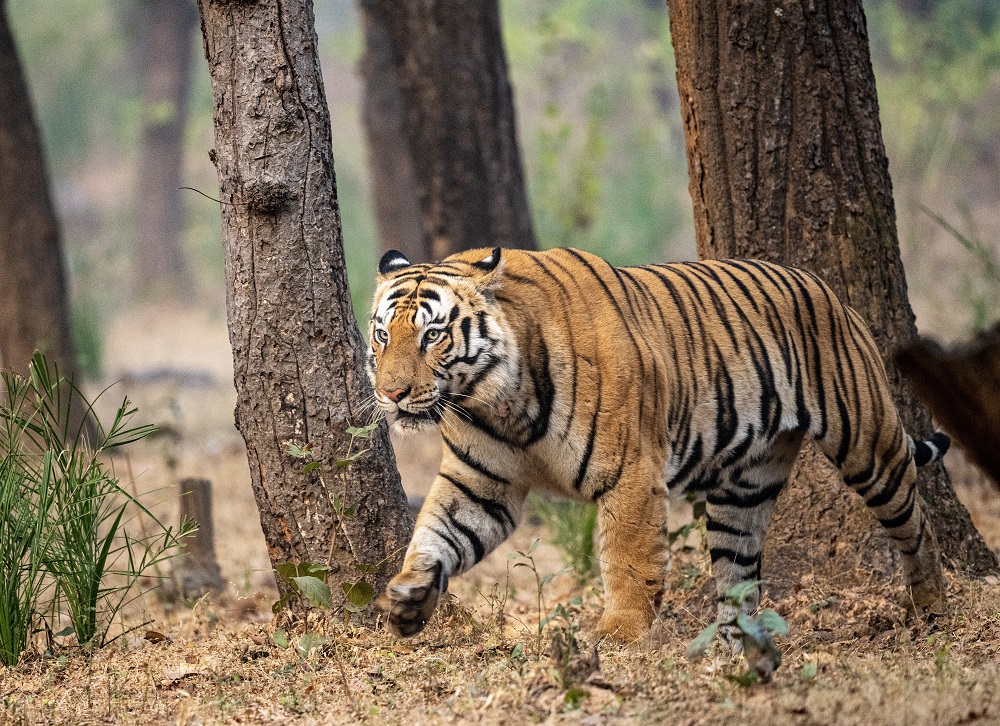
Great Indian Tiger Safari – March/April 2025
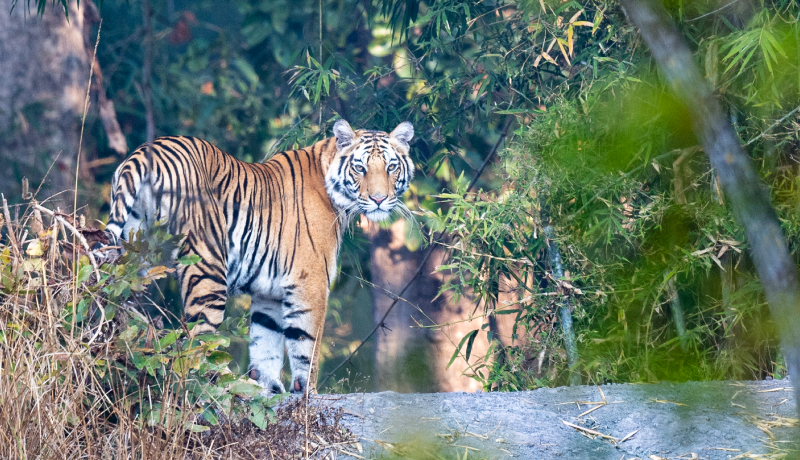
GREAT INDIAN TIGER SAFARI – MARCH 2025
RELATED BLOGS

The 2025-2026 Safari Landscape

32-day India Tiger Safari – Part 3
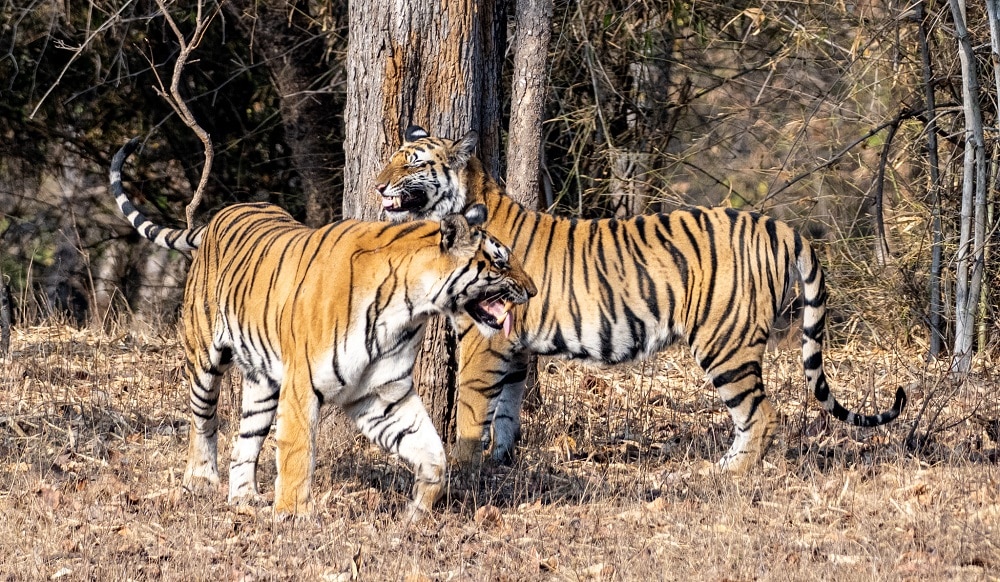
A 32-day India Trip: Tigers and More Part 2
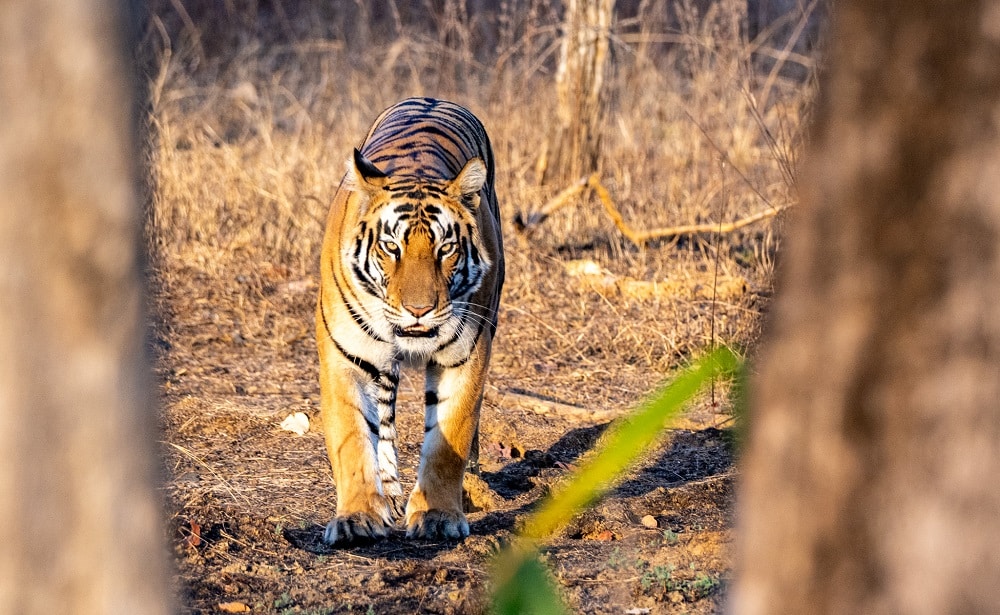
32 days in India: An Adventure in the West, North, Center & East – Part 1
Making the Most of an Indian Tiger Safari
Our Most Memorable Safari & Wildlife Experiences Volume 1
Great Indian Tiger Safari – March/April 2025
MIGHT ALSO BE INTERESTED IN
BOTSWANA

KENYA

MADAGASCAR

namibia

RWANDA

SOUTH AFRICA

UGANDA

TANZANIA

ZAMBIA

zimbabwe