• Skip to primary navigation
  • Skip to main content
  • Skip to footer

Fish Eagle Safaris

Fish Eagle safaris

Contact

Logo
  • About
  • Destinations
  • Blogs
  • Newsletter
  • FAQS
  • Team
  • search
  • Contact
  • About
  • Destinations
  • Blogs
  • FAQS
  • Team
  • Contact

Kenya

Our ‘Groundhog Day’ Properties – Part 1

4th June 2021

Our ‘Groundhog Day’ Properties – Part 1


Image

Our ‘Groundhog Day’ Properties – Part 1

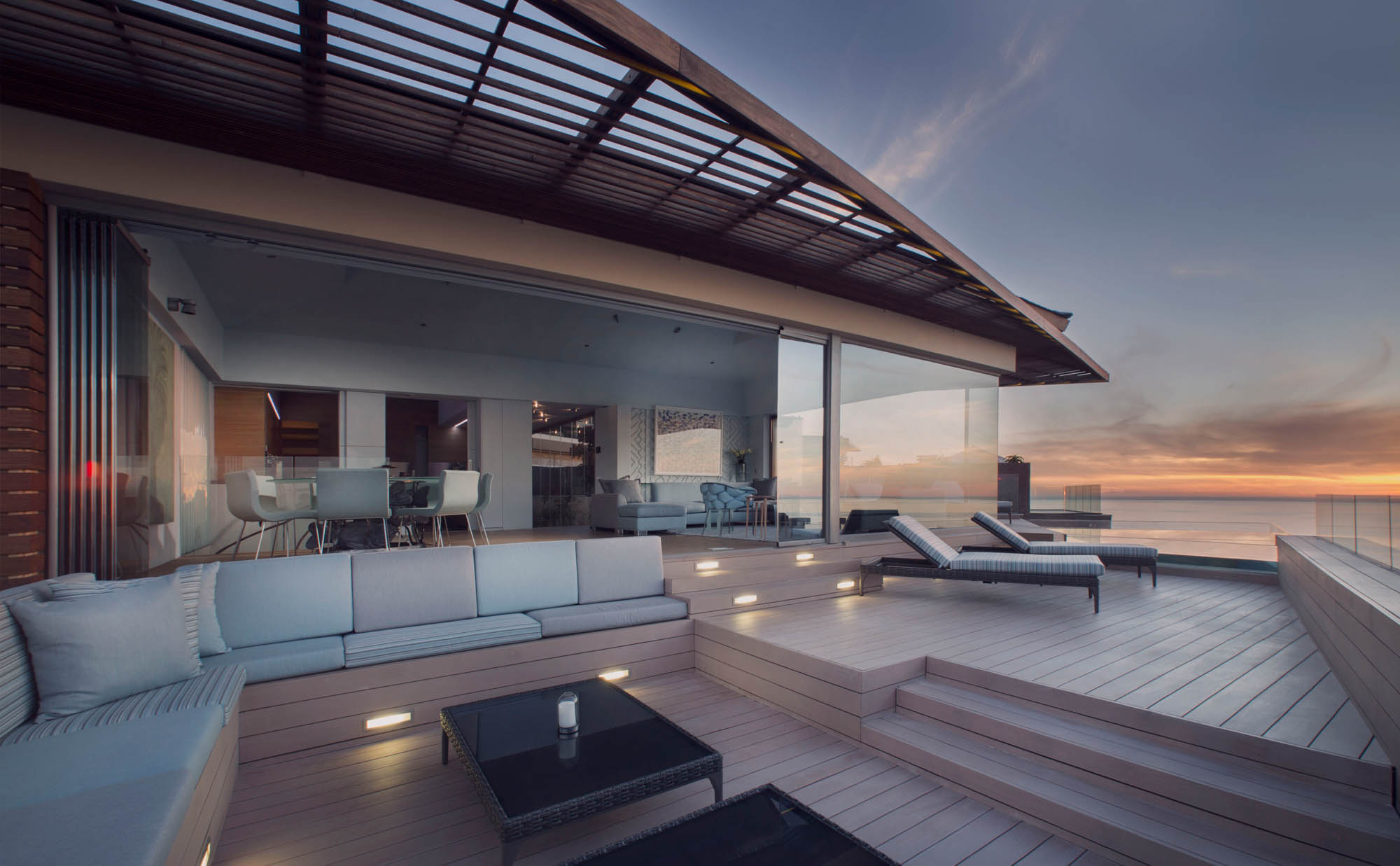
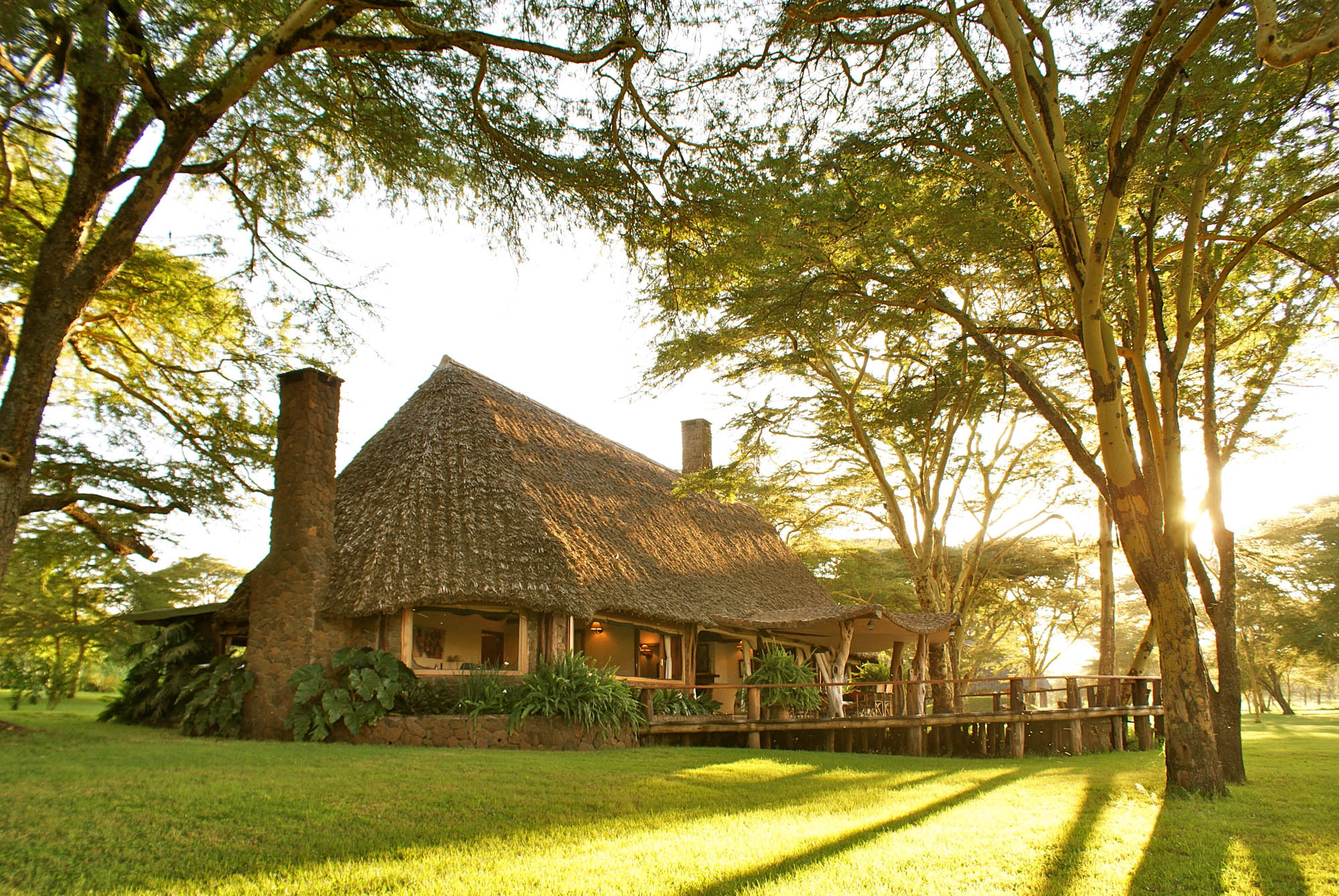
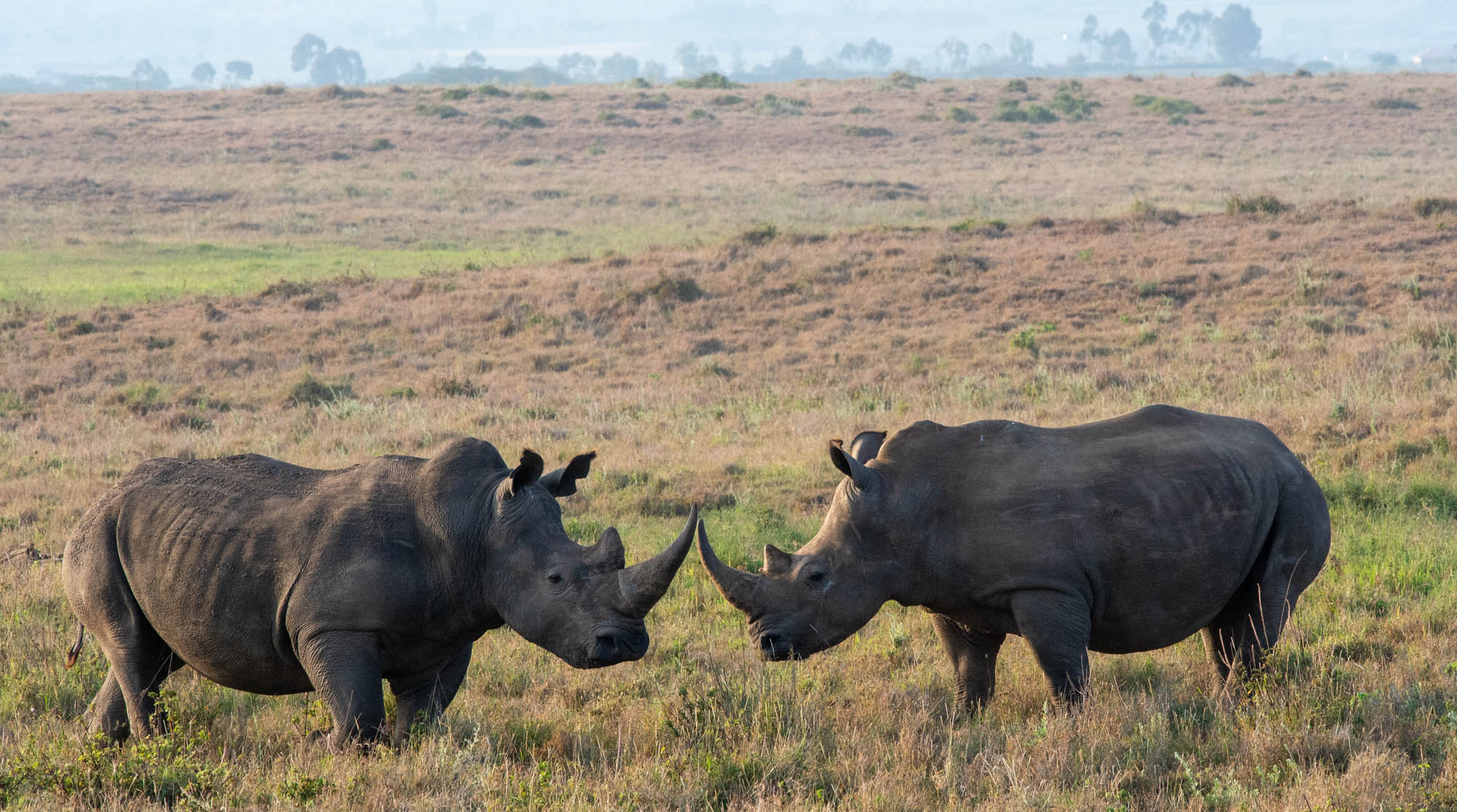
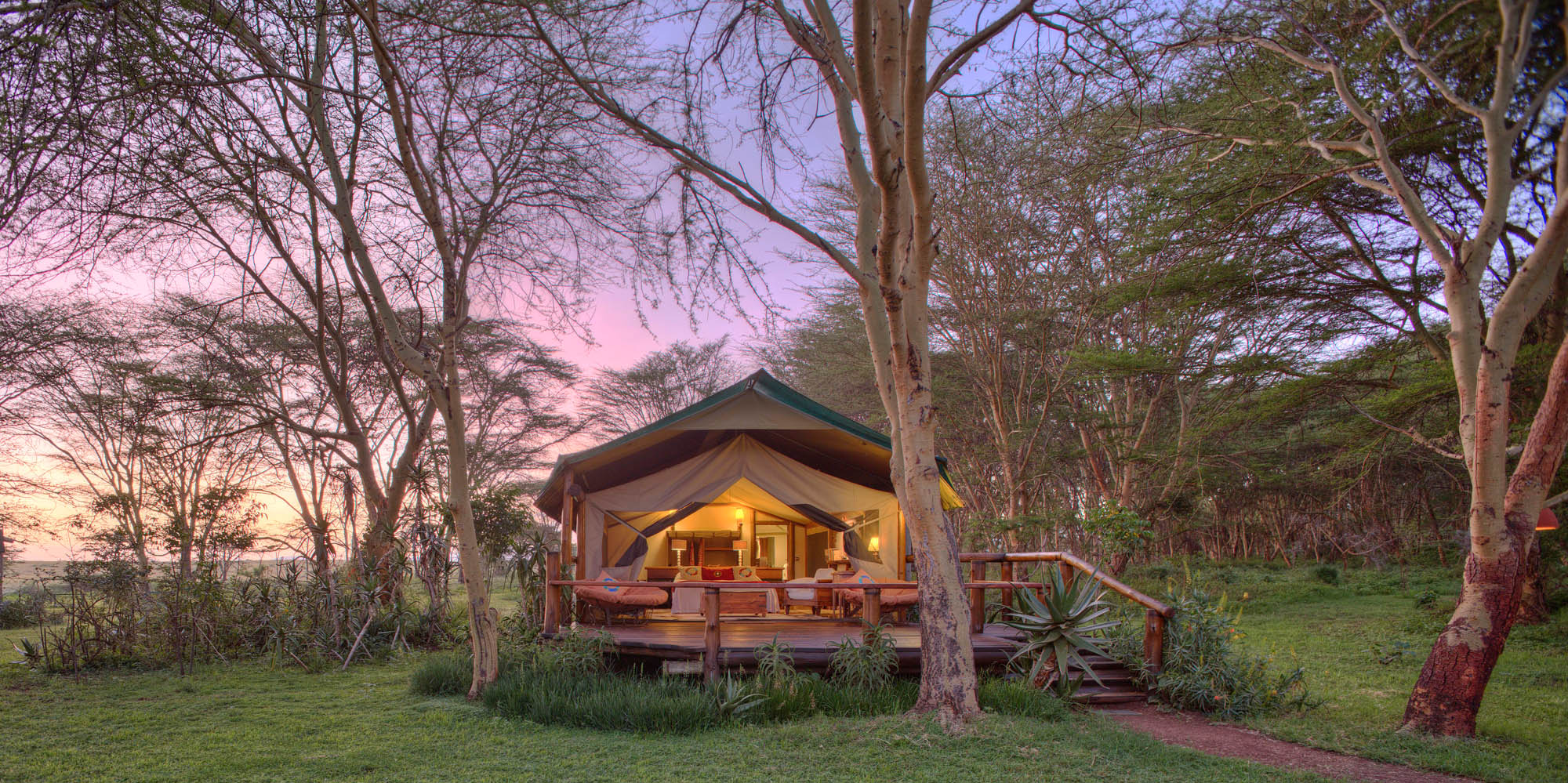
For the first installment in what may end up being a 3-part series, covering our top ten or so ‘Groundhog Day’ properties, I thought I’d include a full service hotel in Cape Town, a luxury safari camp in Kenya’s Lewa Wildlife Conservancy and a small, remote tented camp in Hwange National Park in Zimbabwe.


Image

Ellerman House

In our African travels over the years, our Fish Eagle Safaris team members have visited – and re-visited – a dizzying array of safari camps, lodges, beach resorts, hotels, guest houses and bed & breakfast establishments, in 12 African countries and Madagascar.  Practically without exception, we enjoyed our stay at each of them, from the most basic mobile tented camps out in the bush to the highest of high profile deluxe city hotels.


Image

Ellerman House

Every once in a while, when all or most things go right and we come across a jewel of a property, we add it to our exclusive ‘Groundhog Day’ list.  These are places where we could wake up every morning for the rest of our lives, and be happy and content.  There is no checklist or set of requirements, no rules or regulations to make it onto the list.  No special award either, except for the fortunate visitors who end up spending a few days at one or more of these properties.


Image

Ellerman House

Ellerman House, Cape Town

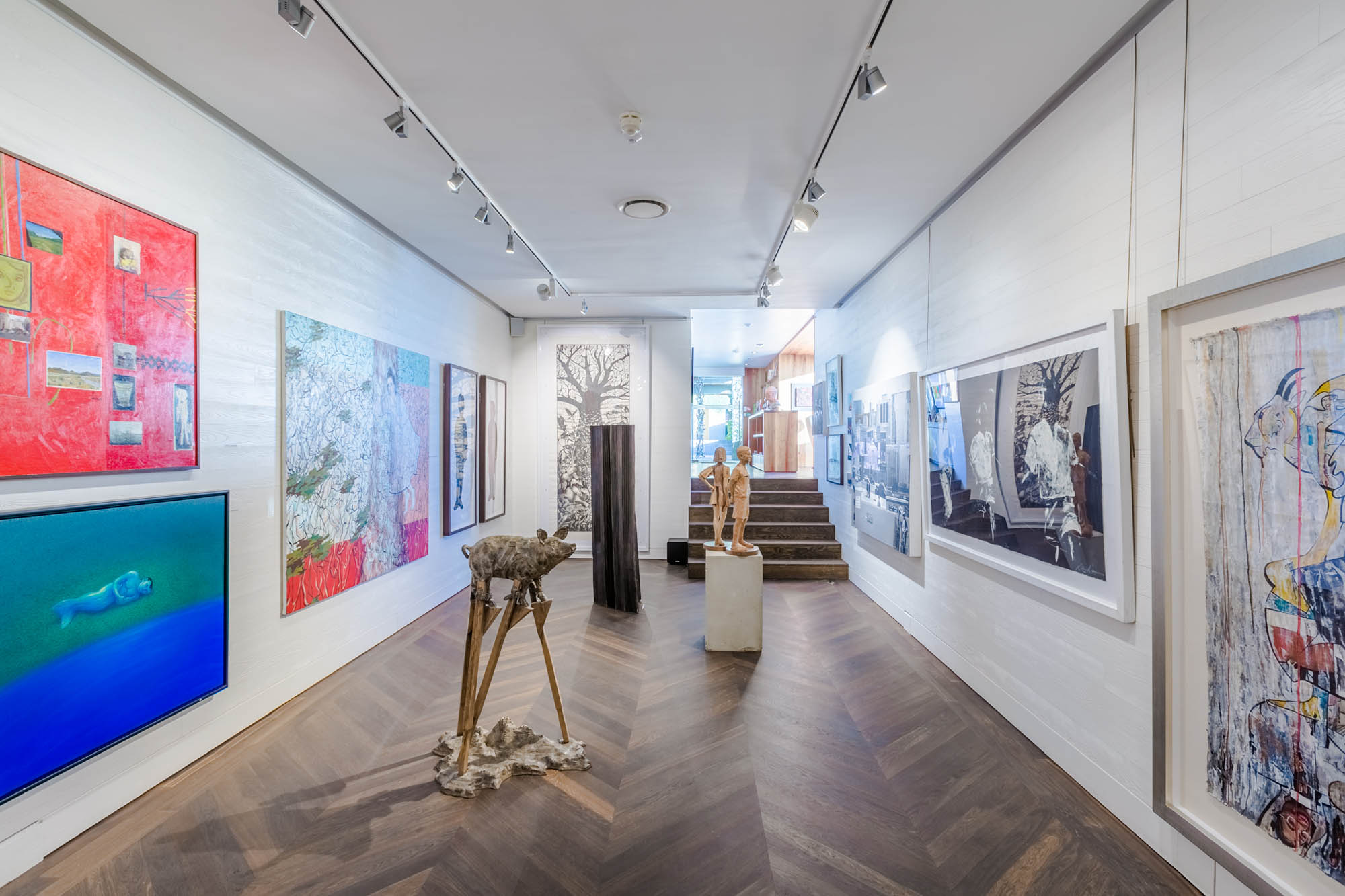
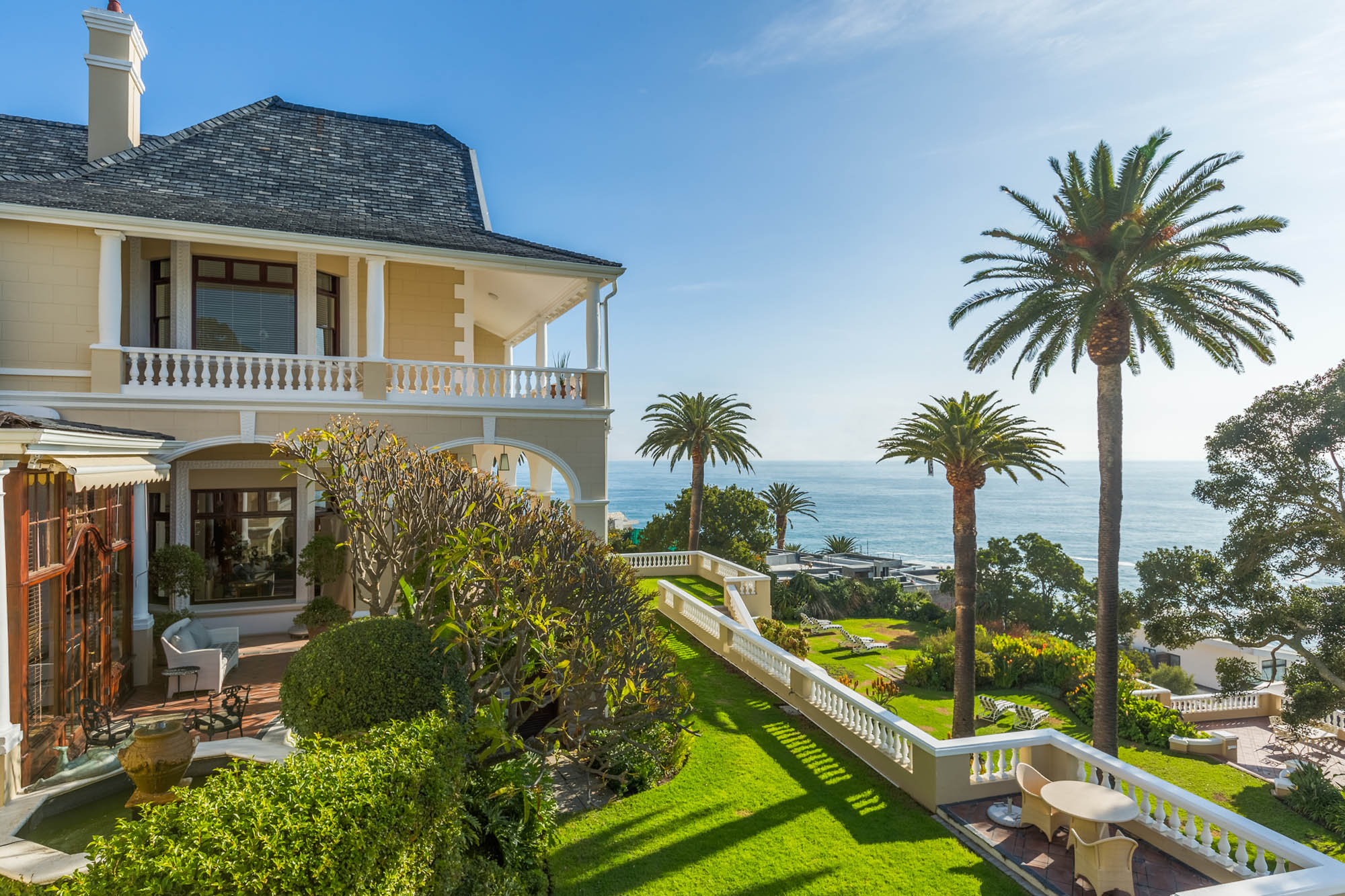
One of the first properties which we elevated to ‘Groundhog Day’ status was Ellerman House in Cape Town.  It didn’t take long for us to be awed when we first arrived there several years ago, on a warm November day.   It started with the paintings along the way to our room.  Being South African-born, I was stopped dead in my tracks by a striking Transvaal landscape by J H Pierneef, likely the greatest of the old South African masters.  We soon came to realize that Ellerman House is replete with fine South African works of art, both in the main house and the dedicated contemporary art gallery which we were to discover later.


Image

Ellerman House

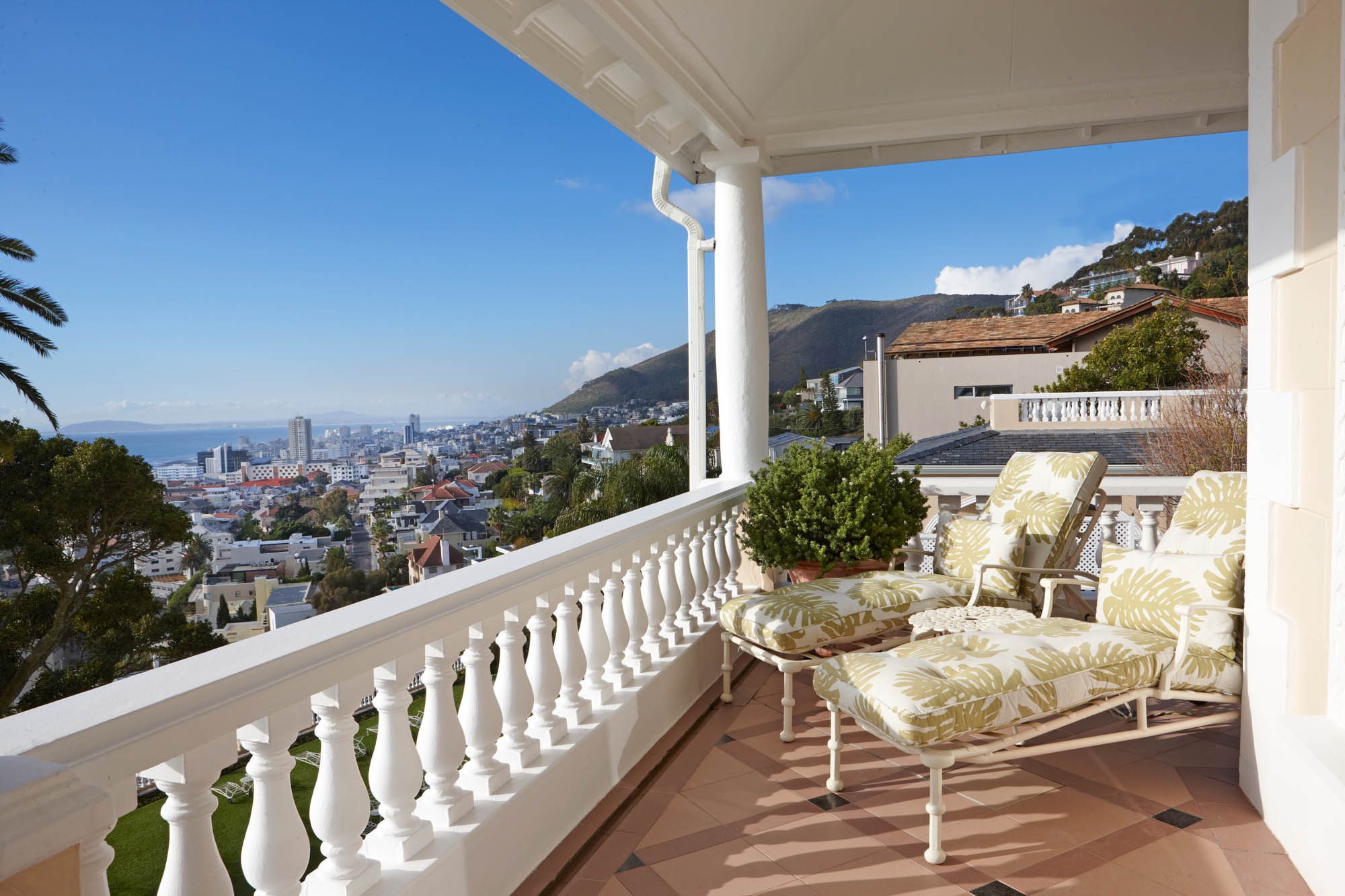
Ellerman House is also a grand mansion, once the home of shipping magnate John Ellerman and his wife Esther, better known as Lady Ellerman.  Matter of fact, we spent our first night there in a room which used to be Lady Ellerman’s art studio. Exhausted after a long transatlantic journey, all we thought we wanted to do was sleep.  Until we explored the room a bit and saw the view from our private verandah, overlooking Bantry Bay and the Atlantic Ocean beyond.


Image

Ellerman House

Anchored by the lush green garden in front of the hotel, the view transitions to a white sandy beach, foam-topped waves, blue-green ocean and towering cumulus clouds in the background.   We had stepped into a postcard photo.  Simply sitting there in two comfortable lounge chairs with a cold drink in hand,  we experienced what all travelers seek, yet rarely find.  A magical moment when time and place create a memory which will remain vivid in our minds, every time we think about Ellerman House.


Image

Ellerman House

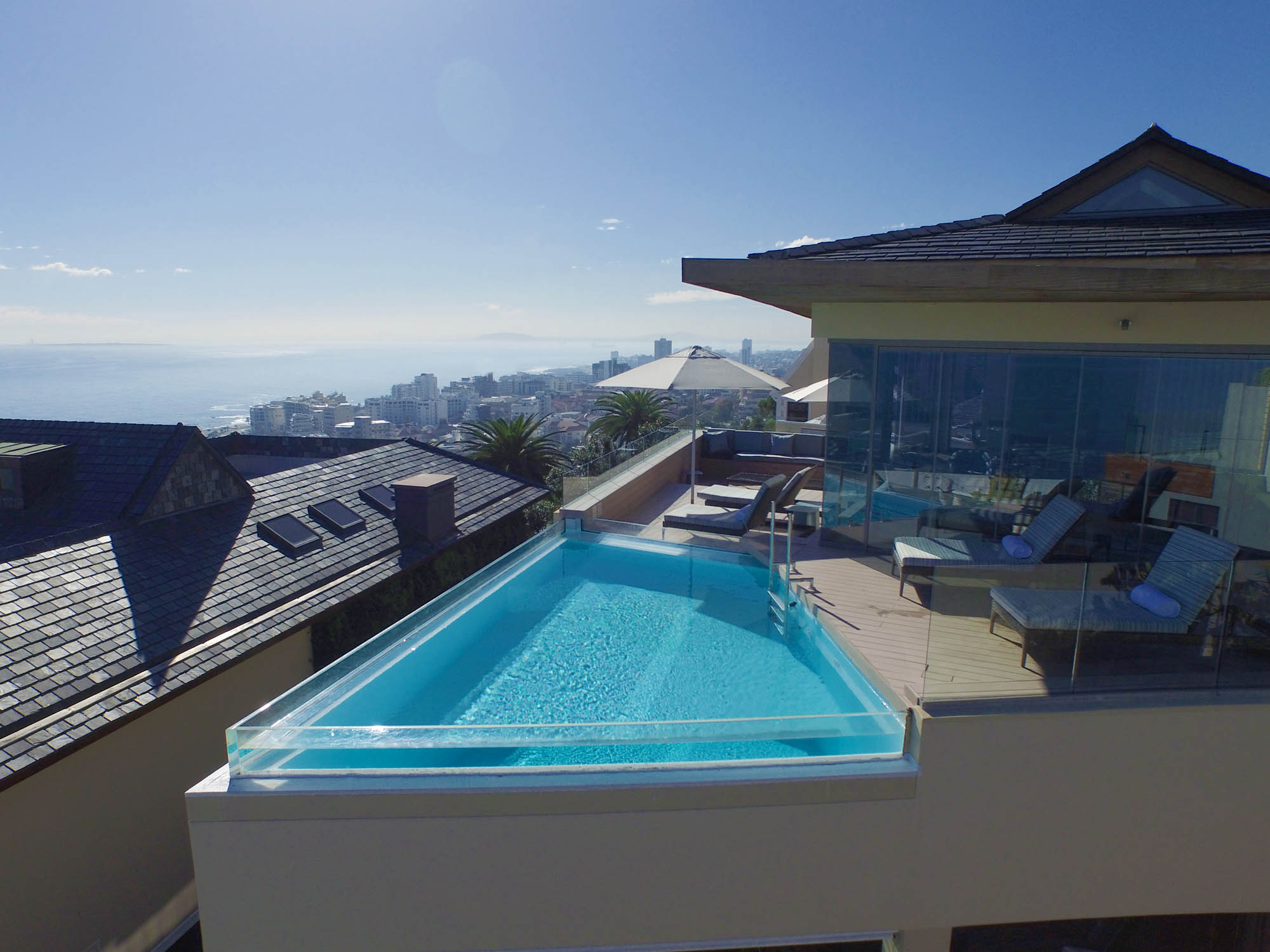
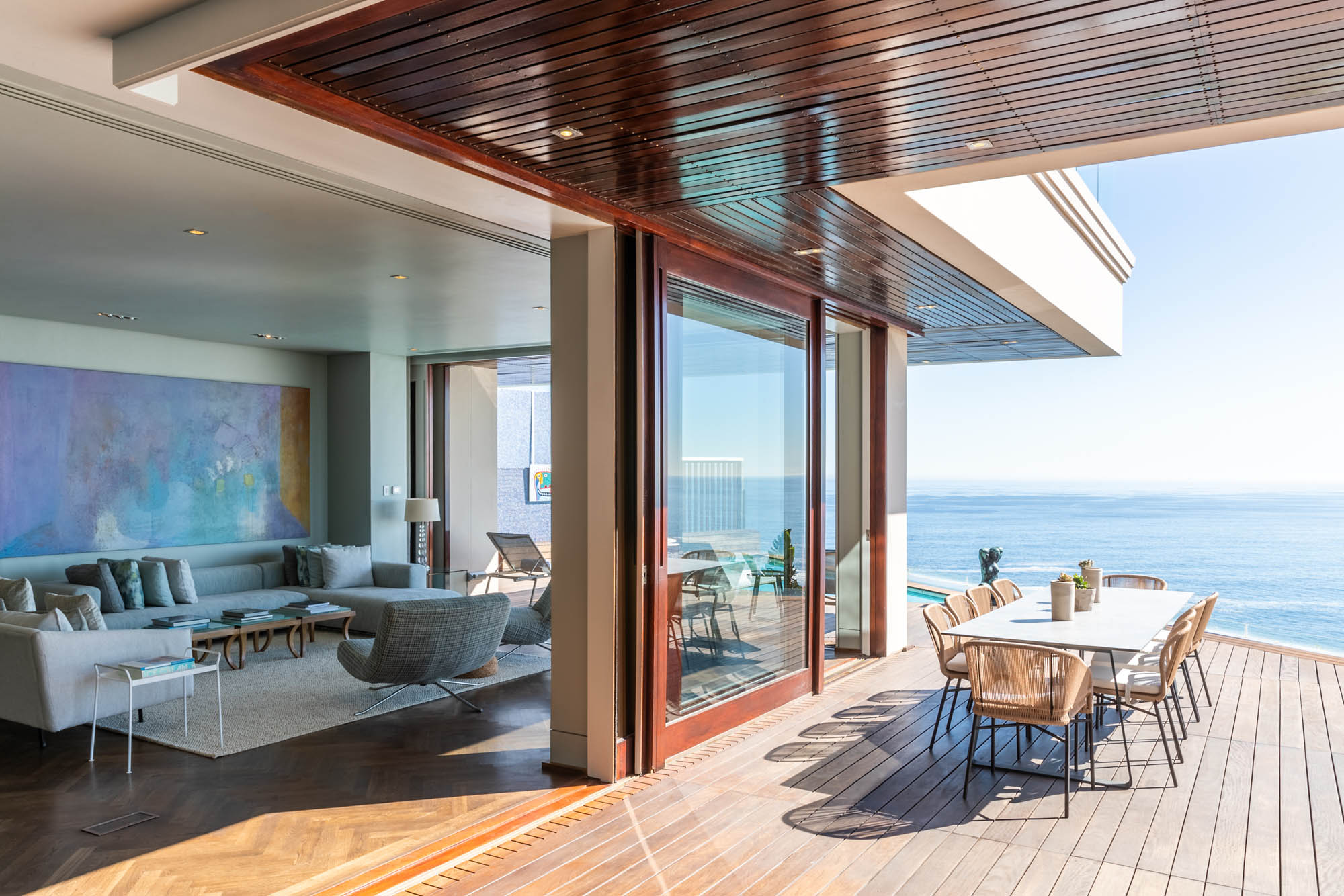
Lady Ellerman may have just dabbled in the fine arts but her one-time art studio is now a masterpiece unto itself, as are all of the Ellerman rooms and the two adjacent private villas.  There’s simply nothing to fault:  drop dead gorgeous views, private verandahs with as much appeal as the rooms themselves, a wine experience on par with the best in the country, the finest of fine dining – for house guests only – and everything underscored by a high level of unobtrusive yet impeccable personal service.  One could write a not-so-slim volume about Ellerman House’s fascinating history, its intersection with Cape Town’s art and music scene and the remarkable socio-economic upliftment work it has done in the local and greater South African community.


Image

Ellerman House

On a recent visit, wanting to explore the area around the hotel, we took the Bantry Steps (there’s 156) from Kloof Road down to Ravine Road and the Florida Steps (another 142) down to  Victoria Road, which turns into Beach Road eventually.  If you run far enough, which we did.  All along the Sea Point promenade, filled with runners and walkers, tourists and locals, all occasionally pausing to take in the amazing views over the Atlantic Ocean.  Families with kids exploring some of the coves, people walking their dogs, hang gliders descending from Lion’s Head, it was an idyllic scene of people having fun and enjoying some leisure time in the bright sunshine.

Legendary Lodge


Image

Ellerman House

The three mile or five kilometer Sea Point Promenade – named after the best known of the areas which it fronts – starts in Granger Bay, less than a kilometer from the Victoria & Alfred Waterfront.  From there it goes past the red-and-white-striped lighthouse of Mouille Point and continues to Sea Point itself before curving around to Bantry Bay.  From and back to Ellerman House, inclusive of the 596 steps down from Kloof Street and back up again, this 10 kilometer stretch is very much a ‘rave run’ –  or refreshing walk – all the way.  

On your next trip to Cape Town, consider spending a few nights at Ellerman House and like us, you may feel like waking up there, over and over again.


Image

Sirikoi Safari Lodge, Lewa – Kenya

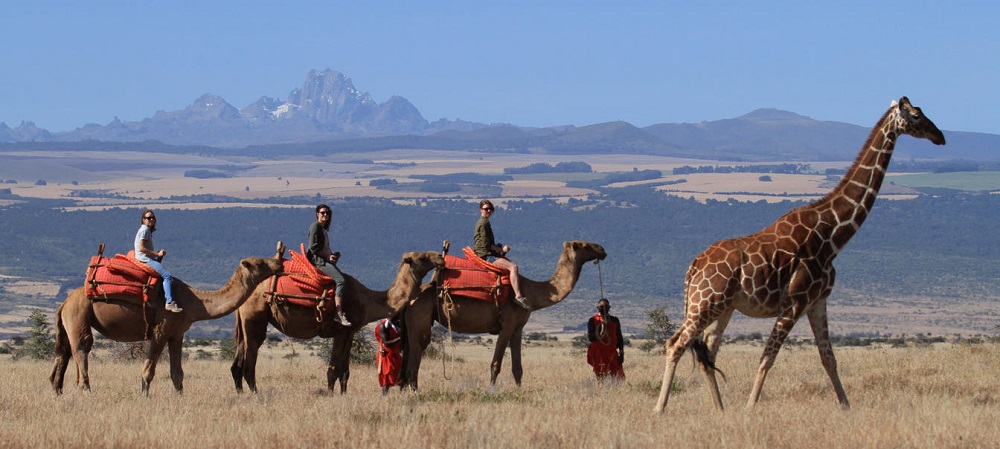
Every once in a while on my African travels, I discover a place that almost immediately appeals to me and which I soon realize, our guests will come to enjoy and appreciate as well.  The Lewa Wildlife Conservancy in north-central Kenya is one of those places.  Lewa is special on many levels.  Back when I first visited it in the late 1990’s, it struck me as being almost sublimely ‘out of Africa’.   On my most recent visit there, I felt just the same way.  Mostly, the place just shouts ‘Africa’.  Standing there, on a clear day, you can see the jagged peaks of Mt. Kenya to the south.  If you turn around 180 degrees, on the horizon to the north, looms the sacred mountain of the Samburu – Mt. Ololokwe.  Mountains, valleys, vast open plains and amazing vistas of blue foothills disappearing into the void.

Villa Maua

Sanctuary Retreats


Image

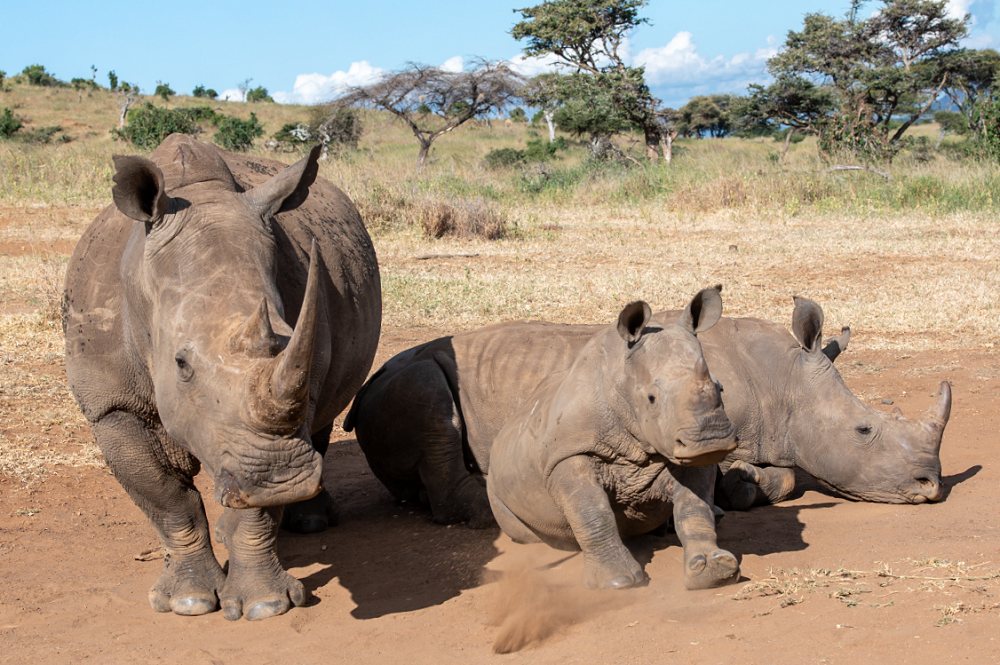
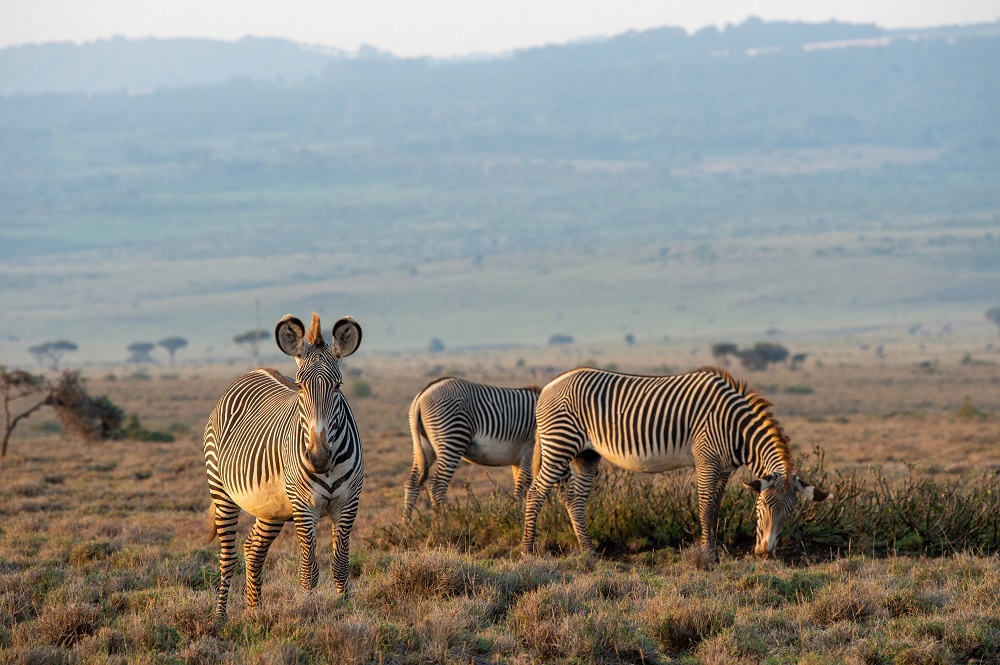
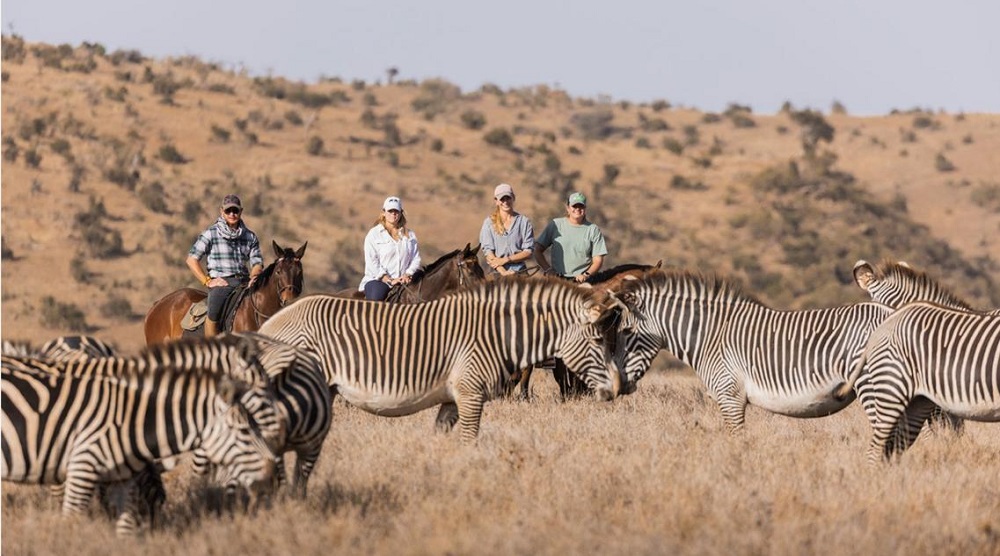
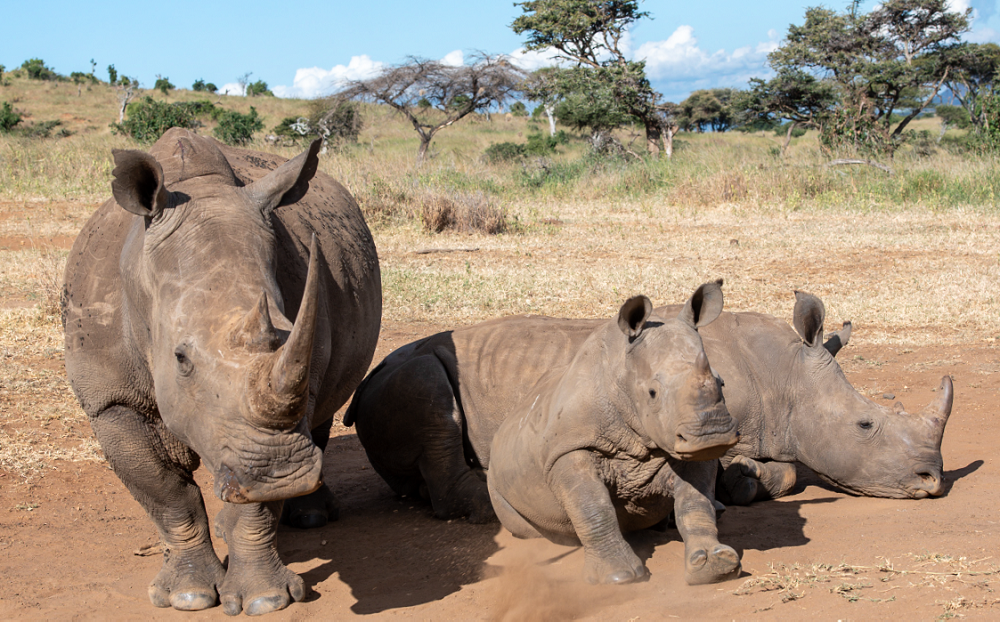
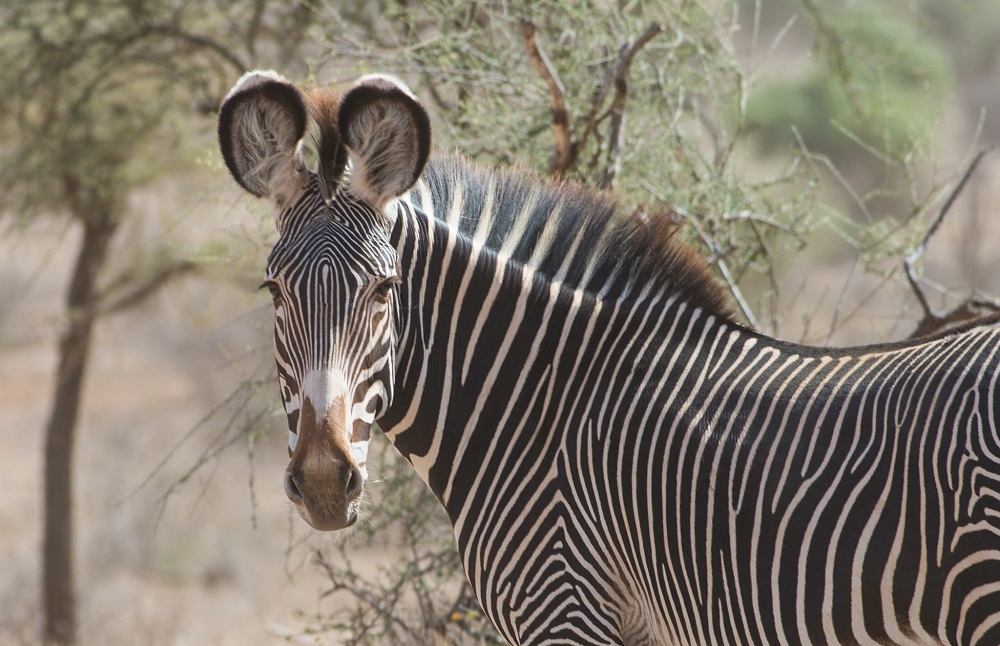
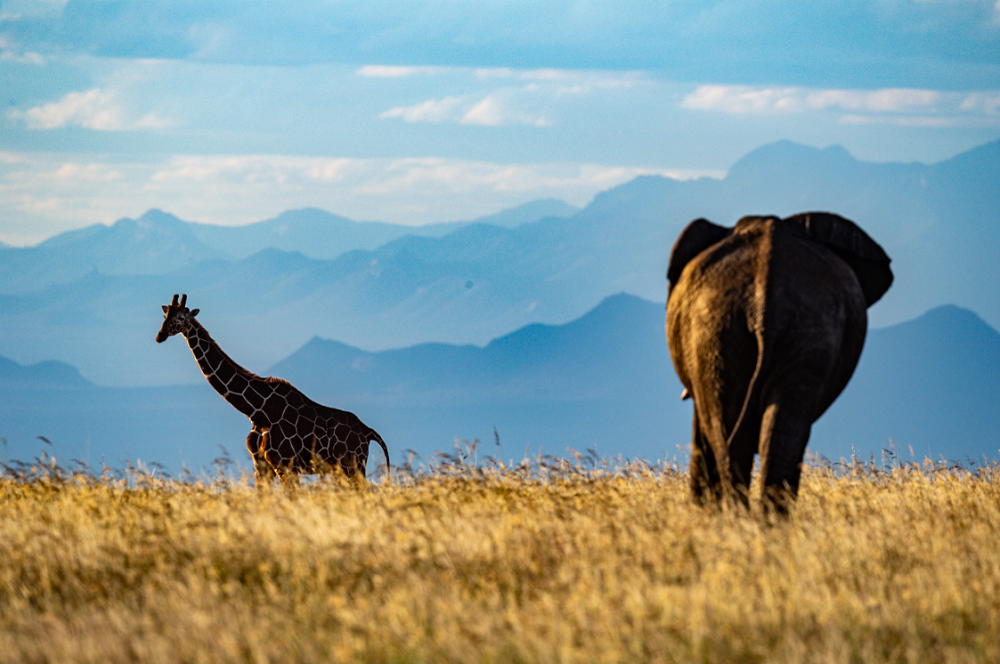
Other ways in which Lewa is special?  It harbors and actively protects more rhinos (white and black) than any other conservancy in East Africa.  Lewa’s rhino population has grown from an initial 15 rhinos to around 170 rhinos currently, nearly 15% of all rhinos in Kenya.  Lewa also has a great mix of endemic species including Grevy’s zebra, Beisa oryx and reticulated giraffe.  Some of these animals – like the Grevy’s zebras – are rare and endangered and they are all spectacularly beautiful.


Image

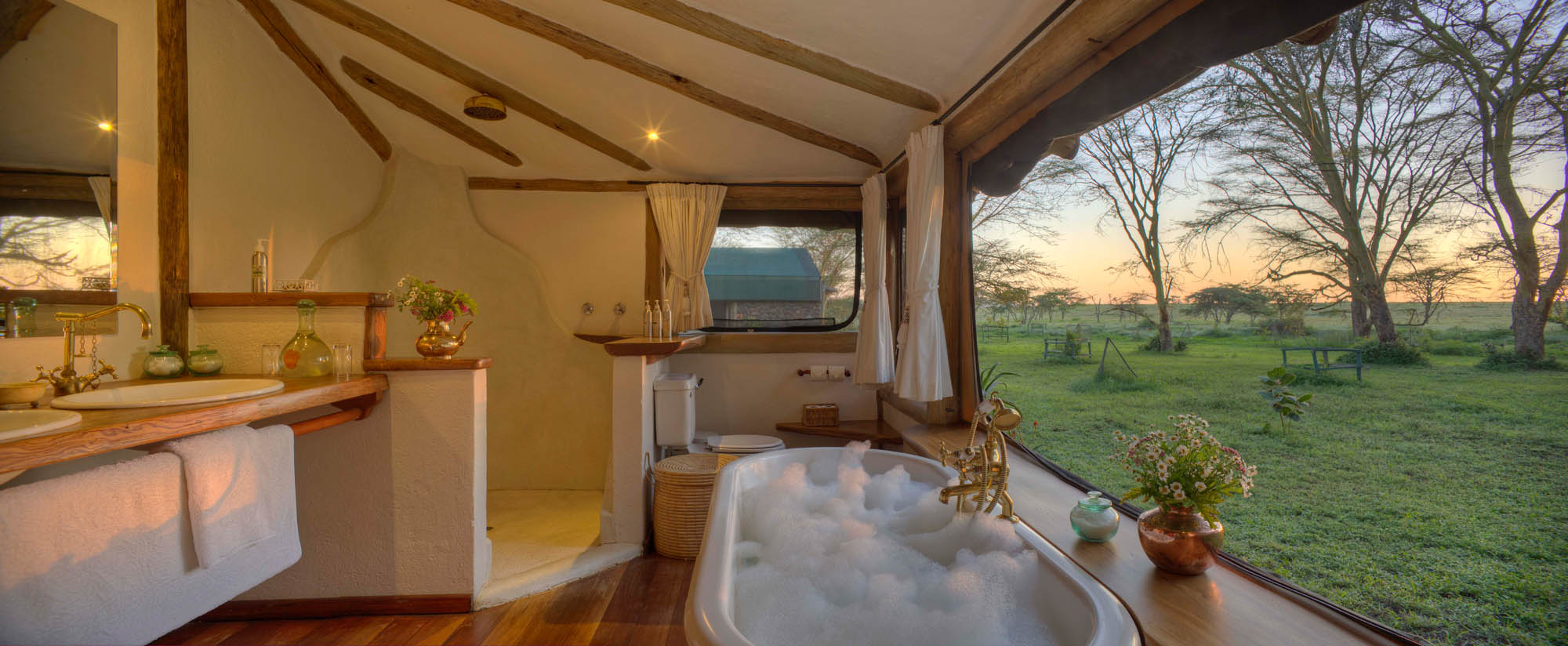
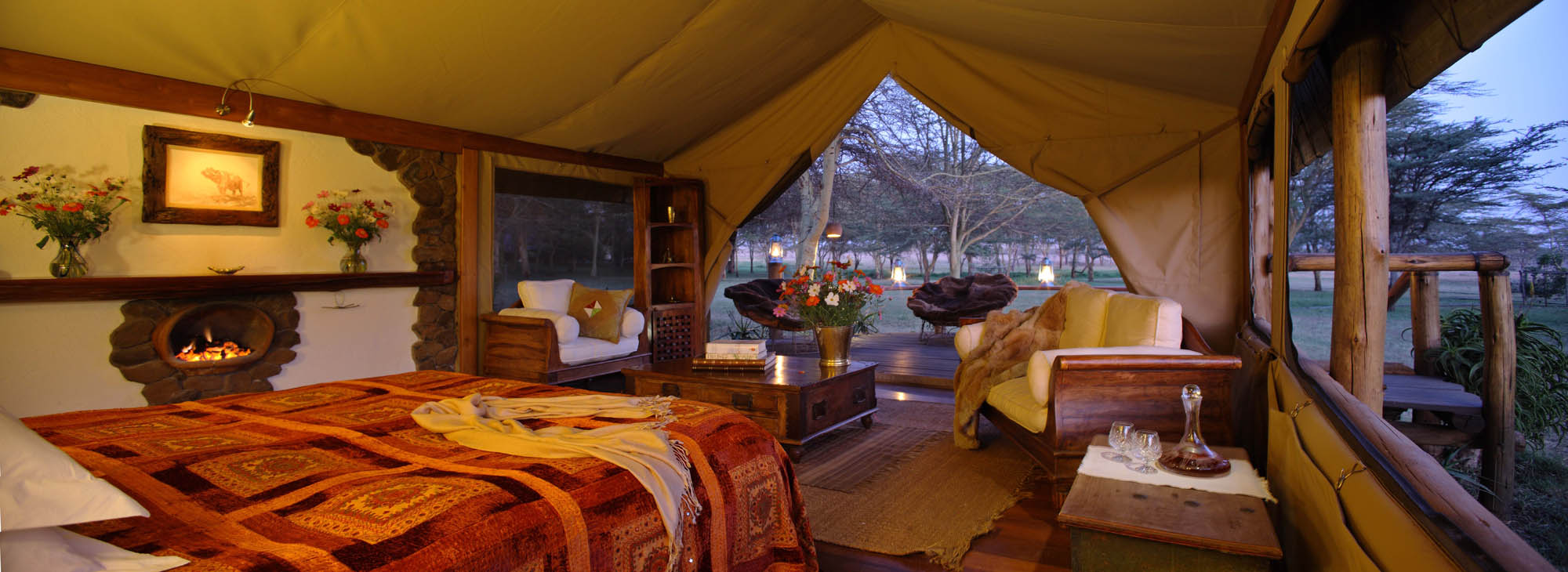
We use several Lewa properties for our guests including Lewa Safari Camp, Lewa Wilderness and Borana Lodge, in the adjacent (and now connected) Borana Conservancy.  A property which we had used before, but not visited ourselves until fairly recently, is Sirikoi.  Sirikoi turned out to be worth waiting for!  It is an oasis like few others, from location to accommodation and management.  The tented rooms, main lounge and dining room areas are stylish and immaculately maintained, and the food and beverage service is of an exemplary quality.  While at Sirikoi, I took some time off from the game-viewing to scout out the property and surroundings a bit better.


Image

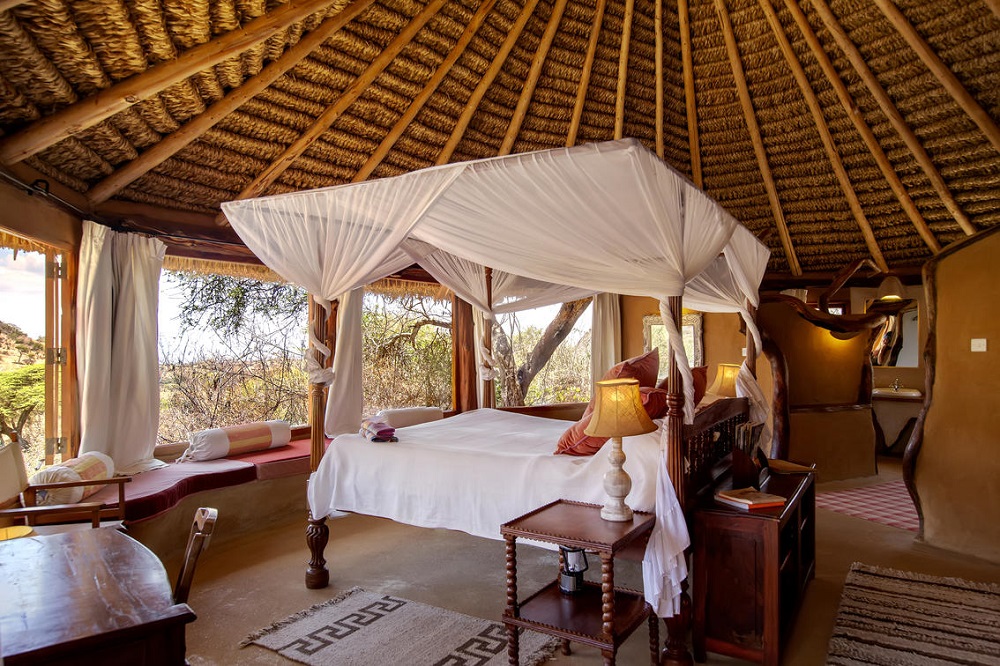
With its mix of four luxury tents and two exclusive use houses (with 2 and 3 bedrooms respectively), Sirikoi caters for discerning guests who like and enjoy comfort and luxury, but in an elegant, understated fashion.  There is nothing over the top or extravagant about Sirikoi.  It strikes a perfect balance between being luxurious and stylish, yet retaining the essence of a true Kenyan retreat.


Image

Sirikoi’s location right alongside the Sirikoi stream, on the edge of a large swamp, results in wildlife often entering the property and being visible from the open dining deck in front of the camp.  In the late afternoon and early evening, as the birds settle down and nocturnal creatures like bush babies start to get active, enjoying a sundowner at Sirikoi is as good as it gets on safari.  I experienced just that on my last night there.  One by one a family of seven striped kingfishers disappeared into a communal hole in a tree where they were to sleep for the night.  Guinea fowls started to gather high in a nearby tree, as did baboons (not without some squabbling), vervet monkeys and even crowned cranes which flew out of the swamp to the protection of an elevated roost. 

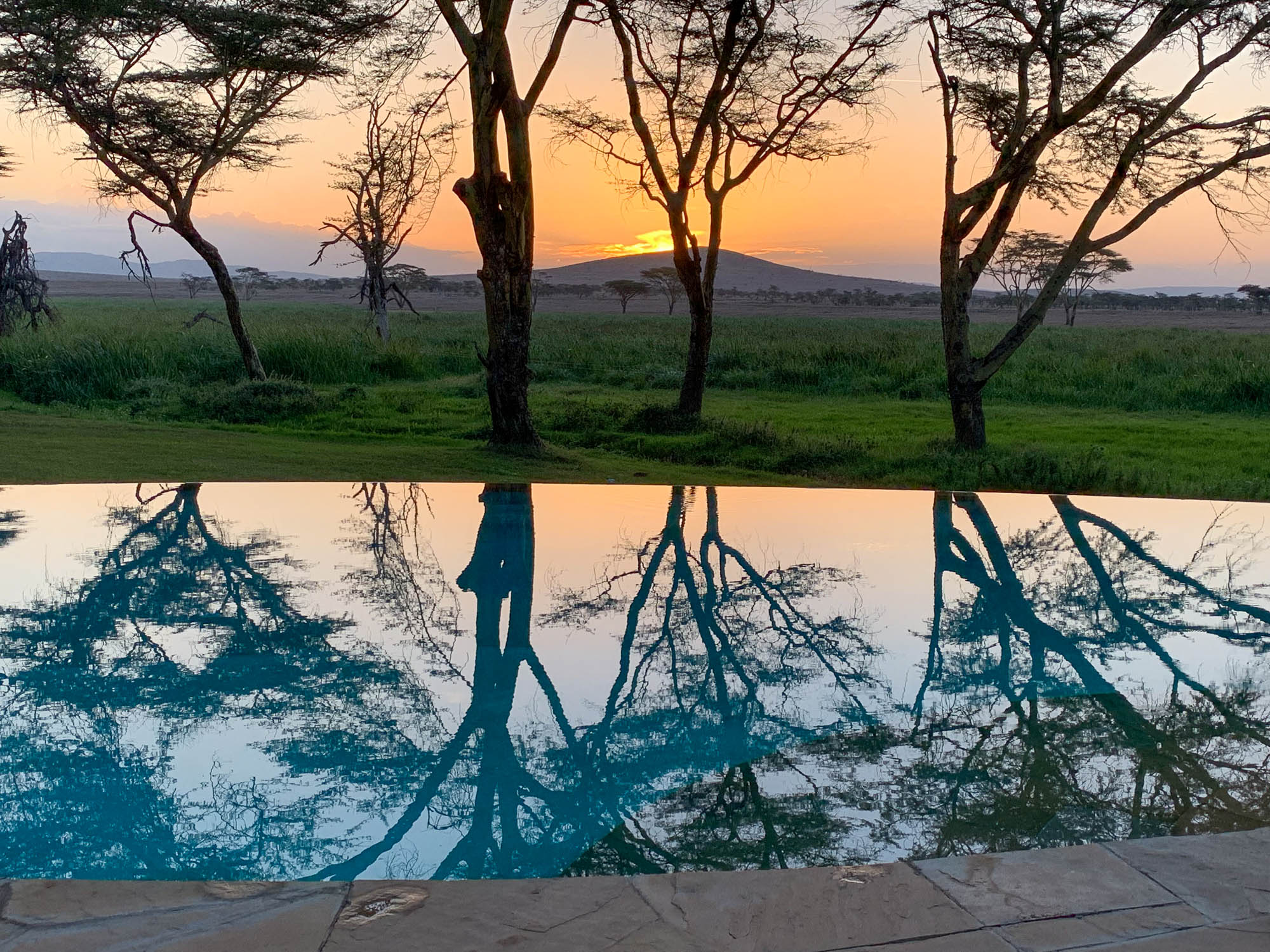
It became quiet as the sun set over the low hills to the west, the pinkish light remaining for a long time, with the trees perfectly reflected in the glassy surface of the pool.  The end of a perfect day in Africa.


Image

Jozibanini Camp, Hwange – Zimbabwe

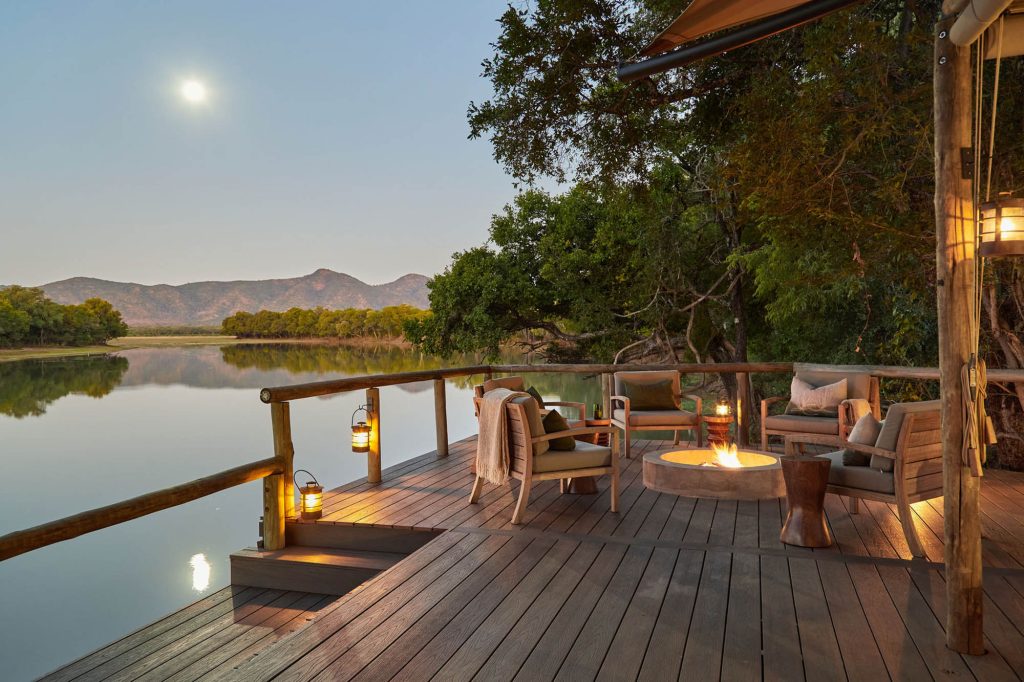
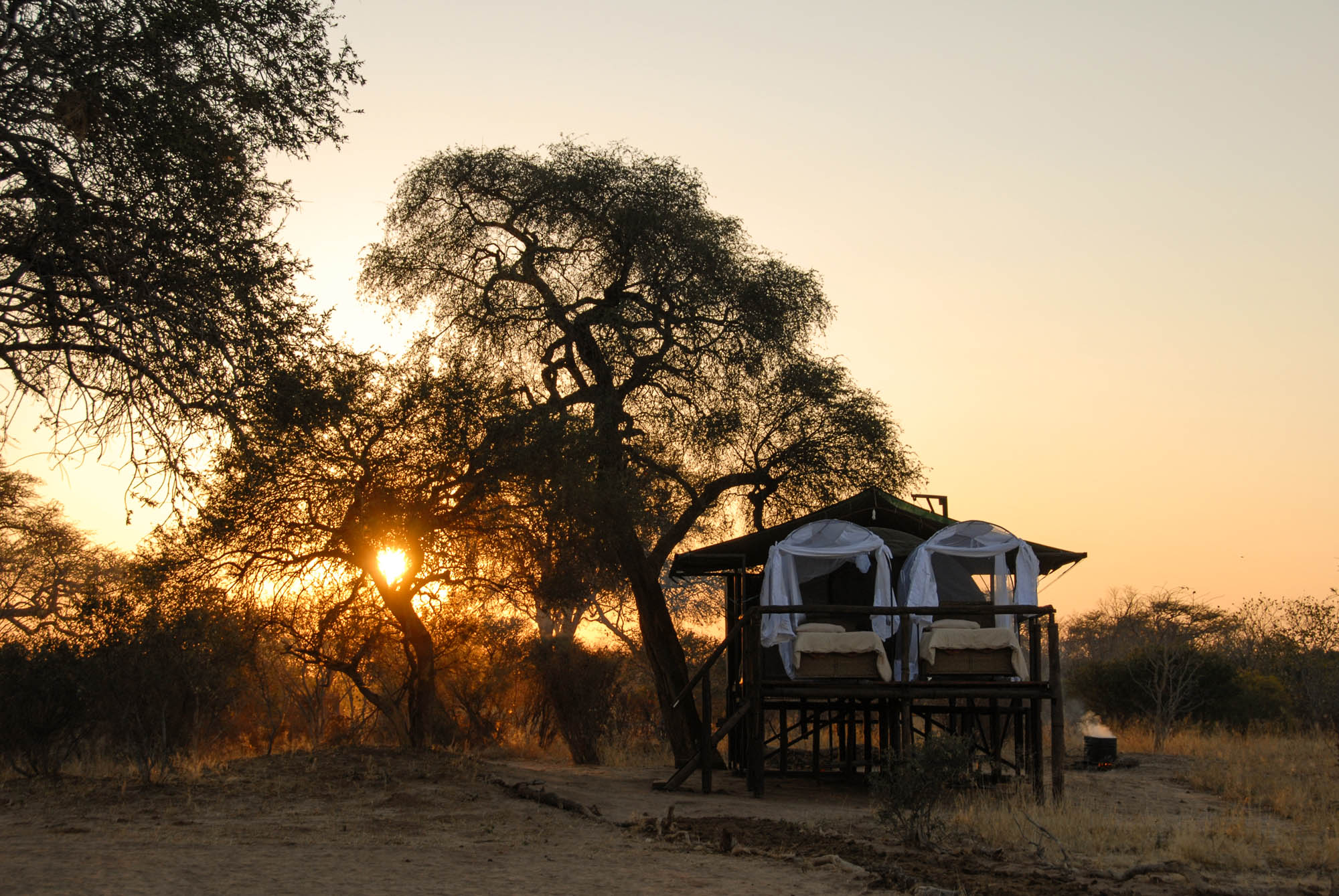
A more recent addition to our Groundhog Day list is Jozibanini, a small tented camp in a remote area of Hwange National Park in Zimbabwe.  Jozibanini is everything that Ellerman House is not, except that Jozi’s ‘restaurant’ is also open only to guests.  Not to take that too literally of course, seeing as the restaurant at Jozibanini is a small table and a few chairs, under the stars, in sight of an open fire-place.   Guests at Jozi will search in vain for a temperature-controlled pool, a state-of-the art gym or – perish the thought – a television set.  Jozibanini is so remote that outside communication is limited to a satellite phone.


Image

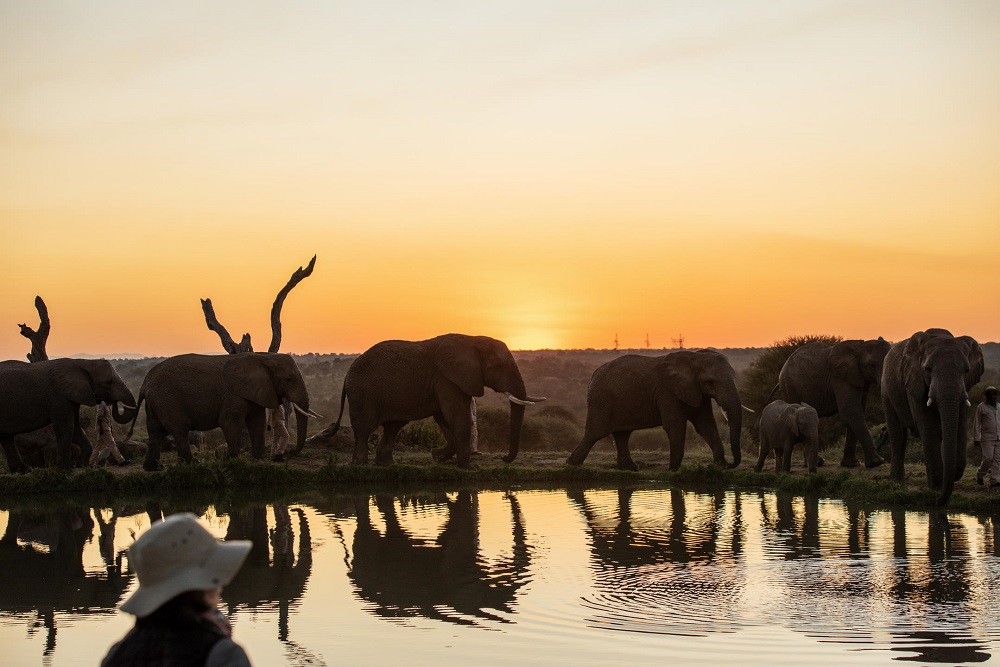
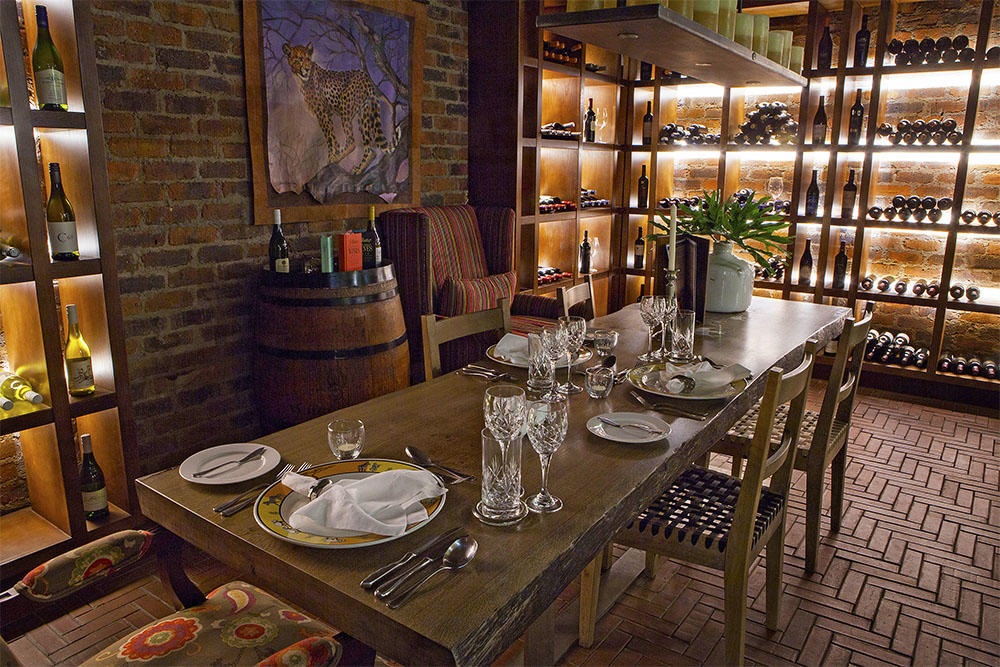
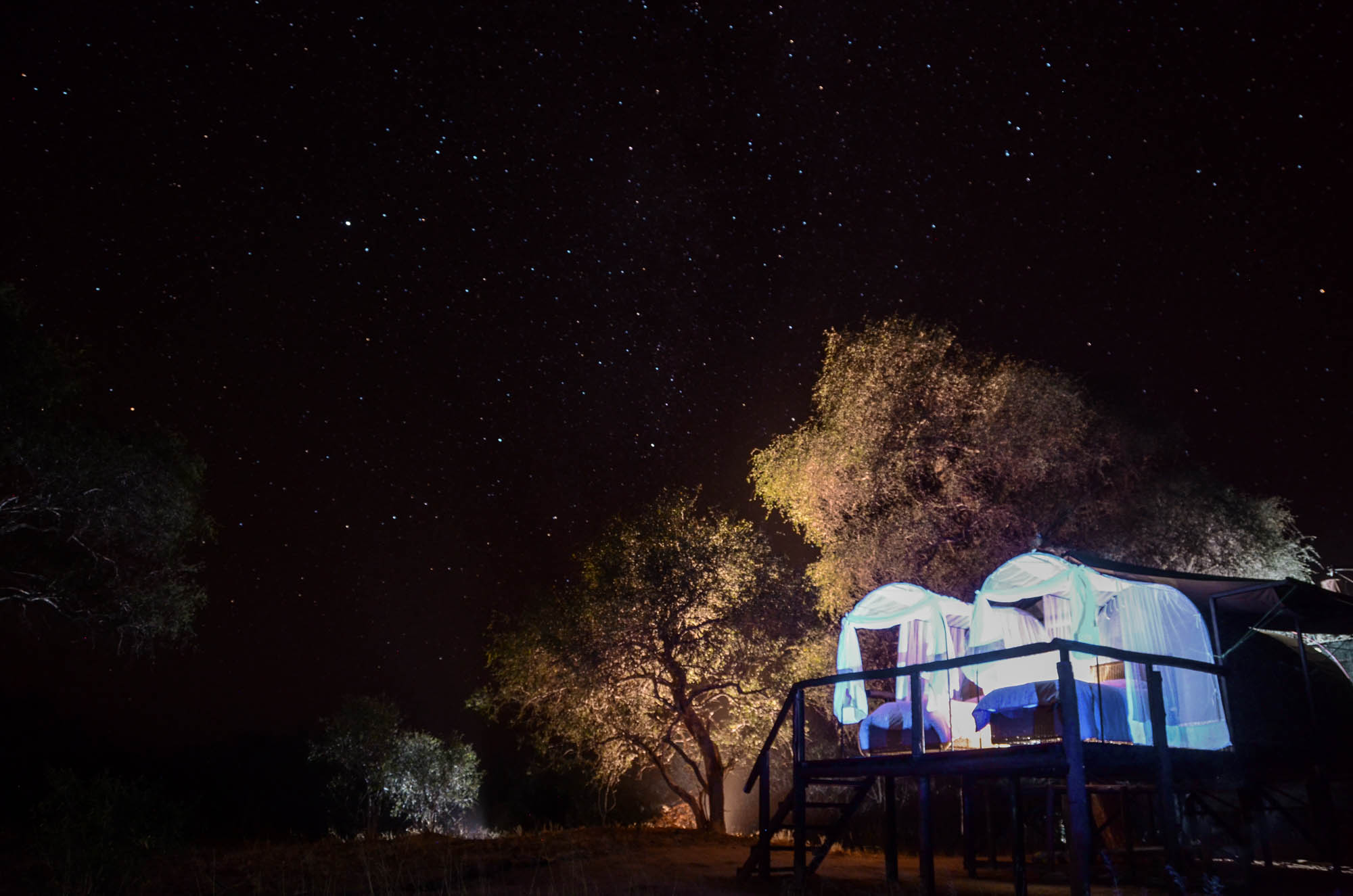
Instead of 5,000 plus bottles of fine wine in its cellar, Jozi can offer you thousands of stars overhead, every night.  There’s several cool beverages on offer though. Many of us enjoy fine South African vintage wines but let’s face it, a cold beer at the end of a long day on safari with many animals and nobody else around is – priceless.


Image

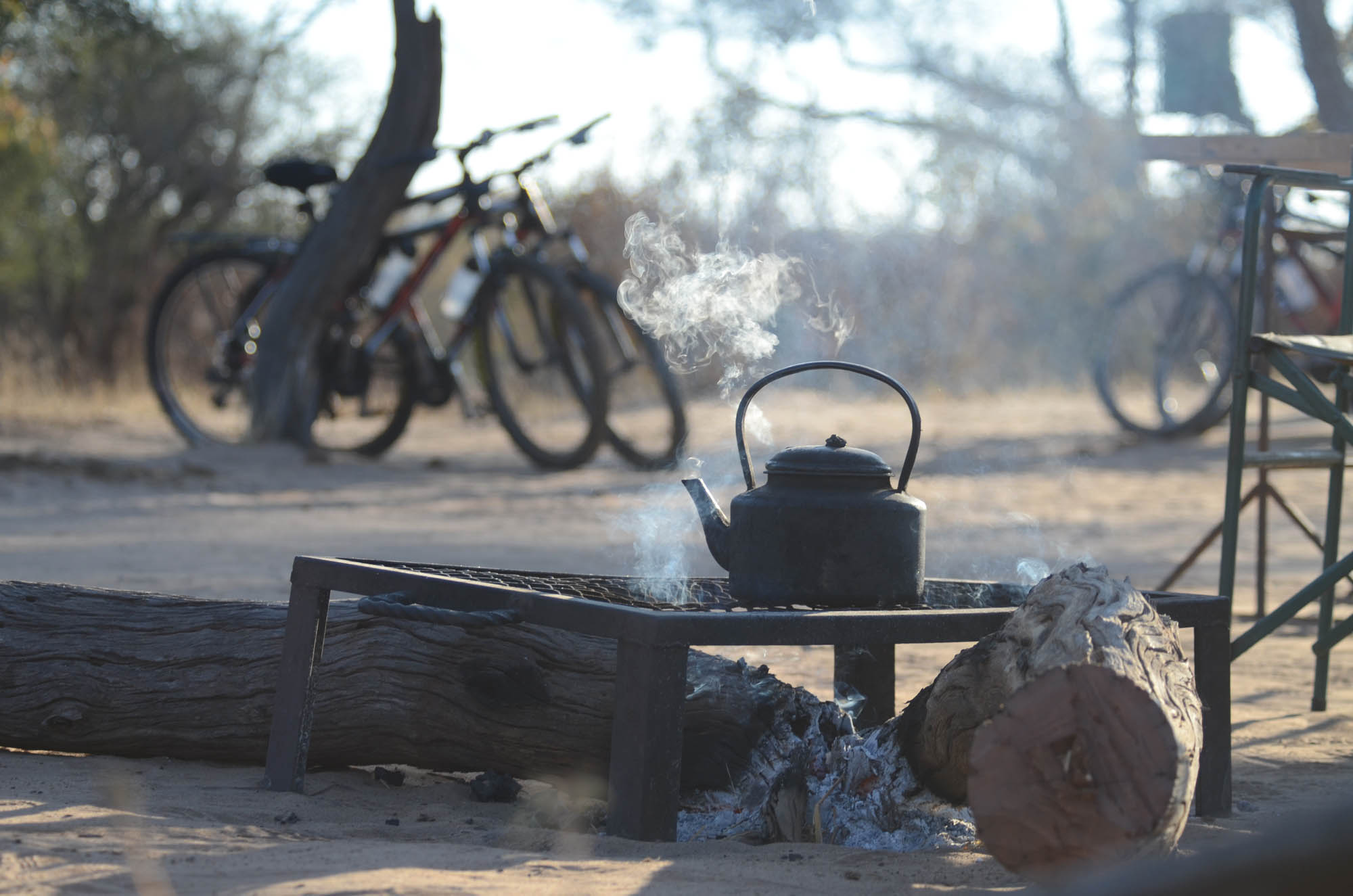
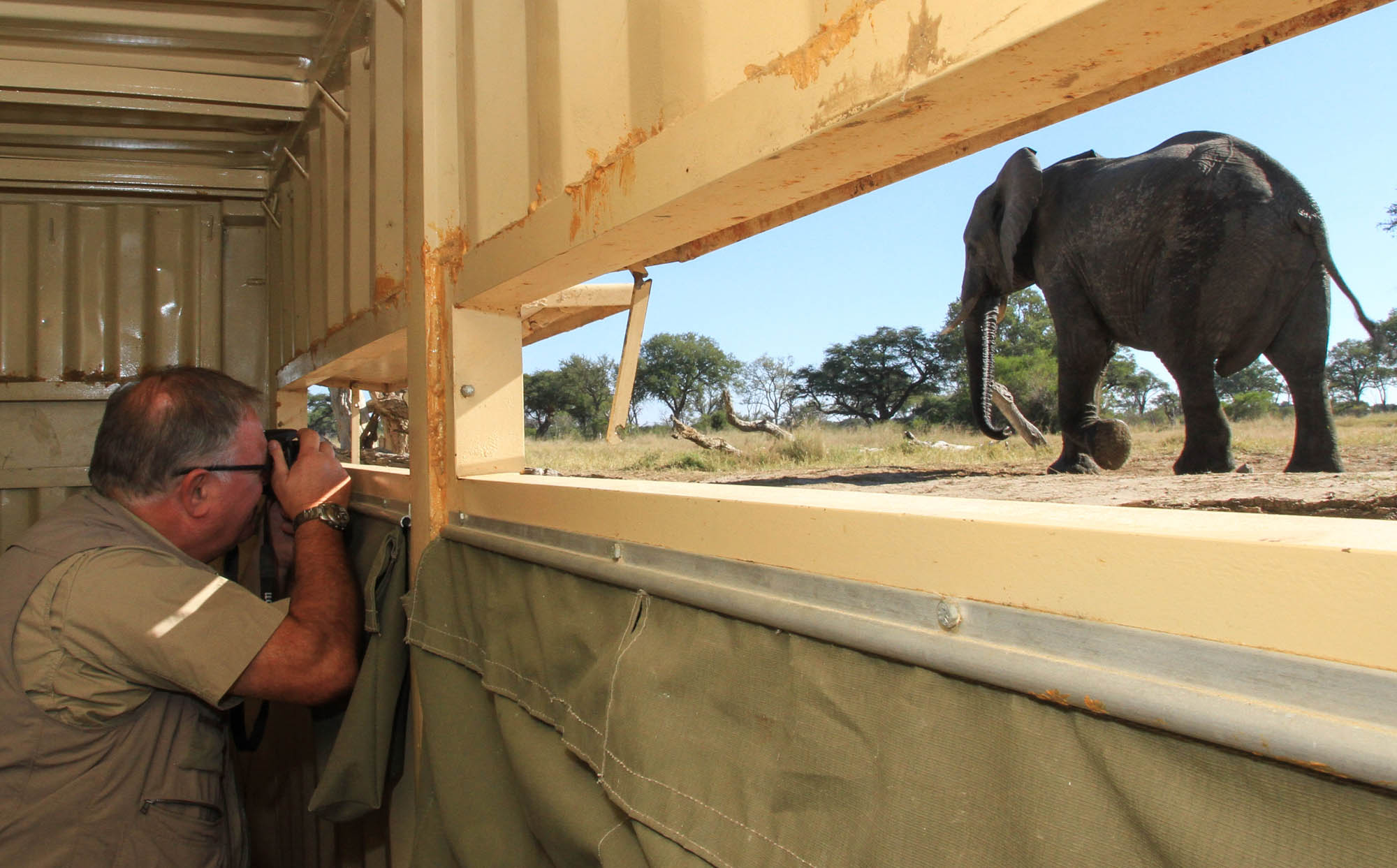
Jozibanini’s underground “look-up” blind is one-of-a-kind.  On my last visit the noisy shutter release sound on my Nikon camera spooked a large bull elephant at the water hole.  Fortunately we were safe inside the hide but it goes to show just how close you get to the animals.  Be sure to pack a quiet mirrorless camera for your trip!  If you’re feeling adventurous you can head off on a guided mountain bike ride along the elephant paths traversing the dune troughs around Jozibanini. 


Image

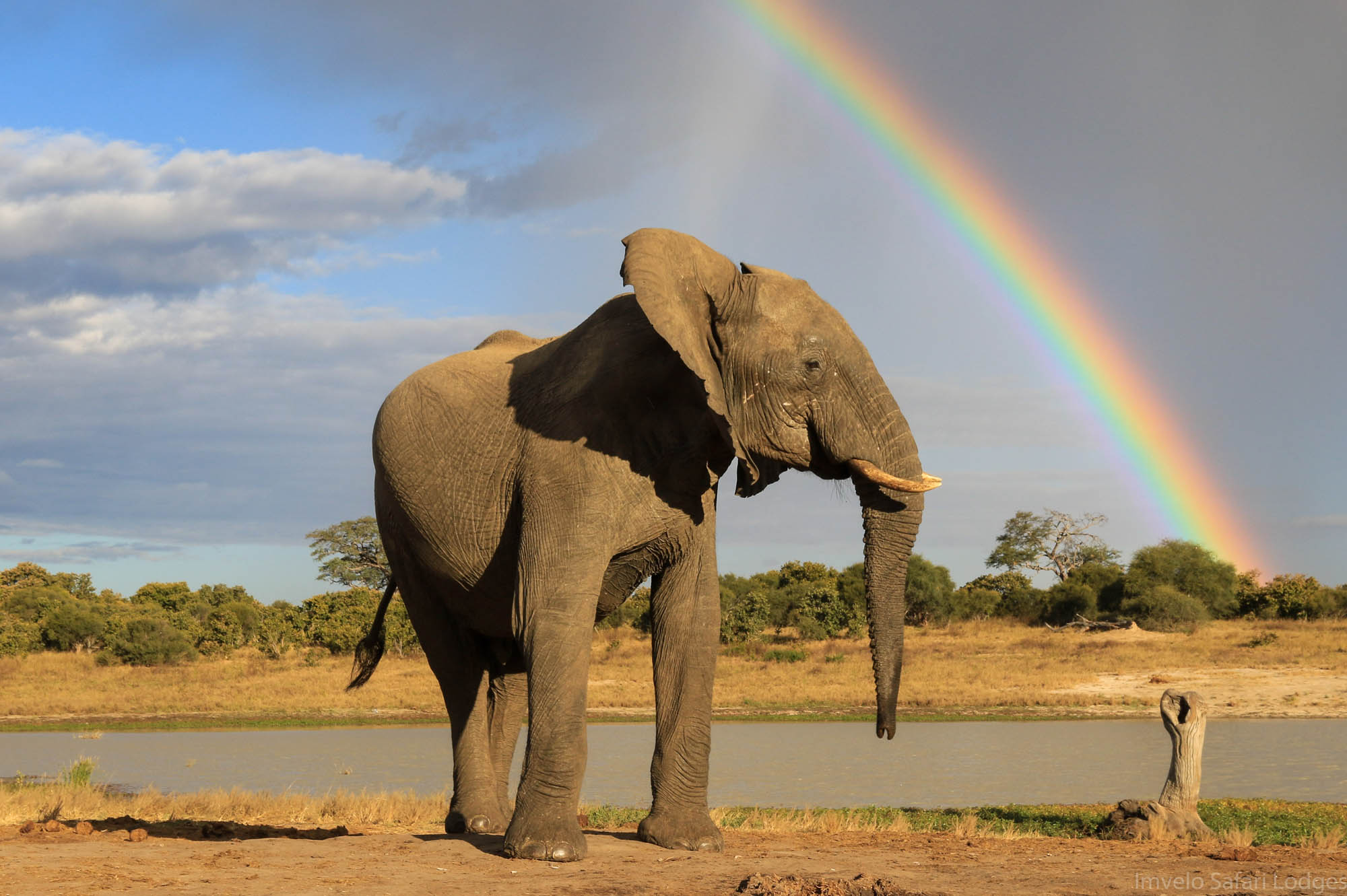
And if you’re in need of more star gazing, the beds can be rolled into the deck of the tents for an extraordinary star-bed experience gazing skyward at thousands of stars in the dark Hwange sky. By introducing tourism into this formerly deserted area, the Jozi project has helped protect vast swathes of Hwange and its wildlife, while creating more jobs for guides, camp staff, national parks employees and conservation personnel.  Go to Jozi and the people and thirsty elephants of Hwange will be forever in your debt.  If you can, travel in the cooler, dry months from about April through August.  It can get very hot in Hwange from mid-September through March.


Image

In our blog next week we will focus on a few more of our Groundhog Day properties in the Greater Kruger Park area, being Jabulani Safari, MalaMala Game Reserve and Royal Malewane.

More Info

Email bert@fisheaglesafaris.com

Email jason@fisheaglesafaris.com

@fisheaglesafarishouston

#FishEagleSafaris

YOU MIGHT ALSO BE INTERESTED IN

Destinations
Zambia

10th September 2021

Chindeni and the Bushcamp Company, Zambia

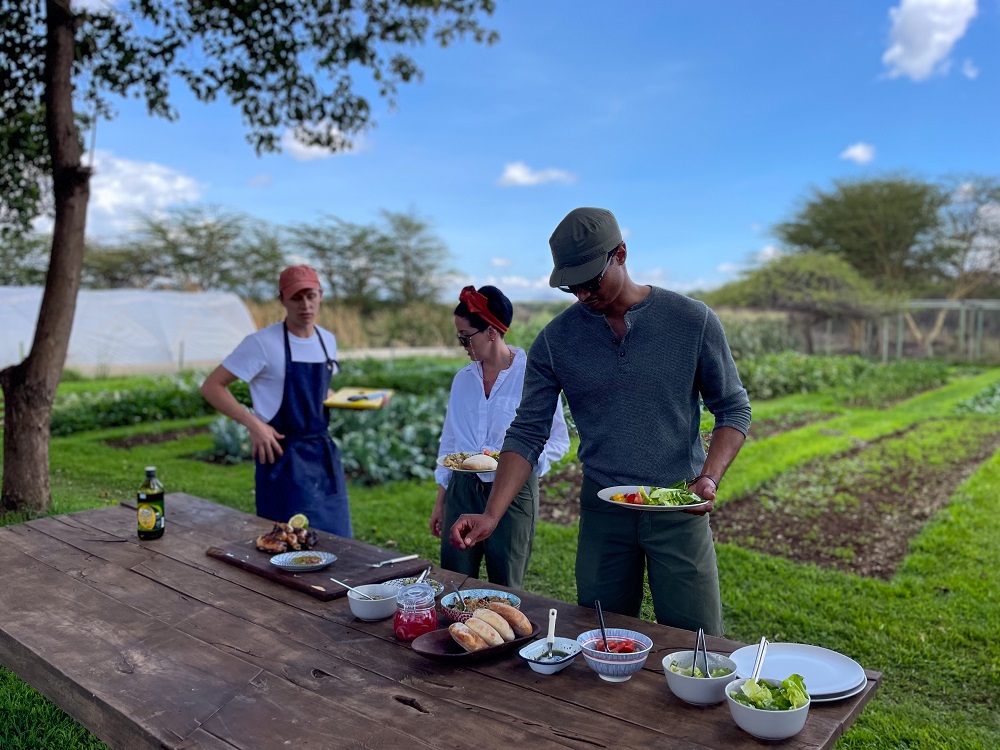
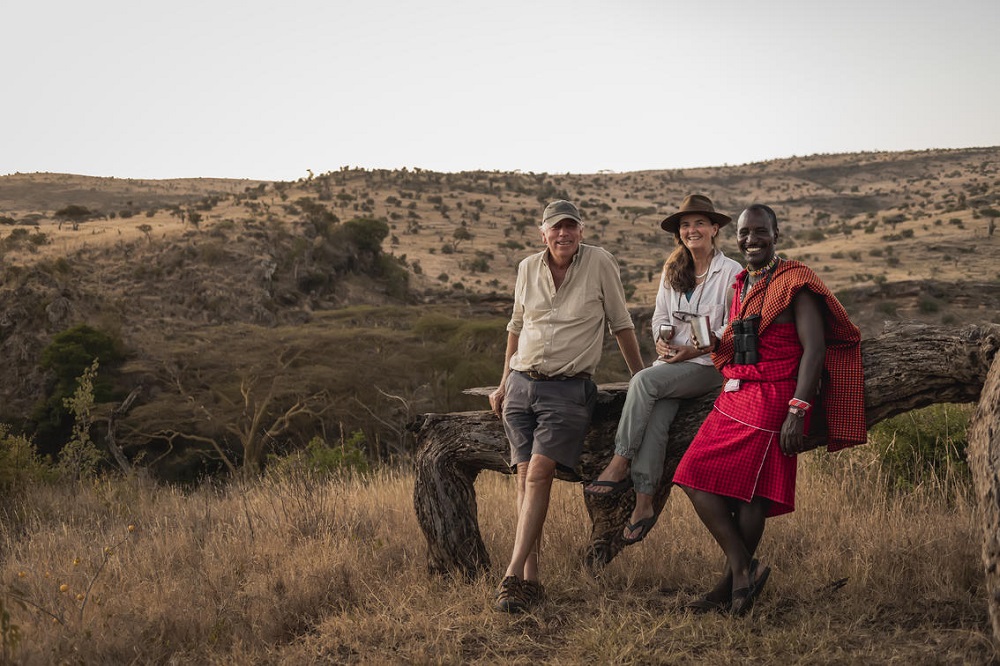
By late July we found ourselves at Chindeni, a small Bushcamp Company property
Read more
Botswana
Destinations
Okavango Delta

3rd October 2022

Camp Okavango, Botswana

Camp Okavango is in the heart of the permanent part of the Delta. In this idyllic setting there are no vehicles, and it is just a short walk
Read more
Area
Destinations
Nyerere National Park
Ruaha
Tanzania

14th October 2023

From My Safari Notebook: Wildlife Photography

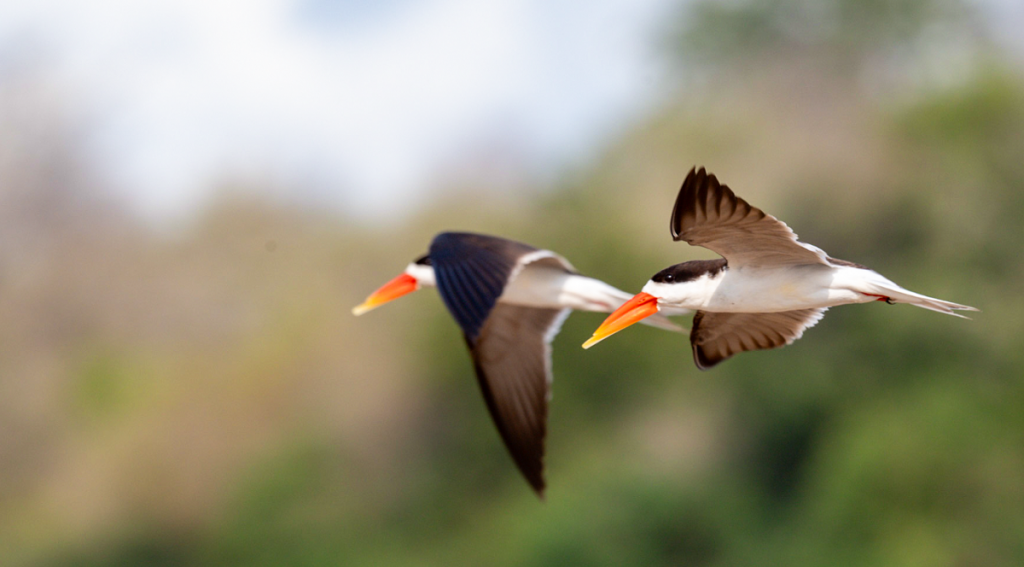
Birds in flight and wildlife photographers have an uneasy relationship. Things go wrong as often as they go right. Getting focus-lock on a moving subject

Read more

SUBSCRIBE TO OUR NEWSLETTER

READERS FAVOURITES
Destinations
Zambia

10th September 2021

Chindeni and the Bushcamp Company, Zambia

By late July we found ourselves at Chindeni, a small Bushcamp Company property

Read more
Botswana
Destinations

4th August 2022

On Safari At Belmond Eagle Island Lodge, Okavango Delta

What is the ‘secret sauce’ for an unforgettable few days on safari in Botswana? It starts with the animals, of course. The elephants, lions, giraffes, hippos

Read more
Destinations
India

27th May 2023

India

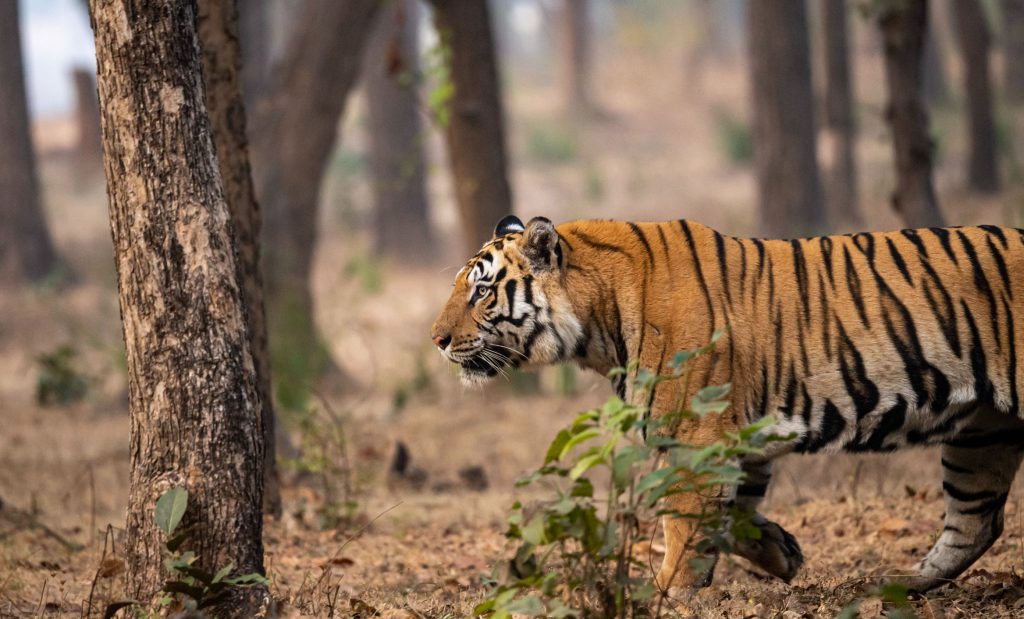
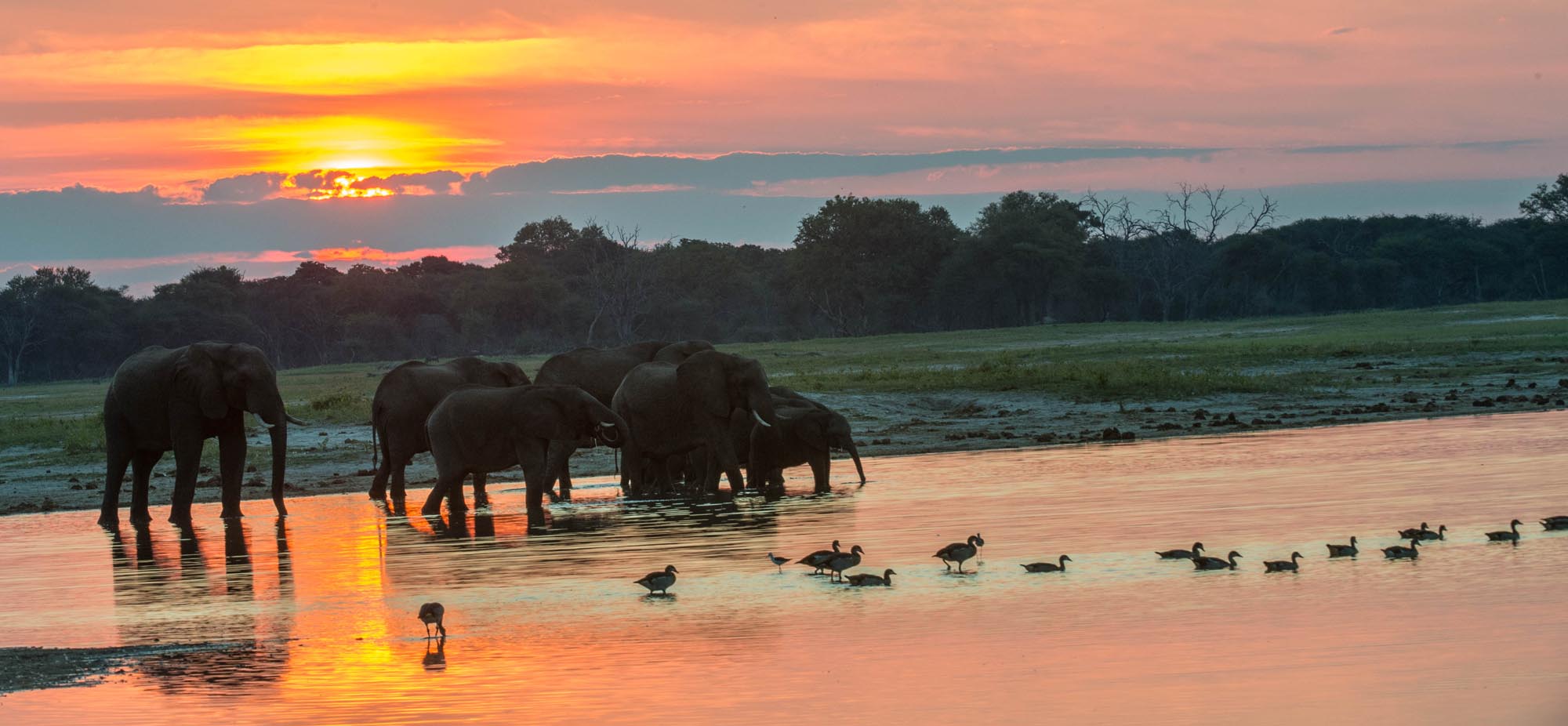
India’s tiger, mammals and birds.

Read more

Our Favorite Hotels in Cape Town

21st May 2021

Our Favorite Hotels in Cape Town


Image

Cape Cadogan – Hotel Exterior View

Our Favorite Hotels in Cape Town

It is almost always a good idea to start or end your Southern Africa trip with a few days in Cape Town. Cape Town, also known as the mother city, is picture-pretty and rivals San Francisco, Rio de Janeiro and Sydney for instagram-worthy photographs from practically anywhere.  Cape Town’s Table Bay and Table Mountain complex are amongst the natural wonders of the world and its stunning wine-growing area and multitude of cultural, food, sport, light adventure and water activities make it a ‘must see’ destination in South Africa.  Except perhaps in the Cape winter, from June through the end of August, when Cape Town can be downright miserable with rain, wind and cold temperatures, sometimes all of them simultaneously.   


Image

Table Mountain as seen from Kirstenbosch National Botanical Gardens

If you do have Cape Town on your wishlist, keep in mind that from about mid-December through early January it is crowded with up-country and international visitors.  For the holiday season many hotels require a minimum 5-night stay, prices are high, it’s a battle to get in and out of the Waterfront, the traffic is generally a mess and it is tough to make a reservation at many of the best restaurants.  So, quite frankly, the city is best avoided at that time of the year.  Unless, of course,  you’ve been invited to a destination wedding over that time-frame, or it’s a business-related trip, or it’s the only time you can go.


Image

Mt Nelson Hotel Pool

Where to stay in Cape Town?  The choices are near endless, with good to excellent accommodation options spread out all over the city itself and the surrounding suburbs.  

In the full service hotel category our favorites are the Belmond Mt. Nelson (a classic, with a great location in an area with fewer tourists than the waterfront), the Silo (stunning in every way), the Cape Grace (a gem) and the incomparable Ellerman House, likely the best hotel in Africa.  It is on our  ‘groundhog day’ list:  a place where you can wake up every day for the rest of your life and be happy….


Image

Mt Nelson Hotel Deluxe Room

If you prefer a small guest house or boutique hotel with a bit of local color, we have several favorites including Four Rosmead (great for self-drivers), Welgelegen (right off Kloof Street which is a lively area with lots of restaurants, clubs and bars), the Cape Cadogan (also convenient to Kloof Street) and the attractive Glen Avon in Constantia.  Constantia is a leafy, quiet suburb of Cape Town so you’d be away from the congestion of the central business district or the waterfront.  Constantia also has its own wine region with several superb wineries.  In fact it is an excellent base for touring with easy access to places like Kirstenbosch and it is right along the main route to the coast.  


Image

The Silo Rooftop

Yet another attractive option is to get a serviced apartment in the Victoria & Alfred  Waterfront.  It is ‘room only’ but it is of course very easy to make breakfast yourself as the apartments have fully equipped kitchens and can be pre-stocked with food items of your specification.  There are literally dozens of restaurants at the waterfront within a 10-minute walk.  It is an economical and safe choice with strict access control measures.  


Image

Mt Nelson Hotel – Junior Suite

Belmond Mt. Nelson Hotel

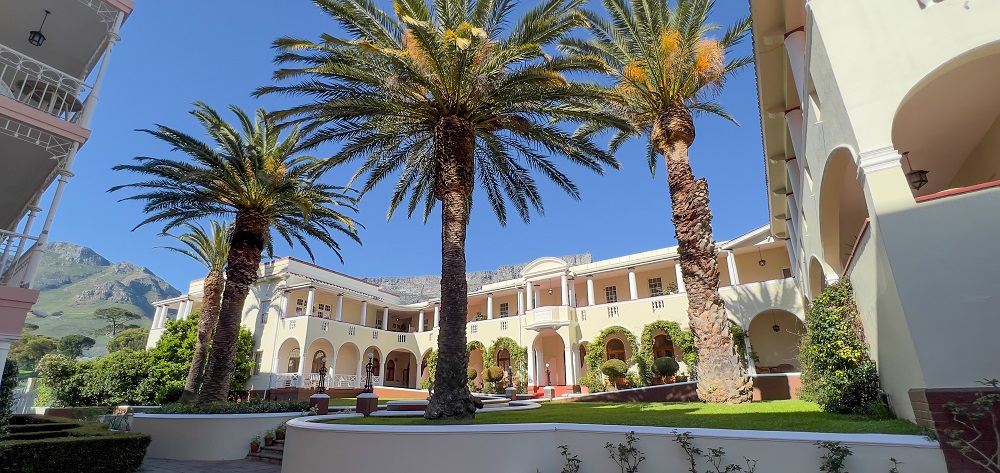
On a recent trip to Cape Town I spent four nights at the Mount Nelson Hotel in Cape Town and it was wonderful, as before. I am personally quite fond of ‘old world’ hotels and the Mt. Nelson is definitely that: completed in the early 1900’s and beautifully maintained since then, it has lost none of its charm even though it has all the modern conveniences including Wifi.  Known locally as the ‘Nellie’ or the ‘Pink Lady’ because of its light pink exterior paint, the property has a great setting with views of Table Mountain from the balconies of some of the rooms.  Be sure to try the high tea one afternoon – it’s the best in Southern Africa.


Image

Mt Nelson Hotel Entrance

The ‘Nellie’ also has a large outdoor pool, and a well-equipped spa and exercise facility – somewhat hidden and a short walk from the main area but worth exploring. The hotel is quiet, secluded and well managed; the beautiful grounds have a simply stunning palm-lined entrance. The  Mt. Nelson is a short walk to various museums and places of interest just off the Company Gardens. Breakfasts are excellent with literally dozens of options in addition to the usual full English breakfast offerings.  For winter visitors (often the case for travelers from the USA as that is prime safari time), there’s a ‘stay for 4 nights, pay for 3’ offer which will take the sting out of the not-so-great weather.


Image

The Silo Rooftop Dining

Silo Hotel

Awesome is an overworked word nowadays but it fits the Silo Hotel like a glove.  Over the course of a 2-night stay there some months ago, we had the most incredible time and found it to be like nothing we had ever experienced before.  The Silo is indeed awesome in the old-fashioned sense of the word:  from concept to design, location, views, and the impressive Zeitz Museum Of Contemporary Art Africa (MOCAA).

Legendary Lodge


Image

The Silo Family Suite

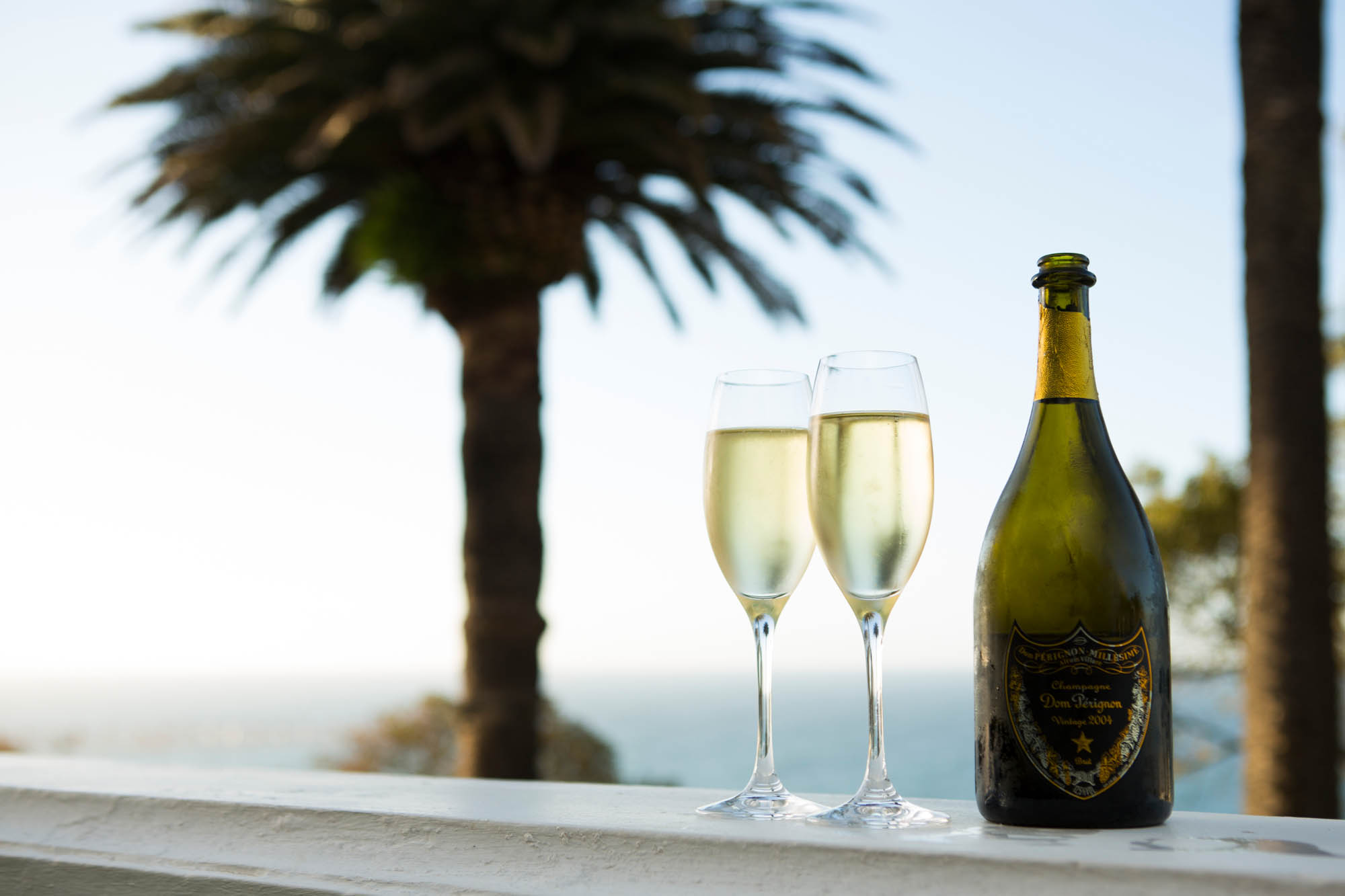
We stayed on the 7th floor in a family duplex suite decorated in a luscious lime green and we had spectacular views of the harbor, the V & A Waterfront, Signal Hill and Table Mountain – a perfect location.  We did not want to leave the suite!  On Friday evening, we invited some friends from Cape Town to join us for drinks on the Rooftop and a delicious dinner at The Granary Café. We couldn’t resist ending the evening with champagne and chocolates in our marvellous suite – the Silo simply puts you in a celebratory mood!


Image

Riverwalk

Glen Avon, Constantia

On the same trip, we had a most enjoyable time at Glen Avon,  a small 5-star boutique hotel in the Constantia winelands.   It felt very private and the staff was exceptionally friendly and accommodating.  If you enjoy an ‘away from it all’ location where you can relax by the pool-side, read a book, take in the birdlife and scenic beauty and perhaps go for a walk, this would be the ideal spot.   

The three-course dinner at Glen Avon on our first night there was perfectly done and presented,  rivalled by breakfast the following morning – served outside with a beautiful view over the gardens – which was fantastic.  

Kathy and I went for a run before dinner and ended up on the Grootboskloof Riverwalk – a great opportunity to get an up close and personal feel for the charming neighborhood surrounding the hotel.

Villa Maua

Sanctuary Retreats


Image

Cape Cadogan – Guest Breakfast Area

Cape Cadogan & More Quarters

Yet another small boutique hotel in Cape Town to consider, is the Cape Cadogan.  We’ve stayed at the property a couple of times and really liked what we saw and experienced.  Primarily, we recommend it because of location, being right off Kloof street which is choc-a-bloc with local restaurants, clubs, boutiques and small stores.


Image

Cape Cadogan – Classic Bedroom Interior

At the V & A Waterfront most other visitors you will see are also from out of town, while the Kloof Street neighborhood is frequented by lots of Capetonians.  Also, you’d be walking distance from several interesting sights including the Company Gardens where several major museums are located, the Houses of Parliament, St. George’s Cathedral and GreenMarket Square.


Image

More Quarters – Luxury Room

We experienced first class hospitality at the Cape Cadogan’s sister property, More Quarters, on a subsequent visit.  The rooms are well planned and spacious.  Breakfast was delicious. The management and staff were wonderful and it shares the same location advantage as the Cape Cadogan.  We returned home with a complimentary jar of Jelly Tots (everybody’s favorite)! So all round a winner:  great accommodation, food and courteous staff.


Image

Ellerman House

Ellerman House

So many accolades have been directed at Ellerman House, that it leaves one searching for something new or insightful to say about this immaculate property.  What the hotel says about itself is true:   you never want to leave! On our most recent visit we stayed in the Ellerman Suite and certainly enjoyed the privacy and the most incredible view of Bantry Bay.  We toured the superb art gallery which takes visitors on a journey that explores the huge social and cultural shift in South Africa from the mid-nineteenth century to present day.  We checked out the wine cellar – one of the best in Cape Town – and enjoyed a walk-through of the two exquisite villas.  As before, our meals were out of this world – we still fondly recall a particularly delicious scallop dish.


Image

Ellerman House

Tackling the Bantry steps on two separate occasions was worth the effort to make it down to the Sea Point Promenade for a couple of our best ever scenic runs.  Memories of these rave runs will remain vibrant in our minds until we can make it back to Ellerman House, to tackle those steps one more time, and to again experience the singular joys of spending more time in this finest of establishments.


Image

The Silo Superior Suite

In next week’s blog, we take a closer look at a very special African mammal, the African Painted Dog.  We’ll include  some of our favorite photographs and highlight a few of the best places in Africa where these rare, endangered predators can be found.

More Info

Email bert@fisheaglesafaris.com

Email jason@fisheaglesafaris.com

@fisheaglesafarishouston

#FishEagleSafaris

YOU MIGHT ALSO BE INTERESTED IN

Destinations
Zambia

10th September 2021

Chindeni and the Bushcamp Company, Zambia

By late July we found ourselves at Chindeni, a small Bushcamp Company property

Read more
Botswana
Destinations
Okavango Delta

3rd October 2022

Camp Okavango, Botswana

Camp Okavango is in the heart of the permanent part of the Delta. In this idyllic setting there are no vehicles, and it is just a short walk

Read more
Area
Destinations
Nyerere National Park
Ruaha
Tanzania

14th October 2023

From My Safari Notebook: Wildlife Photography

Birds in flight and wildlife photographers have an uneasy relationship. Things go wrong as often as they go right. Getting focus-lock on a moving subject

Read more

SUBSCRIBE TO OUR NEWSLETTER

READERS FAVOURITES
Destinations
Zambia

10th September 2021

Chindeni and the Bushcamp Company, Zambia

By late July we found ourselves at Chindeni, a small Bushcamp Company property
Read more
Botswana
Destinations

4th August 2022

On Safari At Belmond Eagle Island Lodge, Okavango Delta

What is the ‘secret sauce’ for an unforgettable few days on safari in Botswana? It starts with the animals, of course. The elephants, lions, giraffes, hippos

Read more
Destinations
India

27th May 2023

India

India’s tiger, mammals and birds.

Read more

Eagle View & Leopard Hill camp

14th March 2021

Eagle View & Leopard Hill camp


Image

Eagle View

Eagle View & Leopard Hill camps, Naboisho Conservancy

The ideal safari destination is hard to pick but for first time visitors to Africa and to Kenya in particular, the Naboisho Conservancy just north of the Masai Mara National Park deserves serious consideration.  For sheer game viewing potential, natural beauty, level of privacy and diversity of activities, it has few rivals. This massive area of typical Masai Mara terrain with rolling hills, open plains and rocky outcrops, supports an abundant and growing variety of plains game, big cats, birds and plant and tree species.


Image

Eagle View

Your visit there has a direct beneficial effect on the lives of more than 500 Masai families who jointly own the land and who derive income from the various safari companies operating in the conservancy. Also, your stay makes a meaningful and lasting contribution to the conservation of wildlife including threatened and vulnerable species like cheetahs and giraffes


Image

Eagle View

Our first stop in Naboisho last December was Eagle View camp which has nine rooms, anchored by an attractive lounge and dining area with a superb view over a large salt lick and natural spring. Pretty much for the duration of our stay, there were lots of giraffes and zebras hanging around the salt lick.

Sanctuary Retreats


Image

Eagle View

Our room had a good sized patio with a view, a table and a couple of chairs, a double sink, an indoor as well as an outdoor shower. En route to camp we saw our third cheetah in the space of two days. This time a female with three cubs; the cheetah which had eluded us during our earlier stay at Mara Nyika (link to Mara Nyika blog post).


Image

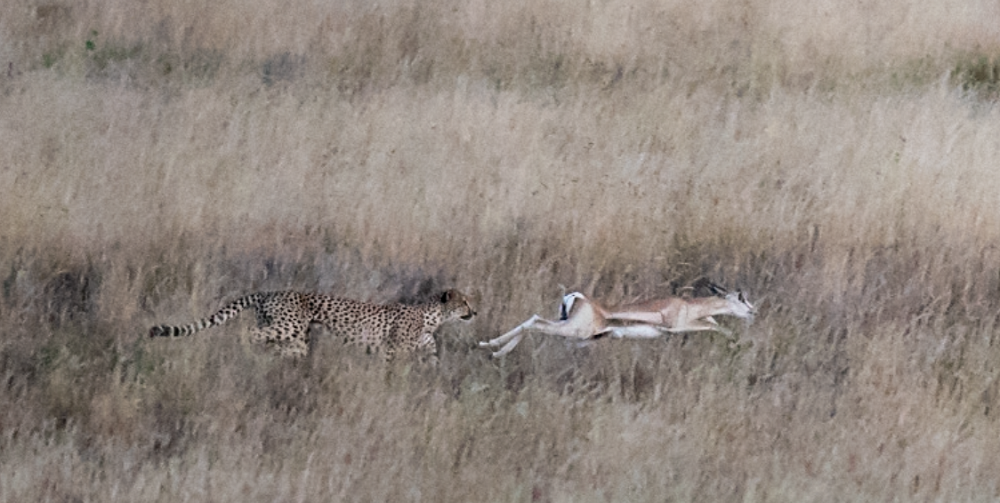
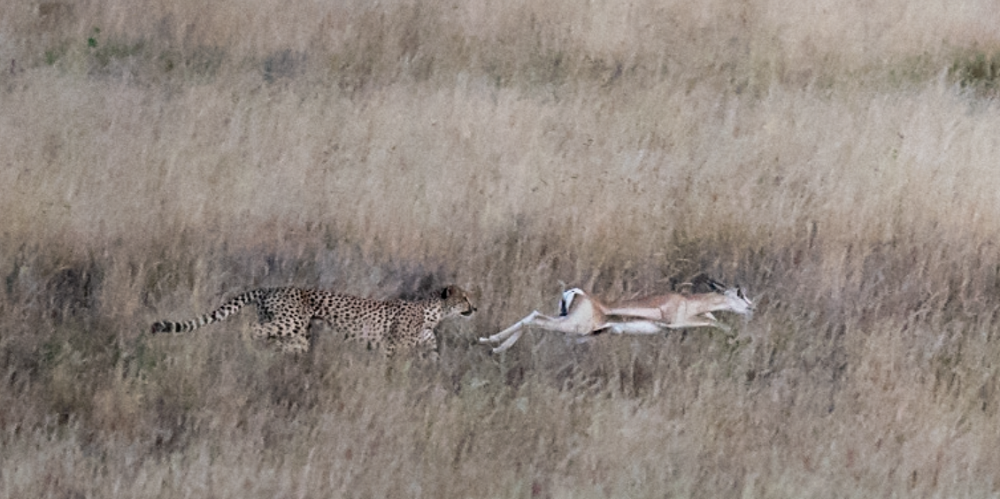
The female cheetah did not have her babies with her but she was clearly hunting. She must have just barely missed a tiny dik-dik antelope which we saw literally low flying out of the area.  Shortly after, we came upon the cheetah and watched her panting, resting up under a bush. Fortunately we did not have to hunt for our lunch:  we enjoyed some fish & chips and veggie wraps.


Image

That evening after a short game drive our group got together for sundowners at around 6 pm, with a big fire blazing away under a tree, in the middle of a big open plain. En route we bumped into the third member of the Naboisho lion coalition. Compared with the other two which we had seen while at Mara Nyika, this one was somewhat less impressive with a rather scrawny looking mane. He started roaring and when he got up, we could see that he was hampered by a leg injury.


Image

A bush walk at Eagle View Camp

The following morning we set out on a bush walk of about 2 hours in duration, covering only about two miles in that time. There was almost always an abundance of plains game to be seen from zebras to topis to wildebeest to giraffes to gazelles.

Early in the walk we saw some giraffes running and were then stunned to see the cause of their alarm:  a male cheetah which walked away from us, going from left to right at a slow but deliberate pace.


Image

None of us had ever encountered a cheetah on a foot safari. This was a truly exceptional sighting. The walk was not overly strenuous or excessively long and indeed felt just right in terms of duration and level of exertion. It was decent exercise and we picked up a lot of useful and interesting facts and information from our guide Derrick and our Masai trackers.


Image

Leopard Hill

At the end of the walk we enjoyed a bush breakfast under a large tree. Juice, coffee, bush omelets, chicken sausage, potatoes, yoghurt and home made muesli.

Then we were off on a game drive to Leopard Hill camp. En route we had some great sightings of zebras and giraffes. There are always lots of general plains game to be seen in Naboisho!


Image

Leopard Hill

Leopard Hill is a very small camp with just six roomy tents, each with a skylight above your bed (electrically operated) for stargazing at night. The camp is compact with an attractive lounge area/dining room overlooking a waterhole. After settling in, we enjoyed lunch outside: avocado soup, a mixed green salad, your choice of a veggie or chicken wrap (both tasted great!) and ice cream for dessert.


Image

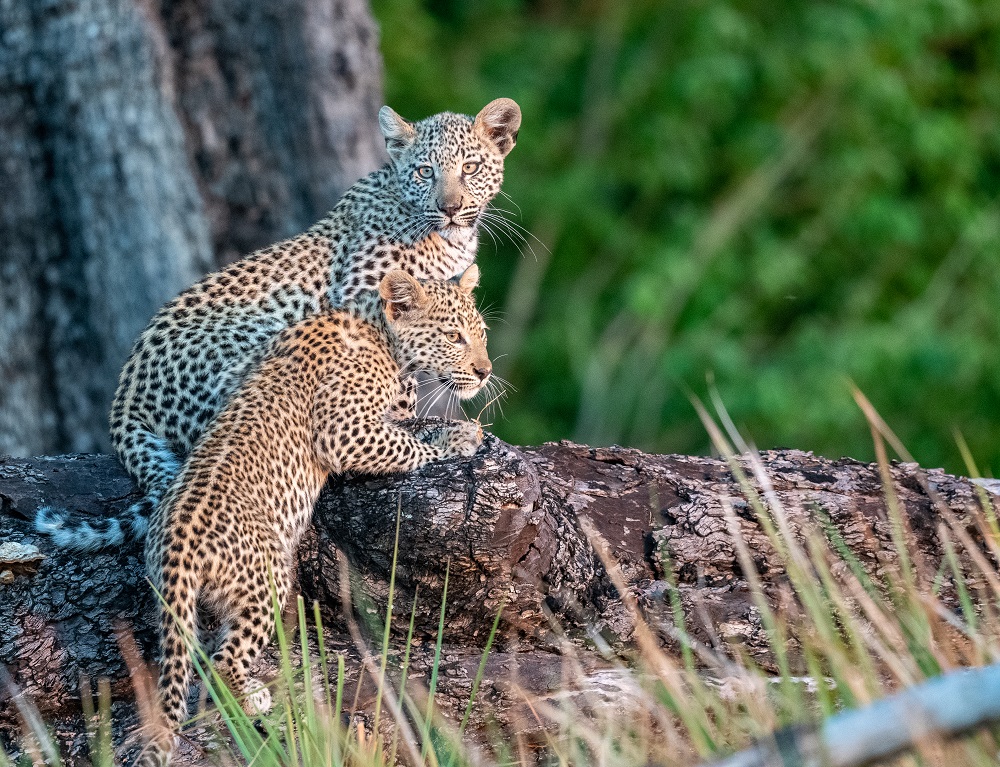
Prior to our afternoon game drive, our guide Derrick had heard a female leopard calling in a thicket near camp, so once we were all aboard, he drove in that direction to investigate.

Despite having to go a long way around to cross a stream, Derrick found the leopard standing in a lightly wooded area, calling every now and then and walking steadily in the same direction, pausing to look around every now and then..


Image

Leopard Hill

Plans for a bush dinner had to be changed due to a threatening thunderstorm.   We ended up having a festive meal in a covered verandah.  All of the camp staff gave us a rousing farewell with some exuberant singing and dancing and jumping. They were clearly having fun and kept it short and sweet.  We felt really special to get such a sendoff!


Image

Leopard Hill

In next week’s blog we take a closer look at Tswalu Kalahari Reserve, the unique Cape Kalahari conservation project which turned a collection of over-grazed farms into a showpiece game reserve, known for signature species like aardvark, pangolin, habituated meerkats and black rhino.

More Info

Email bert@fisheaglesafaris.com

Email jason@fisheaglesafaris.com

@fisheaglesafarishouston

#FishEagleSafaris

YOU MIGHT ALSO BE INTERESTED IN

  • All
  • Destinations
Destinations
Zambia

20th April 2020

“Only in Africa”: Tiger Fishing

I believe the core activity on any great safari is the game drive.  The animals are, of course, the main attraction and there is no better

Read more
  • All
  • Area
  • Destinations
  • Kenya
  • Masai Mara
Area
Destinations
Kenya
Masai Mara

14th June 2026

Exploring Kenya’s Masai Mara and Watamu: Part 1

For many first time safari travelers, Wilson Airport in Nairobi is where the safari experience gets real. It’s where they

Read more
  • All
  • Area
  • Destinations
  • Masai Mara
Area
Destinations
Kenya
Masai Mara

14th June 2026

Exploring Kenya’s Masai Mara and Watamu: Part 1

For many first time safari travelers, Wilson Airport in Nairobi is where the safari experience gets real. It’s where they

Read more

SUBSCRIBE TO OUR NEWSLETTER

READERS FAVOURITES

  • All
  • Botswana
  • Destinations
Botswana
Destinations

14th April 2020

Botswana’s Okavango Delta, Then & Now

My first trip to the Okavango Delta – like all the subsequent ones – was quite unforgettable. 

Read more
  • All
  • Destinations
  • Lower Zambezi
  • Zambia
  • Zimbabwe
Destinations
Kenya
Lower Zambezi
Zambia
Zimbabwe

30th April 2020

“Only in Africa”: How to improve your chances to summit Kilimanjaro

Having successfully reached the summit of Kilimanjaro twice in three years, most recently

Read more
  • All
  • Destinations
  • Lower Zambezi
  • Zambia
  • Zimbabwe
Destinations
Kenya
Lower Zambezi
Zambia
Zimbabwe

30th April 2020

“Only in Africa”: How to improve your chances to summit Kilimanjaro

Having successfully reached the summit of Kilimanjaro twice in three years, most recently

Read more

Basecamp Mara, Kenya

12th February 2021

Basecamp Mara, Kenya


Image

Basecamp Mara

Basecamp Mara, Kenya

Returning to Kenya’s Masai Mara is always exciting and so it was early last December when we arrived at Basecamp Mara in the Talek area, in the center of the Mara. As location goes, this is pretty much as good as it gets. During the wildebeest migration season from July through about October, the Talek area is grand central with easy access to several known river crossing points.


Image

Basecamp Mara

Our destination on the day – Basecamp Mara – is a tented camp which had gathered a measure of fame when former US president Barack Obama and his family spent time there when he was a US senator. If you ask for tent #9 you can rest your head in the same spot as the president of the United States once did.


Image

The Talek area is known for reliably excellent big cat sightings with lions, cheetahs and leopards being seen just about every day. Due to the high animal density, visitors can expect to see quite a few other vehicles as well. This is high octane safari with a competitive edge. Not for shrinking violets. What we would suggest is spending a few days here in addition to several days in one of the private Mara conservancies like Naboisho.  In the conservancies there is a strict limit to the number of vehicles at any sighting, there is more freedom to drive off-road and at night and the pace is generally just a bit more relaxed.

Sanctuary Retreats


Image

Basecamp Mara

Inside the National Park conditions can and sometimes do deteriorate into a melee with too many vehicles at big cat sightings and unethical drivers getting in the way of animals or simply approaching them too closely.  Such behavior is frowned upon by the professional guides. It is most prevalent in the busiest time of the year, during the annual migration season.  So if you can travel during shoulder or off-season – such as in early November or May – you will likely be spared the worst of these transgressions.


Image

Basecamp Mara

Basecamp Mara is a moderately priced tented camp situated on the banks of the Talek River. The large, heavily wooded site easily accommodates a total of 17 fairly basic but perfectly adequate tented rooms, an arts and crafts center, a dining room & bar and a separate reception area – with WiFi.  Initially the reception area doesn’t make a great first impression but once you start exploring the remainder of the grounds, the camp definitely grows on you.


Image

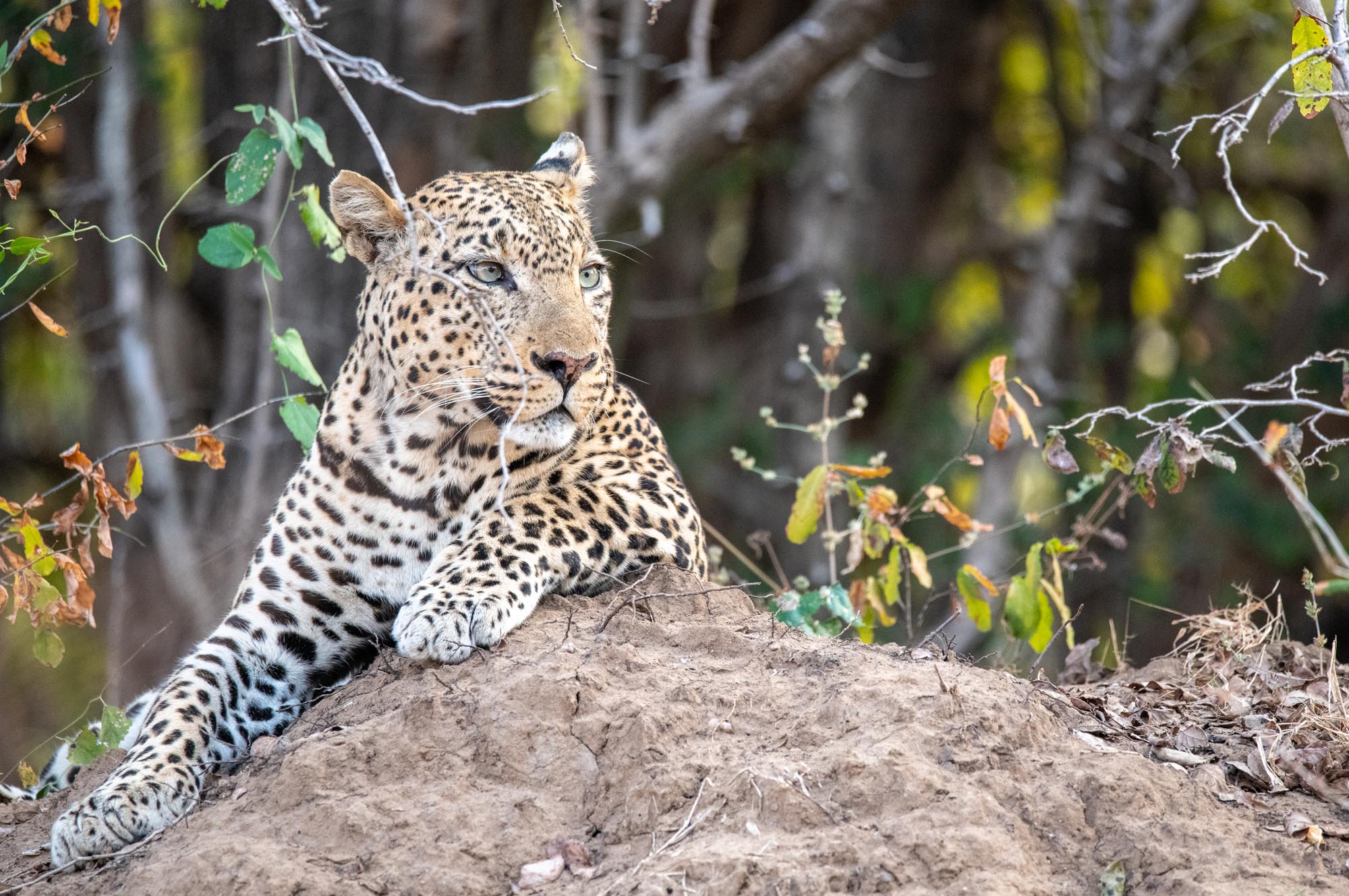
On our game drive into the Masai Mara that afternoon we found the famous coalition of five male cheetahs. They are notorious for taking down much larger prey species than a solitary cheetah would even dare to attempt. Such as fully grown topis (a medium sized antelope, similar to a tsessebe) and wildebeest. We watched the five boys for quite a while, hoping that they would take more than a passing interest in a nearby herd of topis.  Unfortunately they did not appear to be in a hunting mode, so we let them be. Driving back down towards the Talek River paid off quickly, when our capable guide Derrick found a solitary male leopard, resting on a small mound.


Image

We spent a good amount of time observing this impressive animal – and I  got some nice close ups showing his powerful neck and penetrating glare.  Reluctantly, we had to return to camp.  The light had started to fade and the clock ran out on us; all visitors have to be off the roads by sunset.  It was a fantastic start to our Mara safari! 

Dinner back in camp was excellent:  a tasty tomato soup to start and a choice of steak or stuffed turkey. We had lots of fodder for conversation already after barely half a day in the Mara.


Image

We were up early the next morning for yet another game drive  in the Mara. Guests at Basecamp Mara walk over a footbridge to cross the Talek River where they then board their game drive vehicles. This way the Basecamp Mara vehicles can be in the heart of the best game viewing area very early. On this day we experienced one of our best leopard viewing episodes ever. It revolved around interaction between a female leopard and her young cub and a large powerful male, assumed to be the father of the baby leopard.


Image

The female leopard seemed to be quite agitated, pacing around and making what appeared to be distress sounds. All of this and the behavior of the male leopard made us fear for the safety of the baby. Fortunately nothing like that happened.


Image

At one stage the female leopard stood on her hind legs with her front paws drawn up and to its chest, in the manner of a mongoose. A remarkable pose for a leopard which none of us in the vehicle had ever seen. This included a professional guide of many years’ experience and five safari professionals with more than 100 years combined experience of the bush. One for the record books. 

My guess was that the male leopard had designs on mating with the female but clearly she was not in a good situation for that, still caring for a young baby.


Image

By the time we decamped the scene the three leopards were still in the same general area and we still did not know what turn the events would take. I later learned that the female leopard had successfully relocated a few kilometers away but not without incident as she was almost killed by a female lion in the process.


Image

Basecamp Mara

Back at Basecamp we watched a beading demonstration and learnt more about the BCMM arts and crafts project which grew from a small cooperative to now supplying some Nairobi stores. Jemima talked about some of the direct visible benefits of the program among its female members who earn as much as 75% of the income from the sale of merchandise, minus the cost of raw materials. 

We also strolled through the Obama forest where the Obama family had planted four trees 15 years ago.


Image

Basecamp Mara

We visited the BCMM nursery which churns out hundreds of saplings used in Basecamp Mara’s massive and ongoing tree-planting effort. All in all the company has been instrumental in planting more than 100,000 trees in the area around the camp, with visible effects. We were delighted to take part in this project helping to revive the Talek river ecosystem by planting a fig and olive tree. It is truly a reforestation in every sense of the word.


Image

Basecamp Mara

In our blog next Friday:  we spend more time in the Masai Mara in search of and finding lions and cheetahs and a lot more, at two tented camps in the Naboisho Conservancy:  Eagle View and Leopard Rock.

More Info

Email bert@fisheaglesafaris.com

Email jason@fisheaglesafaris.com

@fisheaglesafarishouston

#FishEagleSafaris

YOU MIGHT ALSO BE INTERESTED IN

Botswana
Destinations
Kenya
Serengeti Plains
Tanzania
Uganda
Zambia
Zanzibar
Zimbabwe

19th November 2021

Where to go on safari in 2022-23

As the Covid pandemic retreats worldwide, thoughts turn to resuming life the way

Read more
Botswana
Destinations
Kenya
Serengeti Plains
Tanzania
Uganda
Zambia
Zanzibar
Zimbabwe

19th November 2021

Where to go on safari in 2022-23

As the Covid pandemic retreats worldwide, thoughts turn to resuming life the way

Read more
Destinations
Rwanda

26th March 2023

Photography on safari

Fish Eagle Safaris was an early adopter of digital photography. Company founder Bert somewhat fondly recalls using a first generation Sony Mavica

Read more

SUBSCRIBE TO OUR NEWSLETTER

READERS FAVOURITES

Botswana
Destinations
Kenya
Serengeti Plains
Tanzania
Uganda
Zambia
Zanzibar
Zimbabwe

19th November 2021

Where to go on safari in 2022-23

As the Covid pandemic retreats worldwide, thoughts turn to resuming life the way

Read more
Area
Destinations
Kenya
Masai Mara

14th June 2026

Exploring Kenya’s Masai Mara and Watamu: Part 1

For many first time safari travelers, Wilson Airport in Nairobi is where the safari experience gets real. It’s where they

Read more
Destinations
India

27th May 2023

India

India’s tiger, mammals and birds.

Read more

Mara Nyika Camp, Naboisho Conservancy, Kenya

4th February 2021

Mara Nyika Camp, Naboisho Conservancy, Kenya


Image

Great Plains Conservation

Mara Nyika Camp, Naboisho Conservancy, Kenya

No two persons’ perfect safari is identical.  And that is ok.  Disagreeing on what constitutes an ideal African trip is pointless.  It’s just like taste.  About which an ancient Roman adage famously decreed, there should be no argument.  ‘De gustibus non disputandum est’.  I might prefer luxury accommodation in a remote, private setting with superb guiding and cutting-edge cuisine.


Image

Great Plains Conservation

Your preference runs to a small tented camp in the heart of the wilderness, listening to and experiencing wildlife close up.  Others wouldn’t dream of going to Africa unless they can get their adrenaline pumping,  heading out into the bush on a foot safari or exploring the Selinda Channel in a canoe.  Some judge the success of a safari by the number of National Geographic-worthy photos they manage to capture, or the number of new bird species they are able to add to their life-list, with the help of an expert guide.


Image

By the time Kathy and I made it to Great Plains’ superb new Mara Nyika Camp in the private Naboisho Conservancy bordering the Masai Mara Game Reserve last December, we had experienced these and other facets of what constitutes the perfect safari.  Many of them, in fact, at several Great Plains Conservation properties in Northern Botswana such as Duba, Selinda and Zarafa.

We had experienced our first ever cheetah kill at Selinda. A searingly impactful, bitter-sweet experience which culminated in a seconds-long frenzy of action, after four hours of patiently waiting for the cheetah brothers to select the right moment and place.

Sanctuary Retreats


Image

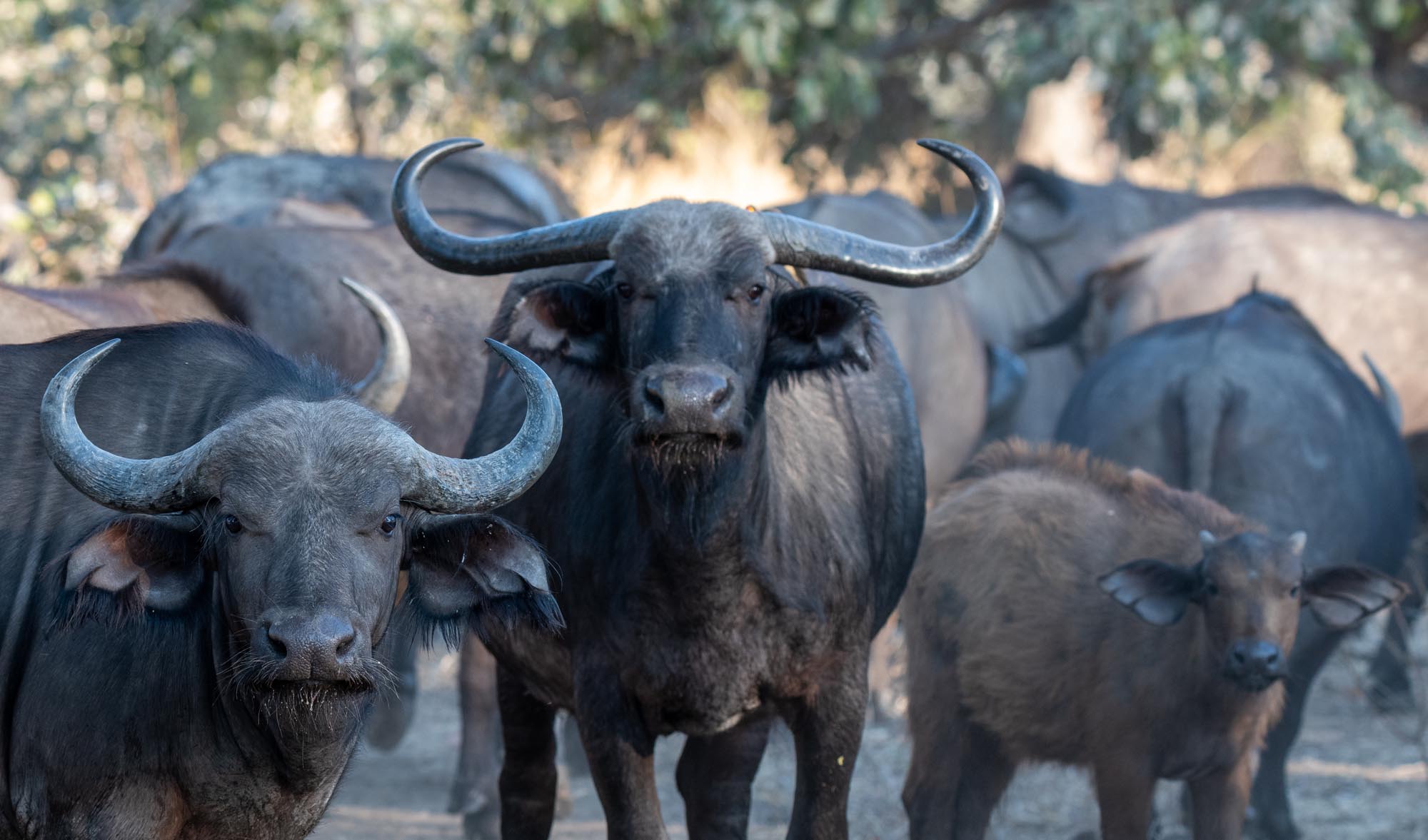
At Duba, we were witness to the most spellbinding buffalo and lion interaction, one beautiful September morning.  Nobody on our game drive vehicle that morning will ever be able to forget the buffaloes turning on the lions, the soft morning light reflecting off their shiny noses, as they stared down their eternal enemies, heads held high.  In the aftermath, as the dust settled over the herd, the lions having beaten a reluctant retreat, the four of us in the back of the game vehicle looked at each other like people who had just witnessed something extraordinary.  Which it was.


Image

Great Plains Conservation

Our memories are indelibly filled with similar exquisitely African moments and impressions from time spent in Kenya at Ol Donyo in the Chyulu Hills, Mara Plains in the Olare Motorogi Conservancy and its little sister Mara Expedition, a small, intimate camp with just five tents, in the Masai Mara National Park.  Clearly, whatever your interests or travel style,  there is a Great Plains Conservation experience perfect for you.  There is no need to settle for someone else’s trip:  you can make it your own.  

Mara Nyika adds yet another layer of experience to the already rich Great Plains Conservation mix.


Image

Great Plains Conservation

For me personally, what stood out was the warmth and intimacy, and the simply unrivaled degree of personal attention we received.  Even though there were other guests in camp, we felt like and were treated as if we had the run of the place.  It started with a warm welcome and competent camp briefing from manager Marietta and the thoughtful assistance from our room attendant Dominique and server Moses.  Collectively, the Mara Nyika team was genuine and attentive to our every need.


Image

And then there’s the place.  Great Plains Conservation has an enviable reputation for picking absolutely the best spots for their camps.  Mara Plains,  Mara Expedition and Ol Donyo prove the point.  Clearly a lot of thought and attention to detail had gone into staking out the ideal location of each of these properties.  With the location of Mara Nyika, Great Plains hit a home run, maybe even a grand slam.   Partially hidden in a grove of flat-topped acacia trees, the camp – which is raised on a boardwalk – sits at the base of a hill on the western side of the Naboisho Conservancy.


Image

Great Plains Conservation

I’m not sure if the tree-house feel of the camp was purposeful or not, but that was definitely my impression.  Walking up to our room (#1) on the far end of the camp, it felt just like walking into an acacia forest.  The high boardwalk takes you right up into the tree canopy, just meters away from limbs and leaves, the umbrella tops providing comfort and shade.  Looking for Kenya’s most exquisite ‘tree-house’?  This is it.


Image

Great Plains Conservation

We arrived at Mara Nyika by way of a rather eventful road transfer – along some of the muddiest roads ever –  from the northern part of the Masai Mara to the Talek area and from there to Mara Nyika Camp.  Most guests would fly into the nearby Naboisho (Ol Seki) airstrip on a scheduled flight from Nairobi’s Wilson airport, or arrive by private charter.  Mara Nyika, which means “Large Plains or Great Plains,” has  five light-colored canvas tents (3 doubles and 2 family rooms).

Our double room (#1) consisted of three adjacent, interconnected rooms:  an entrance foyer/lounge, a bedroom and a bathroom, complete with a huge brass bathtub and shower.  All that space, an intriguing forest setting, the view over the woodlands, the privacy – this is a camp where one needs to spend a minimum of three nights, to enjoy it to the fullest degree.


Image

Great Plains Conservation

The 50,000-acre private Naboisho Conservancy  (the second largest conservancy in the greater Maasai Mara region) has lots of space to go out and explore in search of animals.  A major advantage here is the fact that the number of vehicles per sighting is strictly controlled, which makes for an optimal viewing experience.  Also, off-road driving is allowed so it is possible to get close enough to a sighting for great photographs or video, without of course displacing an animal or causing it to change its behavior.  In a private conservancy, night drives are allowed which opens up an entirely different set of experiences.  Being out there when the sun sets, having a shot at seeing some of the special nocturnal species, and maybe even  observing lions and hyenas on the hunt.    After dark is when it all happens.


Image

The afternoon game drive with our guide Solomon – like others I had experienced in Naboisho on a previous visit – underscored just how good the game-viewing was.   There were hundreds of zebras, topis, impalas and Thompson’s gazelles all over the plains as well as wildebeest, giraffe, dik-dik and jackals.

At the scene of a wildebeest kill – to which we had been drawn by the presence of dozens of vultures – we spotted a gorgeous single male lion, intent on warding off a bunch of hyenas encroaching on its kill.  We watched as he vacillated between defending the kill from the hyenas, or returning to the rest of his pride.


Image

Just as the light was starting to fade, Solomon spotted another male lion (a brother) at the base of a distant line of trees.  We made our way over there and – surprise – bumped into the rest of the pride en route.  Two females, each with several cubs.  We watched, enthralled, as the cubs ventured closer to the vehicle, practicing their rather rudimentary stalking and take-down techniques.  On each other.  It was a truly magical moment.  Eventually, in the gathering gloom, with a massive late November thunderstorm looming in the background, we sat and watched and most memorably listened to the brother as he made a powerful, booming territorial call. The kind that reverberates right in your chest.   It was time to call it a night.


Image

We experienced an eventful morning drive out of Mara Nyika as well, finding and observing two separate cheetah males, both in hunting mode.  One actually stalked and chased some impala but came up short.  Just like on the previous day, there were multitudes of plains game to be seen in every direction, particularly topi, giraffe, impala and Thompson’s gazelles.


Image

The Great Plains vehicle was ideal for a photo safari with plenty of legroom and working charge points, as well as photography bars for the cameras. The vehicle has night lights which are great for gathering all your stuff in the dark, at the end of a drive.  There was a handy on-board fridge with space for drinks and provisions to enable guests to go out on full day expeditions, if they want to.  While the vehicle was very ‘open’ all round, it was easy to cover the sides – with clean, clear plastic panels – in the event of a downpour.


Image

Great Plains Conservation

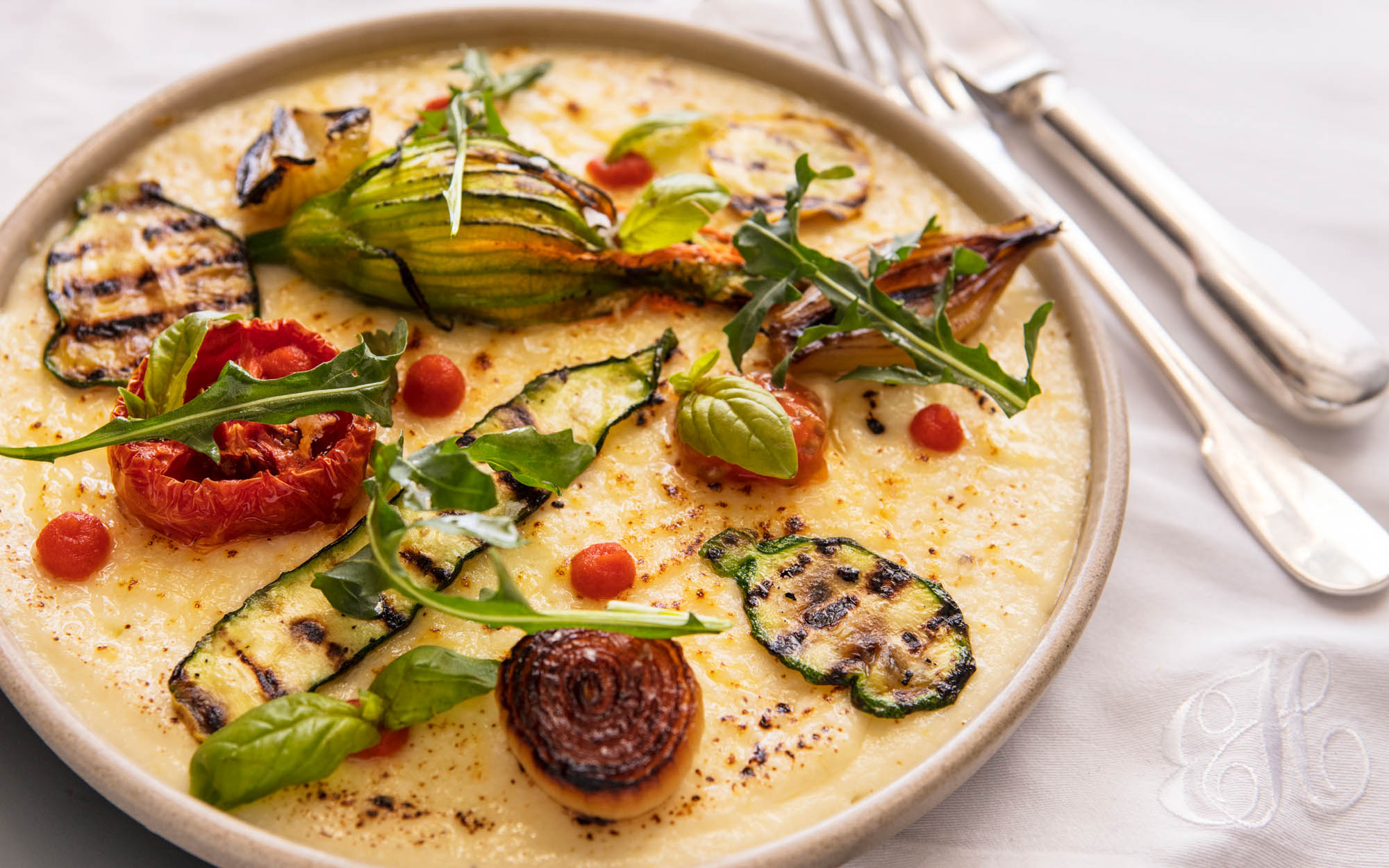
Under the capable direction of chef John, the meals at Mara Nyika were out of this world and the private setting made them even more special. For lunch on the day of arrival we enjoyed polenta, spinach pizza, barbecue chicken, green salad and beetroot salad. We had daily conversations with Chef John and the kitchen really turned out the most amazing food – everything was outstanding!  The bush breakfast was one of the very best we have experienced. 

That evening we sat down for a terrific private dinner in the wine room. The personalized printed menu listed several delectable options:  steak or fish for the main course, tomato soup as a starter, and dessert.


Image

Naboisho means “coming together” in the Maa language and represents the 500 local landowners who came together to establish the conservancy. The conservancy model combines the conservation of nature and cultural heritage, tourism and the enhancement of livelihoods for the local communities. Each guest’s stay supports over 500 Maasai families with a sustainable livelihood and helps to ensure the conservation of this vital corner of the Masai Mara ecosystem.


Image

Many guests may opt to spend a few days in Mara Nyika combined with a stay at Great Plains’ Mara Expedition or Mara Plains camps, to get exposure to all three wildlife areas, namely the private Olare Motorogi and Naboisho Conservancies and the Maasai Mara Reserve. Each wildlife experience from the three camps is unique and offers a different facet of the incredible Maasai Mara ecosystem.


Image

Great Plains Conservation

Each guest tent has a pair of high quality binoculars and a professional Canon 5D camera body and Canon 100-400mm zoom lens, available for the guests’ use.  The Mara Nyika team will download the guests’ photos to a memory stick to take with them.  Private vehicles are available upon request, at additional cost.  Children 8 years and older are welcomed and can be accommodated with their parents in the family rooms which have a common lounge, two bedrooms each with en-suite bathrooms, one bathroom with a tub and shower; the other with a shower only.  There is Wi-fi available in the guest tents.  


Image

Great Plains Conservation

Our blog next week will take a look at Basecamp Mara, which has 17 tents spread out along the banks of the Talek River, in the central part of the Masai Mara Game Reserve in Kenya.  The camp – and room #9 – gained a measure of fame when former US President Barack Obama and his family stayed there, when he was a US Senator.  

More Info

Email bert@fisheaglesafaris.com

Email jason@fisheaglesafaris.com

@fisheaglesafarishouston

#FishEagleSafaris

YOU MIGHT ALSO BE INTERESTED IN

Botswana
Destinations
Kenya
Serengeti Plains
Tanzania
Uganda
Zambia
Zanzibar
Zimbabwe

19th November 2021

Where to go on safari in 2022-23

As the Covid pandemic retreats worldwide, thoughts turn to resuming life the way

Read more
Botswana
Destinations
Okavango Delta

3rd October 2022

Camp Okavango, Botswana

Camp Okavango is in the heart of the permanent part of the Delta. In this idyllic setting there are no vehicles, and it is just a short walk

Read more
Destinations
Rwanda

26th March 2023

Photography on safari

Fish Eagle Safaris was an early adopter of digital photography. Company founder Bert somewhat fondly recalls using a first generation Sony Mavica

Read more

SUBSCRIBE TO OUR NEWSLETTER

READERS FAVOURITES

Area
Destinations
Kenya
Masai Mara

14th June 2026

Exploring Kenya’s Masai Mara and Watamu: Part 1

For many first time safari travelers, Wilson Airport in Nairobi is where the safari experience gets real. It’s where they

Read more
Destinations
Zambia

20th April 2020

“Only in Africa”: Tiger Fishing

I believe the core activity on any great safari is the game drive.  The animals are, of course, the main attraction and there is no better

Read more
Destinations
India

27th May 2023

India

India’s tiger, mammals and birds.

Read more

Cottar’s 1920s Camp

21st January 2021

Cottar’s 1920s Camp


Image

Cottar’s

Cottar’s 1920s Camp

Cottar’s 1920s Camp in the far southeastern part of Kenya’s Masai Mara, right on the border of Tanzania,  ticks all the boxes for an authentic, romantic, and above all private safari experience.  It all starts with the first impression.  Stepping out of the vehicle on arrival, your eyes are drawn to two beautiful, creamy white tented structures, the Explorers tent and Mess (dining) tent.  Both with classic safari interiors, and filled with antiques and paraphernalia from the Cottar family’s decades of operating African safaris.  Turn your head to the right and there’s a sweeping view over a large expanse of lawn into rolling savannah scenery.


Image

Cottar’s / partimetravelers

Walk a bit further along a manicured gravel walkway and you’re ushered into your splendid room for the night:  an elegant, spacious, white tented suite, with just as pretty a view over the Masai Mara as the main mess tent.  Luxuriously furnished and incorporating original safari antiques from the 1920’s, the tents are more than a generous distance apart, ensuring a high degree of privacy with en-suite dressing room and bathroom, main bedroom and veranda.


Image

Cottar’s

On our second night there we were treated to a private bush bubble bath experience on the verandah, in two canvas baths  filled to the brim with piping hot water and enough bubbles to cover a small pond.  Add some  chilled Prosecco and delicious snacks and the two of us whiled away one of our best hours yet on safari.  Soon after, we enjoyed a wonderful dinner served fire-side right by our tent, with a perfectly turned out roast turkey breast, mashed potatoes, a vegetable stir fry and a banana dessert.


Image

Cottar’s / Bree McCann

Some further exploration of Cottar’s Camp reveals a large, sparkling blue pool with comfortable lounge chairs, a covered deck and expansive lounge area, complete with a bar, kitchen and restroom facilities.  The pool lounge area was the location for lunch on one of our days at Cottar’s: home-made pita bread with a variety of fresh vegetables, melon balls with feta cheese, beetroot salad, olives, chili peppers, balsamic vinegar, a pork stir fry and homemade ice-cream over a red-wine infused pear.


Image

Cottar’s

Yet another discovery, a short car ride further up the hill on which the camp is located, is an award-winning  5-roomed private villa which can sleep up to 14 people.  With a 25-meter lap pool and the best views imaginable, the villa has its own dedicated staff including two housekeepers and a chef, and two private vehicles – three if needed.


Image

Cottar’s

Beyond what the eye can see, or any brochure or website can reveal, Cottar’s is the embodiment of what needs to be done to protect and preserve the Kenya safari business and all its stakeholders.  More so than any other safari camp I know of, Cottar’s succeeds in blending the romance and elegance of a classic African safari, with the demands of a forward-thinking business which successfully operates in close partnership with the local Maasai community.   Over several generations and many decades, the Cottar family enterprise evolved from hunting to photographic safaris to the current model which offers a luxury, high quality wilderness experience in a sustainable manner, balancing the needs of the people, the wildlife and the environment.  


Image

Cottar’s / partimetravelers

Louise Cottar and the people of Cottar’s Camp

It’s a demanding, hands-on job to manage a safari camp, particularly one which sits on leased Maasai land, employs members of the local community and actively supports the community in various ways such as by building a school and providing meals for the children, conducting local health clinic visits, building a life-saving footbridge over the Sand River and becoming involved in anti-poaching and anti-deforestation projects, to name but a few.  During our short stay there I noticed co-owner Louise Cottar engaged in one-on-one meetings with local community leaders, no doubt ironing out one or the other issue.


Image

Cottar’s / partimetravelers

Having first met Louise when we stepped off our aircraft after an hour or so flight from Nairobi – it quickly became clear that the success of Cottar’s 1920 camp has almost everything to do with its people.  Louise was gracious and friendly, yet clearly very much focused on keeping up with the many demands of owning and managing a safari property of this stature.  Particularly at one of the most difficult times in the long history of Cottar’s,  with most international guests having been absent from Africa for the better part of a year.


Image

Just like Louise, everyone else we interacted with at Cottar’s displayed a keen interest in our well-being, and judging by the stellar online reviews garnered over the years, this VIP treatment is enjoyed by everyone fortunate enough to spend some time here.  Camp manager Bruce Cattermole graciously dined with us a couple of times and was ready to arrange any number of activities for us including a run with the Maasai, an e-bike outing or a hike up Cottar’s Peak.  Which unfortunately didn’t happen due to a lack of time.


Image

Game drives out of Cottar’s Camp

Cottar’s is known for the excellence of its guiding and our guide Wilson Tumake Mpatiani and his tracker Sallash proved to be a most capable team.  Our very first afternoon game drive at Cottar’s Camp reinforced everything I had come to admire about the Masai Mara over the years.  As a natural spectacle there are few places in Africa that rival it.  And then there’s the animals.  In what seemed like no time at all, we racked up sightings of 12 mammals, ranging from a white-tailed mongoose to a buffalo, from a topi to a giraffe.


Image

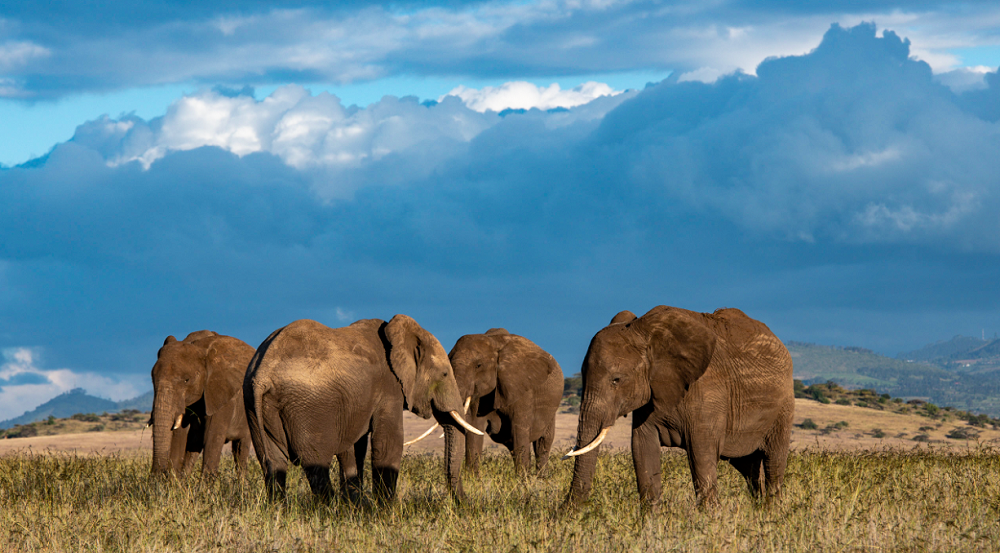
The following day we bumped into a pride of 11 lions, part of an even bigger pride of 22.  Their territory stretches right across the border into Tanzania.  We also came across a solitary female cheetah which appeared to be pregnant.  To be more precise, Sallash spotted her walking from an exceedingly long distance away, literally on the Tanzania side of the border.  There were giraffes everywhere!  Wilson remarked that this well-wooded eastern part of the Mara is known for having much higher numbers of giraffes than the more open plains to the west.  It stands to reason.  We were thrilled to also bump into several breeding herds of elephants on our outings from Cottar’s.


Image

On our second day at Cottar’s, when we drove into the Masai Mara National Park, we were both simply overawed by the beauty of this part of the reserve.  There had been good rainfall for several months and the Mara was never in better condition.  It is visually one of the most arresting expanses of real estate likely anywhere in Africa.  There is just no way to do justice to this mosaic of grass, sky and rocky hills with a photo or description.  You just have to see it yourself.  A  soul-pleasing place where civilization as we know it ends and the primeval beauty of nature in the raw takes over.


Image

Every now and then I felt like just stopping for no reason to let my eyes linger on the beauty around me.  Is there really a place like this where one massive grassy plain merges into another one, where one series of hills on the horizon vies with another to be more like the Africa you had come to see?  Yes there is – but don’t wait too long to get on a plane to Kenya – and to the Mara – to experience it for yourself.


Image

Clearly, Cottar’s 1920’s Camp has been successful in maintaining their reputation for wilderness and privacy, and for leading the way with their innovative and unique approach to sustainability.  Already,  Cottar’s 1920s Camp is a Global Ecosphere Retreat member of the Long Run,  one of the world’s largest initiatives led by nature-based businesses following the 4 C’s: conservation, community, culture and commerce.


Image

A talk by Letilet Ole Yenke – a local medicine man

In addition to the stellar game-viewing, another highlight of our stay was an early evening talk by a local hunter-gatherer, Letilet Ole Yenko, whose mother was a Maasai.  Letilet is a local medicine man who has had a book published (Letilet’s Tales) and who features in a documentary – ‘Life of an il Torobo Hunter-Gatherer’.  The documentary – which has had more than 9.5 million views on YouTube – can be seen here.   Letilet’s fire-side talk had to be translated in real time as he speaks no English, but it was easy to see the passion and enthusiasm for his pastoral life reflected in his weathered face.


Image

Letilet is exceedingly knowledgeable about more than three hundred plants in the vicinity of the camp and touched on the ancient and modern uses of quite a few – some useful for ailments, others for poison.  Letilet and other herbalists are passing on their knowledge to Cottar’s younger guides, and Cottar’s has lately been including more foraged plant items into its menus.


Image

Cottar’s

Which brings me back to dining.  Much of the produce which finds itself to your plate at Cottar’s is as fresh as could be, having been sourced from the extensive on-site organic garden.  Shortly after our arrival we enjoyed a simply fantastic meal with a selection of fresh salads with micro greens – in addition to some juicy ribs and freshly baked bread – served al fresco at a couple of large tables on the lawn in front of the mess tent.  It was a perfect safari experience:  casual, convivial and essentially stress-free, even in the midst of the pandemic.  In that open-air setting with lots of space, and a light breeze pushing in from the plains, we could all set aside any concerns and enjoy the food and each other’s company.


Image

Cottar’s looks ahead to the future

The Covid-19 lockdown allowed Cottar’s to complete some refurbishments to several of the tents and structures and to further develop unique, purpose-driven experiences that contribute to sustainability.

Louise Cottar put it like this:  ‘Luxury safaris and the Big 5 game experience have become commonplace. We believe that travellers still value these elements, but that they also want to participate in a safari that provides values, purpose and impact. As such, we have spent the last year developing safari impact experiences that have a positive effect to the guests, to the complex and unique biodiversity that surrounds us and to the local Maasai community as we move forward into the next 100 years of providing safari and conservation services’.


Image

Some of those experiences include enabling guests to engage with and learn about vulture rehabilitation, spend time with the only all-female conservation ranger unit in the Masai Mara, learn about the unique medicinal plants of the area, forage and taste local wild food, tour the community-owned private conservancy and participate in a reforestation seed dispersal bushwalk experience.


Image

The Cottars have also developed a ‘Full Circle’ safari experience which enables guests to stay longer in the Maasai Mara, and move from the 1920s Camp to the Conservancy Camp to a mobile camp, to fully enjoy the amazing breadth of experiences that the Masai Mara has to offer.  We look forward to one day returning to Cottar’s to experience more of this wonderful area and the family who is so dedicated to see it survive and thrive into the next generation and beyond.


Image

A note about Covid protocols:

Just like all the other Kenya properties we visited on our trip, Cottar’s 1920’s camp had a comprehensive Covid-19 protocol in place, starting with a foot-operated hand-washing and sterilizing stations at the entrances to the mess tent.  Guests’ temperatures are checked regularly, they are provided with masks, the staff wears masks all the time, and diligent cleaning procedures are in place for luggage, vehicles and common areas.


Image

Our blog next week will take us to a different part of the Masai Mara, to Sanctuary’s Olonana camp tucked away on the edge of the Mara river in the far northern section of the park. Set at the base of the Oloololo Escarpment, Olonana is an ideal base for visitors who would enjoy an elegant, modern lodge which is quite close to some of the best wildebeest crossing points during the annual migration season.

More Info

Email bert@fisheaglesafaris.com

Email jason@fisheaglesafaris.com

@fisheaglesafarishouston

#FishEagleSafaris

YOU MIGHT ALSO BE INTERESTED IN

Destinations
Zambia

10th September 2021

Chindeni and the Bushcamp Company, Zambia

By late July we found ourselves at Chindeni, a small Bushcamp Company property
Read more
Botswana
Destinations
Okavango Delta

3rd October 2022

Camp Okavango, Botswana

Camp Okavango is in the heart of the permanent part of the Delta. In this idyllic setting there are no vehicles, and it is just a short walk

Read more
Area
Destinations
Nyerere National Park
Ruaha
Tanzania

14th October 2023

From My Safari Notebook: Wildlife Photography

Birds in flight and wildlife photographers have an uneasy relationship. Things go wrong as often as they go right. Getting focus-lock on a moving subject

Read more

SUBSCRIBE TO OUR NEWSLETTER

READERS FAVOURITES

Destinations
Zambia

10th September 2021

Chindeni and the Bushcamp Company, Zambia

By late July we found ourselves at Chindeni, a small Bushcamp Company property
Read more
Botswana
Destinations

4th August 2022

On Safari At Belmond Eagle Island Lodge, Okavango Delta

What is the ‘secret sauce’ for an unforgettable few days on safari in Botswana? It starts with the animals, of course. The elephants, lions, giraffes, hippos

Read more
Destinations
India

27th May 2023
India

India’s tiger, mammals and birds.

Read more
  • « Go to Previous Page
  • Page 1
  • Page 2
  • Page 3
  • Page 4
  • Page 5
  • Page 6
  • Go to Next Page »

Footer

Design

  • About
  • Destinations
  • Blogs
  • FAQS
  • Team
  • Contact
All Rights Reserved ©Fish Eagle Safaris 2022 | Terms & Conditions | Privacy Policy
Designed & Developed by B Online

SUBSCRIBE TO OUR NEWSLETTER

SIGN-UP TO OUR NEWSLETTER

Subscribe Form

Footer Widget Header

Related Blogs