• Skip to primary navigation
  • Skip to main content
  • Skip to footer

Fish Eagle Safaris

Fish Eagle safaris

Contact

Logo
  • About
  • Destinations
  • Blogs
  • Newsletter
  • FAQS
  • Team
  • search
  • Contact
  • About
  • Destinations
  • Blogs
  • FAQS
  • Team
  • Contact

Kenya

The 2025-2026 Safari Landscape

20th September 2025

The 2025-2026 Safari Landscape

Our recent safari experiences in East and Southern Africa as well as in Madagascar have reinforced some long held beliefs and recommendations which we use as guidelines for designing itineraries. 

Spending more time in fewer areas

Above all, we recommend spending more time in fewer areas so as not to rush around exchanging one camp and area for another every couple of days. It is exhausting, expensive, counter-productive and just flat out doesn’t make sense. Our Africa, India and Madagascar destinations lend themselves to ‘slow travel’ in the positive sense of the word, in keeping with the natural, relaxed pace of the wilderness. 

Limit cross-border travel

In the same vein, we recommend limiting the number of international border crossings on any trip. They often lead to delays, problems associated with obtaining visas or electronic travel authorization and lost time traveling between countries. In longer itineraries clearly that is unavoidable to a certain extent.

Include a buffer night on arrival

Yet another consideration is building in a buffer day at the start of trips to avoid unwanted repercussions of delays departing from the USA caused by flight schedule changes or flight cancellations. Better to miss a night in Nairobi or Joburg than to show up a day late at your first safari stop. Plus you’ll feel a lot better by day three starting your safari, as you will be at least partially recovered from the effects of skipping over multiple time zones.

Based on our recent trips and personal experiences, here are some thoughts from our team at Fish Eagle Safaris about five of our key destinations. Why we think they are worth visiting, what to expect, and a few insights and recommendations.

Kenya

Kenya has as much diversity as any safari country in Africa with a multitude of habitats, climate zones and vegetation types, resulting in an equally diverse safari experience. Nowhere else are you likely to see as wide a variety of big game and other mammals, birds and reptiles as easily. Much of the terrain is open and easily accessible, so game viewing is generally productive and enjoyable with excellent photo opportunities. Observing and experiencing culture in the way of interacting with people like the Maasai and the Samburu is an integral part of the Kenya experience. Kenya also has some beautiful Indian Ocean beaches so consider spending a few days at a resort like Kinondo Kwetu, Almanara in Diani Beach, or Cardamon House in the Vipingo area, for some rest and relaxation at the end of your safari. While it’s not a traditional beach destination, the town of Lamu and nearby village of Shela have much to offer as well. 

Not a year goes by for us without a Kenya trip as we use Nairobi as a stopover en route to South Africa. Here’s what has impressed us most on our last couple of visits:

* One of the best things we ever did in Kenya (twice) was to visit two of the reintegration units where the Sheldrick elephant orphans are released back into the wilderness. First at Ithumba and then Galdessa. Ithumba is the best choice for anyone wanting a complete ‘morning, noon and night’ orphan elephant immersion. Galdessa has an inspired location right on the Galana River, at the base of the Yatta Plateau. Spend a few days there – including a day trip to visit the Voi reintegration unit and interacting with the large group of orphan elephants there – and you may never want to leave.

* We pretty much fell in love with the Peponi Hotel in Shela at first sight. The location, the people, the food! We could have had the stuffed crab every day. Come to think of it, we did… Using the Peponi as a base for a couple of days or so, you can immerse yourself into the Swahili culture and customs, among others, with a cooking lesson in a private home. Take a guided walk in the quaint village of Shela, have some kikoi pants tailored just for you, go on a sundowner dhow cruise, and take a dip in the Indian Ocean. It is the perfect area to kick back a little bit, take in what is happening right around you and soak in the atmosphere of this very different area, a world away from the Mara or Samburu. Relaxing yet fascinating, with some new (and something really, really old) around every corner.

* Many people want to see rhinos on their African safari and understandably so, as these prehistoric-looking behemoths are one of the ‘Big Five’ mammals, and several rhino species – including the African black rhino – are critically endangered. Contrary to the situation in some other African countries – where rhinos are routinely de-horned in order to make them less attractive to poachers – this disfiguring practice is not prevalent in Kenya. You can visit private conservancies like Lewa or Ol Pejeta and observe dozens of black and white rhinos – there’s lots of them – all with their beautiful horns perfectly intact.

* On every visit to Kenya, we discover something new or special; some facet of the wilderness experience which elevates it from interesting to extraordinary. Going off-road in Tsavo East with researchers from the Tsavo Trust, looking for and finding a super tusker elephant (one with more than 100 pounds of ivory on each side) was such an experience. Another was sleeping on a raised platform inside a black rhino sanctuary in Tsavo West and watching their ghostly white shapes – generated by a thermal camera – move into and out of a waterhole at night. Together with several other mammals including elephants and the occasional predator. Witnessing a black leopard kill in Laikipia was our top addition to our personal Kenyan ‘hall of fame’ safari experiences. With more surely to come.

Botswana

Botswana is one of Africa’s top safari destinations because of its combination of great game viewing, beautiful natural surroundings and the presence of the unique Okavango Delta. Many Botswana safari camps operate in private concessions where there are few other vehicles and people around.

In the private concessions off-road driving and night drives are allowed, and the vehicles are open-sided, with good visibility. Botswana is a fully functioning democracy and is considered to be one of the safest countries in all of Africa.

Here’s what we’ve done and experienced in Botswana lately – you may be able to incorporate some of this in your own Botswana trip:

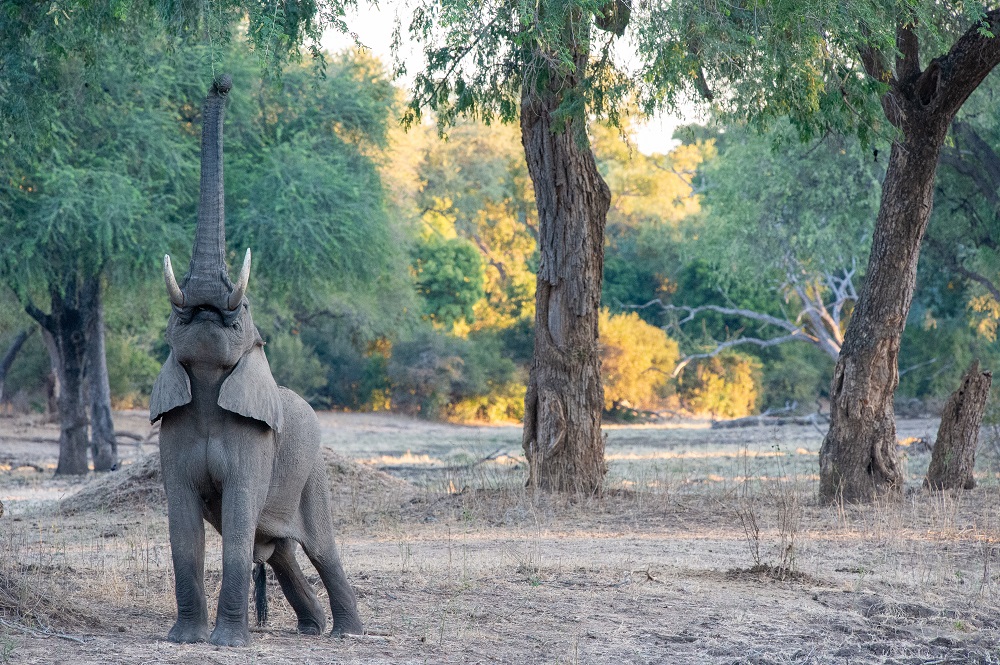
* On a trip this last July, we rediscovered the pure safari experience associated with a mobile tented camp in the heart of the wilderness. Having a huge elephant bull enjoying the vegetation in a small swamp right in front of our camp (albeit at a safe distance) was exhilarating and made us feel just a little bit vulnerable, even though the elephant hardly took notice of our presence. Trying to figure out all the night sounds, wondering about that crunching sound outside the tent (a hippo?) and trying to guess how far the roaring lions were from us (very far) was fun and made it easy to switch off the Kindle. The next morning we checked outside the tent and sure enough, the tell-tale footprints of a hippo confirmed our suspicions.

* It took us too long but we finally made it onto a Chobe River cruise for a peaceful, yet activity-filled three days on the Chobe Princess. While it’s a perfectly fine experience for a couple, the ideal arrangements would be to do the cruise on an exclusive use basis for your own small group of friends or family. We were pleasantly surprised at just how many different animals and birds we saw from the small boats on outings, notably of course elephants and hippos (safely). Enjoying several of the on board meals as we were slowly cruising up the Chobe River, and enjoying some of the most peaceful nights ever in our cozy cabin, were high points too. We’d do it again!

* Our two most recent Botswana trips reminded us just how remote and private the Botswana safari experience can be, particularly inside the private concessions. Sometimes days went by without seeing so much as one or two other vehicles on safari, even when we were on a predator sighting. Community areas like in Khwai do get a little busy – as does Chobe – but hardly ever to the point of distraction. There’s lots of room to drive to a different location.  

* While many of the deluxe or premier camps in the Okavango Delta and surrounding areas are eye-wateringly expensive, particularly in the high season (from about June through October), our destination management companies who help us put together itineraries have become quite adept at finding long-stay offers, shoulder and green season rates, camp opening specials, package deal discounts, free flight inclusions and other cost-saving measures. So don’t give up on Botswana because of perceived high prices. There are ways and means – from traveling in off-peak times to including more moderately priced properties and areas (such as Mashatu in southeastern Botswana) – to keep a Botswana trip affordable. 

Zimbabwe

Zimbabwe is a first-class safari destination with several prime safari areas, all offering a classic safari experience at a price point which can be as little as half the cost of other comparable safari destinations. The country is particularly well known for its abundance of elephants, with as many as 30,000 to 40,000 in greater Hwange National Park. Zimbabwe is ideal for a single country trip with exceptional diversity including Victoria Falls and several options for safaris, some of which, like Mana Pools, are considered to be among the finest in Africa.

Zimbabwe has some truly remote and lightly traveled areas to be explored such as Gonarezhou National Park, which is as wild as it gets, and the Matobo, which is all about history, culture and spirituality. The views of Victoria Falls from the Zimbabwe side of the Zambezi are simply the best and the area around the Falls offers a growing range of adventure activities including helicopter flights over the falls, white-water rafting, bungee jumping, sundowner cruises and many others.

Keep these camps and places in mind for your own customized Zimbabwe trip:

* Victoria Falls is the ideal gateway to a Zimbabwe (or even a Botswana or Zambia) safari. Spend your first two nights there, enjoy a peaceful sundowner cruise on the Zambezi (complete with hot canapes while you scan for hippos) and take a nice long walk along the edge of the Falls on the Zimbabwe side with a local guide. There’s nowhere better to give your body a bit of time to get over jet lag before you set off on your first game drive.  

* The grassy pans in the southern part of Hwange National Park – and notably the greater Ngamo area – can be surprisingly good for game viewing in the green or low-demand season. With the onset of the rain in December and January, the fresh emerging grass on the open pans acts like a magnet for the herbivores. It’s not unusual at all to see as many as six  species of ungulates at the same time, including wildebeest, giraffe, zebra, impala, roan, sable, eland and buffalo. Predictably this abundance of prey animals leads to increased predator activity with cheetahs and lions – as well as hyenas and leopards in some spots – taking notice. The low-demand season offers the most affordable rates of any time of the year. The sunrises and sunsets are gorgeous and the baby animals outnumber the people and vehicles by a factor of hundreds to one. For the birdwatchers, there are many birds in colorful – even extravagant – breeding plumage and lots of intra-African and Palearctic migrants in place.

* Most of the Zimbabwean parks are ideal for walking safaris, notably Mana Pools and Hwange. What we’ve done on several occasions lately is to embark on a game drive and then to hop off the vehicle on foot when a suitable opportunity presents itself. For example, to move close to a small breeding herd of elephants, when wind and other conditions are favorable. Zimbabwe guides are among the best in Africa and their ‘full pro’ guide’s licence – which takes as long as five to seven years to obtain – sets the gold standard for the rest of the continent.  

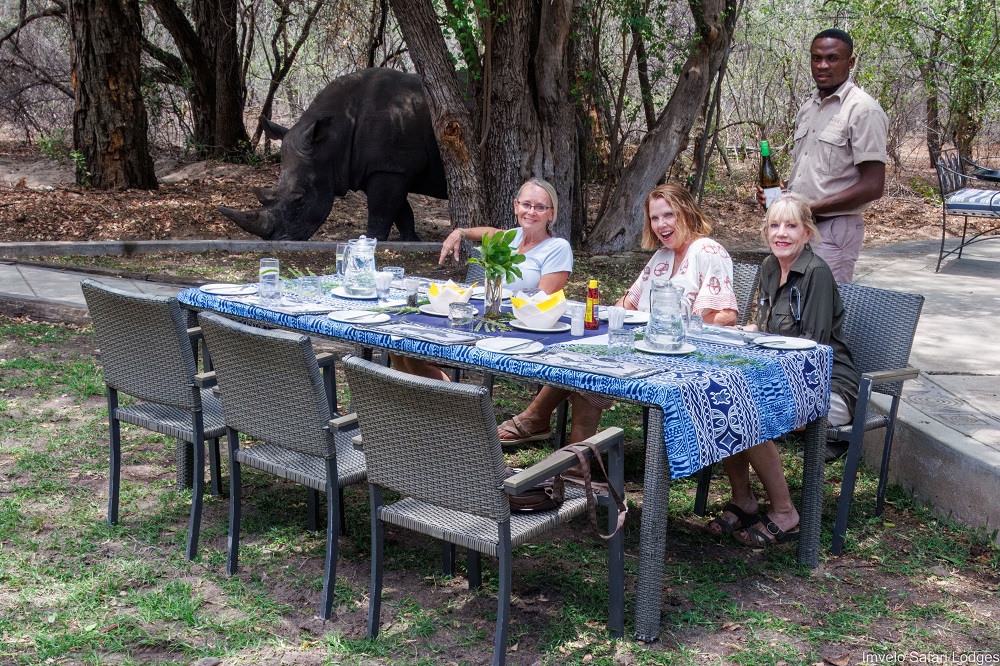
* One of our most memorable recent Zimbabwe experiences was to learn more about the reintroduction of white rhinos into the Hwange area, and to spend time with some of these gentle giants while staying at camps such as Camelthorn and Bomani. Visiting the Ngamo Rhino Sanctuary and learning about the Community Rhino Conservation Initiative was fascinating. Even more so – walking with the rhinos and getting close to them in a safe, controlled environment. On one occasion a couple of them took a nap inside the Camelthorn Lodge grounds while we were enjoying lunch. Lately they’ve even been seen using the main entrance to the lodge, much like any other visitor would!

Tanzania

Tanzania is a huge and diverse country with several prominent safari destinations which are among the top choices in Africa, such as the vast Serengeti National Park and Ngorongoro Crater. The Serengeti has indeed become practically synonymous with the annual zebra and wildebeest migration, unfortunately leading to some degree of congestion in the central and northern Serengeti in the peak season.  

Other safari areas like Tarangire in the north, Nyerere and Ruaha in the south and Katavi and the Mahale Mountains National Parks in the west, may not be as well known but are no less exciting to visit. Together with its Indian Ocean beach destinations and nearby Zanzibar, Tanzania is an ideal all-round safari destination where one can easily combine game viewing, adventure, cultural interaction and a beach or resort experience. For keen hikers, successfully reaching the summit of Tanzania’s Mt. Kilimanjaro is a bucket list item. At 19,341 feet above sea level, Kilimanjaro is the highest peak in Africa and also the highest single free-standing mountain in the world.

Fish Eagle Safaris founder Bert has climbed four of the five major Kilimanjaro routes so reach out to him for advice, recommendations and inspiration. 

Over the last few years we’ve been visiting Tanzania at least once every year. Here are some of our observations:

* If there’s one place in Africa where we recommend spending some time in a mobile tented camp, it’s the Serengeti. Particularly during the migration season but really on any safari. It evokes the Africa of old, with expedition style accommodation and furnishings, maybe even a traditional ‘bucket’ shower. More importantly a mobile tented camp opens up the entire night to your imagination. You will hear lions roaring, hyenas and jackals calling, the chirping of African scops owls, hopefully wildebeest grunting and – my favorite – the hauntingly beautiful, evocative braying of the zebra stallions, reverberating over the savannah.  

* Tanzania is the best ‘migration’ destination in East Africa so if you want to maximize your chances to experience this awesome phenomenon, then by all means plan on spending some time in the Serengeti. While it is possible to include both the Serengeti (Tanzania) and the Masai Mara (Kenya) in one itinerary, it is somewhat of a duplication as the two reserves are part of the same ecosystem. The Masai Mara is simply the northernmost extension of the Serengeti. So you’ll be seeing the same mammals and birds, same general environment, same scenery.  

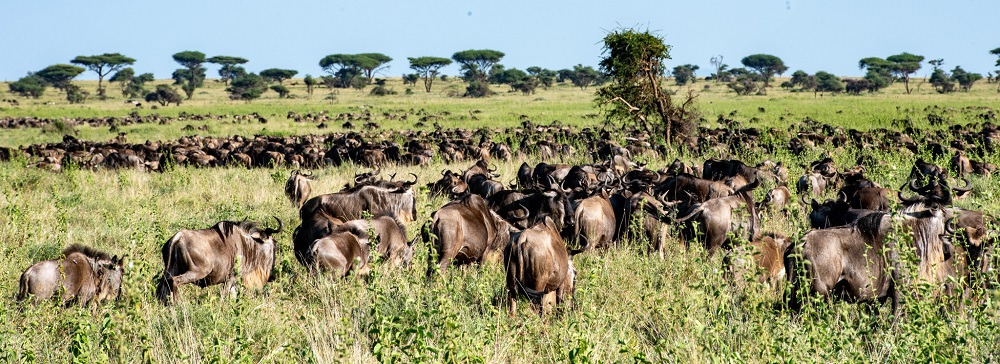
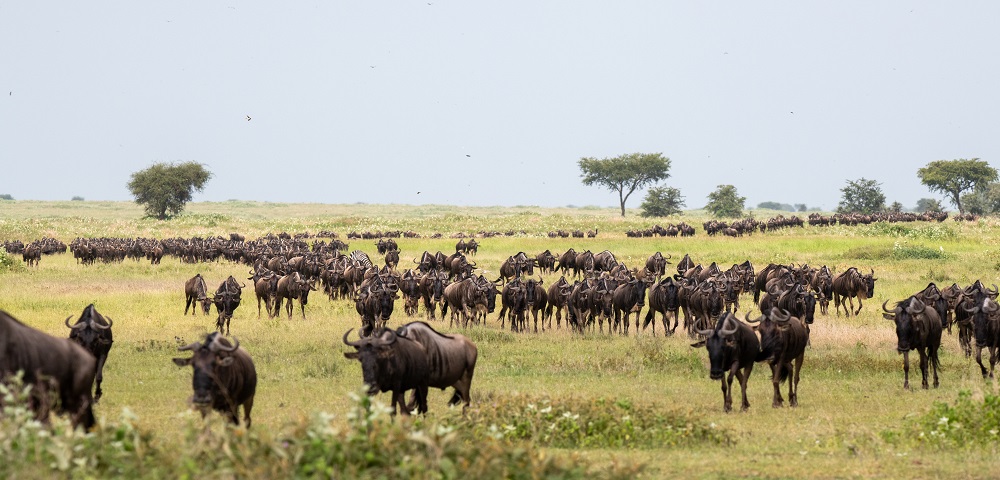
* Instead of the more traditional northern Serengeti migration safari from July through October, consider traveling to Tanzania in the (US) winter months, particularly from January through the end of March. This is when the zebra and wildebeest herds find themselves in the southern Serengeti – often congregated in the short-grass plains of the greater Ndutu area – for the calving season. While there won’t be any river crossings, observing thousands of wildebeest and zebra – sometimes in every direction of the compass – can be just as fascinating. Groups will often erupt into motion and start to run in a single direction causing a chain reaction with hundreds of animals running full speed not to fall behind, and then abruptly slowing down or even stopping, all with no apparent rhyme or reason. 

* We have been checking out a few moderately priced safari camp options in both the central and northern Serengeti which we think maximize the game viewing potential, along with superb guiding and great vehicles but without having to pay a super premium price. Ask any one of us for more information or a cost estimate. 

India

India is a huge and incredibly diverse country – more like a continent really – with a complex and fascinating history, as well as stunning cultural, religious and linguistic diversity. Visiting India is akin to experiencing literally everything and anything simultaneously. It is a riot of color and experiences like no other and can be a bit daunting for inexperienced travelers. Rest assured that the highly experienced team at Encounters Asia – our India partners – will be there 24-7 to assist you personally as needed. So that you can focus 100% on the experience and not have to worry about any of the logistics. From a pre-allocated seat on the Gathimaan Express train from Delhi to Agra to extra luggage allowance on all domestic and regional flights, everything has been taken care of. All you have to do is enjoy the food, the people, the landscapes, the wildlife, the architecture and everything else that makes up the incredible India experience.

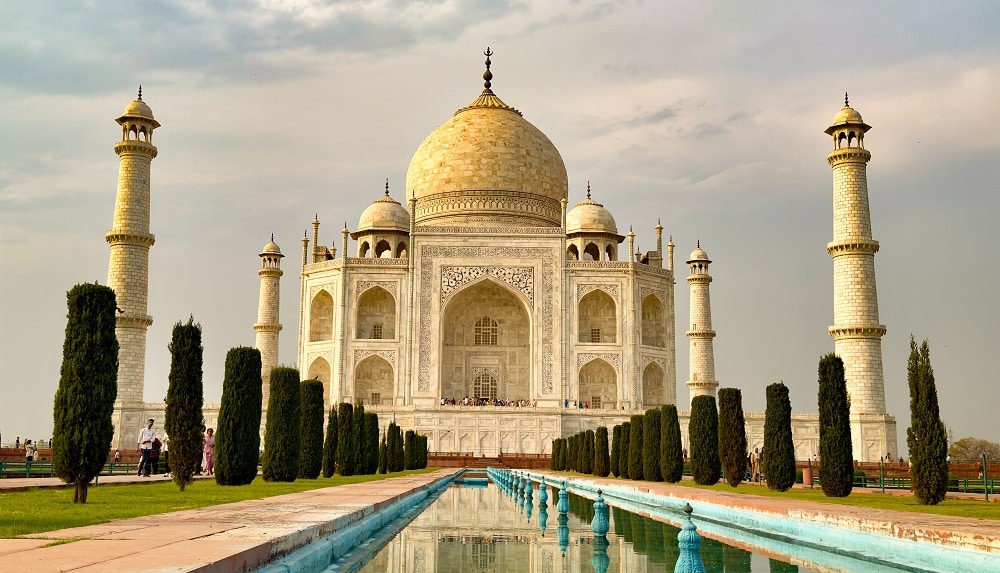
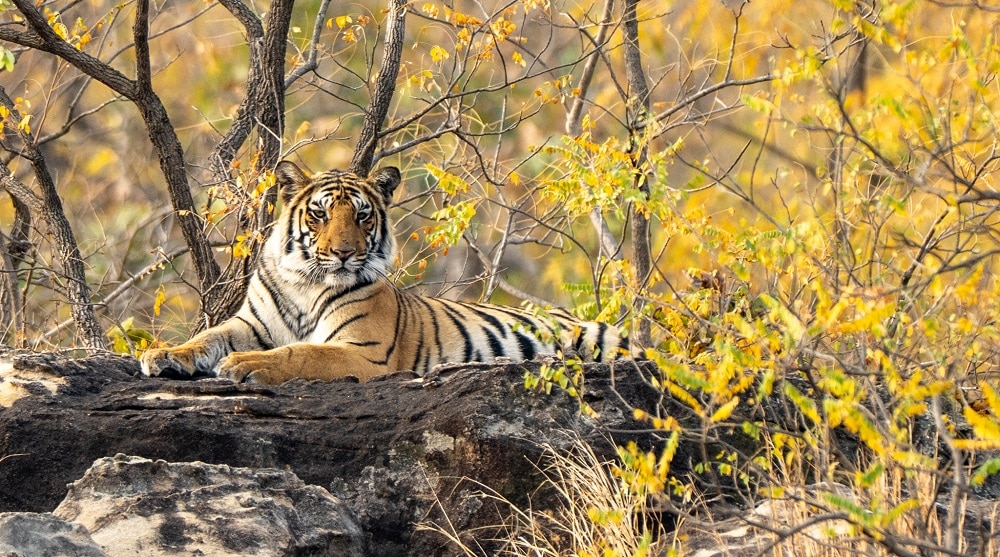
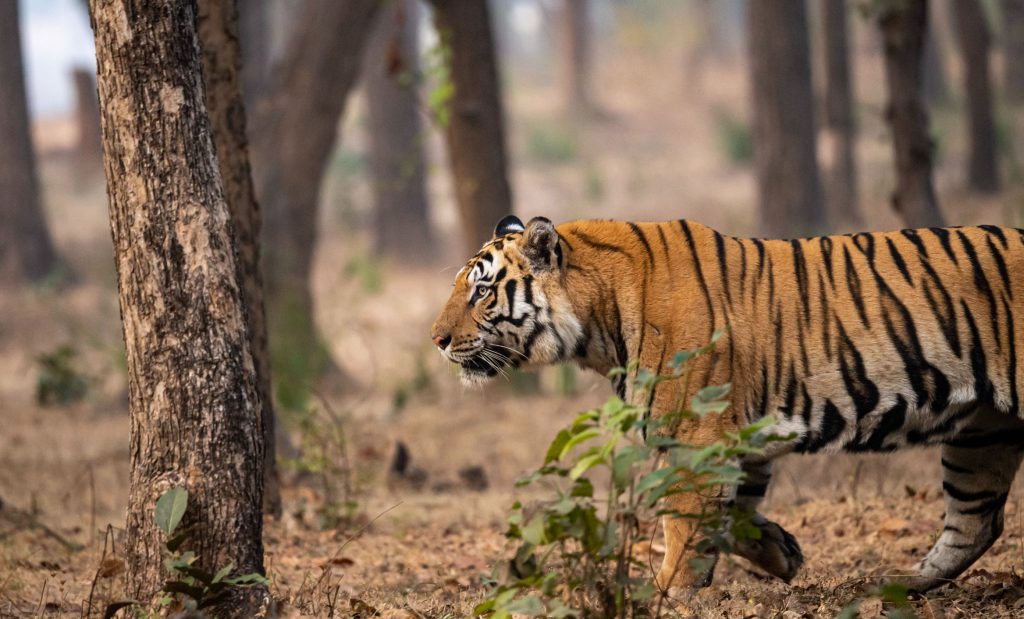
On the trips we design, clearly finding and seeing Bengal Tigers and other fascinating Indian mammals such as sloth bears, Indian leopards, Asian elephants, guar (Indian bison), and the one-horned rhinos of Kaziranga in the far eastern state of Assam, is a priority. Beyond that, we think absolutely everyone should include a short visit to Agra to experience the Taj Mahal. If you do want to explore the amazing cultural and religious diversity and rich history of India beyond just Delhi or Mumbai and Agra, we’re ready with advice and recommendations for cities like Jaipur (the pink city) and Varanasi – for an incredible immersion into the Hindu way of life.  

India has almost 1.5 billion inhabitants so yes, you can anticipate some traffic, pollution and congestion. I think my best advice is not to fight it, just embrace it. Adjust your attitude and roll with it. Do that and you will find wonderful, interesting people literally around every corner. People who are genuinely keen to meet and interact with complete strangers. Never will you be asked to pose for as many selfies with strangers as in India.

Our passion for India keeps growing apace and our lengthy March-April 2025 trip added considerably to our knowledge base. Here are a few thoughts and suggestions :

* If there’s one tiger reserve you absolutely cannot leave off your India itinerary, it has to be Bandhavgarh in Madhya Pradesh. So many tigers, so much adventure! Look no further than Bandhavgarh Jungle Lodge where general manager Sadhvi Singh and her team (including her husband Harsh) will turn you into a tiger aficionado in no time!

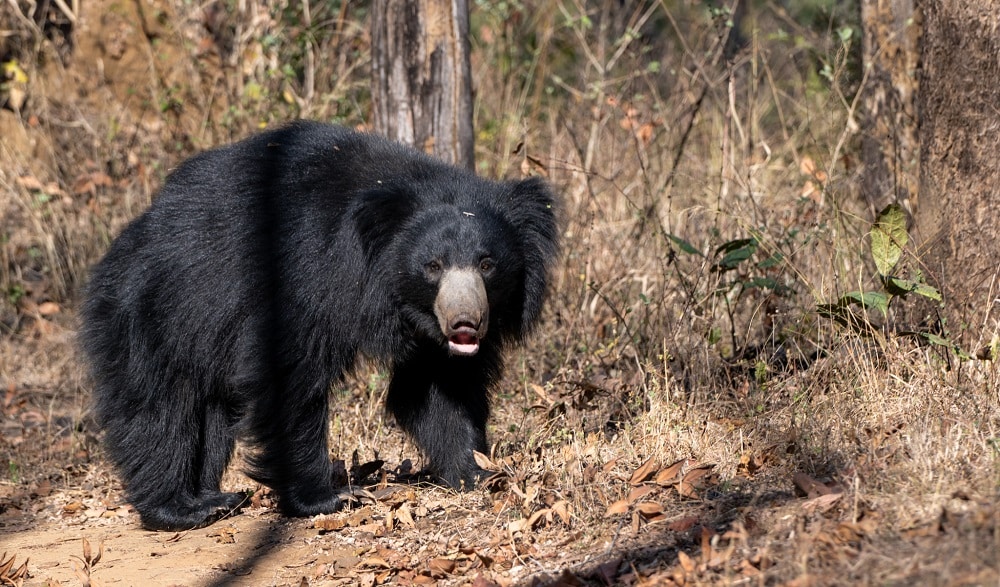
* Satpura National Park is fast turning into one of the best overall and certainly most diverse tiger reserves, with fewer visitors around and more opportunities for undisturbed moments than many of the ‘big name’ reserves. Look for the sloth bears – and don’t be fooled by the ‘sloth’ in the name. Those are real bears. 

* I don’t think I’m the only person around who liked Mumbai more than Delhi as the starting point for a tiger-focused trip. Maybe it was the sea breeze or the stunning views from Mumbai’s Arabian Sea coastline, or its cosmopolitan, lively atmosphere.  

* For the love of everything holy, don’t leave the Taj Mahal off your India itinerary.  It’s a mesmering sight.  Even if there’s a thousand people there on the day of your visit, it will not matter one whit. You will be amazed.

In part two of this country round-up (in our October newsletter), we will take a look at Zambia, South Africa, Namibia, Rwanda and Uganda. Our team at Fish Eagle Safaris is ready to assist you with your Africa, India and Madagascar travel plans so please contact Lyndon at lyndon@fisheaglesafaris.com or Jason at jason@fisheaglesafaris.com for more information, or leave a message with our answering service at 1-800-513-5222.

YOU MIGHT ALSO BE INTERESTED IN

Destinations
Zambia

10th September 2021

Chindeni and the Bushcamp Company, Zambia

By late July we found ourselves at Chindeni, a small Bushcamp Company property
Read more
Botswana
Destinations
Okavango Delta

3rd October 2022

Camp Okavango, Botswana

Camp Okavango is in the heart of the permanent part of the Delta. In this idyllic setting there are no vehicles, and it is just a short walk
Read more
Area
Destinations
Nyerere National Park
Ruaha
Tanzania

14th October 2023

From My Safari Notebook: Wildlife Photography

Birds in flight and wildlife photographers have an uneasy relationship. Things go wrong as often as they go right. Getting focus-lock on a moving subject

Read more

SUBSCRIBE TO OUR NEWSLETTER

READERS FAVOURITES
Destinations
India

27th May 2023

India

India’s tiger, mammals and birds.

Read more
Botswana
Destinations

4th August 2022

On Safari At Belmond Eagle Island Lodge, Okavango Delta

What is the ‘secret sauce’ for an unforgettable few days on safari in Botswana? It starts with the animals, of course. The elephants, lions, giraffes, hippos

Read more
Destinations
Zambia

10th September 2021

Chindeni and the Bushcamp Company, Zambia

By late July we found ourselves at Chindeni, a small Bushcamp Company property

Read more

The Leopards of Laikipia Wilderness

18th September 2025

The Leopards of Laikipia Wilderness

Hardly ten days after it happened, I am still trying to process the experience of seeing a rare black leopard – Giza – practically launch itself across a small dirt track in a private conservancy in north-central Kenya, straight at a hapless Gunther’s dikdik, then moments afterwards lifting up its head with the tiny antelope hanging from its jaws, lifeless. It’s rare to see a leopard kill, let alone a black leopard kill.    

This event took place in near total darkness, dimly illuminated only by the light of the moon (a day away from being full) and red-filtered spotlights trained on it by the specialist guides from Laikipia Wilderness Camp, where Kathy and I spent a couple of nights in early September.  

Even more remarkable was that we had seen Giza the previous night as well. As we were to learn during the course of our visit, Giza enters the Laikipia Wilderness conservancy most evenings after dark, to hunt (mostly dikdiks of which there are seemingly thousands in the area, but also impala), and if successful she takes the carcass into the adjacent Mpala ranch where she currently has two cubs secured in a rocky outcrop.  

For those of you considering visiting this camp in Laikipia in search of a black leopard, my best advice would be to plan on spending at least four or five nights – even a week. The black leopard situation is fluid at all times and may change literally overnight. To improve your chances, you can pay extra for a Black Leopard Private Vehicle or Black Leopard Shared Vehicle so that you will be given a priority slot at a black leopard sighting. To be sure, none of this guarantees a black leopard sighting as Giza is a wild animal.  

What guests at Laikipia Wilderness can look forward to with more certainty than seeing Giza hunting dikdiks, is a comfortable stay in a cozy tented camp and superb hospitality from a team of young managers and hosts, as well as a squad of talented chefs. The food was exceptionally good and the desserts absolutely impossible to turn down. Lunch on day one set the scene: choice of a vegetarian or chicken roll with a beetroot and grapefruit salad as well as a tomato, olive, onion and feta cheese salad. With focaccia bread on the side. Dinner was delicious with a perfectly cooked fillet of beef with peppercorn sauce, Yorkshire pudding, mashed potato, green beans and sautéed cauliflower. The vegetarian option was a mushroom Wellington. Dessert was the chef’s take on a South African classic – malva pudding. 

On our recent visit we had the best time ever with camp managers Louis and Sophie and hosts Amelia and Duke. Our guiding team of Patrick and Stephen were enthusiastic, didn’t miss a thing (we were the only vehicle with an unobstructed view of the black leopard kill) and they quickly picked up on our birding interest, helping us to rack up some 50 or so species without really going out of our way.  

First impressions of the camp were favorable: there was a good staff dynamic, the property had a real ‘home away from home’ feel with several friendly (albeit a bit dusty) dogs around. There is a spacious elevated lounge and dining area with a large verandah. Be sure to plan some time just sitting there – maybe with a cup of tea or something – looking out over the rugged Laikipia landscape. We often had elephants visible in the far background.  

The tents (there are 7) are fairly basic but quite comfortable with a good sized (brick enclosed) bathroom with a shower and flush toilet. The double bed had soft cushions and there is a small covered patio with two comfortable wicker chairs. 

Clearly Laikipia Wilderness comes into its own with the activities. Our very first afternoon game drive set the scene. It was nothing short of phenomenal with sightings of a striped hyena, shortly followed by an extraordinary sighting of three leopards (two of which were a mating pair). More than once the two adult leopards were less than ten feet from us. Even while mating.  

Our afternoon drive morphed into a night drive. Minutes after spotting a common genet we experienced the ultimate sighting of our entire trip: Giza, the black leopard referred to earlier. On the first night we observed her hunting, rapidly slinking through the grass, stopping briefly once or twice to smell something.  

General wildlife viewing in the conservancy was pretty good too with exceptionally good numbers of elephants around, lots of Burchell’s and a few Grevy’s zebra, plenty of reticulated giraffe, some Cape buffalo, impala, Beisa oryx, eland, spotted hyena and jackal. On our very last drive on the morning of our departure back to the USA, we came across two young leopard cubs tussling over the remains of a carcass. Our guides were as excited as we were to observe the two youngsters as it was the first time that they had seen them too! The guides were aware of the young leopards’ presence, but this was the first ‘public’ viewing. It augurs well for the future of the conservancy. There’s a new generation of leopards in the process of being habituated so future guests can enjoy the same sense of awe and appreciation which we experienced at Laikipia Wilderness during our stay. I think it was most fitting that the last few photos on my card were of leopards; they are clearly at the heart of the Laikipia Wilderness experience.

About photographing Giza: I’ve always known that night photography is not my forte and this visit reconfirmed it. Despite giving it considerable effort, I came up with exactly zero good or even decent photographs. A moving pitch black object in a mostly dark environment is a wildlife photographer’s nightmare. Next time, I will take a different camera and a shorter, faster lens.  

For information on how to best include a few days at Laikipia Wilderness on your next – or first – Kenya trip, call us at 1-800-513-5222 or email Bert at bert@fisheaglesafaris.com.

Header photo courtesy Laikipia Wilderness Camp

YOU MIGHT ALSO BE INTERESTED IN

Destinations
Zambia

10th September 2021

Chindeni and the Bushcamp Company, Zambia

By late July we found ourselves at Chindeni, a small Bushcamp Company property

Read more
Botswana
Destinations
Okavango Delta

3rd October 2022

Camp Okavango, Botswana

Camp Okavango is in the heart of the permanent part of the Delta. In this idyllic setting there are no vehicles, and it is just a short walk

Read more
Area
Destinations
Nyerere National Park
Ruaha
Tanzania

14th October 2023

From My Safari Notebook: Wildlife Photography

Birds in flight and wildlife photographers have an uneasy relationship. Things go wrong as often as they go right. Getting focus-lock on a moving subject

Read more

SUBSCRIBE TO OUR NEWSLETTER

READERS FAVOURITES
Destinations
India

27th May 2023

India

India’s tiger, mammals and birds.

Read more
Botswana
Destinations

4th August 2022

On Safari At Belmond Eagle Island Lodge, Okavango Delta

What is the ‘secret sauce’ for an unforgettable few days on safari in Botswana? It starts with the animals, of course. The elephants, lions, giraffes, hippos

Read more
Destinations
Zambia

10th September 2021

Chindeni and the Bushcamp Company, Zambia

By late July we found ourselves at Chindeni, a small Bushcamp Company property

Read more

Kenya’s Laikipia Plateau: Ol Pejeta Private Conservancy

21st February 2025

Kenya’s Laikipia Plateau: Ol Pejeta Private Conservancy

Ol Pejeta is a Masai phrase which means ‘the place of burning,’ likely hearkening back to a time when pastoralist communities eradicated ticks by burning the grassy plains which dominate the area. During the course of a few days spent at four different safari camps in the Old Pejeta Conservancy in Kenya’s north-central Laikipia region, we fortunately experienced neither ticks nor fires. Rather, the visit highlighted a few key differences between Southern and East Africa and Botswana and Kenya in particular. 

For one thing, we started seeing rhinos, both black and white, right away. They are common, if not downright abundant, in several of Kenya’s private conservancies including Ol Pejeta and  Lewa-Borana. Elsewhere in Kenya, rhinos can also be seen in Loisaba Conservancy, in Meru National Park and Nairobi National Park, and there is a significant black rhino presence in the Ngulia Rhino Sanctuary within Tsavo West National Park. 

Unlike many of the game reserves in Southern Africa, the rhinos of Ol Pejeta, Lewa and other parts of  Kenya are not dehorned so you will see them running around with their completely intact, beautiful horns – ready to defend themselves when necessary. In most of the private conservancies in Kenya it is not unusual to see from five to seven or eight mammals at the same time. On more than one occasion we had rhino, buffalo, giraffe, gazelle, zebras and jackals in the same field of view. 

Just like the private concessions in Botswana, the Kenya conservancies offer a more exclusive safari experience as access is restricted and a wide range of activities are available including night drives, walking safaris and off-road driving. Where they  differ is the degree of community involvement. The Kenya conservancies operate as integrated conservation entities, managing a healthy habitat for wildlife and livestock. They work closely with surrounding communities in a manner which blends commercial income from tourism as well as agriculture.  

Another notable difference: on safari in Botswana it is often downright impossible to see signs of civilization as we know it anywhere in the private concessions in northern Botswana. No power lines, no fences, no water towers, towns or even villages. Not so in Kenya. Some of the private conservancies border on national parks while others are enclaves within populated areas. Take a few photos at Lewa or Ol Pejeta and invariably, there will be structures in the background. In essence, there is no difference in the safari experience whether you’re 5 miles or 50 miles from the nearest power line, but ‘civilization’ is all too visible in the East African conservancies.

It is of course part of the conservation model: a cooperative effort involving local communities to preserve suitable habitat for wildlife. To be successful, all the partners have to be winners. Which means there will be some agriculture going on, visible to the human eye mostly in the way of cattle herds or sometimes flocks of  sheep or goats. Beyond serving as the living livestock ‘banks’ for the local people (whose wealth is largely measured by livestock ownership) these animals contribute to the health of the habitat by keeping the grass short where and when needed and by supplying free natural fertilizer. Livestock – notably cattle- also provide an additional revenue stream for the conservancy.

One other thing about Ol Pejeta that is practically impossible to miss is the looming presence of Mt. Kenya, Kenya’s highest mountain peak, often clearly visible to the south. Sometimes shrouded in mist, sometimes not, Mt Kenya is always there like a watching sentinel, a visible reminder of the landscape diversity which Kenya is fortunate to have. Over the course of four days in Ol Pejeta we had some great views of the mountain, with the single most memorable moment being observing some zebras in the foreground, with a misty mountain behind. My photography skills for once didn’t measure up to the challenge – silhouettes are always tricky!

Ol Pejeta Bush Camp

Our first stop in the conservancy, Ol Pejeta Bush Camp, felt comfortable and warm from the word go. Sitting out on the verandah overlooking the Ewaso Nyiro River while being given the usual arrival briefing, a good sized herd of elephants was grazing right on the opposite bank of the river. Later on, we saw several buffalos and hippos from the same spot, and other guests mentioned a leopard which was seen walking there. The delicious al fresco lunch on arrival set the tone for the quality of the meals. We also liked our tented room – one of only eight in this small, solar-powered camp.  

On our very first game drive in Ol Pejeta we encountered a remarkable number of rhinos including several black rhinos and one group of four white rhinos. It was no different the following morning and, without having to try too hard, I captured some of my best photos of both black and white rhinos in at least a decade. Over sundowners that afternoon a large male white rhinoceros appeared on the scene while we were watching four white rhinos grazing. The new arrival became agitated and ended up in an altercation with the largest individual in the group of four. As the light slowly faded, the two rhinos were still in a standoff, head to head, their massive horns just inches away from each other.

Kicheche Laikipia

What would be better than spending a few days at Kicheche Laikipia camp in Ol Pejeta? Combining it with a few days at a Kicheche property in the Masai Mara to qualify for Kicheche’s ‘stay 6, pay 5 nights’ special offer. Top-notch guiding, excellent all-around hospitality and thoughtfully designed rooms at all of the Kicheche properties make for a fun and absorbing safari experience with lots of animals and few other vehicles to be seen.  

At Kicheche Laikipia we felt at home right away, with every member of the team doing whatever they could to make our short stay special. The attention to detail, the ‘make your own pizza’ lunch, the sense of privacy and exclusivity with just six rooms tucked away into a dense thicket. From the cozy dining tent we observed a good number of animals coming to drink at a pond, a hundred meters or so from camp. Among others we saw eland, buffalo, elephant, many birds, impalas and gazelles – all while enjoying Kicheche’s excellent food. 

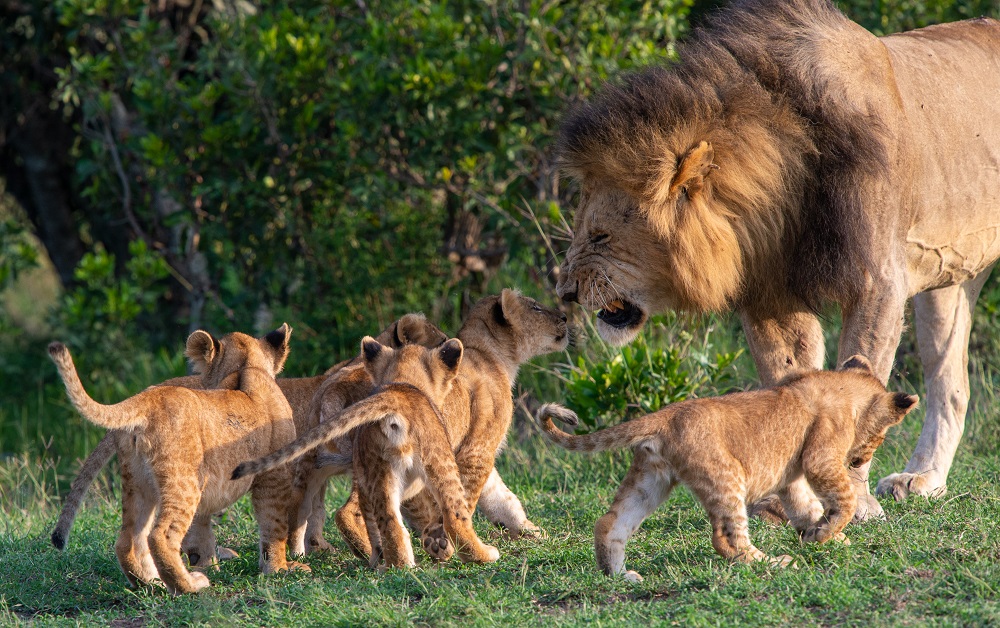
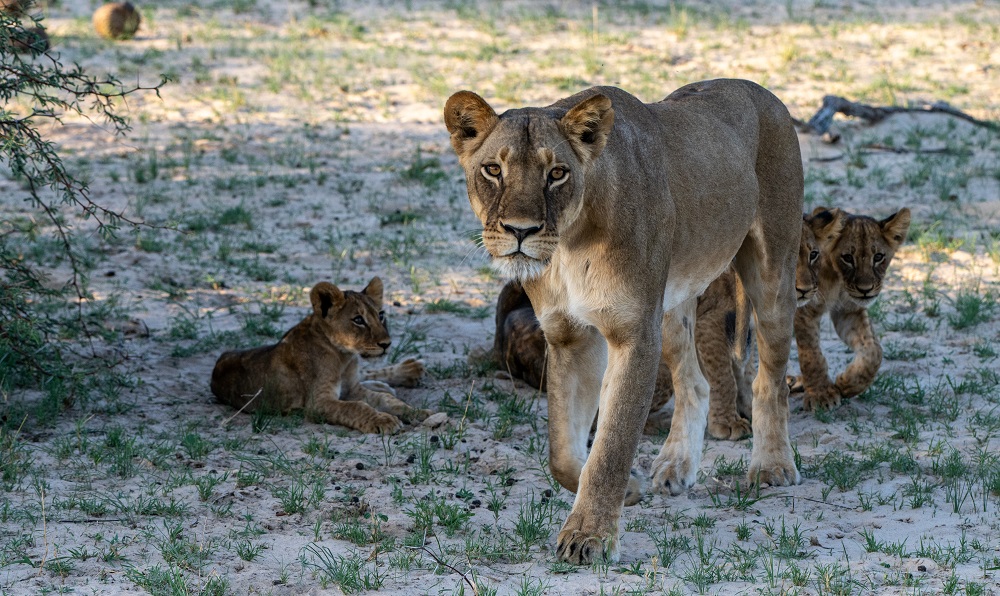
Our afternoon game drive out of Kicheche was another winner with several more excellent rhino sightings and finding a large pride of 26 lions – with lots of cubs of various ages. It was as entertaining and downright spectacular as any experience we’ve ever had with a group of big cats. Observing the youngsters ‘hunting’ each other, recognizing the affable attitude of particularly the adult females towards the young ones, letting the babies crawl all over them. Above all, seeing right there in front of us how cohesive they were as a pride, with muted contact calls and visual contact keeping them all moving as one, apparently all on their way to some predetermined spot. We were not unhappy to see the last couple of tails disappear into a thicket. We enjoyed our views and took our videos and photographs. It was time to let the lions be lions in private.

Sanctuary Tambarare

An extended game drive on our first day at Sanctuary’s Tambarare Camp illustrated just how diverse the Laikipia plateau can be. This beautiful expanse of broad, undulating plains, rolling hills and scattered rocky outcrops offers something new and interesting around every corner. Driving from the open savannah area into a huge whistling acacia thorn tree forest, we suddenly started seeing lots of small groups of the stunning reticulated giraffes. Without doubt my favorite of the giraffe species with their boldly delineated orange-red spots, separated by cream-colored lines.  

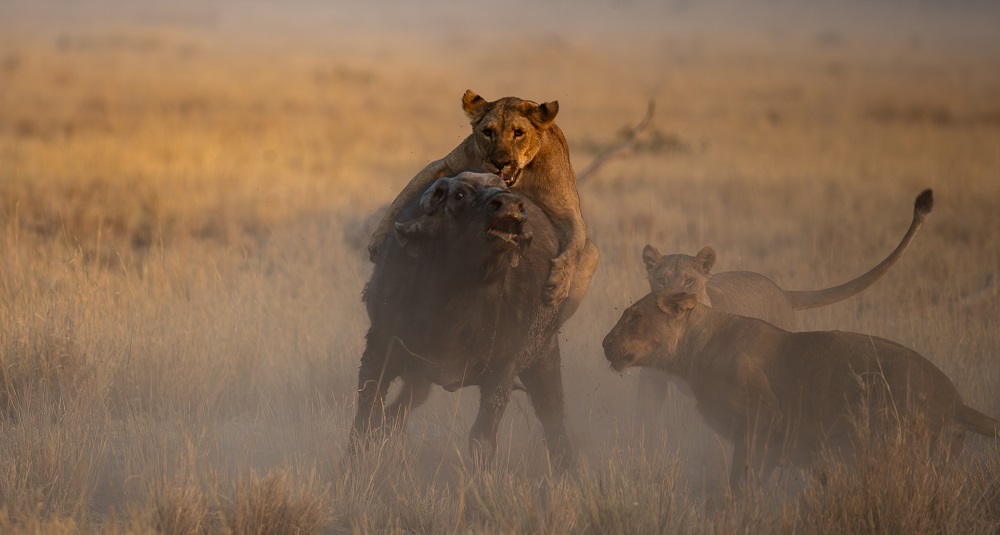
Later on during the same drive, we were watching a large pride of lions which had brought down a buffalo the previous night. As the sun was setting, several of them made their way to a watering point, one after the other. Just then, a black rhino started heading for the same trough and it initially made a mock charge towards one of the lions. When a couple of the other lions showed up the rhino figured that discretion was the better part of valor and it disappeared. Our guide didn’t think that the lions would actually have taken a serious interest in the rhino, but it certainly got us to pick up our binoculars.

Our tented room at Tambarare was just about perfect. Elegantly appointed with just enough space, it had a separate shower and toilet, his and hers wash basins, ample luggage space, recharging points, and adequate lighting. And lo and behold, there was an electric blanket which we put to good use. The level of food and service at Tambarare was top-notch and we were totally spoiled with the choices and options. A specially prepared dish with ugali and maharagwe (essentially red beans in a coconut-based sauce) was outstanding!  

Being close to the equator, there are no wild swings between summer and winter days and summer and winter weather in much of Kenya. Altitude is generally a more important weather determinant than anything else. Being at an altitude of more than a mile high, Tambarare and for that matter all of Laikipia is always temperate and generally quite nice, with daytime highs around 80F and average lows rarely below 50F. 

Our team at Fish Eagle Safaris have been including a few days in the Laikipia region with several Kenya itineraries lately, with great success. If you’re considering an East Africa or Kenya trip, please reach out to Jason at jason@fisheaglesafaris.com for some suggestions on how – and when – Laikipia might best form a part of your trip. 

YOU MIGHT ALSO BE INTERESTED IN

Destinations
Zambia

10th September 2021

Chindeni and the Bushcamp Company, Zambia

By late July we found ourselves at Chindeni, a small Bushcamp Company property

Read more
Botswana
Destinations
Okavango Delta

3rd October 2022

Camp Okavango, Botswana

Camp Okavango is in the heart of the permanent part of the Delta. In this idyllic setting there are no vehicles, and it is just a short walk

Read more
Area
Destinations
Nyerere National Park
Ruaha
Tanzania

14th October 2023

From My Safari Notebook: Wildlife Photography

Birds in flight and wildlife photographers have an uneasy relationship. Things go wrong as often as they go right. Getting focus-lock on a moving subject

Read more

SUBSCRIBE TO OUR NEWSLETTER

READERS FAVOURITES

Destinations
India

27th May 2023

India

India’s tiger, mammals and birds.

Read more
Botswana
Destinations

4th August 2022

On Safari At Belmond Eagle Island Lodge, Okavango Delta

What is the ‘secret sauce’ for an unforgettable few days on safari in Botswana? It starts with the animals, of course. The elephants, lions, giraffes, hippos

Read more
Destinations
Zambia

10th September 2021

Chindeni and the Bushcamp Company, Zambia

By late July we found ourselves at Chindeni, a small Bushcamp Company property

Read more

A Few of Our Favorite Elephant Destinations

20th January 2025

A Few of Our Favorite Elephant Destinations

Over the last thirty years plus since Fish Eagle Safaris came into being, our team members have been fortunate to observe thousands of elephants. Even so, there is not one among us who will ever tire or become bored of finding and observing these amazing beasts. They are at the heart of a successful safari and like so many other passionate wildlife enthusiasts, we can and do watch them for hours on end. There are elephants in many areas of eastern and Southern Africa, but these five locations are standouts:

Amboseli National Park 

Two things elevate the elephants of Amboseli National Park into superstar status. The one is the fact that they – alone among all the many thousands of African elephants – are the only ones which live and breathe in the rain shadow of Mt Kilimanjaro. With a little bit of luck and skill – and a guide who will already be primed to do this – you too can take a photo putting the elephants between you and the mountain. It’s not too difficult and the results are stellar. 

What is the other thing about Amboseli elephants which makes them special? Their white tusks. But don’t all elephants have white tusks? Indeed they do but if there were a dental whiteness standard for elephants as there is for human teeth, then the Amboseli tuskers would be practically off the charts on the bright side. The reason? Observe Amboseli’s elephants for a day or two and you’ll quickly figure it out. They are continuously moving between the woodlands and the swamps. In the swamps they practically submerge themselves while rooting around for edible plants. In the process undergoing a repeated and ongoing tusk cleanup, more effective than any giant elephant toothbrush ever could be. 

Chobe National Park, Botswana

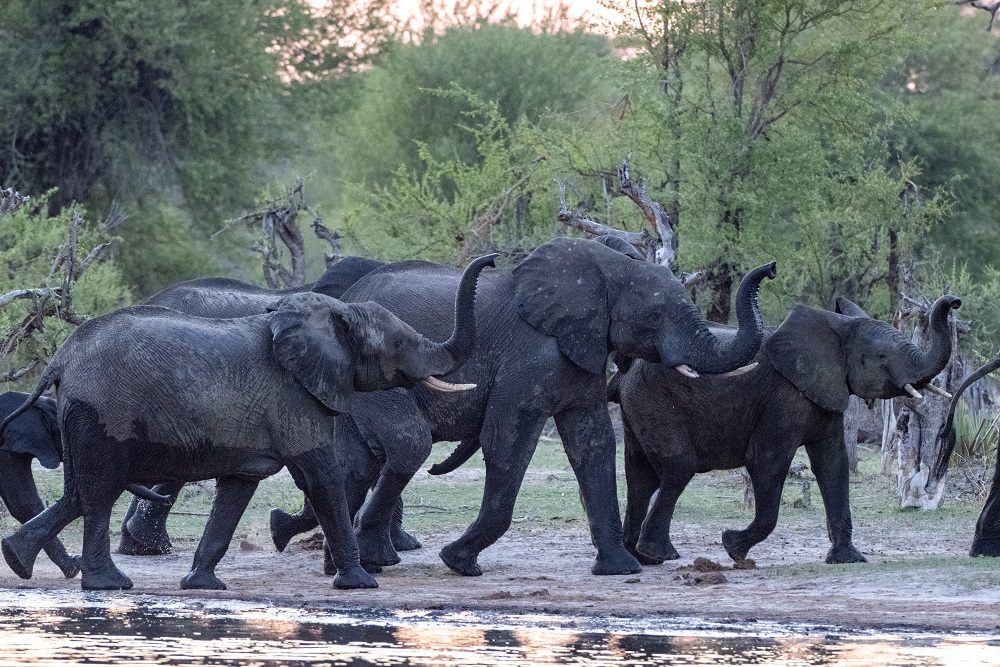
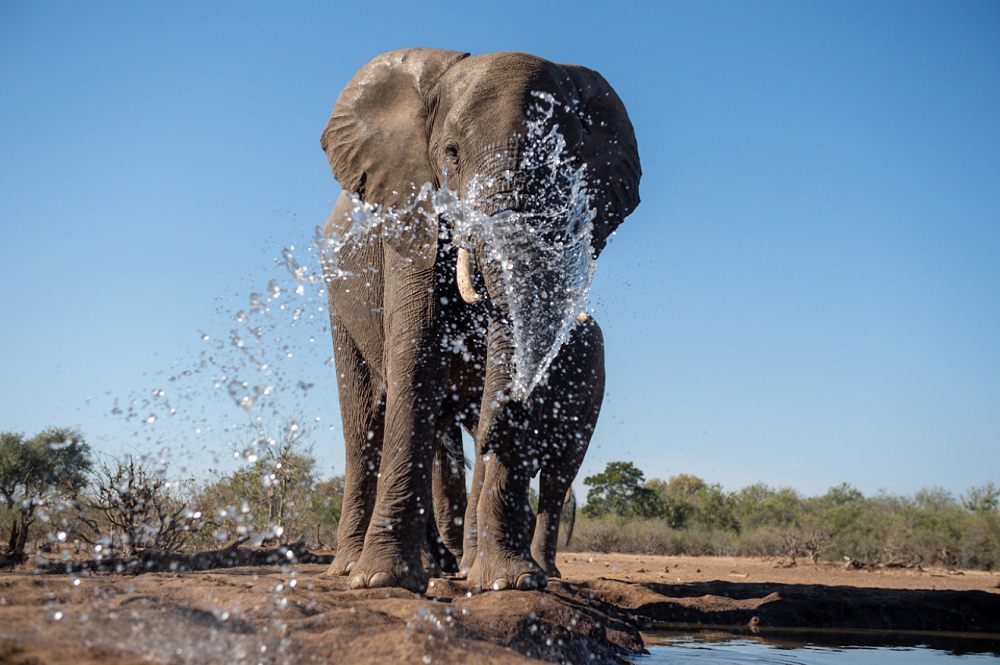
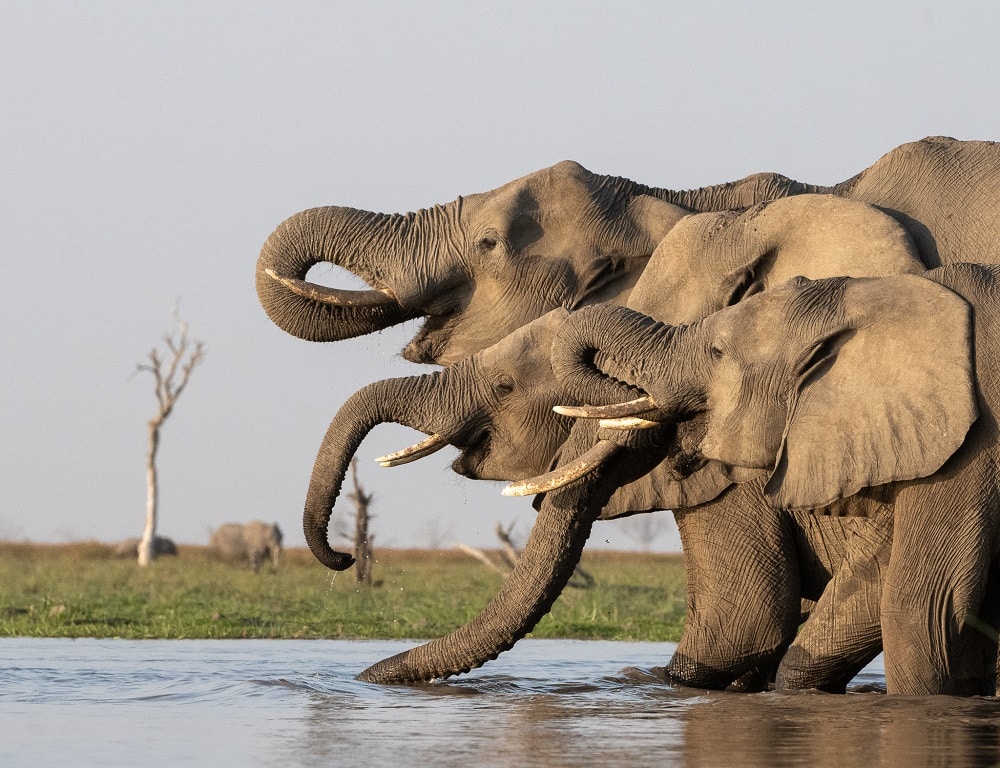
Botswana is a reliably good elephant destination and specifically so along the Chobe and Linyanti River, as well as along the Selinda Spillway and Savuti Channel. In those places, elephants gather in their hundreds and sometimes thousands during the dry season as they are dependent on water, having to drink at least once every couple of days or so. By June and through October, this is where they can be seen moving to the water, drinking from it and often getting into it. A Chobe and Linyanti highlight is to see small groups of elephants swimming to nearby islands or simply splashing around. Ideally visitors to the area should spend a good amount of time in the water themselves. On a boat, of course. 

The stable platform provided by a boat or skiff is ideal for photography in a spot which is invariably chockablock with subjects: not only the elephants  but also as many as three or four species of kingfishers; and several ducks, geese, egrets, cormorants, herons, bee-eaters and storks. Plus an abundance of hippos and Nile crocodiles. 

Tsavo East, Kenya 

If I had to pick just one favorite spot in all of Kenya with its incredible diversity it would have to be Galdessa Camp on the Galana River, in Tsavo East. At the very base of the intriguing Yatta plateau – the remnant of the world’s longest lava flow – Galdessa is a simply magical spot. Spend half an hour gazing out over the usually tranquil Galana River, and you’ll almost certainly see some interesting birds and mammals in or close to it. Stick around a little longer and an elephant trunk is likely to be extended up and over the edge of the embankment, silently imploring you to roll a tasty doum palm fruit in its general direction. Several elephants habitually swing by the property to avail themselves of these free treats. 

The undisputed #1 activity from Galana – which is operated by Sheldrick Wildlife Trust – is a half day trip to the Voi Reintegration unit. This is where your fondest elephant dreams come true. Where you come face-to-face with several subadult elephant orphans being readied for release back into the wilderness. Observe their camaraderie, their unbridled joie de vivre, and reflect how every one of them initially made it to the Sheldrick elephant as orphans. Hungry, lonely, lost little souls, somehow separated from their mothers. Seeing them happy and content, feeding, drinking and playing with the other members of their peer group (they are usually released back into the wilderness together) is one of the most heartwarming, most inspirational, simply magical Africa experiences out there.

Mashatu, SE Botswana

Listen to a group of travelers talking about their upcoming trip to Botswana and you’ll hear them mention the Okavango Delta, Chobe, Moremi. Maybe Kalahari. What you won’t hear is Mashatu. Which is a pity as Mashatu is one of Botswana’s best destinations for elephants – and the big cats. Unquestionably, Mashatu private game reserve in the Tuli block in southeastern Botswana is a hugely underrated safari destination. 

Over the course of several visits over the years we have experienced some amazing sightings at Mashatu, several revolving around elephants. The undisputed highlights were a couple of sessions at Mashatu’s Matebole elephant hide. Elephant aficionado heaven. Observe as one, two, a few and then an entire herd of elephants walk right into your field of view, just a few meters away. Put aside the telephoto lens – this is wide angle stuff. Youngsters pushing each other around, big bulls scaring everyone, tiny babies not knowing what their trunks are for. At the height of the dry season it can be an intense experience with even the observers sensing the desperation, sympathizing with the survival instincts so starkly on display there. 

While one can never get tired of watching elephants and elephant behavior, Mashatu has plenty of other things to see and do. Spend three or four nights there and you’re likely to see lots of plains game species as well as lions and leopards, and perhaps even cheetahs. They are not always present, but when they are, they are relatively easily seen being diurnal cats which roam around, hunt and kill during the day.  

Mashatu lends itself to foot safaris, which can be done in lieu of a game drive at no additional cost, or which can be added as an extra activity at nominal additional cost. At additional cost (not a lot) you can prebook a photographic session in the elephant hide, or embark on a mountain bike safari. If you’re a proficient horseback rider, you may wish to saddle up and go out into the wilderness on a horseback safari.

Hwange National Park, Zimbabwe

With more than 45,000 elephants resident in greater Hwange National Park, with some seasonal movements mostly within the park, Hwange is solidly in the top three best elephant destinations in Africa. Several of our most memorable elephant viewing experiences occurred at waterholes in Hwange, among others on outings from four Imvelo properties – Jozibanini, Camelthorn, Nehimba and Bomani – and from three Wilderness camps namely Davison’s, Little Makalolo and Linkwasha. In another blog post which can be found here, you can read more about Hwange and what makes it special, beyond the elephants.

On a safari some years ago, Kathy and I were sitting just outside the vehicle on the side of the Makalolo Pan in southern Hwange late one afternoon, observing one after another herd of elephants coming to the water. It was early November and still bone dry, with no early rain having fallen. As a result, the stream of elephants coming to the waterhole was practically never-ending. Herd after herd after herd emerged from the edge of the woodland, the youngsters running ahead in boisterous fashion, all intent on quenching what is usually a substantial thirst in the dry season. We would watch as the elephants initially focused – almost exclusively – on just getting in as much water as fast as they could. Trunkful after trunkful, their huge heads and tusks would go up and down, sometimes in tandem with the other elephants around. Which was the cue for us to press the shutter release buttons on our cameras.  Getting a bit of synchronicity into a wildlife photo can be appealing.  

And then the unexpected happened. On that afternoon, Kathy and I each had a camera focused on the elephants. When the shutter release sound on her camera suddenly stopped, I wondered what was going on and looked to my right, where she was seated. She was looking directly at me, wide-eyed and used a small head movement to prompt me to look behind her. I immediately realized what was happening. A huge herd of elephants was in the process of approaching the waterhole from the side where we were parked. They split left and right of the vehicle, streaming past on our right and left, very close by. Hence the interrupted photography. We looked at our Wilderness guide who gave us a thumbs up sign, indicating that all was fine and that we were in no danger.  

For a few minutes there, we sat in awe of the huge beasts softly trundling past us in the direction of the water. Almost without a sound – the massive pads on their feet muffling the sounds of their footsteps – they glided right by us with no more than the occasional cautionary glance. In the late afternoon light they were beautifully lit and we could see the finest details on their massive heads and trunks, their gleaming tusks and finely rippled, charcoal grey hides. It was awesome in the old-fashioned sense of the word. I like to think that there was nothing we could have done to have improved on the experience. It was as perfect as an encounter with wild animals could be: the elephants were not displaced or distressed in any way, not scared or disturbed. Which is of course how one ideally wants every interaction with wild animals to go. Spellbinding and fascinating, yet not intrusive or disruptive.  

There are a myriad of safari options where one or more of these elephant havens can be included in a thoughtful and practical way. Particularly for a first safari but certainly not exclusively so – we think it is essential to include a really great elephant experience: Amboseli, the Chobe-Linyanti-Selinda corridor, Tsavo East, Mashatu and Hwange all fit the bill. So email Bert at bert@fisheaglesafaris.com to help you figure out a plan for your next trip to do just that. Or call us at
Fish Eagle Safaris Inc. at 1-800-513-5222 or 713-467-5222 any time; we will get back to you promptly. 

YOU MIGHT ALSO BE INTERESTED IN

Destinations
Zambia

10th September 2021

Chindeni and the Bushcamp Company, Zambia

By late July we found ourselves at Chindeni, a small Bushcamp Company property

Read more
Botswana
Destinations
Okavango Delta

3rd October 2022

Camp Okavango, Botswana

Camp Okavango is in the heart of the permanent part of the Delta. In this idyllic setting there are no vehicles, and it is just a short walk

Read more
Area
Destinations
Nyerere National Park
Ruaha
Tanzania

14th October 2023

From My Safari Notebook: Wildlife Photography

Birds in flight and wildlife photographers have an uneasy relationship. Things go wrong as often as they go right. Getting focus-lock on a moving subject

Read more

SUBSCRIBE TO OUR NEWSLETTER

READERS FAVOURITES

Destinations
India

27th May 2023

India

India’s tiger, mammals and birds.

Read more
Botswana
Destinations

4th August 2022

On Safari At Belmond Eagle Island Lodge, Okavango Delta

What is the ‘secret sauce’ for an unforgettable few days on safari in Botswana? It starts with the animals, of course. The elephants, lions, giraffes, hippos

Read more
Destinations
Zambia

10th September 2021

Chindeni and the Bushcamp Company, Zambia

By late July we found ourselves at Chindeni, a small Bushcamp Company property

Read more

A Blissful Stay in Diani Beach on Kenya’s Southern Coast

26th November 2024

A Blissful Stay in Diani Beach on Kenya’s Southern Coast

In their own way, safaris can be demanding and take quite a bit out of you. Very early morning starts, long days, seeing and learning about new animals and birds and other things all the time. Absorbing tons of information from the professional guides and other staff members. All of which demand a considerable amount of concentration. Focus. Mental effort. And sometimes you will be bumping and bouncing along dirt roads for longer than you might have liked to.

A week or more of that and a few days in a beach environment starts to sound better and better. Somewhere to chill, totally relax and not have to worry about missing a game drive or any other scheduled activity. Somewhere to walk or even run without the prospect of being ambushed by a scary, hairy mammal or accidentally bumping into an elephant. That’s of course what beach resorts are for and why you should consider adding a short extension to your safari to just such a spot.

A visit to Kenya’s Diani Beach area has long been high on our list of things to do in East Africa. We finally made it there for a couple of days last September and it already has and will continue to influence the advice we have for prospective travelers to Kenya. While we previously may have primarily mentioned Zanzibar as an attractive option to spend a few days at the conclusion of a Kenya trip as a beach and culture (Stone Town) destination, that is no longer the case.

While Zanzibar certainly remains an option, we think visitors have several other excellent spots to choose from, including two properties which we visited this last summer, being Almanara and Kinondo Kwetu, both south of the town of Diani Beach. Yet more options – but not quite as ‘beachy’ as either Zanzibar or Diani Beach, are the towns of Lamu and Shela in the north, along the Swahili Coast.

Almanara Villas and Boutique Hotel

Of the two Diani Beach resorts which we visited, Almanara offers probably the most convenient accommodation option for older or less mobile guests, with several rooms inside the main boutique hotel, on ground level, or just one flight of (large) steps up from the lobby area and the inside-outside restaurant, with the pool being close by as well. From the lobby it is a short walk to the beach, and likewise to the adjacent Sails restaurant, which is operated as a separate entity. You will likely be invited to enjoy dinner there one night, in lieu of the daily in-house options included in the price at the hotel. We found the food at Almanara to be exceptionally good and could not fault a thing.

The beach at Almanara is pretty, with a huge wide stretch of white sand, but depending on the tide situation, not always swimmable. At low tide the water recedes a good 200 meters or so from the edge of the beach. To be sure, there were some ‘beach boys’ around who were keen to sell us something/anything, but a firm no is all you need to be armed with. Almanara has security personnel at the edge of the property to keep an eye on hotel guests. And on the beach boys, one would imagine.

Our spacious room at Almanara (complete with WiFi in the room) had a couple of lounge chairs in a wrap-around verandah overlooking the pool, with the edge of the ocean perhaps 100 meters away. Always there but with the view partially obscured by trees and palms. Almanara has a beautiful and well maintained pool with crystal-clear water. It may be a little close to the front verandah and restaurant seating area of the main building but not right on top of it.

Kinondo Kwetu

Kinondo Kwetu, the other option for a few days in Diani Beach, is considerably more ‘hands on’ in terms of the degree of personal attention from the management and staff, and the place really runs like a Swiss watch. The Swedish owners have built it up into a showpiece of a property with easily the best resort pool we have ever seen, anywhere. Just stunning. There is also a smaller ‘adults only’ pool closer to the beach. Meals were superb and every single one was served in a different location, either on the edge of the beach, on the verandah just outside your room, or somewhere secluded and romantic. Some of the rooms involve a bit more in the way of stairs than the ones at Almanara, but the rooms are beautifully decorated and have lots of charm. Very much in the style of ‘old Africa’, with everything built and decorated in Swahili style, with local artifacts and fabrics. Tasteful and stylish, yet comfortable.

There are horses, tennis courts and several optional activities available at Kinondo Kwetu but we were perfectly content to spend time at the beautiful pool and to walk along the beach – it’s spectacular despite some seaweed which drifts in overnight at certain times of the year. Ocean bathing is at its best when the tide is in, but there is a concrete pathway leading off the beach at Kinondo Kwetu so it is possible to walk to the edge of the (shallow) waves during low tide to swim. The beach was super quiet, and we didn’t see a single vendor or kite surfers like elsewhere in Diani Beach. Anna, the General Manager, was as helpful and courteous as she could possibly be, particularly when one of us came down with some sort of malaise.

Diani Beach is easily reached by air from Nairobi on a scheduled Safarilink flight and the flight on the day of departure connects with most evening flights out of NBO. Two other reasons to choose Diani Beach or the Lamu-Shela area over Zanzibar: no need to obtain yet another costly visa (for entering Tanzania) and the recently introduced mandatory trip insurance required for entry into Zanzibar. Nothing less than a brazen money grab in our opinion.

Shela, Lamu and Manda Bay

The small village of Shela is a 15-minute walk or short boat ride from the town of Lamu. Lamu is fascinating on many levels; but it is best experienced with a guide. Shela, on the other hand, is 100% relaxed and ideal for simply poking around on your own, finding little boutique shops and coffee vendors, petting a baby donkey, photographing the amazing doors, spending some time people-watching at the Peponi Hotel, and more. We would usually suggest including a few guided activities (a guided village walk, dhow cruise and interactive lunch) but Shela really lends itself to exploring and taking in the atmosphere, the people and the setting.

To me, spending a few days in Shela at the end of a recent November trip to Kenya was the best thing we’ve done in quite a while. Every minute was absorbing and filled with new and exciting experiences. These included having kikoi pants tailored for us, enjoying an interactive samosa-making lunch in a local home, and being taken on a guided tour of Lamu. The entire area was fascinating.

In the same area, Manda Bay is a private island lodge in a quiet, beautiful spot in the Lamu archipelago, a 30-minute boat ride from Lamu and Shela. Manda Bay would be the ideal spot for the last few days of a Kenya trip to experience the beach and the water. It is family run and there will almost always be some of the owners’ friends and family around, making for a fun and relaxed environment.

Ask Bert about spending a few relaxing days on the Kenya coast, at the conclusion of a Kenya safari.  bert@fisheaglesafaris.com – or leave a message at 713-467-5222.

Manda Bay photo courtesy Manda Bay/Kerry Roberts

YOU MIGHT ALSO BE INTERESTED IN

Destinations
Zambia

10th September 2021

Chindeni and the Bushcamp Company, Zambia

By late July we found ourselves at Chindeni, a small Bushcamp Company property

Read more
Botswana
Destinations
Okavango Delta

3rd October 2022

Camp Okavango, Botswana

Camp Okavango is in the heart of the permanent part of the Delta. In this idyllic setting there are no vehicles, and it is just a short walk

Read more
Area
Destinations
Nyerere National Park
Ruaha
Tanzania

14th October 2023

From My Safari Notebook: Wildlife Photography

Birds in flight and wildlife photographers have an uneasy relationship. Things go wrong as often as they go right. Getting focus-lock on a moving subject

Read more

SUBSCRIBE TO OUR NEWSLETTER

READERS FAVOURITES

Destinations
India

27th May 2023

India

India’s tiger, mammals and birds.

Read more
Botswana
Destinations

4th August 2022

On Safari At Belmond Eagle Island Lodge, Okavango Delta

What is the ‘secret sauce’ for an unforgettable few days on safari in Botswana? It starts with the animals, of course. The elephants, lions, giraffes, hippos

Read more
Destinations
Zambia

10th September 2021

Chindeni and the Bushcamp Company, Zambia

By late July we found ourselves at Chindeni, a small Bushcamp Company property

Read more

Returning to Tanzania’s Serengeti National Park and Kenya’s Masai Mara – May 2024

23rd June 2024

Returning to Tanzania’s Serengeti National Park and Kenya’s Masai Mara – May 2024

In more than 30 years of regular visits to East Africa, Kathy and I had never seen it as wet as this last May. To say that it was exceptionally wet is an understatement. Every game drive was sloppy, every off-road excursion an adventure. Leading to a few tense moments when the 4-wheel drive vehicles (mostly Toyota Landcruisers but also a Landrover on one transfer drive) were pushed to the limit of their ability to negotiate unbelievably difficult terrain. The guides came through with flying colors and we only got stuck properly once. For maybe 20 minutes or so. No big deal.  

Beyond affecting our views of smaller mammals and cats like serval, leopards and cheetahs, the resulting tall grass and dense vegetation everywhere delayed the annual wildebeest migration by a month or so. If you’re a wildebeest, why would you leave one place for another if there’s still plenty of what you need in the way of vegetation and water right where you are. 

The high grass made game viewing super challenging. To the point that we didn’t have good views of any cheetahs in the Serengeti (so unusual!) and likewise leopards. On a couple of the game drives in the central Seronera area I hardly took my cameras out of the bag – never a good sign. All this of course will play into future decisions as to the best timing for visiting specific areas.  

Our experience at three of the four properties which we visited in the Serengeti was negatively impacted by  the presence of just too many tsetse flies. More than just once, we got hammered coming and going into and out of camp and on a few occasions, even  right inside the camp grounds. To the point where the usual enjoyment and fun associated with game drives were negatively affected by the tsetse fly threat.  

We will be paying close attention to this issue in order to provide prospective travelers with the right advice and guidance. The extraordinary long and heavy rainy season this year resulted in many areas having stagnant water which creates favorable conditions for tsetse fly breeding. Usually, when TANAPA (Tanzania Park Authority) conducts controlled burning of certain areas in the Serengeti, they eradicate a huge number of the tsetse flies in the process. Due to the much longer than usual duration of the long rains this year, there was no burning and the results are evident. Lots of thickets and overgrown grass and bushes – and plenty of tsetse flies.

The tsetses are not as much of an issue in the southern Serengeti; at least they weren’t the last time we were there, in February 2023. So we will continue to recommend to prospective travelers to travel there (short-grass plains in the Ndutu area) for the calving season and to combine their stay with a few days in the Seronera area. Where we will be  using properties where we know tsetse flies won’t be an issue. Likewise, there are usually a few pockets of dense forests in the northern Serengeti in the Kogatende area and elsewhere, where a few tsetse flies can be expected. Nothing that can’t be managed with a bit of caution and by wearing long sleeved shirts and protecting your ankles with long, thick socks and tucking in the trousers.

Getting there

Getting to Kilimanjaro Airport for the start of our Tanzania trip was not routine this time around. Anything but. It started on a catastrophic note when an inept airport employee at JFK crashed a jetway into the engine of our Kenya Airways Boeing 787 Dreamliner. Which, needless to say, caused an immediate cancellation of the flight. I won’t bore you with the details but this resulted in an arduous trip on Ethiopian Air via Abidjan, Addis Ababa and Nairobi. Where we arrived at one in the morning instead of 10 am the previous day. On a plus note, when we eventually made it to Tanzania on Monday May 13, we were first in the immigration line and we completed the process in less than 15 minutes, start to finish. A reminder: take your boarding pass with you when leaving your plane at JRO Airport; you will be asked for it upon entering the terminal building. 

Hamerkop House, Arusha

We enjoyed a peaceful overnight stay – much needed after the ordeal of getting there – at Lemala’s Hamerkop House, on the outskirts of Arusha. The property is clearly well run, with a great staff, and the food was excellent. The chef got it exactly right for me:  ugali and two sides. Those being beans in a coconut-based sauce (Maharagwe) and the local version of spinach with some onions. The road to get to Hamerkop House was not the best. Clearly, the property will be a good option for  guests who can fly out of the nearby Dolly airstrip the following morning, directly to the Serengeti.

Serengeti Safari Camp, Grumeti

It took just about 50 minutes in a Cessna Caravan to fly from Arusha to Seronera with brief stops at Kilimanjaro Airport and at Lake Manyara. As before, it was exciting to take off from Lake Manyara with the earth literally dropping away precipitously as the aircraft reached the edge of the Rift Valley wall. Approaching the Seronera airstrip it was clear that the migration was not around – yet. Even so, the long road transfer to Nomad’s Serengeti Safari Camp delivered some surprisingly good game viewing under challenging conditions. Some of the highlights were lions in a tree, several breeding herds of elephants and large herds of zebra and other plains game.  

One thing which we noticed almost immediately at Serengeti Safari Camp: the quality and variety of the food and its presentation have improved markedly since the last time. Our Nomad guide Amos Noah was top-notch and did all the right things. Of the four guides we had in the Serengeti, he was also the only one who knew all the birds. So high marks on that.  

On our full day in the area, we headed across the Grumeti River towards the Grumeti Reserve. The area was about as spectacular as it gets anywhere in Africa. Rolling hills in so many shades of green. Trees silhouetted against the skyline. Vast open plains, endless vistas. Misty blue hills on the horizon.    

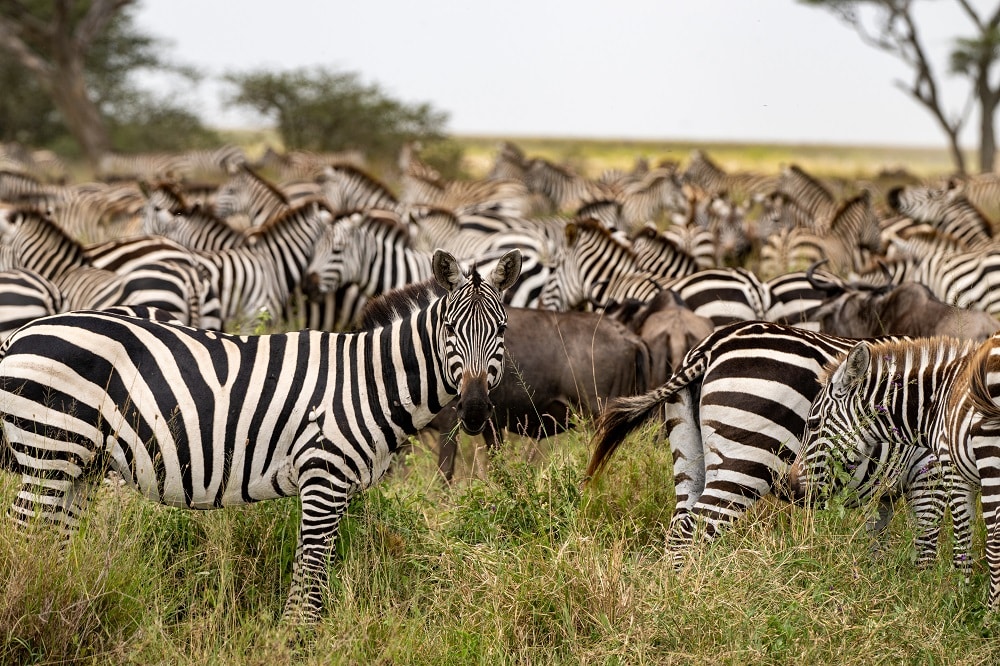
Just when you think you’ve seen pretty much everything in Africa, a morning outing in a new or unfamiliar setting will blow your socks off. As it did to us on this Tuesday morning in the Serengeti. Quite early this morning,  not far from Legendary’s Mila Tented Camp, we saw a migrating herd of at least 5,000 zebras slowly winding their way from our left to our right. Moving slowly and ever so quietly, lines of these dazzling black and white equines were making their way across the open plains, pausing to eat as they moved. It was mesmerizing to see so many of these sleek mammals following each other in a controlled but irregular manner, with groups lagging behind and others splintering off. Clearly, they were on the move. Zebras are often the harbingers of the great wildebeest migration, which we were to bump into a day or two later, a bit further south and east.

Not surprisingly, given the presence of so many zebras, we spotted first two and then three beautifully maned male lions and then four young females a little bit later that morning. There was more to come. Lots of elephants, including several good-sized herds. Also some large herds of buffalos and big mixed groups of topis, gazelles, impala and eland. 

The all-round hospitality at Serengeti Safari Camp could not have been better and we were more than well taken care of. There were a few shortcomings such as no fans in the rooms and a somewhat rickety low pressure shower which had clearly seen better days. We were glad to learn that flush toilets would be installed at the various Serengeti Safari Camps in June this year. 

On our way back to Seronera on our last morning at SSC, we found several small herds of elephants and groups of zebras in good light. The photographs demonstrated the importance of being out early enough to take advantage of the ‘golden hour’ in the morning. If you ever find yourself in a safari camp where the morning routine is a little bit too leisurely with – for example – breakfast at 7 am and departure from camp at 7:30, don’t hesitate to push back and request an earlier departure for your game drives. This is of course easier with a private vehicle and guide, but can even be done as long as everyone in your vehicle is on the same wavelength.  

Wild Frontiers Serengeti Wilderness Camp

The road transfer from Seronera Airstrip to Wild Frontiers Serengeti Wilderness camp took about 45 minutes. For a good portion of the trip we found ourselves in a closed vehicle, with no air conditioning or proper ventilation, negotiating the tsetse fly belt. Not much fun. The camp itself was a spotlessly clean and very comfortable tented property with 12 rooms, as well as separate lounge and mess tents. There was pretty serviceable WiFi in the main area. The rooms are of a good size, clean and neat. Hot showers were available on demand. Lighting was on the dim side. The tent has a proper flush toilet. 

We soon found out that it took almost an hour from the camp to reach the productive game viewing areas. As it turned out, game drives from Wild Frontiers Serengeti Wilderness Camp were disappointing to say the least. Inexplicably, our guide seemed to persist in driving around in areas dominated by stands of excessively high, thick grass. Not surprisingly, we saw hardly anything of note with the exception of a leopard on a branch in a tree, viewed from a long distance away. Clearly this area is not at its best until June. We got stuck in the mud late one morning but fortunately the guide was able to extricate us. Kathy and I enjoyed an impromptu al fresco lunch so it wasn’t all bad.  

The food was tasty and ample, and the chef did a great job catering for my plant-based diet.  

Entara Olmara Camp, Seronera

It took about two hours on a shockingly bad road from Seronera Airstrip to make it to Entara Olmara camp. Our driver-guide Said Kotoku impressed us from the very first moment we were introduced. He knew the birds, was enthusiastic, talked about and expounded on identifying characteristics, and he was clearly knowledgeable and experienced. 

Olmara Camp itself makes a good impression, starting with a well-designed and slightly elevated lounge and dining areas with four spacious tents left and right. All rooms are in the process of being elevated as well. Four had been done and four were in progress at the time of our visit. Our room had a king-size bed with an effective mosquito net in a well insulated room. The bed was comfortable and there were several handy plug points. The shower at Olmara was one of the best I’ve seen on safari anywhere. The room had a flush toilet. The interior lighting was excellent. Packing space just so so. 

The food was consistently good and well presented, with lots of choices. The staff members were friendly and helpful and kept me on the straight and narrow with the plant-based food choices. No butter for you…

Game drives out of Olmara

During the wet season – which was much longer than usual this year because of the El Nino weather pattern – game drives take a solid hour to get to the productive areas and quite frankly, there was not much to be seen on the drive there and back. A lot of thick grass. 

On our first afternoon we found a couple of large bull elephants on the way back into camp; a fortuitous combination of storm light and a clean, uncluttered background resulted in a memorable photograph. Reminder to my photographer self: don’t give up on less than ideal conditions. Photo opportunities will present themselves as long as you keep looking for them.

On our full day at Olmara, we embarked on what turned out to be a monster all day game drive, all the way out to the Gol Koppies and beyond. Said drove a huge distance, setting out on a semi-circular route which included many of the game hotspots. It worked. By mid-morning we were smack in the middle of the wildebeest migration. It was an amazing sighting. Literally thousands of wildebeest in every direction, all around us in a 360 degree arc. Doing what wildebeest do which seems to be a combination of eating grass, running around erratically and regularly grunt-calling to maintain contact with a friend or family member. And always succeeding in looking a bit goofy because of their peculiar physique (skipped hind leg days at the gym too often) and homeliest of homely faces, making them truly incapable of managing a thoughtful look.  

From late morning that day, we encountered one after another pride of lions. One group had several large males and a female with three cubs. Others were lying in thick grass at the base of rocky outcrops, or wedged into tree branches in an elevated spot with a view over the plains. We approached a coalition of three cheetahs in tall grass but for once I had to just ‘appreciate’ them – it was not a photo opportunity. Our mega day drive also produced hundreds, if not thousands of  zebras, gazelles, eland, topi and hartebeest. We added several new birds to our trip list. In fact we hit the 100 species mark that very afternoon.

An extraordinary sighting on the day was watching a simply massive black necked spitting cobra hunting for frogs. We were just too far away for photography, but it didn’t matter. Observing the animal slowly winding its way between a bush and a rocky outcrop and then suddenly perking up as it found – and tried to kill – its toad prey – was spellbinding. All of this we both observed through our respective pairs of quality Swarovski binoculars. Without good binos this would have been a nothing event, and likely borderline frustrating using a mediocre pair. 

Wilderness Usawa camp, Seronera

Our next and last stop in the Serengeti was Wilderness’ Usawa #2 tented camp, relatively close to Olmara. Due to some Byzantine Tanzania parks authorities rules, we had to drive all the way back to Seronera Airstrip from Olmara for the correct permits to be issued, and then back again (fortunately on a better road) to Usawa. A lot of seemingly wasteful energy expended in the process, not to mention further wear and tear on already dodgy roads.    

Usawa is an upscale mobile camp with innovative design features, attractive and extremely comfortable rooms with low pressure showers (on demand), WiFi in the common area and in the rooms. 

The camp is located in a good area for walking safaris, which is one of their specialties. The food was definitely a step above what we had experienced up to that point on the trip. Ambitious but well-executed and superbly presented. 

Like the other Seronera area camps, the Usawa location is  one hour plus from the best game viewing in the area at the time. Faced with the prospect of yet another lengthy drive – in an open vehicle – through areas with significant tsetse fly presence, we turned down the offer of another full day game drive.  

Our morning game drive – with our capable guide James – the following day turned out to be better than anticipated with lots of elephants, nice groups of buffaloes, dozens of giraffes, topi, hartebeest, impala, and some great birds.  

Saruni Wilderness and Saruni Leopard Hill, Naboisho

After a brief stopover in Nairobi with an overnight at House of Waine (excellent as always) in Karen, we flew with Safarilink from Wilson Airport to the Masai Mara.  

From the Ol Seki Airstrip in Naboisho, it was about a 30-minute drive to Saruni Wilderness, which would be our first stop – for lunch. Saruni Wilderness camp is quite intimate with just five rooms. It has a small yet cozy and inviting dining and lounge area. The camp is solar powered. The tented rooms – which we found to be quite attractive – have low-pressure (bucket) showers with hot water on demand. The camp offers game drives starting at 6:15 am and 4:30 pm. As well as foot safaris and night drives from 8:00 to 10:00 pm. Walking starts at 7:00 am from the camp, accompanied by a guide and armed game ranger. Saruni Wilderness has no WiFi connection. It’s a place where guests can purposefully disconnect from the many distractions – not the least of which is one’s smartphone – of an urban environment. The camp also offers bush dinners under the stars and bush breakfasts. The minimum age limit is 10 and for walking 12 and older. 

This was our second visit to Saruni Leopard Hill and there were no surprises this time around. The tents were still large and comfortable, with particularly good showers. The property has 8 rooms, 2 of which are suitable for families. There is a large lounge and dining room area – some of it uneven with quite a few steps to negotiate. 

Game drives out of Saruni Leopard Hill were consistently good with animals literally all over the place. We observed hundreds of zebras, good sized groups of wildebeest, topi, warthog, giraffe, eland, Thomson’s and Grant’s gazelles, hyena, bat eared fox, black backed jackal vervet monkey, olive baboon, and lions on every outing. 

Compared with our previous visit, cheetahs were scarce in the Naboisho conservancy at the time – likely because of too much competition from lions. 

Hemingways Ol Seki Lodge

Our all too brief overnight stay at Hemingways Ol Seki Lodge was more than sufficient to firmly elevate this property onto our regular future rotation for the Mara. Our experience there was flawless from beginning to end. Starting with a warm welcome from camp manager Debbie Paul, we had a great introduction to the room and the property itself, a fantastic dinner (with a surprise birthday cake), and an absorbing game drive with our guide Isaac. We just missed seeing a female cheetah which was spotted walking in the direction of a nearby village earlier that afternoon.  

We were accommodated in a deluxe Nina room (#5) which was quite close to the reception area and also to the lounge and dining room. The heart of the property is its huge, elegantly appointed lounge and dining room, both elevated on a hill which overlooks a beautiful, typical Masai Mara landscape – a mix of open grassland and woodland with patches of riverine bush.   

There’s an inviting pool and plenty of outside terrace seating on more than one level. Guests can anticipate a high level of personal attention at Ol Seki, starting with the hands-on management style of Debbie Paul. Activities include game drives, walking and village visits. 

Ol Seki is closer to the Naboisho airstrip than some of the other properties in the Naboisho Conservancy. Something else that struck me while being driven around the area was the excellent road maintenance. Already, much of the road damage caused by the excessive long rains had been patched up; bridges were being prepared and gravel augmentation was in full swing. 

Saruni Mara Lodge

From Naboisho, we took off on the sloppiest of transfer drives to the far northern end of the huge Mara North conservancy. The second – and also the worst – half of the drive was in a Land Rover. Which as we know can go anywhere. Which we did.  So much mud!

Over the years we have used several Mara North properties on itineraries including Elephant Pepper and Karen Blixen. With our guide Jonathan and personal assistant James we had a great time at Saruni Mara, spending a couple of nights in their private villa – Nyati House. The Italian dishes which we enjoyed for lunch and dinner would be the envy of many an Italian restaurant anywhere in the world! Simply superb. We checked out the regular rooms at Saruni Mara and liked what we saw:  spacious, well-equipped, a good distance from each other and each with a nice verandah to contemplate the passing parade. Which here often includes elephants; some of which we heard rustling about that very afternoon.  

A game drive on the first afternoon to the nearby Mara Bush Houses delivered a superb range of plains game, with some unexpectedly good photo opportunities of elephants, zebras and olive baboons, among others. Jonathan mentioned that lions had been seen in the area just a couple of days ago and that a coalition of four cheetahs had walked right by Saruni Mara Camp just the previous day.  

The following day we embarked on yet another ‘big day’ outing, starting with a drive into the Lemek Conservancy where we saw many more – hundreds – of zebras as well as elephants, wildebeest, impalas, gazelles and a large breeding herd of buffaloes. 

Saruni Wild Camp – Lemek Conservancy

Prior to yet another excellent Italian-style lunch at Saruni Wild Camp, we site-inspected this 5-roomed tented camp which includes a family room. There’s WiFi, the entire camp is run on solar power and it is unfenced. Being only 20 minutes from the Mara North airstrip this property is easy to get to and out of.

The recommended activities at Saruni Wild are headlined by an early morning drive with a packed breakfast. Other activities on the roster include a sundowner drive with drinks and snacks and a’ holiday safari,’ which appropriately starts with a late breakfast in camp, a picnic lunch and sundowners back in camp. Clearly not the optimal choice for photographers but ‘regular’ visitors may enjoy this more leisurely approach. Additionally, Saruni Wild offers night drives which start after an early dinner. Guests then depart on the game drive, returning to camp around  10 pm. 

We were starting to build up a bit of resistance to mega game drives but our excellent guide Jonathan Nchoe convinced us that it would be worthwhile to take a swing through the Mara North Conservancy on our way back to camp that afternoon. Always listen to your guide. The drive paid off big time. 

A Cheetah in Mara North

Finally! A good look at a female cheetah. In a situation where being inside a national park would have not worked out at all. She briefly paused along the main road and then walked into the open savanna, eventually settling down in a shady spot under a tree. We followed along at a discreet distance and spent a good half hour or so simply observing the gorgeous animal. 

She spent most of the time in the shade, constantly surveying her surroundings as cheetahs habitually do. It was personally satisfying for me to predict the cheetah’s next move which was to pause on an elevated anthill, checking for signs of gazelles. We were ideally positioned when she made the walk to the elevated spot. Score!

Predictably the day’s activities were concluded back at camp with yet another good Italian meal at Saruni, this time with a delicious gnocchi starter. 

We had a few minor issues at Saruni Mara; nothing major – the interior lighting was poor and the hot water was not hot enough. Unfortunately the location of Saruni Mara is not suitable, in our opinion. It is just  too far from the best game viewing areas,  with a terrible, rocky road separating the camp and the most productive areas of Mara North. Trying to do a day drive into the Masai Mara would end up being a real mission. Saruni Mara’s  sister property – Saruni Wild – will definitely  find a spot in our rotation. 

Kicheche Mara, Mara North Conservancy

Kicheche Mara – where we spent just a single night – turned out to be property right up our alley. It has an ideal location in a secluded valley, right alongside a perennial stream which attracts wildlife year-round. There are 10 rooms as well as a large and uber comfortable common area with a dining and lounge tent, as well as a  photographic tent for uploading and editing. The game drive vehicles (best I’ve seen) were designed specifically for photography with an open roof, huge side ‘cutouts’, supports for cameras and bean bags. Most importantly, all guides at any of the Kicheche camps have (at minimum) a Kenya Professional Safari Guides Association  silver level qualification. For visitors, this is gold.  

How many other things impressed us about this camp? A live wire manager (Andrew Obaja) with whom we had a fascinating discussion about the advantages and pitfalls of the conservancy concept. An excellent plant-based lunch with salads, rice and lentil stew. Much faster WiFi in the room than any other camp so far. Being in a beautiful area with game viewing starting right out of camp

The morning game drive with our most capable guide Paul Kasaine was – to be honest – not the best one of the trip, but it didn’t matter. There were lots of animals around, including three large male elephants which apparently spend much of the dry season in a marshy area right out of camp. We also spotted a different male cheetah on the way out of camp. 

Il Moran and Little Governors Camp

Perhaps appropriately, our last Kenya stop was inside the magnificent Masai Mara National Park at Governors’ Il Moran camp. Accompanied and led by our effervescent guide Bernard Lodeki, we took several game drives into the Mara which was spectacular after all the recent rainfall. Green and lush like we’ve never seen before. Almost right away, we spotted several members of the Marsh (lion) pride on the way in. As well as sizable herds of elephants and lots of hippo. 

Kathy and I enjoyed lunch at Il Moran on the expansive deck area overlooking the Mara River which was still flowing strongly. There’s a huge pod of hippos, numbering as many as 50 in total, resident in the big bend in the Mara in front of camp. 

We’ve always enjoyed our stays at the Governors’ camps and this time around was no exception. They all have great locations with game drives possible into both the main part of the reserve as well as into the well-managed Mara Triangle. 

The large tented rooms at Il Moran overlook the Mara River and they are tucked into  a riverine forest where  several interesting bird species are to be found such as Ross’ turaco and double toothed barbet. Plus several striking species of butterflies including mocker and greenbanded swallowtails, various whites and blues and brushfooted butterflies.   

While the tented rooms were spacious and comfortable they were clearly coming to the end of their useful life. We were later advised that the entire camp was scheduled to be rebuilt at the end of the 2025 season. In the interim, Governors’ Private Camp will be rebuilt.

A brief site inspection visit to Little Governors’ Camp reminded us why we like this property as much as we do, and why we use it quite regularly for clients. It looked sparkling and well-maintained, with the staff being as friendly and welcoming as ever. The location of the camp – with rooms all fronting a large marshy area which attracts a variety of mammals and a dazzling array of birds – is simply the best. A minor negative about Little Governors’ is that the 17 tents are a little too close to each other.  

Our grande finale game drive in Kenya was an all-day excursion into the Mara Triangle which lived up to all our expectations. Spotlessly clean restrooms at the Oloololo Gate into the park, roads which were in better condition even than those  inside the private conservancies, drop dead gorgeous views and fascinating wildlife viewing. The Mara Triangle is the real deal. Even as we were approaching the gate, our guide Bernard spotted a trio of black rhinos in an open area, relatively close to the road. Within just minutes we were admiring them through the binoculars and eventually the camera lens, being reminded why they should be called hook-lipped rhino instead of black rhino. The remainder of our drive traversed some of the most spectacular landscapes to be found anywhere in Africa. There is no photograph or video which can start to do it justice. Each amazing vista is superseded by another equally impressive one just around the corner. Just when you think a tower of 12 giraffes is something, one of 17 shows up. We had not seen as many giraffes in one game drive as that day in the Mara, ever. And we’re unlikely to get even close again in the future. With large herds of buffaloes, big breeding herds of elephants and good numbers of general plains game, not to mention lions, it was about as complete a safari experience as one could hope for, anywhere. It did not matter that we dipped out on leopard, which would have made it a ‘Big Five in one day’ outing.  

For fresh information and observations and up to date recommendations for East Africa, please call our Houston office at  713-467-5222  or email Bert at bert@fisheaglesafaris.com.  

YOU MIGHT ALSO BE INTERESTED IN

Destinations
Zambia

10th September 2021

Chindeni and the Bushcamp Company, Zambia

By late July we found ourselves at Chindeni, a small Bushcamp Company property

Read more
Botswana
Destinations
Okavango Delta

3rd October 2022

Camp Okavango, Botswana

Camp Okavango is in the heart of the permanent part of the Delta. In this idyllic setting there are no vehicles, and it is just a short walk

Read more
Area
Destinations
Nyerere National Park
Ruaha
Tanzania

14th October 2023

From My Safari Notebook: Wildlife Photography

Birds in flight and wildlife photographers have an uneasy relationship. Things go wrong as often as they go right. Getting focus-lock on a moving subject

Read more

SUBSCRIBE TO OUR NEWSLETTER

READERS FAVOURITES

Destinations
India

27th May 2023

India

India’s tiger, mammals and birds.

Read more
Botswana
Destinations

4th August 2022

On Safari At Belmond Eagle Island Lodge, Okavango Delta

What is the ‘secret sauce’ for an unforgettable few days on safari in Botswana? It starts with the animals, of course. The elephants, lions, giraffes, hippos

Read more
Destinations
Zambia

10th September 2021

Chindeni and the Bushcamp Company, Zambia

By late July we found ourselves at Chindeni, a small Bushcamp Company property

Read more
  • « Go to Previous Page
  • Page 1
  • Page 2
  • Page 3
  • Page 4
  • Interim pages omitted …
  • Page 6
  • Go to Next Page »

Footer

Design

  • About
  • Destinations
  • Blogs
  • FAQS
  • Team
  • Contact
All Rights Reserved ©Fish Eagle Safaris 2022 | Terms & Conditions | Privacy Policy
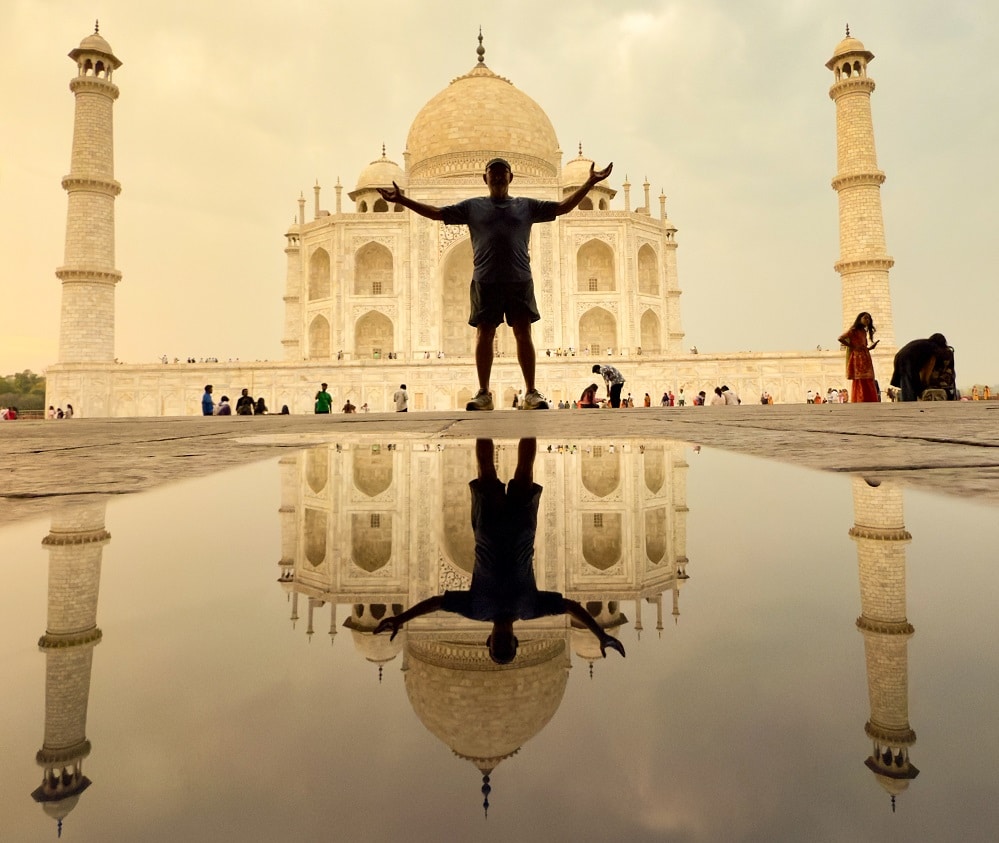
Designed & Developed by B Online

SUBSCRIBE TO OUR NEWSLETTER

SIGN-UP TO OUR NEWSLETTER

Subscribe Form

Footer Widget Header

Related Blogs