By Jason Duplessis
Naboisho Conservancy
Mara Nyika
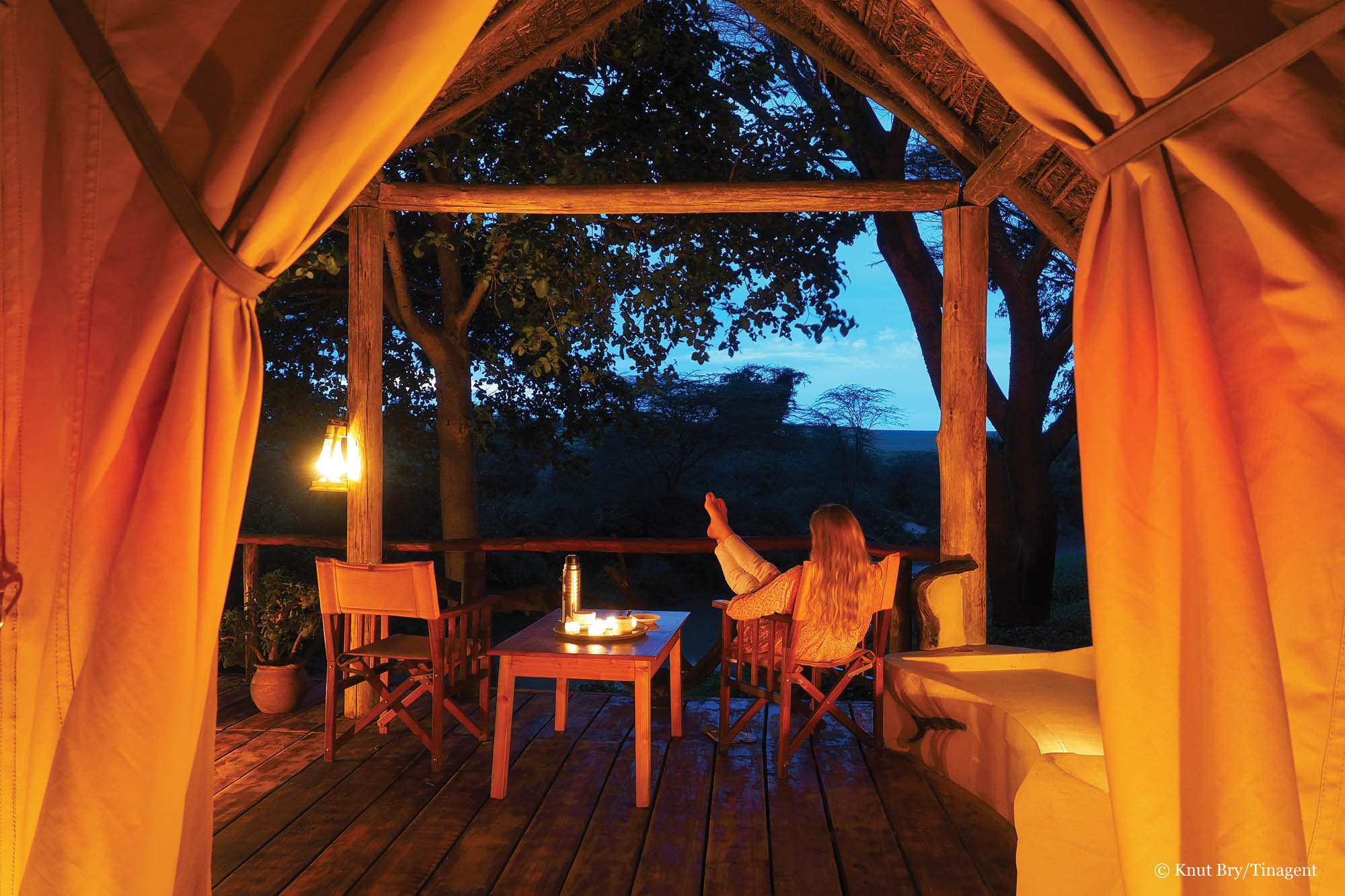
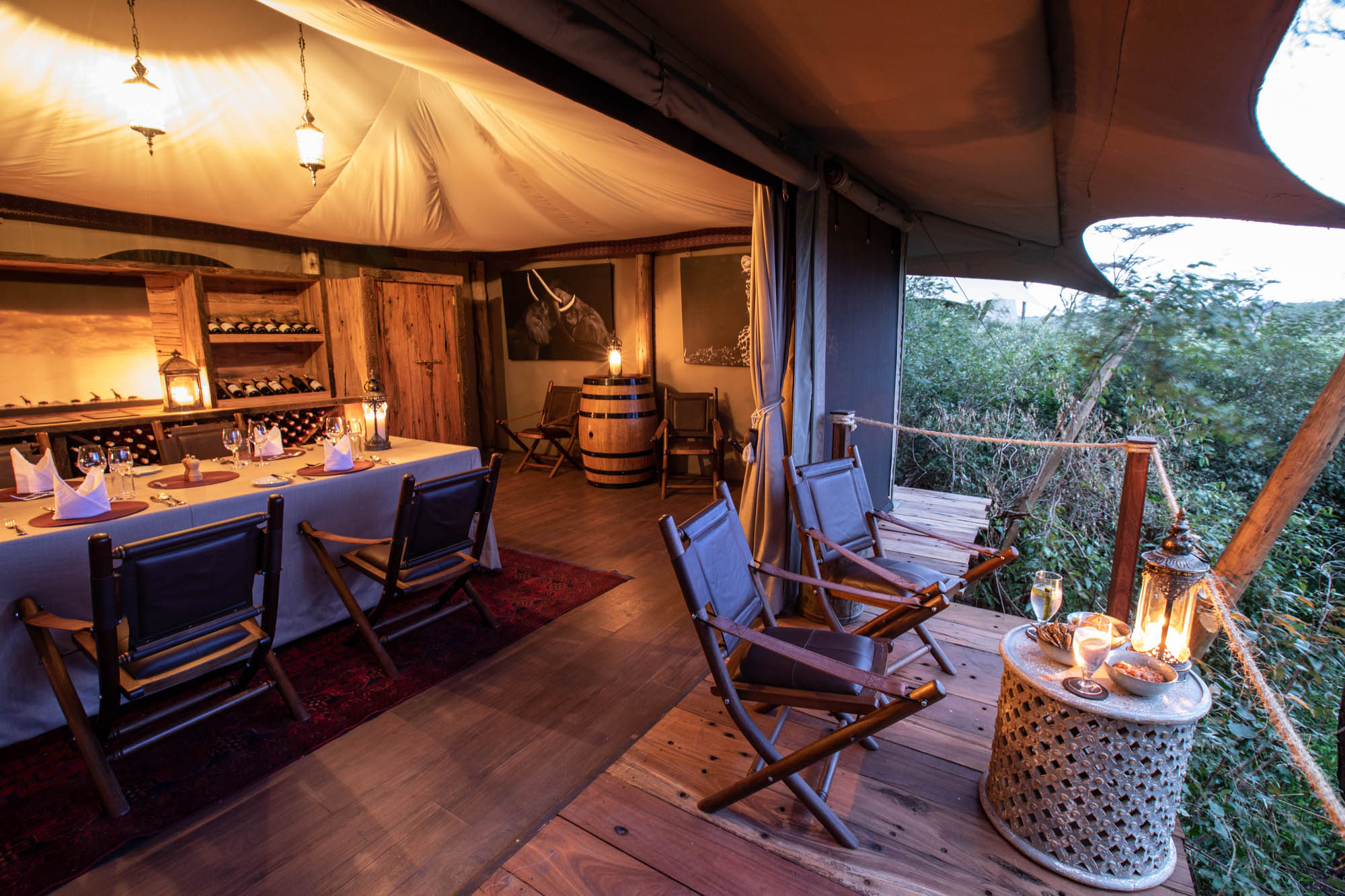
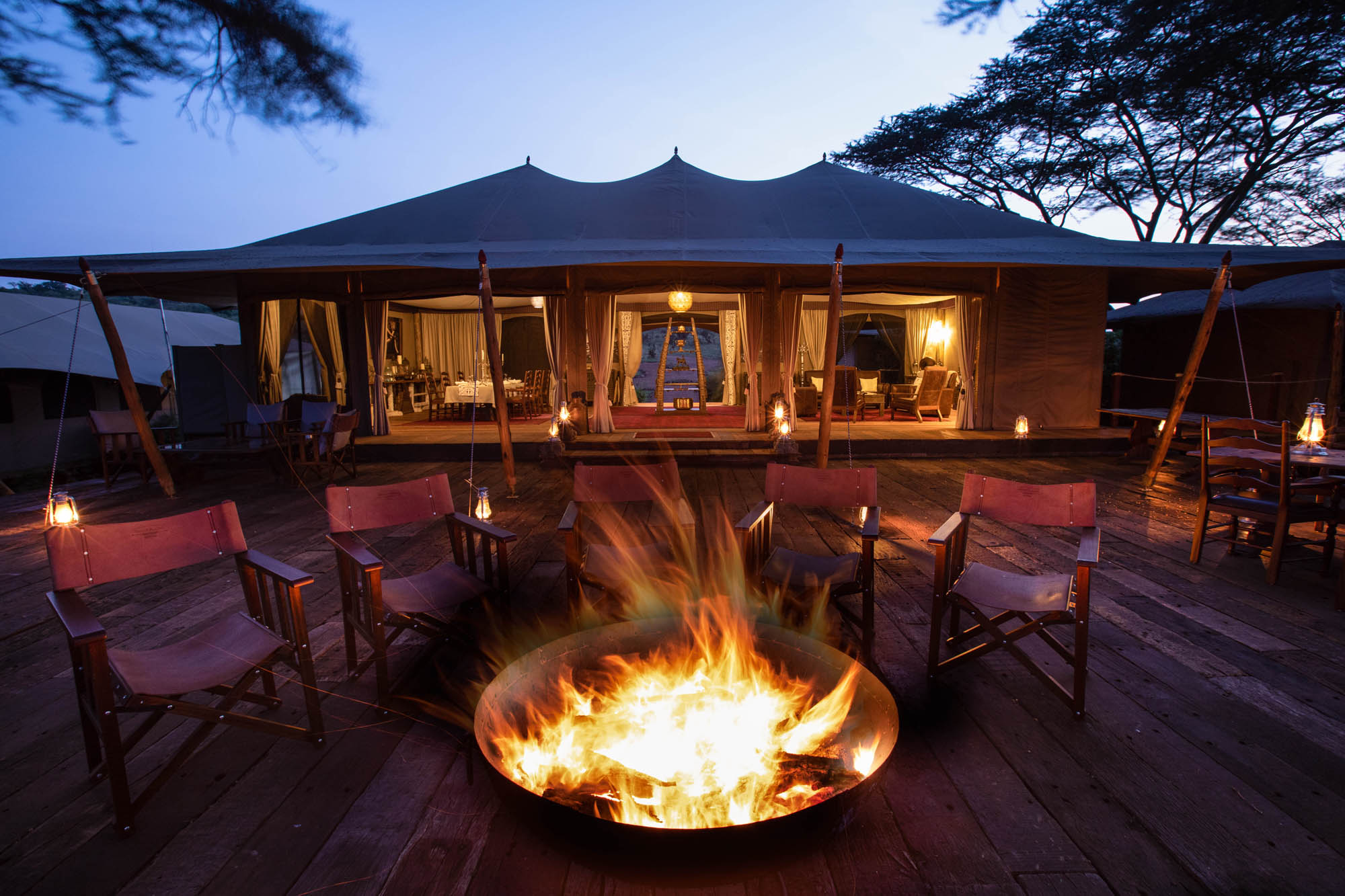
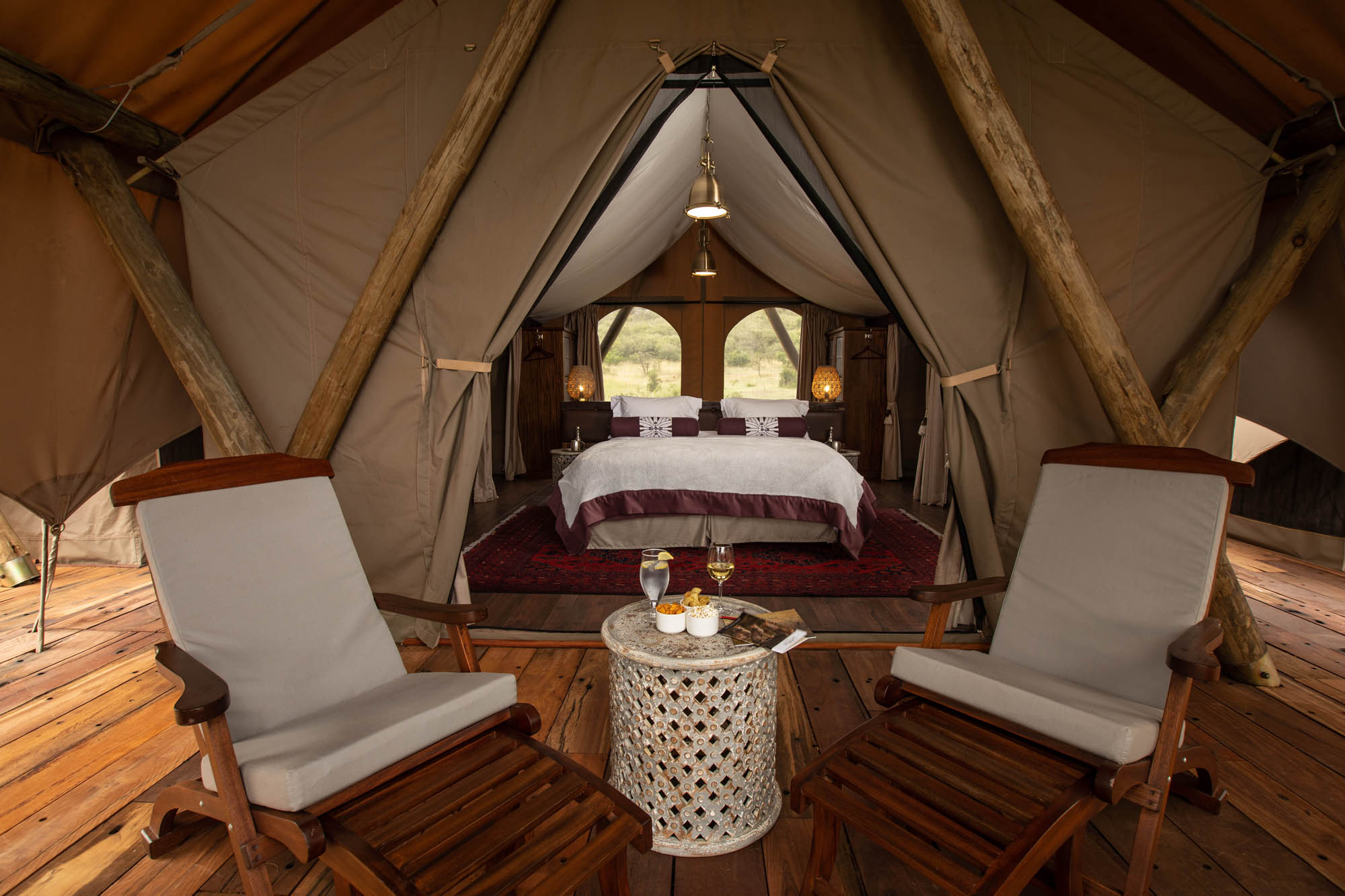
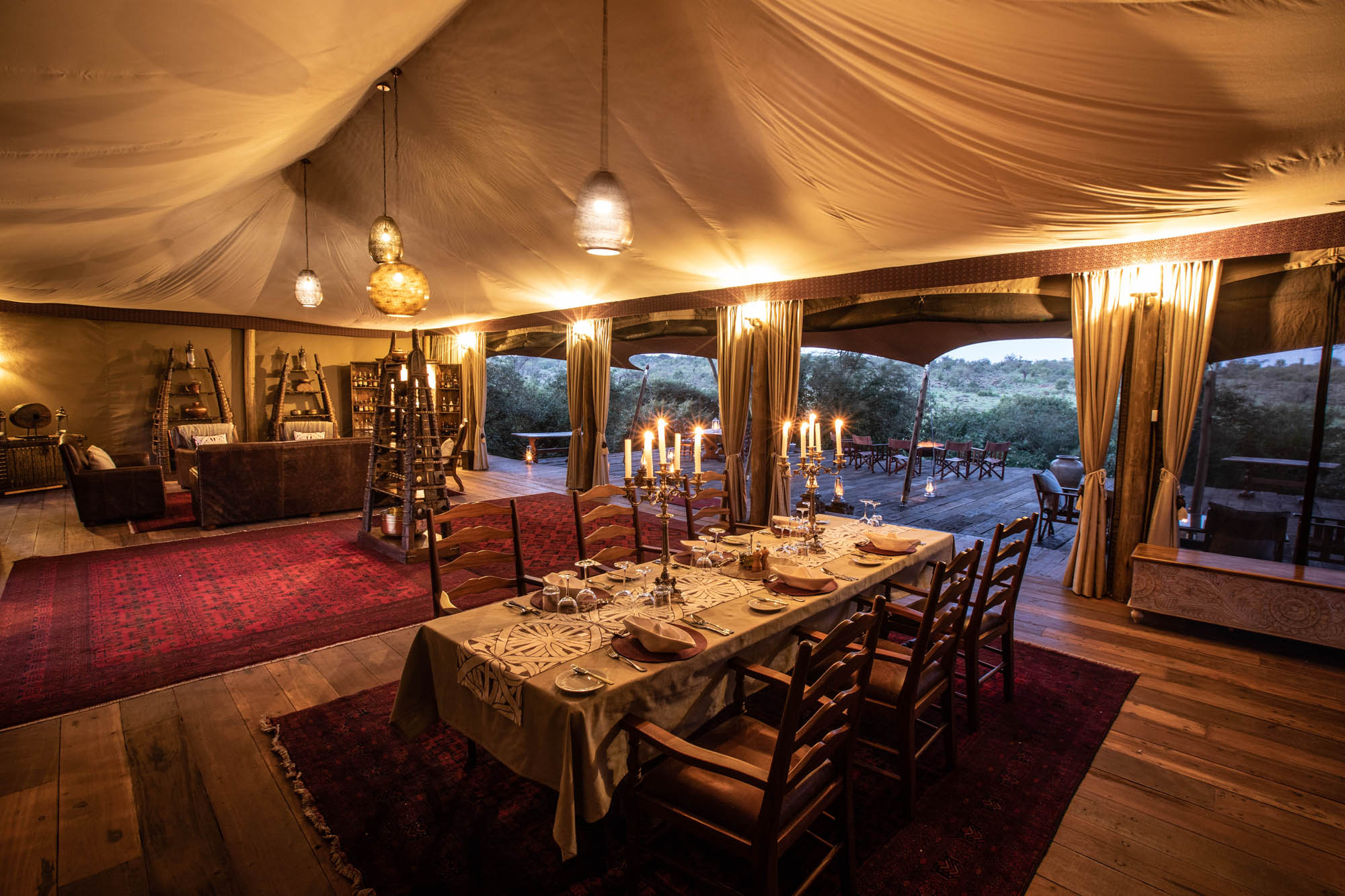
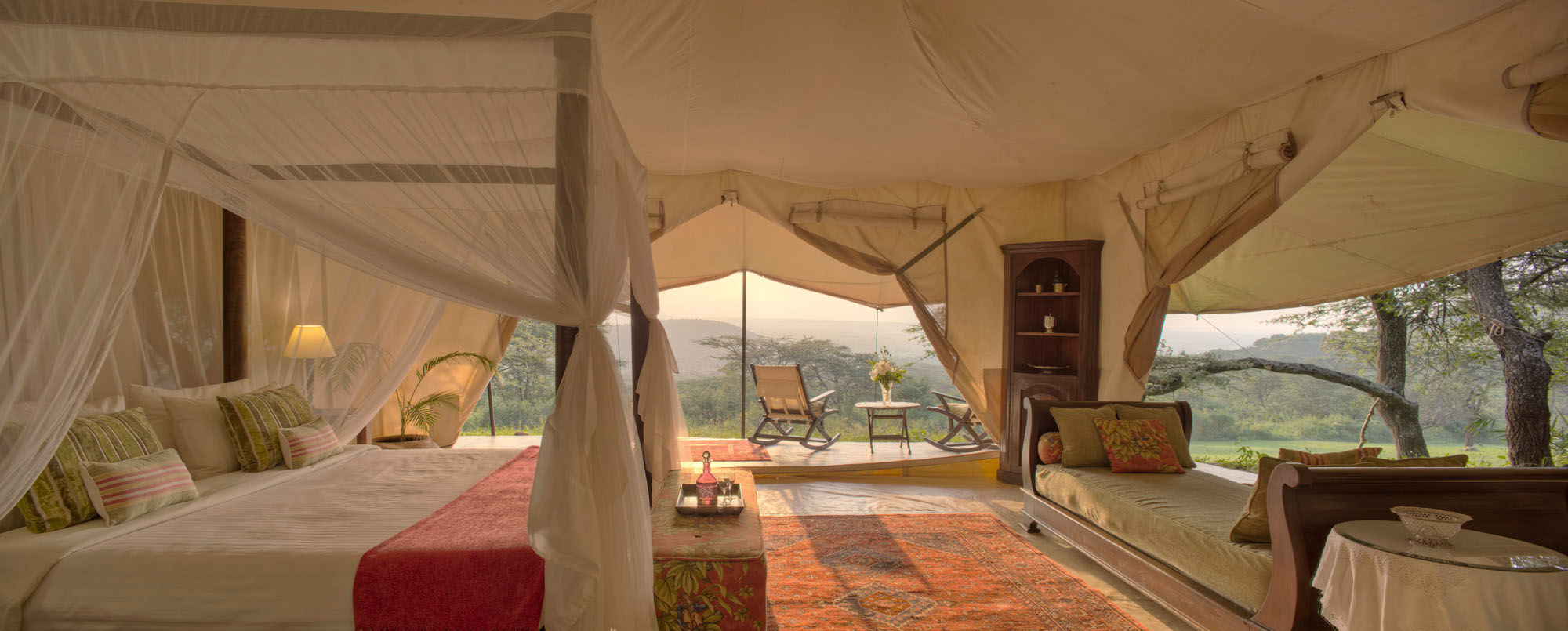
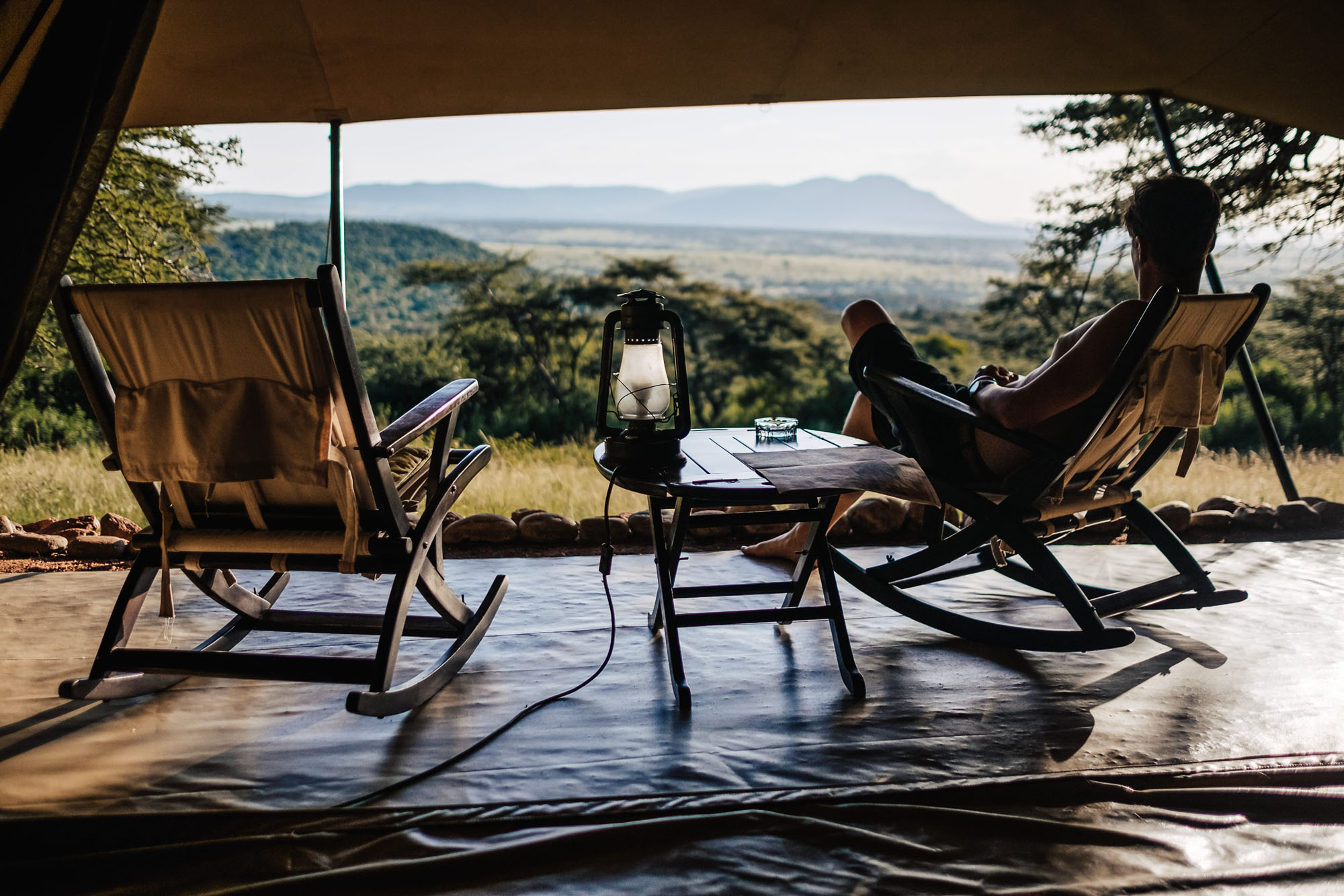
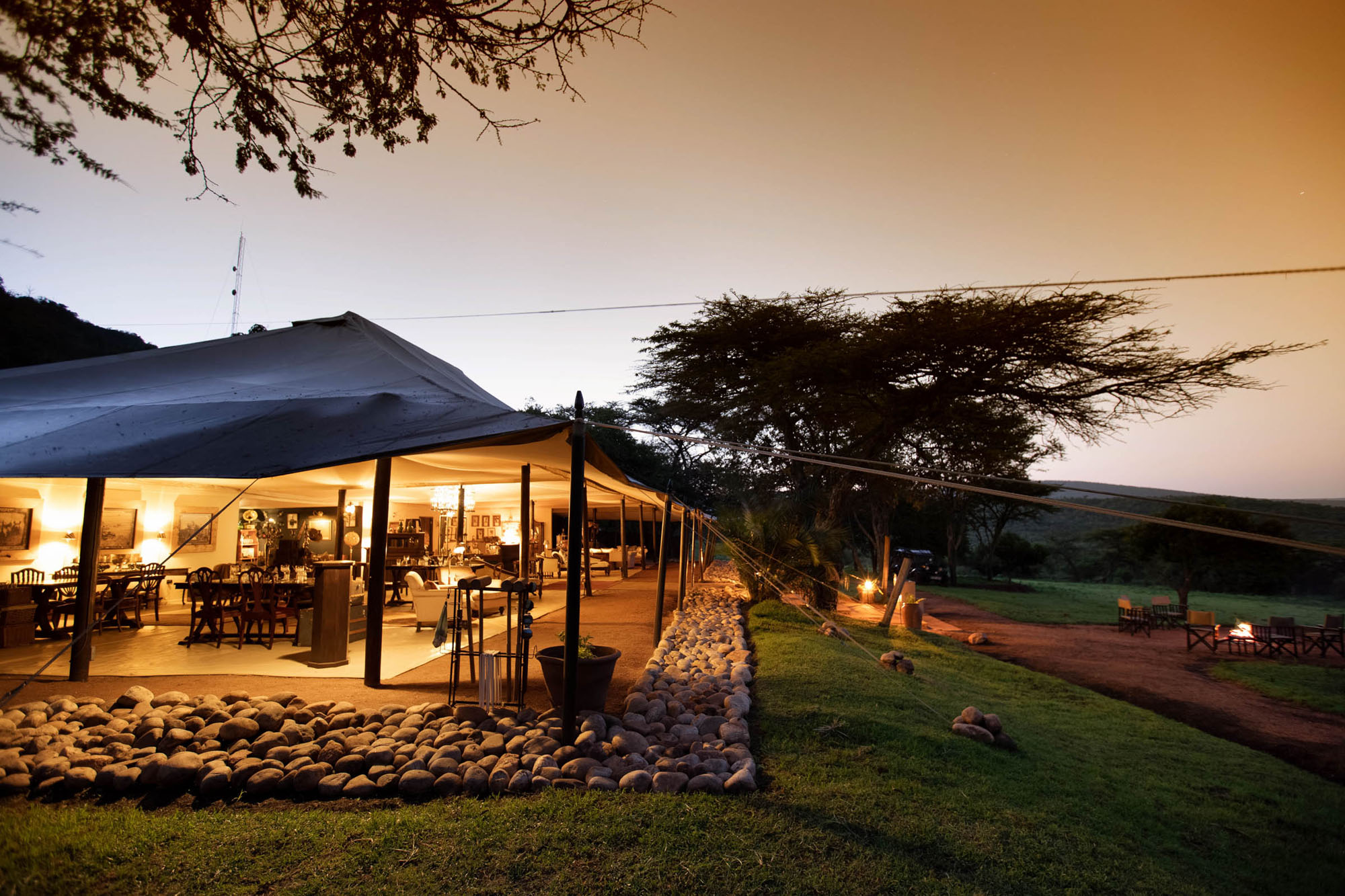
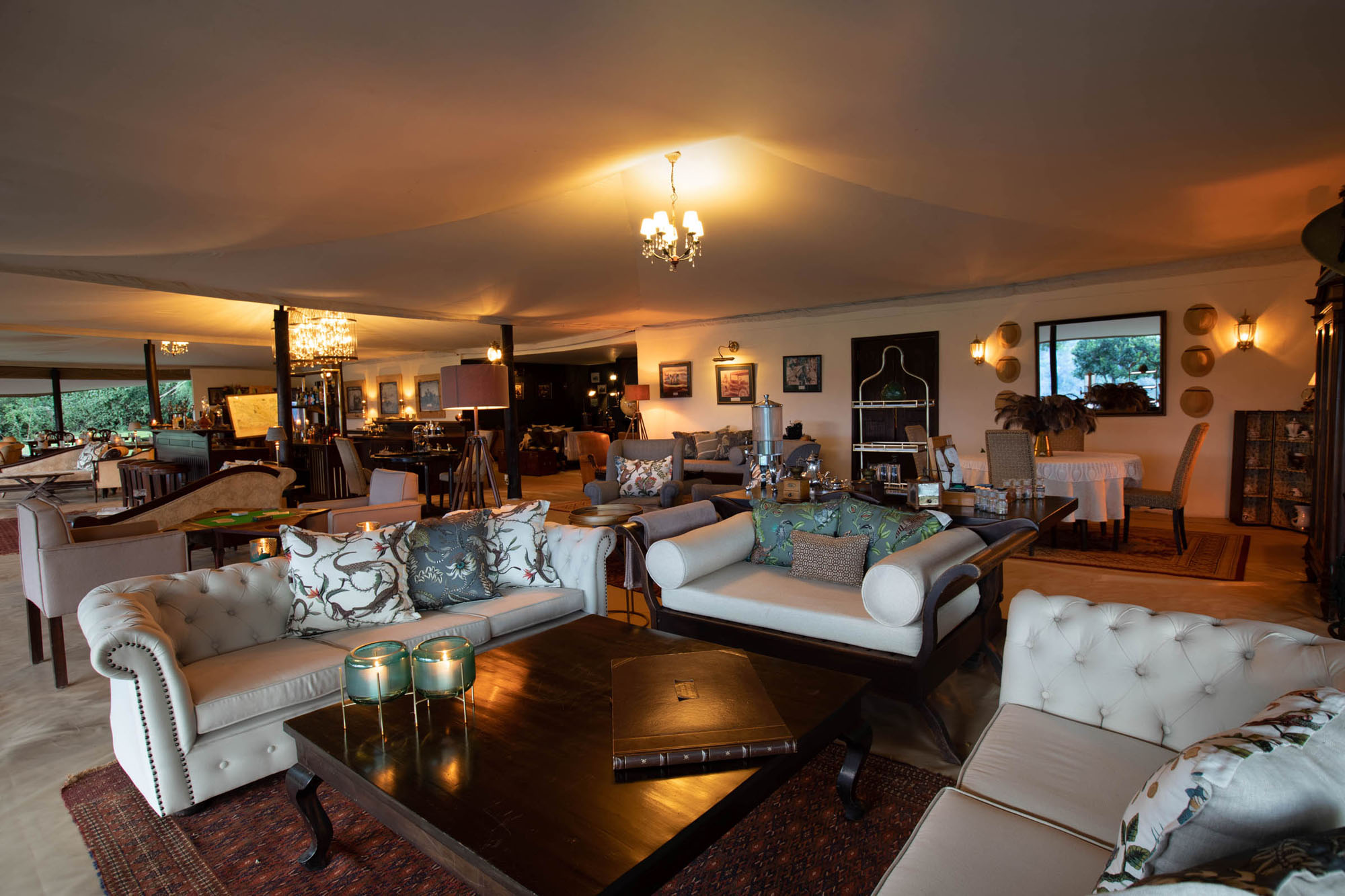
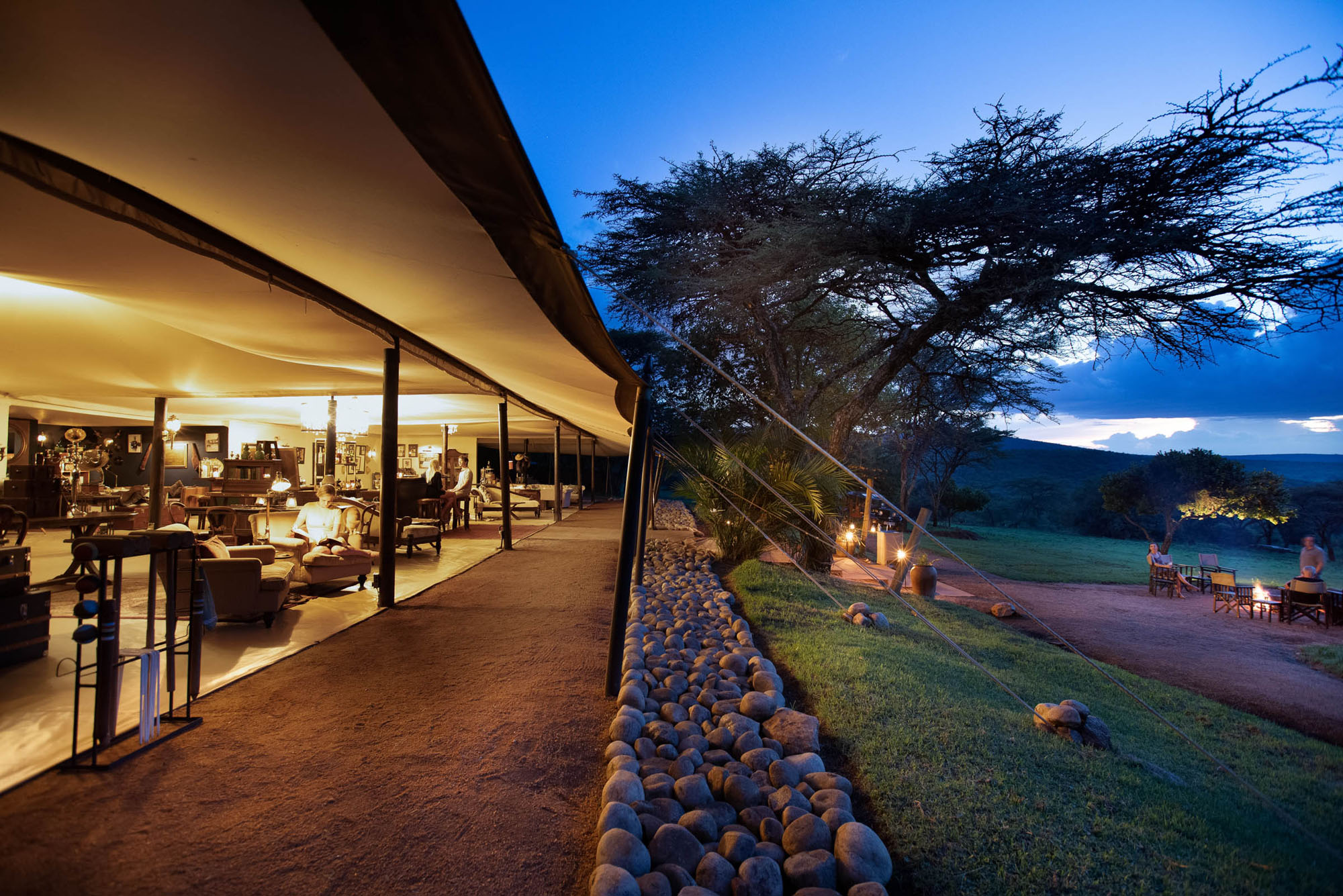
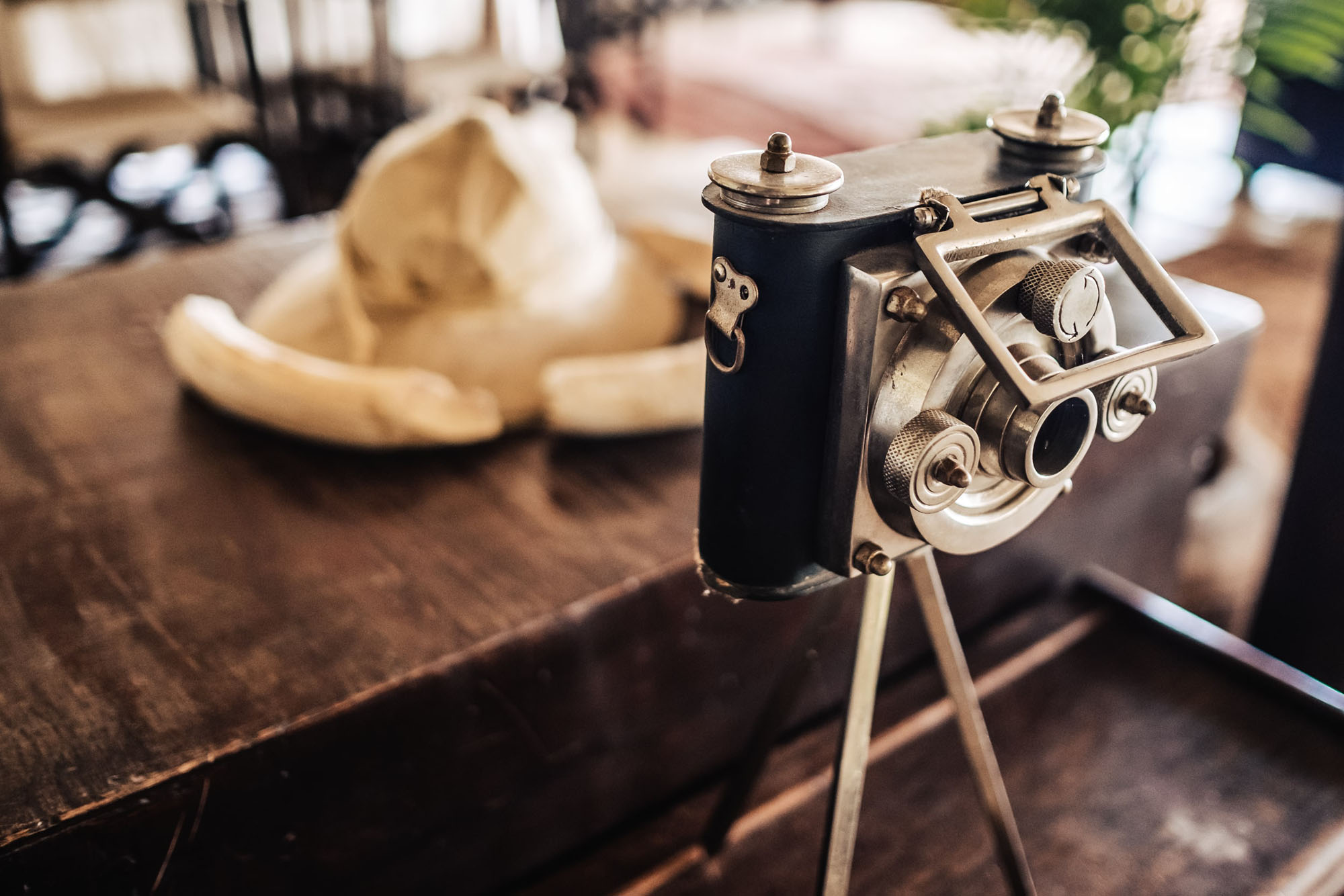
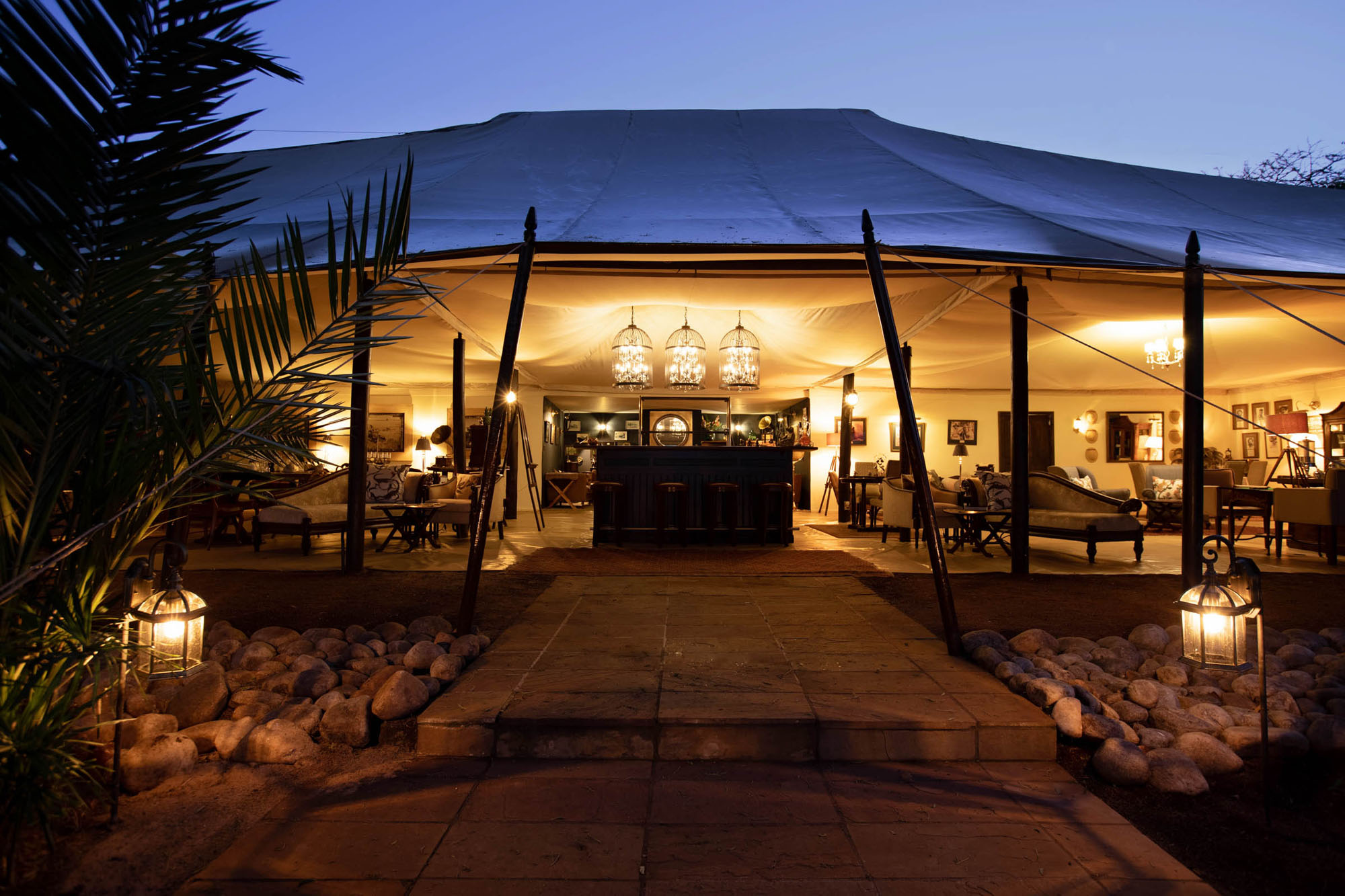
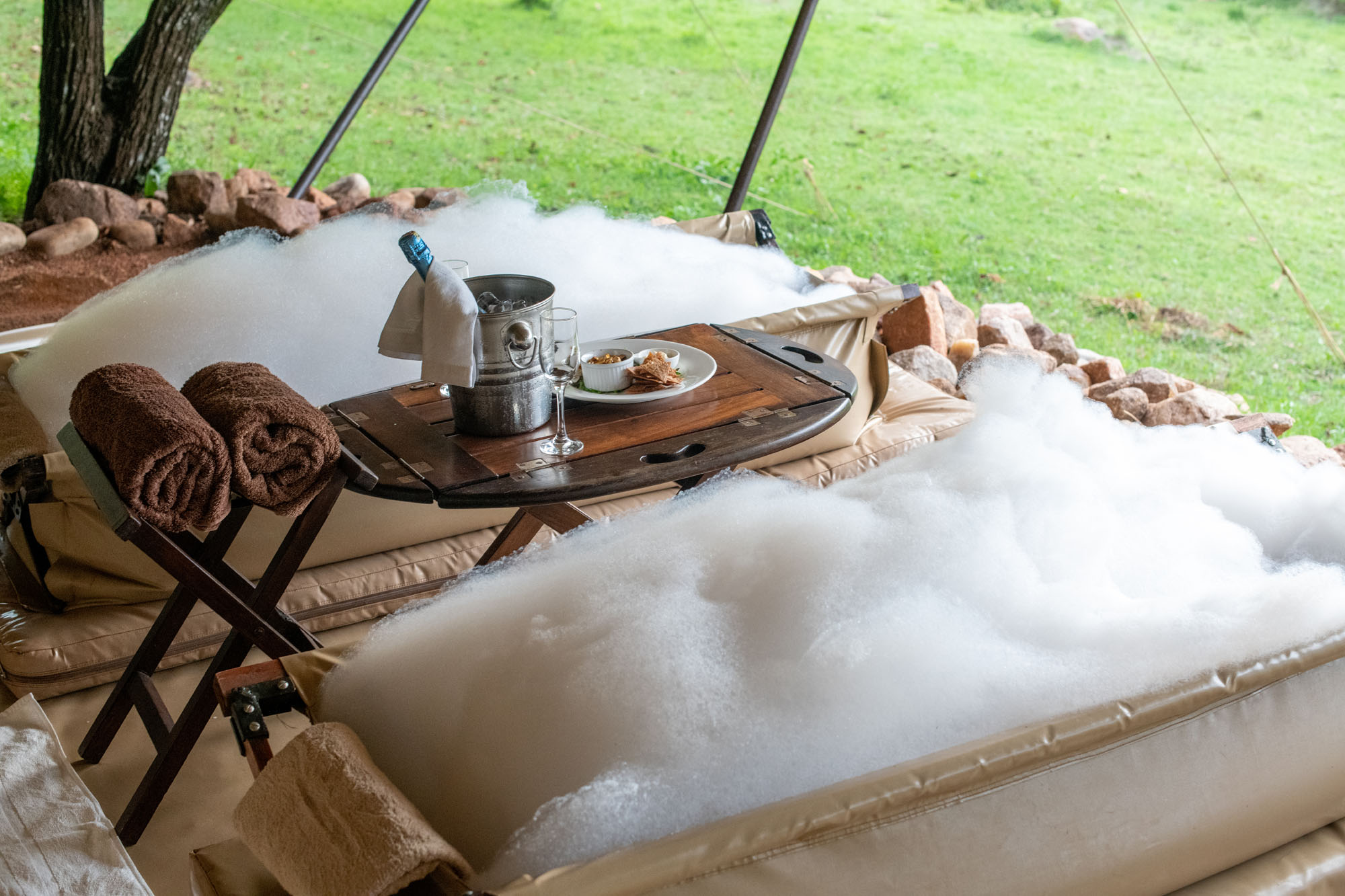
We had to take a slightly longer than usual route to Mara Nyika due to flooding and damaged bridges between the Mara North and Olare Motorogi Conservancies but we arrived in time for lunch. Mara Nyika camp has a very opulent feel. Each piece of furniture and everything displayed has a story and helps nurture the feeling of truly being on safari. The main area is cozy and relatively small but with options to relax in many different areas including a library and wine room.
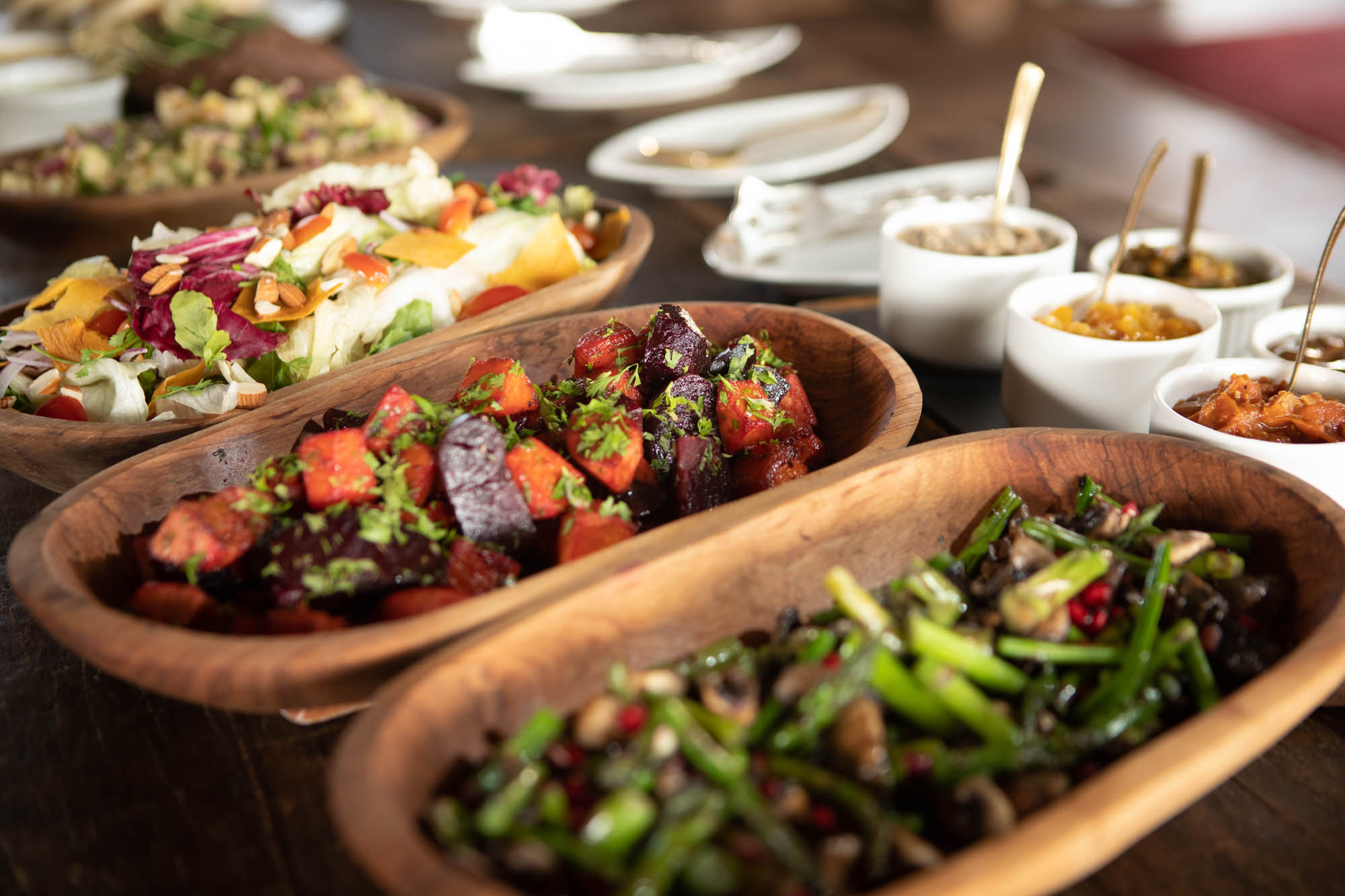
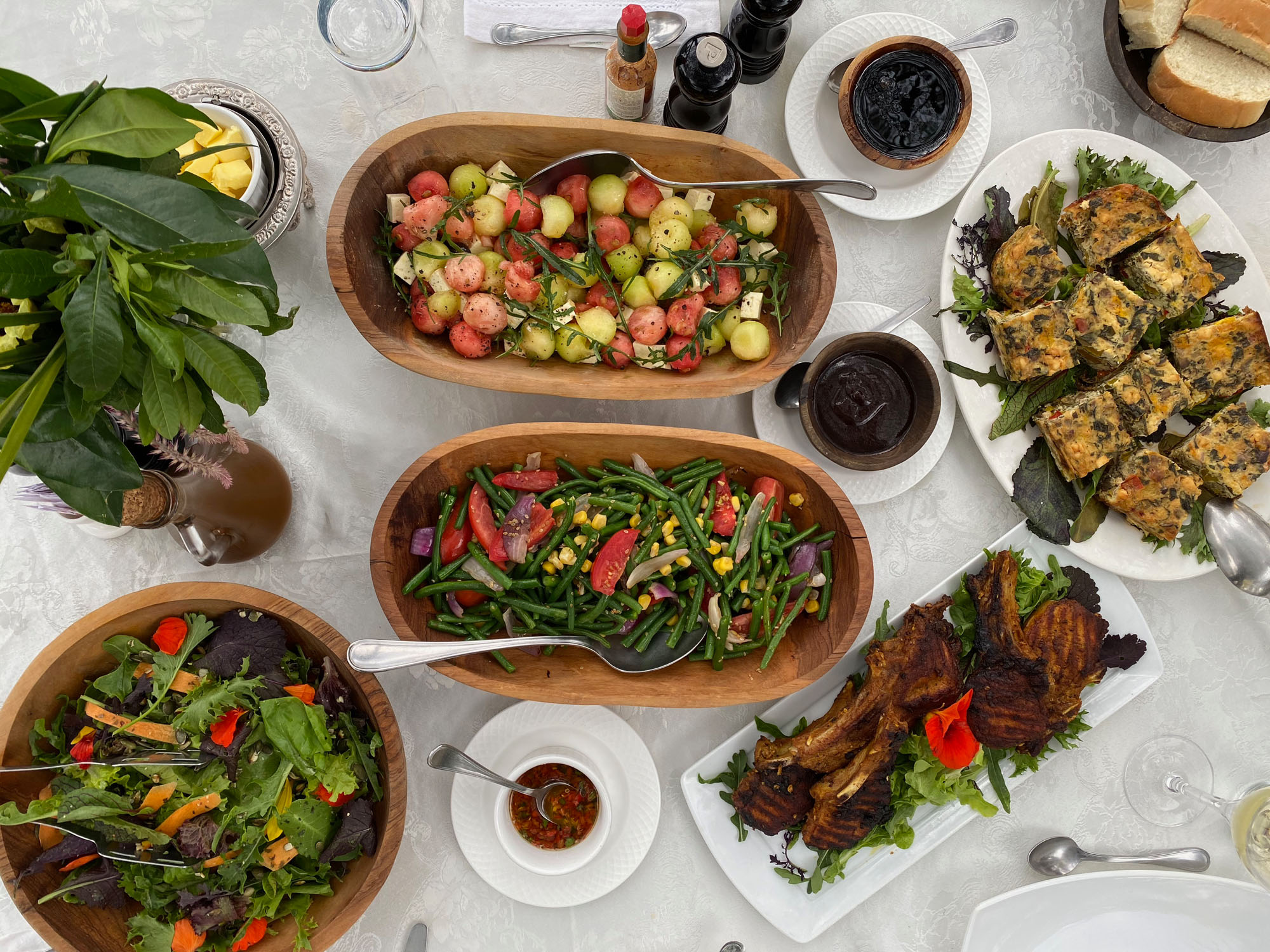
Lunch was excellent, fresh and light. All menu items are brought to the table. We were served some very nice vegetarian options and I believe if we stated we were vegetarians they would have an extra protein dish available. There was superb attention to detail with everything at the camp and we felt like we were in good hands throughout. Chef Charles did an amazing job, and Mambo and Naomi were very welcoming and helpful during our short stay.
Katie booked a massage which took place in the room just behind the bed. Two thumbs up if you have the extra time for a spa treatment.


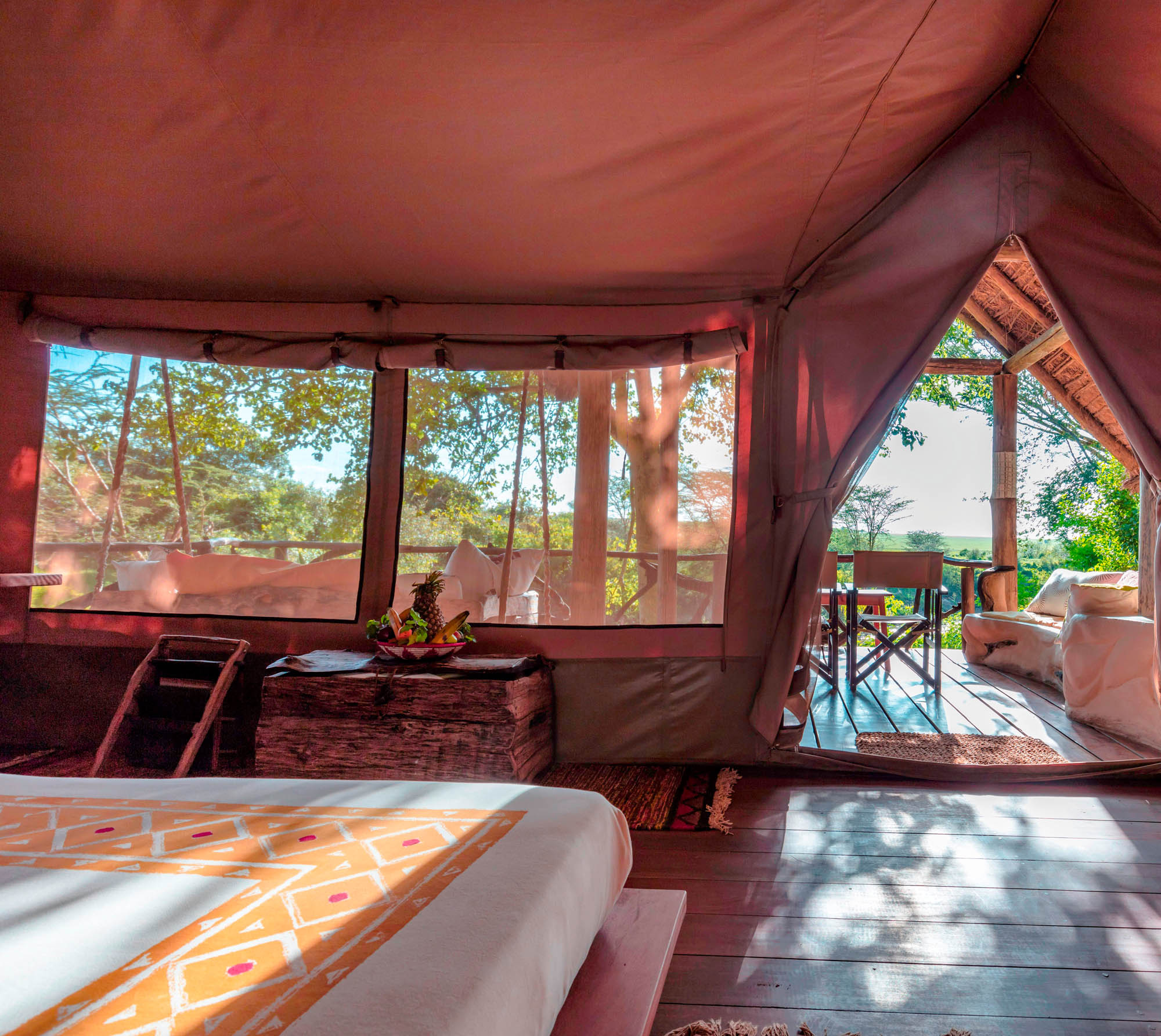
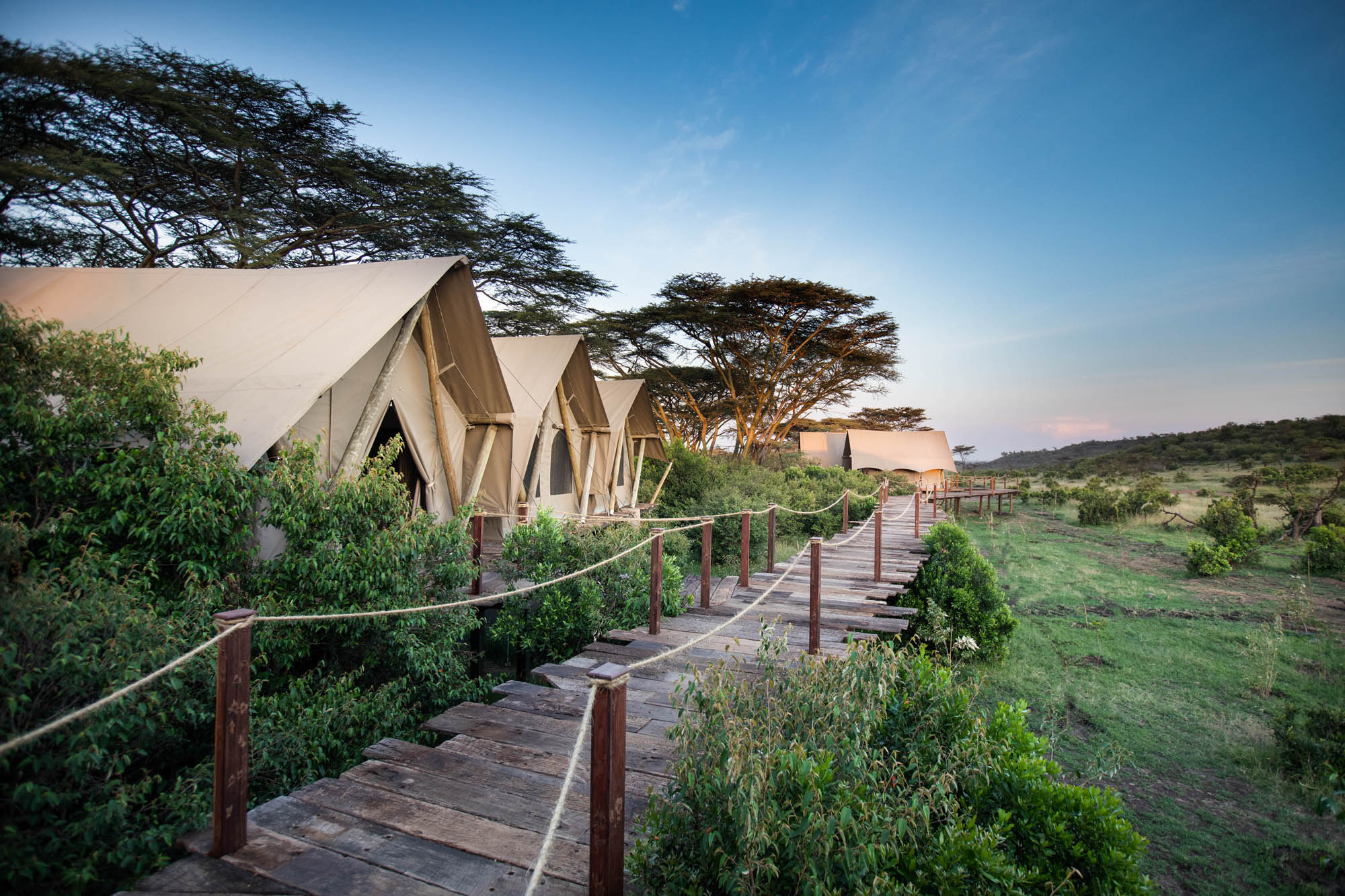
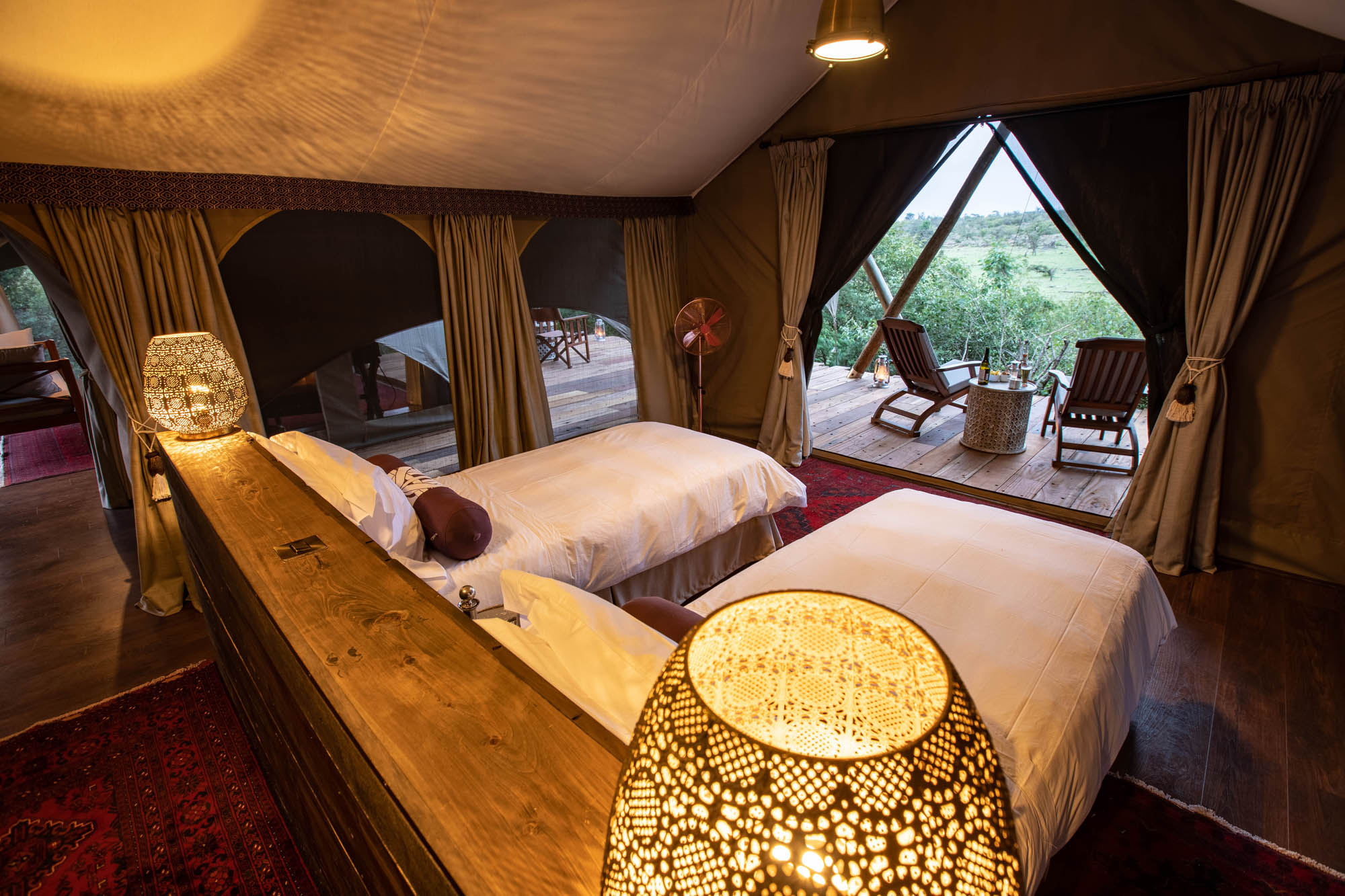
The rooms themselves are triple the size of a traditional Meru style tent, as they are essentially three Meru tents connected together. A study/ante-room, a bedroom and a bathroom with a bath tub and enough room to do a cartwheel as there was no glass or partition for the shower area. If you’ve got more than one night like we did, you might remember where you put things. We ended up moving back and forth between rooms a bit more as we weren’t used to such large rooms.
Our guide Malinge – who holds a Gold level guide qualification from the Kenya Professional Safari Guides’ Association – is originally from Watamu which we would visit later on. With Malinga in charge, we made a great start to our game viewing in Naboisho. It would prove to be the best area yet.


Saruni Leopard Hill and Eagle View
Our site inspections of Leopard Hill and Eagle View were back-to-back and rather quick with much of the same information. We liked Eagle View the best and that’s also been the experience of other members of the Fish Eagle Safaris team who had visited earlier. An amazing view over a salt lick, recently rebuilt rooms which are excellent with a new and somewhat interesting layout. The restroom is slightly open towards the bedroom but the toilets are enclosed for a bit of privacy. Good for couples but possibly less than ideal for friends sharing a room together. No clear delineation between the bedroom and the shower/tub area.
Their small gift shop was nice, with several items from a few of their sponsored ladies from local villages.


Kicheche Valley
We were lucky enough to stay a couple nights at Kicheche Valley which might have been the deciding factor in it being our favorite camp in Naboisho. There really was something special about the camp and the staff. Everything was well laid out and they’re refurbishing the main area soon so it will be even better. The rooms were also ideal in size and very comfortable. If we could find anything to complain about it might be the showers, which had some temperature control issues. The vehicles had a few handles missing and not everything was working properly. This was probably to be expected towards the tail end of the season, considering the beating the vehicles are subjected to day in and day out.
Every staff member already knew our names before we arrived. While we had our initial lunch on our own we soon met some fantastic people who shared the vehicle with us. We enjoyed sitting together at subsequent meals, family style.
While at Kicheche Valley, we had both plated and buffet meals. The camp’s excellent attention to detail once again came to the fore. One guest didn’t like cucumbers and they made separate dishes and garnishes for him. Camp manager Anita joined us for most meals as well and she always had a few interesting stories to tell. Breakfasts were almost always bush breakfasts. We would fill out a ‘to-go’ breakfast card with what we wanted and it would be in a tin ready to eat at breakfast time. Our guide Vivian set up a table and stools each morning in a nice spot and we ate together with some fresh coffee and tea. We could then continue our morning safari as long as we wanted before heading back to camp for lunch.


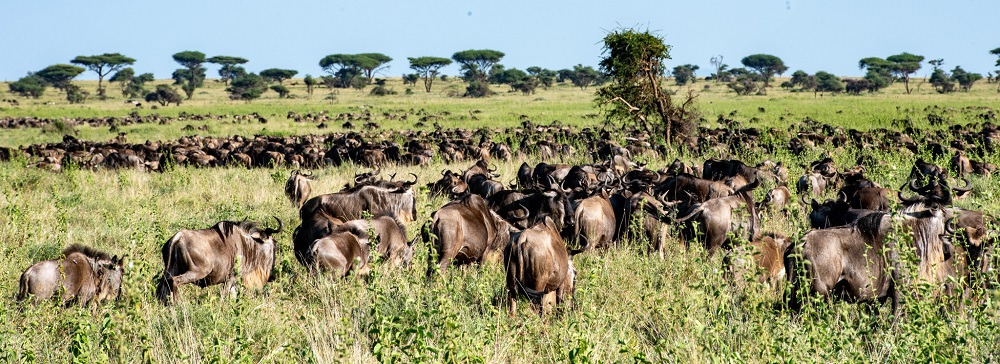
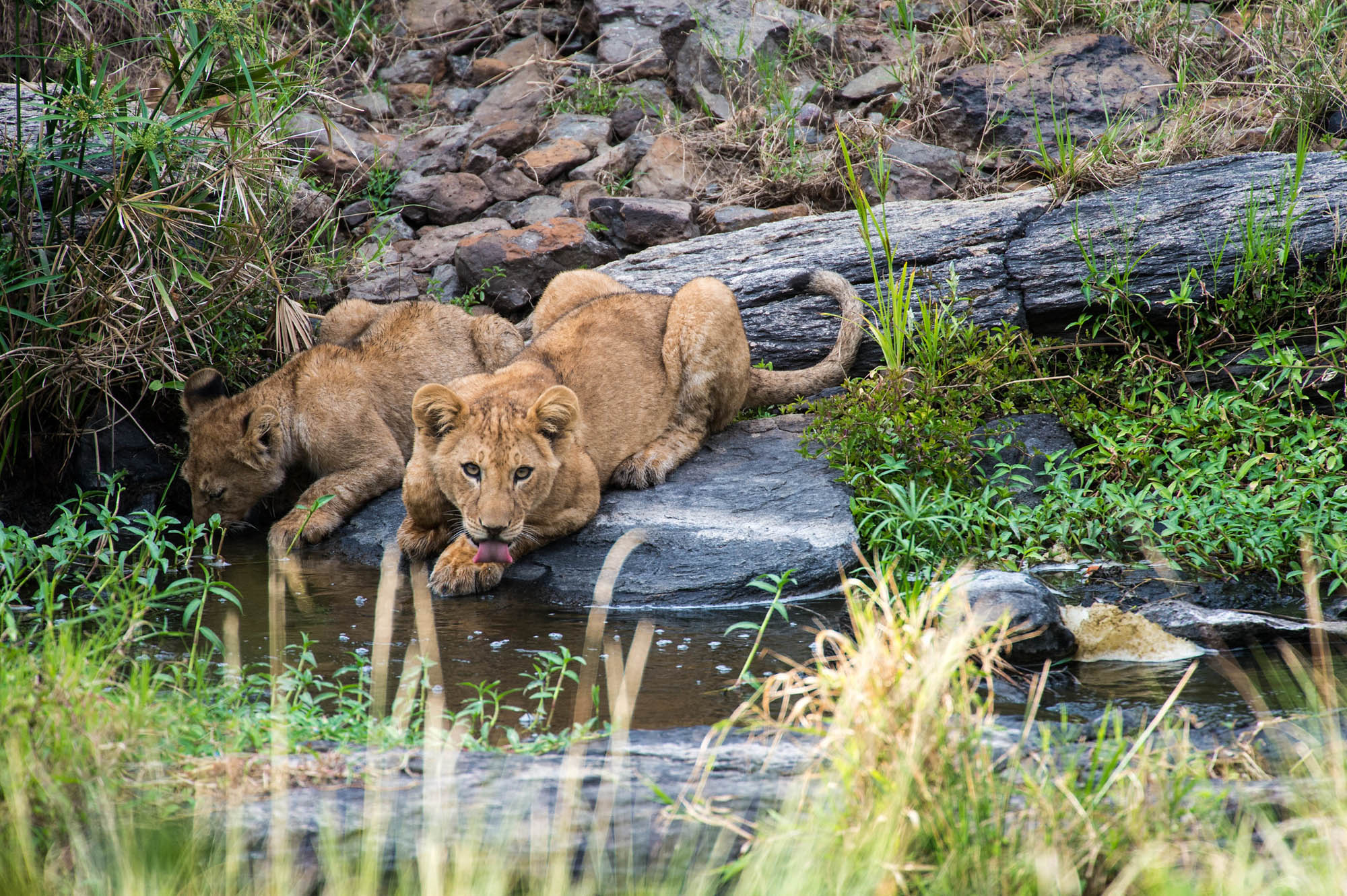
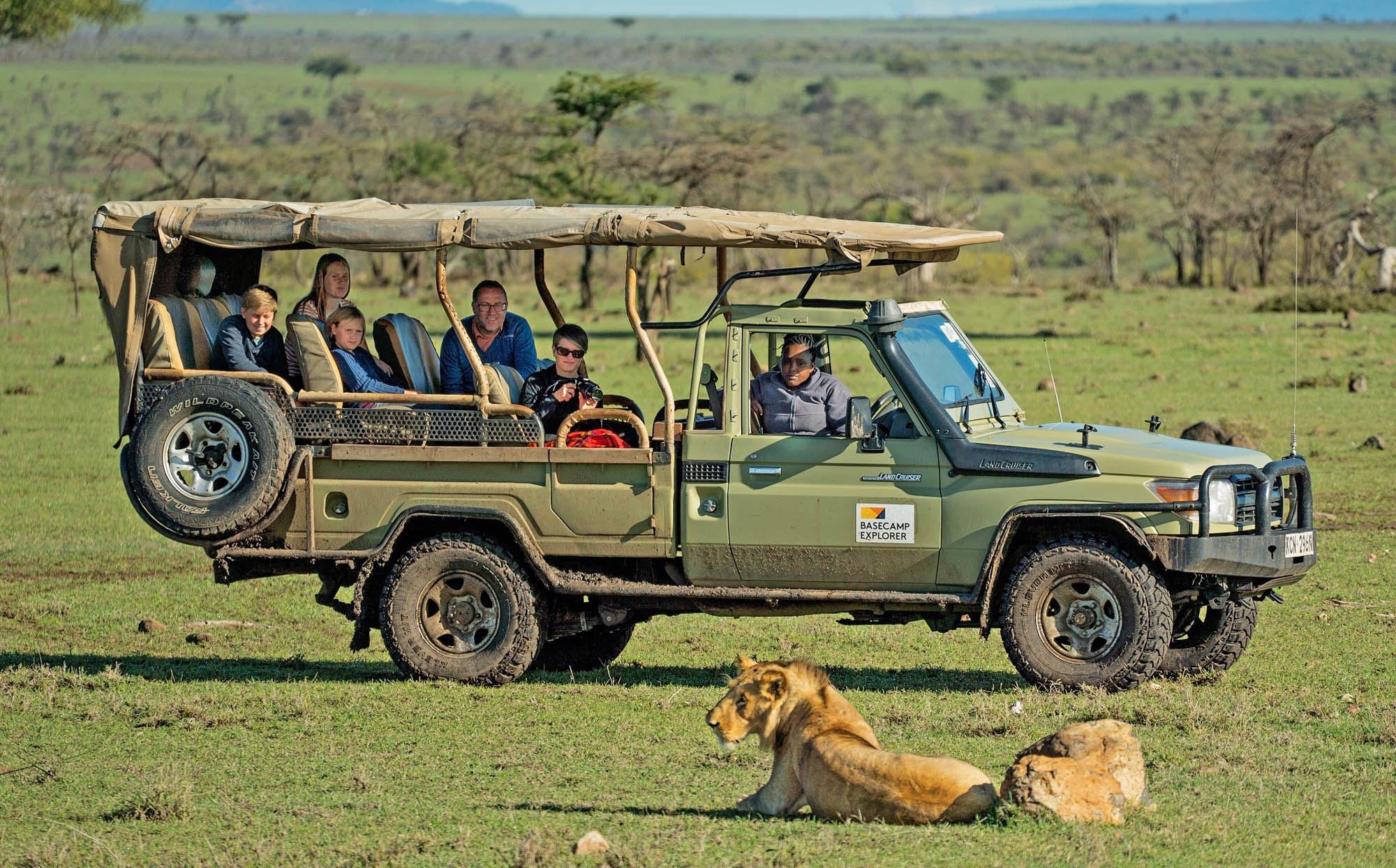
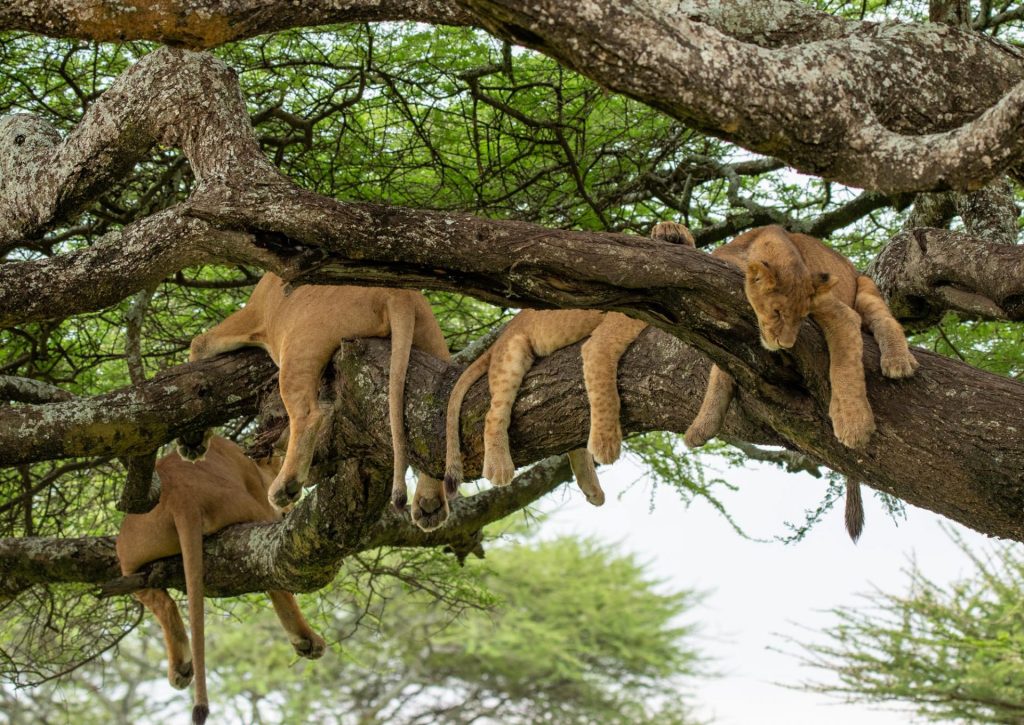
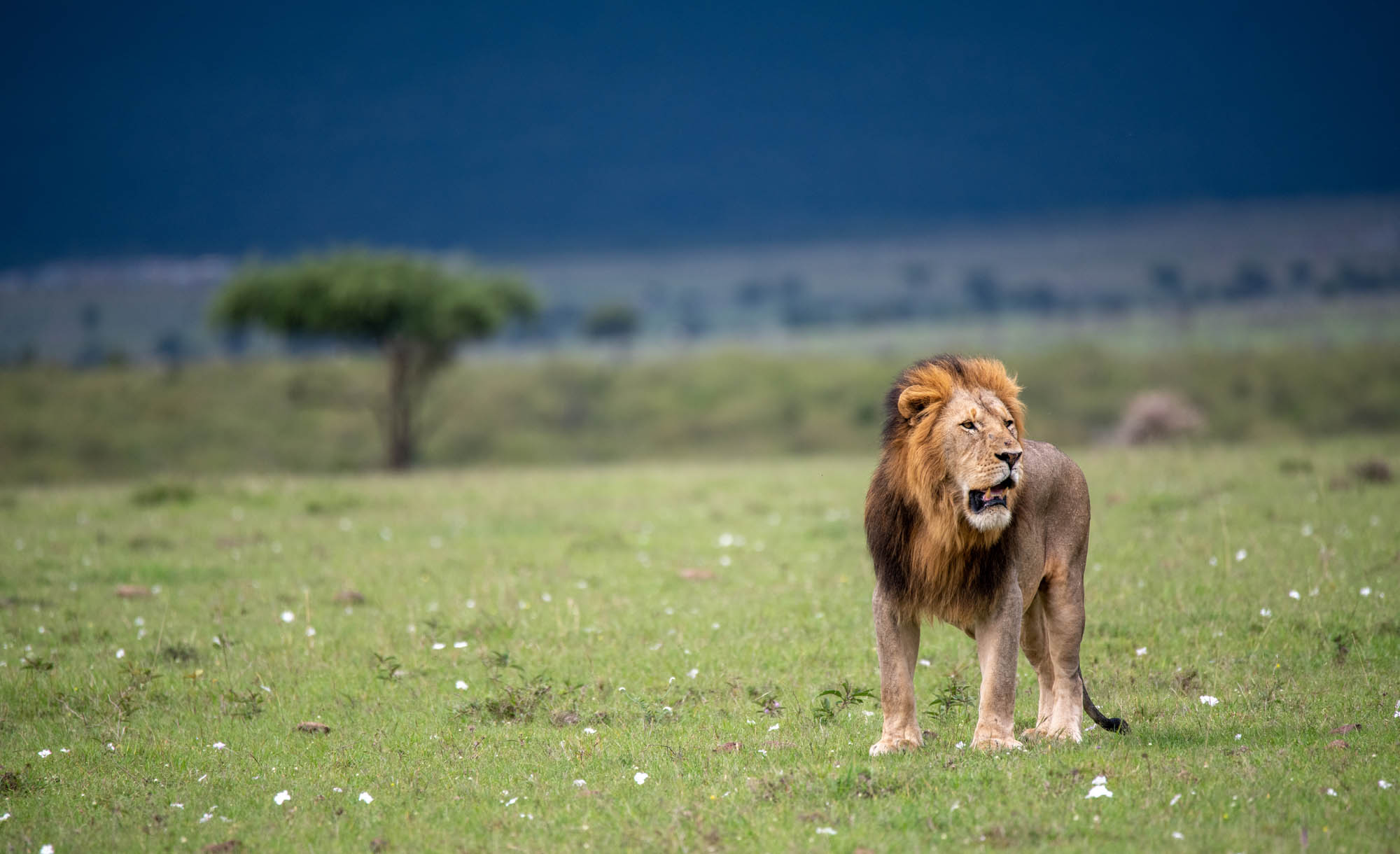
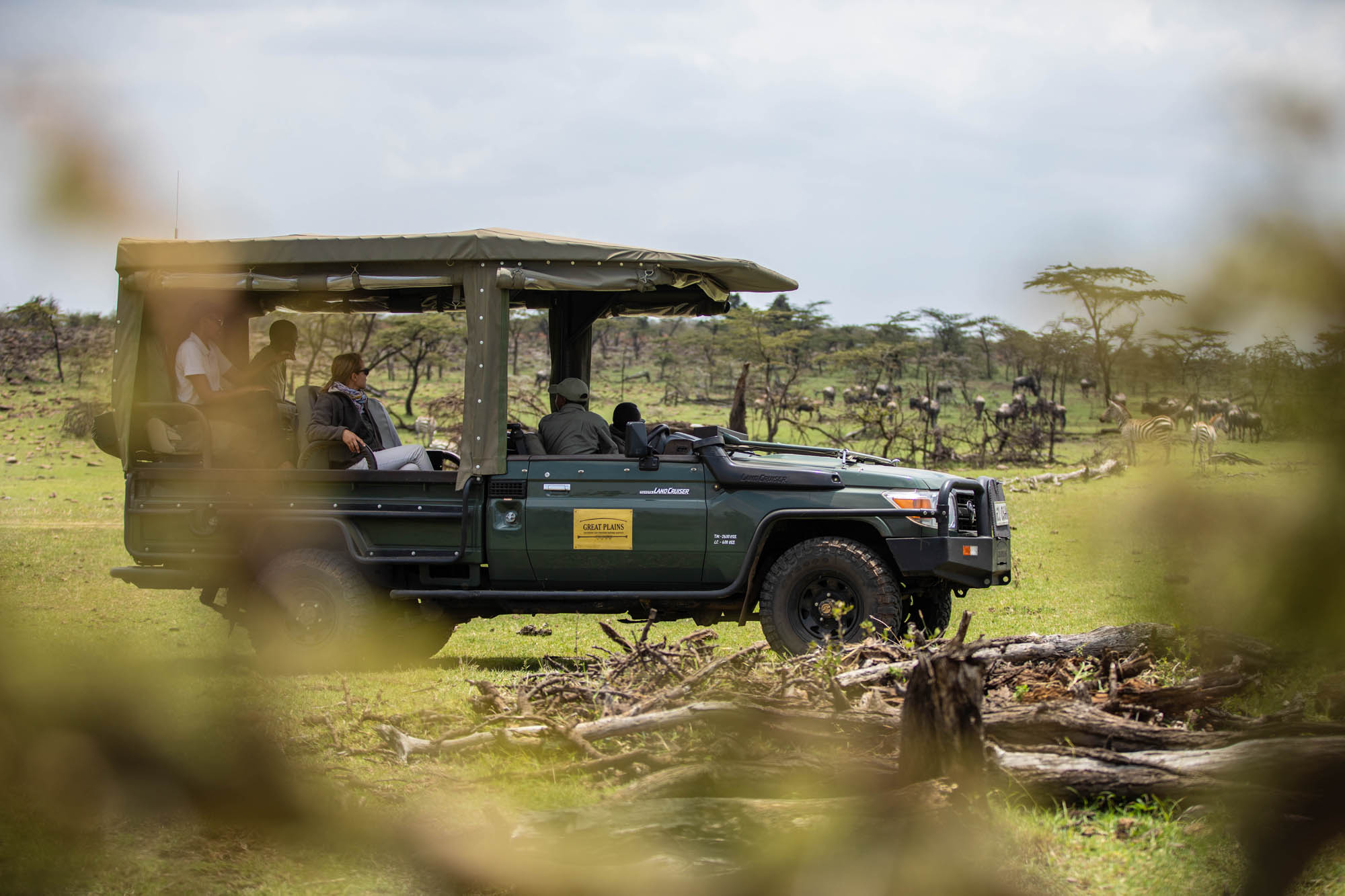
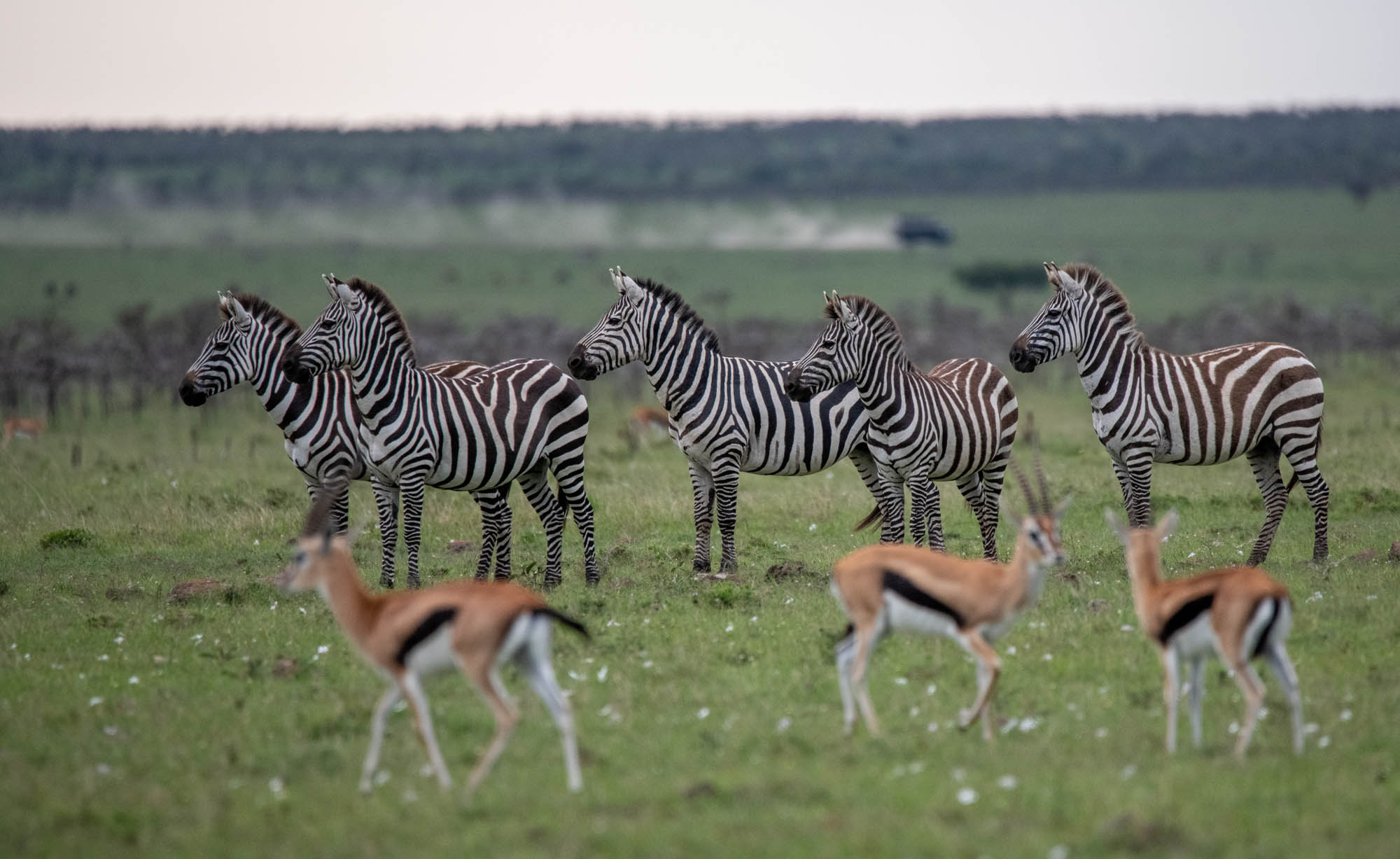
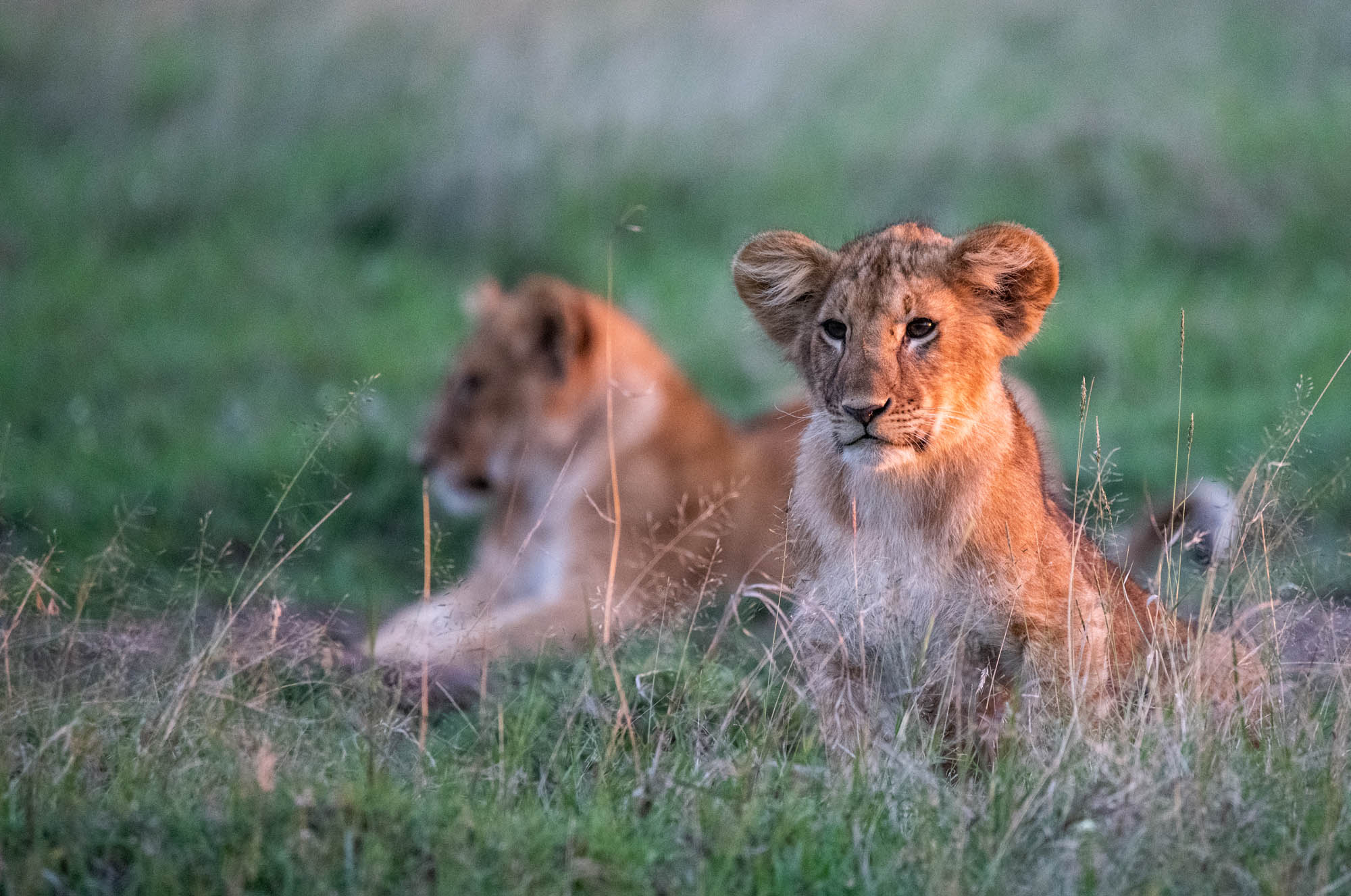
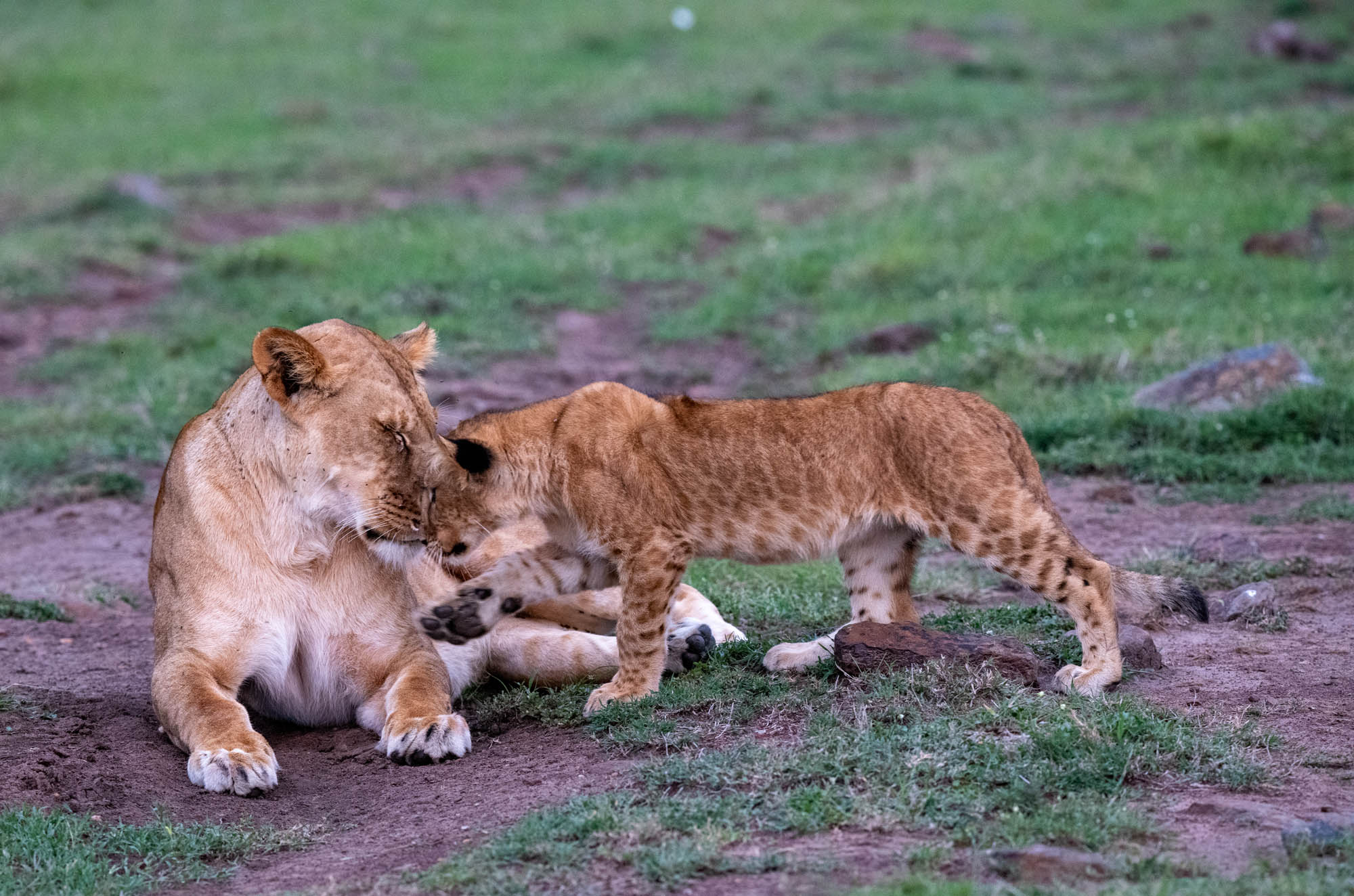
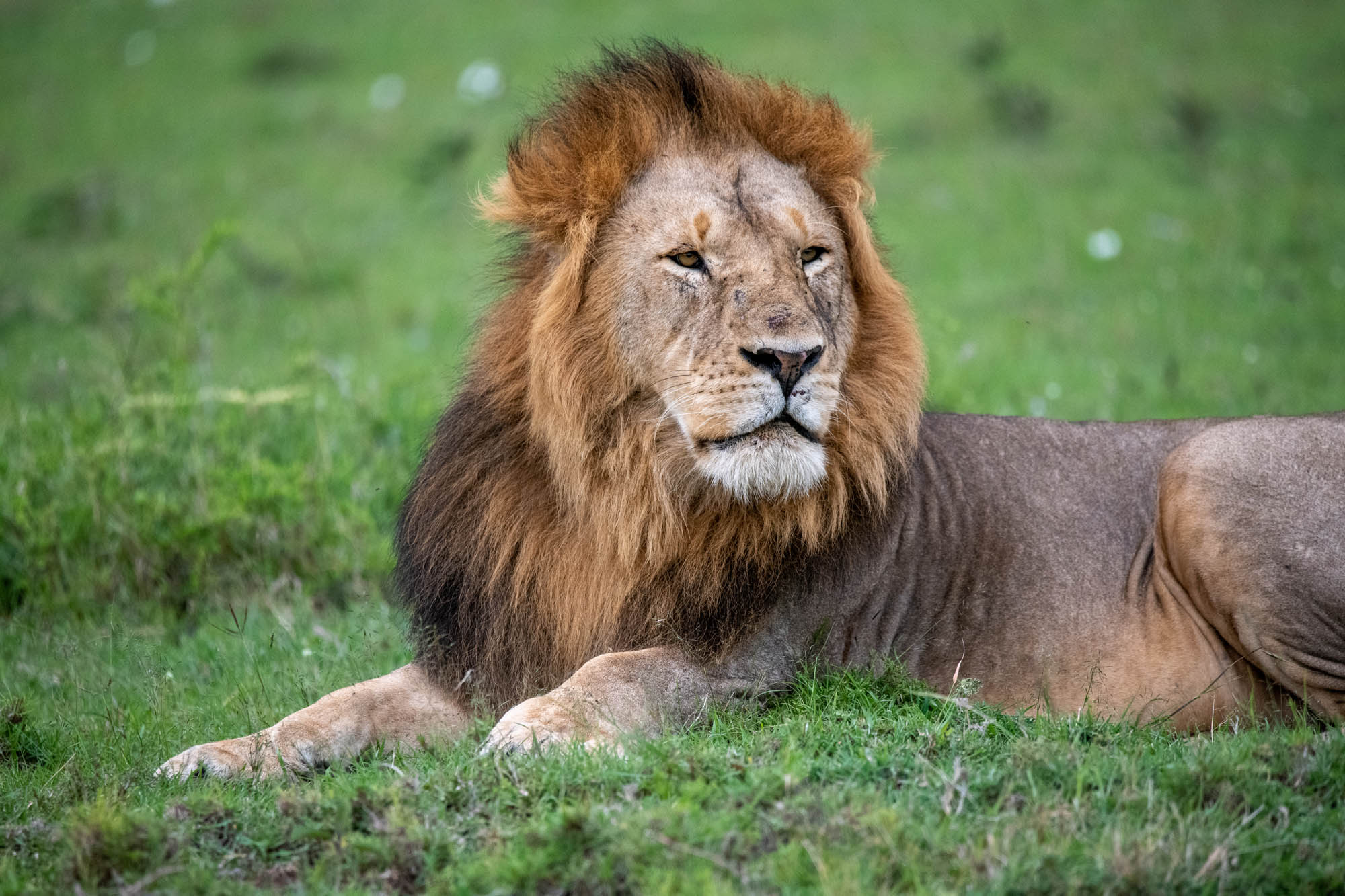
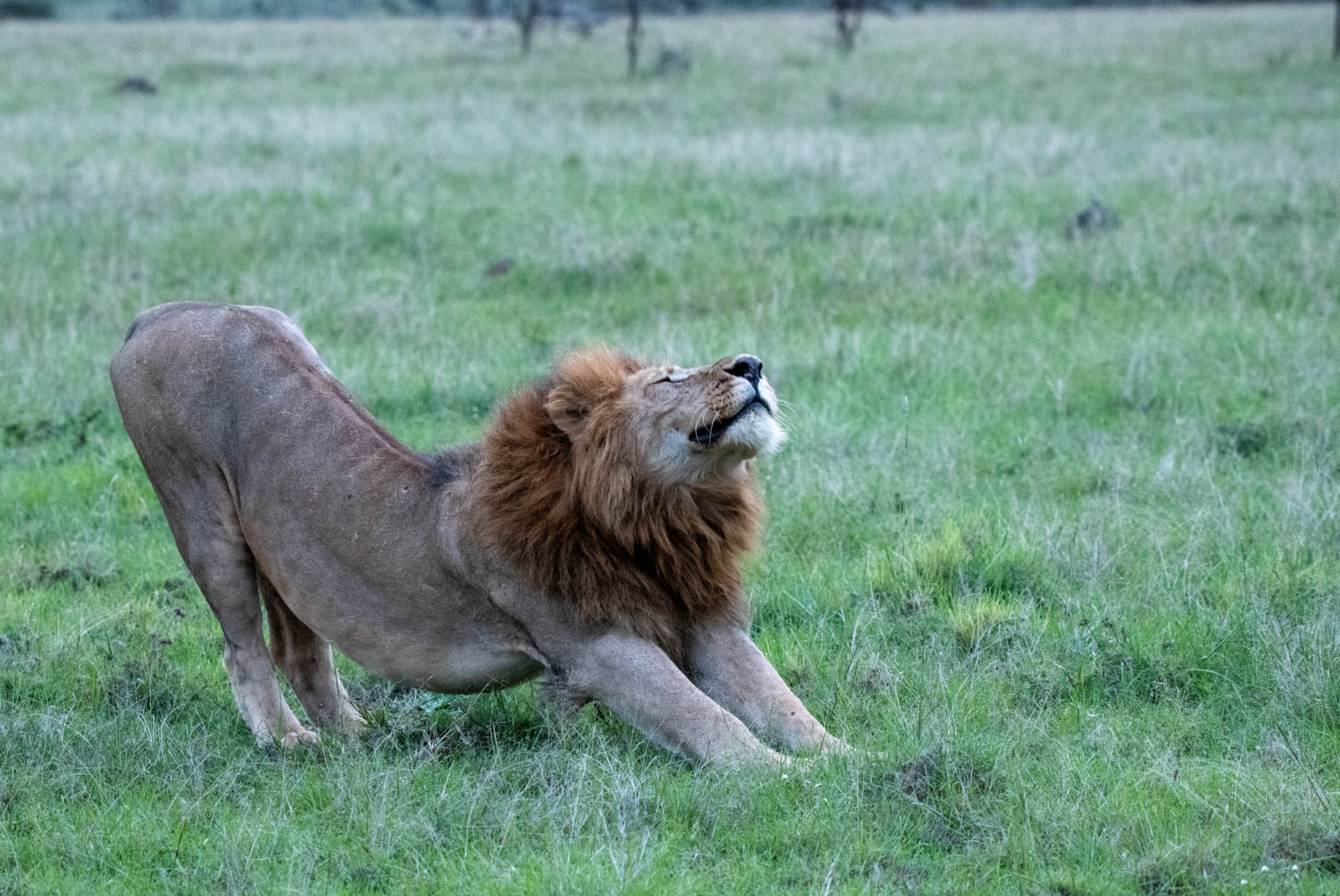
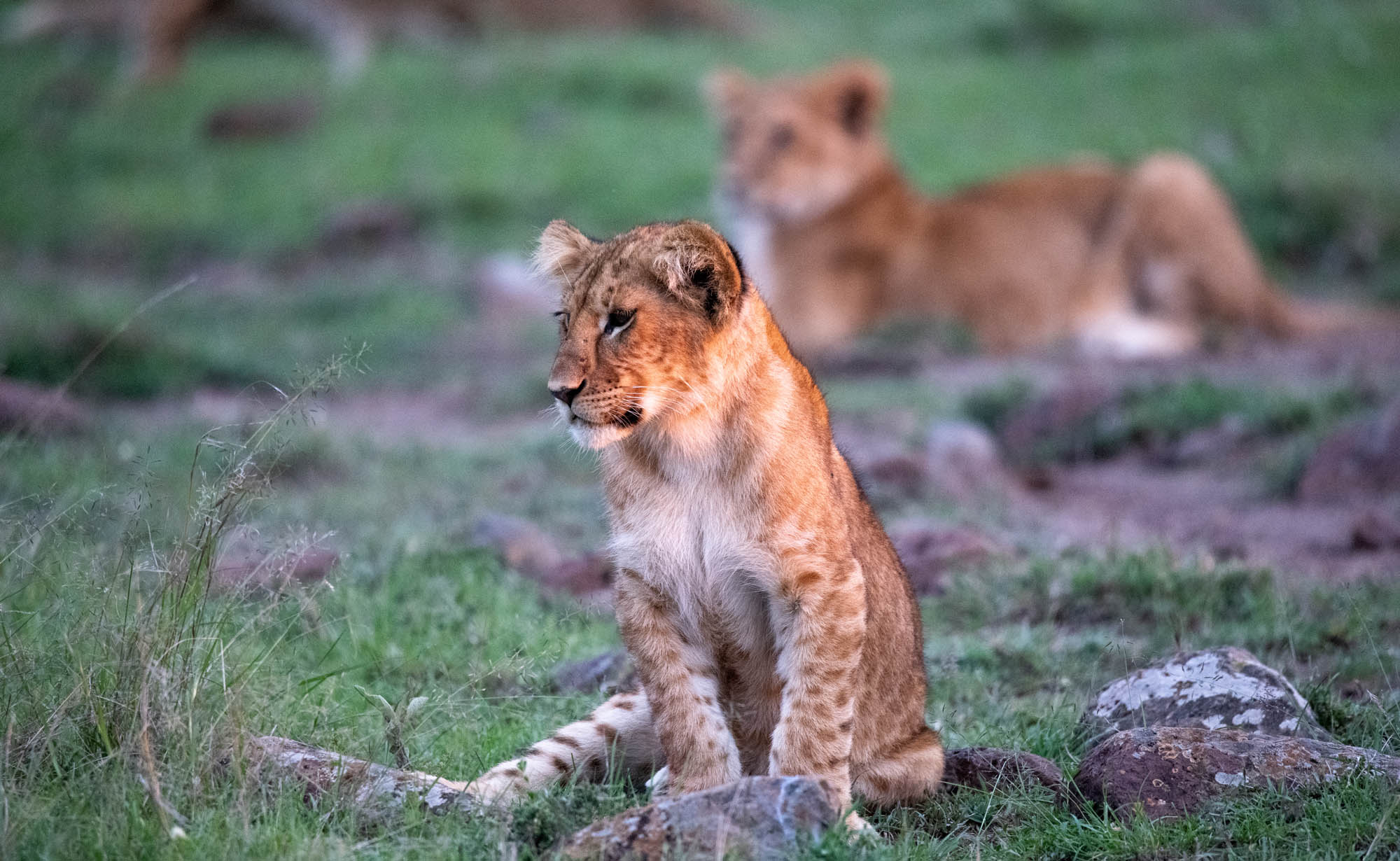
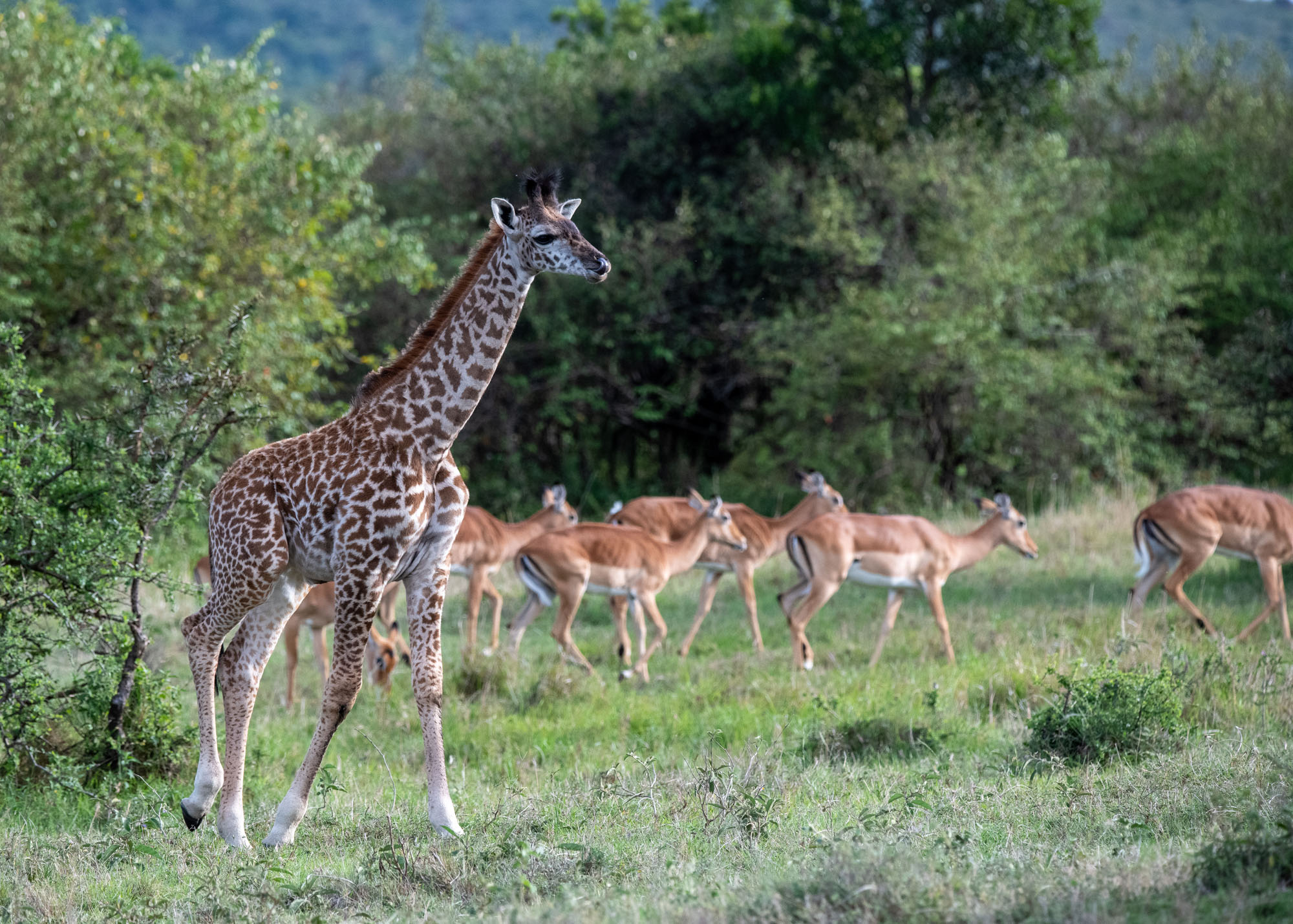
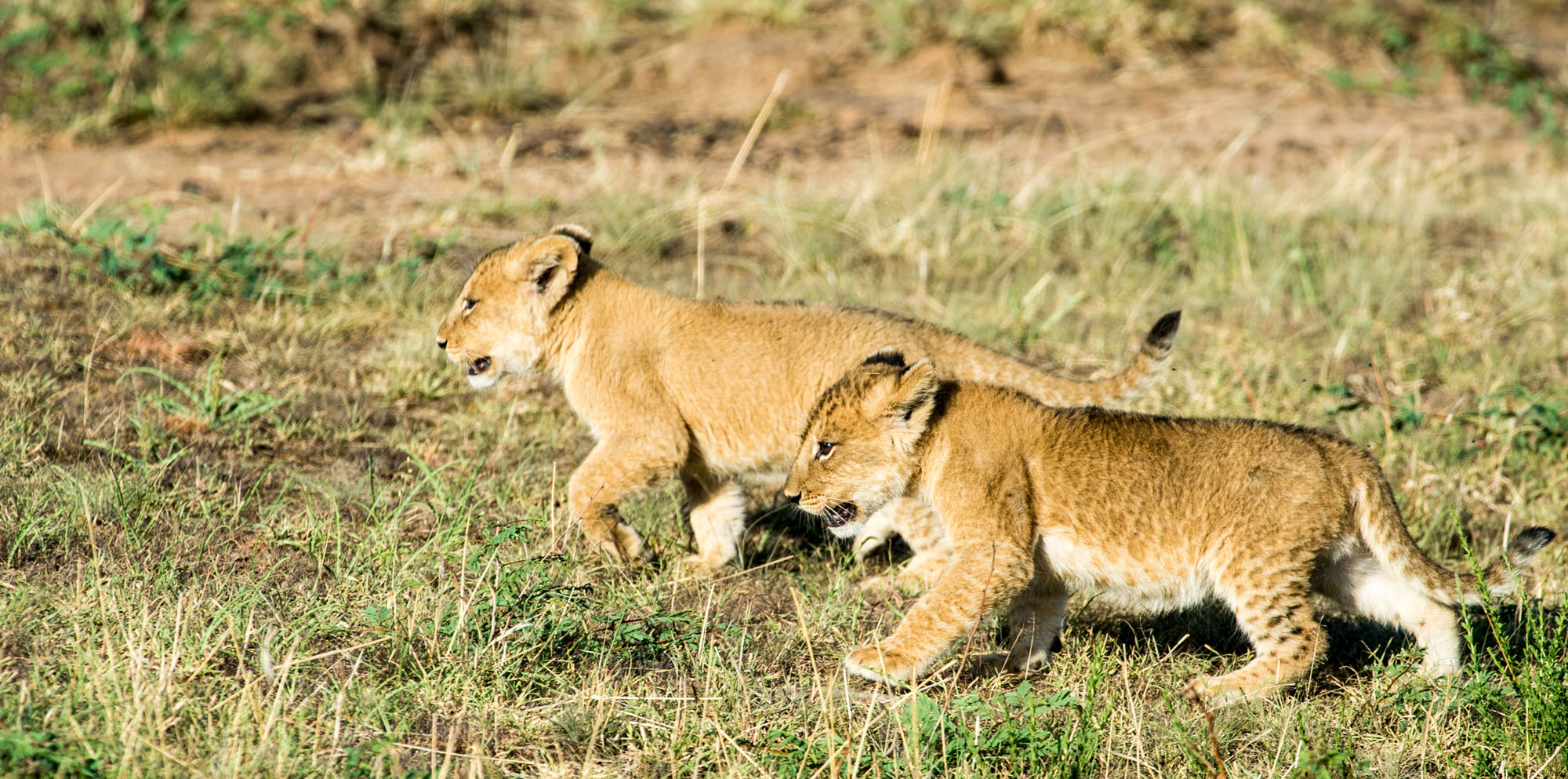
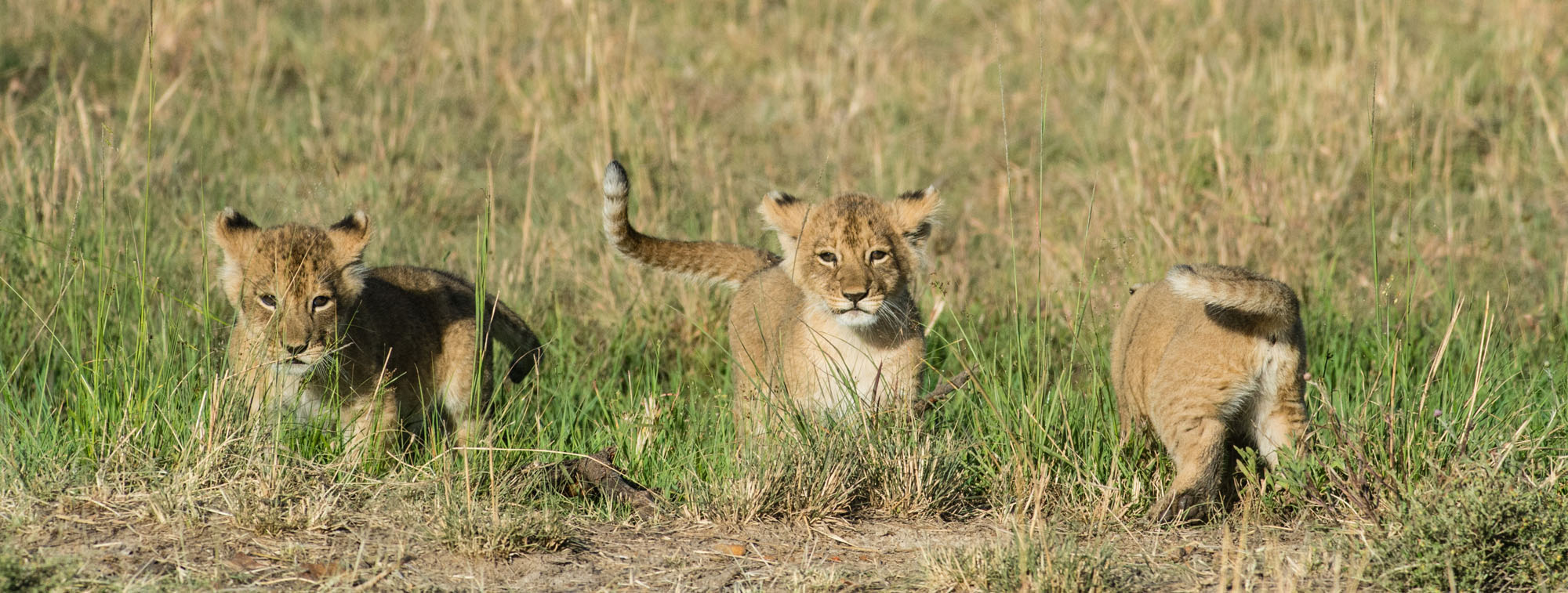
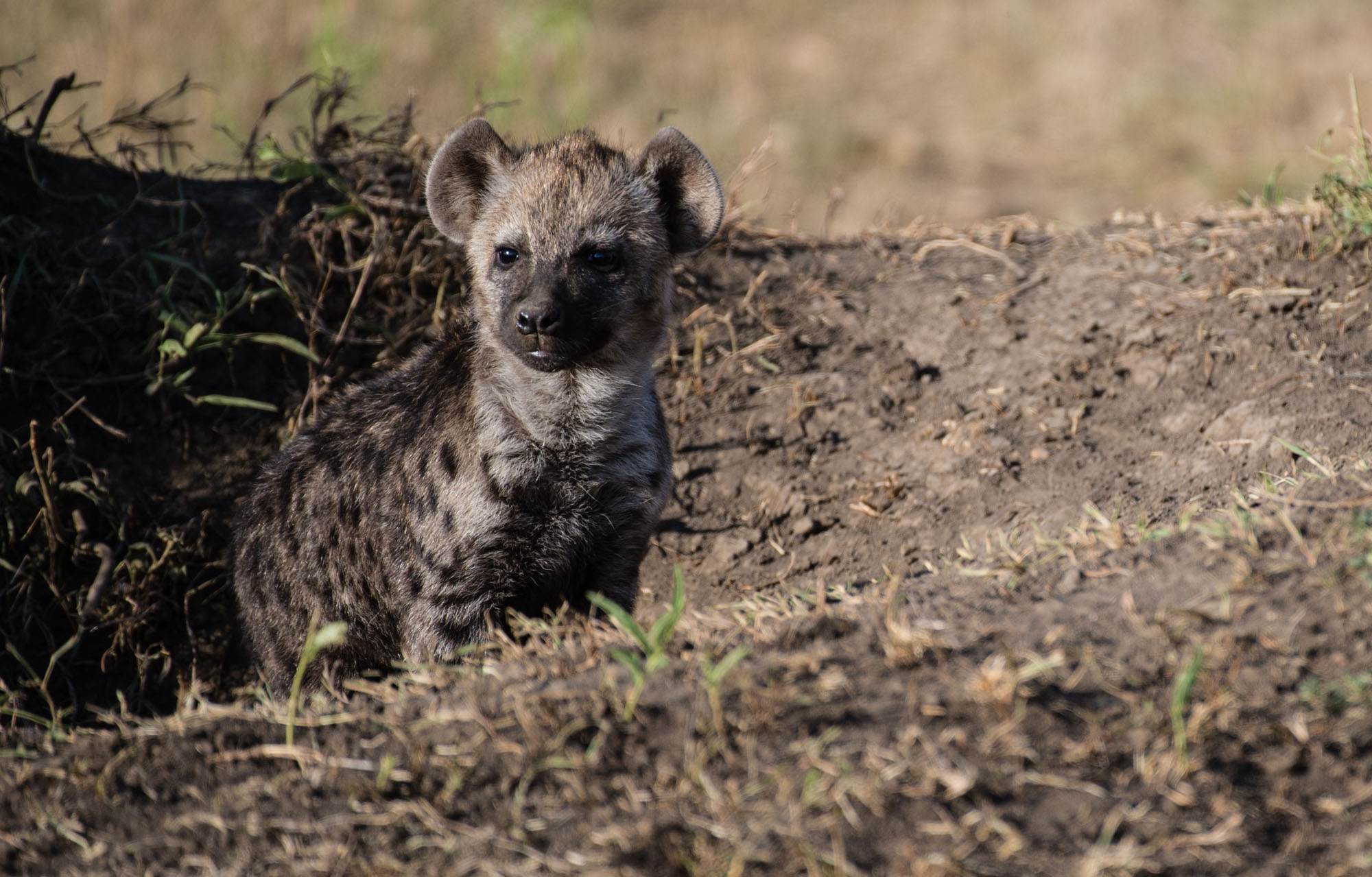
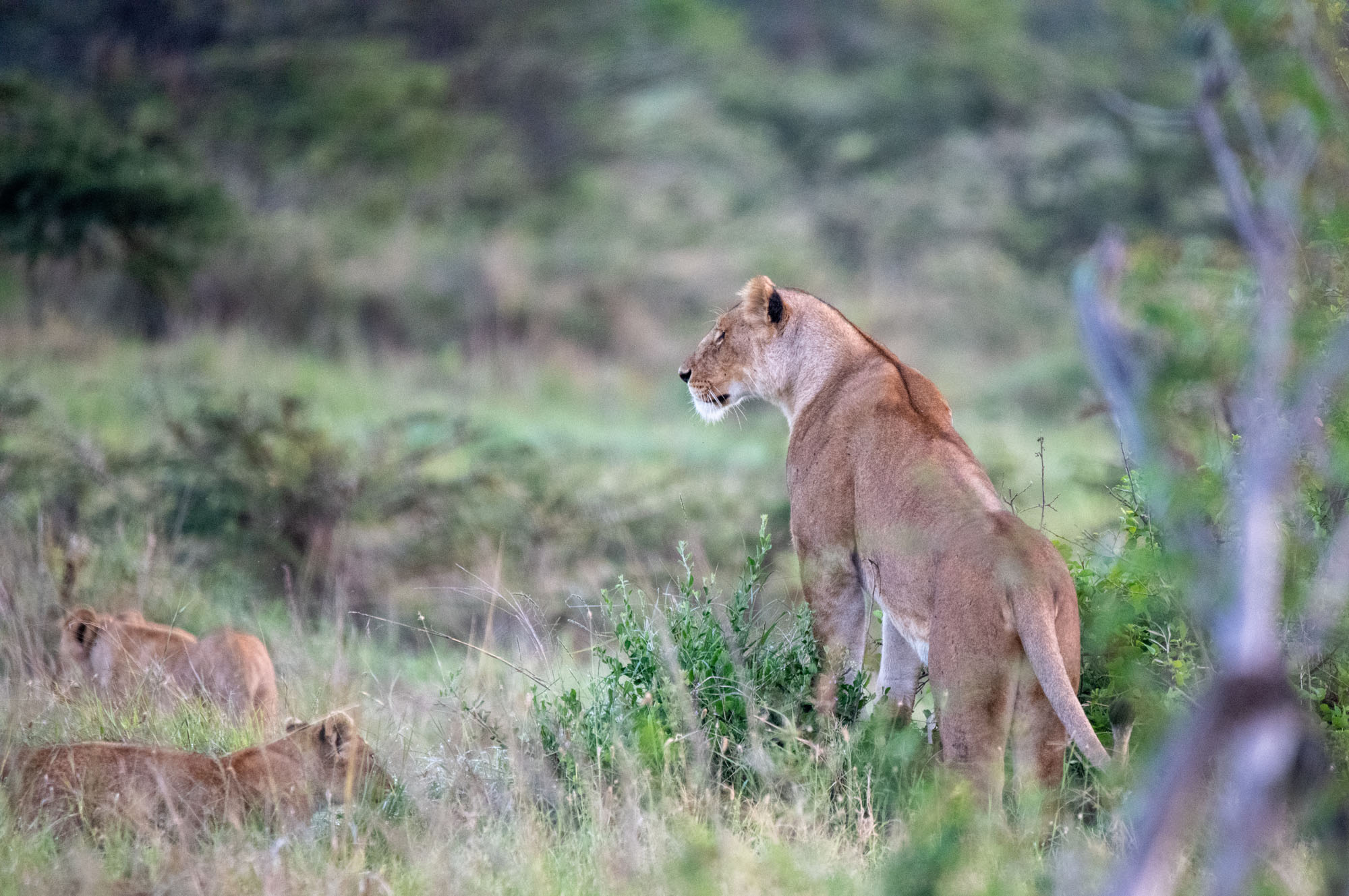
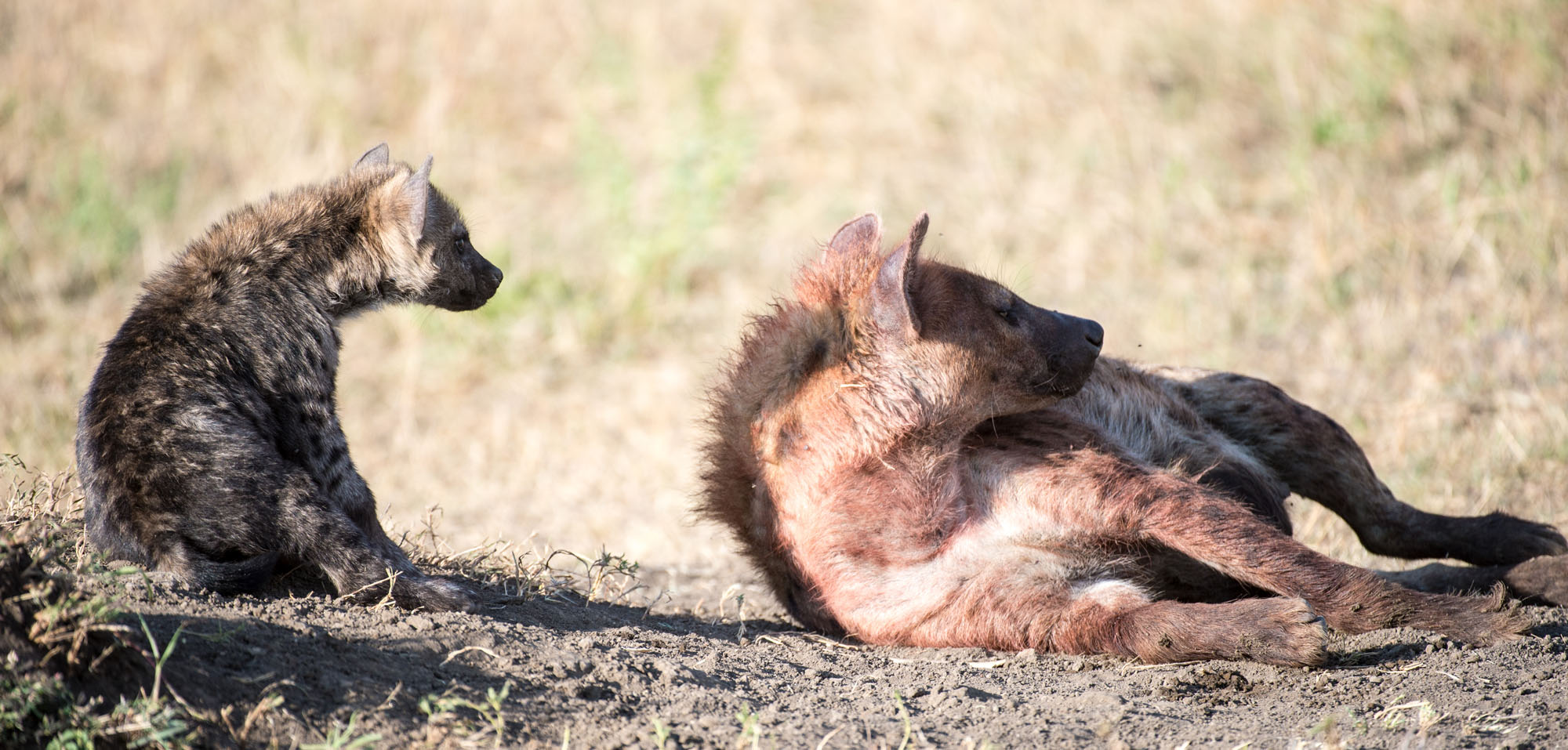
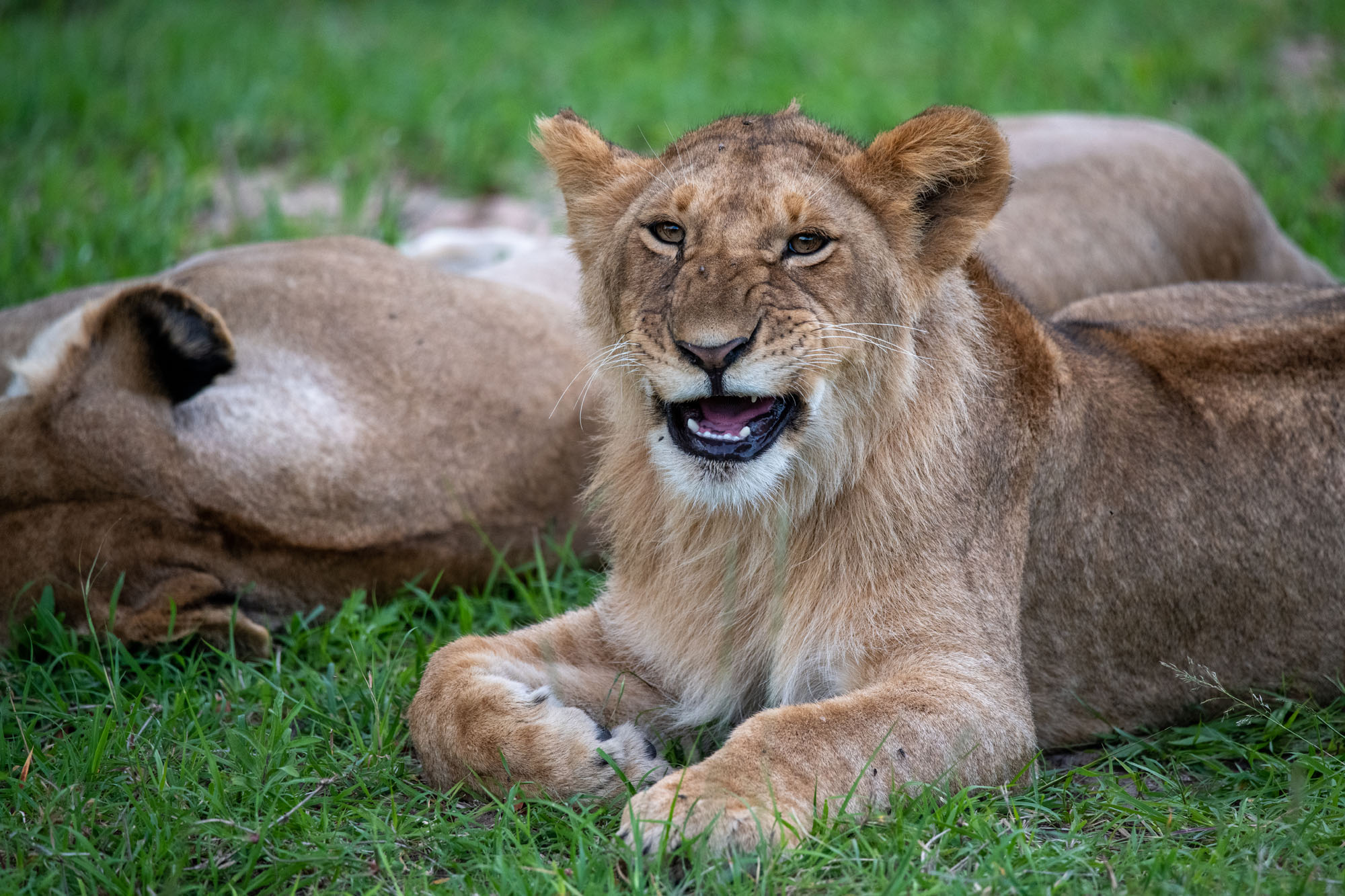
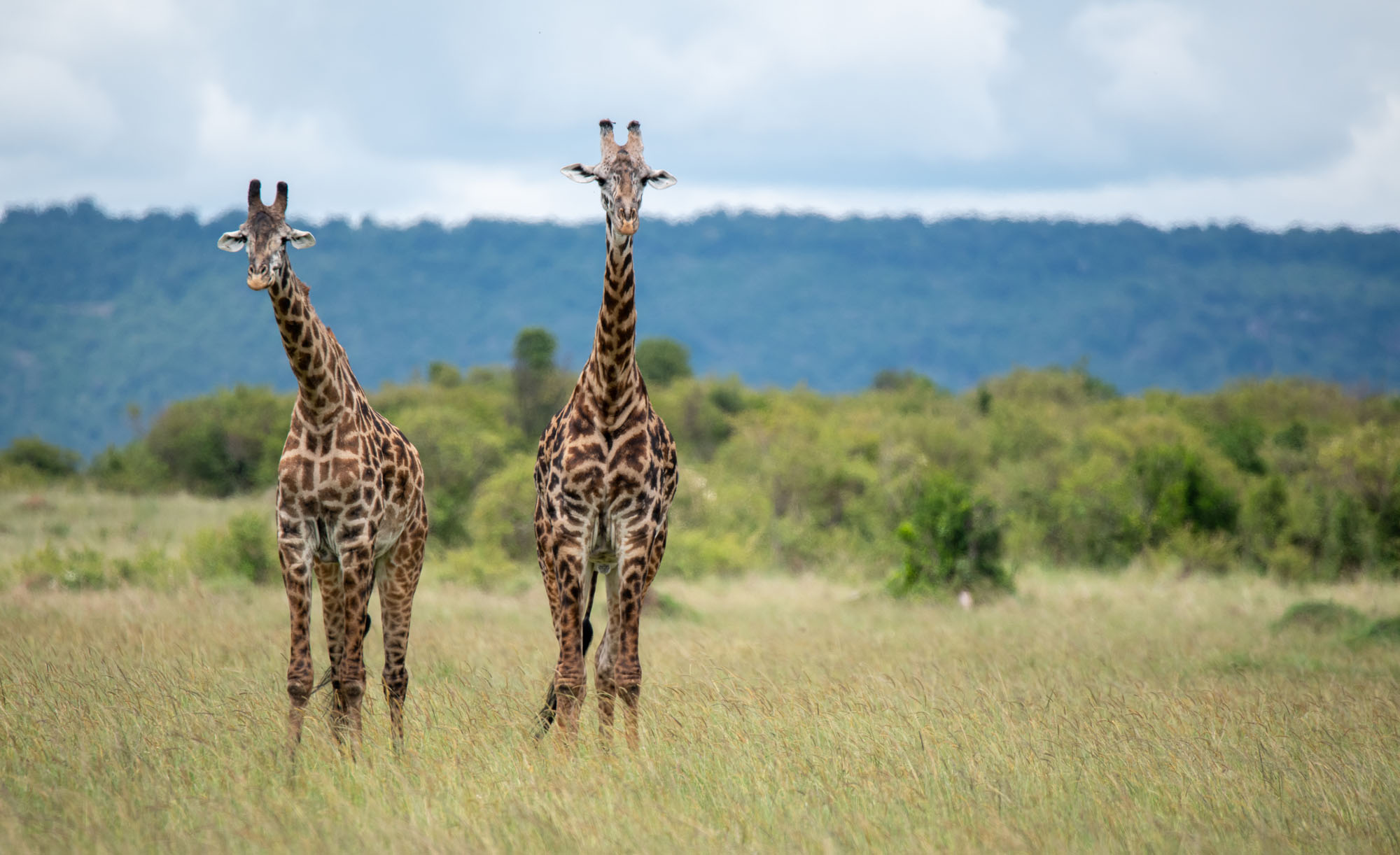
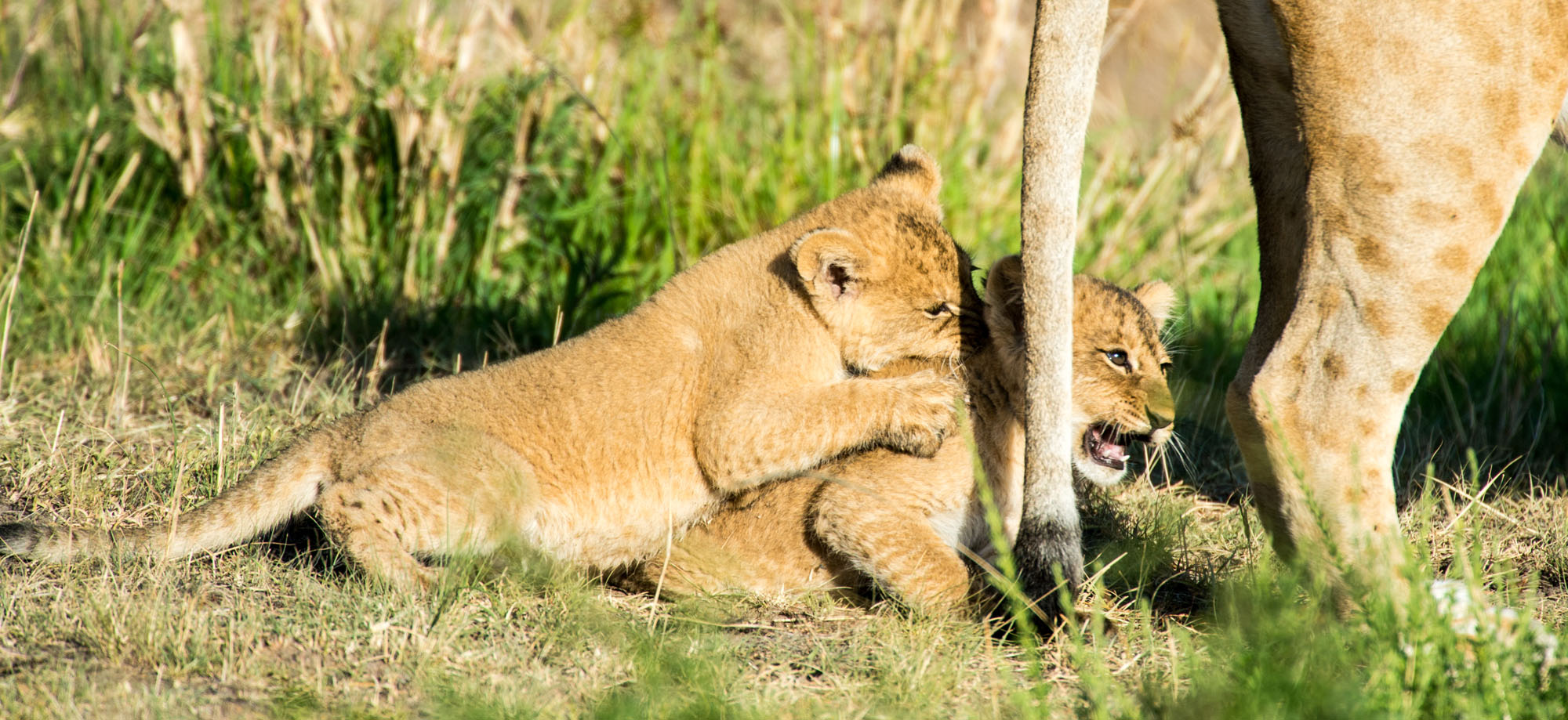
Game viewing was also excellent: high density of general plains game, plenty of lions including cubs, hyenas with cubs, newborn gazelles and zebras and others. Always something new, and Naboisho really delivered.


Hemingways Ol Seki
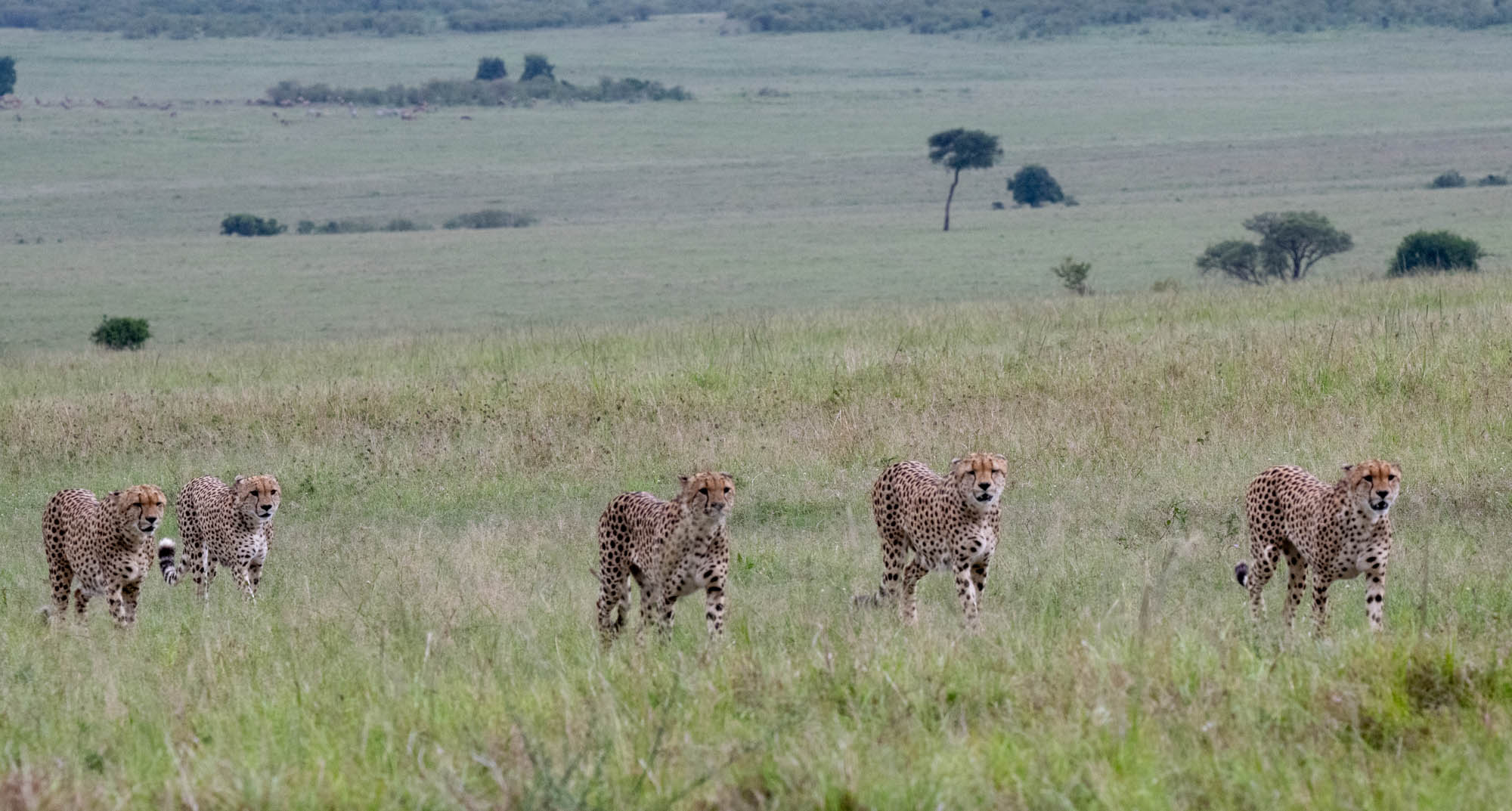
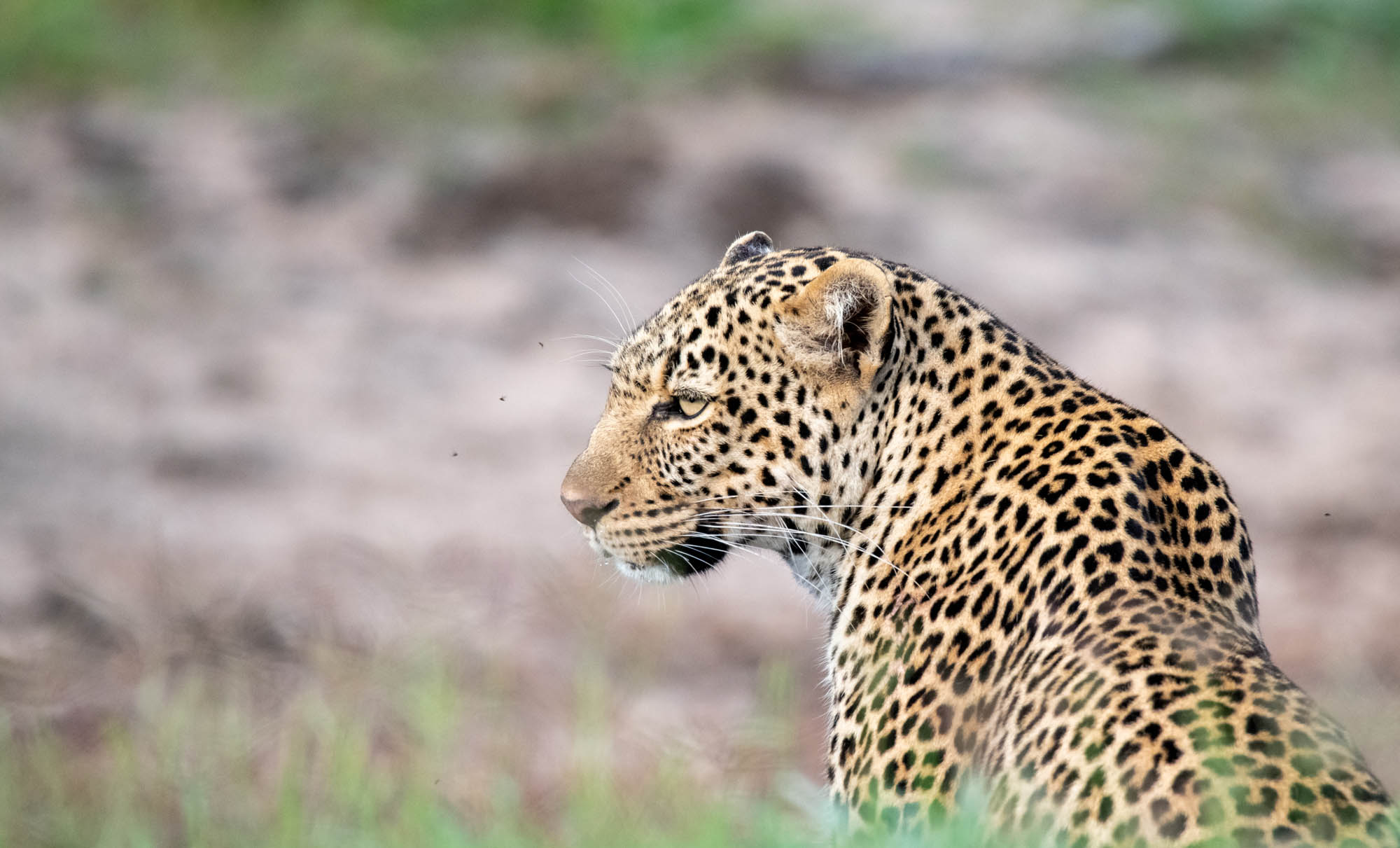
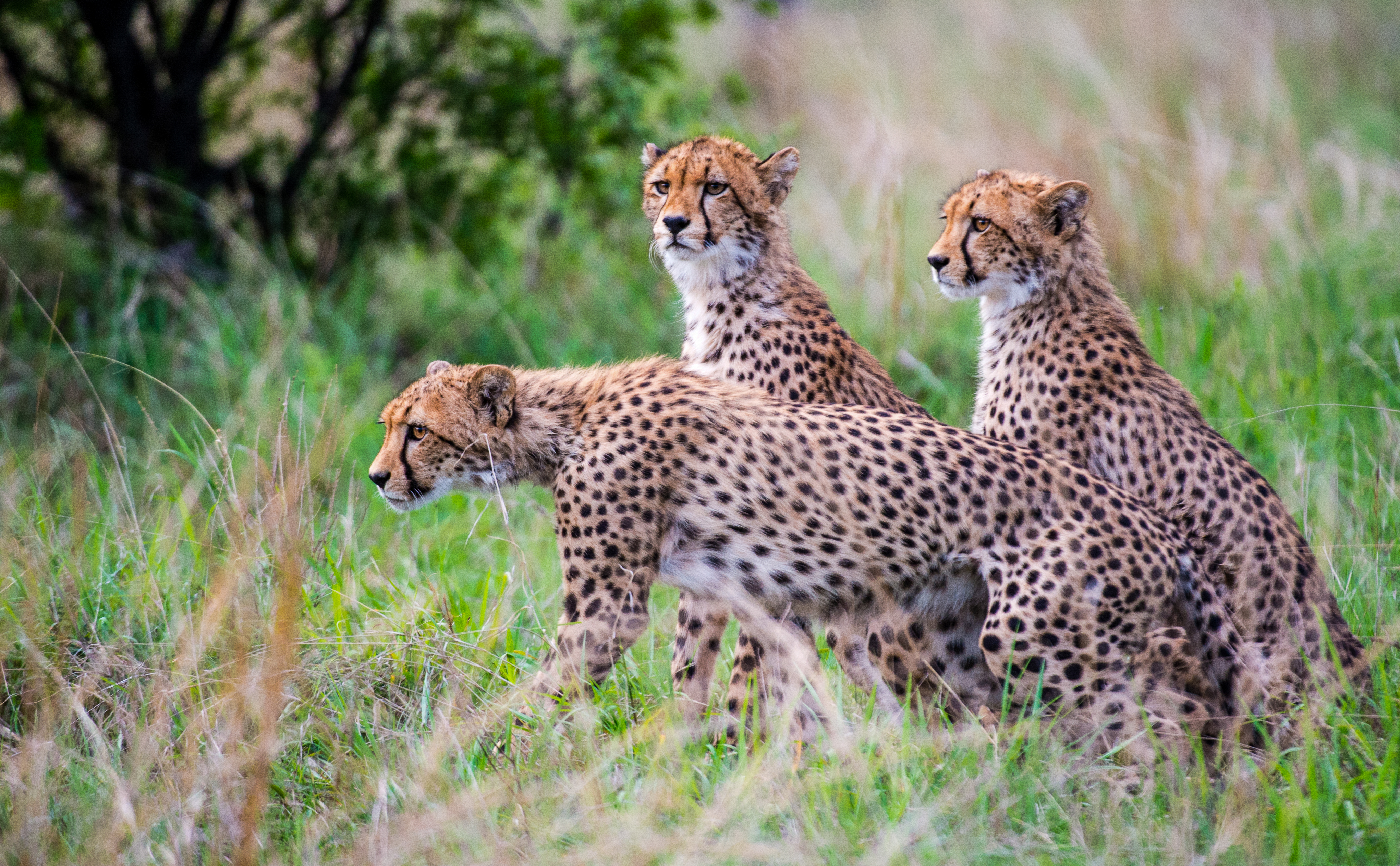
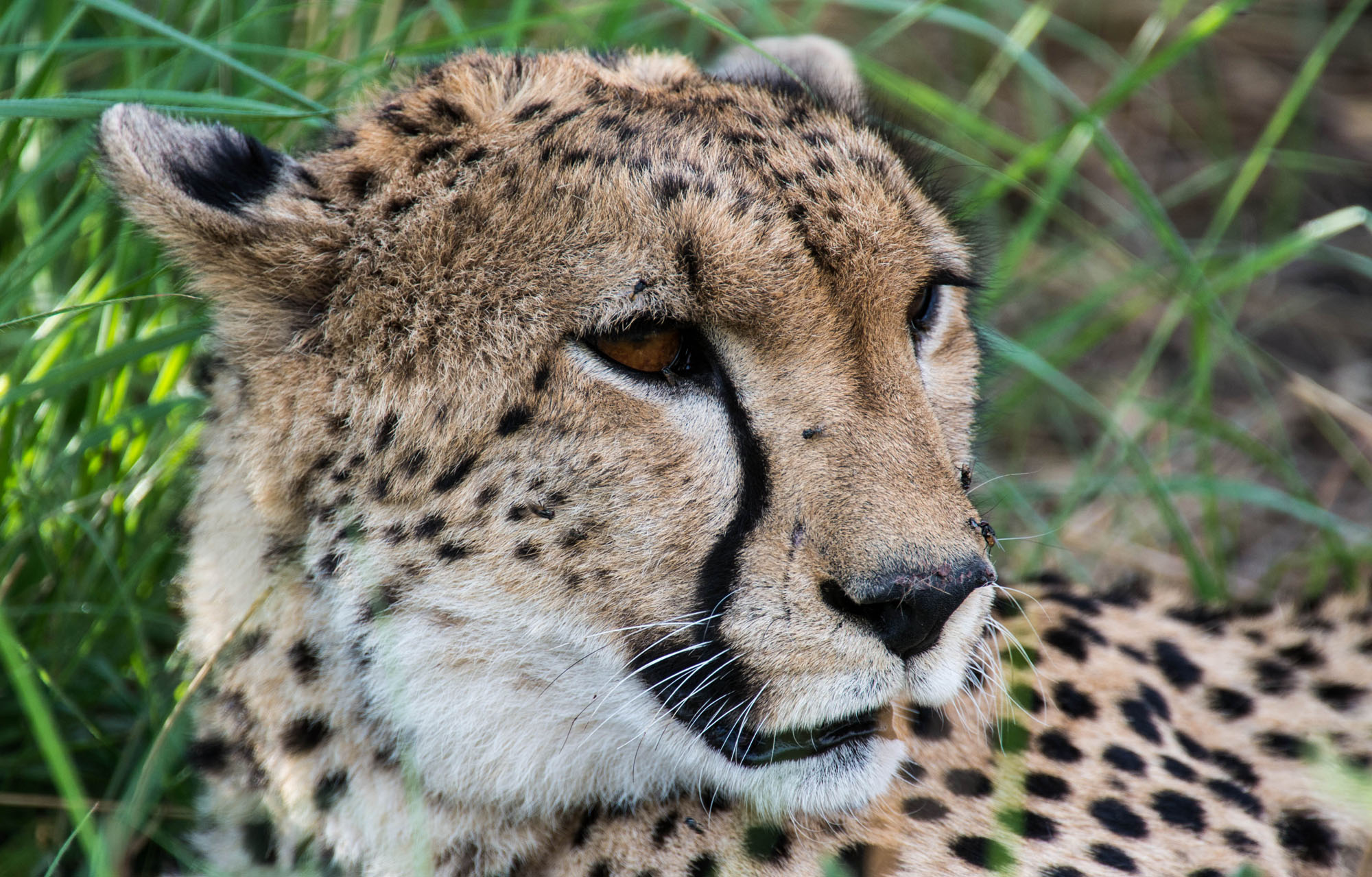
We met up with the other members of the familiarization tour group upon arrival at Ol Seki. The timing was perfect during transit from Kicheche as the group arrived just minutes ahead of us. For the fam trip, we were still in Naboisho so the excellent game viewing continued including more lion cubs, lion prides of 25+, a cheetah, a pair of jackals with a kill and a leopard with a kill in a tree. Really amazing.
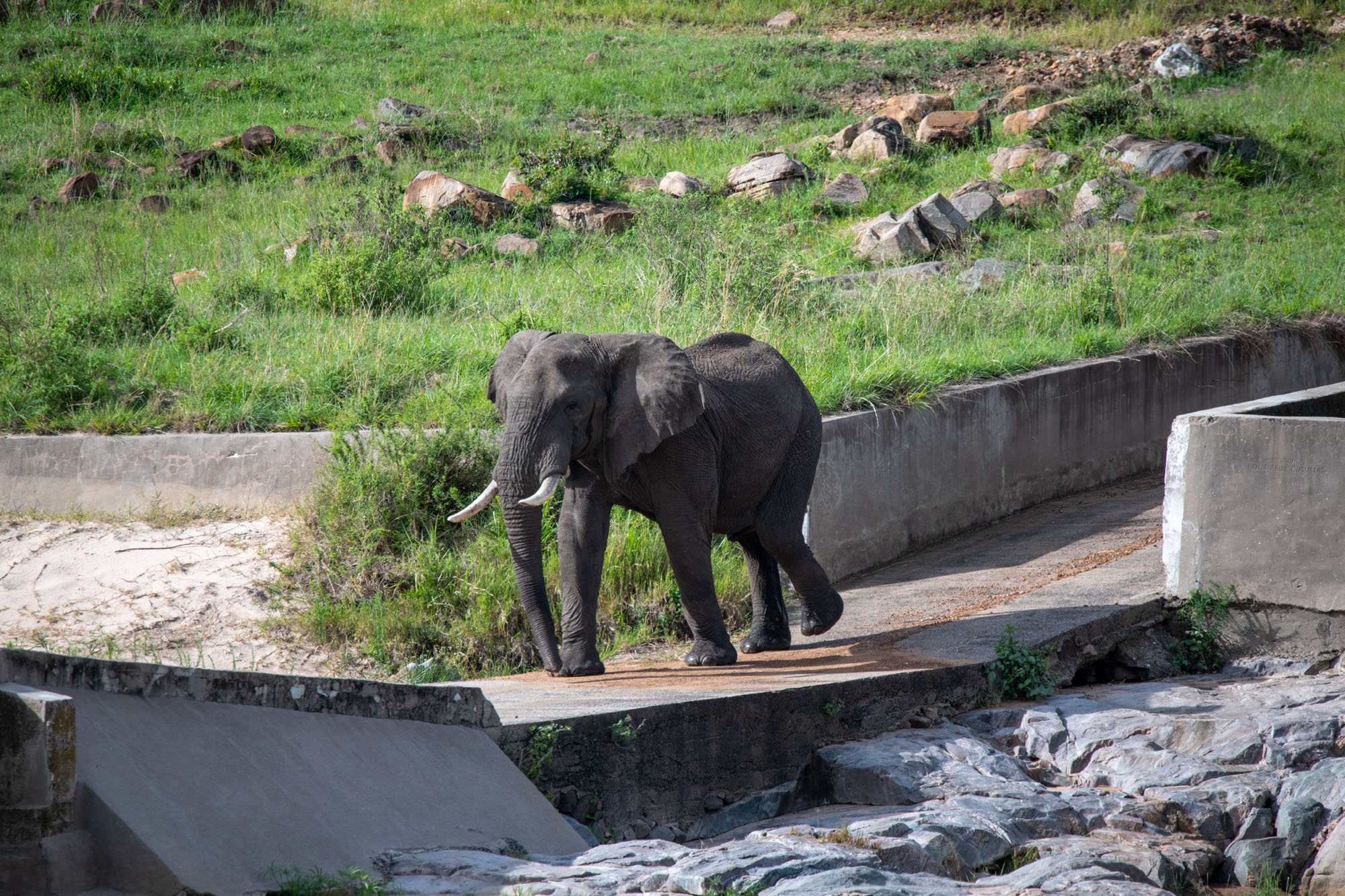
Ol Seki itself is a fantastic camp option up on a hill/ridge with a beautiful view of the valley. We often saw elephants moving around just in front of camp. Lions would roar each night from the appropriately named Simba (lion) Villa and the manager Debbie told us about a leopard possibly with cub(s) near the also appropriately named Chui (leopard) Villa.
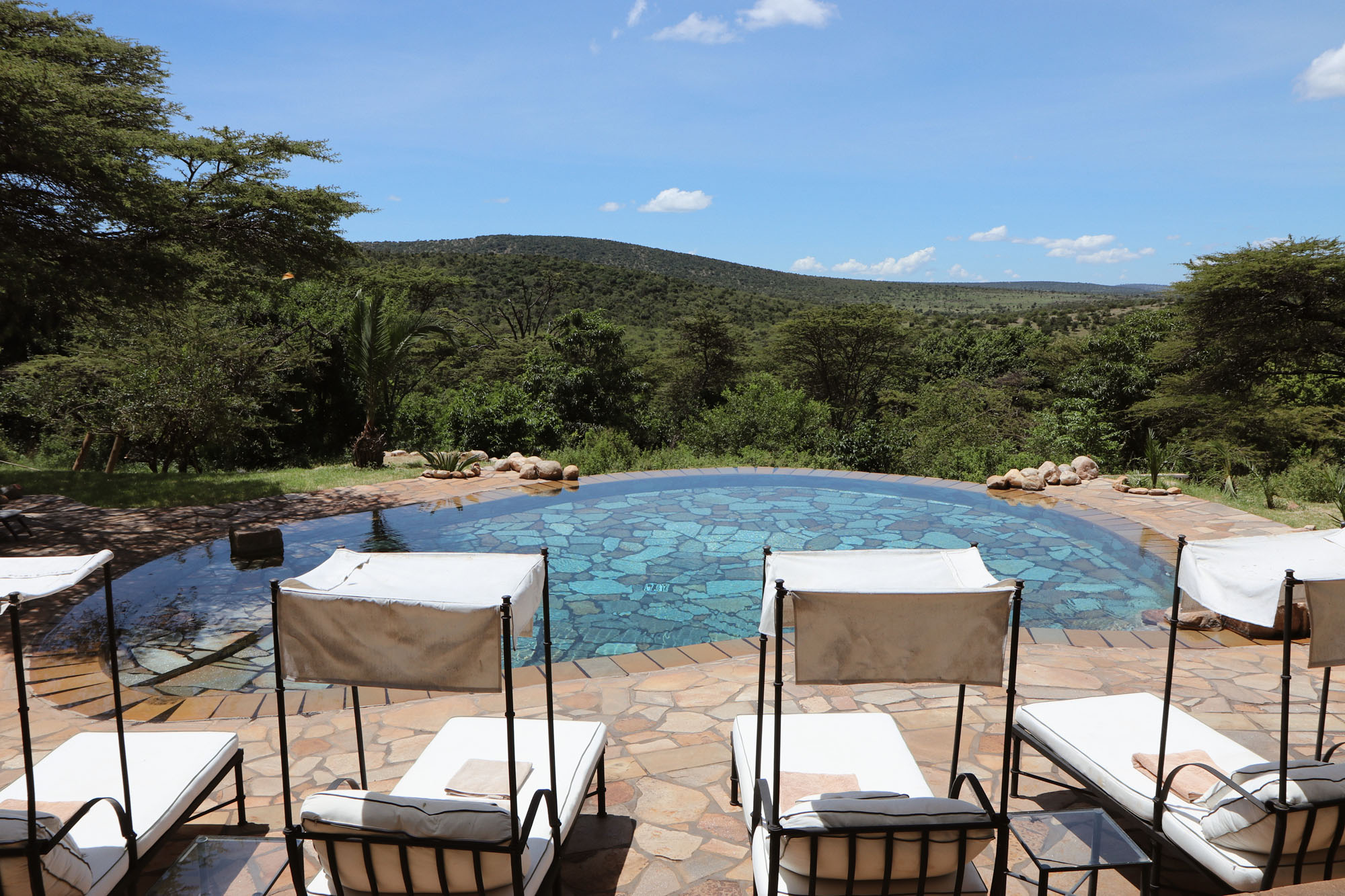
The main area comprises a few levels of structures. The main sitting/dining area above with the pool deck down below and a small private viewing deck down below. Quite a few stairs and relatively long walks between the tents and the main area.
Each Nina tent was well laid out with views which rivaled the ones from the main area. There were binoculars in the room to spot wildlife and the rooms have large glass windows which could be easily opened to sit outside on the deck. We often had the threat of a bit of rain so we didn’t spend much time there. The bathroom was just behind the beds with twin sinks, indoor and outdoor showers with a tub and a separate room for the toilet. The shower was very easy to keep at the right temperature and the hot water showed up quickly!
Overall, a fantastic option at a great price point. Maybe slightly less focused on super early mornings and game viewing and a bit more focused on relaxing and taking things easy. Ol Seki will continue to be a great option for many of our guests.

Hemingways Watamu
The plane we took to Watamu was not ideal. The twin propeller aircraft had a hilariously small amount of overhead storage space (basically everything had to go under the seat in front of you) and very little air flow so it got very hot. On the way back to Nairobi, the airplane made an awful hissing noise because apparently the door wouldn’t seal correctly. The flight attendant did nothing to prepare us and she did not get up to reassure us at any time. One of our agents had to go up to the front to see if everything was ok and she said something to the effect of ‘this always happens’… Instead of reassuring us, she got on the speaker and started talking about Safarilink’s other routes which we couldn’t hear due to the screeching noise. Not a pleasant flight in either direction.
The airport experience was fine on the way in, a relatively easy pickup of luggage and our driver was there to pick us up on the ‘fam’ trip. The airport experience on the way out was pretty brutal, 90 degrees (felt like 100 in the shade), wide open ‘gate’ with no air conditioning. We each got some ice cream but we struggled to eat it before it melted.
It was approximately 45 minutes from the airport to the beach, possibly closer to an hour. Busy roads no matter what you do. Lots of slow moving vehicles as well as cows and goats.

Hemingways Watamu was also a bit of a miss for us. It was very hot during check-in, which was expected. Aggravated somewhat by not having a spot to sit down to sign the paperwork that they required since there was a group in the waiting area taking up most of the seats. We eventually made it to the room which was perfectly cooled, but that wouldn’t last. We were put in a top floor room on the ‘old’ side of the hotel which ended up being one of the older rooms on the property. We would suggest lower level rooms which are more deluxe and more recently updated.
The room looked fine, but quite a few little things didn’t work as well as in the newly remodeled rooms. The old thermostat (and likely old AC unit) kept shutting off during short power outages. In the new rooms you would simply push the power button on the digital thermostat and everything would come back on. In the older room, the old thermostat and AC would not kick back on. Sometimes the fan would need to be reset which meant a maintenance crew heading to the roof (which we experienced at about 10pm while trying to head to bed).
The other side of the property was the newer wing with 1, 2 and 4 bedroom suites. Possibly useful for group bookings but I think the deluxe rooms on the old wing are even more recently updated so we would likely stick with those.
The property itself was also a bit larger than what we’d ordinarily use for most of our guests. Not as much personalized service – with buffet meals etc. Not ideal.


Activities were quite fun though. Our cruise for dolphins didn’t pan out but the snorkeling was fantastic. Our dhow cruise ended up being partially rained out but we had a ton of fun. If guests are interested in fishing, they can book a small charter boat and likely have an amazing time as well. We went out for lunch to a local restaurant which was also a big hit. Food at the property was hit or miss, mostly miss.
Reach out to Jason at jason@fisheaglesafaris.com to help you arrange the perfect Kenya trip, customized to your preference and price point.

All property photos provided by the respective properties.
YOU MIGHT ALSO BE INTERESTED IN
10th September 2021
Chindeni and the Bushcamp Company, Zambia
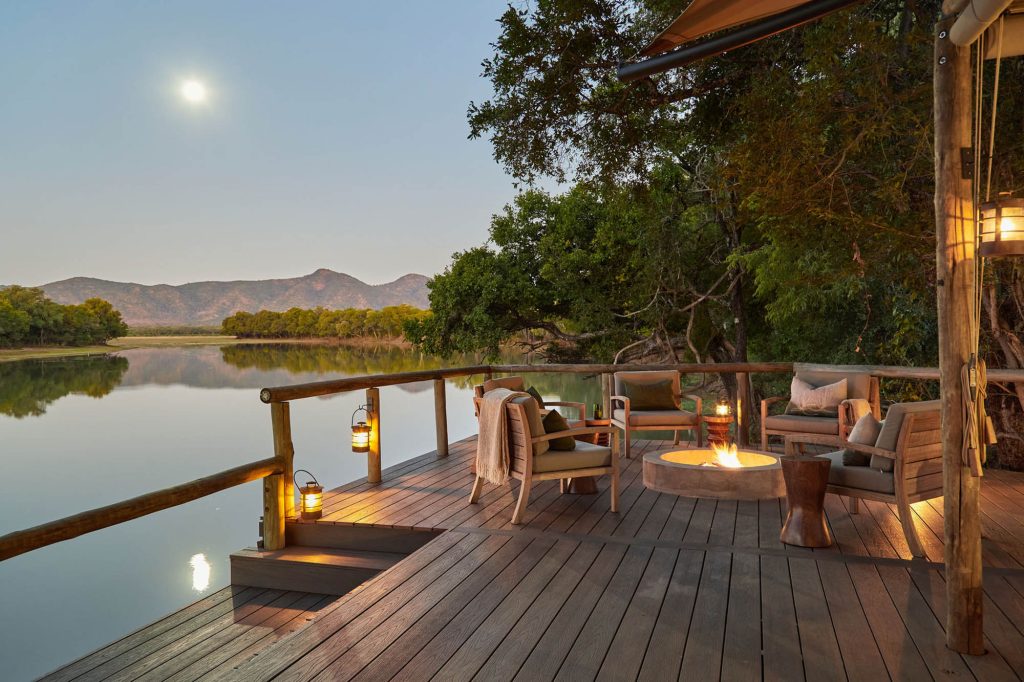
By late July we found ourselves at Chindeni, a small Bushcamp Company property
3rd October 2022
Camp Okavango, Botswana
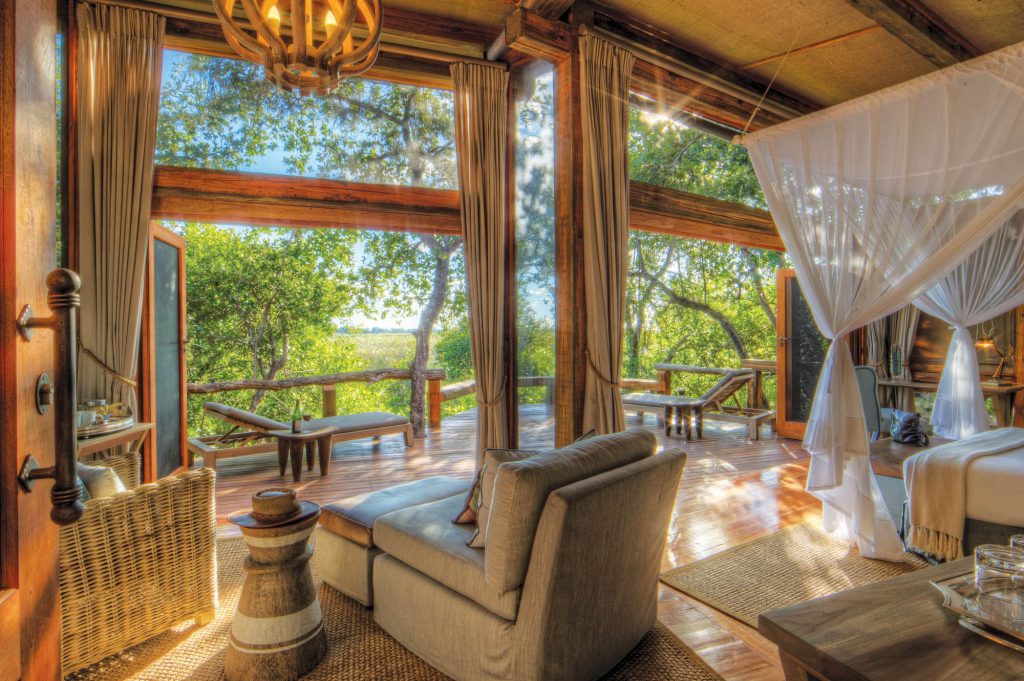
Camp Okavango is in the heart of the permanent part of the Delta. In this idyllic setting there are no vehicles, and it is just a short walk
14th October 2023
From My Safari Notebook: Wildlife Photography
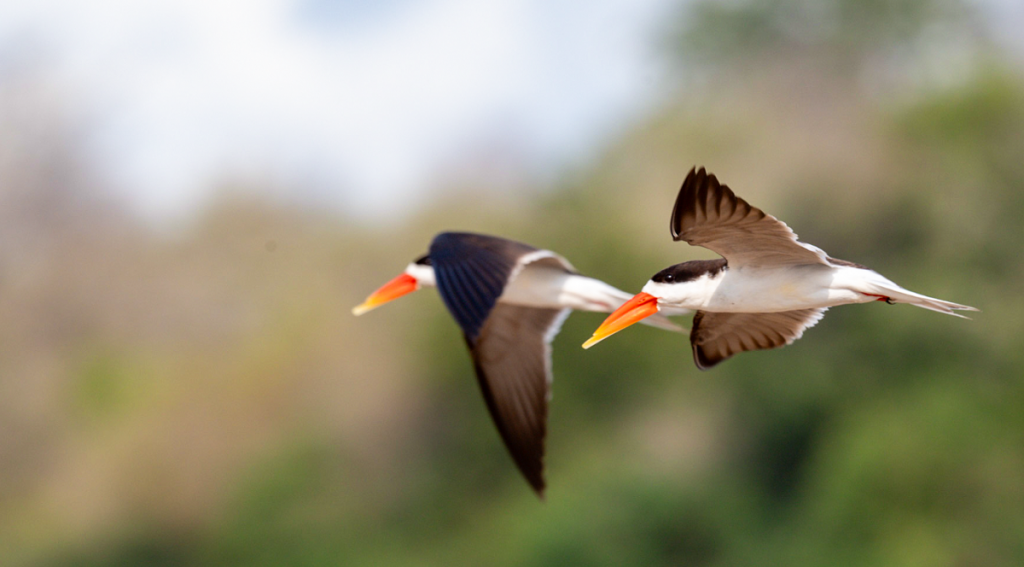
Birds in flight and wildlife photographers have an uneasy relationship. Things go wrong as often as they go right. Getting focus-lock on a moving subject

SUBSCRIBE TO OUR NEWSLETTER
READERS FAVOURITES
4th August 2022
On Safari At Belmond Eagle Island Lodge, Okavango Delta
What is the ‘secret sauce’ for an unforgettable few days on safari in Botswana? It starts with the animals, of course. The elephants, lions, giraffes, hippos
10th September 2021
Chindeni and the Bushcamp Company, Zambia
By late July we found ourselves at Chindeni, a small Bushcamp Company property