• Skip to primary navigation
  • Skip to main content
  • Skip to footer

Fish Eagle Safaris

Fish Eagle safaris

Contact

Logo
  • About
  • Destinations
  • Blogs
  • Newsletter
  • FAQS
  • Team
  • search
  • Contact
  • About
  • Destinations
  • Blogs
  • FAQS
  • Team
  • Contact

Destinations

Timbavati Game Reserve, Kruger Park

23rd July 2020

Timbavati Game Reserve, Kruger Park


Image

Timbavati Game Reserve, Kruger Park

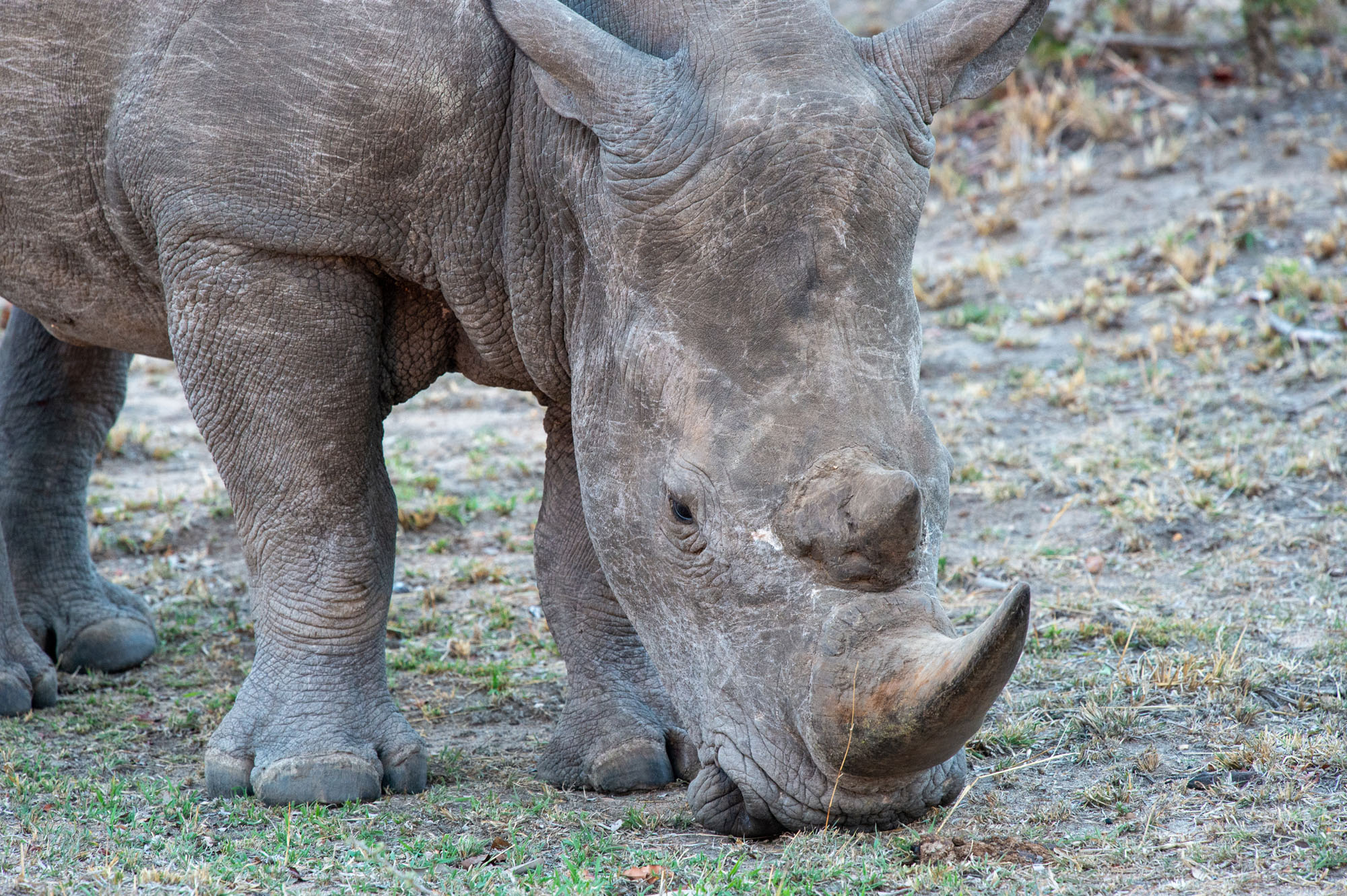
The Timbavati Game Reserve, a massive privately operated game sanctuary adjacent to the west of the central portion of Kruger Park, is sometimes overshadowed by its better known neighbor to the south, the Sabi Sand Reserve.

In reality, there’s not much to choose between the two reserves, in terms of the overall safari experience.  In short, they are both excellent.  In some ways the Timbavati in fact outshines its more popular rival to the south.  It is more remote, the vehicle density is less, and the prices are on average a good bit less than the Sabi Sand, making Timbavati the best value option of the private reserves.  The guiding is good to excellent in both reserves.  Guiding proficiency is usually more closely associated with a specific lodge than with a reserve.


Image

All in all, the Timbavati is about as ‘bushveld’ as it gets, with a typical mix of acacia thickets, patches of riverine bush, open savannah and large swathes of mature woodland.  Its average altitude above sea level is barely 500 meters, which makes for balmy, dry winter months from about May through August and September, which is also the ideal time to visit.  Like the Sabi Sands, the Timbavati is also completely open to the Kruger Park on its eastern boundary, allowing for free and unfettered movement of animals from the national park.


Image

KAMBAKU RIVER SANDS

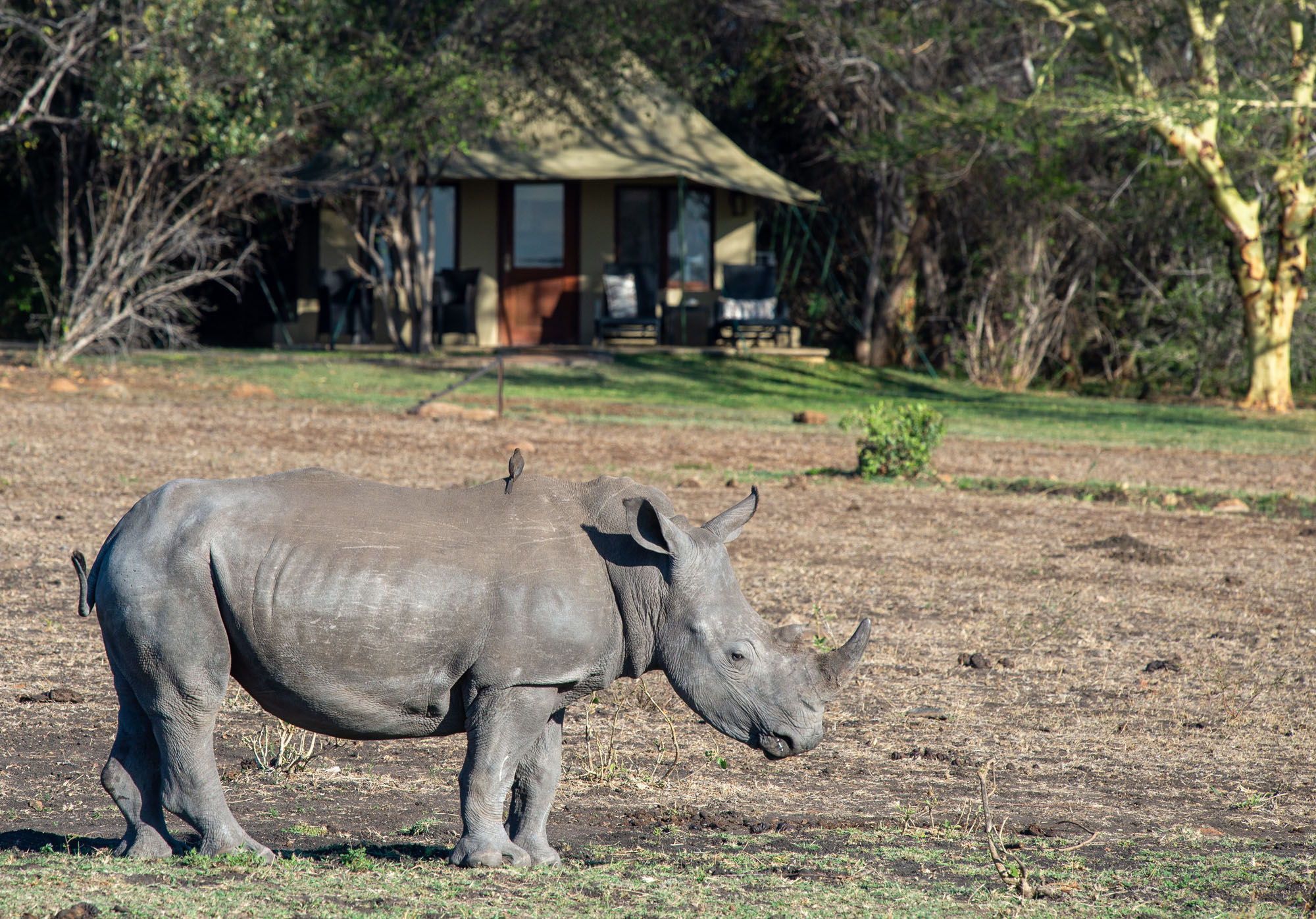
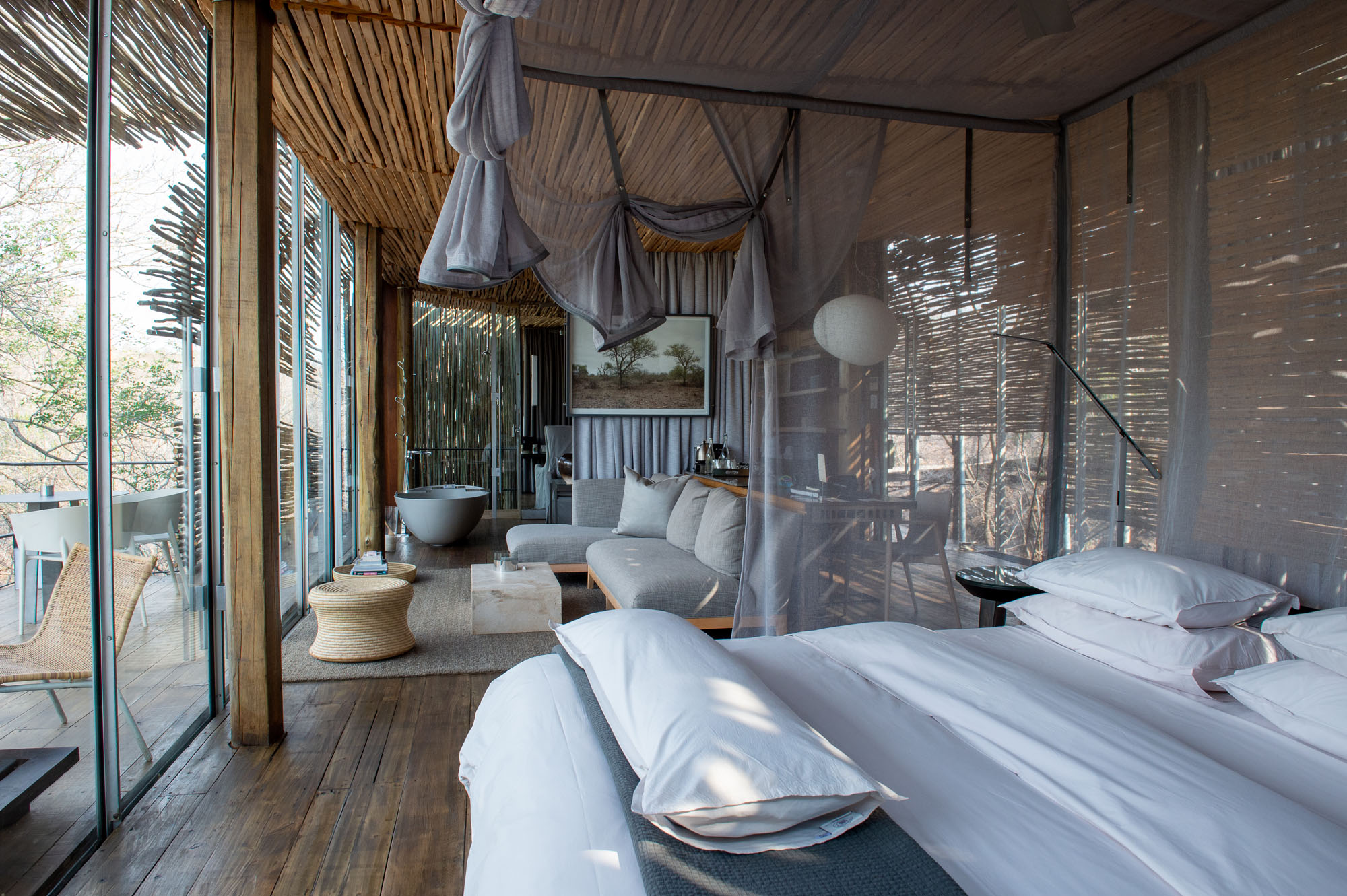
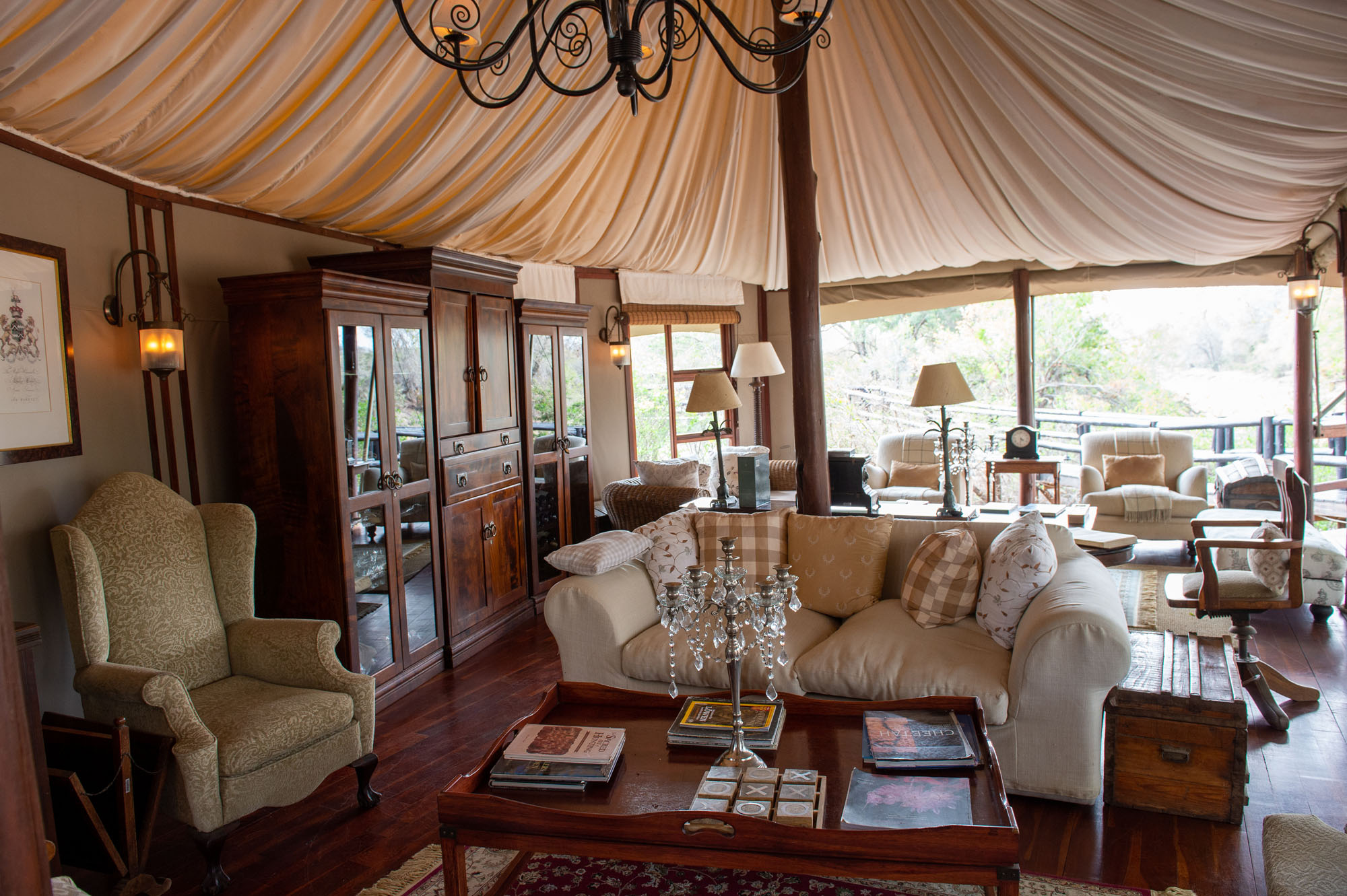
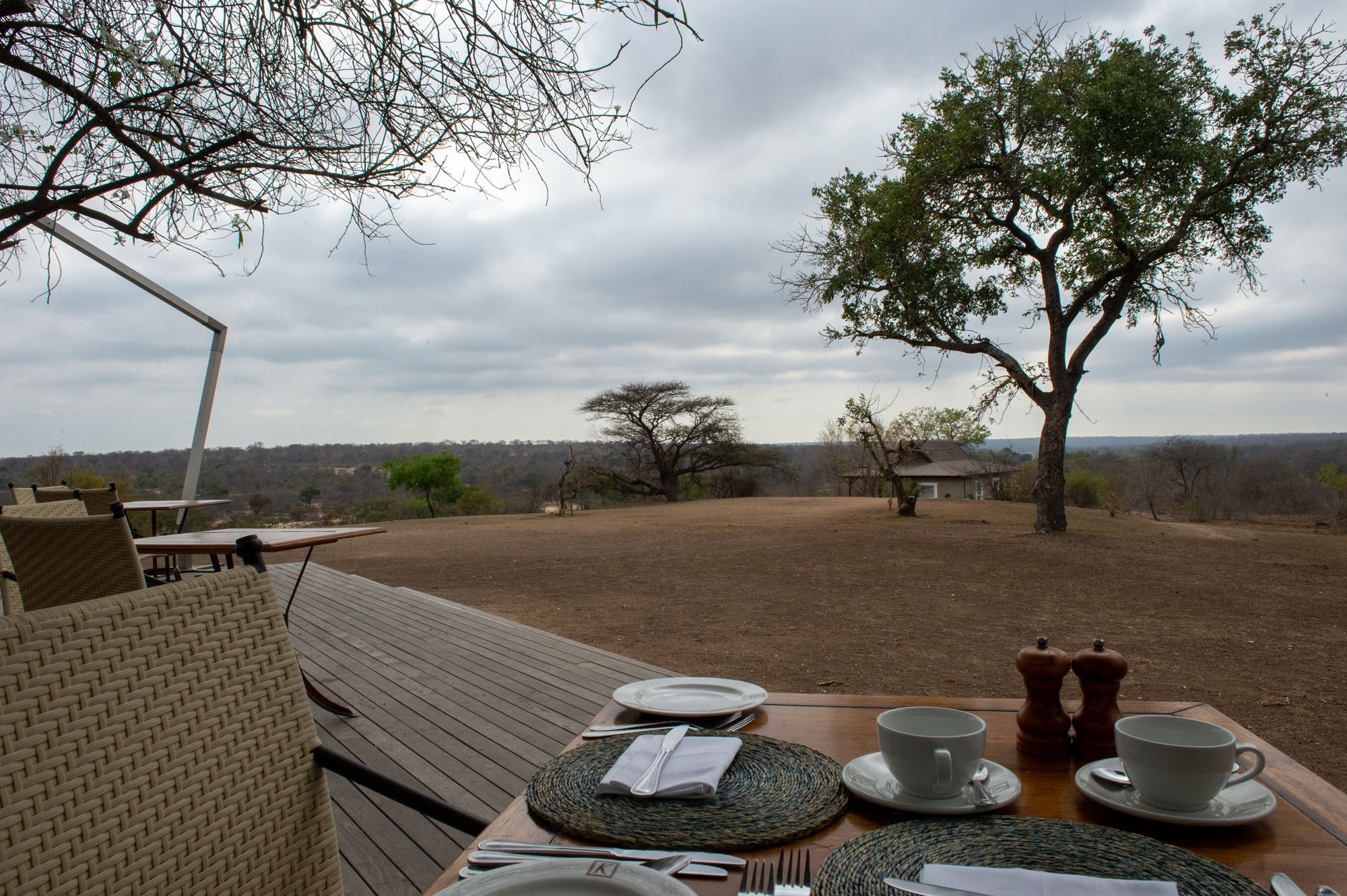
On a return visit to the Timbavati last May, I spent several days at four different camps, and re-discovered the appeal of this attractive slice of African wilderness.  My first stop was Kambaku River Sands.  Kambaku River Sands is a well-managed property in a game-rich area of the Timbavati.  Right from the word go I sensed that they had their act together and everything I experienced over the course of my short stay validated the first impression.  Starting with the 10 luxury suites.  They are huge and super comfortable, with a large mosquito net enclosed bed, air-conditioning, a sitting area with chairs and a table, ample lighting, tea and coffee making facilities and a spacious separate bathroom with indoor and outdoor shower and good-sized ball and claw bath.


Image

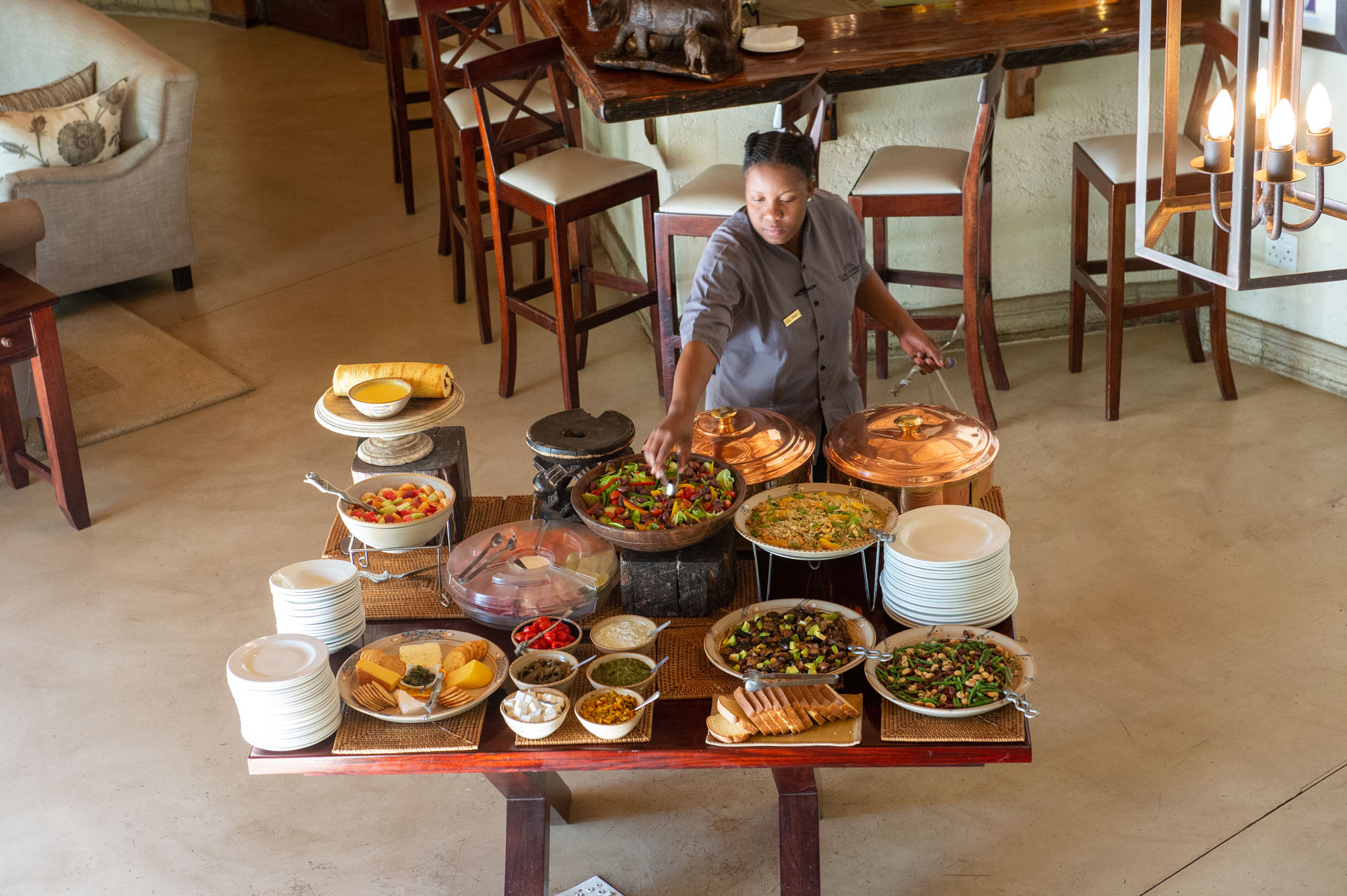
The food offerings were excellent throughout, from lunch on arrival, dinner and brunch the next morning.  Nicely prepared and imaginatively presented, and extremely tasty.  Clearly a lot of thought goes into menu planning and food & beverage service.  I did not have much time to spend at the expansive and beautifully wood-crafted bar, but it looked most inviting.  As a unit the lounge and dining room complex is attractive and functional with lots of space and spots where couples and small groups can get together before or after meals, or around the outdoor pool. Elephants come to drink from the pool from time to time, and there is a separate waterhole within sight of the deck as well.


Image

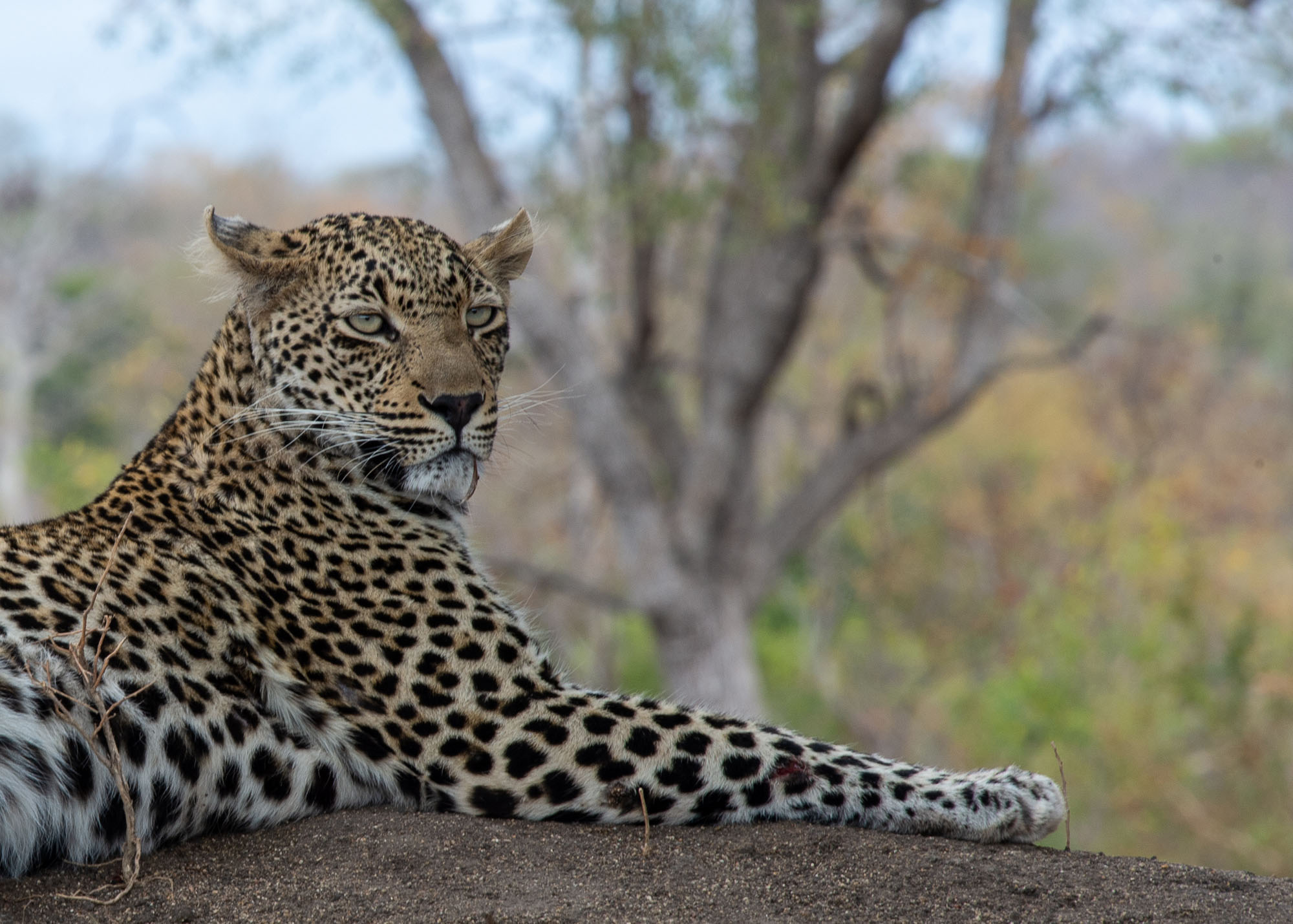
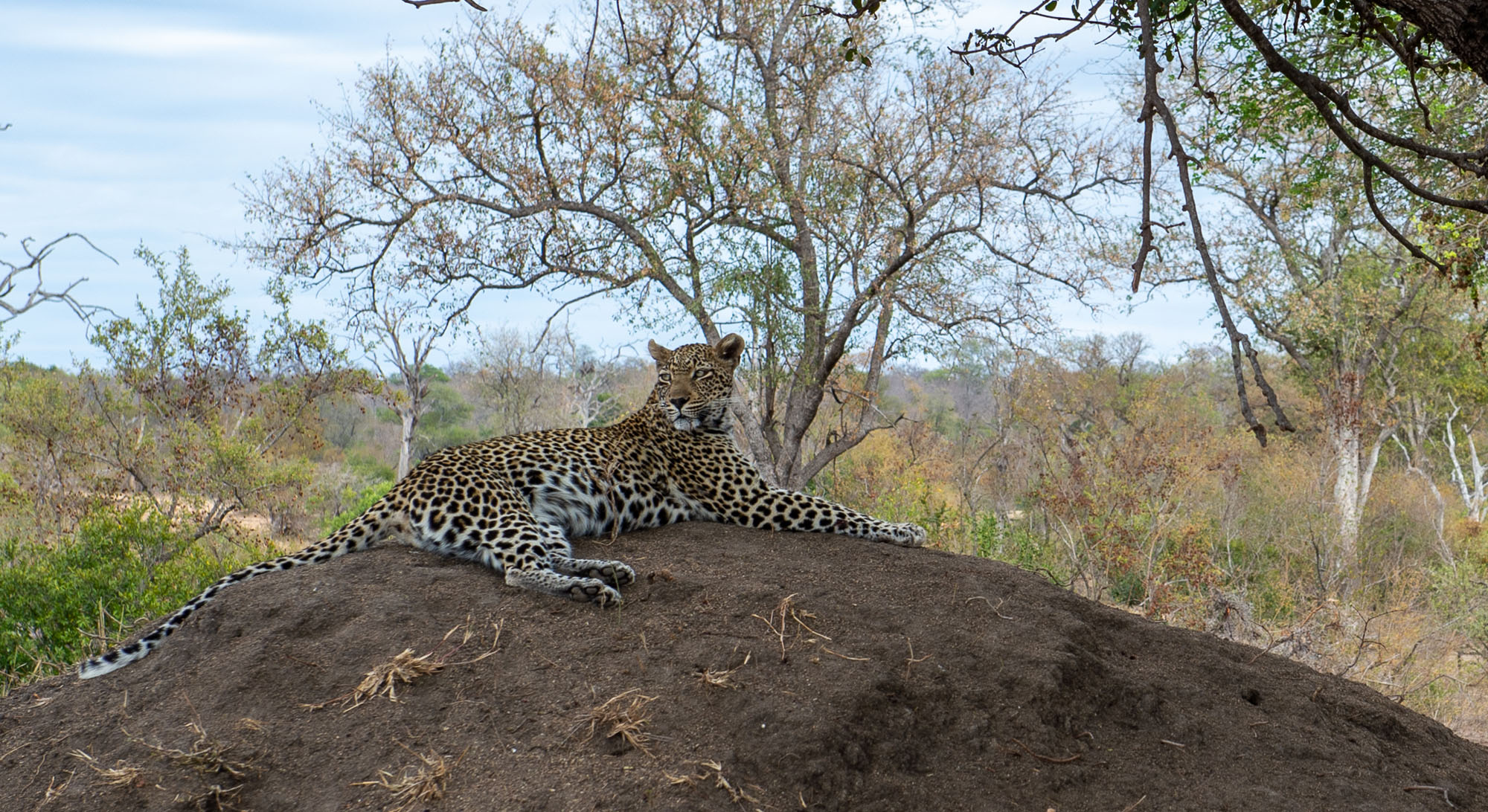
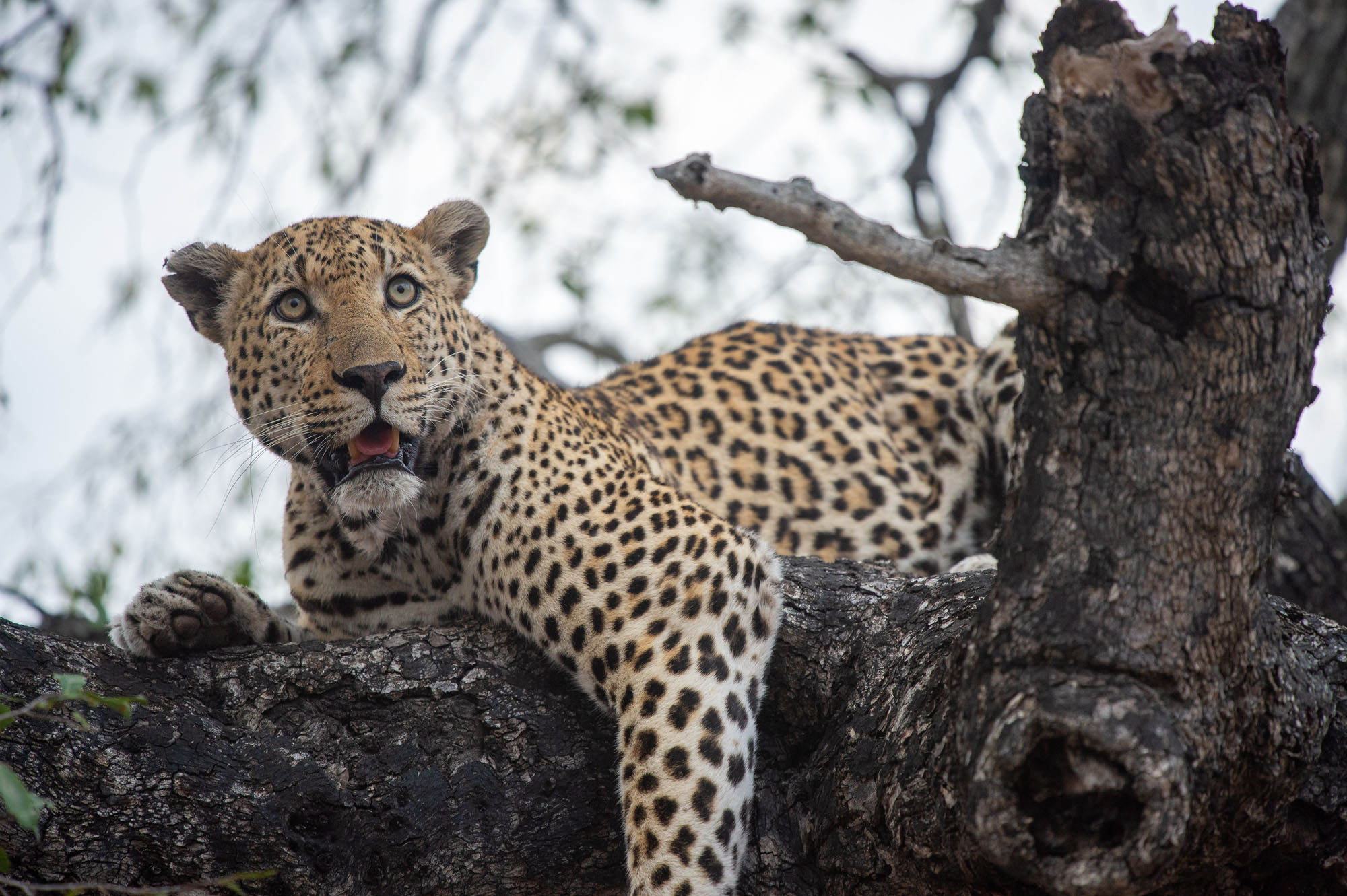
In just two game drives out of Kambaku I saw a ton of stuff, including a fantastic sighting of a young female leopard in a tree.  We also saw some lions at night, there were lots of elephants, and all the usual plains game species including zebra, impala, wildebeest, giraffe and kudu.  The bush was still quite thick (early May) so clearly game-viewing will be even better as the dry season advances.

The following morning’s game drives out of Kambaku produced an elephant sighting which was just as spectacular as the ‘leopard in a tree’ of the previous day.  Being early May, there was not a great abundance of animals.  The area is densely wooded and after the rains game viewing can be challenging.  However when you do come up on something good, there are few, if any  other vehicles around.


Image

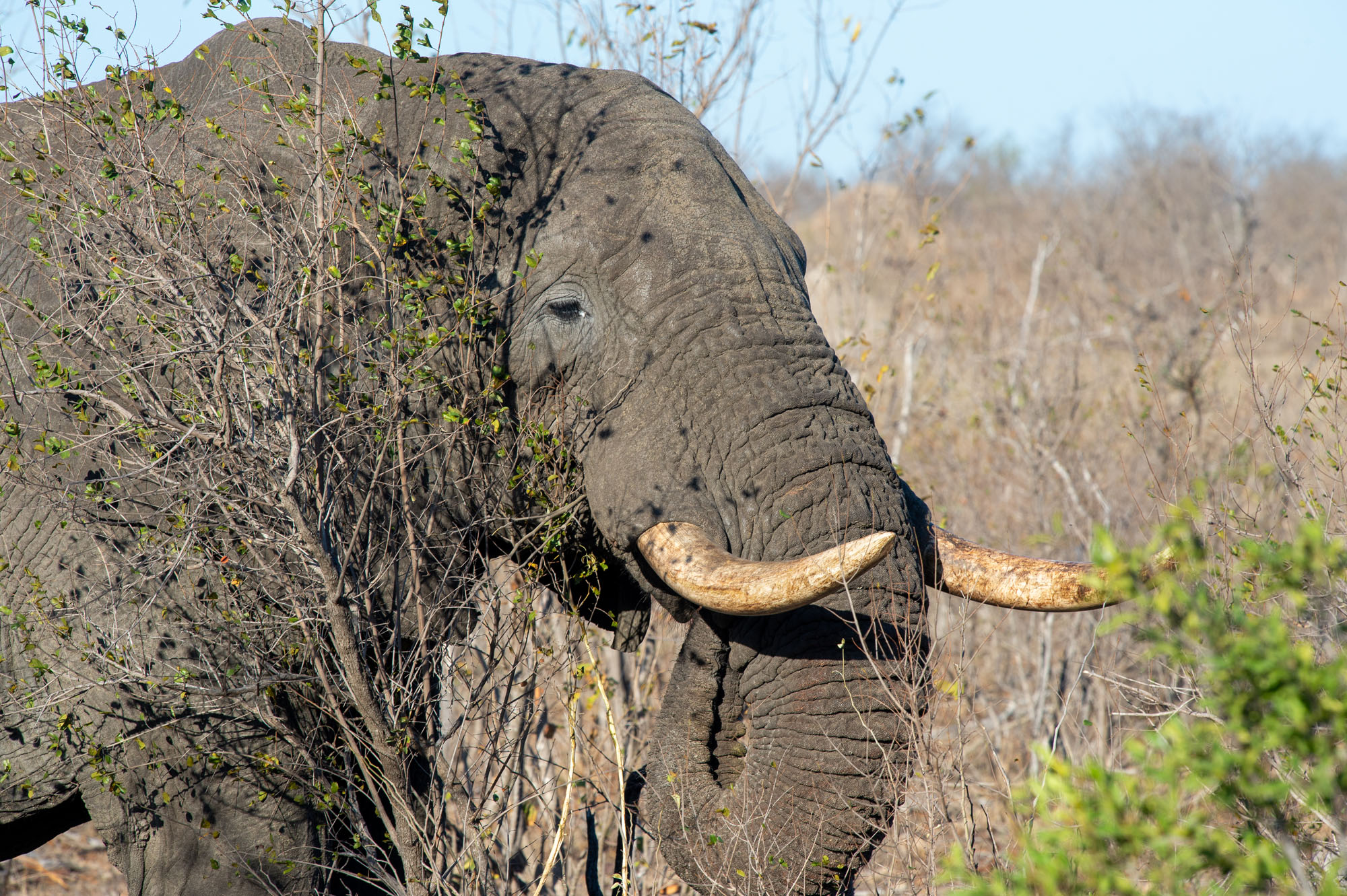
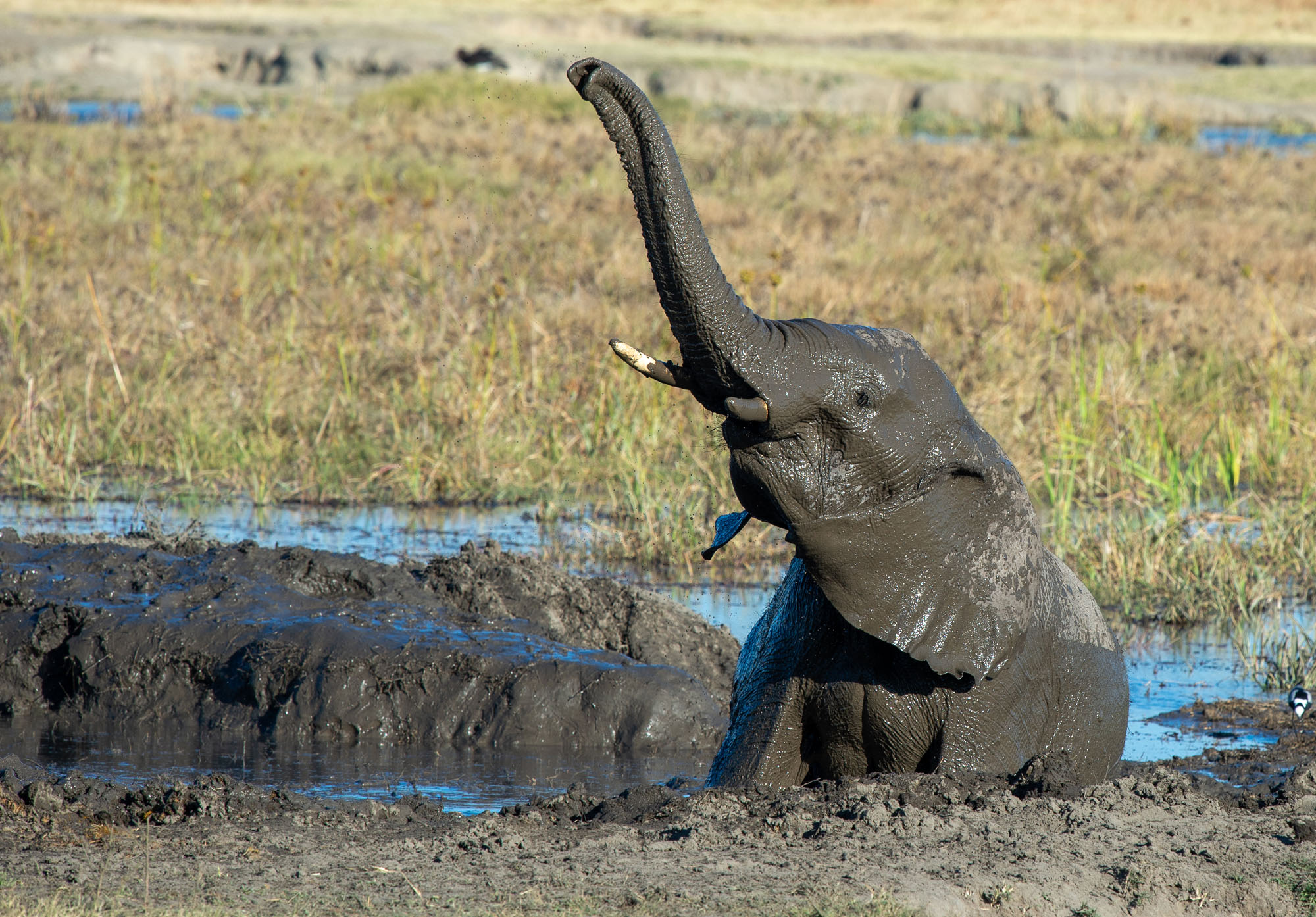
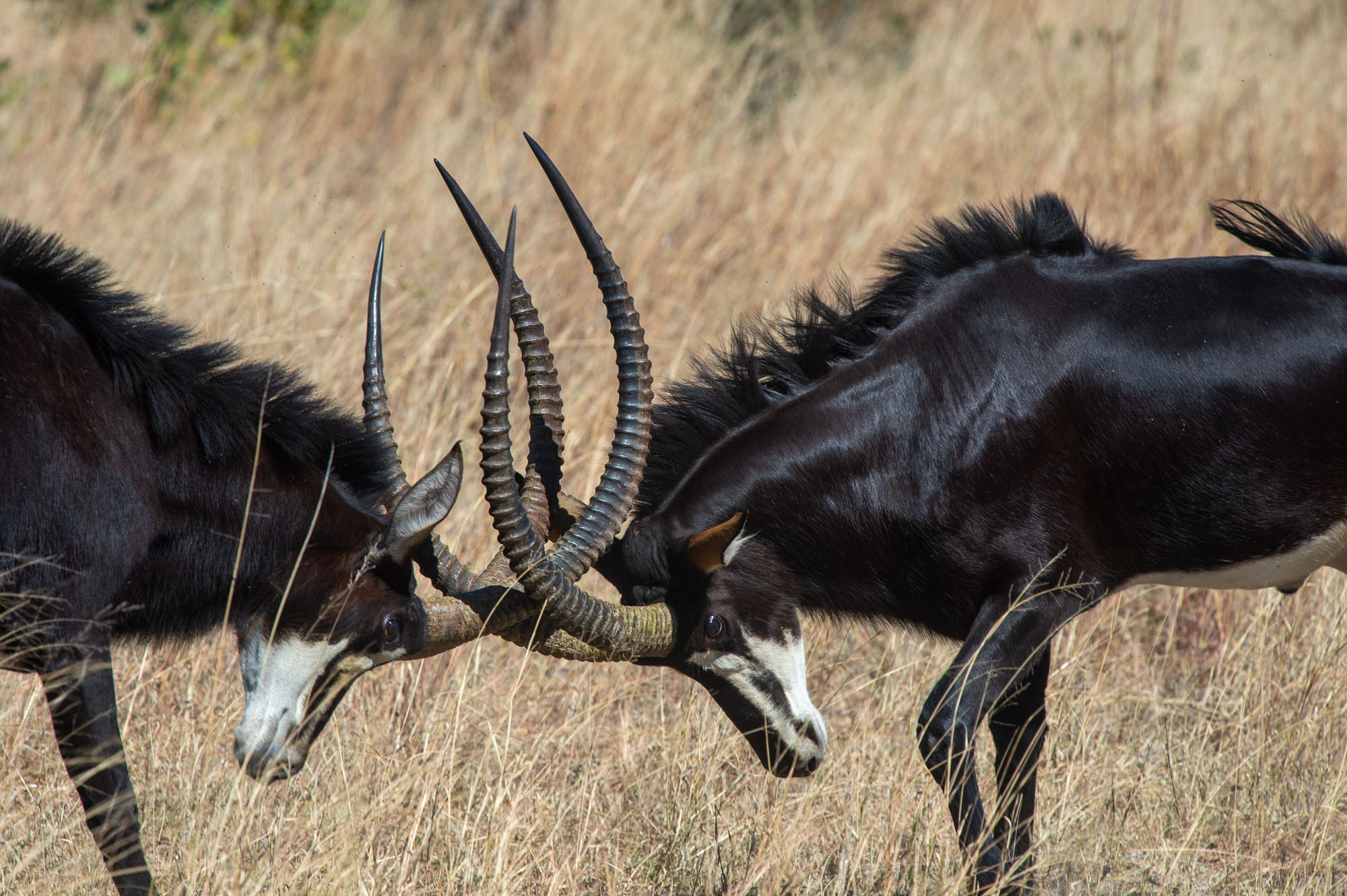
A spectacular elephant sighting on this drive had just two vehicles witnessing it. Which is almost too bad because it was a ‘once in 20 years’ type of sighting: an amazing spectacle with about 20 young elephant bulls testing their strength in a quasi-serious jousting contest, half-submerged in a lake.  Right in front of us.  In near perfect light.  If you visit Africa maybe one time only and experienced only this, you’d understand why a photo safari is such a satisfying experience on so many levels.

There’s the sheer visual appeal of it, naturally.  A hankering to see big mammals alive and kicking in their natural habitat is just skin-deep in most people, I suspect.

There’s the sense of discovery and of seeing new things, all while completely escaping the daily grind of our overscheduled, overly busy lives.


Image

There is an underlying sense of apprehension and a tinge of danger, in the proximity of particularly the big cats but also elephants.  Return visitors will recall that very first time their guide drove them right up to a pride of lions. You know it is safe and you are told that the big cats don’t pay attention to people sitting still in the vehicle.  But what if…

The sense of anticipation and the surprise element.  Don’t we all thrive on being pleasantly surprised?  On safari it happens often and sometimes when you least expect it.  Just like the following day’s events would reinforce, a game drive isn’t over until it is over.  Anything can happen and often does, sometimes in the last few minutes of a drive.

Of course, you also get to stay in some wonderful places, hosted by people whose only mission is to keep you happy and content.


Image

KINGS CAMP

Returning to Kings Camp after an absence of several years, it was reassuring not to have to work too hard to remember the first time.  Other than a few small changes (a new spa area, new decking, more outdoor spaces) it had remained essentially the same.  A timeless classic where all your African safari expectations are met and exceeded.  The near palatial rooms with mosquito net enclosed king bed, an inviting clawfoot bathtub, inside and outside shower and plunge pool (in the honeymoon suites), will wow just about anybody. 


Image

Both meals I enjoyed at Kings Camp were exemplary: a delicious breakfast on my day of departure and a multi-course boma dinner the night before. The array of menu items was quite impressive and enticing, ranging from lots of fresh veggies to a deconstructed mixed salad, pork belly, roast chicken, braised oxtail stew, and a stir fry station.  With several other side dishes and finished off with a lovely malva pudding for dessert.

The two game drives from Kings Camp with my guide Remember were fun and memorable.  Remember is a caring, careful and highly experienced guide who knows the area intimately and takes his time to impart some interesting facts and observations about the various animals, birds, plants, and trees seen.


Image

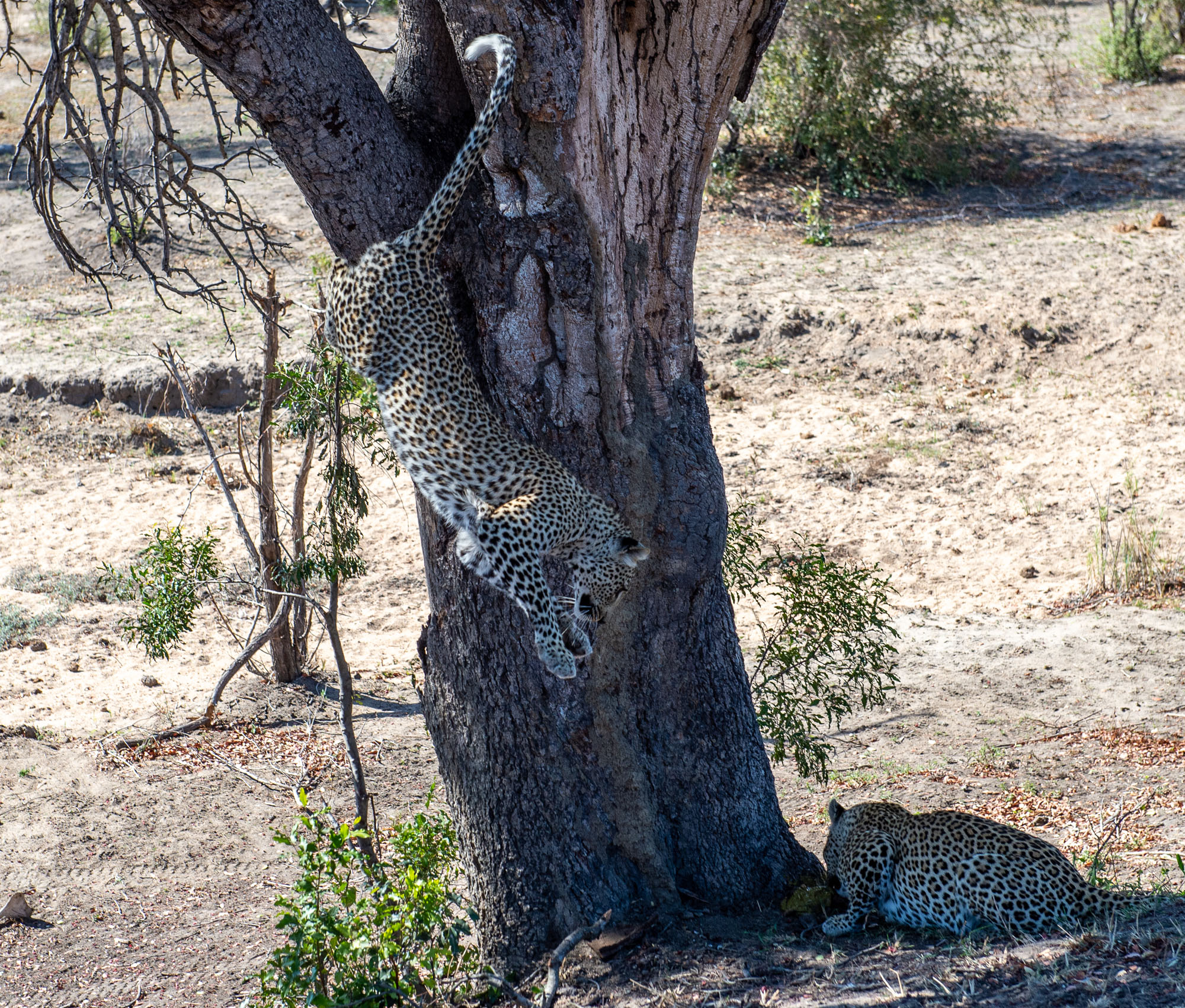
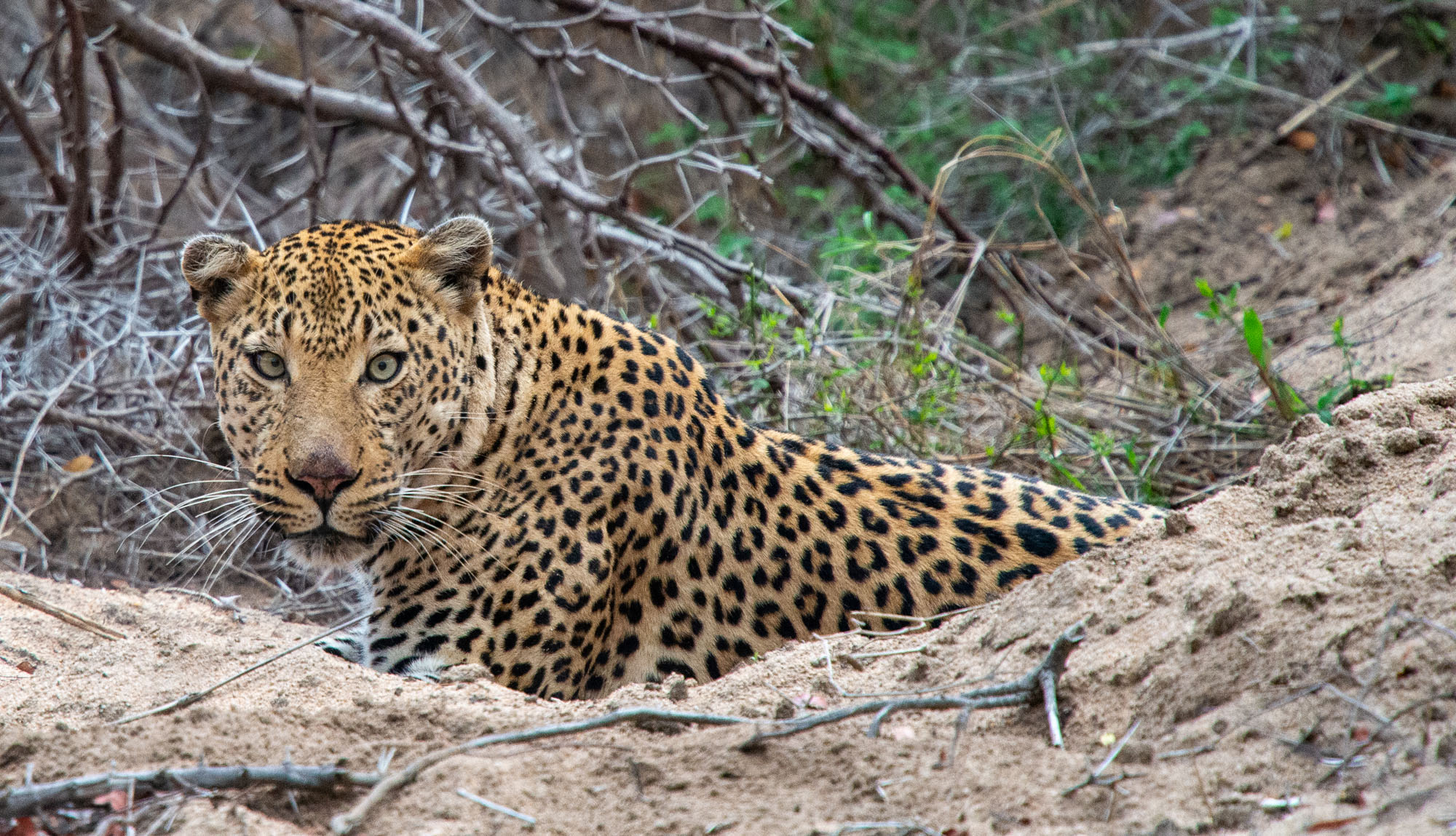
The afternoon game drive started out being quite slow but that changed – right towards the end of the drive – with another ‘leopard in a tree’ encounter.  Add to the mix some scavenging hyenas as well as an interloper young male leopard, and things become fascinating in a flash.

We watched spellbound as the younger male got wind of the smell of a carcass in the tree, from which he eventually displaced the older and much heavier male.  In the gathering darkness I managed to capture a few arresting images of the older male exiting the tree, his demeanour and body language reflecting caution and maybe even apprehension.  He was in no mood for a fight in which he stood to lose everything.

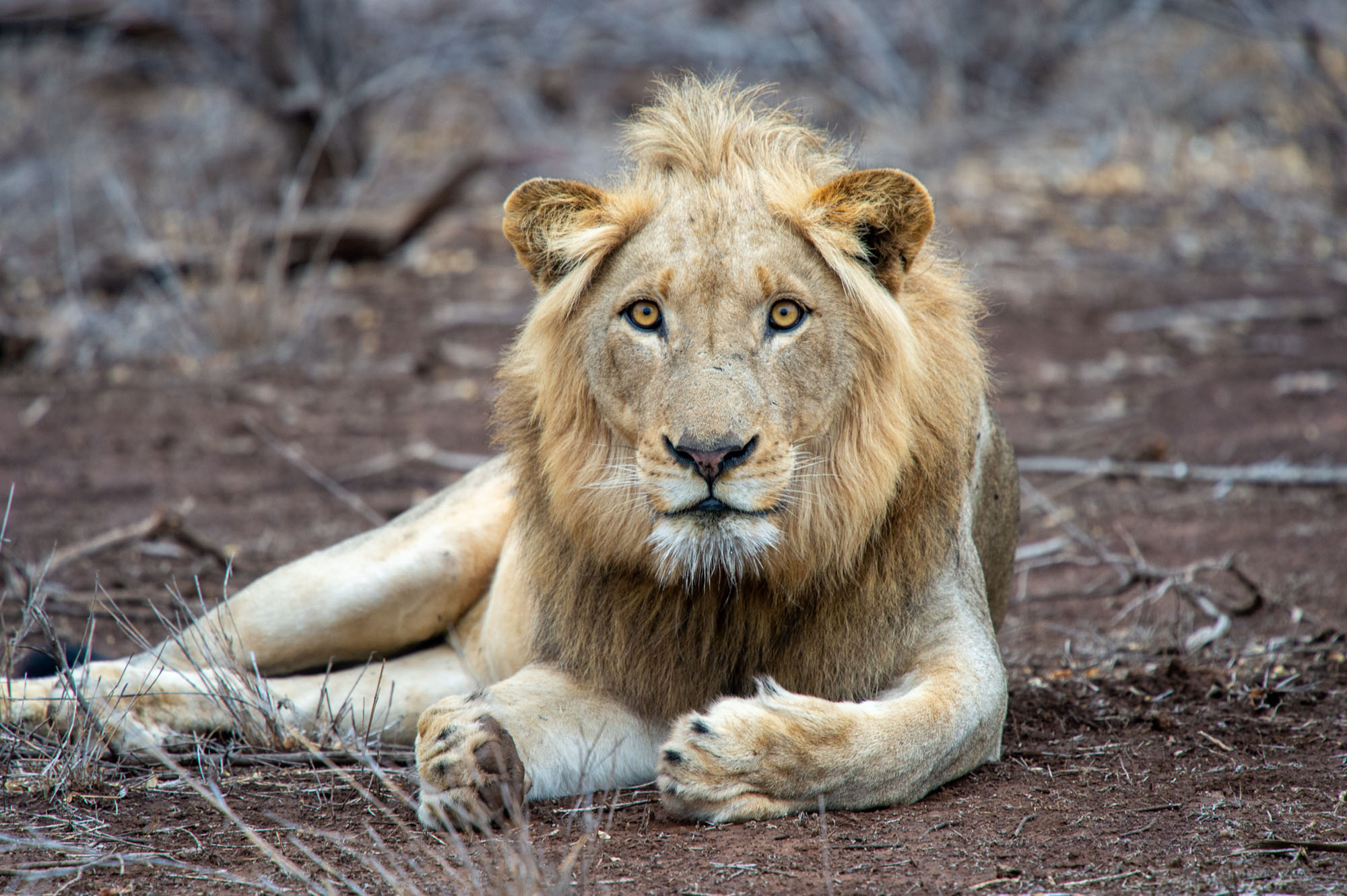
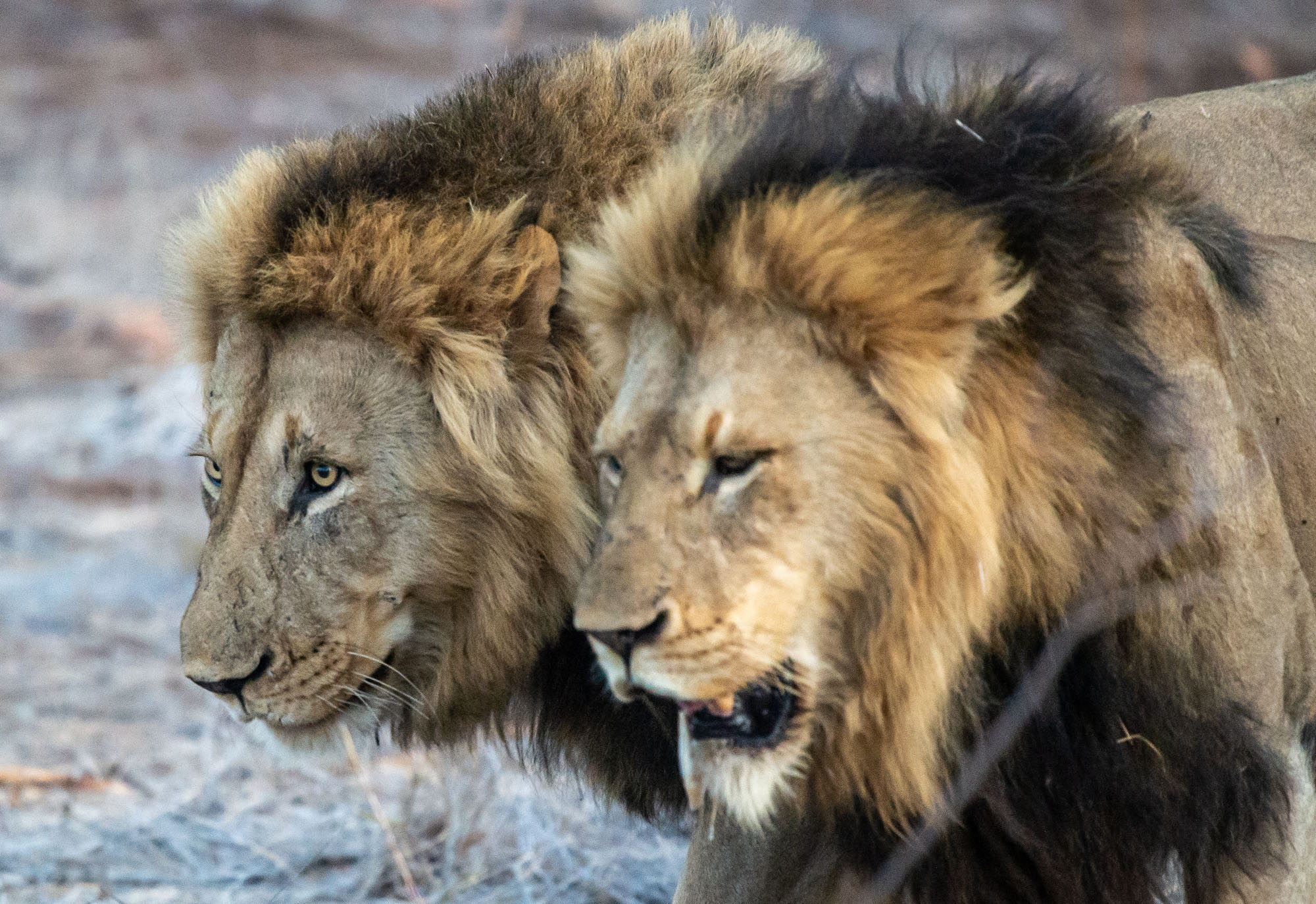
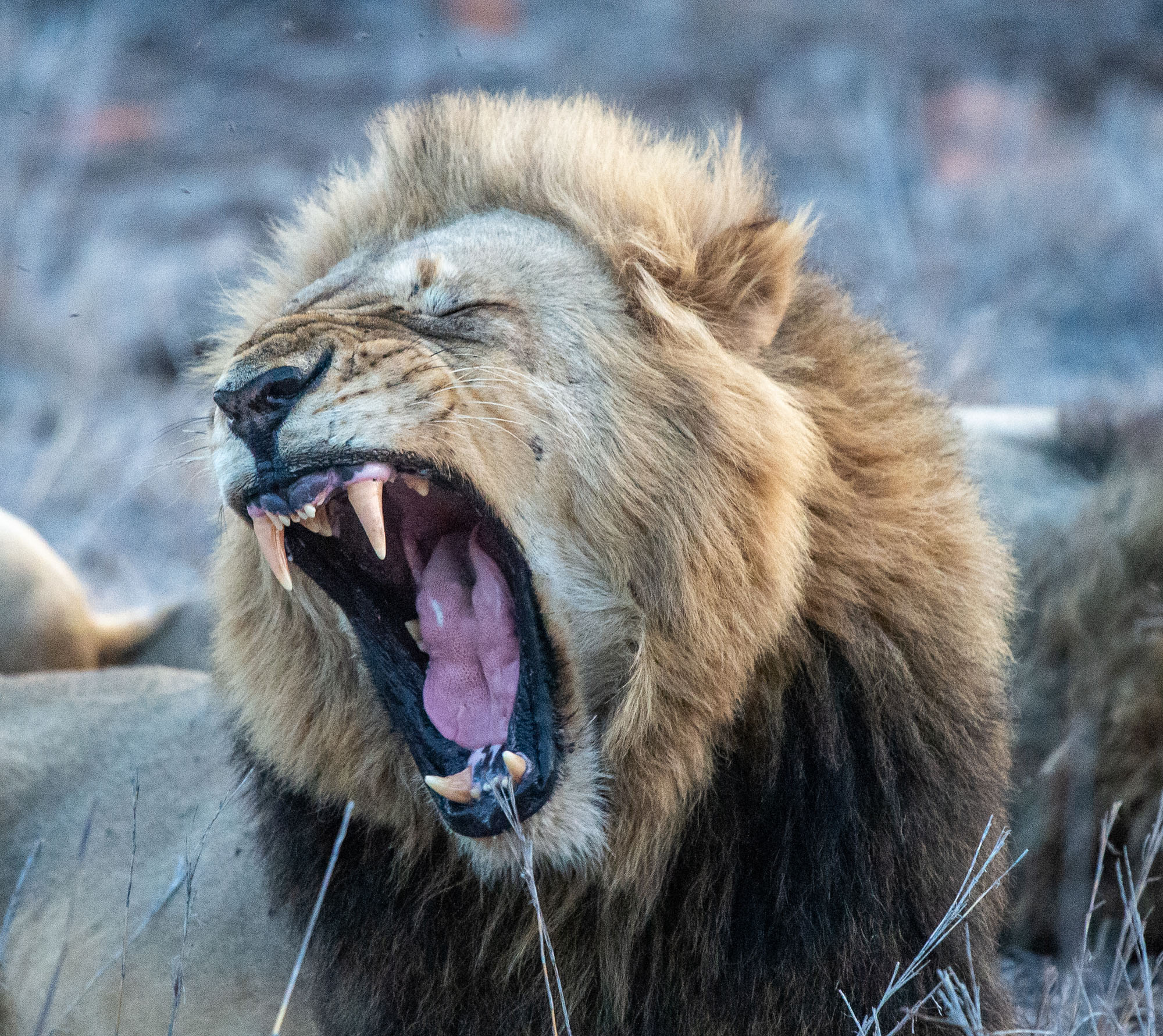
The next morning we enjoyed a similarly entertaining and meaningful episode, watching a coalition of two male lions re-connecting early that morning.  Greeting each other like brothers with big grins and some head rubbing, they settled down for a siesta while we went off on a successful search for a female leopard.  Great stuff!


Image

NGALA TENTED CAMP

By midday in early May, I was enjoying an impeccable lunch at Ngala Tented Camp, a deluxe property on the border of Kruger National Park.  With nine elegant tented rooms – operated by the redoubtable AndBeyond company – Ngala Tented Camp is one of very few properties which we’ve booked for our clients in the past, sight unseen.  It’s always turned out well and now that we’ve been there ourselves, I daresay we will be recommending this place for a lot more guests.

Ngala Tented Camp is intriguing and pleasing visually and artistically, with a blend of old and new, wood and stone, glass and canvas, creating a one-of-a-kind look and feel which is hard to pin down, but easy to like and appreciate.


Image

The Ngala Tented Camp rooms likewise hit all the right notes.  Not huge but with plenty of space, an exceedingly comfortable bed, a separate bathroom with a big tub (and lots of water with good pressure), a separate enclosed toilet and a particularly nice outdoor shower enclosed in a rock/stone wall.

The room is air conditioned, quiet and private with a range of excellent camp snacks (nuts and fudge), wine, beer and several types of spirits and mixers.  There’s even a recipe for Ngala Tented Camp gin fizz.


Image

It soon became evident that Ngala Tented Camp is located in a superb game-viewing area.  Over the space of two game drives, afternoon and morning, we managed to find and observe the so-called Big Five mammals without much drama at all.  Notably, three of the five we saw no more than one kilometer or so outside the camp.  In many African safari camps you have to drive for 30 or 40 minutes or more, just to get to where the game is.  Not so at Ngala Tented Camp.  The game is right there.

Our guide Scott was enthusiastic, had a great sense of humor and managed the most difficult of guiding feats (first timers and veteran safari goers on the same drive) with the greatest of aplomb.  Clearly Scott and tracker Ernest are a formidable team, providing their guests with lots of wow moments.

A nice change of pace moment was when Scott got us all out of the vehicle to walk through the bush, making a close approach to a giraffe.  Which turned out to be the most relaxed giraffe ever!


Image

TANDA TULA CAMP

My last Timbavati camp on this trip was the well-known and perennially popular and well-established Tanda Tula Camp.  Located in the heart of the Timbavati along the Nlharalumi River, Tanda Tula has gained its excellent reputation by doing everything right, consistently.  Good accommodation, great food, pleasing camp ambiance and superb guiding make it a great choice for first timers and safari veterans alike.


Image

On a couple of game drives with guide Luke and master tracker Jack, I think I gained just as much from the experience as the two young couples from San Francisco for whom it was their first two game drives ever.  Yes, we saw the Big Five but it ended up being much more than that, with Luke imparting some witty and well-informed bits of information and background without being pedantic or repetitive.  Good, fresh information, not the hackneyed ‘Mcdonalds of the bush’ drivel.  For example, I never knew just how short the ‘reign’ of a dominant male Impala was.  Turns out that he has perhaps as few as eight days as the dominant male in charge of his harem of females, before he is supplanted by a challenger.  Guides like Luke take delight in debunking old bush myths and pseudo facts.  All the more reason to have a well qualified guide leading you.  Likewise Jack, who is one of only 25 master trackers working in this field in South Africa.


Image

Back at the lodge chef Ryan prepared a couple of the best meals I had enjoyed on the trip to date.  A lunch with braised barbecued pork ribs and a delightful dinner with lamb loin chops or braised guinea fowl.  The side of sweet potato croquettes and the kingklip (fish) starter were equally tasty and beautifully presented.  Camp manager Antony and his staff were friendly and caring and I think all the guests enjoyed the good humor and general sense of well-being which suffused the place.  It is not stuffy or serious, just good fun and a great time.  Plus the WiFi works well.


Image

JOHANNESBURG INTERLUDE

I had not spent a night in downtown Johannesburg in a very long time.  Having lived in the city in a previous life, I am no stranger to it but this was a new experience.  Home for the night was a small boutique hotel – the Hallmark House – chic and ultra modern, located right on the edge of Maboneng, with a mix of accommodation, galleries, retail shops, restaurants and clubs.

Wandering around the place in the late afternoon, I was very much a stranger in his own country, but it was nonetheless interesting to observe from a very different perspective.  I was relieved to find an informal dinner spot, a small hole-in-the-wall with every table taken, which is always a good sign.  The food was simple but exactly what I wanted, and at least for twenty minutes or so, it re-connected me with a place and time long gone.  A traditional ensemble of pap (a rustic version of polenta) with a tomato and onion sauce, a side of spinach and a ‘boerewors’ sausage, South Africa’s celebrated traditional version of bratwurst, characterized by the addition of coriander in the spice mix. Tasted like home.


Image

The following morning I had time to capture a few photographs of the Maboneng precinct, particularly some of its ubiquitous examples of street art and graffiti. The graffiti were colorful, brash and ephemeral, with many illustrations already starting to peel away and decay.  One hopes that this does not happen to Maboneng itself.  That the promise, the sense of renewal and rebirth visible in so much of it, is not dashed by the harsh realities of commerce and circumstances beyond the control of the locals.  It remains to be seen.

If you’re keen to experience an authentic modern African city environment then definitely yes, spend a couple of nights at the Hallmark House or the nearby CityLodge on the edge of Newtown.  Johannesburg has a vibrant arts and music scene – which I hope to explore on my next visit.  In the way of a true big city with all of its energy, creativity and fascinating people, there are few better than Egoli, South Africa’s city of gold.  What makes Johannesburg doubly interesting is the process of renewal that is taking place.  Blight and decay are making place for hope and aspiration, innovation and ingenuity.  Maboneng being the most visible but hardly the only example.  Newtown and Braamfontein have undergone a similar process of renewal and rejuvenation and are now worthwhile stops on your exploration of Joeys.


Image

APARTHEID MUSEUM

The young French girl – part of a tour group of some thirty or so students visiting the Apartheid Museum in Johannesburg last May – probably didn’t know what to make of the older man she saw crying, just outside the museum exit.  The man was leaning against a planter, his head down, tears streaming down his face, clearly emotionally devastated by what he had just seen and experienced.  What was he crying about, she might have thought.  If she had stopped and asked, the man would have told her that he was crying for his country of birth, for lives ruined, families destroyed, and hopes dashed.  He was crying because of regret and guilt, with the realization that the failed system of apartheid was a colossal waste of the human spirit, of lives, time, resources and energy.  The French girl saw sadness and pain on his face; what she didn’t see was the unresolved inner conflict, the scars left by living through the worst of the apartheid era.  Even though the man was lucky not to be one of the oppressed, the double-edged sword of racism wounded him just as deeply.  All South Africans were diminished by the system, they just did not all realize it at the time.  Being confronted so vividly and strikingly by the harsh reality of the grave injustice done to millions of people, a lot of old, suppressed feelings and memories were brought to the surface.  Until then, the man thought that he had made his peace with all of this. Clearly he was mistaken.


Image

I have always had something else or something better and more pressing to do in Johannesburg than visiting the Apartheid Museum.  Until this time.  I now regret not doing it sooner.  For those of us who lived through it all, it is a bitter pill to swallow.  For visitors from abroad, it will be no less impactful and just as shocking to come eye to eye with man’s inhumanity to man.  The Apartheid Museum is important and powerful.  It is also substantial and altogether loaded with information, displays, facts, maps, movies, names, history, interpretation and memorabilia.  At a minimum, it takes a solid two hours to make your way around it, and I could see someone easily spending three or maybe even four hours there, if you wanted to get into the details of all the exhibits.  Don’t rush it.

In part 2 of this South Africa trip report, I make my way to the malaria-free Eastern Cape region.  Coming soon.

More Info

Email bert@fisheaglesafaris.com

Email jason@fisheaglesafaris.com

@fisheaglesafarishouston

#FishEagleSafaris

YOU MIGHT ALSO BE INTERESTED IN

Destinations
Zambia

10th September 2021

Chindeni and the Bushcamp Company, Zambia

By late July we found ourselves at Chindeni, a small Bushcamp Company property
Read more
Botswana
Destinations
Okavango Delta

3rd October 2022

Camp Okavango, Botswana

Camp Okavango is in the heart of the permanent part of the Delta. In this idyllic setting there are no vehicles, and it is just a short walk
Read more
Area
Destinations
Nyerere National Park
Ruaha
Tanzania

14th October 2023

From My Safari Notebook: Wildlife Photography

Birds in flight and wildlife photographers have an uneasy relationship. Things go wrong as often as they go right. Getting focus-lock on a moving subject

Read more

SUBSCRIBE TO OUR NEWSLETTER

READERS FAVOURITES

Destinations
Zambia

10th September 2021

Chindeni and the Bushcamp Company, Zambia

By late July we found ourselves at Chindeni, a small Bushcamp Company property
Read more
Botswana
Destinations

4th August 2022

On Safari At Belmond Eagle Island Lodge, Okavango Delta

What is the ‘secret sauce’ for an unforgettable few days on safari in Botswana? It starts with the animals, of course. The elephants, lions, giraffes, hippos
Read more
Destinations
India

27th May 2023

India

India’s tiger, mammals and birds.

Read more

JOHANNESBURG SIGHTSEEING

16th July 2020

JOHANNESBURG SIGHTSEEING


Image

JOHANNESBURG SIGHTSEEING

South Africa’s City of Gold – Johannesburg – is widely referred to as Joburg (not ‘Joberg’ mind you) or sometimes Joeys and even Jozi for short.  You can even use ‘Egoli’ which means ‘place of gold’.  For those in the know, the city has become more than simply an overnight stop between flights. Johannesburg has been described as “the new cool capital of the Southern Hemisphere”. Done the right way, it is a destination which merits a minimum two night stay.


Image

Most visitors end up staying in Sandton, Rosebank, somewhere in the northern suburbs, or close to the airport.  That’s ok, as long as you don’t confuse business centers like Sandton and Rosebank – with their business hotels and shopping malls – with the city itself.  Downtown Joburg is where it all happens: the street life, the architecture, art installations, food & drinks, graffiti, the rough edges which make it alive and interesting.  Here are a few of our top recommendations for inclusion in a Joburg tour: 


Image

Liliesleaf farm, Rivonia.  Closely associated with the struggle against apartheid; this is where the top leadership of Umkonto we Sizwe (ANC) was arrested in 1963. Fascinating story well told with a variety of media & exhibits. Be sure to put this high on your list of places to see in Joburg. 


Image

Apartheid Museum:  Travel back in time and discover the story of South Africa’s black citizens who lived under an apartheid government for more than 40 years.  You’ll also learn about the country’s subsequent path to democracy.  A recent (June 2018) visit underscored just how powerful and moving an experience this is.  Don’t try to rush it; it takes 2 hours minimum and ideally 3 to even 4 hours to do justice to this wide-ranging and well-done museum.


Image

Constitution Hill, Braamfontein.  Tour the site of the notorious Old Fort Prison Complex, where political activists such as Nelson Mandela and Mahatma Gandhi were once held. Now home to the Constitutional Court, a museum and art gallery.  Definitely worthwhile. 


Image

Cradle of Humankind:  This UNESCO World Heritage Site features some of the oldest early-human fossils ever found.  Explore the limestone caves where many of the fossils were discovered notably Sterkfontein where the ancient fossil of Mrs. Ples was found in 1947. 


Image

I visited Sterkfontein myself for the first time in May 2017 and the underground walk into Sterkfontein Cave was a revelation and definitely worth the trip out there.  The local guide succeeded admirably in re-creating the atmosphere of what the place must have been like about 2-million years or so ago, when Mrs Ples fell into a hole in the ground.  The nearby museum/visitor’s center – known as Maropeng – is fine for children but does not hold much appeal otherwise.  A quick walk-through is sufficient.  For me, the most interesting feature was the time-scale walkway which visually illustrates the passage of time from the present back to the ‘Big Bang’ which took place about 4 billion years or so ago.


Image

Origins Centre at Witwatersrand University, Braamfontein.  The Origins Centre is a museum dedicated to exploring and celebrating the history of modern humankind, telling the story of the emergence of human beings and humanity in southern Africa.  Checking out the interactive multi-media presentation focusing on the San people is by far the best use of your time here; the adjacent ‘Fossil Museum’ is more of a static exhibit but also interesting.


Image

Maboneng Precinct – a vibrant neighborhood in what was once a ‘no go’ area of Joburg.  Maboneng, meaning “Place of Light,” is a renovated warehouse district with a chic, creative atmosphere that attracts many artists. The area features independent retail shops, galleries, restaurants and entertainment venues.  Maboneng stretches over several city blocks and is best experienced with a guide who knows the area.  There is a food market on Sundays; several good options for coffee, lunch and dinner throughout the week.  On a recent visit I spent a night at a hotel in the area (Hallmark House).  I was able to make good use of the time there, exploring (with a professional guide), several colorful graffiti sites and other places of interest in Maboneng and surroundings.


Image

Downtown Johannesburg:  Joburg’s downtown – here referred to as the Central Business District or CBD – has a fascinating mixture of architecture including Victorian, art deco and contemporary.  Always a lively street scene.  The area is safely explored on the City Sightseeing bus which has an audio guide.  It is also possible to do a walking tour along Main Street. Nearby Hillbrow and Berea are best visited in the company of a local guide.  It is a melting pot of African cultures as can clearly be seen from the presence of large numbers of Nigerians, Zimbabweans, Congolese and Somalians and smaller groups of other African nationals who stream to Johannesburg in search of a better life.


Image

Soweto – Short for “South Western Townships,” Soweto is Johannesburg’s must-see city-within-the-city, and includes 21 different townships. Discover the lively mix of local restaurants and fascinating heritage sites including Hector Pieterson Museum, Regina Mundi Church, Mandela House, Vilakazi Street & Credo Mutwa Cultural Village. Finally, a township tour of Soweto is a fascinating cultural experience, incorporating several wonderful museums, fun shebeens (bars) and historic sites.


Image

Getting around:  We recommend using a specialist private local guide to accompany you on your exploration of Joburg; the guide will make it that much easier and more safe, to experience the sights and sounds of Joburg as well as its culture, architecture and archaeology.


Image

For the independent traveler and more daring spirits, there are several other transport options. The Gautrain service operates direct from Oliver Tambo Airport and connects Sandton to Braamfontein in eight minutes. The City Sightseeing hop-on hop-off red bus goes from Braamfontein to the Central Business District, Newtown and around Braamfontein, and its red shuttles link to Soweto. The Mabogo shuttle connects to Maboneng, which can also be reached in just minutes with Uber.


Image

Uber is easy to use and cheap in Johannesburg; however please note that there has been some friction between the city’s dominant taxi associations/drivers and Uber drivers.  This can lead to violence so be sure to ask your hotel concierge for guidance and advice.  Pickup and drop-off at the hotel will likely be as safe as using Uber anywhere else.


Image

Just like elsewhere in Africa, driving on a public road is dangerous in South Africa.  The country has more than double the number of road fatalities (based on the number of vehicles on the road) than the United States.  So if you are going to venture out on the roads, the safest option is with a professional touring company, with a qualified & experienced local driver-guide behind the wheel.   We assist all our clients with making their touring arrangements, depending on their particular interests and the time at their disposal.

More Info

Email bert@fisheaglesafaris.com

Email jason@fisheaglesafaris.com

@fisheaglesafarishouston

#FishEagleSafaris

YOU MIGHT ALSO BE INTERESTED IN

Destinations
Zambia

10th September 2021

Chindeni and the Bushcamp Company, Zambia

By late July we found ourselves at Chindeni, a small Bushcamp Company property

Read more
Botswana
Destinations
Okavango Delta

3rd October 2022

Camp Okavango, Botswana

Camp Okavango is in the heart of the permanent part of the Delta. In this idyllic setting there are no vehicles, and it is just a short walk

Read more
Area
Destinations
Nyerere National Park
Ruaha
Tanzania

14th October 2023

From My Safari Notebook: Wildlife Photography

Birds in flight and wildlife photographers have an uneasy relationship. Things go wrong as often as they go right. Getting focus-lock on a moving subject

Read more

SUBSCRIBE TO OUR NEWSLETTER

READERS FAVOURITES

Destinations
Zambia

10th September 2021

Chindeni and the Bushcamp Company, Zambia

By late July we found ourselves at Chindeni, a small Bushcamp Company property

Read more
Botswana
Destinations

4th August 2022

On Safari At Belmond Eagle Island Lodge, Okavango Delta

What is the ‘secret sauce’ for an unforgettable few days on safari in Botswana? It starts with the animals, of course. The elephants, lions, giraffes, hippos
Read more
Destinations
India

27th May 2023

India

India’s tiger, mammals and birds.

Read more

KENYA TRIP REPORT PART 2: LEWA WILDLIFE CONSERVANCY

5th July 2020

KENYA TRIP REPORT PART 2:
LEWA WILDLIFE CONSERVANCY


Image

KENYA TRIP REPORT PART 2:
LEWA WILDLIFE CONSERVANCY

Every once in a while on my African travels, I discover a place that almost immediately appeals to me and which I soon realize, our guests will come to enjoy and appreciate as well.  The Lewa Wildlife Conservancy is one of those places.  Lewa is special on many levels.  Back when I first visited it in the late 1990’s, it struck me as being almost sublimely ‘out of Africa’.   On my most recent visit last June, I felt just the same way.  Mostly, the place just shouts ‘Africa’.  Standing there, on a clear day, you can see the jagged peaks of Mt. Kenya to the south.  If you turn around 180 degrees, on the horizon to the north, looms the sacred mountain of the Samburu – Mt. Ololokwe.  Mountains, valleys, vast open plains and amazing vistas of blue foothills disappearing into the void.  We cannot all have a farm in Africa like Karen Blixen once did, but we can visit one – and there’s none better than Lewa.


Image

Other ways in which Lewa is special?  It harbors and actively protects more rhinos (white and black) than any other conservancy in East Africa.  Lewa’s rhino population has grown from an initial 15 rhinos to around 170 rhinos currently, nearly 15% of all rhinos in Kenya.  Lewa also has a great mix of endemic species including Grevy’s Zebra, Beisa Oryx and Reticulated Giraffe.  Some of these animals – like the Grevy’s Zebras – are rare and endangered and they are all spectacularly beautiful.


Image

The Reticulated Giraffe I consider to be the ‘oil painting’ of giraffes, compared with the somewhat washed out ‘watercolor’ version seen elsewhere – the Plains or Masai Giraffe.  The Reticulated Giraffe is almost a dark orange with vividly demarcated lines between the color blocks.  Never to be forgotten, once seen.

Likewise the Grevy’s Zebra.  Its finely striped black and white skin pattern – without the shadow effect visible on the Burchell’s Zebra – and its white belly make it quite a handsome equine.  Its looks are marred only somewhat by the ridiculously large, mule-like ears.


Image

Beisa Oryx are amazing animals and while their status is also ‘endangered’, they are fairly common in Lewa. Strikingly beautiful with both males and females sporting long, thin ringed horns.  They are quite unmistakable when seen with mostly blue-grey bodies, offset by a white underside and distinctive black stripes along the side, the neck and on the face.

Finally, Lewa is special because of its remarkable achievements over the years in the field of wildlife conservation (notably rhinos and Grevy’s Zebra), and its pioneering work in community-centric conservation.  Lewa has invested heavily in both the protection of endangered species and development of its neighbouring communities to create a future where both people and wildlife can flourish.


Image

TUSK MARATHON – LEWA WILDLIFE CONSERVANCY

Late in the morning after my overnight stay in Nairobi, I was on a flight from Wilson Airport to the beautiful and very successful Lewa Wildlife Conservancy.  Having been established in 1995, Lewa/Borana is arguably Kenya’s premier example of a wildlife sanctuary where wildlife conservation, community welfare, cattle farming and hosting guests from 9 tourism properties are successfully integrated and managed by a permanent staff.

For the next 3 nights my accommodation was a rustic tented camp – Maridadi – erected close to the Lewa Headquarters, for the annual running of the Tusk Half and Full Marathon.


Image

Late on the first afternoon, we did a short 3 km ‘warm up’ run and afterwards enjoyed sundowners on a beautiful hill.  A few of us went on a late afternoon game drive, which turned out to be surprisingly good.  In practically no time at all, we ticked off most of the Lewa specials like Grevy’s Zebra, Reticulated Giraffe, Beisa Oryx and Somali Ostrich.  As well as Buffalo, Eland, and Burchell’s Zebra.


Image

On the second day we visited several projects supported by the Lewa Wildlife Conservancy, through donations from charities such as the Tusk Foundation.  Among others, we visited a school and the Lewa Clinic. The Lewa Education Program works to provide access to quality education that improves students’ economic opportunities, in the hope that it creates a new generation of environmental stewards. I was impressed by the degree to which electronics had been incorporated into the classroom we visited.  The electronic ‘blackboard’ and the presence of so many electronic tablets would be the envy of many a school district anywhere in the world.


Image

On the Saturday, some 1,500 runners lined up for the start of the 20th annual Tusk Lewa Marathon and Half Marathon, one of Lewa’s major fundraising events.  The race is well organized and is a taxing, yet fun event.  It helps to be well prepared and at least somewhat acclimated to the mile-high altitude.  Add to that the heat – it was nearly 80 Fahrenheit at the start – the hills (plenty of them) and the uneven footing along rough trails, and all in all it makes for a super-tough race.


Image

LEWA WILDERNESS

Late in the morning after the run, I was off to Lewa Wilderness on the north-eastern edge of the conservancy.  Lewa Wilderness, which is owned and operated by the Craig family, is a jewel of a lodge with gorgeous rooms, a stunningly beautiful setting in a lush garden, views over the valley below, and simply first-class all-round hospitality.

My room – #7 – had an expansive view, tons of space, a double bed with mosquito netting, adequate lighting (but difficult to find the right on and off switches), a shower and separate toilet, and a mini-bar with soft drinks, beer and ice.  Simply a splendid place to be on safari, as one of the English guests remarked over dinner later.


Image

The food was excellent: I was introduced to all the other guests already in camp over a buffet lunch (curried chicken and curried vegetable dishes) with quiche, green salad, fresh bread and more.  The meal was served family style.

Dinner was roast beef with veggies, a potato dish and dessert, all delicious and perfectly prepared. Most dietary needs can be accommodated.


Image

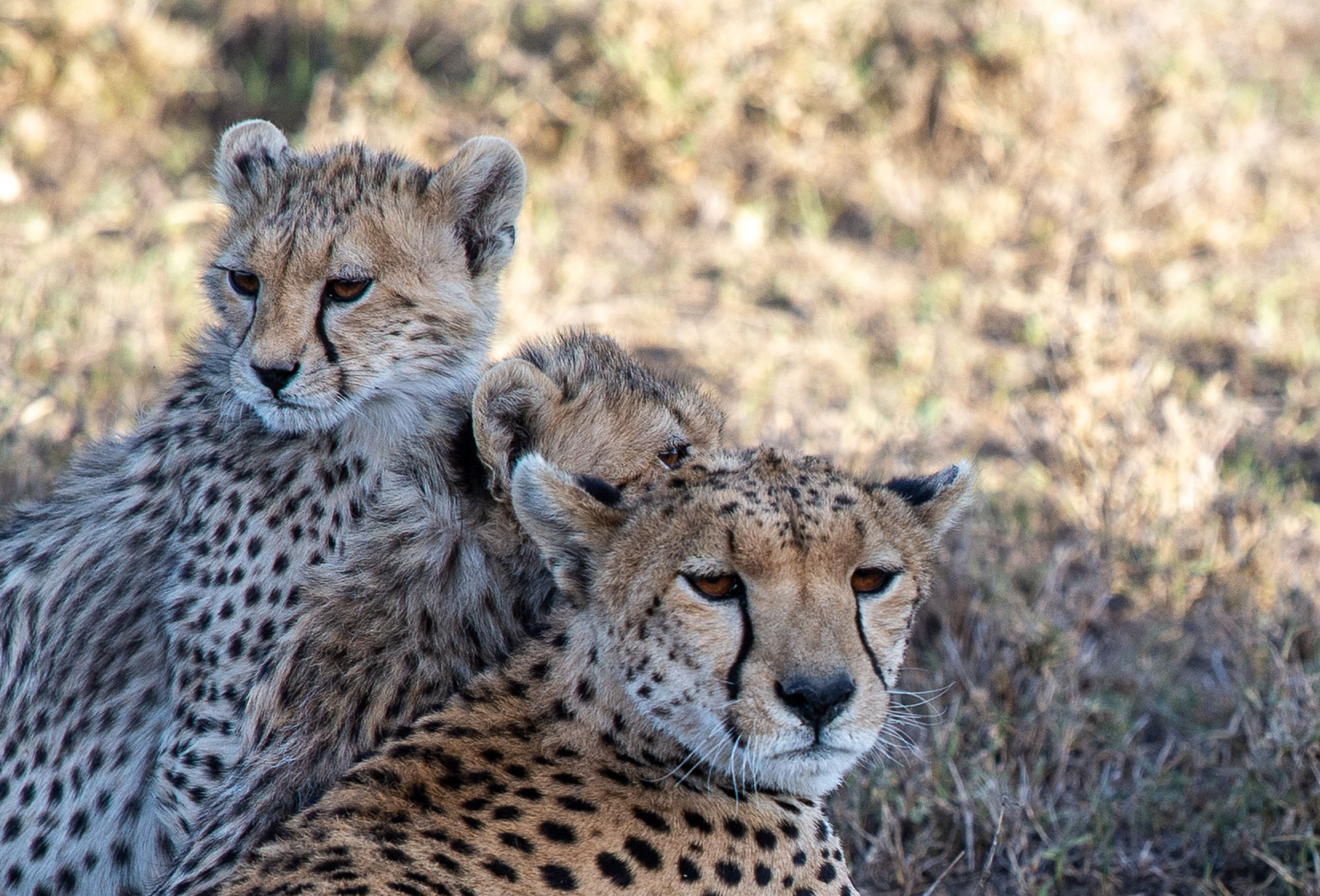
I experienced a couple of game drives from Lewa Wilderness and much to my surprise saw a cheetah on both outings.  One rather skittish young male (a newcomer to the area) and another older, much more relaxed male which was stretched out on a fallen tree stump, enjoying the morning sunlight.  Another sighting of note was a few gerenuk antelope, which are more abundant in arid areas to the north, like Samburu.


Image

BORANA LODGE

The following couple of nights I stayed at Borana Lodge, a 9-roomed property set in the stunningly beautiful foothills of Mt. Kenya, in the Borana Conservancy, adjacent to the west of Lewa.  In 2014 the fence between the two conservancies came down, which opened up even more of a corridor for wildlife – notably elephant – for movement between Samburu in the north and Mt. Kenya in the south.  Over the last 30 years or so, elephants have impacted Lewa Wildlife Conservancy significantly, mostly by destroying huge numbers of acacia and other trees, effectively turning large tracts of mixed woodland into savanna grassland.


Image

Opening up adjacent areas like Borana and in future hopefully the nearby Il Nguesi area, will help to alleviate the pressure on the habitat and reverse this habitat-changing effect.  Given time, trees like the yellow barked acacia and whistling thorn acacia will bounce back and forests will naturally re-emerge.  But only if the saplings are not constantly being hammered by the elephants.

Already – during my visit – the number of elephants in the Borana Conservancy appear to be increasing relative to Lewa.  Borana being much more heavily wooded will definitely relieve the pressure on Lewa.


Image

The Borana Conservancy is higher, hillier and greener than Lewa.  It also has even fewer cars and people around so if solitude, splendid views and montane scenery is your thing, Borana is your spot.  While I did see a black rhino in Lewa (after several days there), I saw several in Borana, starting with my very first game drive there.  My knowledgeable and enthusiastic guide Peter soon had a female and juvenile pair of black rhinos in sight and with some deft maneuvering, I got several good shots of them, without displacing or unnecessarily alarming them.

My experience at Borana Lodge for the two nights there was most enjoyable and fun, with a mix of game drives, sundowners in scenic spots, a fun bush dinner, and spending time over lunch and breakfast with the owner, Michael Dyer.


Image

The lodge itself is perched on a slope of with beautiful views over blue-grey hills and verdant valleys.  Out of Africa, no doubt.  Plus the original ‘Pride Rock’ from the Lion King movie is just around the corner!  My room – #3 – was spacious with all the amenities including a bath, shower, fireplace, and two outdoor relaxation areas.

The room interior and soft finishings are due for a major ‘freshening up’: some paint, new tiles in the bathroom, new window drapes, a new color scheme – there are quite a few things which can be done to give the room a fresh look.

It is a minor point of criticism though.  The overall experience at Borana was most enjoyable with great food, friendly staff, management and expert guiding.

It appears that Borana’s cattle management and rotation scheme is quite successful at keeping the vegetation vibrant and full of life.  There are practically no areas of moribund vegetation, but this may have had something to do with the abundant recent rainfall, at the time I was there.


Image

LEWA SAFARI CAMP

The penultimate stop of my mega familiarization trip was the popular and highly rated Lewa Safari Camp, also operated by Elewana, located inside the Lewa Wildlife Conservancy.  We do and will continue to use Lewa Safari Camp on future Kenya itineraries for many of our clients.  This visit made it clear to me why the camp works so well.  A lot of it has to do with the managing couple Sacha and Tamlyn.  During my all too brief overnight and one day there, Sacha devoted a lot of time to spend with me over lunch and dinner, talking about the area and what it has to offer to guests.  With such enthusiasm and energy as demonstrated by Sacha, it is clear to see why Lewa Safari Camp is so popular with guests.  My tented room #3 was spotlessly clean and well organized from lighting (easy on off switches), to having the best charging outlet of any camp on the trip, including no less than 4 USB charging points.  Lewa Safari Camp has an attractive pool with a view over the valley, and well-marked pathways.


Image

Exercise note:  It is possible to jog inside the camp perimeter on gravel pathways, along a loop totaling about 1 kilometer in distance.

En route to my final destination, I did a site inspection at Kifaru, Elewana’s luxury 5-roomed lodge.  Compact and intimate, with camp manager Andrew giving me a concise yet thorough overview of the camp.  Kifaru has a great location on top of a hill, with large and well-appointed rooms, a beautiful central area and dining room.  Room #5 appears to be the choice spot to be.


Image

SIRIKOI LODGE

I had long looked forward to visiting Sirikoi, my planned 2017 visit having been derailed by Hurricane Harvey.  Sirikoi turned out to be worth waiting for!  It is an oasis like few others, from location to accommodation and management.  The tented rooms, main lounge and dining room areas are stylish and immaculately maintained, and the food and beverage service is of an exemplary quality.  While at Sirikoi, I took some time off from the game-viewing to scout out the property and surroundings a bit better.


Image

With its mix of four luxury tents and two exclusive use houses (with 2 and 3 bedrooms respectively), Sirikoi caters for discerning guests who like and enjoy comfort and luxury, but in an elegant, understated fashion.  There is nothing over the top or extravagant about Sirikoi.  It strikes a perfect balance between being luxurious and stylish, yet retaining the essence of a true Kenyan retreat.


Image

Sirikoi’s location right alongside the Sirikoi stream, on the edge of a large swamp, results in wildlife often entering the property and being visible from the open dining deck in front of camp.  In the late afternoon and early evening, as the birds settle down and nocturnal creatures like bush babies start to get active, enjoying a sundowner at Sirikoi is as good as it gets on safari.  I experienced just that on my last night there.  One by one a family of seven Striped Kingfishers disappeared into a communal hole in a tree where they were to sleep for the night.  Guinea fowls started to gather high in a nearby tree, as did baboons (not without some squabbling), vervet monkeys and even crowned cranes which flew out of the swamp to the protection of an elevated roost.


Image

It became quiet as the sun set over the low hills to the west, the pinkish light remaining for a long time, with the trees perfectly reflected in the glassy surface of the pool.

I had the most fascinating conversation with the co-owner Sue Roberts over sundowners, finding out just how the Sirikoi property came to be in their possession.  Acquiring Sirikoi ended up being a pivotal piece in making Lewa Wildlife Conservancy the vibrant and successful model of co-operative conservation that it is.  Land-owners, local government, and most importantly the community, all working together to achieve shared objectives.

More Info

Email bert@fisheaglesafaris.com

Email jason@fisheaglesafaris.com

@fisheaglesafarishouston

#FishEagleSafaris

YOU MIGHT ALSO BE INTERESTED IN

Area
Destinations
Nyerere National Park
Ruaha
Tanzania

14th October 2023

From My Safari Notebook: Wildlife Photography

Birds in flight and wildlife photographers have an uneasy relationship. Things go wrong as often as they go right. Getting focus-lock on a moving subject

Read more
Botswana
Destinations
Okavango Delta

3rd October 2022

Camp Okavango, Botswana

Camp Okavango is in the heart of the permanent part of the Delta. In this idyllic setting there are no vehicles, and it is just a short walk

Read more
Destinations
Zambia

10th September 2021

Chindeni and the Bushcamp Company, Zambia

By late July we found ourselves at Chindeni, a small Bushcamp Company property

Read more

SUBSCRIBE TO OUR NEWSLETTER

READERS FAVOURITES

Botswana
Destinations
Hwange
Kenya
Masai Mara
Mashatu
Serengeti Plains
South Africa
Tanzania
Tswalu
Zimbabwe

9th October 2020

Cheetahs, cheetahs, cheetahs

For many visitors to Africa, seeing the big cats is #1 on their wish list. Nobody wants to go home

Read more
Botswana
Destinations

17th June 2020

A Visit to Northern Botswana

If going on safari in Africa is your idea of heaven, then Botswana is nirvana. A few days there

Read more
Botswana
Destinations
Okavango Delta

30th July 2021

Duba Explorers & Duba Plains Camp, Botswana DUBA EXPLORERS CAMP

Great Plains’ Duba Explorers Camp is located in the northern part of the Okavango

Read more

KENYA TRIP REPORT PART 1: THE MASAI MARA

1st July 2020

KENYA TRIP REPORT PART 1:
THE MASAI MARA


Image

KENYA TRIP REPORT PART 1:
THE MASAI MARA

Since I first started traveling to Kenya in the 1990’s, I have grown increasingly fond of this beautiful and incredibly diverse country and its friendly, easy-going people.  With every return visit, my previous perceptions about Kenya as a safari destination have been re-validated, notably that it is an ideal destination for a first African safari.  No doubt about that.  Kenya has lots of animals which are easy to see, it has remarkable diversity in terms of habitats, wildlife, scenery and activities along with a well-functioning tourism infrastructure.


Image

Culturally, Kenya is rich and diverse, it has excellent accommodation options in each area, great guiding and – like I said – friendly people who are genuinely interested in your well-being and happiness.  So learn a few Swahili phrases, get your E-visa online, and get ready for a fantastic experience!  Of course, if you’ve already been, you know most of this. But do keep on reading as there’s lots of information here about some places you might not have been to yet, like the Lewa Wildlife Conservancy, or the Olare Motorogi Conservancy in the Masai Mara.


Image

On my most recent trip, last June, I arrived at Nairobi’s Jomo Kenyatta International Airport on South African Airways after an on-time, uneventful flight.  Getting a visa was a cinch – it literally took less than 10 minutes.  Then a gremlin appeared in the way of a long and disorganized, scrum-like line to get one’s luggage scanned in an industrial-sized luggage scanner.  Of which there really should be more than one, clearly. To compound matters, traffic congestion caused a lengthy delay getting out of the airport and on to the road to downtown.


Image

Even so, I remained in a good mood, just happy to be back in Kenya.  Here’s a tip for African travel in general and specific to Nairobi and Kenya:  be prepared for a little bit of chaos mixed in with smiles from people who are genuinely pleased that you have decided to make your way there.  


Image

NAIROBI SERENA HOTEL

The security check on arrival at the Nairobi Serena Hotel was thorough, but not brusque.  I never felt rushed or intimidated.  A little bit of courtesy goes a long way.  Reception at the hotel was smooth and professional, as was my in-room briefing.  The room was luxuriously appointed, with the usual amenities including tea and coffee-making facilities, multi-channel TV, air conditioning, and thoughtfully designed charging facilities with a phone-ready cable for your iphone, and enough USB and universal plugs capable of accepting a US type plug without an adaptor.

I tried both the Asian fusion and traditional restaurants at the hotel for dinner and breakfast respectively, and they were both good.  Serena has a well-deserved reputation for their breakfast spread and the Nairobi Serena Hotel was no exception.


Image

LOLDIA HOUSE, LAKE NAIVASHA

From this point on and for the duration of my trip to the Masai Mara, I was accompanied by Zachary Methu, an affable, extremely capable and hugely knowledgeable Origins Safaris guide.  What a difference a good guide makes!  It took about 3 hours by road to get to Lake Naivasha, where I would spend a couple of nights at Loldia House.  I had been looking forward to a return visit to this lovely old home which was built by Italian prisoners-of-war during WWII. Just like the last time, I spent a peaceful night in Room #1.  Being inside the main house, it is convenient, large, and has beautiful views over the garden and the lake.  The bathroom has been upgraded.


Image

I enjoyed some bird photography and a delicious lunch, and went for a 5K run later in the afternoon in the cultivated (farm) portion of the estate.  That evening, we enjoyed a delightful dinner – table d’hote style – with 8 other guests and the manager.  The 3-course, plated meal was expertly prepared and served.  Breakfast the next morning was equally good, particularly the pancakes.

Loldia is the perfect place to spend one’s first couple of nights in Kenya, prior to going on safari.  It’s a great introduction to Kenya’s wildlife with a good variety of game to be seen including buffalo, hippo, impala, gazelles and giraffe. On night drives hyenas, owls, and bush pigs may be seen.  


Image

Included activities at Loldia are an afternoon game drive with sundowner drinks,  a boat cruise on Lake Naivasha early in the morning and a night game drive after dinner.  Beyond those,  Loldia offers a host of optional activities (at additional cost), such as guided trips to Lake Nakuru, Crescent Island, Hell’s Gate, Crater Lake, Lake Ol Odien, Eburru Forest, Aberdare National Park, Lake Elementaita, and Lake Bogoria.   There’s also golf available at the nearby Great Rift Valley Lodge, horse-riding and a tour of the nearby rose farm.

Room 1 at Loldia is in the main house; rooms 2, 3 and 4 (all upgraded) are in the garden.  Room 6 and 7 (thatched roofs) are also in the garden.  Room 8 and 9 are in the Top Cottage and room 10 is in the Top Cottage loft and has a separate/outside bathroom.


Image

MARA BUSHTOPS, MASAI MARA

Fom Naivasha it was a solid 5 hour 30 minutes drive to Mara Bushtops, situated in a game-rich conservancy just to the north of the Masai Mara National Park.  The impressive tented rooms are solidly in the deluxe category with beautiful wrap around views over the surrounding bush.  There was an indoor and outdoor shower, Wi-Fi and an outdoor jacuzzi which can be filled in advance.  The room has a buzzer to summon your personal butler.  The room lighting wasn’t quite up to my ‘bright, clear, and easy to operate’ expectations. 


Image

A two-hour afternoon game drive on the Isaaten Conservancy illustrated once again why Kenya is such a good choice for a first – or any – safari.  Without too much driving at all we notched up good views of elephants (lots of them!), giraffes all over the place, many zebras, scattered groups of wildebeest, impala, Thompson’s gazelle, topi, eland, Kirk’s dik-dik, vervet monkeys, warthogs and bat-eared foxes. Guests who spend three nights or more at Mara Bushtops will usually spend a half or full day inside the Masai Mara National Park; the lodge is only about 30 minutes from the Sekenani gate.  Dinner was first class in every way in what was essentially a full-blown restaurant with multiple starters, main courses and dessert options. No set hours:  you dine when you want to.


Image

Exercise note:  Mara Bushtops caters for health enthusiasts more than most other camps.  They have a large pool with adjacent heated jacuzzi, a sauna, a small gym with weights and a treadmill.  The Amani Spa at Mara Bushtops has a wide range of beauty treatments and massage and rejuvenation treatment options, several of which cater for couples.


Image

ASILIA NABOISHO CAMP, NABOISHO CONSERVANCY

It was a relatively short drive today to the Naboisho Conservancy where I spent the night at Asilia’s Naboisho camp.  Naboisho is a well organized camp with friendly and attentive management and staff, superior guiding by Dickson Kaleku, and abundant wildlife.  I also did a site inspection at nearby Mara Encounter and liked what I saw, particularly the adventurous walk through a small, dense forest on the way into camp.   I can recommend both of these camps and the Naboisho area without any reservation.  The game viewing was as good as I’ve experienced anywhere – ever – with huge numbers of wildebeest around.  It  felt like the migration season, even though we knew it was not.  We saw many lions and enjoyed an exceptionally good cheetah sighting with three sub-adult cubs.  Plus elephants, eland, topi, gazelles, impala, zebra, giraffe and more.

Exercise note:   Not an ideal spot for exercise, but you can go on an extended walk of a few hours duration with an armed professional guide.


Image

MARA PLAINS CAMP, OLARE MOTOROGI CONSERVANCY

The next day, it was on to Mara Plains Camp in the Olare Motorogi Conservancy.  This conservancy is a model of how local landowners and conservation-minded safari operators can work together for a greater goal, being the preservation of Kenya’s wildlife heritage for generations to come.  In this huge area –  which otherwise would have been dotted with homesteads and overrun with cattle, sheep and goats –  wildlife is thriving and the local communities benefit with employment and cash income.  Mara Plains Camp is a Relais & Chateaux property and it shows on many levels from the impeccable quality of the food and beverage offerings to the attentive and competent management and staff.  I was wowed from beginning to end.  The massive rooms are dramatically set on the edge of a seasonal creek.


Image

For the few days that you may spend at Mara Plains you will be in a cocoon of unadulterated luxury.  While guests no doubt appreciate the luxury touches and the property’s high level of sophistication, the lasting impression is of a team of people with a clearly defined mission to be a force for good in both conservation and community.  The wildlife experience at Mara Plains on this trip was just as good as it was on a previous visit to the area, a few years ago.  At that time I recall seeing as many as seven different mammal species all at the same time. 


Image

It would not be unreasonable to expect to see three big cat species – leopard, lion and cheetah – on a 3 night stay at Mara Plains; in fact we saw all three on one game drive, on this trip!  Most memorably, I photographed a cheetah crossing a small road within the conservancy, while a local resident on a motorbike (here known as a boda-boda) paused for a few minutes, to give the cheetah the space to do so without pressure.  Only in Kenya!  We also saw various prides of lions, some with cubs of varying ages, and a host of other mammals and birds.  My Mara Plains hosts Rich and Lorna – as well as Kyra – went out of their way to make me feel at home.

Exercise note:  Clearly not a good place to go jogging, but each room has a yoga mat and a  jump rope.


Image

ASILIA REKERO CAMP, MASAI MARA

My next stop was Rekero – another Asilia property – located in an ideal spot on the Talek River with a great view down-river, inside the Masai Mara National Park. The huge deck is a perfect place to discover the coming and going of numerous birds including the rather stunning blue fly catcher which I tried to photograph with some success.  Rekero is so well hidden in the thick riverine forest along the Talek River that it remains completely hidden until you walk into camp, from the parking area.  There are nine tented rooms, two of which are family rooms; the tents are quite spacious with a separate en suite bathroom with plenty of hot water, a separate vestibuli with a day-bed and adequate lighting.  I slept soundly by the sound of water rushing over the rocks in the Talek River.  The food at Rekero was excellent and we enjoyed a wonderful dinner with a mix of South Africans, Texans and Kenyans and a couple from San Francisco.


Image

We enjoyed yet another superb day of game-viewing in the Masai Mara spotting a leopard with an impala kill in a tree, four different groups of lions, two prides with cubs (from literally 1.5 weeks to several months old) some handsome full-maned male lions, powerful females, sub adults and more.


Image

INTREPIDS CAMP, MASAI MARA

Intrepids camp, my accommodation for the following day, is quite large with 32 tents but with the rooms strategically spread out along the edge of the Talek River in thick vegetation, the camp does not have a ‘crowded’ feel.

The rooms are quite smart and nicely equipped with decent lighting, mosquito nets, a separate shower and toilet with door, a deluxe wash basin and ample mirrors. There is Wi-Fi everywhere in the camp. Each room has a small desk and ample storage and clothes hanging space. The bathroom area and particularly the shower of my room number 14 was starting to look a bit tired and is definitely in need of refurbishment.


Image

Hot water – provided by wood burning boilers – is available from 5 to 9 a.m. and 5 to 9 p.m. Lunch was served buffet-style with multiple choices and options including a wide variety of vegetarian items.  For dinner meals are plated with a substantial number of options for starters, main course and even for dessert.

What makes Intrepids a good choice though is the location.  It is ideally located in the heart of the Masai Mara right where the action is during the migration season.  From here your guide can take you towards the Musiara area if needs be, or to the main or Serena crossing over the Mara River, or even further afield to the southern section of the Mara in search of whatever is out there, including of course potential wildebeest crossings.

Exercise note:  Mara Intrepids has an extensive trail/walkway winding through the camp and past the vehicle maintenance area, so this is a property where you can plan on getting a few miles under the belt.


Image

MARA EXPLORER CAMP, MASAI MARA

The next day my journey would take me on to Mara Explorer camp, Intrepids’ smaller and more luxurious sister tented camp. Mara Explorer has just 10 quite elegant tented rooms, most with good views over the Talek River which was flowing quite strongly on the day.  The rooms are spacious with a separate indoor shower (shower head needed replacement), a  toilet with a door and an outside bath with a view.  Hot water available from 5 – 9 a.m. and from 5 – 9 p.m.


Image

The rooms are on the edge of the Talek River and some of them, like mine (#4), are very close to a sizable number of hippos hanging out in a hippo pool in a bend of the river.  So if you really like hippos and don’t mind them waking you up at around 5 a.m. when they go back in the water then this is just the room for you.  Our game drive today produced a sighting of an acclaimed coalition of four cheetahs, as well as some good views of lions and buffaloes.  The day was rounded off nicely with a surprise bush dinner.


Image

MARA NGENCHE CAMP, MASAI MARA

It was a shortish drive this day to Mara Ngenche, sister camp to Samburu’s Elephant Bedroom camp.  The property is located in a prime spot at the confluence of the Talek and Mara Rivers with the rooms having views over either of the river beds.  My room was large with a comfortable king bed, decent lighting, indoor shower and bath and outside shower.  It also had a private plunge pool, lounge chairs and hammock.  The staff was friendly and attentive and obliged with a special local meal with items such as ugali and sukuma wiki.

The dining room, lounge and bar tents were likewise quite well done; food was superb and varied with several choices of starters, mains and desserts.  Game drives in the area were productive and we had a good morning with several sightings of leopards, among others.


Image

ELEPHANT PEPPER CAMP, MARA NORTH CONSERVANCY

It was a slightly longer drive today, leaving the Masai Mara National Park at Musiara gate into Mara North Conservancy.  I was initially somewhat put off by the presence of a large village not far from the gate, with several herds of cattle around.  However, by the time we got to our next stop, Elephant Pepper Camp, everything had changed.  It turned out to be a lovely and clearly well-run camp with energetic and friendly management, who made me feel welcome right away.  I liked everything I saw about Elephant Pepper from the camp layout, the nice rooms with good lighting, to the fun meal-times.  We arrived in the middle of a leopard sighting and that pretty much set the tone for the remainder of my stay.  It turned out that the game viewing at Elephant Pepper – particularly for the big cats – was terrific.  Zachary and I had some of the best views of the entire trip of cheetahs and lions on what was to be our last proper game drive in the Mara. A short spell of rain did nothing to dampen our spirits – in fact it set up an opportunity to get a photo of a wet lion shaking its mane.


Image

KAREN BLIXEN COTTAGES – NAIROBI

It took just over 5 hours to drive back from Elephant Pepper to the suburb of Karen on the west side of Nairobi. We encountered heavy traffic in spots with lots of 16-wheeler trucks, the road being the main artery from the port of Mombasa to the East African interior.  I was happy to have someone as experienced and patient as Zachary behind the steering wheel.  This evening, I spent the night at Karen Blixen Coffee Garden & Cottages.  Located in one of the oldest formal gardens in Kenya (with lots of great birds around), the hotel is convenient to the Karen Blixen Museum, Wilson Airport, Sheldrick elephant orphanage and Nairobi National Park.  In contrast to the historic main building, the individual cottage suites are quite modern and spacious with high-beam ceilings, fireplaces, verandahs, a bath, shower, and TV.  I enjoyed lunch and dinner at the adjacent Tamarind restaurant and could not fault the excellent ostrich burger and grilled tuna fillet, or the swift and friendly service.  I  took a cab to the nearby Karen Mall for some shopping at the Kikoy store and the well-stocked aisles of Carrefour grocery store (candy stop!).  The next morning I would be on my way to Lewa in the northern part of Kenya.

More Info

Email bert@fisheaglesafaris.com

Email jason@fisheaglesafaris.com

@fisheaglesafarishouston

#FishEagleSafaris

YOU MIGHT ALSO BE INTERESTED IN

Area
Destinations
Kenya
Masai Mara

14th June 2026

Exploring Kenya’s Masai Mara and Watamu: Part 1

For many first time safari travelers, Wilson Airport in Nairobi is where the safari experience gets real. It’s where they

Read more
Area
Destinations
Kenya
Masai Mara

14th June 2026

Exploring Kenya’s Masai Mara and Watamu: Part 1

For many first time safari travelers, Wilson Airport in Nairobi is where the safari experience gets real. It’s where they

Read more
Area
Destinations
Kenya
Masai Mara

14th June 2026

Exploring Kenya’s Masai Mara and Watamu: Part 1

For many first time safari travelers, Wilson Airport in Nairobi is where the safari experience gets real. It’s where they

Read more

SUBSCRIBE TO OUR NEWSLETTER

READERS FAVOURITES

Area
Destinations
Kenya
Masai Mara

14th June 2026

Exploring Kenya’s Masai Mara and Watamu: Part 1

For many first time safari travelers, Wilson Airport in Nairobi is where the safari experience gets real. It’s where they

Read more
Destinations
Zambia

20th April 2020

“Only in Africa”: Tiger Fishing

I believe the core activity on any great safari is the game drive.  The animals are, of course, the main attraction and there is no better

Read more
Botswana
Destinations
Kenya
Serengeti Plains
Tanzania
Uganda
Zambia
Zanzibar
Zimbabwe

19th November 2021

Where to go on safari in 2022-23

As the Covid pandemic retreats worldwide, thoughts turn to resuming life the way

Read more

A Visit to Benguerra Island, Mozambique

25th June 2020

A Visit to Benguerra Island, Mozambique


Image

A Visit to Benguerra Island, Mozambique

In June last year, we  made our first visit to Mozambique, spending three perfect days at Azura Benguerra, a secluded, beautiful spot with stunning views over the clean, blue water of the Mozambique Channel.  Together with two other couples – both on their honeymoon – we arrived in a glass-bottom helicopter, after a short flight from the mainland.  Even though we were airborne for a mere 8 minutes, the visual impact will stay with us forever.  It’s like having all your imagined visions of an Indian Island resort come to life, right in front of your eyes.  A tiny, heavily forested island ringed by a seemingly endless, brilliantly white beach.


Image

Around it, a huge expanse of blue and turquoise water, with sandbanks and reefs creating a shimmering underwater mosaic.  We would soon find out that our first impressions of Benguerra were right.  It is a barefoot paradise.  Miles of soft, white sand, a ‘get away from it all’ setting and ambiance and with the added bonus of being eco-friendly and part of a community based project where the local islanders benefit as much as the visitors.


Image

At Azura Benguerra, just 20 villas are nestled along a picture-perfect stretch of beach, with all the creature comforts you could wish for including private pools, a Mozambican butler-host to look after your every need, fish and seafood fresh from the ocean, a great range of activities and experiences, and an African spa to relax in.  What is more, Benguerra Island is blessed with hot and sunny weather year round. Temperatures are generally in the low to upper 80’s Fahrenheit,  and rarely fall below 68 degrees even at night.  The water temperature is gloriously warm, and ranges from 75 to 85 degrees Fahrenheit.


Image

All of the villas are just footsteps from the beach, yet designed with seclusion in mind. Tucked into an indigenous and surprisingly ‘birdy’  garden, the villas are a haven of rest and relaxation, where you are truly in tune with the environment.  We were in villa # 15.  We found the bedroom to be quite spacious;  we loved the view from the large king size bed right to the sea, the abundant birdlife, and we made ample use of both the indoor and outdoor shower as well as the bathtub. If you really need it, there is a desk with plenty of workspace.  We didn’t see any mosquitoes.  The days were one long highlight, with a little bump at 5 pm which was complimentary cocktail hour, with your private butler coming around with the drink of the day.


Image

EXPLORING THE ISLAND

Activities (some of which we did not have time for) include scuba diving, snorkelling, island-hopping by boat, an interesting island drive (safari-style) and a sundowner dhow cruise.

Azura’s signature activity is a short hop to Bazaruto Island to hike up Bazaruto Dune for panoramic views of the Archipelago. From there, guests often head to Two Mile Reef where there are hundreds of species of tropical fish, coral, rays, as well as the possibility of seeing turtles, dolphins and even humpback whales during their annual migration. After snorkelling, guests are taken to North Point for a picnic, and to cool off in the clear water.


Image

On the Red Dune & Crocodile Lakes Drive, guests jump into a game viewer vehicle for an island adventure.  On this outing we drove by a couple of villages while our driver-guide filled us in on Azura’s close relationship with the local island communities. We were amazed at the abundance of diminutive Red Duiker antelope which we kept seeing.  In addition to some great birds, we also saw a couple of the large Nile crocodiles which live in several fresh-water lakes on the island. Eventually, we got to the island’s ‘wild side’ where you walk along the beach and hike up Red Dune, an easy climb, for amazing views of Benguerra Island.


Image

Dining & Hospitality

The food at Azura was quite good with two choices (starters and mains) in addition to dessert.  We personally would have liked to have seen more freshly grilled seafood, but can’t fault the tasty array of dishes including a seafood paella, pork stir-fry, curried prawns, breaded and sauteed calamari, and pasta with lobster.


Image

Desserts were consistently good including a chocolate ganache, chocolate souffle and coffee panna cotta with local ice-cream and crepes with fresh fruit.

At Azura, dining is very much part of the experience and I can’t recall eating in the same spot twice.  We had breakfast at the water’s edge, we dined by candle light beneath the stars and enjoyed another cozy meal at the main restaurant.  It was clear that our hosts take huge pride in their innovative dining set-ups, and adding little touches to make one’s  stay special.


Image

Breakfasts were huge with a full array of eggs to order, a daily special (such as breakfast tacos with eggs, chorizo and cheese), guacamole and salsa.  Also omelettes, eggs benedicts, various sausages, bacon, fresh fruit, pastries, juices and more.  There was a choice of more than one healthy drink such as a special juice or smoothie, every morning.

What really made the Azura experience as enjoyable as it was, was the extraordinary degree of personal attention we received from our personal hospitality assistant Manuel.  He was there all the time to assist with every request we had or might have had.  Manuel was our waiter at every meal, helped us with arranging activities and really made our stay special.  Never intrusive but always there and keen to assist with a Portuguese word when we needed one.  Muito Obrigado!


Image

A training run around the island

In a somewhat rash moment, I decided to run around the entire Benguerra Island, which turned out to be almost 30 kilometers or just over 18 miles if you more or less stick to the shoreline.  I wouldn’t advise this for any but the most intrepid travelers.  It turned out to be a fascinating experience, even if it ended up being much more challenging than anticipated.  The distance was nearly three times what I had in mind and there were long stretches which ended up being a slow slog through deep loose sand and puddles of sea water.  Even so, to see and experience the island in this way was fascinating.  The changing landscapes, the dunes, beaches, forests with birds calling and the open marshy areas laid bare by the receding tide.  In contrast with the rather calm and tranquil beachfront conditions in front of the lodge, the southern and eastern beaches have waves crashing directly off the Indian Ocean, and portions of the beach are littered with massive driftwood tree trunks, likely dumped there by a hurricane.


Image

At one stage I ran out of water which – as runners know all too well – poses the threat of dehydration.  Fortunately a passing boat made its way to the shore and the skipper was happy to share some of his drinking water with me.  It was with a sense of relief that I finished up the last mile or two in familiar terrain, along the west side of the island.


Image

How to get there:

From Johannesburg’s Oliver Tambo International Airport, there are regular non-stop flights of about 1 hr 15 minutes to Vilanculos in Mozambique.  After a somewhat slow visa procedure (US$50 per visa), you board an 8-minute helicopter flight (we were 6 persons plus the pilot) to Azura Resort on Benguerra Island.  Kathy and I also did a site inspection to AndBeyond Benguerra Lodge; we were favourably impressed with the location and the rooms.  The garden area in front of the main lodge was particularly lush, with lots of trees. 

More Info

Email bert@fisheaglesafaris.com

Email jason@fisheaglesafaris.com

@fisheaglesafarishouston

#FishEagleSafaris

YOU MIGHT ALSO BE INTERESTED IN

Destinations
Zambia

10th September 2021

Chindeni and the Bushcamp Company, Zambia

By late July we found ourselves at Chindeni, a small Bushcamp Company property

Read more
Botswana
Destinations
Okavango Delta

3rd October 2022

Camp Okavango, Botswana

Camp Okavango is in the heart of the permanent part of the Delta. In this idyllic setting there are no vehicles, and it is just a short walk

Read more
Area
Destinations
Nyerere National Park
Ruaha
Tanzania

14th October 2023

From My Safari Notebook: Wildlife Photography

Birds in flight and wildlife photographers have an uneasy relationship. Things go wrong as often as they go right. Getting focus-lock on a moving subject

Read more

SUBSCRIBE TO OUR NEWSLETTER

READERS FAVOURITES

Destinations
Zambia

10th September 2021

Chindeni and the Bushcamp Company, Zambia

By late July we found ourselves at Chindeni, a small Bushcamp Company property

Read more
Botswana
Destinations

4th August 2022

On Safari At Belmond Eagle Island Lodge, Okavango Delta

What is the ‘secret sauce’ for an unforgettable few days on safari in Botswana? It starts with the animals, of course. The elephants, lions, giraffes, hippos
Read more
Destinations
India

27th May 2023

India

India’s tiger, mammals and birds.

Read more

A Visit to Northern Botswana

17th June 2020

A Visit to Northern Botswana


Image

A Visit to Northern Botswana

If going on safari in Africa is your idea of  heaven, then Botswana is nirvana.   A few days there and you’re in a  state of perfect happiness, in an idyllic place.  Africa’s single best safari destination, Botswana offers an unbeatable combination of abundant wildlife in a true wilderness setting, where you can explore the beautiful Okavango Delta in the morning, and go out on a game drive in search of elephants, lions, buffaloes, giraffes, zebras and many other animals that same afternoon.


Image

We’ve been fortunate to visit Botswana many times over the last 30 years, but it never gets repetitive or less exciting than the first time.  Always a new experience, a unique observation of animal or bird behavior or interaction, a special circumstance, meeting new people, or reconnecting with old friends.  On our most recent visit last March, we spent a couple of nights at three different camps, namely Qorokwe in the south-eastern part of the Okavango Delta, Jao in the western Okavango Delta, and Mombo on Chief’s Island.


Image

QOROKWE CAMP, OKAVANGO DELTA

Our long-awaited first visit to Qorokwe, Wilderness Safaris’ newest camp in the Okavango Delta, did not disappoint.  For one thing, we were mightily pleased with the game-viewing which was excellent, with plenty of general plains game, and several special sightings.  Over the course of a couple of days exploring the area by road with our capable guide Jacob, we had some superb views of lions, cheetahs and several African wild cats, in the predator category.  Despite there being lots of casual water around – which means that animals such as buffaloes and elephants are dispersed – we saw a wide diversity of plains game including abundant giraffes, zebra, impalas and small groups of wildebeest and tsessebe.


Image

We were hoping to see cheetah and Jacob illustrated his exceptionally well-honed guiding skills in finding a coalition of two cheetah brothers.  Simply watching him in action was worth driving out to the distant pan where he thought they might be hanging out.   Initially,  Jacob heard a black-backed jackal making a racket and upon investigating the noise, we also found a hyena snooping around.  For at least 20 minutes or so we didn’t see anything else but Jacob stuck to his guns.  And then we swung around a stand of vegetation and there they were:  the two cheetah brothers lounging and rolling around in the open.  Skill plus perseverance resulting in a fantastic cheetah sighting! We also had one of our best sightings of an African wild cat, and saw a great thunderstorm in the distance, on the second afternoon.


Image

It appears that even in the green or low-demand season, the game viewing in the Qorokwe area – as in the adjacent Chitabe concession – is of such high quality that it will satisfy even the most demanding travelers. We would encourage visitors to spend at least 3 nights and perhaps even 4, in an area during the low-demand season.  The concessions are massive and there’s so much terrain to explore that two full days (three nights) in an area is really the minimum duration one should consider.


Image

Qorokwe camp itself is a fresh take on the classic tented safari camp.  At first glance quite modern and stylish, the expansive main area, lounge and dining area overlook a large open floodplain, likely inundated in the wet season.  We didn’t get to experience it, but a sunken fire-place in front of the lodge looks like a good spot to spend an hour or so on a cold winter night.


Image

Our room was quite large with lounge, bedroom and bathroom sections, artfully separated with plenty of space for unpacking or hanging items of clothing and other stuff.

Charge points were ample and ranged from USB points to the 3-point round South African plug points.

A ceiling and standing fan (with misting option) kept things tolerably cool inside the room despite the outside temperatures which spiked to 33C one day.

The food was good and nicely varied, with plenty of choices and ample in quantity.  We’re not huge fans of buffet dinners but Qorokwe makes the most of them with the dishes being particularly tasty and well prepared.  Breakfast/brunches were nice too.  The bar in the central area (which looked like a large leadwood log) made for a lively and attractive post game drive or pre-dinner drinks spot.


Image

If I had any issue at all, it would be that the dining area was too dark at night, making it difficult to see what you were eating.  Nothing major.

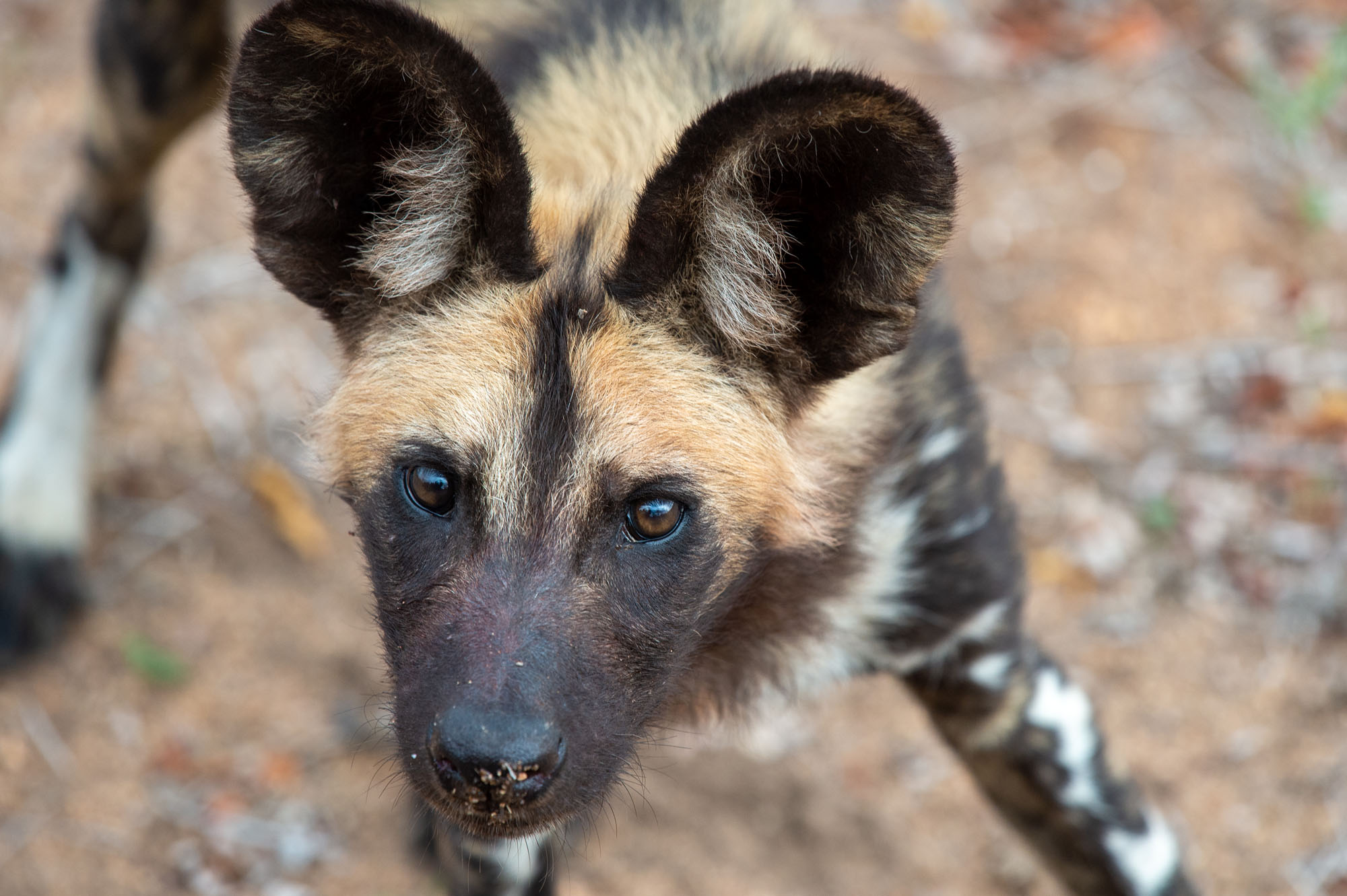
Overall the experience was excellent and made all the more so by the professional guiding skills of Jacob who seemed to find all the ‘special’ animals notably the big cats.  On our last morning we opted to stay in camp to get a bit of packing and other preparation done, only to hear that Jacob found the African Painted Dogs on that drive!  Never miss a game drive!


Image

JAO CAMP, OKAVANGO DELTA

Our two nights at Jao were as memorable and packed with fun and excitement as any of our safaris, ever. As big fans of the old Jao, we were somewhat apprehensive about seeing the rebuilt, all new Jao.  Our fears were quickly allayed.  The new Jao is spectacular!

It is certainly a major departure from the usual safari camp style, with soaring ceilings and stunning use of natural light.  The main lounge and dining room area is a veritable work of art, with striking design elements accentuating the vastness of the space.

The huge folding glass panels which enclose the space when needed, were mostly open for our meals (brunch and dinner), creating a pleasing indoor/outdoor feel.  Much of the property is elevated on a boardwalk which is as high as 5 meters in places, making for great views over the surrounding floodplains.


Image

Our suite at Jao was incredible:  simply massive with huge glass panels and screens making the most of the ambient light and fresh air.  In fact it got quite breezy inside the room once or twice.  

The room had all the expected amenities and conveniences, including a good sized tub, indoor and outdoor shower, two toilets, coffee and tea making facilities, ample storage space, and a large outdoor patio with a private plunge pool.


Image

Unusually for a Northern Botswana tented camp – perhaps a harbinger of what other properties should be doing – the room was effectively cooled by an energy-saving Climate Wizard evaporative cooling system.  Even with some unseasonably hot weather – well above 33 Celsius/91 Fahrenheit – the interior of the room was comfortable at all times and we never had an issue with heat.

For the colder winter months, there is also an environmentally friendly fireplace which burns pellets made from sawdust.


Image

The overall impression of Jao in its new iteration is one of modern, cutting edge design, with form and function in good balance.  Nothing seemed out of place or artificial.  The whole of it is pleasing to the eye and the subdued use of greys and light blues remove even the slightest hint of garishness.  One is left with simply an amazing visual impression.

The 2-bedroom villas (there are 2 of them) are more of the same, with two near identical huge rooms (practically the same size as the suites), joined by a central lounge and kitchen area.  There is also a private plunge pool and extensive outside decking.


Image

We spent some time at the gym on the treadmill, enjoying the setting right on the edge of a huge floodplain.  The highly acclaimed Jao spa, which is tucked away under a grove of African ebony trees overlooking the floodplain, offers a full range of spa therapies and massage treatments.

Jao is 100% solar-operated, with energy drawn from one of the largest lithium-ion battery banks in Southern Africa.

Somewhat surprisingly, the game-viewing at Jao – which is not known as a game hotspot – was as good as anywhere we’d been on the trip.  In a matter of a day and a half we enjoyed several superb sightings with our friendly and capable guide Jakes.  On the first afternoon we were enthralled by the antics of two young leopard cubs (a brother and sister), and we had our overall best lion sighting of the trip.  On this occasion we spent the better part of an hour with two female lions with two sets of young cubs, with the two dominant males in the area as well, plus all of the other usual suspects including elephants, zebras, impala, a sitatunga, some nice herds of lechwe and more.


Image

MOMBO

Our fourth visit to Mombo started with a bang, just like the ones of previous years.  Within 20 minutes of the start of our first game drive, we were watching a female leopard and her cub up in a dead tree stump.  The cub repeatedly tried to one-up its mother, crawling past and over her, and sometimes clumsily falling down a log.  Mombo is special.  We’ve known that all along, but it was great to see that Mombo could deliver, even in the low demand season with thick vegetation everywhere.

Certainly, we had never seen so many elephants in and around Mombo.  There were small breeding herds all over the place and one morning the place seemed to have been overrun by an influx of huge bull elephants.


Image

Kathy and I loved the spacious new rooms with large patios, making for great views of the animals in the floodplain.  The food at Mombo was delicious and made dining a very special experience.  We were thrilled to spend some time chatting with the friendly, Zimbabwean-born Mombo Executive chef, Tonderai Chipfupi, who gave us a little insight on the daily menu options.  In fact, all of the Mombo staff were wonderful and they made us feel very comfortable and at home.


Image

We were in tent #2 which was terrific, but we did have a bit of ‘tent envy’ when we learned that our neighbors in room #1 had an elephant visit regularly and drink from their splash pool. It turned out that  their pool was a lot closer to the ground than ours, making it convenient for the elephants. Oh well…  We did enjoy the splash pool and deck while watching the animals in the floodplain.  One thing Mombo lacks is an evaporative cooling system in the rooms, like the ones at Jao.  We did take advantage of the air-conditioning in the gym when we went for a workout.


Image

Our fantastic guide Rogers got us into the right spots for some memorable sightings including great views of a male ostrich showing off with his mating dance.  It was most entertaining.  We watched the male ostrich run towards the female and then stop about 20 feet away, squat down while waving his beautiful black feathered wings and dancing like crazy! And success – it paid off.   We also enjoyed following a young female leopard returning to her young cub hidden in the bush – it turned out to be an enthralling experience.  Another great sighting initially looked like 4 lions lying down in tall grass but after further inspection it turned out to be a total of 10 lions partially hidden in the grass, watching a large herd of elephants.   We still have no idea how Rogers found a well hidden hyena den with a few young and skittish hyenas. 


Image

On the last evening we were to be collected at our room and escorted to the boma dinner.  The wait ended up being a bit longer than usual, because our guide and the party from tent #1 were running late due to the pride of 10 lions we had seen earlier, marching through camp right under their room. When you experience a ‘lion delay’ you know that you are at Mombo! We thought the boma dinner and entertainment was exceptional and it was obvious the staff was having a wonderful time which made it even more memorable for the guests.


Image

We were scheduled to leave Mombo for Maun and then fly to Johannesburg on March 17th which was just in the nick of time as South Africa closed its borders on March 18th.  Covid-19 was rearing its ugly head.  The last night in camp ended up being quite emotional, particularly when listening to the staff’s moving rendition of ‘Beautiful Botswana’.  Looking around at the other guests and the staff members, I wondered what the future had in store for all of us.  We knew that Mombo and all the other Botswana camps would be closing in a matter of days, with an unknown future re-opening date.  With the exception of a small group of care-takers, the staff would be heading home.  People would be losing jobs and conservation programs would be affected in a negative way.  We didn’t know it then, but the entire Botswana tourism industry would come to a standstill from which it has yet to emerge.  As of the time of writing, we expect international travel to Botswana to resume around September/October 2020.

More Info

Email bert@fisheaglesafaris.com

Email jason@fisheaglesafaris.com

@fisheaglesafarishouston

#FishEagleSafaris

YOU MIGHT ALSO BE INTERESTED IN

Botswana
Destinations
Kenya
South Africa
Tanzania
Zimbabwe

2nd November 2025

Bert’s Top 5 Africa Trips

Having spent many winter vacations as a young boy on safari with my family in South Africa’s Kruger Park, I look back

Read more
Botswana
Destinations
Kenya
South Africa
Tanzania
Zimbabwe

2nd November 2025

Bert’s Top 5 Africa Trips

Having spent many winter vacations as a young boy on safari with my family in South Africa’s Kruger Park, I look back

Read more
Area
Destinations
Nyerere National Park
Ruaha
Tanzania

14th October 2023

From My Safari Notebook: Wildlife Photography

Birds in flight and wildlife photographers have an uneasy relationship. Things go wrong as often as they go right. Getting focus-lock on a moving subject

Read more

SUBSCRIBE TO OUR NEWSLETTER

READERS FAVOURITES

Destinations
Zambia

10th September 2021

Chindeni and the Bushcamp Company, Zambia

By late July we found ourselves at Chindeni, a small Bushcamp Company property

Read more
Botswana
Destinations

4th August 2022

On Safari At Belmond Eagle Island Lodge, Okavango Delta

What is the ‘secret sauce’ for an unforgettable few days on safari in Botswana? It starts with the animals, of course. The elephants, lions, giraffes, hippos
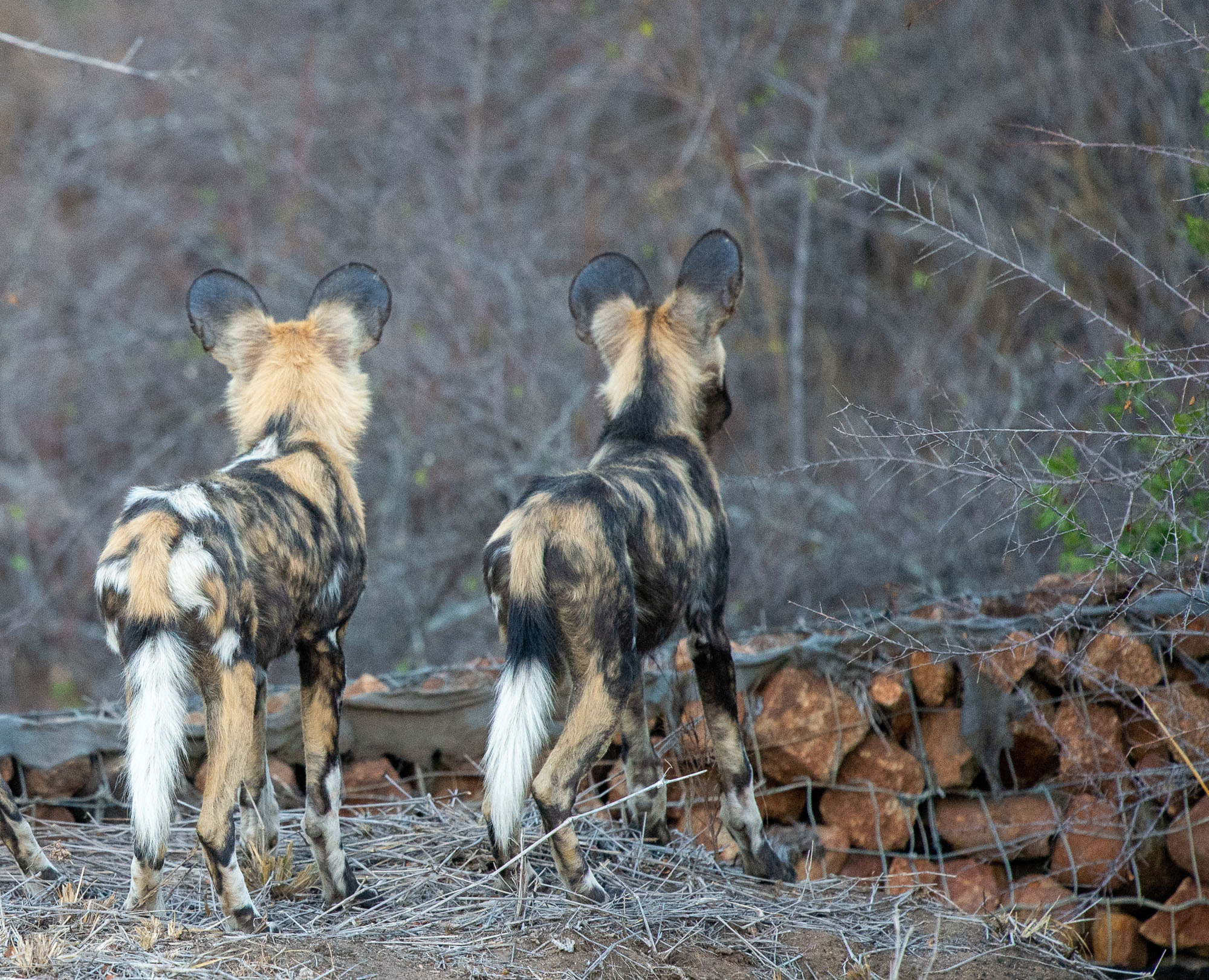
Read more
Destinations
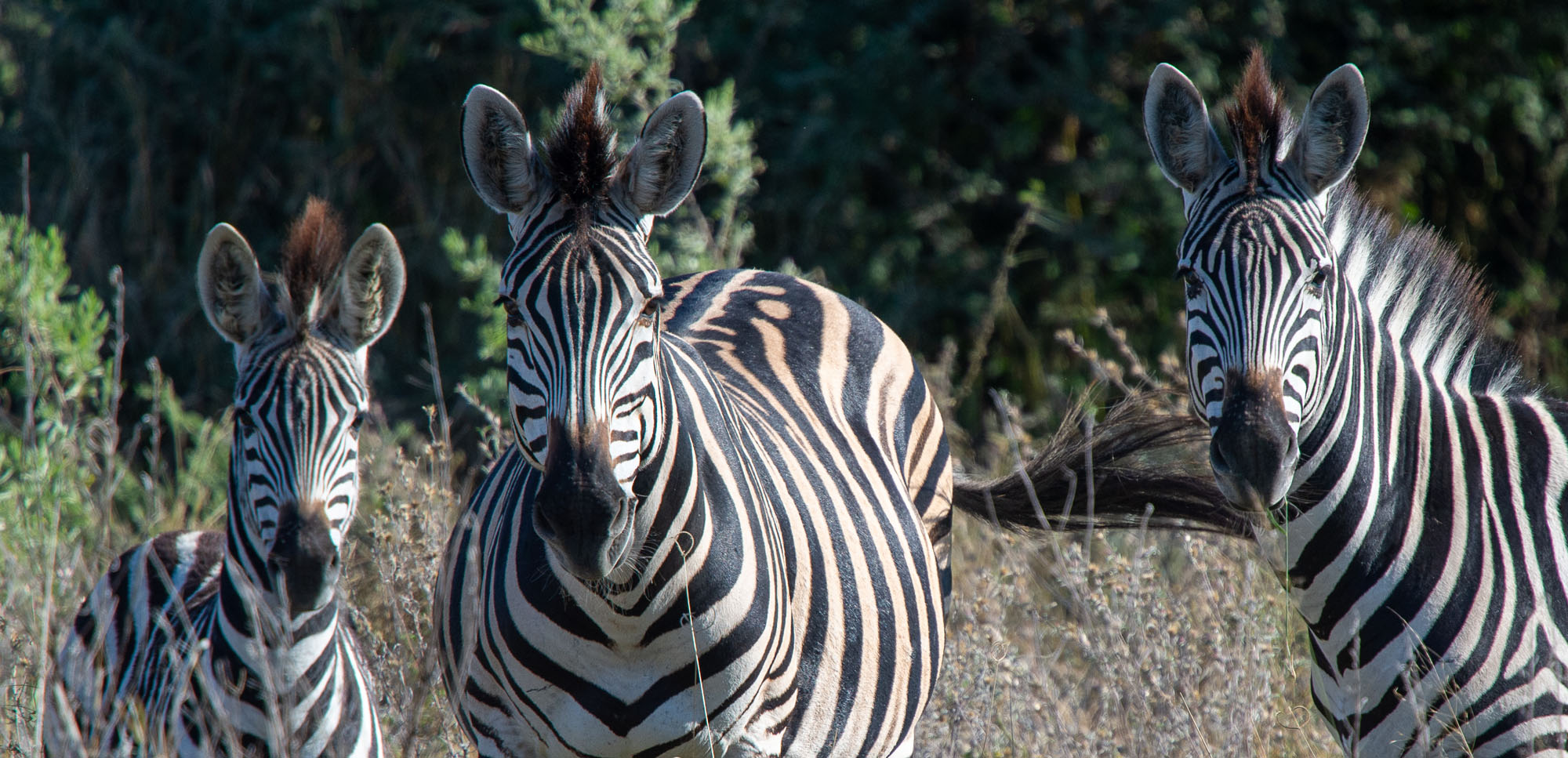
India

27th May 2023

India

India’s tiger, mammals and birds.

Read more
  • « Go to Previous Page
  • Page 1
  • Interim pages omitted …
  • Page 24
  • Page 25
  • Page 26
  • Page 27
  • Page 28
  • Go to Next Page »

Footer

Design

  • About
  • Destinations
  • Blogs
  • FAQS
  • Team
  • Contact
All Rights Reserved ©Fish Eagle Safaris 2022 | Terms & Conditions | Privacy Policy
Designed & Developed by B Online

SUBSCRIBE TO OUR NEWSLETTER

SIGN-UP TO OUR NEWSLETTER

Subscribe Form

Footer Widget Header

Related Blogs