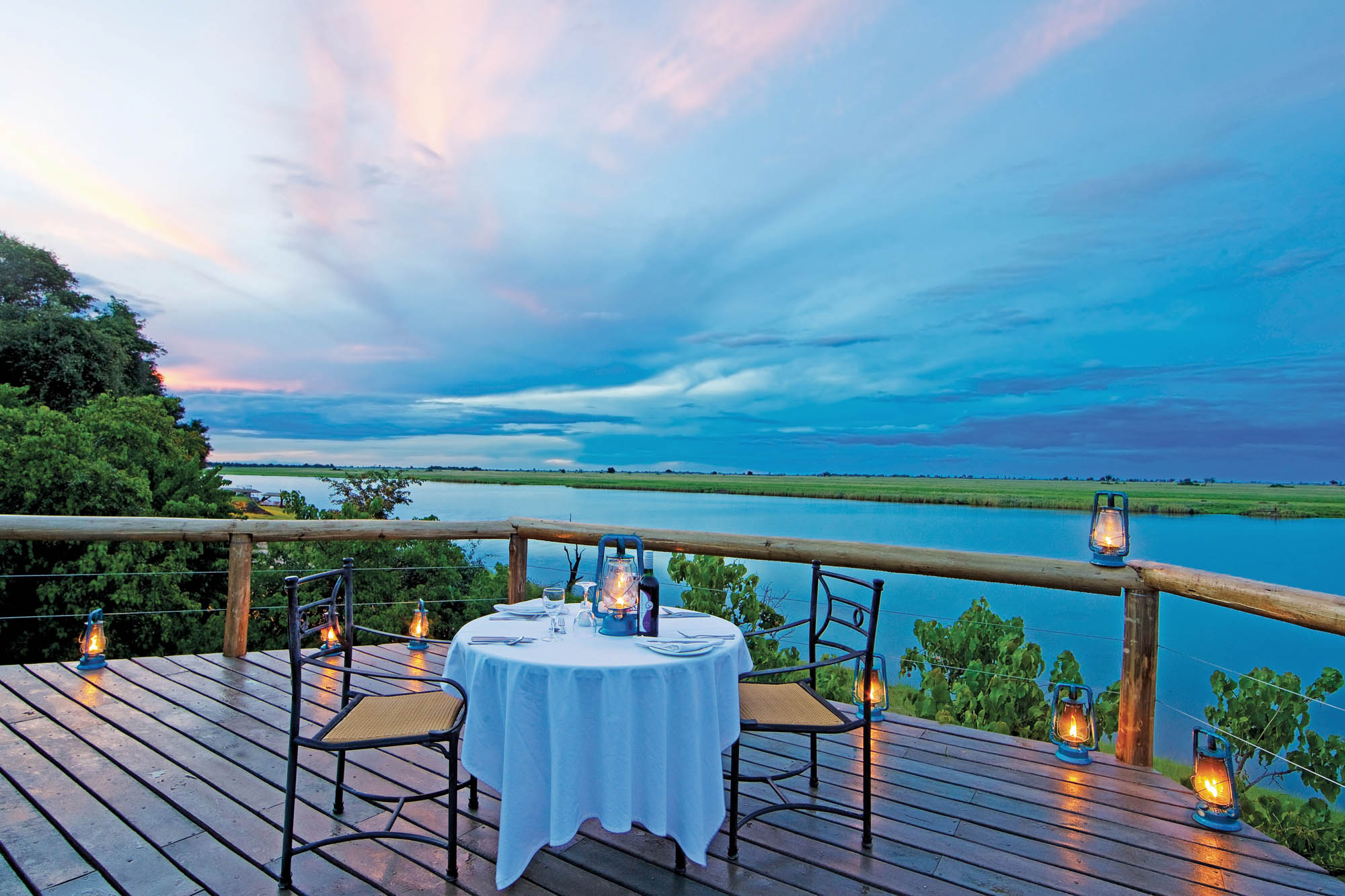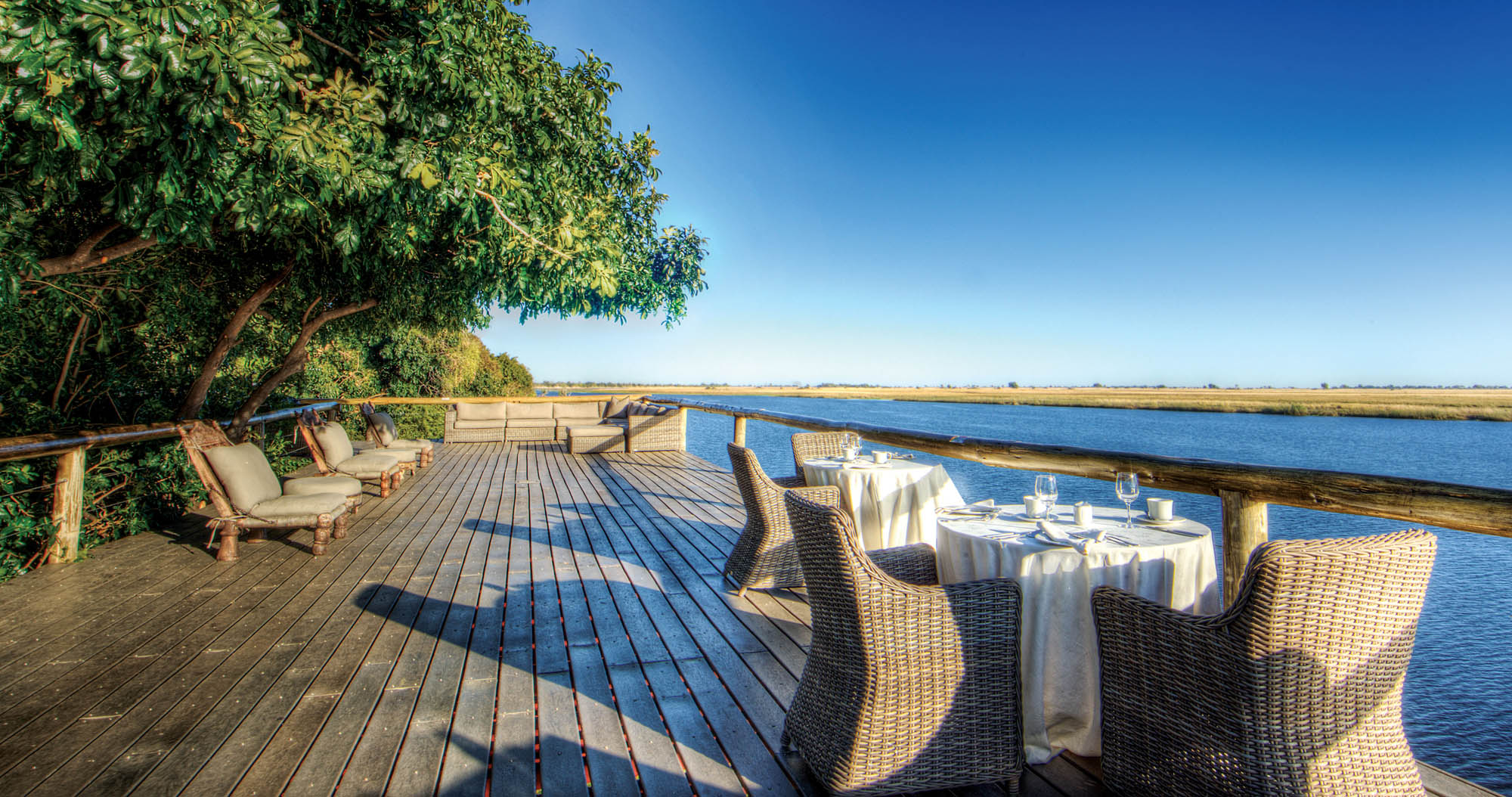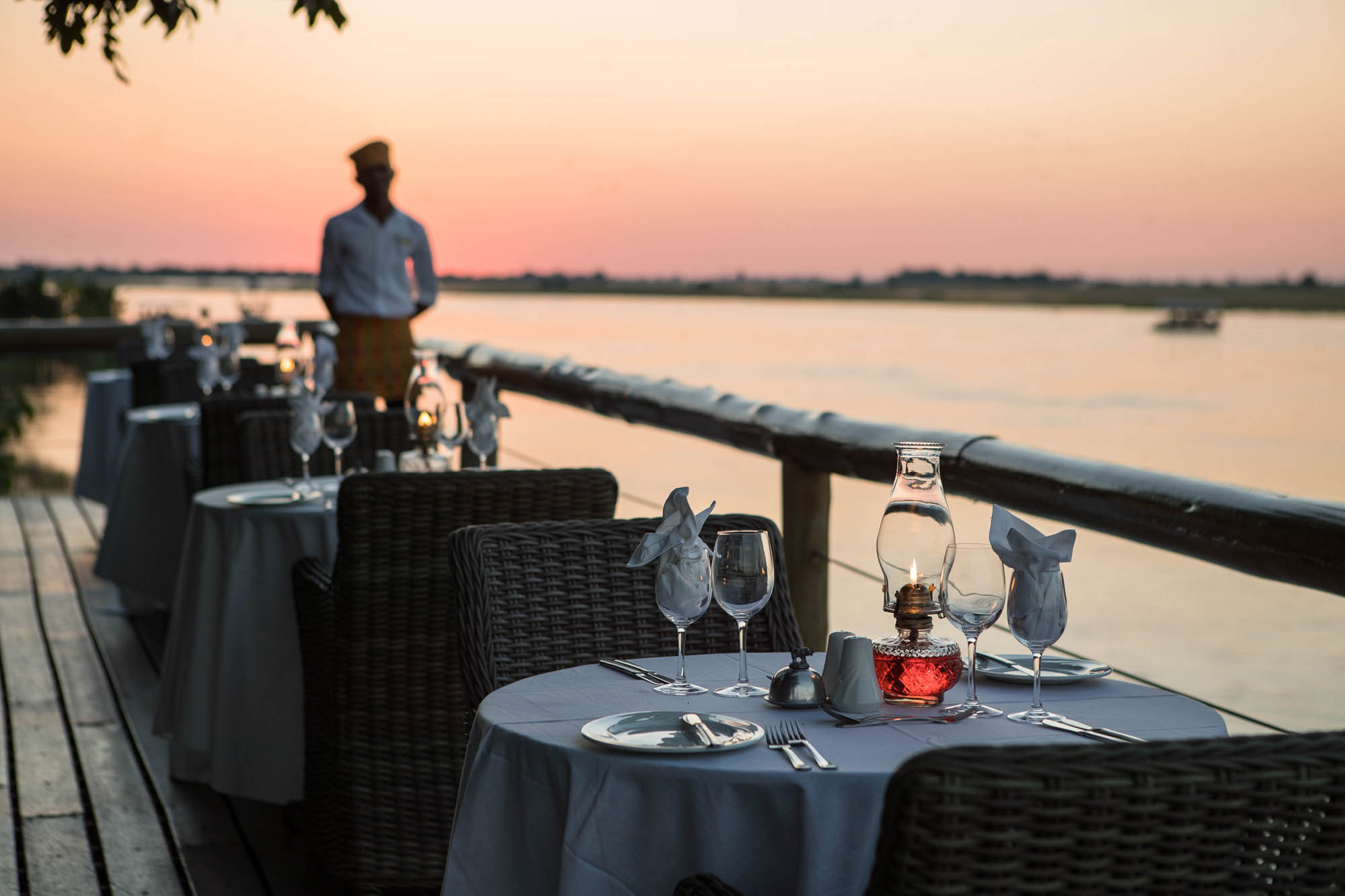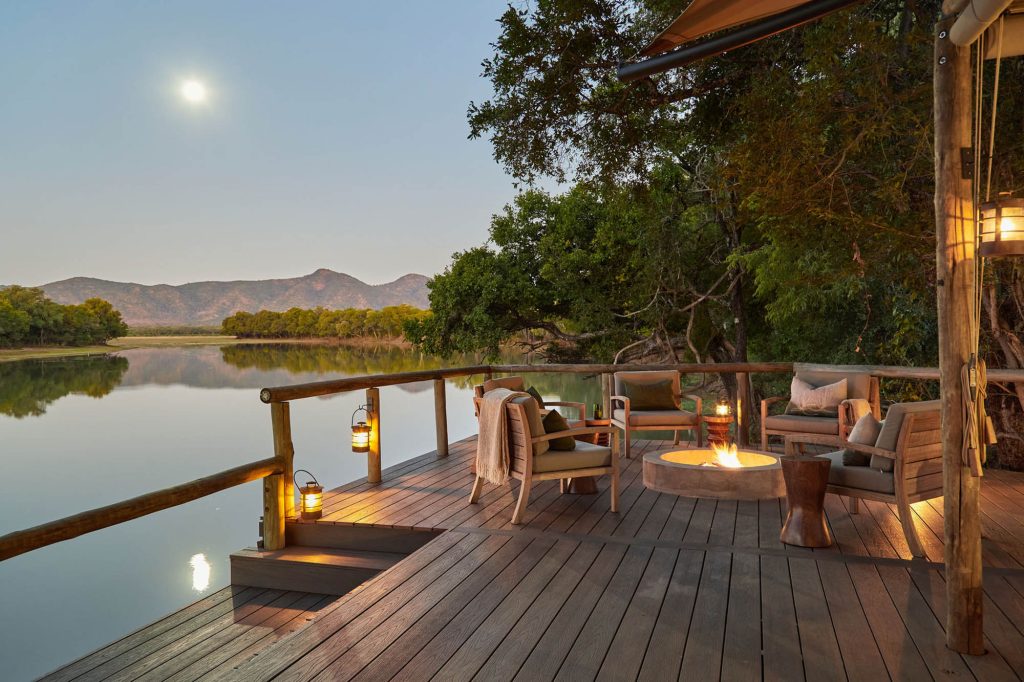
• Skip to primary navigation
  • Skip to main content
  • Skip to footer

Fish Eagle Safaris

Fish Eagle safaris

Contact

Logo
  • About
  • Destinations
  • Blogs
  • Newsletter
  • FAQS
  • Team
  • search
  • Contact
  • About
  • Destinations
  • Blogs
  • FAQS
  • Team
  • Contact

Destinations

Dumatau Camp, Linyanti Concession, Botswana

28th October 2021

Dumatau Camp, Linyanti Concession, Botswana


Image

Photo by Wilderness Safaris

Dumatau Camp, Linyanti Concession, Botswana

Over the years we have enjoyed some of our best game-viewing and most memorable sightings in the Linyanti-Selinda-Kwando region of Northern Botswana. Huge concentrations of elephants, leopards mating, lions hunting, a cheetah kill, African painted dogs pretty much every time – we’ve seen it all in this area.


Image

Photo by Wilderness Safaris

Wilderness Safaris’ Dumatau Camp in particular, has consistently remained high on the list of our favorite camps in Botswana. Set in an ecotone where several habitats intersect – in this case riverine bush and thickets, grassy floodplain and mopane woodland –  the area is a haven for wildlife, particularly in the dry season from about June through October.  The only time that we were disappointed with the quantity of animals there, was during an early December trip when the area had experienced significant early summer rainfall. This disperses the elephants which means that they are not congregated along the Linyanti River and hence not easy to see.  Likewise, the thick bush makes game-viewing for smaller mammals problematic, as it is just downright impossible to see anything in the thickets.  So our best advice is to visit Dumatau no sooner than June and no later than October, to maximize the game-viewing potential.


Image

Photo by Wilderness Safaris

On our very first visit to Dumatau, one night during pre-dinner drinks around the (then) ground-level fireplace in front of the dining room, the mellow atmosphere was rudely shattered when a kudu burst out of the bush into a clearing on our right. Wide-eyed and frantic, it stared at us for a split-second and then scrambled around the fireplace, closely pursued by a female lion. It happened so quickly that we were frozen to the spot, looking at each other in disbelief. The kudu got away, but the incident was much discussed over dinner.


Image

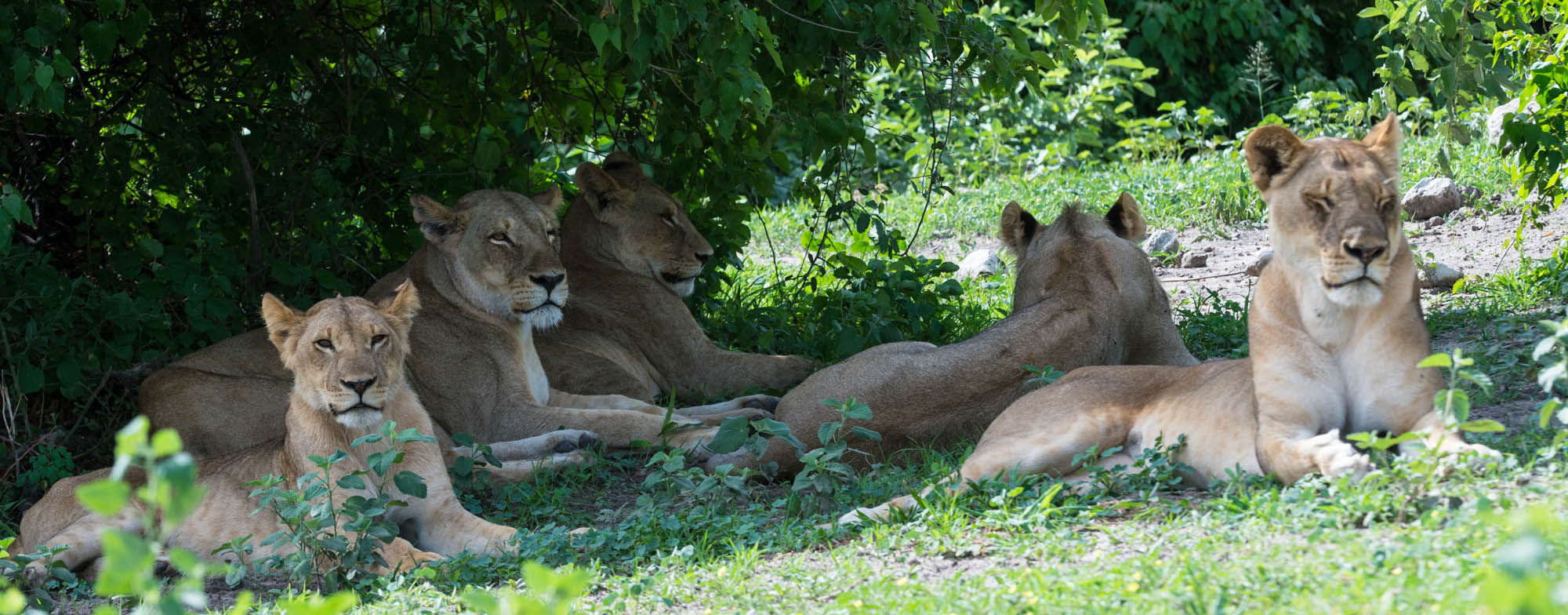
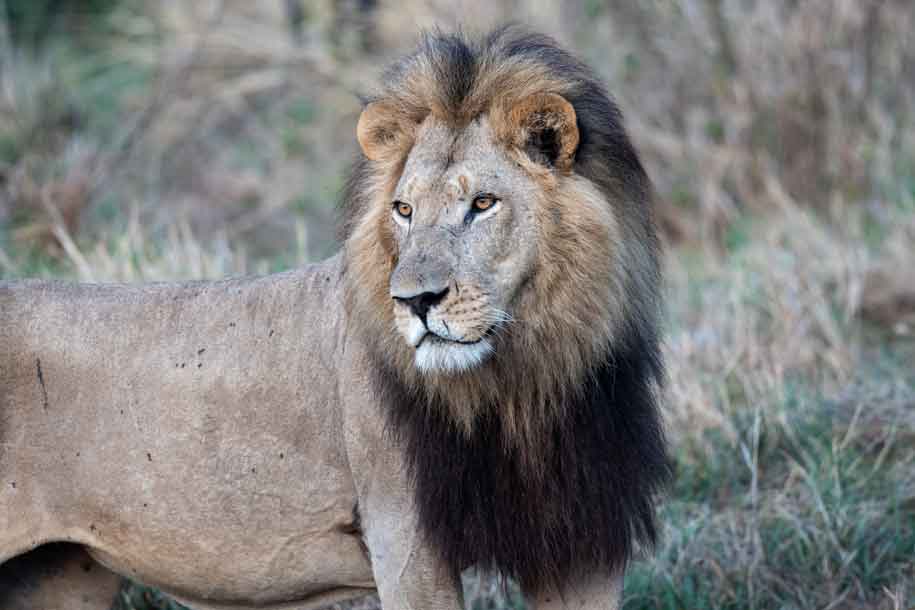
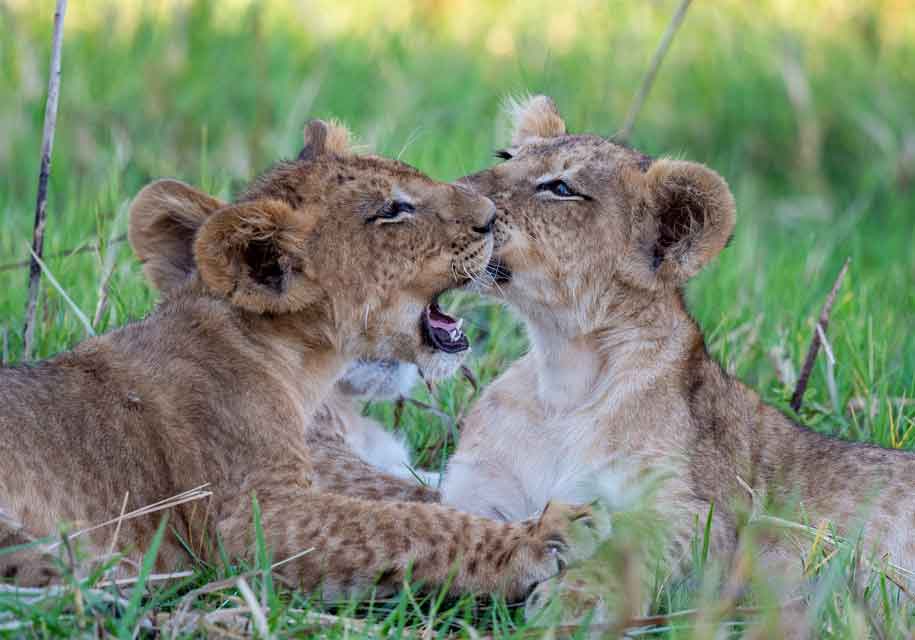
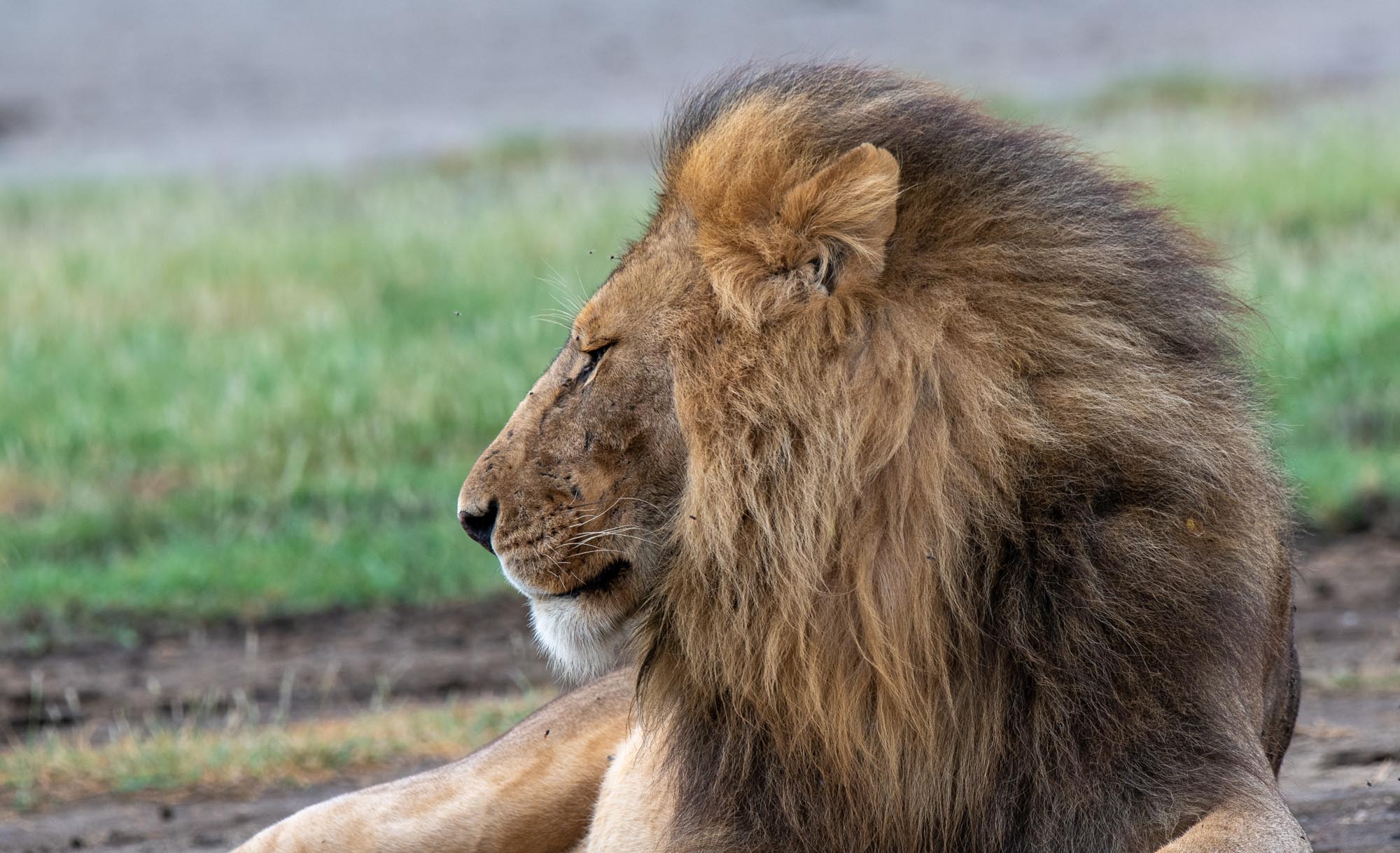
The following day, an afternoon game drive along the tree-line provided some excellent close up views of lions which were lying up at the base of an anthill. This particular pride consisted of three young males, three females and three young cubs. We marvelled at the close-up views, scrutinizing scars both old and new on the bluish-golden skin and trying to fathom the intent of the flat glare in the several sets of yellow eyes fixed on us.


Image

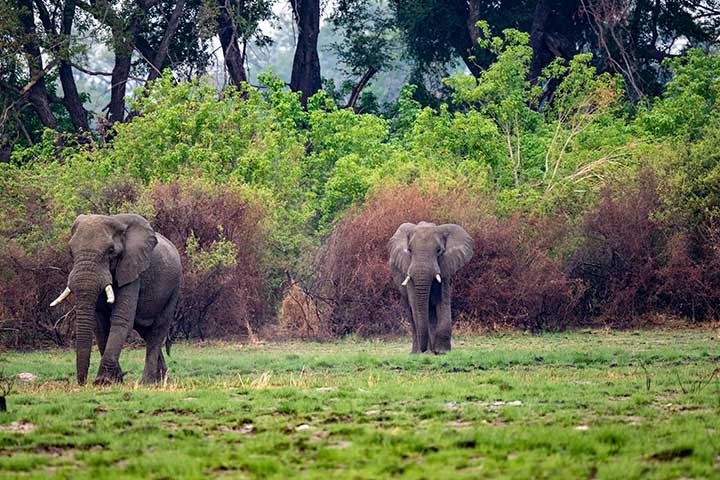
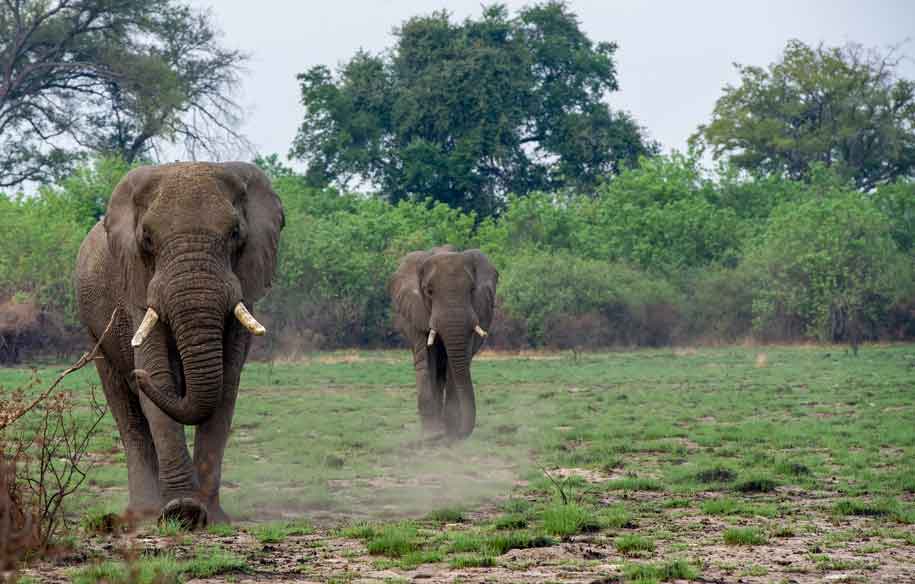
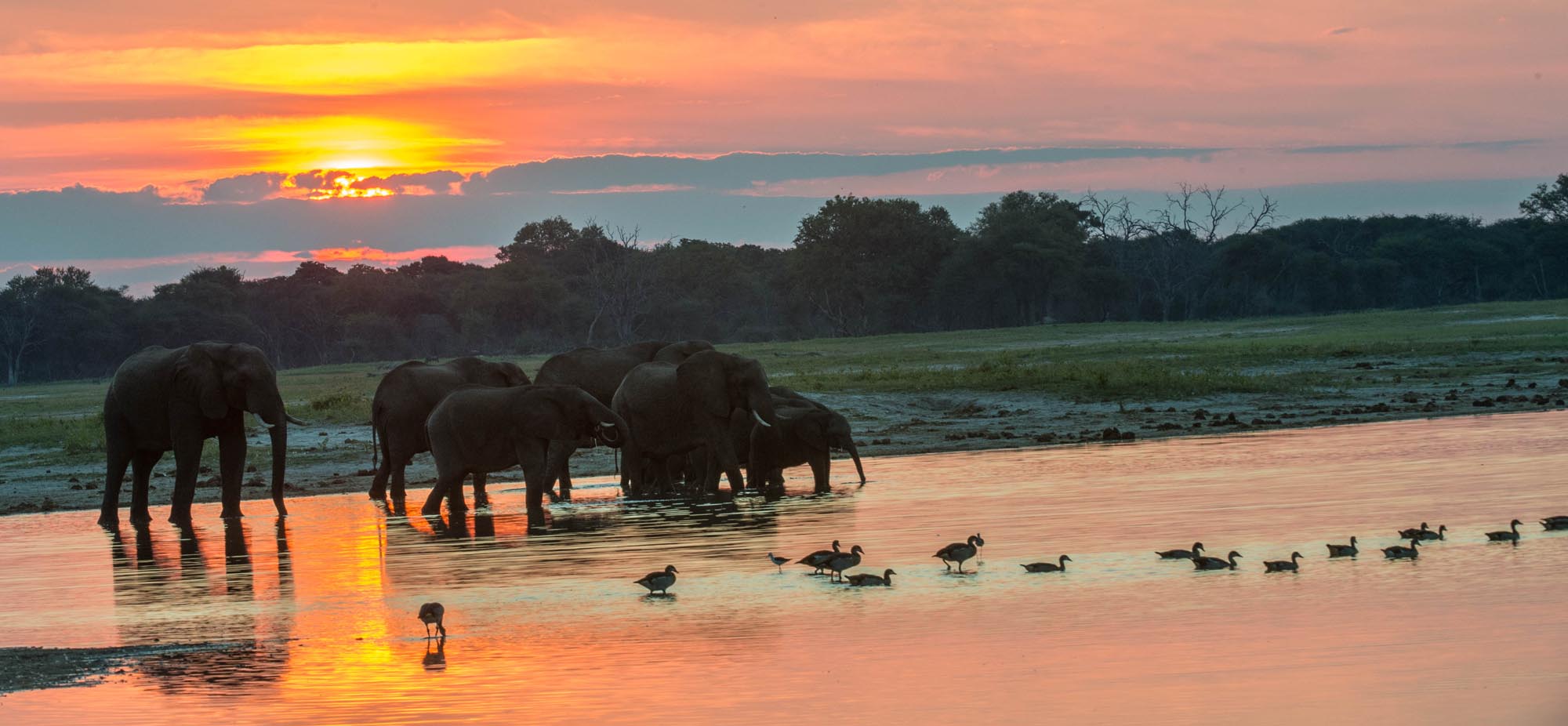
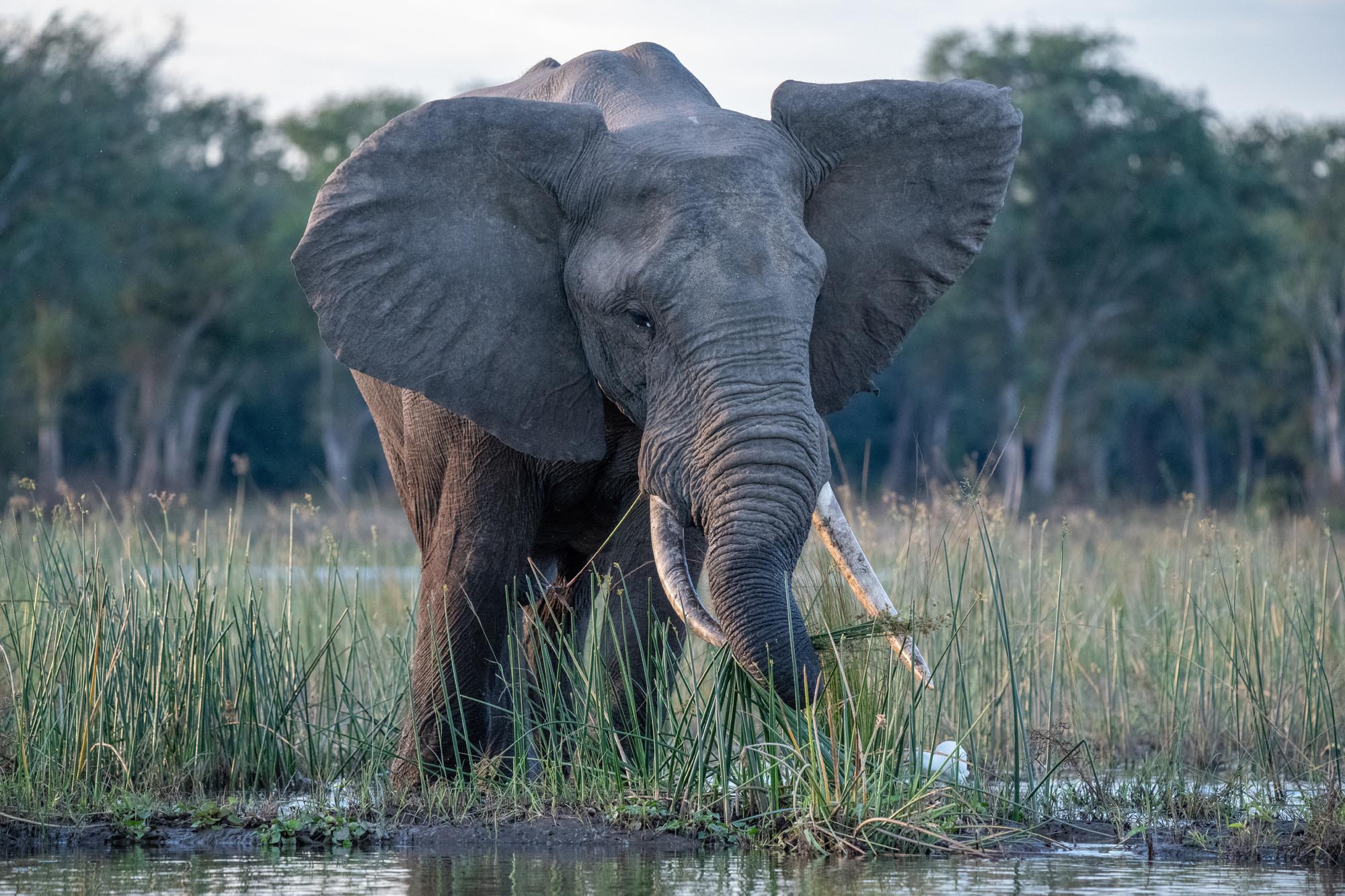
From there we drove down to the Zibadianja Lagoon, where there were literally masses of elephants drinking at the waterside, one group changing places with another in what seemed like a carefully choreographed parade. More and more elephants would emerge from the trees, speeding up as they caught sight of the water. There was dust and water flying everywhere and with the sun setting in the background, it became a tableau of silhouettes against hazy, golden light. Very ‘Africa’.


Image

Photo by Wilderness Safaris

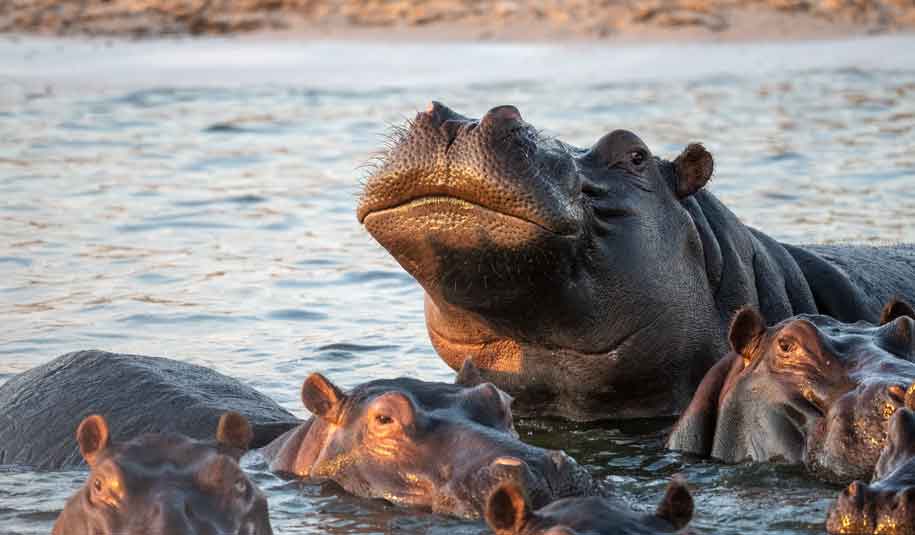
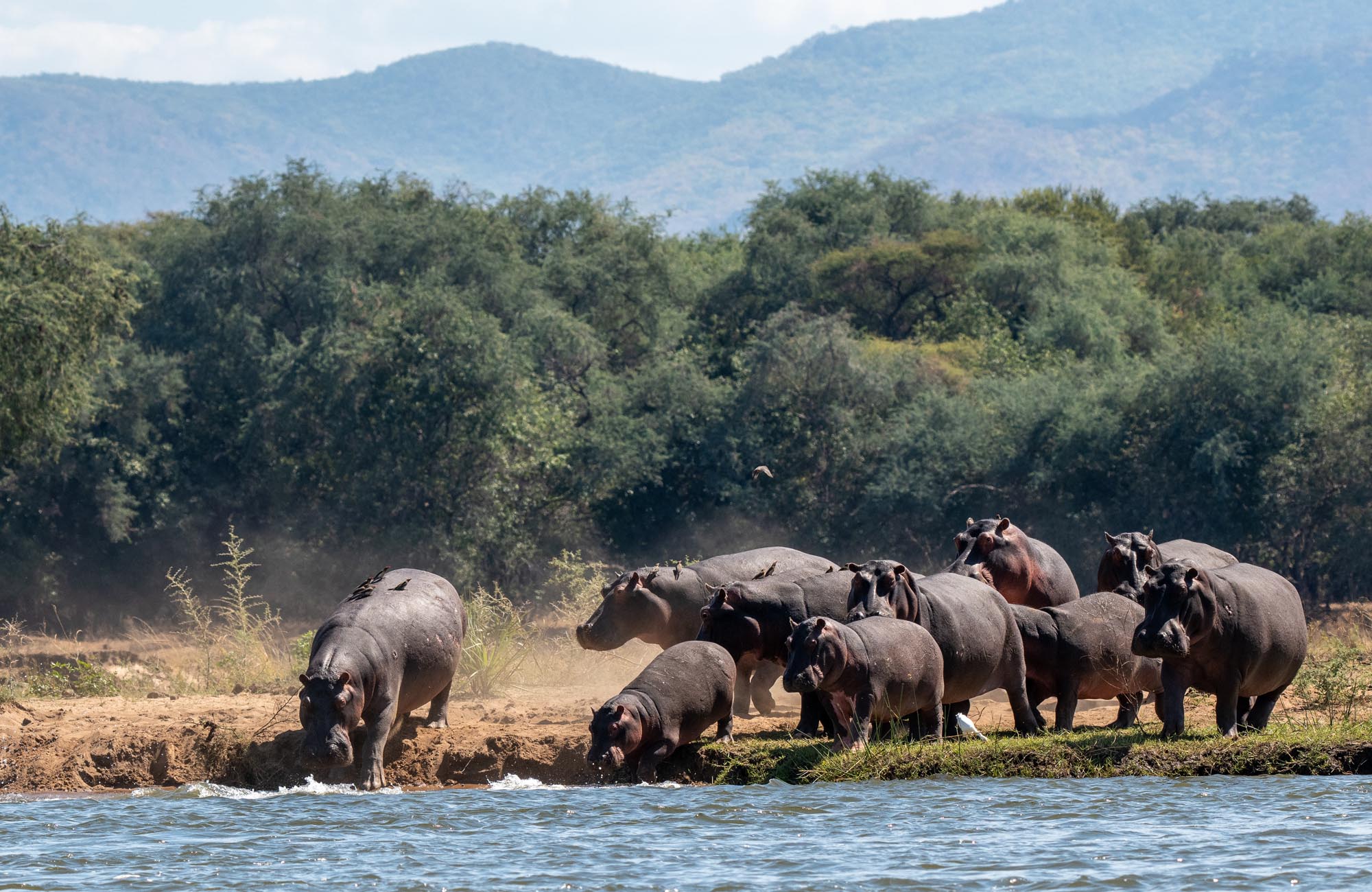
We stopped for a while at a hide overlooking the source of the Savuti Channel, identifying a variety of wading birds and watching a pod of hippopotamus, to use the currently popular collective term. As our guide had predicted, one of the hippos performed a maneuver which none of us had ever seen before: it rolled around completely from a standing position, flashing its short, stocky legs and pale pinkish belly. It was now late afternoon and the hippos were starting to stir, calling at each other in anticipation or preparation of emerging from the water for their nightly foraging.


Image

Photo by Wilderness Safaris

At around 10 pm most of the guests were again assembled around the open fire. Tim and Robin were the first ones to say good night, preparing to return to tent # 3. They declined an offer from one of the guides to accompany them to their tent. “We’ll be fine, it’s not far,” said Robin as they took their flashlight and started up the path. “That’s what the last nice couple said,” the guide joked. Because of the earlier activity in camp, a guide went ahead to check the path anyway. There was a pride of nine lions not 10 meters away, busy crossing the path, the males so big they had to duck under the balustrades. Watching the lions move away we all made mental notes never to decline an escorted walk back to one’s tent at night. When we later heard that Dumatau means ‘roar of the lion’, we were not surprised.


Image

What can be said about Dumatau, can be said about Northern Botswana.  Every trip we take there underscores our long-held opinion that it is one the best game-viewing destinations in Africa.  On our best ever 10-day Botswana trip, Kathy and I saw close to 50 lions – twice seen hunting – once for buffalo and the other time for kudu. We observed leopards on three different occasions including one with the remains of an impala in a tree and another one with a youngster frolicking alongside. African wild dogs were likewise seen three times, once just seconds after they had taken down an impala; and cheetah twice, the latter sighting of a female knocking down and ‘delivering’ an impala to her five youngsters. She patiently waited in the shade until they had their fill, before she moved in and fed herself, keeping a wary lookout as the vultures started moving in. There were many other fantastic sightings including scores of elephants, magnificent sable antelope, a martial eagle on a fresh impala kill, an incredible scene at one of the camps with as many as 23 giraffe in one area, all staring at two cheetahs walking by; some superb night drives (including my first ever sighting of aardwolf ), and more. 


Image

Photo by Wilderness Safaris

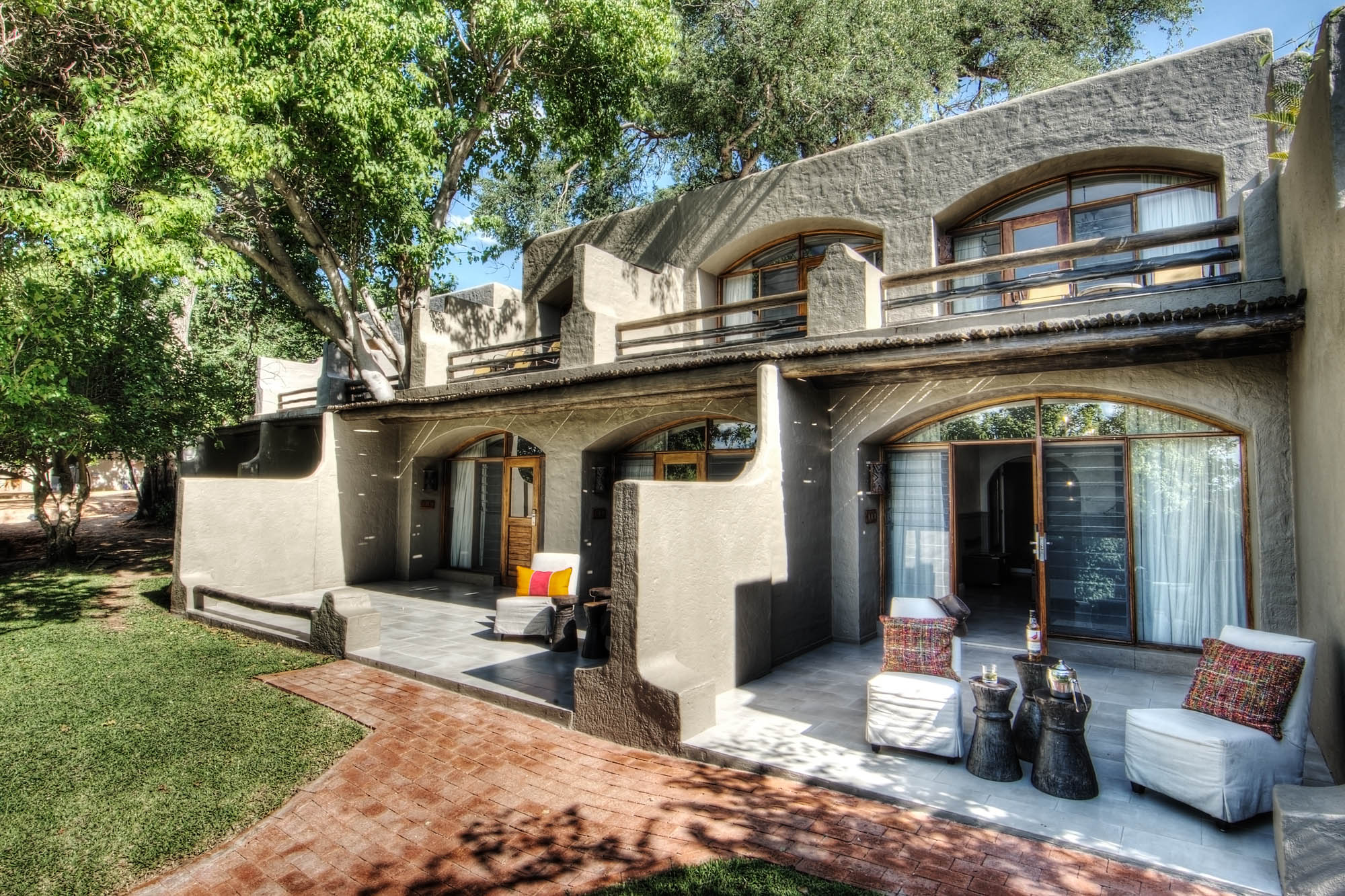
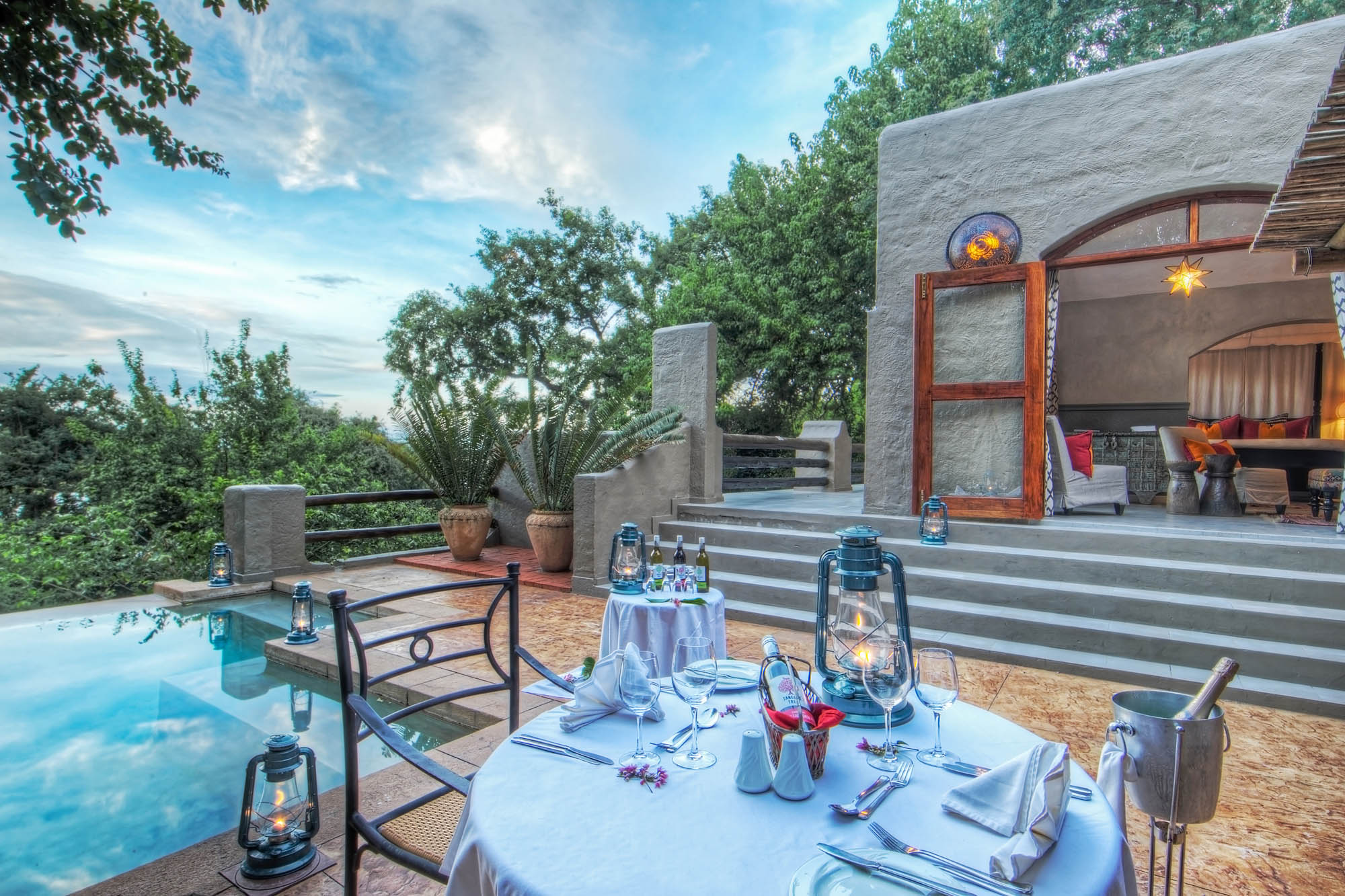
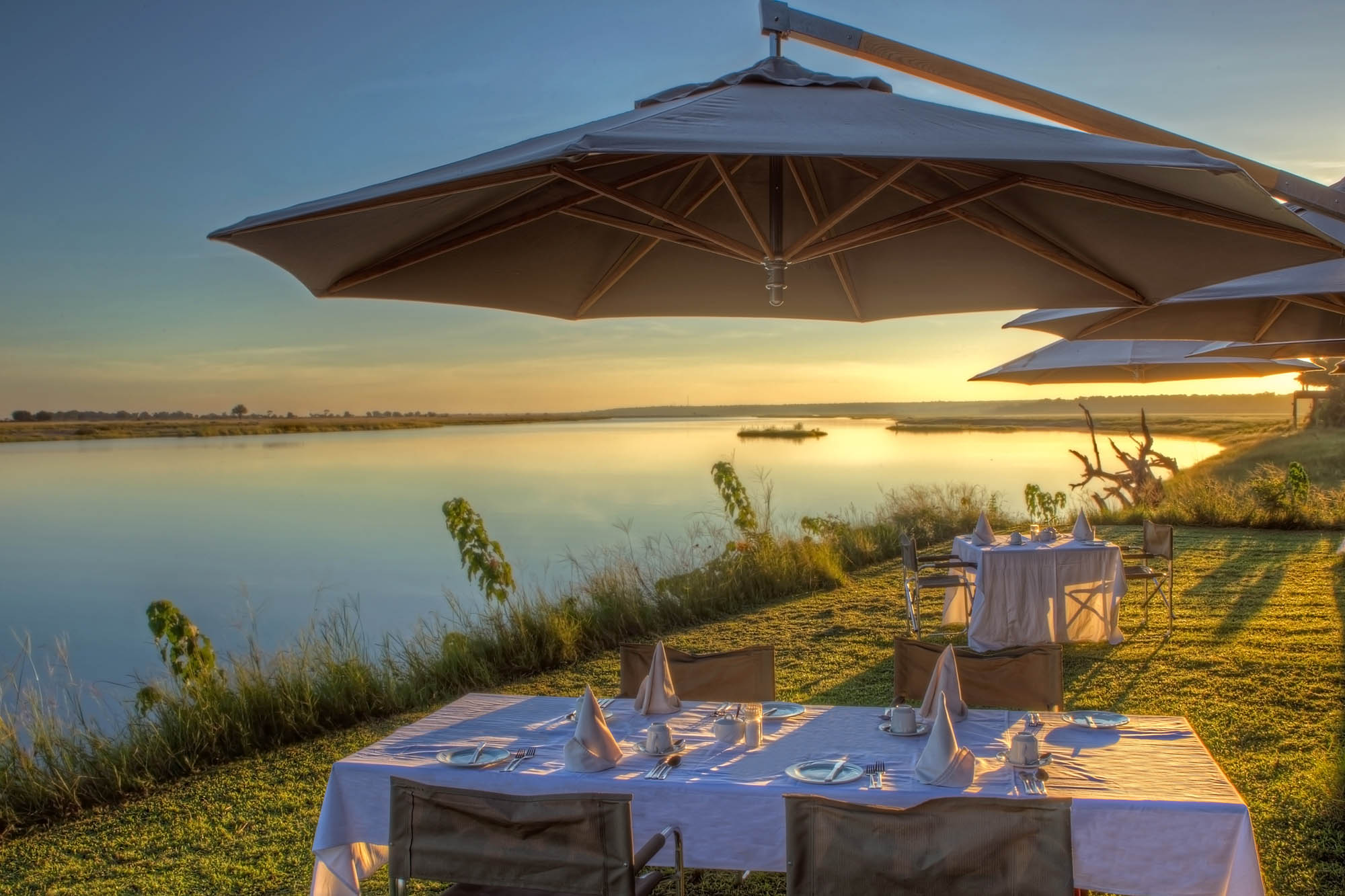
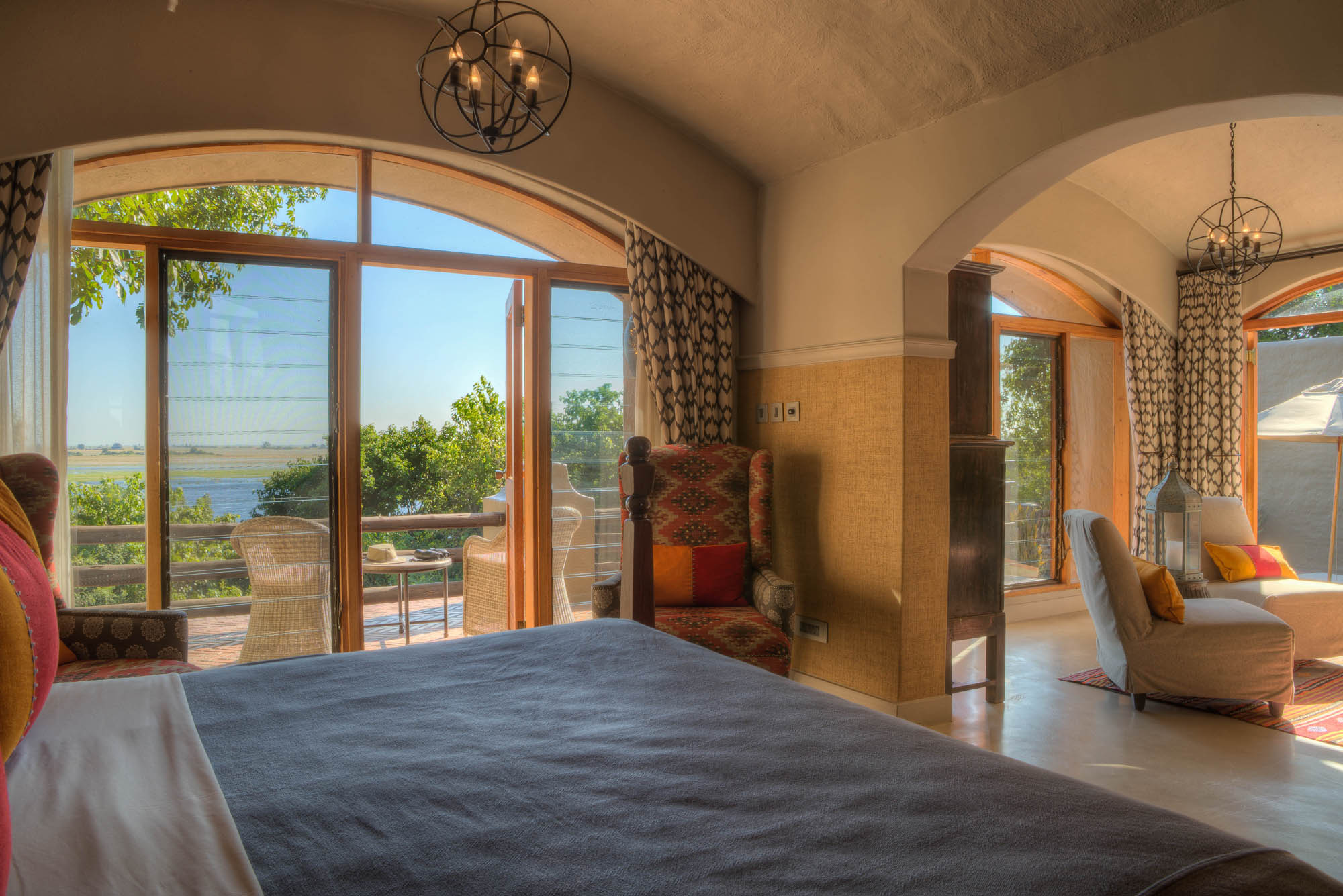
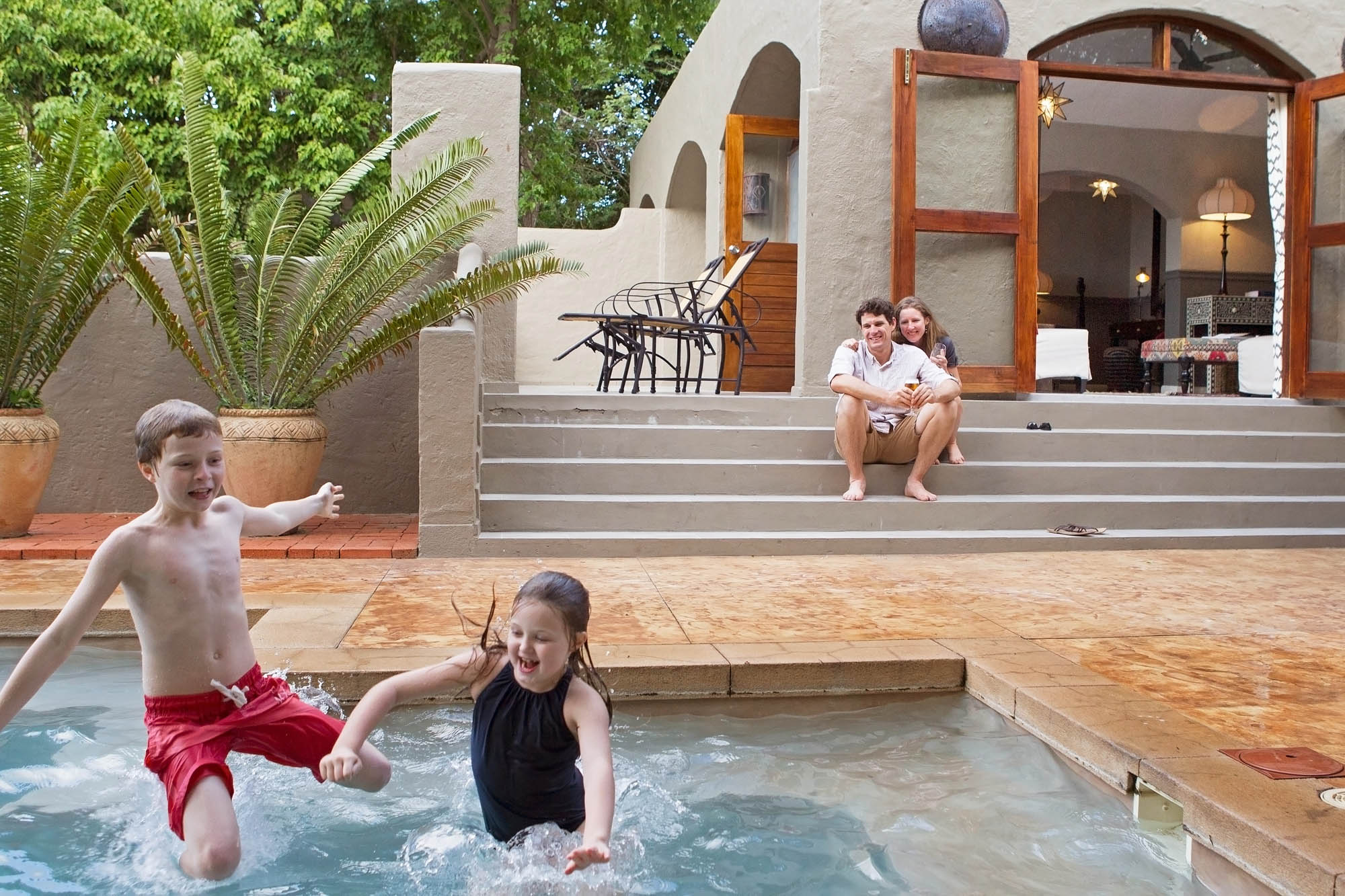
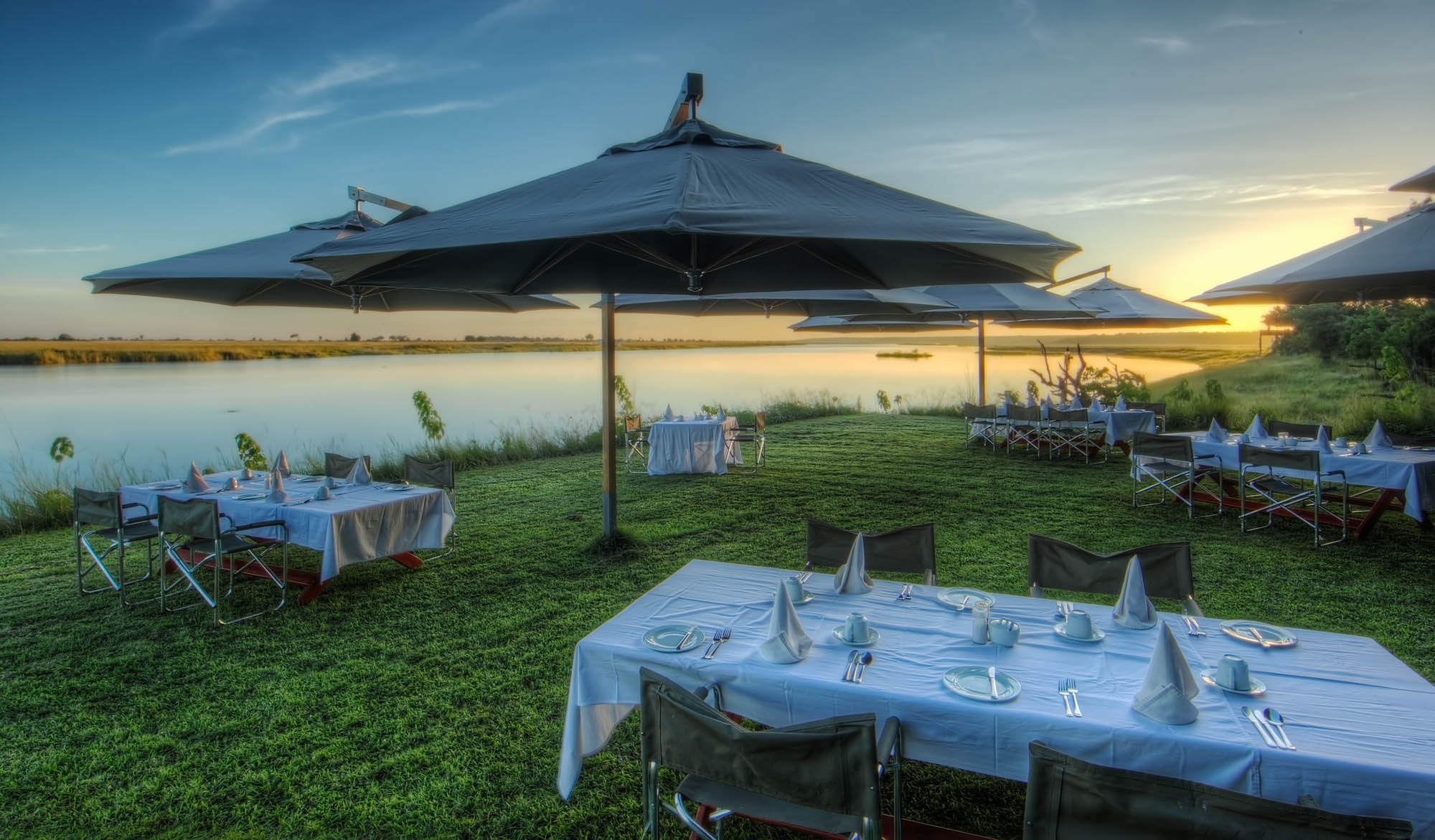
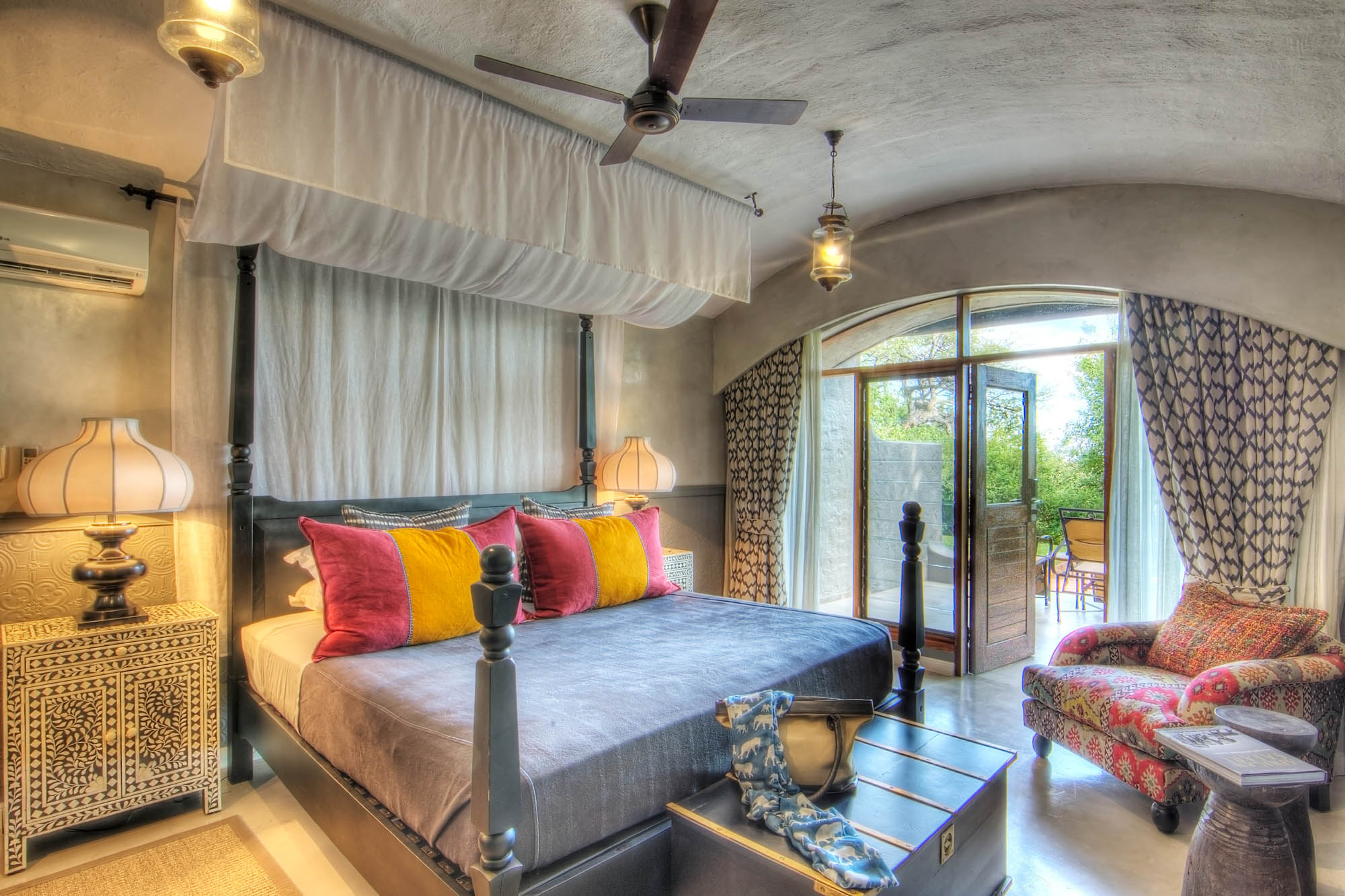
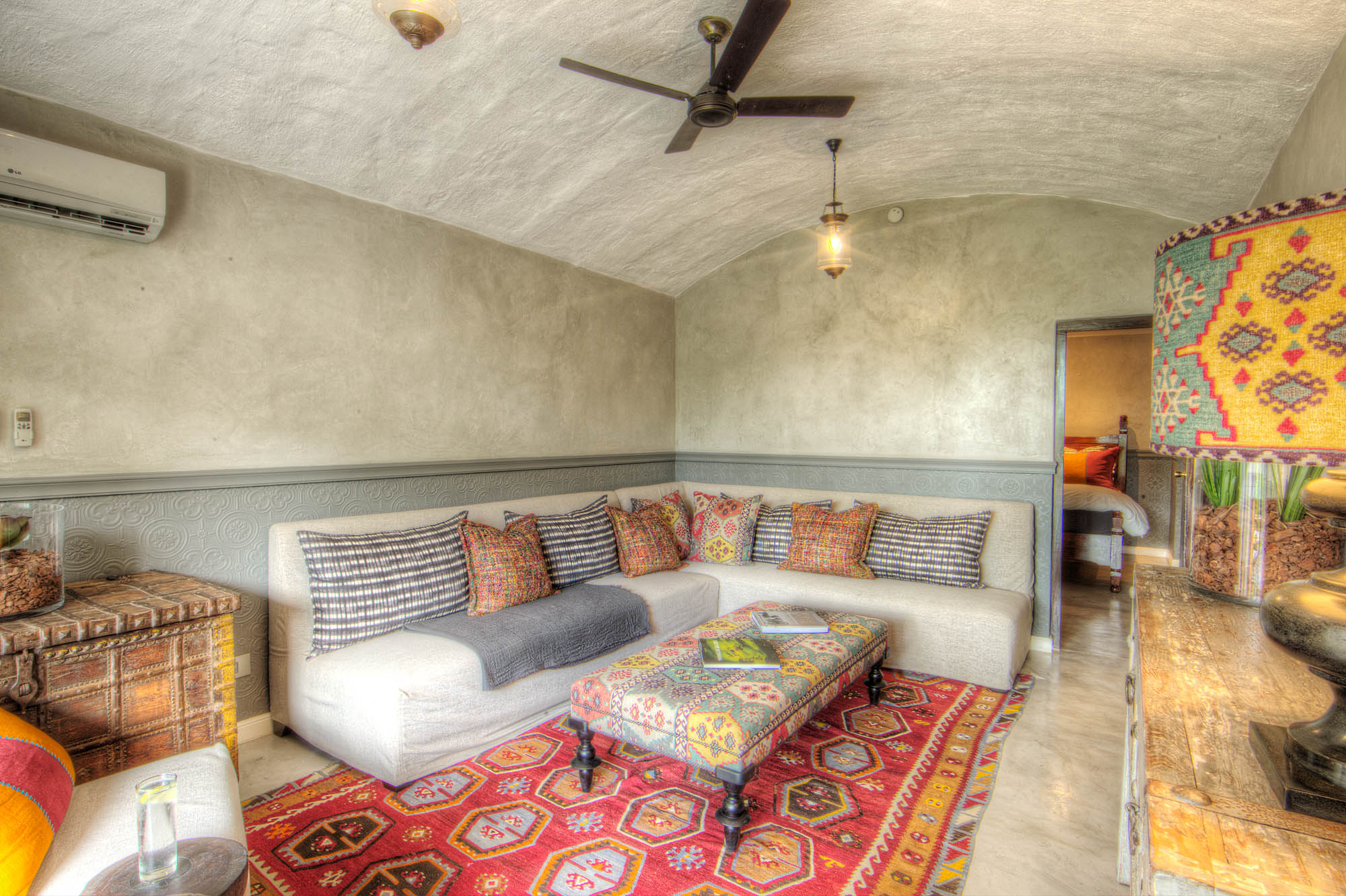
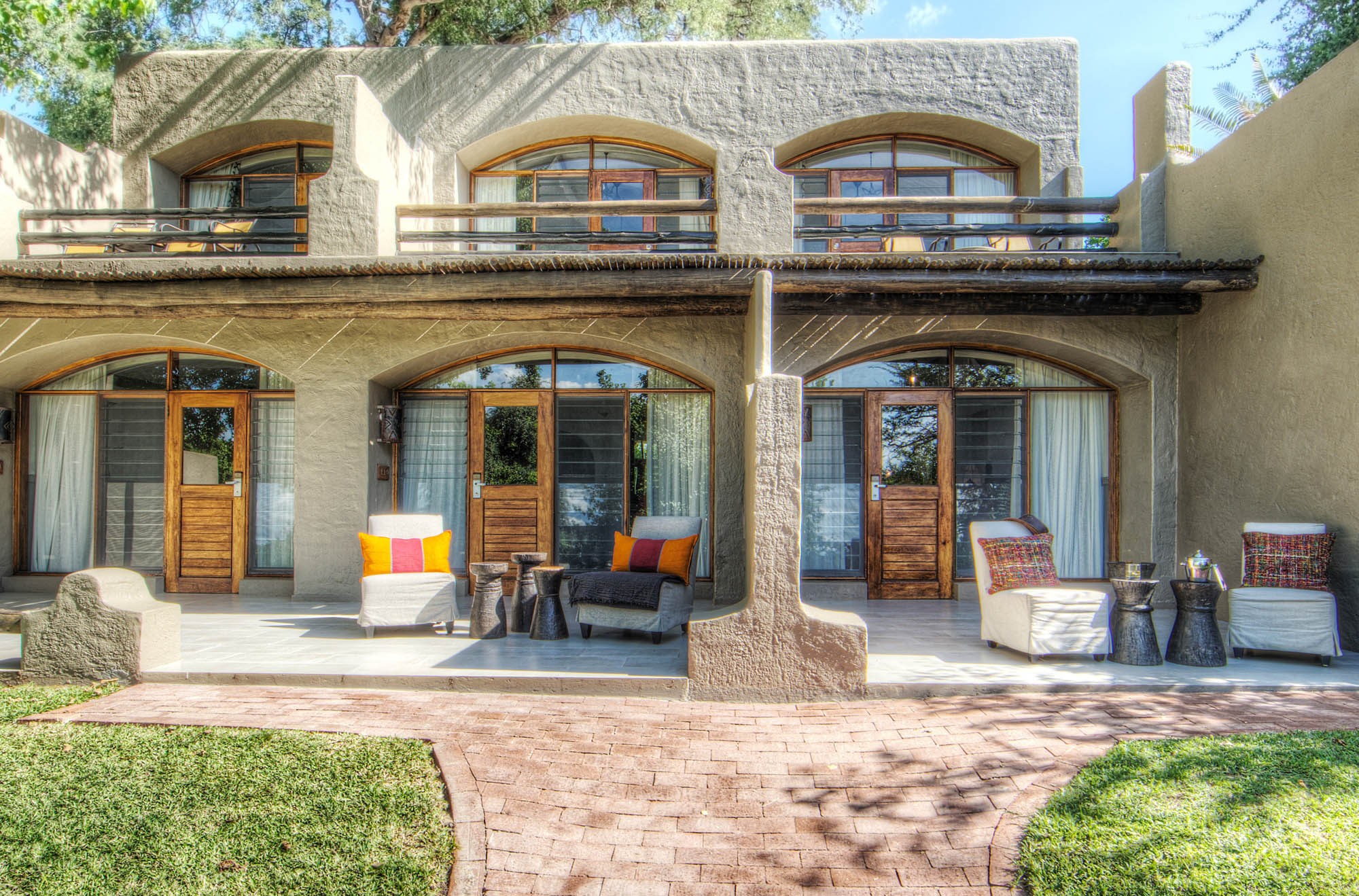
On a recent trip (July 2021), Fish Eagle Safaris’ Lyndon and Christine spent a couple of nights at the newly rebuilt Dumatau Camp, now solidly in the premier/deluxe category.  The first thing that strikes you on arrival at the new Dumatau is the magnificent main area and location overlooking the Linyanti River.  The deck is large with multiple locations to take a seat and spend some time in between game drives looking for elephants to cross or observing anything that might come to get a drink of water.  The three-sided bar is one of the focal points but there are so many different areas within the main area that it is hard to single any one of them out.  The elongated deck which juts out into the water is also eye-catching and really stands out at night when it is lit by bonfire light.  The rooms are equally breathtaking, very large and luxurious, private plunge pools, snack jars full of dried meat, personal coffee, and other amenities.


Image

Photo by Wilderness Safaris

In a nutshell, everything you ever wanted in a safari lodge and more. Elegant, exciting, fun to hang out in, an inviting bar plus several cozy, secluded corners for private dinners. You could spend three nights here without having two meals in the same spot. The variety of food, preparation and presentation were excellent and every bit the equal of several deluxe properties we had visited previously.


Image

Photo by Wilderness Safaris

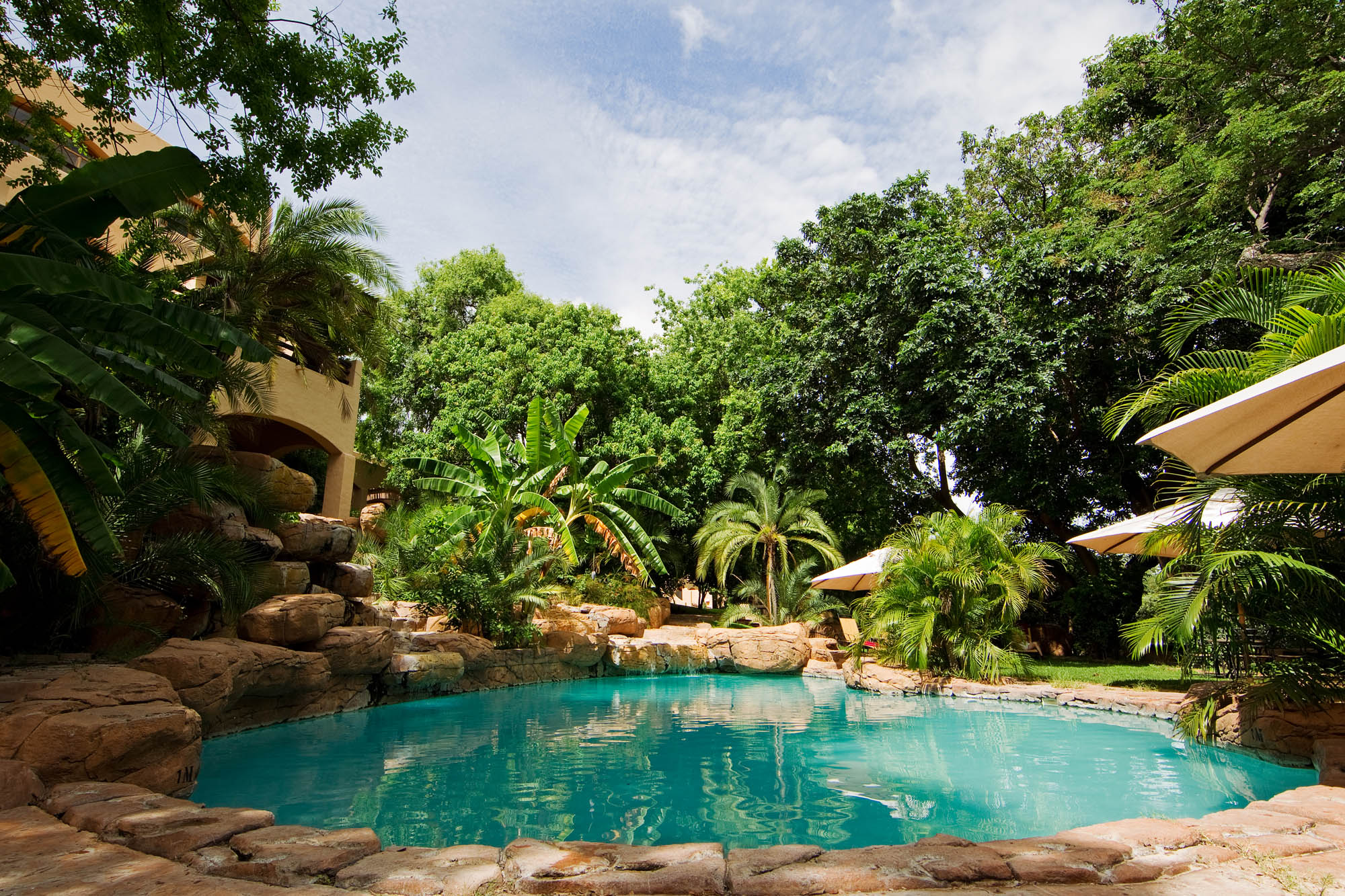
The main pool is just a short walk from the main area on the elevated boardwalk.  During the warmer months it would be an ideal place to relax and pass some time while reading a book, always with one eye towards the river lest you miss something.  The gift/curio shop is just adjacent and the spa is a short stroll away.  

Villa Maua


Image

Photo by Wilderness Safaris

But beyond just being fun and exciting, we enjoyed the beautiful surroundings and the complete privacy. There was not a person or another boat to be seen or heard in any direction. We had miles and miles of river, marsh and lagoon all to ourselves. That is what makes the private concessions in northern Botswana so special. You just flat-out don’t have to deal with anything like the numbers of visitors and presence of other vehicles which often mar the experience in other more heavily visited safari destinations.


Image

Photo by Wilderness Safaris

An interesting activity which we tried out for an hour or so is a launch or pontoon cruise. The vessel which takes up to 15 or so passengers is able to cruise along the Linyanti River comfortably and smoothly, either up or downstream from Dumatau, and is ideal for brunch or sundowner outings.  In fact we were able to watch our chef prepare the food for us on a small open fire just behind us on the boat.  We would encourage all our clients to try this activity at some time during their stay at Dumatau. The pontoon boat provides a safe and stable platform from which to view and photograph hippos and crocodiles, and it is perfect for observing elephants swimming across the river, fortunately a fairly frequent occurrence in the dry season.  

YOU MIGHT ALSO BE INTERESTED IN

Destinations
Zambia

10th September 2021

Chindeni and the Bushcamp Company, Zambia

By late July we found ourselves at Chindeni, a small Bushcamp Company property
Read more
Botswana
Destinations
Okavango Delta

3rd October 2022

Camp Okavango, Botswana

Camp Okavango is in the heart of the permanent part of the Delta. In this idyllic setting there are no vehicles, and it is just a short walk
Read more
Area
Destinations
Nyerere National Park
Ruaha
Tanzania

14th October 2023

From My Safari Notebook: Wildlife Photography

Birds in flight and wildlife photographers have an uneasy relationship. Things go wrong as often as they go right. Getting focus-lock on a moving subject

Read more

SUBSCRIBE TO OUR NEWSLETTER

READERS FAVOURITES

Destinations
Zambia

10th September 2021

Chindeni and the Bushcamp Company, Zambia

By late July we found ourselves at Chindeni, a small Bushcamp Company property
Read more
Botswana
Destinations

4th August 2022

On Safari At Belmond Eagle Island Lodge, Okavango Delta

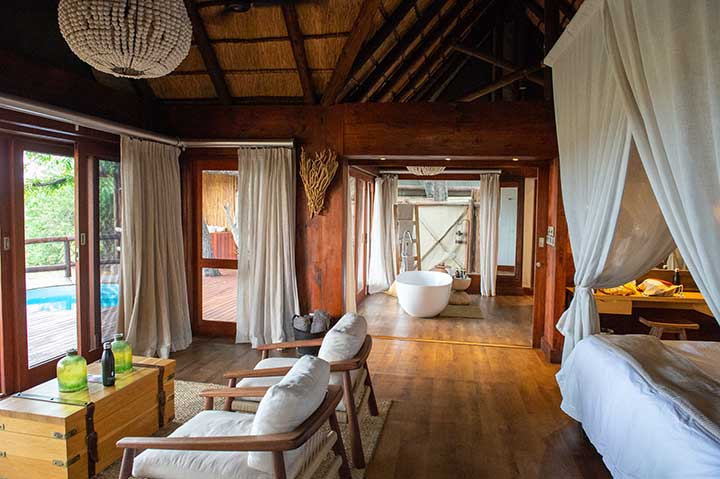
What is the ‘secret sauce’ for an unforgettable few days on safari in Botswana? It starts with the animals, of course. The elephants, lions, giraffes, hippos
Read more
Destinations
India

27th May 2023

India

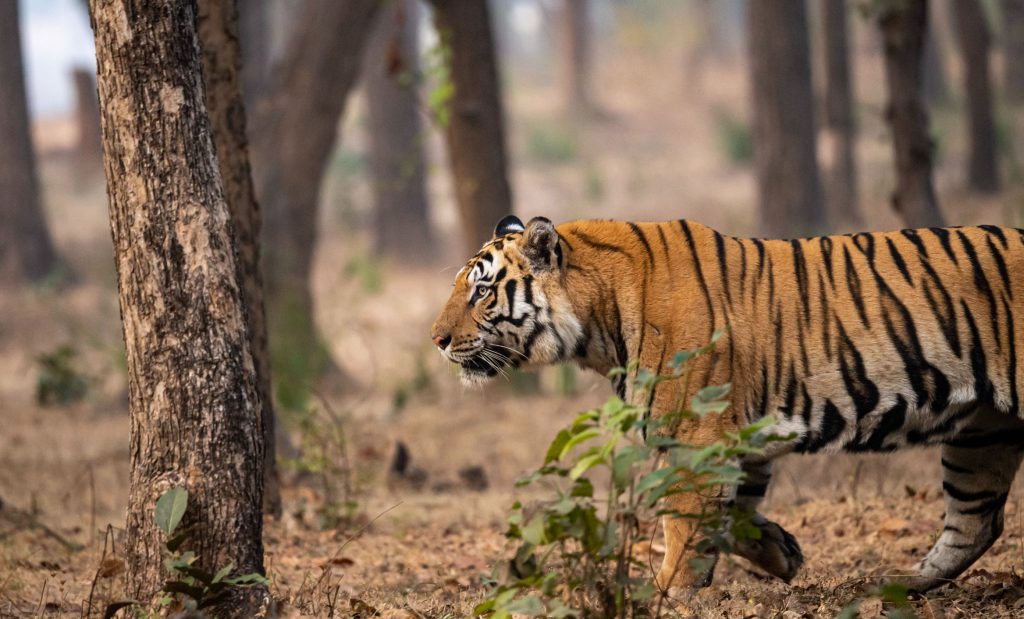
India’s tiger, mammals and birds.

Read more

Zarafa Camp, Selinda – Botswana

21st October 2021

Zarafa Camp, Selinda – Botswana

I experienced the magic of Zarafa some years ago when I traveled to Zarafa by boat from Selinda. It was an interesting and sometimes adventurous journey. The skipper on the typical aluminum skiff (seemingly in use everywhere in Northern Botswana) had his hands full finding his way through some thick reed patches. Every now and then he’d run into a dead end or an impenetrable patch, and we’d have to divert. Without too much of a delay, though, we made it there and it was definitely worth the trip.

Zarafa has very impressive, massive rooms, essentially three tents stitched together, resting on a raised reclaimed railway sleeper deck. The camp has an old-fashioned 1920’s safari feel complete with safari equipment such as a professional quality Canon camera and premium binoculars in a foot locker. It epitomizes the romantic Botswana safari touch, much sought after by so many visitors to the area.

Being a runner, I was thrilled to see – and utilize – the outdoor gym with its treadmill which looks out over the floodplain. On safari, exercise options are scarce so I was really happy to be able to fit in a couple of 5k runs, during my stay. Beyond that, the main camp area has a sizable main lounge, a library, dining area and bush boutique. Despite its luxury appointments, Zarafa Camp maintains the perfect balance between luxury and adventure. In line with Great Plains Conservation’s ethos and practice at all their camps, Zarafa has sterling environmental credentials. The camp’s construction consists of recycled hardwoods and canvas. All the camp’s electricity comes from its solar farm, and a biogas system converts vegetable waste into usable cooking gas.

On their more recent visit this summer, Fish Eagle Safaris’ Lyndon and Christine arrived in more typical fashion: on a light air transfer from Great Plains’ Duba Plains camp, with a quick stop to pick up some guests at Khwai. All in all the trip took a little less than an hour. On arrival they were met by their guide Joseph who drove them the short distance to the camp.

Here are Lyndon’s impressions of the property: “Zarafa has an elegant presence overlooking the Selinda Spillway. The rooms are luxuriously appointed. I really liked their open and bright layout with the sunlight filling the room.

At the entrance of the rooms are those large wooden doors you might see around Zanzibar. In the first section of the lounge there’s a leather couch and chairs, mini-bar and tea station, a trunk with among other things some yoga mats and a set of binoculars for the room. There is also a charging station and a desk and chair which comes in handy for the occasional journal entry. Outside the tent? A plunge pool and a couple of lounge chairs. Through a partition is the other half of this splendid room. A king size bed lies in the middle, the sink and shower a bit further in. Between them is a novelty, a gas-powered flame room-heater. Useful during the cold winter nights and mornings.

As we experienced at the other Botswana and Great Plains camps the hospitality is excellent. The entire camp staff is so genuinely friendly and quick to assist in any way. By the end of our stay we were sad to have to say our goodbyes to everyone.

The concession where game drives are conducted is quite different than at Duba. This area is not directly within the Delta although it is traversed by Delta water in the form of the Selinda spillway. The concession has both large dry areas and large wet areas where the river forms sizable lagoons before continuing into various smaller channels. Much of the general game is similar (to the Delta) with the area dominated by red lechwe and a healthy population of elephants.

We were fortunate on our first game drive to arrive in front of a large body of water just as a family of elephants came in from the mopane forest for their evening drink. They had some very young ones with them and while our presence was tolerated it was evident that the older females did not appreciate it. No worries as long as the animals are not startled by sudden movement or loud noise. Elephants, especially in large numbers, are endlessly entertaining and 15 minutes can turn into an hour in the blink of an elephant’s eye, to get you lost in quiet observation.

Zarafa’s meals were patterned along the same lines as Duba which meant we were served a delicious combination of four salads and one protein for brunch. Dinners were excellent. On our first night I had a ‘melt in your mouth’ beef filet and the next night some very tender pork. I can say with certainty that all the Great Plains properties served some of the finest if not the finest meals I have had while on safari.

As a whole the game viewing wasn’t quite at the level of Duba Plains but it is still top notch and the highlights from Zafara stack up with anywhere else. One morning our guide spotted a female lion in the distance on an island. We crossed some high water to discover that she had four young cubs with her. Then her stance flipped from relaxed to focused as she spotted a lechwe that had become separated and hence vulnerable. We watched in awe as she slowly stalked the antelope while her cubs seemed on the precipice of ruining all her work by frolicking and playing with each other. In the end it was not enough to save the lechwe and we saw in the distance as the lion made its move. It had gotten quite close and after a short chase brought down its prey masterfully. Truly stunning to watch from beginning to end.

After a show like that we assumed we had used up our fair share of luck for the day, or perhaps week, so when Joseph spotted some leopard tracks we were pleasantly surprised. He went on to track it for what seemed to be an eternity. Then he took out his binoculars to scan the area and spotted the quarry sitting still in a bush on a raised mound. A singular guiding accomplishment! We again crossed some deep water and again watched as the cat spotted a potential meal. This time the antelope – a reedbuck – spotted the lurking danger and escaped. We followed as the leopard skulked off and eventually found a tree to its liking that it hopped onto, posing for some pictures on each branch.

We were also able to do an evening boat activity from which we observed three adult male elephants feeding on floating grass and water lilies in some deep water. One in particular made for a great photo opportunity as many of the lilies got tangled up on his tusks, as he continued to feed. On the same ride my wife and I did a little bit of fishing. Each of us caught a couple of tiger fish even though they become more active in the hotter months such as September and October.

It was another fantastic stay with Great Plains and I am coming home very impressed with the experience. They really checked all the boxes and if you are able to work in some of their camps in future itineraries, I am sure you will feel similarly.”

A CHEETAH HUNT – AND KILL
On Bert’s earlier visit to Zarafa, he witnessed his first cheetah kill. Here is how it went down:

Our afternoon game drive was uneventful to start. Some giraffe, kudu, impala, zebra, wildebeest – the usual suspects. Then we drove into an area which looked very promising for cheetah and lo & behold during a short stop looking for something else I picked up a cheetah in the binoculars, while scanning the terrain! There they were, a coalition of two males: not at all fussed with our presence. We followed them around and watched them settle in, at least for a while, on a large termite mound. Soon enough the light started to fade and we headed back to camp. En route, we were treated to a very enjoyable bush sundowner.

The following day was one of my best days on safari yet in Botswana. We headed out fairly early that morning to see if the cheetah brothers were still around. Taking our cue from some staring giraffes, we soon located them sleeping in a small depression not too far from where we had left them the previous day. We then proceeded to stay with the cheetah from about 0800 until past 1100. It was clear that the cheetah were – at least initially – not in a good position to hunt. There was a lot of open flat terrain between them and their prey species which included impala, young zebra and juvenile wildebeest. So if the cheetah commenced a hunt, the zebra would no doubt bolt and scatter all the other game as well.

As a result the cheetah took their time and it wasn’t until well after 11 that morning that they made their move. First they moved to a different position under a tree, and rested there for quite a while until the zebra had moved out of sight.

Then – as if by unspoken signal – the cheetahs got up and started walking deliberately towards the line of vegetation where there were several impala visible. Suddenly the cheetah accelerated, the impala scattered and I momentarily lost the big picture, just catching a glimpse of a cheetah wheeling to the left, its tail wildly swinging to the right as it honed in on a fleeing animal temporarily obscured behind a bush.

Our guide started up the vehicle and we raced to the scene. Just 20 seconds later we came up on the impala which had been taken down. One of the cheetahs had it in a death grip with its jaws clamped around the impala’s throat, suffocating the hapless animal which was no doubt in a state of severe shock, unable to feel pain. Almost simultaneously the cheetahs started to feed on the impala which they had by now dragged into cover, so as to avoid being seen by other land predators or from the air by bateleur eagles or vultures.

At first one and then another would act as a sentry of sorts. Interestingly they did not use their paws in the act of feeding; just their jaws, head and neck being in motion.

It was truly an awesome spectacle to behold and to listen to and we spent the better part of 20 minutes watching as they devoured a good chunk of the impala, occasionally lifting their bloodstained heads to momentarily stare outwards, before lowering them again and tearing away yet another mouthful. I could see one of the cheetahs considering opening a new spot on the impala’s yet unmarked shoulder. After one or two half-hearted bites he just walked away from the carcass, clearly having reached the point of satiety.

We were getting somewhat peckish ourselves by then, so we left the cheetah in peace and returned to camp for brunch.

YOU MIGHT ALSO BE INTERESTED IN

Destinations
Zambia

10th September 2021

Chindeni and the Bushcamp Company, Zambia

By late July we found ourselves at Chindeni, a small Bushcamp Company property

Read more
Botswana
Destinations
Okavango Delta

3rd October 2022

Camp Okavango, Botswana

Camp Okavango is in the heart of the permanent part of the Delta. In this idyllic setting there are no vehicles, and it is just a short walk

Read more
Area
Destinations
Nyerere National Park
Ruaha
Tanzania

14th October 2023

From My Safari Notebook: Wildlife Photography

Birds in flight and wildlife photographers have an uneasy relationship. Things go wrong as often as they go right. Getting focus-lock on a moving subject

Read more

SUBSCRIBE TO OUR NEWSLETTER

READERS FAVOURITES

Destinations
Zambia

10th September 2021

Chindeni and the Bushcamp Company, Zambia

By late July we found ourselves at Chindeni, a small Bushcamp Company property

Read more
Botswana
Destinations

4th August 2022

On Safari At Belmond Eagle Island Lodge, Okavango Delta

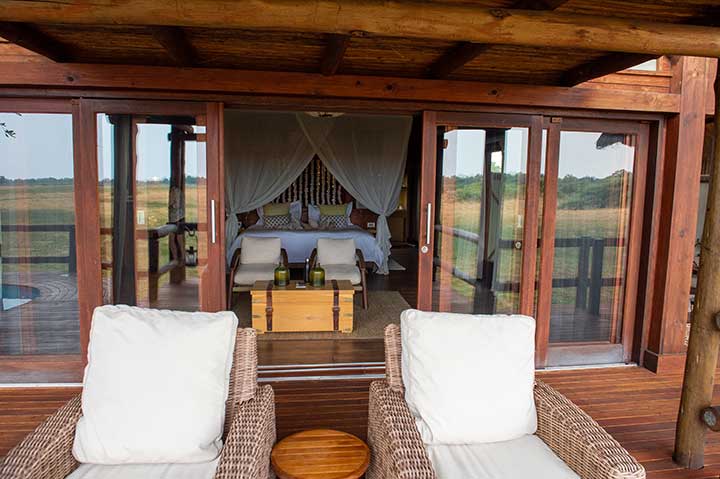
What is the ‘secret sauce’ for an unforgettable few days on safari in Botswana? It starts with the animals, of course. The elephants, lions, giraffes, hippos
Read more
Destinations
India

27th May 2023

India

India’s tiger, mammals and birds.

Read more

Leroo La Tau and the Botswana Zebra Migration

15th October 2021

Leroo La Tau and the Botswana Zebra Migration


Image

Photo by Desert & Delta Safaris

Leroo La Tau and the Botswana Zebra Migration

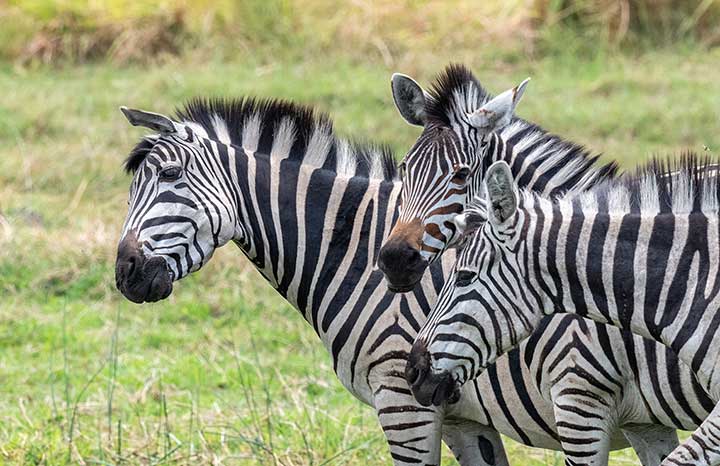
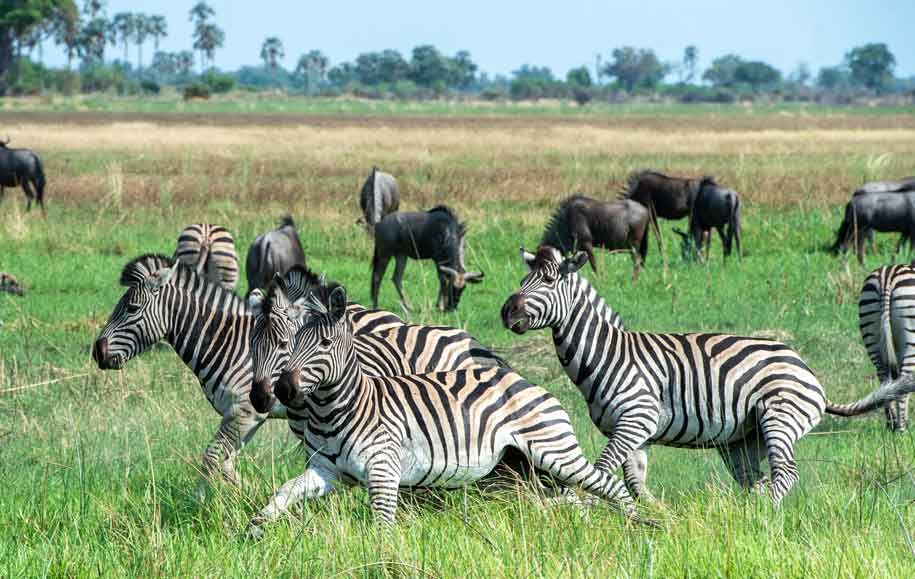
Ask any African wildlife photographer about their favorite animal to photograph and you might be surprised to see how high zebras rank.  These peculiar white and black striped mammals are among the most recognizable and most photographed of African animals.  Get a few of them together in the same frame, add some action and maybe some dust for added drama – and let the fun begin.


Image

Photo by Desert & Delta Safaris

Few places in Africa are quite as well located as Leroo La Tau in central Botswana, to realize one’s ultimate zebra photography scenario.  The appeal of this Kalahari camp is closely intertwined with the enigmatic Boteti River which flows right below the camp.   As many as 30,000 zebras annually migrate between the Makgadikgadi Pans and the Okavango Delta, many passing through this area. In the dry season from about June through November the  Boteti is one of the only permanent water sources on their way, and acts like a magnet for thirsty zebras.


Image

Photo by Desert & Delta Safaris

Leroo La Tau is built on cliffs some thirty feet above the banks of the Boteti,  offering a vantage point over  the river and the Makgadikgadi Pans to the east.  The best place in camp to make the most of the zebra migration – and to capture photographs of all the other animals and birds attracted to the water – is the camp’s enclosed hide, from where you have an eye-level view across the Boteti.  A bunch of zebras all lining up to drink at the same time, two young stallions standing up on their hind legs, biting and kicking – the photo opportunities come hard and fast. 


Image

Photo by Desert & Delta Safaris

The Boteti River is the main outflow of the Okavango Delta, collecting the water that flows past Maun and from there it meanders about 150 miles to Lake Xau on the extreme south-western edge of the great Makgadikgadi salt pans.  While it is currently flowing, that wasn’t always the case.  For a period of about 20 years, ending in 2009, the Boteti had largely dried up,  with just a few waterholes in the riverbed which offered refuge to a small pod of landlocked hippos, together with some crocodiles which became completely terrestrial, making dens in riverbank ‘caves’ downriver from the lodge.


Image

For now, the river again provides a lifeline for the wide range of wildlife which inhabit the arid Makgadikgadi national park and is a critical link in the spectacular zebra migration.  From December through March – essentially the wet months in the Kalahari – the  zebras seek out the nutritious grasses surrounding the Makgadikgadi Pans.  During this time there is a shallow layer of water over the salt pans, which attract a large number of migrating birds such as flamingoes.  All the more reason to spend some time around the pans then.


Image

Photo by Desert & Delta Safaris

Around March or so – depending on the timing of the rain – the zebras edge towards the western edge of Makgadikgadi Pans National Park before setting off towards the Okavango Delta and  Moremi Game Reserve.  Their next stop:  the Boteti – and Leroo La Tau.   

On our most recent visit in July, we reached the camp after a flight of about 40 minutes (just slightly longer than the average Botswana light air transfer), followed by a 20-minute drive from the airstrip to the camp.  


Image

Photo by Desert & Delta Safaris

We found the main area to be very appealing.  It is two stories high and has a well-placed fire pit right on the river.  The lodge features twelve luxurious thatched and glass-fronted suites with en-suite bathrooms, each unit raised on a wooden platform overlooking the Boteti River Valley below. The rooms are well spread out, spacious and have killer views over the river.  The main lounge and dining area, with its inviting wooden and thatch finish, is a great spot to spend some time relaxing at  the bar or enjoying the excellent food offerings. Alternatively you can lounge around the swimming pool or enjoy the views from the game-viewing hide built into the bank of the river.


Image

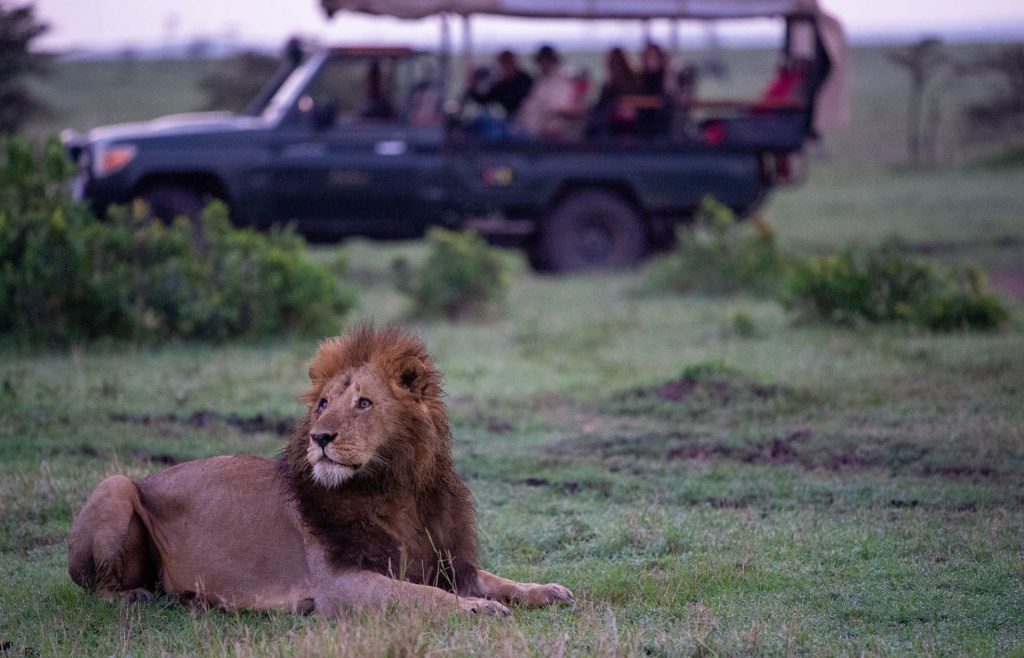
On a previous trip, we visited Leroo La Tau during the ‘Green Season’ which runs from December to March, when game-viewing isn’t quite as productive as it is during the dry months.   Even so, we enjoyed some good sightings of kudu, lion and elephant, amongst others.  In fact, we had some great views of a black-maned Kalahari lion in his prime. 


Image

Photo by Desert & Delta Safaris

After dinner at Leroo La Tau on that visit, members of the staff entertained guests with a singing and dancing performance. This does not happen every night, so we were quite pleased to be treated to several traditional songs, done in a sweetly harmonious fashion. I think we were all struck by the wonderful attitude of the staff at this camp, everybody smiling all the time!

Prospective visitors would do well to schedule three nights here, and to take a full day trip (with picnic lunch) to Nxai Pan, among others to check out the beautiful Baines’ Baobabs site.  The excursion starts in the early morning with a picnic lunch to be enjoyed while out exploring the salt pans.

Legendary Lodge


Image

Photo by Desert & Delta Safaris

In addition to game drives – and depending on the water level –  boating trips on the Boteti are also provided. Optional cultural excursions can be arranged to Khumaga Village as well as the previously mentioned day trips to Nxai Pan and Baines Baobabs (for guests staying a minimum of three nights). For those looking for a truly unique experience, the camp can arrange a sleep out under the stars on the Makgadikgadi Salt Pans.

YOU MIGHT ALSO BE INTERESTED IN

Destinations
Zambia

10th September 2021

Chindeni and the Bushcamp Company, Zambia

By late July we found ourselves at Chindeni, a small Bushcamp Company property

Read more
Botswana
Destinations
Okavango Delta

3rd October 2022

Camp Okavango, Botswana

Camp Okavango is in the heart of the permanent part of the Delta. In this idyllic setting there are no vehicles, and it is just a short walk

Read more
Area
Destinations
Nyerere National Park
Ruaha
Tanzania

14th October 2023

From My Safari Notebook: Wildlife Photography

Birds in flight and wildlife photographers have an uneasy relationship. Things go wrong as often as they go right. Getting focus-lock on a moving subject

Read more

SUBSCRIBE TO OUR NEWSLETTER

READERS FAVOURITES

Destinations
Zambia

10th September 2021

Chindeni and the Bushcamp Company, Zambia

By late July we found ourselves at Chindeni, a small Bushcamp Company property

Read more
Botswana
Destinations

4th August 2022

On Safari At Belmond Eagle Island Lodge, Okavango Delta

What is the ‘secret sauce’ for an unforgettable few days on safari in Botswana? It starts with the animals, of course. The elephants, lions, giraffes, hippos

Read more
Destinations
India

27th May 2023

India

India’s tiger, mammals and birds.

Read more

Sausage Tree & Chiawa Camps, Lower Zambezi

7th October 2021

Sausage Tree & Chiawa Camps, Lower Zambezi


Image

Sausage Tree & Chiawa Camps, Lower Zambezi

Over dinner some years ago at the River Club upstream from Vic Falls, I was gently corrected about a comment I had made about the Zambezi River.  “It is the Zambezi.  Not the Zambezi River”.  So it is.  This most African of rivers makes its way all the way from far northern Zambia, right on the border of the Congo, down-stream from west to east, to eventually spill into the Indian Ocean some 1,600 miles from its point of origin.   Having carved its way through some of Africa’s most spectacular places such as Victoria Falls, Mana Pools and the Lower Zambezi.


Image

Photo Sausage Tree

Sausage Tree Camp

This is where I found myself on the last day of July,  on my way to the western portion of the Lower Zambezi National Park, where we would have brief overnight stops at Sausage Tree and Chiawa Camps.  Appropriately, we arrived at Sausage Tree by boat, after an entertaining 20-minute cruise upstream on the Zambezi, from the jetty at Jeki Airstrip.  Practically never out of sight of at least one, sometimes more than one pod of hippo.  Just giving us the intense hippo stare as we moved past them.


Image

Photo Sausage Tree

The rooms at Sausage Tree were beautiful and spacious.  More like suites than rooms,  they are luxurious custom safari tents with massive gauze windows and sliding doors, with more than adequate fresh air circulating. Nearly hidden from one another, and shaded by mature sausage and mahogany trees, the tents are cool, private sanctuaries to return to for an afternoon siesta or good night’s rest.


Image

Photo Sausage Tree

Sleeping only 18 guests, Sausage Tree Camp offers a civilized approach to a true bush experience with lavish attention to detail. The central dining and bar area is fronted by an enormous teak deck overlooking the Zambezi. The 25 meter Lap-pool is situated right on the edge of the riverbank, under shading mahogany trees with outstanding views.


Image

Photo Potato Bush

Canoeing at Sausage Tree Camp

Our afternoon activity, a canoeing outing with head guide Ryan Wilmot, was a highlight of the entire Zambia trip.  I had a comfortable seat in the sturdy Canadian canoe, I stayed totally dry throughout, and did not have to do any paddling.  The camp practice is to have just one guest per canoe, with the paddling done by Ryan (my canoe) and two other canoeing specialist guides, in the other two canoes. 


Image

Photo Sausage Tree

The canoeing was simply a fantastic experience.  From beginning to end, participants traverse breathtakingly beautiful surroundings, with a profusion of birds, lots of hippos of course, elephants, buffaloes, impala, baboons and monkeys – and more.


Image

It was exciting and a little intense at times, but I always felt safe.  Clearly, the highly experienced guides were firmly in control.  We did have a couple of relatively close encounters with some hippos, including one brief ‘mock’ charge.  Even so, nothing too alarming, just enervating.


Image

Photo Chiawa

Chiawa Camp

It took only 15 minutes or so – again by boat, further upstream – from Sausage Tree to Chiawa Camp.  Almost predictably, we could not get to our rooms along the regular path because of elephants in camp. It happened on my previous visit as well. I hope to visit Chiawa one more time before I finally put away my binoculars. Maybe then I can complete a hat trick of having an elephant diversion on arrival!


Image

Photo Chiawa

As I told  camp manager Simon Douglas when we made our way around the front of the rooms (on the river-side), I always give extra credit to a camp if there are animals around on arrival.  Animals which prevent you from getting to your room?  A double gold star.

Legendary Lodge


Image

Photo Chiawa

My room #7 at Chiawa was even bigger and better equipped than when Kathy and I spent a couple of days there a few years ago.  Same great views over the Zambezi, same great range of activities (game drives, boating, canoeing, fishing and walking), same superb hospitality and friendliness from everyone whom you meet.

Our stay at Chiawa started with a surprise lunch served while drifting down the Zambezi, on a boat.  A three course meal with perfectly roasted chicken, salad and a dessert.  Simply a delightful experience.

Villa Maua


Image

Photo Chiawa

In the afternoon we did a game drive which started slow but ended with a bang.  It started with seeing lots of elephants, then a female leopard, followed by two female lions and on the way back an exceptional sighting:  two males leopards getting into a territorial spat, the older, more powerful male chasing the younger one high into a tree.  Once the dominant male got back onto the ground, he gave chase to an inquisitive hyena which hastily beat the retreat.

Chula Pool Sunset Tusk & Mane


Image

Photo Chiawa

That evening, we were entertained with a few of Chiawa choir’s favorite songs, and then enjoyed our final dinner on safari, in the Chitenge upstairs.  It felt cozy and private – and special.

On our second but last day in Zambia, we were up early for Chiawa’s signature fireside breakfast.  Yoghurt and fruit ‘parfait’, cheese, cold meats, peppadew, hard-boiled eggs, toast over the coals, and oats porridge from a potjie.  That pretty much sets you up for the day.


Image

Photo Old Mondoro

Old Mondoro

Just after 6 am we took off on a 45-minute boat ride to Old Mondoro for a site inspection.  Old Mondoro appears to be an excellent choice for a typical small (5 room) Zambian bush camp.  The rooms are constructed of treated reeds and canvas, with enough space and with regular toilets and showers (hot water any time).  The camp has an exceptionally appealing dining/lounge area which is open to the river as well as to the rear, facing the bush.  There is almost always something going on inside the camp in terms of wildlife.  


Image

Photo Old Mondoro

And so it was on the day we were there.  Several elephants were just walking into the camp as we arrived.  This is something which gathers momentum in the August-Sept-Oct time frame when the winter thorn trees (Albidas) start to drop their nutritious pods, much sought after by elephants as well as by impala, kudus, & baboons. 


Image

Photo Old Mondoro

The camp manager took us around and showed us a couple of rooms along the river on the ‘left’ side of camp, looking from the river to the north.  We particularly liked rooms #4 and #5 and those are the ones we’d recommend for our guests, in future.  


Image

An African painted dog kill

Eventually, after a cup of tea, we started to make our way to the Jeki airstrip to connect with a charter back to Lusaka.  Along the way, Pearl spotted the same pack of 23 African painted dogs which we had seen three days earlier, upon our arrival in the Lower Zambezi.  They appeared to be in a hunting mode, all of them walking in the same direction with their heads down and their ears back.  And then – action!  The dogs accelerated as if one,  running through the woodland at speed, in pursuit of a group of impala which we could just barely see in the distance.


Image

And then the unexpected happened.  A troop of baboons panicked and got in the way of the hunting painted dogs.  Which resulted in a disaster befalling one young male baboon which was grabbed by one of the running dogs.  Right in front of us and in a rather graphic and shocking manner, the unfortunate young baboon was torn apart by about four to five African painted dogs.  In a manner of minutes there wasn’t much left at all, of the hapless creature.  Rather an unexpected and unusual turn of events.  We had one last interesting sighting when we had a brief view of a leopard, quite close to Jeki Airstrip. 


Image

Our great Zambian adventure ended with an uneventful flight back to Lusaka.  We had to spend the last night there at the pleasant Latitude 15 hotel, await the results of a Covid test, and then we would head out the following morning.  To Cape Town in my case – to climb Table Mountain along the India Venster route – and back to the USA for the other two participants on the trip.  

More Info

Email bert@fisheaglesafaris.com

Email jason@fisheaglesafaris.com

@fisheaglesafarishouston

#FishEagleSafaris

YOU MIGHT ALSO BE INTERESTED IN

Destinations
Zambia

10th September 2021

Chindeni and the Bushcamp Company, Zambia

By late July we found ourselves at Chindeni, a small Bushcamp Company property

Read more
Botswana
Destinations
Okavango Delta

3rd October 2022

Camp Okavango, Botswana

Camp Okavango is in the heart of the permanent part of the Delta. In this idyllic setting there are no vehicles, and it is just a short walk

Read more
Area
Destinations
Nyerere National Park
Ruaha
Tanzania

14th October 2023

From My Safari Notebook: Wildlife Photography

Birds in flight and wildlife photographers have an uneasy relationship. Things go wrong as often as they go right. Getting focus-lock on a moving subject

Read more

SUBSCRIBE TO OUR NEWSLETTER

READERS FAVOURITES

Destinations
Zambia

10th September 2021

Chindeni and the Bushcamp Company, Zambia

By late July we found ourselves at Chindeni, a small Bushcamp Company property

Read more
Botswana
Destinations

4th August 2022

On Safari At Belmond Eagle Island Lodge, Okavango Delta

What is the ‘secret sauce’ for an unforgettable few days on safari in Botswana? It starts with the animals, of course. The elephants, lions, giraffes, hippos

Read more
Destinations
India

27th May 2023

India

India’s tiger, mammals and birds.

Read more

Tusk & Mane, Lower Zambezi – Zambia OFF TO THE LOWER ZAMBEZI

1st October 2021

Tusk & Mane, Lower Zambezi – Zambia
OFF TO THE LOWER ZAMBEZI


Image

Tusk & Mane, Lower Zambezi – Zambia

Off to the Lower Zambezi

Every once in a while, I walk into a safari camp which captivates me from the word go.  Most recently, it was Tusk and Mane’s Kutali Camp on a small island in the Zambezi River in Zambia’s Lower Zambezi National Park.  After missing an entire season due to the pandemic, the camp had been experiencing good occupancy lately and we arrived in what was a full camp, in July. Not surprisingly, there was a buzz in the air.  Lots of smiles all round, a sense of relief and a growing realization that things were going to be ok – soon.  All was not lost.  Pristine wilderness areas like this one would once again be hosting appreciative visitors from all over the world.  


Image

Kutali Tent credit ManaMeadows Tusk & Mane

It’s really easy to like or even love Kutali.  The camp has the most perfect setting right on the edge of the Zambezi – in one direction – and a simply fantastic forest of winterthorn trees in every other direction.  All throughout the day from first light until the last bird calls fade away after sunset, the forest takes on a different look and feel.  Mysterious, somber, brooding – its mood changes as the sunlight comes and goes.  The Lower Zambezi is known for magnificent stands of winterthorn and other trees, but few can match the exquisite forest which pervades Kutali with a little bit of magic and tons of atmosphere.


Image

Luke and Kyle credit Mana Meadows Tusk & Mane

Kyle Branch and Luke Evans

Kyle Branch and Luke Evans personify Tusk and Mane, their safari company operating in one of Africa’s top safari destinations, Zambia’s Lower Zambezi National Park. Kyle and Luke are both young, personable and full of energy and at the vanguard of a much needed ‘back to the basics’ safari philosophy.  For them, it is all about what happens outside the tent.  They are passionate about many things, but mostly about the wilderness itself.  They want to take you back in time to those legendary ‘Hemingway’ escapades in a part of Africa where you can reconnect with nature and replenish your senses.


Image

Tusk and Mane

Tusk and Mane is unapologetically focused on delivering a ‘back to nature’ wilderness adventure. They are not about cut flowers in the room, elaborate spa menus or 2,000 bottle wine cellars.   That doesn’t mean that you will be slumming it.  To the contrary.  Their camps are simple yet comfortable.  Old style luxury camping at its finest.  A setting where visitors can immerse themselves in the wilderness, experiencing it under the stars, around the campfire and on every activity.


Image

Kutali tent and forest credit Mana Meadows Tusk & Mane

Kyle Branch, a vastly experienced and accomplished professional safari guide, has worked as a guide, in camp management and in a training capacity in several African countries including Zambia, Zimbabwe, Botswana, South Africa and Uganda, over the last 15 years.  He explains his decision to settle in Zambia, as follows:  “Zambia is an incredibly wild country with diversity I can’t get enough of.  I have chosen to move my life here permanently to show those who are interested,  an untouched wilderness where you can still picture what it was like walking the banks of the Zambezi in the 1800s.  It is truly a childhood dream coming true”. 


Image

Kyle’s friend and business partner Luke Evans is on the same wavelength.  Born in Zambia, he literally grew up in safari camps in the Kafue, South Luangwa and Lower Zambezi National Parks, where his parents spent many years in the safari business.   Luke – who is trilingual, speaking Chi Nyanja, English and German – has worked with several safari operators including Robin Pope, Sanctuary and Sausage Tree.  His forte is having been involved in every facet of the safari business from guiding, to camp management, to marketing, to reservations, to accounting.  Luke summarizes the essence of Tusk and Mane as follows:  “Tusk and Mane is about a simple but pure safari experience tailored to all the best aspects of the Lower Zambezi National Park.  Ours is a “back to roots” approach built around a great Zambian team, excellent guiding, ice cold drinks, hot bucket showers, comfortable beds, good homemade food and our passion for this great Zambian wilderness”.


Image

Getting to and experiencing Kutali Camp

It took us a bit less than an hour and a half by air,  from Busanga in the Kafue to Jeki Airstrip which serves a few safari camps located on or close to the Zambezi, in the central and eastern part of the Lower Zambezi National Park.  There are daily scheduled flights from Lusaka, Mfuwe and Livingstone to and from Jeki airstrip from  June through October, which constitutes the high season.  Outside these months, seat rates are available.  Compared to many remote bush camps, the transfer time to Kutali and Chula is short – no more than 30 minutes. It is easy to combine a few days here with a stay elsewhere on the Zambian circuit.


Image

Chula camp dinner under the stars credit ManaMeadows Tusk & Mane

Having arrived around 10:00 am we were collected by Kyle and Luke and started to make our way to Kutali Camp.  This being the Lower Zambezi, it suddenly got really exciting as we bumped into a pack of more than 20 African painted dogs, then denning in the area.  Several of them were interacting with each other, and at one stage almost all of them got up and relocated to a shadier spot.


Image

A little bit later we made it to Kutali Camp which would be our home for the night.  As I had noted earlier, the camp has a great setting underneath a particularly dense stand of Faidherbia albida (Winterthorn)  trees, and overlooks the Zambezi River.

Elephants, buffaloes, and even leopards are often seen around the campsite, and of course there are hippos all over the place at night, when they leave their Zambezi home to forage.

Legendary Lodge


Image

Chula camp at night credit Tusk & Mane

Later in the afternoon we took a boat ride upstream on the Zambezi, to the site of  Chula, Tusk & Mane’s other small tented camp.  This camp is located in yet another gorgeous spot, just to the  west of the well-known Old Mondoro camp.  That evening we experienced a beautiful sunset, watching in awe as the golden light faded over the mountains of the Zambia escarpment.


Image

Dinner table at Chula credit ManaMeadows Tusk & Mane

Dinner at Kutali camp was memorable in more ways than one. A safari camp really comes alive at night just before and during dinner. This magical evening was no exception. Right off the bat, we were happy to see some familiar faces:  Phil and Tyrone from Musekese and their significant others were in camp!  We were thrilled to see a guest from Switzerland there, whom we had first met at Musekese as well.  A mini-reunion!  As is often the case this time of the day, we got word of some other good sightings. The African painted dogs had been sighted again, as well as a leopard.

Villa Maua


Image

Sitting around the fire I caught bits and pieces of several conversations, the topics ranging from wildlife photography to the (then) imminent Zambia general election, the rapidly rising number and rate of Covid vaccinations in Zambia, and the weekly flow pattern of the Zambezi.  Which, as you may not need to be told, goes up and down in tandem with the excess amount of water released from Lake Kariba to operate the turbines which generate electricity.  Less on the weekends, more during the week.


Image

Chula Pool Sunset Tusk & Mane

The night was typical in some ways with friendly, like-minded people surrounding me, all imbued to one degree or another with a love of animals, nature and the wilderness.  In other ways, it was a unique, never to be repeated event:  making new acquaintances who may become new friends, acquiring new knowledge and experience, taking photographs and making memories which may last a lifetime.  Finding myself in a true wilderness area where I’ve never been before and judging it to be so appealing and special that I am already making plans for a longer return stay.  This, of course, is what an African safari is all about and what makes it such a satisfying vacation.


Image

We made an early start the following morning to the western part of the Lower Zambezi National Park.  All the while, driving through some beautiful, atmospheric winterthorn forests.  From August to October is when the mature winterthorn pods start to drop, attracting numerous elephants and other wildlife into the camp sites.

Our game drive to Jeki was on the quiet side but we did see quite a few elephants, lots of impala, waterbuck, later some zebra and close to the airstrip a leopard – briefly.  We stopped for tea alongside the beautiful Discovery channel before we headed to the jetty for our boat ride to our next camp. 


Image

Kutali tent and campsite credit Mana Meadows Tusk & Mane

Kutali and Chula Camps

Kutali Camp is located on Kulefu Island which means ‘far away place’.  It is a classic winterthorn forest Zambezi valley camp which offers excellent canoeing and walking opportunities, yet it is just a brief river crossing away from the mainland for game drives.

I quickly made myself comfortable in one of the five square guest tents at Kutali.  The rooms are basic but comfortable with hot water bucket showers available on demand, and proper flush toilets in the adjacent, enclosed bathroom.  I quite liked the gauze netting which provides protection – but allows air to flow freely – when the solid canvas ‘walls’ are rolled up.


Image

Chula – which means frog – is located on Discovery Island and is Tusk & Mane’s nearest site to Jeki Airfield.  They describe the island as being like Jurassic Park – full of surprises, with several hidden lagoons and open dambos. The game-viewing right on Discovery Island is excellent and Kyle and Luke have seen leopards, lions, hyenas, buffalo herds and lots of elephants there, as well as several other species.


Image

Chula tent with Natal Mahogany tree credit ManaMeadows Tusk & Mane

The atmosphere on Chula is unique and it even looks different with an abundance  of Natal mahogany trees and sandy beaches.  The perfect contrast to Kutali camp.

All the tents used in both Kutali and Chula have:

  • Ensuite individual bathrooms – accessible without leaving the tent.
  • Bucket shower, flushing toilet and wash  basin with a mirror.
  • Two comfortable beds with top quality linen provided.  The two beds can be joined to form doubles on request.
  • Two bedside tables with solar lamps/reading lights.
  • A safe box to store valuables.
  • Two comfortable camp chairs.
  • Two folding shelf systems for clothes.
  • Complimentary laundry service.

The campsites at Kutali and Chula feature a bar area in the shade, a comfortable seating area under canvas and a well stocked, refrigerated bar.  There is almost always a campfire going and as we were to find out, the food was more than good – and wholesome.  


Image

ManaMeadows Tusk & Mane

We would recommend a minimum 4-night stay split between Kutali & Chula Camp. This will enable visitors to make the most of the wide variety of activities on offer in the Lower Zambezi National Park.  A stay at Kutali and/or Chula combines well with Musekese Camp in Kafue National Park and there is a long-stay offer in place, for spending 4 nights each in both locations.


Image

Tusk and Mane

Tusk & Mane activities

The Tusk and Mane experience is diverse and exciting,  with much of the game viewing done on foot or from the canoes.  Game drives, boat cruises and fishing are on offer as well, making for an exciting and adventurous experience..

The Zambezi is central to what Tusk & Mane is all about and it features prominently in the activities on offer.  Right off the bat we did a late afternoon boating trip on the river, enjoying some nice views of hippos, various birds and the pretty scenery.


Image

ManaMeadows Tusk & Mane

Canoeing

On a previous visit to the area, we went out on a canoe safari (in several sturdy Canadian canoes), drifting downstream for about 5 kilometers (3 miles), the entire trip taking about 90 minutes.  I would highly recommend this activity for all visitors:  it is a serene, peaceful outing, drifting by a stunningly beautiful shoreline, with plenty of hippo ‘onlookers’ who kept their distance as we kept ours.


Image

Dambo View Tusk & Mane

From Kutali, Kyle Branch leads all canoe safaris.  The back-up paddlers, who pilot each canoe with guests, are experienced Tusk and Mane staff.  Kyle and the canoe team will quietly paddle you through any of the three incredibly beautiful channels that break away from the main Zambezi river. Depending on what the guests want to experience on the day and the duration they had in mind, the canoe safari route would traverse the Inkalange, Chifungulu or Discovery channel as well as parts of the main river. Each channel is of a different length with different, yet equally diverse habitats alongside.


Image

ManaMeadows Tusk & Mane

Walking

The walking safaris are done  in the early morning starting at 6:00 am to finish up before the worst heat of the day.  The Tusk & Mane  walking safaris are relaxed, maintaining a comfortable pace adjusted to suit the slowest guest. Walks usually only cover a few miles with frequent stops for scenery, birds and animals.  Guests are given a thorough safety briefing and orientation before each walk. In the interests of safety, participants will need to be reasonably fit and mobile.


Image

Your professional guide will be carrying a first aid kit, radio and additional water. Guests will each have a water bottle in a custom-made sling for easy carrying.  The group is accompanied by an armed Wildlife Police Officer from the Department of National Parks and Wildlife. He walks in front with a powerful rifle, together with the professional guide and protects the group in the unlikely event of an aggressive animal encounter.


Image

ManaMeadows Tusk & Mane

Boating & Fishing

Boating provides a stable platform for photography from a different perspective, from water to land, with an ideal green backdrop.  The river banks are often the scene of action of one kind or another, ranging from hippos rushing headlong into the water to crocodiles staying put. Sometimes allowing you to get really close.  On this trip I managed a close up shot of a crocodile’s eye in just such a scenario.   A boat trip is also ideal for bird photography with multiple opportunities to shoot birds in flight, and many species that like to hug the edges of the rivers like the waders, skimmers, ducks, cormorants, kingfishers and many others.


Image

ManaMeadows Tusk & Mane

Fishing can either be done as a stand-alone activity or combined with boating.  In the Lower Zambezi fishing is available throughout the season from May to November.  The last two months of the season are the best as this is when the Tigerfish are most active.  The fishing is done on a strict ‘catch and release’ basis with every attempt being made to ensure the best chance of survival, in order to maintain and grow fish populations in the Lower Zambezi. All equipment is provided: quality Tigerfish, Vundu, and Bream rods and reels, along with all the tackle and spinners/lures needed. All that is missing is you, a little bit of luck and lots of patience. 


Image

Mike Sutherland Tusk & Mane

What makes Tusk & Mane special?

Few places in Africa offer as varied an experience as the Lower Zambezi and all the more so in the Tusk & Mane locations.  Guests can experience the Zambezi River from the winterthorn forests on remote islands, all the way north through several habitats into the hills of the Zambia escarpment for the best of both worlds.


Image

From the various Tusk & Mane camp sites you can experience the wildlife rich and diverse areas of the Lower Zambezi either by foot, canoe, vehicle or boat. The safari can be as long as you wish and the activities can be totally tailored to suit you and your party, irrespective of size or make-up.  At all times you will be in a classic tented safari setting, exactly how they used to be.  With a campfire, bucket showers and one star spangled night after another.


Image

The Tusk and Mane environment offers the ultimate safari activity mix:  walking, canoeing, day & night drives, birding, fishing and boating.  All in an area where you are not likely to see another vehicle or person, or at most a handful.  The camps are small and the experience is personal, with no more than eight guests.  A party can opt to pay for as few as five persons and obtain exclusive use of the camp.  The camp sites are all in very private areas and a good distance away from where other camps do activities.  Which means that you can look forward to experiencing Africa – your way.

More Info

Email bert@fisheaglesafaris.com

Email jason@fisheaglesafaris.com

@fisheaglesafarishouston

#FishEagleSafaris

YOU MIGHT ALSO BE INTERESTED IN

Destinations
Zambia

10th September 2021

Chindeni and the Bushcamp Company, Zambia

By late July we found ourselves at Chindeni, a small Bushcamp Company property

Read more
Botswana
Destinations
Okavango Delta

3rd October 2022

Camp Okavango, Botswana

Camp Okavango is in the heart of the permanent part of the Delta. In this idyllic setting there are no vehicles, and it is just a short walk

Read more
Area
Destinations
Nyerere National Park
Ruaha
Tanzania

14th October 2023

From My Safari Notebook: Wildlife Photography

Birds in flight and wildlife photographers have an uneasy relationship. Things go wrong as often as they go right. Getting focus-lock on a moving subject

Read more

SUBSCRIBE TO OUR NEWSLETTER

READERS FAVOURITES

Destinations
Zambia

10th September 2021

Chindeni and the Bushcamp Company, Zambia

By late July we found ourselves at Chindeni, a small Bushcamp Company property

Read more
Botswana
Destinations

4th August 2022

On Safari At Belmond Eagle Island Lodge, Okavango Delta

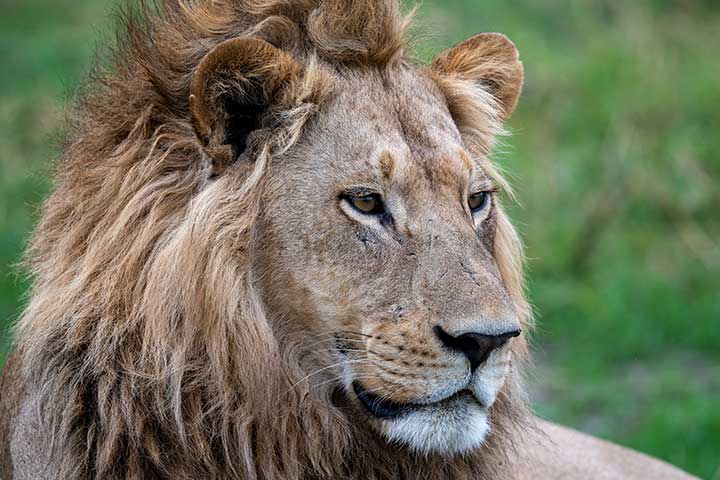
What is the ‘secret sauce’ for an unforgettable few days on safari in Botswana? It starts with the animals, of course. The elephants, lions, giraffes, hippos
Read more
Destinations
India

27th May 2023

India

India’s tiger, mammals and birds.

Read more

Chisa Busanga and the Northern Busanga Plains, Kafue

23rd September 2021

Chisa Busanga and the Northern Busanga Plains, Kafue


Image

Photo by Green Safaris

Chisa Busanga and the Northern Busanga Plains, Kafue

Where many of us live – certainly here in Houston – two rear view mirrors on the left and right hand side of a car are not enough. You really need two additional wide-angle mirrors to make your way safely around the freeways. In Zambia? How about zero mirrors. In the wilderness areas we visited this last July, most of the mirrors on the game drive vehicles had been rendered inoperable. There is no need to see what is behind you because there is nothing there. In some areas there were not even any doors on the game drive vehicles. Don’t need them, don’t have them…


Image

Photo by Green Safaris

My impressions are still fresh but above all Zambia was an authentic, classic safari experience. Everything felt real and genuine, from the greeting at Lusaka International Airport to the treatment we received at the various camps. The management, staff and guides at these camps were friendly and accommodating, and did everything they could to keep us happy and entertained. But more than that, they seemed to take a genuine interest in us.  We never ever felt like ‘just another guest’ or visitor – and this carried through to after-dinner conversations which were always lively and fun.


Image

Photo by Green Safaris

In summary, the trip was everything we had anticipated and more: remote, fantastic camps, excellent guiding, great views of a dizzying variety of mammals, birds and other wildlife, amazing scenic beauty, generally light to practically non-existent tourism traffic,  first class food and drink and seamless transfers between camps and national parks.


Image

Photo by Green Safaris

Activities were very diverse, ranging from game drives to walking, boating, canoeing, observing wildlife from hides, night drives, and a private lunch on the Zambezi River.  There we were, drifting downstream on one of the mightiest rivers in Africa, being served sparkling wine and orange juice, and tucking into a delicious meal…


Image

Photo by Green Safaris

But I’m running a little ahead of myself.  In the last week of July, we traveled from Musekese in the Lufupa area, to Chisa Busanga Camp.  On our arrival there, Camp Manager Chipasha Mwamba – ‘everyone calls me Pasha’ – sat us down for the customary arrival briefing.  Pasha made an indelible impression as an enthusiastic, passionate and very warm person and we enjoyed her company throughout our all too brief stay.


Image

Photo by Green Safaris

Even before we were shown to our accommodation which consisted of innovative, elevated ‘nest’ tents, Pasha helped me out with a battery re-charging issue.  She was almost never out of sight during our stay at Chisa Busanga which is unusual for camp managers  – yet highly prized and appreciated by visitors.  I have no doubt that Pasha will keep things running exceedingly smoothly at Chisa Busanga and future guests can look forward to spending some time in her vivacious company.


Image

Photo by Green Safaris

Then it was time to see our rooms.  At the end of a groomed sandy pathway, there was the elevated ‘nest’ structure which would be my home for the next couple of nights, complete with metal ‘ribs’, canvas and twigs. It felt like a real nest with a large opening from where I had a great view over the floodplains.  Contrary to my expectations – having seen some photographs of the structures before arriving – the room did not feel weird or contrived.  It blended in well with the environment.  Also, it was cozy and comfortable.  Happily tucked into my bed with a warm water bottle, it didn’t matter that we had arrived at Chisa Busanga in the middle of an exceptionally cold spell.


Image

Photo by Green Safaris

The nests sit four meters off the ground, with the zippered entrance at the top of a short flight of wooden steps.  Everything inside the room worked well, from the adequate lighting to the hot water showers and battery recharging points.  The creative room design may have initially presented some construction challenges but I think the end product is admirable in several ways.  Spending a night in a tree house brings out the adventurer in us, ready to experience something new, fun and exciting.  There is nothing boring about Chisa Busanga!


Image

Not having WiFi was an issue.  WiFi is clearly something that needs to be delivered when offered.  We will give Chisa Busanga a pass, as apparently there were some widespread satellite issues in Zambia at the time, affecting more than just the northern Busanga area.

The food at Chisa Busanga was consistently excellent.   Among the highlights were a delicious lamb curry and a perfectly prepared corn and coconut soup.  Brunch was stellar as well with tasty fish cakes, chickpea patties, a green salad, a tomato feta salad, eggs to order and pork sausages.  

Legendary Lodge


Image

Game drives at Chisa Busanga

Our afternoon game drive delivered an exceptionally good sighting of lions – three male lions in their prime.  We spent some time on the edge of a beautiful pan full of wildlife including puku, lechwe, and wattled cranes. Just like Green Safaris’ Shawa Luangwa Camp (see our blog post about that property here), Chisa Busanga operates solar-powered Landcruisers so we explored the plains quietly and cleanly. Almost noiselessly, in fact – and without emitting any noxious fumes.

The following morning we did an early morning game drive out of Chisa Busanga. After a quiet start, we came upon a scene of hundreds of lechwe and puku at the large wetland area close to a massive stand of papyrus.  There were hundreds of birds to be seen in every direction.  Huge flocks of open-billed storks and many others.  Not to mention an abundance of hippos.  

On an afternoon outing on my previous visit to the area, we visited the same papyrus grove specifically to try to find some Sitatunga, the rare and extremely shy antelope more commonly associated with the Okavango Delta than with Zambia.


Image

We had hardly arrived when our guide excitedly pointed out two Sitatunga standing in a small clearing on the edge of the massive papyrus thicket. We got a good look at them and then suddenly spotted several more.  As it turned out there were 6 of them in total, including two young ones which were running around just like little impalas. It was an exceptional sighting.  On the way back to camp we saw a family group of 6 water mongooses which our guide considered to be a unique sighting as these mammals are usually solitary. I also got some good photographs of Roan antelope so all in all it was a very successful afternoon outing.

Villa Maua

Sanctuary Retreats


Image

On that same trip – staying at nearby Shumba Camp – we went out on a 45 minute boating trip in a Go Devil craft.  It was fun and we got some excellent close up looks at hippo, who were very interested in our presence, especially when we ‘anchored’ in clear sight of them.  As we were enjoying our tea break, they were giving us the evil eye, not at all impressed with the new neighbors. We also marveled at the large numbers of open-billed stork in the area, many of which took to the sky when our rather noisy boat passed them by.


Image

I was happy to revisit Shumba on this trip, albeit on a relatively brief site inspection.  The camp looked every bit as good and spotless as I had first seen it several years ago.  Shumba has six luxury rooms, each with a well appointed indoor and outdoor shower, a large bathroom, and there is an inviting sunken verandah in front of the room, with stunning views over the floodplains.  The expansive main area has plenty of space for relaxation and dining and there’s a pool, as well as a fireplace. The entire camp is raised on a wooden platform.


Image

Our afternoon game drive was rather uneventful, but we did see a different pride of lions, two young males and two young females. The northern Busanga Plains area has as many as 35 lions in total.  Our next stop was at Shumba’s Go Devil boat station, where we enjoyed a beautiful sunset, with hippos visible in every direction.


Image

The Busanga Plains

Found in the northern region of Zambia’s Kafue National Park, this remote wilderness is distinct from the miombo woodlands of the park. Here, flat grassland dambos are dotted with date palms and sausage and fig trees.  It is a high rainfall area which makes for a relatively short but eventful season.  

As the flood waters recede over June to November, the Busanga Plains become accessible for safaris characterised by outstanding game-viewing, predator action and colorful birdlife.


Image

Indeed, the Busanga Plains are considered to be one of the best bird-watching areas in Southern Africa.  With a bit of luck, you might find the endemic Chaplin’s barbet,  rosy-throated longclaw, supremely colorful Ross’s turaco or another area special, the black-backed barbet.  The Busanga is also all about cranes and at times as many as five or six different types of cranes can be seen, including the distinctive grey crowned and endangered wattled cranes.  With a total bird count of more than 450 bird species, Busanga is definitely a birding paradise.  In the summer months, migrants like the lesser kestrel and Montagu’s harriers are out and about, while the redoubtable Secretary birds – everybody’s favorite – are relatively easily seen.  The distinctive call of the African Fish Eagle is very much part of the Busanga soundtrack. 


Image

During the wet months much of the area is inundated and dominated by water-loving species like hippos, crocs, red lechwe, puku, and water birds. When the drier months come around, the water starts to recede and this brings out species like roan, tsessebe, zebra, wildebeest, hartebeest, buffalo, and more. Inevitably, the predators then follow: lions, leopards, hyaenas, cheetahs, even African painted dogs from time to time.


Image

Even though the Busanga camps are only open for the five drier months of the year, their very presence and the contribution they make to funding anti-poaching operations, are vital to conserve and restore the wilderness and wildlife of the northern Kafue National Park.

More Info

Email bert@fisheaglesafaris.com

Email jason@fisheaglesafaris.com

@fisheaglesafarishouston

#FishEagleSafaris

YOU MIGHT ALSO BE INTERESTED IN

Destinations
Zambia

10th September 2021

Chindeni and the Bushcamp Company, Zambia

By late July we found ourselves at Chindeni, a small Bushcamp Company property

Read more
Botswana
Destinations
Okavango Delta

3rd October 2022

Camp Okavango, Botswana

Camp Okavango is in the heart of the permanent part of the Delta. In this idyllic setting there are no vehicles, and it is just a short walk

Read more
Area
Destinations
Nyerere National Park
Ruaha
Tanzania

14th October 2023

From My Safari Notebook: Wildlife Photography

Birds in flight and wildlife photographers have an uneasy relationship. Things go wrong as often as they go right. Getting focus-lock on a moving subject

Read more

SUBSCRIBE TO OUR NEWSLETTER

READERS FAVOURITES

Destinations
Zambia

10th September 2021

Chindeni and the Bushcamp Company, Zambia

By late July we found ourselves at Chindeni, a small Bushcamp Company property

Read more
Botswana
Destinations

4th August 2022

On Safari At Belmond Eagle Island Lodge, Okavango Delta

What is the ‘secret sauce’ for an unforgettable few days on safari in Botswana? It starts with the animals, of course. The elephants, lions, giraffes, hippos
Read more
Destinations
India

27th May 2023

India

India’s tiger, mammals and birds.

Read more
  • « Go to Previous Page
  • Page 1
  • Interim pages omitted …
  • Page 14
  • Page 15
  • Page 16
  • Page 17
  • Page 18
  • Interim pages omitted …
  • Page 28
  • Go to Next Page »

Footer

Design

  • About
  • Destinations
  • Blogs
  • FAQS
  • Team
  • Contact
All Rights Reserved ©Fish Eagle Safaris 2022 | Terms & Conditions | Privacy Policy
Designed & Developed by B Online

SUBSCRIBE TO OUR NEWSLETTER

SIGN-UP TO OUR NEWSLETTER

Subscribe Form

Footer Widget Header

Related Blogs