• Skip to primary navigation
  • Skip to main content
  • Skip to footer

Fish Eagle Safaris

Fish Eagle safaris

Contact

Logo
  • About
  • Destinations
  • Blogs
  • Newsletter
  • FAQS
  • Team
  • search
  • Contact
  • About
  • Destinations
  • Blogs
  • FAQS
  • Team
  • Contact

Destinations

Chindeni and the Bushcamp Company, Zambia

10th September 2021

Chindeni and the Bushcamp Company, Zambia


Image

Photo courtesy of Bushcamp Company

Chindeni and the Bushcamp Company, Zambia

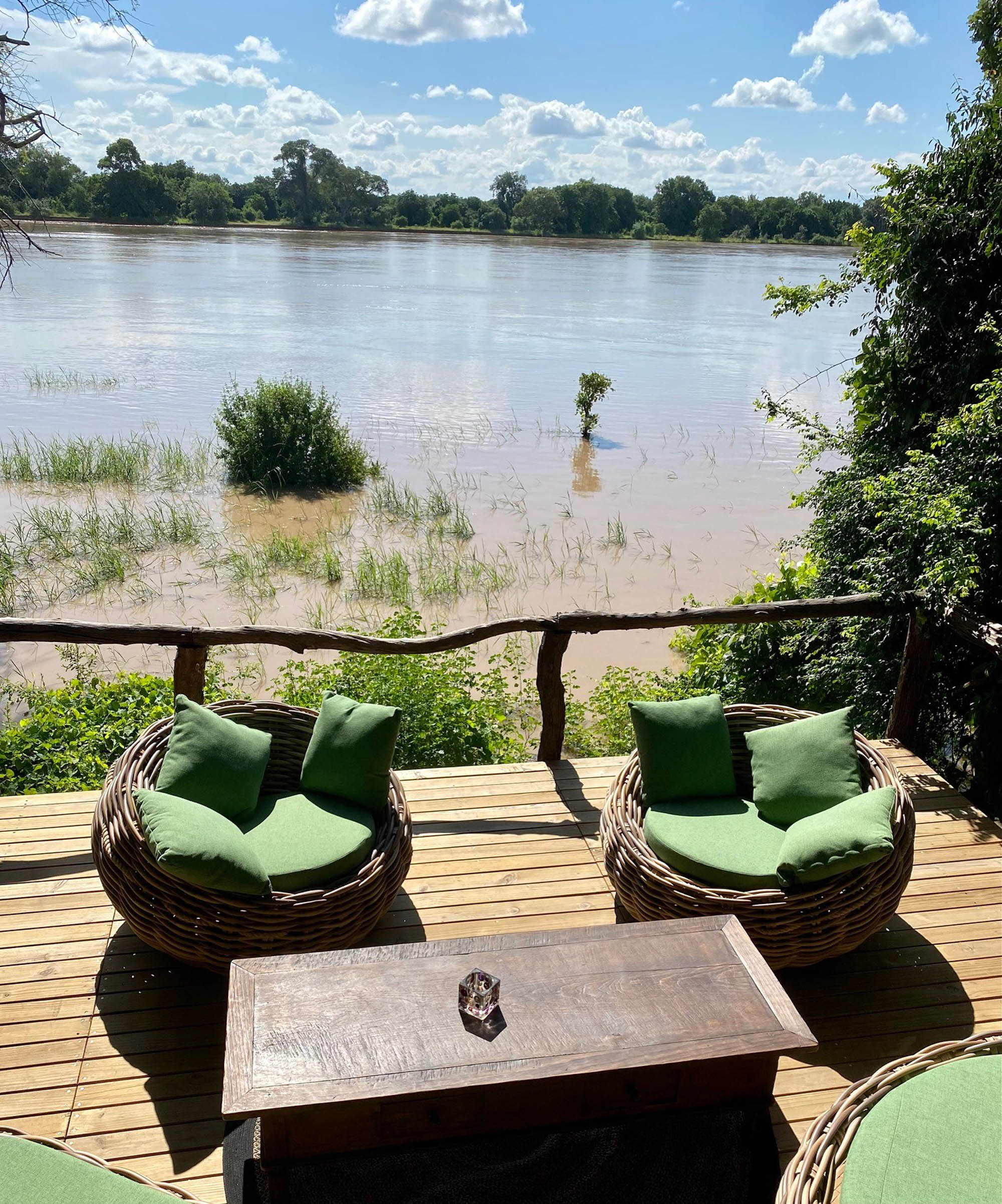
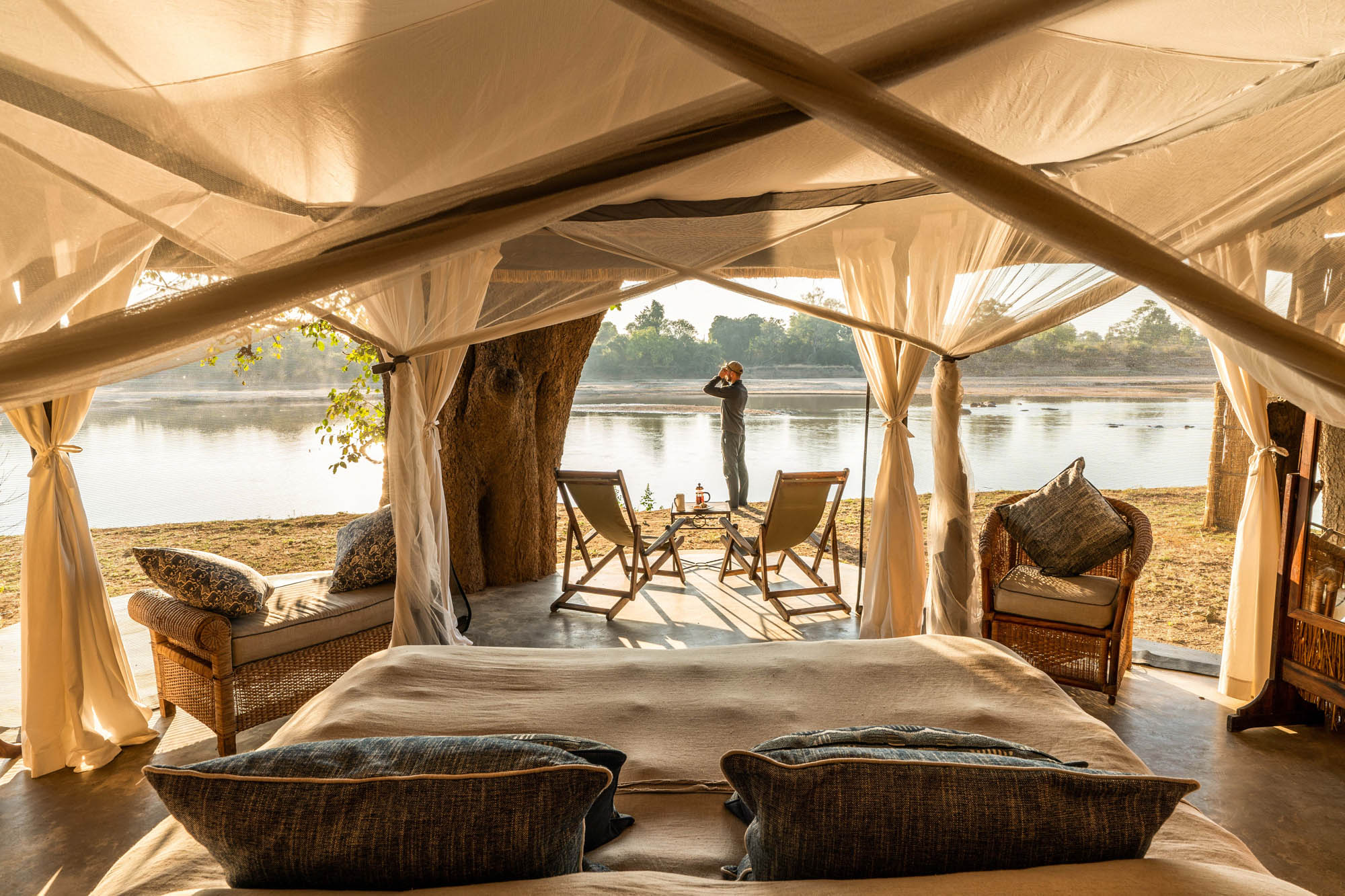
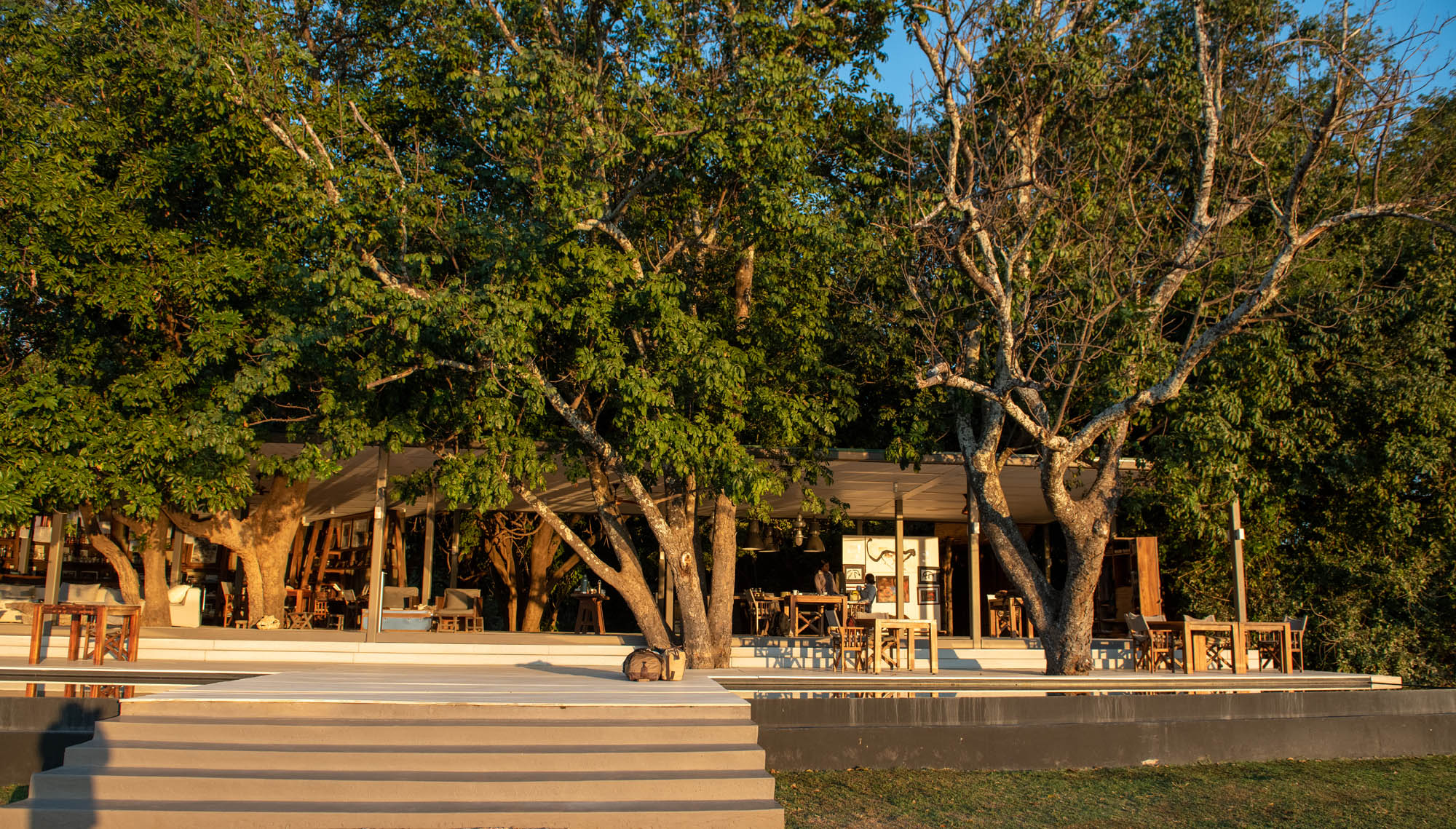
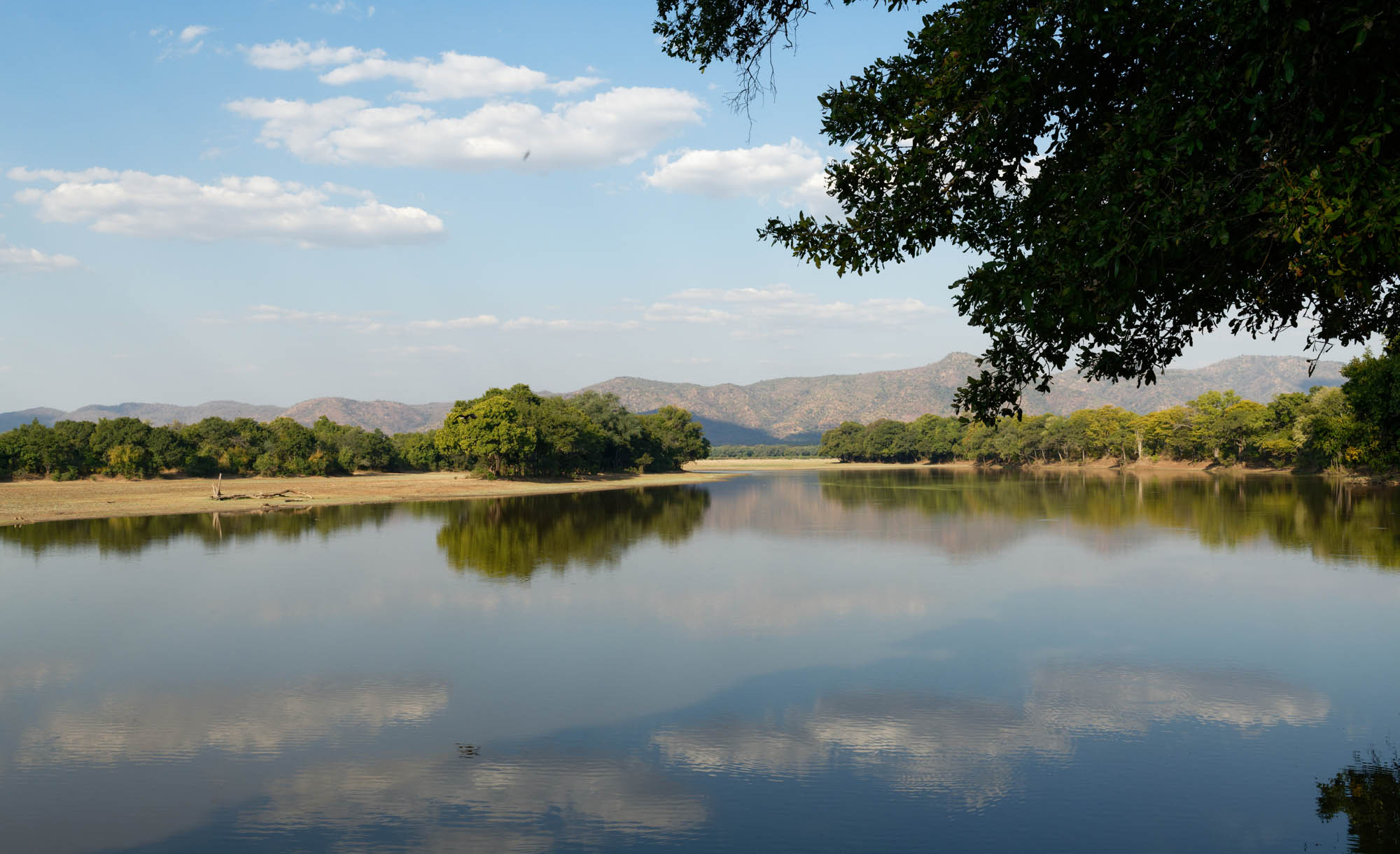
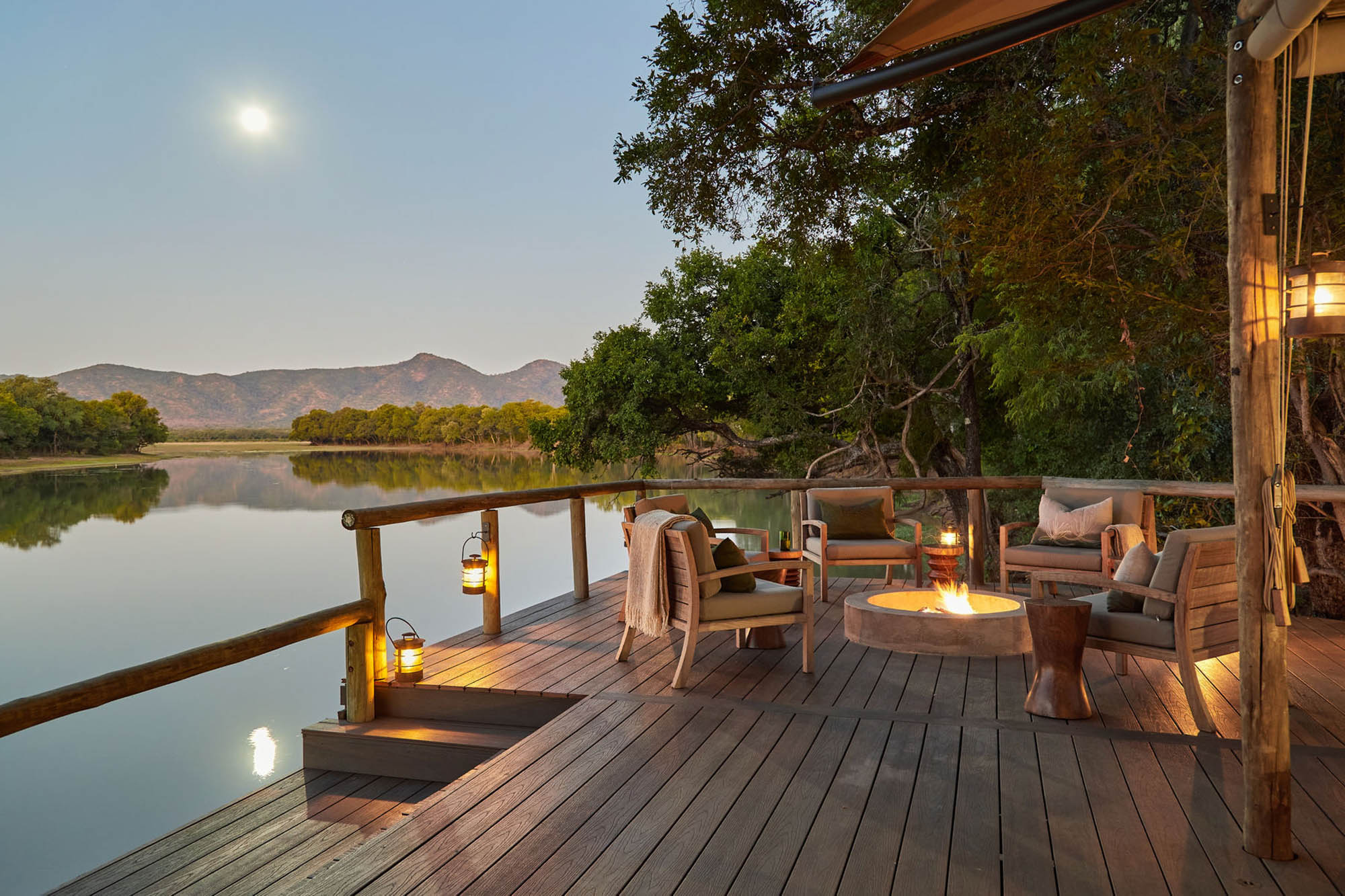
By late July we found ourselves at Chindeni, a small Bushcamp Company property with a simply idyllic location facing out over the Chindeni Lagoon, with the pretty Chindeni Hills in the background. Having first visited Chindeni a few years ago, when we had a marvelous time there, I had every reason to look forward to my stay.  

I’m happy to report that the return visit was even better than my first time at Chindeni.  Of course, there is a degree of bias and personal preferences, likes and dislikes involved.  Making a value judgement about a safari property is a subjective process and two people spending the same two nights at a given property may end up with quite different opinions, at the end of it.

Image

Photo courtesy of Bushcamp Company

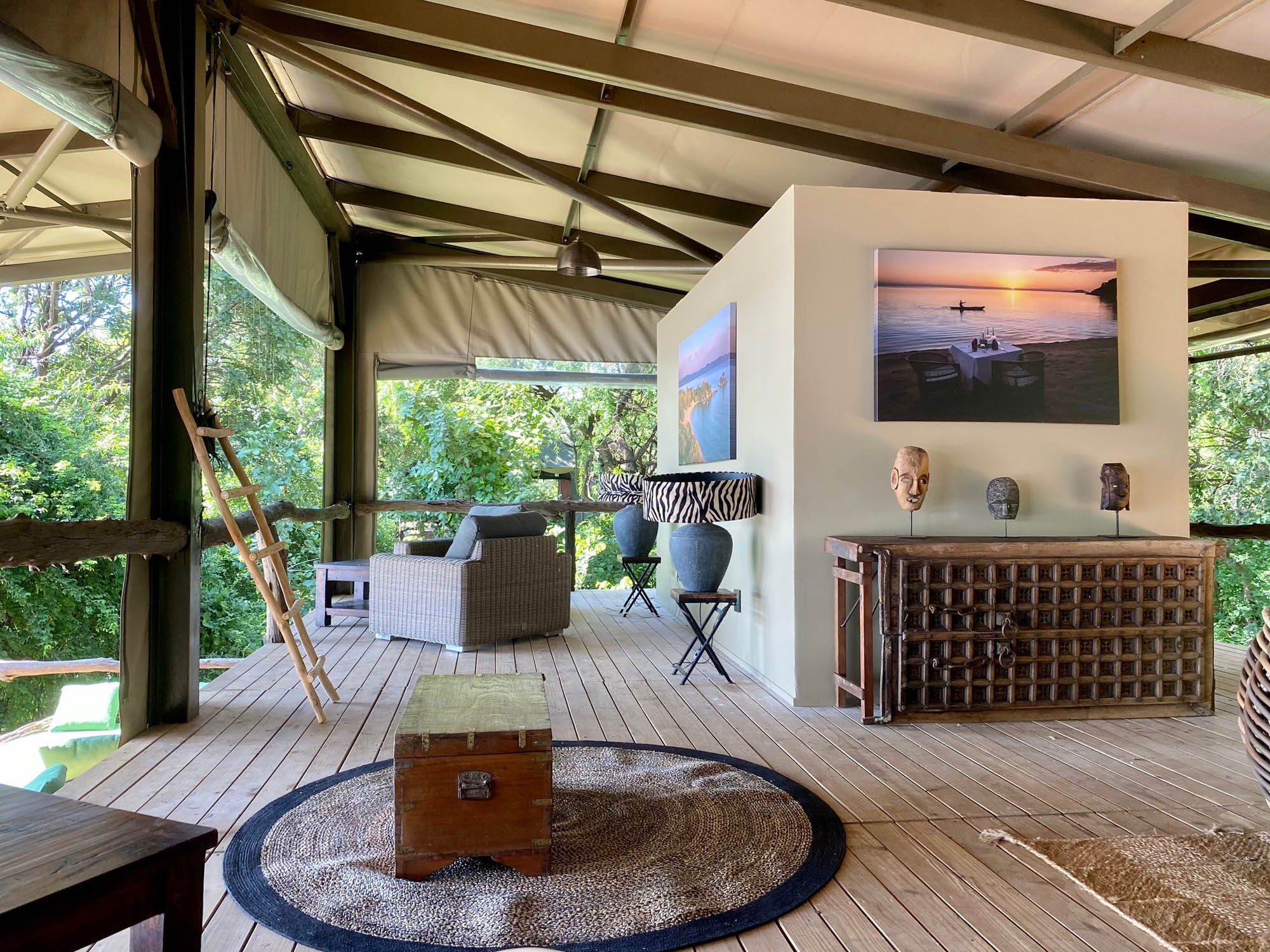
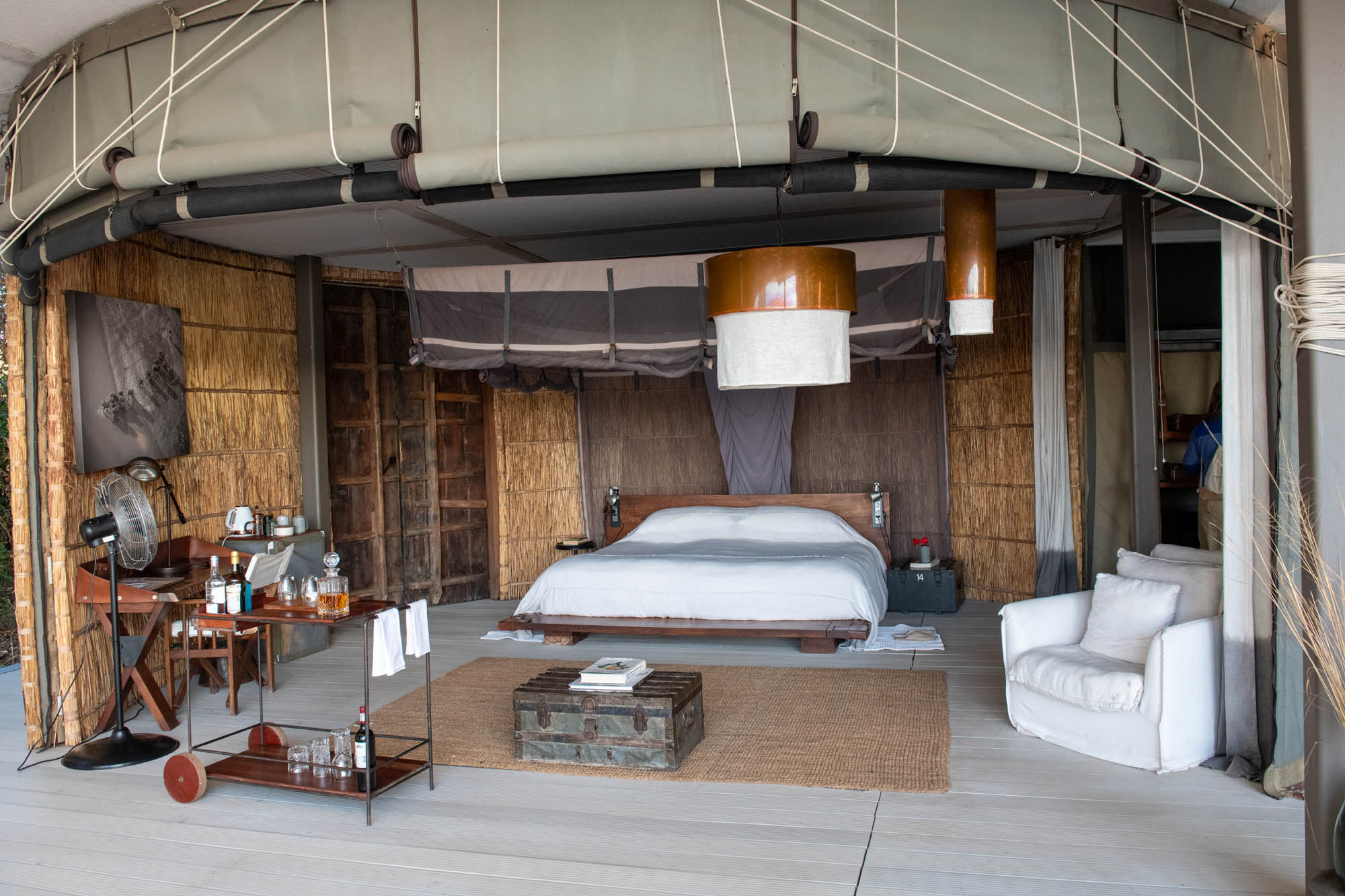
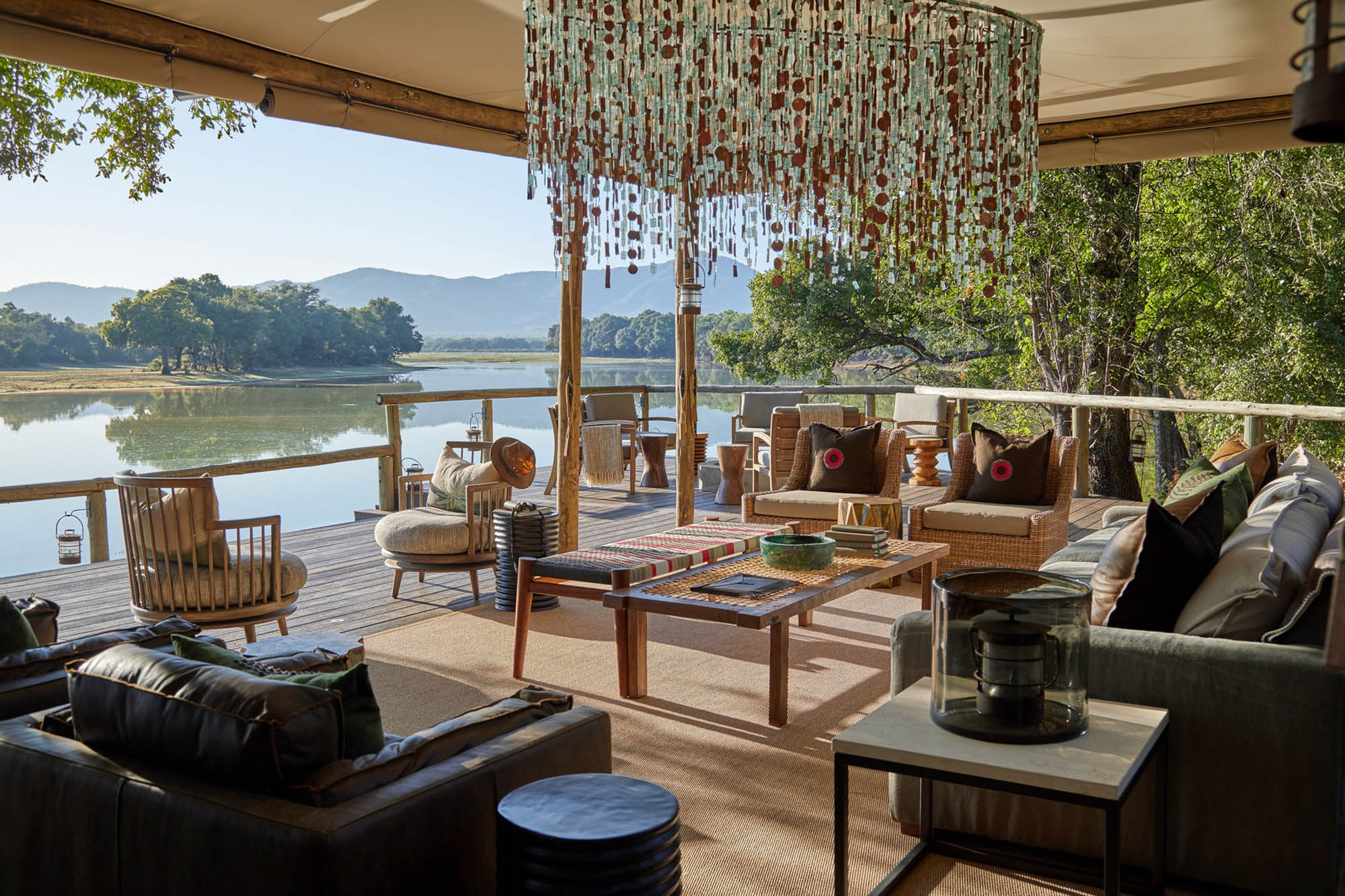
Beyond the physical product (rooms, facilities, common areas, location, accessibility) I tend to put a heavy emphasis on the quality of the guiding and I also look at the staff dynamic.  What you want to see and experience are a bunch of happy, positive people who are always around and for whom nothing is too much trouble.  Not a good sign?  Staff that are aloof and hardly ever to be seen.  Chindeni cleared this hurdle with ease.  A happier, more content staff complement would be hard to find.  Clearly management is doing all the right things.  As we were to find out, our professional guide Peter Milanzi, was also the manager of Chindeni. You could not ask for a nicer person or a more competent, all-round guide than Peter.  

Image

Photo courtesy of Bushcamp Company

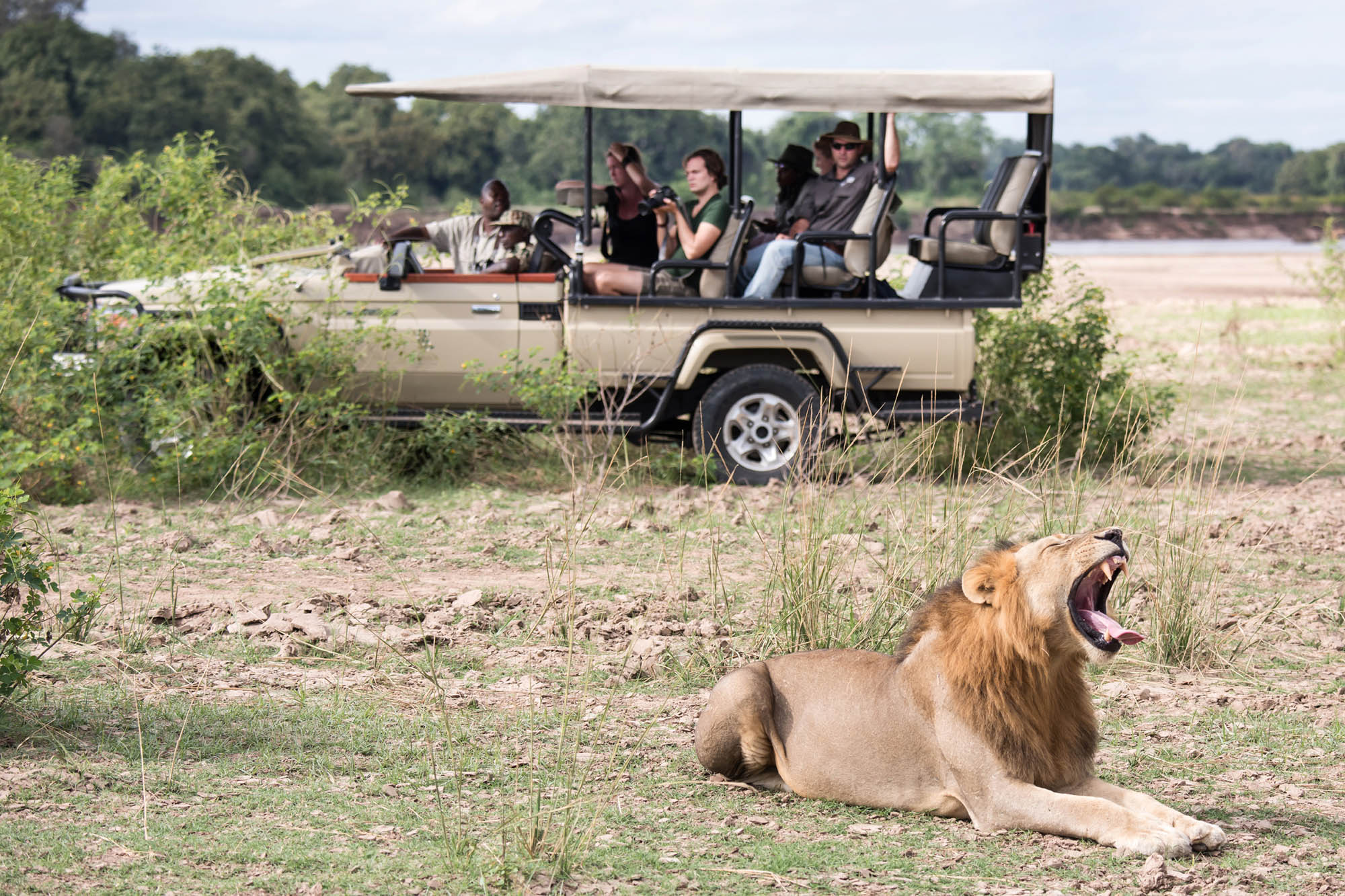
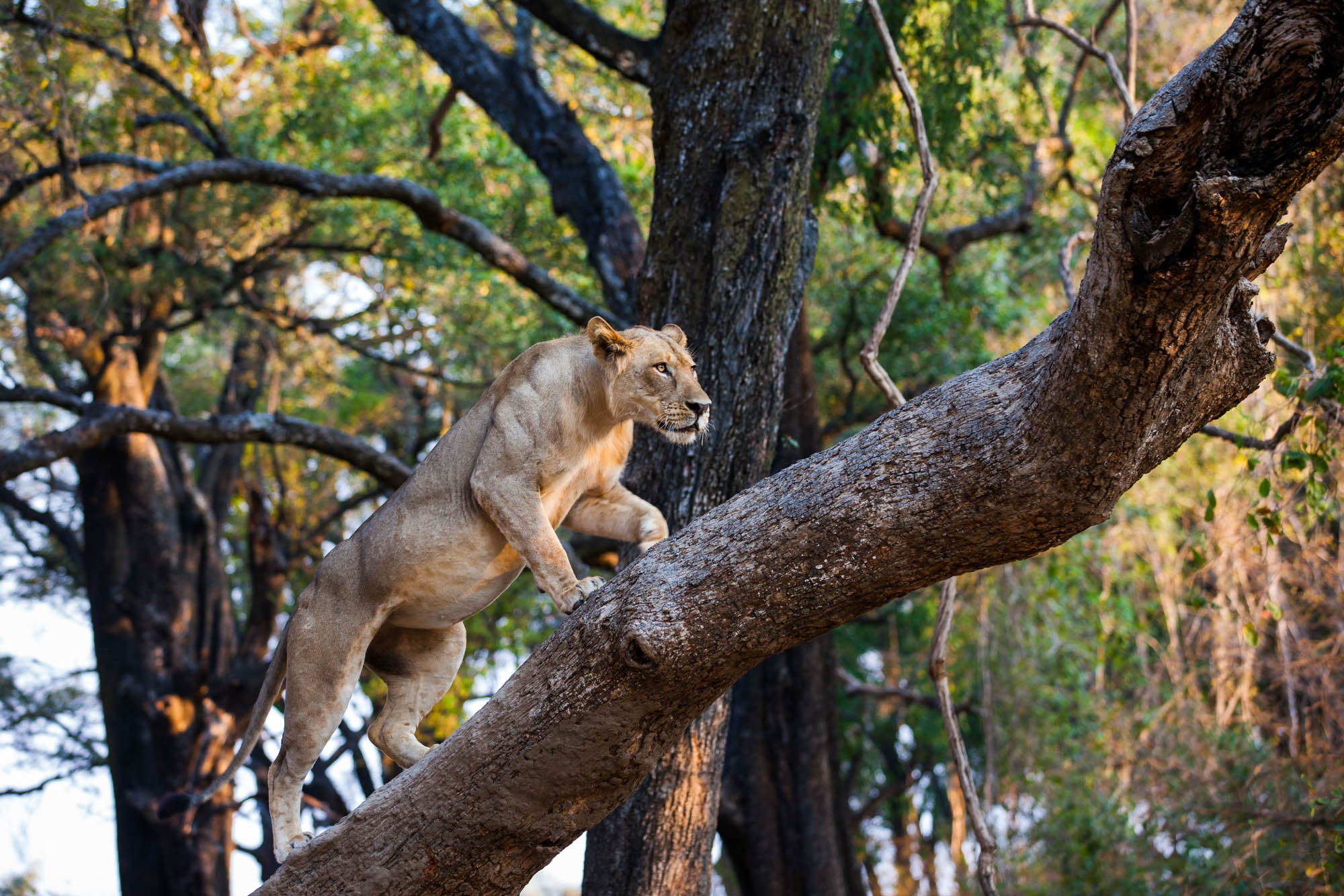
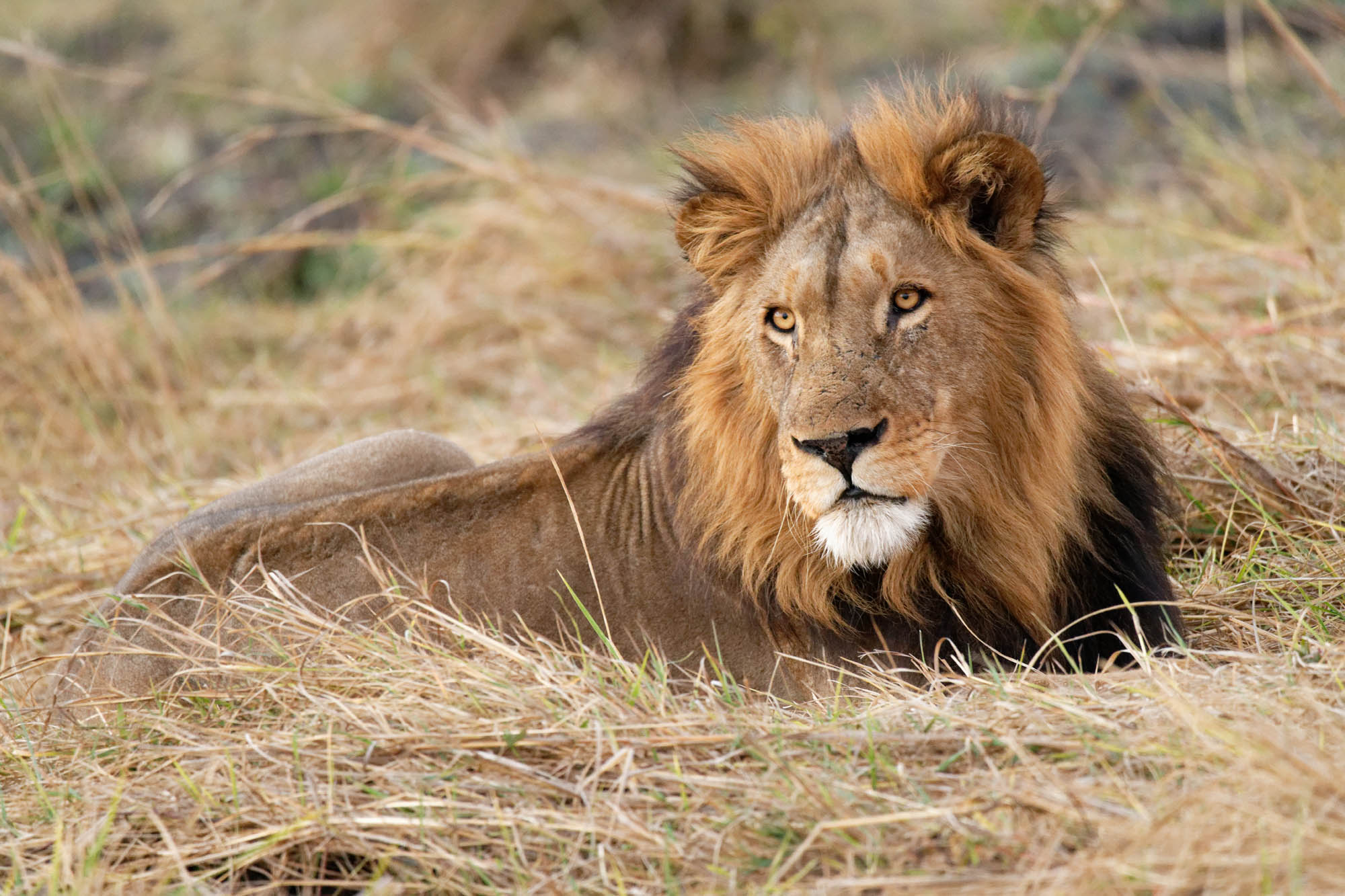
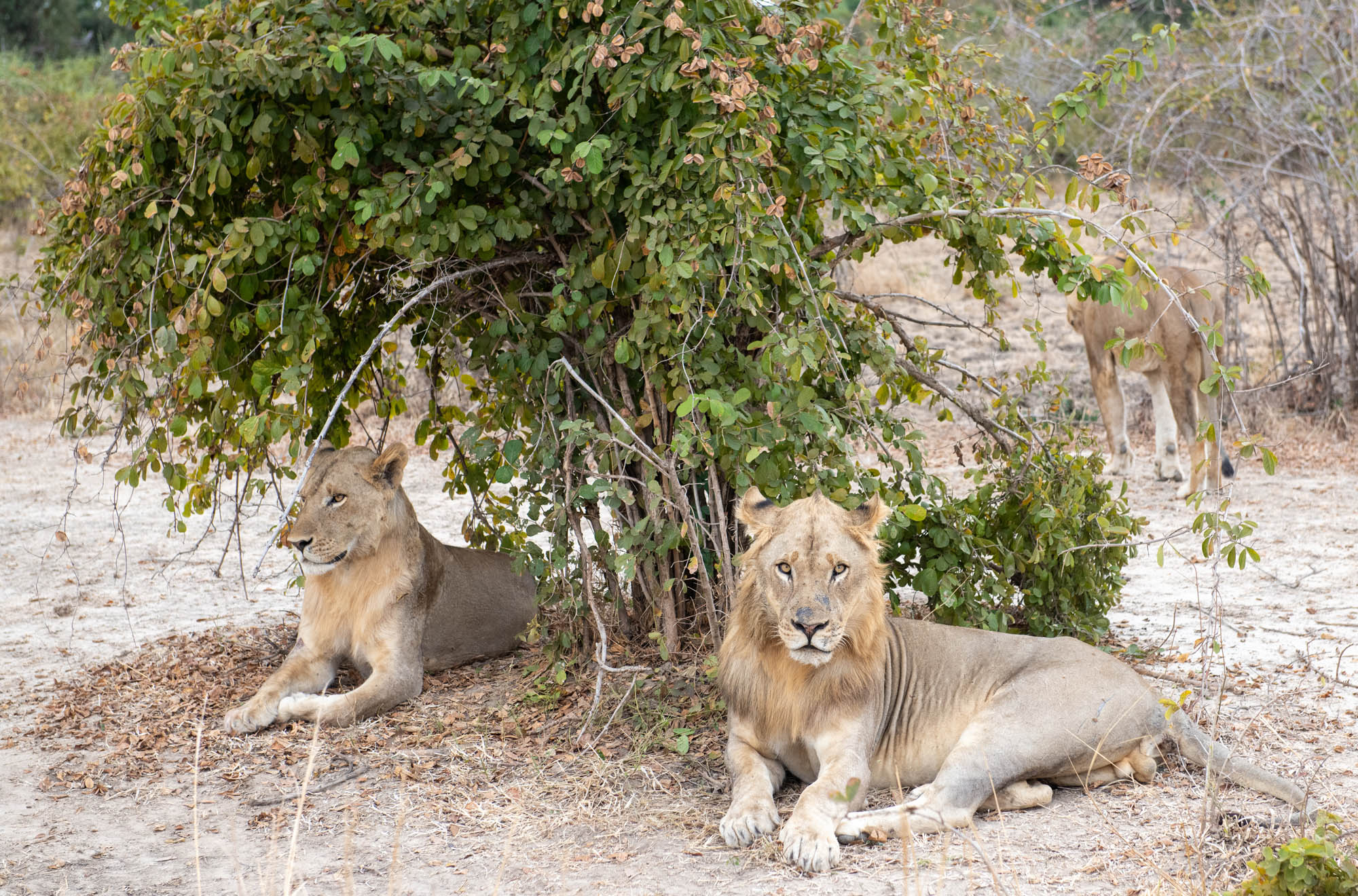
How does a camp earn bonus points in my little black book?  Wildlife in camp.  Once again, Chindeni ticked the right box:  there were no less than four lions right along the path just outside the camp, upon our arrival, two of which happened to be a mating pair. Having big cats in camp definitely gets you a gold star!

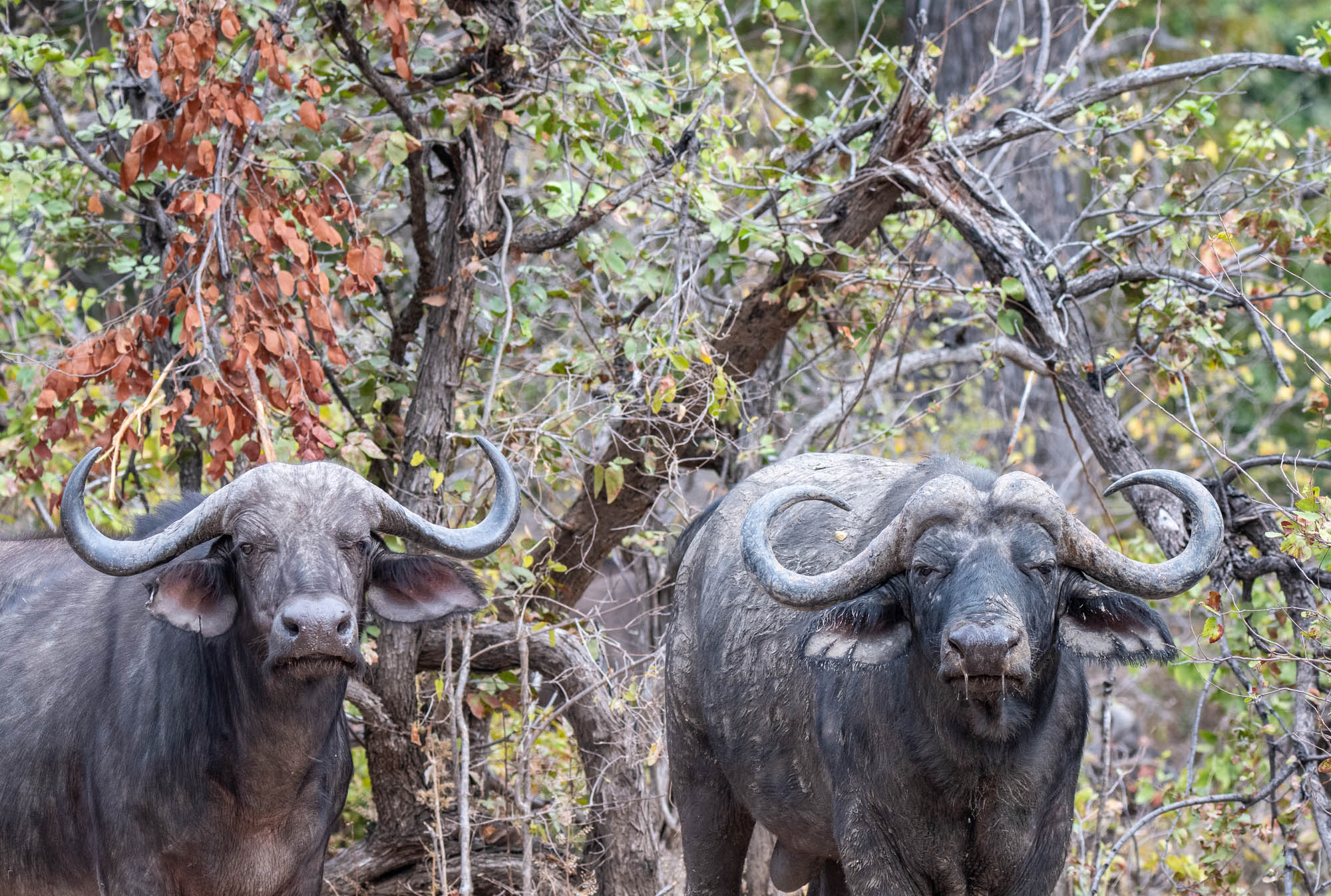
After a cup of tea and a snack, we went back to the lions.  Predictably, they were sleeping.  Even so, there was a hint of excitement in the air as there was a good-sized buffalo herd crossing the road about 50 to 100 meters behind the lions.  All this barely 500 meters out of camp.  We were hoping that the lions would live up to their reputation of being opportunistic when it comes to hunting, but alas, we were disappointed.  As a consolation prize, I got some photographs of the buffaloes.

Image

Photo courtesy of Bushcamp Company

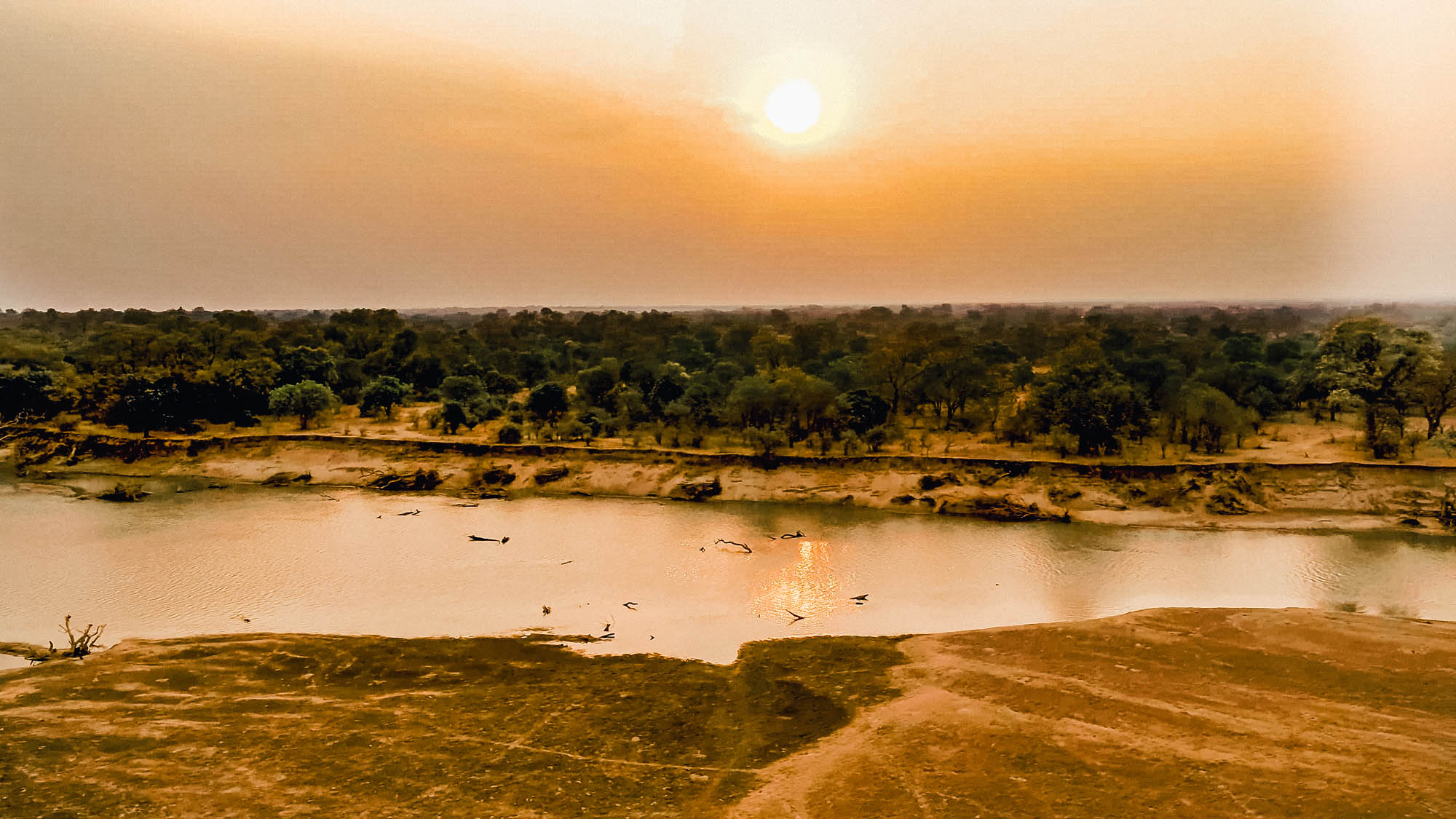
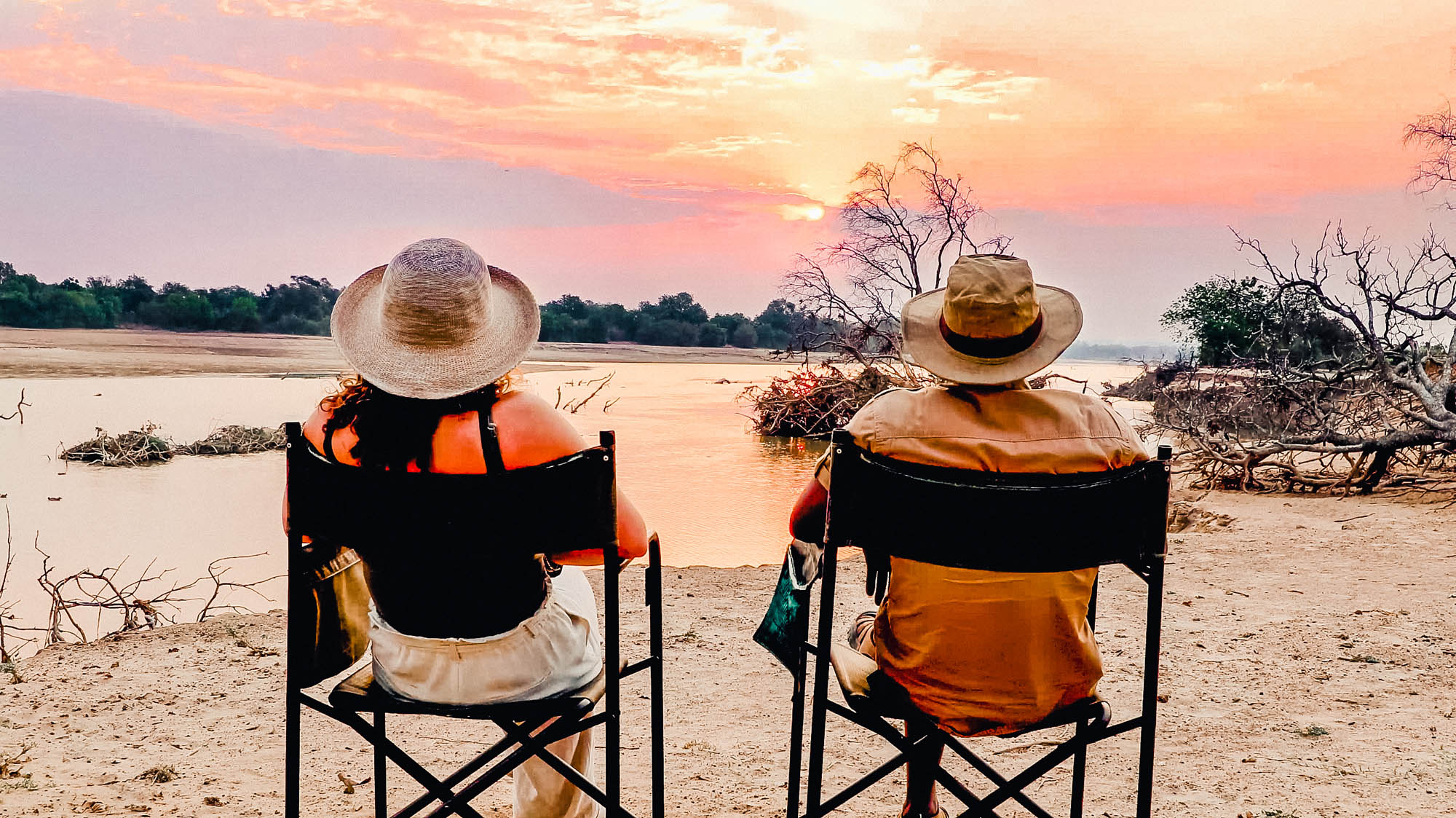
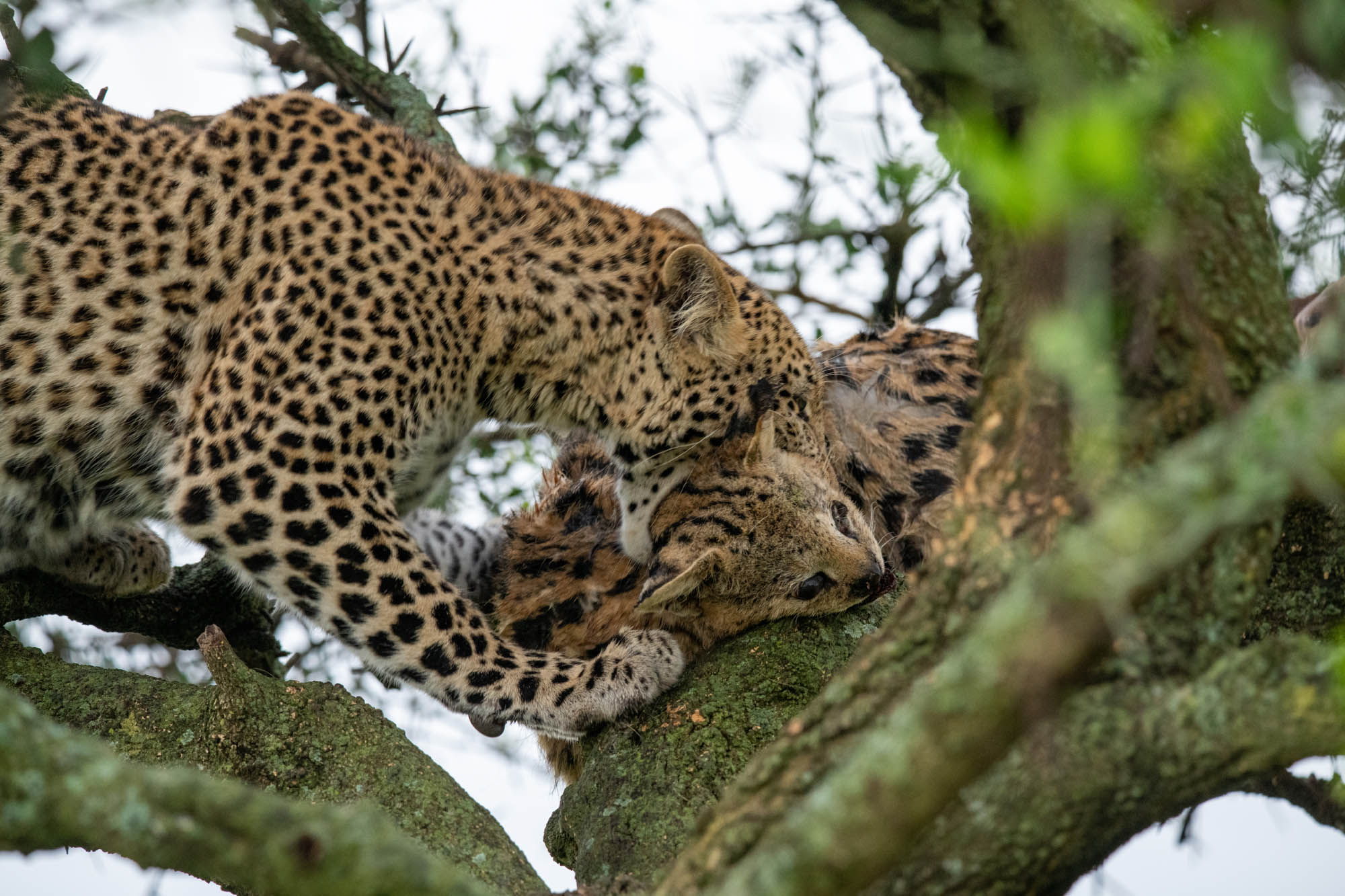
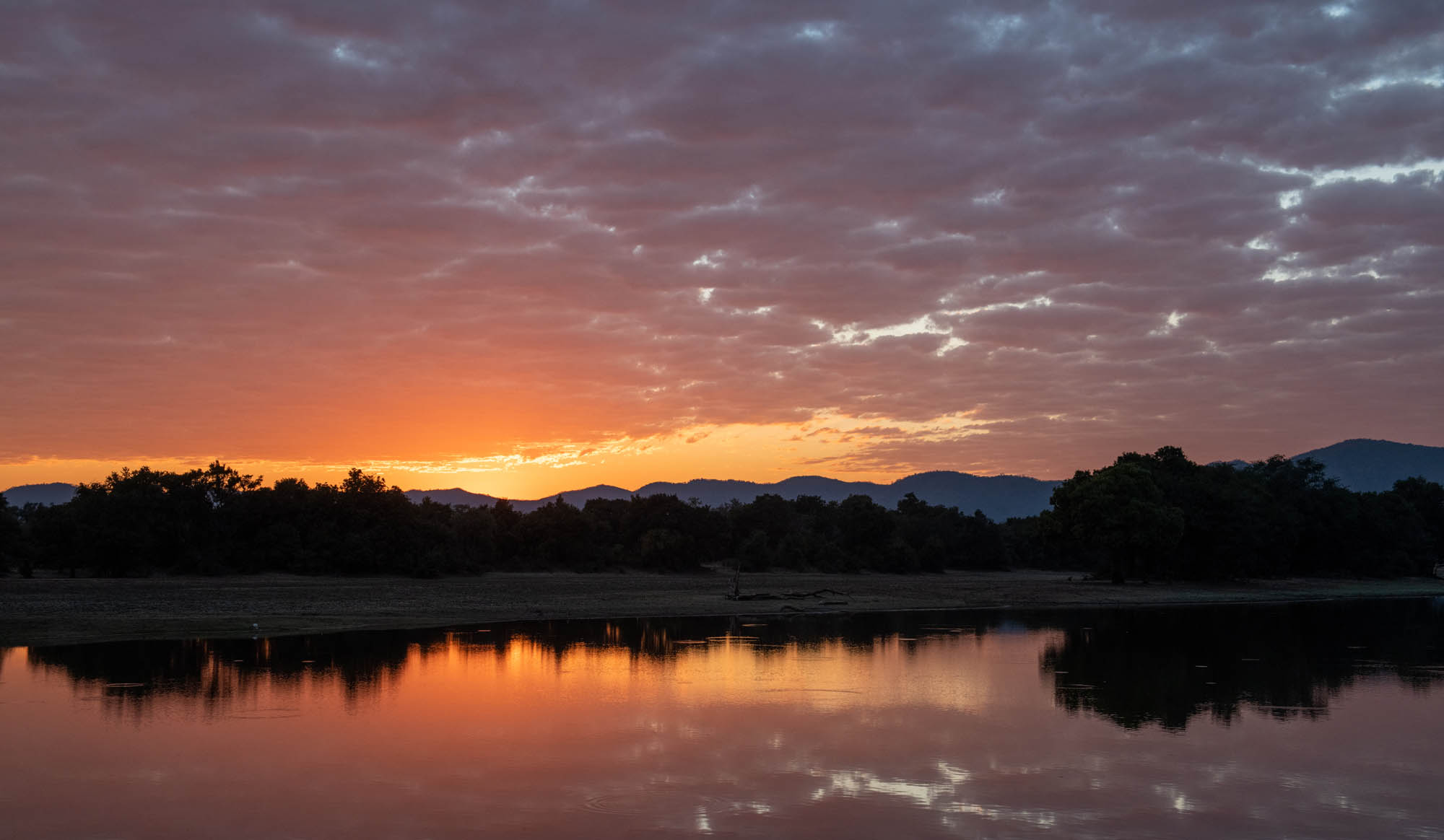
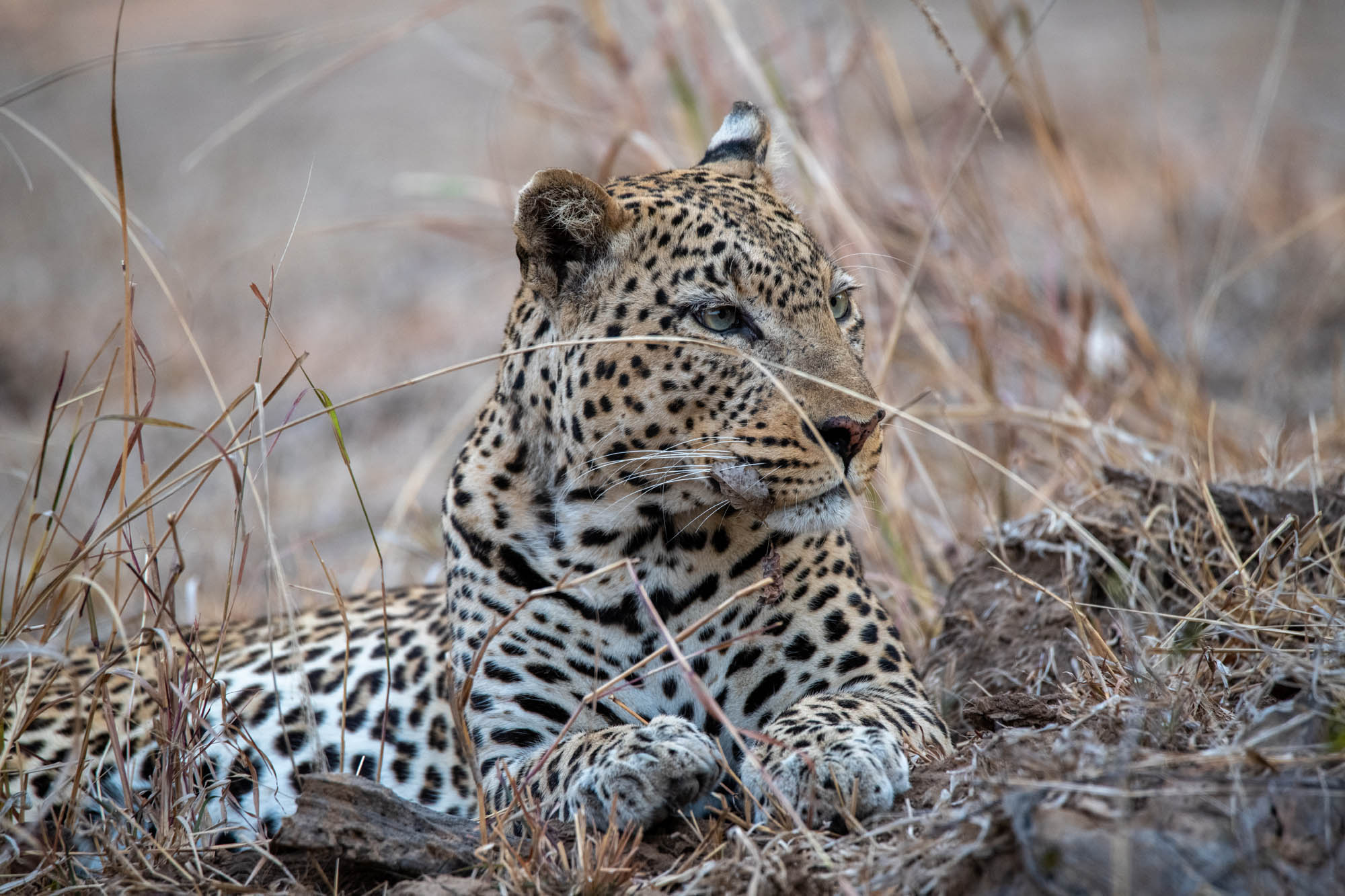
A bit later we found a large male leopard on an anthill, in decent light.  More good photos, particularly after the leopard relocated from within a thicket to a more open spot.  Sometimes the safari gods play along.  Then it was time to enjoy sundowners overlooking an oxbow lagoon with the Chindeni Hills in the background.  Is there a better way to end a day on safari in Africa?  I doubt it. 

Remarkably, we experienced all of this without seeing even one other vehicle.  As we were to see here and again, later on our trip in Kafue and the Lower Zambezi, Zambia can still deliver a safari experience harking back to the Africa of old where 2021 might as well have been 1921.  If there’s not a vehicle in sight, or any signs of modern civilization, time is reduced to where the sun is sitting at any given moment.  No villages or power lines, no cattle or goats.  Just the wilderness – and you.

Image

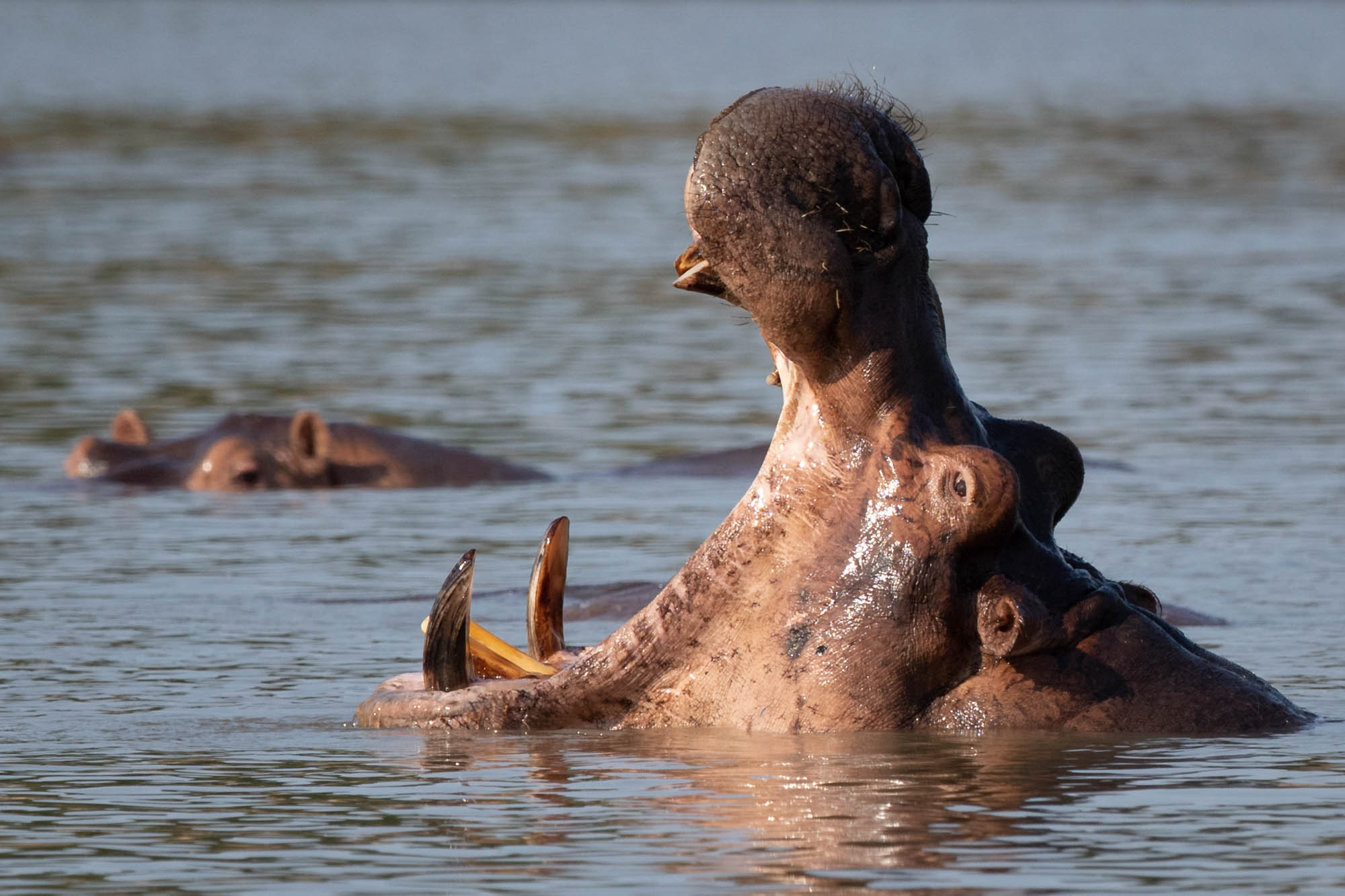
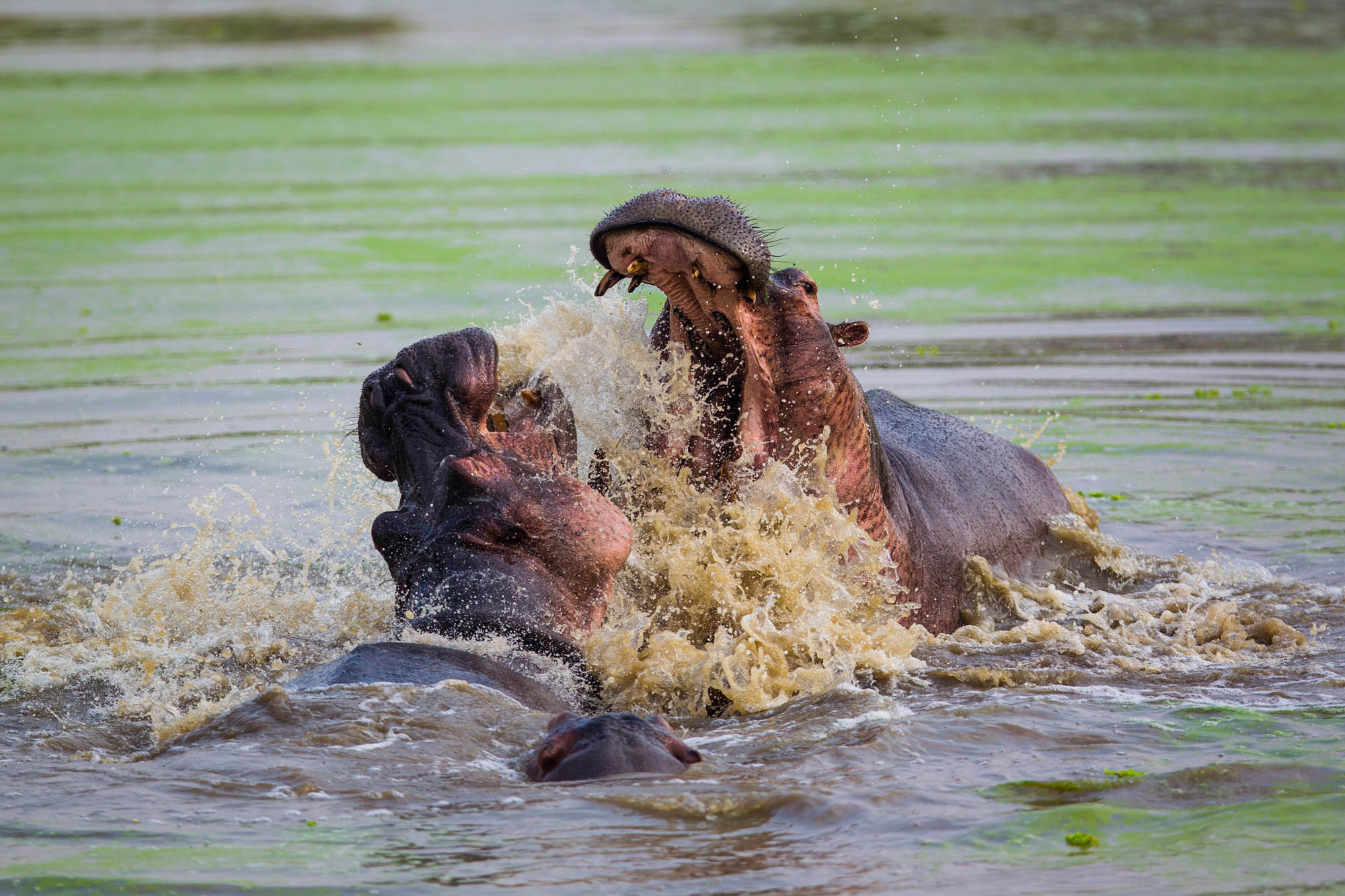
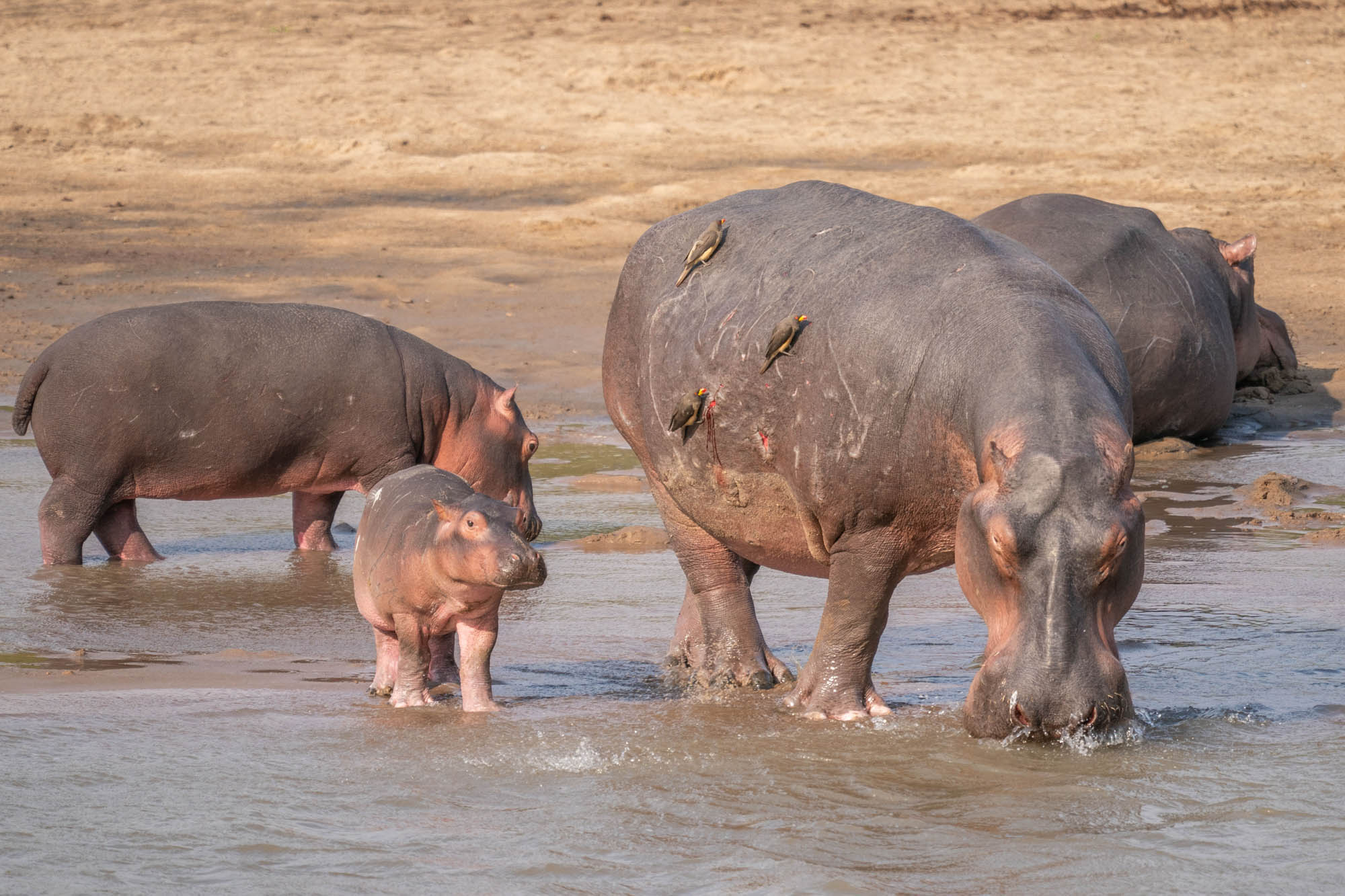
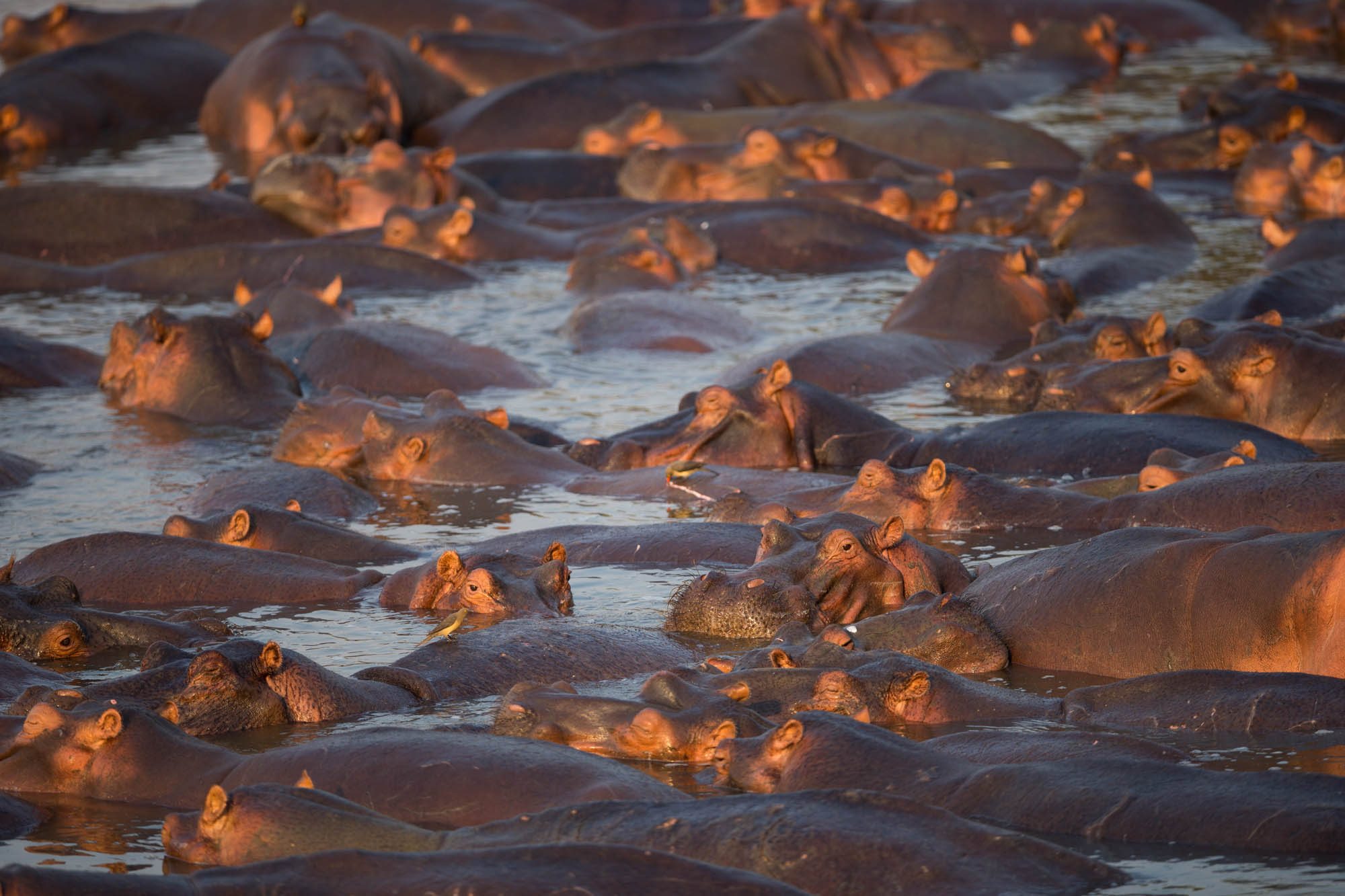
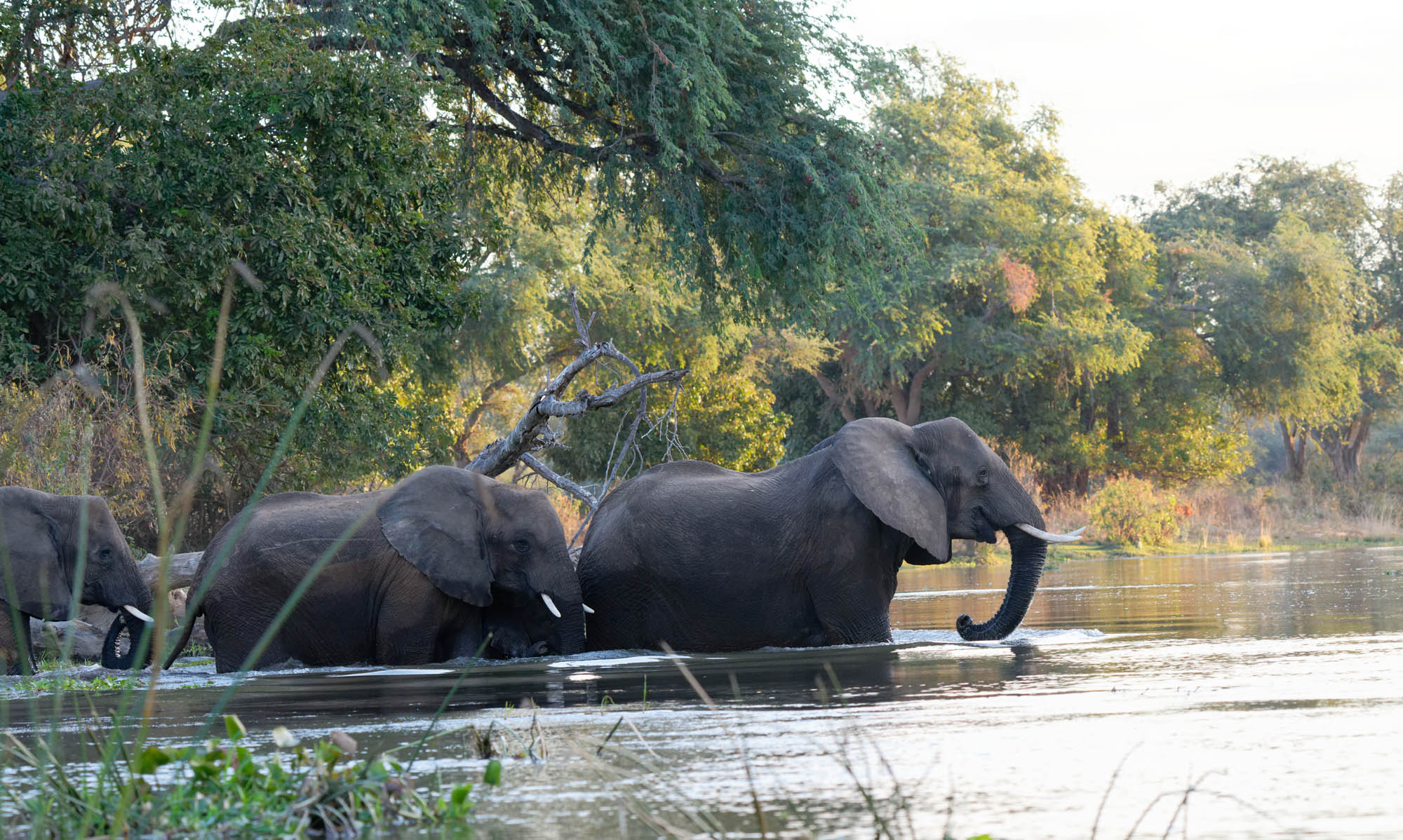
South Luangwa National Park is legendary for an abundance of leopards plus good elephant numbers, giraffe, zebra and of course hundreds of hippos along the Luangwa river. There are thousands of hippos on the Luangwa so you are almost always within hearing distance of their booming snorts and honking. Hardly surprising, given that they can be heard as much as a mile away.  Chindeni is well away from the main river but we could still hear them in the distance, at night.  

Image

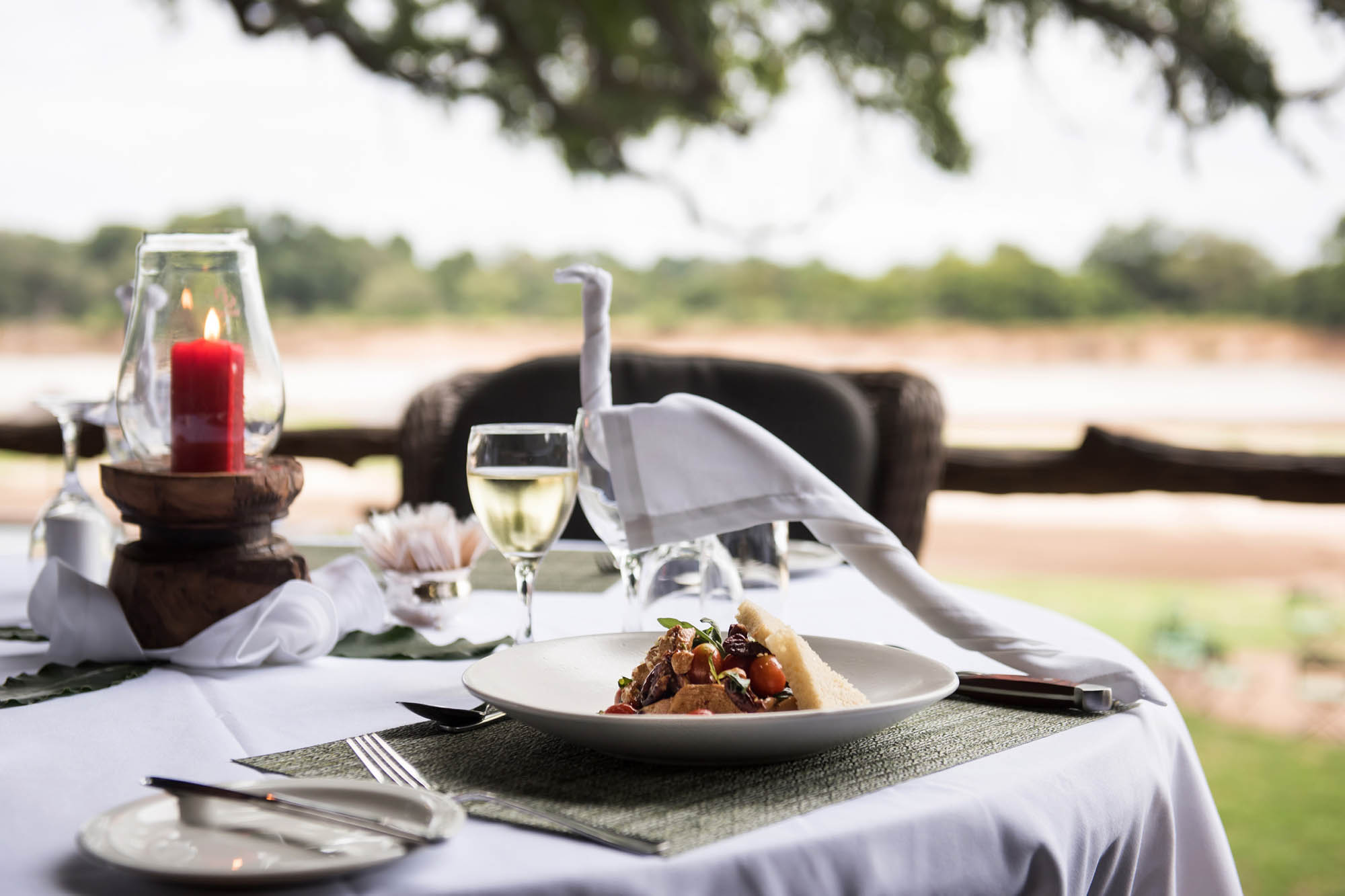
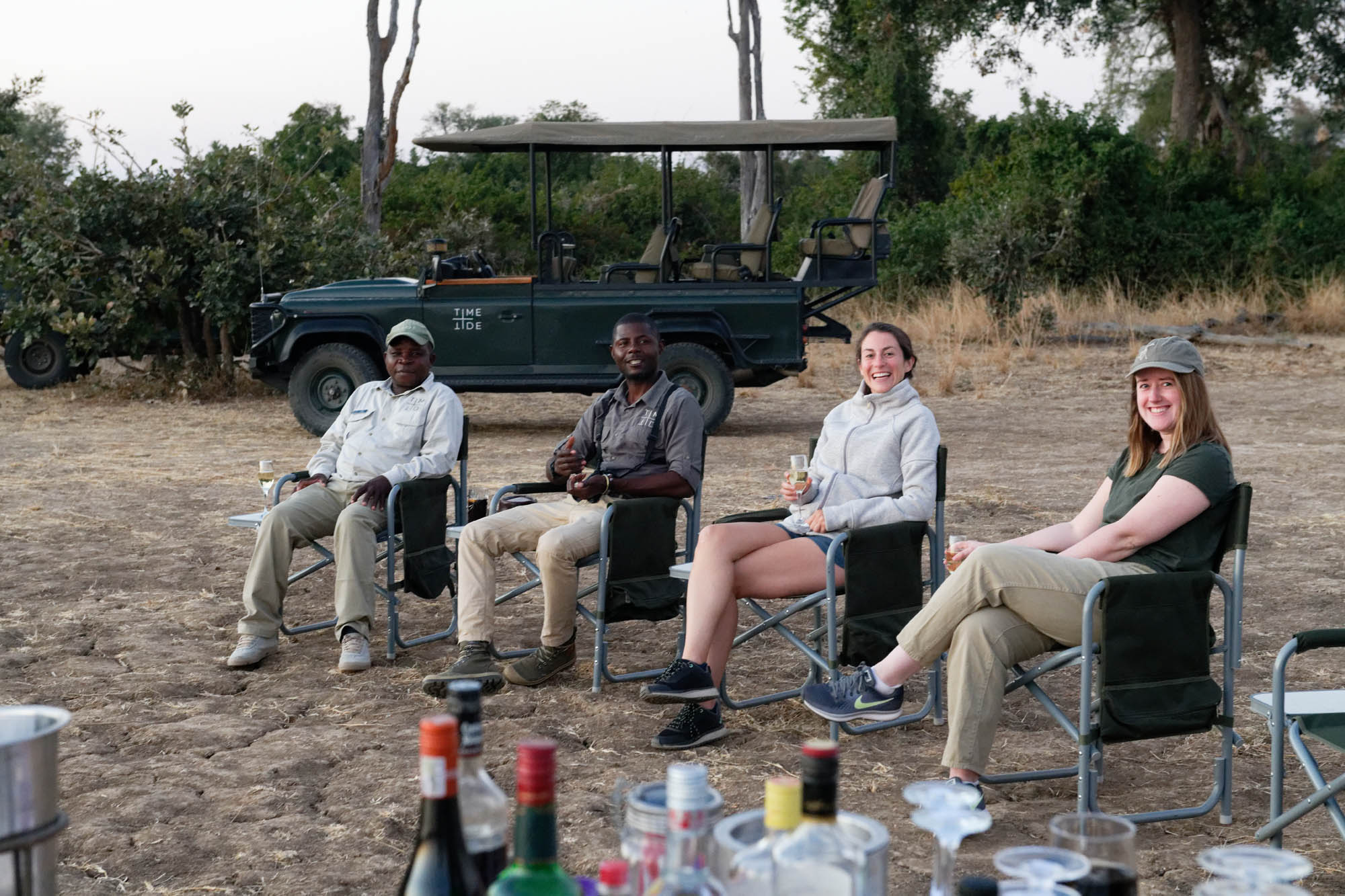
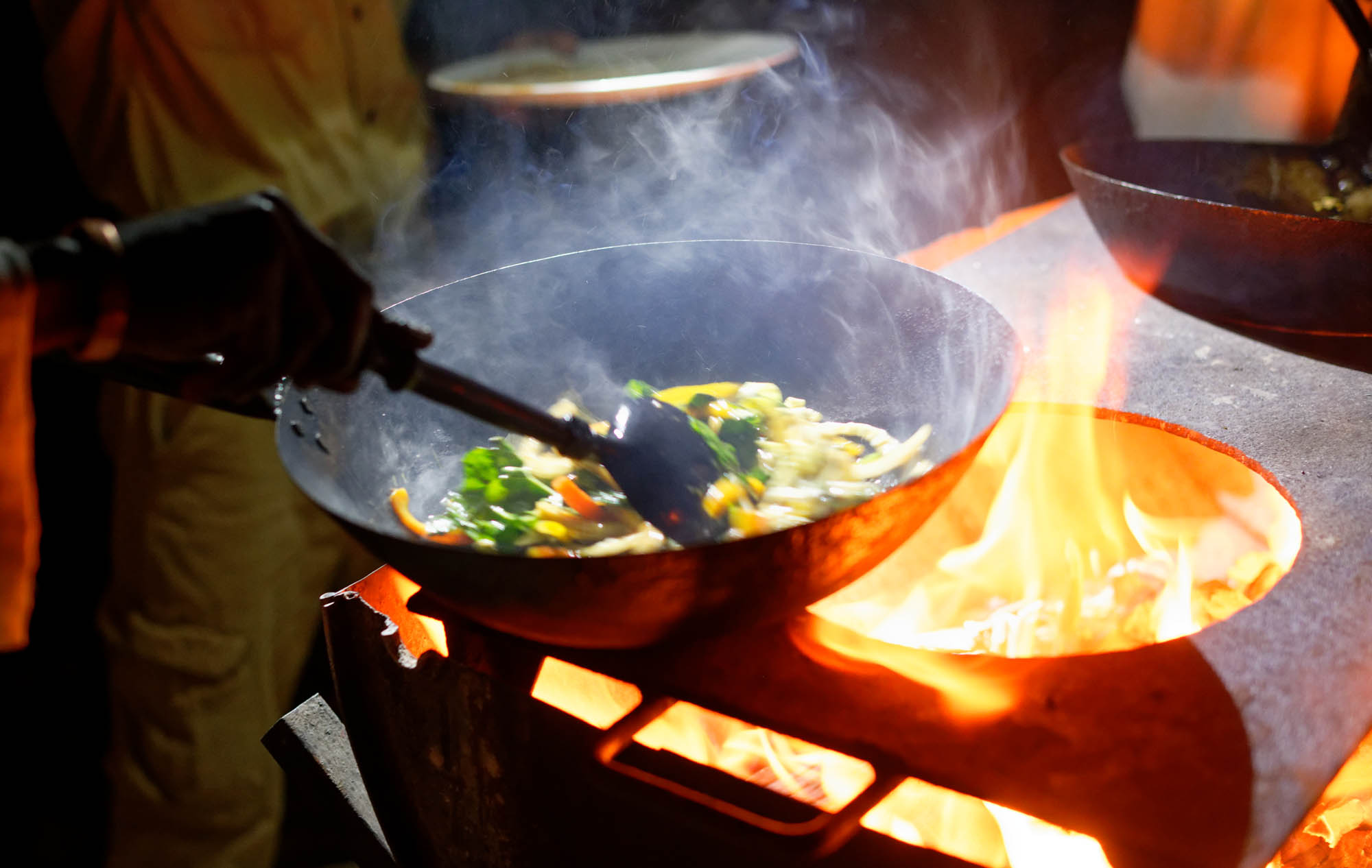
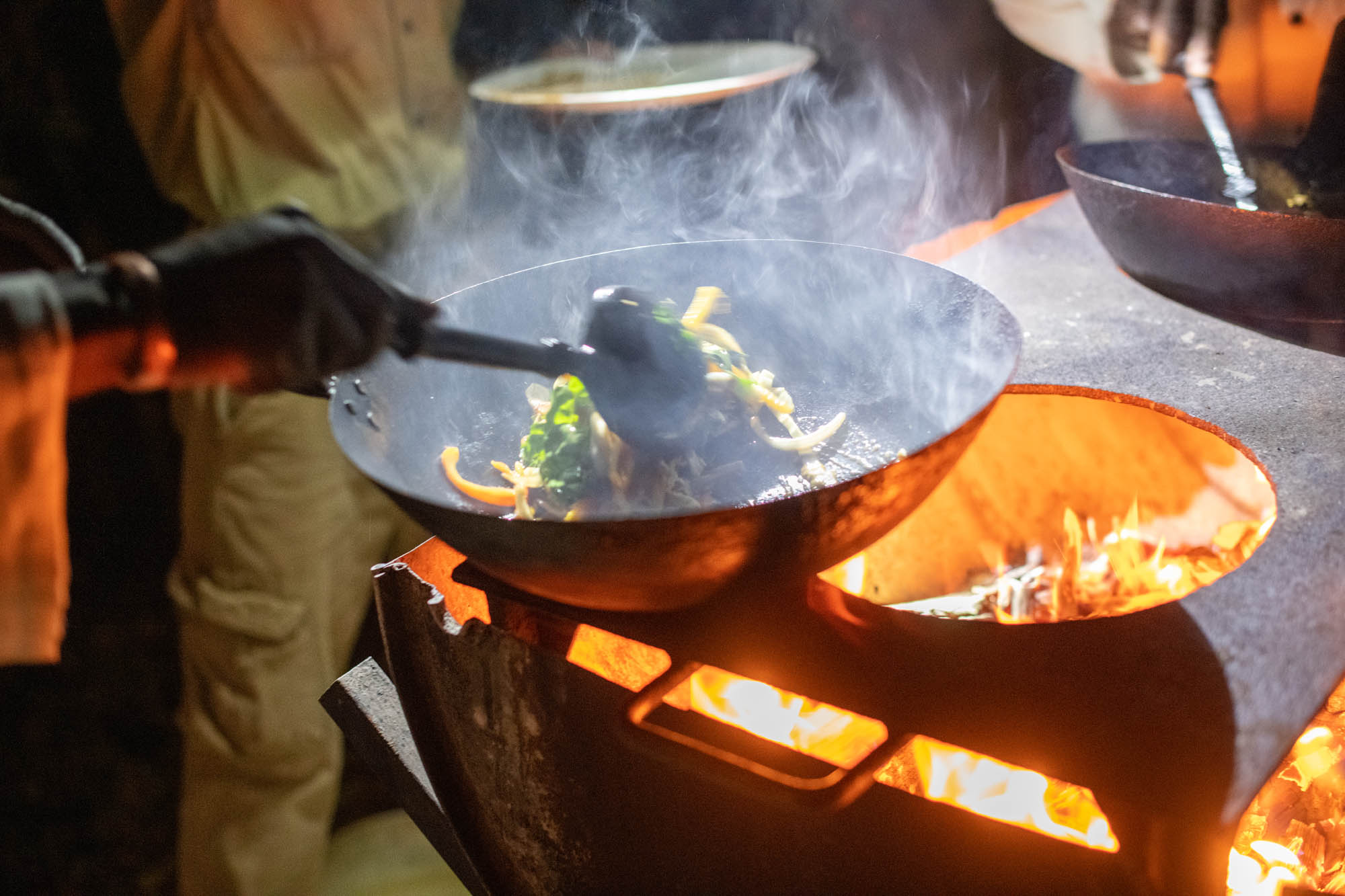
After a rather uneventful night drive, we were back in camp just after 7pm for dinner.  A delicious soup to start, served with freshly baked bread rolls.  The main course was an elaborate Mongolian stir-fry, a culinary and visual extravaganza.  This most memorable of meals was finished off with a tasty flan.  Of all the safari operators who hosted us on this trip, the Bushcamp Company was the clear ‘winner’ in terms of special events & surprises, such as sundowners served in a scenic location and meals prepared and served al fresco, in a bush setting.  

Image

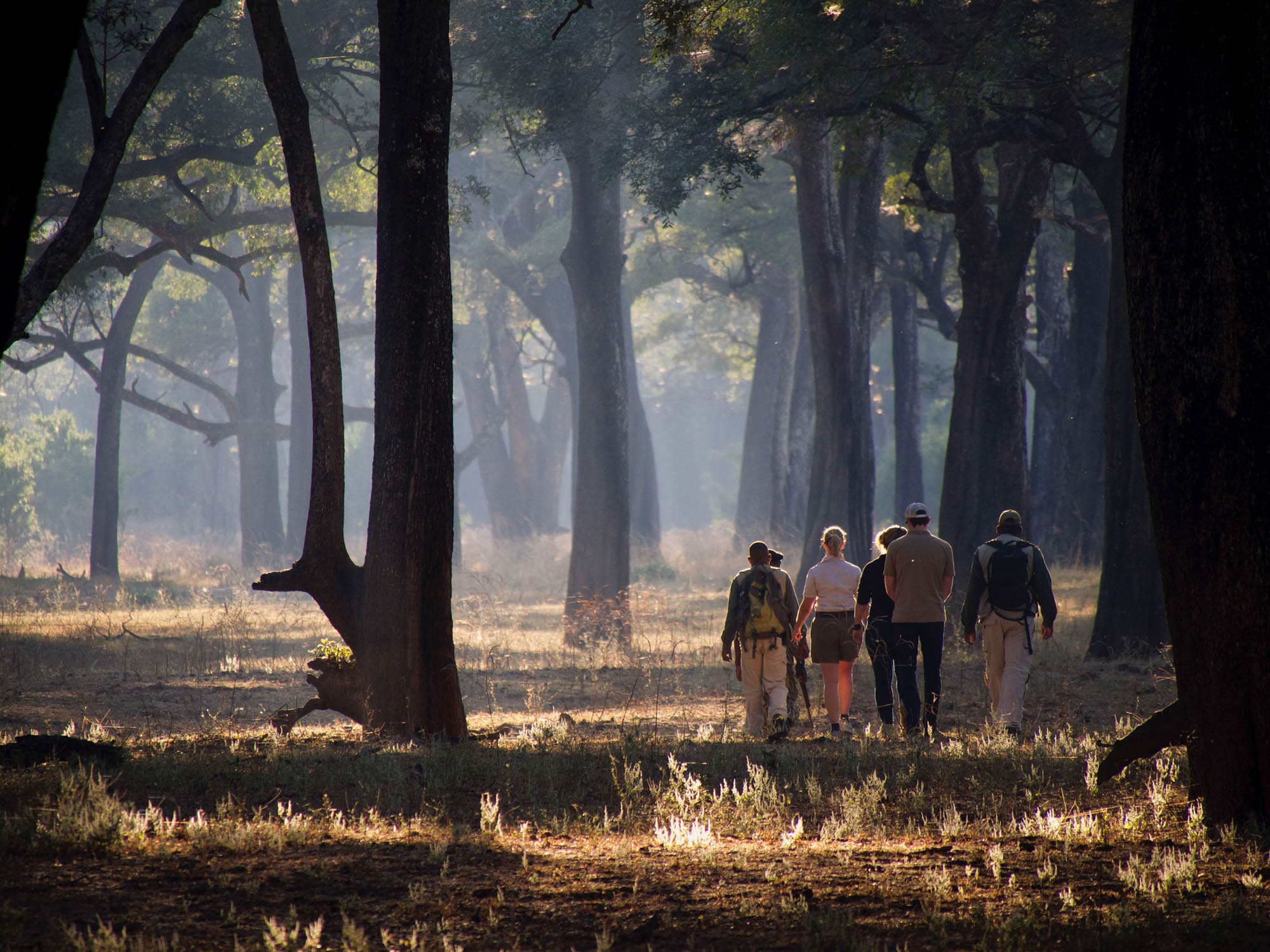
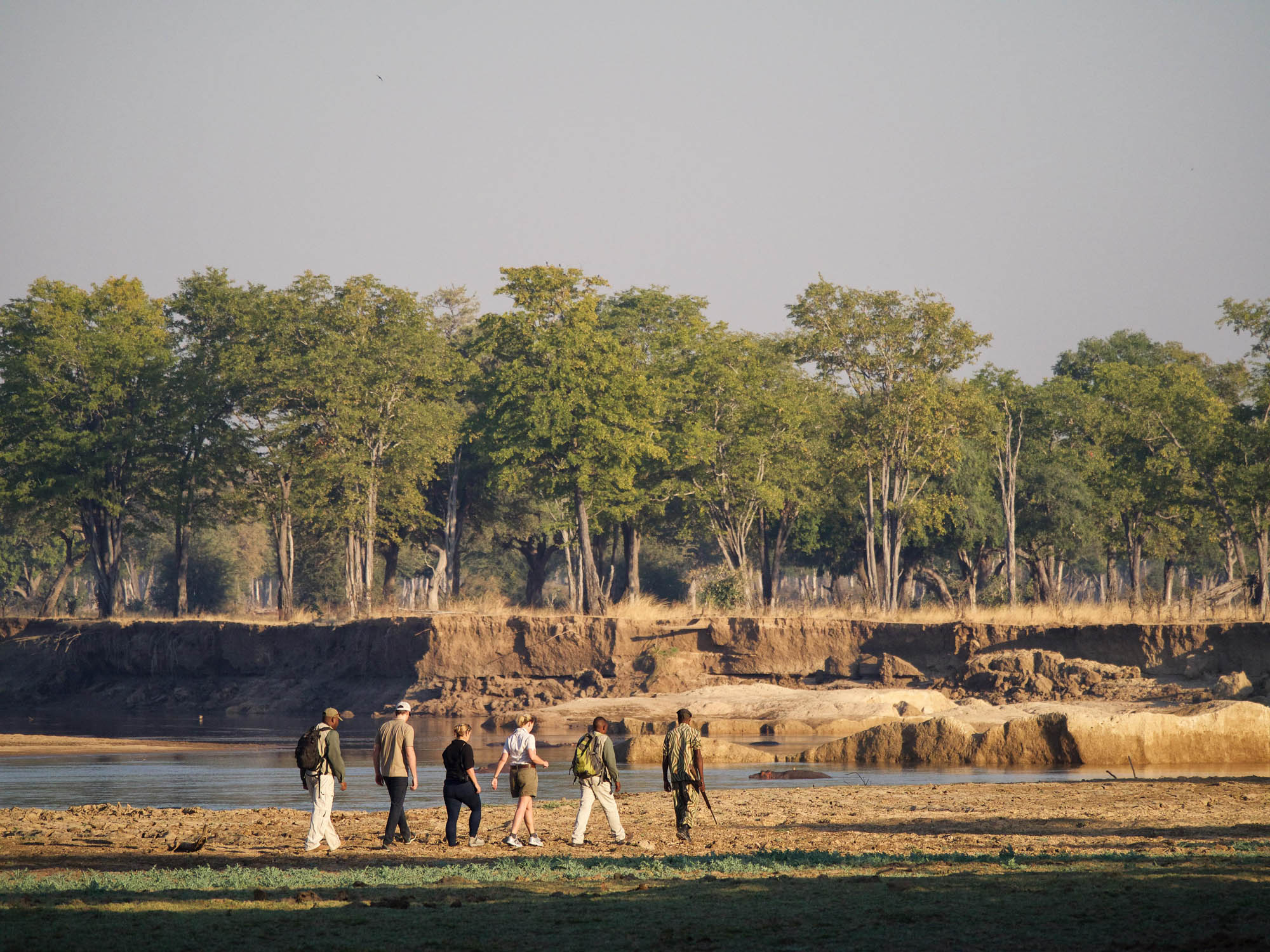
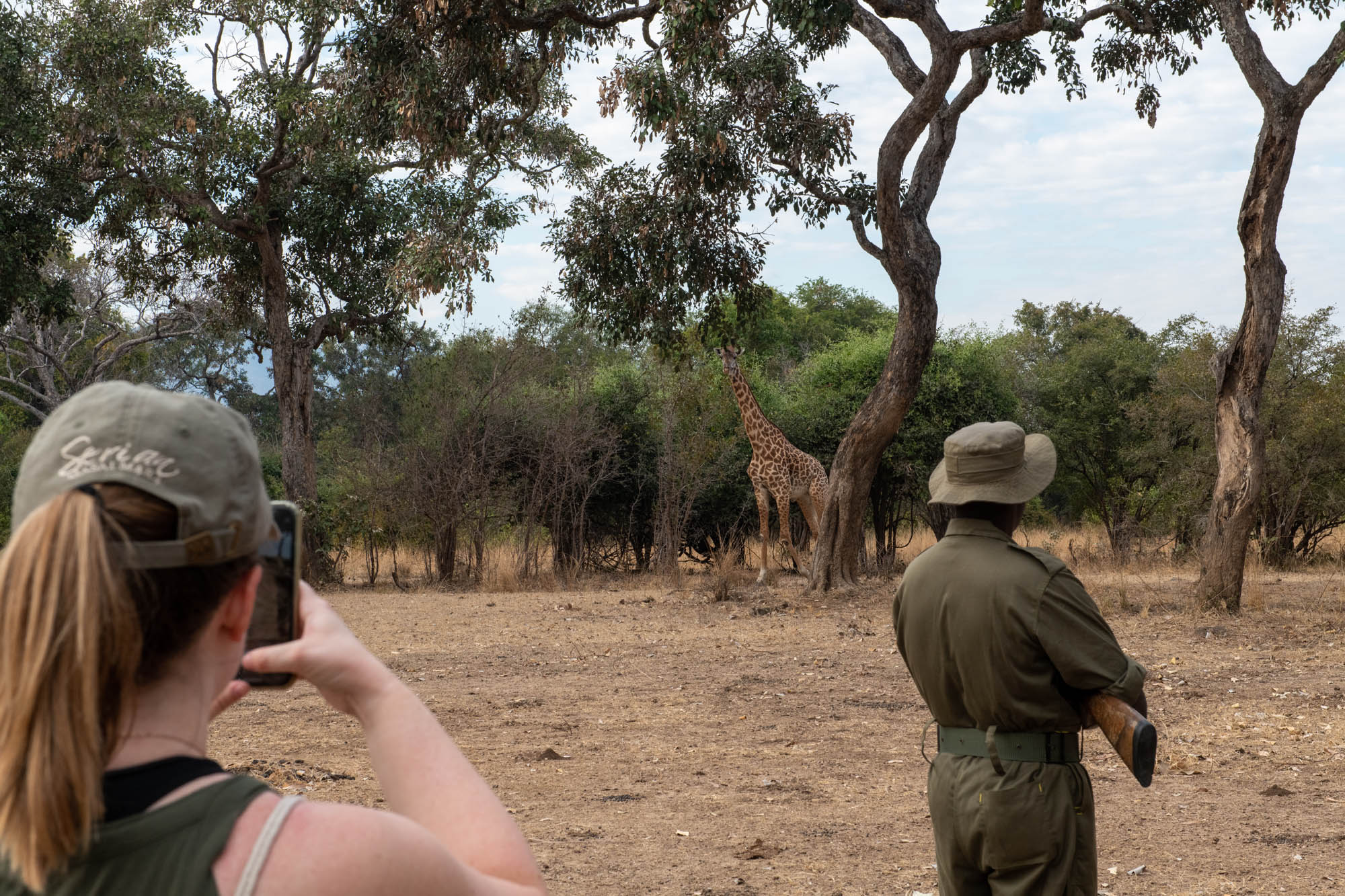
Walking is central to the safari experience in Zambia yet it isn’t forced or mandatory. Most camps do the walking excursions early in the morning as it does get hot later in the day.  And so it was the following morning when we were up at 0530 for our second South Luangwa foot safari, this time with our guide Peter. After a long day in the car the previous day, it was really nice to be out on foot again.

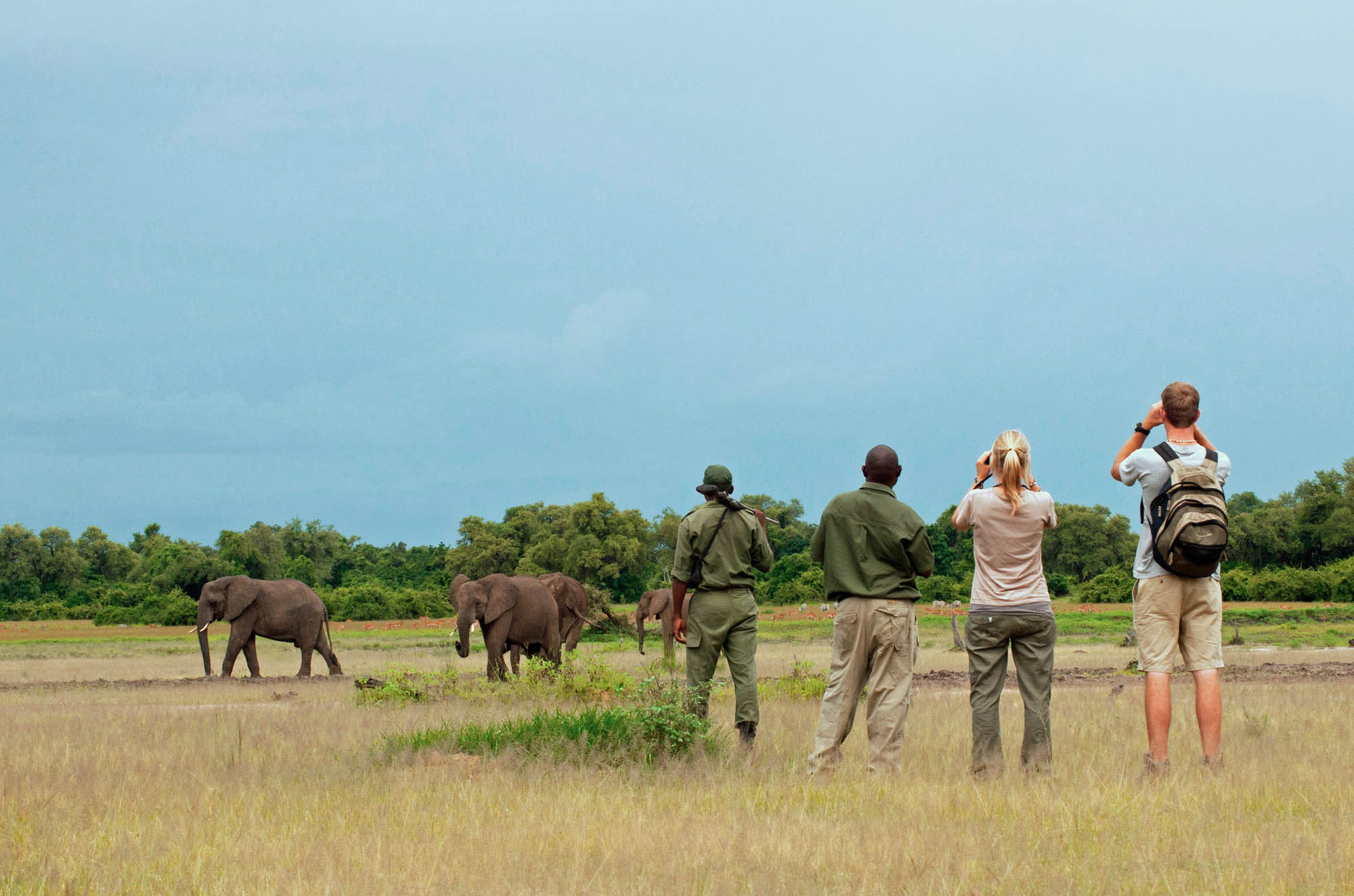
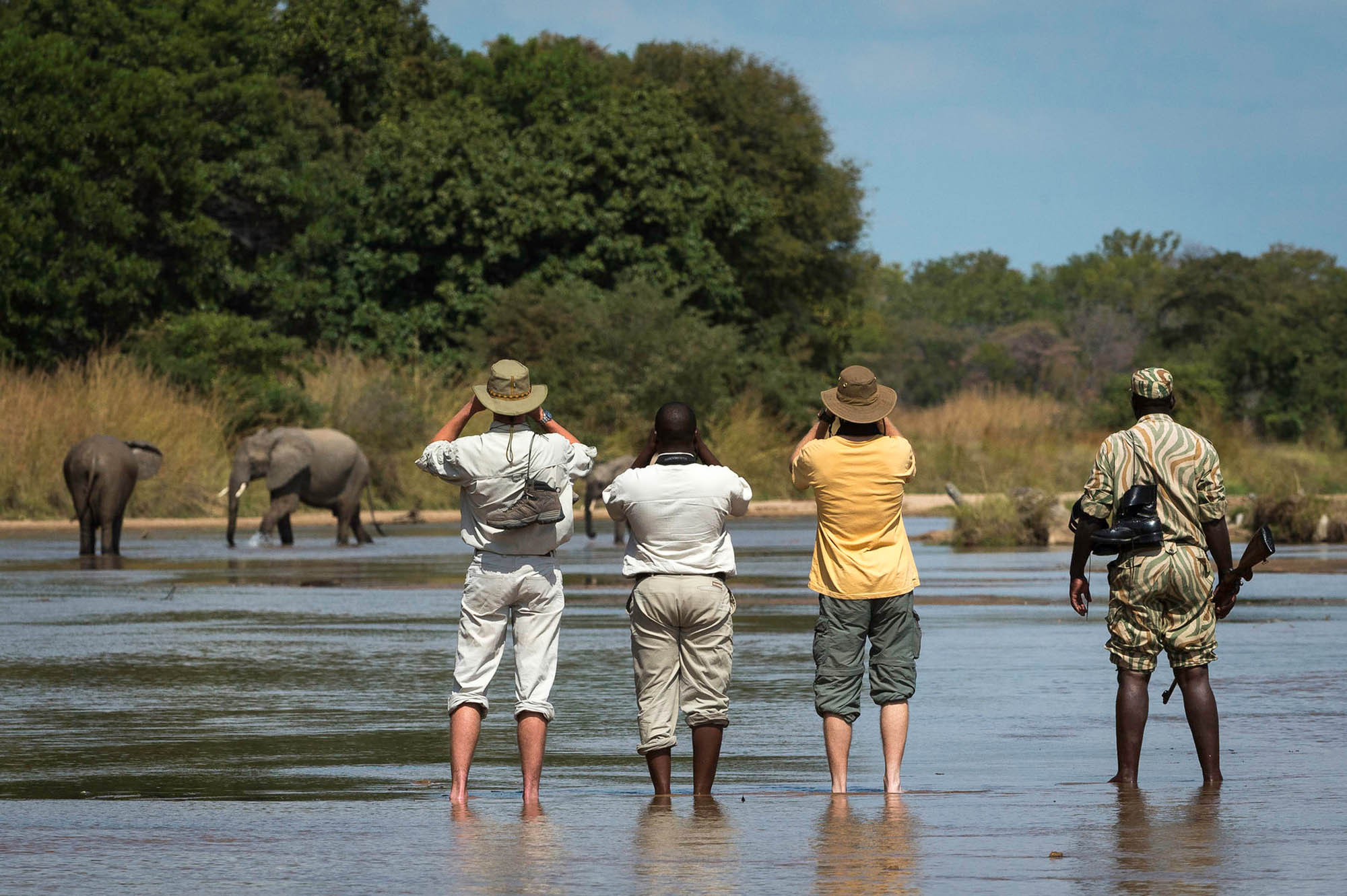
If nothing else, a foot safari is always great exercise.  But there’s more:  signs, tracks, plants, trees, birds – and animals.  On this two hour walk we saw giraffes (close up), elephants (we had to divert around some), lots of antelope including a kudu, and baboons. 

Image

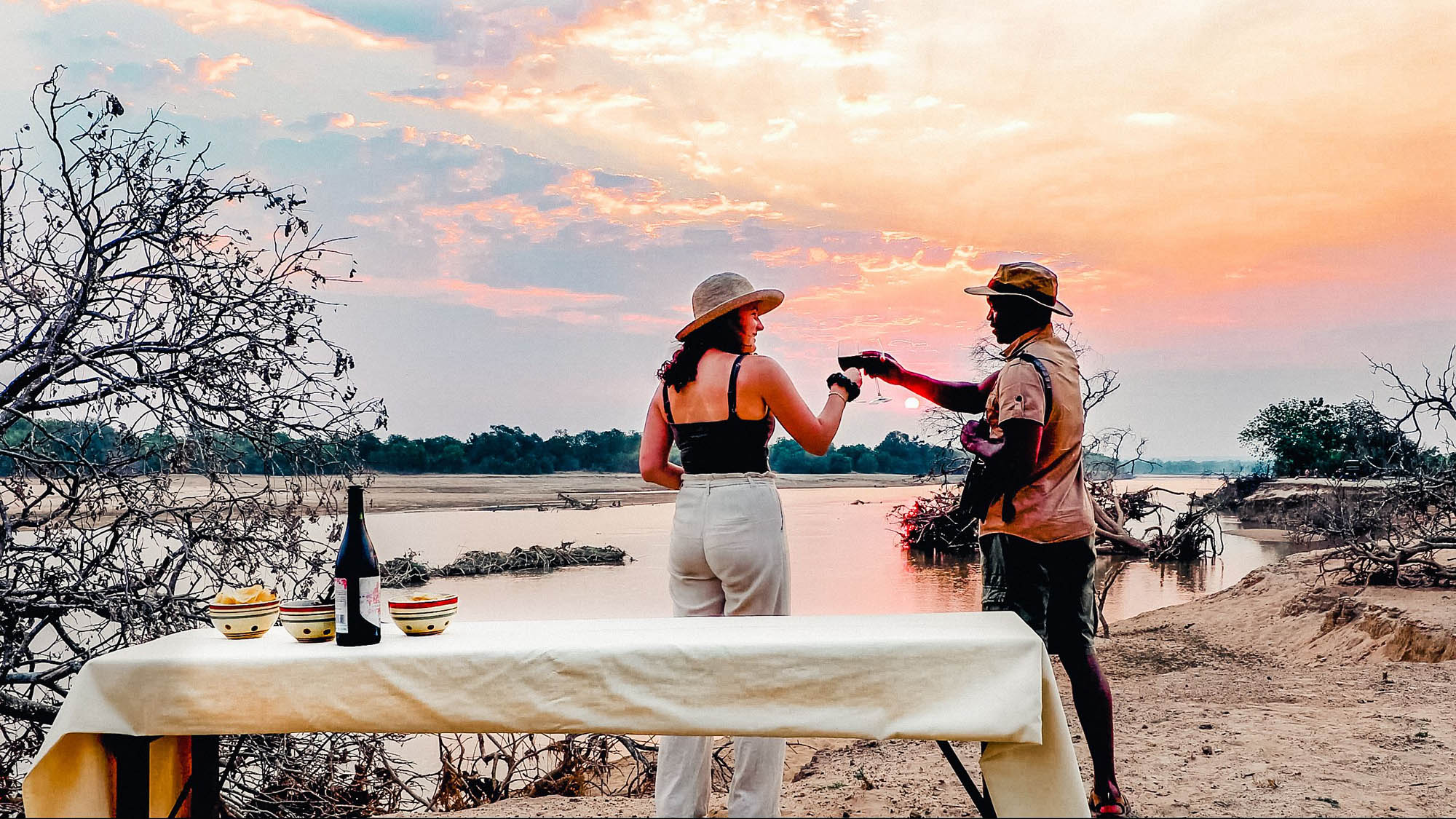
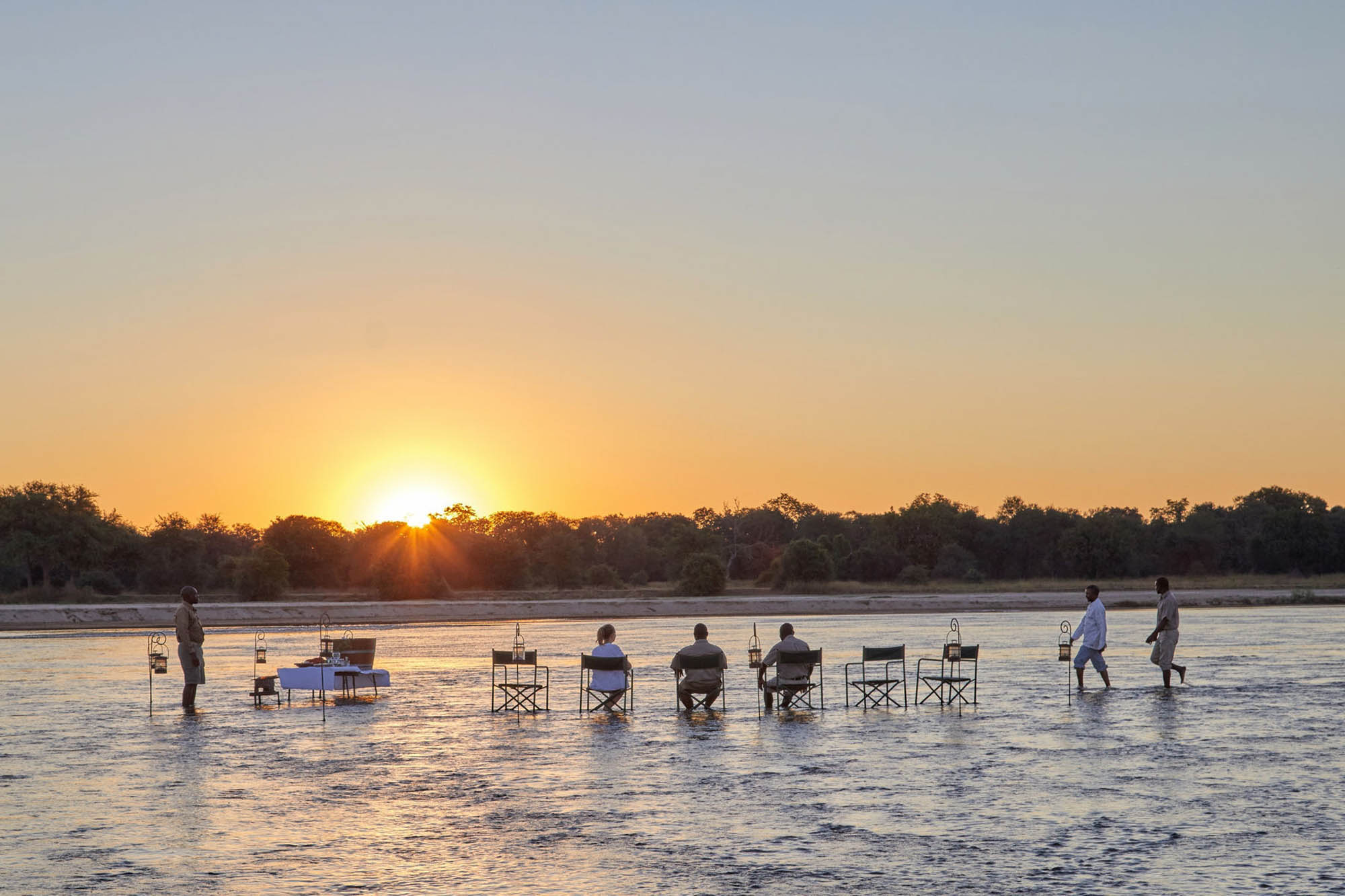
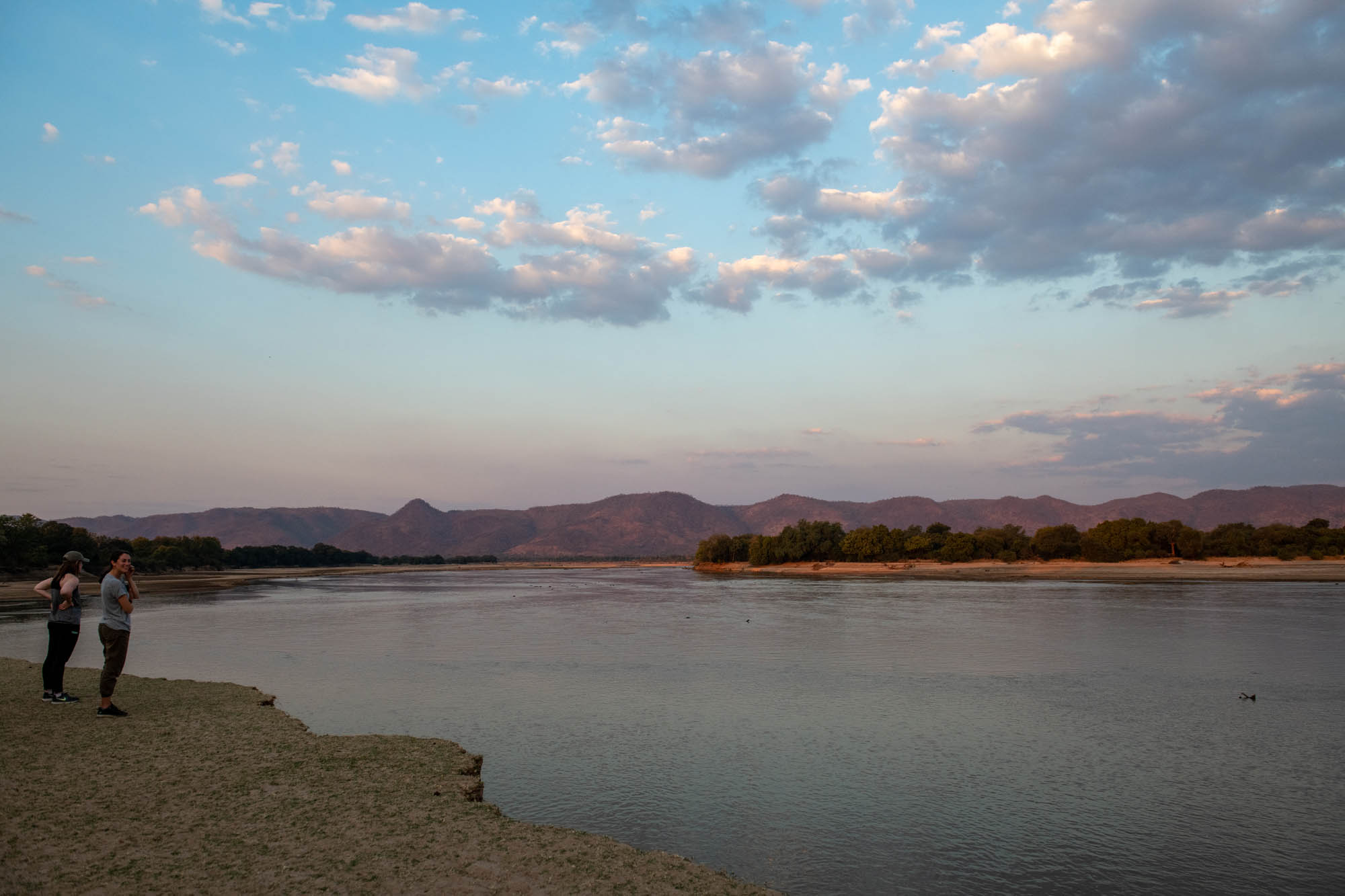
Sundowners this evening were served in the shallow waters of the Kapamba River, close to its confluence with the Luangwa.  It was fun and different.  Wading into the cool water and feeling the soft sand between your toes is a special treat.  I had seen many photographs of the Kapamba River sundowners over the years and it was really good to finally experience this myself.

Legendary Lodge

Image

During the course of the two days or so which we spent in the Bushcamp Company area, we managed to find time for site inspections at four other bush camps and Mfuwe Lodge:  

Kuyenda:  This small 4-roomed camp is not right on the Luangwa River but close.  Set beneath shady trees by the Manzi River, it felt very intimate, a real bush camp.   Quite noticeably, there was plenty of wildlife around the camp.

Chamilandu:  This tiny bushcamp – which has just 3 stilted ‘tree-house’ rooms – is beautifully located  on the edge of the Luangwa River.    The usual sequence of activities is to do walking in the morning, and game drives in the afternoon.

Image

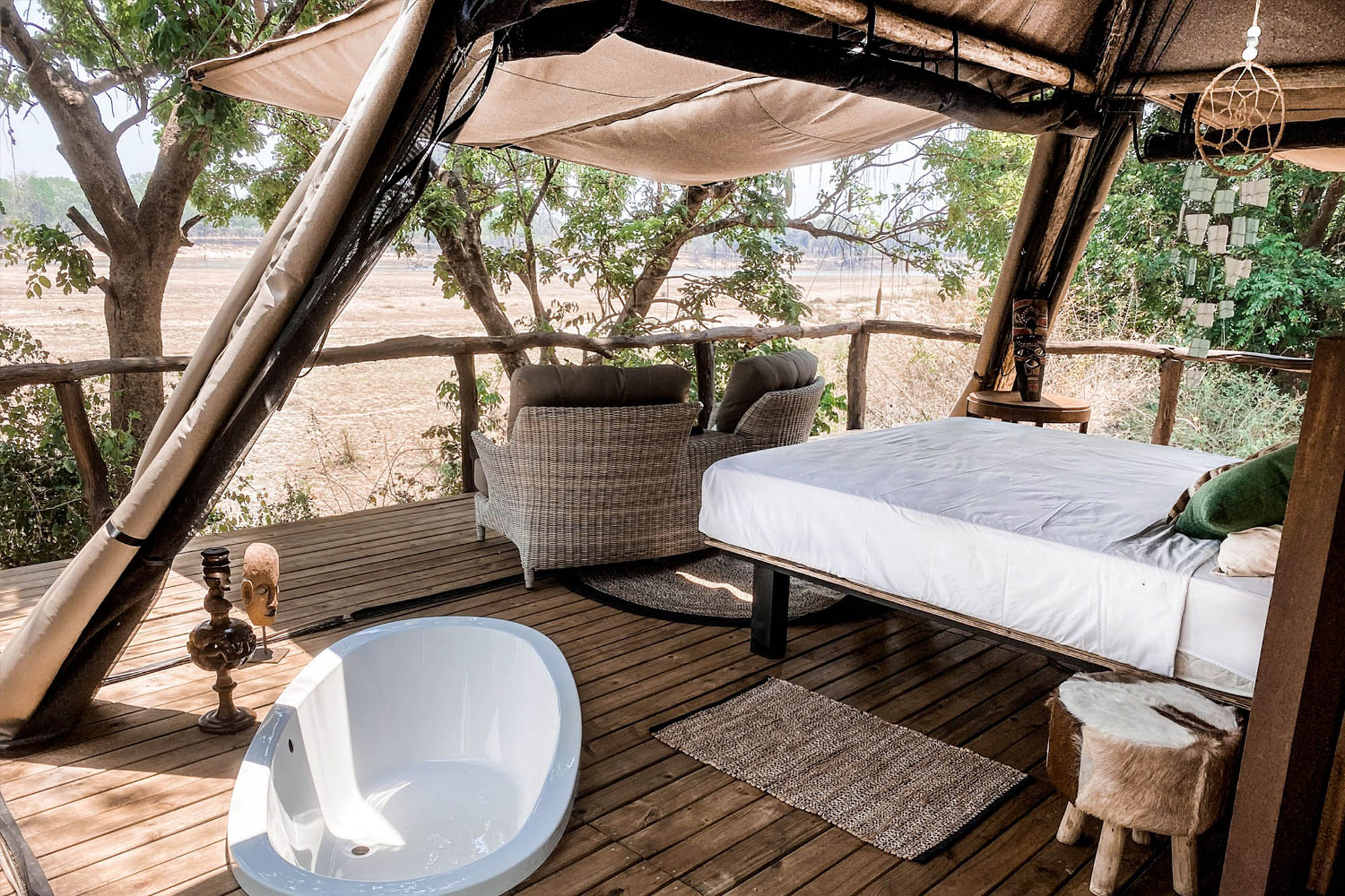
Kapamba: This 4-roomed bush camp combines the isolation and superb game-viewing opportunities of a true bushcamp with a touch of luxury.  Two of the rooms – on the outer edges of the camp – have sleep-out areas.  The rooms don’t cost more, they simply have to be requested in advance.  Kapamba is known for getting a high percentage of return visitors.  Set on the banks of the shallow, spring-fed Kapamba River,  game drives are done mostly towards the south in the direction of the Luangwa River. 

Bilimungwe:   Set beneath a huge mahogany tree, the heart of Bilimungwe is the cool, shady lounge area that looks out over one of the camp’s three waterholes.   The four raised thatched rooms are comfortable – even a bit luxurious – but retaining an authentic bush camp feel.  Like the other bush camps, Bili offers walking safaris, day and night game drives, and sundowners on the river’s edge.

Villa Maua

Sanctuary Retreats

Image

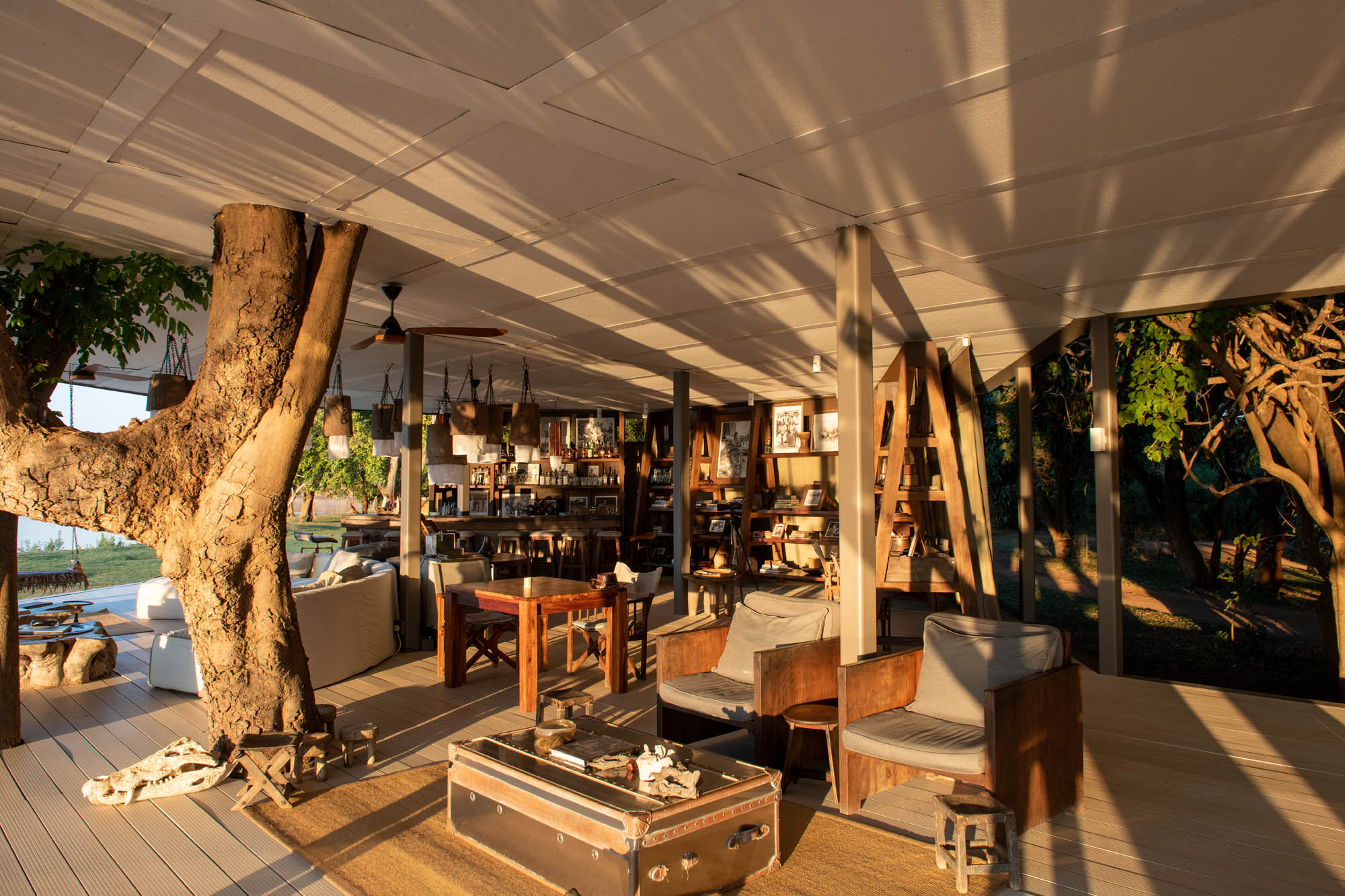
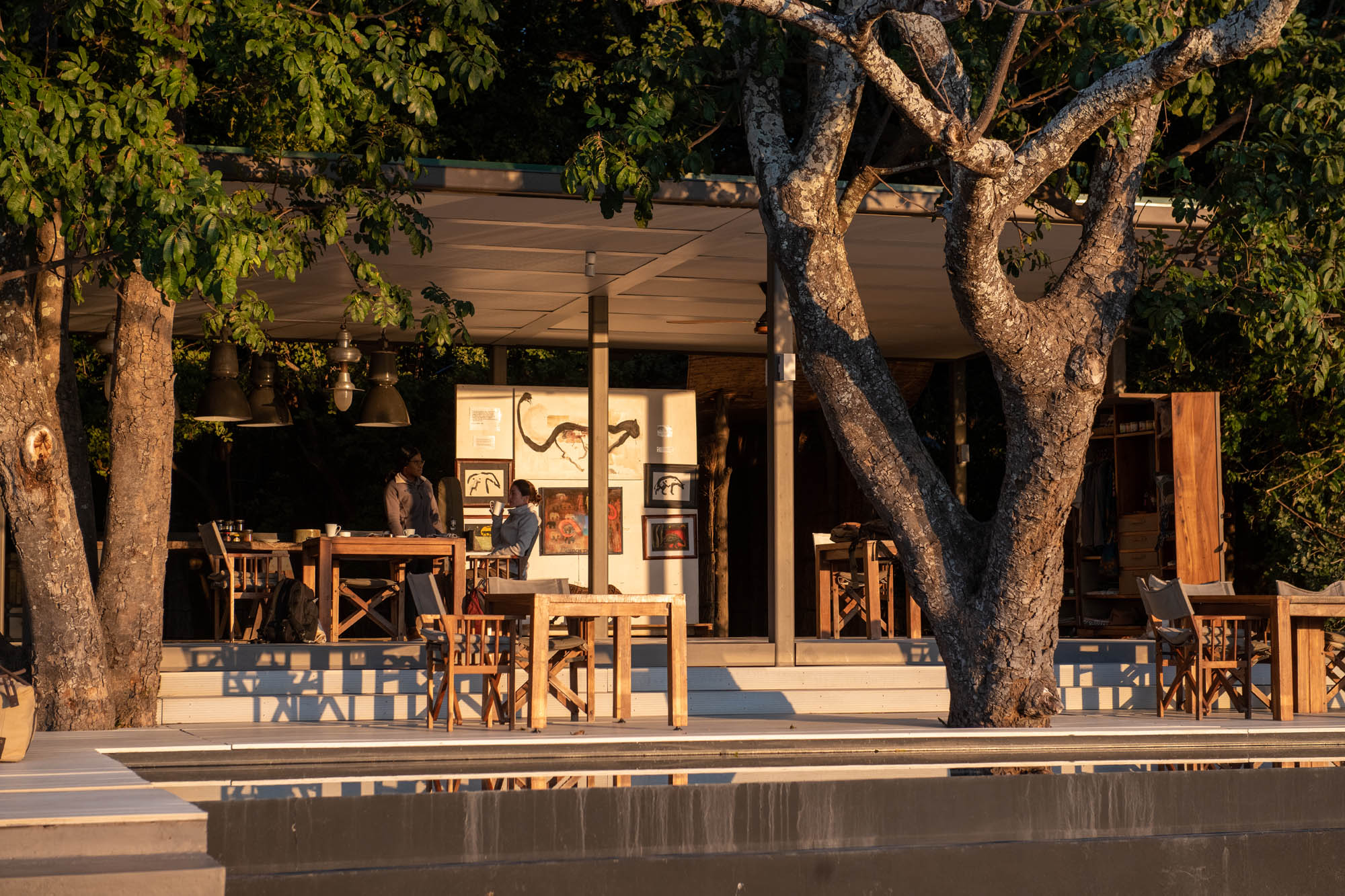
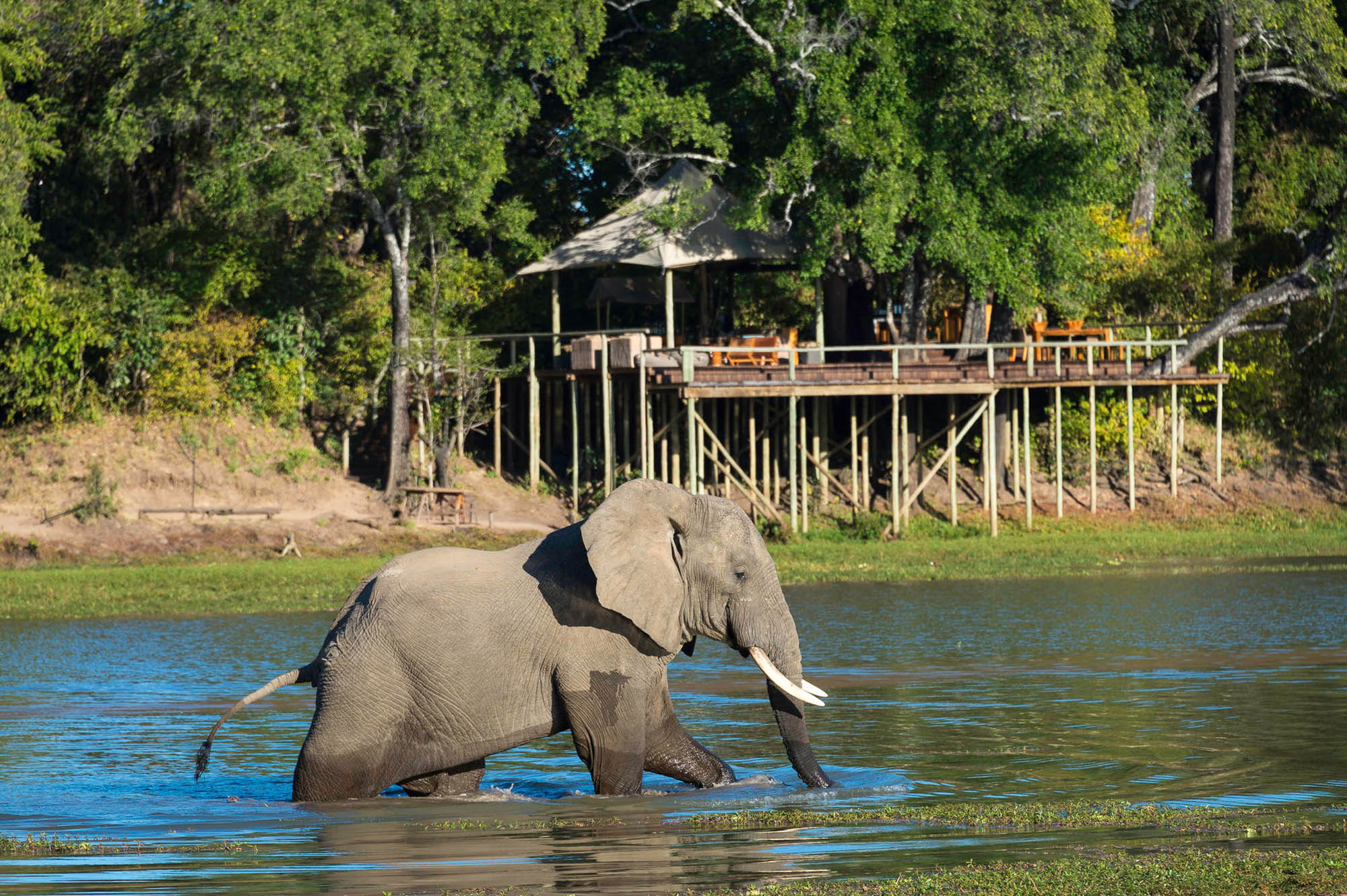
Mfuwe Lodge:  On our way out of the South Luangwa, en route to Kafue, we checked out Mfuwe Lodge, where Kathy and I had spent some time a few years ago.  Set in the most prolific game area of the South Luangwa National Park, Mfuwe Lodge is the perfect place to start and finish your journey to the bush camps.   Its  eighteen air-conditioned chalets are arranged around the banks of two lagoons where a stream of wildlife will keep you entertained.   The large, airy interior of the lodge blends quite seamlessly into its natural surroundings.

Image

The Mfuwe region of the park is renowned for its prolific game, and as a result giraffe, hippos, buffalo, antelope, and crocodile are constant visitors to Mfuwe Lodge’s lagoon.  In the month of November the local elephants regularly wander right through the lobby, lured by a nearby wild mango tree. Whether you stay overnight, or just have lunch en route to a bush camp, Mfuwe Lodge’s relaxed charm and enviable surroundings make it the perfect stopover. 

Image

Photo courtesy of Bushcamp Company

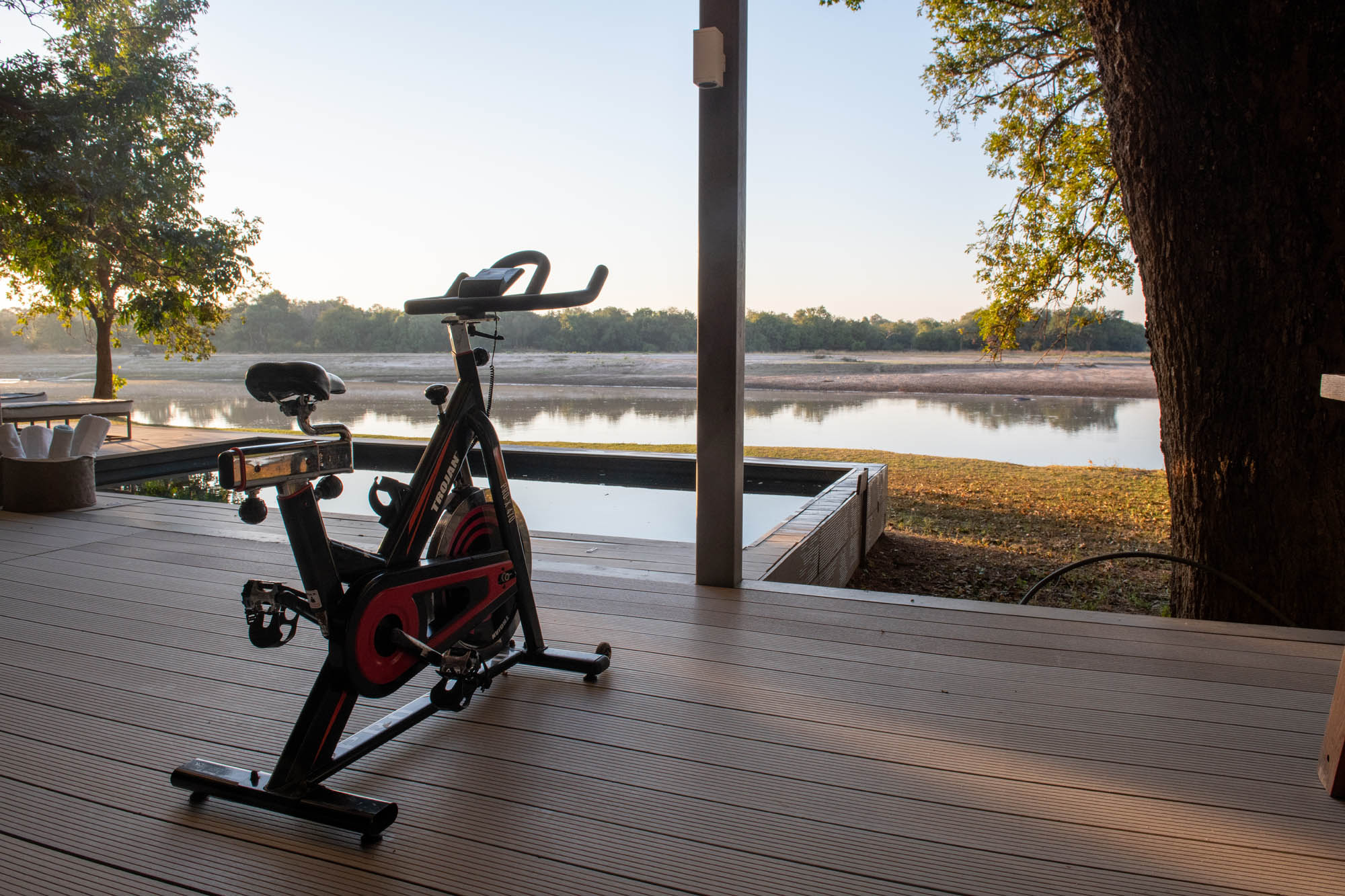
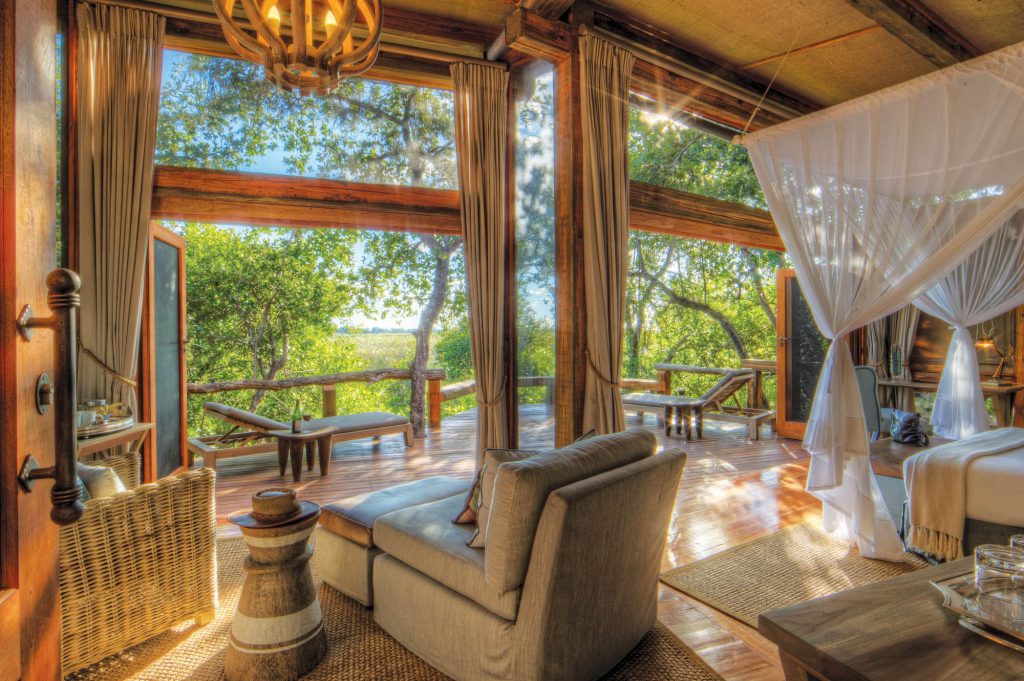
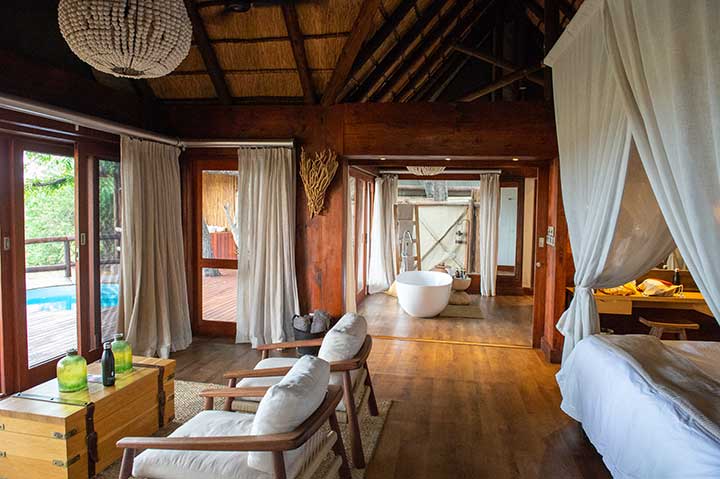
A new addition to Mfuwe Lodge is the well-appointed director’s room, a 2-bedroomed thatched unit which comes with its own swimming pool, private dining and private guide and is ideal for families or 2 couples who are friends wanting total privacy.   It also has a small gym.

More Info

Email bert@fisheaglesafaris.com

Email jason@fisheaglesafaris.com

@fisheaglesafarishouston

#FishEagleSafaris

YOU MIGHT ALSO BE INTERESTED IN

Botswana
Destinations
Hwange
Kenya
Masai Mara
Mashatu
Serengeti Plains
South Africa
Tanzania
Tswalu
Zimbabwe

9th October 2020

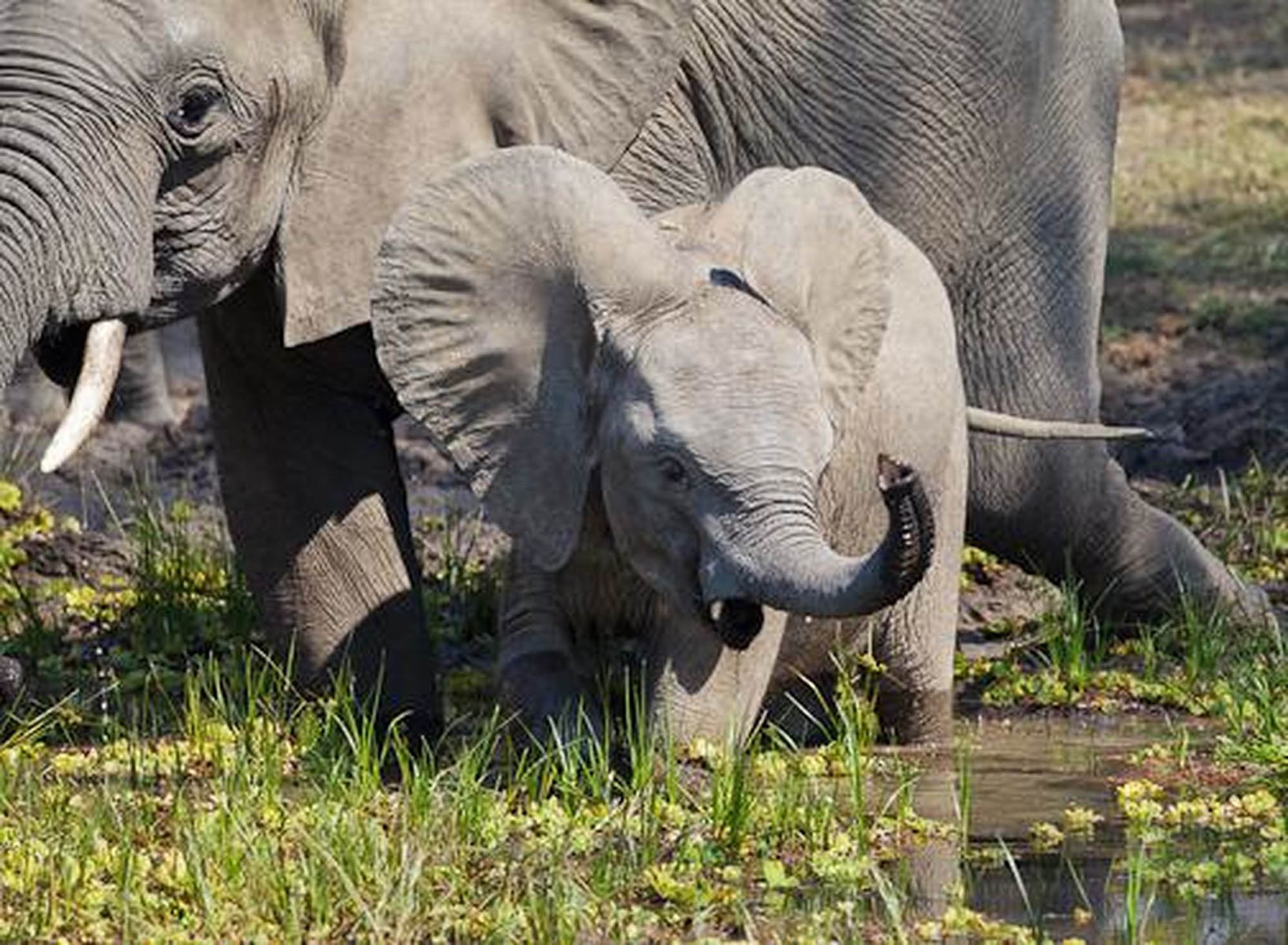
Cheetahs, cheetahs, cheetahs

For many visitors to Africa, seeing the big cats is #1 on their wish list. Nobody wants to go home
Read more
Botswana
Destinations
Okavango Delta

3rd October 2022

Camp Okavango, Botswana

Camp Okavango is in the heart of the permanent part of the Delta. In this idyllic setting there are no vehicles, and it is just a short walk
Read more
Area
Destinations
Nyerere National Park
Ruaha
Tanzania

14th October 2023

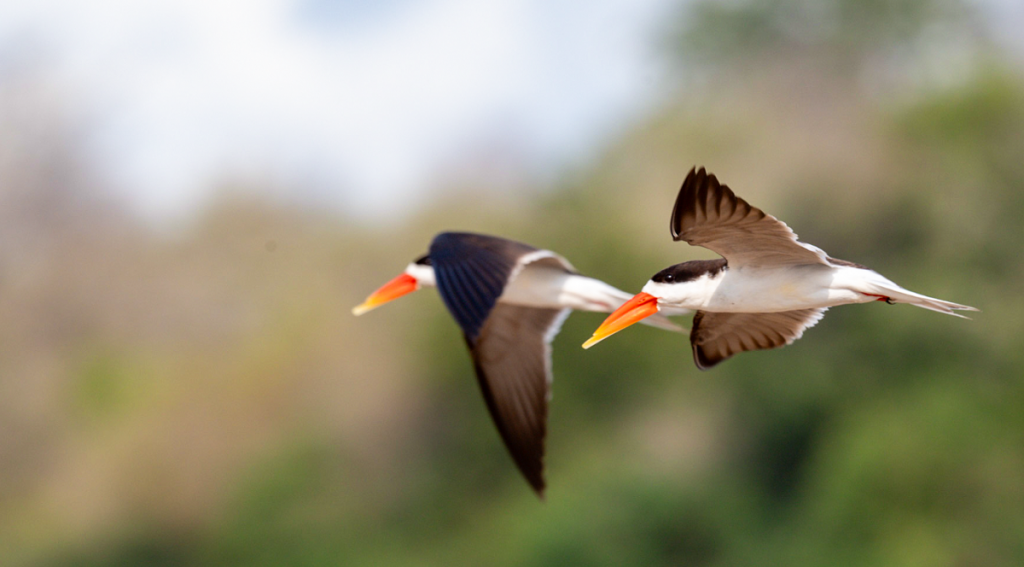
From My Safari Notebook: Wildlife Photography

Birds in flight and wildlife photographers have an uneasy relationship. Things go wrong as often as they go right. Getting focus-lock on a moving subject

Read more

SUBSCRIBE TO OUR NEWSLETTER

READERS FAVOURITES

Botswana
Destinations
Hwange
Kenya
Masai Mara
Mashatu
Serengeti Plains
South Africa
Tanzania
Tswalu
Zimbabwe

9th October 2020

Cheetahs, cheetahs, cheetahs

For many visitors to Africa, seeing the big cats is #1 on their wish list. Nobody wants to go home
Read more
Botswana
Destinations

4th August 2022

On Safari At Belmond Eagle Island Lodge, Okavango Delta

What is the ‘secret sauce’ for an unforgettable few days on safari in Botswana? It starts with the animals, of course. The elephants, lions, giraffes, hippos
Read more
Destinations
India

27th May 2023

India

India’s tiger, mammals and birds.

Read more

A Silent Safari in Zambia at Shawa Luangwa

2nd September 2021

A Silent Safari in Zambia at Shawa Luangwa


Image

Photos courtesy of Green Safaris

A Silent Safari in Zambia at Shawa Luangwa

Driving into a large herd of buffalo on an electric vehicle is a startling experience.  For the buffaloes just as much as for the occupants of the vehicle.  After years of experiencing noisy diesel-powered vehicles bearing down on them, and taking evasive action to stay a safe distance away from them, the buffaloes seemed baffled by the approach of the practically noise-free electric vehicle.  At least that was my impression last July, when I had the opportunity – together with a couple of Safari Pros on an educational visit – to experience several game drives in Green Safaris’ battery-operated Toyota Land Cruisers. 


Image

Photos courtesy of Green Safaris

Our guide – the legendary Jacob Shawa – was extra careful not to spook the herd and it worked.  Moving up a few meters and then stopping.  And repeat.  The buffaloes were not completely fooled.  A few of them would momentarily wheel and peel off from the herd, only to realize that there was no danger and quickly slow down to a walk.  The reaction of the young buffaloes was priceless:  giving us some fierce, sustained stares but clearly not overly intimidated by the appearance and presence of this large object moving slowly, quietly past them.  


Image

Photos courtesy of Green Safaris

Why electrical safari vehicles?

Using Africa’s abundant solar energy to power vehicles offers a clean and sustainable alternative to burning fossil fuels.  Over the last several years, great strides have been made with carbon-free electricity management in the African safari industry.  A fast growing number of safari properties are run entirely by  solar generated power.  The one exception to this development to date, has been the safari vehicles which are mostly still fueled with diesel.  Change is coming though and will largely be driven by improved battery technology.


Image

Photos courtesy of Green Safaris

Electric vehicle batteries are rapidly becoming safer, cheaper, and faster charging, with higher energy density.  Lithium-ion batteries are the current standard for electric vehicles, yet they have a relatively short life cycle and have a history of overheating.  Lithium-silicon and solid-state batteries are emerging electric vehicle battery technologies that will improve performance, hold more energy, and last longer at a lower cost.


Image

Photos courtesy of Green Safaris

The advantages of electrical game drive vehicles over their noisy internal combustion engine counterparts are legion.  Being driven around in one is a silent and seamless experience with zero carbon emissions.  The vehicles have plenty of  torque and power to go anywhere that the traditional vehicles can, as we’ve seen and experienced ourselves. Worried about getting stuck in the bush?  It’s probably more likely to happen with a conventional vehicle than an EV.  The vehicles are recharged from solar panels and on a full charge the battery lasts up to 6 hours, good for 100 to 125 miles, depending on the terrain.  Game drives rarely exceed 25 to 30 miles, so there’s plenty of reserve ‘gas’ in the tank. 


Image

Photos courtesy of Green Safaris

Beyond the obvious environmental benefits, electric vehicles enhance the guest experience in several ways.  It starts with silence.  The absence of extraneous noise and the incessant drone of large cities is what makes Africa’s wilderness areas so special.  Yet the moment a driver-guide starts up the massive V-8 motor which powers many of the Land Cruisers and Land Rovers in current use, the silence is shattered.  The noise is incessant for the duration of the drive, and relief comes only when the vehicle is stationary and switched off.


Image

Photos courtesy of Green Safaris

Not being able to hear the driver-guide from anywhere beyond the first row in a conventional safari vehicle is a constant source of dissatisfaction on outings.  What was that again? Huh? What did he just say?  Not so with an EV.  Guides communicate easily with guests without having to shout over the sound of the engine.


Image

Photos courtesy of Green Safaris

Just as importantly, the guides can hear bird or small mammal alarm calls, often the most reliable clue to the presence of predators.   An electric vehicle is ideal for approaching  sensitive or ‘jumpy’ animals such as leopards, or cats with babies for whom the sound of the engine can spark a negative reaction.  The smooth drive of an electric vehicle also provides a better platform for taking photos and videos without the incessant vibration and ambient engine noise.

Legendary Lodge


Image

Photos courtesy of Green Safaris

Repositioning a vehicle around a sighting – often a necessary maneuver when an animal changes position – always creates a disturbance in a regular safari vehicle.  There’s the startup noise – which often startles the animals – the rumbling around, and of course the inevitable spewing of yet more diesel fumes in the air.  With the electric car, there is a soft hum for a few seconds and then – click – you suddenly start to move forward.  No noise, no fumes, no aggravation. It actually takes a while getting used to, because there is no cue (ignition sequence) that you are about to move.  Hold on to your hat!  All movement is just more pleasant without the unnatural sound of an engine in a natural environment.


Image

Photos courtesy of Green Safaris

Also, it is just flat out cool to be on a battery operated safari vehicle.  It was quite noticeable that nearly every time Jacob pulled the Green Safaris electric vehicle alongside traditional diesel ones, it became the object of attention – and maybe just a tad of envy.  Other tourists, photographers and even the driver-guides themselves were staring more than just a little, peering in the direction of the vehicle to confirm their first impression.  Did that vehicle just move without making a sound?  You betcha!

Villa Maua

Sanctuary Retreats


Image

Photos courtesy of Green Safaris

Electric game drive vehicles and boats elsewhere in Africa

Electric safari vehicles have been showing up at a handful of camps across Africa, starting with Desert and Delta Safaris’ Chobe Game Lodge which scored a first in Africa when they launched an electric game drive vehicle and boat on November 7, 2014.  Currently, Chobe Game Lodge operates  four electric vehicles and four boats,  three of which are fully solar powered.  Since the start of the project they estimate saving over 38,000 kilograms of CO2 emissions and almost 15,000 liters of diesel.  

Electric vehicles are also in use in Kenya in the Lewa Wildlife Conservancy at Lewa Wilderness Lodge,  at Campi Ya Kanzi in the Chyulu Hills and at Emboo River Camp,  the only Mara safari camp that has gone all-electric with its fleet.


Image

Photos courtesy of Green Safaris

In South Africa, Makanyi Lodge in Timbavati Private Nature Reserve in South Africa has a converted Land Cruiser in operation while Cheetah Plains Lodge in the Sabi Sands Reserve operates several luxury-fitted electric game drive vehicles.  We were fortunate to undertake several drives in the northern Sabi Sand on Cheetah Plains’ smooth, quiet-driving vehicles in March 2020.  Here is a link to our blog post recounting the experience.


Image

Photos courtesy of Green Safaris

Shawa Luangwa Camp

We had arrived at the new Shawu Luangwa Camp the previous afternoon, after a short pontoon ride across the Luangwa River.  There is a lot to like about this 5-roomed camp.

  • It has an excellent location right on the edge of the Luangwa River, with a large floodplain stretching out in front of the camp, to the left and right.
  • The camp is constructed in a heavily wooded site, filled with birds and birdsong and small animals.
  • Shawa Luangwa has a fleet of battery-operated vehicles making ‘silent safaris’ a reality – and what a pleasure it was to silently glide through the bush with practically zero noise and no pollution.
  • We experienced superb guiding by no less than Jacob Shawa, the head professional guide and inspiration behind the naming of the camp.


Image

Photos courtesy of Green Safaris

I was impressed with the innovative design of the main lodge and dining room which is a compact,  split-level structure, not the usual sprawling edifice.  The elevated deck provided an ideal al fresco dining spot overlooking the pool and the river in the far background. 

There’s also what appears to be a particularly inviting fireplace with chairs – which we unfortunately didn’t have the opportunity to use.  I was told that the fireplace came with a view of hippos at night and it is easy to see why, with so much grassy floodplain right in front of camp, and so many hippos….  All in all, the food at Shawa Luangwa was tasty, a highlight being the great spareribs for lunch.  To be sure, I wasn’t wowed by the bare-bones cheese platter served with dinner, but it was no big deal.  The breakfast was excellent.  


Image

Photos courtesy of Green Safaris

The rooms have a couple of design features which some visitors will like a lot, and others won’t.  I think everybody will like the open design, with great looks towards the floodplain and the river, and the feeling of being right inside a forest.  The rooms probably could have used a bit more space.  The sunken bath right inside the room will be popular with bath aficionados but clearly that’s not everybody.  The smallish toilet room – barely bigger than a closet – feels a bit like an afterthought.  At least it is separate and has a door.  


Image

Photos courtesy of Green Safaris

Head professional guide Jacob Shawa

Despite a couple of minor glitches with service, including an overly lengthy process to charge park fees upon our departure, my stay at Shawa Luangwa was most enjoyable.  Head Guide Jacob Shawa provided me with some excellent photographic hints and suggestions and he would be an asset on safari for anyone serious about getting some great photos.


Image

Photos courtesy of Green Safaris

Voted one of Wanderlust’s top 8 professional guides and one of the most interesting and passionate guides you will ever meet, Jacob is at the heart of Shawa Luangwa’s story.  Like the other members of the Green Safaris team, Jacob fell in love with the Zambian wilderness many years ago and has been deeply connected to it ever since.  Jacob hand-picked the spot where Shawa Luangwa sits – an untouched area overlooking the Luangwa River  –  and he inspired the name of the camp.

On the morning of our departure, we enjoyed a superb game drive inside the South Luangwa National Park, just across from Shawa Luangwa.  Our first sighting was a huge herd of buffaloes of around 500 drinking at a pool.  They were very curious about the approach of the silent vehicle and allowed us to come closer and with less disturbance than would have been the case with a regular vehicle.


Image

Photos courtesy of Green Safaris

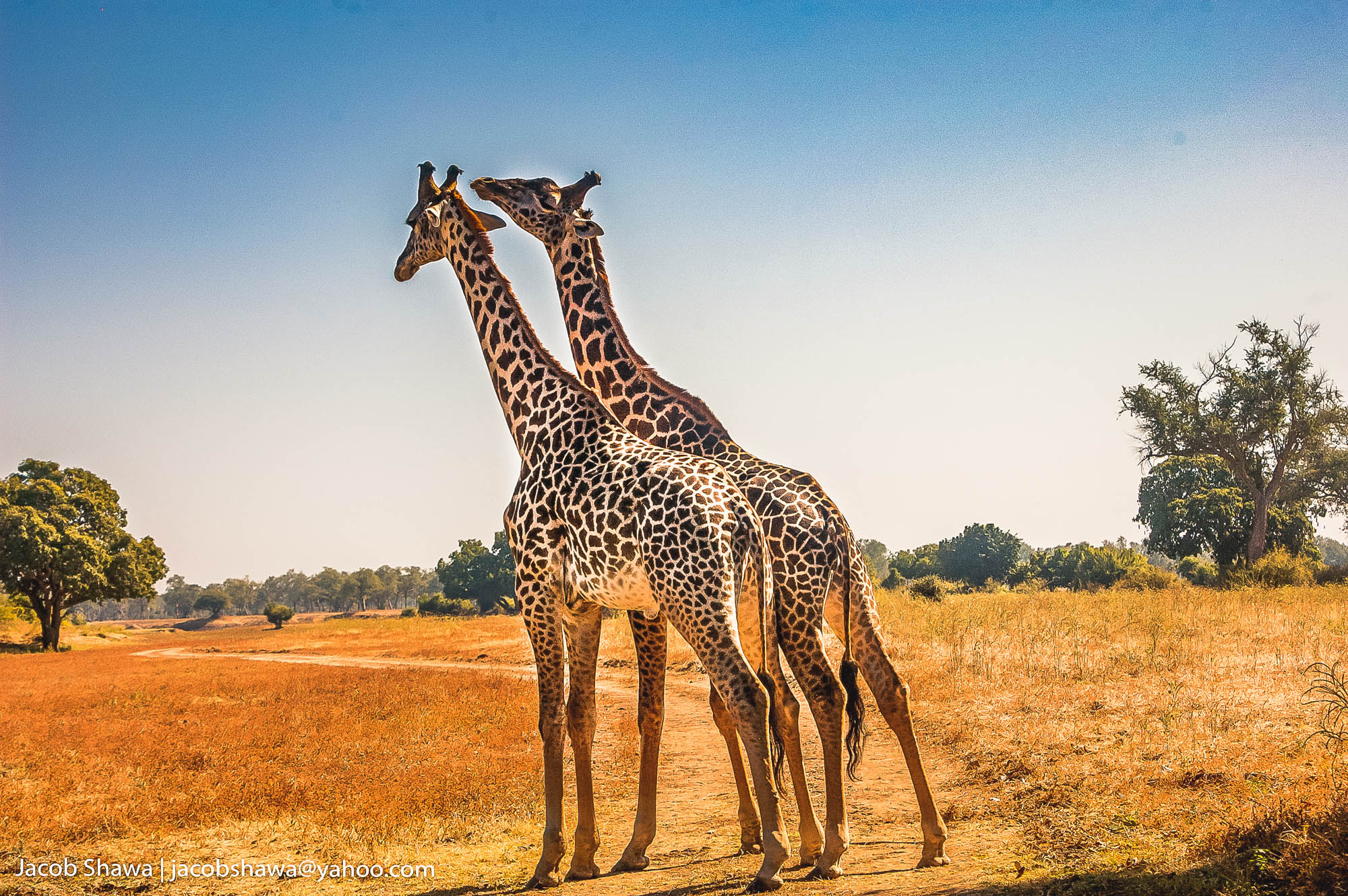
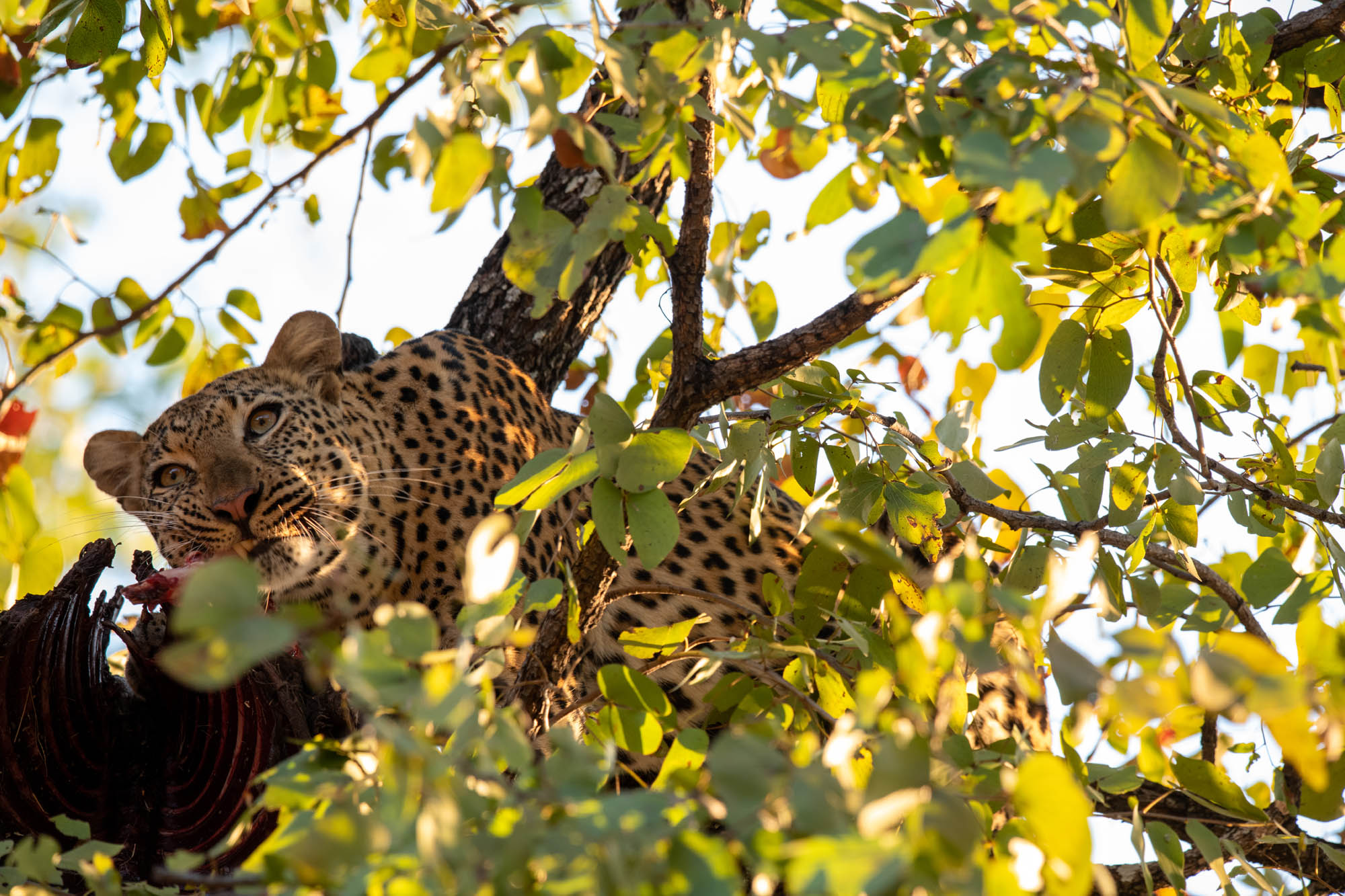
We also had some interesting views of a leopard which had made a kill and dragged it into a tree. The South Luangwa has one of the highest densities of leopards in Africa and sightings of this elusive big cat are frequent. This part of the South Luangwa opposite Shawa Luangwa is known for large herds of elephant and buffalo, and several of the 14 antelope species to be found in the park.  Predictably, there were lots of hippo along the river bank, together with bushbuck, kudu and puku. And bunches of a local endemic, the handsome Thornicroft’s Giraffe. 


Image

Photos courtesy of Green Safaris

Puku Ridge Camp

A bit later that morning,  Jacob drove us south to Puku Ridge, where we did a site inspection and enjoyed an excellent tapas lunch.

Puku Ridge is a beautiful property with an impressive main lounge and dining room complex, and a fine fire-pit area with great views of the Luangwa River floodplain.  There is a well-appointed eye-level hide (blind), which is easily accessible from the main area.

The rooms at Puku Ridge are among the best in Zambia, luxurious and stylishly appointed with effective climate control, which makes this camp a good option for the warmer months of the year.  There is a rooftop sleepout option in all the rooms.

More Info

Email bert@fisheaglesafaris.com

Email jason@fisheaglesafaris.com

@fisheaglesafarishouston

#FishEagleSafaris

YOU MIGHT ALSO BE INTERESTED IN

Botswana
Destinations
Hwange
Kenya
Masai Mara
Mashatu
Serengeti Plains
South Africa
Tanzania
Tswalu
Zimbabwe

9th October 2020

Cheetahs, cheetahs, cheetahs

For many visitors to Africa, seeing the big cats is #1 on their wish list. Nobody wants to go home

Read more
Botswana
Destinations
Okavango Delta

3rd October 2022

Camp Okavango, Botswana

Camp Okavango is in the heart of the permanent part of the Delta. In this idyllic setting there are no vehicles, and it is just a short walk

Read more
Area
Destinations
Nyerere National Park
Ruaha
Tanzania

14th October 2023

From My Safari Notebook: Wildlife Photography

Birds in flight and wildlife photographers have an uneasy relationship. Things go wrong as often as they go right. Getting focus-lock on a moving subject

Read more

SUBSCRIBE TO OUR NEWSLETTER

READERS FAVOURITES

Botswana
Destinations
Hwange
Kenya
Masai Mara
Mashatu
Serengeti Plains
South Africa
Tanzania
Tswalu
Zimbabwe

9th October 2020

Cheetahs, cheetahs, cheetahs

For many visitors to Africa, seeing the big cats is #1 on their wish list. Nobody wants to go home

Read more
Botswana
Destinations

4th August 2022

On Safari At Belmond Eagle Island Lodge, Okavango Delta

What is the ‘secret sauce’ for an unforgettable few days on safari in Botswana? It starts with the animals, of course. The elephants, lions, giraffes, hippos
Read more
Destinations
India

27th May 2023

India

India’s tiger, mammals and birds.

Read more

A walking safari in the South Luangwa, Zambia

26th August 2021

A walking safari in the South Luangwa, Zambia


Image

Photo: Time & Tide

A walking safari in the South Luangwa, Zambia

The first of two walking safaris which we would do in the South Luangwa National Park in Zambia this July was perhaps a bit more adventurous than we had anticipated. Blame the hippos. There are thousands of them along the Luangwa River – at last count more than 60 of these behemoths per kilometer of river bank.  On the day, a handful of them were still making their way back to the water by the time we set out of camp. It made for a few adrenaline-charged moments. 


Image

Photo: Time & Tide

Earlier, back in camp, we were up before sunrise for a 530 am wake up call, accompanied by a cup of tea. By 6 am we were enjoying a full breakfast with eggs to order (all three of us opted for scrambled), toast made over the coals, fresh fruit, juice, and freshly made pancakes. Not to mention freshly popped popcorn.  I had to try a couple of pancakes with Lyle’s Golden Syrup – the perfect combination!


Image

Photo: Time & Tide

Walking directly out of Kakuli camp, we set out on our guided walk with our Time & Tide guide Innocent and parks guide Bottle. Our walk would take us all along the edge of the Luangwa River upstream towards Mchenja Camp.


Image

Photo: Time & Tide

I had not done a ‘proper’ foot safari in quite a while and this one reminded me what I had been missing. It felt good to get out of the vehicle, into a pair of walking shoes and back on my legs for a while.  Other than the sound of our footfall, and some bird calls, the only noise was the near-constant grunting and bellowing of the hippos in the Luangwa River.  The noisy hippos in the river were not a threat.  The ones we had to worry about were the ones still making their way back to the water, after being out all night, grazing.  As it turned out, we were hardly ever out of sight of one or more hippos, for the first 40 minutes of the walk.


Image

Photo: Time & Tide

Once I realized that we would be mixing it up with the hippos, so to speak, the walk took on a completely different tenor.  We all started to pay a lot more attention to what was happening in front of us. And maybe even more so to our left, from where any potential ‘problem’ hippo would likely materialize.  The river itself being on our right.  ‘Don’t get between a hippo and the water’, is the generally accepted advice – and practice – in these parts.  We were not exactly trying to do that, but it is almost unavoidable when you are walking early in the day in an area with hundreds of hippos around.


Image

Photo: Time & Tide

As it turned out the only close call was when we surprised one particular hippo when we inadvertently blocked the exit of his regular route down to the river. Fortunately for us, the hippo decided not to pursue the issue. It simply made a 180 degree turn, and went off in a different direction. We continued on our way, but only after making eyes at each other, at the conclusion of the momentary standoff.   


Image

Photo: Time & Tide

Along the way, Innocent drew our attention to some fascinating natural history highlights of the area, including several tracks and marks. One – which none of us had ever seen or recognized before – was the mark left by the hairy face and beard of a hippo. We learnt about the life cycle of the ivory palm, were informed about the status (active or dormant) of some giant termite mounds and we saw some fascinating bird species such as the African Fish Eagle, various bee eaters, coucals and kingfishers. 


Image

This being the South Luangwa there were dozens, maybe hundreds, of inquisitive hippo eyes intently fixed on us as we made our way upstream. What were they projecting?  If I had to take a guess, it would be a mixture of ‘don’t you dare come any closer’ and – as we were moving away, ‘good riddance’.   It was comforting to know that hippos would rarely – if ever – leave the water to pursue a real or imagined threat.

By mid morning we had made our way to a rendezvous point from where we drove a short distance to Mchenja Camp for a site inspection.

Legendary Lodge


Image

Photo: Time & Tide

Mchenja Camp

Mchenja is the local name for ebony, and the camp is tucked into a shady ebony grove beside the Luangwa River in the heart of South Luangwa National Park.

Its five rooms (including a two-bedroom, two-bathroom family suite) are pure, natural elegance with grass walls, soft cushions and light-as-air curtains. Each has a feather-top bed, large picture windows and open air en-suite bathroom with a bath looking out onto the river.


Image

Photo: Time & Tide

Built around a bent ebony trunk, the main lounge has the feel of a spacious treehouse. At breakfast, listen to a chorus of birdsong and laughing hippos. Between safari activities, relax in the refreshing pool overlooking the river.

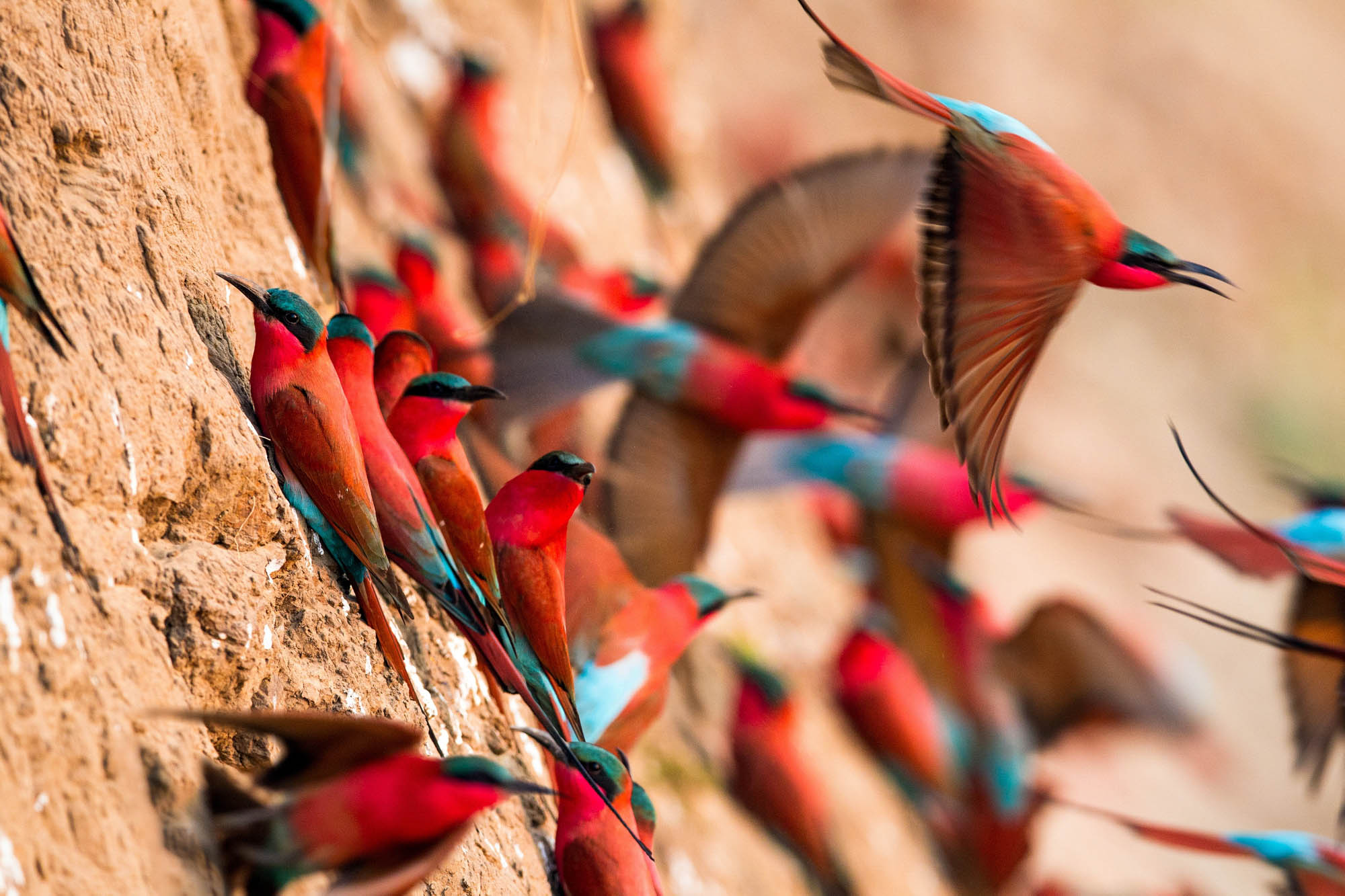
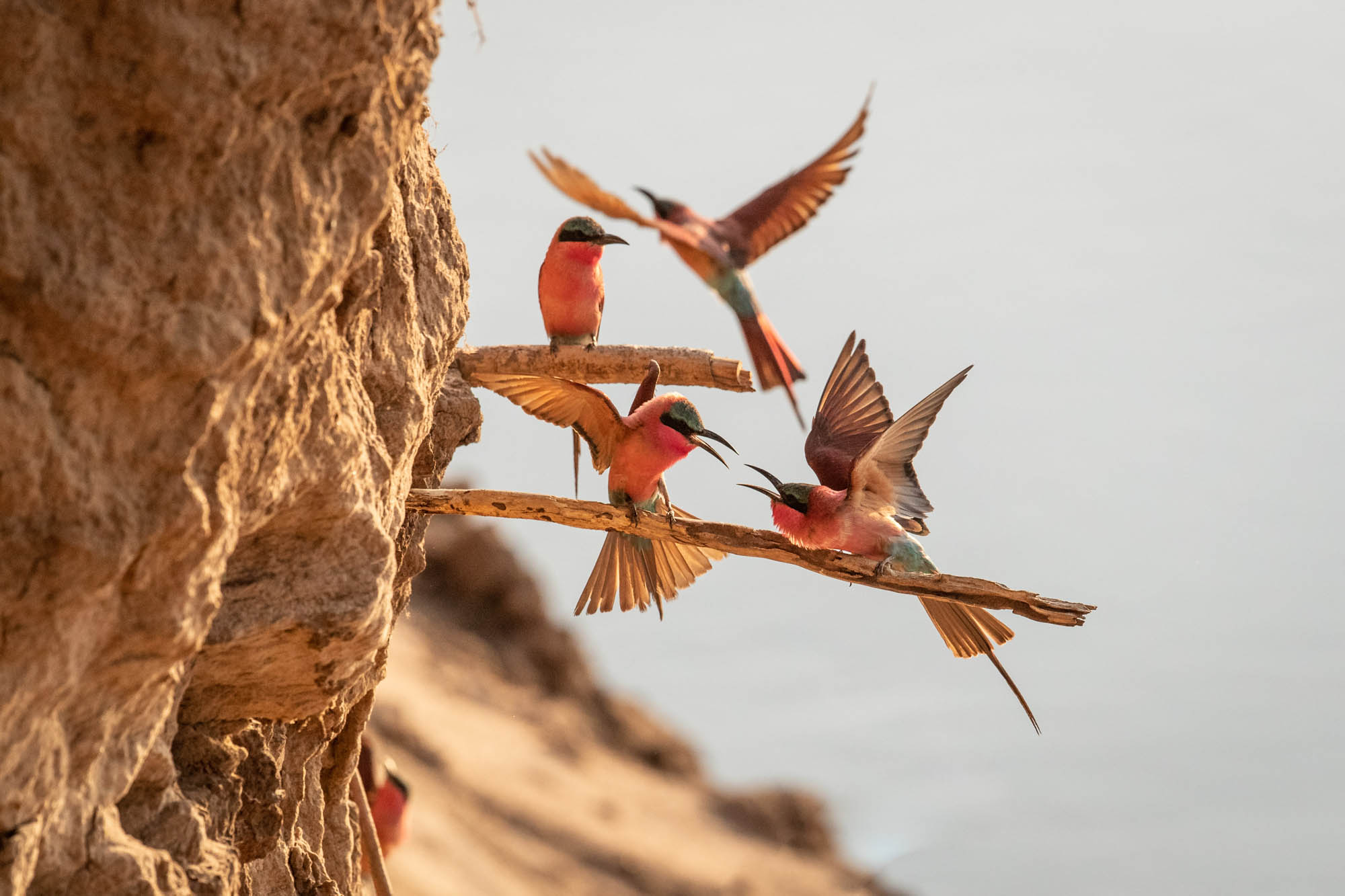
Night drives are always rewarding, with the bush revealing a different nocturnal surprise every time. At the right time of year, from about August through March, this is one of the best camps in the park for seeing carmine bee-eaters.

Villa Maua

Sanctuary Retreats


Image

Photo: Time & Tide

Fish Eagle Safaris’ history with walking safaris

Our history with walking safaris goes way back to the 1980’s when Bert and Kathy signed up for several of the – even then – legendary Kruger Park wilderness trails.  Joining up with a handful of other trailists, they completed the Nyalaland, Sweni and Olifants trails, spending several days in rustic, primitive camps and going on long hikes through the wilderness..  This is where they first experienced the African bush on foot and came to realize why many people consider walking to be the ultimate wilderness experience.  


Image

Photo: Time & Tide

Since then, various members of the Fish Eagle Safaris team have participated in walking safaris in several destinations, notably in the Tuli Block of Botswana with Stuart Quinn of WalkMashatu, in Zambia’s South Luangwa National Park with Time & Tide Safaris, in Zimbabwe’s Hwange and Mana Pools National Parks, in Western Tanzania’s Katavi and Mahale Mountains National Parks, in Namibia’s Damaraland area tracking back rhinos, in Odzala-Kokoua National Park in the Republic of Congo, in Rwanda and Uganda on gorilla treks, in Kruger Park on a Rhino Walking Safari with Izibindi Africa, and Bushman’s Kloof in the Cedarberg Mountains.


Image

Photo: Time & Tide

As one part of a multifaceted trip which also includes game drives and some water experiences such as boating or canoeing, a foot safari is for many the purest form of experiencing the African wilderness.  Free of the noise and intrusive impact of a vehicle and free to go just about anywhere, a walking safari is open-ended and unpredictable.  It is as close as one can get to the wilderness on many levels:  feeling the ground under your feet, touching the surrounding vegetation and listening for sounds while observing signs and tracks.  Being out of the vehicle adds a sense of vulnerability which is exciting and at times challenging.  Of course, you are quite safe in the presence of a careful, experienced, armed guide yet the possibility of an unplanned, unforeseen encounter is always hanging in the air.


Image

A foot safari always starts with the ground rules:  walk in single file, take turns to walk in front just behind the guide and keep the volume down.  Follow the head guide’s instructions at all times. Most importantly – in the event of something untoward happening – don’t run!

More Info

Email bert@fisheaglesafaris.com

Email jason@fisheaglesafaris.com

@fisheaglesafarishouston

#FishEagleSafaris

YOU MIGHT ALSO BE INTERESTED IN

Botswana
Destinations
Hwange
Kenya
Masai Mara
Mashatu
Serengeti Plains
South Africa
Tanzania
Tswalu
Zimbabwe

9th October 2020

Cheetahs, cheetahs, cheetahs

For many visitors to Africa, seeing the big cats is #1 on their wish list. Nobody wants to go home

Read more
Botswana
Destinations
Okavango Delta

3rd October 2022

Camp Okavango, Botswana

Camp Okavango is in the heart of the permanent part of the Delta. In this idyllic setting there are no vehicles, and it is just a short walk

Read more
Area
Destinations
Nyerere National Park
Ruaha
Tanzania

14th October 2023

From My Safari Notebook: Wildlife Photography

Birds in flight and wildlife photographers have an uneasy relationship. Things go wrong as often as they go right. Getting focus-lock on a moving subject

Read more

SUBSCRIBE TO OUR NEWSLETTER

READERS FAVOURITES

Botswana
Destinations
Hwange
Kenya
Masai Mara
Mashatu
Serengeti Plains
South Africa
Tanzania
Tswalu
Zimbabwe

9th October 2020

Cheetahs, cheetahs, cheetahs

For many visitors to Africa, seeing the big cats is #1 on their wish list. Nobody wants to go home

Read more
Botswana
Destinations

4th August 2022

On Safari At Belmond Eagle Island Lodge, Okavango Delta

What is the ‘secret sauce’ for an unforgettable few days on safari in Botswana? It starts with the animals, of course. The elephants, lions, giraffes, hippos
Read more
Destinations
India

27th May 2023

India

India’s tiger, mammals and birds.

Read more

The Hyena and the Crocodile: South Luangwa, Zambia

20th August 2021

DThe Hyena and the Crocodile: South Luangwa, Zambia


Image

The Hyena and the Crocodile: South Luangwa, Zambia

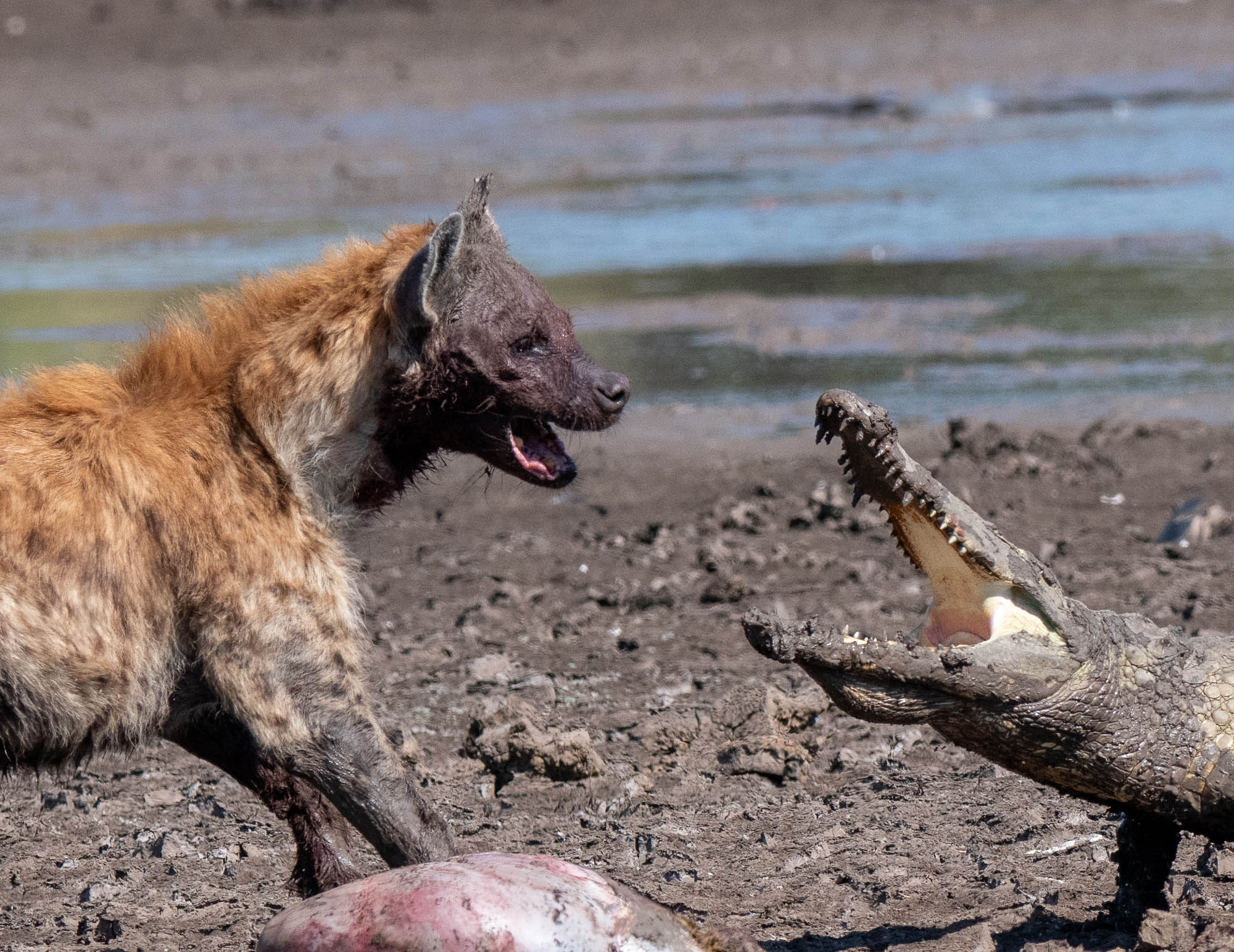
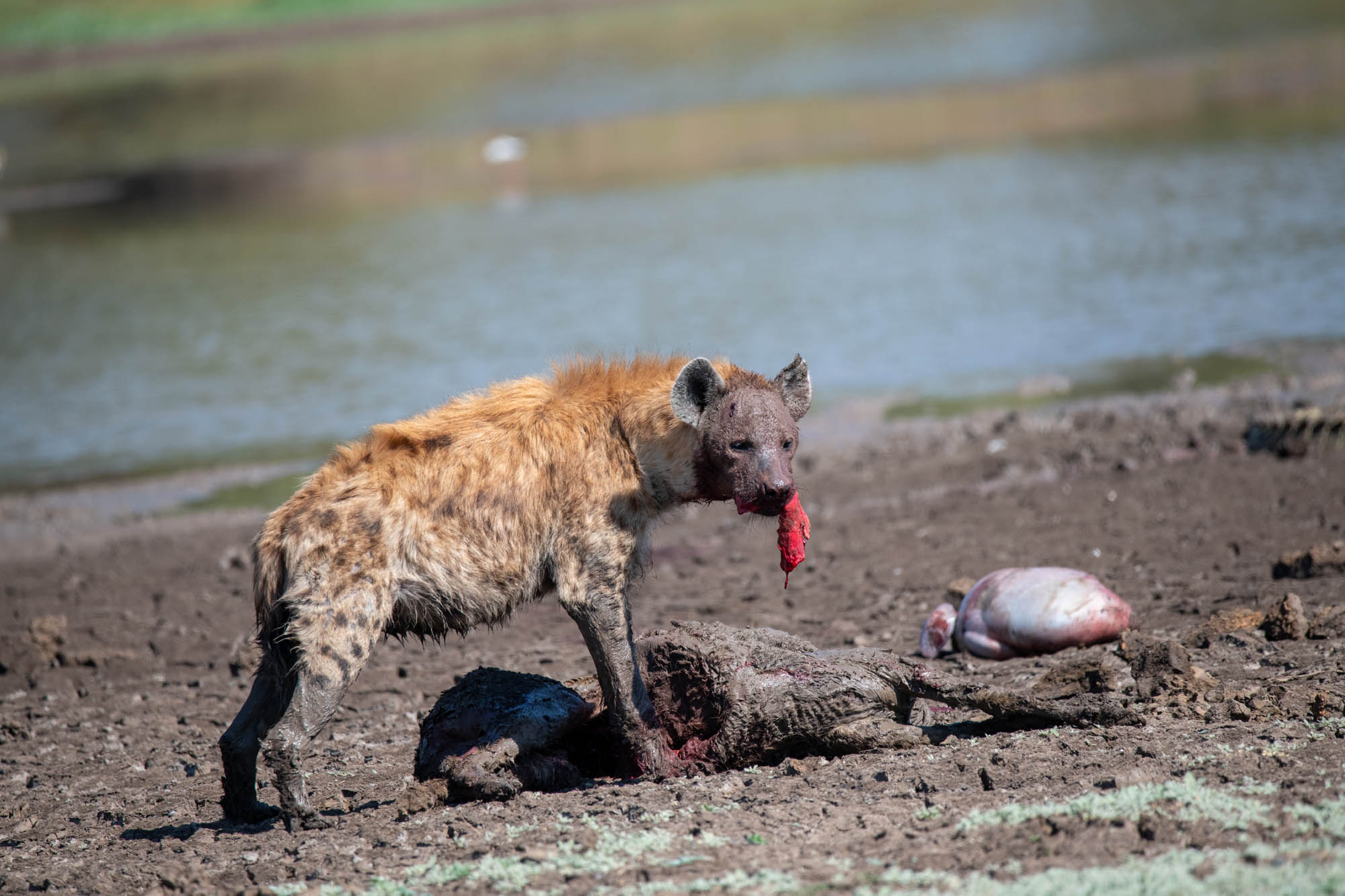
Even if you travel to Africa regularly, and have been on safari many times, each day brings something new and something exciting.  It may be as simple as seeing the same animals in a different light, or witnessing a difference in their behavior, or perhaps seeing them react to the presence of predators.  And then there are those really special days on safari, when you see something extraordinary.  So it was last month in Zambia when we witnessed an incredible scene of a hyena and a Nile crocodile facing off over the remains of a dead puku antelope.


Image

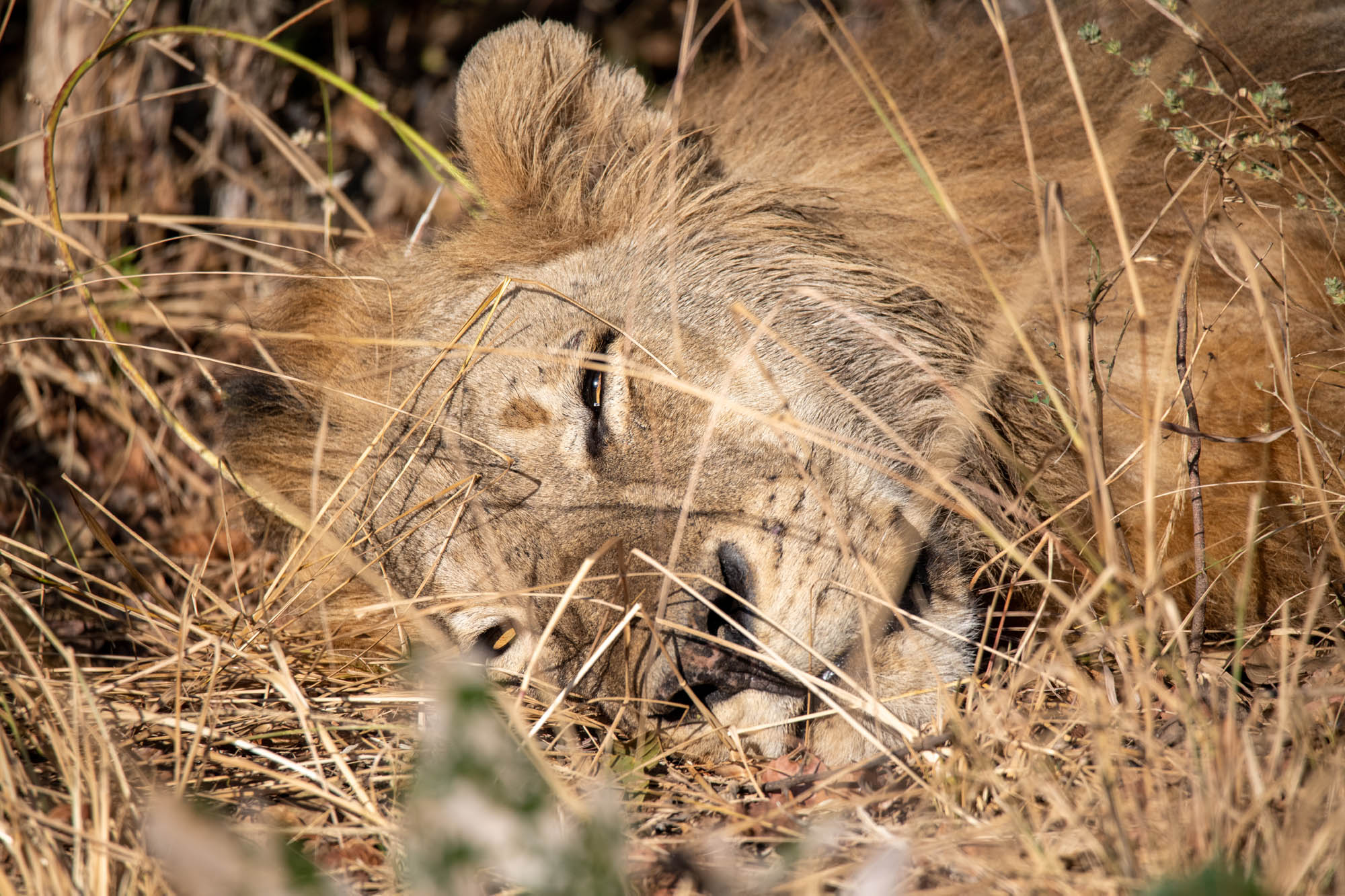
Earlier that day, we had left Chinzombo Camp after an early breakfast, game-driving along the Luangwa River, on our way to Kakuli Camp, where we would be spending the night. We witnessed a good mix of general game, including elephants, buffaloes, zebras, giraffe, impala, puku, warthog and an amazing variety of birds.  We also happened upon a couple of young male lions, sleeping right alongside the dirt track we were on.  They did not so much as lift their heads upon our approach, merely opening an eye to acknowledge our presence.


Image

As we were approaching a well-known oxbow lagoon along the Luangwa River – known as the Luangwa Wafwa – our guide Innocent saw a solitary hyena feeding on something about 10 meters or so from the edge of the water.  It was a long distance away from where we had stopped, to get the binoculars trained on the spot.  Upon closer inspection, we saw that it was in fact a female hyena, ripping away chunks of meat from the carcass of a puku antelope.

Photo – Great Plains Conservation


Image

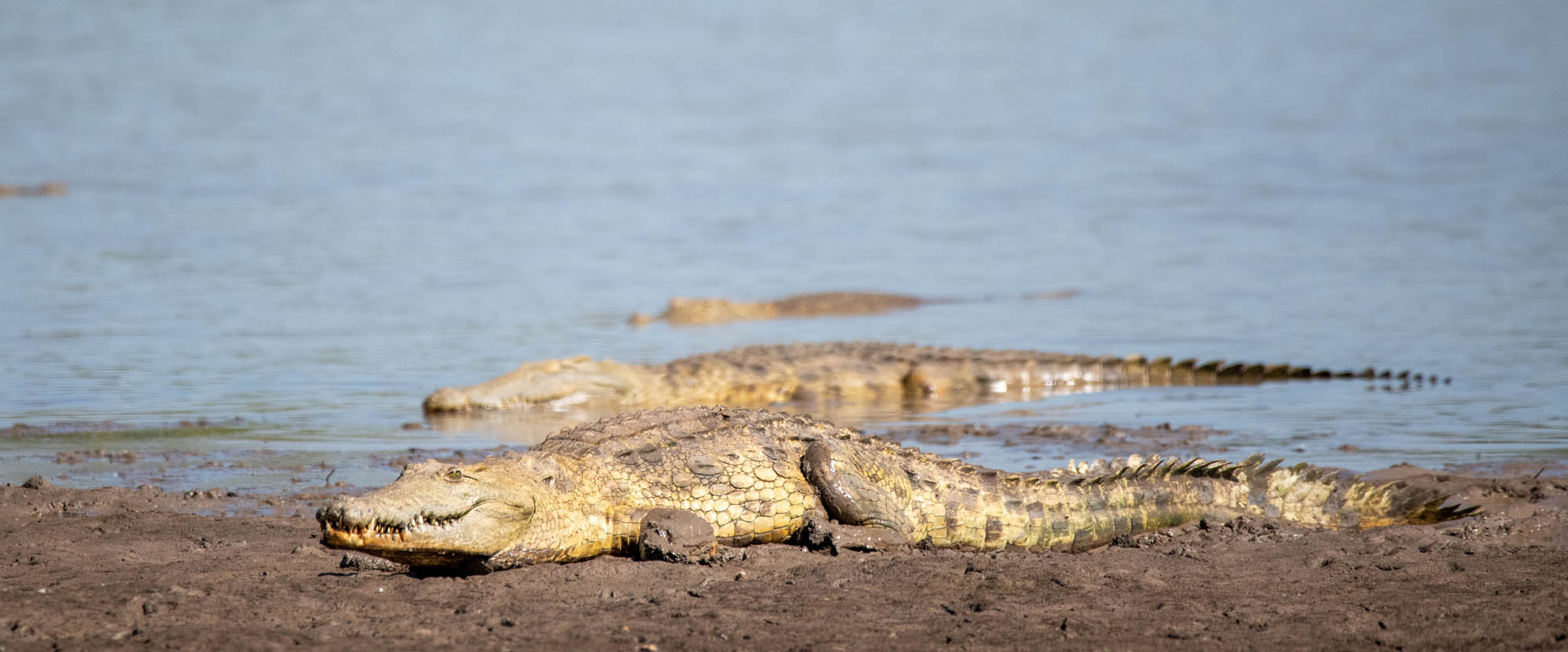
We surmised that the puku had gotten stuck in the mud when it had ventured too close to the water’s edge, possibly sometime during the previous evening.  We also noticed the presence of several large crocodiles on the edge of the water, not far from the hyena, seemingly resting up.  By their general demeanor and positioning,  we deduced that they knew exactly what was going on, and that they had an eye – or more than one – on the hyena and the puku.  Crocodiles rarely ignore the opportunity of a ‘free meal’…


Image

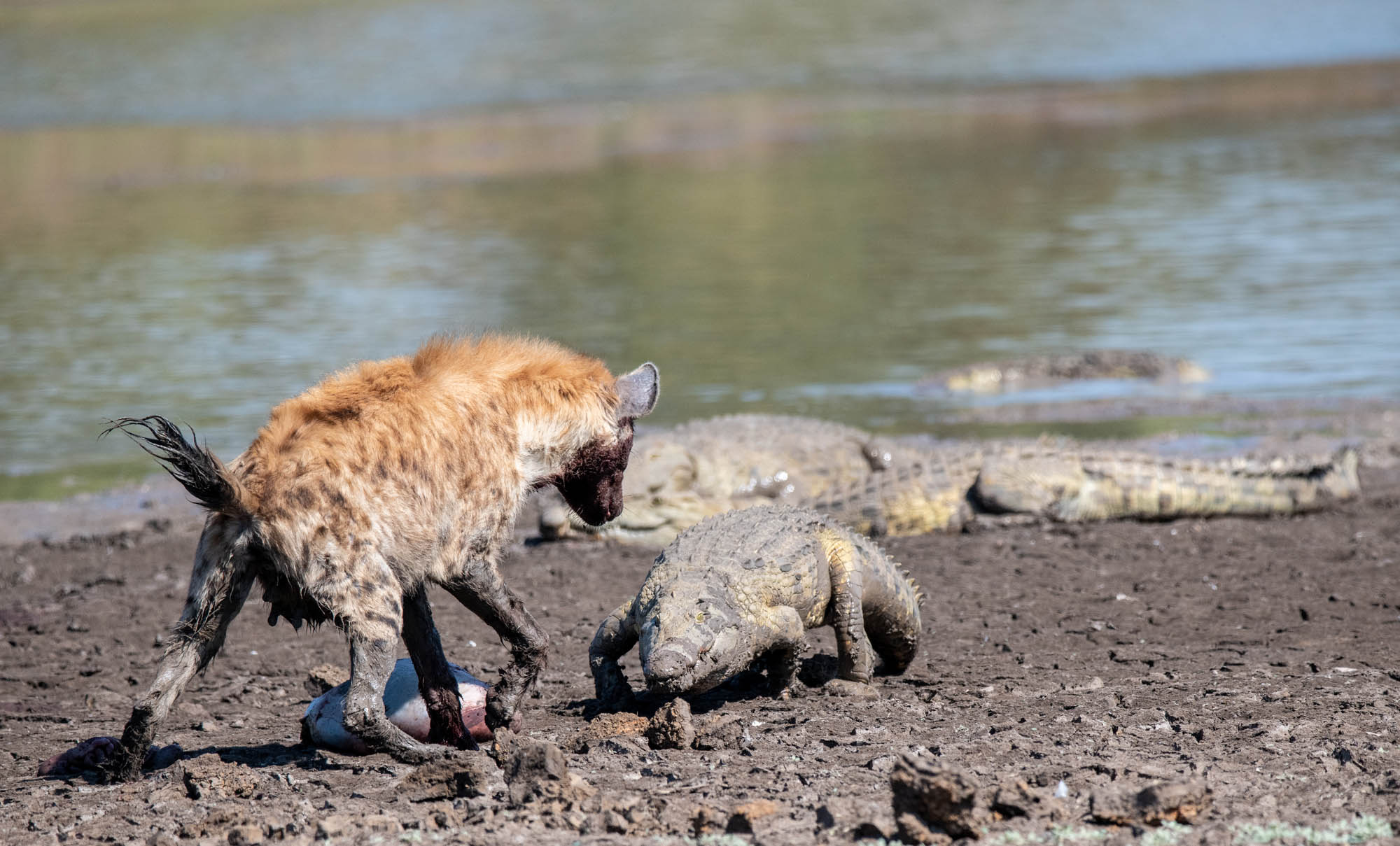
Somehow the puku’s distended stomach got separated from what remained of the carcass and this is when things got interesting.  As we had anticipated and secretly hoped for, one of the crocodiles lifted its head and started to waddle closer to the dead puku, clearly wanting to get in on the feeding action.


Image

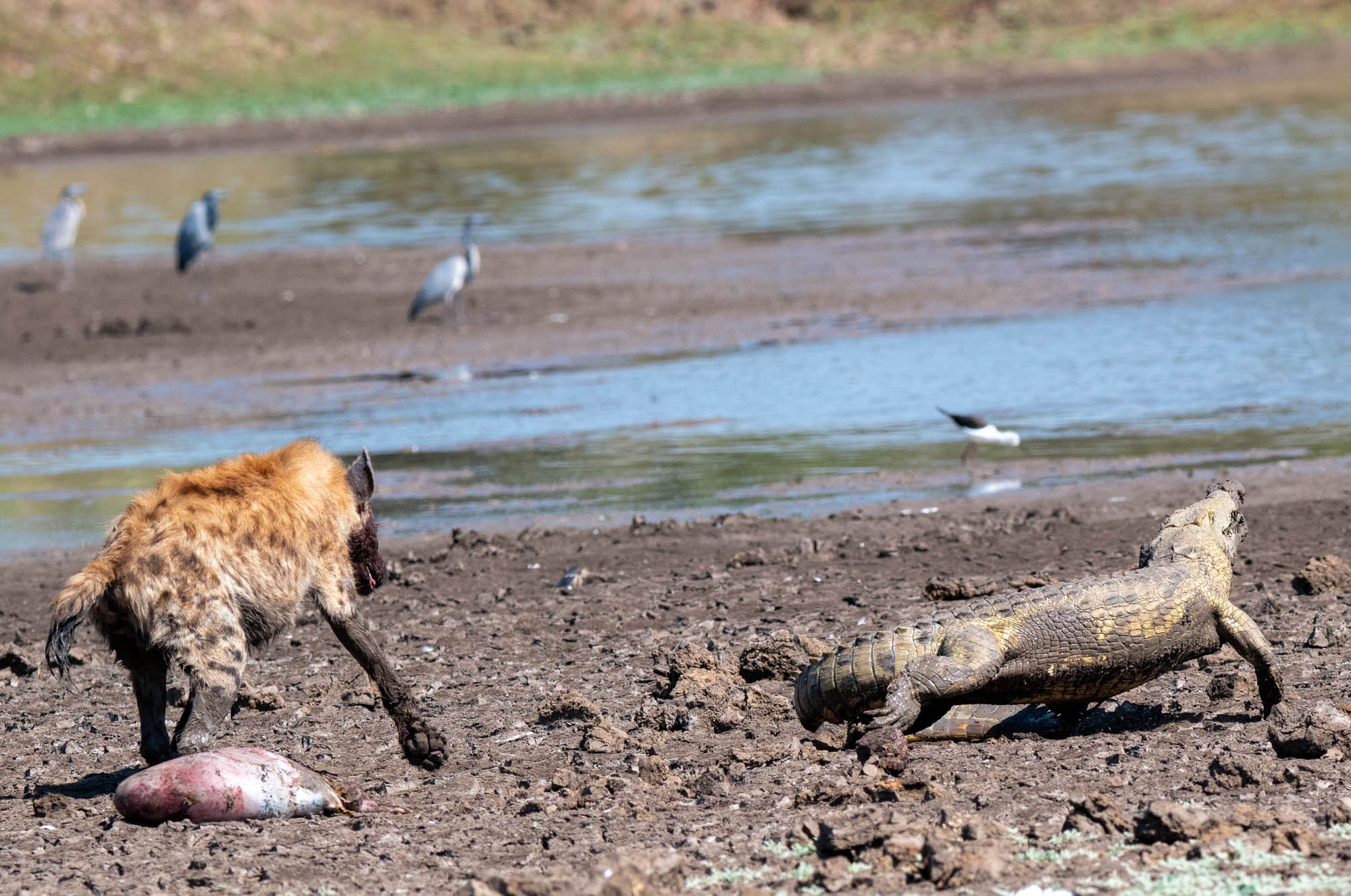
Although it was stuffed to the gills, the hyena would have none of it.  She stoutly defended her prey from the crocodile, twice getting into a scuffle of sorts with the crocodile, at least once succeeding in biting the crocodile on its nose, and another time on its tail.  Even though we were a good 50 meters away, the tension was palpable.  The hyena’s aggression was on full display.

Legendary Lodge


Image

With its jaws wide open, displaying its fearsome teeth, its body tensed and its tail cocked, its intent was clear as daylight.  Stay away!   Eventually the crocodile retreated back towards the water, realizing that not even the threat of its own formidable jaws was going to make a difference.  This hyena was going nowhere.


Image

None of us, including our guide, had ever seen this type of behavior.  Of course, it was one of those rare incidents where several unrelated things intersected at a specific time and place.  A dead antelope close to water, and crocodiles within sight. A solitary hyena feeding from the carcass.  All of this in daylight.  And of course we had to show up at the right time.   As the scene played out in front of our eyes, we looked at each other in disbelief, not only about what was going on, but also because there was nobody else around to see it.  In this usually busy area, we were the only vehicle around, for the entire time.


Image

Eventually we had to leave the animals to their fate, driving further along the Luangwa River in the direction of Kakuli Camp.  An hour or so later, we were in camp, enjoying the beautiful views over the Luangwa River, from the lounge area of this small bush camp.  As it happened, we were just in time for a delicious brunch, and then we enjoyed a short siesta until we met up again for tea around 3:30 in the afternoon.  Served with chocolate cupcakes, lemonade and fresh fruit.  What a treat!


Image

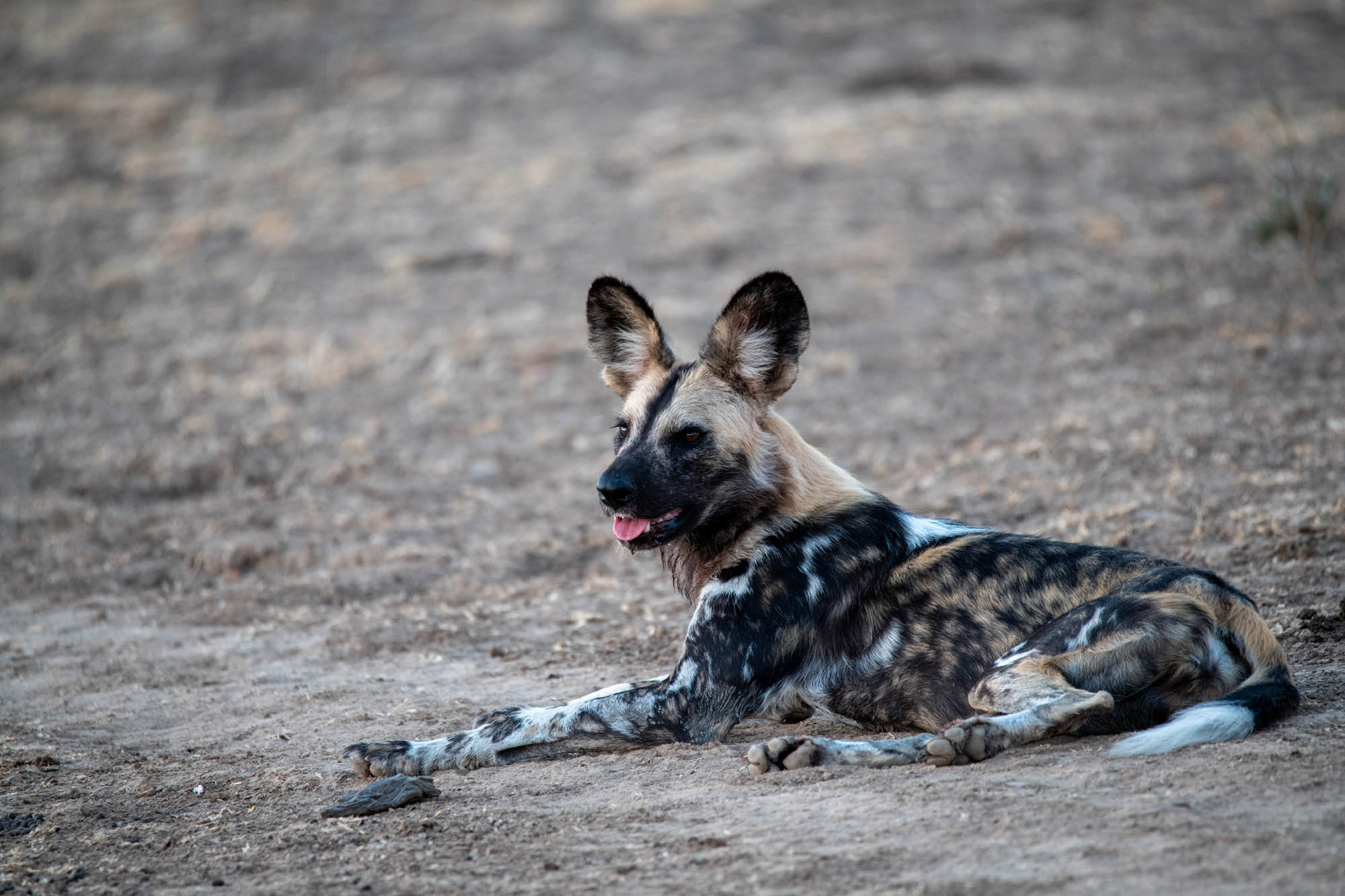
As it turned out, the afternoon game drive was quite exciting too, the highlight being two different sightings of African Painted Dogs.  Initially a small group of four and then a solitary one, an hour or so later.  Shortly afterwards, we were treated to a ‘surprise’ sundowner event, with drinks and snacks offered right on the edge of the Luangwa River, with an absolutely fantastic view over the water.


Image

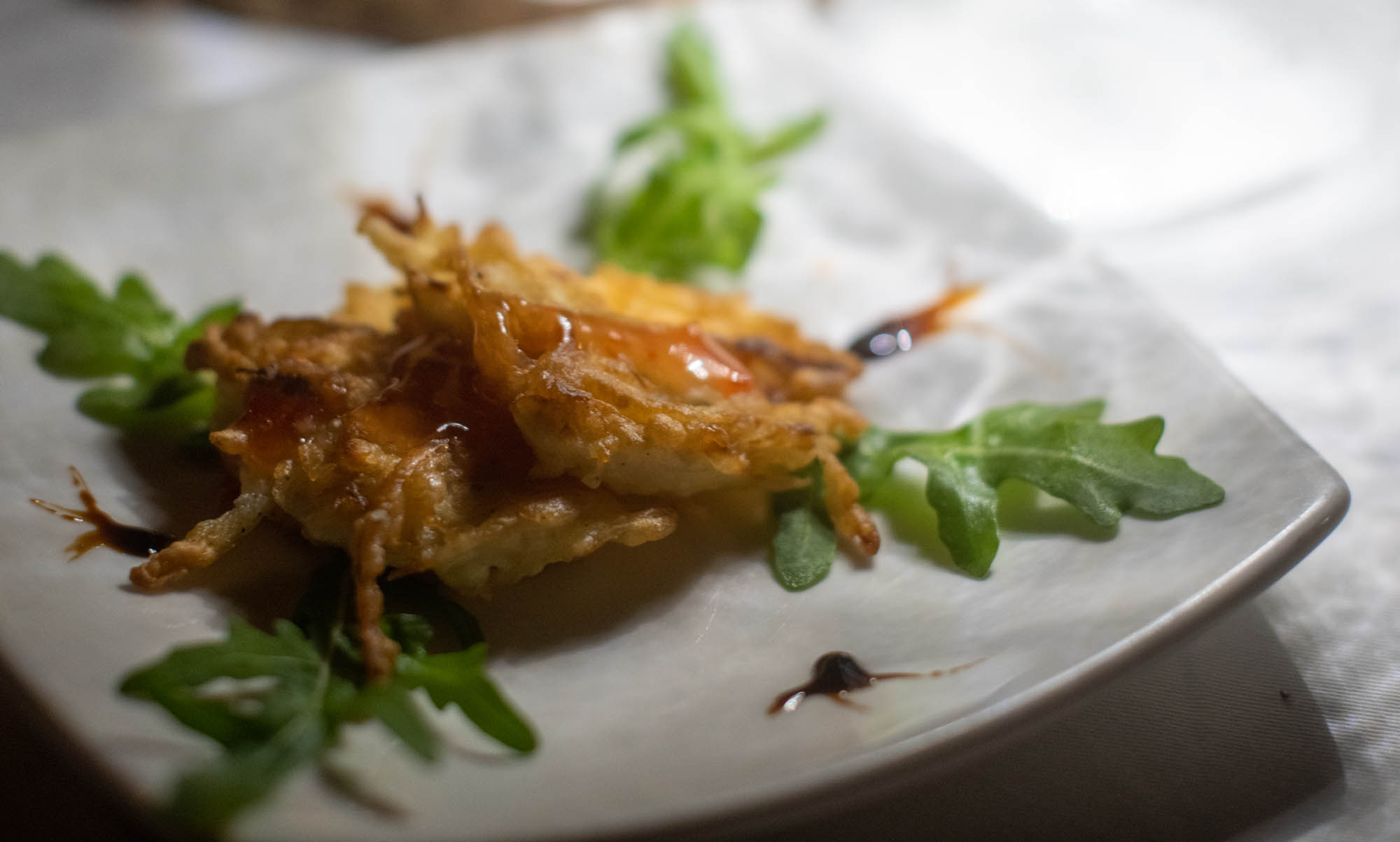
After a quiet drive back to camp, we sat down for a delicious dinner with an onion fritter starter, a delicious main course of grilled tilapia and a local version of ‘New York’ cheesecake, for dessert.  We were grateful that we did not have to face angry hyenas or hungry crocodiles, to be able to enjoy our meal.


Image

KAKULI CAMP

Kakuli, meaning old buffalo bull, was the nickname given by locals to Time & Tide’s founder Norman Carr, who began the tradition of walking safaris in South Luangwa National Park.

Its five bright and airy rooms (including a two-bedroom, two-bathroom family suite) are designed to make the most of the panoramic setting. Freshly redesigned in 2018, each offers a feather-top bed, indoor and outdoor showers, and a covered open-air seating area.


Image

The elevated main lounge overlooks the river and a permanent lagoon. Beneath it, a wildlife hide offers up-close views of visitors stopping by for a drink. We spent a bit of time there, observing several different bird species. The camp makes a great base for exploring by vehicle and on foot, with a resident lion pride, a seasonal colony of jewel-like carmine bee-eaters, and with visitors often seeing multiple different leopards on a single drive.


Image

During the lush emerald ‘secret season’, it is possible to venture out by boat and on foot to enjoy some of the best opportunities for wildlife and landscape photography.  The following day, we were scheduled to do a foot safari ourselves.  We would venture out into the bush, all along the Luangwa River, about halfway to another Time & Tide property – Mchenja.  More about that in our blog next week.

More Info

Email bert@fisheaglesafaris.com

Email jason@fisheaglesafaris.com

@fisheaglesafarishouston

#FishEagleSafaris

YOU MIGHT ALSO BE INTERESTED IN

Botswana
Destinations
Hwange
Kenya
Masai Mara
Mashatu
Serengeti Plains
South Africa
Tanzania
Tswalu
Zimbabwe

9th October 2020

Cheetahs, cheetahs, cheetahs

For many visitors to Africa, seeing the big cats is #1 on their wish list. Nobody wants to go home

Read more
Botswana
Destinations
Okavango Delta

3rd October 2022

Camp Okavango, Botswana

Camp Okavango is in the heart of the permanent part of the Delta. In this idyllic setting there are no vehicles, and it is just a short walk

Read more
Area
Destinations
Nyerere National Park
Ruaha
Tanzania

14th October 2023

From My Safari Notebook: Wildlife Photography

Birds in flight and wildlife photographers have an uneasy relationship. Things go wrong as often as they go right. Getting focus-lock on a moving subject

Read more

SUBSCRIBE TO OUR NEWSLETTER

READERS FAVOURITES

Botswana
Destinations
Hwange
Kenya
Masai Mara
Mashatu
Serengeti Plains
South Africa
Tanzania
Tswalu
Zimbabwe

9th October 2020

Cheetahs, cheetahs, cheetahs

For many visitors to Africa, seeing the big cats is #1 on their wish list. Nobody wants to go home

Read more
Botswana
Destinations

4th August 2022

On Safari At Belmond Eagle Island Lodge, Okavango Delta

What is the ‘secret sauce’ for an unforgettable few days on safari in Botswana? It starts with the animals, of course. The elephants, lions, giraffes, hippos
Read more
Destinations
India

27th May 2023

India

India’s tiger, mammals and birds.

Read more

Dinner with the hippos – Time & Tide Chinzombo Camp, Zambia

12th August 2021

Dinner with the hippos – Time & Tide Chinzombo Camp, Zambia


Image

Dinner with the hippos – Time & Tide Chinzombo Camp, Zambia

Dinner on safari in the African bush takes on many forms.  At Time & Tide’s Chinzombo Camp on the banks of the Luangwa River in Zambia in late July this year, it came with a side attraction of grazing hippos.  Those of you who have been on safari before – in areas where hippos are prevalent – will know that these giant herbivores leave their watery home at night to find sustenance in the way of grass and other plant material, on land.  On this magical night at Chinzombo, they didn’t have far to go with plenty of emerging vegetation being available for them, just meters away from where we were enjoying our own meal.


Image

Dinner with hippos?  Only in Africa.  When one of the Chinzombo waitstaff closed a dinnerware cupboard a bit too firmly, it spooked one of the hippos which scampered away, momentarily.  Or perhaps more correctly, lumbered away… Either way, it was a unique experience to see these massive beasts so close up in an entirely safe manner as we were elevated on a huge indoor/outdoor covered deck, overlooking the Luangwa River.


Image

For visitors from the USA, Lusaka, Zambia is usually at the end of a long, marathon journey via Johannesburg or several other cities in Africa or the Middle East. So it was in my case in mid-July when I arrived in Zambia after three flights totaling some 25 hours aloft from Houston via Doha and Jo’burg. Fortunately with a short break in South Africa to visit my family and in the process adjust to the new time-zone. 


Image

Mercifully, Zambian entrance facilities including a health check (checking of Covid certificate, handing over short pre completed form and temperature check) and obtaining a $50 single entry visa, took all of 10 minutes. Friendly and professional.

The impressive, brand new international arrival and departures hall (Terminal 1) was officially opened just days after we left Zambia, on August 5. For the time being domestic flights will continue to depart and arrive from Terminal 2, the old Lusaka Airport, which has clearly seen better days.

Photo – Great Plains Conservation


Image

On August 6, Zambia also welcomed the first arrival of Qatar Airways which will initially service Lusaka via Harare, Zimbabwe, with 3 flights per  week on Wednesdays, Fridays and Sundays.  This means that Zambia can now be reached directly from the USA – without transiting either South Africa or Europe – on Emirates, Ethiopian and Qatar.

From Lusaka it took about an hour by air – on a 29-seater twin turboprop Jetstream 41 – to reach Mfuwe Airport. From there we were driven to Chinzombo Camp which would be the first stop on our 12-day fam trip encompassing the South Luangwa,  Kafue and Lower Zambezi regions.


Image

Our Chinzombo guide – Innocent – who would stay with us for the first few days of our trip – was everything one could ask for and expect in a professional safari guide:  friendly, enthusiastic and exceedingly knowledgeable.  Innocent has that special ability to blend and effectively communicate just the right mix of hard facts, story-telling and background information to keep things interesting, irrespective of whether you are watching lions or ant-lions.


Image

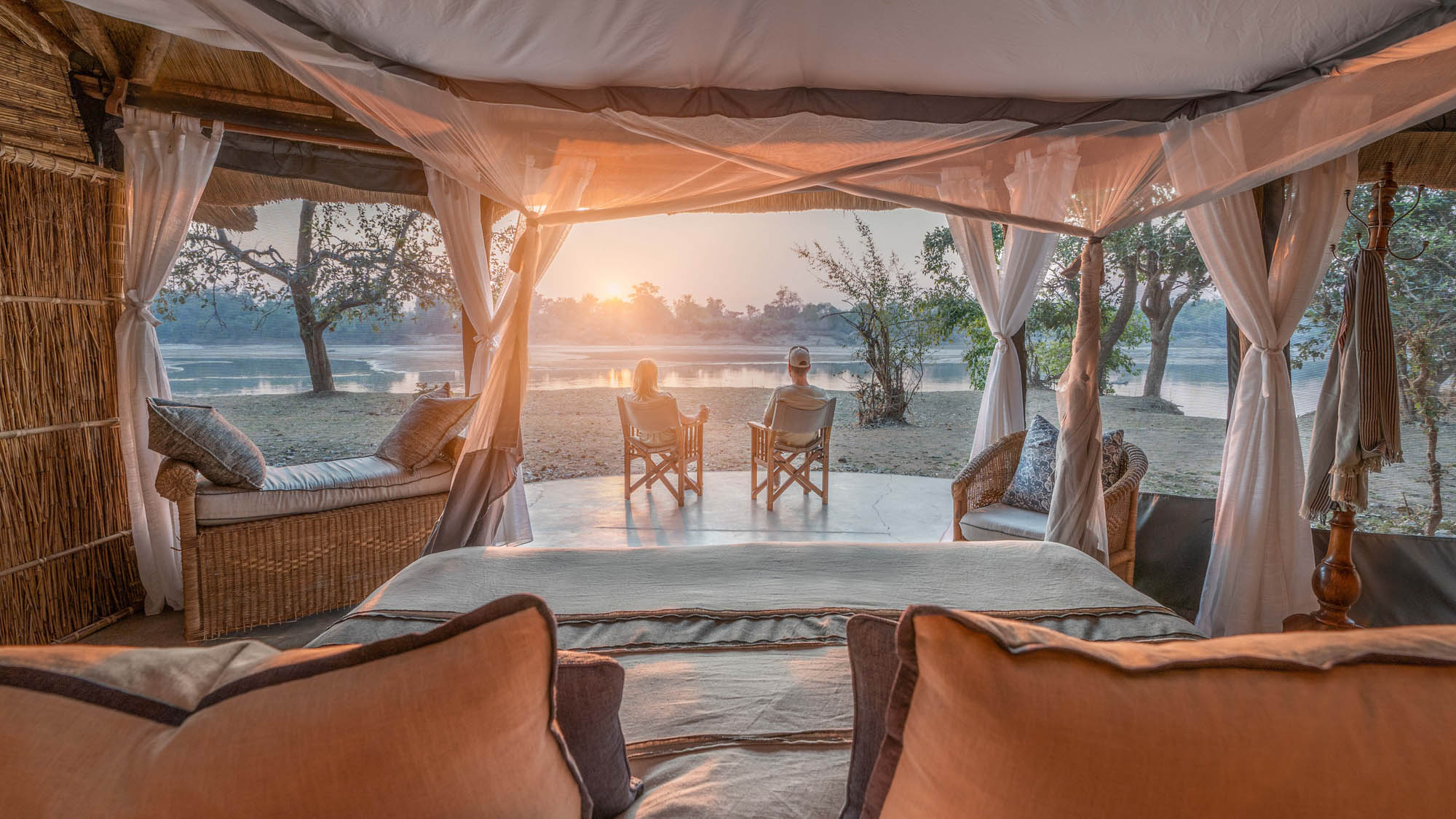
We certainly started on a high note. Time & Tide’s Chinzombo camp is very small with only six spacious tented villas, including a two-bedroom, two-bathroom family villa. At the end of a long journey –  or perhaps towards the end of a safari – this is the perfect spot to relax on your verandah overlooking a sweeping curve of the Luangwa River.  Perfect for letting a pod of hippos lull you to sleep. Or more likely wake you up earlier than you might have wanted to.

Legendary Lodge


Image

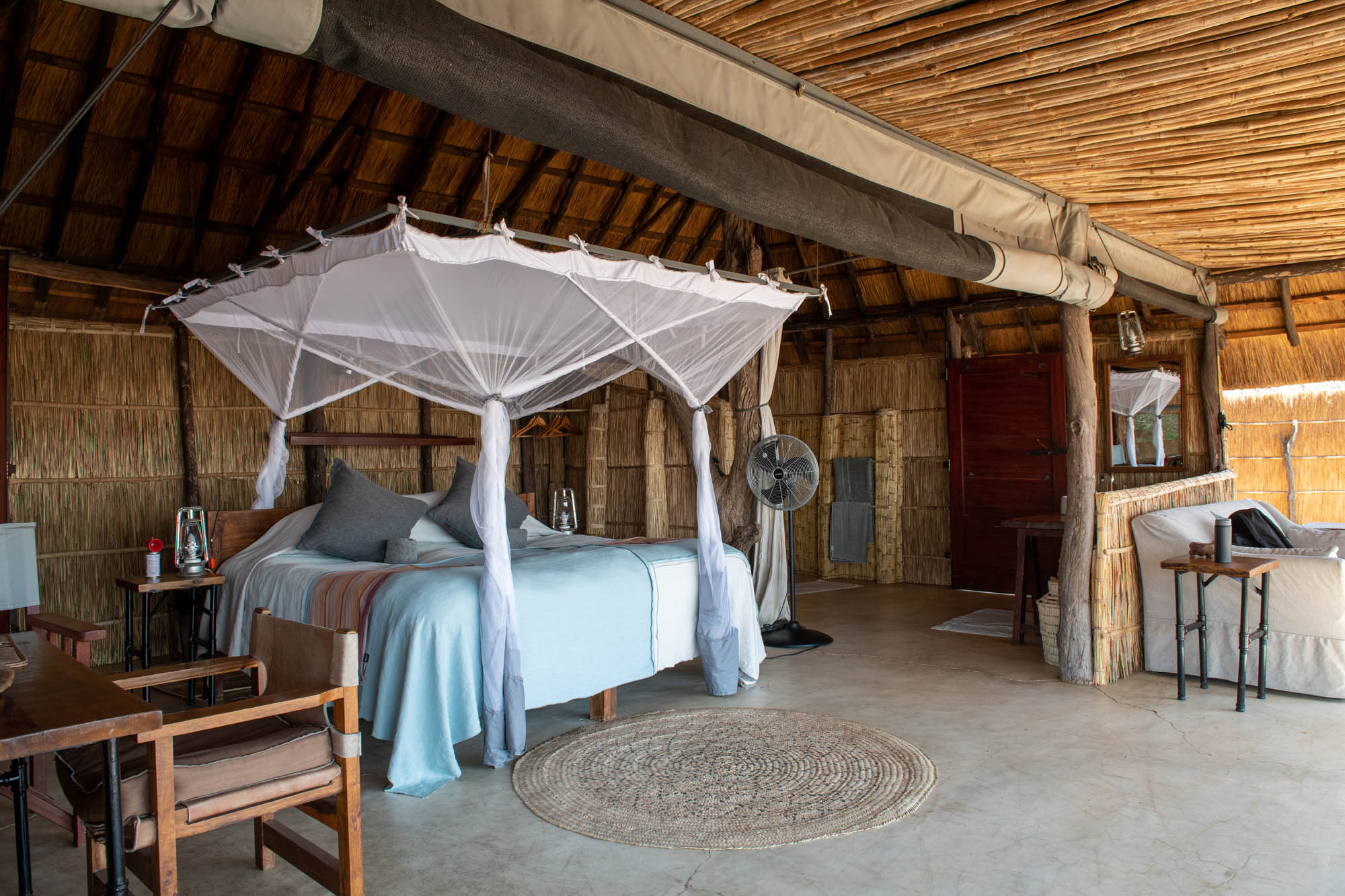
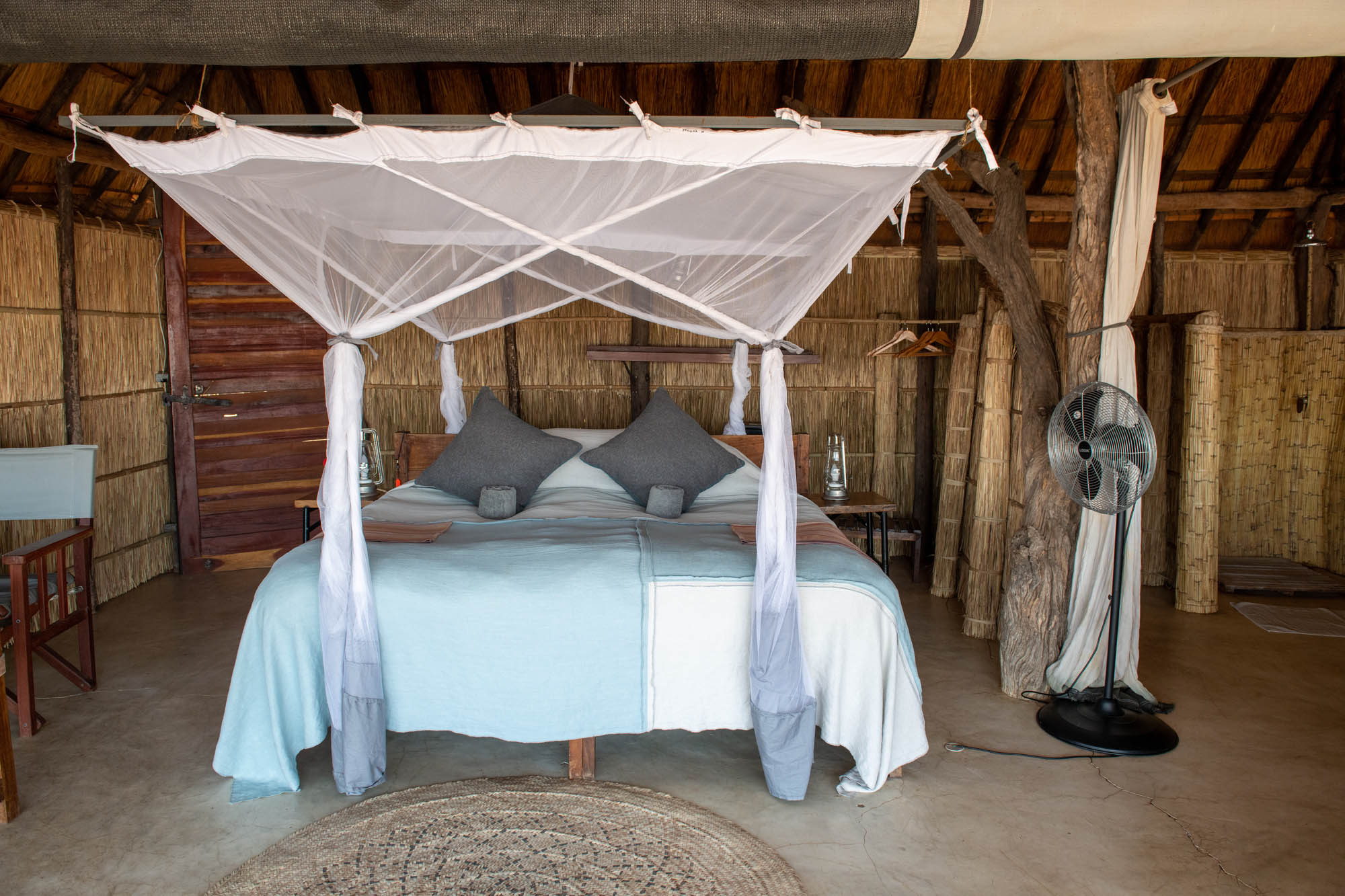
Named after a type of tree which grows near the camp, Chinzombo’s natural building materials and vintage accents blend modern style with the best of a traditional bush safari camp.  The huge villas come with a king size bed or two ¾ size beds, a luxury mosquito net, and good reading lamps. There are plenty of charging points.  The separate enclosed indoor shower and separate toilet ‘room’ were the only less than stellar elements in the total mix.  


Image

Tucked beneath ancient msikzi trees, each of the guest villas has a private pool and soaking tub with panoramic views over the river and wildlife.  If I’d had more time here I certainly would have spent some of it on the expansive shaded verandah, just the place to unwind with a book or to get pampered with an in-room spa treatment.


Image

Down a winding path, the main lodge beckons; in my case from one of the villas closest to the main area, it was just a short walk.  This is where we enjoyed the  wonderful, hippo-enhanced dinner of grilled tilapia with rice and a delicious sauce.  The two other alternative main course options were fillet of beef or a vegetarian option.   


Image

Later that evening I found myself listening to the sounds of lions and hyenas while enjoying a relaxing bath in the oversized tub, with even more hippos grazing away on the huge expanse of short grass leading down to the river.  Once heard, the distinctive sound of their large rubbery mouths grasping mouthfuls of vegetation at a regular, measured frequency, is hard to forget.  And just as effective as counting sheep, or listening to a soothing voice, to transport you gently across the elusive barrier between waking and sleeping.


Image

The Mfuwe area is one of the most game-rich areas of South Luangwa National Park.  Early the following morning we took a short boat trip across the river for a game drive en route to Time & Tide’s Kakuli Camp, which would be our next stop.   In addition to all the usual suspects (elephants, buffaloes, zebras, giraffes, impalas, pukus, warthogs and an amazing variety of birds) we got lucky with sightings of lions and we witnessed extraordinary interaction between a hyena and a crocodile.  More about that in our blog next week.   In addition to game drives, activities at Chinzombo include safari walks and boat safaris, when the Luangwa River is high in late summer.  The camp is open year-round.

More Info

Email bert@fisheaglesafaris.com

Email jason@fisheaglesafaris.com

@fisheaglesafarishouston

#FishEagleSafaris

YOU MIGHT ALSO BE INTERESTED IN

Botswana
Destinations
Hwange
Kenya
Masai Mara
Mashatu
Serengeti Plains
South Africa
Tanzania
Tswalu
Zimbabwe

9th October 2020

Cheetahs, cheetahs, cheetahs

For many visitors to Africa, seeing the big cats is #1 on their wish list. Nobody wants to go home

Read more
Botswana
Destinations
Okavango Delta

3rd October 2022

Camp Okavango, Botswana

Camp Okavango is in the heart of the permanent part of the Delta. In this idyllic setting there are no vehicles, and it is just a short walk

Read more
Area
Destinations
Nyerere National Park
Ruaha
Tanzania

14th October 2023

From My Safari Notebook: Wildlife Photography

Birds in flight and wildlife photographers have an uneasy relationship. Things go wrong as often as they go right. Getting focus-lock on a moving subject

Read more

SUBSCRIBE TO OUR NEWSLETTER

READERS FAVOURITES

Botswana
Destinations
Hwange
Kenya
Masai Mara
Mashatu
Serengeti Plains
South Africa
Tanzania
Tswalu
Zimbabwe

9th October 2020

Cheetahs, cheetahs, cheetahs

For many visitors to Africa, seeing the big cats is #1 on their wish list. Nobody wants to go home

Read more
Botswana
Destinations

4th August 2022

On Safari At Belmond Eagle Island Lodge, Okavango Delta

What is the ‘secret sauce’ for an unforgettable few days on safari in Botswana? It starts with the animals, of course. The elephants, lions, giraffes, hippos
Read more
Destinations
India

27th May 2023

India

India’s tiger, mammals and birds.

Read more

Xakanaxa Camp, Botswana

10th August 2021

Xakanaxa Camp, Botswana


Image

Xakanaxa Camp, Botswana

What is there to be said upon one’s return from a trip to Botswana? That it was fun? Definitely. That it was educational? For sure, especially when visiting as many as 10 different camps in 12 days, as we often do on what we refer to as familiarization or more commonly ‘fam’ trips. That it was exciting? But of course. A safari is all about excitement, anticipation, even a glimpse of danger when you find yourself within spitting distance of some of the largest and most powerful mammals in the world. It is exhilarating, yet peaceful at the same time. Between game drives or other activities, there is ample time to relax and do (almost) nothing, perhaps gazing out over a watering hole or lounging by the pool with a book.


Image

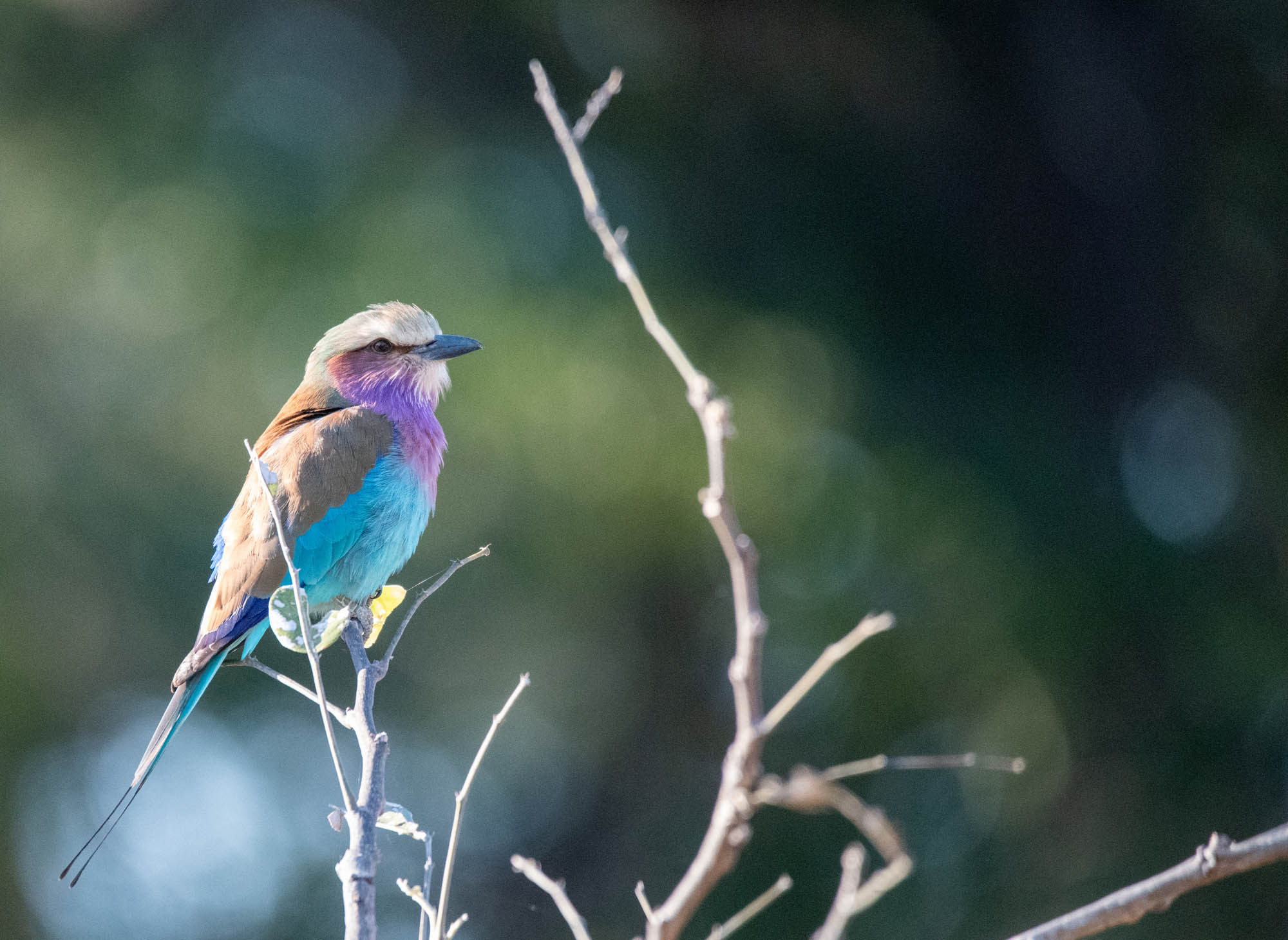
It is also quiet, almost startlingly so. The absence of practically any ambient noise is immediately noticeable on arrival at one’s first camp. At night, it is easy to imagine hearing the swish of a shooting star, while the roaring of lions is only too real, sometimes uncomfortably close to camp. In the mornings, the absence of city noise becomes less noticeable, because this is when the bush explodes with the calls of a myriad of birds: francolins, robins, hornbills, kingfishers, louries, parrots, doves – all intent on getting an early start in yet another wonderful day in the paradise that is Northern Botswana.


Image

Visitors often travel to Botswana to find wildlife and come back talking about all the wonderful people they met. I can’t imagine that anyone could not be touched by the warmth, spontaneity, genuine friendliness and dignity of the Botswana people. Spend a little more time in fewer places and you are likely to make some lifelong friends!


Image

On his recent fam trip to Botswana, Fish Eagle Safaris’ Lyndon found himself at Desert & Delta’s Camp Xakanaxa (‘kuh/KAHN/knee/kuh’) on the edge of the Moremi Game Reserve, in early July 2021.    “The area is cold and dry this time of the year but due to exceedingly high rainfall earlier in the season, the presence of tall grass in many areas made game-viewing more challenging than might usually be the case.


Image

Photo – Great Plains Conservation

The camp staff have been great to this point but Xakanaxa takes the cake.  It prides itself on being the ‘authentic’ camp.  That became evident from the word go, when we were treated to a stirring song upon our arrival.  The rooms are quite simple with a bed in front of the room, and a partitioned bathroom behind.  More than adequate though.


Image

I thought that the spacing between the tents on the right hand side of the entrance was a little tight.  The main area has a top notch view over the beautiful Xakanaxa Lagoon, one of the largest of its kind in Botswana.  Baboons are a problem at this camp.  At the time of my visit, the trees above the tents were fruiting so the baboons stay overnight and can make a racket.


Image

Our evening drive was rather quiet.  We did see some elephants, giraffes and general plains game.  The drive ended on a peaceful note at a pretty sundowner spot next to a body of water with a family of hippo.  We enjoyed some delicious grilled chicken kabobs and steaks as a snack – it almost but not quite spoiled my dinner appetite!  I think I caught a brief glimpse of a leopard as we made our way to camp after sundowners.


Image

Photo – Great Plains Conservation

Speaking of dinner I think it is safe to say this camp wins top marks in this category as well.  Courses included grilled chicken, chicken stuffing, lamb, mashed sweet potato, mixed veggies and a cheesecake for dessert.  The starter was some wonderful mushroom and cheese dish.  It was fun being with a group and enjoying our meals at a long table with everyone around it.


Image

Our final morning drive started inauspiciously but ended with a bang.  Our vehicle was just about to cross a wooden bridge when four African painted dogs appeared in front of us.  Our guide asked us to keep an eye on them as they headed to where we had come from, as he tried to reverse on the narrow bridge.


Image

We only briefly lost sight of them and from there the chase was on.  Both for them – and us.  It is no mean feat to try to keep up with a pack of dogs on the hunt.  We were aided by a flock of hooded vultures who followed them in hopes of stealing some scraps after a kill.  The dogs chased multiple groups of impala right in front of us.  Thrilling.  Eventually they outran us but we will all remember this day.

More Info

Email bert@fisheaglesafaris.com

Email jason@fisheaglesafaris.com

@fisheaglesafarishouston

#FishEagleSafaris

YOU MIGHT ALSO BE INTERESTED IN

Botswana
Destinations
Hwange
Kenya
Masai Mara
Mashatu
Serengeti Plains
South Africa
Tanzania
Tswalu
Zimbabwe

9th October 2020

Cheetahs, cheetahs, cheetahs

For many visitors to Africa, seeing the big cats is #1 on their wish list. Nobody wants to go home

Read more
Botswana
Destinations
Okavango Delta

3rd October 2022

Camp Okavango, Botswana

Camp Okavango is in the heart of the permanent part of the Delta. In this idyllic setting there are no vehicles, and it is just a short walk

Read more
Area
Destinations
Nyerere National Park
Ruaha
Tanzania

14th October 2023

From My Safari Notebook: Wildlife Photography

Birds in flight and wildlife photographers have an uneasy relationship. Things go wrong as often as they go right. Getting focus-lock on a moving subject

Read more

SUBSCRIBE TO OUR NEWSLETTER

READERS FAVOURITES

Botswana
Destinations
Hwange
Kenya
Masai Mara
Mashatu
Serengeti Plains
South Africa
Tanzania
Tswalu
Zimbabwe

9th October 2020

Cheetahs, cheetahs, cheetahs

For many visitors to Africa, seeing the big cats is #1 on their wish list. Nobody wants to go home

Read more
Botswana
Destinations

4th August 2022

On Safari At Belmond Eagle Island Lodge, Okavango Delta

What is the ‘secret sauce’ for an unforgettable few days on safari in Botswana? It starts with the animals, of course. The elephants, lions, giraffes, hippos
Read more
Destinations
India

27th May 2023

India

India’s tiger, mammals and birds.

Read more
  • « Go to Previous Page
  • Page 1
  • Interim pages omitted …
  • Page 14
  • Page 15
  • Page 16
  • Page 17
  • Page 18
  • Interim pages omitted …
  • Page 27
  • Go to Next Page »

Footer

Design

  • About
  • Destinations
  • Blogs
  • FAQS
  • Team
  • Contact
All Rights Reserved ©Fish Eagle Safaris 2022 | Terms & Conditions | Privacy Policy
Designed & Developed by B Online

SUBSCRIBE TO OUR NEWSLETTER

SIGN-UP TO OUR NEWSLETTER

Subscribe Form

Footer Widget Header

Related Blogs