• Skip to primary navigation
  • Skip to main content
  • Skip to footer

Fish Eagle Safaris

Fish Eagle safaris

Contact

Logo
  • About
  • Destinations
  • Blogs
  • Newsletter
  • FAQS
  • Team
  • search
  • Contact
  • About
  • Destinations
  • Blogs
  • FAQS
  • Team
  • Contact

Destinations

A Return Trip to Mashatu, Botswana

17th July 2023

A Return Trip to Mashatu, Botswana

In what was a first for both Kathy and myself, we crossed the international border from South Africa into Botswana in a cable car suspended about 30 feet over the Limpopo river, in late June. Not a big revolving cable car like at Table Mountain. A small two or maybe three person cage where you stand up all the way, your luggage at your feet. Our initial apprehension quickly melted away as we gently swung and creaked our way across the greenish Limpopo river, scanning the water for signs of life. It was only mildly disconcerting to see a medium-sized crocodile down below; we were by then well on our way to the docking station on the Botswana side.

Why the cable car? Border crossings at the Pont Drift border post between South Africa and Botswana are usually quite mundane, driving across the mostly dry river in a 4-wheel drive vehicle along a gravel track. Just about always, the road crossing can be done during the entire dry season from May through November. Just not this year. Due to abundant rainfall upstream, the Limpopo was flowing  strongly by late June/early July, which is why we ended up entering and exiting Botswana in such a novel and rather adventurous way. Would we do it again? Absolutely. In fact we might even opt for it over the more traditional vehicle crossing.  

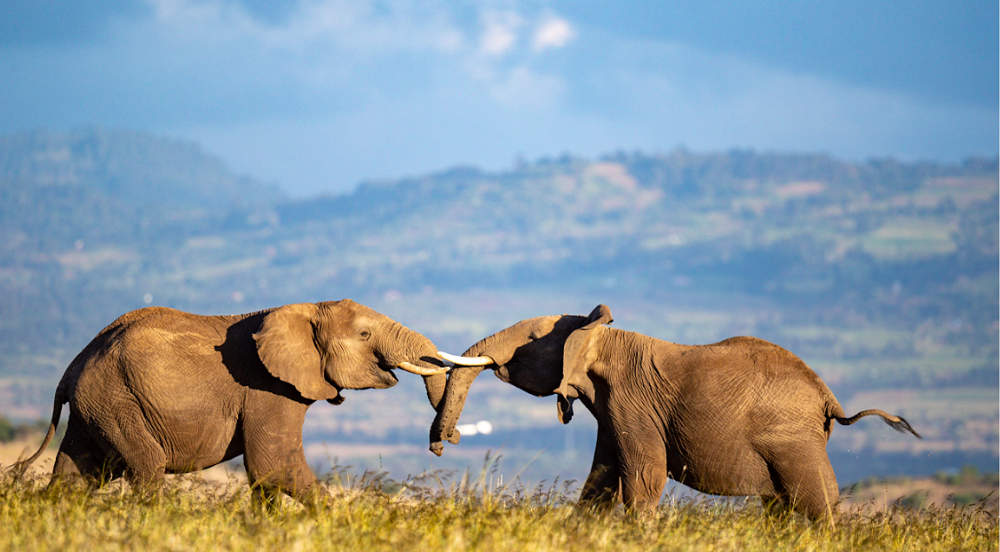
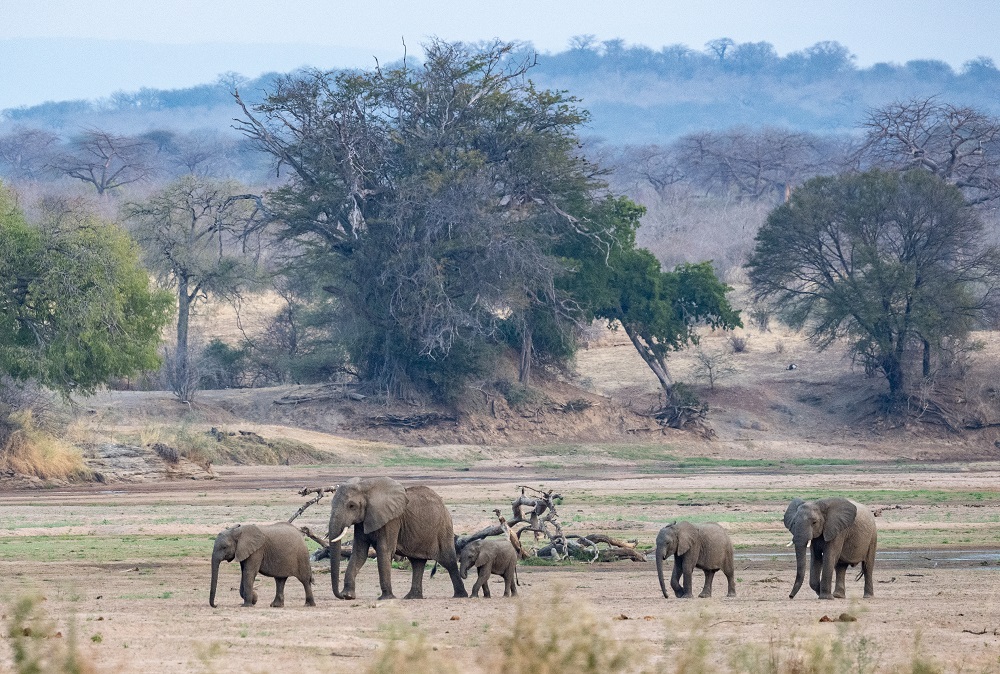
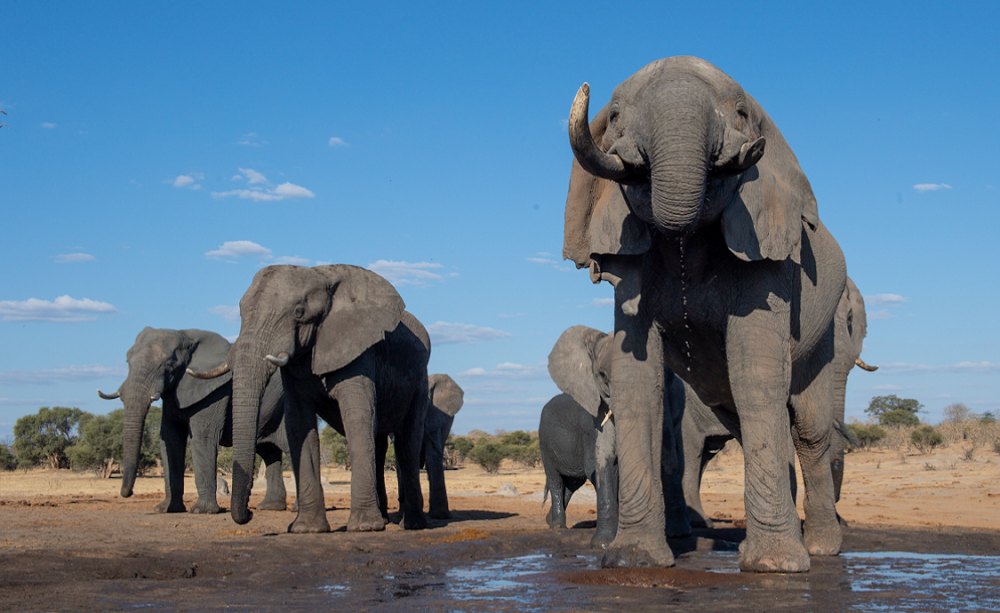
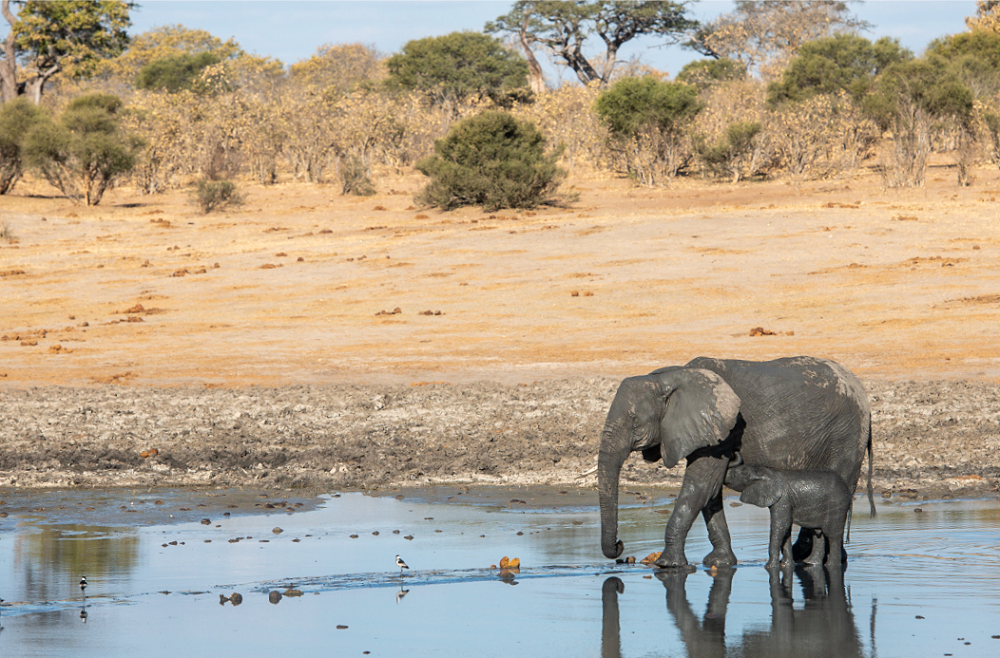
Driving in the direction of Tuli Safari Lodge after having completed the perfunctory border formalities, our first mammal sighting was – appropriately – a herd of elephants. Tuli has about 1,500 or so resident elephants, the most of any private reserve in Southern Africa. No prizes for guessing what mammal we saw next. Impala, of course. This ubiquitous antelope is by far the most abundant of the nine species of antelope present in the area. 

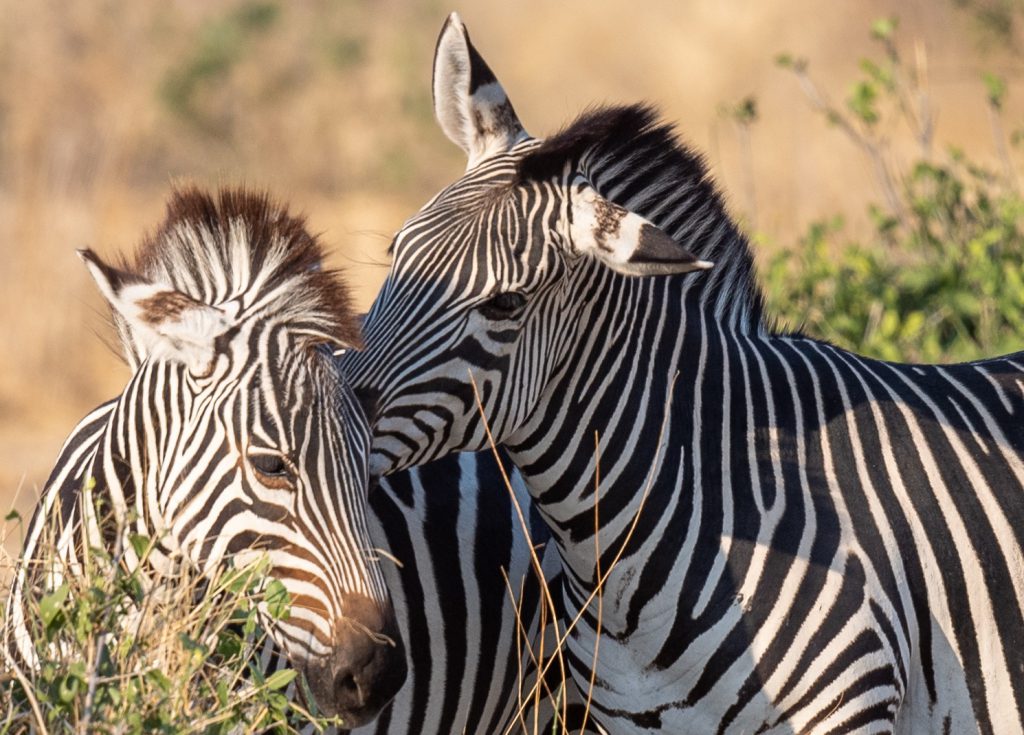
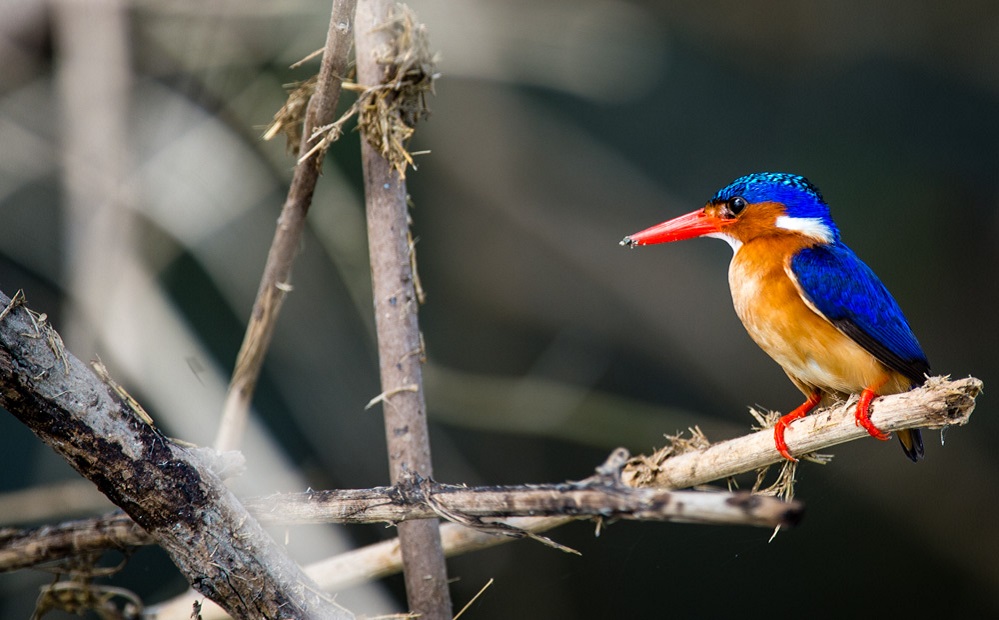
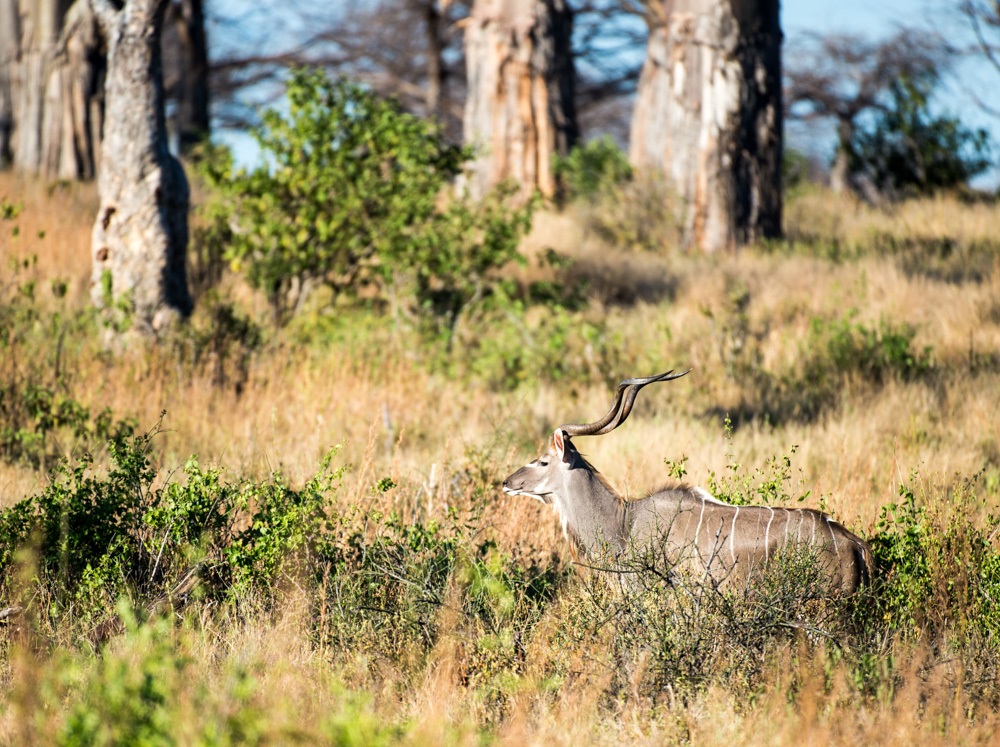
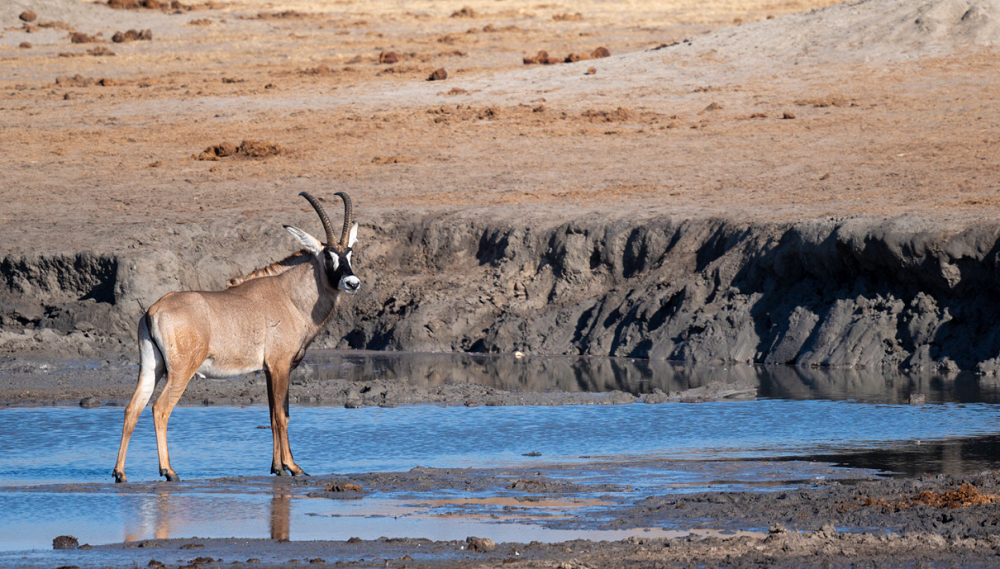
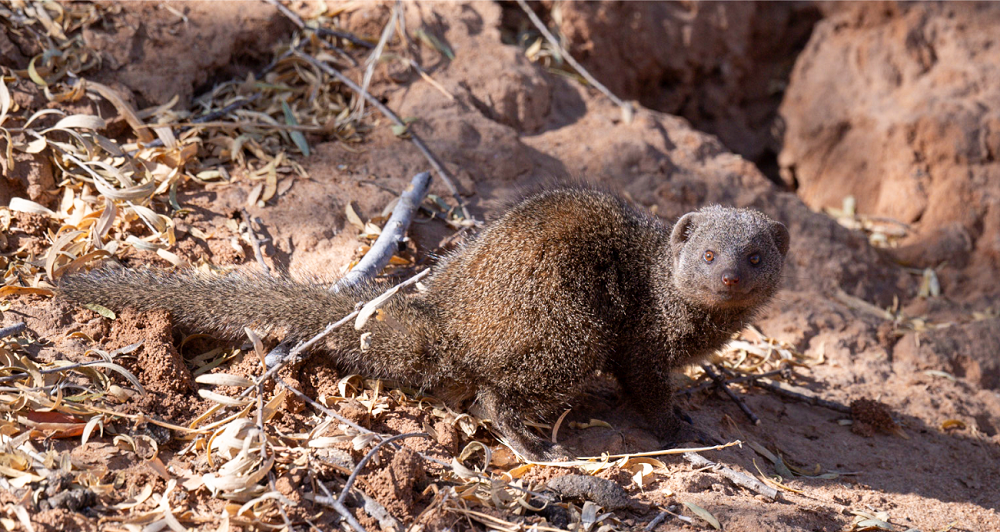
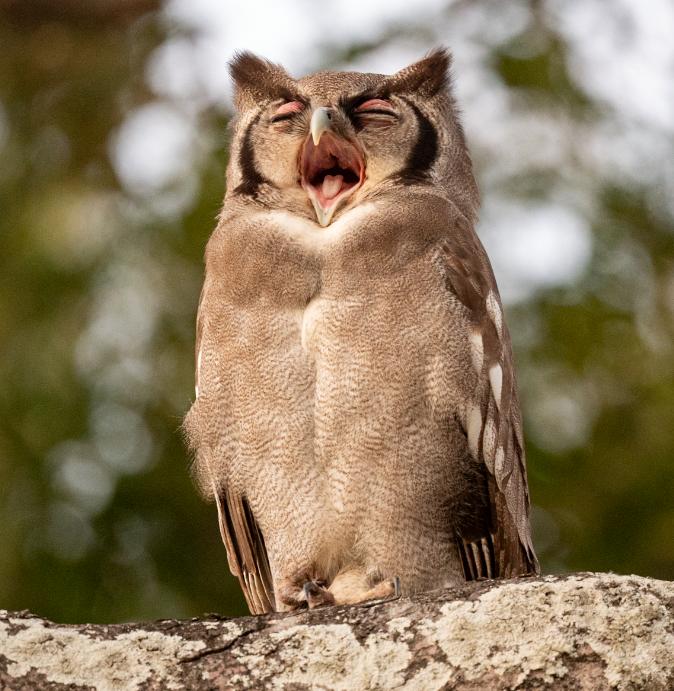
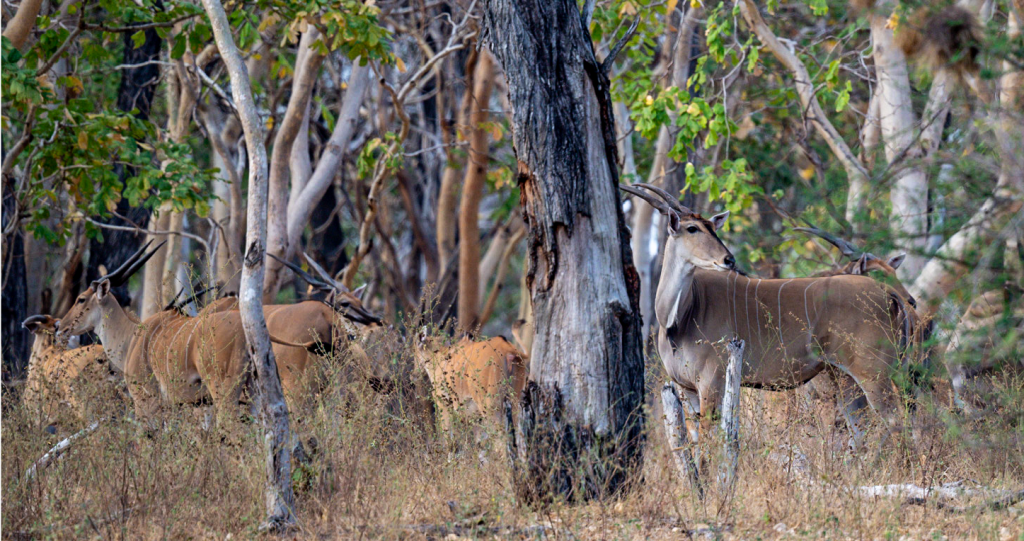
Over the next three days we added an additional 22 species of mammals, including blue wildebeest, bushbuck, eland, steenbok, bat eared fox, black backed jackal, chacma baboon, Burchell’s zebra, African wildcat, plains giraffe, spotted hyena, tree squirrel, warthog, small spotted genet, banded mongoose, rock dassie, leopard, lion, grey duiker, klipspringer, kudu and vervet monkey. As on previous visits, we enjoyed the wide variety of birds, several of which could be seen at the various water holes scattered throughout the reserve. A few of our favorites? The cheeky grey go away bird, Verreaux’s eagle owl, the striking harrier hawk and of course the many kori bustards. 

LOOKING FOR LEOPARDS, FINDING GIRAFFES

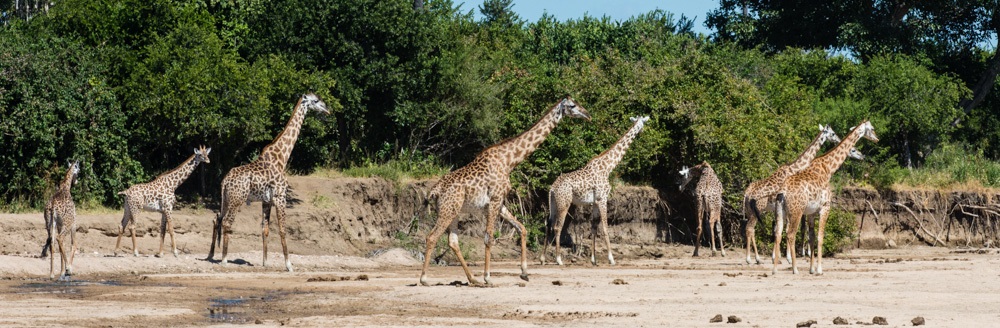
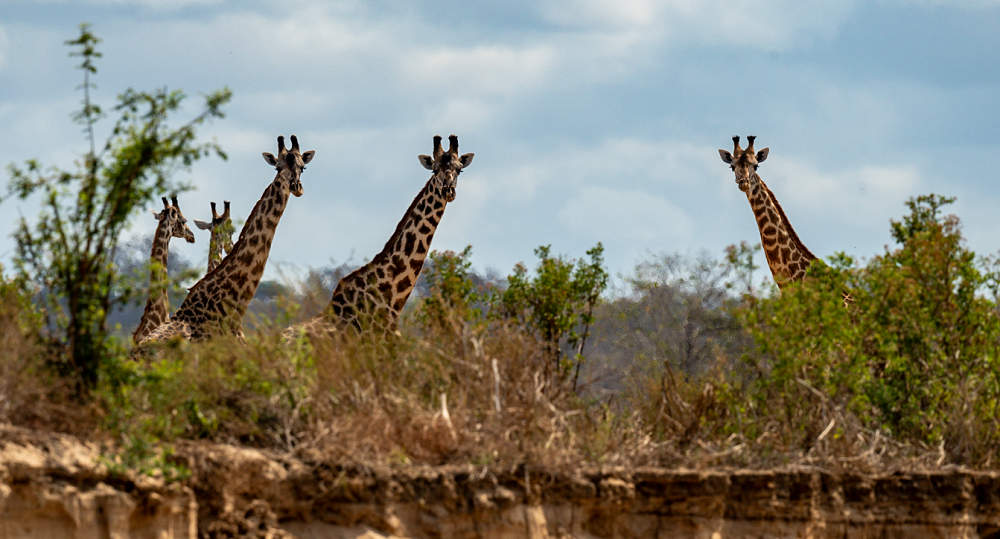
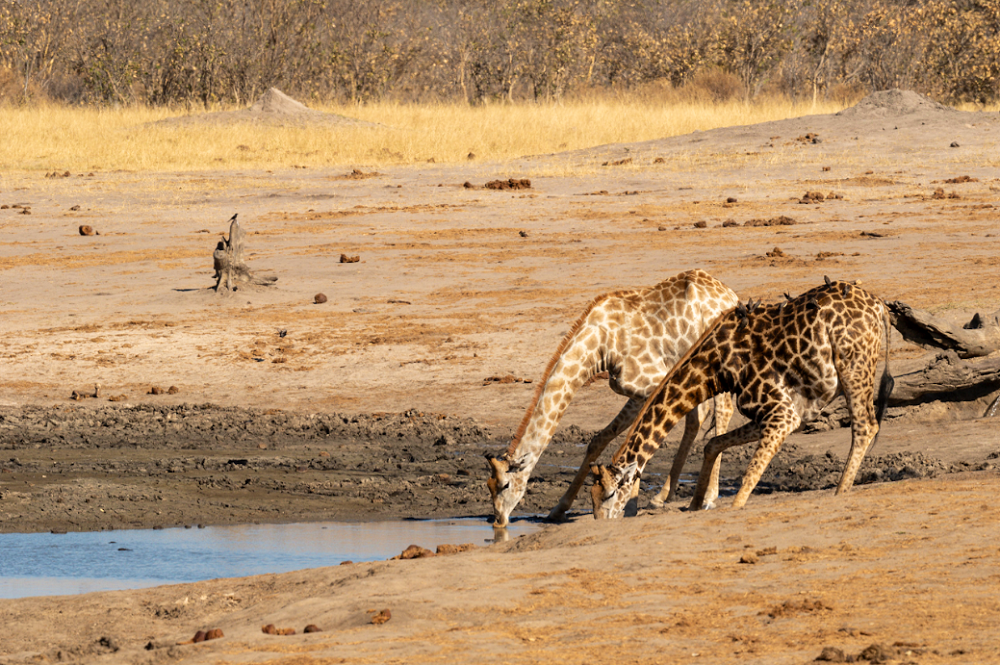
Late in the afternoon on day one we were driving along a dry riverbed in search of leopards which – we were told – like to skulk along the edges of natural drainage lines. On this day we didn’t find leopards. What we did find were giraffes. At first just one. Then several. Followed by a bunch more. We ended up seeing close to 50 giraffes in less than 30 minutes. Tower after tower, around every bend in the dry stream bed, there they were. Males, females, youngsters, bold, shy and somewhere in-between. All giving us the giraffe treatment: initially retreating quietly and then turning around and fixating on us with an intense stare. I did say quietly. Over several decades of seeing giraffes in the wild, I have yet to hear as much as a peep out of one of them. 

Back in 1984, 22 giraffes were reintroduced in the Tuli block. There are currently well over 700 of them in the reserve. Judging by all the babies and youngsters we saw staring quietly at us, the actual number may already have crept into four digits. This is an amazing statistic, considering that prior to 1984 giraffes had been locally extinct in the Tuli block for more than a hundred years after having been hunted out.

LOOKING FOR LIONS, FINDING ELEPHANTS

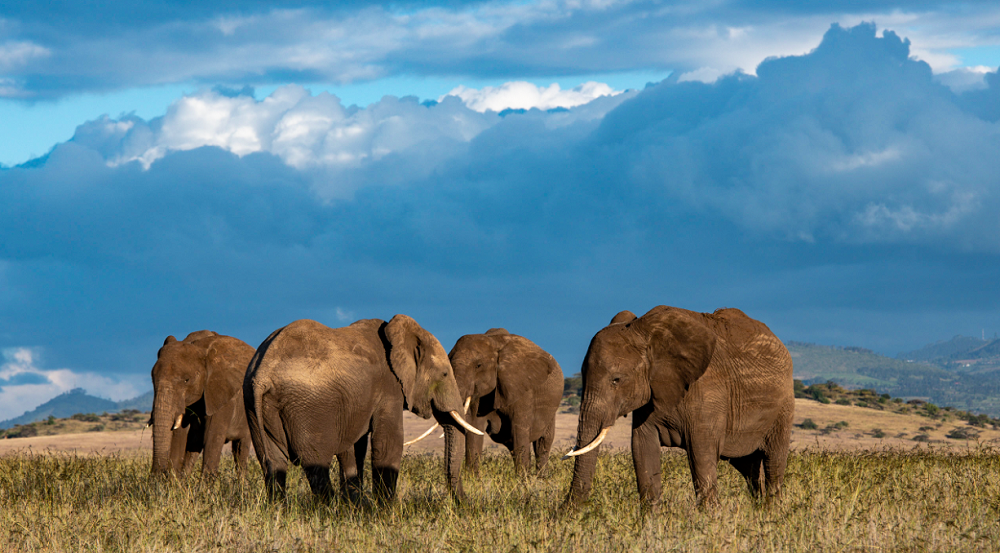
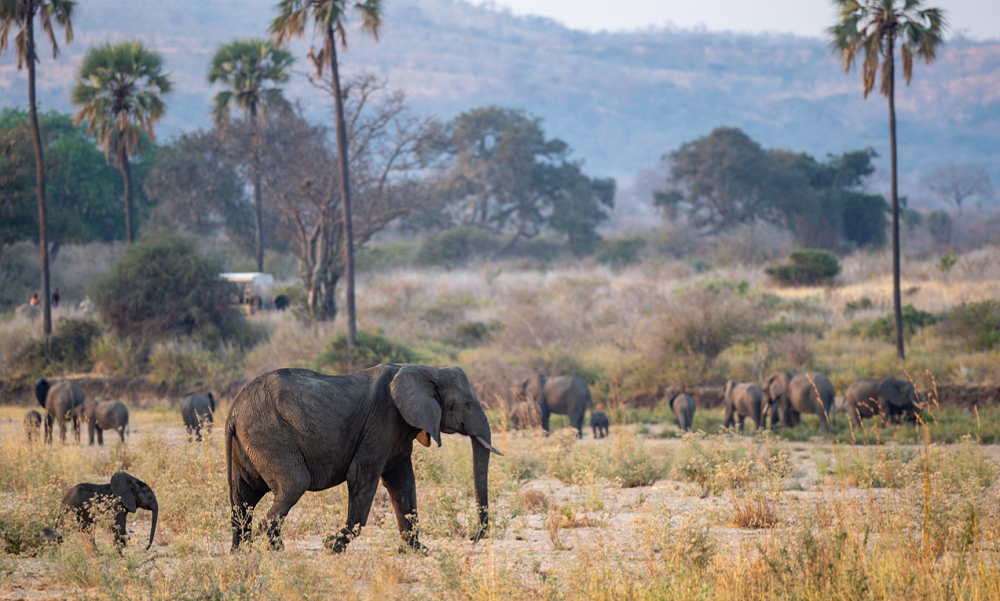
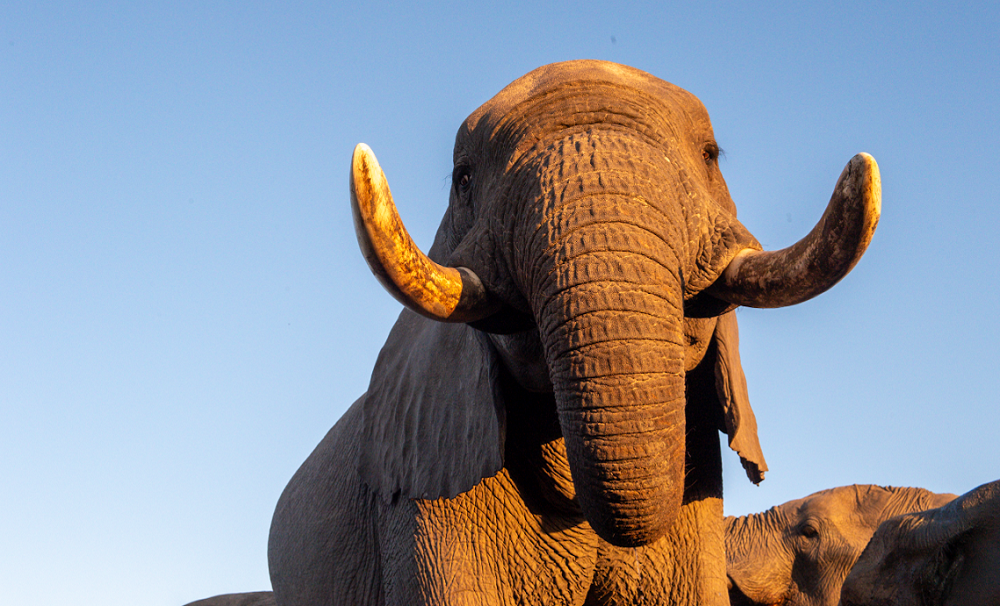
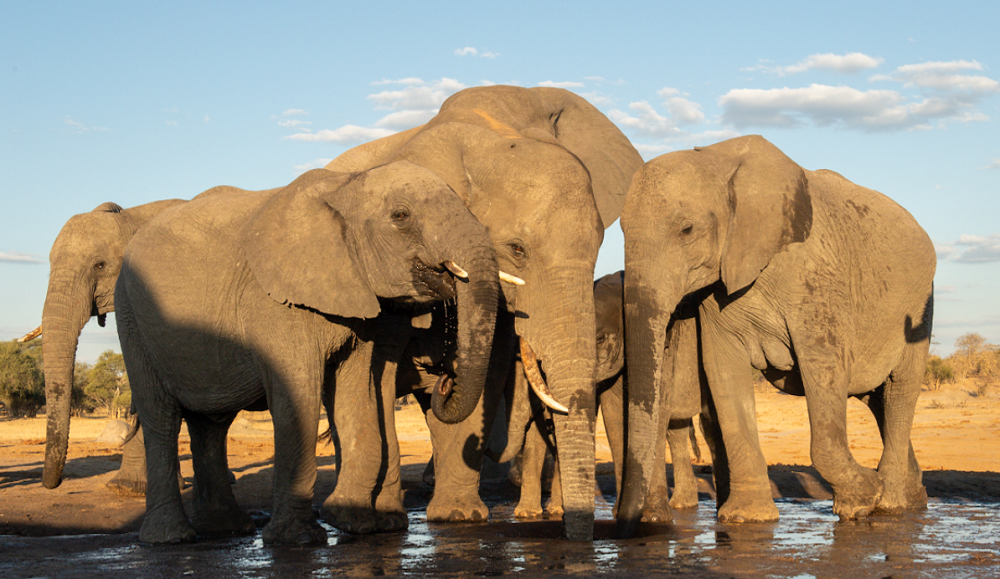
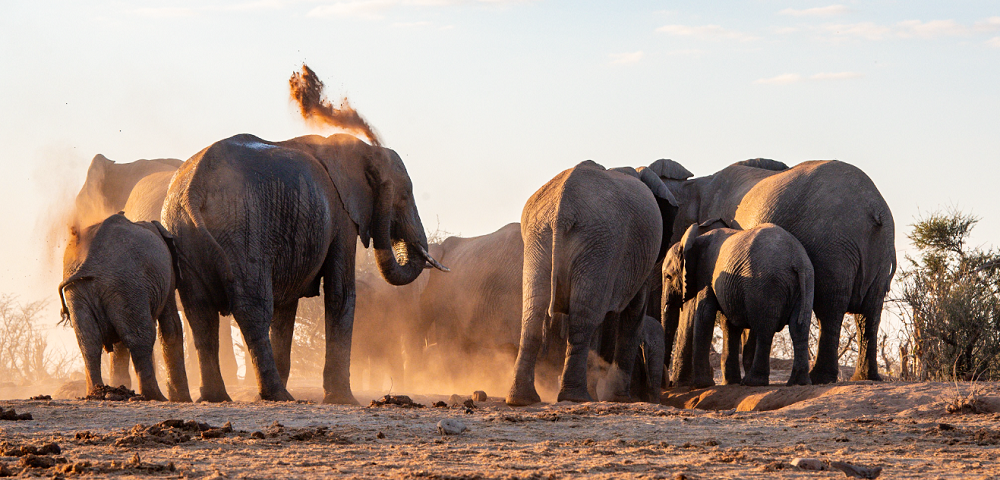
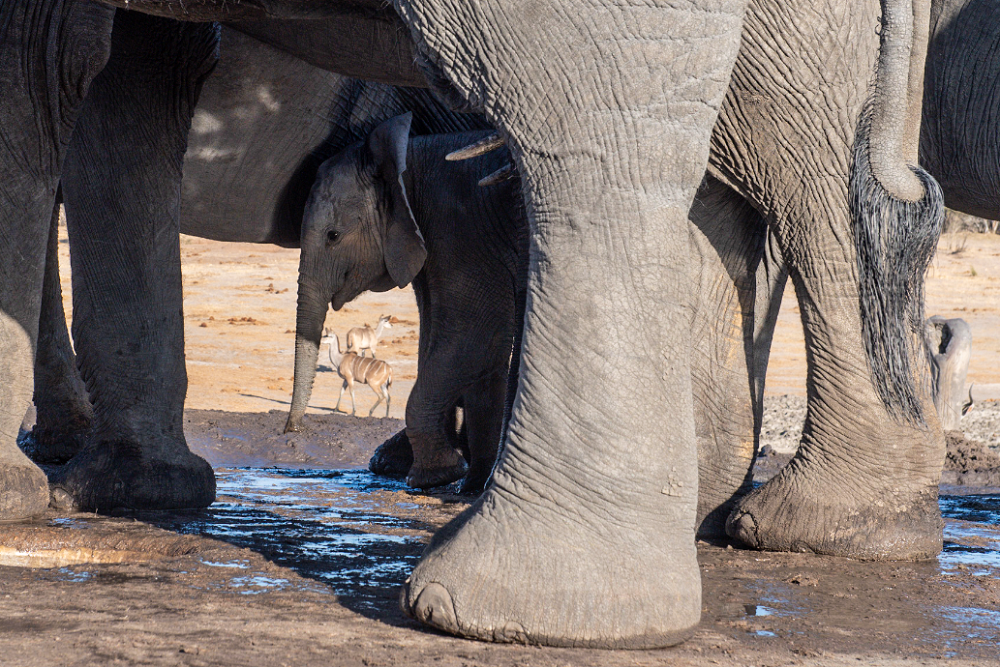
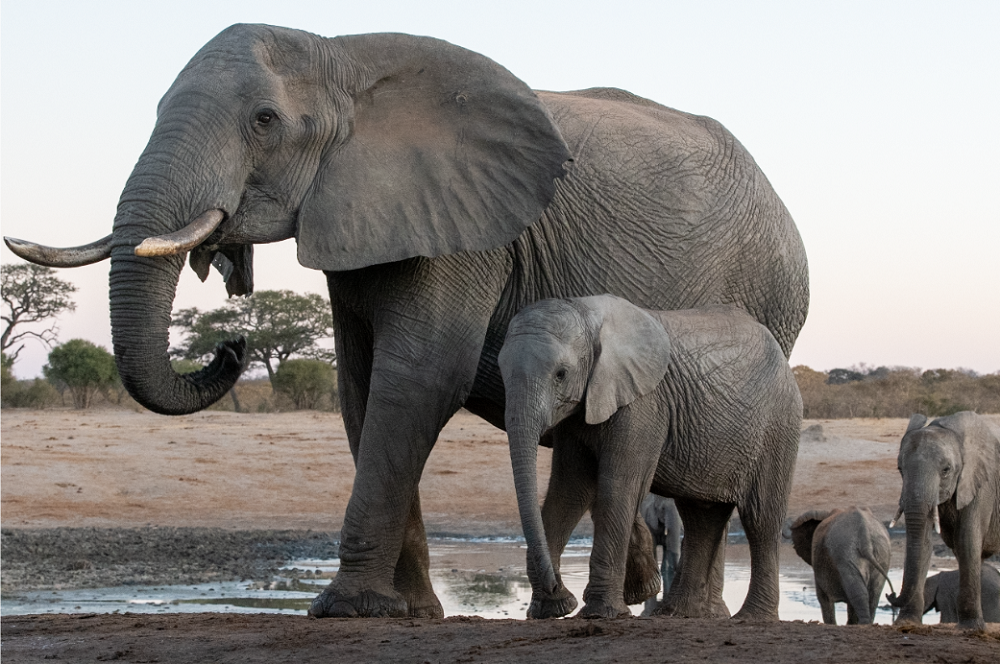
On a morning drive the following day we were looking for lions and found elephants. Lots and lots of elephants which in their inimitable way are much more entertaining than lions, particularly during daylight hours, when – as we know only too well – lions tend to be somnambulant. On this day, a herd of about 50 elephants had walked into the amphitheater, a small sandy enclave pretty much surrounded by cliffs and low hills. The elephants were feeding on the stems of wild sage plants. Apparently the stems and roots collect a substantial amount of moisture during the dry season. 

Our guide Paul pulled the open Toyota Landcruiser into the shade of a giant Mashatu tree, close to the edge of the open area with a steep rock cliff just meters to our right. The plan was to alight from the vehicle for morning tea. The proximity of the elephants gave pause to Paul’s plans. Just as well. Within minutes, our presence and the potential threat which it posed, had permeated throughout the herd. Communicating in a manner imperceptible to us, the herd tightened up, closed ranks and bunched together tightly as they rushed out of the enclave, all to protect their babies. It was an insightful event, clearly demonstrating elephants’ uncanny ability to communicate using low-frequency sounds, below the range of human hearing. 

FINDING LEOPARDS – MORE THAN ONCE

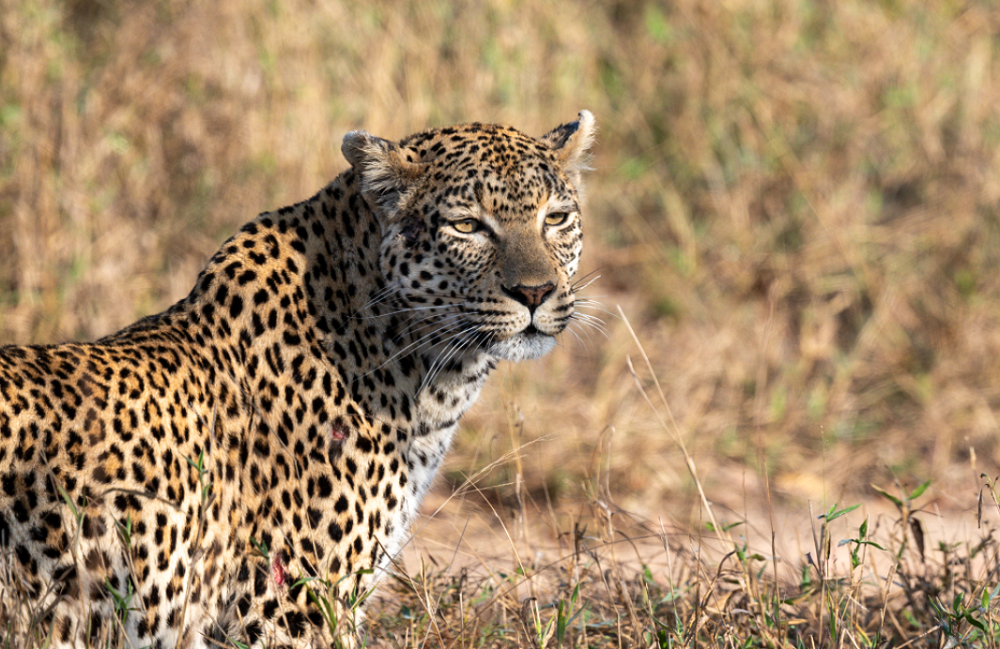
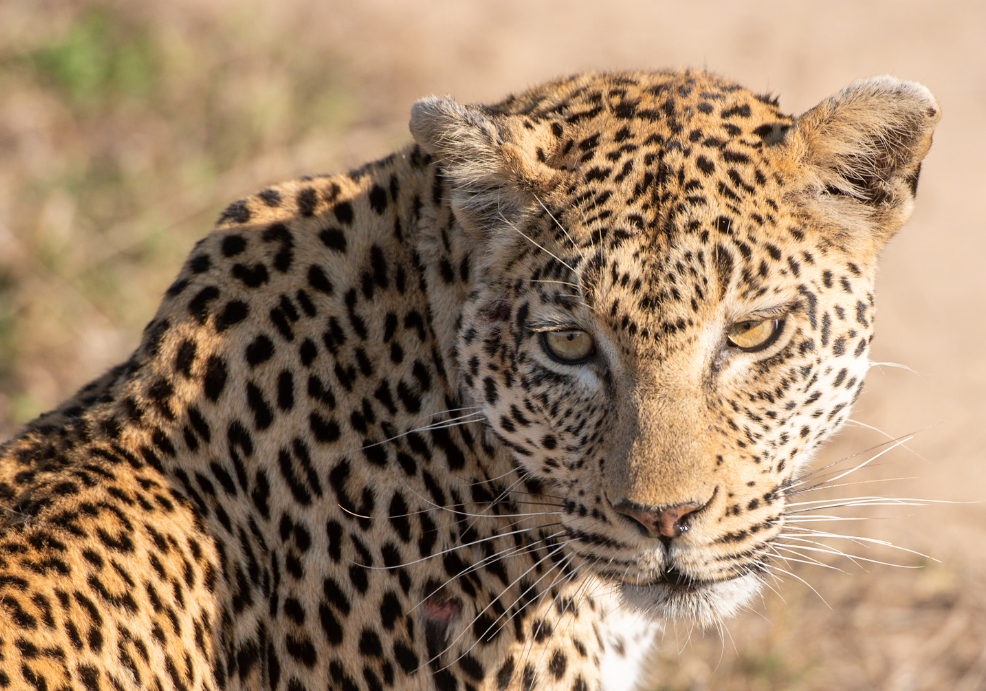
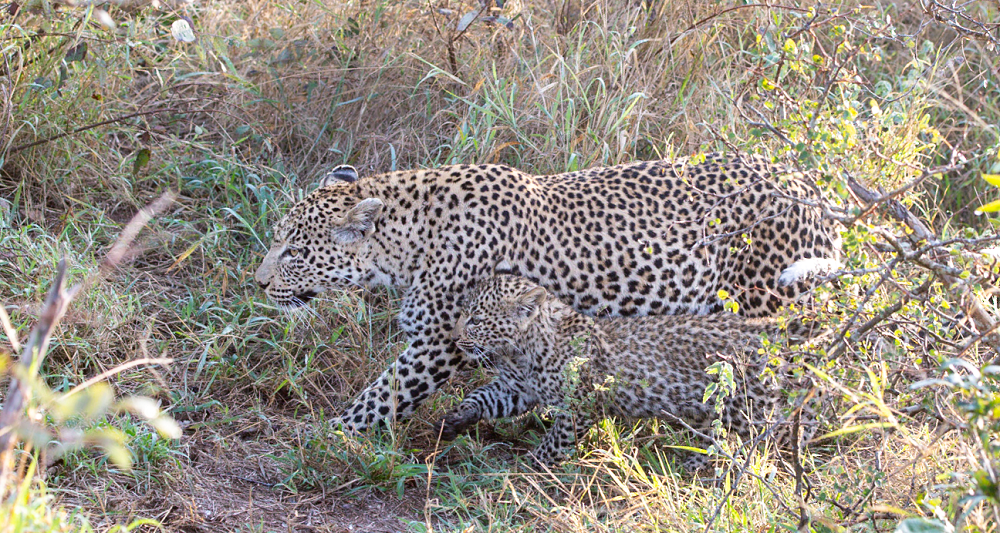
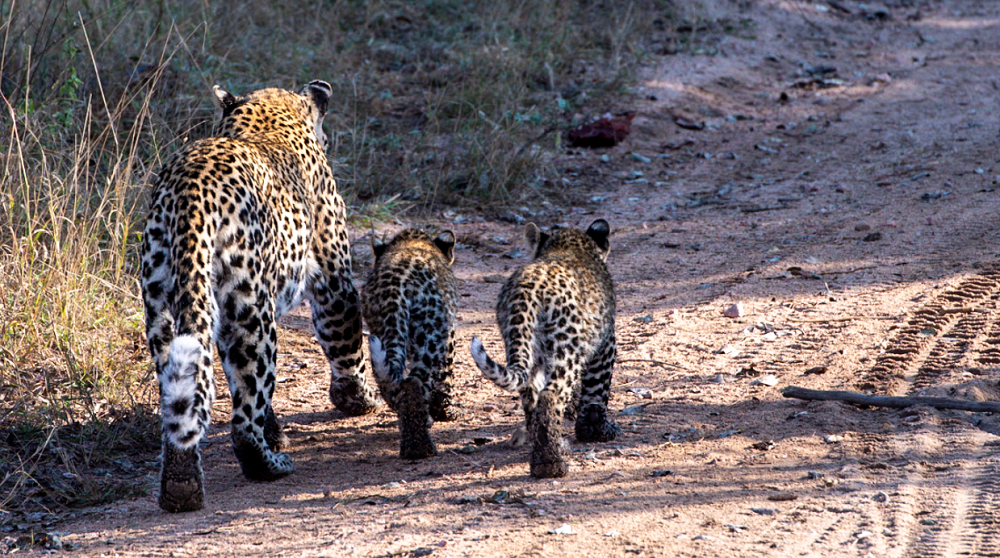
Mashatu is known as a big cat destination and it cemented its reputation on this trip. On our second afternoon we had our first leopard sighting, which was repeated under very similar circumstances the next day, and then again on our last morning outing. All three sightings were of female leopards walking through a fairly dense forest, seemingly oblivious to our presence. They would turn this way and that, checking for scent, scent marking as they went, totally relaxed and confident. Other than visually, their progress through the forest could be tracked by the chorus of alarm calls kicked up by tree squirrels and birds. If ever there was a collective ’watch out!’, this was it. 

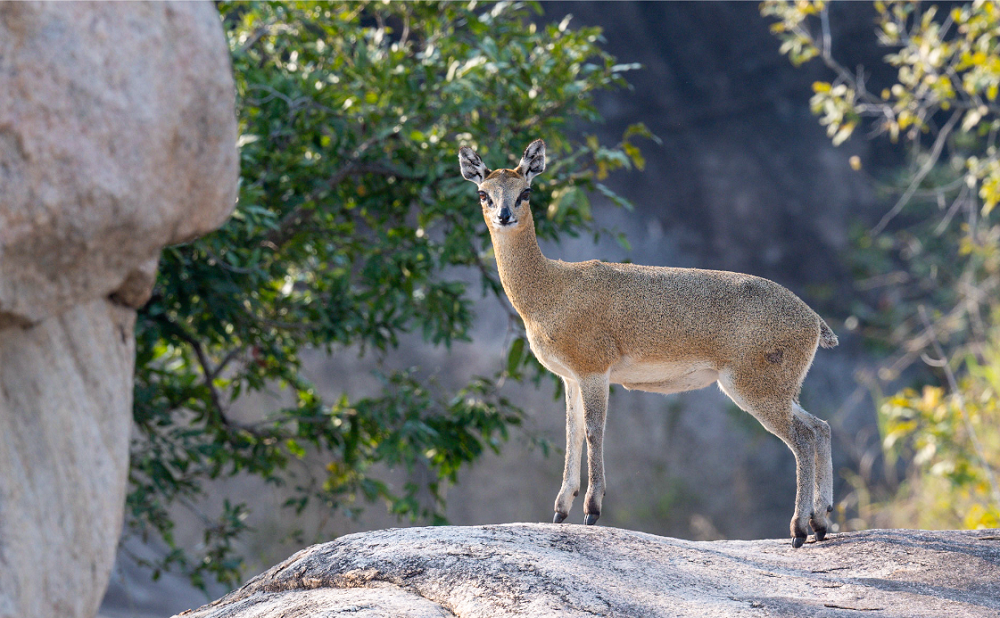
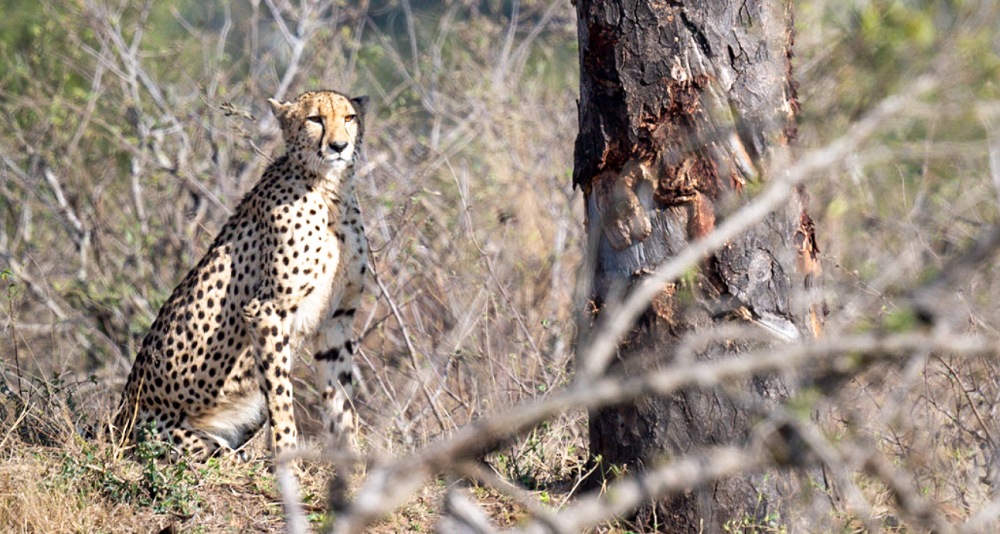
Twice, we stayed with and watched the leopards until they disappeared into thickets, happy to have spent some time in their company. Yet another leopard sighting was of a powerful male patrolling a hillside, scaring off a couple of klipspringers which came bounding past us. Clearly Mashatu is a reliably good destination for photographers and other keen big cat aficionados. Cheetahs are also frequently seen at Mashatu but they do tend to move into and out of areas depending on how threatened they feel due to the presence of lions, leopards and hyenas. This time around, we did not see them because the cheetah group which had been seen until just a few days prior to our arrival had walked into a neighboring area.  

LOOKING FOR AND FINDING LIONS

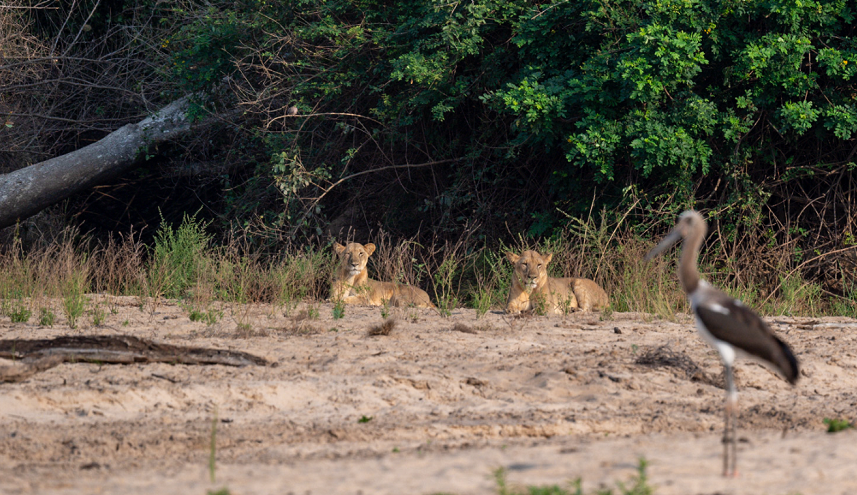
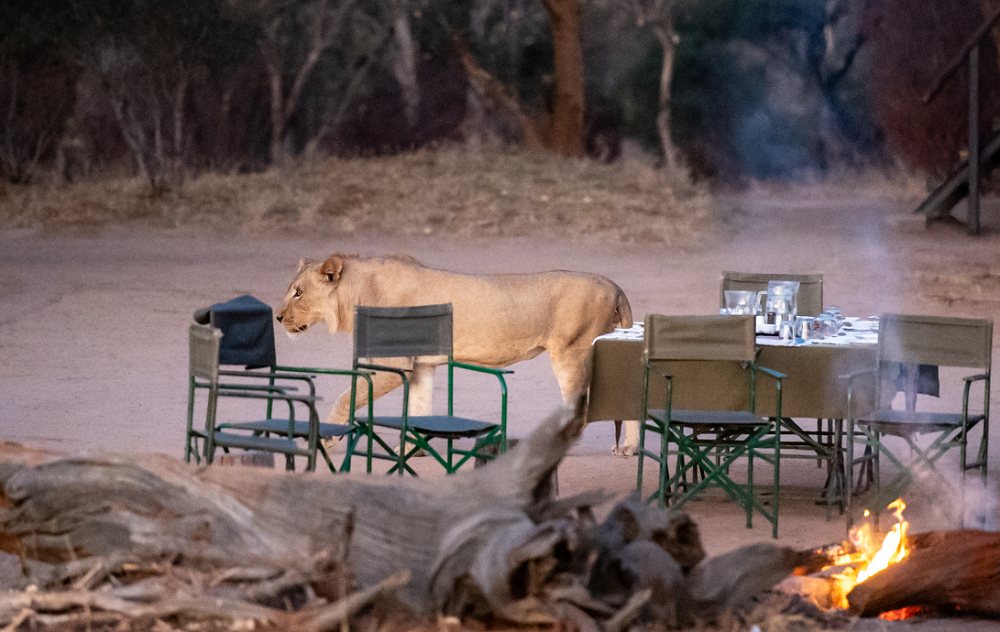
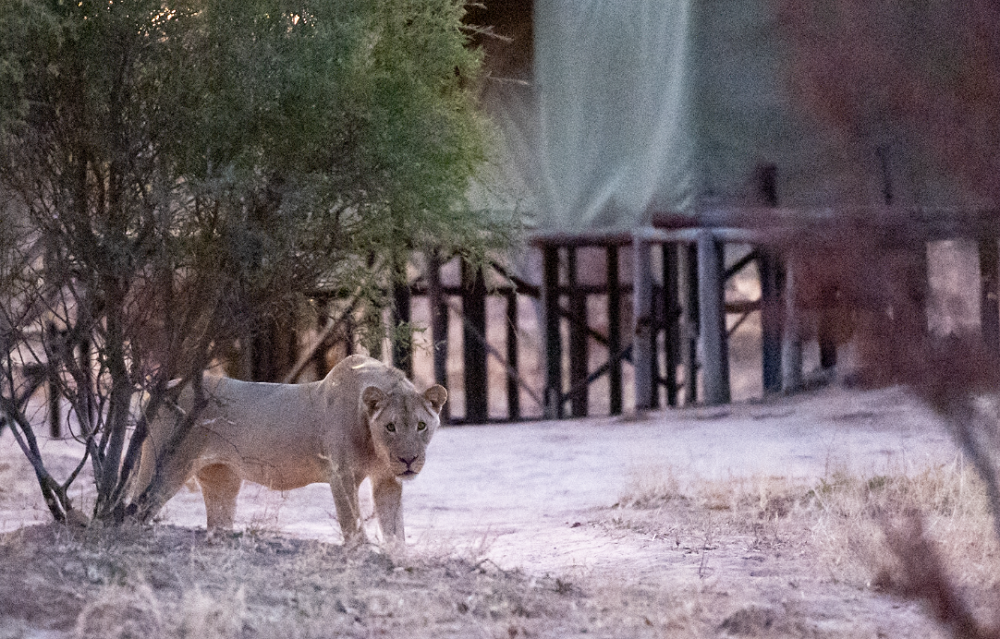
As I’ve remarked more than once before in this newsletter, nobody wants to return home from Africa only to say ‘no’ to the inevitable question: did you see any lions? If Mashatu is part of your Africa itinerary, chances of this most unwanted scenario becoming a reality are in the slim to none category. There are two sizable prides which spend most of their time in the reserve: the Motloutse pride in the west and the Majale pride in the east. Spend five or six nights in Mashatu and chances are good that you’ll bump into one or the other, sooner or later. 

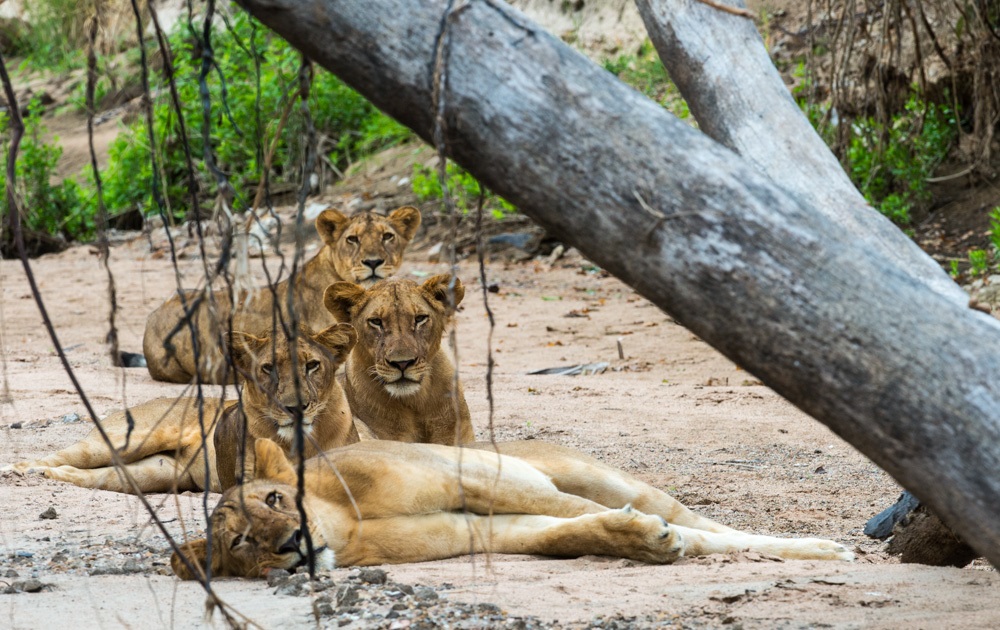
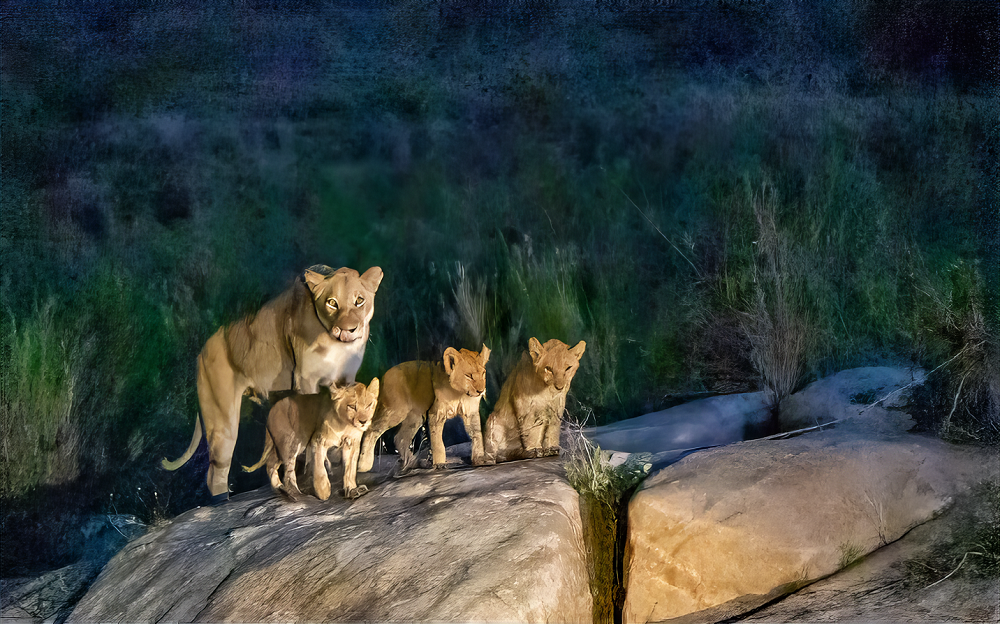
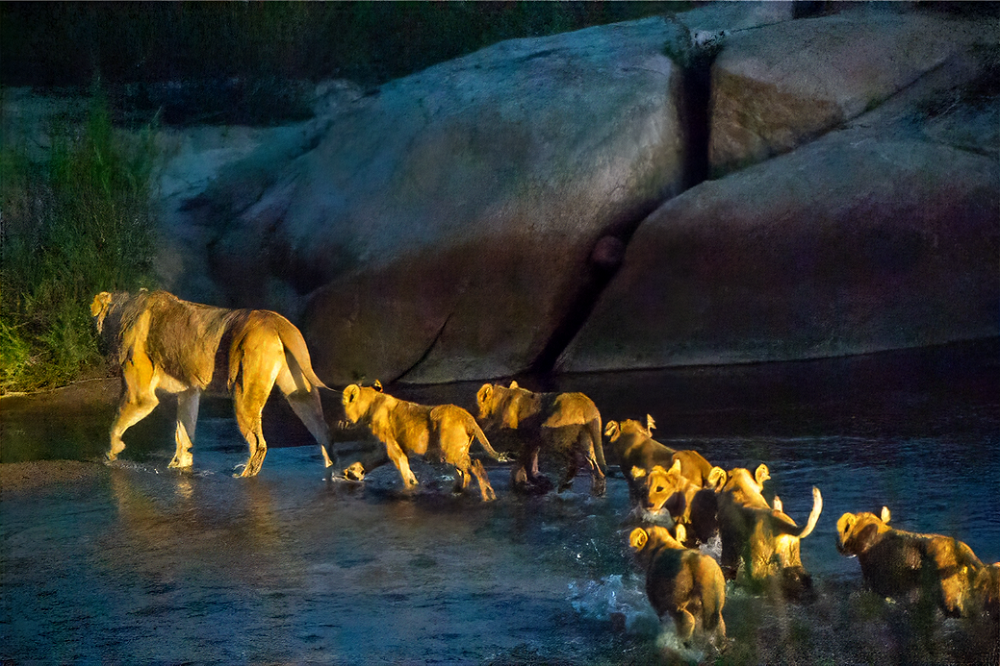
We came upon nine members of the Majale pride one morning while they were still relatively alert and active. There was a little bit of sibling rivalry, a lot of sisterly affection and an abundance of star power which is of course what lions take with them wherever they go. They are the true kings of their domain. Unless lions are in hunting mode, or interlopers in another territory, they make no attempt to be secretive or elusive or any of those adjectives heaped on practically all other big cats. 

On the day we observed the pride for perhaps 20 minutes or so, took lots of photos, and realized once again how fortunate we were to be in their presence in a true wilderness environment. We were to see various members of the pride again over the next couple of days, including one of the males feeding on a zebra. 

HYENAS, CROCODILES AND MORE

Over the space of a short 4-night stay, Mashatu delivered several other superb sightings, including these: 

Two juvenile hyenas playing and mock fighting right around our vehicle. For a good 10 to 15 minutes, the two sub-adult hyenas played with sticks and twigs, one running with it and the other following in hot pursuit, kicking up plumes of dust. It was playful and entertaining – two youngsters simply having fun. 

Observing several monstrously big Nile crocodiles on the edge of the Limpopo river, close to its  confluence with the Shashe. Walking down to the edge we surprised three of them, who then moved with alacrity, plunging into the Limpopo as fast as their short legs could take them. 

Several more giraffe sightings of sizable towers numbering in excess of 13 animals of various ages. It was obvious that the Mashatu giraffes were doing remarkably well. All one has to do is count the babies.

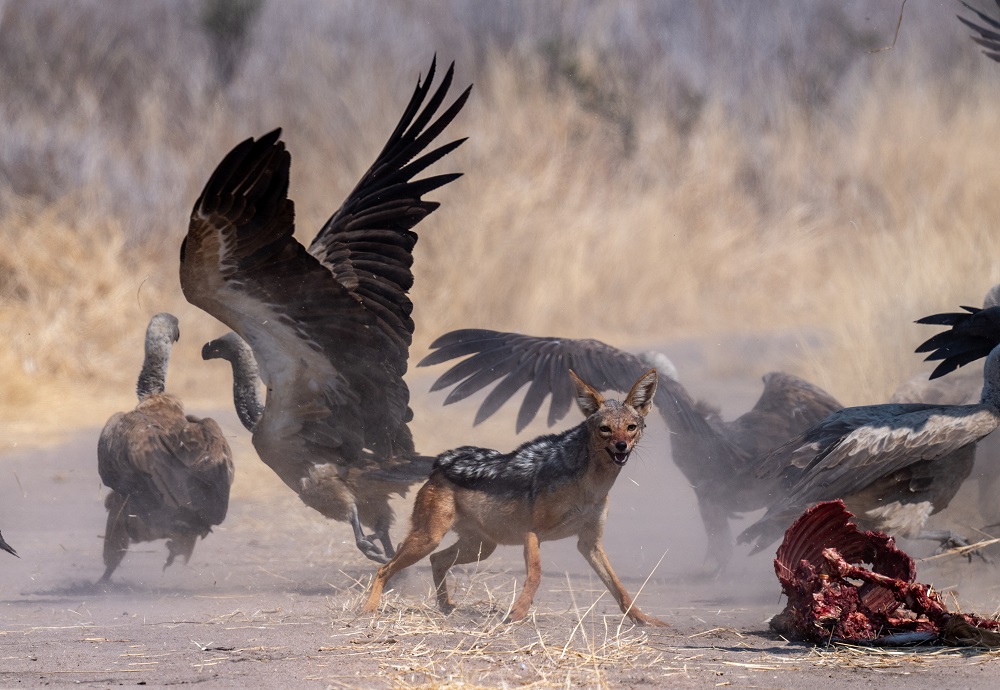
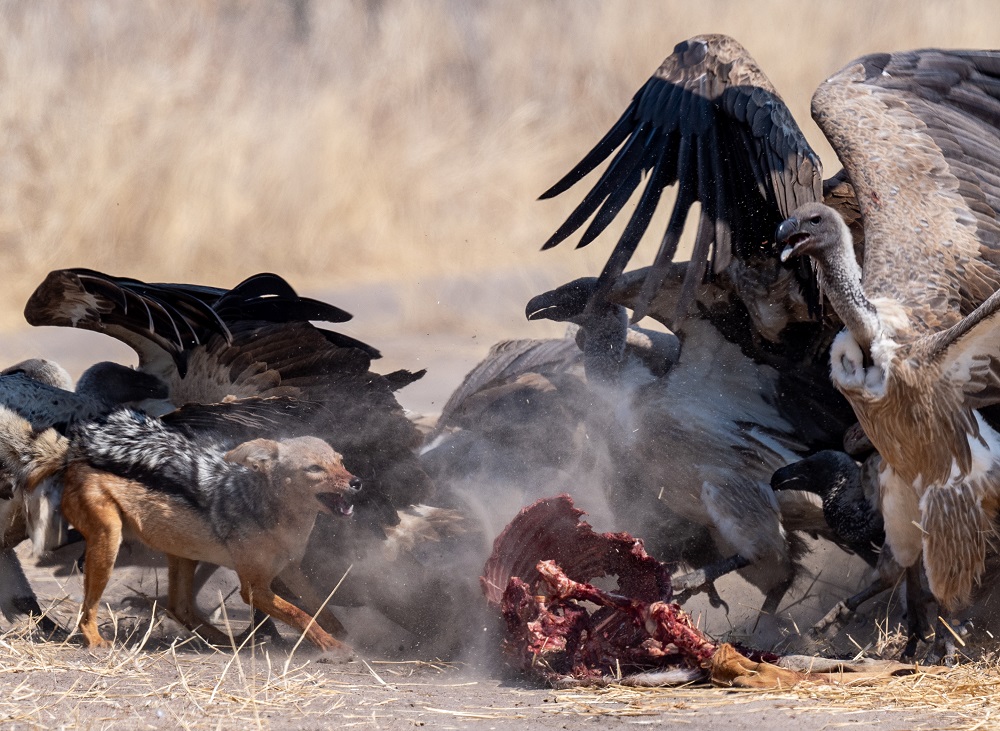
A clan of black-backed jackals and several white-backed vultures interacting in the aftermath of a lion kill. A male lion belonging to the Majale pride had walked away from a zebra kill, leaving some skin and bones behind. A clan of black-backed jackals were quick to move in, having been lurking on the periphery of the kill. They were soon joined by a bunch of white-backed vultures and it didn’t take long for the two species to start competing for the leftovers. 

YOU MIGHT ALSO BE INTERESTED IN

Destinations
Zambia

10th September 2021

Chindeni and the Bushcamp Company, Zambia

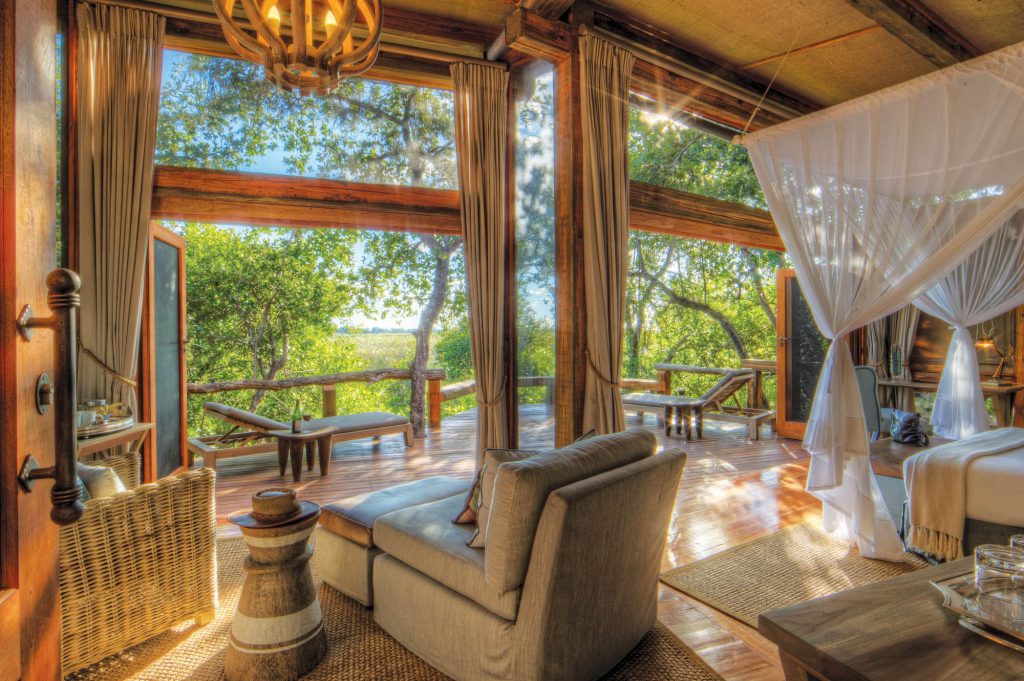
By late July we found ourselves at Chindeni, a small Bushcamp Company property
Read more
Botswana
Destinations
Okavango Delta

3rd October 2022

Camp Okavango, Botswana

Camp Okavango is in the heart of the permanent part of the Delta. In this idyllic setting there are no vehicles, and it is just a short walk
Read more
Area
Destinations
Nyerere National Park
Ruaha
Tanzania

14th October 2023

From My Safari Notebook: Wildlife Photography

Birds in flight and wildlife photographers have an uneasy relationship. Things go wrong as often as they go right. Getting focus-lock on a moving subject

Read more

SUBSCRIBE TO OUR NEWSLETTER

READERS FAVOURITES
Destinations
India

27th May 2023

India

India’s tiger, mammals and birds.

Read more
Botswana
Destinations

4th August 2022

On Safari At Belmond Eagle Island Lodge, Okavango Delta

What is the ‘secret sauce’ for an unforgettable few days on safari in Botswana? It starts with the animals, of course. The elephants, lions, giraffes, hippos

Read more
Destinations
Zambia

10th September 2021

Chindeni and the Bushcamp Company, Zambia

By late July we found ourselves at Chindeni, a small Bushcamp Company property

Read more

Mashatu: The Camps

10th July 2023

Mashatu: The Camps

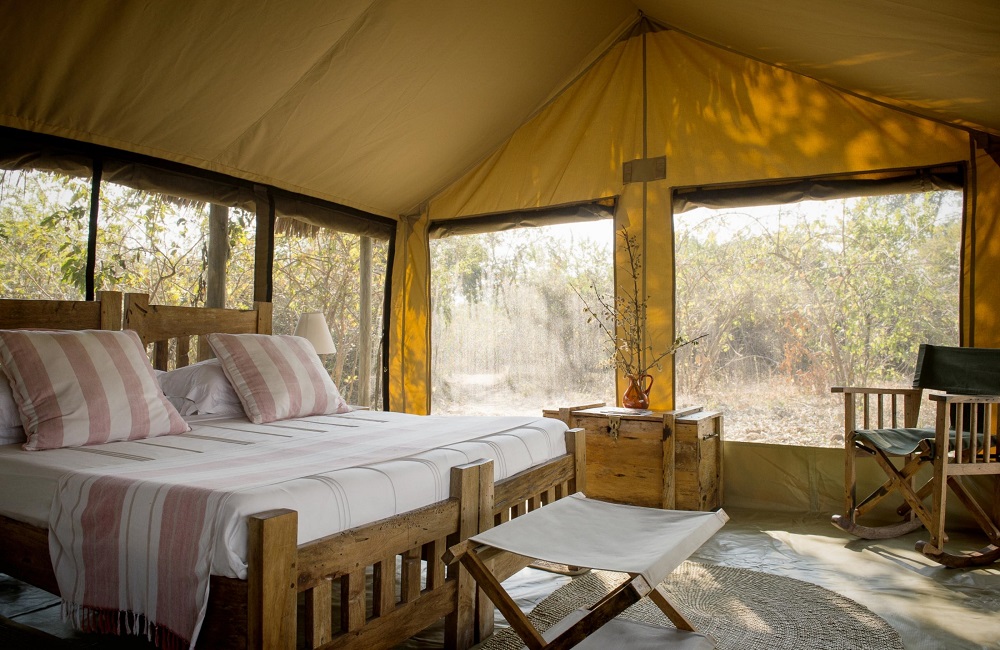
The Mashatu Game Reserve in the Tuli Block of south-eastern Botswana remains high on our list of safari recommendations as an enjoyable, animal and bird-rich destination where off-road driving and night safaris are possible. Mashatu has a choice of properties ranging from classic tented rooms to deluxe air-conditioned villas, as well as an unrivaled range of ‘out of the vehicle’ activities including photo hide sessions, foot safaris, mountain bike safaris and horse-back safaris. There is also the exciting WalkMashatu foot safari option, which can be customized to include any variety of lodge walks, lodge to lodge walks and fly-camping. 

Since our last visit to Mashatu a few years ago, there’s been some significant changes, not the least of which is the addition of several new camps, most notably Mashatu Euphorbia Villas, the reserve’s new flagship property. Another notable addition is Tuli Safari Lodge Mashatu, a beautiful 9-roomed – mostly tented – property in the southern part of the reserve. There’s also a new luxury homestead – Kolokolo – which is an ‘exclusive use’ property in the far eastern part of the reserve. I’ll provide a bit more detail on each of the properties here.

TULI SAFARI LODGE

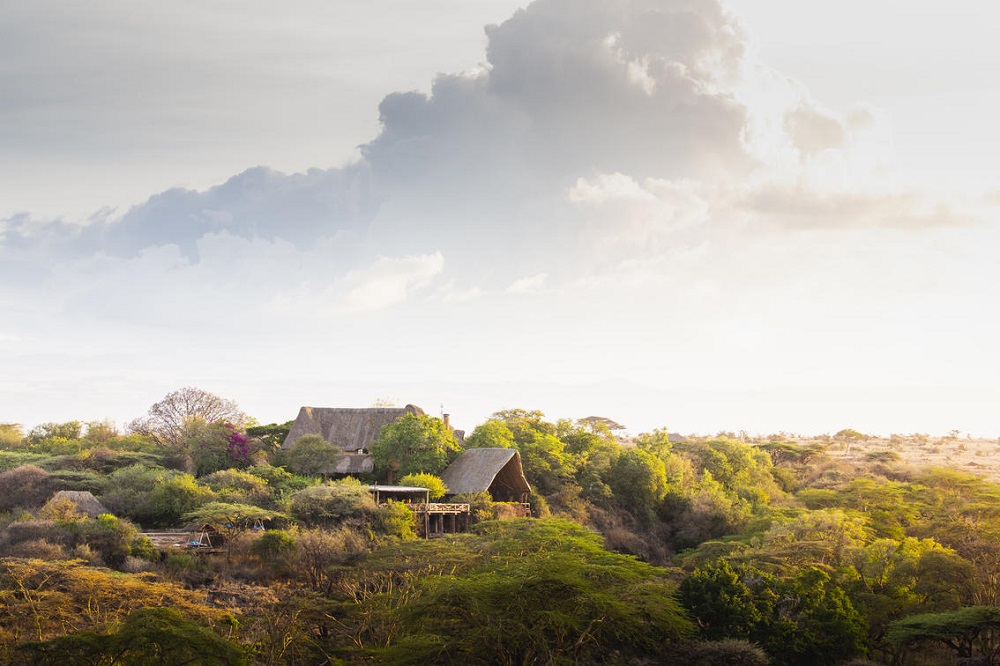
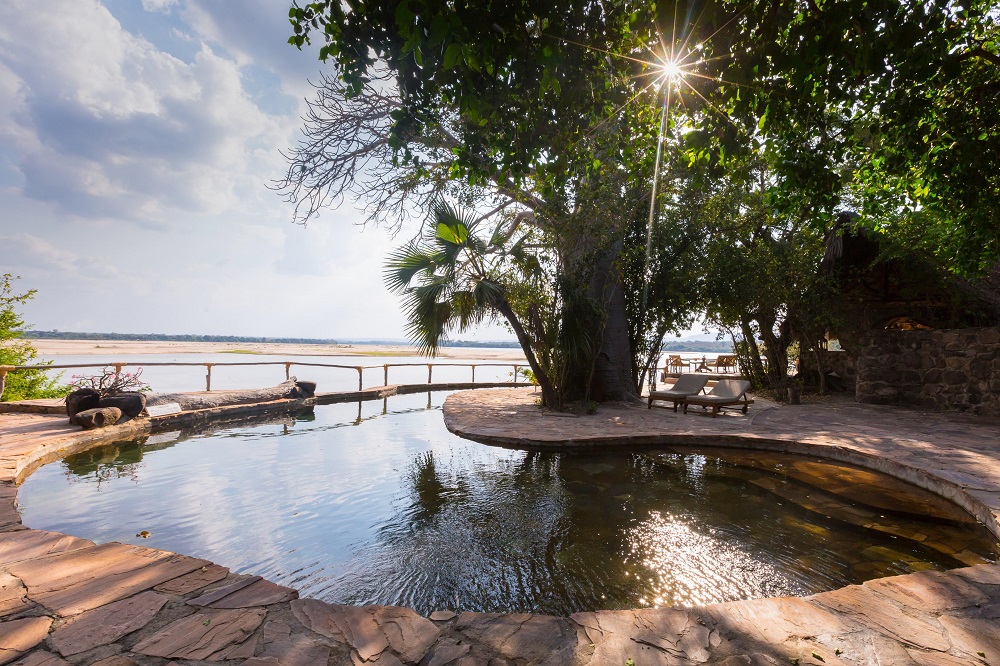
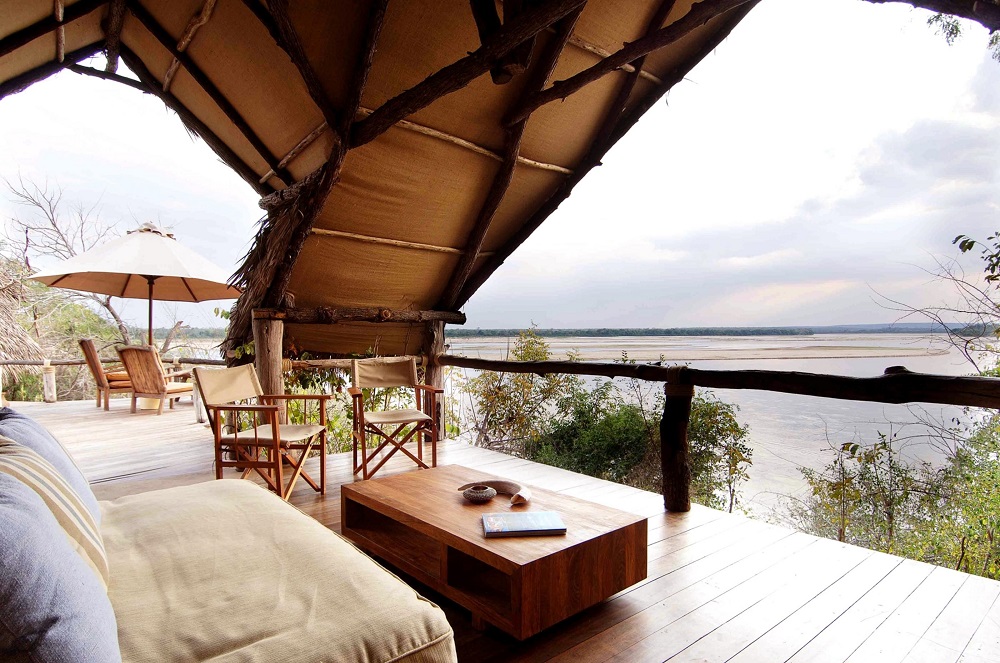
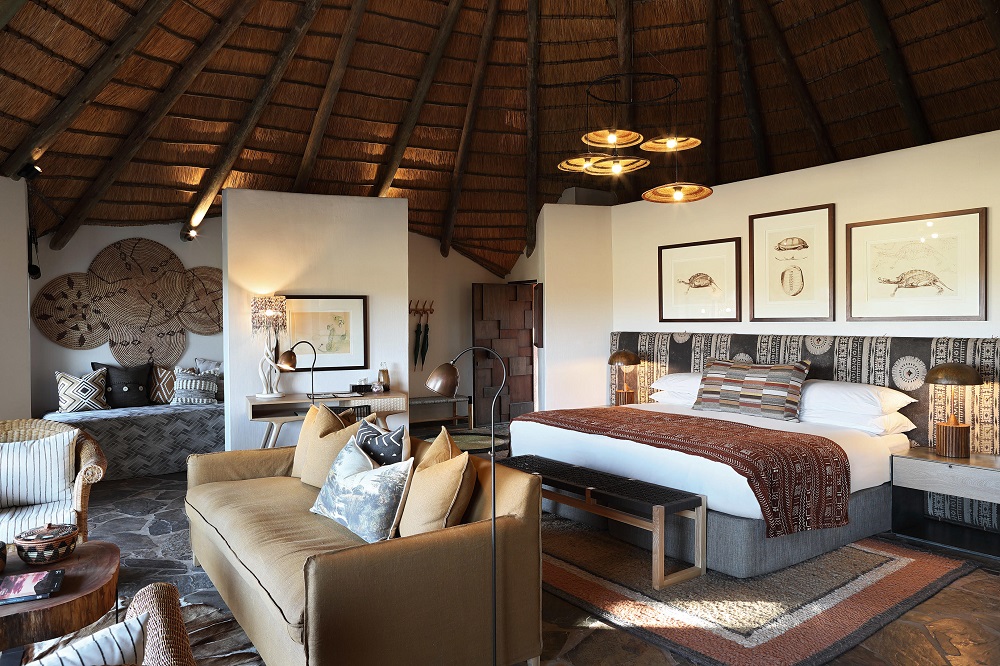
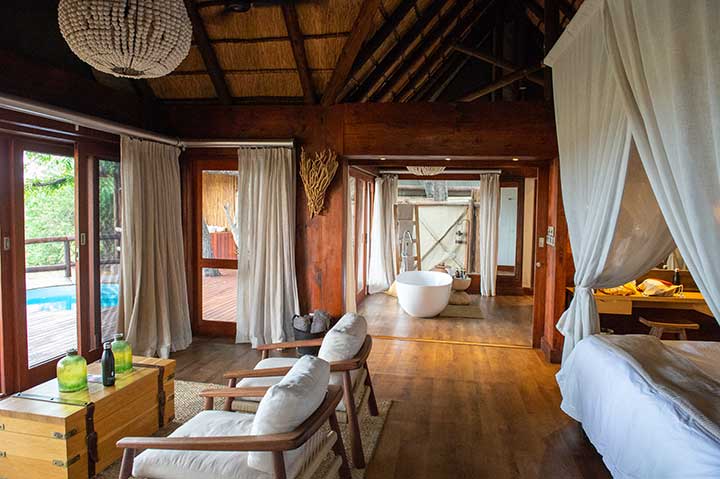
Tuli Safari Lodge simply has the best location and camp site of any of the Mashatu camps, with the rooms and main lodge buildings spread out among some massive trees in a stunningly beautiful spot. Literally tucked in between the riverine forest along the Limpopo and rocky outcrops, behind one of which you will find the camp’s sparkling pool.  It doesn’t take an extended visit to realize that Tuli Safari Lodge has a competent, tightly knit staff complement and the best food! I can see it fitting into many future trips being child-friendly and offering dedicated night drives. Plus one can walk right out of the camp to a nearby hide overlooking a pond, which is ideal for photographers and birders. The camp is also within an easy walk to the banks of the Limpopo River, providing yet another option for exploration. The hybrid tented rooms at Tuli Safari Lodge check all the classic safari boxes: beautiful to look at and exceedingly comfortable and stylish with tons of space, a great big bath with plenty of hot water as well as a huge walk-in shower, two vanities, more than adequate lighting, lots of storage space.  What’s not to like? 

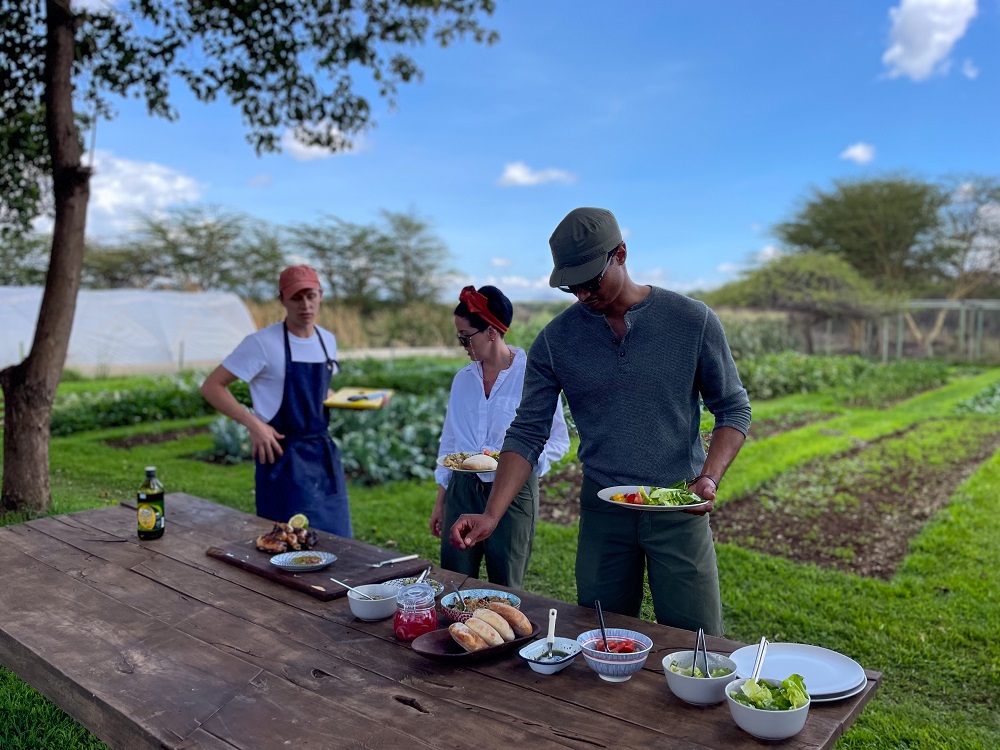
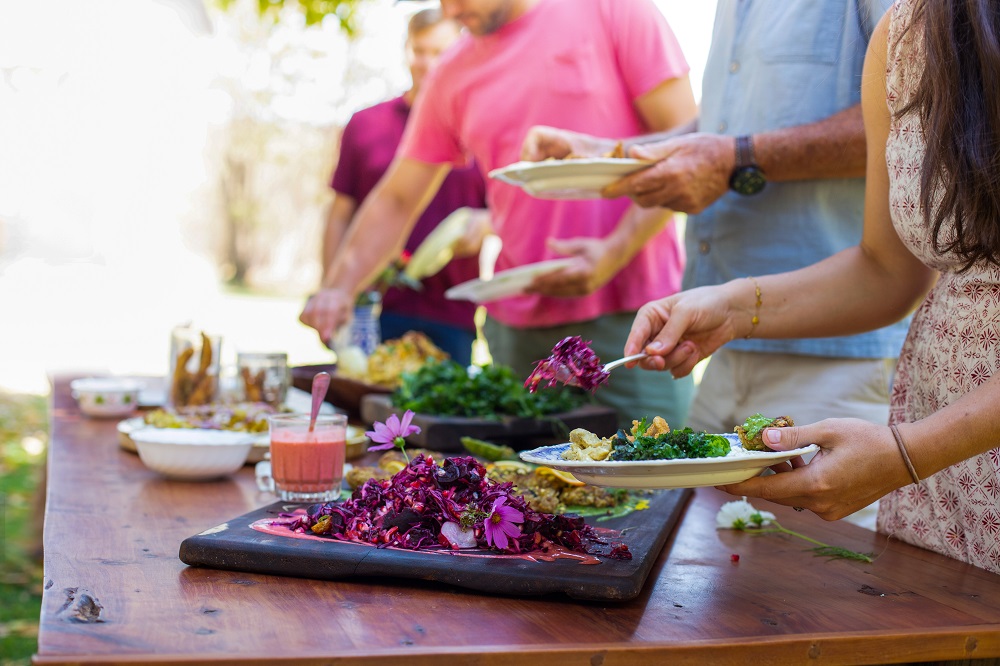
On the day of our arrival we enjoyed an excellent brunch at Tuli. Served al fresco, guests could choose between a lemon & fresh herb chicken burger with french fries, penne pasta with olives, cherry tomatoes and spinach, or spiced pumpkin fritters with Brie cheese, crispy bacon and orange cardamom syrup. If none of that sounded enticing, you could settle for a full English breakfast. And don’t forget about the dessert: your choice of a fruit platter or a scoop or two of Tuli’s house made ice cream.

MASHATU EUPHORBIA VILLAS

In its completed state, Mashatu Euphorbia Villas bears about as much resemblance to the initial artist’s renderings as the modern world does to the Big Bang. It’s truly a work of art and I am sure that many guests will look back upon a visit there as being  a magical experience. I certainly do. It all starts with a winding drive up a steep hill into the most atmospheric euphorbia forest you’ve ever seen in your life. These stark, foreboding cactus plants – sometimes referred to as candelabra trees – loom alongside the drive into camp, a harbinger of what is to come. Crest the hill and suddenly you’re looking at about as dramatic an entrance as there is to any safari camp in Africa. The experience builds from there. The most stunning lounge and dining area – not to mention the outdoor space, the boma and the nest seating area, perched on the edge of a 30-meter high cliff. The view? You just have to see it in person.  

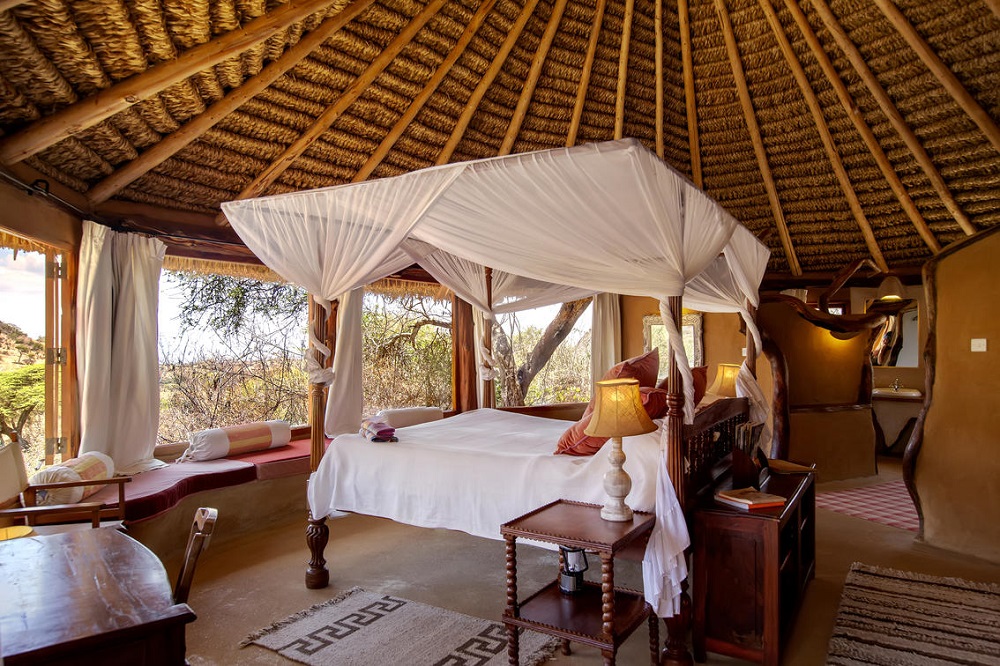
Much of what Euphorbia is about is bringing the outdoors inside, with accents and design features incorporating acacia leaves, euphorbia branches, tree sticks, mopane leaves and seeds, all in a tasteful and playful manner. The rooms are spacious and thoughtfully designed, with an ideal indoor-outdoor balance, and the most comfortable bed (and cushions) we’ve experienced in a very, very long time. I can’t think of enough superlatives to describe our all too brief stay. The couple of meals we had were impeccable.  

MASHATU LODGE

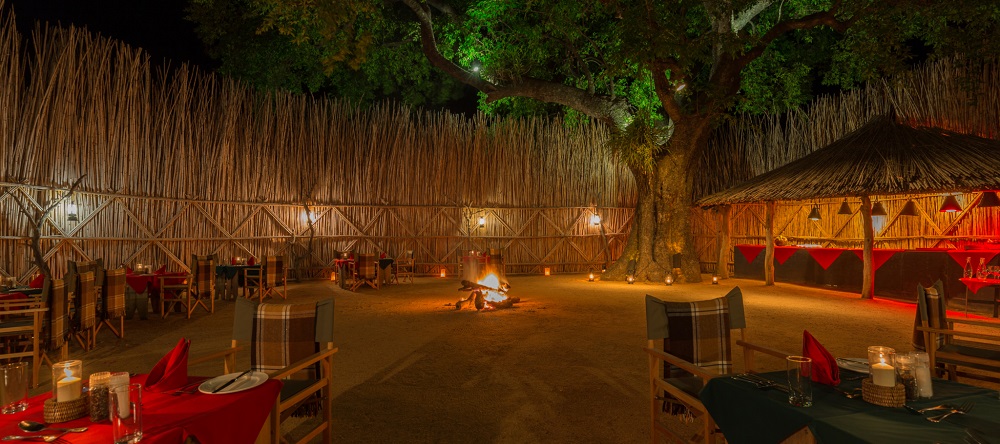
At Mashatu Lodge the main lodge add-ons and repurposing works admirably well, now with an excellent boma for evening dinners around a substantial central fireplace. The lodge has lots of open seating spots for the warmer months, a cozy breakfast room for the chilly winter mornings and it was great to see the Discovery Room in a prominent spot which it absolutely deserves. Serendipitously, we got to spend a few minutes there with Mashatu professional guide Tjandapiwa Lesifi. Better known as TJ, she answered several questions we had and we considered ourselves fortunate to meet her.

The rooms at Mashatu Lodge are perfectly fine (good air-conditioning/heating!) and spacious but they do have their limitations in terms of design and overall aesthetic impact. There’s just so much one can do with rooms which were clearly designed several decades ago. At the price point they offer fantastic value and there’s nothing intrinsically deficient; it’s simply a matter of not being ‘special’ in the way that the other camps’ rooms are. The food at Mashatu Lodge was perhaps a bit more uneven than elsewhere: on one day dinner (served in the boma) was excellent, the next day not so much. Even so, the brunch served on the lawn on the day of our departure was stellar – and so many choices!

MASHATU TENT CAMP

On this trip, we did not overnight at Mashatu Tent Camp but did a thorough site inspection; we’ve stayed there twice before. From what I could see, nothing much has changed and that is great. It is still a small, intimate tented camp with a peaceful, ‘close to nature’ feel, where keen photographers and birders can walk – sight unseen – into a covered hide and spend as much time as they wish, observing the comings and goings at the waterhole. The camp has a particularly nice pool for the summer months. The rooms are quite small by comparison with the others, but they have doors (so no struggling with zippers) and there’s an open space behind the actual room, leading to the outside but safely enclosed bathroom & toilet.  

SHA-LIMPO AND KOLOKOLO

We made the trip all the way out to Sha-Limpo and Kolokolo, two new additions to the Mashatu portfolio, close to the confluence of the Shashe and the Limpopo, on the far eastern edge of the Tuli Block. Kathy and I really liked what we saw and experienced at the Kolokolo homestead, an ‘exclusive use’ property with 4 rooms, each with its own en suite bathroom. The beautifully renovated one-story property has an ideal location on high ground overlooking the Limpopo floodplain. A prominent feature is some impressive leadwood trees, with two giant specimens seemingly tucked in right along the western side of the house. Kolokolo has space in abundance, inside and out, with an added bonus of pleasing ‘white noise’ from a nearby weir in the Limpopo River. Which of course won’t be audible when the river isn’t flowing but it was when we were there… Kolokolo would be an ideal choice for a party ranging from around 6 to 8 persons and one could combine it with a stay at Tuli Safari Lodge or Euphorbia.

The bottom line about Mashatu: reliably excellent game-viewing, professional and experienced guiding and a range of accommodation to suit every taste and budget. Relatively easy to reach from South Africa, even if and when the journey ends with a cable car ride across the Limpopo. Call us at 1-800-513-5222 or email me at bert@fisheaglesafaris.com to talk about making your first or return trip to Mashatu. 

YOU MIGHT ALSO BE INTERESTED IN

Destinations
Zambia

10th September 2021

Chindeni and the Bushcamp Company, Zambia

By late July we found ourselves at Chindeni, a small Bushcamp Company property

Read more
Botswana
Destinations
Okavango Delta

3rd October 2022

Camp Okavango, Botswana

Camp Okavango is in the heart of the permanent part of the Delta. In this idyllic setting there are no vehicles, and it is just a short walk

Read more
Area
Destinations
Nyerere National Park
Ruaha
Tanzania

14th October 2023

From My Safari Notebook: Wildlife Photography

Birds in flight and wildlife photographers have an uneasy relationship. Things go wrong as often as they go right. Getting focus-lock on a moving subject

Read more

SUBSCRIBE TO OUR NEWSLETTER

READERS FAVOURITES
Destinations
India

27th May 2023

India

India’s tiger, mammals and birds.

Read more
Botswana
Destinations

4th August 2022

On Safari At Belmond Eagle Island Lodge, Okavango Delta

What is the ‘secret sauce’ for an unforgettable few days on safari in Botswana? It starts with the animals, of course. The elephants, lions, giraffes, hippos

Read more
Destinations
Zambia

10th September 2021

Chindeni and the Bushcamp Company, Zambia

By late July we found ourselves at Chindeni, a small Bushcamp Company property
Read more

Your next trip: the southern Serengeti?

7th June 2023

Your next trip: the southern Serengeti?

The annual wildebeest migration in northern Tanzania’s Serengeti Plains and extending into Kenya’s Masai Mara can be a spectacular event. Observing masses of wildebeest instinctively plunging down a steep embankment into a river where gigantic Nile crocodiles lie in wait is about as exciting as it gets on safari. 

Unfortunately the migration is a hit and miss affair with the movement of the herds largely dictated by increasingly unpredictable rainfall patterns and the consequent availability of freshly emerging grass. With the best information about historical migration patterns and a careful, even meticulous choice of area and camp, it can still go wrong. You end up somewhere and the wildebeest are somewhere else. Observing a river crossing? Mostly just luck and not wisdom. 

What is a keen wildlife enthusiast to do? My advice would be to consider visiting Tanzania at a different time of the year, from January through the end of March, and spending time in the southern short-grass plains of the Serengeti, focusing on the Ndutu area. This is where the herds congregate for the calving season and where they can be observed in a setting which is often just as dramatic and impactful as when they are on the move.  

On a recent late February visit to Ndutu, flying in from Seronera (the central part of the Serengeti), I could see from the air – even before landing – that we were smack in the middle of the migration. There were thousands of wildebeest – with zebras mixed in – all over the open savannah.  

The experience on the ground confirmed my first impressions. Over the next several days, we were entranced by the wildebeest – and their babies – and we were reminded just how good game viewing can be on the Serengeti plains. At times we could see hundreds, if not thousands of wildebeest, often stretching out to the horizon in an arc of at least 270 degrees. There were hundreds and hundreds of baby wildebeest around scampering about on their tiny little legs, every bit as fast as the adults.  

One morning we witnessed a line of wildebeest running – for reasons which we couldn’t figure out – through the woodland in the direction of the open plains. It seemed to go on and on, group after group following hot on each other’s heels. Speeding up, slowing down, kicking up their heels, instinct driving them to blindly follow the ones in front of them as they hurtled through the woodland. This went on for minutes as we watched, spellbound. There is simply no way to capture the true magnitude of the event on film, video or in words. It’s something you just have to observe in person to appreciate the full visual and auditory impact.

CHEETAHS

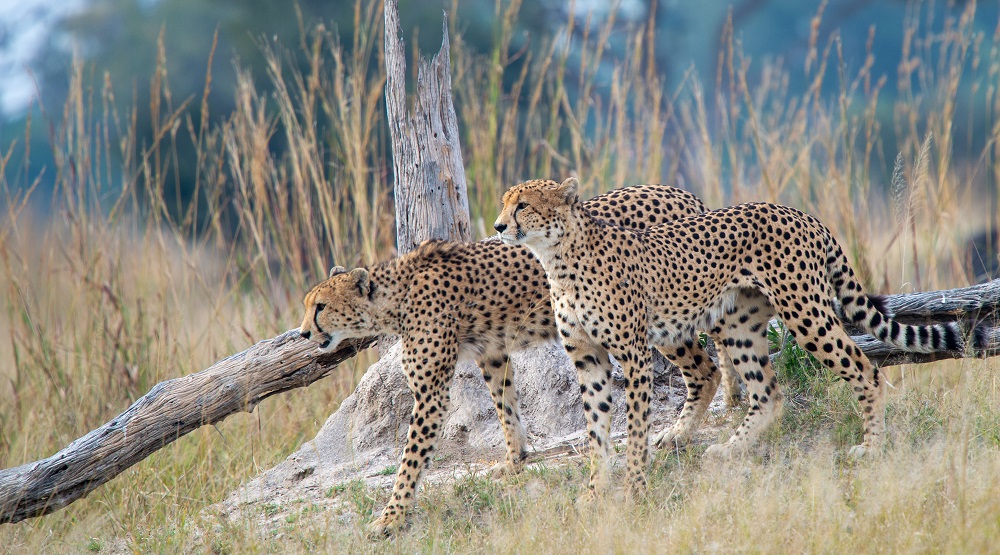
The southern Serengeti may very well be the best place to see cheetahs in Africa. We had not even made it to our mobile tented camp when we detoured to a cheetah sighting en route. It ended up being one of the best experiences of the entire trip, observing a female cheetah with her four subadult offspring. Initially resting up under a bush, she eventually walked right past us, her youngsters following in single file.  

Twice we watched other cheetahs feast on a freshly killed baby wildebeest. One a solitary female and the other a female with three young cubs around 5 or 6 months old. Watching cheetahs feed is intense – as all big cat feeding is – but less so than with lions and leopards. Mostly because the cheetahs manage to keep their faces relatively clean in the process. Not quite as gory an affair. 

A major advantage of the southern Serengeti – over the northern Serengeti – is that much of the game viewing in the south takes place in the Ngorongoro Conservation Area where off-road driving is allowed.  This enables visitors to position themselves better for viewing some of the smaller cats such as serval, and to get close enough to cheetahs and leopards for better views and excellent photographic opportunities.

LIONS & MORE LIONS

The Serengeti is famous for its lions and my experience this time was no different than before. We had multiple lion sightings, observing members of three different prides. The Lake Ndutu pride was the most entertaining of the lot, as we watched some of them stalking zebras and running after a giraffe. We spent quite a bit of time observing their play and interaction. With several subadult males and females, they provided lots of entertainment, at least for us human observers. As they are wont to do, one of the females climbed into a tree not far from Lake Ndutu, quietly sitting there for a while before she clambered down.  

One of the other prides had three beautiful young male lions, their full golden manes putting them squarely in the ‘king of the jungle’ category.  

No Africa safari is complete without a lion sighting. If you’re headed to the Serengeti, you won’t have to worry about striking out on these iconic big cats. They are common and multiple daily lion sightings are not unusual. With around 3,000 lions present in the greater Serengeti, there’s sure to be one with your name on it. 

ANTELOPES, GAZELLES, ZEBRAS & BUFFALOES

The wildebeest migration is called just that for a reason, but it wouldn’t be half the spectacle it is without the thousands of zebras which accompany the wildebeest on the annual trek. In their unmistakable black and white chevron coats, they stand out among the rather more drab wildebeest. The two species benefit from each other’s presence in several ways. It starts with feeding. The zebras normally feed on the top parts of the grasses, allowing the wildebeest to easily access the short grass, which is their preference. Also, zebras have excellent eyesight which enables them to act as an early warning alert, being able to spot predators at a considerable distance. Wildebeest have a well developed sense of hearing. Add the element of ‘safety in numbers’ and it is hardly surprising that the two species are seen together as much as they are.  

The Serengeti is home to no less than 16 species of antelopes and gazelles, and over the course of three or four days we were fortunate to see the common eland, impala, Grant’s gazelle, Thompson’s gazelle, oribi, kongoni, Kirk’s dik-dik and Defassa waterbuck. In their own way, they were every bit as entertaining as some of the ‘high profile’ mammals. When they weren’t feeding, the herbivores were running, alarm calling and staring down predators. Never a dull moment in the Serengeti. 

While we did not see any large herds of buffaloes, we had some superb early morning sightings of small groups of them, lifting their heads and staring at us in their typical cantankerous fashion. Buffaloes are widely spread throughout the Serengeti and are one of the ‘Big Five’ species which you can pretty much count on seeing regularly. Some of the older buffalo bulls – often sporting massive horns with big ‘bosses’ – can be seen by themselves, or in small groups. They are referred to as ‘dagga’ boys, the word being associated with a local word for mud. Buffaloes have a penchant for rolling in mud, hence their often muddy appearance. Dagga boys  have been pushed out of their herds by younger, dominant bulls. 

GIRAFFES

Then there are the giraffes. There were so many giraffes in the woodland of the Ndutu area that we stopped counting. We didn’t stop watching though. Everything about a giraffe is fascinating: their size, their elongated necks and their heads, seemingly on a stilt. Every day there we watched their odd way of walking, both legs on the left followed by both legs on the right. It changes when they are running, which they do surprisingly well, considering their size and bulk.  

To me, the most fascinating thing about giraffes is how quiet they are. Even under extreme duress – such as when they are being chased by lions – they remain mute. Not a sound escaping their lips. Watching giraffes feed is like watching evolution at work. Over eons they have adapted perfectly to best utilize woodland species and notably acacia trees. The fierce thorns on the acacia do not deter the giraffes one bit. Their hard palate, rubbery lips and tough, rasp-like tongue make them just about impervious to thorns.

ELEPHANTS

There are other places and regions in Africa with more elephants than the Serengeti but you will see a bunch of them nonetheless over the span of a few days. While we were there in the late February time-frame, we enjoyed several good sightings, notably of a breeding herd of about 30 or 40 of them with multiple babies. We watched the antics of the little ones and their siblings and other youngsters. On our last day in the area the herd had consolidated even more and there were close to 50 of them in a relatively small area. One massive bull was lurking in the distance, slowly closing in on the herd. It appeared that he was in musth, a normal condition in adult elephant males, associated with high levels of testosterone and a spurt in energy during which they show heightened aggression and unpredictability. 

WHERE TO STAY

Personally I think the best way to experience the southern Serengeti and the migration is to spend a few days in a mobile tented camp. There is nothing that beats it for its immediacy and unfiltered contact with the wilderness. You can hear the wildebeest mothers making their non-stop contact calls – a frog-like grunt – to stay in touch with their babies. Even more haunting and evocative of the true wilderness – at least in my opinion – are the braying calls of the zebras ringing out at night. Simply magical. All of this is  best appreciated under canvas in a small camp with minimal impact from the noise associated with vehicles or generators or other human-associated sources.

There are a couple of excellent permanent lodges in the southern Serengeti as well so if you want something a bit more solid than a tent, it can be done. Either way, do consider the southern Serengeti for a winter breakaway early in 2024. Call or email us for more information and a couple of suggestions.  

YOU MIGHT ALSO BE INTERESTED IN

Destinations
Zambia

10th September 2021

Chindeni and the Bushcamp Company, Zambia

By late July we found ourselves at Chindeni, a small Bushcamp Company property
Read more
Botswana
Destinations
Okavango Delta

3rd October 2022

Camp Okavango, Botswana

Camp Okavango is in the heart of the permanent part of the Delta. In this idyllic setting there are no vehicles, and it is just a short walk

Read more
Area
Destinations
Nyerere National Park
Ruaha
Tanzania

14th October 2023

From My Safari Notebook: Wildlife Photography

Birds in flight and wildlife photographers have an uneasy relationship. Things go wrong as often as they go right. Getting focus-lock on a moving subject

Read more

SUBSCRIBE TO OUR NEWSLETTER

READERS FAVOURITES

Destinations
India

27th May 2023

India

India’s tiger, mammals and birds.

Read more
Botswana
Destinations

4th August 2022

On Safari At Belmond Eagle Island Lodge, Okavango Delta

What is the ‘secret sauce’ for an unforgettable few days on safari in Botswana? It starts with the animals, of course. The elephants, lions, giraffes, hippos

Read more
Destinations
Zambia

10th September 2021

Chindeni and the Bushcamp Company, Zambia

By late July we found ourselves at Chindeni, a small Bushcamp Company property
Read more

Letter from Kenya

1st June 2023

Letter from Kenya

The best destination for a first safari? The ideal country for a ‘one and done’ safari? The classic of all classic safari areas in Africa? Kenya, Kenya and Kenya. 

For the last 10 days, Kathy and I have been revisiting four areas in Kenya which help make it what it is: an astonishingly diverse, breathtakingly beautiful country. A country which lives up to even the most elevated of expectations for a safari. Lots of animals which are easy to see. The friendliest of people. And a well functioning tourism infrastructure with accommodation choices to suit everyone’s taste and budget. 

Early on, at Elewana’s Tortilis Camp in Amboseli, we rediscovered the feelings and emotions which go hand in hand with being on safari. The feeling of being in the right place. The pervasive sense of being connected with your surroundings. Almost as if Africa is where you belong and where you’re meant to be.

It is not unusual to experience deja vu while on safari in Kenya. On just our second night at Amboseli with Mt. Kilimanjaro slowly disappearing as the last light faded to black, I felt oddly at home. Or maybe I never really left the last time. The distinct feeling of having lived that precise moment already – of having the same experience again – was as palpable as the evening breeze on my skin. As many times as this has happened to me and other people I know, I’ve almost come to expect it in Africa. Maybe it is just a memory of a dream. Or something buried deep in our subconscious mind, hearkening back to our progenitors who spread out into the world from this very area. Africa. It’s good to be back.  

All an Africa aficionado has to do is to enunciate four words out loud and something magical happens… Amboseli. Meru. Samburu. Lewa. The mind lights up with visions of elephants wallowing in an idyllic swamp setting. With images of one of East Africa’s best safari lodges, its rooms carefully tucked in among giant granite boulders. With pictures of a Samburu warrior – dressed to the hilt in ceremonial garb – straddling a boda-boda noisily taking its owner to the weekly market. With recollections of conservation work encompassing habitat, wildlife and the local community – rivaled by none. 

Traveling within Kenya in the typical ‘safari cocoon’ – where everything is taken care of and you literally just have to show up each morning – we were once again wowed by the country’s dazzling diversity of animals, landscapes and experiences. All without setting foot in the Masai Mara, its crown jewel.  

In just 9 nights on safari – with quite a bit of time taken up with site inspections – we tallied 36 mammal species and 145 bird species. The numbers – even as impressive as they are – become almost meaningless in the light of specific experiences. Here are a few:

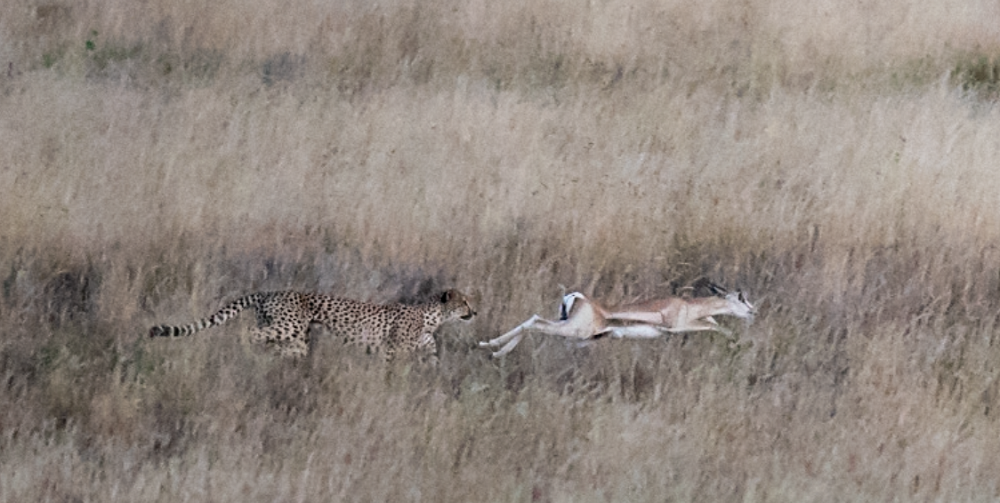
Incredibly, two cheetah kills on the same day. Both kills made by female cheetahs taking down young Grant’s gazelles. One in Samburu, practically within sight of Elephant Bedroom Camp and the other one in Lewa on a game drive from Lewa Wilderness Lodge. We watched, spellbound, awestruck by the cheetahs’ amazing turn of speed as they ran down the overmatched gazelles.

Several hundred strikingly beautiful lesser flamingos reflected in the glassy surface of Lake Amboseli, superimposed with the reflection of Mt Kilimanjaro. An abundance of riches.

A powerful tawny eagle striking a cattle egret midair and downing it. Upon our approach, the eagle took off right in front of us. With the unfortunate egret gripped tightly in its talons, the eagle made its way to a distant copse of trees. Ironically, the dead egret’s immaculate white plumage shone like a beacon against the eagle’s chocolate brown feathers.

Two female lions walking along a track in Samburu, their ultra-lean appearance telling a story of hardship among plenty. Tall grasses creating ideal cover for herbivores whose numbers had plunged due to a long and only recently broken drought. The result? Hard times for lions.

A kaleidoscope of vividly colored reticulated giraffes, their rich orange-brown pattern creating the most stunning of natural tapestries. Converging and separating, their extraordinarily long necks jutting out in every direction – they were nothing short of Daliesque.

All of these extraordinary sightings came courtesy of our outstanding guides – John Njoroge in Amboseli, Joel Gachora in Meru and Francis Mayetu at Lewa. We also reconnected with our long-time friend Edwin Selempo, head guide of Origins Safaris, our Kenya destination management company for the last 20-plus years. In his usual inimitable way, Edwin capably guided us in Samburu. As always, he wowed us with his amazing birding skills, the easy and almost unobtrusive way in which he imparts information and his sunny disposition. Witty repartee? Better have it ready when traveling with Edwin.

AMBOSELI

Tanzania has the mountain and Kenya has the view.  All too true when said about Kilimanjaro when viewed from Amboseli National Park. Amboseli is the spot from where you can see Kilimanjaro like you’ve always imagined it: a great big looming mountain abruptly jutting out of the open plains, surrounded by nothing. Which makes it, as the guidebooks say, the world’s highest freestanding mountain.  

The perfect Amboseli photo opportunity? Having a few of Amboseli’s strikingly white-tusked elephants in between you and the mountain… Beyond needing a bit of luck for that, you’ll need a competent guide who understands the movements of the elephants into and out of the swamps and who can anticipate where they will be at specific times of the day. Plus of course the mountain has to be visible, which is not always the case. 

As massive as it is, Kilimanjaro is as evanescent as an image on an Etch-A-Sketch. One minute there, the next minute – gone. Your best chance to see it is usually early in the morning or late in the afternoon during the wetter part of the year, from about November through May. During the dry season from June through October, the mountain often disappears completely, hidden behind a hazy curtain of clouds, fog, dust and smoke.  

Did we see the mountain? Did we ever! Kili was out from our arrival to our departure, morning until night. If we never see Kilimanjaro again, that amazingly evocative picture will be emblazoned in our memories forever. The incredible snow-capped bulk of it, its overwhelming presence transforming a nice corner of Africa into a place you simply have to see and experience.

MERU

Meru National Park is Kenya’s forgotten secret. The park gained a measure of fame – and lots of visitors – in the late 1960’s after the release of  ‘Born Free,’ a movie about Elsa, an orphaned lion cub. Elsa was hand-raised by Joy Adamson and her game-warden husband George, right in Meru. Ironically – and often omitted from the tale – George had to shoot Elsa’s mother in self-defense when the lioness attacked him while trying to protect her cubs. Elsa, one of three surviving cubs, was successfully released back into the Meru wilderness a couple of years later. After being away in England for more than a year, the Adamsons returned to Meru and found Elsa – who still remembered them – with three cubs of her own.

Then the story of Meru took a turn for the worse. Invading bandits and poachers from Somalia decimated the wildlife for much of the late 1980’s and 90’s. Visitors stopped coming and the park fell into neglect. It wasn’t until 2000 when the Kenya Wildlife Service, under the leadership of Richard Leakey and with the financial support of private conservation groups, was able to invest substantial amounts of money into combating poaching and restoring the park to its former glory.

Current day Meru is once again a showcase park, famous for its striking African savanna landscapes and its diversity, with the park containing an extraordinarily high number of different mammals and birds. Even so, the park is still lightly visited compared with most of Kenya’s others. On one occasion we spent the better part of 40 minutes observing a lone female lion beneath a tree on the edge of a stream without so much as one other vehicle driving by. Some 13 perennial streams flow through Meru from west to east, defining the landscape of the park. The rivers – which are part of the Tana River basin – act as magnets for wildlife, particularly in the dry season which stretches from June through September.  

We simply love Elsa’s Kopje where we rested our weary heads for a couple of nights in Meru. This stunning property is considered by many to be one of the most spectacular locations and lodge designs in Africa. In addition to its splendid location, with its individually designed rooms artfully obscured by vegetation and rocks on the slope of an inselberg, Elsa’s has a charming central area overlooking an infinity pool, and a solid reputation for good food, great hospitality and top-notch management. 

SAMBURU

Samburu is Africa right down to its ubiquitous red dust which gives its many elephants their telltale cinnamon brown appearance. It can be a harsh and unforgiving place, particularly in times of drought which can last for months, even years. Dry or not, Samburu is always dramatic. If it’s not the striking vegetation – dominated by massive stands of doum palms – it’s the glimpses of far-off mountains like Ololokwe, the sacred mountain of the Samburu.

Be on the lookout for the unique gerenuk antelope in this area; it is easily recognized by its long thin neck, its tendency to stand on its hind legs to browse and its peculiar ‘ET’-like facial features. While visiting Samburu we recommend taking some time to visit a local manyatta. Squeeze into one of the smoky, bare-bones huts and observe the near total absence of so many material things we take for granted. 

Elephant Bedroom Camp, where we spent two nights, is a small camp hidden among the riverine forest on the banks of the Ewaso Nyiro River. The camp is right in the heart of the best game viewing area of Samburu and guests don’t have to drive miles and miles (as is the case from some other camps) to see the wildlife. Guests from other camps drive here. Over the course of our 3-night stay there were lions, leopards, cheetahs and African painted dogs seen within a mile from the camp. Also an aardwolf.

LEWA

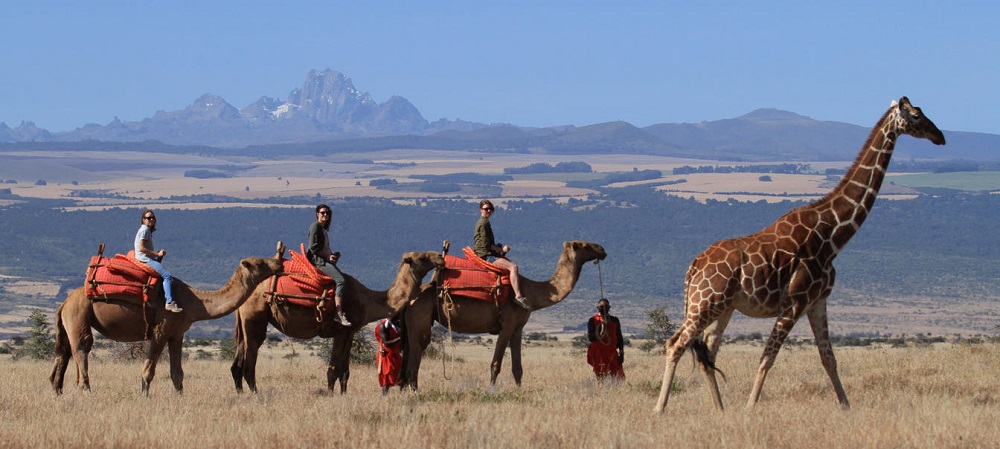
Every once in a while on my African travels I discover a place which immediately appeals to me. Bonus? When I realize that our guests will enjoy and appreciate it as well. The Lewa Wildlife Conservancy is one of those places. Lewa is special on many levels. Back when I first visited in the late 1990’s, it struck me as being almost sublimely ‘Out of Africa.’ It was no different this time around. Mostly, the place just shouts ‘Africa.’ Standing there on a clear day on an elevated spot, you can see the jagged peaks of Mt. Kenya to the south. If you turn around 180 degrees, on the horizon to the north looms the sacred mountain of the Samburu – Mt. Ololokwe. Mountains, valleys, vast open grassy plains and the gray-blue horizon seemingly reaching up to the clouds.

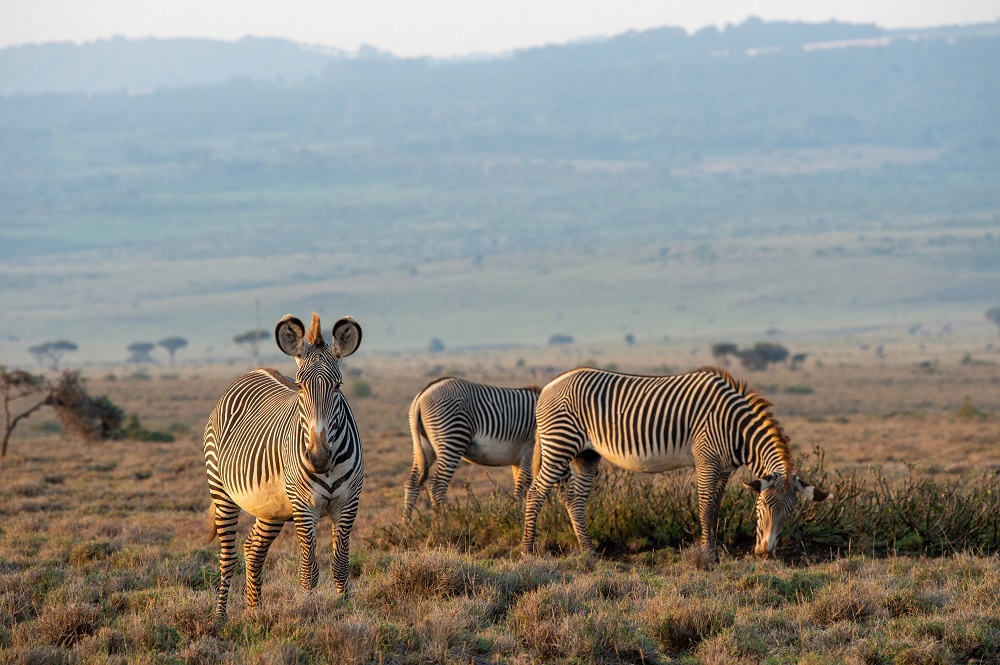
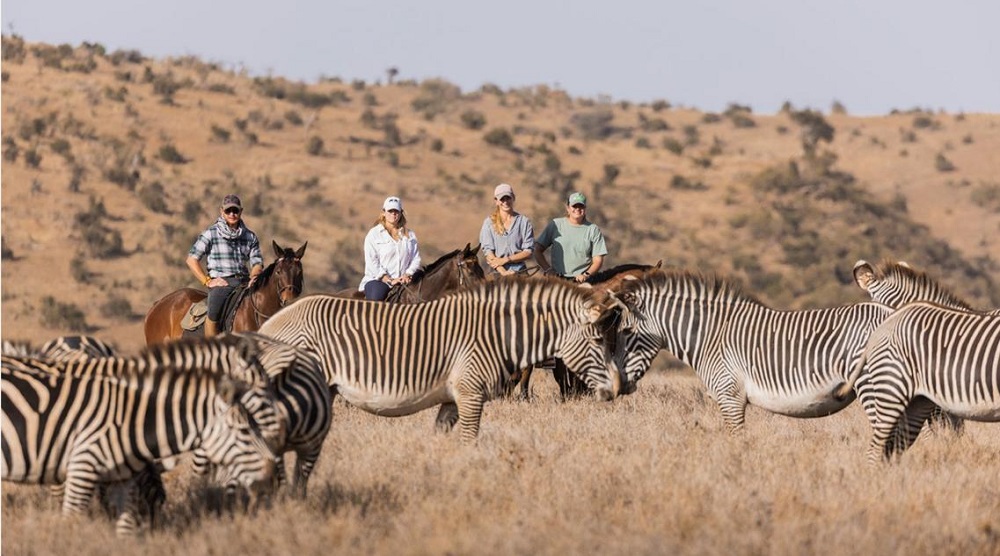
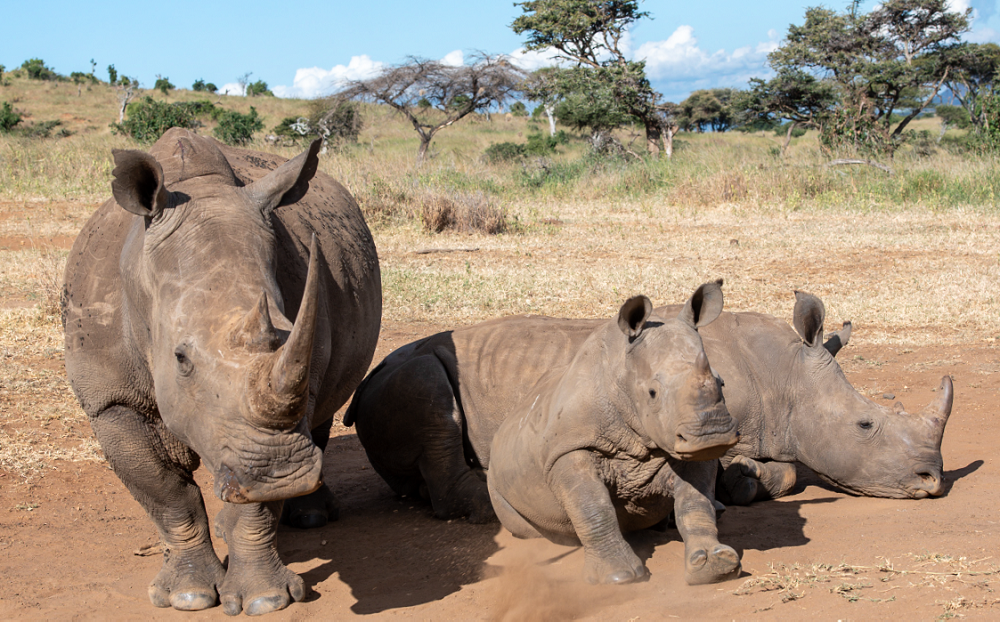
Other ways in which Lewa is special? It harbors and actively protects more rhinos (white and black) than any other conservancy in East Africa. Lewa’s rhino population has grown from an initial 15 rhinos to around 255 rhinos currently, a significant percentage of all rhinos in Kenya. Lewa also has a great mix of endemic species including Grevy’s zebra, beisa oryx and reticulated giraffe. Some of these animals – like the Grevy’s zebras – are rare and endangered and they are all spectacularly beautiful. Lewa has an enviable record as a hugely successful wildlife conservation entity and for effectively involving the surrounding community and mobilizing their support. 

So what is a keen safari enthusiast to do? If you’ve never been to Kenya, give us a call at 1 800 513-5222 or email me (bert@fisheaglesafaris.com) to discuss some options and let’s get you on a flight to Nairobi. With the possible exception of April and May, Kenya is a true year-round destination. For the wildebeest & zebra migration, July through October are the best months but there’s much to be said for November through March as well. Been to Kenya before? No reason not to go back. Kenya is the most diverse safari destination of all and there is always somewhere new to explore, or a different time of the year to visit. Take a few friends and book one of the exclusive use properties at Ithumba or Galdessa for the most amazing orphan elephant experience of a lifetime!

YOU MIGHT ALSO BE INTERESTED IN

Destinations
Zambia

10th September 2021

Chindeni and the Bushcamp Company, Zambia

By late July we found ourselves at Chindeni, a small Bushcamp Company property
Read more
Botswana
Destinations
Okavango Delta

3rd October 2022

Camp Okavango, Botswana

Camp Okavango is in the heart of the permanent part of the Delta. In this idyllic setting there are no vehicles, and it is just a short walk

Read more
Area
Destinations
Nyerere National Park
Ruaha
Tanzania

14th October 2023

From My Safari Notebook: Wildlife Photography

Birds in flight and wildlife photographers have an uneasy relationship. Things go wrong as often as they go right. Getting focus-lock on a moving subject

Read more

SUBSCRIBE TO OUR NEWSLETTER

READERS FAVOURITES

Destinations
India

27th May 2023

India

India’s tiger, mammals and birds.

Read more
Botswana
Destinations

4th August 2022

On Safari At Belmond Eagle Island Lodge, Okavango Delta

What is the ‘secret sauce’ for an unforgettable few days on safari in Botswana? It starts with the animals, of course. The elephants, lions, giraffes, hippos

Read more
Destinations
Zambia

10th September 2021

Chindeni and the Bushcamp Company, Zambia

By late July we found ourselves at Chindeni, a small Bushcamp Company property
Read more

India

27th May 2023

India’s tiger, mammals and birds.

Tiger12
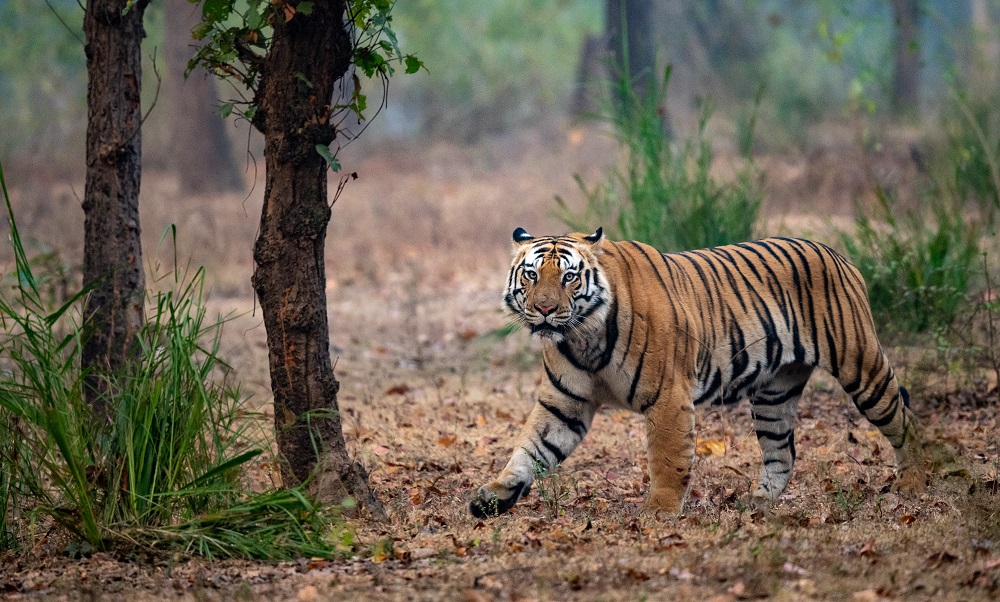
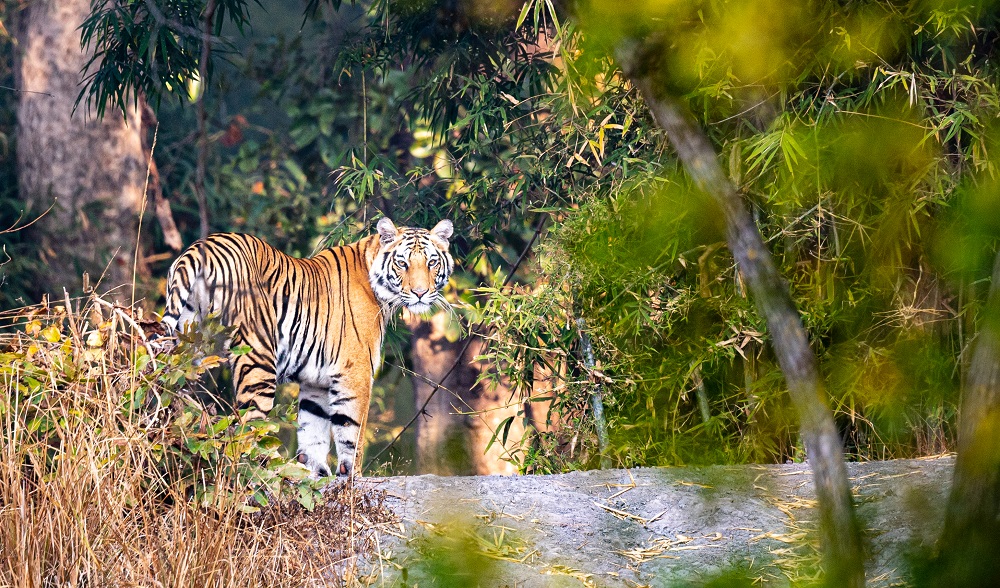
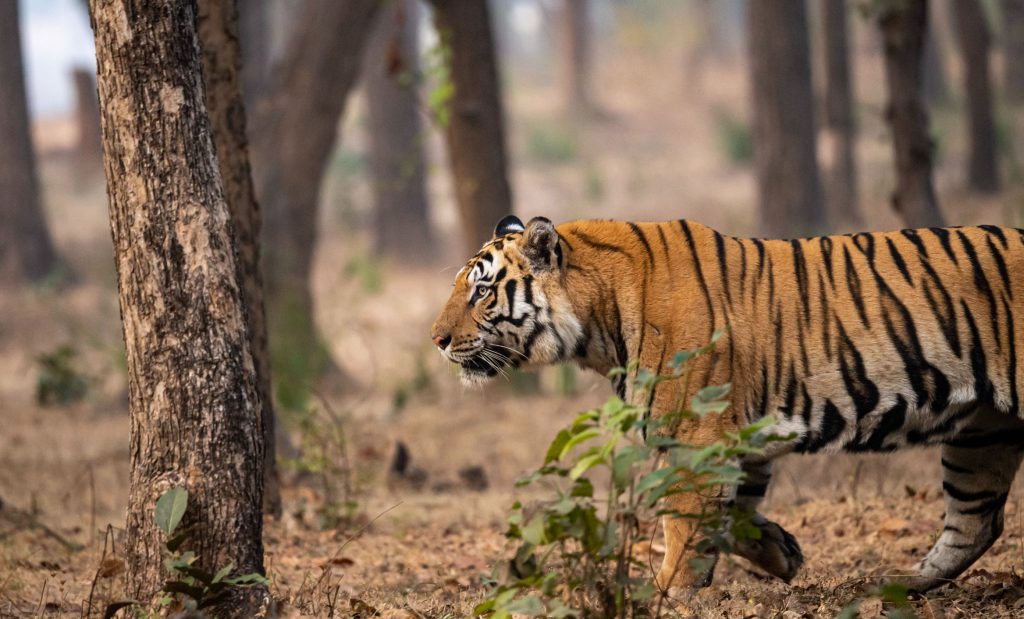
With a tiger population of more than 60, Bandhavgarh is one of the best of all of the tiger reserves in India, and it is also one of India’s most beautiful parks with a mix of tropical forests, rocky hills and valleys.  Chance of seeing tigers over the course of three to four days?  High.
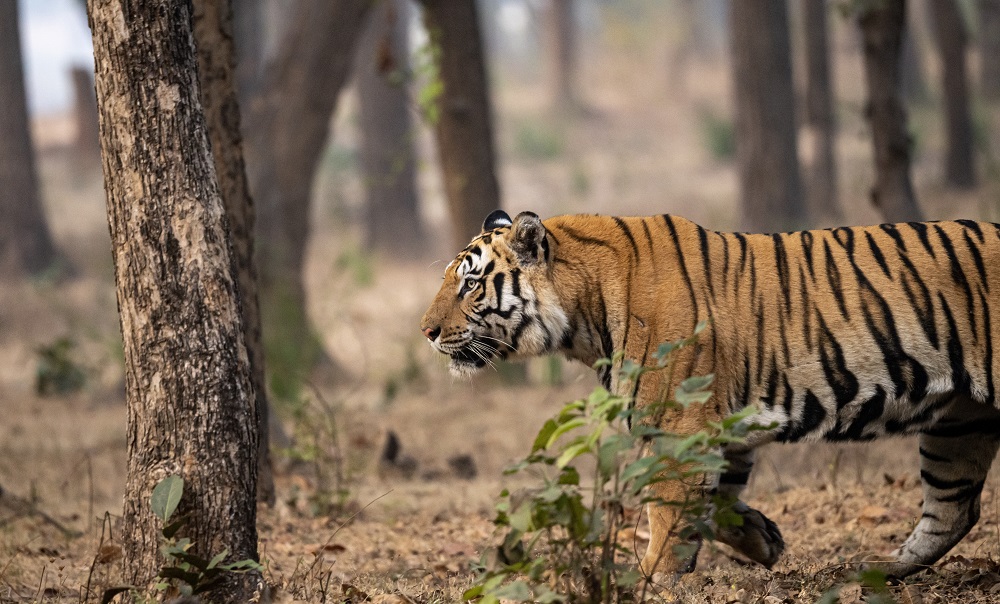
Over the course of 6 nights total in three Indian national parks (Bandhavgarh, Kanha and Pensch) we had three different tiger sightings.  One sighting of a large male, early one morning, was by far the best.  He emerged from the sal forest in good light; was completely unfussed by the presence of a few vehicles and strolled right by us with barely a look in our direction.
Tiger9
Tiger8
Tiger7
On this trip, we traveled to India during the cool winter season which stretches from November to February.  While that made for a pleasant traveling experience, the ideal time for tiger photography is later in the dry season, from late March to May when the tigers - and other wildlife - are concentrated closer to remaining water sources.
Tiger5
Tiger4
Tiger3
There is no off-road driving allowed in the national parks in India and you never know exactly how close you may get to a tiger - or other predator - so it is advisable to have a long telephoto lens of up to 500mm or 600 mm available, the faster the better.  Otherwise a good medium zoom lens in the 100-400 mm range would also work.  For closer up photos, I rely heavily on my 70-200 mm stabilized f/2.8 lens.  If you don’t own a fast lens, it may be a good idea to rent one for your first India wildlife experience.
You never know when a tiger is going to walk out of the bush and into the road right in front - or behind you.  So be ready at all times and never put your camera away to where you have to extricate it from a bag, switch it on, etc.  To get this shot of the tiger walking across the road, I literally had less than 4 seconds from lifting the camera to when it disappeared into the bush on the right.
Wild boar
The beautiful Chital (or Spotted Deer) are exceedingly common in many of India’s national parks, with large numbers to be seen grazing - or browsing - in forests and in open grasslands.  The beautiful Chital (or Spotted Deer) are exceedingly common in many of India’s national parks, with large numbers to be seen grazing - or browsing - in forests and in open grasslands.  The beautiful Chital (or Spotted Deer) are exceedingly common in many of India’s national parks, with large numbers to be seen grazing - or browsing - in forests and in open grasslands.  The beautiful Chital (or Spotted Deer) are exceedingly common in many of India’s national parks, with large numbers to be seen grazing - or browsing - in forests and in open grasslands.  The beautiful Chital (or Spotted Deer) are exceedingly common in many of India’s national parks, with large numbers to be seen grazing - or browsing - in forests and in open grasslands.  The beautiful Chital (or Spotted Deer) are exceedingly common in many of India’s national parks, with large numbers to be seen grazing - or browsing - in forests and in open grasslands.
On any of our India trips, there will be a maximum of four guests in two rows in the small open Maruti Suzuki jeeps used for game drives.  The vehicles are highly maneuverable which is a distinct advantage over the heavier Toyota Land Cruisers used by some of the camps, which appear to be almost too large for the narrow tracks.
The Nilgai (or Blue Bull) is one of the world’s largest antelopes, widely spread across the northern Indian subcontinent.
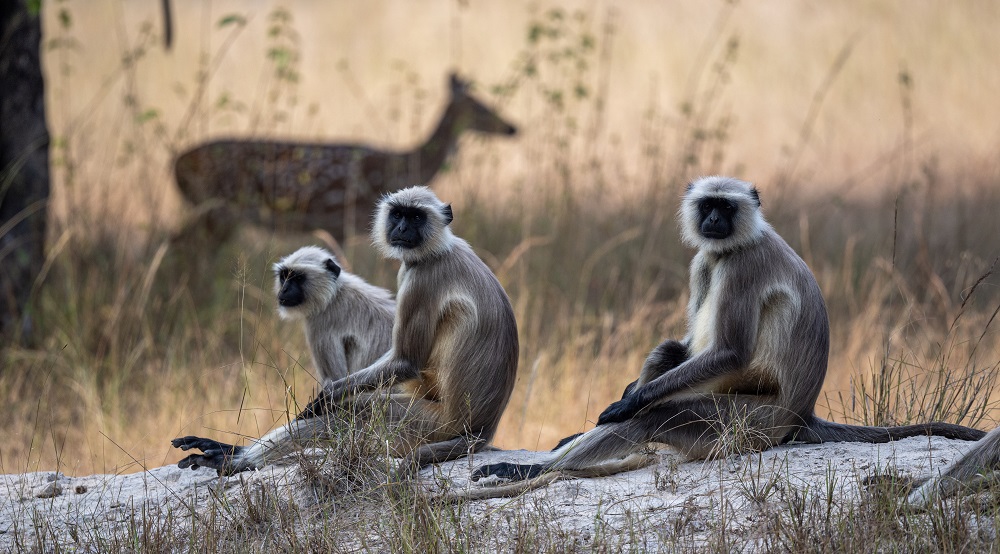
The Grey Langur is one of two monkey species which we saw in India, the other one being the Rhesus Macaque which has also adapted to living commensally with humans, in various cities in India.
Langur
On the vehicle with you on safari in India, there will be an expert local guide attached to the lodge where you will be staying, as well as an official registered guide, provided by the park authorities.  These guides are experienced trackers and in addition to listening for audible clues (mostly alarm calls, particularly those made by sambar deer) they will be scanning the road and road perimeter for pug marks (tracks), signs of fresh scat or urine, and fresh scratch marks on trees along the route.
Golden Jackals were quite common and are clearly widely distributed.  Despite the name, they are not closely related to the African jackals, being closer to wolves and coyotes.  Over the course of a week or so on safari in India, bird-watchers can expect to rack up anything from 70 or so to well over a hundred species of birds.  Many of the species are endemic to the sub-continent
Among the commonly seen mammals in many of the Indian tiger reserves are the huge Gaur (Indian Bison)
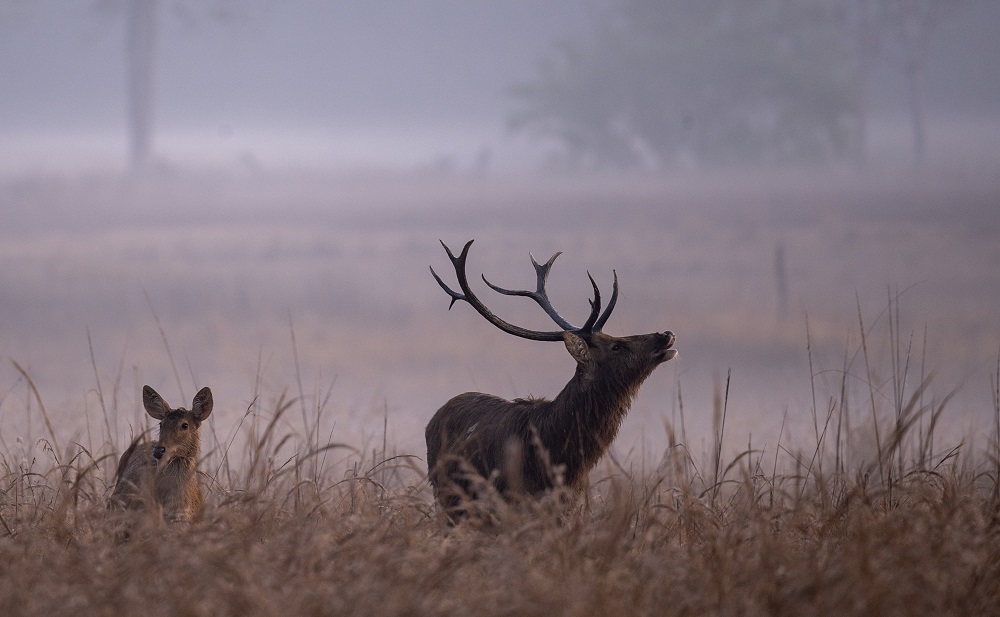
Photography conditions in India were enhanced by the presence of fog in the early mornings, which added drama to several of our shots, notably those of the barasingha (swamp deer)
Barasingha
Crested Serpent Eagle
Greater Coucal
Jungle Owlet
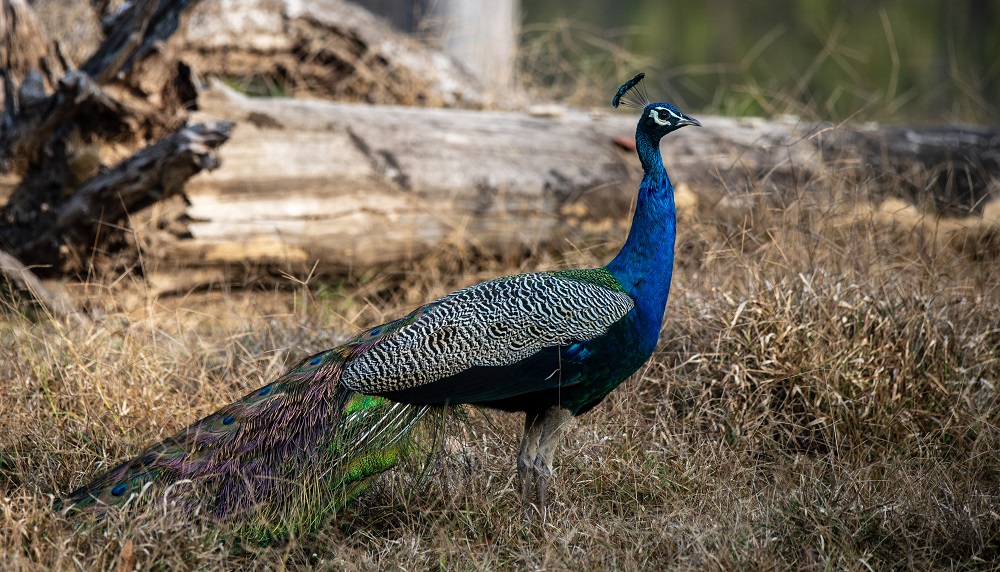
Indian Peafowl
Indian Pond-Heron
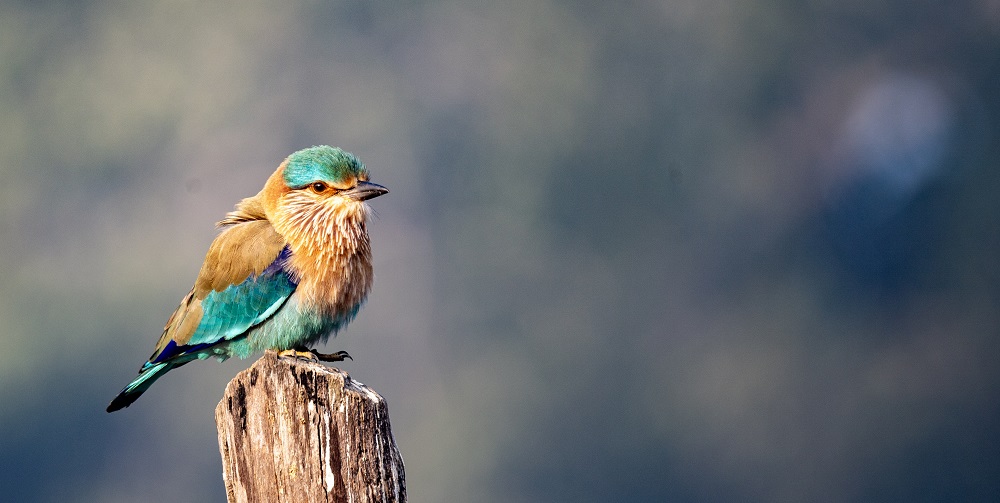
Indian Roller(1)
Indian roller(2)
Indian Roller
Jungle Owlet
Oriental Magpie Robin
owl3
Red-wattled Lapwing
Ruddy Shelduck
Spotted Owlet
Whitenaped Woodpecker
White-throated Kingfisher
Woodpecker2

YOU MIGHT ALSO BE INTERESTED IN

Destinations
Zambia

10th September 2021

Chindeni and the Bushcamp Company, Zambia

By late July we found ourselves at Chindeni, a small Bushcamp Company property
Read more
Botswana
Destinations
Okavango Delta

3rd October 2022

Camp Okavango, Botswana

Camp Okavango is in the heart of the permanent part of the Delta. In this idyllic setting there are no vehicles, and it is just a short walk

Read more
Area
Destinations
Nyerere National Park
Ruaha
Tanzania

14th October 2023

From My Safari Notebook: Wildlife Photography

Birds in flight and wildlife photographers have an uneasy relationship. Things go wrong as often as they go right. Getting focus-lock on a moving subject

Read more

SUBSCRIBE TO OUR NEWSLETTER

READERS FAVOURITES

Botswana
Destinations
Savuti
Savuti Channel

3rd October 2022

Savute Safari Lodge, Botswana

If you were to look at a time-lapse photography sequence taken from Savute Safari Lodge between 2008 and the present, the one thing that will stand out

Read more
Botswana
Destinations

4th August 2022

On Safari At Belmond Eagle Island Lodge, Okavango Delta

What is the ‘secret sauce’ for an unforgettable few days on safari in Botswana? It starts with the animals, of course. The elephants, lions, giraffes, hippos

Read more
Destinations
Zambia

10th September 2021

Chindeni and the Bushcamp Company, Zambia

By late July we found ourselves at Chindeni, a small Bushcamp Company property
Read more

When to go on safari

4th May 2023

When to go on safari

Just like with so many other things, inflationary trends have been affecting the safari space for several years now and we are anticipating increases of between 10% to as much as 18% for 2024, compared with the prices in effect for this year. Of course the best way to avoid any increases is to travel before the higher prices come into effect.  

Short of that, there are two main drivers of safari prices which can help you in the quest for an affordable yet high-quality African safari.  The two factors are place and season. Every safari destination in Africa has one or two prime locations and a handful of properties which command top dollar rates, particularly in the high demand season from about June through October. At that time of the year – in the prime safari areas – it is simply a matter of supply and demand and with as few rooms as they have available, prices can and do reach eye-watering levels.  

However, if you start looking for a trip at a different time and in a different place, the picture changes dramatically. You can go on safari in countries like Zimbabwe and Zambia at the peak of their high season and enjoy a fantastic trip which will be half the cost of a comparable trip in a country with more name recognition or a more established reputation. Likewise, the difference between high season and shoulder season pricing can be significant, with often only minor differences in the experience.  

The best prices are to be found for travel in the low demand season. Off-season travel in Africa can be immensely satisfying for visitors who can handle some heat and high humidity, and perhaps a thunderstorm or two. A little bit of discomfort is more than offset by the abundance of baby animals, the birds in breeding plumage, the lush, green surroundings, stunning sunsets and sunrises and by not having so many other people around.  

Here are our top recommendations for an African safari which will tick all the boxes: lots of animals, plenty of diversity, excellent guiding – at an affordable price.

SOUTH AFRICA AND NAMIBIA

South Africa is a veritable ‘world in one country’ with diversity that is rivaled only by Kenya. It has several excellent wildlife areas, most of which are malaria-free including the Eastern Cape, Waterberg and Madikwe. South Africa’s greater Kruger Park area has some of Africa’s best all-round safari camps in areas where the ‘Big Five’ mammals are seen practically every day of the year, week in and week out.  

Namibia leans more in the direction of a ‘desert and dune’ experience but the wildlife viewing in places such as Etosha in the north, the Waterberg Plateau, Damaraland and even on the edge of the Skeleton Coast such as along the Hoanib River, can be excellent. Namibia also has remarkable cultural diversity and a strong conservation ethos.

What is it that combines these two countries in my list of attractive safari propositions for the near future? The value of the South African Rand, of course. Hovering consistently around ZAR 18 to the US dollar and not likely to strengthen rapidly any time soon, the shrinking Rand creates excellent safari deals for dollar-wielding travelers. Not only in South Africa itself but also in neighboring Namibia whose currency – the Namibia dollar – is pegged at the same value as the South African Rand. 

SOUTH AFRICA TRIP IDEAS

There are a myriad of trip combinations which can be anchored by South Africa. It’s always a good idea to start your South Africa trip with a few days in Cape Town, South Africa’s ‘mother city.’ Enjoy the local sights, two of which rank in Africa’s most celebrated natural wonders – Table Bay and Table Mountain. A little bit adventurous? Try the Platteklip hike up to the summit of Table Mountain and take the cable car trip down. Be sure to visit Kirstenbosch National Botanical Gardens (it’s a jewel), check out the endemic African penguins (Africa’s only penguin species) at Boulders Beach and take the funicular to the viewpoint at the Cape of Good Hope Nature Reserve.  

From Cape Town, fly to the greater Kruger Park area and spend a week on safari in a lodge of your choice – to fit your budget – in a private game reserve adjacent to the park. There are many options to choose from in areas like the Sabi Sand Reserve, Timbavati, Manyeleti and Thornybush. All of them are ‘Big Five’ reserves where you are likely to see elephants, rhinos, lions, leopards and buffaloes over the course of a few days. And a lot else besides, of course.  Advantages of traveling here rather than some other destinations? Mostly the ability to drive off-road which can get you closer to some of the smaller cats and other special sightings, and also the ability to drive after the sun is down for a chance to see some of the nocturnal animals.

Instead of, or in addition to the Kruger Park area, you may wish to include some time in South Africa’s Eastern Cape region which also has abundant wildlife. Private game reserves like Kwandwe, Kariega and Shamwari are located in extraordinarily beautiful landscapes, filled with green rolling hills and valleys and patches of riverine forest, scrub and woodland. A bonus? This area is malaria-free so is ideal for families with young children or anyone wanting to avoid having to use malaria prophylaxis.  

Two other attractive safari destinations in South Africa include the Waterberg and Madikwe regions, both of which are also in malaria-free areas. Of course, it is easy to travel from South Africa into any of the neighboring countries including Zimbabwe, Zambia, Botswana and Namibia.

NAMIBIA TRIP IDEAS

Namibia is very much a ‘desert and dune’ destination, with the area around Sossusvlei with its giant red sand dunes being considered Namibia’s signature sight. So by all means spend a couple of days there and marvel at the scene of a white gravel plain with apricot dunes in the background, an azure blue sky and stark, semi-fossilized trees providing a focal point for the quintessential Namibia photograph. 

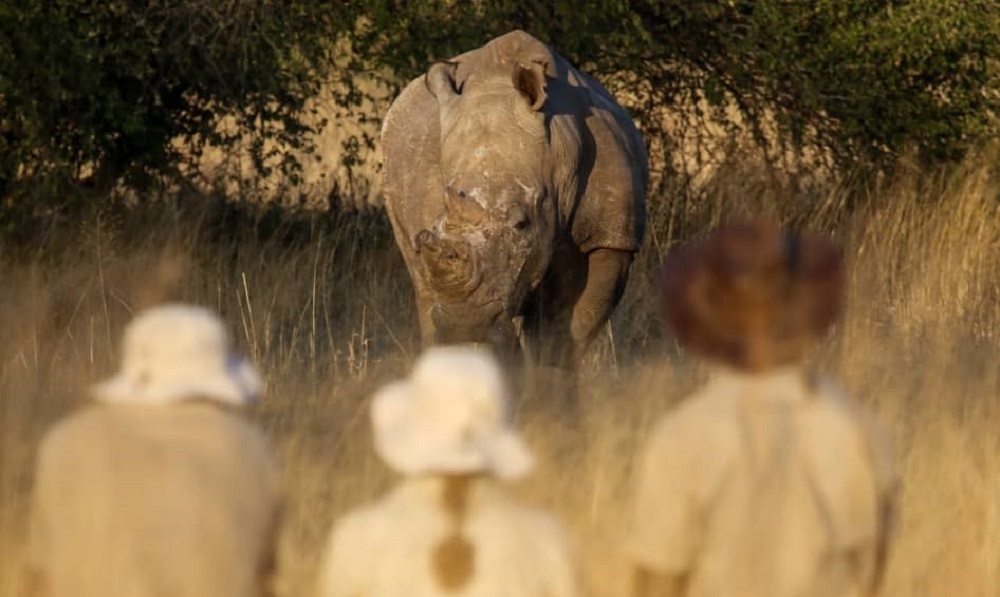
Of course from there you’d want to go on safari and find some of the country’s signature animals such as the gemsbok, black-faced impala, springbok and Damara dik-dik. Together with elephants, black and white rhino, and the big cats. All of these and more can be found in the greater Etosha National Park area to the north and elsewhere. A little beyond the regular safari circuit lies the Skeleton Coast National Park which we regularly include on Namibia trips, either by having guests spend a few days at a camp on the edge of the park or right inside it, or by doing a fly-in safari which whisks guests from one enigmatic spot to another. There’s a lot more to Namibia including the quaint town of Swakopmund and nearby Walvis Bay harbor with bird-laden estuaries and worthwhile marine excursions, and remote safari camps in Damaraland and the Kaokoveld. This is where guests can embark on day safaris in search of the elusive black rhino, a successful day culminating with the guests approaching the black rhinos on foot from a safe and respectful distance. There will be a small team from Namibia’s successful ‘Save the Rhino’ Trust on hand to provide background information on the success of the program, and the challenges ahead. 

ZIMBABWE AND ZAMBIA

Zimbabwe and Zambia are two of Africa’s most underrated safari destinations. Prospects for Zimbabwe’s tourism sector have taken a much more positive turn now that the country is fully in the post-Mugabe era. Despite having a superior safari product, the Zimbabwe properties are not able to command the stellar pricing of some of its competitors – notably Botswana – Which creates opportunities for visitors to enjoy a fantastic safari – very much comparable to that of Botswana – at literally 50% of the Botswana cost, in the high season months from June through October.

Zambia is perhaps just not as well known as it should be and its safari season is quite short with many of its camps in the South Luangwa, Lower Zambezi and Kafue regions being closed for the rainy season from November through the end of March. None of this affects the safari experience in Zambia. In fact, a Zambia safari delivers a wonderful all-round experience with none of the congestion of some of its most popular rivals and at a much lower price point. Zambia has even shelved its visa entry fee of $50 per person.

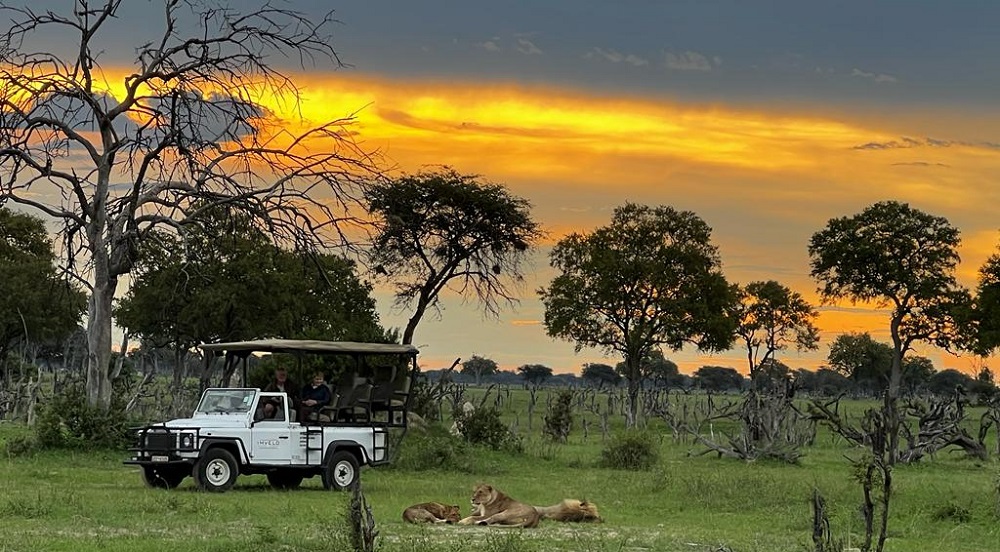
For Zimbabwe, our associates Imvelo Safaris have some  dazzling specials for the low-demand season, with great savings for families traveling with children and single travelers. These include a stay 7/pay 5 offer from November 2023 through March 2024 (except for the holidays) and a free private guide and vehicle for groups of four or more. There’s more: children under 18 will be accommodated free of charge (park fees and transfers only) on any stay of three nights or longer, from January 1 through the end of April 2024. Victoria Falls, Hwange, Lake Kariba, Mana Pools: a Zimbabwe trip is filled with excitement, big game, lots of optional activities such as boating, fishing, and foot safaris – for less than you might anticipate.  

Most Zimbabwe itineraries include two or more of the areas below, in no specific sequence:  

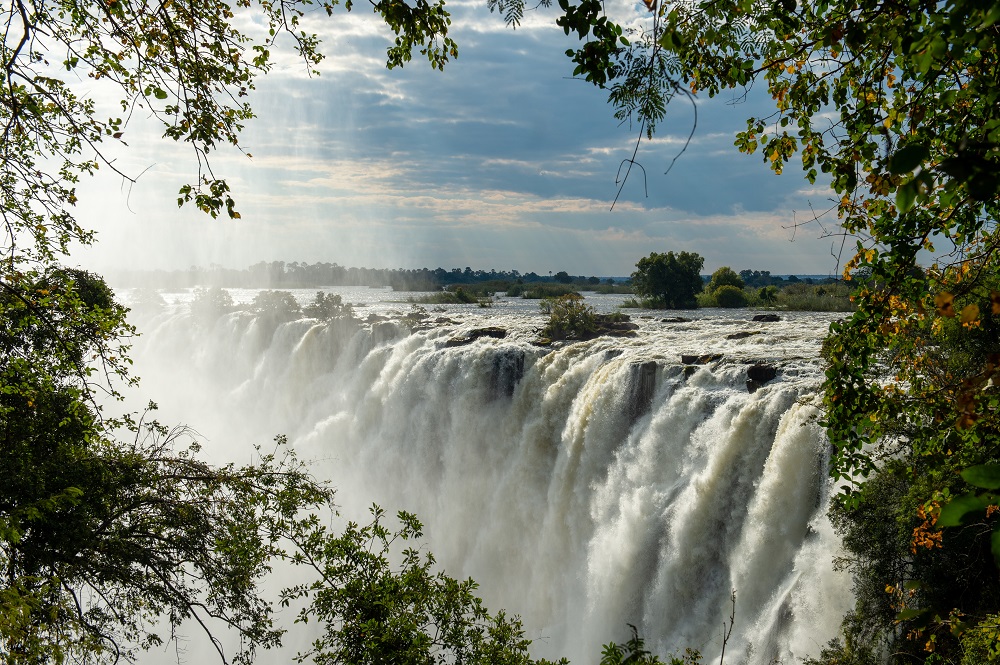
Victoria Falls – usually just for a day or two at the beginning of the trip – to acclimate, see the Falls & perhaps do an interesting late afternoon sundowner boat-trip on the Zambezi. The Falls are an awesome sight in April and May particularly – when the Zambezi is in flood stage – but they are always worth seeing from the Zimbabwe side (main falls).  

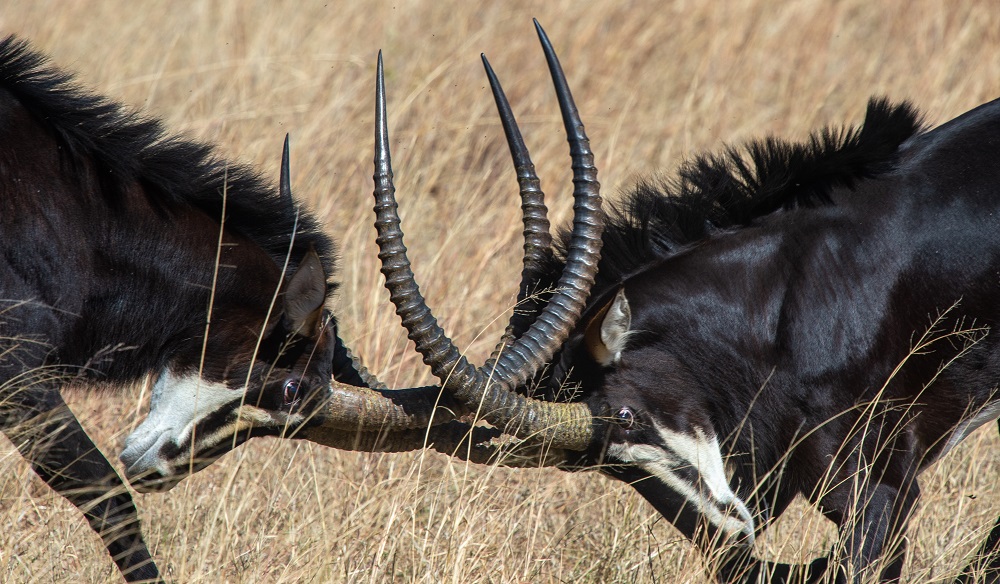
Hwange National park – This huge national park is one of the most important elephant sanctuaries in Africa, with as many as 30,000 elephants resident in the greater Hwange area. We always include at least one Hwange property (mostly tented but not exclusively so) in an itinerary, sometimes two. In addition to the elephants, Hwange has good populations of elephants, giraffe, eland (largest antelope in Africa), zebra, wildebeest and a good variety of predators including lions, cheetahs, leopards and also African painted dogs. So the safari experience there is very much like in South Africa, Botswana, or for that matter Kenya. Rhinos have been re-introduced to the Hwange area which now (again, as in the past) makes the park a ‘Big Five’ destination. There’s more. Hwange has a couple of very special antelopes not generally seen elsewhere in Southern Africa, namely the majestic sable antelope and the equally interesting roan antelope. Plus literally thousands of impala and various other smaller mammals. The birdlife is superb with many birds of prey and colorful bee-eaters, rollers, shrikes and dozens of other families of birds. Hwange is an ideal park for walking safaris, mostly because of the proficiency of the Zimbabwe professional guides, who are at their best on foot, rifle in hand. 

Mana Pools – Mana Pools is a near-legendary national park which lies along the lower Zambezi River in far north-eastern Zimbabwe. Renowned for its game-viewing (elephants, big cats, buffalo, plains game and African painted dog), the area is highly atmospheric and for many seasoned safari goers, Mana Pools is the holy grail. Being on the Zambezi and with the Zambian escarpment visible in the background (across the river), the setting is very special too. Including Mana Pools makes a trip a bit more expensive on a per diem basis due to the relatively high cost of flying there. However we do offer some trips which include flying at no or reduced cost. There is a minimum stay requirement. Mana Pools has a well-deserved reputation for being an ideal park for foot safaris.  

Lake Kariba – and particularly the Matusadona National Park on the southern shore of the lake. A very diverse area (in terms of habitat and activities), Lake Kariba is a superb addition to almost any Zimbabwe trip. Beautiful views over the lake (one of the biggest man-made lakes in Africa), boat safaris (a pleasant change from bumping around in the vehicle), fishing – for tiger fish, a fierce freshwater fighting fish, on catch & release basis – and walking are all possible. I have taken some of my best ever photographs in Matusadona National Park because of the vast expanse of floodplain around the lake where elephants and other animals can often be seen in the open, with a nice clean mountain or water backdrop.  

The Matobos in south-western Zimbabwe. This region of Zimbabwe is another one where rhinos can be observed in the wild. Scenically it is unbeatable with rocky outcrops reminiscent of SE Utah. It also has a couple of worthwhile cultural experiences, namely a visit to one or two San (‘Bushmen’) cave painting sites and a visit to the grave-site of Cecil John Rhodes. This area is spectacular, particularly at sunset. It is easy to move on to Hwange National Park from the Matobos by road.

For Zambia, I can think of no better trip than a 10-night Zambia exploration with Classic Zambia, priced at about $6,500 per person sharing in May and June, increasing to just over $8,000 per person sharing for the high season months from July through October. This would be a fantastic safari combining two of Africa’s finest and wildest wildlife areas, Kafue and the Lower Zambezi. Please call or email for detailed information about these and other safari options.  

Zambia is a massive country and it should come as no surprise that it has several excellent safari areas, notably the South Luangwa National Park, the Lower Zambezi National Park and the Kafue region. None of these are heavily visited and the Kafue – which is much bigger than South Africa’s vast Kruger National park – attracts about one tenth of the number of visitors of the Kruger. 

The South Luangwa National Park is known for its walking safaris and the chance to see a wide variety of animals such as elephants, lions and leopards. On a recent trip there we witnessed a crocodile trying to rob a hyena of its prey. It was a spellbinding scene observed by just us. No other vehicle showed up over the entire 30 minutes or so we spent at the sighting.  

The Lower Zambezi National Park is another popular destination, offering river safaris on the Zambezi and the opportunity to see hippos, crocodiles and abundant birdlife. For the adventurous traveler, I would recommend a canoe safari in one of the backwaters off the main river. It can be an adrenaline-inducing experience gliding by several hippos, your natural apprehension being somewhat assuaged by the fact that you have an experienced guide in control of the canoe.  

The Kafue National Park is the largest park in Zambia and is home to a wide range of wildlife, including elephants, lions and cheetahs. Several small, remote camps in the Kafue are ideal for a ‘back to basics’ experience where what matters most is what happens outside the tent. It is all about the wilderness experience, about observing the wildlife in their most natural setting, and being able to do it essentially with just your guide and the few other people in the vehicle with you.  

YOU MIGHT ALSO BE INTERESTED IN

Destinations
Zambia

10th September 2021

Chindeni and the Bushcamp Company, Zambia

By late July we found ourselves at Chindeni, a small Bushcamp Company property
Read more
Botswana
Destinations
Okavango Delta

3rd October 2022

Camp Okavango, Botswana

Camp Okavango is in the heart of the permanent part of the Delta. In this idyllic setting there are no vehicles, and it is just a short walk

Read more
Area
Destinations
Nyerere National Park
Ruaha
Tanzania

14th October 2023

From My Safari Notebook: Wildlife Photography

Birds in flight and wildlife photographers have an uneasy relationship. Things go wrong as often as they go right. Getting focus-lock on a moving subject

Read more

SUBSCRIBE TO OUR NEWSLETTER

READERS FAVOURITES

Botswana
Destinations
Savuti
Savuti Channel

3rd October 2022

Savute Safari Lodge, Botswana

If you were to look at a time-lapse photography sequence taken from Savute Safari Lodge between 2008 and the present, the one thing that will stand out

Read more
Botswana
Destinations

4th August 2022

On Safari At Belmond Eagle Island Lodge, Okavango Delta

What is the ‘secret sauce’ for an unforgettable few days on safari in Botswana? It starts with the animals, of course. The elephants, lions, giraffes, hippos

Read more
Destinations
Zambia

10th September 2021

Chindeni and the Bushcamp Company, Zambia

By late July we found ourselves at Chindeni, a small Bushcamp Company property
Read more
  • « Go to Previous Page
  • Page 1
  • Interim pages omitted …
  • Page 11
  • Page 12
  • Page 13
  • Page 14
  • Page 15
  • Interim pages omitted …
  • Page 28
  • Go to Next Page »

Footer

Design

  • About
  • Destinations
  • Blogs
  • FAQS
  • Team
  • Contact
All Rights Reserved ©Fish Eagle Safaris 2022 | Terms & Conditions | Privacy Policy
Designed & Developed by B Online

SUBSCRIBE TO OUR NEWSLETTER

SIGN-UP TO OUR NEWSLETTER

Subscribe Form

Footer Widget Header

Related Blogs