• Skip to primary navigation
  • Skip to main content
  • Skip to footer

Fish Eagle Safaris

Fish Eagle safaris

Contact

Logo
  • About
  • Destinations
  • Blogs
  • Newsletter
  • FAQS
  • Team
  • search
  • Contact
  • About
  • Destinations
  • Blogs
  • FAQS
  • Team
  • Contact

Area

“Only in Africa”: Kirstenbosch National Botanical Gardens, Cape Town

7th May 2020

“Only in Africa”:
Kirstenbosch National Botanical Gardens, Cape Town


Image

“Only in Africa”:
Kirstenbosch National Botanical Gardens, Cape Town

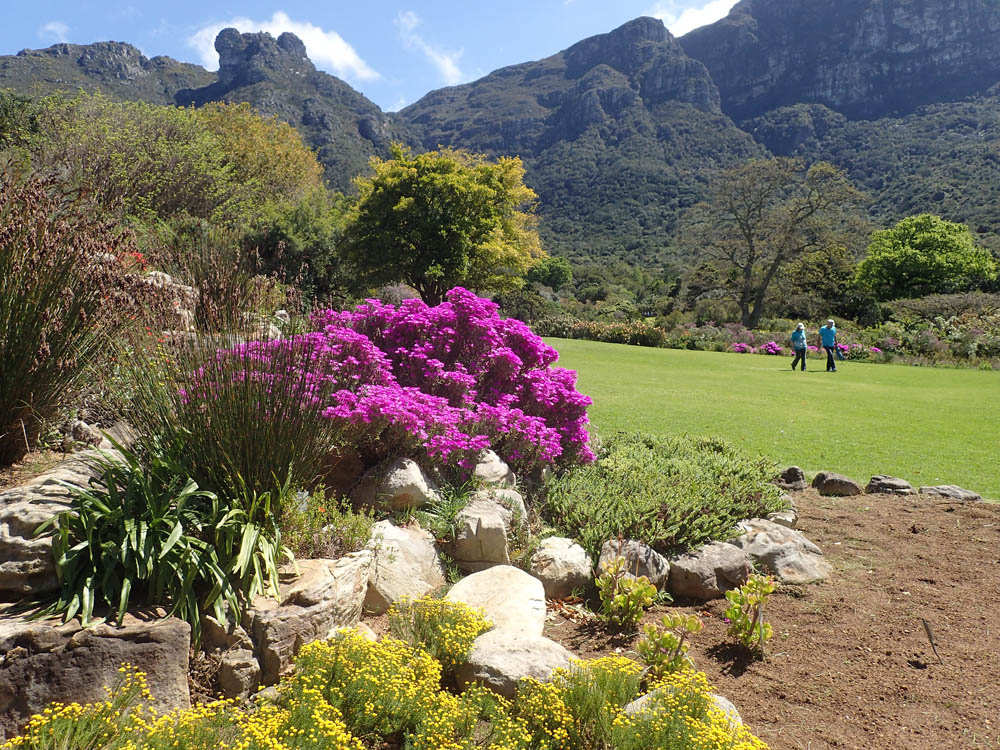
The city of Cape Town and the surrounding Cape Peninsula has a long list of places to visit and things to do.  Clearly high on the list of ‘must do’s’ is a trip to the top of Table Mountain, either by Cable Car or for more intrepid visitors, by hiking up one of the ravines.  Second only to that outing, any visitor to Cape Town needs to make time for Kirstenbosch.  It is one of the great botanical gardens of the world, a national treasure, and Capetonians are rightfully proud and also protective of this sprawling expanse of gardens and associated structures, sheltered below the eastern slopes of Table Mountain.

Image

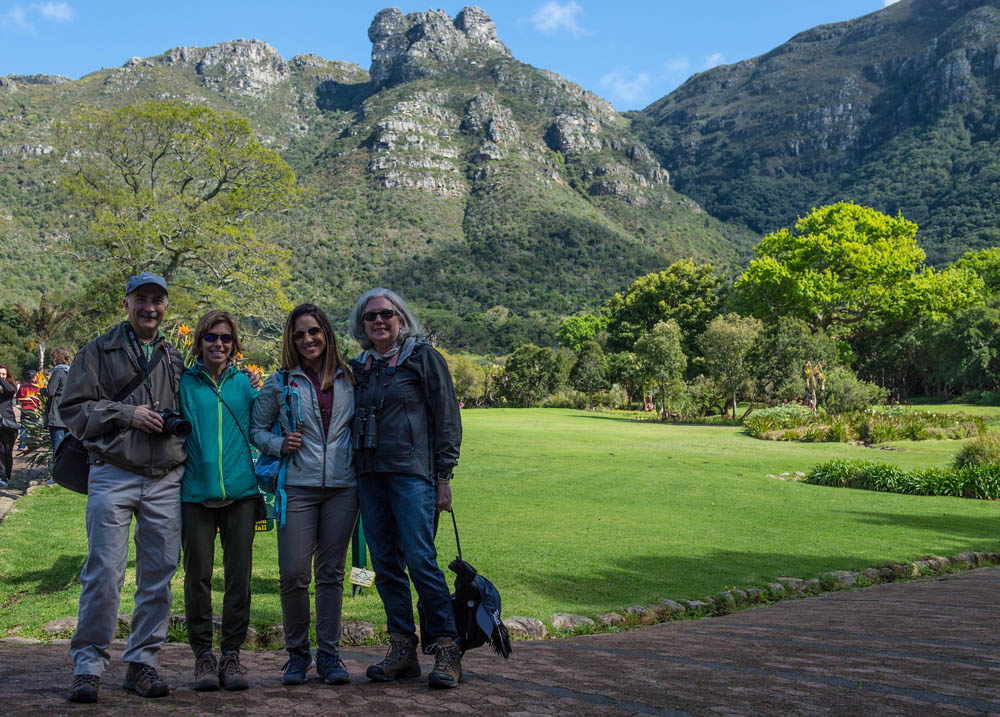
Kirstenbosch National Botanical Garden is at first glance an ambitious, awe-inspiring undertaking; a beautifully situated collection of gardens and micro-habitats, fountains, aquifers, herbariums, performances, food service and entertainment options. Step inside and you’ll discover its true appeal, its seemingly never-ending reservoir of small surprises and hidden secrets, some just waiting to be seen and others revealing themselves only occasionally to lucky passersby.

Image

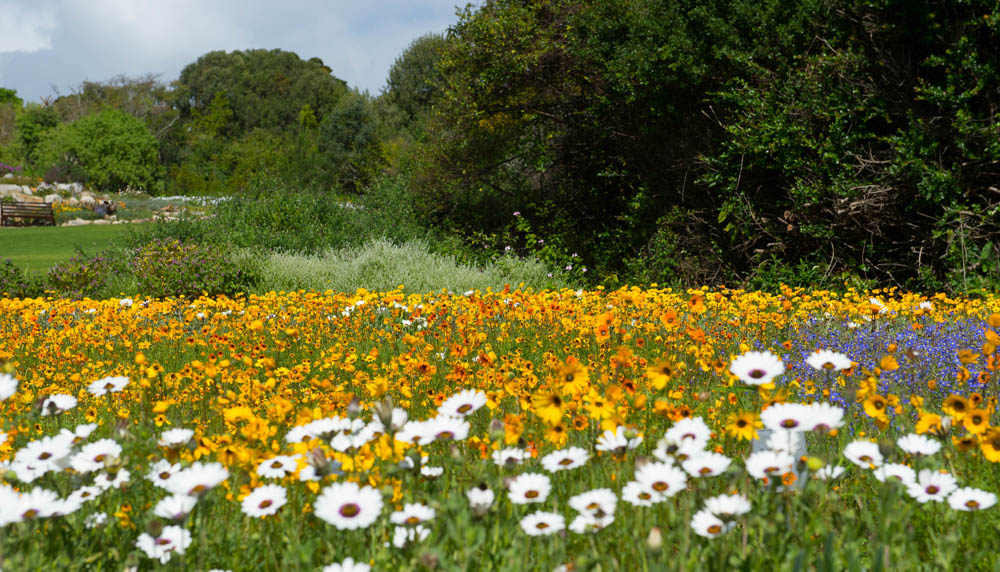
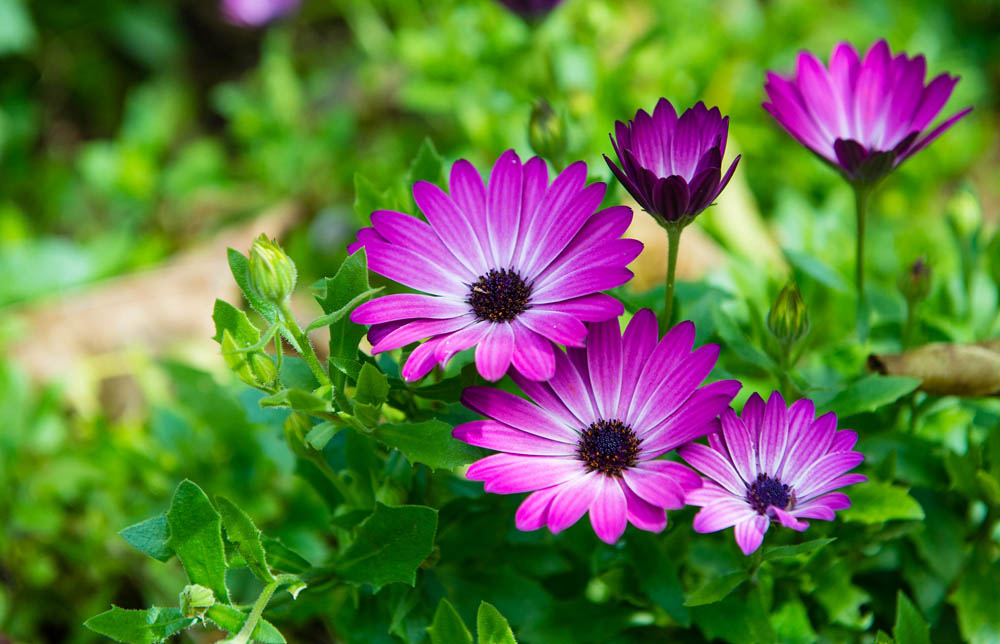
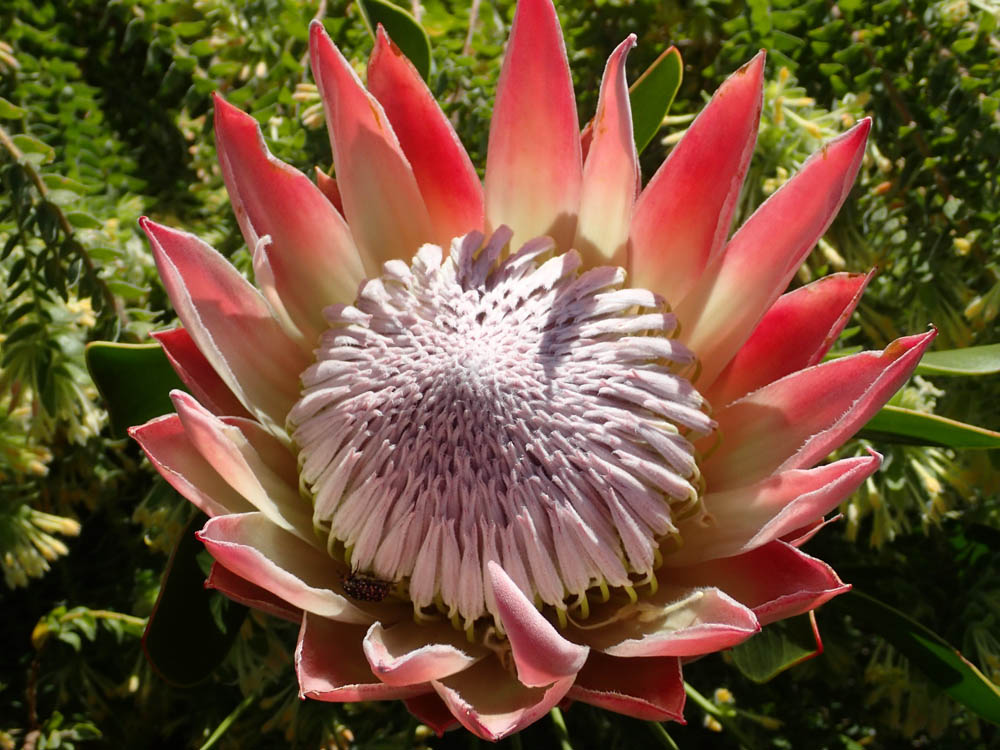
One day it might be a sighting of a Spotted Eagle Owl (always watch for a clutch of other visitors staring up into a tree), the next time a gorgeous Protea Cynaroides in full bloom, a stand of vibrantly colorful daisies, a group of kids dressed up for a midsummer’s night party, or a profusion of the special Nelson Mandela ‘Gold’ variety of the Strelitzia plants in full bloom.  Kirstenbosch is more than 100 years old but it is always new, always fresh, clean and  family-friendly to boot.

Image

I first visited Kirstenbosch as a child, and have been back dozens of times, most recently just a few weeks ago.  Kirstenbosch attracts more visitors than any other sight in the Mother City, including Table Mountain and the Victoria & Alfred Waterfront.  Even so, there are no long lines here; at worst it takes a few minutes to buy a ticket.  No two to four hour waiting in a line here like at the Table Mountain Cable Car ticket office, in season!

Image

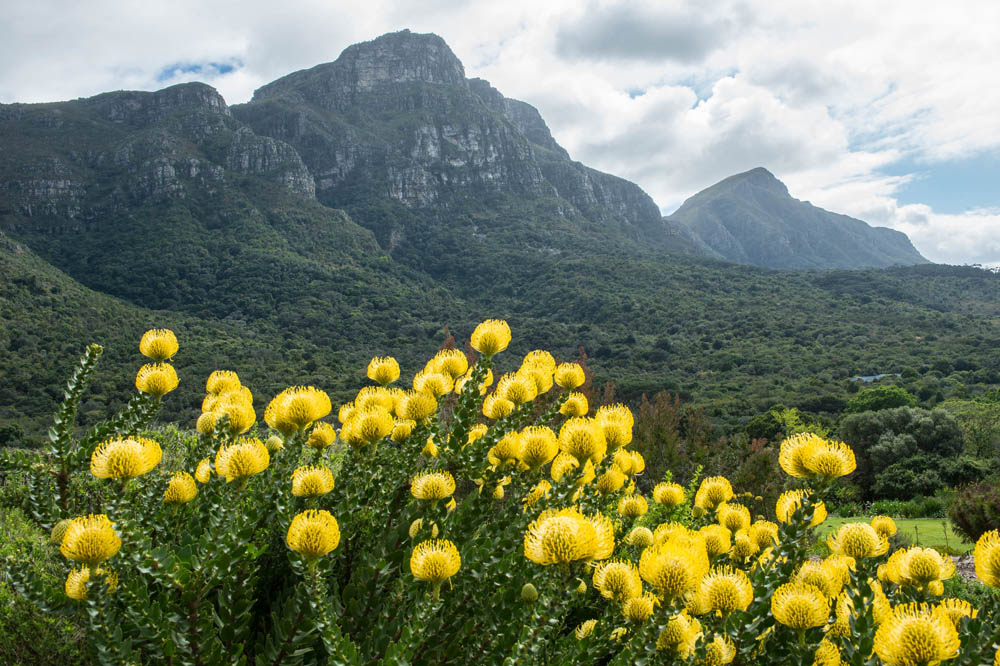
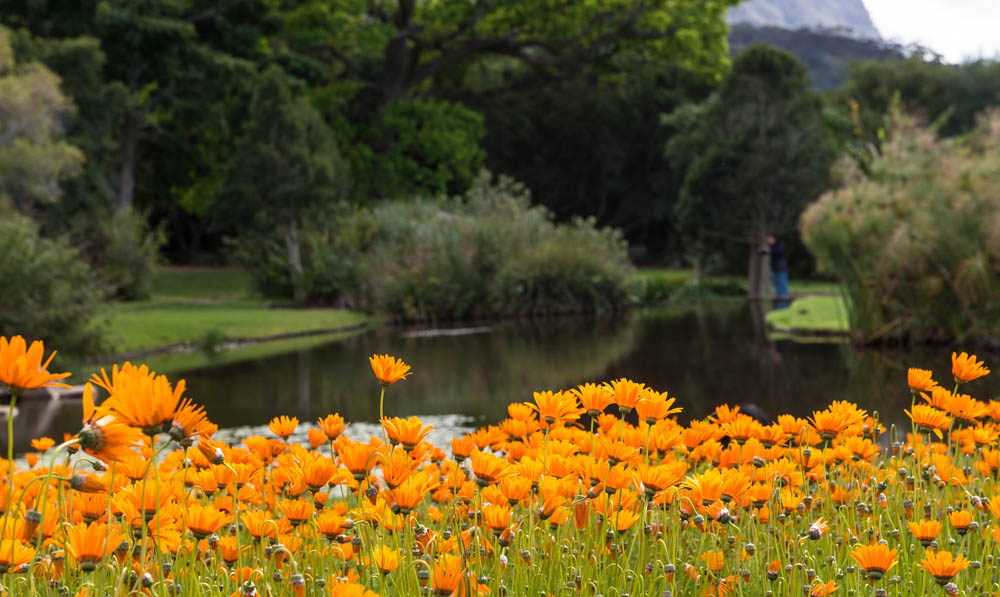
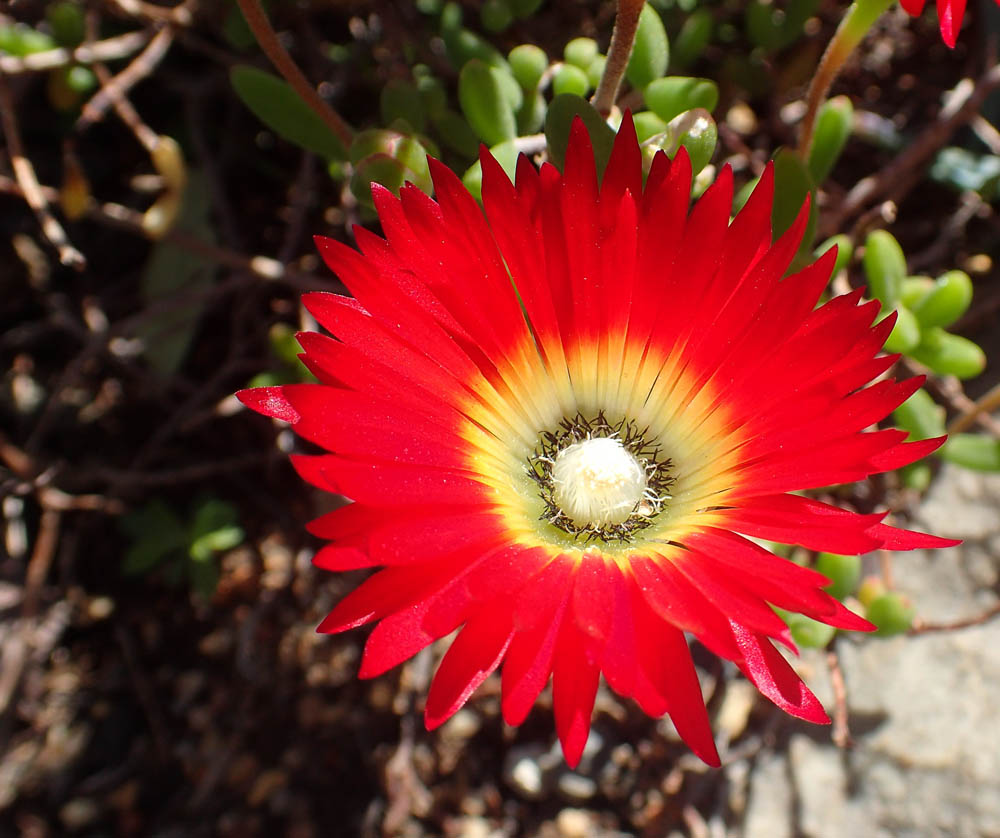
The Southern Africa spring from late August through November is arguably the very best time of the year to be in Kirstenbosch. This is just after the rainy season when the full spring bloom effect is visible everywhere.  On a recent September visit I remarked to a companion that I had not seen Kirstenbosch in such splendid shape in many years.  There were blazingly colorful displays of red, yellow, purple and orange to be seen all over the place.  The Namaqualand daisies, vygies, pincushions, arum lilies, watsonias and many other species were in full bloom and it was simply magnificent.

Image

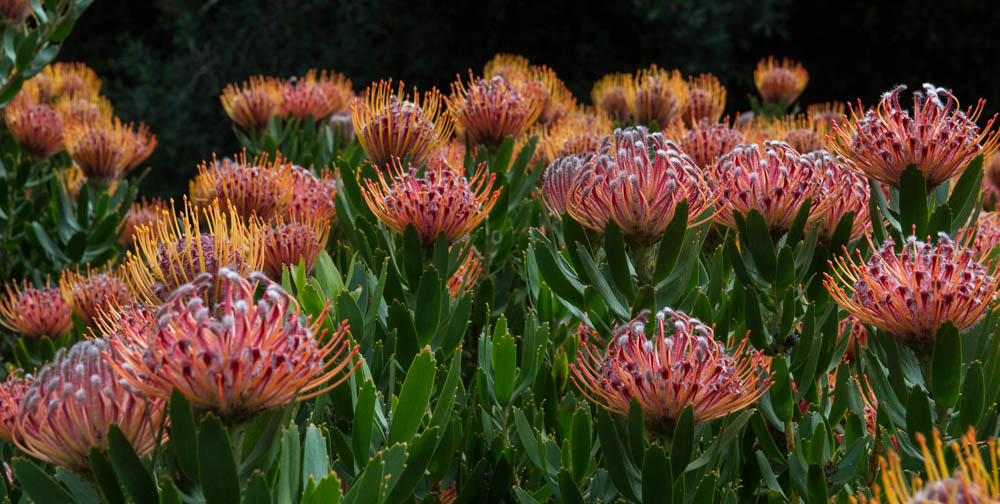
Proteas

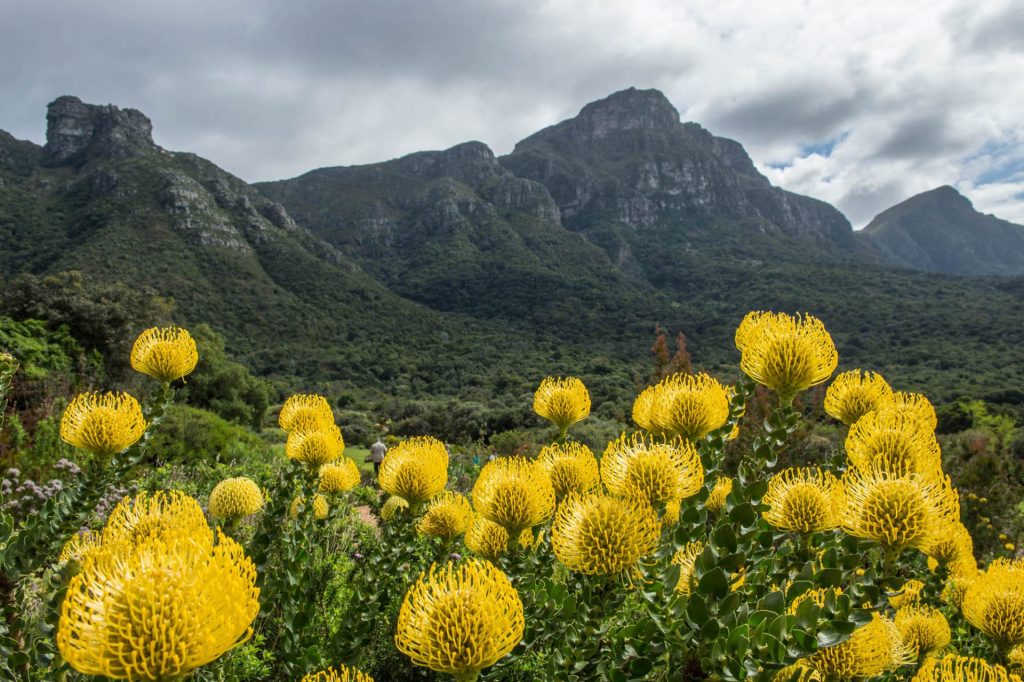
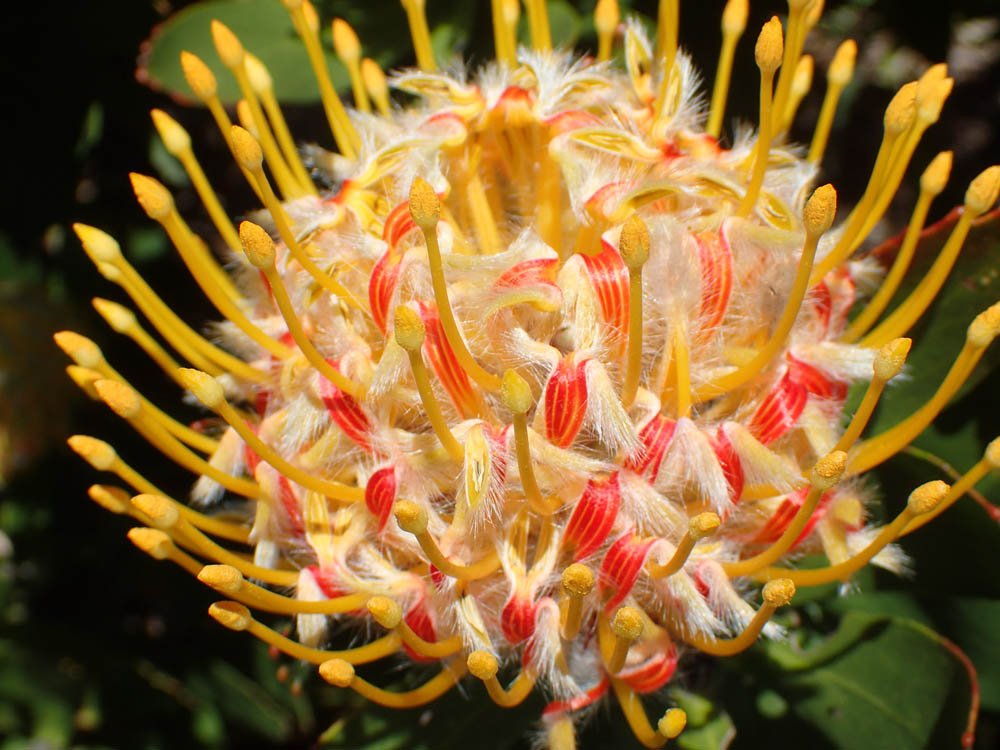
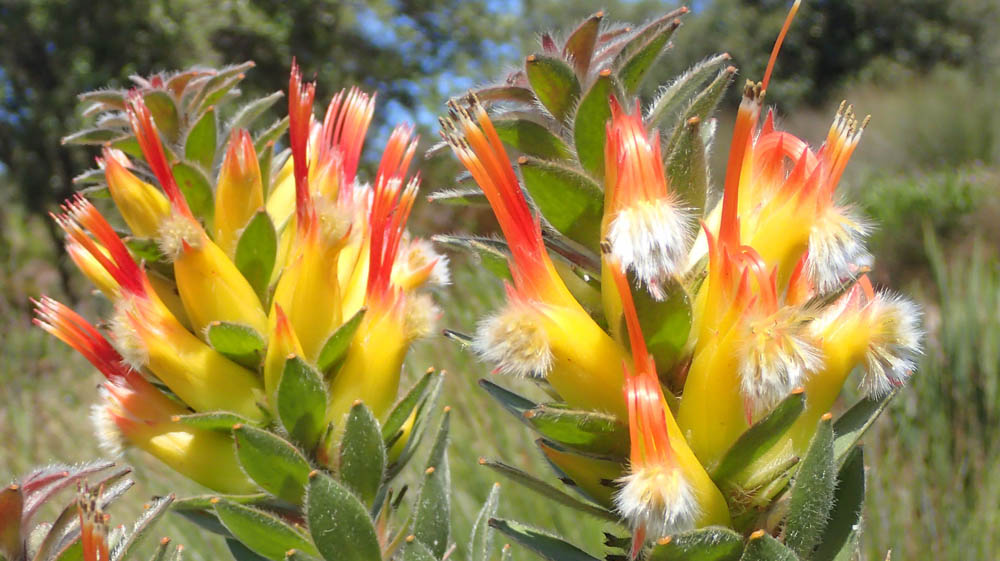
If your time is limited, you’d want to take in the protea gardens, the ‘boomslang’ canopy walk and the cycad garden, three of Kirstenbosch’s most celebrated and fascinating elements.  The protea garden takes pride of place due to these hardy, graceful plants being mostly endemic to South Africa, at the pinnacle of the ‘fynbos’ species, a group of plants found mostly in South Africa and very much limited in distribution to the Cape Floral Kingdom.

Image

All the proteas are worth seeing, but be sure to look for the Protea Cynaroides, South Africa’s national flower, which produces a particularly handsome giant flower.   Fynbos is at its best during winter (June through August) when many species are in flower and the Fynbos walk is alive with color.   If you’re lucky you may see the stunning Protea Sugarbird and one or more species of sunbirds, including the endemic Orangebreasted Sunbird. These beautiful birds can often be seen flitting about the proteas and other flowering plants, year-round.  In addition to the proteas or sugarbushes, you will also see the colorful, delicate pincushions, cone bushes and various protea shrubs.

Image

Boomslang Canopy Walk

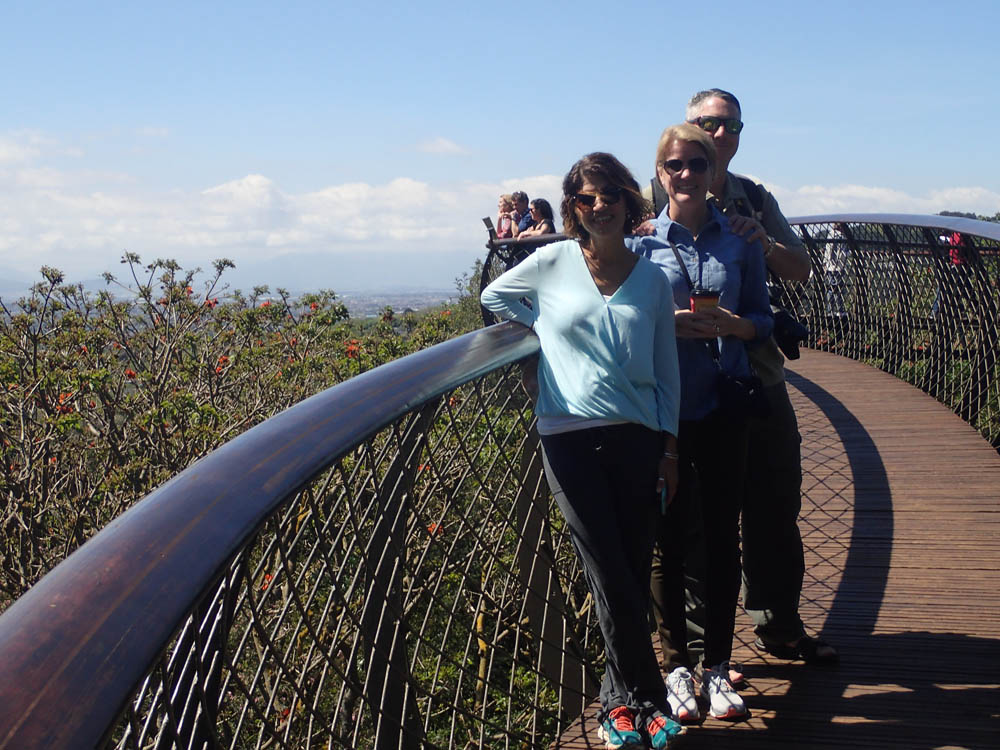
The boomslang canopy walk is a relatively new addition to Kirstenbosch, having been completed in 2014.  The first time I saw it was literally by accident. I was following some guineafowl around – trying to get a better photograph – and stumbled into the base of the canopy walk.  Which of course I had to try right away.  The Boomslang (which is Afrikaans for Tree Snake) is an elevated structure which twists through the tree canopy at a height of up to 40 feet above the ground, with superb views over the gardens and Table Mountain.  It is wheelchair-friendly and the design – with ribbed supporting beams in the style of a snake’s skeletal structure – is quite pleasing to the eye.   This low-impact raised walkway is about 425 feet long, narrow and slender, with a few wider view-point areas.  It lightly snakes its way through the canopy, without being an eyesore or being too intrusive.  It is more than just a traditional boardwalk – like a snake, it winds and dips and stays obscured within the forest.

Image

Cycad Amphitheater

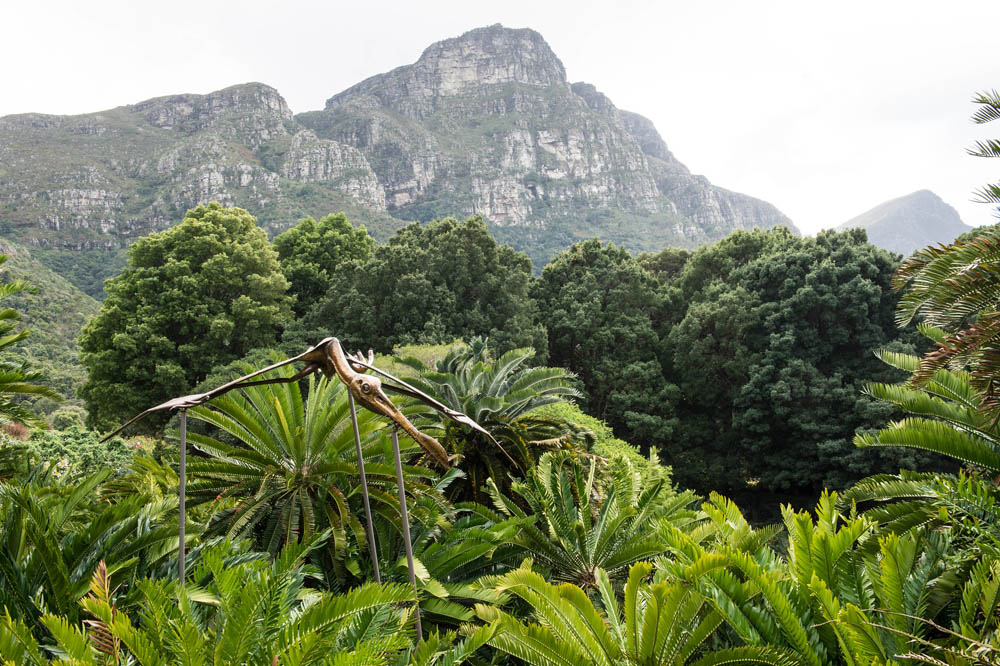
Kirstenbosch’s cycad amphitheater is one of the oldest parts of the garden, having been established within the first ten years of its existence.  Cycads – also known by their scientific name of Encephalartos  – are palm-like in appearance.  They are often referred to as ‘living fossils’ – not because they are millions of years old, but because they have changed very little since the Jurassic Era, or ‘Age of the Dinosaurs’, 150 – 200 million years ago.

Image

Lurking behind the giant cycad trees are a collection of life-size tin sculptures of various dinosaur species which roamed the earth at the time when cycads grew in abundance.   The sculptures, which are the work of Zimbabwean artist David Huni, highlight the plight of many cycad species which are critically endangered and may soon, like the dinosaurs, become extinct. Their presence makes for an intriguing and fun adventure for young and old.  Stand there for a minute, let your mind wander and it becomes quite easy to imagine a real Pterodactyl swooshing by with loudly flapping wings.

Image

The Cycad  Collection at Kirstenbosch  contains 37 of the  approximately 40 Southern African cycad species.  Cycads are mostly rare and endangered in their natural habitats all over Africa.  Unfortunately, they are constantly under threat from unscrupulous collectors.   Kirstenbosch has an active propagation program to increase the number of plants available to gardeners and collectors in order to take the pressure off the few remaining plants in the wild.

Image

Moyo Restaurant & Summer Concerts

Time permitting,  you can  enjoy lunch at Moyo Restaurant, which is easy to find in the central part of the garden.   On past visits we’ve tried and enjoyed the quasi-traditional fare with innovative versions of old favorites such as bobotie, samoosas, pap (rustic polenta) and boerewors (farmer sausage) rolls.

Image

During the Cape Town summer months, Kirstenbosch is the venue for regular live sunset concerts on the rolling lawns.  That is when Capetonians gather their picnic baskets, friends, and family, and enjoy some of the best music South Africa has to offer in the shade of Table Mountain.  So, if you happen to find yourself in Cape Town from about November through April, check the local entertainment listings.  The Kirstenbosch Summer Concerts are smoke-free, kid-friendly and great for a family outing.

More Info

Email bert@fisheaglesafaris.com

Email jason@fisheaglesafaris.com

@fisheaglesafarishouston

#FishEagleSafaris

YOU MIGHT ALSO BE INTERESTED IN

Destinations
Zambia

10th September 2021

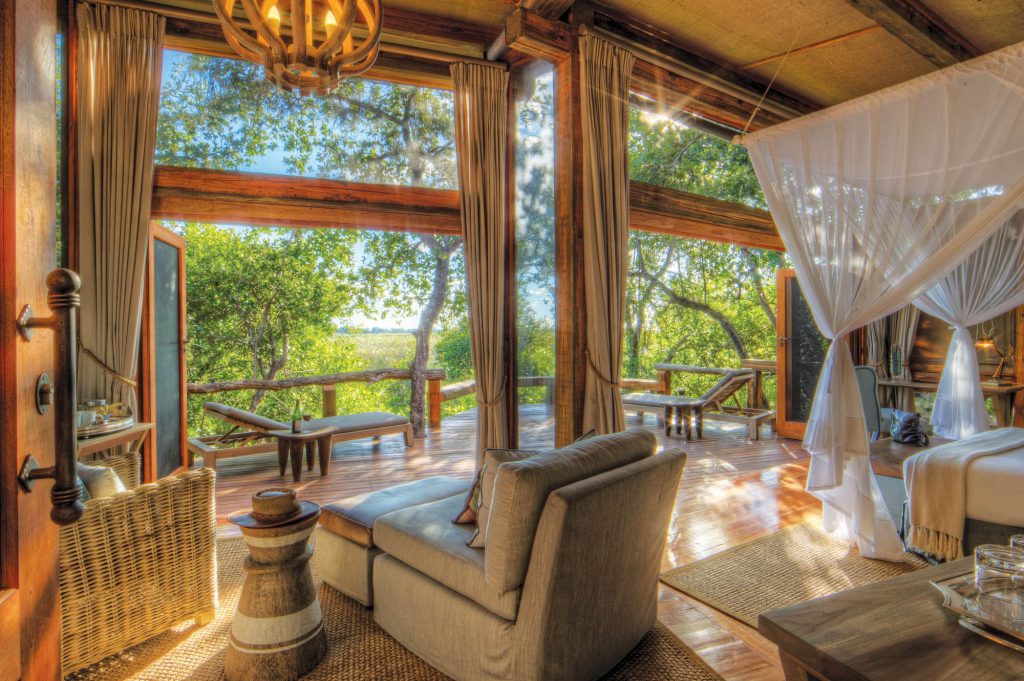
Chindeni and the Bushcamp Company, Zambia

By late July we found ourselves at Chindeni, a small Bushcamp Company property
Read more
Botswana
Destinations
Okavango Delta

3rd October 2022

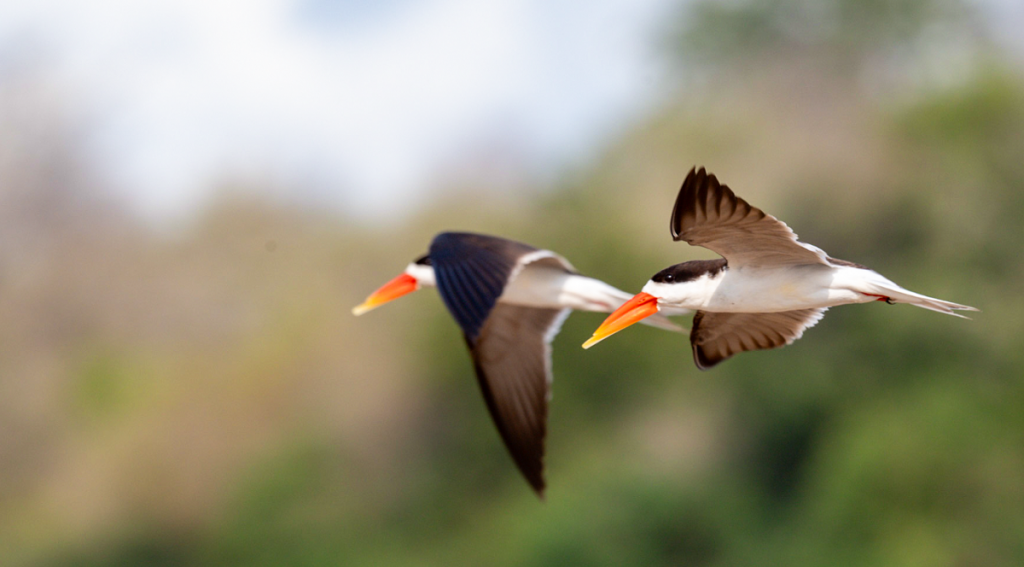
Camp Okavango, Botswana

Camp Okavango is in the heart of the permanent part of the Delta. In this idyllic setting there are no vehicles, and it is just a short walk
Read more
Area
Destinations
Nyerere National Park
Ruaha
Tanzania

14th October 2023

From My Safari Notebook: Wildlife Photography

Birds in flight and wildlife photographers have an uneasy relationship. Things go wrong as often as they go right. Getting focus-lock on a moving subject

Read more

SUBSCRIBE TO OUR NEWSLETTER

READERS FAVOURITES

Destinations
Zambia

10th September 2021

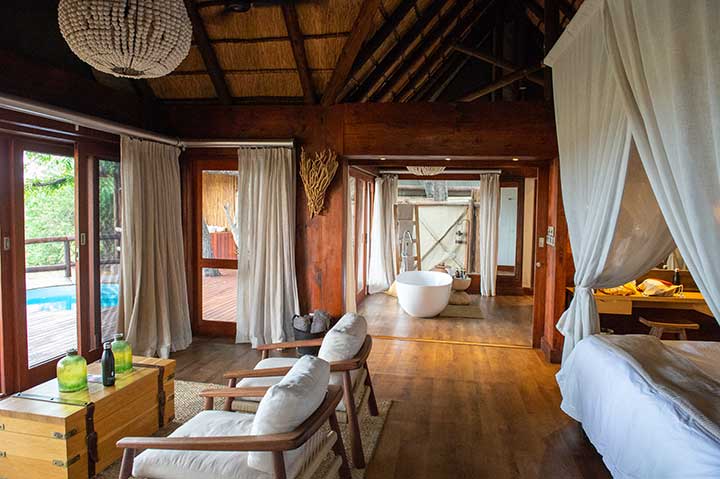
Chindeni and the Bushcamp Company, Zambia

By late July we found ourselves at Chindeni, a small Bushcamp Company property
Read more
Botswana
Destinations

4th August 2022

On Safari At Belmond Eagle Island Lodge, Okavango Delta

What is the ‘secret sauce’ for an unforgettable few days on safari in Botswana? It starts with the animals, of course. The elephants, lions, giraffes, hippos
Read more
Destinations
India

27th May 2023

India

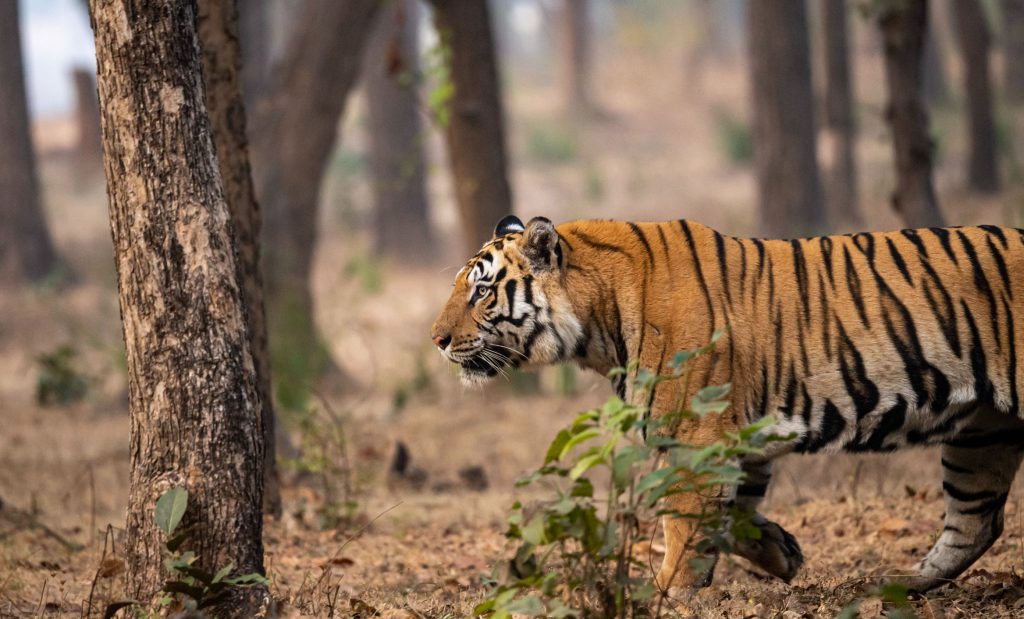
India’s tiger, mammals and birds.

Read more

“Only in Africa”: How to improve your chances to summit Kilimanjaro

30th April 2020

“Only in Africa”:
How to improve your chances to summit Kilimanjaro


Image

“Only in Africa”:
How to improve your chances to summit Kilimanjaro

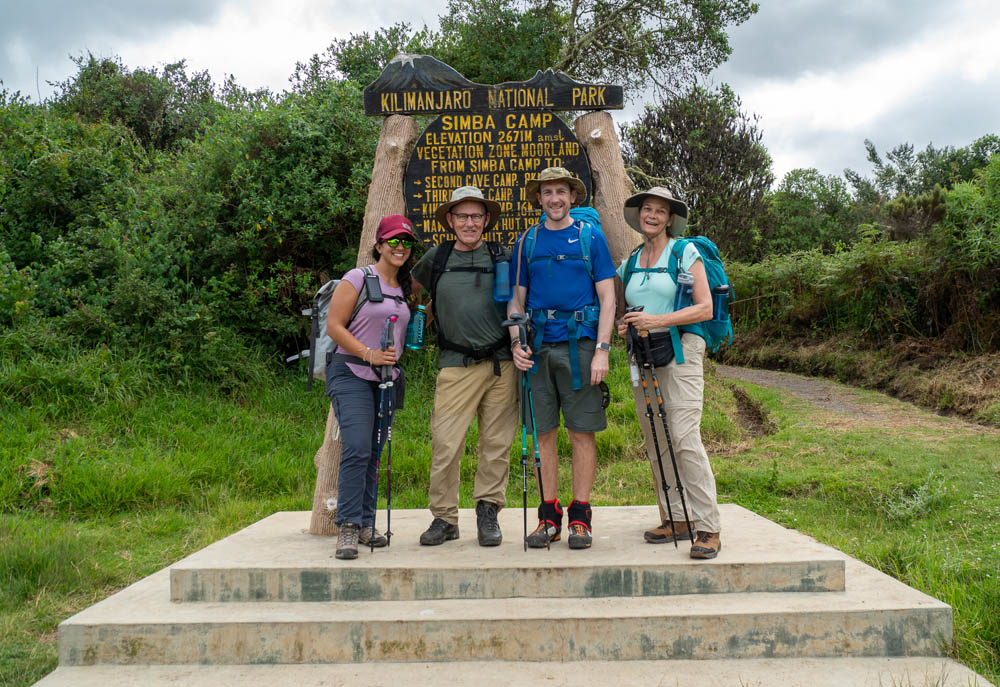
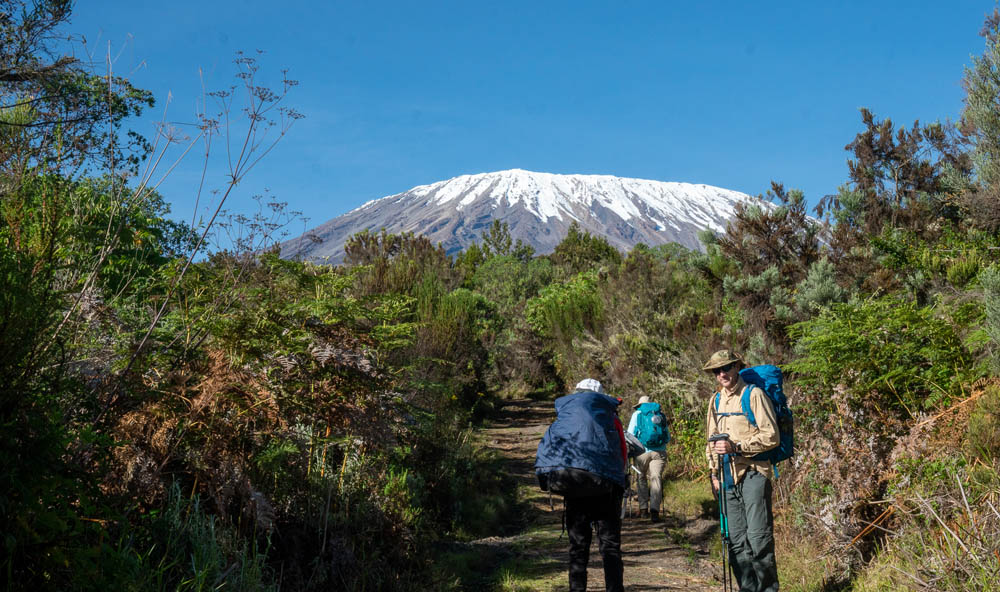
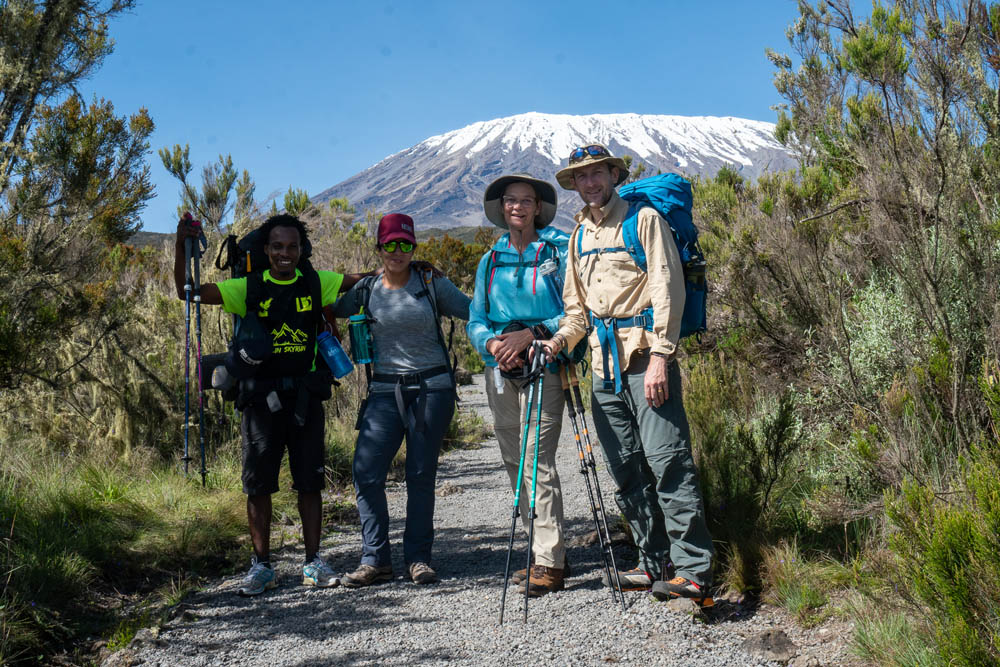
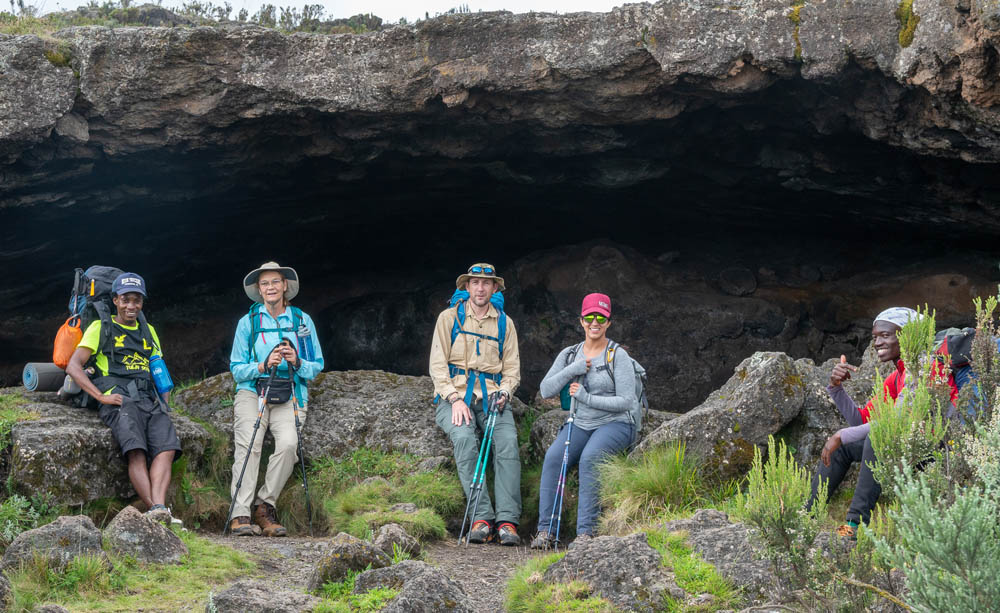
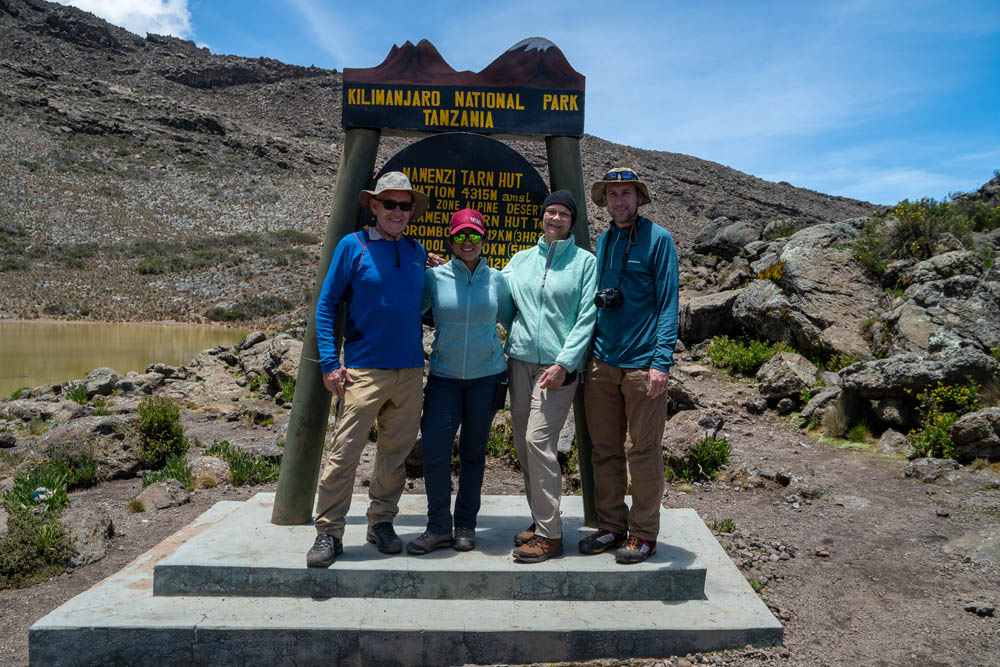
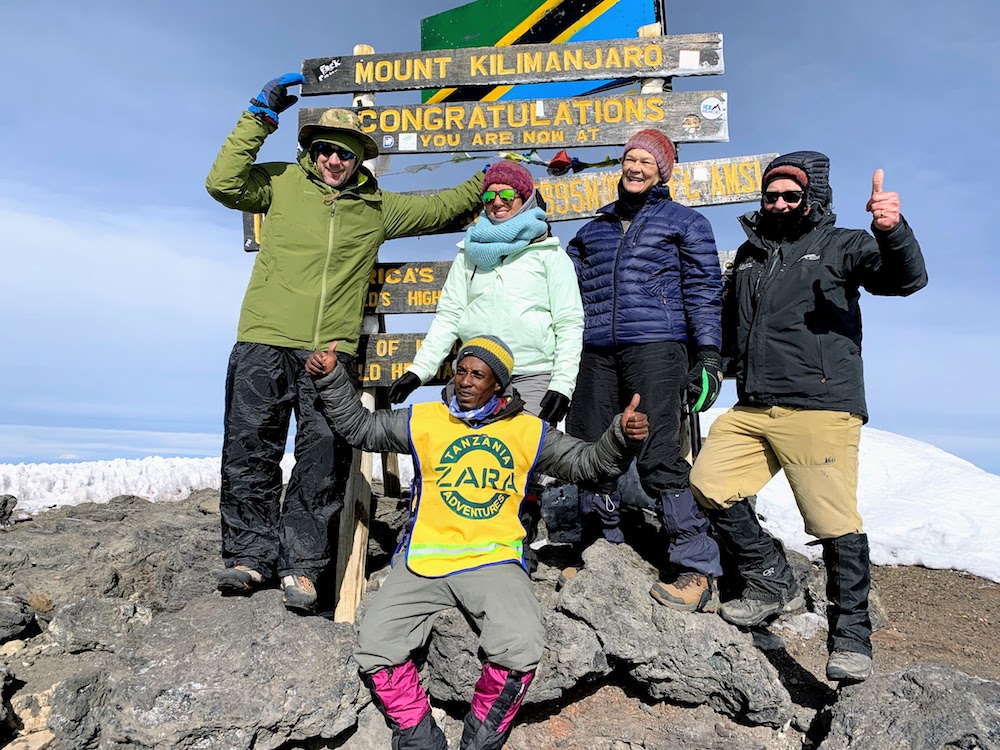
Having successfully reached the summit of Kilimanjaro twice in three years, most recently along the Rongai Route in Feb 2020, while training mostly at close to sea level, here’s Fish Eagle Safaris founder Bert Duplessis’ tips for a successful Kilimanjaro climb:


Image

#1: Keep your feet happy and healthy

This starts with buying and wearing in a good pair of well-fitting waterproof boots.  Do not scrimp on this purchase.  The line between success and failure on Kilimanjaro is a thin one and developing debilitating blisters can easily tilt you in the wrong direction.  Personal hygiene is a challenge on the mountain with no access to showers, except cold ones on the Marangu Route.  Whatever you do or do not do in this arena, don’t neglect your feet.  Take immediate and decisive action to treat a blister or hot spot right away, before it becomes problematic.  Use an antifungal like Tinactin daily and apply a lubricant like Glide (get it from a running store) on and between your toes, on your heels and other potential problem areas, before every hike.  Prevention is way more important than cure, particularly over the space of a few crucial days.


Image

Proper socks are super important.  I’ve had great results with a thin liner sock (like the REI store brand), together with a double-layered hiking sock such as the Wrightsock ‘Coolmesh’ type.  Take enough socks to start with a clean pair (liner and regular socks) every day, plus 2 spare sets in case of unexpected heavy rain or other mishap.


Image

#2: Follow your head guide’s instructions and requests

Your head guide has summited Kilimanjaro probably dozens and even hundreds of times.  He knows what works, he can anticipate issues and pitfalls, help you avoid failure and inspire you to deliver your best.  As long as you listen to him and let him lead.  If the pace initially seems painfully slow, there is a reason.  If the head guide wants you to do an afternoon climb to gain some more altitude, after a long and perhaps punishing morning hike, do it.  Don’t fret, don’t whine – you are paying good money for the chance to achieve something really special.  So, shun all negativity from your mind and let your head guide help you realize your dream.


Image

#3: Sleep when you can

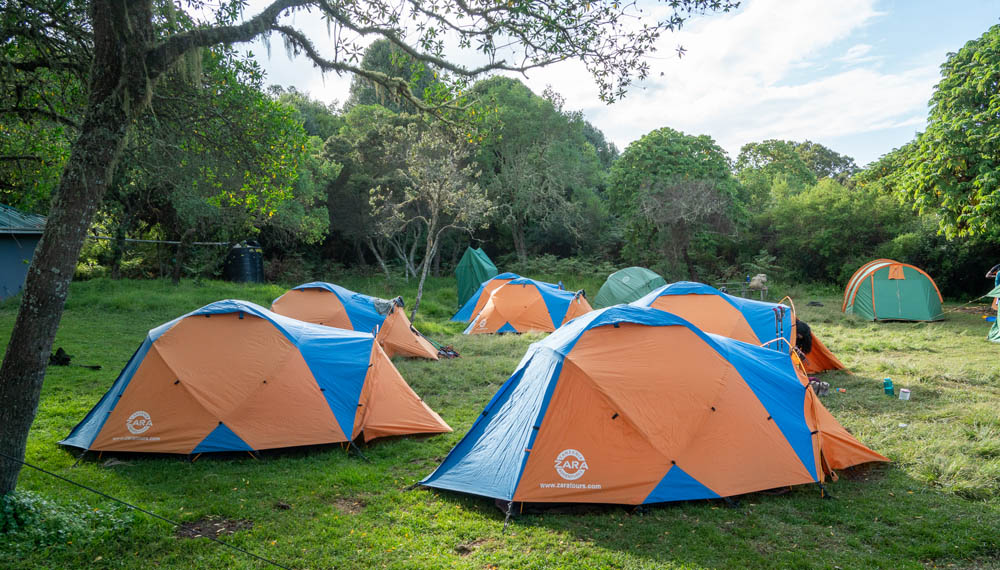
Get some sleep at night or during the day, whenever the opportunity arises.  Whether it’s a 15-minute nap or a 6-hour slumber, it all adds up and it is vital, in fact critical for success.  Bring good earplugs, a comfy pillow, whatever it takes to get you in a sleep mode.  It may help to avoid caffeine and alcohol.  A high quality sleeping bag which will keep you warm at temperatures as low as minus 20 degrees Fahrenheit  is a good investment in more and better sleep.  It means you can get into your sleeping bag with just a couple of layers of loose, comfortable sleepwear.  To keep warm in a sleeping bag not designed for such low temperatures, you may end up having to wear multiple layers of clothing.  This can be annoying, restrictive and not conducive at all to falling asleep easily and quickly.  Plus of course being cold inside your sleeping is guaranteed to adversely affect your sleep duration and quality.


Image

#4: Eat and drink regularly.

The food on Kilimanjaro is typically bland and predictable:  chicken and chips, a variety of stews, lots of vegetables and pasta.  And soups.  If you are lucky your cook will prepare some local foods like ugali (rustic polenta) and beans.  Even the most creative of mountain cooks are stymied by the limited range and quantity of fresh ingredients which the porters can carry all the way up, so don’t expect something new and exciting every day.  You must eat though, to replenish the thousands of calories burnt every day. So, while you may not always feel ravenously hungry, decent nourishment is vital.  Be sure to bring some energy bars with you; on our last trek I tried the Luna brand Blueberry and Lemon Zest varieties and they both hit the spot!  Be creative and experiment, just make sure that you get your calories in.  It is ok to indulge in sugary treats for these few days so by all means tuck into candy bars, chocolates, snack food and trail mixes – anything you find palatable.


Image

Your head guide will be checking regularly to make sure that you stay hydrated as that is of paramount importance.  Whether you use a bladder system or individual Nalgene bottles – or both – make sure that you carry at least 3 to 4 liters of water on you; it is advisable to add some electrolytes to the bottled water.


Image

#5: Take the Diamox

Don’t shy away from a twice daily dose of Diamox (Acetazolamide), a diuretic which helps to prevent and reduce the symptoms of altitude sickness.  Most climbers take about 125mg to 250mg or so – but be sure to consult a physician before doing so.  Taking Diamox is no guarantee of success, but it does help a lot of people.  The most common side-effects include some tingling in the extremities and excessive urination.  Not a bad trade-off for achieving your goal.  Persons who have an allergy to Diamox or sulfa drugs should clearly not take this drug – again, be sure to consult a medical specialist before taking any prescription medication.


Image

#6: Train, train, train

It is never too soon to start training for Kili but certainly you’d want to be on some kind of training regimen starting no less than 6 months prior to the summit date.  Ideally of course, climb some mountains or hills with a backpack, with some weights.  Start modestly and work your way up from a couple of days or so per week, increasing the distance and frequency as the climb approaches.

No hills?  Find a levee wall or other decent sized hill or slope (steps if there is nothing else) and walk up and down with a weighted backpack for up to an hour or more, several times per week.  Make this progressively harder and more challenging as the big day approaches.  Be careful with weights on your back as too much can be dangerous, particularly if not carried high up and close to your upper torso.  Even regular long hikes with your Kili boots and backpack (load it up progressively) will help with the preparation, hills or no hills.


Image

In addition, and in combination with hiking, I suggest a series of single leg exercises to increase your ability to handle the thousands of ‘up’ and then thousands of ‘down’ steps required to get to the top.  And down again.  The exercises which I personally do include the following:

i)   Single leg step-ups.  Start with a low, comfortable box height and work up from there, adding dumbbells as required later.  Be sure to focus on using the front leg exclusively; avoid driving off the back leg.  Finish on the front leg only.  And then step down slowly.

ii)   Single leg deadlift.  Standing on your one leg, lift and extend the other leg backwards to reach a horizontal plane with your torso.  As you bend over to do this, keep your shoulders back and lower your arms so that your hands touch the floor surface lightly. Stay controlled and don’t let your leg muscles relax to the point where you ‘sag’ to the left or right.

iii)   Single leg squats.  Standing on one leg and keeping the other one just off the floor behind you, lower your butt to the ground gently and slowly, without putting undue strain on your knee.  Keep your body weight right above your feet and don’t let your knee sway or get too far forward.  Start slowly, with just a few repeats.

iv)   Barbell front squats.  Using preferably a barbell with weights (start modestly), work some ‘regular’ squats into the routine.  Be sure to keep the weight back so that you feel the pressure in your heels, not your knees.  Squats are good for the legs as well as the glutes.  Nothing wrong with that!

v)   Walking lunges.  Start with a dozen or so walking lunges and once you are comfortable, increase the number per set and the number of repetitions or add some weight to make it a bit more challenging.

vi)   Calf lifts.  Kilimanjaro can shred unprepared calves so take heed.  Stand with the balls of both feet firmly on a low step or stair, lift up as high as you can onto your toes, and then gently lower your heels as much as your ankle flexibility allows.  Rest your hands against a wall or counter to maintain your balance.


Image

Work your way slowly up to about 3 sets of 12 each of these exercises, about 3 times per week, and you will be heading in the right direction.  Increase the number of sets when it becomes easy or start adding some weight in the form of ankle weights, a weight belt or dumbbells.

It is a good idea to also include some aerobic distance exercises like running, biking or a rowing machine to build up endurance and good oxygen utilization.  High intensity training like Crossfit is not recommended due to the potential for injury.  However, there’s nothing stopping you from doing some high intensity running like fartleks (speedplay) which can be done anywhere.  Just warm up properly and don’t make any sudden or large increases in volume or intensity, from one day or week to the next.  Slowly slowly, just like the eventual ascent you are working towards!

There is no prohibition on including other training modalities and equipment like regular gym core and weight work, swiss ball, medicine ball, resistance bands or whatever you are already doing.  And of course, if you already work with a personal trainer, that is your best-case scenario.  A personal trainer will be able to customize your training program to get you into tip-top form for Kilimanjaro!

More Info

Email bert@fisheaglesafaris.com

Email jason@fisheaglesafaris.com

@fisheaglesafarishouston

#FishEagleSafaris

YOU MIGHT ALSO BE INTERESTED IN

Cape Town
Destinations
Franschhoek
South Africa

3rd November 2021

Cape Town area sightseeing

It’s hard to find fault with Cape Town, South Africa’s ‘Mother City’. After all, it is one of the

Read more
Destinations
Kenya

26th November 2024

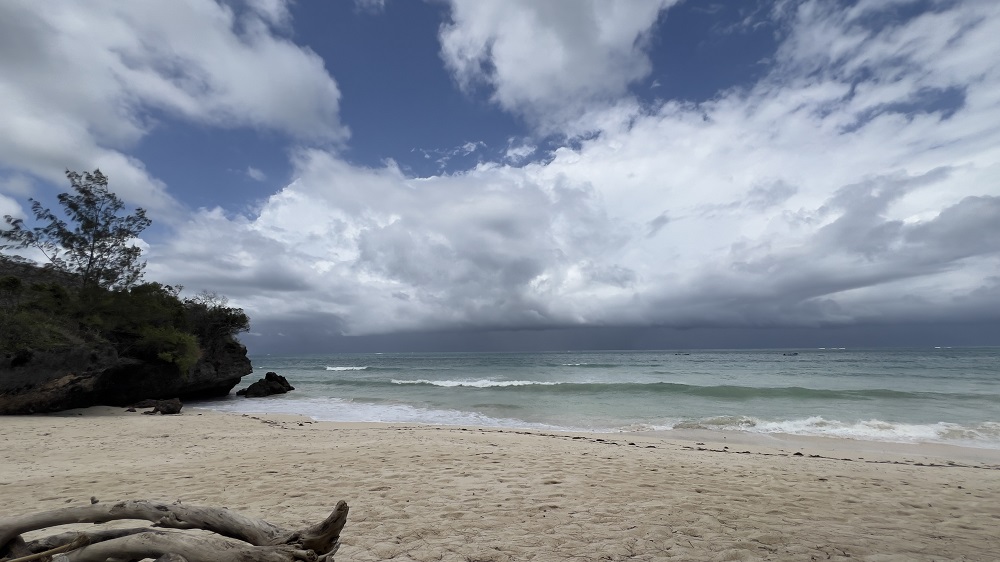
A Blissful Stay in Diani Beach on Kenya’s Southern Coast

In their own way, safaris can be demanding and take quite a bit out of you. Very early morning starts, long days, seeing and learning about

Read more
Destinations
Kenya
Naboisho

14th March 2021

Eagle View & Leopard Hill camp

The ideal safari destination is hard to pick but for first time visitors to Africa and to Kenya

Read more

SUBSCRIBE TO OUR NEWSLETTER

READERS FAVOURITES

Botswana
Destinations
Kenya
Serengeti Plains
Tanzania
Uganda
Zambia
Zanzibar
Zimbabwe

19th November 2021

Where to go on safari in 2022-23

As the Covid pandemic retreats worldwide, thoughts turn to resuming life the way

Read more
Area
Botswana
Botswana
Destinations
Kenya
Rwanda
South Africa
Tanzania
Uganda
Zambia
Zimbabwe

8th February 2026

East or Southern Africa: your choice

Choosing between East and Southern Africa for a safari is hardly ever an open and shut case, or a definitive ‘yes or no’ for one

Read more
Destinations
India

27th May 2023

India

India’s tiger, mammals and birds.

Read more
  • « Go to Previous Page
  • Page 1
  • Interim pages omitted …
  • Page 17
  • Page 18
  • Page 19

Footer

Design

  • About
  • Destinations
  • Blogs
  • FAQS
  • Team
  • Contact
All Rights Reserved ©Fish Eagle Safaris 2022 | Terms & Conditions | Privacy Policy
Designed & Developed by B Online

SUBSCRIBE TO OUR NEWSLETTER

SIGN-UP TO OUR NEWSLETTER

Subscribe Form

Footer Widget Header

Related Blogs