• Skip to primary navigation
  • Skip to main content
  • Skip to footer

Fish Eagle Safaris

Fish Eagle safaris

Contact

Logo
  • About
  • Destinations
  • Blogs
  • Newsletter
  • FAQS
  • Team
  • search
  • Contact
  • About
  • Destinations
  • Blogs
  • FAQS
  • Team
  • Contact

Lewa

Seeing and photographing Giraffes on safari in Africa

14th October 2020

Seeing and photographing Giraffes on safari in Africa


Image

Seeing and photographing Giraffes on safari in Africa

As long-time safari planners and regular African travelers, giraffes are often on our minds, or in front of our camera lenses.  Other than perhaps elephants, it is the one mammal that we get the  most questions about.  Everybody wants to see giraffes on safari.   Just like the big cats, these quintessential African mammals are high on everyone’s must see list. It is easy to see why.  They are simply spectacular in so many ways.  There’s the sheer size of them, their stilt-like elongated necks and unmistakable ‘horned’ heads literally towering above the landscape and everything else.  There’s the way they feed, drink, stare at you and run.  Pretty much everything about a giraffe is weird and worth a second look.

Image

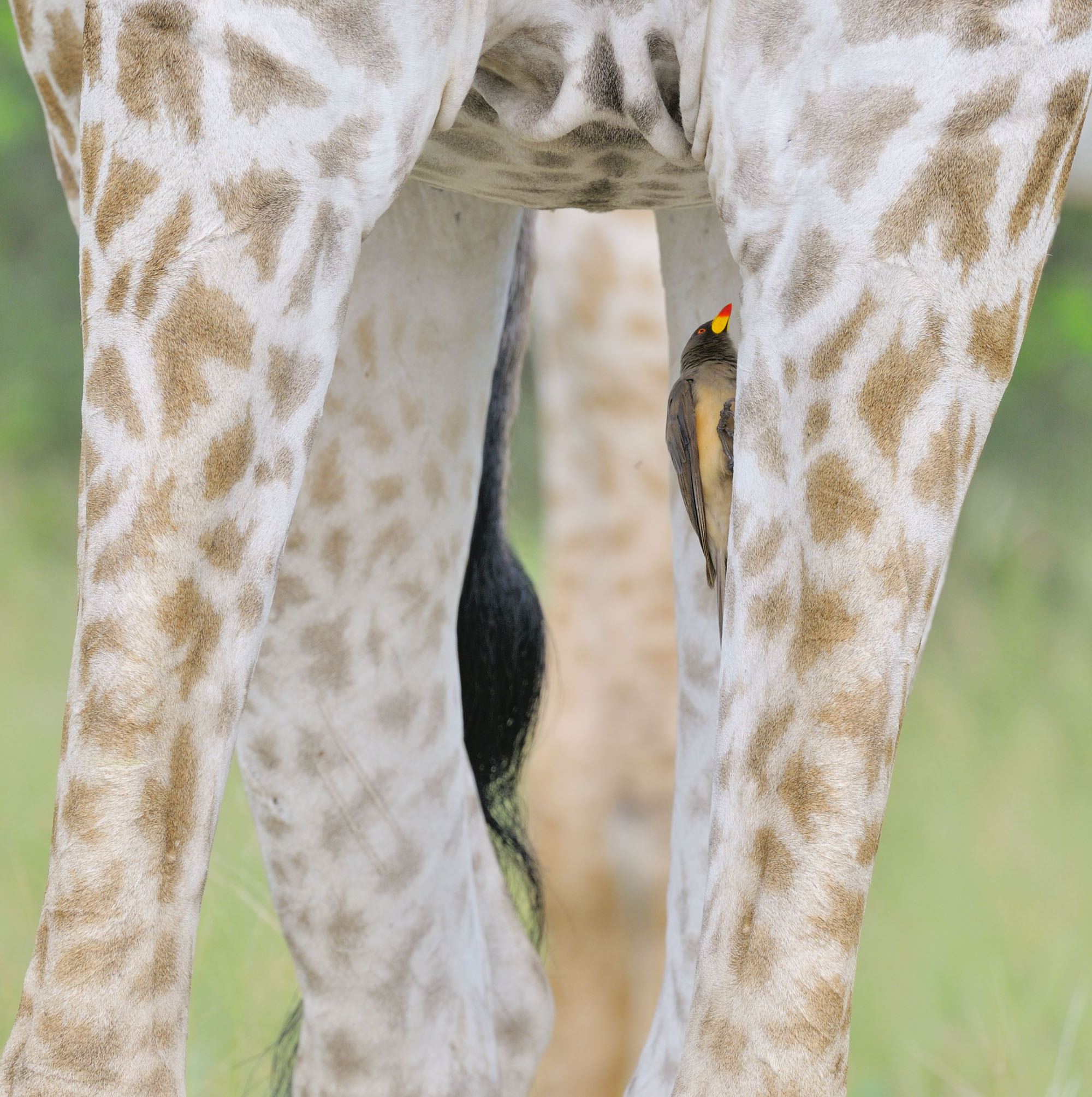
Linyanti floodplain, Botswana

This photo, taken in the Linyanti area in Northern Botswana, illustrates a couple of things about giraffes and about getting useful images of them.  Be ready with the right lens.  If all you have available is a big telephoto lens, this is all you might get.  A portion of a giraffe.  Legs.  Or a head, maybe a neck and head.  So either shoot them at a good distance where they can fill the frame or use a shorter zoom lens to frame them properly.  On this day I was fortunate to have a yellow-billed oxpecker bail me out of the tight photo spot.  These birds have a symbiotic relationship with giraffes, helping them to get rid of disease-carrying ticks, food for the birds.  Even ill-equipped photographers can be the beneficiaries of symbiosis, with a bit of luck. 

Image

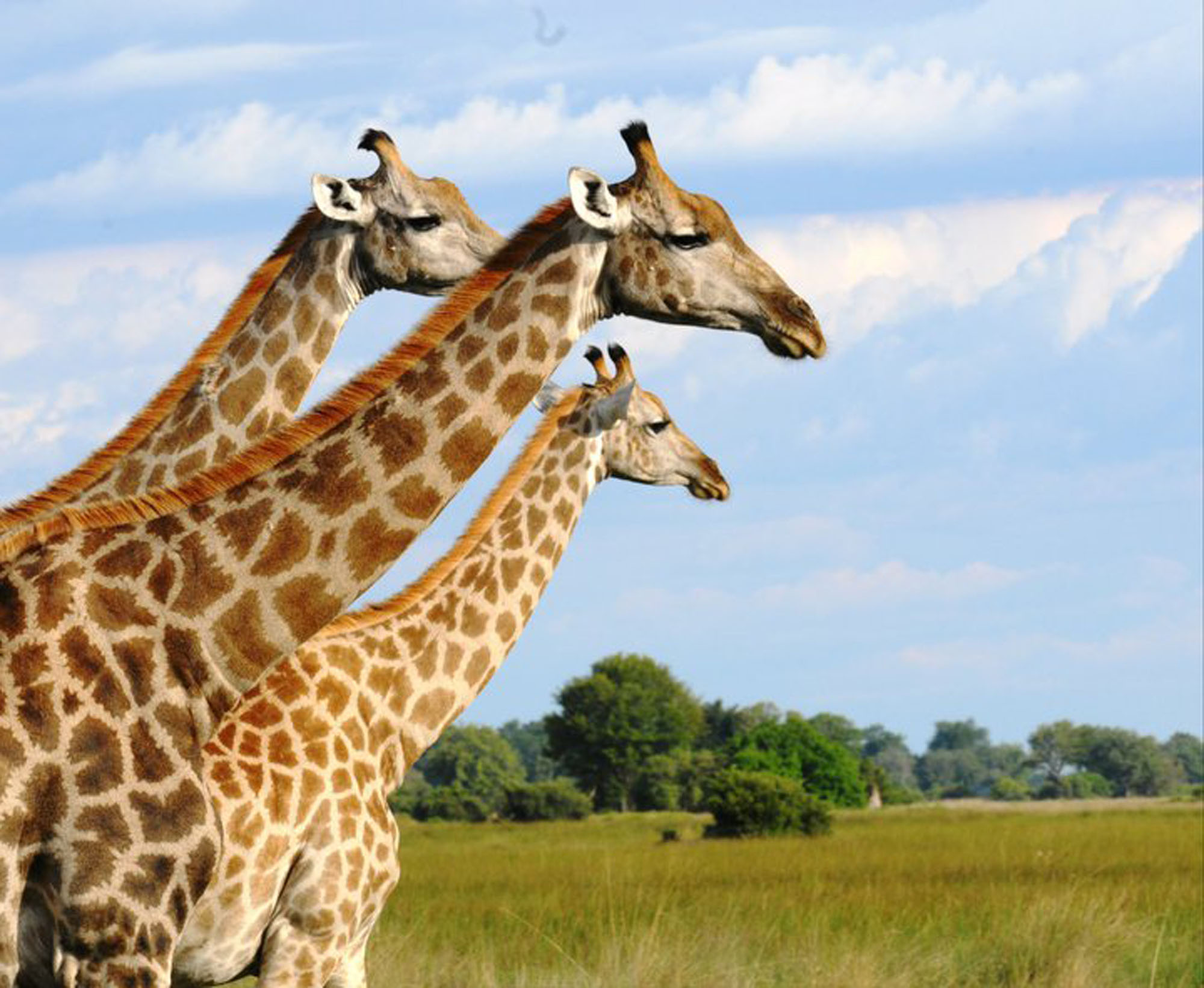
Kwara concession, Okavango Delta

When it is not possible to get the entire giraffe – or more than one – inside the frame, consider grouping together a few giraffe necks, heads or upper bodies.  Sometimes, you can get lucky and three giraffes will be facing in the same direction, with a nice cloudy background.  It doesn’t happen all the time but keep looking for such an opportunity to present itself.  Some years ago in the Kwara concession in Botswana’s Okavango Delta, I did just that, got lucky and succeeded in getting a visually pleasing shot of these three giraffes.

Image

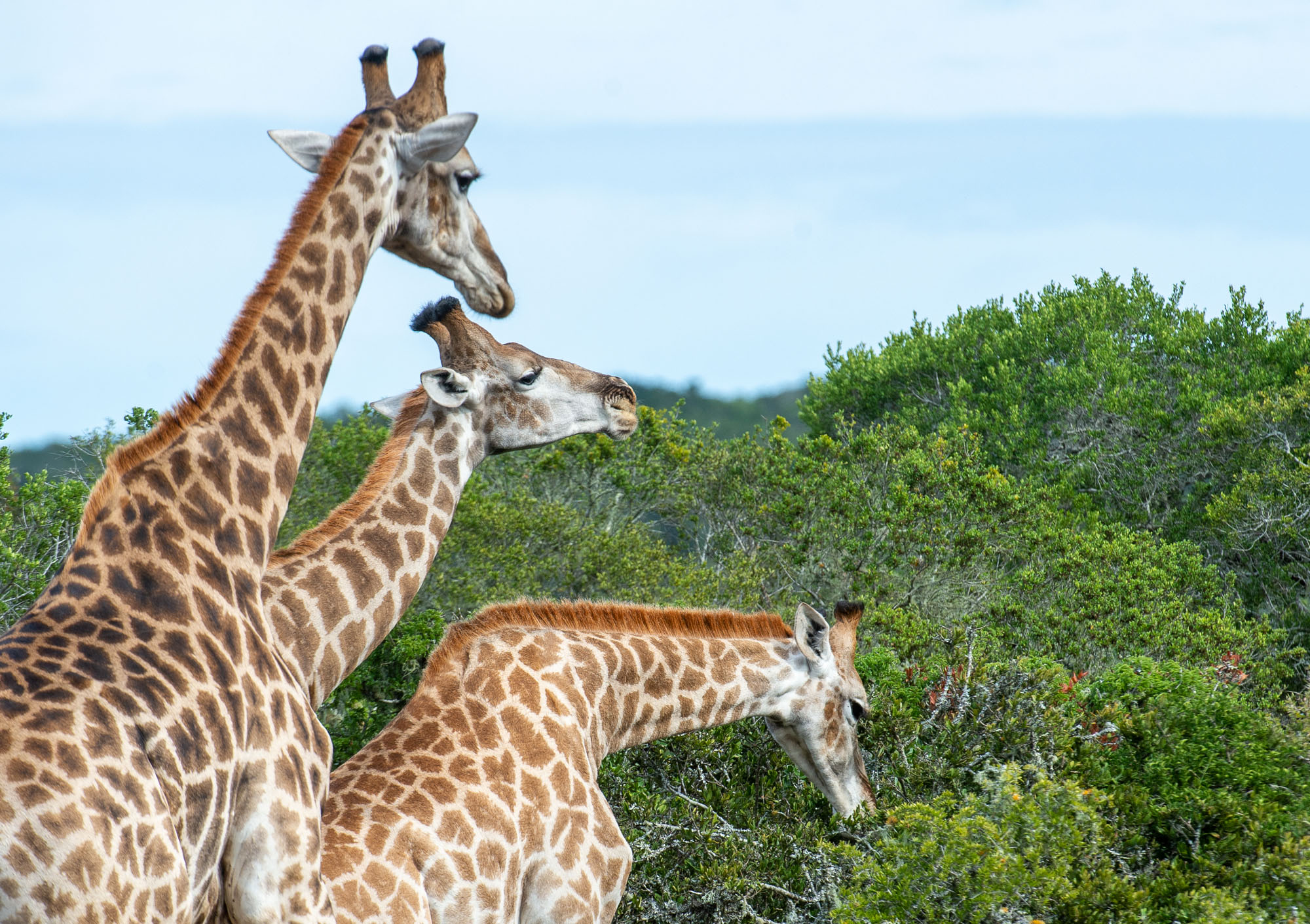
Kwandwe Game Reserve, Eastern Cape

I captured this photograph of three plains giraffes feeding at Kwandwe in the Eastern Cape Province of South Africa.  It is another example of framing more than one giraffe in the same photograph, by isolating their necks and heads.  The more giraffes, the better.  Four necks may even be better than three; I’ve just not come across a suitable opportunity to try that!

Image

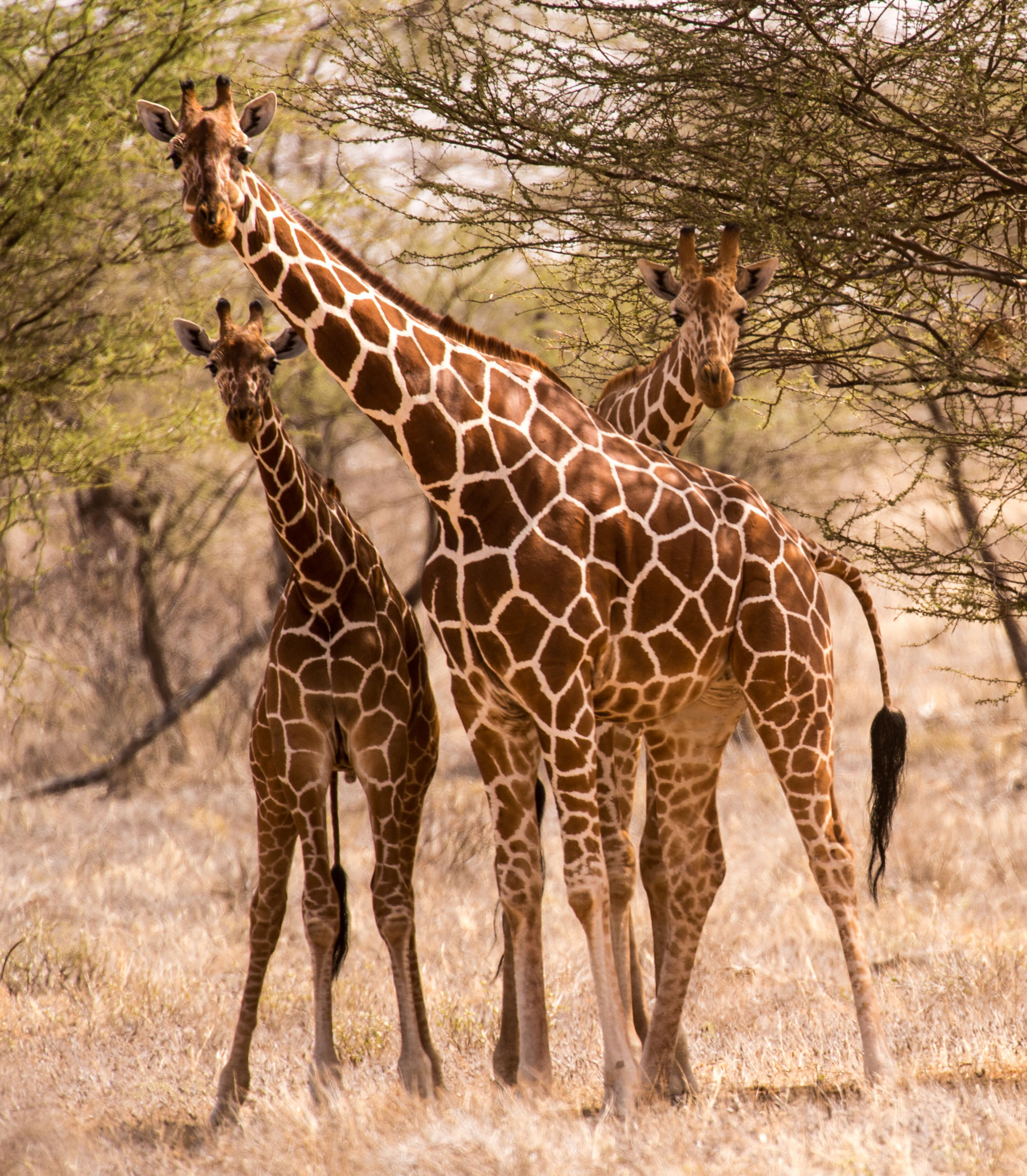
Samburu region, Kenya

There are several species of giraffe in Africa.  The three photos above have been of the most common of these, the Southern giraffe.  In north-eastern Kenya one finds what I consider to be the most handsome of the giraffe species, the Reticulated giraffe.  This photo of a few of them was taken in Samburu, a mostly stark, arid area where a good number of these endangered animals co-exist with a couple of other northern Kenyan endemics such as Grevy’s zebra and Beisa oryx. I’ve always described the Reticulated giraffe as the oil painting of giraffes, compared with the more washed out – ‘watercolor’ – Southern giraffe.  If you’ve seen Reticulated giraffes in nature, I think you will agree.  Their spots are a vivid, dark burnt orange which make the white stripes stand out even more.  Another good place to find and observe Reticulated giraffes is the Lewa Wildlife Conservancy. 

Image

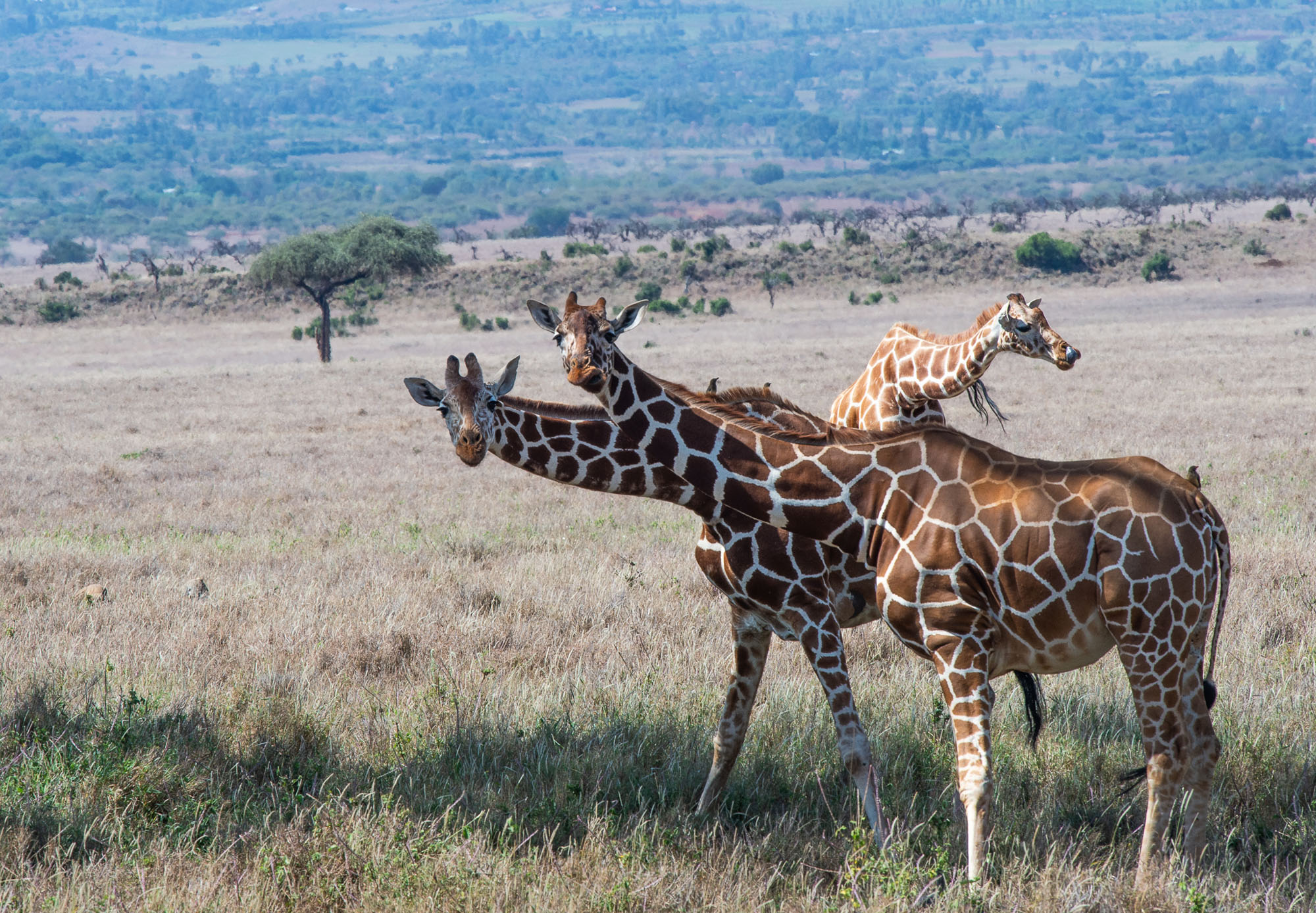
Lewa Wildlife Conservancy, Kenya

Taken in the Lewa Conservancy in northern Kenya, this photo of three Reticulated giraffes also illustrates their striking color pattern.  And my penchant for trying to get  several giraffe necks and heads in the same photo…

Image

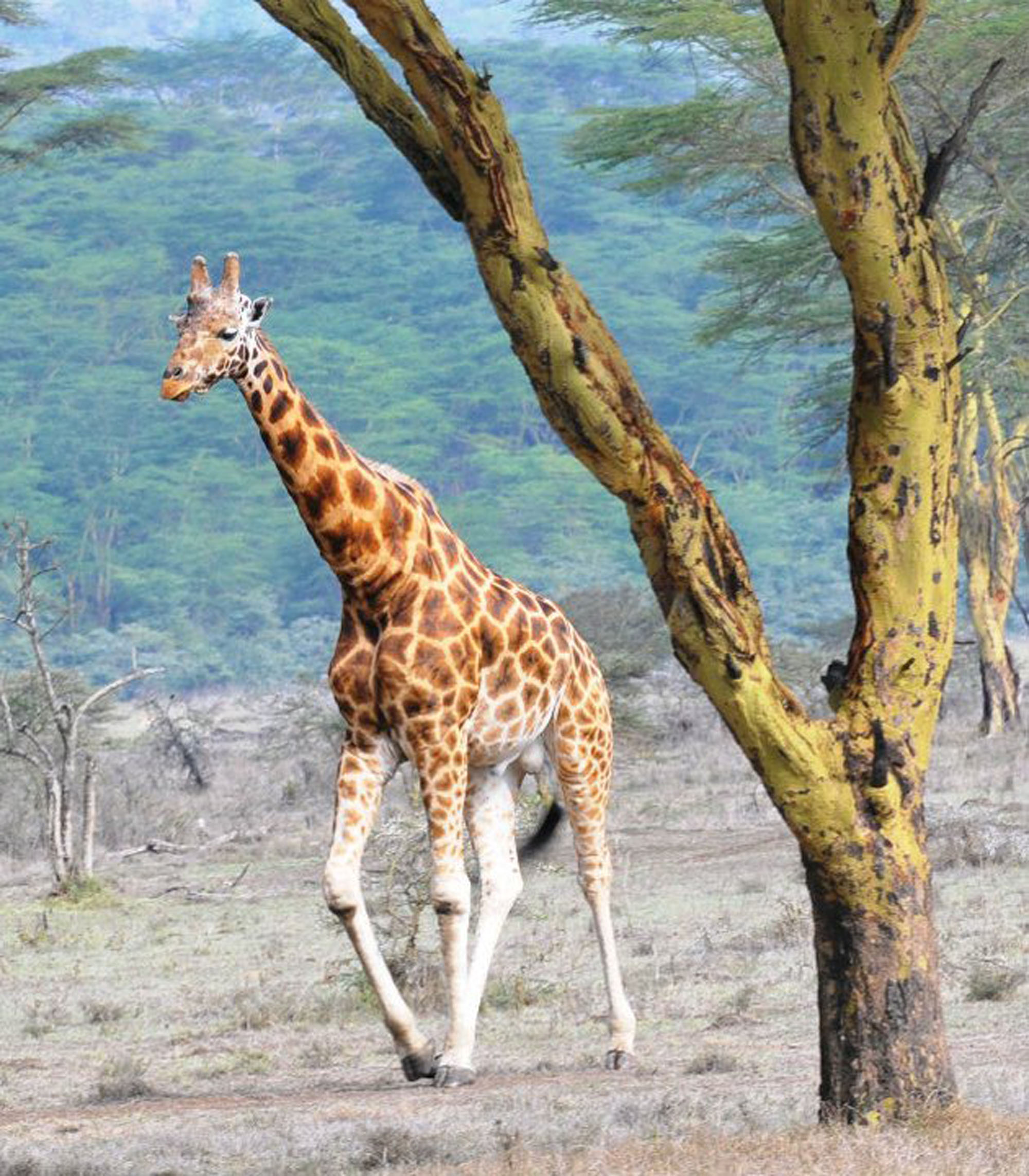
Lake Nakuru National Park, Kenya

There is considerable disagreement among scientists as to the specific number of giraffe species.  Some maintain that there’s only one ‘giraffe’ with several subspecies.  Others contend that there are as many as eight distinct species.  A giraffe that is widely considered to be a subspecies is the Rothschild’s or Nubian giraffe.  I photographed this one walking in a yellow-barked acacia forest on the edge of Lake Nakuru in Kenya.  Full species or not, it is certainly a handsome beast with its characteristic white ‘sox’.

Image

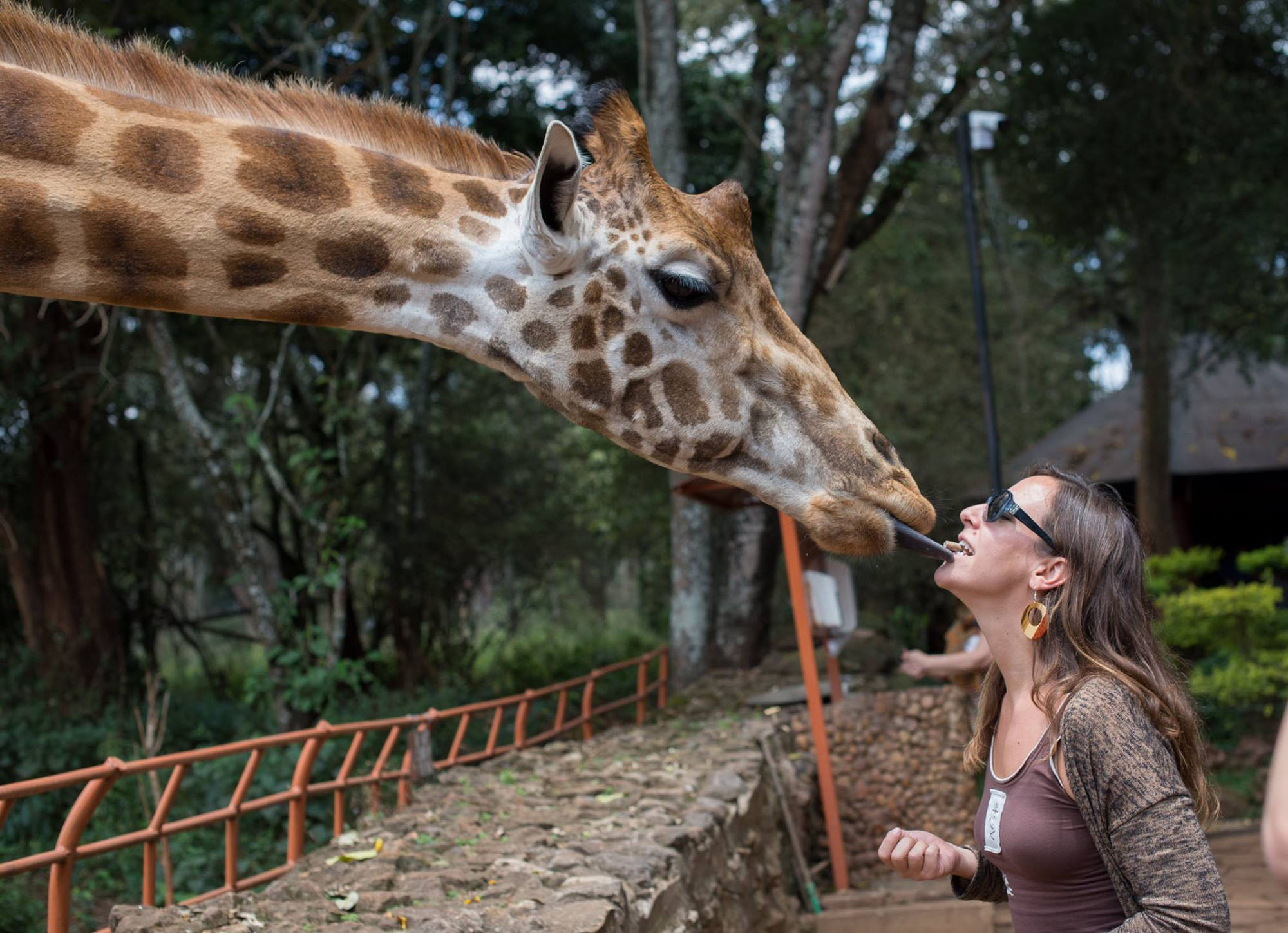
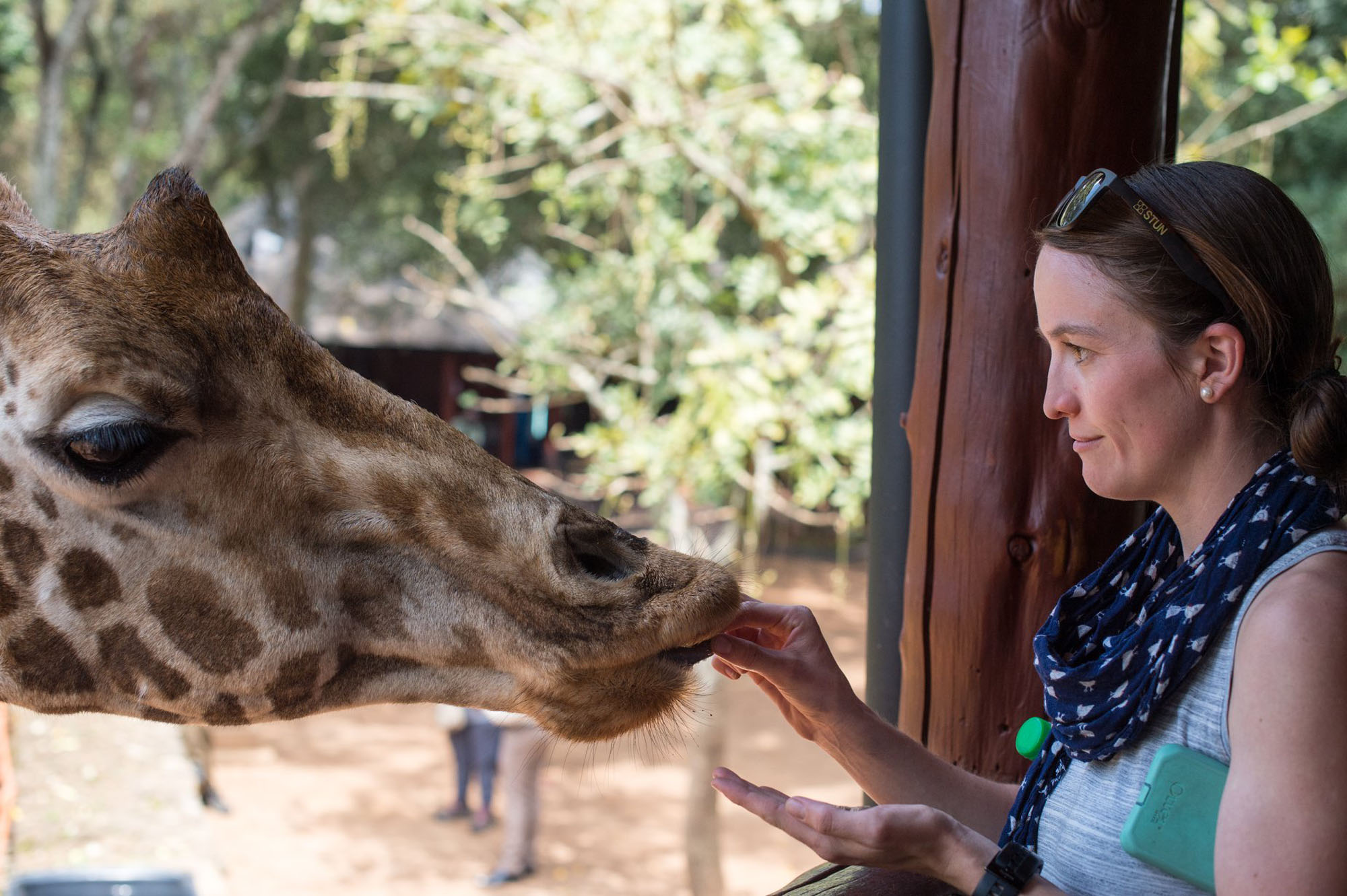
Giraffe Center, Nairobi

There are several Rothschild’s giraffes at the popular Giraffe Center in Nairobi, Kenya.  The Giraffe Center is operated by the African Fund for Endangered Wildlife, to educate Kenyan youth about the country’s wildlife and environment and to provide visitors an opportunity to come into close contact with the giraffes. ‘Armed’ with a handful of giraffe pellets, visitors walk up a ramp to a balcony from where they can feed the giraffes at eye-level.  The giraffes know the game.  Whenever there are visitors, there are giraffes ready to stick out their crazy long tongues to retrieve a treat and be photographed.  All for a good cause.  Funds raised by the Giraffe Center have helped with efforts to re-establish the endangered Rothschild giraffe in several wilderness areas elsewhere in Kenya.

Image

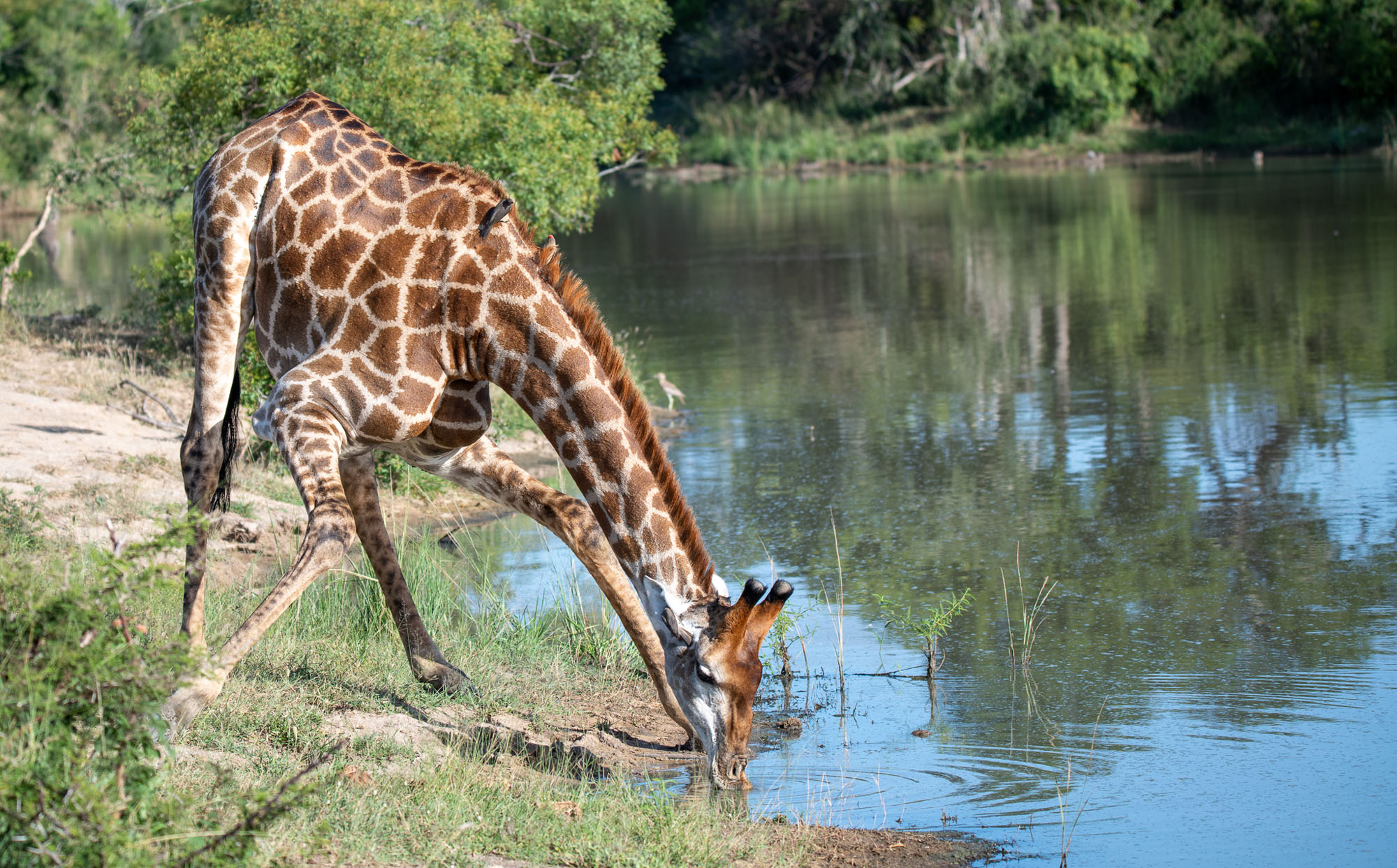
Royal Malewane, Thornybush Reserve – South Africa

A giraffe drinking is quite a sight to behold.  This photo which I took on a game drive from Royal Malewane in South Africa illustrates the peculiar posture which a giraffe has to adopt in order to get its mouth down low enough to drink water from a pond or river.  The exact mechanism by which a giraffe gets enough water in its mouth and up its massively long neck, isn’t entirely clear. What is clear is that  giraffes are vulnerable to predation when they are drinking and they are always careful to look around for lions, before assuming the position.

Image

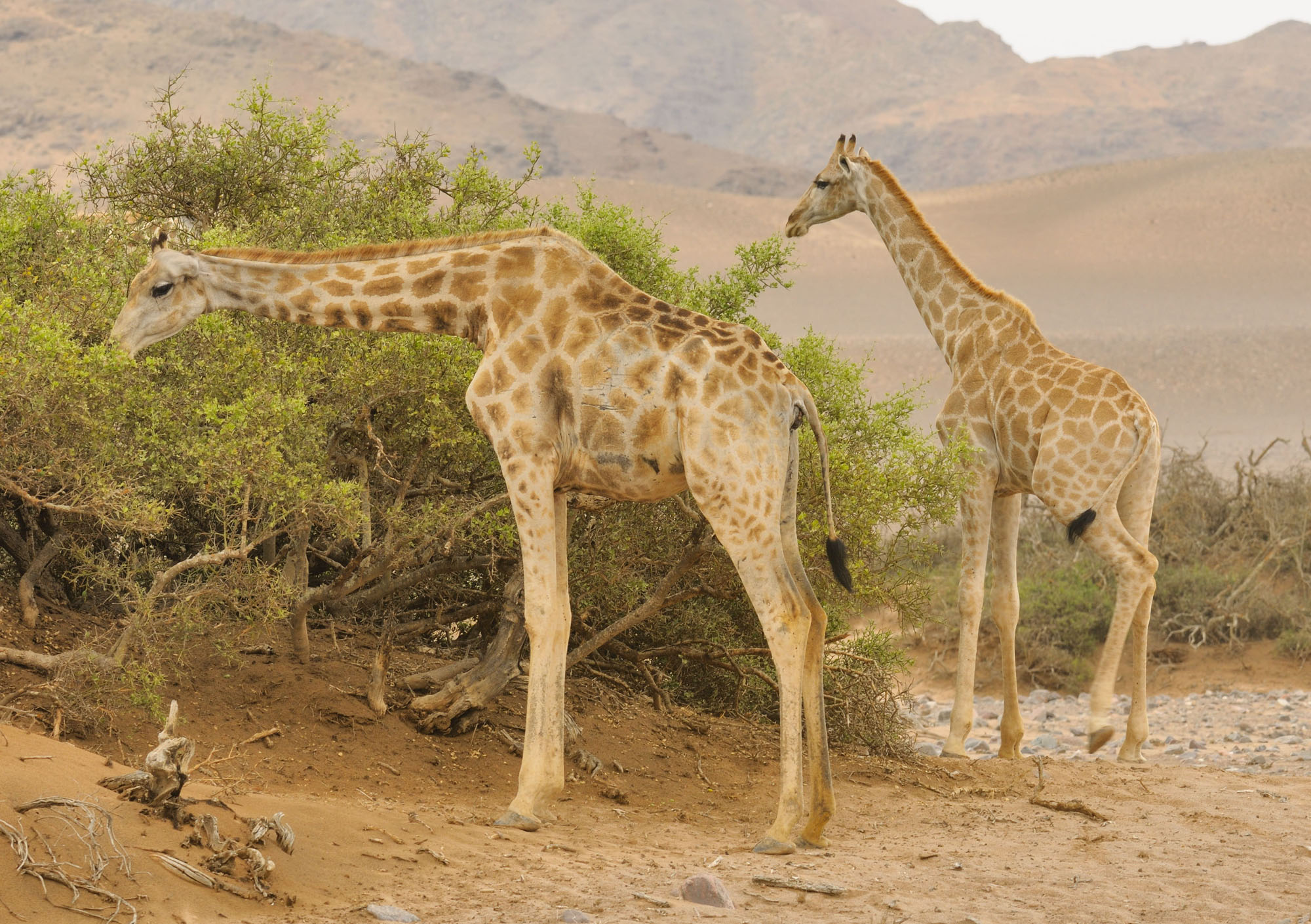
Skeleton Coast area, Namibia

A little known fact about giraffes is just how adaptable they are. As a result giraffes are widely distributed in most habitats throughout Africa, even in some areas which are inhospitable to many life-forms. On two separate visits to Namibia’s Skeleton Coast we saw several groups of desert-adapted Angolan giraffe, a sub-species concentrated around ephemeral or seasonal rivers such as the Hoarusib, Huab and Hoanib.  Wherever you see groves of acacia albida (Ana) and acacia erioloba (Camelthorn) trees, you can expect to find these giraffes.  This photo was taken on a game drive out of Wilderness Safaris’ Hoanib Skeleton Coast Camp.

Image

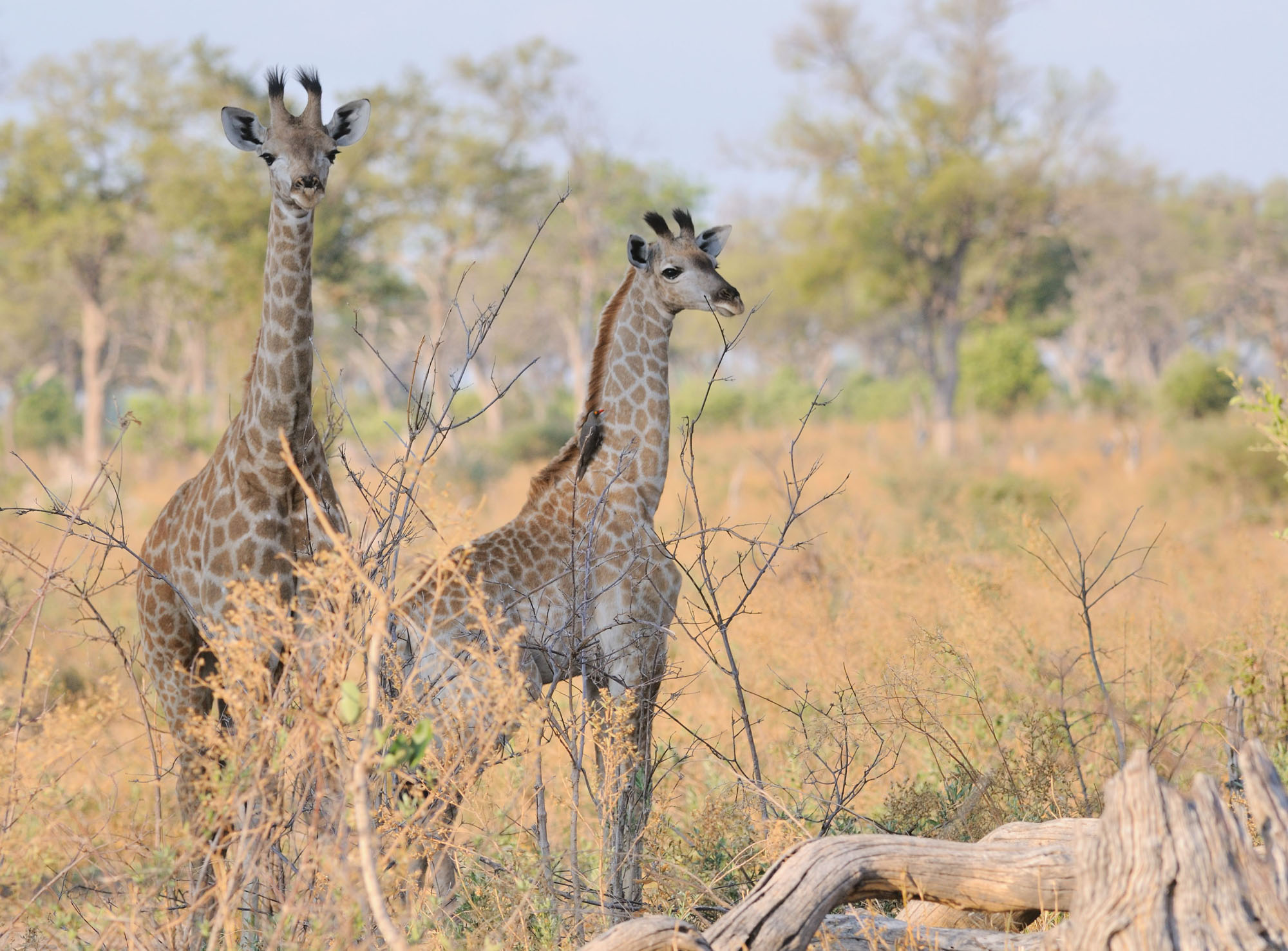
Okavango Delta, Botswana

Baby giraffes are cute.  Like most other animals.  These two youngsters were photographed on a game drive out of Wilderness Safaris’ Abu Camp in Botswana’s Okavango Delta.  Even at a young age, giraffes adopt the typical habits of the species like being inquisitive and observant.  They can see you long before you can see them, and they fully utilize their special advantage,  always looking and staring.  When safari guides are out on game drives searching for predators, they make a point of checking out where the giraffes are looking.  If giraffes are standing still and staring consistently in the same direction, it is always a good indication that a predator is around.

Image

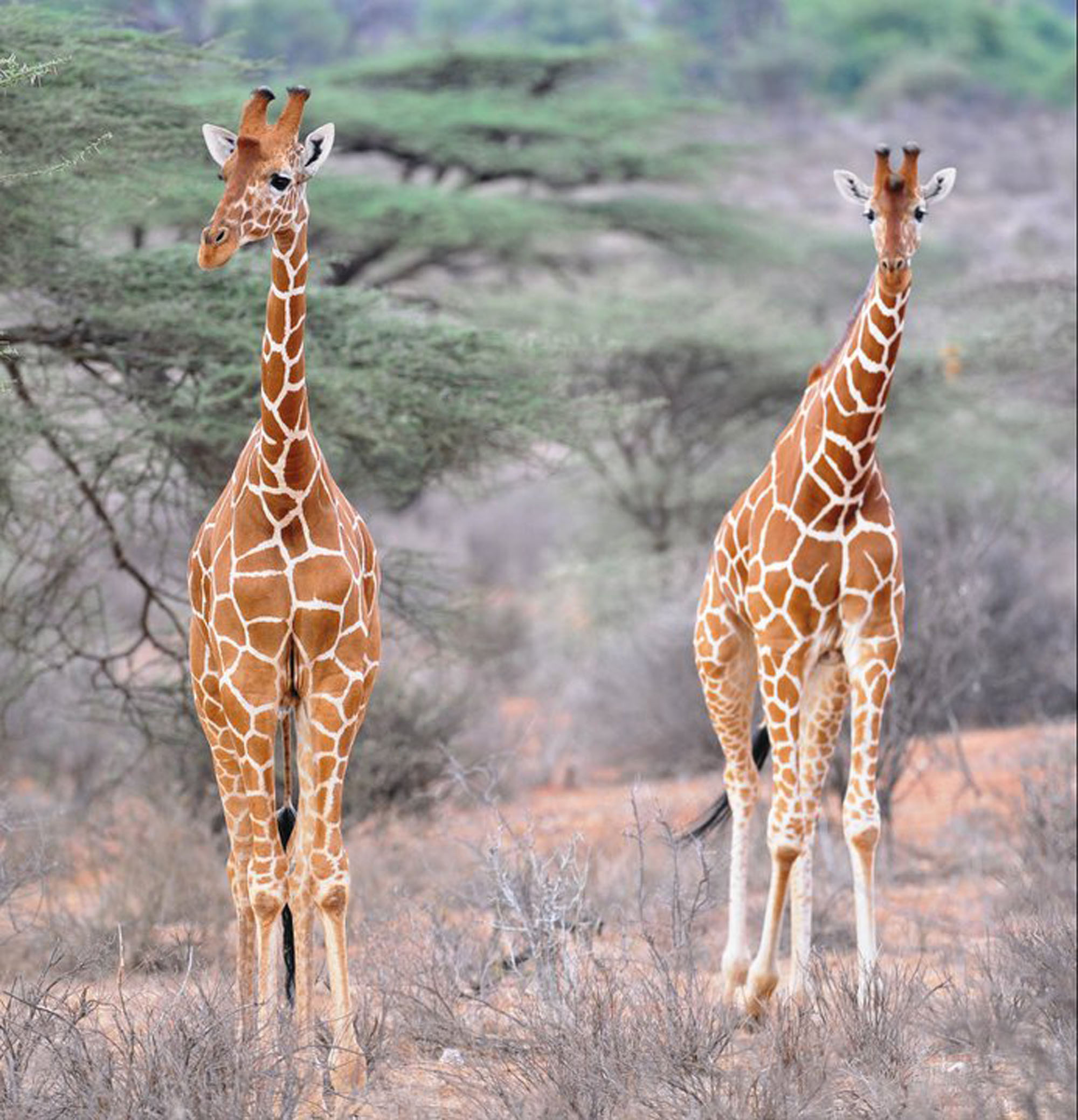
Samburu, Kenya

Giraffes are relatively common in many areas in Africa.  We always expect to see some – and sometimes many – in places like Mashatu in south-eastern Botswana, in Zimbabwe’s Hwange National Park, pretty much all over northern Botswana, the north-eastern lowveld of South Africa including all but the far northern part of Kruger Park, and in most East African parks and game reserves.  While it is still fairly easy to see giraffes on a trip to Africa, it is a disturbing reality that giraffe numbers have decreased by 30% over the last three decades, with about  110,000 remaining.  Even though giraffes as a species are not endangered, they are considered threatened and the situation could get worse, if current trends persist.  Mostly, their numbers are dropping because of habitat loss, which happens when woodlands are converted into farms and ranches. Trophy hunting and poaching also play a role in their steady demise.  Some of the species – or subspecies – such as the Reticulated Giraffe are in fact endangered, with their numbers down more than 90% compared with earlier times.  These Reticulated giraffes photographed in Samburu in northern Kenya are nowadays found mostly in a few wildlife sanctuaries, with less than 10,000 of them surviving.

In our blog post next week, we will take a look at Africa’s signature mammal:  the African elephant.  With plenty of photographs and a few of our most indelible memories of interacting with these behemoths in all parts of Africa over the years.  

More Info

Email bert@fisheaglesafaris.com

Email jason@fisheaglesafaris.com

@fisheaglesafarishouston

#FishEagleSafaris

YOU MIGHT ALSO BE INTERESTED IN

Destinations
Zambia

10th September 2021

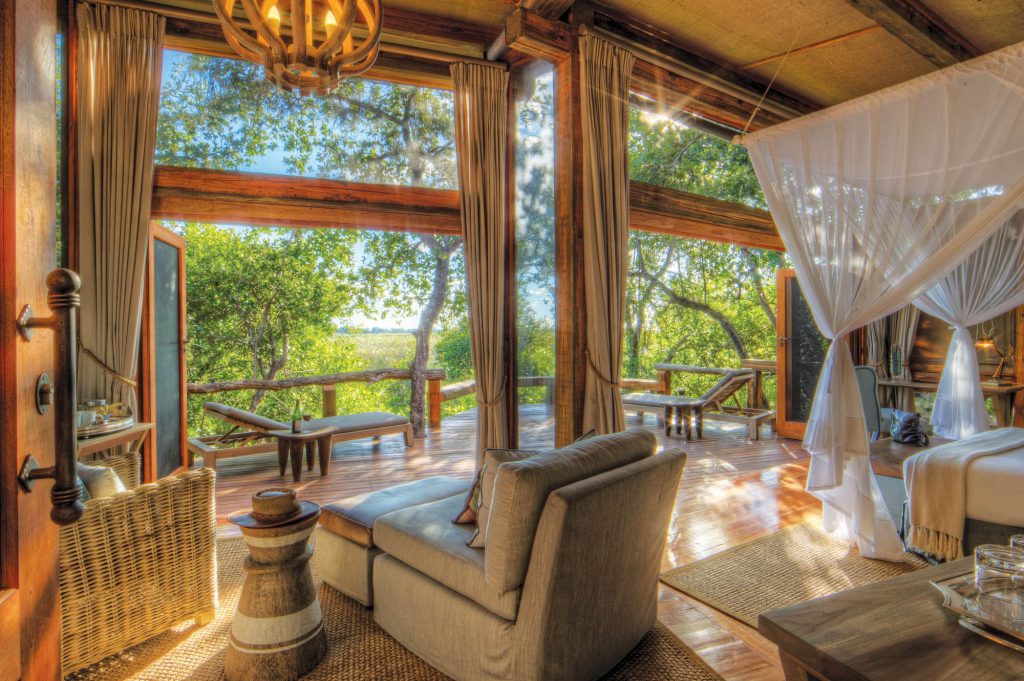
Chindeni and the Bushcamp Company, Zambia

By late July we found ourselves at Chindeni, a small Bushcamp Company property
Read more
Botswana
Destinations
Okavango Delta

3rd October 2022

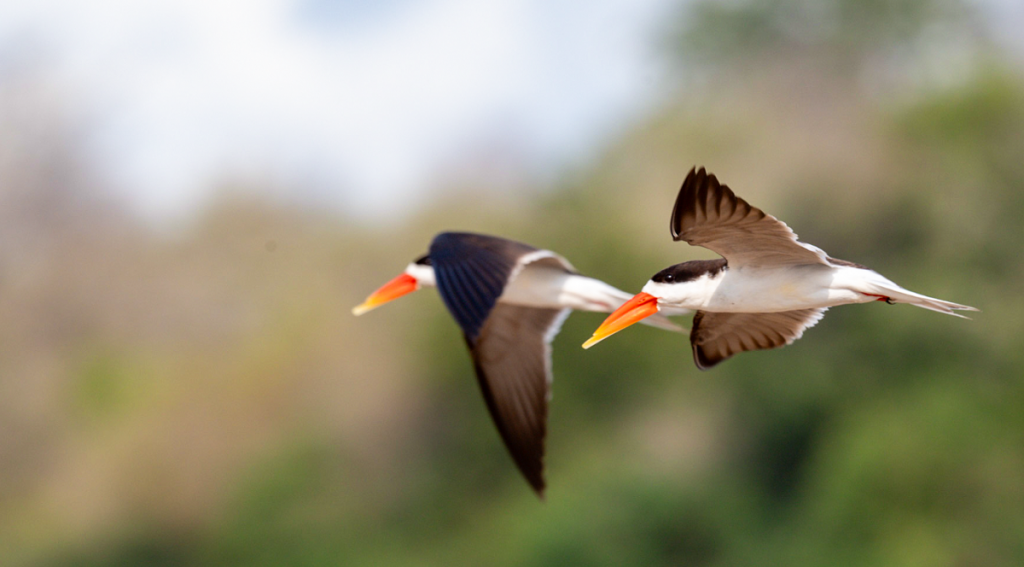
Camp Okavango, Botswana

Camp Okavango is in the heart of the permanent part of the Delta. In this idyllic setting there are no vehicles, and it is just a short walk
Read more
Area
Destinations
Nyerere National Park
Ruaha
Tanzania

14th October 2023

From My Safari Notebook: Wildlife Photography

Birds in flight and wildlife photographers have an uneasy relationship. Things go wrong as often as they go right. Getting focus-lock on a moving subject

Read more

SUBSCRIBE TO OUR NEWSLETTER

READERS FAVOURITES

Destinations
Zambia

10th September 2021

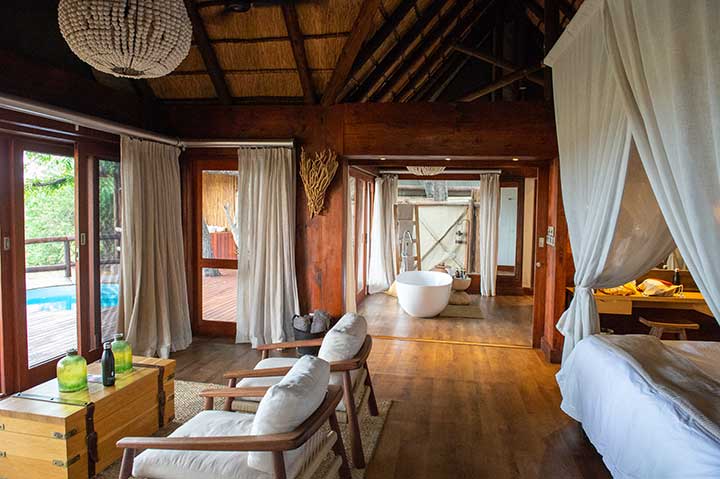
Chindeni and the Bushcamp Company, Zambia

By late July we found ourselves at Chindeni, a small Bushcamp Company property
Read more
Botswana
Destinations

4th August 2022

On Safari At Belmond Eagle Island Lodge, Okavango Delta

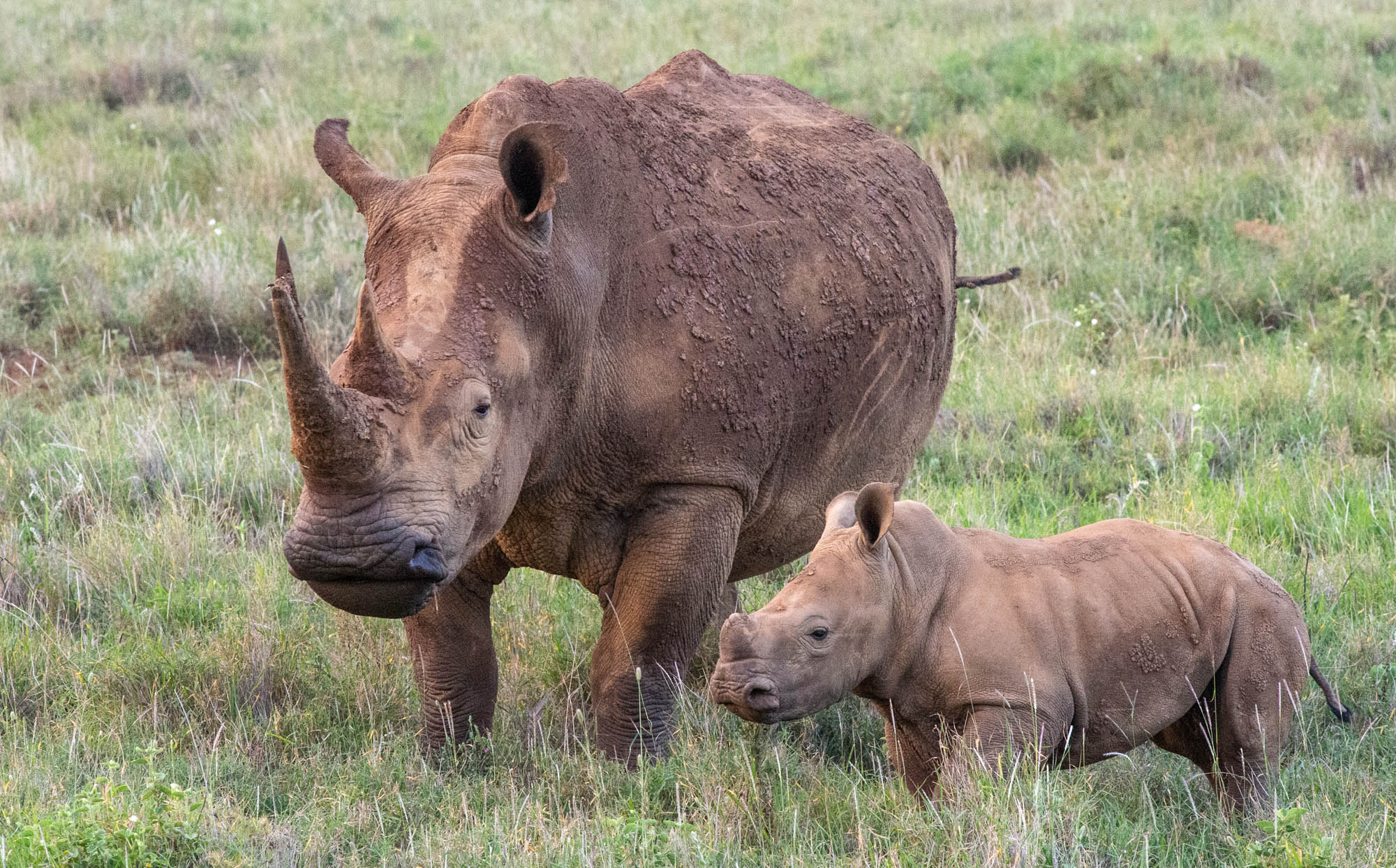
What is the ‘secret sauce’ for an unforgettable few days on safari in Botswana? It starts with the animals, of course. The elephants, lions, giraffes, hippos
Read more
Destinations
India

27th May 2023

India

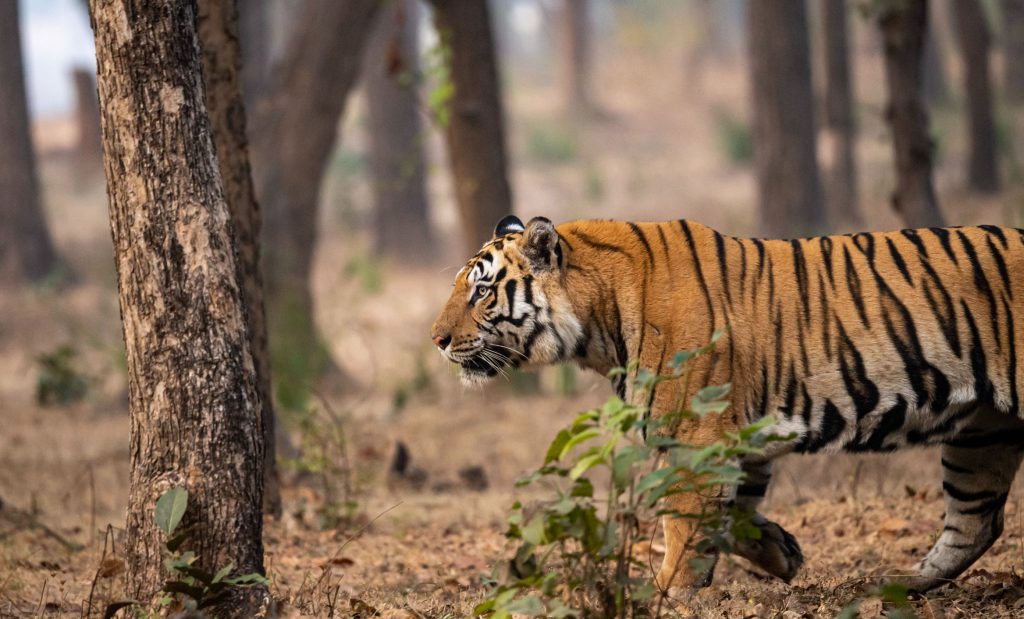
India’s tiger, mammals and birds.

Read more

KENYA TRIP REPORT PART 2: LEWA WILDLIFE CONSERVANCY

5th July 2020

KENYA TRIP REPORT PART 2:
LEWA WILDLIFE CONSERVANCY


Image

KENYA TRIP REPORT PART 2:
LEWA WILDLIFE CONSERVANCY

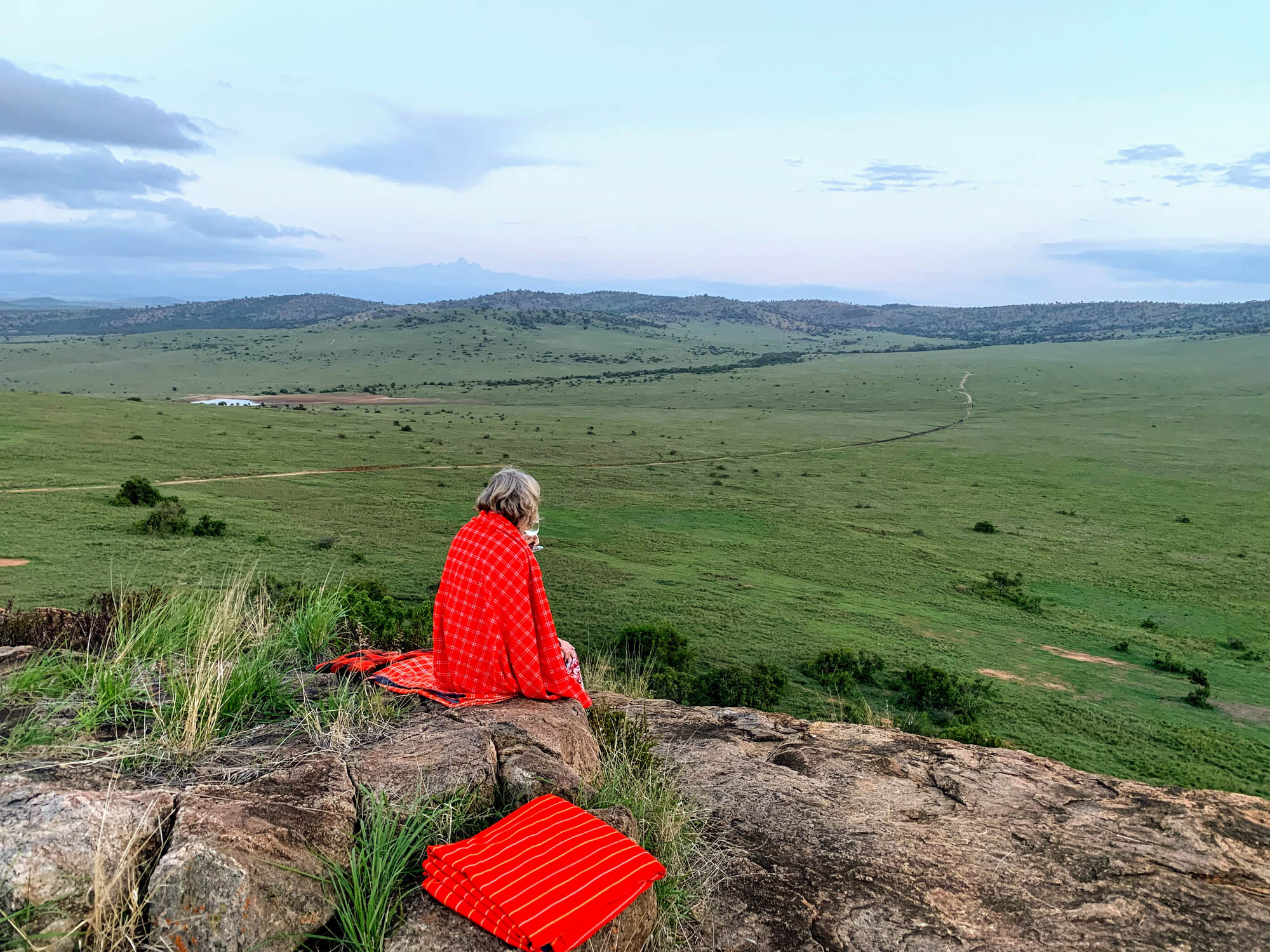
Every once in a while on my African travels, I discover a place that almost immediately appeals to me and which I soon realize, our guests will come to enjoy and appreciate as well.  The Lewa Wildlife Conservancy is one of those places.  Lewa is special on many levels.  Back when I first visited it in the late 1990’s, it struck me as being almost sublimely ‘out of Africa’.   On my most recent visit last June, I felt just the same way.  Mostly, the place just shouts ‘Africa’.  Standing there, on a clear day, you can see the jagged peaks of Mt. Kenya to the south.  If you turn around 180 degrees, on the horizon to the north, looms the sacred mountain of the Samburu – Mt. Ololokwe.  Mountains, valleys, vast open plains and amazing vistas of blue foothills disappearing into the void.  We cannot all have a farm in Africa like Karen Blixen once did, but we can visit one – and there’s none better than Lewa.


Image

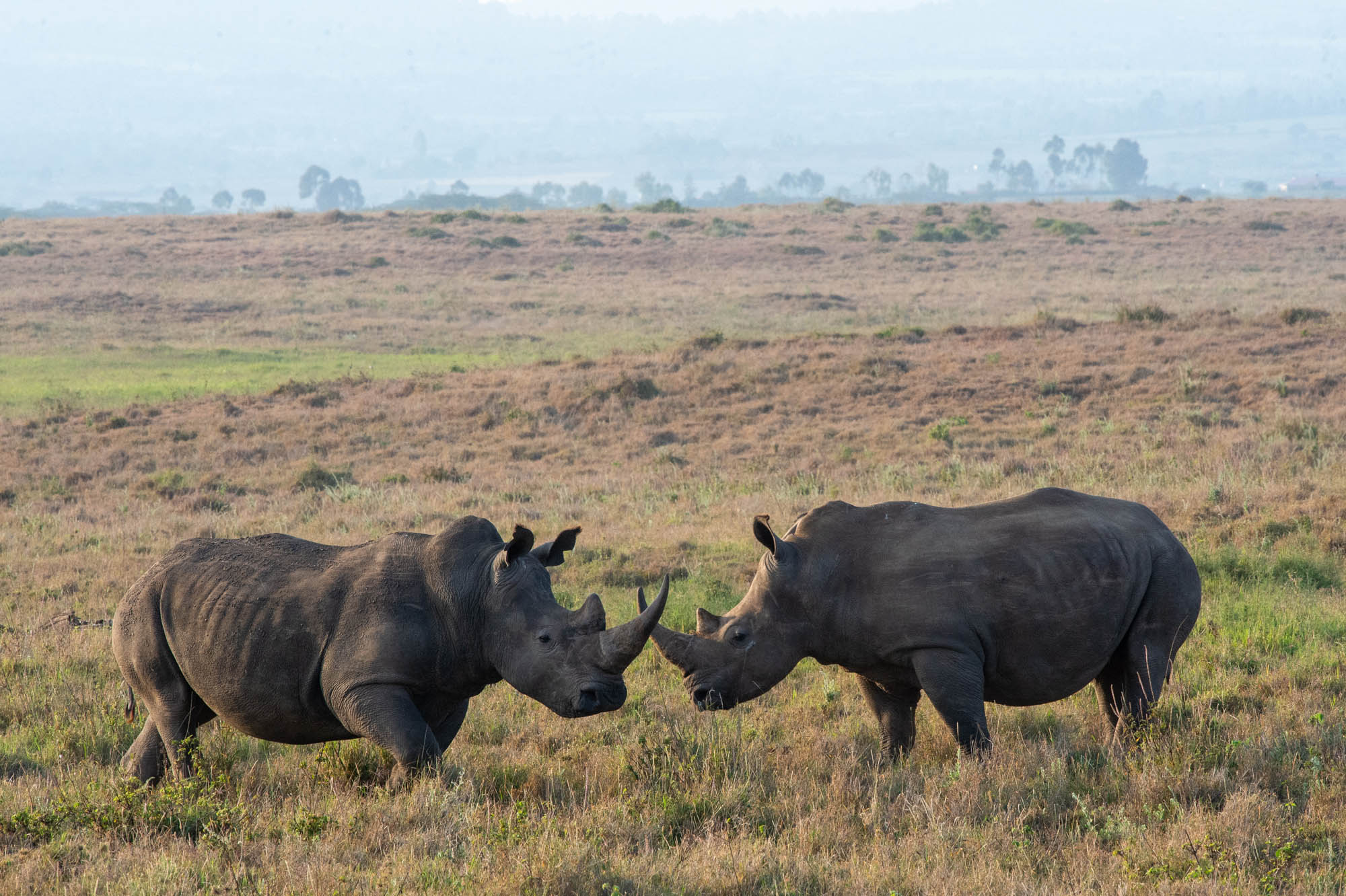
Other ways in which Lewa is special?  It harbors and actively protects more rhinos (white and black) than any other conservancy in East Africa.  Lewa’s rhino population has grown from an initial 15 rhinos to around 170 rhinos currently, nearly 15% of all rhinos in Kenya.  Lewa also has a great mix of endemic species including Grevy’s Zebra, Beisa Oryx and Reticulated Giraffe.  Some of these animals – like the Grevy’s Zebras – are rare and endangered and they are all spectacularly beautiful.


Image

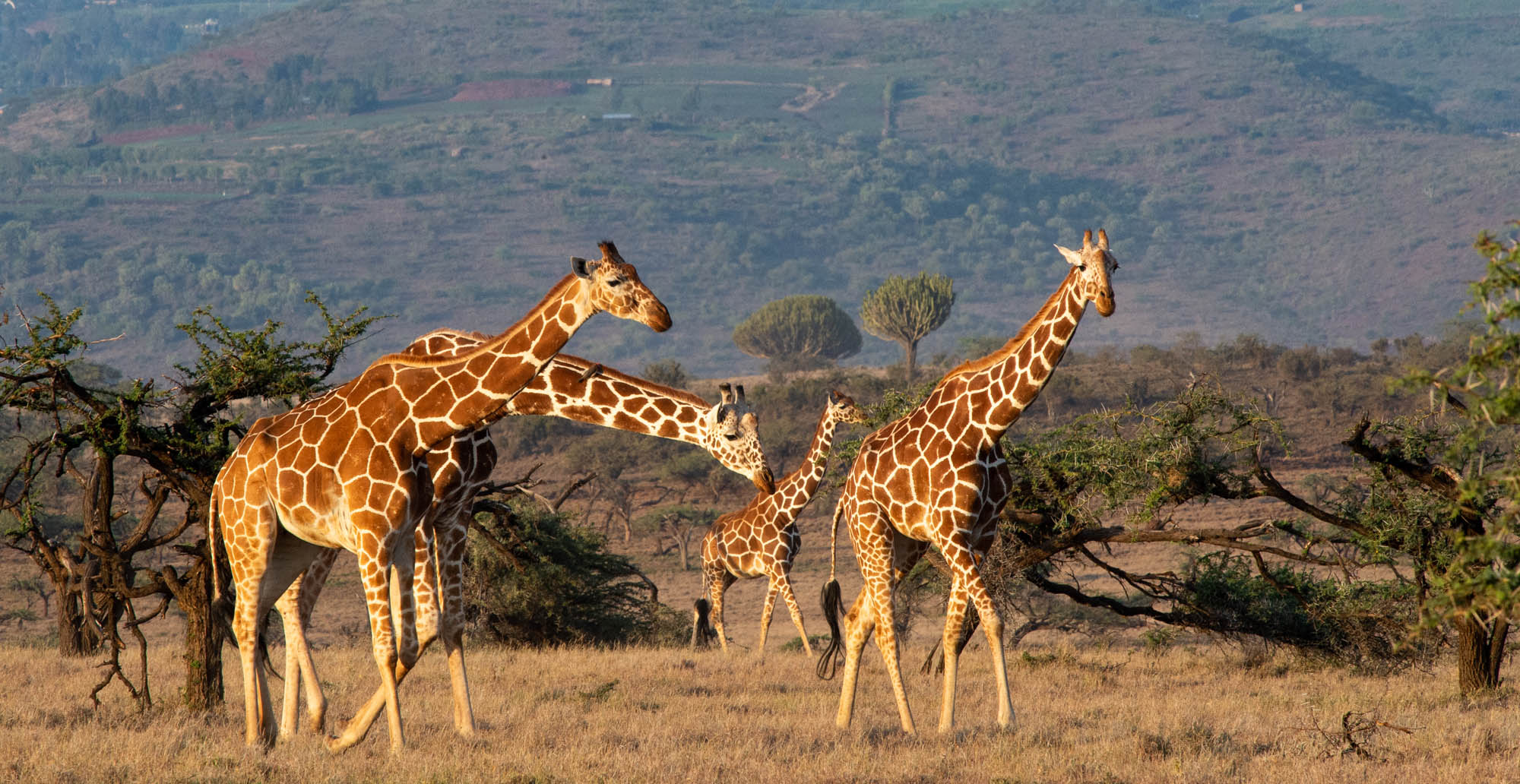
The Reticulated Giraffe I consider to be the ‘oil painting’ of giraffes, compared with the somewhat washed out ‘watercolor’ version seen elsewhere – the Plains or Masai Giraffe.  The Reticulated Giraffe is almost a dark orange with vividly demarcated lines between the color blocks.  Never to be forgotten, once seen.

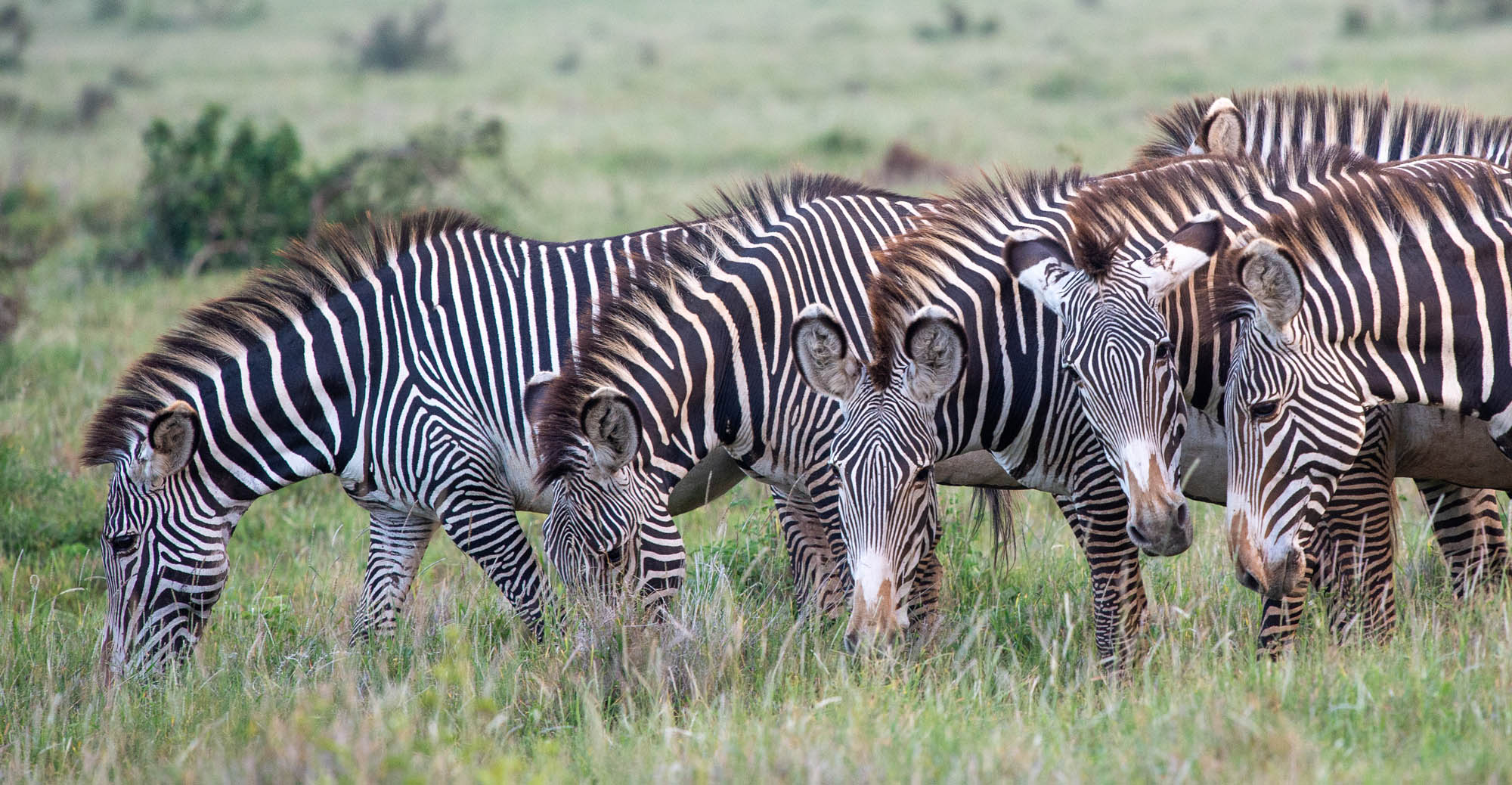
Likewise the Grevy’s Zebra.  Its finely striped black and white skin pattern – without the shadow effect visible on the Burchell’s Zebra – and its white belly make it quite a handsome equine.  Its looks are marred only somewhat by the ridiculously large, mule-like ears.


Image

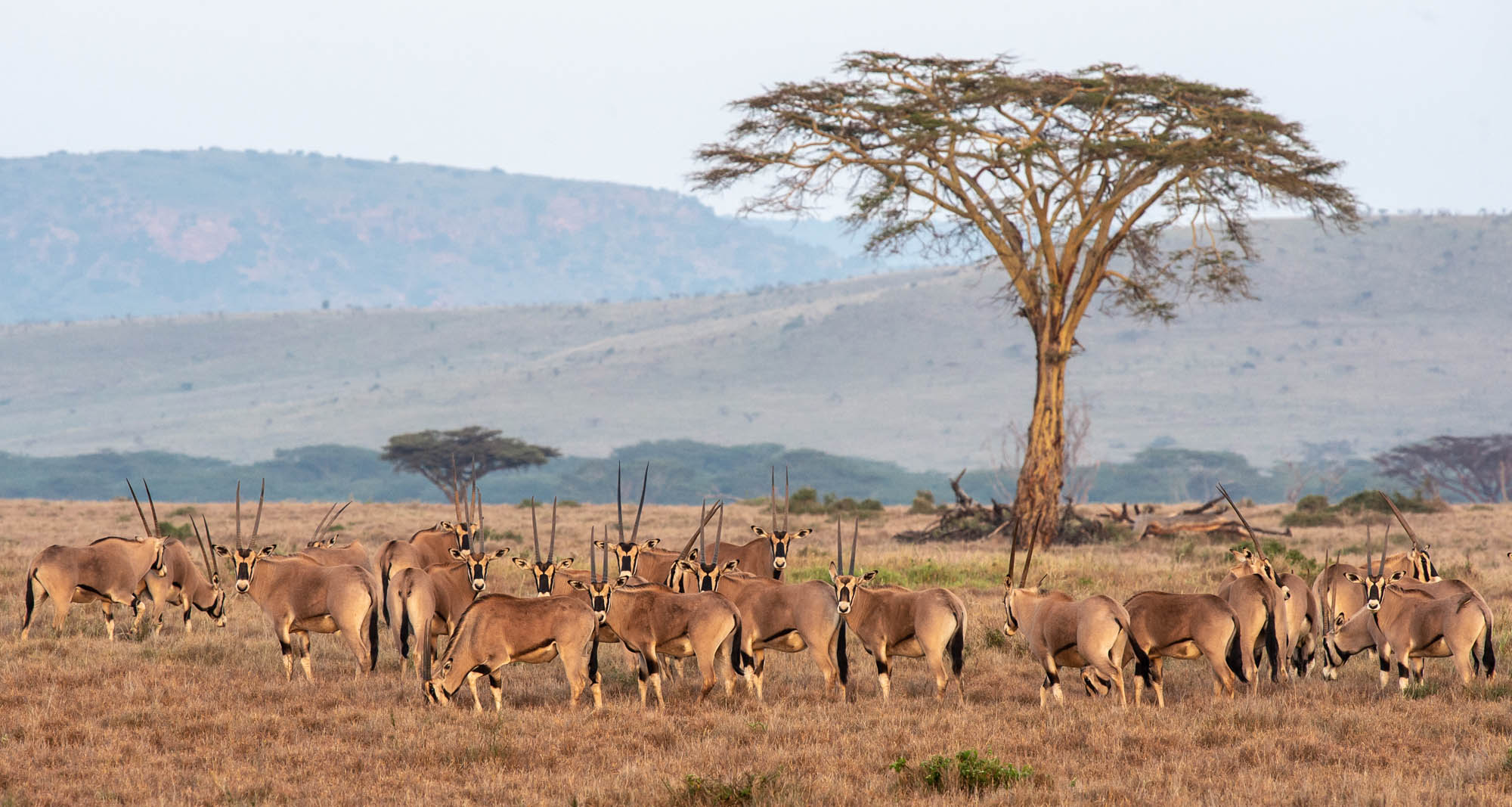
Beisa Oryx are amazing animals and while their status is also ‘endangered’, they are fairly common in Lewa. Strikingly beautiful with both males and females sporting long, thin ringed horns.  They are quite unmistakable when seen with mostly blue-grey bodies, offset by a white underside and distinctive black stripes along the side, the neck and on the face.

Finally, Lewa is special because of its remarkable achievements over the years in the field of wildlife conservation (notably rhinos and Grevy’s Zebra), and its pioneering work in community-centric conservation.  Lewa has invested heavily in both the protection of endangered species and development of its neighbouring communities to create a future where both people and wildlife can flourish.


Image

TUSK MARATHON – LEWA WILDLIFE CONSERVANCY

Late in the morning after my overnight stay in Nairobi, I was on a flight from Wilson Airport to the beautiful and very successful Lewa Wildlife Conservancy.  Having been established in 1995, Lewa/Borana is arguably Kenya’s premier example of a wildlife sanctuary where wildlife conservation, community welfare, cattle farming and hosting guests from 9 tourism properties are successfully integrated and managed by a permanent staff.

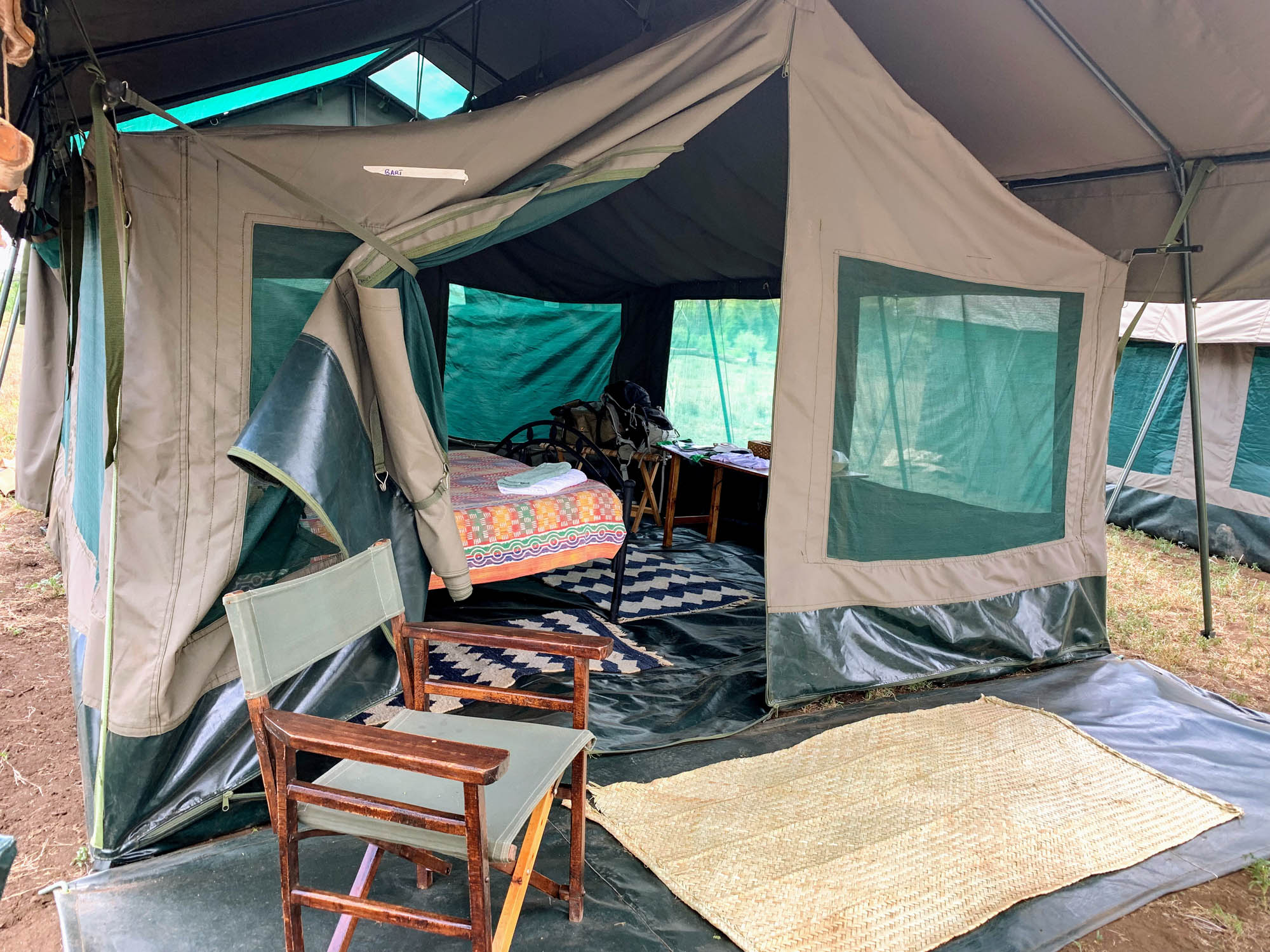
For the next 3 nights my accommodation was a rustic tented camp – Maridadi – erected close to the Lewa Headquarters, for the annual running of the Tusk Half and Full Marathon.


Image

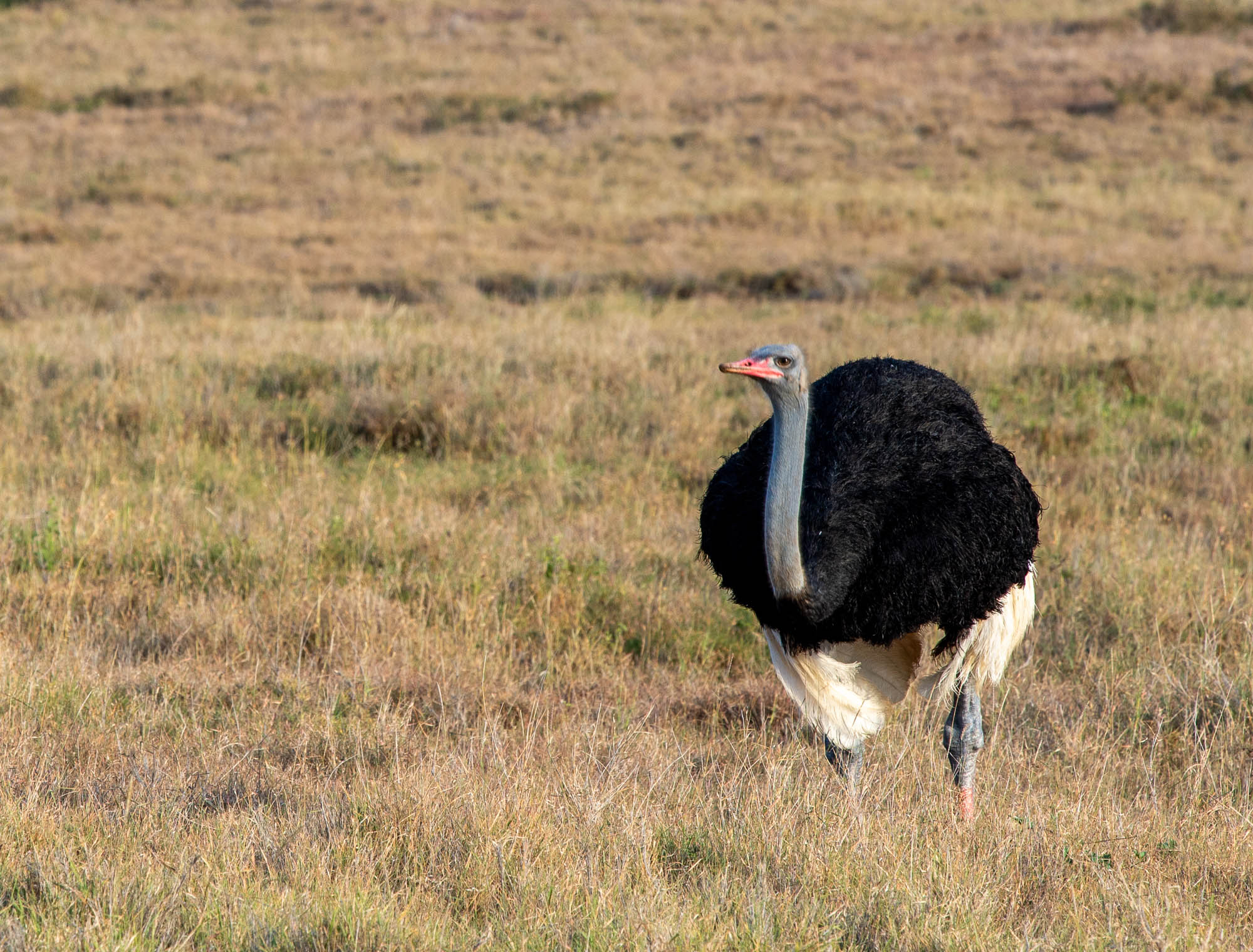
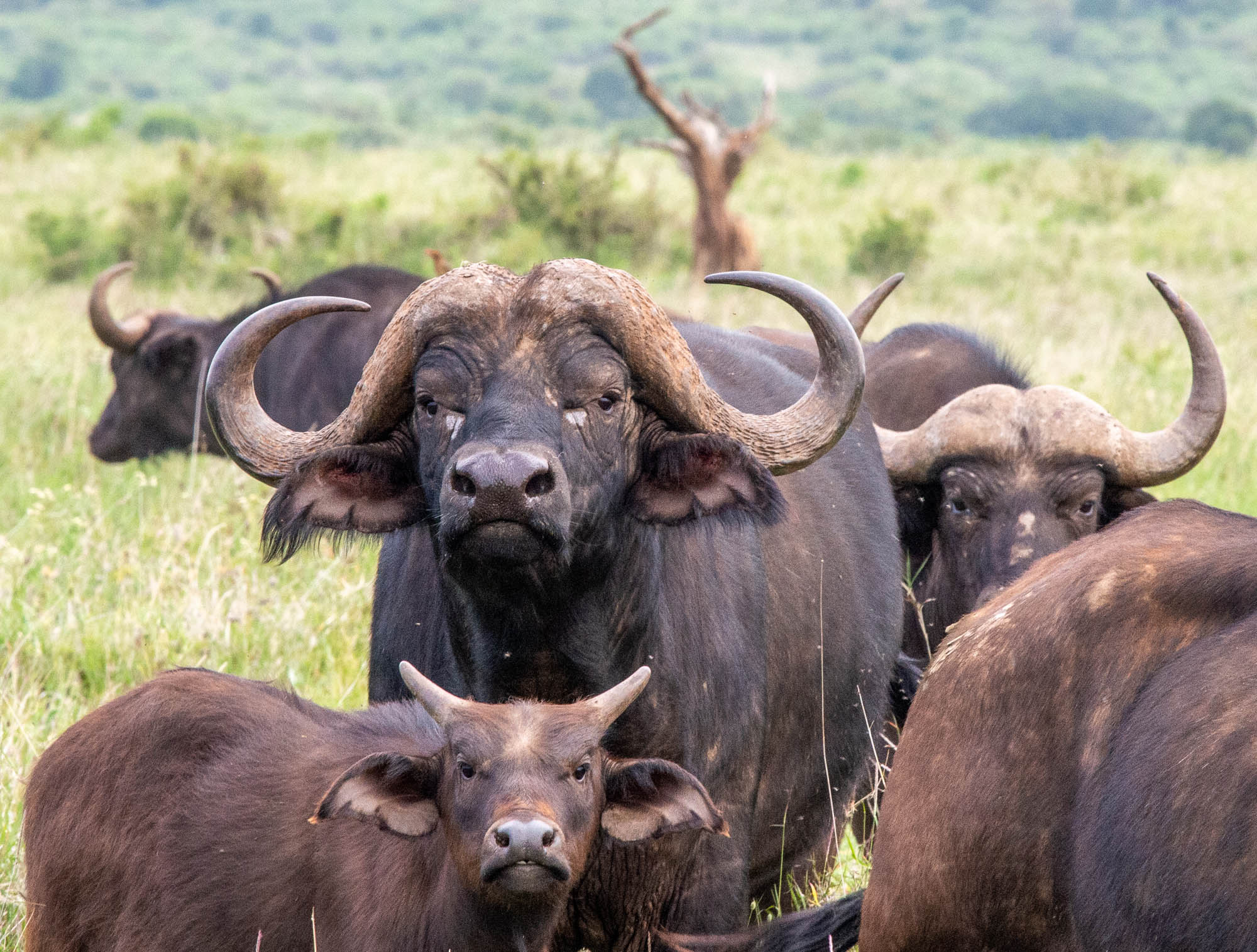
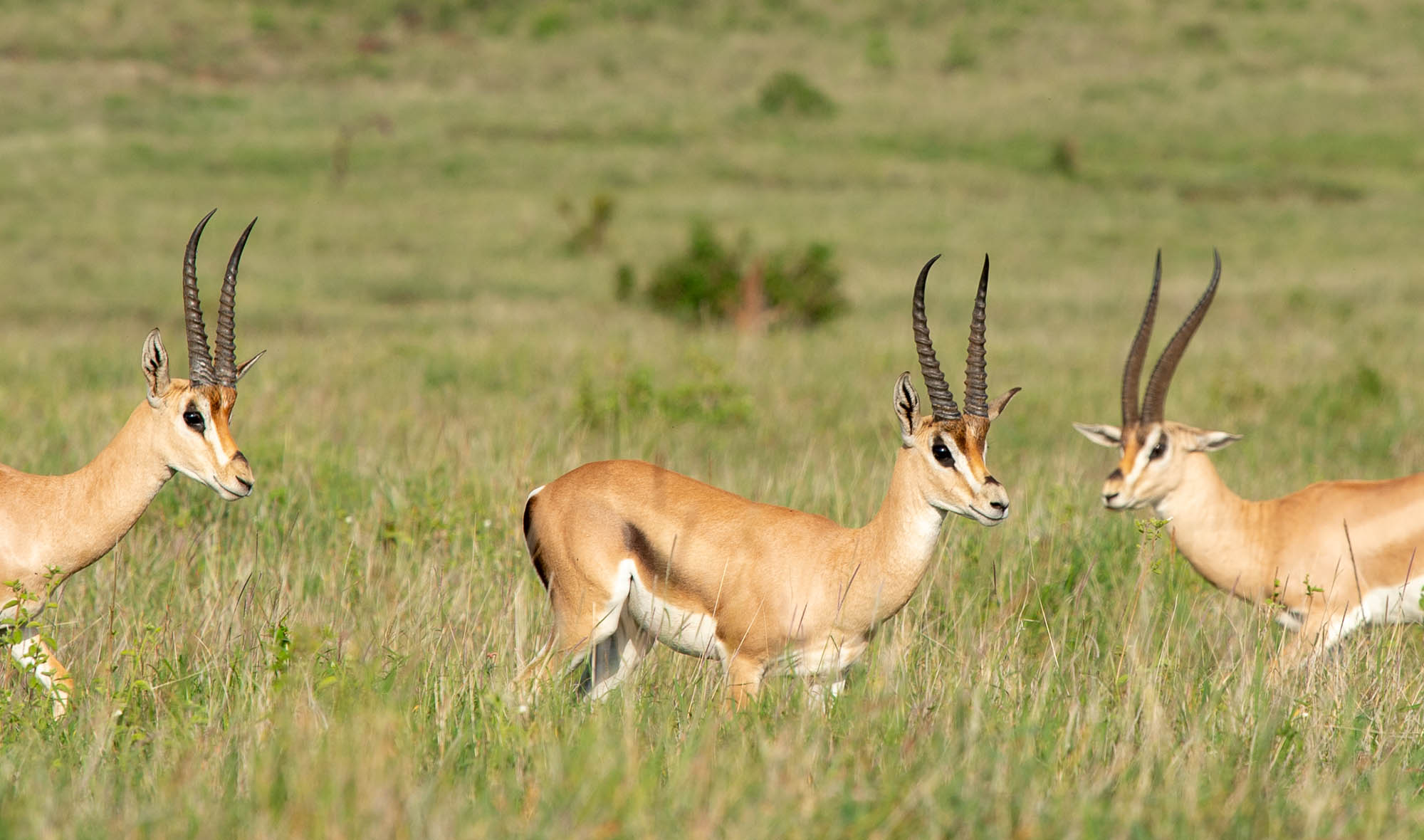
Late on the first afternoon, we did a short 3 km ‘warm up’ run and afterwards enjoyed sundowners on a beautiful hill.  A few of us went on a late afternoon game drive, which turned out to be surprisingly good.  In practically no time at all, we ticked off most of the Lewa specials like Grevy’s Zebra, Reticulated Giraffe, Beisa Oryx and Somali Ostrich.  As well as Buffalo, Eland, and Burchell’s Zebra.


Image

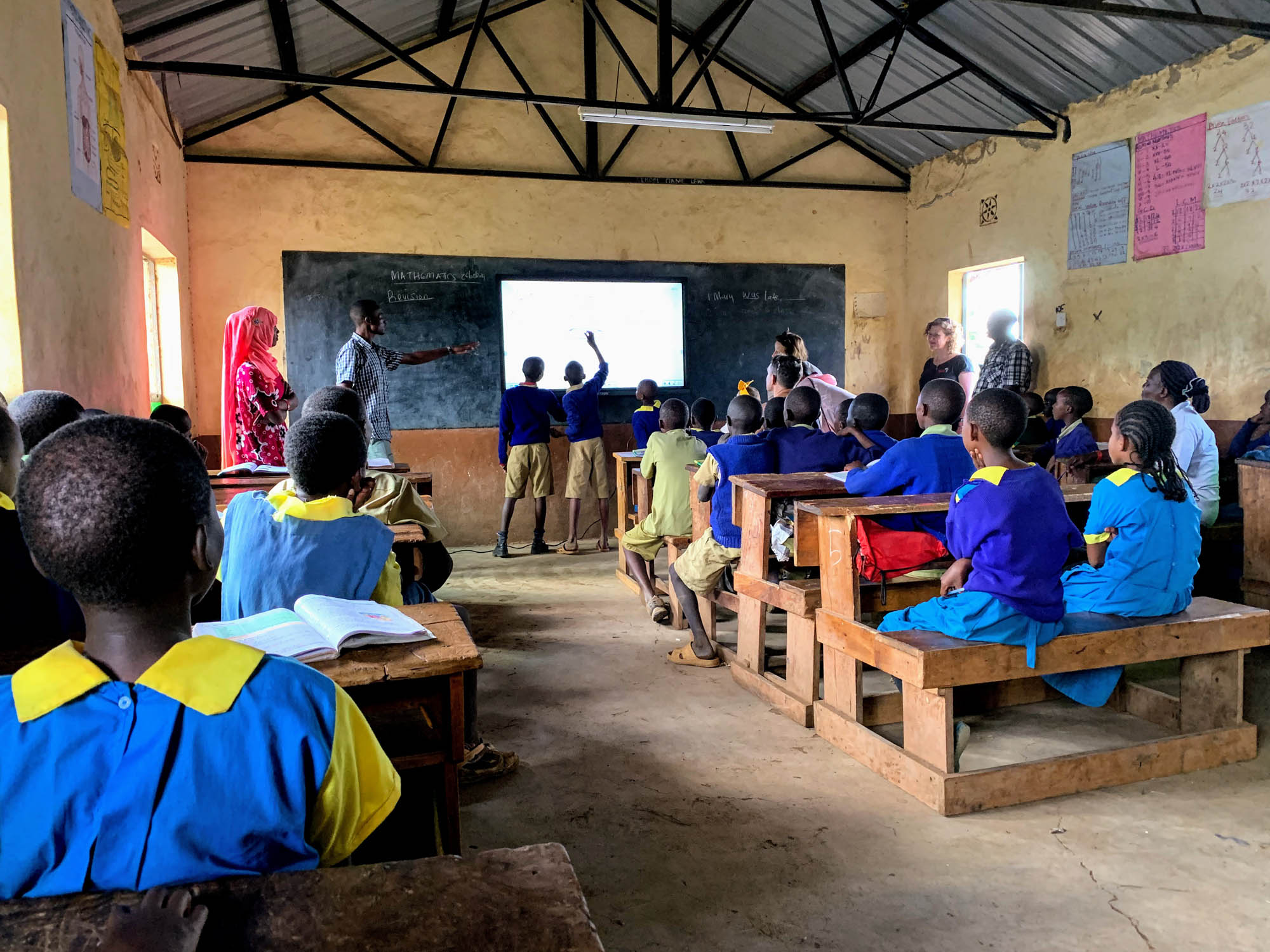
On the second day we visited several projects supported by the Lewa Wildlife Conservancy, through donations from charities such as the Tusk Foundation.  Among others, we visited a school and the Lewa Clinic. The Lewa Education Program works to provide access to quality education that improves students’ economic opportunities, in the hope that it creates a new generation of environmental stewards. I was impressed by the degree to which electronics had been incorporated into the classroom we visited.  The electronic ‘blackboard’ and the presence of so many electronic tablets would be the envy of many a school district anywhere in the world.


Image

On the Saturday, some 1,500 runners lined up for the start of the 20th annual Tusk Lewa Marathon and Half Marathon, one of Lewa’s major fundraising events.  The race is well organized and is a taxing, yet fun event.  It helps to be well prepared and at least somewhat acclimated to the mile-high altitude.  Add to that the heat – it was nearly 80 Fahrenheit at the start – the hills (plenty of them) and the uneven footing along rough trails, and all in all it makes for a super-tough race.


Image

LEWA WILDERNESS

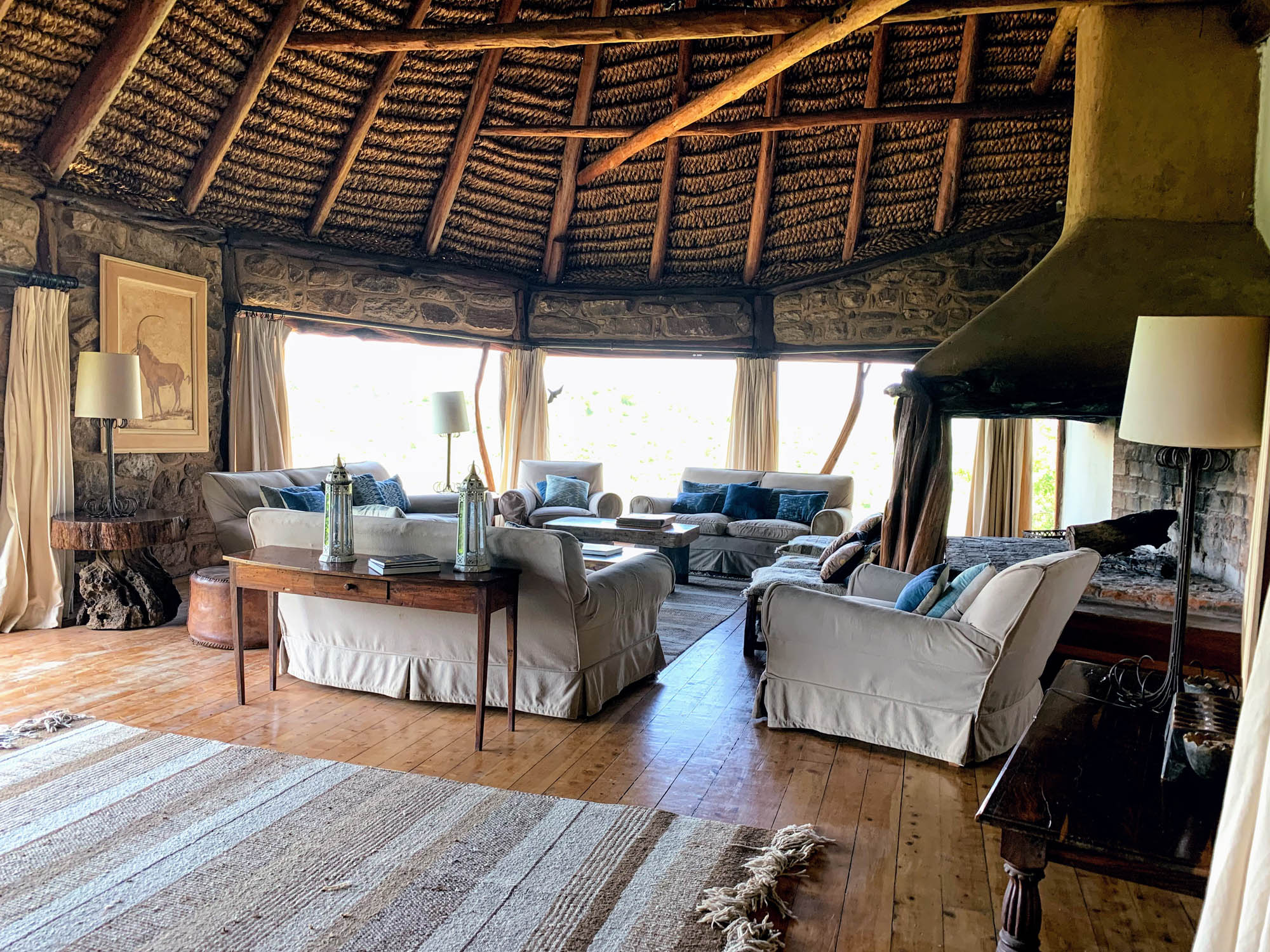
Late in the morning after the run, I was off to Lewa Wilderness on the north-eastern edge of the conservancy.  Lewa Wilderness, which is owned and operated by the Craig family, is a jewel of a lodge with gorgeous rooms, a stunningly beautiful setting in a lush garden, views over the valley below, and simply first-class all-round hospitality.

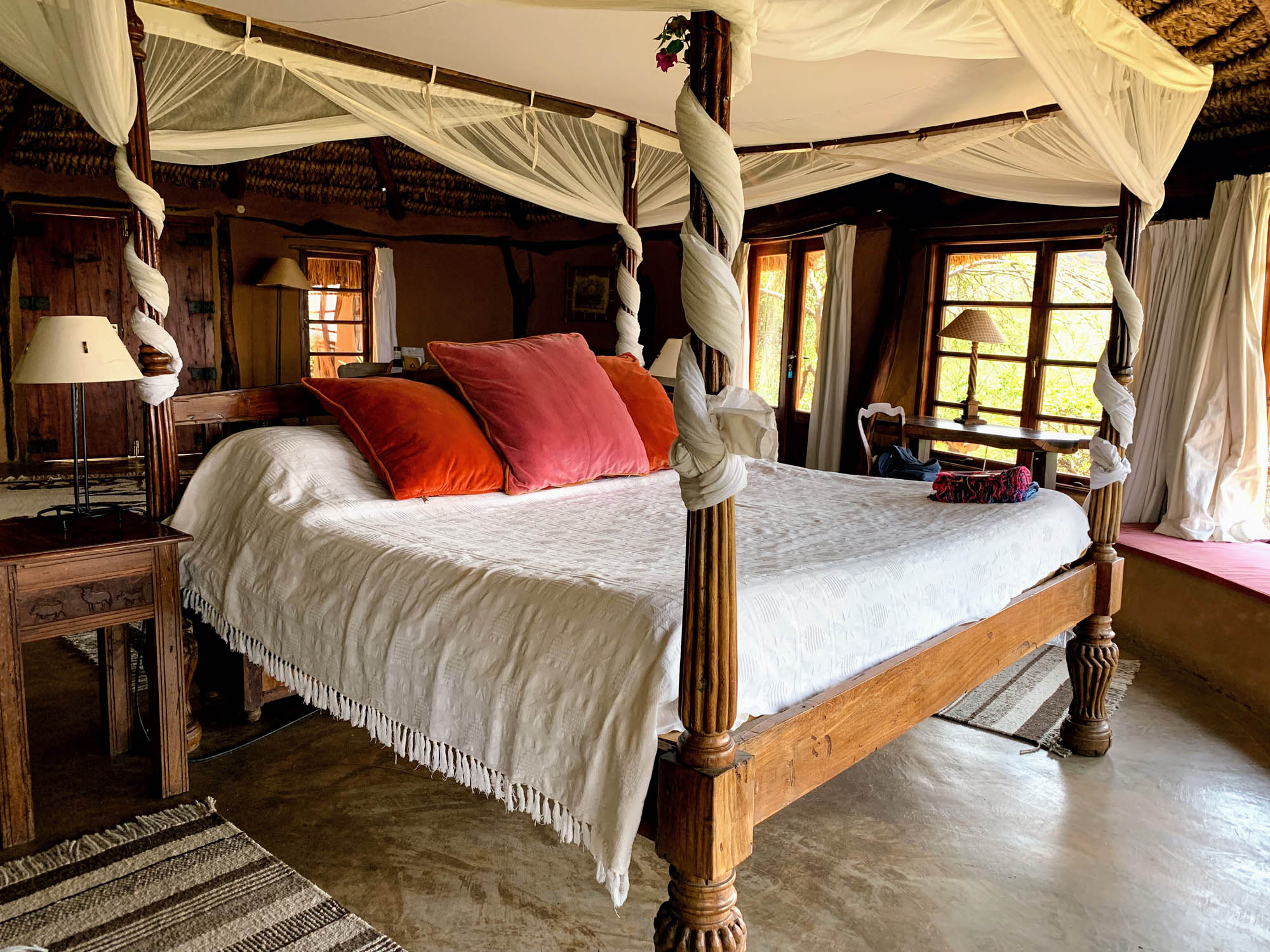
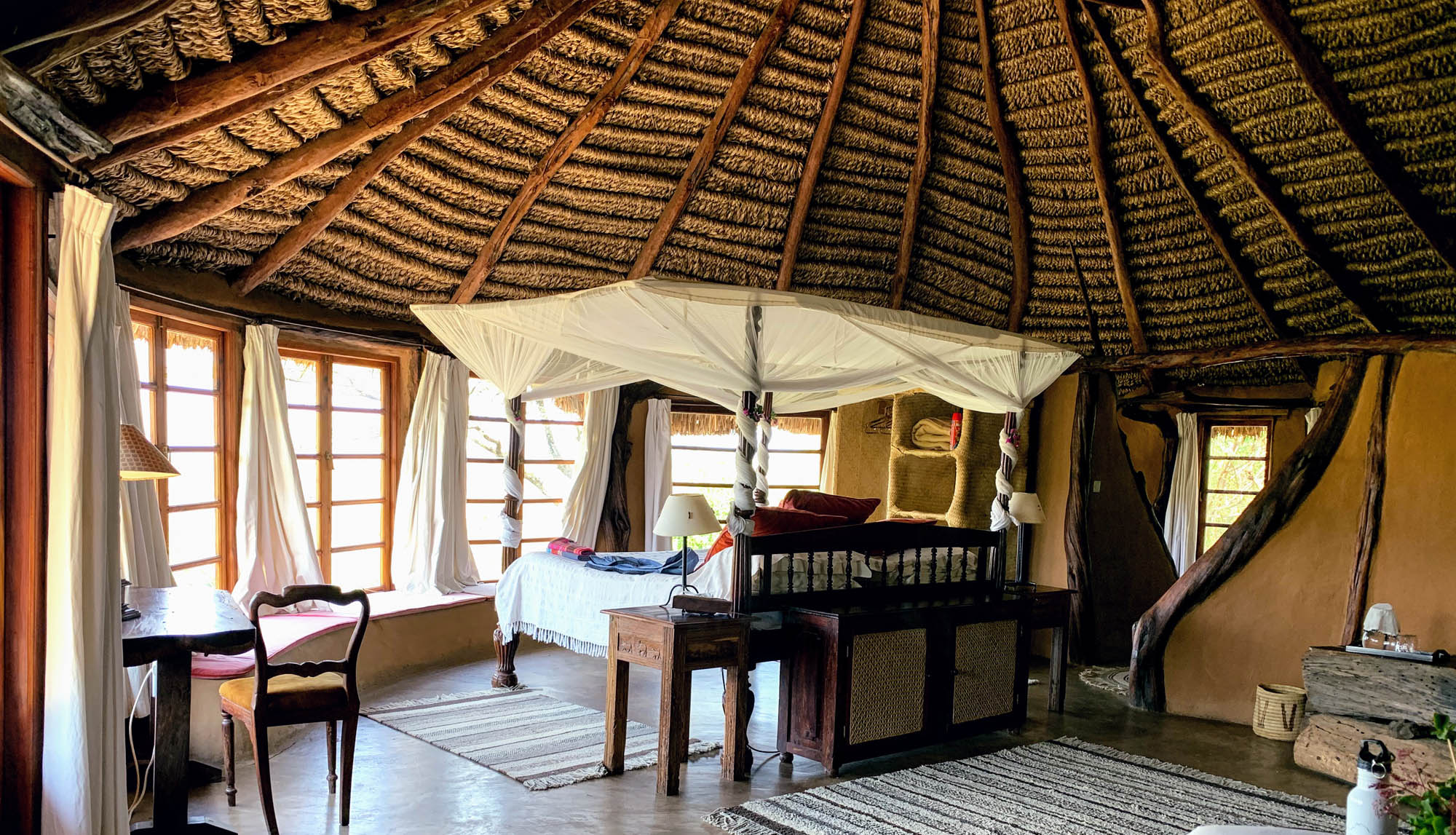
My room – #7 – had an expansive view, tons of space, a double bed with mosquito netting, adequate lighting (but difficult to find the right on and off switches), a shower and separate toilet, and a mini-bar with soft drinks, beer and ice.  Simply a splendid place to be on safari, as one of the English guests remarked over dinner later.


Image

The food was excellent: I was introduced to all the other guests already in camp over a buffet lunch (curried chicken and curried vegetable dishes) with quiche, green salad, fresh bread and more.  The meal was served family style.

Dinner was roast beef with veggies, a potato dish and dessert, all delicious and perfectly prepared. Most dietary needs can be accommodated.


Image

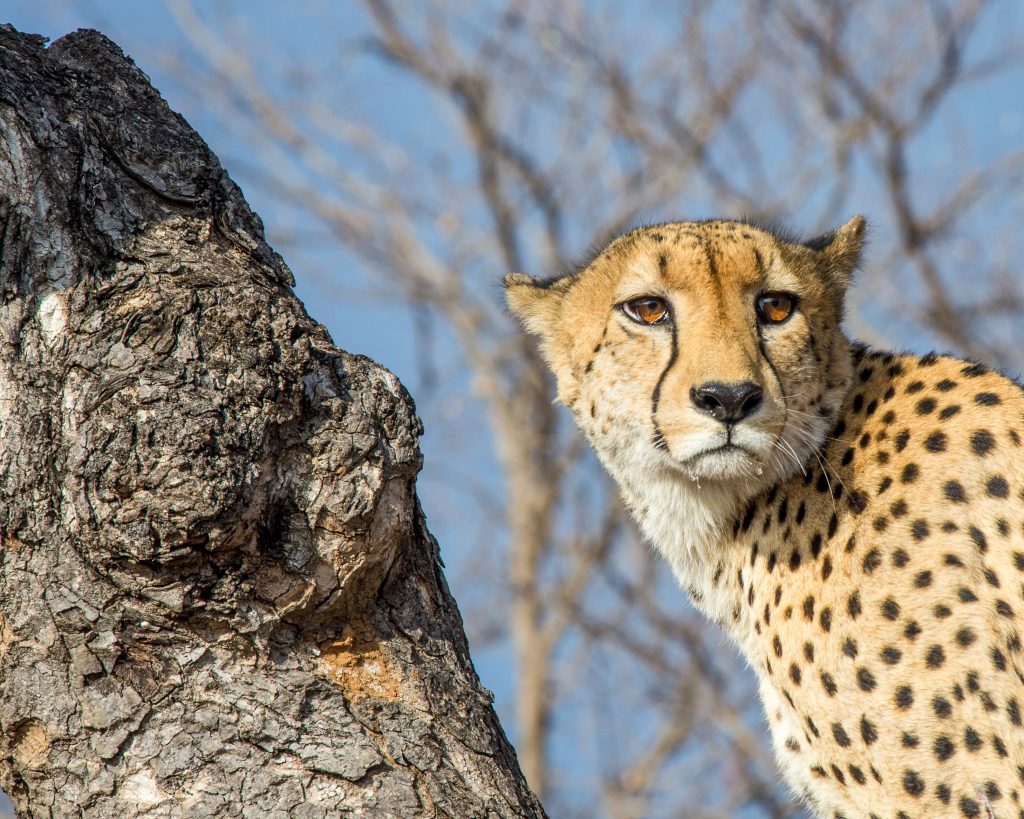
I experienced a couple of game drives from Lewa Wilderness and much to my surprise saw a cheetah on both outings.  One rather skittish young male (a newcomer to the area) and another older, much more relaxed male which was stretched out on a fallen tree stump, enjoying the morning sunlight.  Another sighting of note was a few gerenuk antelope, which are more abundant in arid areas to the north, like Samburu.


Image

BORANA LODGE

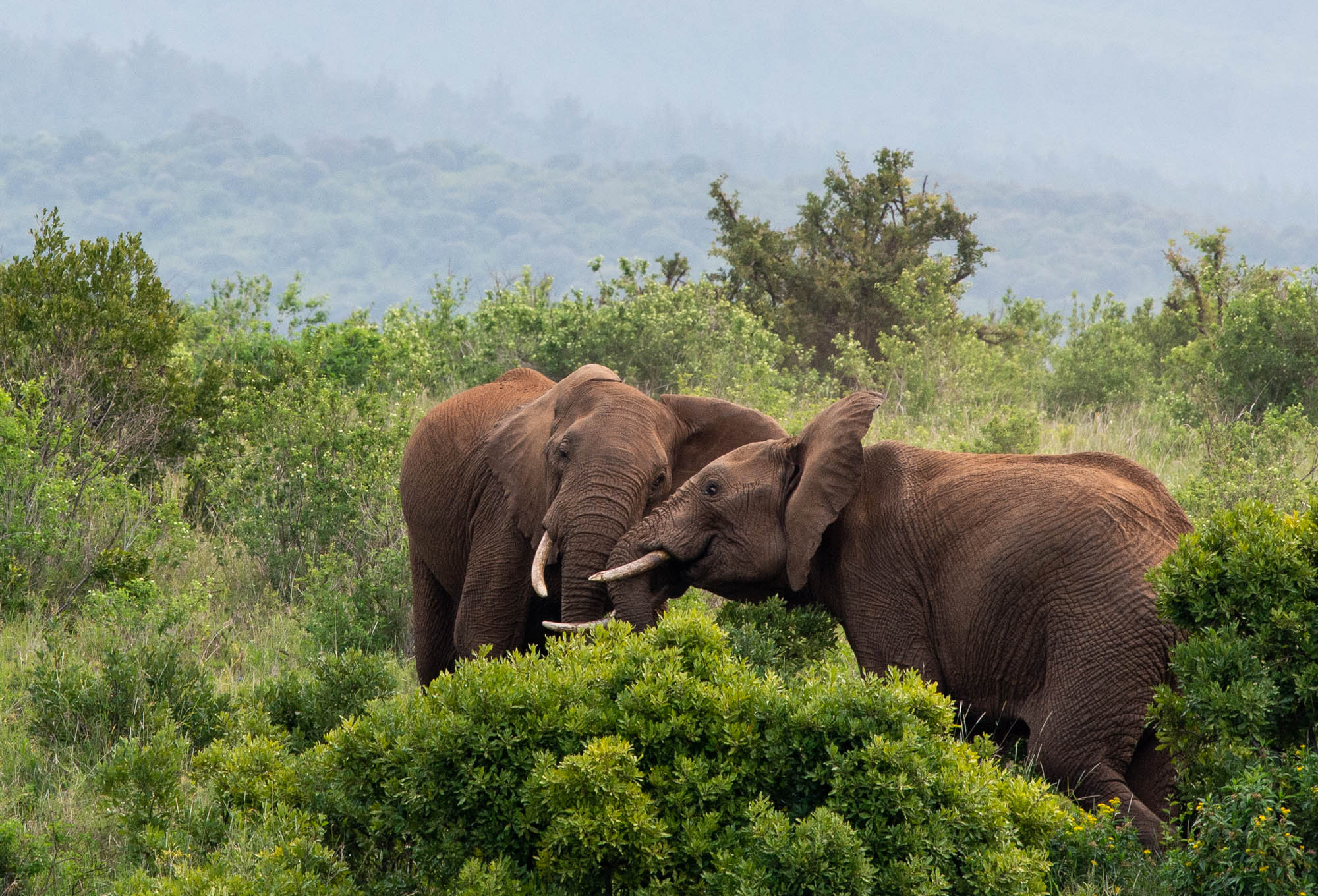
The following couple of nights I stayed at Borana Lodge, a 9-roomed property set in the stunningly beautiful foothills of Mt. Kenya, in the Borana Conservancy, adjacent to the west of Lewa.  In 2014 the fence between the two conservancies came down, which opened up even more of a corridor for wildlife – notably elephant – for movement between Samburu in the north and Mt. Kenya in the south.  Over the last 30 years or so, elephants have impacted Lewa Wildlife Conservancy significantly, mostly by destroying huge numbers of acacia and other trees, effectively turning large tracts of mixed woodland into savanna grassland.


Image

Opening up adjacent areas like Borana and in future hopefully the nearby Il Nguesi area, will help to alleviate the pressure on the habitat and reverse this habitat-changing effect.  Given time, trees like the yellow barked acacia and whistling thorn acacia will bounce back and forests will naturally re-emerge.  But only if the saplings are not constantly being hammered by the elephants.

Already – during my visit – the number of elephants in the Borana Conservancy appear to be increasing relative to Lewa.  Borana being much more heavily wooded will definitely relieve the pressure on Lewa.


Image

The Borana Conservancy is higher, hillier and greener than Lewa.  It also has even fewer cars and people around so if solitude, splendid views and montane scenery is your thing, Borana is your spot.  While I did see a black rhino in Lewa (after several days there), I saw several in Borana, starting with my very first game drive there.  My knowledgeable and enthusiastic guide Peter soon had a female and juvenile pair of black rhinos in sight and with some deft maneuvering, I got several good shots of them, without displacing or unnecessarily alarming them.

My experience at Borana Lodge for the two nights there was most enjoyable and fun, with a mix of game drives, sundowners in scenic spots, a fun bush dinner, and spending time over lunch and breakfast with the owner, Michael Dyer.


Image

The lodge itself is perched on a slope of with beautiful views over blue-grey hills and verdant valleys.  Out of Africa, no doubt.  Plus the original ‘Pride Rock’ from the Lion King movie is just around the corner!  My room – #3 – was spacious with all the amenities including a bath, shower, fireplace, and two outdoor relaxation areas.

The room interior and soft finishings are due for a major ‘freshening up’: some paint, new tiles in the bathroom, new window drapes, a new color scheme – there are quite a few things which can be done to give the room a fresh look.

It is a minor point of criticism though.  The overall experience at Borana was most enjoyable with great food, friendly staff, management and expert guiding.

It appears that Borana’s cattle management and rotation scheme is quite successful at keeping the vegetation vibrant and full of life.  There are practically no areas of moribund vegetation, but this may have had something to do with the abundant recent rainfall, at the time I was there.


Image

LEWA SAFARI CAMP

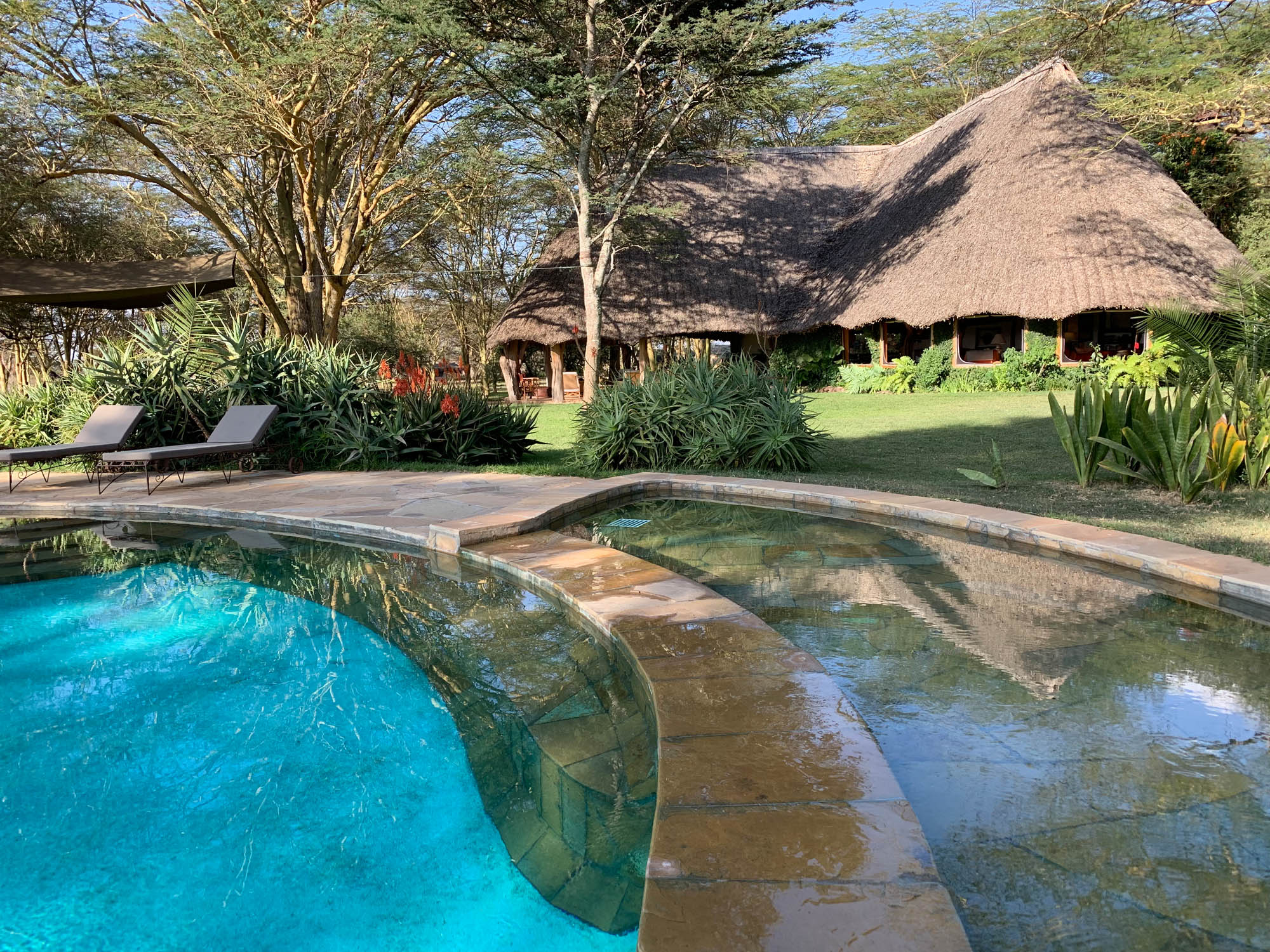
The penultimate stop of my mega familiarization trip was the popular and highly rated Lewa Safari Camp, also operated by Elewana, located inside the Lewa Wildlife Conservancy.  We do and will continue to use Lewa Safari Camp on future Kenya itineraries for many of our clients.  This visit made it clear to me why the camp works so well.  A lot of it has to do with the managing couple Sacha and Tamlyn.  During my all too brief overnight and one day there, Sacha devoted a lot of time to spend with me over lunch and dinner, talking about the area and what it has to offer to guests.  With such enthusiasm and energy as demonstrated by Sacha, it is clear to see why Lewa Safari Camp is so popular with guests.  My tented room #3 was spotlessly clean and well organized from lighting (easy on off switches), to having the best charging outlet of any camp on the trip, including no less than 4 USB charging points.  Lewa Safari Camp has an attractive pool with a view over the valley, and well-marked pathways.


Image

Exercise note:  It is possible to jog inside the camp perimeter on gravel pathways, along a loop totaling about 1 kilometer in distance.

En route to my final destination, I did a site inspection at Kifaru, Elewana’s luxury 5-roomed lodge.  Compact and intimate, with camp manager Andrew giving me a concise yet thorough overview of the camp.  Kifaru has a great location on top of a hill, with large and well-appointed rooms, a beautiful central area and dining room.  Room #5 appears to be the choice spot to be.


Image

SIRIKOI LODGE

I had long looked forward to visiting Sirikoi, my planned 2017 visit having been derailed by Hurricane Harvey.  Sirikoi turned out to be worth waiting for!  It is an oasis like few others, from location to accommodation and management.  The tented rooms, main lounge and dining room areas are stylish and immaculately maintained, and the food and beverage service is of an exemplary quality.  While at Sirikoi, I took some time off from the game-viewing to scout out the property and surroundings a bit better.


Image

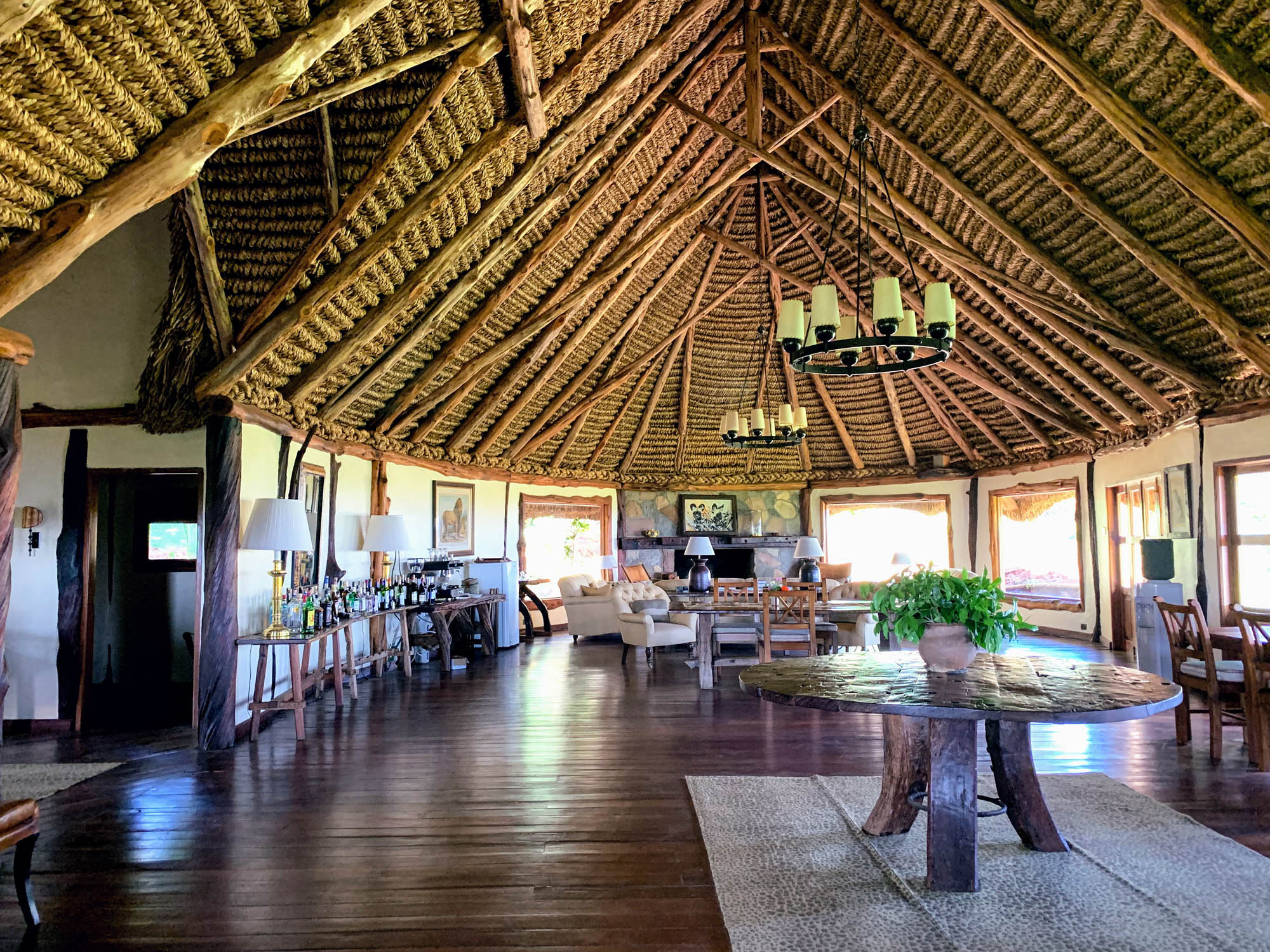
With its mix of four luxury tents and two exclusive use houses (with 2 and 3 bedrooms respectively), Sirikoi caters for discerning guests who like and enjoy comfort and luxury, but in an elegant, understated fashion.  There is nothing over the top or extravagant about Sirikoi.  It strikes a perfect balance between being luxurious and stylish, yet retaining the essence of a true Kenyan retreat.


Image

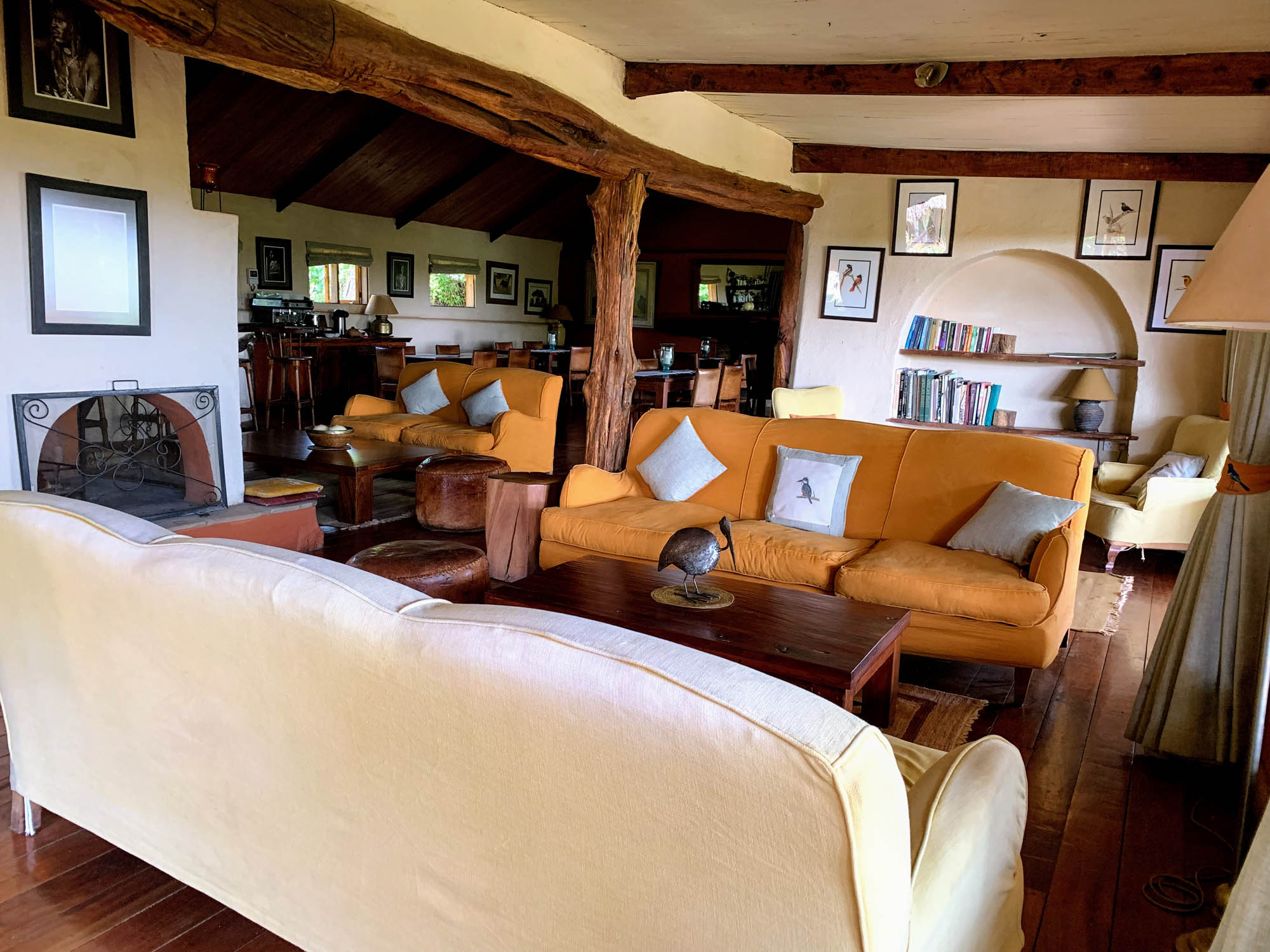
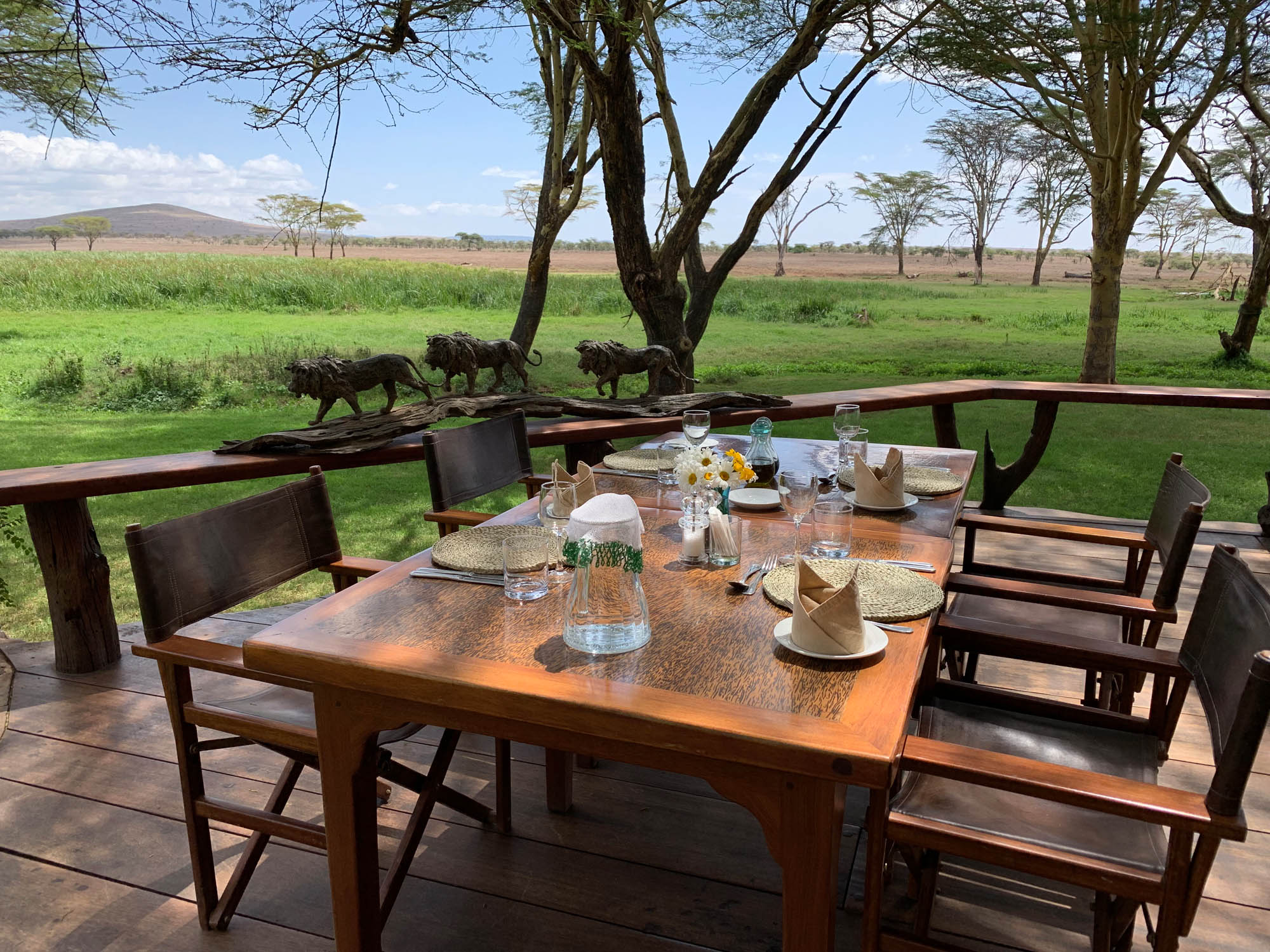
Sirikoi’s location right alongside the Sirikoi stream, on the edge of a large swamp, results in wildlife often entering the property and being visible from the open dining deck in front of camp.  In the late afternoon and early evening, as the birds settle down and nocturnal creatures like bush babies start to get active, enjoying a sundowner at Sirikoi is as good as it gets on safari.  I experienced just that on my last night there.  One by one a family of seven Striped Kingfishers disappeared into a communal hole in a tree where they were to sleep for the night.  Guinea fowls started to gather high in a nearby tree, as did baboons (not without some squabbling), vervet monkeys and even crowned cranes which flew out of the swamp to the protection of an elevated roost.


Image

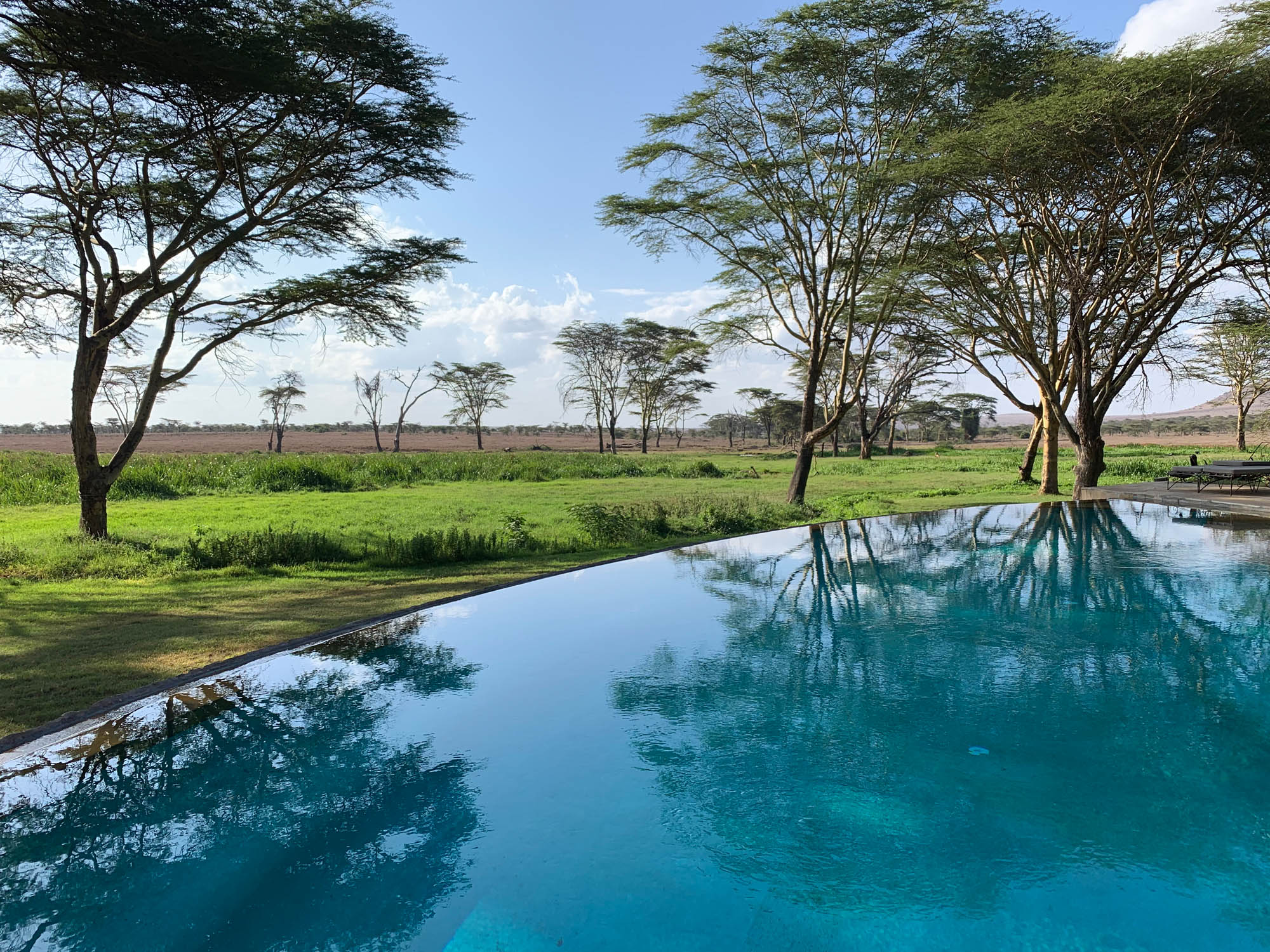
It became quiet as the sun set over the low hills to the west, the pinkish light remaining for a long time, with the trees perfectly reflected in the glassy surface of the pool.

I had the most fascinating conversation with the co-owner Sue Roberts over sundowners, finding out just how the Sirikoi property came to be in their possession.  Acquiring Sirikoi ended up being a pivotal piece in making Lewa Wildlife Conservancy the vibrant and successful model of co-operative conservation that it is.  Land-owners, local government, and most importantly the community, all working together to achieve shared objectives.

More Info

Email bert@fisheaglesafaris.com

Email jason@fisheaglesafaris.com

@fisheaglesafarishouston

#FishEagleSafaris

YOU MIGHT ALSO BE INTERESTED IN

Area
Destinations
Nyerere National Park
Ruaha
Tanzania

14th October 2023

From My Safari Notebook: Wildlife Photography

Birds in flight and wildlife photographers have an uneasy relationship. Things go wrong as often as they go right. Getting focus-lock on a moving subject

Read more
Botswana
Destinations
Okavango Delta

3rd October 2022

Camp Okavango, Botswana

Camp Okavango is in the heart of the permanent part of the Delta. In this idyllic setting there are no vehicles, and it is just a short walk

Read more
Destinations
Zambia

10th September 2021

Chindeni and the Bushcamp Company, Zambia

By late July we found ourselves at Chindeni, a small Bushcamp Company property

Read more

SUBSCRIBE TO OUR NEWSLETTER

READERS FAVOURITES

Botswana
Destinations
Hwange
Kenya
Masai Mara
Mashatu
Serengeti Plains
South Africa
Tanzania
Tswalu
Zimbabwe

9th October 2020

Cheetahs, cheetahs, cheetahs

For many visitors to Africa, seeing the big cats is #1 on their wish list. Nobody wants to go home

Read more
Botswana
Destinations

17th June 2020

A Visit to Northern Botswana

If going on safari in Africa is your idea of heaven, then Botswana is nirvana. A few days there

Read more
Botswana
Destinations
Okavango Delta

30th July 2021

Duba Explorers & Duba Plains Camp, Botswana DUBA EXPLORERS CAMP

Great Plains’ Duba Explorers Camp is located in the northern part of the Okavango

Read more
  • « Go to Previous Page
  • Page 1
  • Page 2

Footer

Design

  • About
  • Destinations
  • Blogs
  • FAQS
  • Team
  • Contact
All Rights Reserved ©Fish Eagle Safaris 2022 | Terms & Conditions | Privacy Policy
Designed & Developed by B Online

SUBSCRIBE TO OUR NEWSLETTER

SIGN-UP TO OUR NEWSLETTER

Subscribe Form

Footer Widget Header

Related Blogs