• Skip to primary navigation
  • Skip to main content
  • Skip to footer

Fish Eagle Safaris

Fish Eagle safaris

Contact

Logo
  • About
  • Destinations
  • Blogs
  • Newsletter
  • FAQS
  • Team
  • search
  • Contact
  • About
  • Destinations
  • Blogs
  • FAQS
  • Team
  • Contact

Area

Exceptionally Good Botswana Green Season Game Viewing

3rd April 2026

Exceptionally Good Botswana Green Season Game Viewing

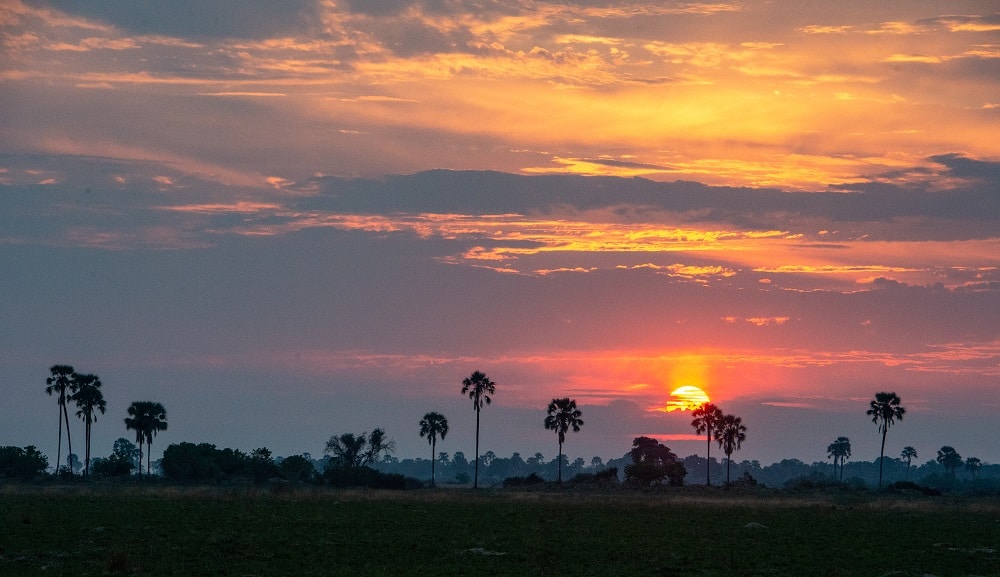
This year, just like in 2025 and the years before that, a handful of intrepid travelers followed our recommendation to embark on a green (low) season trip to Northern Botswana. There’s more than just one good reason for it. Right at the top – taking advantage of the considerably lower rates which can be as much as 50% below high season pricing. Beyond that, having fewer other travelers and vehicles around, observing lots of baby animals with predators on the prowl and a wealth of colorful birds in breeding plumage. Not enough? How about experiencing the most gorgeous of sunsets, with clouds adding an extra layer of complexity and drama to what is already a pretty spectacular daily event.  

Irrespective of the time of the year, a visit to Northern Botswana will take you right into the remote African bush, far from the rush and stress of daily life. A place where you can connect with nature at its most primal level, in a calm and safe setting. About as far away as you can get from our media-saturated, hyper-connected daily existence. 

This season, to be sure, we were a little apprehensive about what lay ahead for our guests. Much of Southern Africa and notably northern Botswana had been receiving consistently good and well above average rainfall, resulting in some localized flooding such as in the Khwai area of Botswana. From the Makgadikgadi pans in the Kalahari to the floodplains of the Okavango Delta, the landscapes had turned green and lush, with stronger than usual inflow of water into the Delta expanding marshes and creating high water conditions resulting in re-opening and re-channeling waterways in sometimes unpredictable ways.  

While abundant rainfall is hugely beneficial in the long-term in the way of improving wildlife survival rates for the seasons to come, it is not always convenient for guests. Airstrips, roads and bridges are impacted, the size of  game drive areas temporarily shrink and some of the larger mammals like elephants and buffalo disperse. More predictably, vehicles get stuck or game drives have to be cut short in the event of a heavy downpour.

As it turned out, we need not have worried. There was seemingly little if any impact on the guest experience in Botswana. This became abundantly clear as we started getting the first reports back about guest experiences in March. Here are a few from Fish Eagle Safaris guests for whom we had designed trips making use of Kwando, Natural Selection and Brave Africa properties. 

A Kwando Safaris trip

The guests started their trip at Lagoon Camp where they participated in game drives and a walking safari. They mentioned that they were hosted by Mr. T, who they described as very knowledgeable and passionate about his work. During their activities they saw hippos, a lioness with cubs, African painted dogs, elephants and giraffes. They were especially pleased to see a cheetah that had killed an impala and was feeding on it. They also commented that the staff were very friendly and that they thoroughly enjoyed the food and overall hospitality at the camp.

At Mma Dinare their guide and tracker were Skills and TT. The guests had an incredible sighting where they witnessed nine lions bringing down a buffalo. In addition to this highlight, they also saw leopards, giraffes, elephants and various antelope species during their game drives and mokoro excursions. They mentioned that the food was great and that Mma Dinare ended up being their favorite camp of the trip.

At 4 Rivers the guests said they had a great stay. During their time there they witnessed lions feeding on an impala and also saw hyenas, elephants and a variety of birdlife including an owl. They once again mentioned that the staff were very friendly, the food was excellent, and they thoroughly enjoyed their time at the camp.
A Natural Selection Safaris experience

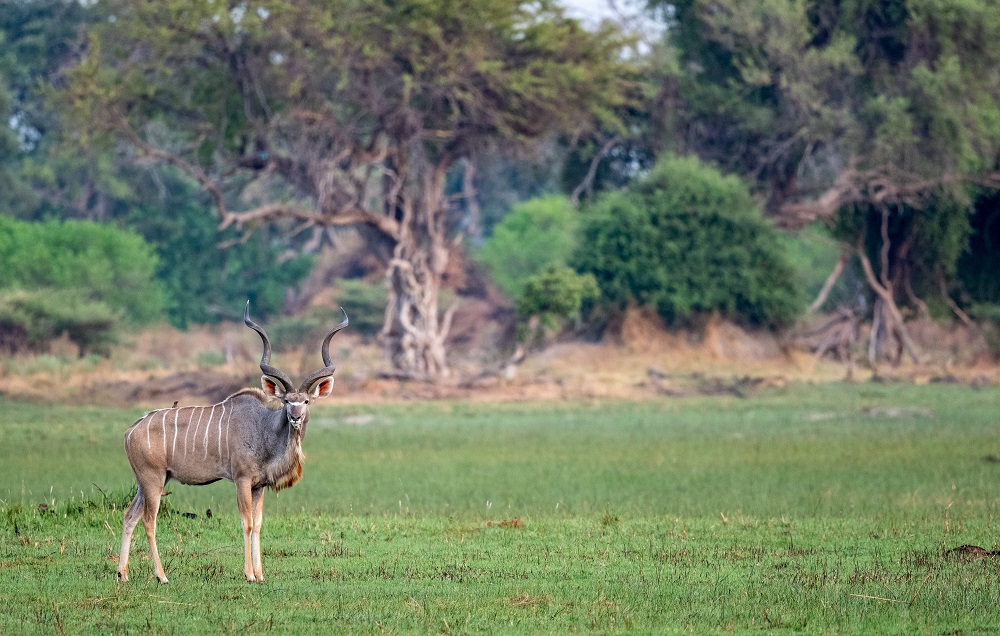
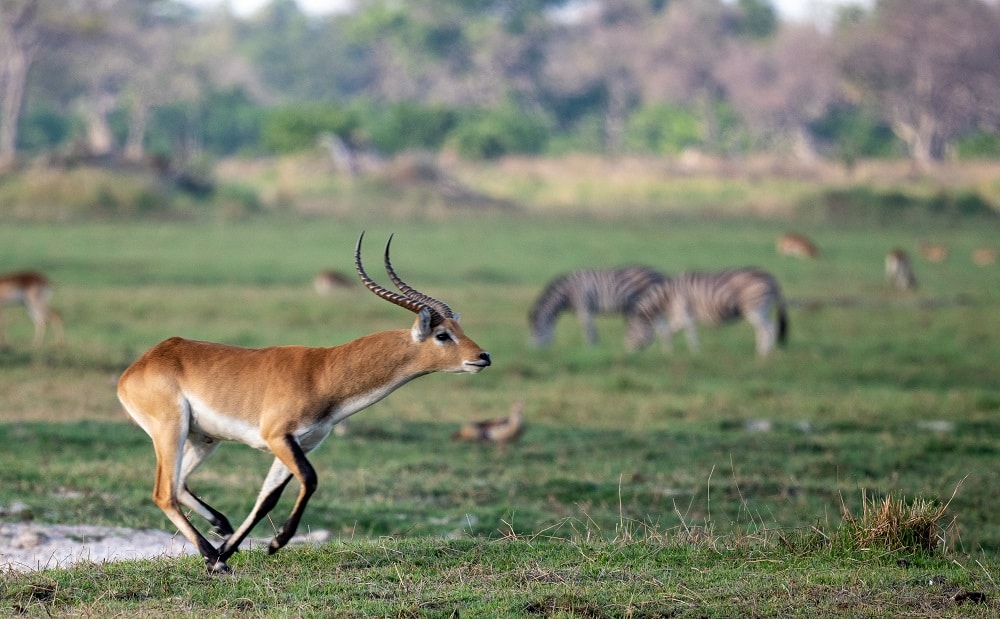
The guests had a wonderful stay at Duke’s Camp, where they enjoyed both game drives and mokoro excursions. They were fortunate to see an impressive range of wildlife including lions, red lechwe, kudu, impala, giraffe, elephants and African painted dogs. They described the camp as very beautiful, with great food and exceptionally friendly and accommodating staff, making their stay very enjoyable.

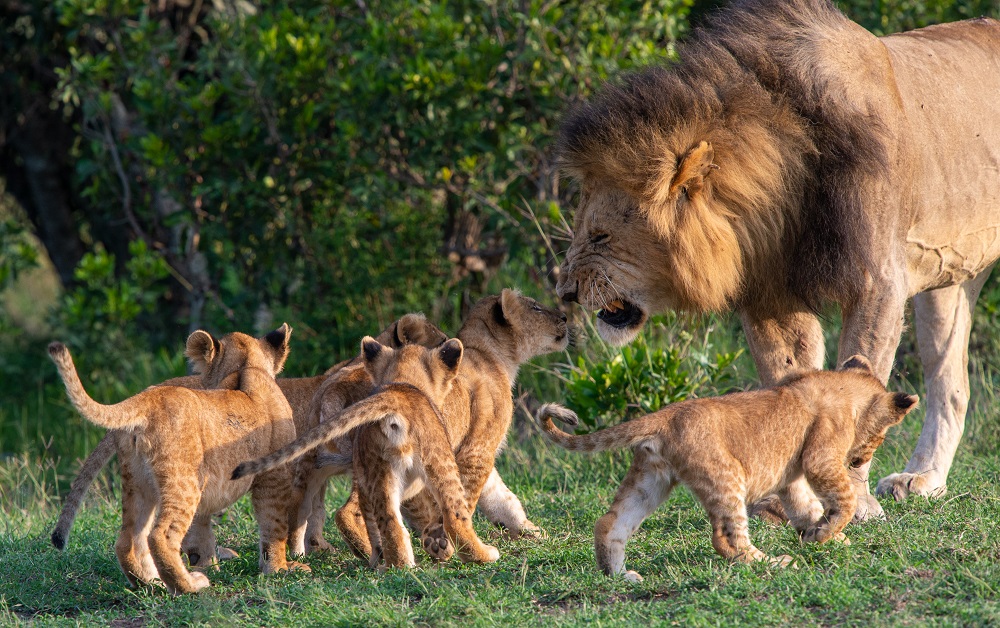
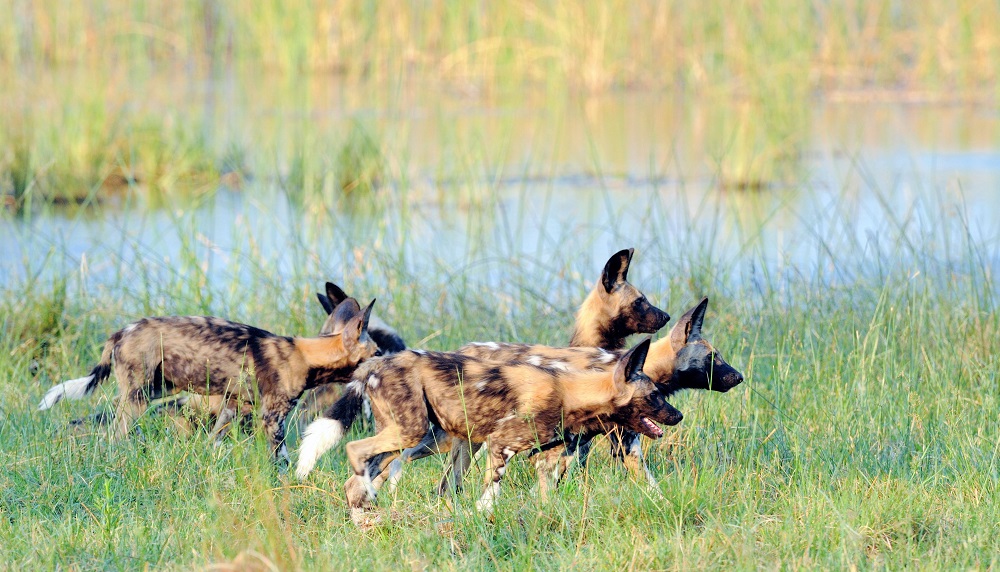
At Mokolwane Camp, they found the camp to be calm and more basic in style, however they were highly impressed with the quality of game viewing, noting it as the strongest of all three properties visited. During their drives, they witnessed a pack of ten African painted dogs hunting and successfully killing an impala, as well as lions playing with their cubs, a leopard in a tree, and sightings of giraffes, elephants, antelope, birds and buffalo. They also praised the delicious food and attentive care from the staff.

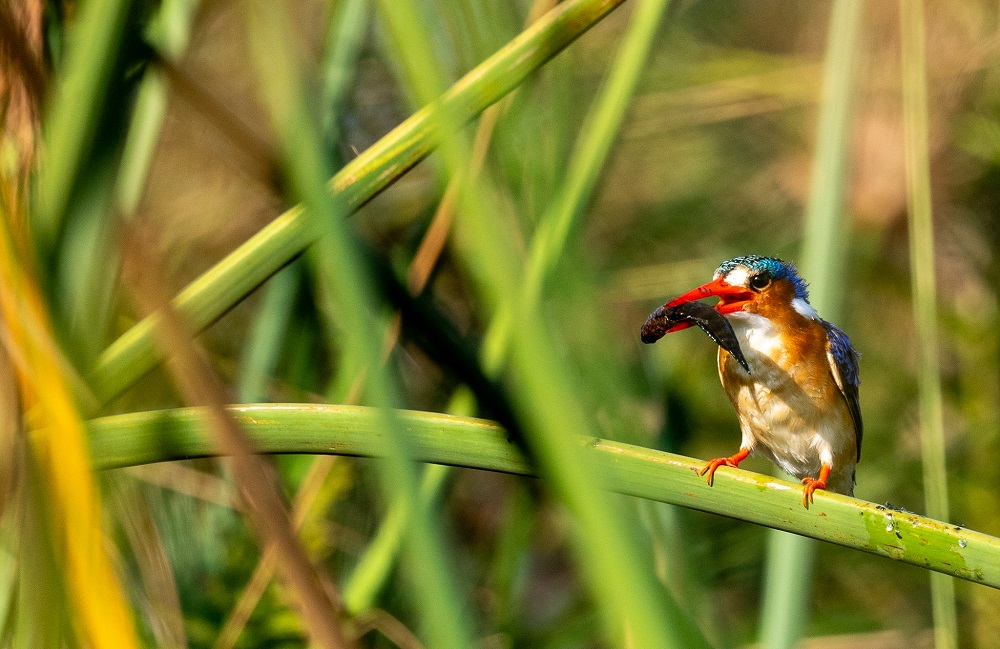
At Little Sable, they experienced a water-rich environment and enjoyed both game drives and a boat cruise. During these activities, they saw hippos, zebras, and a variety of birdlife. They spoke positively about the camp overall, highlighting the good staff, food, and service. They also particularly enjoyed the Khwai Ranger experience, mentioning that it was well positioned within their itinerary and added great value to their trip.

On safari with Brave Africa

The guests shared that they spent six nights with Brave Africa Safaris, which they described as a truly lovely experience. They participated in game drives and were fortunate to witness a pack of 17 African painted dogs bringing down an impala, followed by four hyenas attempting unsuccessfully to steal the kill. Additional sightings included cheetahs, leopards, buffalo, elephants, antelopes and approximately 120 bird species, which they found very impressive. They particularly enjoyed their final evening, where they sang and danced with the staff during a delightful soirée. The clients praised the food, accommodation and overall experience, noting that everything was excellent. They also expressed appreciation for arranging a helicopter transfer instead of flying with Mack Air, highlighting it as a smooth and enjoyable experience. Overall, they thoroughly enjoyed their safari.

For visitors looking for absolutely the best value, a Botswana green season safari has that and much more:  

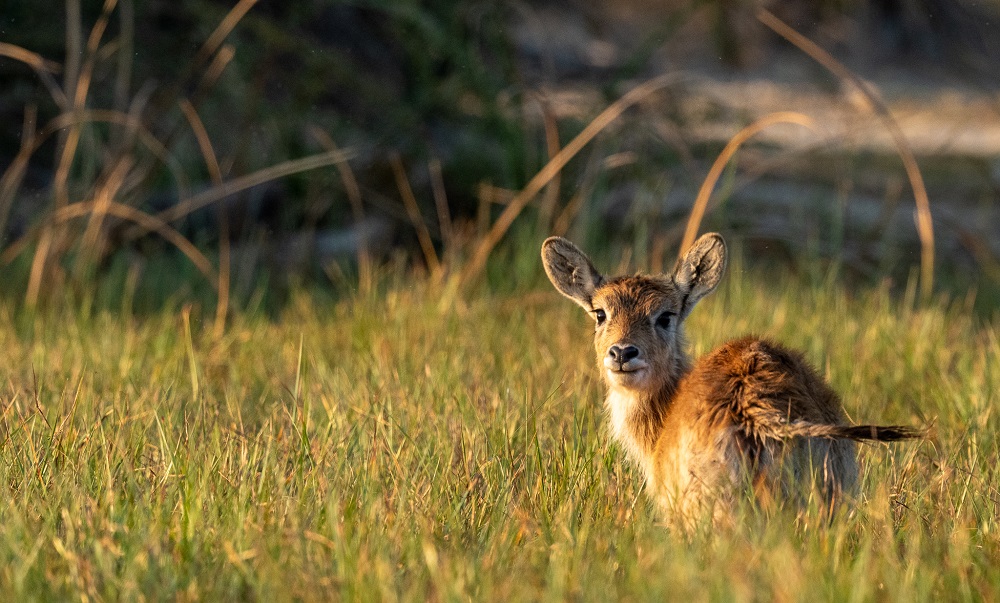
  • Coming right after the short calving season when thousands of new impala lambs see the light of day for the first time, the months of January through March are all about “babies and predators” with vulnerable young animals attracting attention from lions, leopards, and cheetahs. On the bench – African painted dogs, spotted hyenas and blackbacked jackals. Even chacma baboons will occasionally grab a hapless baby impala. 
  • The zebra migration: while the Okavango Delta is lush and green in the late summer months, Kalahari areas like Nxai Pan and Makgadikgadi experience an influx of thousands of zebras, offering spectacular sightings away from the usual crowds.
  • Optimal photography: the Green Season is synonymous with epically dramatic sunsets, with afternoon thunderstorms creating drama and stunning ‘storm’ light conditions. Even when the skies are clear the vibrant emerald backdrops make colors pop in a way the desiccated, brown dry season cannot match.

So dust off your lenses, send in the big camera for service – or upgrade your smartphone for the one with the most advanced new photography features. And then call us at 1-800-513-5222 or email me at bert@fisheaglesafaris.com or Lyndon at lyndon@fisheaglesafaris.com, to help you arrange your first or your next trip to Botswana.  

YOU MIGHT ALSO BE INTERESTED IN
Destinations
Zambia

10th September 2021

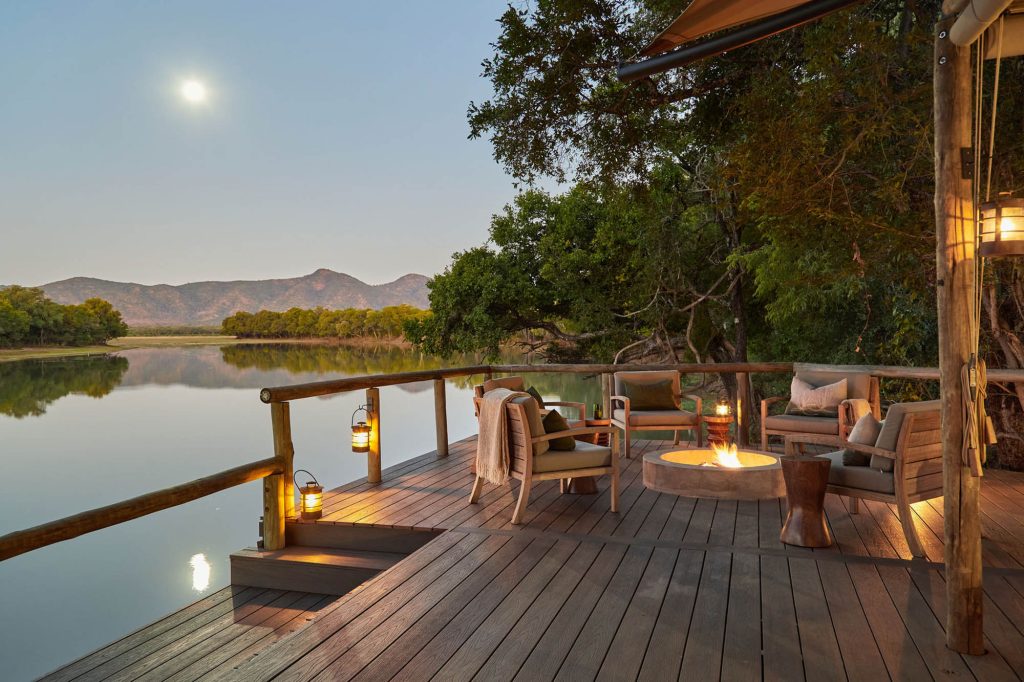
Chindeni and the Bushcamp Company, Zambia

By late July we found ourselves at Chindeni, a small Bushcamp Company property
Read more
Botswana
Destinations
Okavango Delta

3rd October 2022

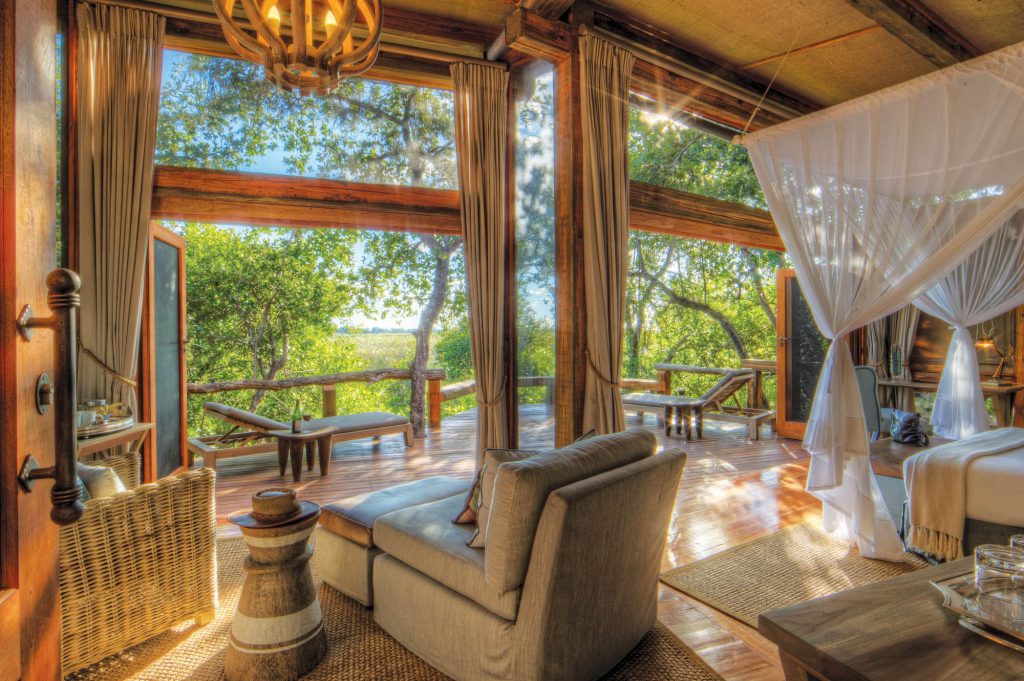
Camp Okavango, Botswana

Camp Okavango is in the heart of the permanent part of the Delta. In this idyllic setting there are no vehicles, and it is just a short walk
Read more
Area
Destinations
Nyerere National Park
Ruaha
Tanzania

14th October 2023

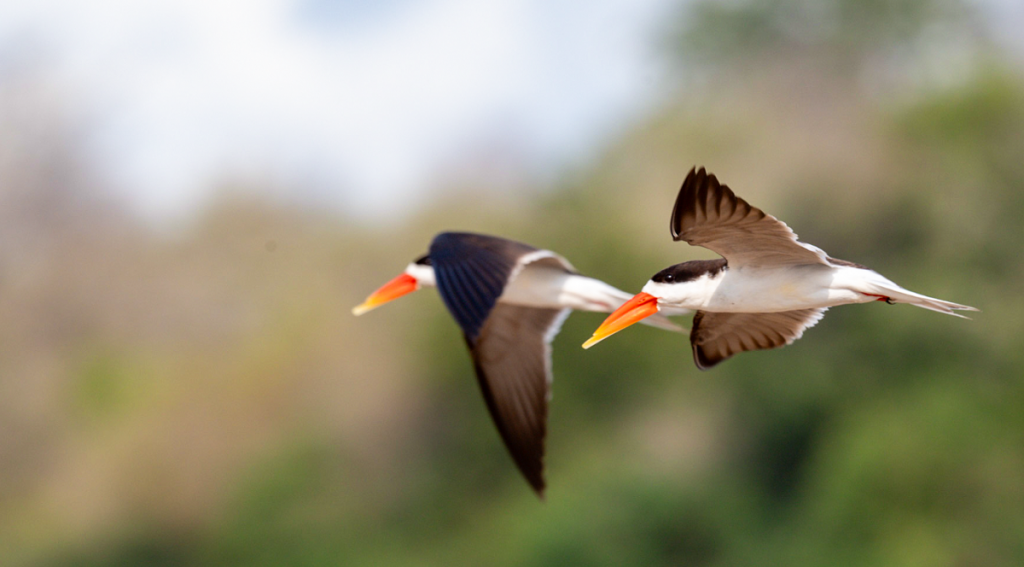
From My Safari Notebook: Wildlife Photography

Birds in flight and wildlife photographers have an uneasy relationship. Things go wrong as often as they go right. Getting focus-lock on a moving subject

Read more

SUBSCRIBE TO OUR NEWSLETTER

READERS FAVOURITES
Destinations
India

27th May 2023

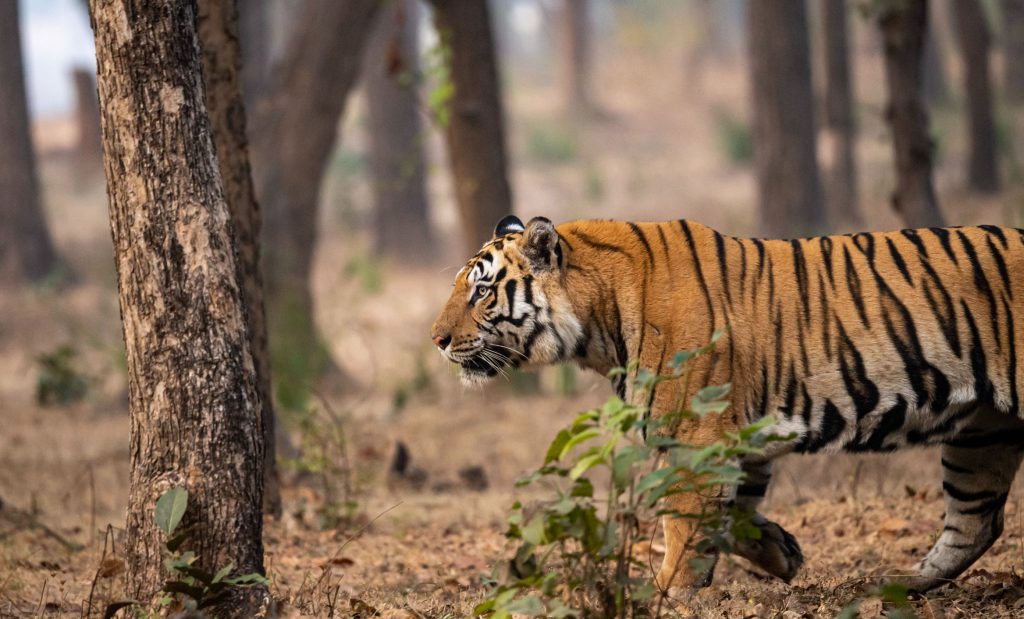
India

India’s tiger, mammals and birds.

Read more
Botswana
Destinations

4th August 2022

On Safari At Belmond Eagle Island Lodge, Okavango Delta

What is the ‘secret sauce’ for an unforgettable few days on safari in Botswana? It starts with the animals, of course. The elephants, lions, giraffes, hippos

Read more
Destinations
Zambia

10th September 2021

Chindeni and the Bushcamp Company, Zambia

By late July we found ourselves at Chindeni, a small Bushcamp Company property

Read more

Kenya: What a Difference the Equator Makes

3rd April 2026

Kenya: What a Difference the Equator Makes

If you’ve read some of my older blog posts about Kenya, you’ll know that I am a big fan – for many reasons – but mostly because of the country’s incredible diversity. From the point of view of a photographer of any level of competency and experience – or anyone who wants to light up social media with a great image – Kenya is the shutter that keeps on clicking. 

Thinking back over many Kenya trips starting 30 years ago, these are some of the reasons which keep me going back again and again and recommending Kenya as the #1 option for a first, an only and a repeat safari.

The elephants

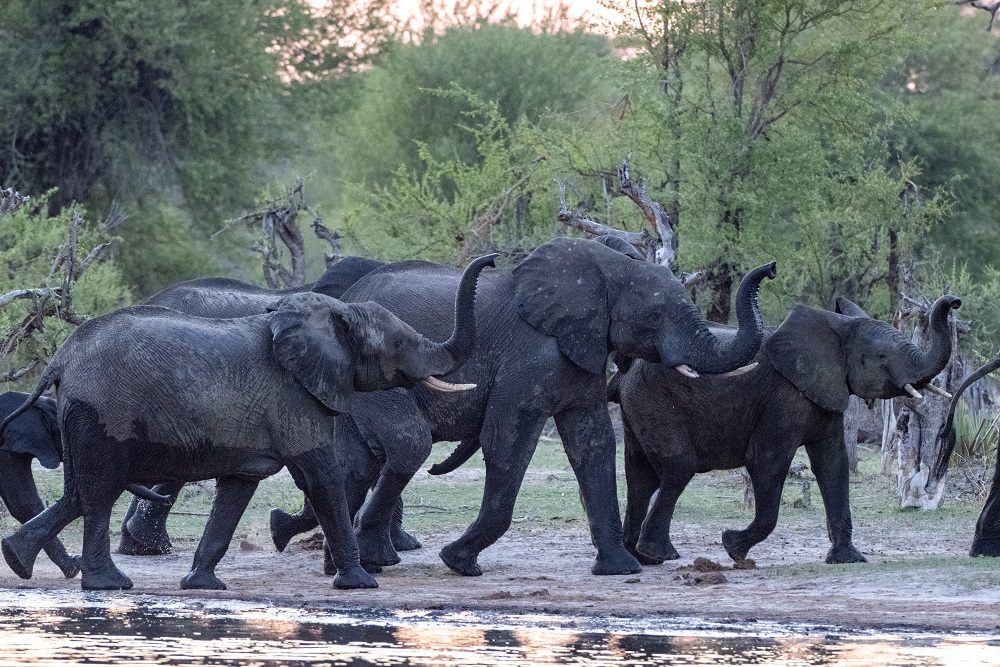
We’ve long been firm believers that any really good African safari itinerary should have at least one signature elephant experience. One day, one game drive, one elephant experience, one photograph which you will remember forever. To be sure, Kenya has more than just one area where the elephant experience will blow your socks off. 

Amboseli is one. It’s where I took what might still be my most liked elephant photo. One morning on a game drive from Tortilis Camp we were watching a herd of elephants move through the woodland. A herd of elephants moving down to the swamps, kicking up some dust, is always worth watching so we stopped. I soon had a 400mm lens pointed in their direction. 100 different photos of elephants walking in good light in Amboseli would all be nice shots, but none would have stood out.

Nothing would have distinguished any one of them from a 1,000 similar photos taken at Amboseli every day of the year. Except this time, something clicked. The matriarch paused for barely a second, and turned her massive head to check on the herd. It changed everything. When I later checked the images on the computer, this one and only this one stood out. It was not ‘just’ elephants walking. The one turned head created an arresting moment, an artfully captured scene. A scene which speaks volumes about elephants. About their herd behavior, how they instinctively protect their young and above all: who’s in charge.  

Another great Kenya elephant experience awaits visitors to Tsavo East, particularly in the dry season when small breeding herds kick up the telltale red Tsavo dust, creating drama and pathos. Even the most dispassionate of observers, analyzing the scene purely in terms of its photographic potential, cannot help but to be moved by the experience. It becomes impossible not to sense and empathize with the elephants’ barely suppressed distress. You cannot look away when their struggle for survival in this harsh environment is as  clear as if it were written in the Tsavo dust.  

Ideally I think everyone who comes back from a Kenya trip should have  a dozen or so of those once-in-a-lifetime elephant images locked away in memory. The baby orphan elephants being bottle-fed at Sheldrick in Nairobi. The startlingly white tusks of Amboseli’s swamp-feeding elephants – and their daily, dusty marches back into the woodlands. The unmistakable red clay colored elephants of Samburu, and their equally dusty Tsavo cousins. The joie de vivre of the young elephants being readied for reintroduction into the wilderness at the Sheldrick reintegration units at Ithumba and Galdessa. They’re all special, all precious and infinitely fascinating and you could spend a lifetime observing and admiring them and never tire of it. 

The mammal and bird diversity

In a single Kenya trip, you can observe and photograph as many as 45 different species of mammals and over 100 different kinds of birds. Among these, some standouts are three type of giraffes (Rothchilds, plains and reticulated giraffes), two species of zebras (Burchells and Grevy’s zebra), two different ostriches (common and Somali ostriches) and both white and black rhinos with their horns intact. Even if you spend just a week in Kenya, you’ll also see at least two, likely three different big cats – lions, cheetahs and leopards. Plus several other predators including spotted hyenas, black-backed jackals, and with a bit of good fortune, a sighting of bat-eared foxes, servals or caracals.  

Kenya’s mammals and birds are generally easy to see, often present in large numbers in open terrain such as the grassy plains of the Masai Mara. Where it is not unusual to see as many as six or seven different large mammals all at the same time. 

I personally look forward to every return trip to Kenya knowing that so much of what I will be seeing and experiencing will be new and exciting. Every time. It’s a slightly different recipe, but still your favorite dish. Your most beloved opera with a particularly callous Pinkerton. All the same glorious notes and melodies but fresh like newborn gazelles finding their feet. 

Is there a best and definitive cheetah sighting? Can you ever see enough giraffes in one tower? Is one super tusker very much like another one? No, no and no. There’s no magic potion for reverse aging but seeing Origins Safaris’ Lydia Mwangi’s big, warm smile upon exiting Nairobi Airport after a long transatlantic flight makes me feel a lot younger every time. Which is why Kathy and I will be returning to Kenya again – soon. And why I think everyone should consider traveling there.

The people and an efficient tourism infrastructure 

In a world where crossing international borders has become more than just a nuisance factor, Kenya is the ‘easy button’ option for a safari. You arrive on one international flight on day 1 and leave on another one on day 12 or whatever. Visiting three very different areas, north and south of the equator, all without having to take even one additional commercial flight with all its attendant irritations and inconveniences.

A well functioning tourism infrastructure may not be the sexiest reason to pick one safari destination over another but it may be the savviest. Losing hours and even days because of delayed or cancelled flights or having to spend hours on horrendously bad roads is not a feature of Kenyan safaris. Where it makes sense to drive (on transfers of not more than three hours or so) there are serviceable main asphalt roads. Where it doesn’t –  you fly. Safely and at a reasonable cost with first class charter operators like Safarilink.

In the 2025 Conde Nast Traveller Readers’ Choice Awards, Kenya was named the world’s friendliest country, scoring an impressive 98%. Voters highlighted Kenyan safari guides’ warmth, its welcoming culture and all-round hospitality. The poll confirmed what we’ve known all along. From the cabin crew on Kenya Airways to the chef at your safari camp, Kenyans positively, actively want you to have a great time in their country. Learn a few words and phrases of Swahili (start by rewatching the Lion King) and you will be making lifelong friends.

The equator 

Because of its  proximity to the equator, there’s not much difference in the duration of summer versus winter days in Kenya. Their longest summer day is only 9 minutes longer than their shortest winter day. Which results in no great swings between summer and winter temperatures. Also, many of the safari areas such as the Masai Mara, the Mt. Kenya area, the Aberdares and Laikipia/Lewa are at generally higher elevation with a reliable cooling effect. So it comes as no surprise that over the course of many trips to Kenya, we’ve rarely experienced any dreadfully hot or exceedingly cold days. Which makes it a  true year-round destination – outside of maybe a couple of months during the ‘long rains’ in March and April.  Just don’t be looking forward to even one long summer night on your Kenya trip. It’s not going to happen. It’s dark right around 7 pm – every day of the year. And it takes barely 25 minutes to go from broad daylight to dark night. 

In sharp contrast, Southern Africa’s higher latitude leads to distinct seasonal shifts. With extremely cold winters and scorching summers. Spend a few days in Zambia’s South Luangwa National Park in late October and you’ll know exactly what I’m talking about.  

Even so, Kenyan safari areas to the north or ‘above’ the equator, and in lower lying areas such as Tsavo East can be harsh, hot and dry at certain times of the year. Paradoxically, for photographers and visitors in general, this just adds to the appeal of the country. The invisible equatorial line creates a north and a south which can hardly be more different. North of the equator areas such as Samburu feature arid, rugged landscapes where several special endemic mammals such as  the reticulated giraffe and Grevy’s zebra can be observed, together with other arid-area specialties such as the peculiar gerenuk and the ubiquitous Kirk’s dikdik.  

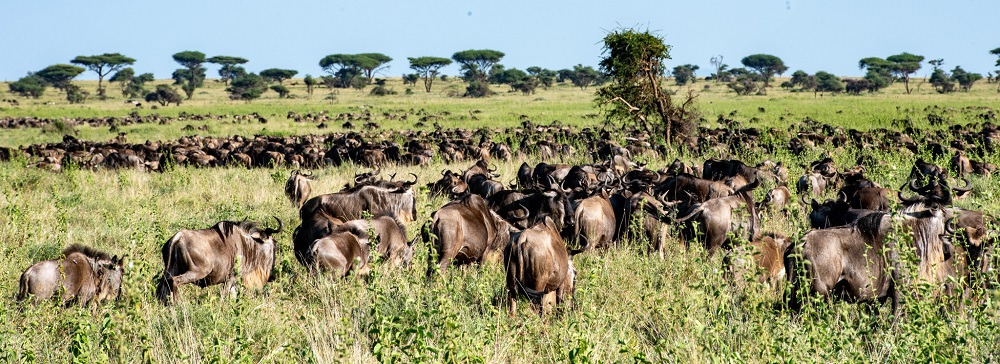
By contrast, the predator-rich Masai Mara south of the equator offers iconic, vast grasslands which are  seasonally overrun by massive herds of wildebeest and zebra. The Great Migration. Sitting at the northern edge of the Serengeti plains, the Mara offers consistently good viewing of lions, leopards, and cheetahs. One of the reasons why we almost always schedule guests’ last few days on safari in the Mara. 

The wildebeest and zebra migration

Any seasoned East Africa tour operator or advisor knows better than to promise guests a migration experience. Even with the best laid plans the migration is a natural phenomenon which is largely weather-driven and as a result devilishly difficult to predict. In broad strokes we all know where the migration is likely to be at any specific time of the year but there’s just too many factors which can and does throw it off by weeks, or stop it in its tracks.   

When fortune smiles on you and you find yourself witnessing thousands of wildebeest and zebras spread out around you in a 360-degree arc, it can be magical. Even more so when you’re witnessing hundreds or even thousands of them plunging into a swollen river, risking life and limb just to get to the other side.  

As magical as the July–October migration can be, we’ve taken some of our best photographs around the time of the short rains in November. The Mara becomes green, textured, and alive and mornings can bring the most exquisite of photographic opportunities such as a rhino or a journey of giraffes emerging from a dense fog bank. From January through March, it’s the calving season – yet another gift for photographers.  

Jason and Katie are  just back from a long Kenya trip so send Jason an email at jason@fisheaglesafaris.com for fresh news and updates about conditions there, and for assistance planning your next trip there or elsewhere in East Africa.  

YOU MIGHT ALSO BE INTERESTED IN

Destinations
Zambia

10th September 2021

Chindeni and the Bushcamp Company, Zambia

By late July we found ourselves at Chindeni, a small Bushcamp Company property

Read more
Botswana
Destinations
Okavango Delta

3rd October 2022

Camp Okavango, Botswana

Camp Okavango is in the heart of the permanent part of the Delta. In this idyllic setting there are no vehicles, and it is just a short walk

Read more
Area
Destinations
Nyerere National Park
Ruaha
Tanzania

14th October 2023

From My Safari Notebook: Wildlife Photography

Birds in flight and wildlife photographers have an uneasy relationship. Things go wrong as often as they go right. Getting focus-lock on a moving subject

Read more

SUBSCRIBE TO OUR NEWSLETTER

READERS FAVOURITES
Destinations
India

27th May 2023

India

India’s tiger, mammals and birds.

Read more
Botswana
Destinations

4th August 2022

On Safari At Belmond Eagle Island Lodge, Okavango Delta

What is the ‘secret sauce’ for an unforgettable few days on safari in Botswana? It starts with the animals, of course. The elephants, lions, giraffes, hippos

Read more
Destinations
Zambia

10th September 2021

Chindeni and the Bushcamp Company, Zambia

By late July we found ourselves at Chindeni, a small Bushcamp Company property

Read more

East or Southern Africa: your choice

8th February 2026

East or Southern Africa:  your choice

Choosing between East and Southern Africa for a safari is hardly ever an open and shut case, or a definitive ‘yes or no’ for one or the other. Time of the year is the best place to start. The best time for a southern Africa trip is from about April-May through September. From October onwards it can get uncomfortably hot in countries like Botswana and Zimbabwe, and the summer rains (what there is of it) start to fall around November onwards, peaking in Jan/Feb/March. 

On the topic of high temperatures, fortunately more and more Botswana, Zimbabwe and Zambia operators are beginning to acknowledge that heat is an issue and are installing eco-friendly ‘Evening Breeze’ evaporative coolers which cool down tent interiors to the point where guests can look forward to a good night’s sleep.

Likewise for East Africa (Kenya & Tanzania), the best time to travel is from June through October (roughly speaking the migration months), with the long rains falling from March through May and the short rains in November. January and February are also worth considering as they are both relatively dry months with a lot less visitor traffic than during the traditional migration season. January and February are also the best months for visiting the southern Serengeti in Tanzania, where the wildebeest herds are congregated for the calving season. In my opinion, this is one of the best times of any to visit Tanzania, combining the central and southern Serengeti.  

The choice between traveling to East Africa versus Southern Africa often comes down to the responses to a few of these questions:  

Wildebeest migration, yes or no?

If you definitely want to witness or at least put yourself in an ideal spot for the annual zebra and wildebeest migration, then Tanzania’s northern Serengeti or Kenya’s Masai Mara are the best bets, from about July through October. That being said, we are not huge fans of the traditional high season ‘migration madness’ which often results in overcrowded conditions in the northern Serengeti and parts of the Masai Mara. A much better option is to travel to Tanzania in February-March, when the wildebeest herds are massed together in the southern Serengeti’s short grass plains in the greater Ndutu area for the calving season. Not nearly as many other vehicles around as in the north during the migration season, and awesome game viewing with the mixed herds of zebras and wildebeest often massing together and providing spectacular photographic opportunities. Predators are as active as they can be and it is not unusual at all to see more than one cat in a tree (both lions and leopards) on a single game drive.  

First safari?

If yes then my top suggestions are Kenya or South Africa. Simply because both of these countries have so much diversity of wildlife, scenery, activities and cultural experiences. Also, the tourism infrastructure in Kenya and South Africa are second to none. There are easy flight or road connections to just about every major area. Primarily though, it is about the abundance of wildlife in areas such as the greater Kruger Park in South Africa and the Masai Mara in Kenya. On a 10-day safari in Kenya you will see as many as 40+ different species of mammals, including the ‘Big Five’ – and in several places there it is not unusual to see as many as six or seven different large mammals at the same time. In South Africa various private game reserves like the Sabi Sands and Timbavati are renowned for their big cat sightings – notably leopards – and they are likewise Big Five destinations. Which means that over the course of a 3-night stay you are likely to see lions, leopards, buffalos, elephants and rhinos. Together with the other signature African plains game species like giraffes, zebra, various antelope and others. 

Active safari?

If yes then Southern Africa is the best choice as it has a much wider range of ‘out of the vehicle’ activities compared with most of East Africa. These range from walking to hiking and even canoeing and horseback riding just to name a few. Nothing beats a Zimbabwean ‘full pro’ guide pulling over the vehicle mid game drive to take you on foot and up close to some of these large mammals. Something like this happens organically in areas like Hwange National Park or in the Mana Pools all the time. Likewise in Zambia where the concept of ‘foot safaris’ first took hold and was popularized. This doesn’t imply that there are no active safari options in East Africa. Incorporating them into an East Africa trip just takes a bit more forethought and planning and they are rarely spontaneous events. 

Interaction with primates?

If you want to see gorillas and chimpanzees then Rwanda and Uganda are the ticket and a visit to either of these countries can quite easily combine with a more traditional East African safari. For a ‘primate specific’ trip Uganda is head and shoulders the best single destination, as visitors can combine chimp treks in Kibale with gorilla trekking in Bwindi Impenetrable Park. Over the years, we have personally observed the Kibale chimpanzee experience improve from being a ‘hit and miss’ event to now being much more reliable. We are hearing the same thing from other tour operators. 

A dark horse for chimpanzees is Greystoke Mahale Camp in the remote Mahale Mountains National Park in western Tanzania. The Mahale Mountains chimpanzees have been studied by Japanese scientists for more than 50 years now and a visit to Greystoke opens up an entire new world of chimpanzee behavior to guests. Some of it is simply astonishing, such as the fact that a propensity towards ‘evil,’ as we would describe it, seems to be an inborn trait in some of the chimps. Not learned behavior. We’re talking lethal aggression, murder, infanticide and gang-warfare. The fact that Greystoke Camp sits right on one of Africa’s most amazing lakes – Lake Tanganyika – adds another entire dimension to a trip to that spot. Greystoke and the Mahale Mountains can and should ideally be combined with a few days at another western Tanzania park – Katavi – for wildlife viewing. In the dry season it is superb and the wildlife sightings there can reach epic levels, such as when hundreds of hippos are jammed together in relatively small muddy pools, awaiting the first rains.  

If you’re considering either Southern or East Africa and are having a hard time deciding which it should be, by all means give us a call and leave a message with our service any time – you will get a call back. 713-467-5222 or 1-800-513-5222. Or contact Jason by email at jason@fisheaglesafaris.com.  

YOU MIGHT ALSO BE INTERESTED IN

Destinations
Zambia

10th September 2021

Chindeni and the Bushcamp Company, Zambia

By late July we found ourselves at Chindeni, a small Bushcamp Company property

Read more
Botswana
Destinations
Okavango Delta

3rd October 2022

Camp Okavango, Botswana

Camp Okavango is in the heart of the permanent part of the Delta. In this idyllic setting there are no vehicles, and it is just a short walk

Read more
Area
Destinations
Nyerere National Park
Ruaha
Tanzania

14th October 2023

From My Safari Notebook: Wildlife Photography

Birds in flight and wildlife photographers have an uneasy relationship. Things go wrong as often as they go right. Getting focus-lock on a moving subject

Read more

SUBSCRIBE TO OUR NEWSLETTER

READERS FAVOURITES

Destinations
India

27th May 2023

India

India’s tiger, mammals and birds.

Read more
Botswana
Destinations

4th August 2022

On Safari At Belmond Eagle Island Lodge, Okavango Delta

What is the ‘secret sauce’ for an unforgettable few days on safari in Botswana? It starts with the animals, of course. The elephants, lions, giraffes, hippos

Read more
Destinations
Zambia

10th September 2021

Chindeni and the Bushcamp Company, Zambia

By late July we found ourselves at Chindeni, a small Bushcamp Company property

Read more

A Classic Combo: Cape Town, Kruger Park and Victoria Falls

7th February 2026

A Classic Combo: Cape Town, Kruger Park and Victoria Falls

There’s more than one way to combine South Africa’s Cape Town and greater Kruger Park area and Victoria Falls (Zimbabwe or Zambia) in one trip. It’s usually a good idea to start in Cape Town – a perfect spot to get over jet lag and adjust to the new time zone before heading further north – but not always. If your Africa trip starts in August – for example – your best bet would be to spend some time on safari in the greater Kruger park area first. Next up? A couple of nights in Vic Falls with hopefully a few extra days on safari in Hwange in Zimbabwe (simply awesome elephant sightings in a reserve which has 45,000-plus of these fascinating behemoths), or in Zambia or northern Botswana’s Chobe or Okavango Delta. Then – and only then – by early September, set your sights on South Africa’s “Mother City,” Cape Town. 

Cape Town in winter

The wild card in this trip is always Cape Town and for one reason only: weather. The southwestern Cape Province (unlike all of the southern African interior all the way up to Victoria Falls and beyond) has a winter rainfall climate. Which is great for the wine grapes but not for the unsuspecting traveler waking up to gale force winds. It’s not always that bad but intermittent rain, cold and wind are par for the course in June, July and August. Call it Cape Town’s dirty little secret or just a quirk of geography – but beware of the tour operator who doesn’t mention this mixed in with all the usual Cape Town superlatives. 

Successfully integrating Cape Town and Victoria Falls into a Southern Africa trip is tricky but possible. The two best months for it are undoubtedly May and September. Before or after the often miserable Cape winter months. 

Which means that the safari portion of the trip is best planned for the August-September timeframe. Late in the dry season and before the worst heat sets in from mid-September through October and November, with the bulk of the interior rainy weather happening from December through March. 

August-September or May?

August and September are peak season safari months from a pricing perspective, so you will end up paying a good 20% or more compared with traveling in May. Which might just make the month of May the single best month to include Victoria Falls and Cape Town, with some time spent on safari. To make the most of a May trip,  start in Cape Town where you’ll have a good shot at some decent weather to perhaps hike to the summit of Table Mountain on a nice day (ask us about that), with some of the best views in Africa yours for the taking. Even if you do cheat a bit and use the cable car up and down. 

Another plus for May? The Zambezi is still in high flow stage in May, making the view of the Falls from the Zimbabwe side an incredible spectacle. With enough foam and spray to add lots of drama and romance. Sometimes so much foam and spray that a short 15-minute flight over the Falls becomes just short of a necessity to get any idea of the true grandeur of the entire Falls environment.

Northern Botswana in May from a safari point of view has many pluses and few negatives. Not quite as many travelers as in July, August and September, lower prices, and yet the crown jewel of Botswana – the Okavango Delta – just short of its best. With the annual flood already pushing deep into the central and eastern part of the Delta you will be able to see its glistening tentacles reach into far flung depressions and seasonal flood plains. 

The game viewing in May is likewise generally good to excellent with the animals in good condition with plenty of food available. Photographic conditions are excellent with plenty of pleasing green backgrounds to be found everywhere.

It becomes a matter of picking the right properties for that time of the year and of course that’s where we come in. We’ve traveled to pretty much every property worth considering in various seasons and we keep going back. We also have supremely knowledgeable local partners who go to great lengths to help us pick the perfect combination of camps for a specific set of guests. No cookie cutter proposals or itineraries, ever. 

Really the only downside in May is the chance of having some dense vegetation and tall grass in a few areas, depending on the timing of the last substantial rain, prior to one’s visit. There are lots of areas which are good year-round so it is not of overriding importance. It just means that later in the season visibility is better everywhere and more animals are drawn to remaining sources of water.

For specific camp recommendations and combinations for a May or September trip to Southern Africa – or any other time for that matter – feel free to reach out to one of our team members by leaving a message with our answering service at 800-513-5222 or emailing bert@fisheaglesafaris.com.  

YOU MIGHT ALSO BE INTERESTED IN

Destinations
Zambia

10th September 2021

Chindeni and the Bushcamp Company, Zambia

By late July we found ourselves at Chindeni, a small Bushcamp Company property

Read more
Botswana
Destinations
Okavango Delta

3rd October 2022

Camp Okavango, Botswana

Camp Okavango is in the heart of the permanent part of the Delta. In this idyllic setting there are no vehicles, and it is just a short walk

Read more
Area
Destinations
Nyerere National Park
Ruaha
Tanzania

14th October 2023

From My Safari Notebook: Wildlife Photography

Birds in flight and wildlife photographers have an uneasy relationship. Things go wrong as often as they go right. Getting focus-lock on a moving subject

Read more

SUBSCRIBE TO OUR NEWSLETTER

READERS FAVOURITES

Destinations
India

27th May 2023

India

India’s tiger, mammals and birds.

Read more
Botswana
Destinations

4th August 2022

On Safari At Belmond Eagle Island Lodge, Okavango Delta

What is the ‘secret sauce’ for an unforgettable few days on safari in Botswana? It starts with the animals, of course. The elephants, lions, giraffes, hippos

Read more
Destinations
Zambia

10th September 2021

Chindeni and the Bushcamp Company, Zambia

By late July we found ourselves at Chindeni, a small Bushcamp Company property

Read more

A Visit to Tembo Plains, Zimbabwe

6th February 2026

A Visit to Tembo Plains, Zimbabwe

By Lyndon Duplessis 

In November of 2025 I was privileged to make my first visit to Tembo Plains. Located in the Sapi Reserve just east of Mana Pools National Park, this destination proved a worthwhile and meaningful stay of my safari.

To truly appreciate Sapi, you must understand its history. For years, this area was a hunting concession, leaving the wildlife skittish and the ecosystem out of balance. However, under the leadership of Great Plains Conservation, the area has and will continue to be rehabilitated. Already, Great Plains have gone above and beyond and in the nearly 10 years that they have managed the area through their Sapi Restoration Initiative they have made a massive impact. 

One of their recent crowning achievements was a successful reintroduction of a pack of African painted dogs. This highlight is worthy of massive praise but it is really the totality of their plan that makes one appreciate the industry that we work in. The development of basic infrastructure, a strategic wildlife management plan, wildlife monitoring teams (which we were lucky enough to visit with), and flora and fauna surveys among others.

Our arrival

The flight from Hwange to Chikwenya Airstrip was probably a bit over an hour and a half but it was scenic. It doesn’t take too long before you start to see the Zambezi turn into Lake Kariba and then, if you know where to look, the dam wall itself. After that the river returns, narrow at first and then all of a sudden wide with the classic floodplains and sandy islands continuing for miles. Almost always visible from the air: the Zambian Escarpment in the background and giant winterthorn forests covering portions of the flood plains.

Nearby the airstrip is a giant baobab to greet you. The tree is known as Chikwenya baobab and it served as the burial place of Chief Chikwenya, a famous chief from the mid-20th century. The famously slow-growing tree is impressive and likely 1,200 years old give or take a few centuries. When we first visited there were some elephants camped out so we were not able to get too close but we would return to the area later and explore it in more detail.

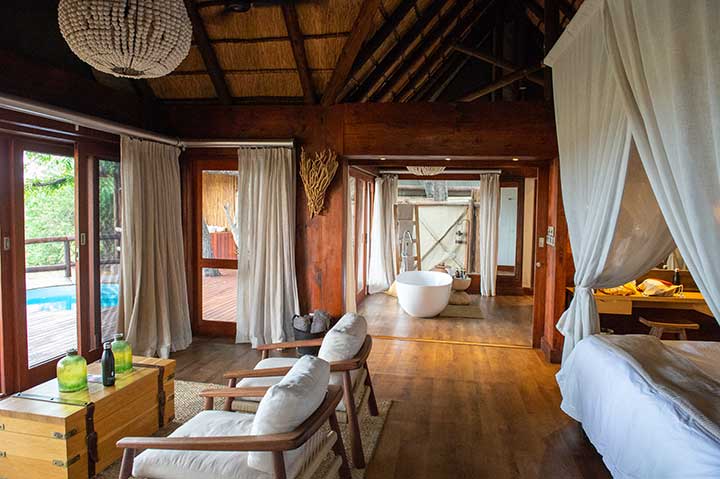
The camp gave us a huge welcome with singing and dancing. At some point many of our group joined in. The main area is huge with great views over a large floodplain just east of camp that is often dotted with animals. The rooms are also very spacious as is the case with all Great Plains Reserve Collection properties. One of the great perks of staying at this level of camp is having access to a 100-600mm zoom lens and camera. Each tent gets one as well as a pair of binocs. Irrespective of how many photographs you take, Great Plains will save them to a memory stick that you can take with you. Other than that you have a small pool on your front deck, indoor and outdoor showers, a bathtub, and a friendly room butler to take care of any other needs or wants that you might have.

Our first morning game drive

It is always nice to get some tough sightings ticked off early on during a safari so there is no pressure on you or your guide to deliver as your time inevitably comes close to an end. It was just our luck but on the very first game drive of the morning on our first full day at camp we hit the proverbial hat trick. First up was a pair of lions, likely a mating pair, just taking a breather. In fact the female possibly was finished with the whole affair as at one point she got up and walked off a substantial distance before the male, who was preoccupied with us, looked up and clearly got a shock when he noticed her absence. He immediately got up and trotted after her. Later on during our stay we managed to find him again, alone. I think we all saw that coming.

After this we drove along for a short distance before being blessed with a gorgeous leopard sighting as he crossed the road right in front of the vehicle. What timing! He stalked up a ridge and found his way up a tree. Which provided us with the opportunity to get a few photographs and to stick around a little longer before giving another vehicle a heads up. Once leopards get up in a tree they can be almost impossible to pinpoint.

Finally, we headed west towards the border of the reserve and got to spend some time with a rather large pack of wild dogs. They looked like they had just had a successful hunt, bellies full and taking a well-deserved nap. These animals are really easy on the eyes in this blogger’s opinion. And if you catch them in action get ready for a treat because they can move. Not for the faint of heart.

Most of the time November can be brutally hot, and while it certainly wasn’t cool, the area was overcast for the majority of our stay and in fact the rain would come shortly after our departure. It was nice, therefore, to get out onto the river in the evening. This time of year the southern carmine bee-eaters are nesting in the banks of the Zambezi and it is absolutely fascinating watching them come and go over and over and over again. Having a nice long zoom lens is mandatory if you want to even attempt to get some quality photos. And patience. Lots of patience and lots of trial and error. 

I took some time to appreciate how every bird must know exactly which little hole is their nest. The guides know where the nests are located but due to the Kariba Dam’s schedule of holding and then releasing water for the production of electricity the banks of the river erode more quickly than they would under normal conditions. This means that some colonies lose their nests as a section of the bank falls into the water. It appeared that 2025 was an especially tough year in this regard.

After spending some time with the birds (and a rather large and nonplussed croc) we headed further upstream to a low lying sand island in the middle of the river. Here we enjoyed our sundowners and snacks as the guides prepared the food and drink and kept a close eye on any hippo pods that might be off in the distance. What a magnificent sunset!

Bush dinner to remember

Upon returning to camp we heard some lions roaring in the distance and the guides rounded everyone up to see if we could go find them. Little did we know this was simply a ploy to get us to our bush dinner destination on the floodplain in front of camp. Still not sure how they got the lions to cooperate so thoroughly… The food was excellent and of course the service standards were top notch. Lucky us we had a full moon (or close enough) which added an extra layer of magic.

We were all sad to leave at the end of our stay and I look forward to the next time I get to visit Sapi. It really is a special place filled with some special people and I would be happy to talk with you more about my experience and assist in arranging a trip so that you can experience it for yourself.

Following Lyndon’s visit to Tembo Plains, he is ready to answer any questions you may have about the area and how it can best be combined with other Zimbabwe reserves such as Hwange or Matusadona. Please email Lyndon at lyndon@fisheaglesafris.com. Or if you prefer, call us at 1-800-513-5222 and leave a message with our answering service – one of the team will get back to you promptly. 

Property and sunset photos courtesy Great Plains Conservation

YOU MIGHT ALSO BE INTERESTED IN

Destinations
Zambia

10th September 2021

Chindeni and the Bushcamp Company, Zambia

By late July we found ourselves at Chindeni, a small Bushcamp Company property

Read more
Botswana
Destinations
Okavango Delta

3rd October 2022

Camp Okavango, Botswana

Camp Okavango is in the heart of the permanent part of the Delta. In this idyllic setting there are no vehicles, and it is just a short walk

Read more
Area
Destinations
Nyerere National Park
Ruaha
Tanzania

14th October 2023

From My Safari Notebook: Wildlife Photography

Birds in flight and wildlife photographers have an uneasy relationship. Things go wrong as often as they go right. Getting focus-lock on a moving subject

Read more

SUBSCRIBE TO OUR NEWSLETTER

READERS FAVOURITES

Destinations
India

27th May 2023

India

India’s tiger, mammals and birds.

Read more
Botswana
Destinations

4th August 2022

On Safari At Belmond Eagle Island Lodge, Okavango Delta

What is the ‘secret sauce’ for an unforgettable few days on safari in Botswana? It starts with the animals, of course. The elephants, lions, giraffes, hippos

Read more
Destinations
Zambia

10th September 2021

Chindeni and the Bushcamp Company, Zambia

By late July we found ourselves at Chindeni, a small Bushcamp Company property

Read more

Zambia’s South Luangwa National Park – in the Hot Dry Season

5th February 2026

Zambia’s South Luangwa National Park – in the Hot Dry Season

The South Luangwa region of Zambia in late October is not for everyone. Even before arriving in Zambia I knew that it was going to be hot and dry and so it was. Just more so. A lot more so. The first clue was a bumpy descent into Mfuwe Airstrip on a 29-seater Proflight British Aerospace Jetstream 41 aircraft on a late morning flight from Lusaka. A more reliable indication of what lay ahead was the pilot informing us that the temperature on the ground was 38C. In Texas that would be a cool 97F.

Of course you don’t have to visit Zambia in October. Any time from May through the end of August would be better to avoid the worst of the heat. Together with a few other tour operators I was on the equivalent of what the British would call a busman’s holiday. Doing for pleasure what you ordinarily do for work. Which is why we found ourselves in ‘the valley’ in late October. We do not usually recommend the area for our North American guests at that time of the year. Upon asking around it appears that British and at least some European visitors are not quite as averse to the extreme temperatures as we are. To each his own.  

This last October trip was my fifth visit to the area and together with several other Zambia trips done by members of our team, we now have a pretty good idea of what makes South Luangwa National Park – and by extension all of Zambia – a worthwhile candidate as a safari holiday destination.

Wild unspoiled rivers

The Luangwa River dominates the south Luangwa National Park. Not surprisingly, the majority of the camps in the park are either right on the river or not far from it. In the dry season the river is a veritable lifeline, its steadily diminishing water sustaining many species of mammals, reptiles and birds, until the first rains show up in November. 

Elsewhere in the country major rivers like the Kafue in the west and the mighty Zambezi which flows west to east along Zambia’s border with Zimbabwe to the south, are just as important and just as impressive. 

Whether the Luangwa is at its lowest flow ever – as it was last October – or the Zambezi is at flood stage as we’ve seen it previously – rivers and safaris are like peanut butter and jelly. Beyond their life-sustaining value to surrounding communities, rivers attract wildlife, provide opportunities for activities like boating and canoeing, fishing and even photography. We’ve taken some of our best photographs on safari from the stable platform of a boat or pontoon. And some of our finest moments on safari in Zambia have been in and along rivers. Enjoying a leisurely lunch drifting down the Zambezi on an outing from Chiawa a few years ago and twice (not just once) being prevented from walking straight to our rooms at Lower Zambezi camps due to elephants by the jetty. That’s Zambia. That’s Africa. 

Unique mammal species

Look closely at the first giraffe you come across in the South Luangwa NP. It’s not your garden variety plains or Burchell’s giraffe. Being slightly smaller in stature with smaller, more compact dark patches, having an overall darker appearance and a more recurved upper mouth makes it a Thornicroft’s giraffe, an endemic subspecies. Matter of fact the South Luangwa National Park came into existence in 1947 for the specific purpose of safeguarding the then dwindling number of Thornicroft’s giraffes. 

Another unique species to the valley is the handsome Cookson’s wildebeest. An endemic subspecies found mostly just there. It’s a noticeably lighter gray/brown color than the regular blue wildebeest and it’s also larger with bigger horns. 

Elsewhere in Zambia the Kafue lechwe – a subspecies of the common or lechwe – are still easily seen on the Busanga Plains but their numbers have been steadily declining due to habitat loss and human encroachment. Competition with cattle for food and contamination of their drinking water by surrounding human communities are putting further stress on the animals. 

For first time visitors to Africa – or guests who may have spent time elsewhere in Africa on safari – any of the major Zambia national parks would deliver a first-class wildlife viewing experience. Combining two or even three of them is even better, such as Lower Zambezi and South Luangwa, or South Luangwa and Kafue.  

High density of hippos

If you’re keen to see hippos in the wilderness, then Zambia will be your jam. In the South Luangwa, all along the Zambezi, in the Kafue and other rivers and dams, they’re present pretty much everywhere, often in great abundance. Towards the end of the dry season – such as when we were there last October – there are sometimes hundreds of them jammed together in rapidly shrinking hippo pools, testing their own and each other’s limits as they hunker down and wait for the rains. With their watery homes rapidly disappearing around them and having to walk many kilometers each night in search of food, they are stressed and cranky. So treat them with the utmost respect and keep your distance at all times.

An abundance of predators 

Practically the second mammal which we saw in the south Luangwa this time around (last October) was African painted dogs on my very first game drive from Chichele Presidential Lodge in the South Luangwa area. Within the next couple of days we added leopards and lions, hyenas and jackals – and a sighting of a different pack of painted dogs.  

Every one of our Zambia visits over the years have been notable for excellent big cat and other predator sightings. A standout sighting on the very first trip – on a night drive from Kaingo – was a lion charging a leopard. The leopard had inadvertently been lit up by our tracker’s spotlight. Fortunately the leopard escaped by scampering up a tree. On that same trip we had several other leopard sightings in the South Luangwa and Lower Zambezi areas, and good lion sightings in Kafue. Noticeable on night drives in the South Luangwa is that the guides immediately start to look for leopards when seeing hyenas. The hyenas having cottoned on to the fact that the leopards often drag prey around and that they can either be coerced to or accidentally drop or abandon the hard-won carcass. 

A  visit to Musekese Camp in Kafue a few years ago left us astonished at the number of leopards present in the area around the camp and we were fortunate to see several of them. It felt very much like the Sabi Sand Reserve in South Africa, just without any other vehicles around.  

Yet another memorable predator sighting took place in the Lower Zambezi on a game drive from Kutali. On that occasion we experienced – in all of its rather grim reality – a pack of African painted dogs killing and devouring an unfortunate chacma baboon. The dogs were hunting and we were following them as they were running and occasionally jumping  through a grassy floodplain, their eyes fixed on a small group of impalas in the distance. A young male baboon inadvertently got in the way and opportunistically three of the dogs dispatched him in a matter of minutes, right in front of our eyes and with me shooting multiple never-to-be-published photographs.

Limited number of vehicles 

We’ve personally had several days go by on safari in Zambia without seeing any other vehicles, specifically in the Kafue National Park. In some parts of the South Luangwa National Park such as in the Mfuwe area, this is not always the case as there are several lodges in the area. Even so, it is unusual to see more than a handful of vehicles, even around predator sightings. Most of the time it’s just you, the guide, the wilderness and wildlife.  

Range of properties 

There was a time when Zambia did not have the same variety of accommodation options as other Southern Africa safari destinations, such as South Africa and Botswana. That is no longer the case. On the basis of what I have personally seen over the last few years, I now rate the range and diversity of Zambia’s safari properties to be every bit as good as anywhere else. Nowadays, the range of Zambian accommodation options stretches from basic bush camps all the way to the most sublime deluxe lodges. The choice is yours: an authentic wilderness experience in a remote, tiny bush camp or a few days of being pampered in a deluxe lodge – and everything in between.  

This variety was on full display during our recent trip. Classic bush camps, some with as few as three rooms, larger ‘proper’ brick & mortar lodges along the Luangwa, a quaint old-fashioned camp with several comfortable ‘rondavel’ style rooms, midrange tented camps and deluxe air-conditioned lodges with every luxury one can imagine. That’s just in the South Luangwa: further afield there are just as many options. The Lower Zambezi has an equally stunning array of properties ranging from fairly basic, small tented camps (in gorgeous locations on the edge of the most atmospheric albida forests) to deluxe tented and hybrid lodges on the Zambezi, with all the luxury anyone could want, including air conditioning.  

The Kafue area – while massive – does not have quite as many properties to choose from, but the range is impressive, nonetheless. It’s all there from rustic bush camps to deluxe tented properties, even a lodge with rooms in the style of elevated  bird’s nests, on the edge of the Busanga Plains.  

Top quality guiding

Zambia and its southern neighbor Zimbabwe are known for the quality of their guides. We’ve personally experienced some extraordinarily good guiding in Zambia, particularly on ‘out of the vehicle’ excursions when the guides can demonstrate the breadth and depth of their experience and knowledge. Zambia is where ‘foot’ safaris first became popular so they are almost always on the list of available activities. If you’re so inclined and have the time and opportunity, by all means go on a walk. Being on foot in big game terrain changes everything.

If you’re considering a Zambia trip, or would like to get a little more information about the trips which we do there, please contact Lyndon at lyndon@fisheaglesafaris.com. Or call us at 713-467-5222 and leave a message with our answering service – we will call you back promptly. 

Property photos courtesy Chiawa, Chisa, Classic Zambia and Bushcamp Company.

YOU MIGHT ALSO BE INTERESTED IN

Destinations
Zambia

10th September 2021

Chindeni and the Bushcamp Company, Zambia

By late July we found ourselves at Chindeni, a small Bushcamp Company property

Read more
Botswana
Destinations
Okavango Delta

3rd October 2022

Camp Okavango, Botswana

Camp Okavango is in the heart of the permanent part of the Delta. In this idyllic setting there are no vehicles, and it is just a short walk

Read more
Area
Destinations
Nyerere National Park
Ruaha
Tanzania

14th October 2023

From My Safari Notebook: Wildlife Photography

Birds in flight and wildlife photographers have an uneasy relationship. Things go wrong as often as they go right. Getting focus-lock on a moving subject

Read more

SUBSCRIBE TO OUR NEWSLETTER

READERS FAVOURITES

Destinations
India

27th May 2023

India

India’s tiger, mammals and birds.

Read more
Botswana
Destinations

4th August 2022

On Safari At Belmond Eagle Island Lodge, Okavango Delta

What is the ‘secret sauce’ for an unforgettable few days on safari in Botswana? It starts with the animals, of course. The elephants, lions, giraffes, hippos

Read more
Destinations
Zambia

10th September 2021

Chindeni and the Bushcamp Company, Zambia

By late July we found ourselves at Chindeni, a small Bushcamp Company property

Read more
  • « Go to Previous Page
  • Page 1
  • Page 2
  • Page 3
  • Page 4
  • Page 5
  • Interim pages omitted …
  • Page 21
  • Go to Next Page »

Footer

Design

  • About
  • Destinations
  • Blogs
  • FAQS
  • Team
  • Contact
All Rights Reserved ©Fish Eagle Safaris 2022 | Terms & Conditions | Privacy Policy
Designed & Developed by B Online

SUBSCRIBE TO OUR NEWSLETTER

SIGN-UP TO OUR NEWSLETTER

Subscribe Form

Footer Widget Header

Related Blogs