• Skip to primary navigation
  • Skip to main content
  • Skip to footer

Fish Eagle Safaris

Fish Eagle safaris

Contact

Logo
  • About
  • Destinations
  • Blogs
  • Newsletter
  • FAQS
  • Team
  • search
  • Contact
  • About
  • Destinations
  • Blogs
  • FAQS
  • Team
  • Contact

Cape Town

A Classic Combo: Cape Town, Kruger Park and Victoria Falls

7th February 2026

A Classic Combo: Cape Town, Kruger Park and Victoria Falls

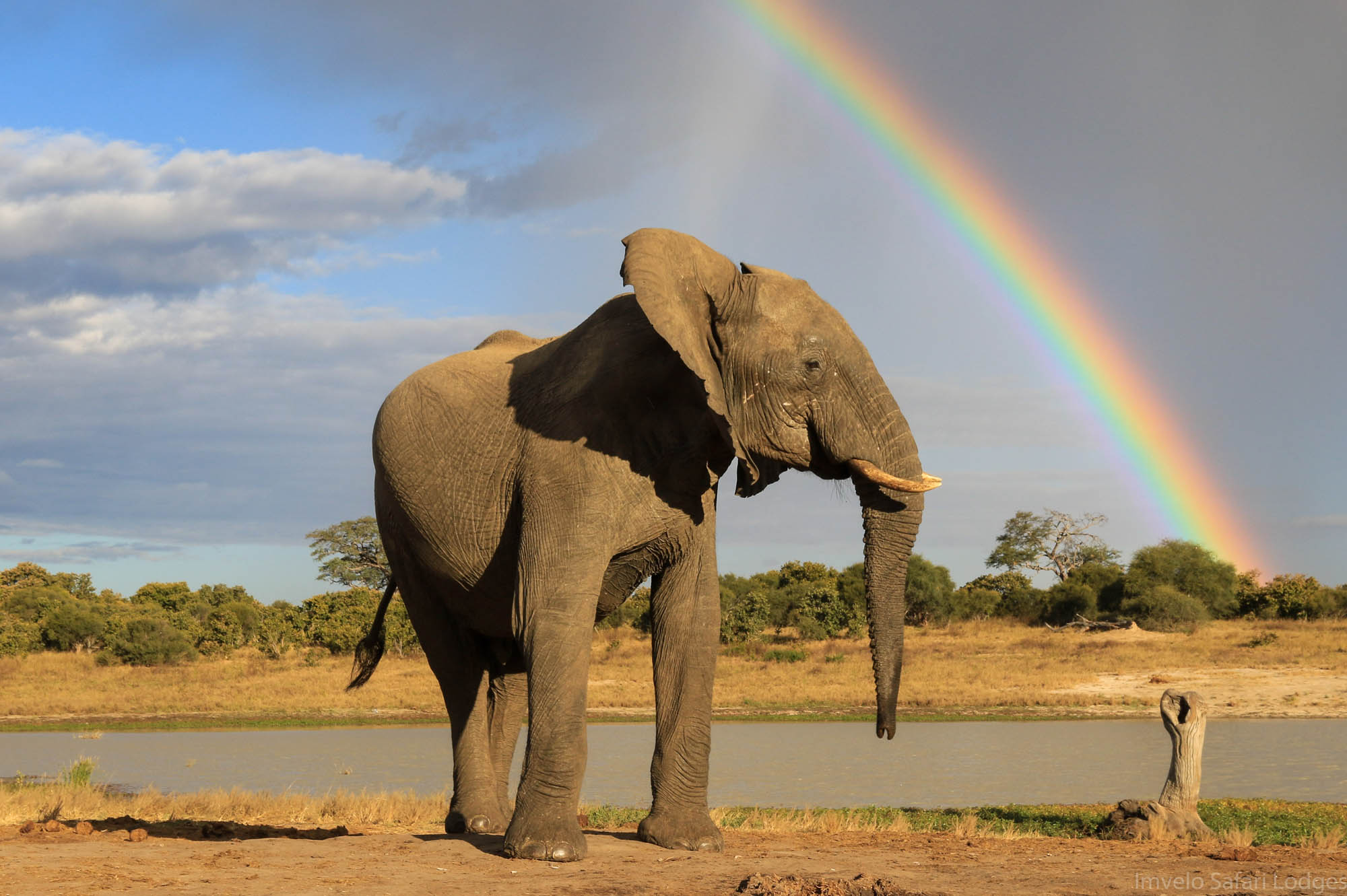
There’s more than one way to combine South Africa’s Cape Town and greater Kruger Park area and Victoria Falls (Zimbabwe or Zambia) in one trip. It’s usually a good idea to start in Cape Town – a perfect spot to get over jet lag and adjust to the new time zone before heading further north – but not always. If your Africa trip starts in August – for example – your best bet would be to spend some time on safari in the greater Kruger park area first. Next up? A couple of nights in Vic Falls with hopefully a few extra days on safari in Hwange in Zimbabwe (simply awesome elephant sightings in a reserve which has 45,000-plus of these fascinating behemoths), or in Zambia or northern Botswana’s Chobe or Okavango Delta. Then – and only then – by early September, set your sights on South Africa’s “Mother City,” Cape Town. 

Cape Town in winter

The wild card in this trip is always Cape Town and for one reason only: weather. The southwestern Cape Province (unlike all of the southern African interior all the way up to Victoria Falls and beyond) has a winter rainfall climate. Which is great for the wine grapes but not for the unsuspecting traveler waking up to gale force winds. It’s not always that bad but intermittent rain, cold and wind are par for the course in June, July and August. Call it Cape Town’s dirty little secret or just a quirk of geography – but beware of the tour operator who doesn’t mention this mixed in with all the usual Cape Town superlatives. 

Successfully integrating Cape Town and Victoria Falls into a Southern Africa trip is tricky but possible. The two best months for it are undoubtedly May and September. Before or after the often miserable Cape winter months. 

Which means that the safari portion of the trip is best planned for the August-September timeframe. Late in the dry season and before the worst heat sets in from mid-September through October and November, with the bulk of the interior rainy weather happening from December through March. 

August-September or May?

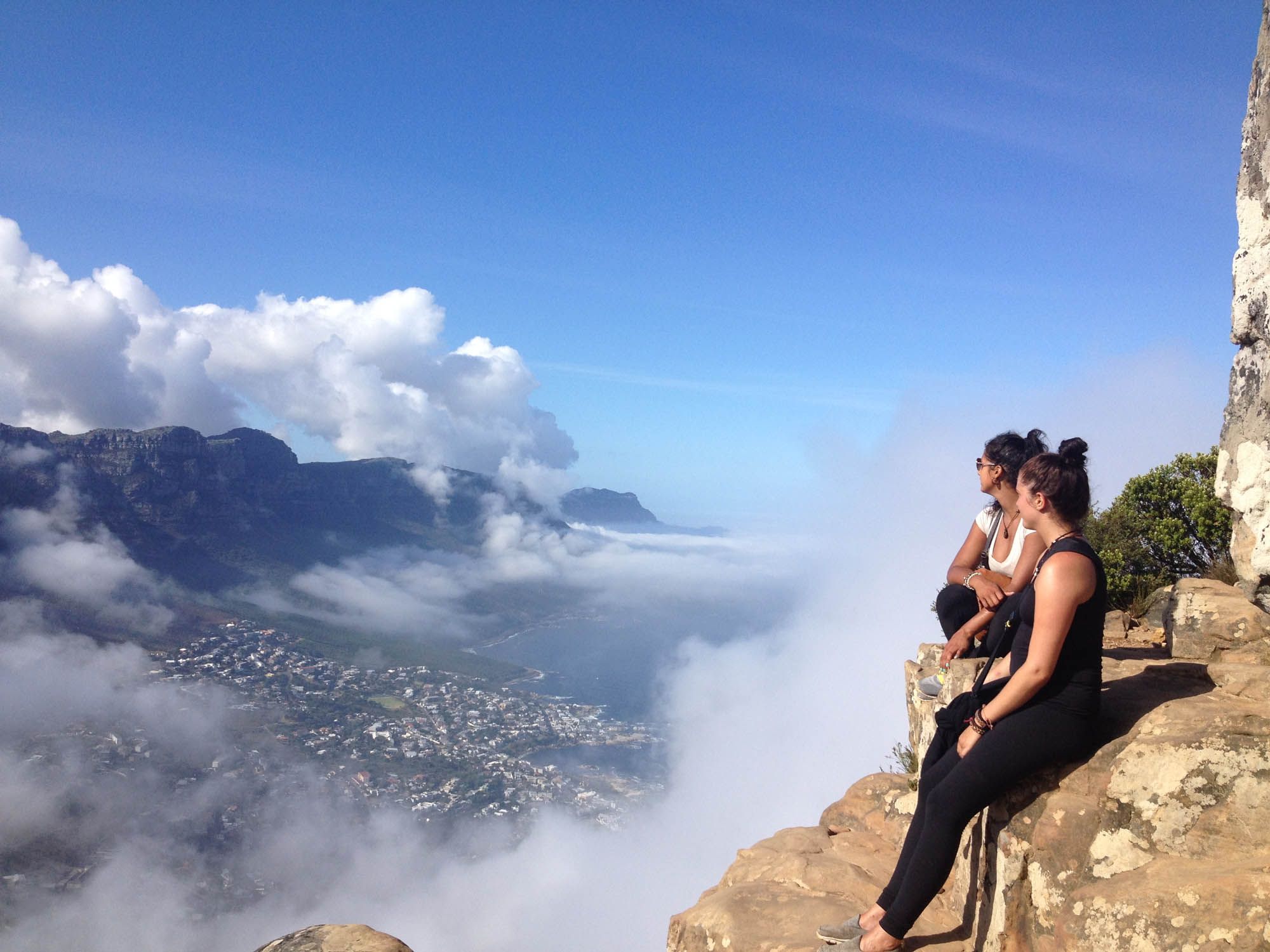
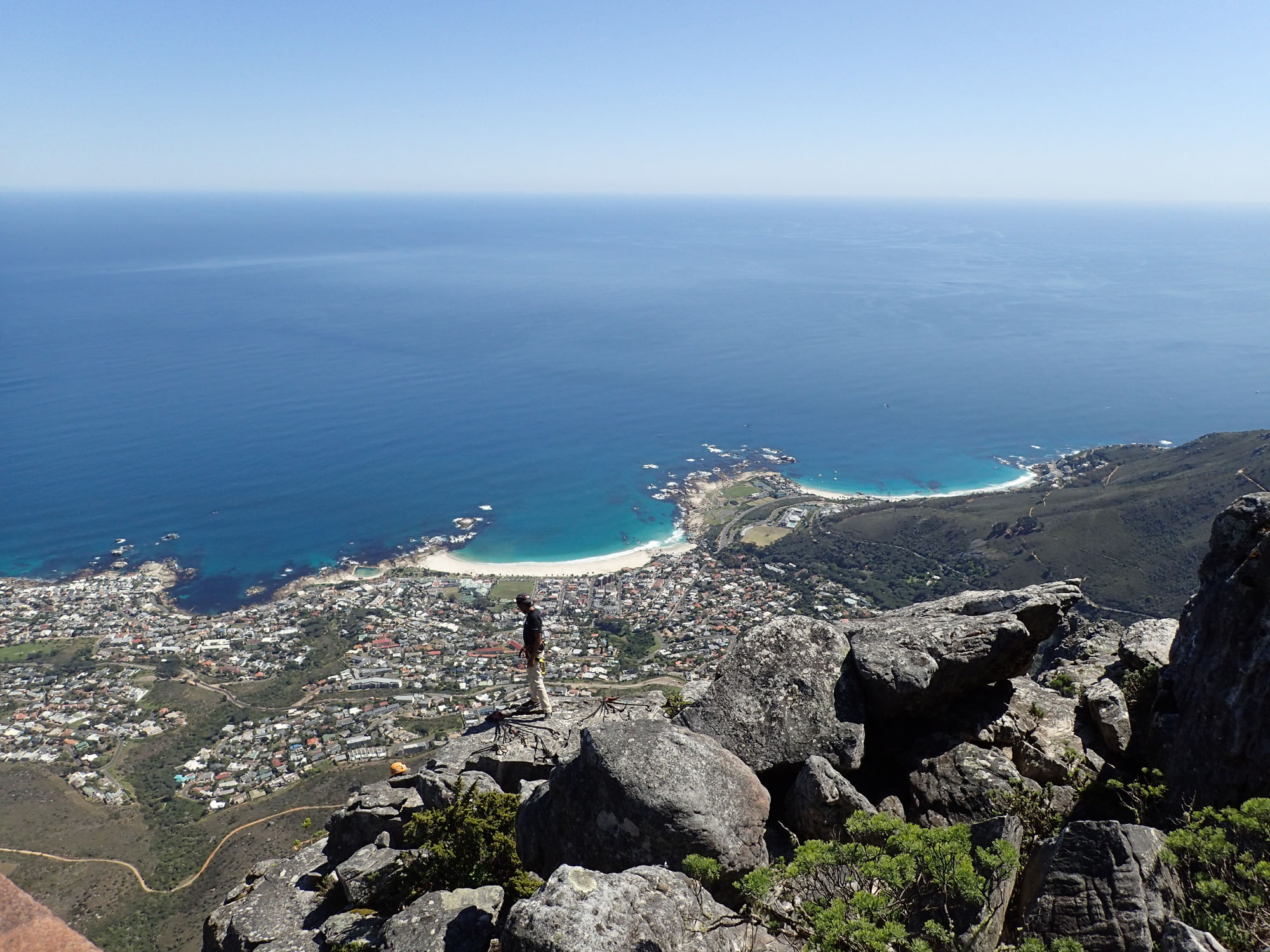
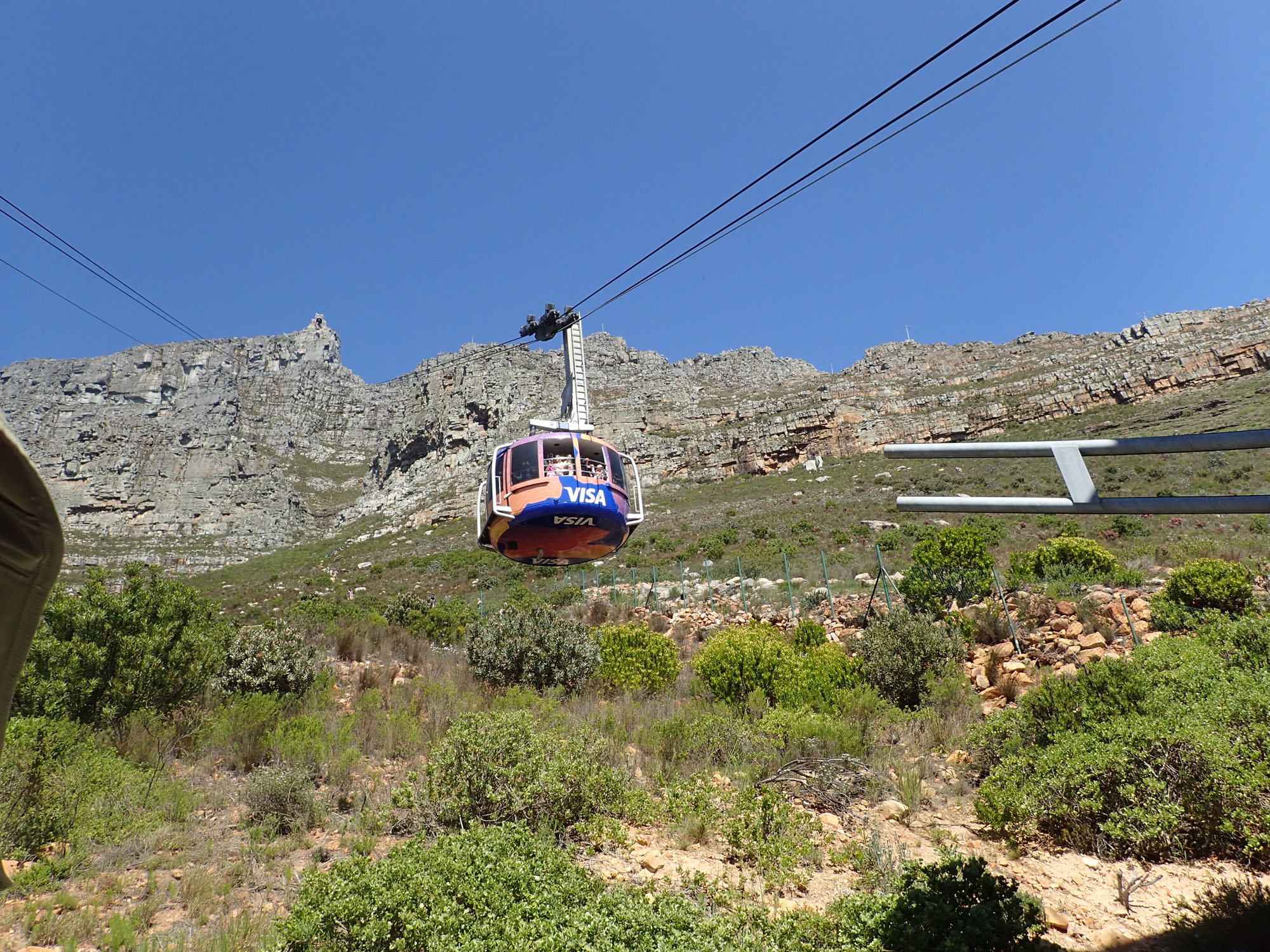
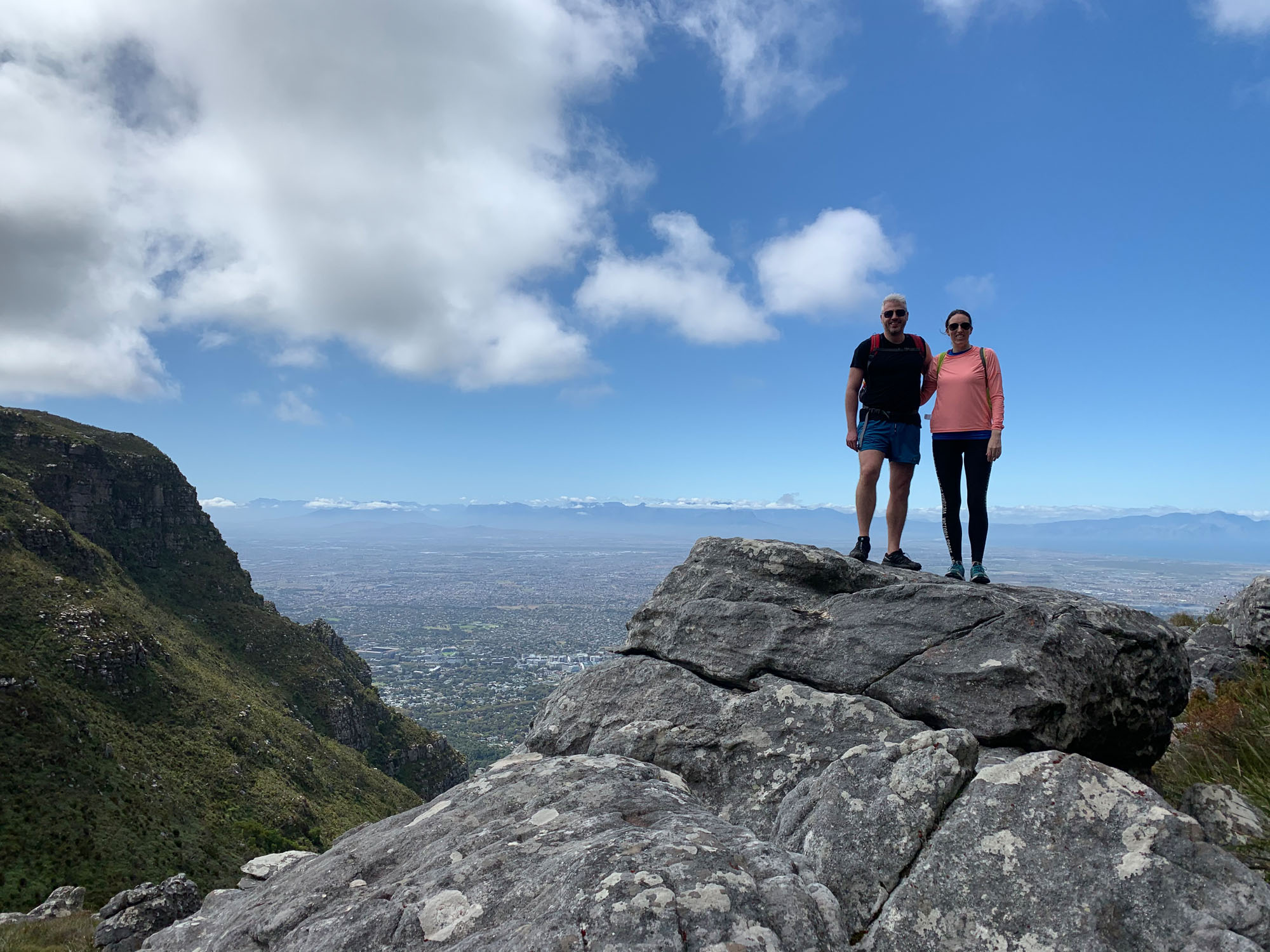
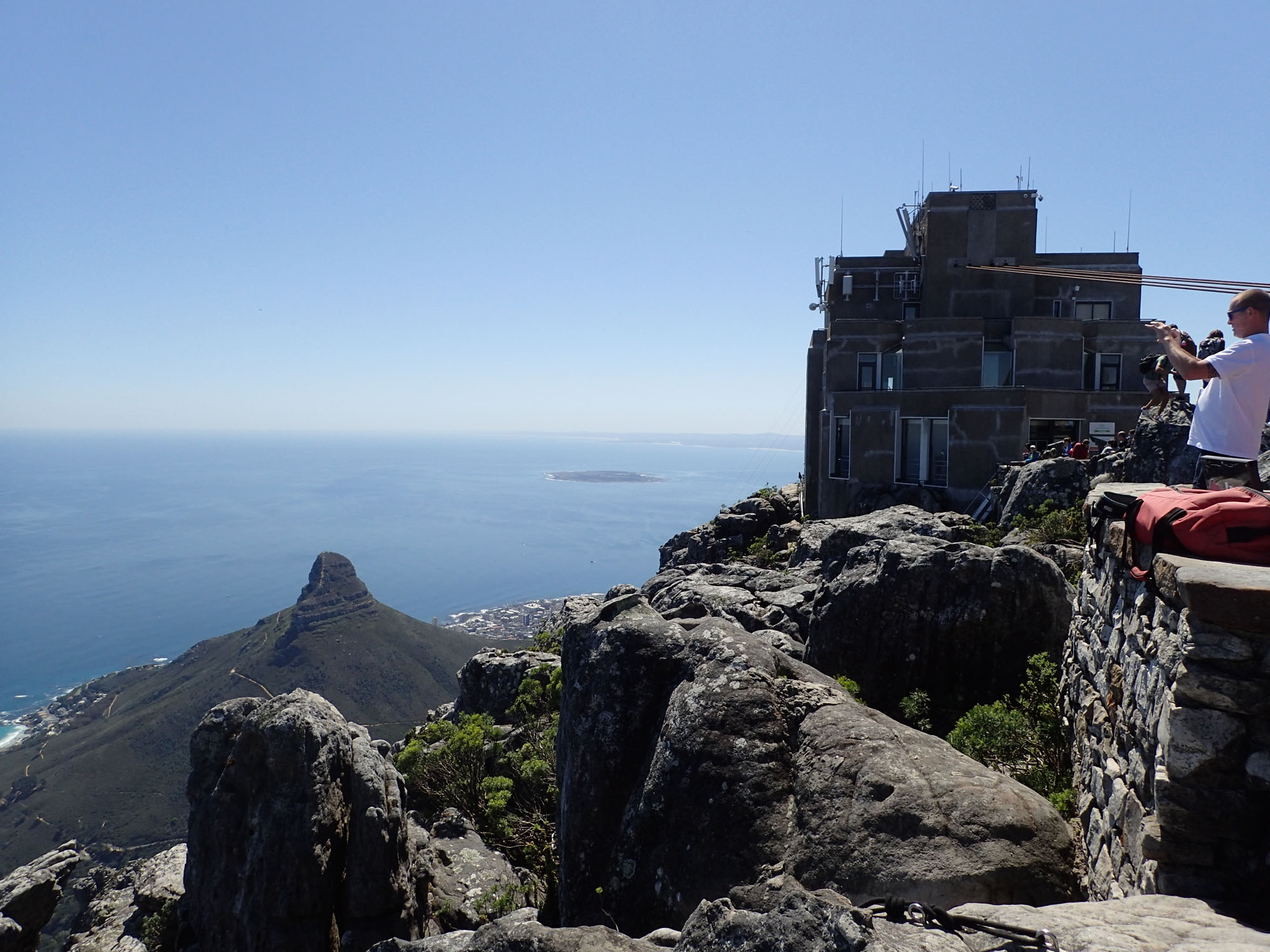
August and September are peak season safari months from a pricing perspective, so you will end up paying a good 20% or more compared with traveling in May. Which might just make the month of May the single best month to include Victoria Falls and Cape Town, with some time spent on safari. To make the most of a May trip,  start in Cape Town where you’ll have a good shot at some decent weather to perhaps hike to the summit of Table Mountain on a nice day (ask us about that), with some of the best views in Africa yours for the taking. Even if you do cheat a bit and use the cable car up and down. 

Another plus for May? The Zambezi is still in high flow stage in May, making the view of the Falls from the Zimbabwe side an incredible spectacle. With enough foam and spray to add lots of drama and romance. Sometimes so much foam and spray that a short 15-minute flight over the Falls becomes just short of a necessity to get any idea of the true grandeur of the entire Falls environment.
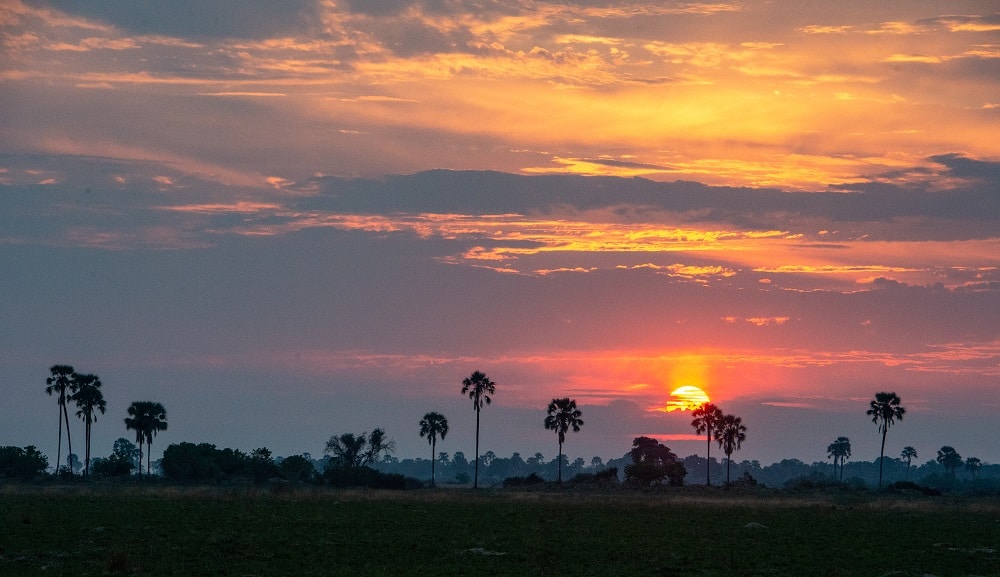
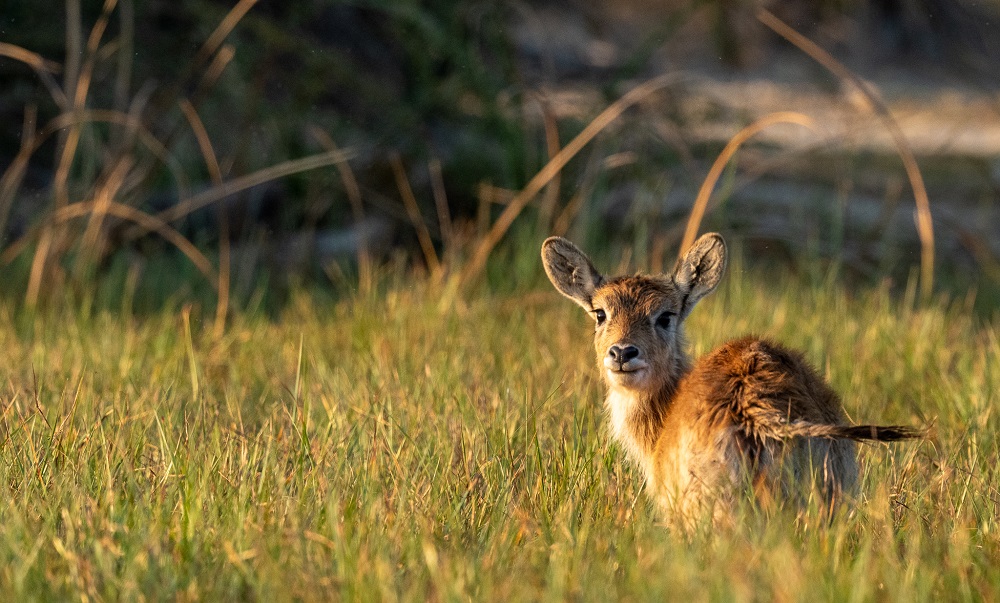
Northern Botswana in May from a safari point of view has many pluses and few negatives. Not quite as many travelers as in July, August and September, lower prices, and yet the crown jewel of Botswana – the Okavango Delta – just short of its best. With the annual flood already pushing deep into the central and eastern part of the Delta you will be able to see its glistening tentacles reach into far flung depressions and seasonal flood plains. 

The game viewing in May is likewise generally good to excellent with the animals in good condition with plenty of food available. Photographic conditions are excellent with plenty of pleasing green backgrounds to be found everywhere.

It becomes a matter of picking the right properties for that time of the year and of course that’s where we come in. We’ve traveled to pretty much every property worth considering in various seasons and we keep going back. We also have supremely knowledgeable local partners who go to great lengths to help us pick the perfect combination of camps for a specific set of guests. No cookie cutter proposals or itineraries, ever. 

Really the only downside in May is the chance of having some dense vegetation and tall grass in a few areas, depending on the timing of the last substantial rain, prior to one’s visit. There are lots of areas which are good year-round so it is not of overriding importance. It just means that later in the season visibility is better everywhere and more animals are drawn to remaining sources of water.

For specific camp recommendations and combinations for a May or September trip to Southern Africa – or any other time for that matter – feel free to reach out to one of our team members by leaving a message with our answering service at 800-513-5222 or emailing bert@fisheaglesafaris.com.  

YOU MIGHT ALSO BE INTERESTED IN
Destinations
Zambia

10th September 2021

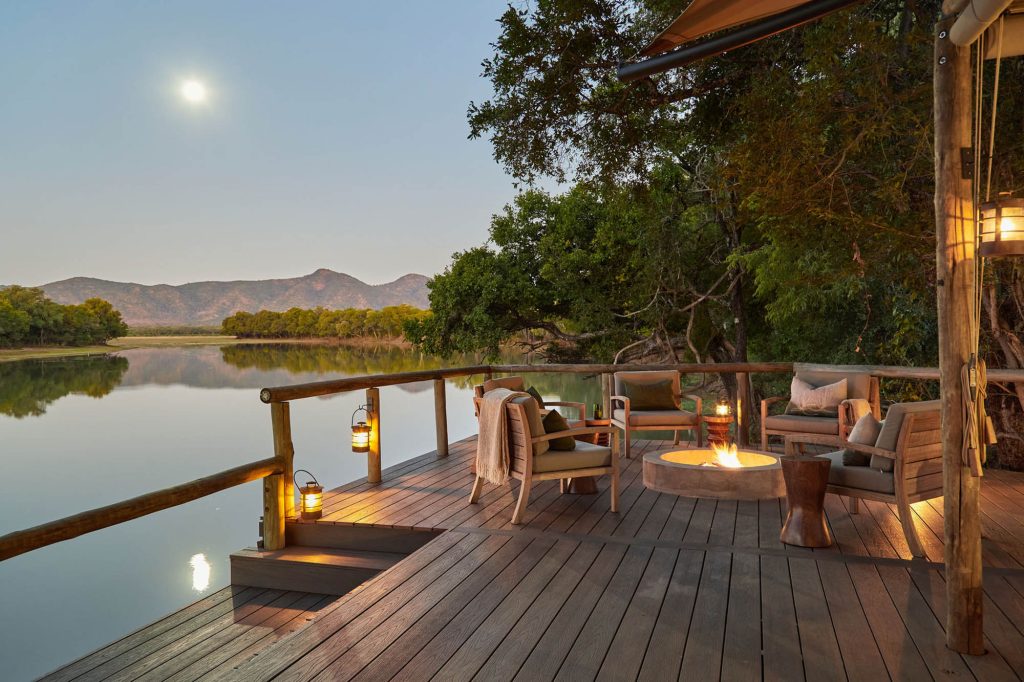
Chindeni and the Bushcamp Company, Zambia

By late July we found ourselves at Chindeni, a small Bushcamp Company property
Read more
Botswana
Destinations
Okavango Delta

3rd October 2022

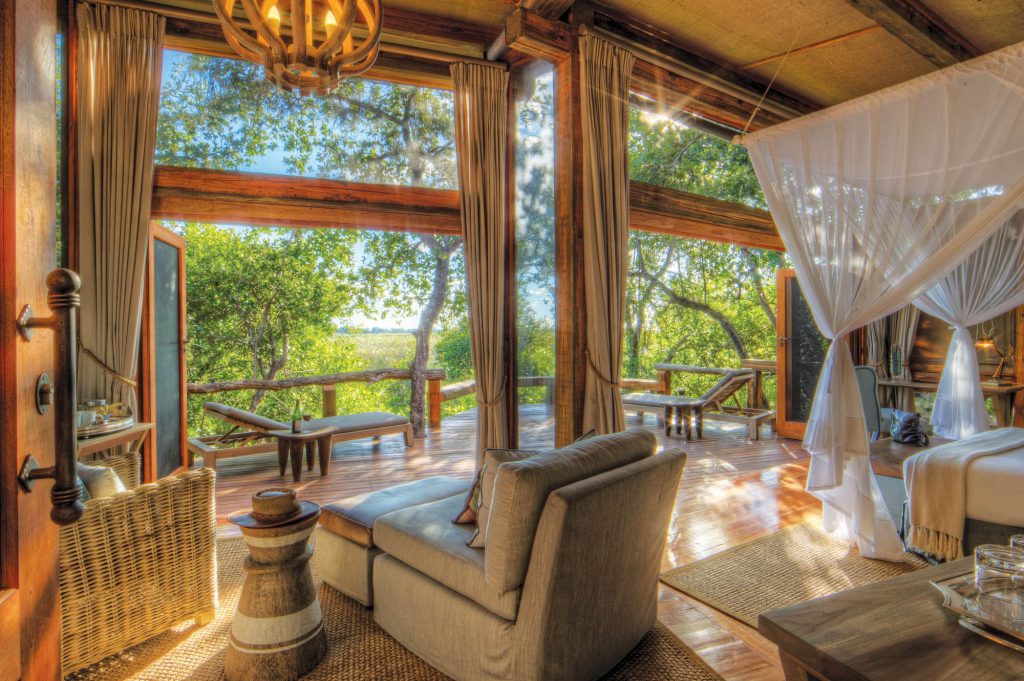
Camp Okavango, Botswana

Camp Okavango is in the heart of the permanent part of the Delta. In this idyllic setting there are no vehicles, and it is just a short walk
Read more
Area
Destinations
Nyerere National Park
Ruaha
Tanzania

14th October 2023

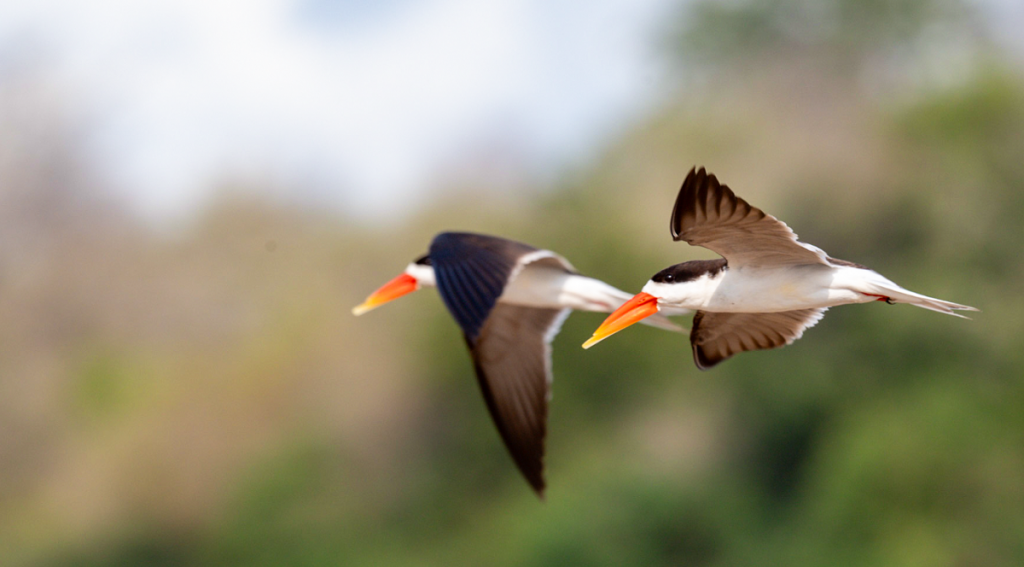
From My Safari Notebook: Wildlife Photography

Birds in flight and wildlife photographers have an uneasy relationship. Things go wrong as often as they go right. Getting focus-lock on a moving subject

Read more

SUBSCRIBE TO OUR NEWSLETTER

READERS FAVOURITES
Destinations
India

27th May 2023

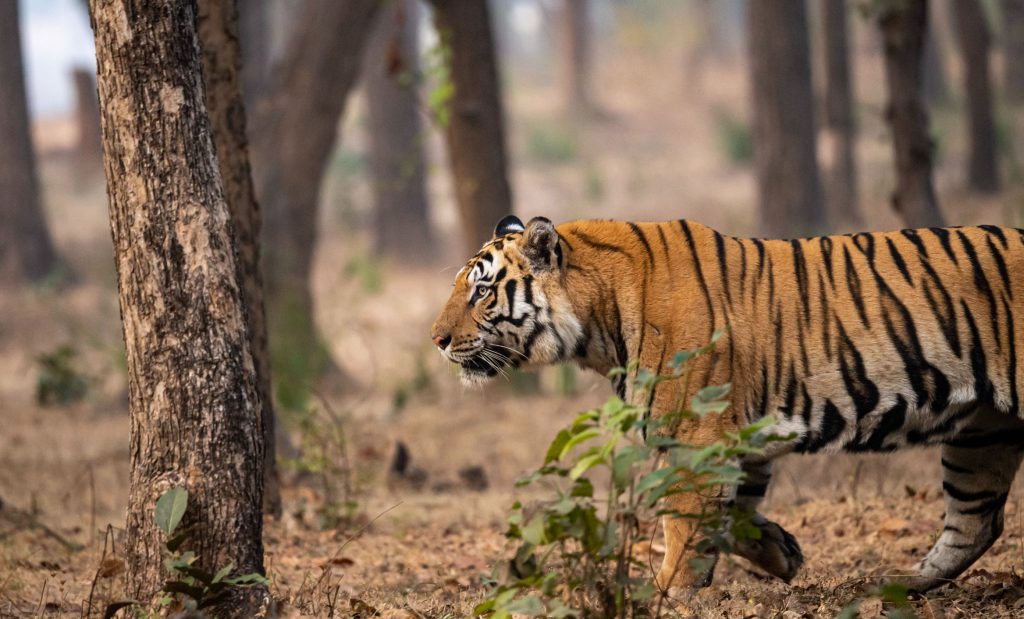
India

India’s tiger, mammals and birds.

Read more
Botswana
Destinations

4th August 2022

On Safari At Belmond Eagle Island Lodge, Okavango Delta

What is the ‘secret sauce’ for an unforgettable few days on safari in Botswana? It starts with the animals, of course. The elephants, lions, giraffes, hippos

Read more
Destinations
Zambia

10th September 2021

Chindeni and the Bushcamp Company, Zambia

By late July we found ourselves at Chindeni, a small Bushcamp Company property

Read more

A Visit to Cape Town, South Africa

31st October 2025

A Visit to Cape Town, South Africa

Between them, the members of the Fish Eagle team have visited Cape Town dozens of times, as recently as early September this year. Like everybody else, we are already looking forward to the next time we can look up towards Table Mountain from our hotel on the V & A Waterfront, squinting to see if we can observe the cable cars sliding up to the upper cable station. 

While Cape Town is not at its best in the winter months of June, July and August, it’s worth visiting any time of the year. A bit like San Francisco. Many of the activities are not weather-dependent and can be enjoyed regardless of wind, cold or rain. We do advise guests to think twice about visiting Cape Town over the high holiday time-frame from about mid-December to around the 10th of January. The city is literally jam-packed with up-country and foreign visitors to the point of distraction and frustration. Getting in and out of the V & A Waterfront becomes a major issue because of congestion, the wait at the lower cable car station runs into two hours plus and it’s difficult to get into the restaurant of your choice. I don’t have to spell it out. So yes December is a great time to be in the Cape as long as you don’t mind the crowds. Some 500,000 visitors flew into Cape Town last December and thousands of self-drivers joined the parade. 

The best time to visit the Cape is in the spring and early summer from September through the end of November and maybe early December and then again from around mid-January to the end of May. Regardless of when you can go, here are some of the many things that you can do and see in Cape Town – and of course we can help you plan your trip with our Cape Town partners Wilro Cape. Accommodation, touring, transfers, private guiding – and extensions to parts north for a safari.  

Take a cable car ride to the summit of Table Mountain. Be sure to do this at the first best opportunity, whenever the mountain is ‘open’ and the cable car is operating. The weather in Cape is fickle even at the best of times and the cable car operation is suspended when cloud cover and strong winds show up. Early mornings are best to avoid the crowds. Better yet, hike up the mountain and take the cable car down. 

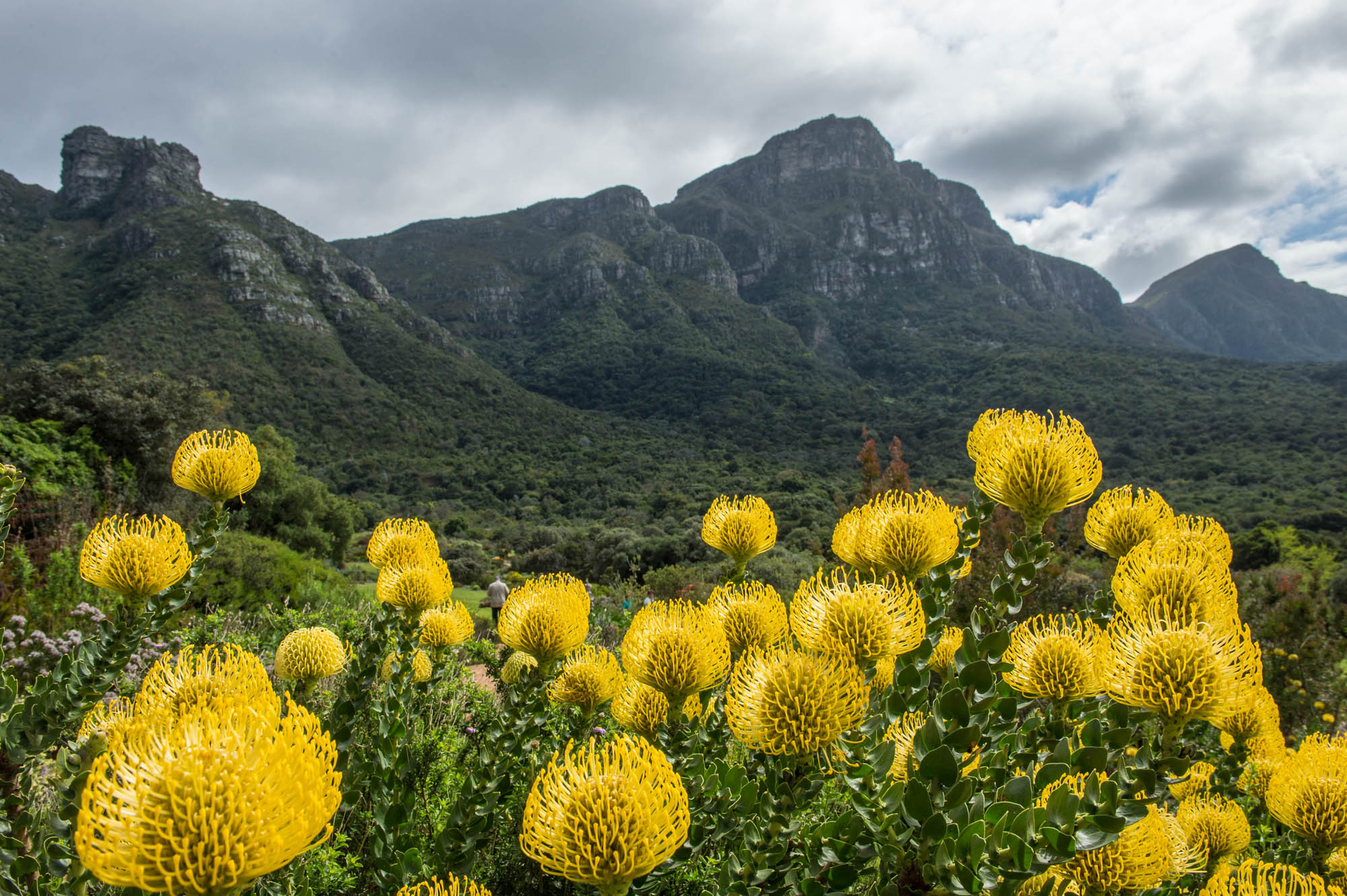
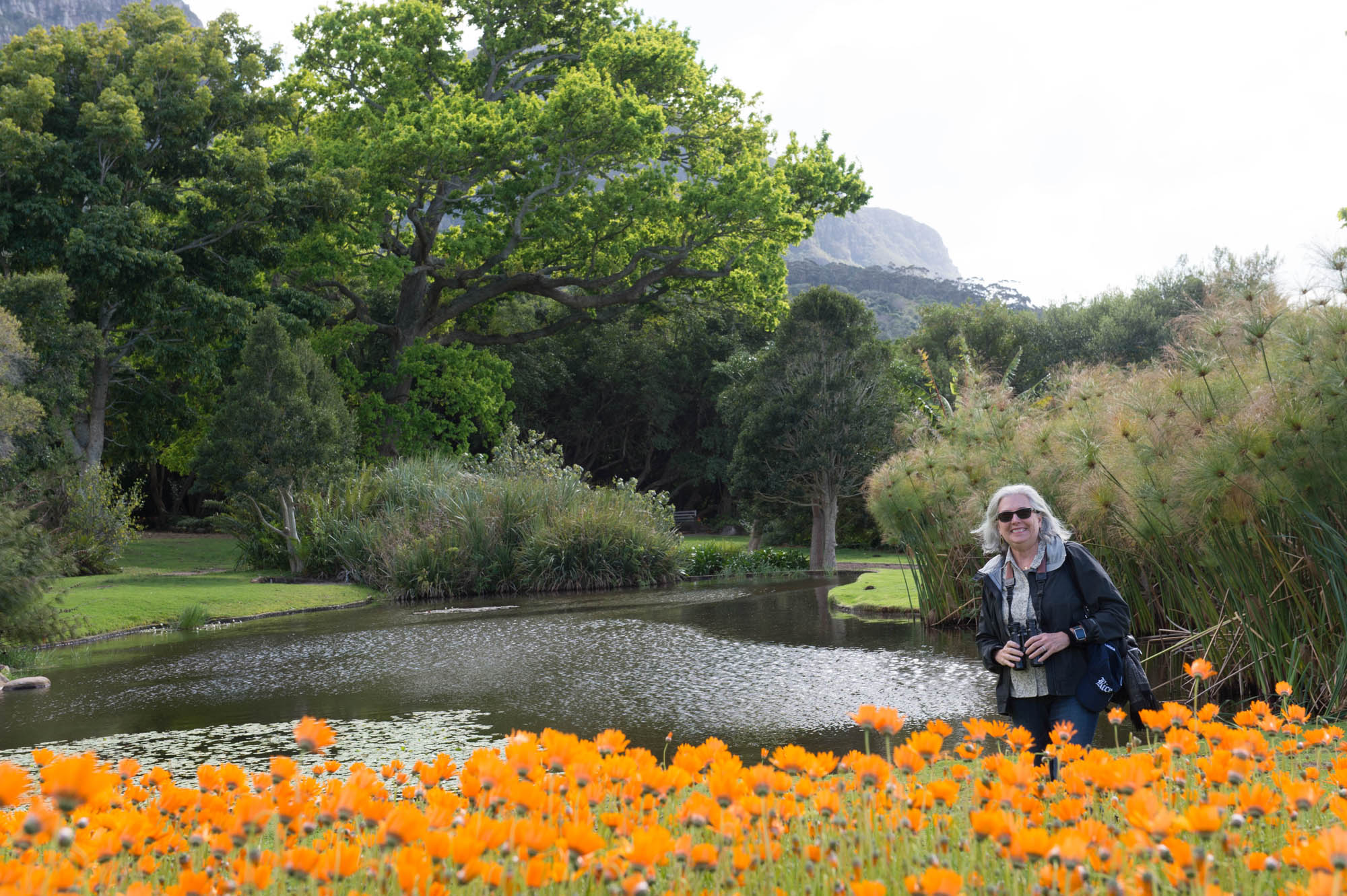
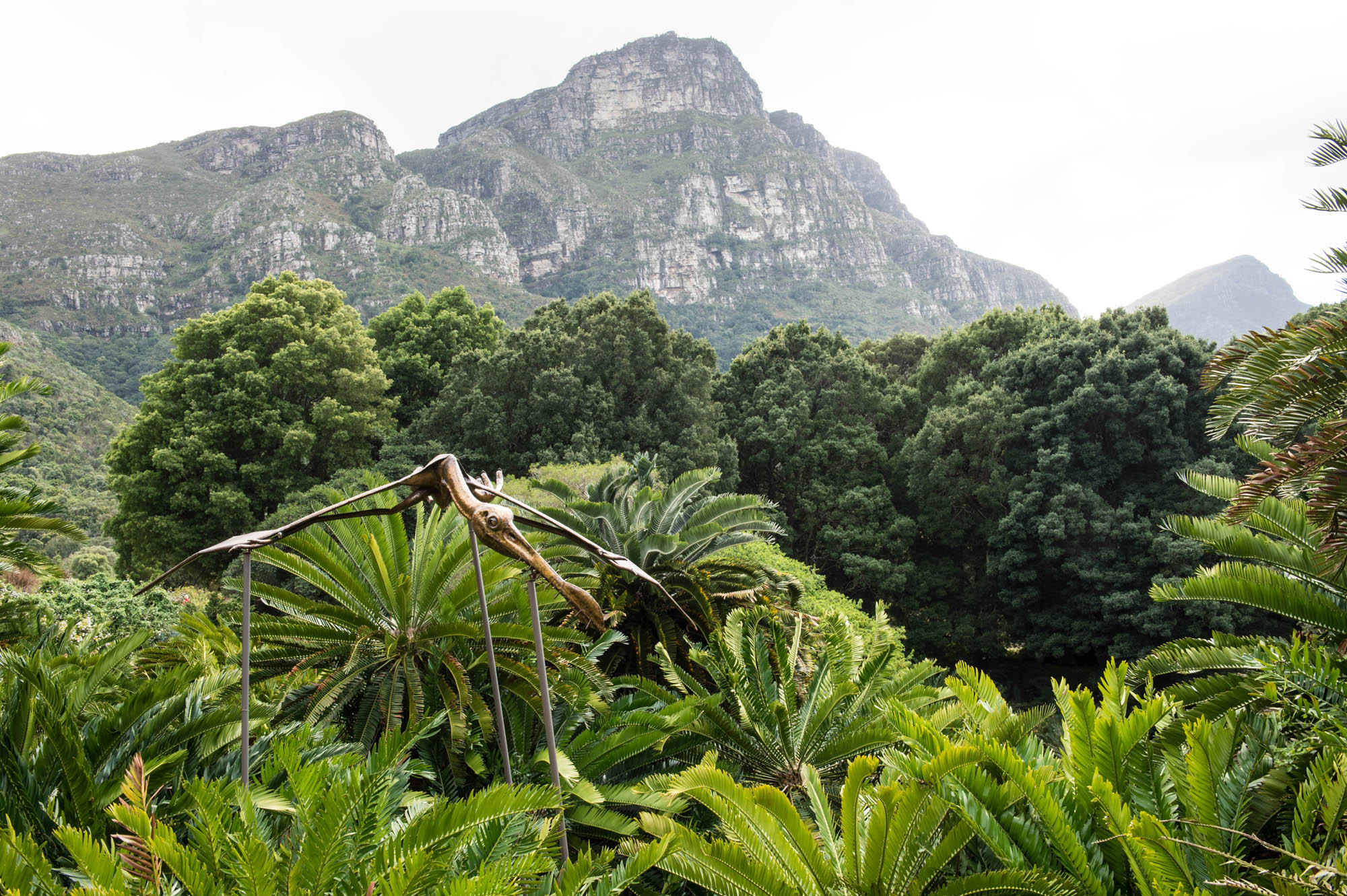
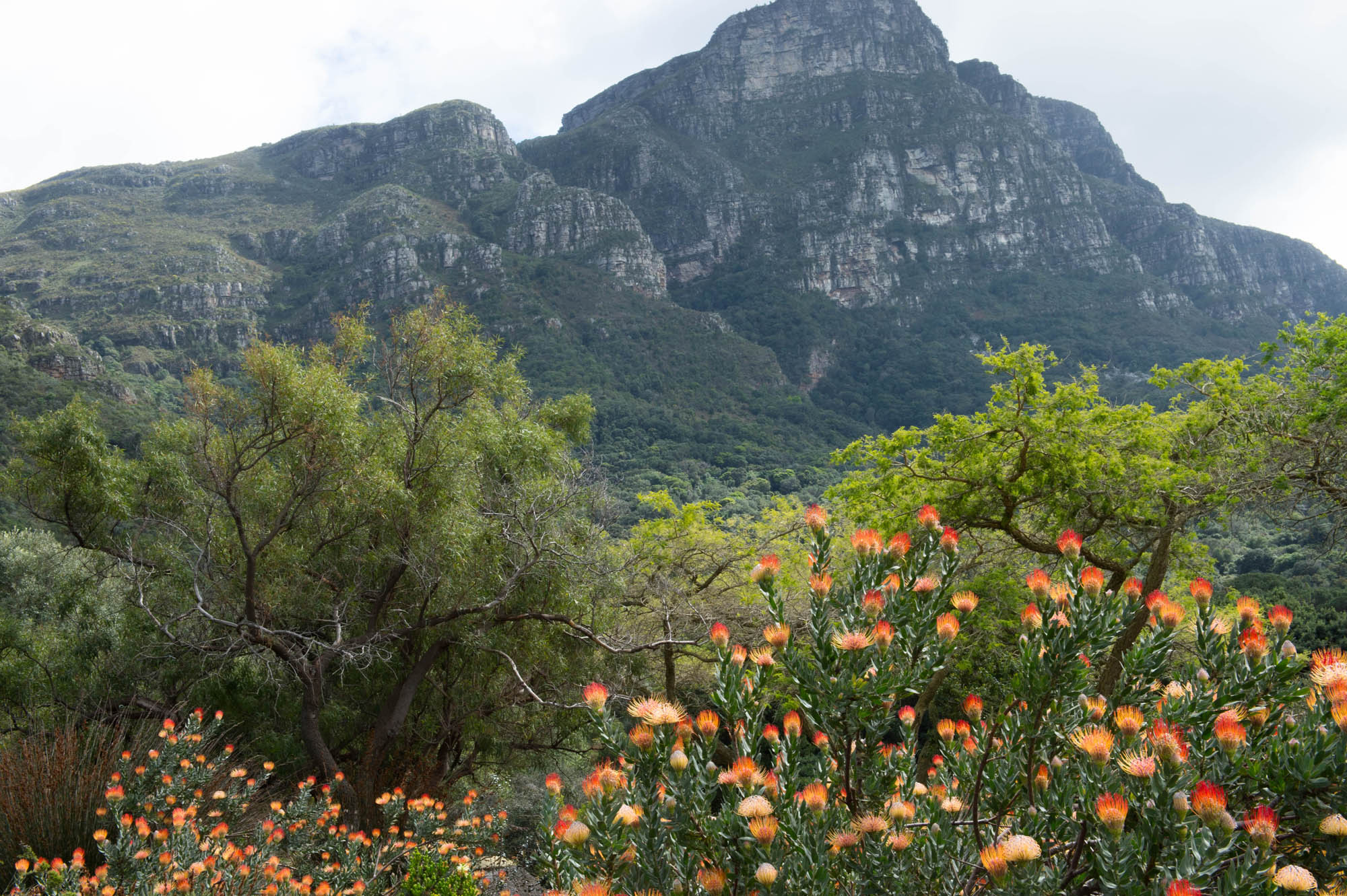
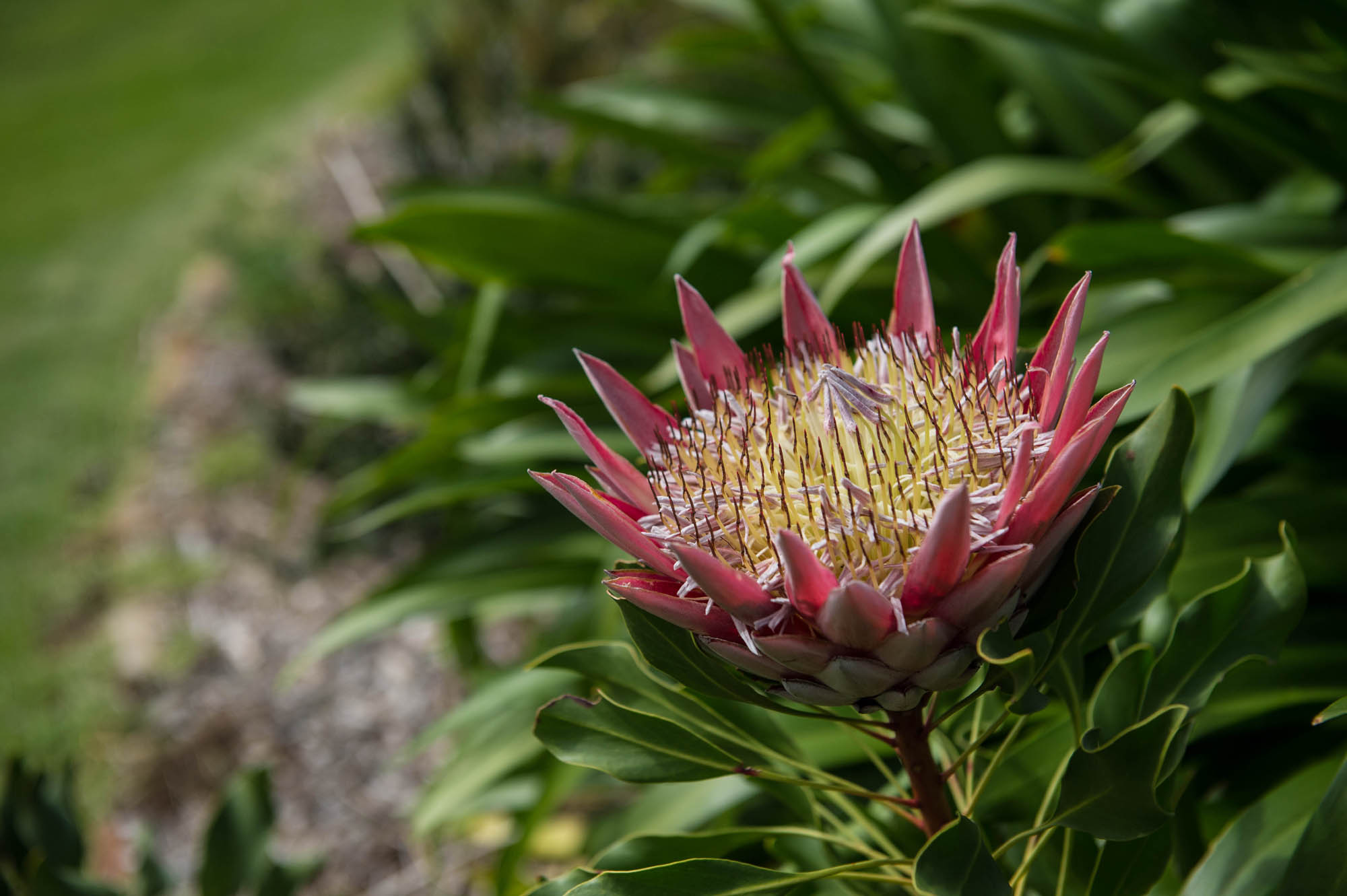
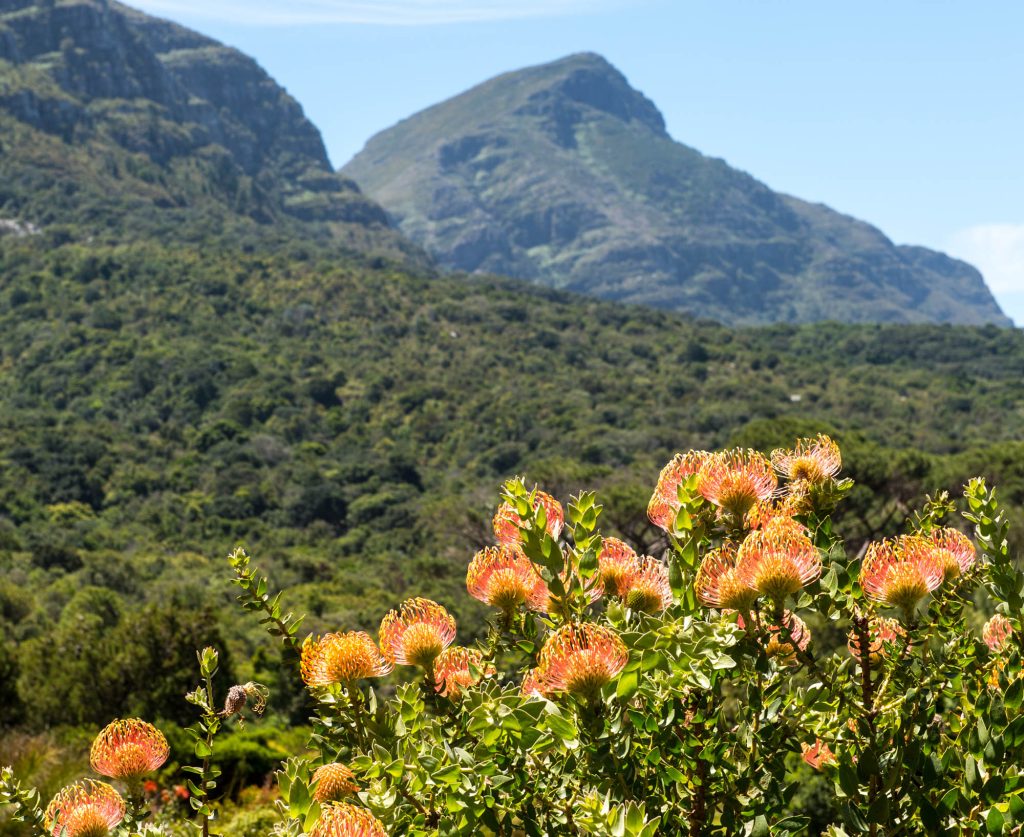
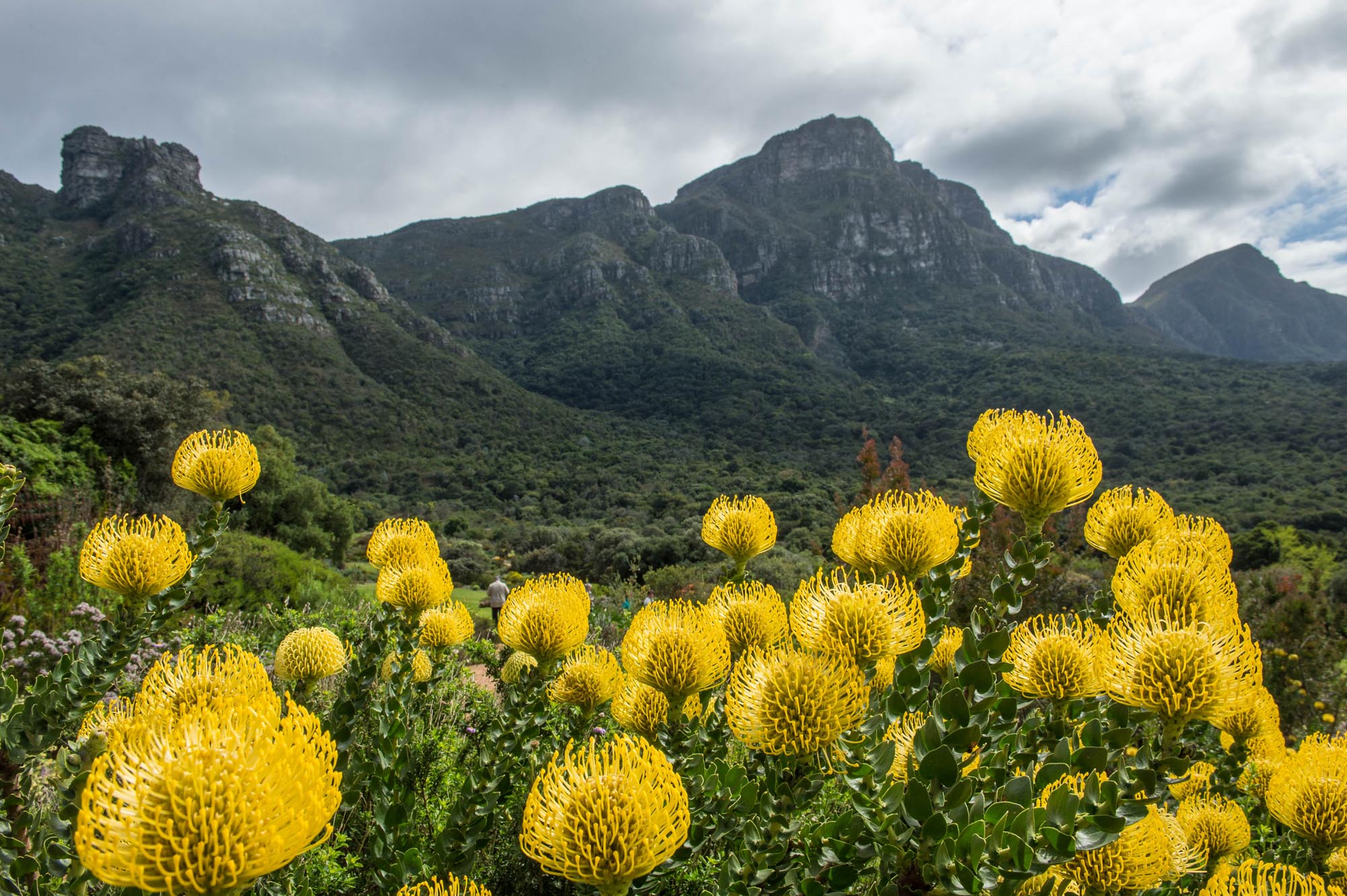
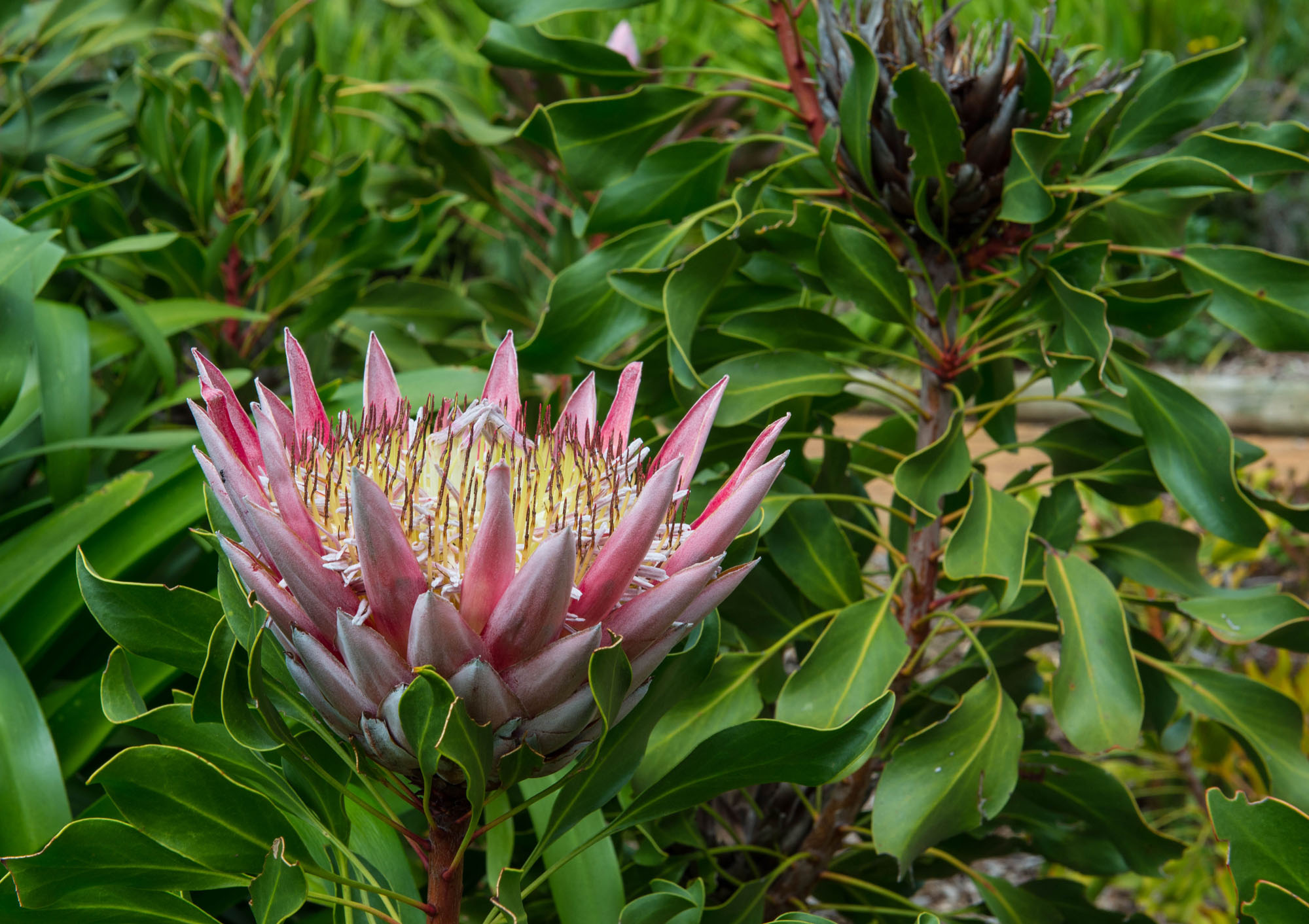
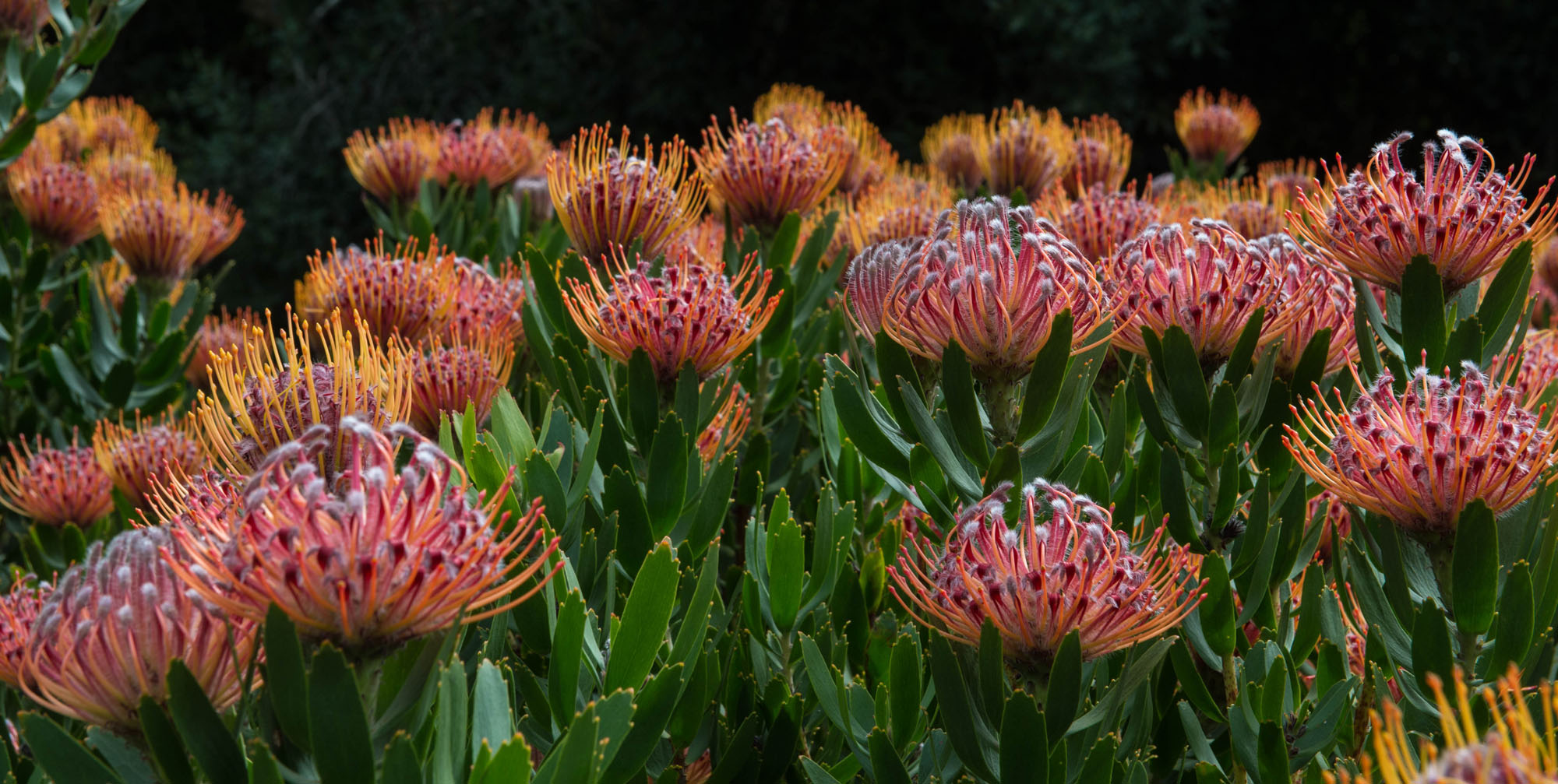
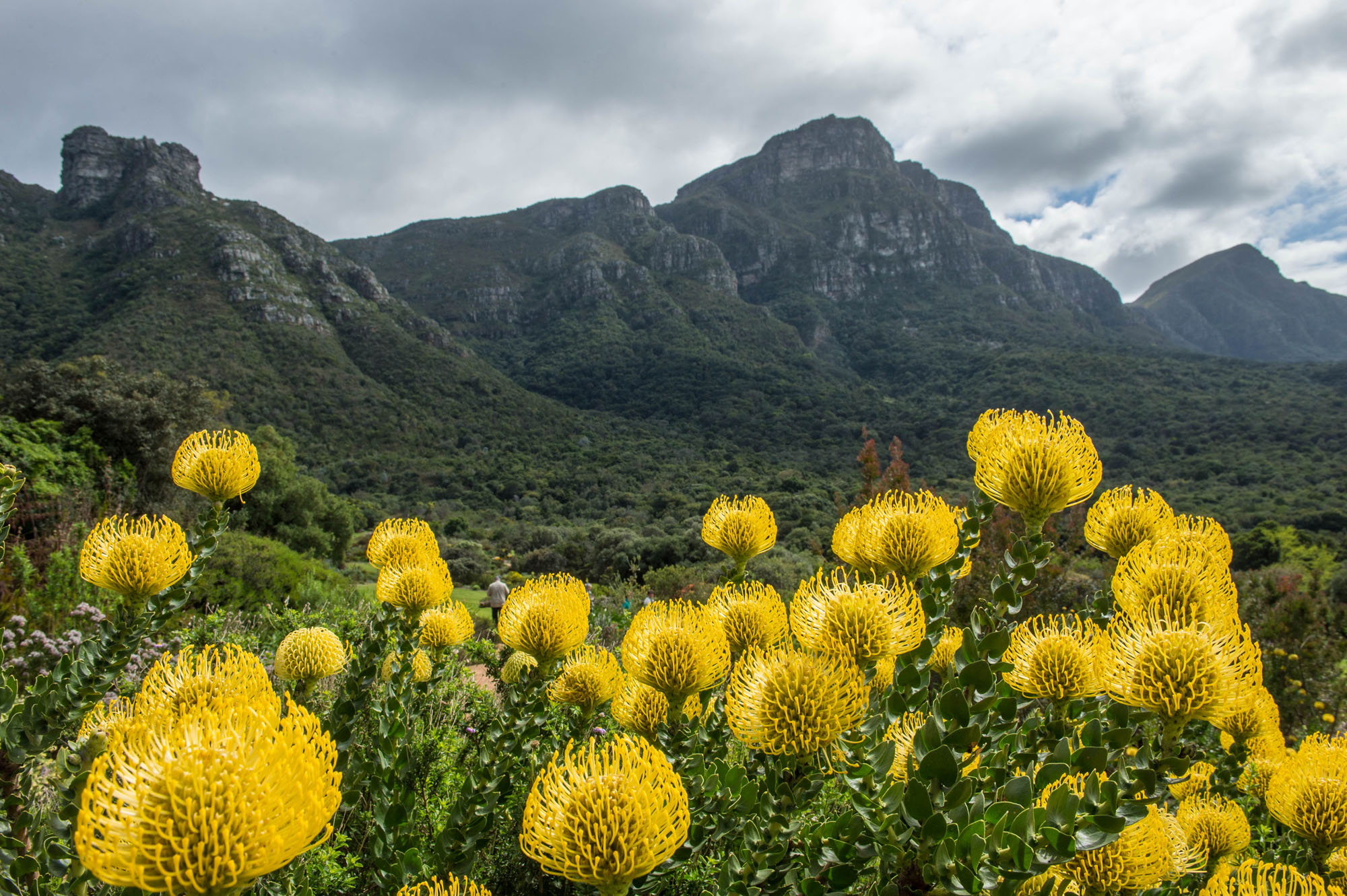
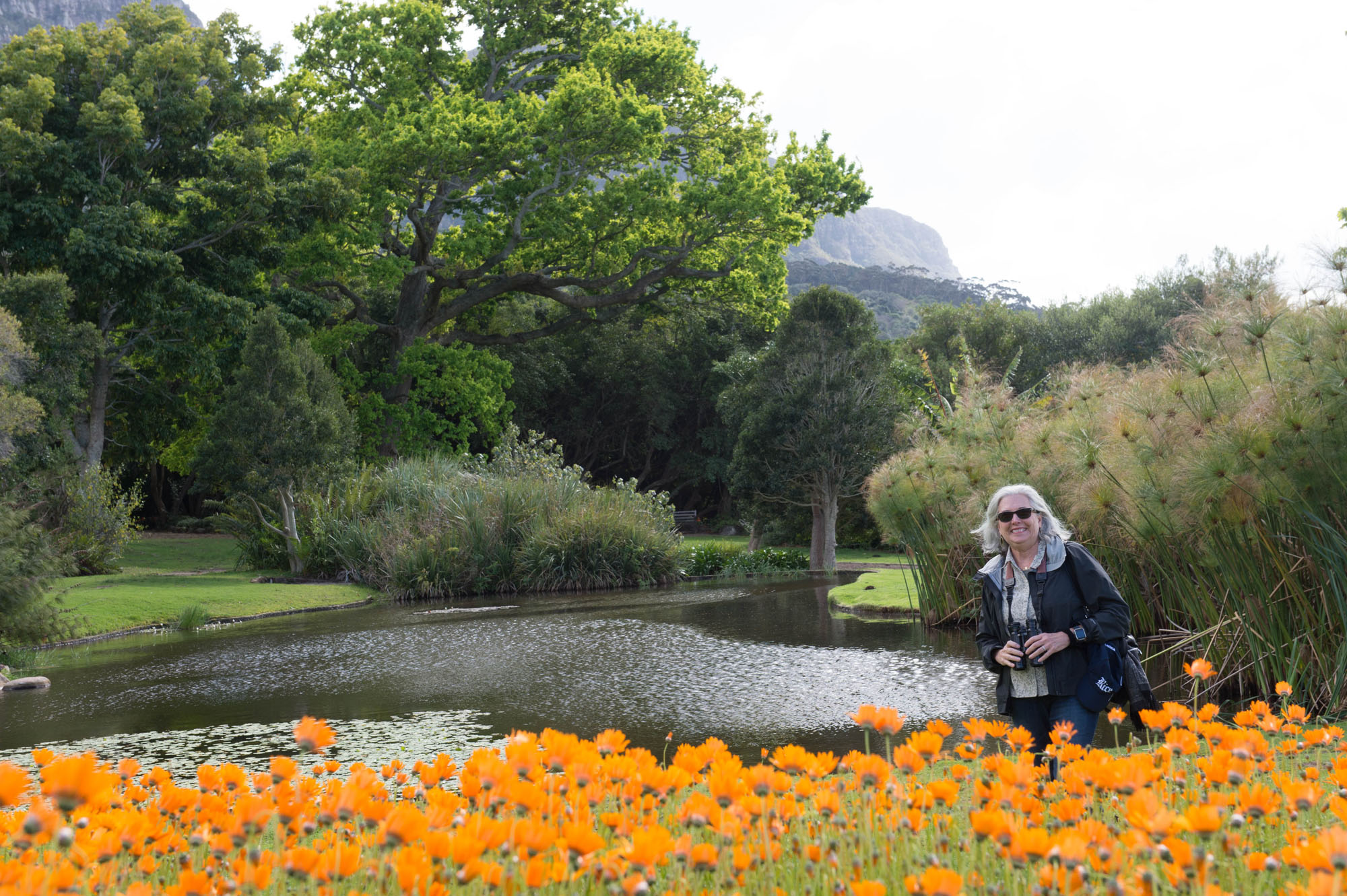
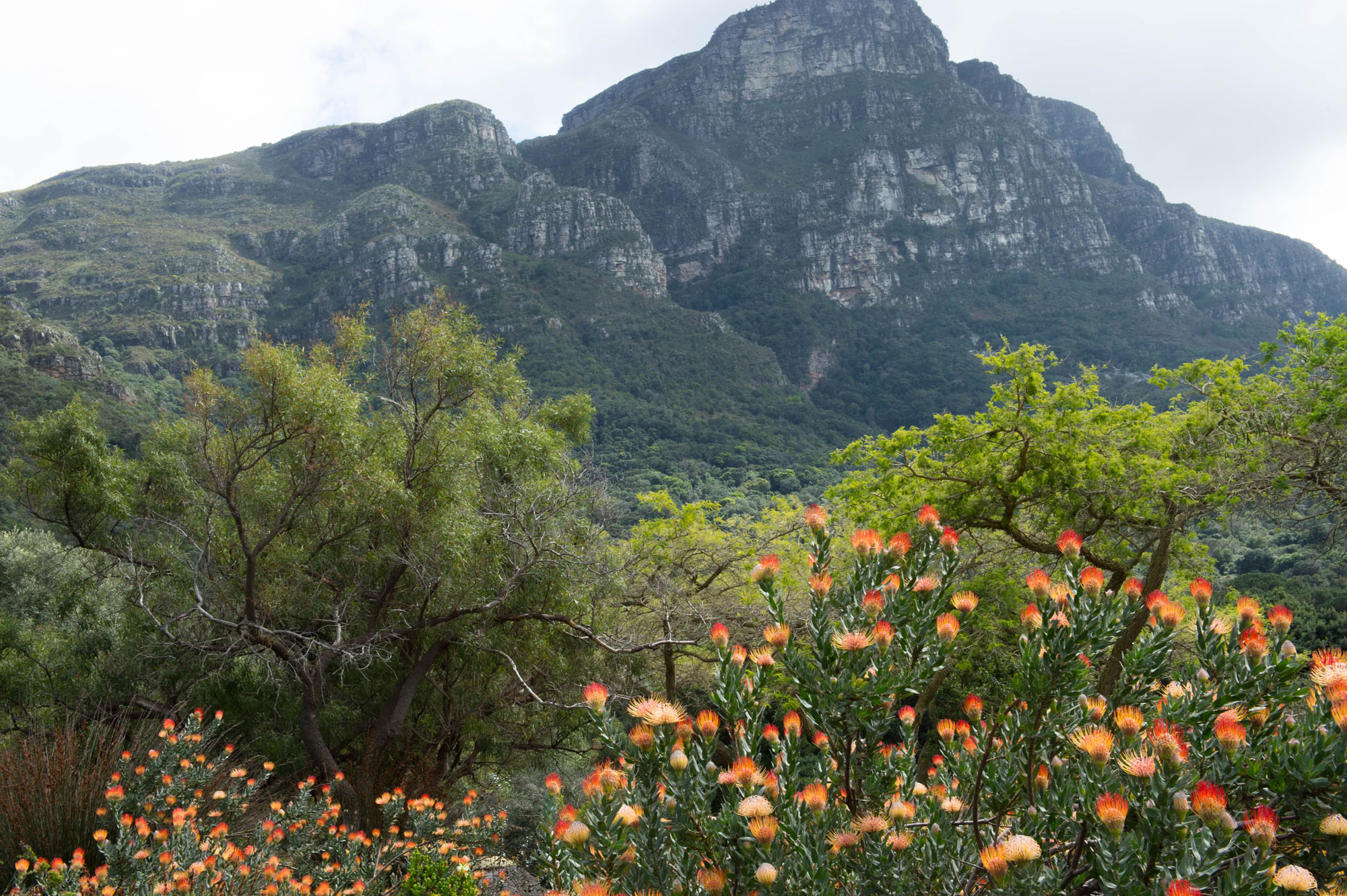
Visit Kirstenbosch National Botanical Garden – it is a national treasure and Capetonians treat it like gold. Be sure not to miss the Boomslang canopy walk, the Cycad forest with life-size dinosaur sculptures, and the Protea garden. Figure on two hours minimum, three hours or half a day even better.  

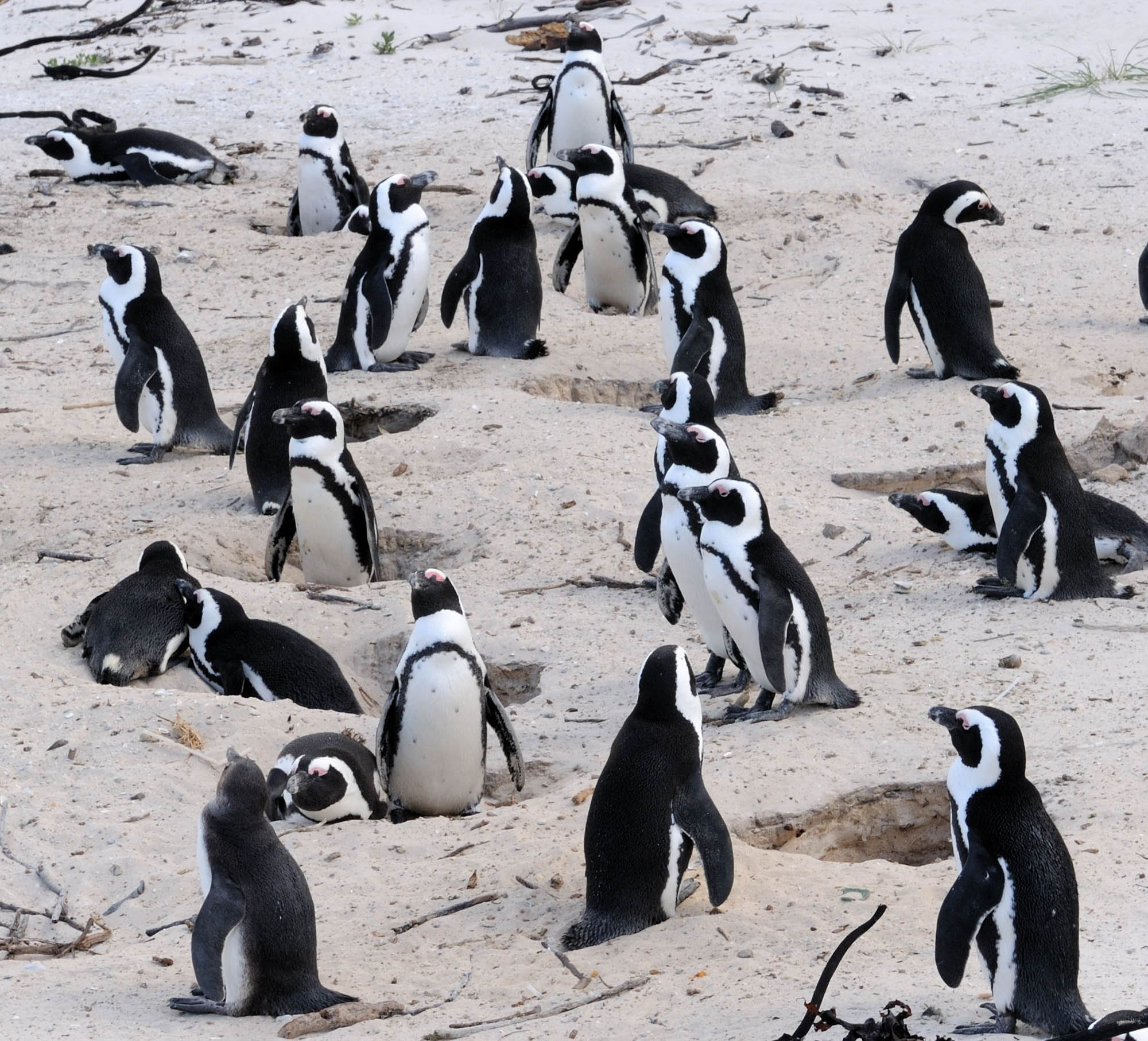
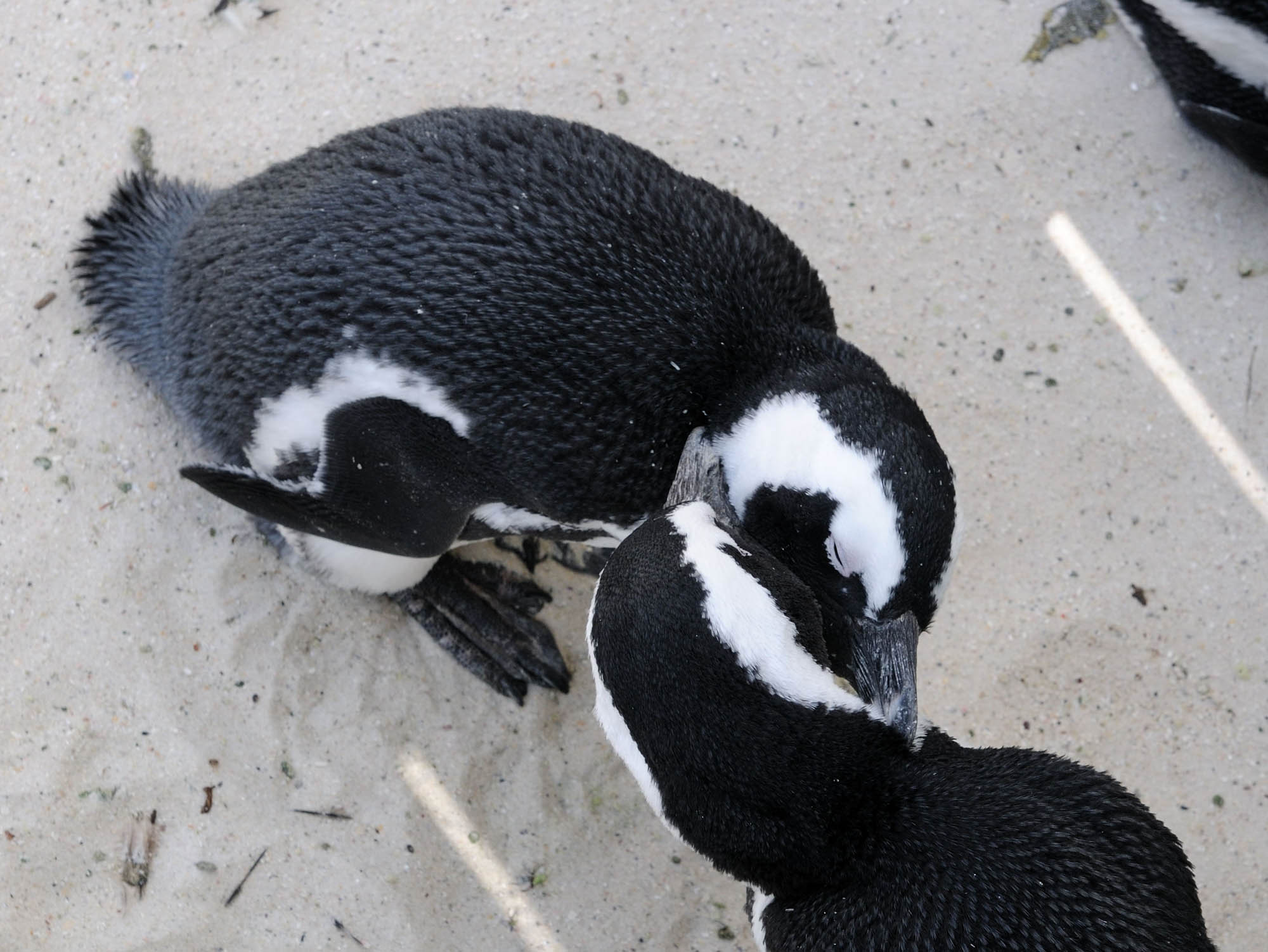
Sign up for a private guided Peninsula tour to include Hout Bay, the magnificent Chapman’s Peak Drive, Kommetjie, Cape of Good Hope Nature Reserve (take the funicular to the lookout point), and the African Penguin sanctuary at Boulders.

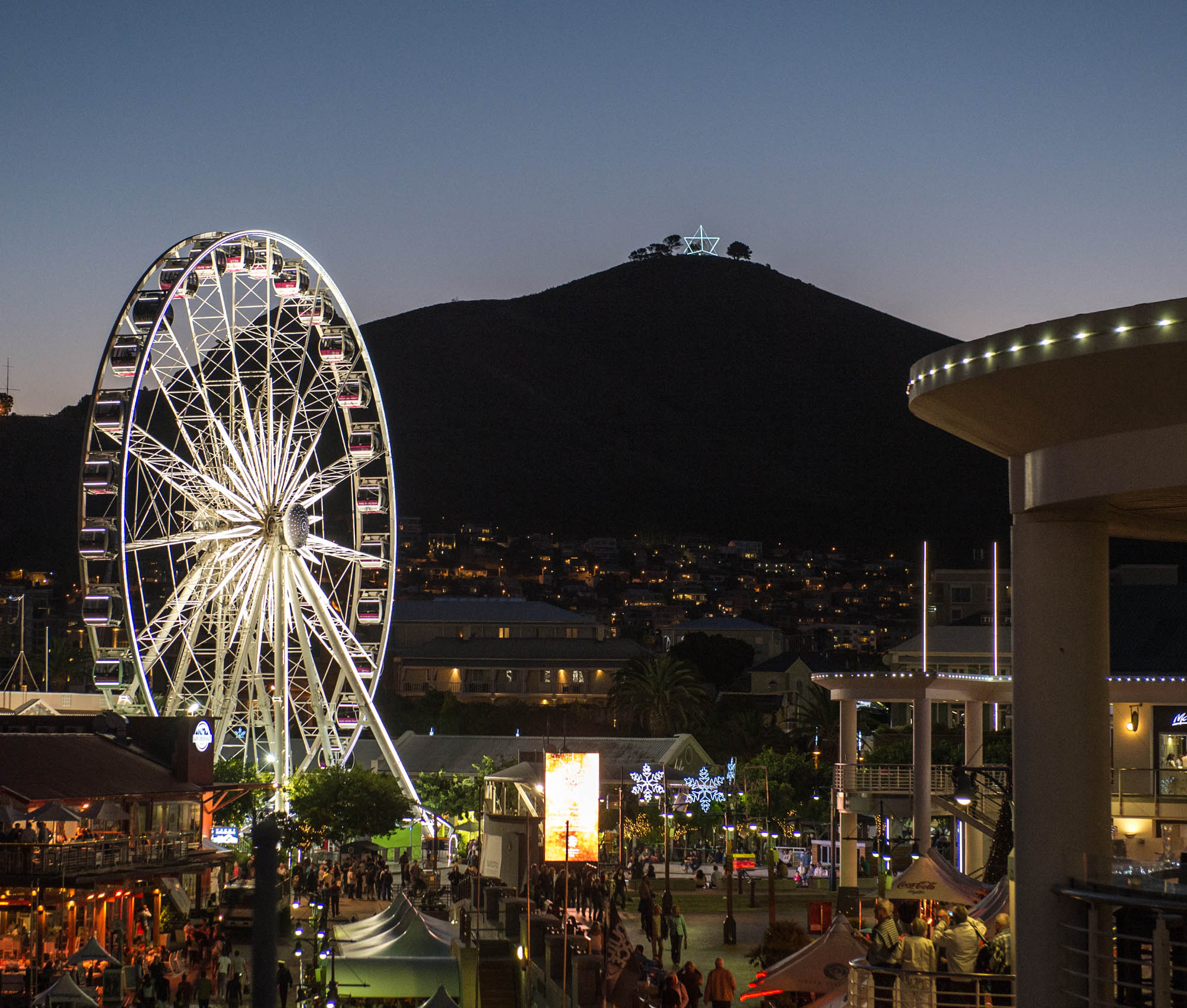
If you’re not staying there, visit the Victoria & Alfred Waterfront complex. It’s a working harbor so check out the drydock, take a walk along the breakwater, enjoy one of the dozens of restaurants and pubs, and support the local economy at one of the high-end stores and shops. If you’re staying in a self-catering apartment in the Waterfront, there’s a full-service Pick ‘n Pay supermarket in the Victoria Wharf Shopping Center to stock your pantry. Or pick up something healthy in the prepared food section at Woolworths. Don’t forget to check out the Two Oceans Aquarium.

A stroll on the Sea Point Promenade is always fun and entertaining, from observing the hang gliders overhead to the people watching. You can start from the V & A Waterfront if you have an hour or two – it is quite a popular running and cycling route.   

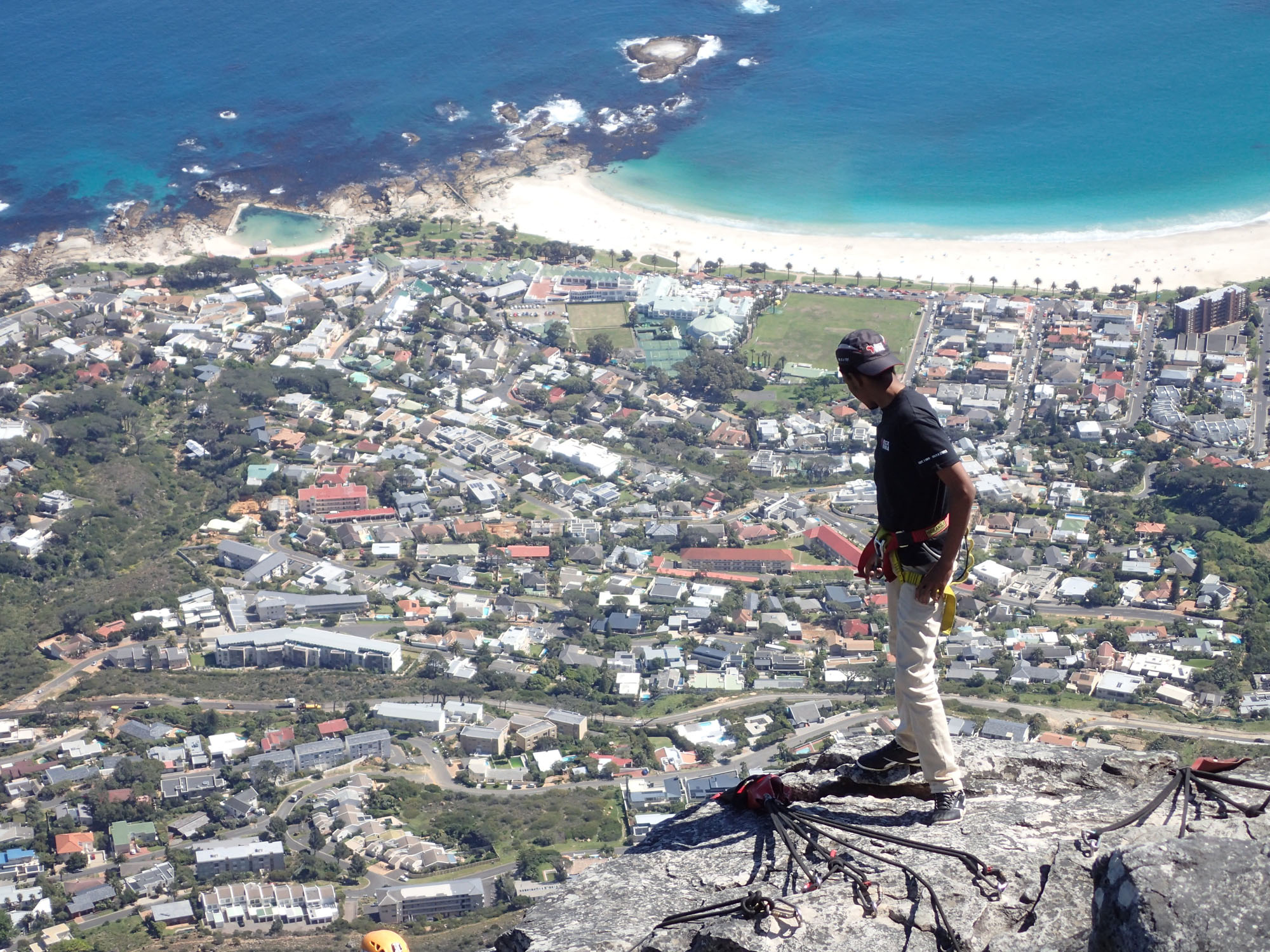
Make some time for Cape Town’s beaches such as Clifton, Muizenberg and Camps Bay, particularly in the warmer summer months from October through April. The Atlantic seaboard beaches are all very impressive; the last one at Bantry Bay also has a pool. Clifton is the only spot which is shielded when a  strong southeaster (the most common wind) is blowing. Camps Bay is famous for its eateries and clubs and the tidal pool at the end of the beach is wonderful when the wind isn’t blowing. Bakoven is beloved by locals. Oudekraal beach and surrounding beaches are all spectacular. Llandudno is probably one of the most beautiful beaches. Muizenberg Beach has a definite surf vibe, and makes for a great visit. There are lots of surf schools, restaurants and the water is a touch warmer. The beaches towards Kalk Bay are also cool, with nice tidal pools to swim in.

Stroll the Company’s Garden area where there are several worthwhile museums, notably the Iziko South African Museum. You can enter the Company’s Garden from the top (just across the street from the Mt. Nelson Hotel) or from the main entrance on the corner of Adderley and Wale Streets. 

Museum and art enthusiasts have almost too many choices in Cape Town. Budget your time carefully if you want to include all of the major ones including the Zeitz MOCAA Museum (Silo Hotel); Irma Stern Museum, Iziko South African (Natural History) Museum, SA National Gallery, SA Jewish Museum and the District Six Museum.

Visit Groote Schuur Hospital’s ‘Heart of Cape Town’ Museum for a guided tour.  Groote Schuur  is where Dr. Christiaan Barnard performed the world’s first heart transplant in December 1967.  

Visit Robben Island by ferry boat. While this is a worthwhile trip, mostly to see the prison cell where Nelson Mandela spent 18 years of his life, the operation has been plagued by recurring management problems. Ferries sometimes  run late, some are even canceled at the  last minute. Even so this is a popular activity and it is advisable to book well in advance. The views of Cape Town and Table Bay – both coming and going on the approximate 30-minute ferry ride – is worth the price of admission.  

Browse the Long Street and Greenmarket Square markets; this can be done in conjunction with visiting the Company’s Garden. When it is crowded, beware of pick-pocketing. There are many other amazing markets all over Cape Town. Biscuit Mill Market in Woodstock on Saturday mornings gets hot and busy, but it has nice food and local goods. Oranjezicht City Farm market opposite the V&A Waterfront is a ‘must do’. It’s a great food market, so come hungry – it’s a great spot to buy fresh fruit and vegetables. This market takes place Saturday and Sunday until about 2pm as well as on some Wednesday evenings. A family-friendly outdoor market is the Mountain Market in Vredehoek on Saturday mornings.

Visit the Castle of Good Hope Museum. If the timing works out, take in the ‘changing of the guard’ and visit the William Fehr art exhibit inside the building, as well as the Cape Military Museum.

Take a guided walking tour of the Bo-Kaap area for colorful homes and delicious Cape Malay cooking.

Take a ride from Cape Town to Kalk Bay village for lunch at the famous Brass Bell; or include it in your ‘Go as you please’ arrangements.

Embark on a half- or full-day Cape Winelands tour; ideally a privately guided trip. In our opinion, Franschoek is the most interesting of the Winelands towns but Stellenbosch and Paarl are perfectly nice too. Enjoy lunch with a view at Delaire Graf and if you are an automobile aficionado, don’t miss the Franschoek Motor Museum on the Anthonij Rupert Wine estate. 

Visit Constantia Valley near Cape Town for wineries such as Constantia Glen and Groot Constantia, the latter of which was the very first wine estate to have been established in Cape Town. There are some excellent restaurants in the area for lunch. Leave some time for the Norval Foundation Art Gallery, opposite the US Embassy. 

Take a trip to the 12 Apostles Hotel on Victoria Road in Camps Bay for sunset drinks; it’s a great spot to see the sun settle over the Atlantic Ocean. 

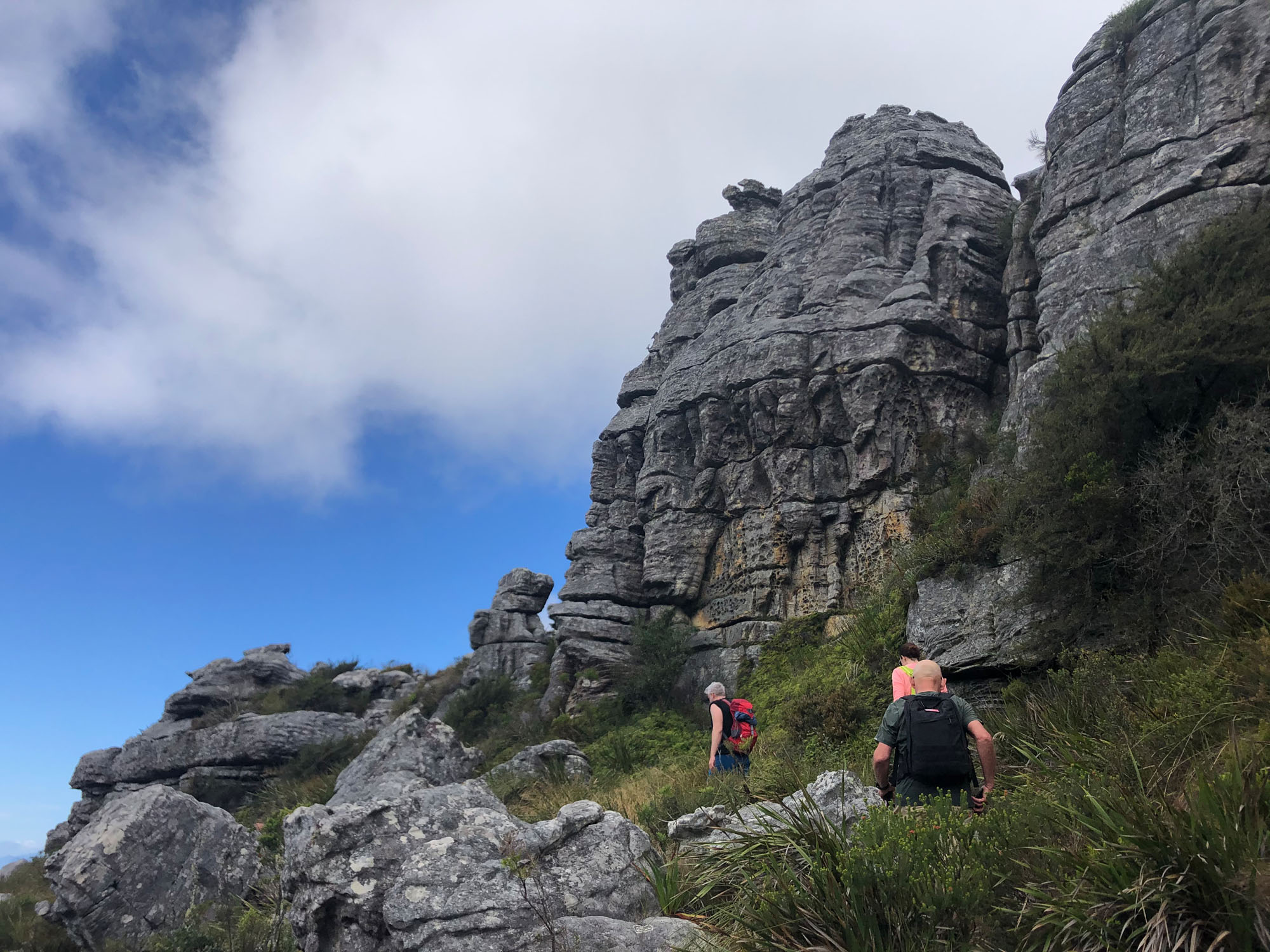
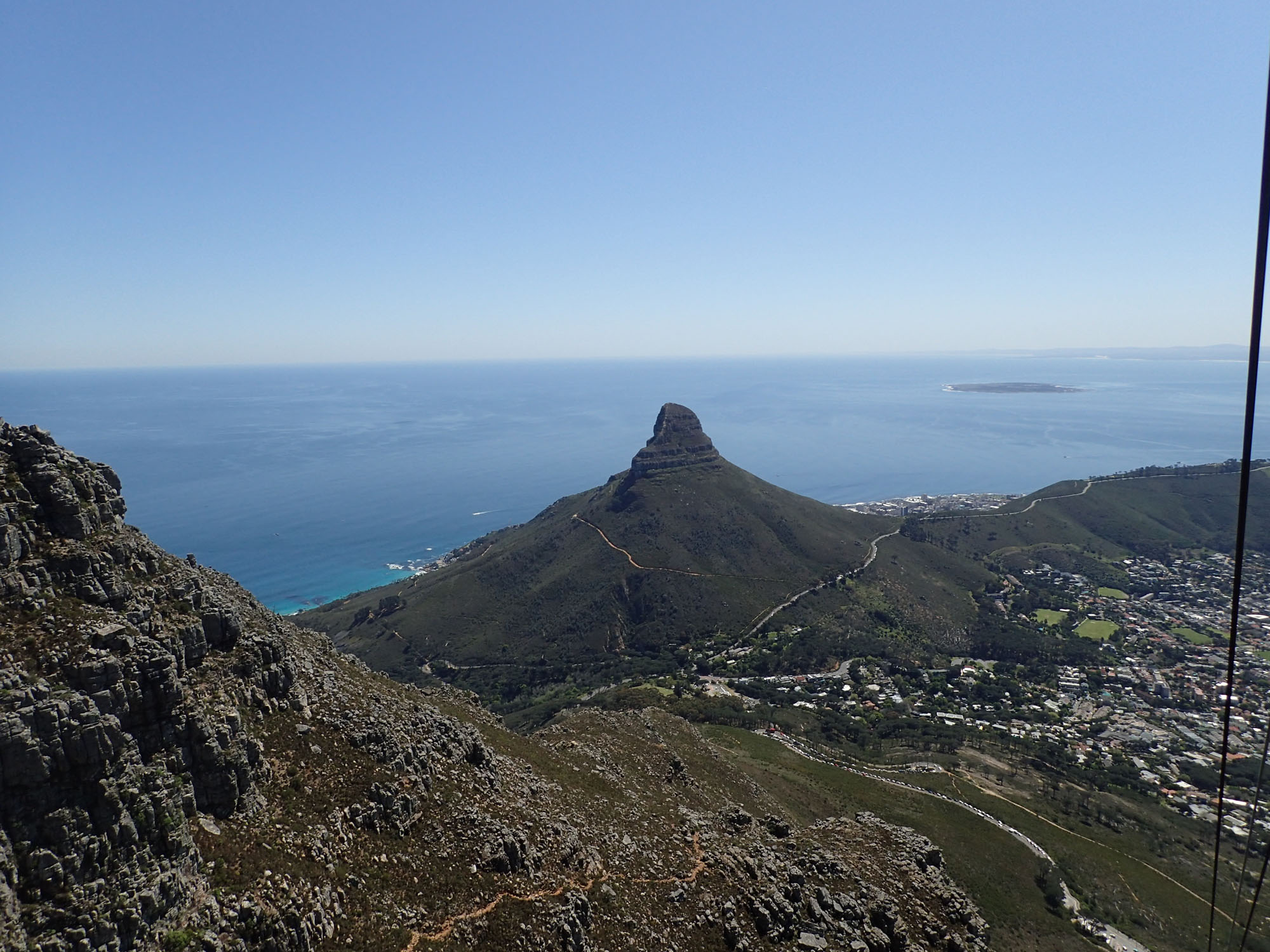
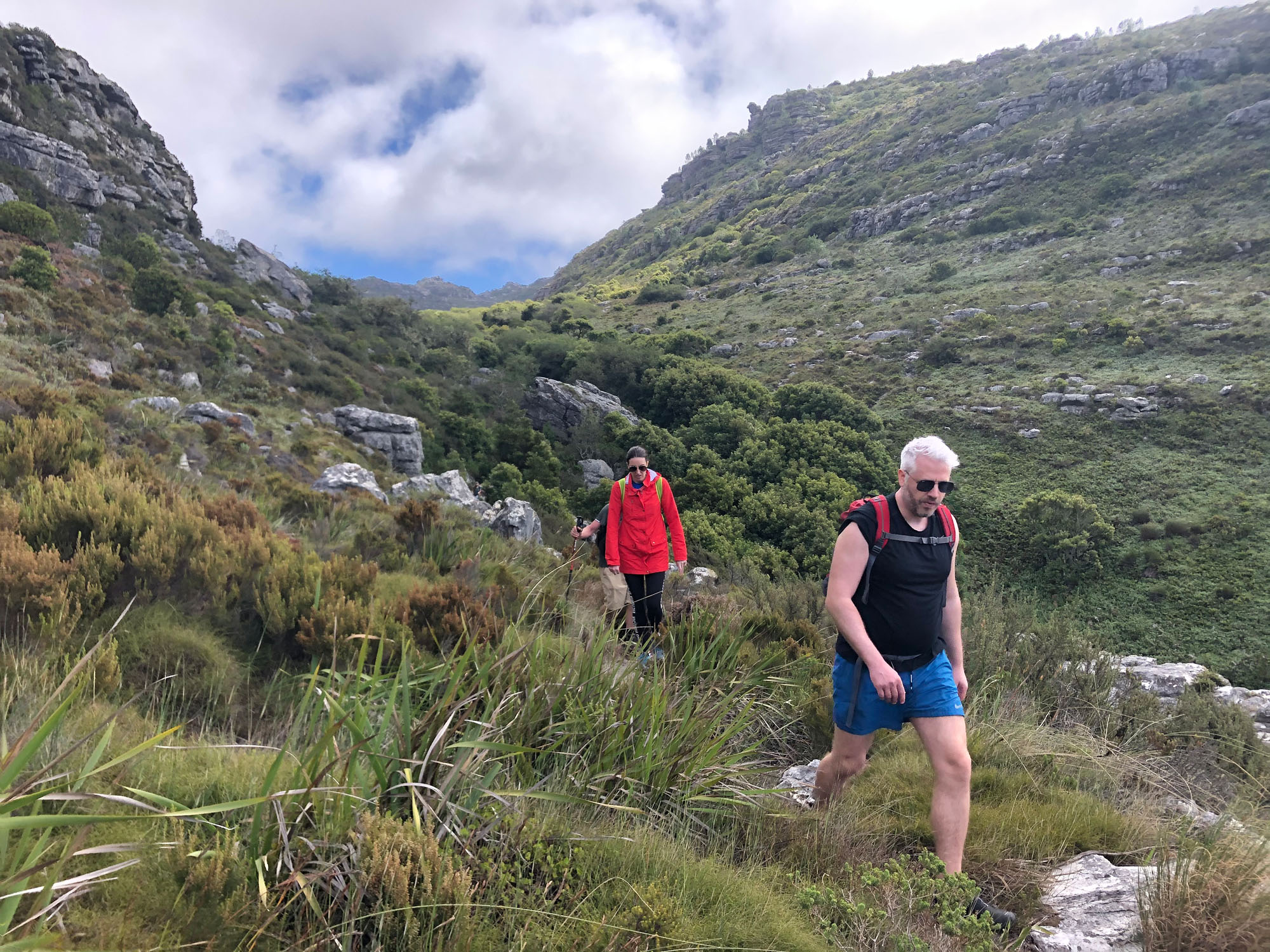
Go hiking. Cape Town has many excellent hiking trails catering to almost every level of fitness. A good entry level hike is Lion’s Head. The Pipe Track hike along the contour line of the lower slopes of Table Mountain – below the 12 Apostles – is scenic and refreshing yet not overly strenuous at all.  

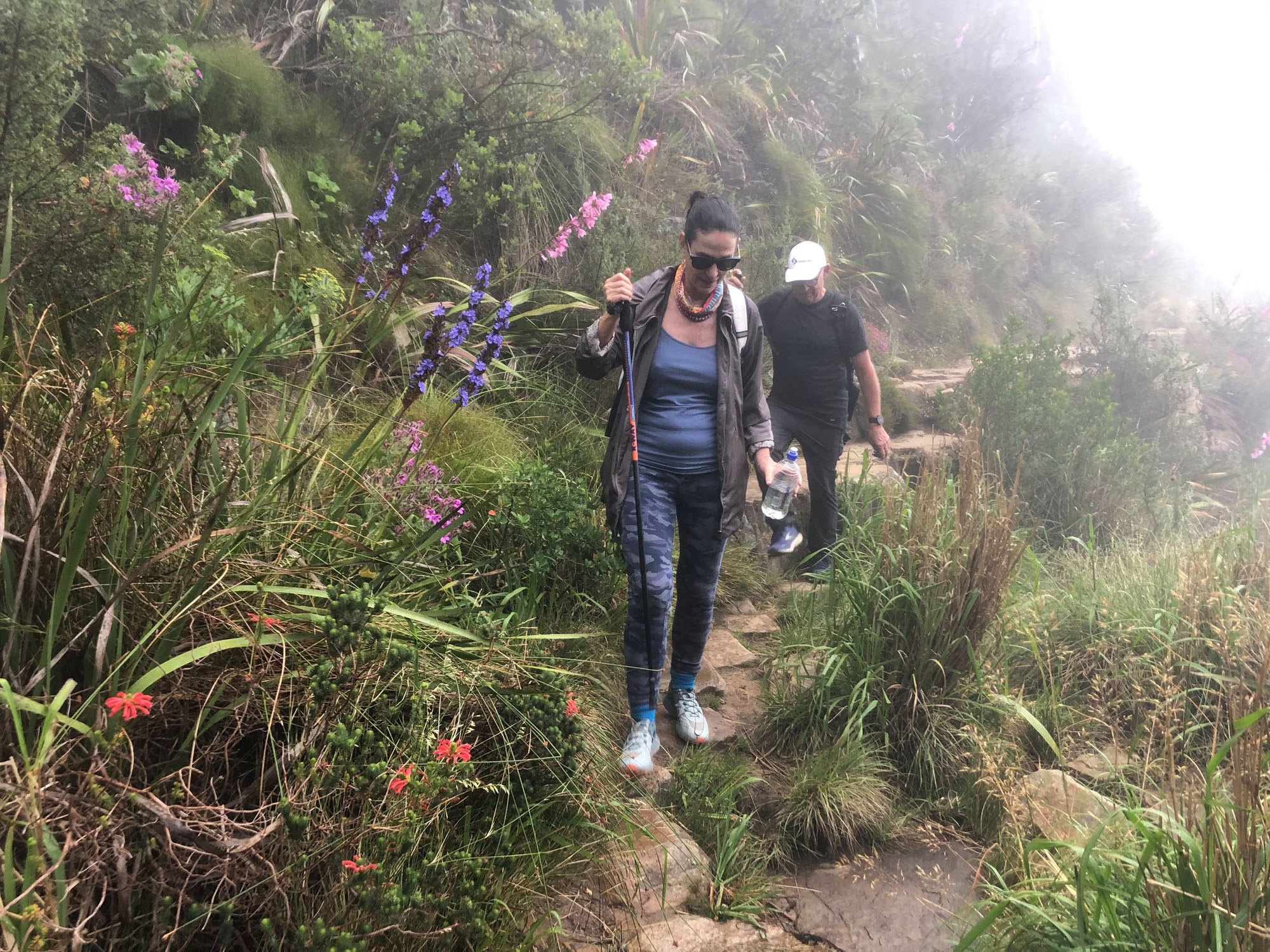
If you want to actually make it all the way to the summit of Table Mountain the shortest and least taxing option is the Platteklip Hike. While it’s far from being the most scenic of the summit hikes it is very much worthwhile and there’s no clambering or scrambling involved. You just have to have the basic leg strength and stamina to negotiate the large natural rock steps all the way up. It takes about 2.5 to 3 hours.   

If you are fit and can handle a bit of a challenge then I’d recommend the beautiful Skeleton Gorge hike, which starts in Kirstenbosch National Botanical Gardens. It is more strenuous and quite a bit longer, and will take from 3.5 to 5 hours. 

The Table Mountain Hike which is not for beginners – but which can be done by most people who are reasonably fit – is India Venster. When you are in the Cable Car going up or down the mountain and you look down at the slopes right below the cable car, you can see the hikers on the India Venster trail. There’s some scrambling involved and a few ladders and some ‘staples’ in the rock to help you across a few tight spots. Extremely rewarding.  

Importantly: don’t do your Table Mountain or Lion’s Head hike alone. Go with a properly qualified, experienced guide such as the ones associated with Mother City Hikers, whom we use for almost all of our Cape area hikes. You can accidentally stray off the path and get lost or injured, the weather is notoriously fickle and it is always good to have a local around – someone who knows the area and can make a good decision when needed.

Take a tour on the Hop On Hop Off City sightseeing bus.

Make a reservation at one of Cape Town’s many celebrated restaurants. I personally tend to shy away from the ones where you have to put down a deposit just to be able to make a reservation, but don’t let that stop you. Our two current  favorites are the Nelson’s Eye Grill (for steak lovers), right by the Mt. Nelson Hotel and Posticino, a relaxed Italian pizza and pasta restaurant at 323 Main Street in Sea Point.  

If you’d like to talk through the options of what you can do in Cape Town and how much time you’ll need to get it all done, our team at Fish Eagle Safaris is ready to assist you. Please contact Bert at bert@fisheaglesafaris.com, Lyndon at lyndon@fisheaglesafaris.com or Jason at jason@fisheaglesafaris.com for more information, or leave a message with our answering service at 1-800-513-5222.

YOU MIGHT ALSO BE INTERESTED IN

Destinations
Zambia

10th September 2021

Chindeni and the Bushcamp Company, Zambia

By late July we found ourselves at Chindeni, a small Bushcamp Company property

Read more
Botswana
Destinations
Okavango Delta

3rd October 2022

Camp Okavango, Botswana

Camp Okavango is in the heart of the permanent part of the Delta. In this idyllic setting there are no vehicles, and it is just a short walk

Read more
Area
Destinations
Nyerere National Park
Ruaha
Tanzania

14th October 2023

From My Safari Notebook: Wildlife Photography

Birds in flight and wildlife photographers have an uneasy relationship. Things go wrong as often as they go right. Getting focus-lock on a moving subject

Read more

SUBSCRIBE TO OUR NEWSLETTER

READERS FAVOURITES
Destinations
India

27th May 2023

India

India’s tiger, mammals and birds.

Read more
Botswana
Destinations

4th August 2022

On Safari At Belmond Eagle Island Lodge, Okavango Delta

What is the ‘secret sauce’ for an unforgettable few days on safari in Botswana? It starts with the animals, of course. The elephants, lions, giraffes, hippos

Read more
Destinations
Zambia

10th September 2021

Chindeni and the Bushcamp Company, Zambia

By late July we found ourselves at Chindeni, a small Bushcamp Company property

Read more

Cape Town area sightseeing

3rd November 2021

Cape Town area sightseeing

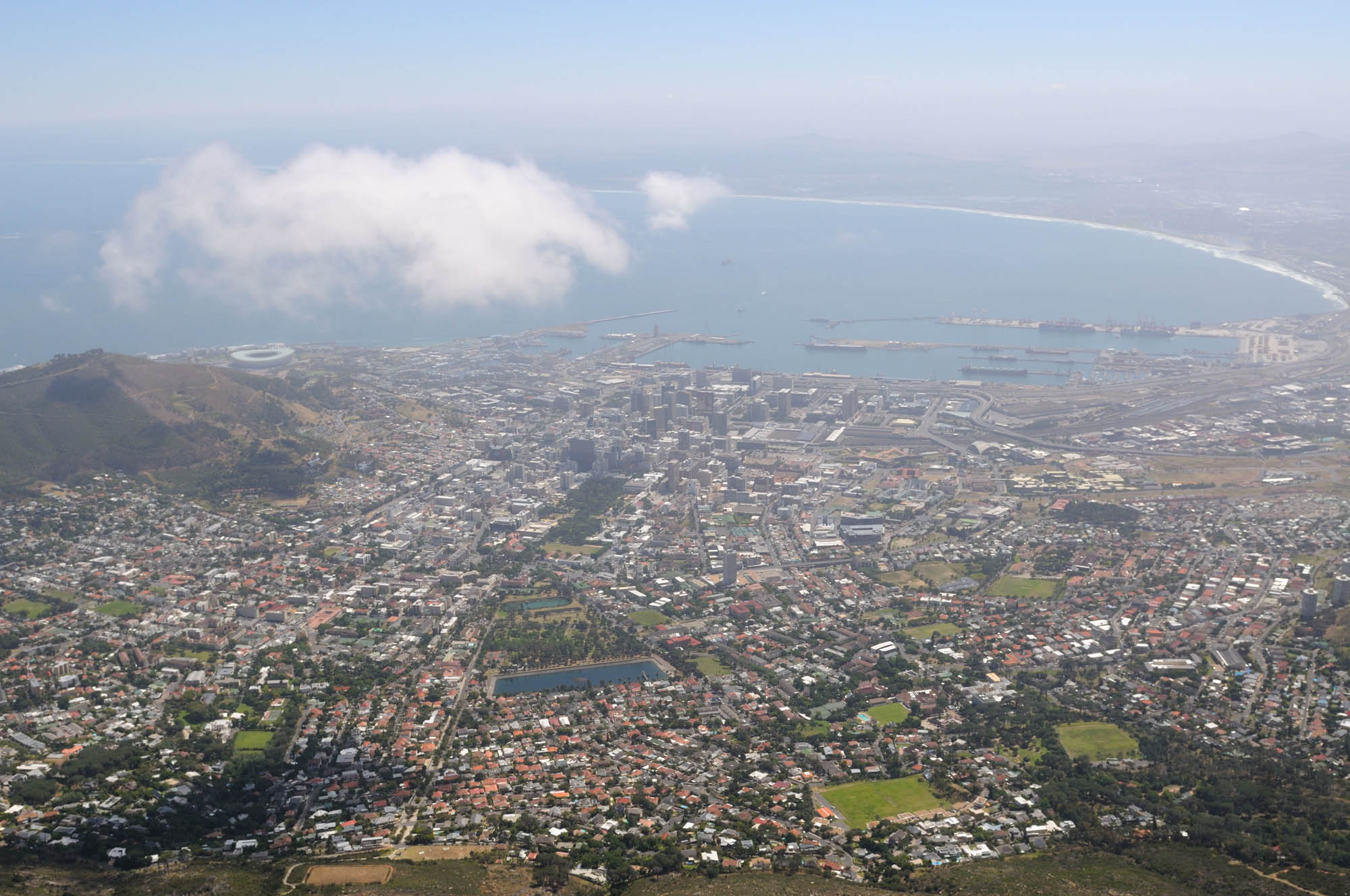
It’s hard to find fault with Cape Town, South Africa’s ‘Mother City’. After all, it is one of the prettiest cities in the world. It starts with Table Mountain as the perfect backdrop, Table Bay in the foreground, the Atlantic Ocean, Lion’s Head, Signal Hill, the captivating Victoria & Alfred Waterfront with its working harbor and yacht basin – and builds from there. In every direction, there is something interesting to see and to experience, from penguins to pedigree wines, endemic fynbos plant species to fantastic restaurants.

Cape Town is diverse, it’s exciting and it’s different.  Read most of the street signs in the downtown area and you could easily imagine being in Amsterdam.  Many buildings, statues and monuments harken back to the city’s earlier days under first Dutch and then English rule.  Cape Town appeals to any and every traveler, no matter what their specific interests or passions may be.  Wine aficionados, foodies, ‘culture vultures’, exercise and adventure junkies, gardening enthusiasts,  amateur naturalists, photographers at any level, birdwatchers, hikers and climbers, sailing enthusiasts, beach people, artistic types, history buffs, artists – there is something of interest for the  entire spectrum of visitors.  That applies to residents as well, naturally.

Listen to the people around you in Cape Town and you’ll begin to appreciate the diversity and complexity of the city’s make-up: you’ll hear a lot of Afrikaans spoken – and much of that in a distinctive local dialect. English is widely spoken too, and a visitor can rely on getting around and finding assistance and answers to questions, in English. In communities like Langa and Nyanga, the predominantly African inhabitants speak mostly Xhosa. Beyond that, you will hear smatterings of European languages like German, Dutch and French in places like Sea Point, Hout Bay and elsewhere. English with a distinctive American accent? At any of the V & A Waterfront hotels.

Did I mention that it is difficult to find negatives about the city? To be sure, there are a few. The winter months, notably June, July & August can be dismal as the city has a winter rainfall climate, unlike practically the entire rest of South Africa. Where the winters can be cold, but dry. So only and mostly in the Southwestern Cape can it be cold, rainy and windy – often simultaneously – in the winter months. Winter storms can be intense with high winds and sometimes heavy rain, but mostly temperatures are moderate (with highs barely in the 50’s F) with light rain and mist.

Cape Town’s traffic issues are nowadays just as bad as those in the much larger metropolis of Johannesburg. Driving out of the city in rush hour – particularly on Fridays – can be a total bear. Of course, being a visitor, you can mostly avoid traveling during peak traffic hours. Unless your flight to your next destination departs in the early evening. In that case, allow yourself plenty of time to get to the airport. Cape Town’s formerly excellent local rail service has fallen on hard times and in general the public transport services are negatively affected by crime, vandalism and protests. Fortunately Uber is ubiquitous and cheap so by all means use it to get around town. Your hotel or guest house can also assist you in arranging a permitted taxi if you prefer that option.

Cape Town can get rather too busy for some people, from about mid-December through early January. During the high holiday season it is jam-packed with up-country visitors (look for the telltale Gauteng license plates) and with international visitors from all over the world and the rest of Africa. It can be tough to get into the better restaurants, there is a huge line at the lower cable car station, getting in and out of the Waterfront area can be a mission, and popular tourist sites like the Cape of Good Hope Nature Reserve, Kirstenbosch and the Boulders Beach penguin colony and many of the wineries, are crowded. If you are able to travel either before or after the holiday season, do it.

So what are our recommendations for visitors for things to do and see in the space of a few days in Cape Town? Here are some of them:

IN AND AROUND THE CITY
Take the revolving cable car ride to the summit of Table Mountain. Do this at the first best opportunity, whenever the mountain is ‘open’ and the cable car is operating. Don’t wait until your last day as conditions sometimes change within hours and the cable car operation shuts down when the wind velocity is too high or because of poor visibility. Weather-related shutdowns can sometimes stretch into a couple of days, so drop whatever else you have planned, and go up the mountain if and when it is open. Early mornings are best to avoid the crowds. Definitely consider hiking either up or down – more about that later in the blog.

Visit Kirstenbosch National Botanical Garden – it is a jewel. Don’t miss the Boomslang canopy walk, the Cycad amphitheatre with dinosaur sculptures, and the Protea garden. If you have half a day for this, that would be ideal, but if all you have are two or three hours, it would still be worth it.

Take a guided Peninsula tour including Hout Bay, Chapman’s Peak Drive, Kommetjie, the Cape of Good Hope Nature Reserve (take the funicular to the lookout point), and the African Penguins at Boulders. If you have time, a guided half day City Tour is also most enjoyable. You may prefer to take a tour on the ‘Hop on Hop off’ City sightseeing bus.

Visit the Victoria & Alfred Waterfront for some interesting walks along the breakwater, shopping (of course), visiting one or more of the huge variety of restaurants and pubs, and check out the Two Oceans Aquarium.

Set aside an hour or two for a stroll – or better yet a run – along the Sea Point Promenade. There’s beautiful vistas over the ocean, the people-watching is equally intriguing and you’ll get some exercise. You can start from the V & A Waterfront and make your way up as far as Bantry Bay, if you are not pressed for time.

Make some time for Cape Town’s beautiful beaches such as Clifton, Muizenberg and Camps Bay, particularly in the warmer summer months from October through April.

Stroll the Company’s Garden area where there are several worthwhile museums; the ‘top’ entrance is just across the street from the Mt. Nelson Hotel. Which – incidentally – has the best high tea in Southern Africa, if you’re feeling peckish.

Get your cultural card stamped with a visit to the Zeitz MOCAA Museum (Silo Hotel); Irma Stern Museum, Iziko South African (Natural History) Museum, SA National Gallery, SA Jewish Museum, or District Six Museum.

Visit Robben Island by ferry boat. While this is ordinarily a worthwhile trip, we have misgivings about recommending it due to perennial management problems. Ferries are known to run late, are canceled last minute and the like. So best to gather some local (up to date) intel on the status of the operation, before you buy your ticket.

In search of a bargain or a local curiosity? Browse the Long Street and GreenMarket Square markets – this can be done in conjunction with visiting the Company’s Garden.

Visit the Castle of Good Hope Museum; be sure to take in the ‘changing of the guard’ and visit the William Fehr art exhibit inside the building, as well as the Cape Military Museum.

Take a guided walking tour of the The Bo-Kaap area  for colorful homes and Cape Malay cooking.

OUTSIDE OF CAPE TOWN:
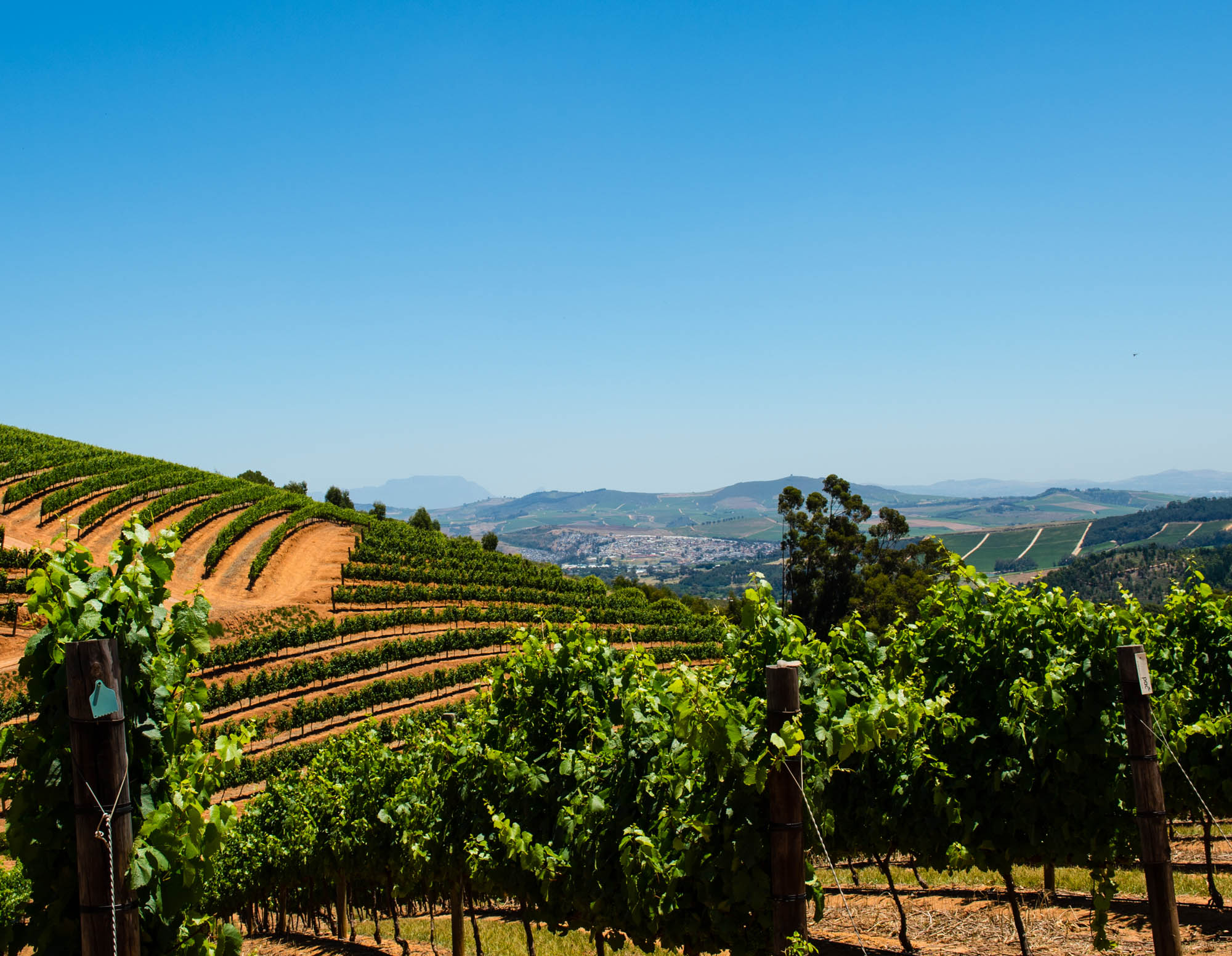
By all means embark on a guided Cape winelands tour. Franschhoek, about a 45 minute drive from Cape Town, is the most interesting of the winelands towns but Stellenbosch and Paarl have their own appeal and there are superb wineries everywhere. Enjoy lunch with a view at Delaire Graff Estate between Stellenbosch and Franschhoek. The Cape Fold mountains – which dominate much of the winelands – together with the vineyards and signature Cape Dutch architecture make this a picturesque area well worth visiting even for visitors who are not at all into wines.

Take an uber or taxi ride from Cape Town to Kalk Bay village for lunch at the Brass Bell; or include it in your touring arrangements.

Visit Constantia Valley near Cape Town for some of the oldest wineries in the area, such as the imposing Groot Constantia; be sure to leave some time for the Norval Foundation Art Gallery, opposite the US Embassy.

Take a trip to the 12 Apostles Hotel for sunset drinks – it’s the perfect spot to see the sun settle over the Atlantic Ocean.

SOUTHERN CAPE (HERMANUS AREA)
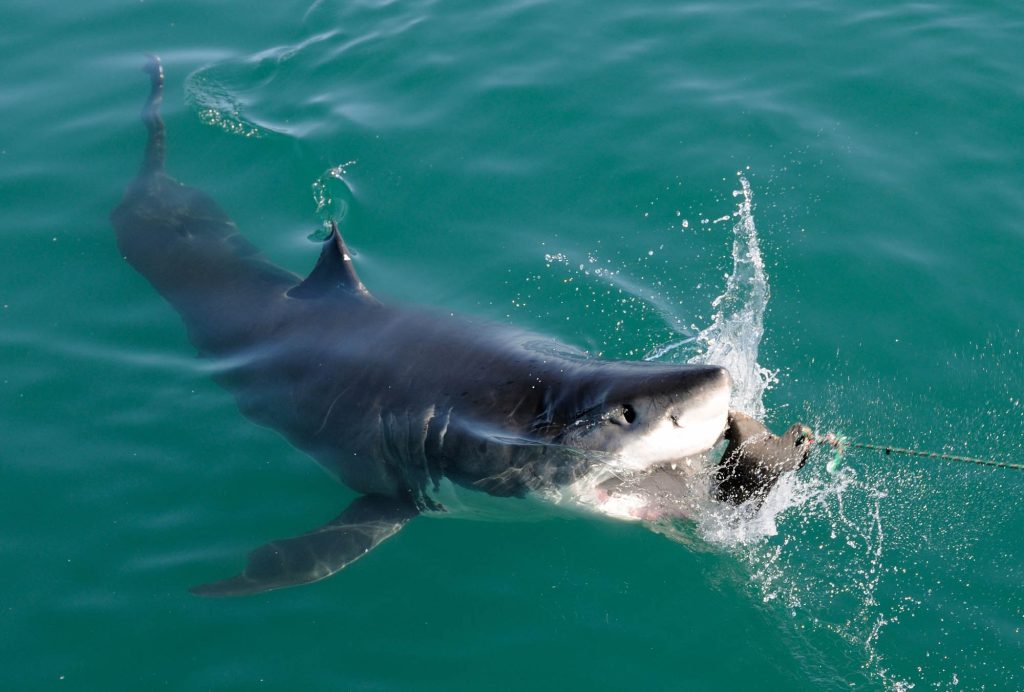
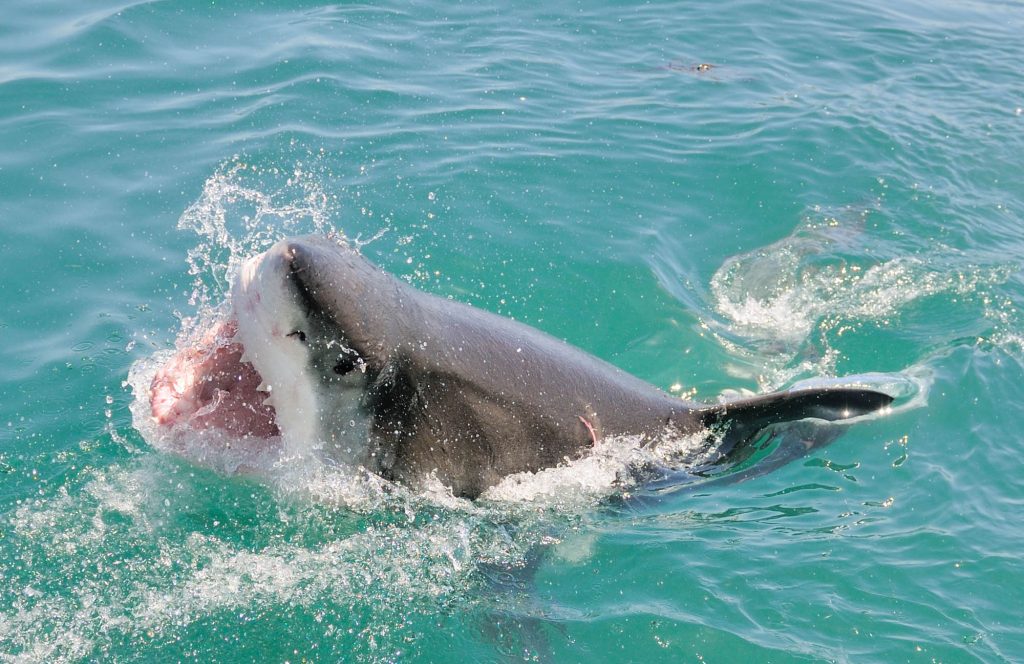
Travel to Gansbaai for shark diving. Presently, the great white sharks are not around in big numbers, but there are several other resident shark species to be seen. The nearby town of Hermanus is known for the ‘marine big five’ which include the South African Fur Seal, the Southern Right Whale, African Penguin, Great White Shark and Bottle-nosed Dolphin. The town of Hermanus becomes a mecca of whale-watching when the Southern Right Whales are around, from about June through November. October is whale month so schedule your visit then, if you want to be sure of seeing these giant creatures – and their little ones – breach or simply frolic around.

TABLE MOUNTAIN AND OTHER HIKING OPTIONS
Table Mountain dominates Cape Town in every way; it is the city’s signature natural feature and no visit to Cape Town is truly complete without involving the mountain in some way or other. While it is perfectly ok to travel to the summit of Table Mountain on the Cable Car, we would recommend adding at least one activity involving a hike on the lower slopes of the mountain – or all the way to the top.

We work with a simply fantastic hiking guide in Cape Town – Lauren Medcalf of Mother City Hikers – for Table Mountain hiking and nature walks.

Lauren recommends doing a hike as one of the first things, after arriving in Cape Town. It really helps to ground you, it gets the cobwebs out after the long flights and helps you feel awake, alive and ready for the rest of your Cape Town stay. Lauren says that many guests who hike with her at the end of their trip tell her how they wish they’d done it at the beginning as they learned so much that was useful for the rest of their stay.

If you arrive sometime in the morning into Cape Town you could do an afternoon hike, or alternatively the next morning or afternoon. If you want to incorporate Kirstenbosch National Botanical Gardens, Lauren could take you around the gardens for an easy walk of 45 minutes to an hour to see the highlights. From there, you would then hike up to the contour path and over and back down to the gardens. This hike only goes one third to one quarter of the way up that (Eastern) side of the mountain so it is not intense but you would get an idea and feeling of the mountain and nature around. This generally takes 3-4 hours to complete.

Other options are:

Pipe Track:
A truly beautiful +/- 3 hour route (also only going one third of the way to the top of Table Mountain), very quiet and peaceful and with lots of interesting plants to see, touch & even taste along the way. The turn-around point is at a cave-like ‘Overhang’ where hikers spend a few minutes just taking in the views and enjoying a snack and drinks.

Lions Head:
An amazing +/- 3 hour route, adventurous and beautiful. The only drawback is that it can be busy with lots of people on it, particularly on Saturday and Sunday. On either of those days, be prepared to be picked up from your hotel really early (5:00 am) in order to avoid the foot traffic.

If you want to do something a bit more challenging, then the Platteklip Gorge hike is the least challenging of the hikes which take you all the way to the top of the mountain. Anybody who is moderately fit and without major mobility or other medical issues can do it. About 3 to 4 hours, from the base of the mountain to the summit. Platteklip is not the most scenic of the various hiking options, but a great hike nonetheless. Once it opens up (last third of the hike) there are some fabulous views. This hike is also extremely popular so again, an early start is advisable. It is mostly exposed to the sun so be prepared for that.

Experienced hikers may want to tackle Nursery Ravine or Skeleton Gorge (from Kirstenbosch) or India Venster. Skeleton Gorge is beautiful with many small ‘box ravine’ pockets, seemingly with their own micro-climate. The hike is well-protected from the elements including the sun, with long stretches through Afro-montane forest. It is a long hike, particularly if your final destination is the upper cable car station. India Venster demands a bit more in the way of strength and agility, and I probably wouldn’t advise it for first-timers. A fear of heights would be a disqualifier as well. Otherwise it is an absorbing, fun hike and you will look back on it with a great sense of achievement. I have personally done all of these hikes so feel free to call me or email me if you have any questions.

YOU MIGHT ALSO BE INTERESTED IN

Destinations
Zambia

10th September 2021

Chindeni and the Bushcamp Company, Zambia

By late July we found ourselves at Chindeni, a small Bushcamp Company property

Read more
Botswana
Destinations
Okavango Delta

3rd October 2022

Camp Okavango, Botswana

Camp Okavango is in the heart of the permanent part of the Delta. In this idyllic setting there are no vehicles, and it is just a short walk

Read more
Area
Destinations
Nyerere National Park
Ruaha
Tanzania

14th October 2023

From My Safari Notebook: Wildlife Photography

Birds in flight and wildlife photographers have an uneasy relationship. Things go wrong as often as they go right. Getting focus-lock on a moving subject

Read more

SUBSCRIBE TO OUR NEWSLETTER

READERS FAVOURITES

Destinations
Zambia

10th September 2021

Chindeni and the Bushcamp Company, Zambia

By late July we found ourselves at Chindeni, a small Bushcamp Company property

Read more
Botswana
Destinations

4th August 2022

On Safari At Belmond Eagle Island Lodge, Okavango Delta

What is the ‘secret sauce’ for an unforgettable few days on safari in Botswana? It starts with the animals, of course. The elephants, lions, giraffes, hippos

Read more
Destinations
India

27th May 2023

India

India’s tiger, mammals and birds.

Read more

Our ‘Groundhog Day’ Properties – Part 1

4th June 2021

Our ‘Groundhog Day’ Properties – Part 1


Image

Our ‘Groundhog Day’ Properties – Part 1

For the first installment in what may end up being a 3-part series, covering our top ten or so ‘Groundhog Day’ properties, I thought I’d include a full service hotel in Cape Town, a luxury safari camp in Kenya’s Lewa Wildlife Conservancy and a small, remote tented camp in Hwange National Park in Zimbabwe.


Image

Ellerman House

In our African travels over the years, our Fish Eagle Safaris team members have visited – and re-visited – a dizzying array of safari camps, lodges, beach resorts, hotels, guest houses and bed & breakfast establishments, in 12 African countries and Madagascar.  Practically without exception, we enjoyed our stay at each of them, from the most basic mobile tented camps out in the bush to the highest of high profile deluxe city hotels.


Image

Ellerman House

Every once in a while, when all or most things go right and we come across a jewel of a property, we add it to our exclusive ‘Groundhog Day’ list.  These are places where we could wake up every morning for the rest of our lives, and be happy and content.  There is no checklist or set of requirements, no rules or regulations to make it onto the list.  No special award either, except for the fortunate visitors who end up spending a few days at one or more of these properties.


Image

Ellerman House

Ellerman House, Cape Town

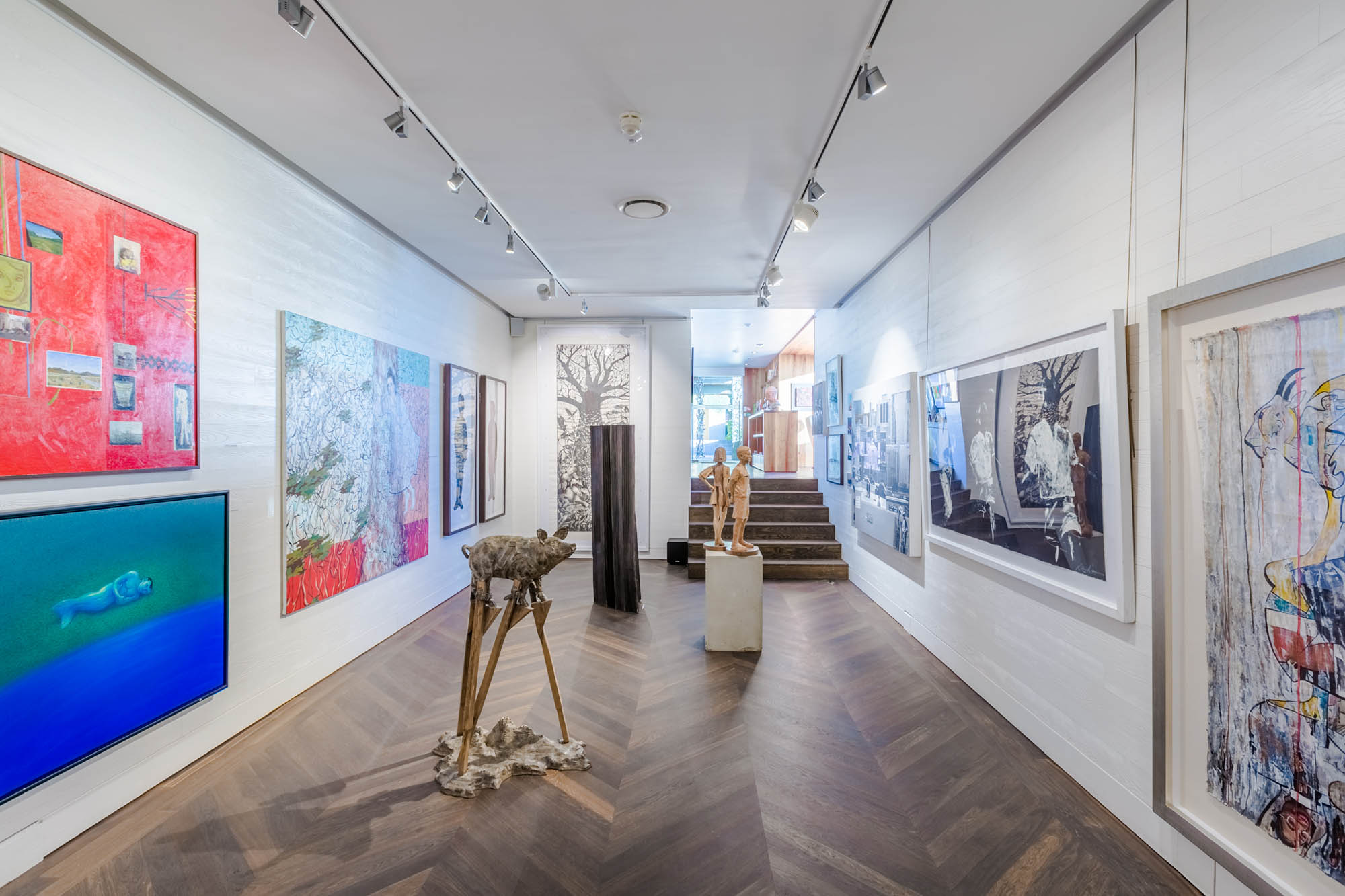
One of the first properties which we elevated to ‘Groundhog Day’ status was Ellerman House in Cape Town.  It didn’t take long for us to be awed when we first arrived there several years ago, on a warm November day.   It started with the paintings along the way to our room.  Being South African-born, I was stopped dead in my tracks by a striking Transvaal landscape by J H Pierneef, likely the greatest of the old South African masters.  We soon came to realize that Ellerman House is replete with fine South African works of art, both in the main house and the dedicated contemporary art gallery which we were to discover later.


Image

Ellerman House

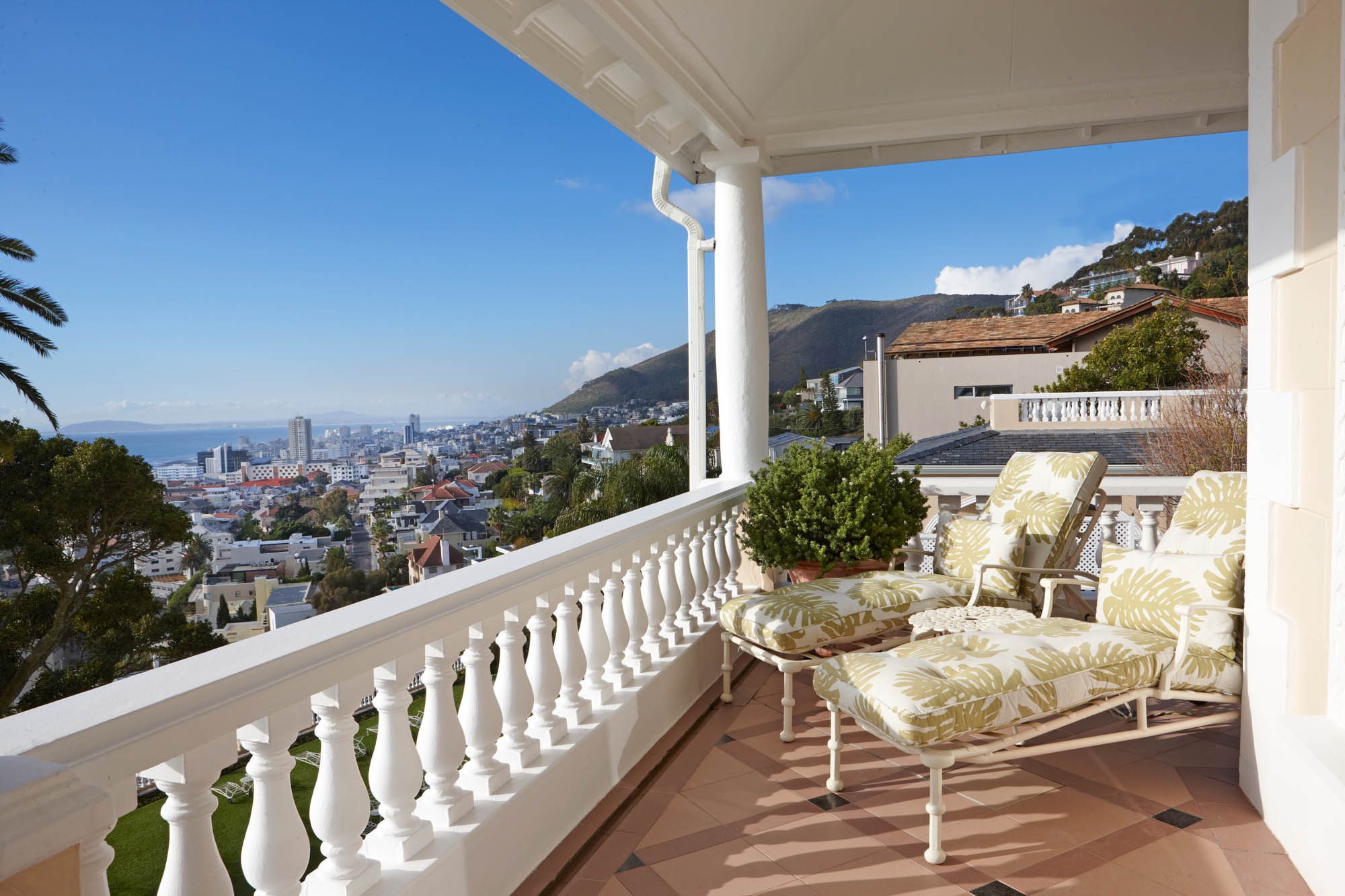
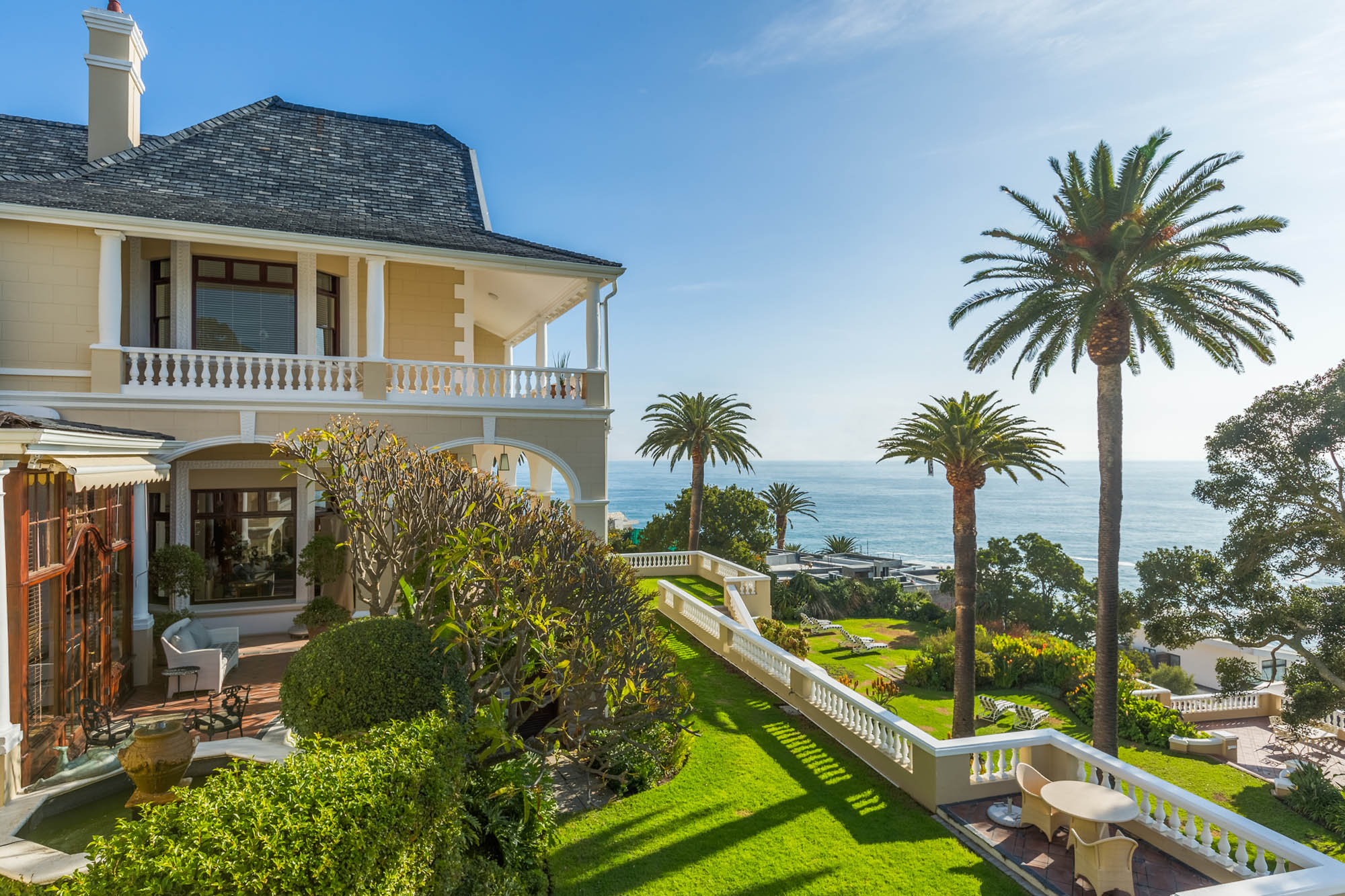
Ellerman House is also a grand mansion, once the home of shipping magnate John Ellerman and his wife Esther, better known as Lady Ellerman.  Matter of fact, we spent our first night there in a room which used to be Lady Ellerman’s art studio. Exhausted after a long transatlantic journey, all we thought we wanted to do was sleep.  Until we explored the room a bit and saw the view from our private verandah, overlooking Bantry Bay and the Atlantic Ocean beyond.


Image

Ellerman House

Anchored by the lush green garden in front of the hotel, the view transitions to a white sandy beach, foam-topped waves, blue-green ocean and towering cumulus clouds in the background.   We had stepped into a postcard photo.  Simply sitting there in two comfortable lounge chairs with a cold drink in hand,  we experienced what all travelers seek, yet rarely find.  A magical moment when time and place create a memory which will remain vivid in our minds, every time we think about Ellerman House.


Image

Ellerman House

Lady Ellerman may have just dabbled in the fine arts but her one-time art studio is now a masterpiece unto itself, as are all of the Ellerman rooms and the two adjacent private villas.  There’s simply nothing to fault:  drop dead gorgeous views, private verandahs with as much appeal as the rooms themselves, a wine experience on par with the best in the country, the finest of fine dining – for house guests only – and everything underscored by a high level of unobtrusive yet impeccable personal service.  One could write a not-so-slim volume about Ellerman House’s fascinating history, its intersection with Cape Town’s art and music scene and the remarkable socio-economic upliftment work it has done in the local and greater South African community.


Image

Ellerman House

On a recent visit, wanting to explore the area around the hotel, we took the Bantry Steps (there’s 156) from Kloof Road down to Ravine Road and the Florida Steps (another 142) down to  Victoria Road, which turns into Beach Road eventually.  If you run far enough, which we did.  All along the Sea Point promenade, filled with runners and walkers, tourists and locals, all occasionally pausing to take in the amazing views over the Atlantic Ocean.  Families with kids exploring some of the coves, people walking their dogs, hang gliders descending from Lion’s Head, it was an idyllic scene of people having fun and enjoying some leisure time in the bright sunshine.

Legendary Lodge


Image

Ellerman House

The three mile or five kilometer Sea Point Promenade – named after the best known of the areas which it fronts – starts in Granger Bay, less than a kilometer from the Victoria & Alfred Waterfront.  From there it goes past the red-and-white-striped lighthouse of Mouille Point and continues to Sea Point itself before curving around to Bantry Bay.  From and back to Ellerman House, inclusive of the 596 steps down from Kloof Street and back up again, this 10 kilometer stretch is very much a ‘rave run’ –  or refreshing walk – all the way.  

On your next trip to Cape Town, consider spending a few nights at Ellerman House and like us, you may feel like waking up there, over and over again.


Image

Sirikoi Safari Lodge, Lewa – Kenya

Every once in a while on my African travels, I discover a place that almost immediately appeals to me and which I soon realize, our guests will come to enjoy and appreciate as well.  The Lewa Wildlife Conservancy in north-central Kenya is one of those places.  Lewa is special on many levels.  Back when I first visited it in the late 1990’s, it struck me as being almost sublimely ‘out of Africa’.   On my most recent visit there, I felt just the same way.  Mostly, the place just shouts ‘Africa’.  Standing there, on a clear day, you can see the jagged peaks of Mt. Kenya to the south.  If you turn around 180 degrees, on the horizon to the north, looms the sacred mountain of the Samburu – Mt. Ololokwe.  Mountains, valleys, vast open plains and amazing vistas of blue foothills disappearing into the void.

Villa Maua

Sanctuary Retreats


Image

Other ways in which Lewa is special?  It harbors and actively protects more rhinos (white and black) than any other conservancy in East Africa.  Lewa’s rhino population has grown from an initial 15 rhinos to around 170 rhinos currently, nearly 15% of all rhinos in Kenya.  Lewa also has a great mix of endemic species including Grevy’s zebra, Beisa oryx and reticulated giraffe.  Some of these animals – like the Grevy’s zebras – are rare and endangered and they are all spectacularly beautiful.


Image

We use several Lewa properties for our guests including Lewa Safari Camp, Lewa Wilderness and Borana Lodge, in the adjacent (and now connected) Borana Conservancy.  A property which we had used before, but not visited ourselves until fairly recently, is Sirikoi.  Sirikoi turned out to be worth waiting for!  It is an oasis like few others, from location to accommodation and management.  The tented rooms, main lounge and dining room areas are stylish and immaculately maintained, and the food and beverage service is of an exemplary quality.  While at Sirikoi, I took some time off from the game-viewing to scout out the property and surroundings a bit better.


Image

With its mix of four luxury tents and two exclusive use houses (with 2 and 3 bedrooms respectively), Sirikoi caters for discerning guests who like and enjoy comfort and luxury, but in an elegant, understated fashion.  There is nothing over the top or extravagant about Sirikoi.  It strikes a perfect balance between being luxurious and stylish, yet retaining the essence of a true Kenyan retreat.


Image

Sirikoi’s location right alongside the Sirikoi stream, on the edge of a large swamp, results in wildlife often entering the property and being visible from the open dining deck in front of the camp.  In the late afternoon and early evening, as the birds settle down and nocturnal creatures like bush babies start to get active, enjoying a sundowner at Sirikoi is as good as it gets on safari.  I experienced just that on my last night there.  One by one a family of seven striped kingfishers disappeared into a communal hole in a tree where they were to sleep for the night.  Guinea fowls started to gather high in a nearby tree, as did baboons (not without some squabbling), vervet monkeys and even crowned cranes which flew out of the swamp to the protection of an elevated roost. 

It became quiet as the sun set over the low hills to the west, the pinkish light remaining for a long time, with the trees perfectly reflected in the glassy surface of the pool.  The end of a perfect day in Africa.


Image

Jozibanini Camp, Hwange – Zimbabwe

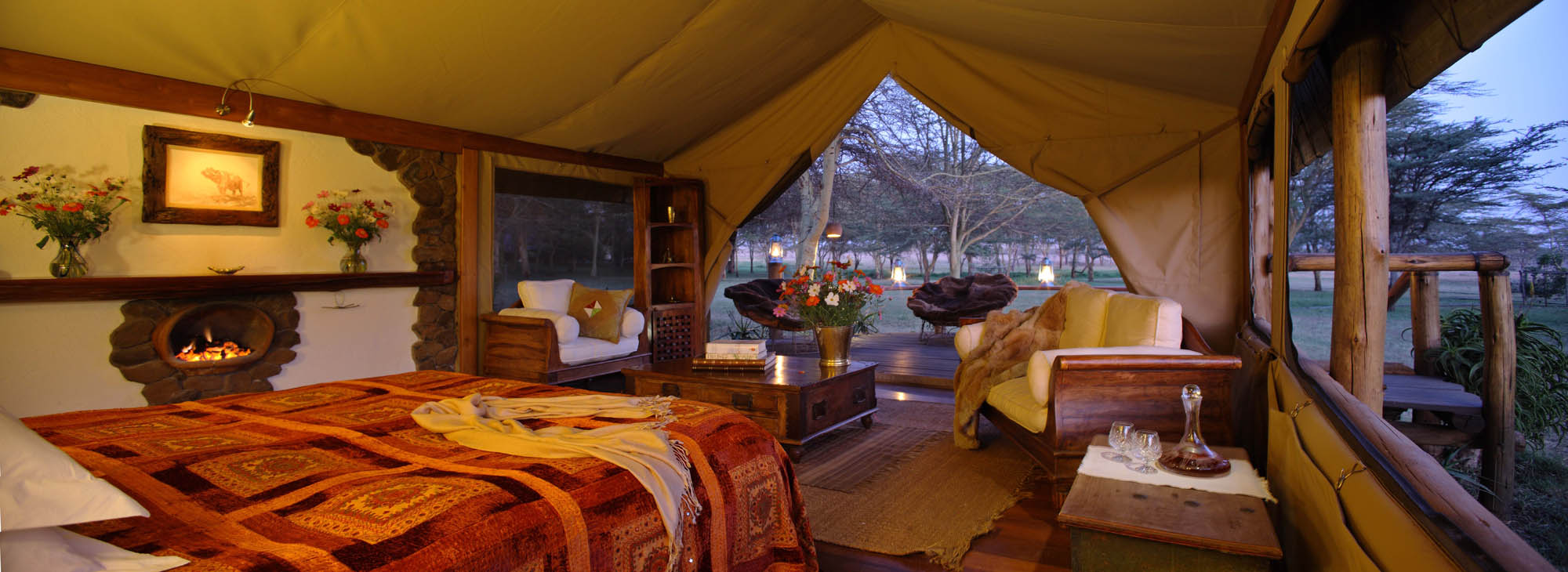
A more recent addition to our Groundhog Day list is Jozibanini, a small tented camp in a remote area of Hwange National Park in Zimbabwe.  Jozibanini is everything that Ellerman House is not, except that Jozi’s ‘restaurant’ is also open only to guests.  Not to take that too literally of course, seeing as the restaurant at Jozibanini is a small table and a few chairs, under the stars, in sight of an open fire-place.   Guests at Jozi will search in vain for a temperature-controlled pool, a state-of-the art gym or – perish the thought – a television set.  Jozibanini is so remote that outside communication is limited to a satellite phone.


Image

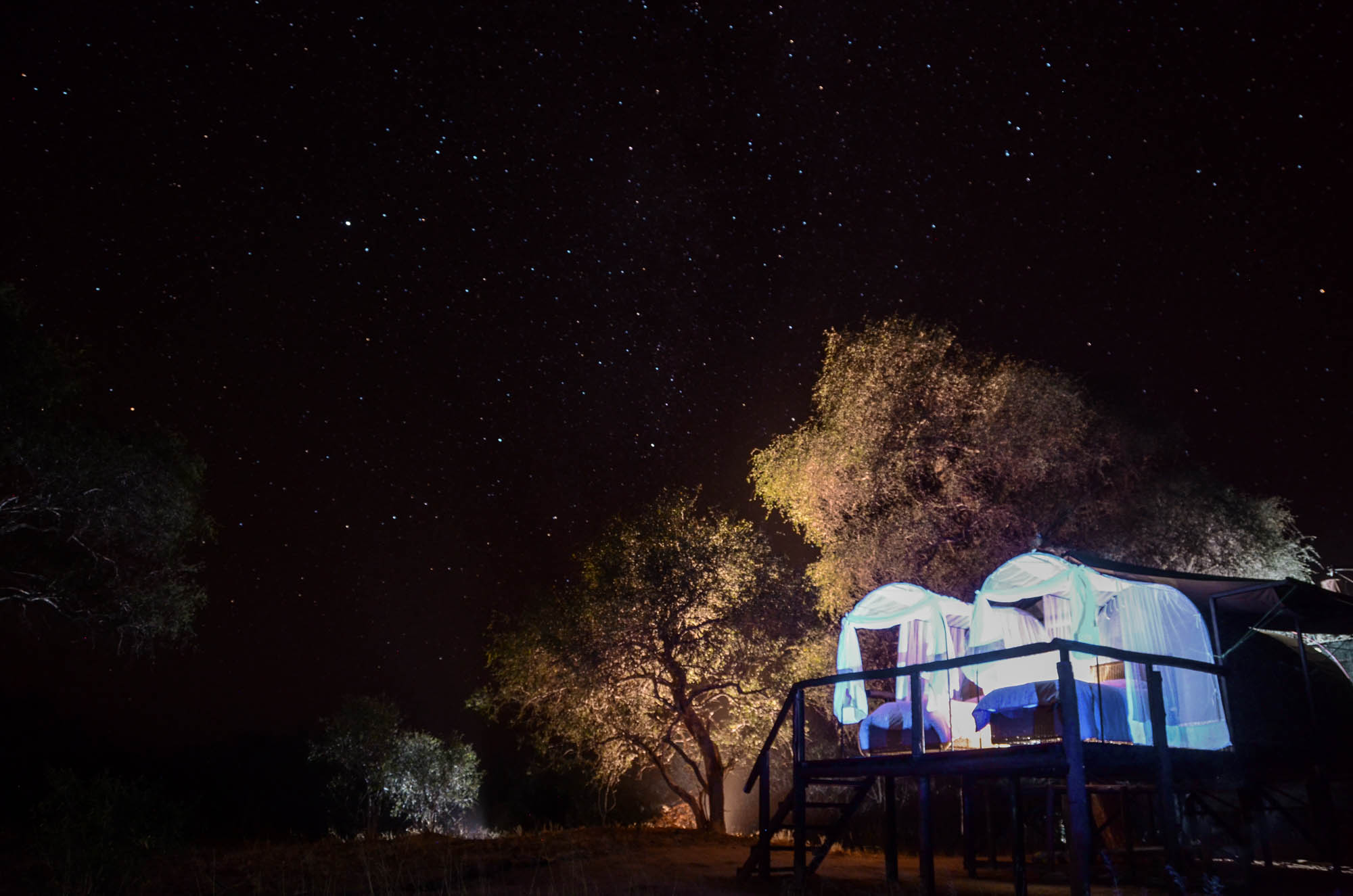
Instead of 5,000 plus bottles of fine wine in its cellar, Jozi can offer you thousands of stars overhead, every night.  There’s several cool beverages on offer though. Many of us enjoy fine South African vintage wines but let’s face it, a cold beer at the end of a long day on safari with many animals and nobody else around is – priceless.


Image

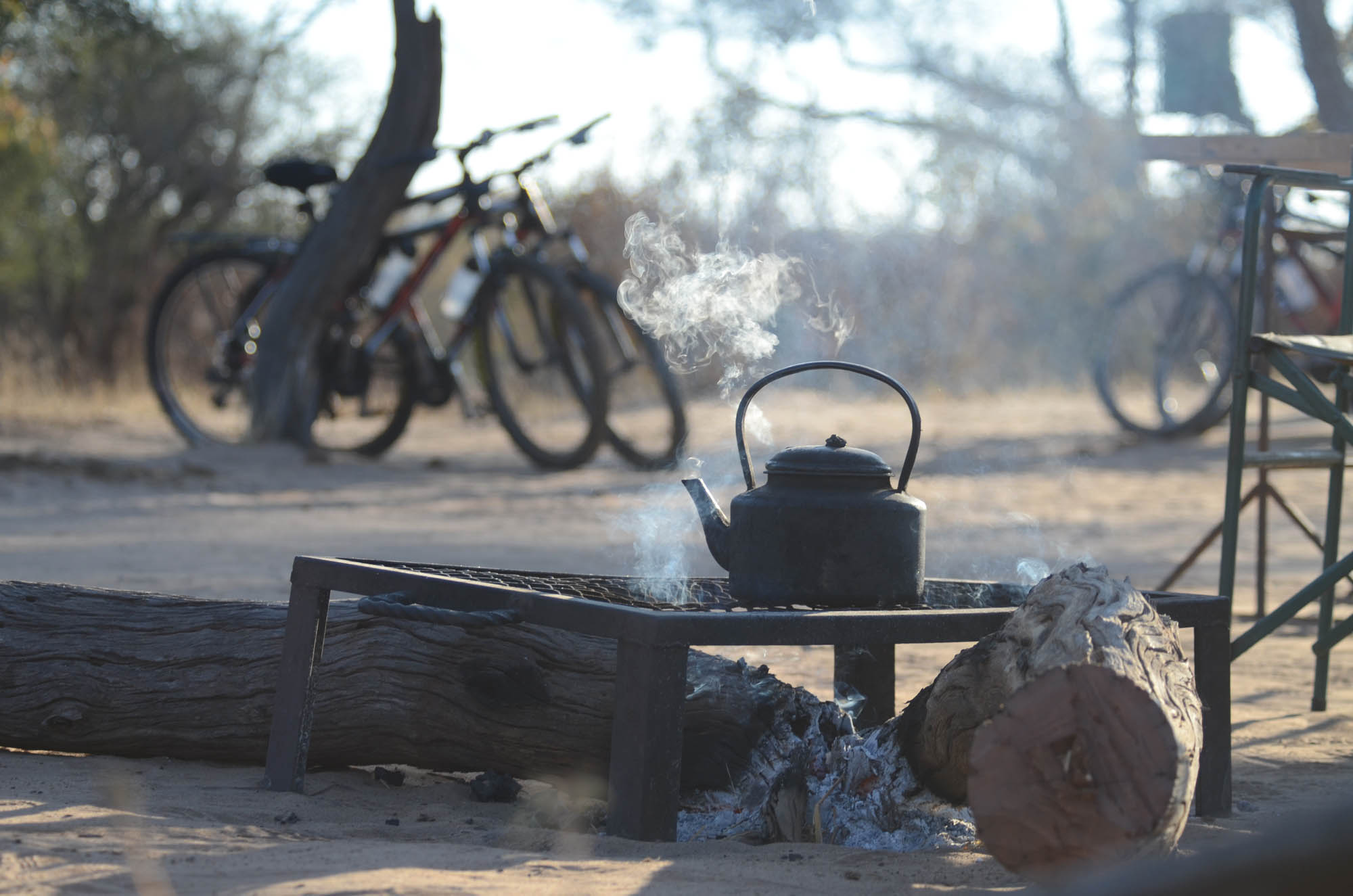
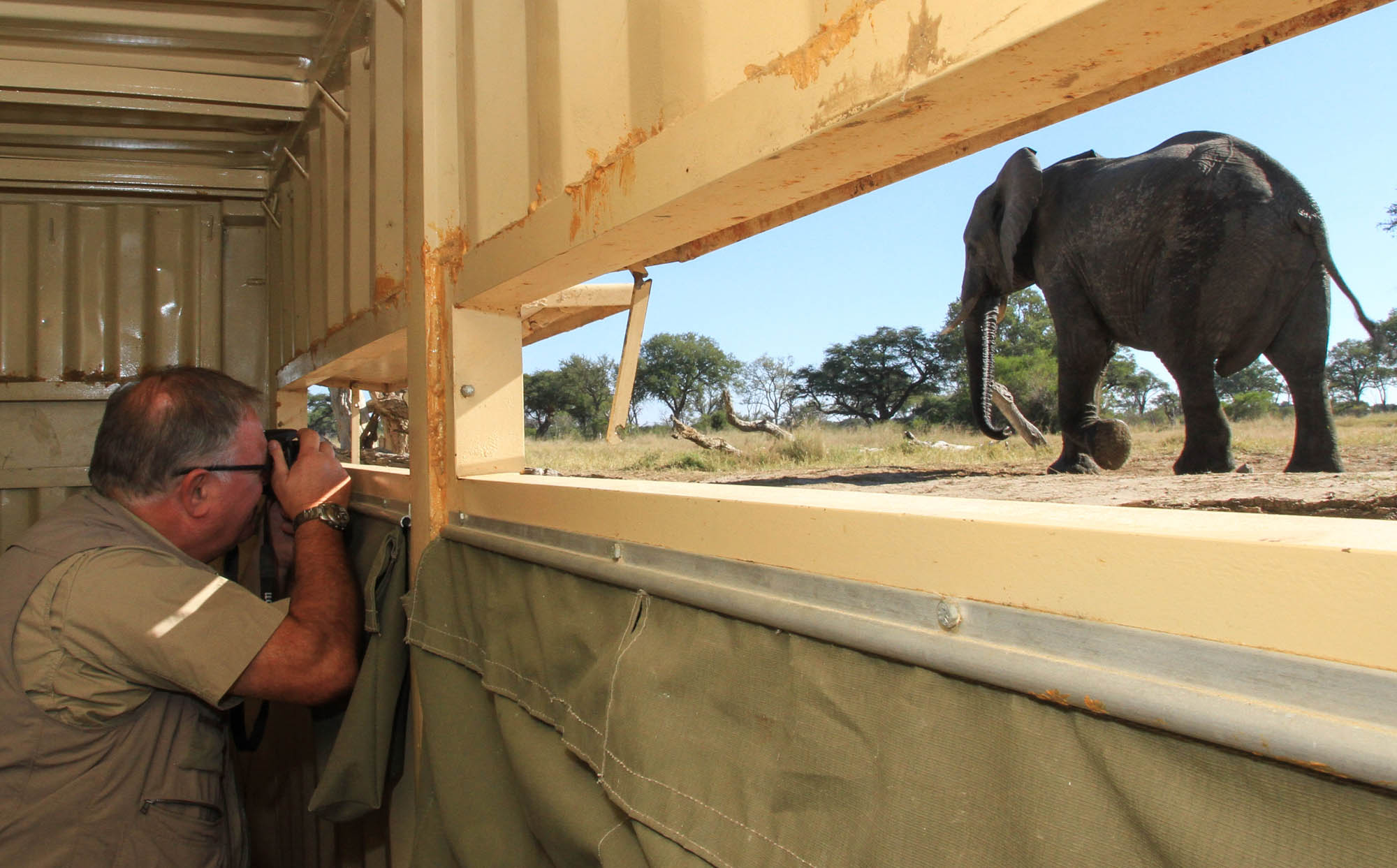
Jozibanini’s underground “look-up” blind is one-of-a-kind.  On my last visit the noisy shutter release sound on my Nikon camera spooked a large bull elephant at the water hole.  Fortunately we were safe inside the hide but it goes to show just how close you get to the animals.  Be sure to pack a quiet mirrorless camera for your trip!  If you’re feeling adventurous you can head off on a guided mountain bike ride along the elephant paths traversing the dune troughs around Jozibanini. 


Image

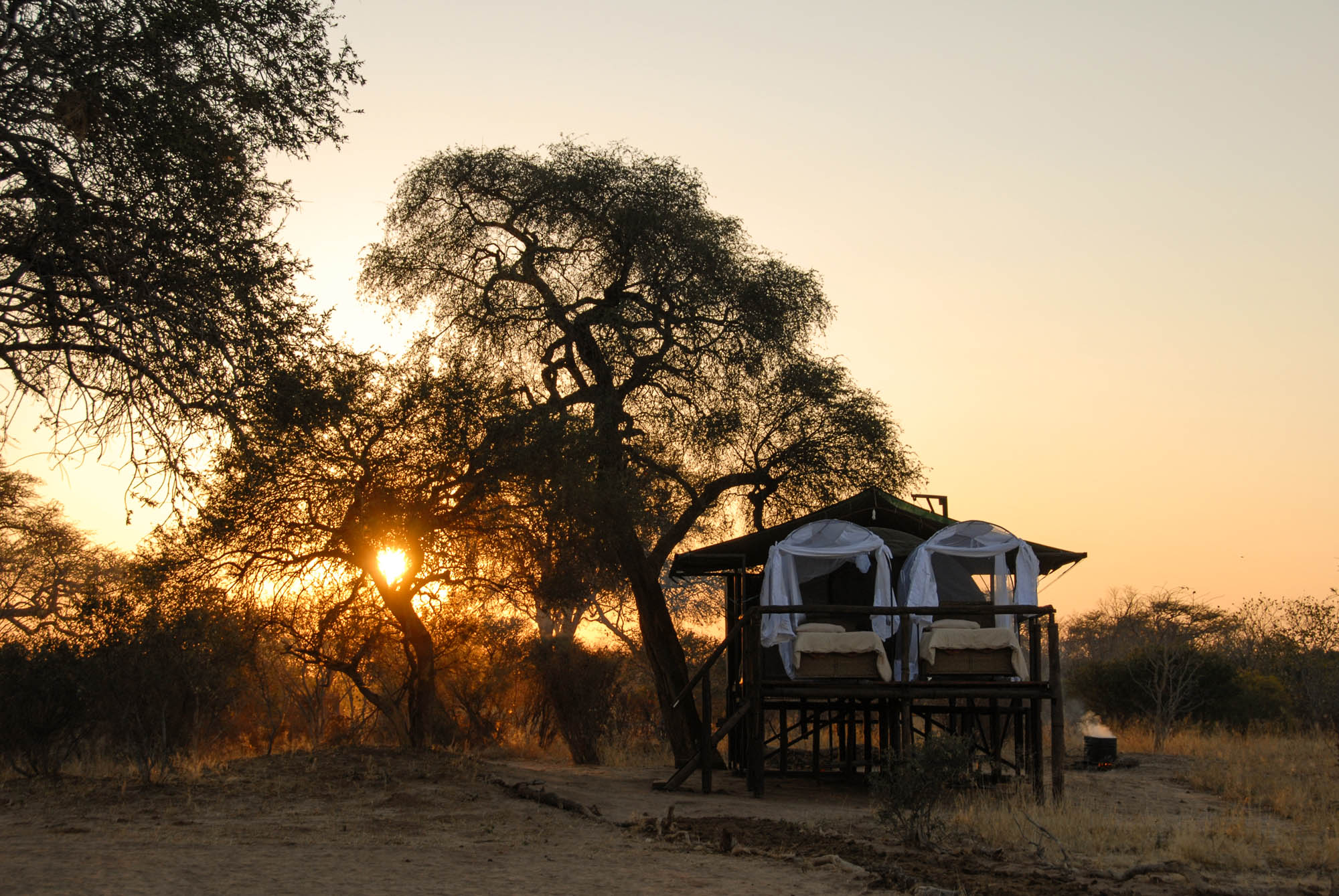
And if you’re in need of more star gazing, the beds can be rolled into the deck of the tents for an extraordinary star-bed experience gazing skyward at thousands of stars in the dark Hwange sky. By introducing tourism into this formerly deserted area, the Jozi project has helped protect vast swathes of Hwange and its wildlife, while creating more jobs for guides, camp staff, national parks employees and conservation personnel.  Go to Jozi and the people and thirsty elephants of Hwange will be forever in your debt.  If you can, travel in the cooler, dry months from about April through August.  It can get very hot in Hwange from mid-September through March.


Image

In our blog next week we will focus on a few more of our Groundhog Day properties in the Greater Kruger Park area, being Jabulani Safari, MalaMala Game Reserve and Royal Malewane.

More Info

Email bert@fisheaglesafaris.com

Email jason@fisheaglesafaris.com

@fisheaglesafarishouston

#FishEagleSafaris

YOU MIGHT ALSO BE INTERESTED IN

Destinations
Zambia

10th September 2021

Chindeni and the Bushcamp Company, Zambia

By late July we found ourselves at Chindeni, a small Bushcamp Company property

Read more
Botswana
Destinations
Okavango Delta

3rd October 2022

Camp Okavango, Botswana

Camp Okavango is in the heart of the permanent part of the Delta. In this idyllic setting there are no vehicles, and it is just a short walk

Read more
Area
Destinations
Nyerere National Park
Ruaha
Tanzania

14th October 2023

From My Safari Notebook: Wildlife Photography

Birds in flight and wildlife photographers have an uneasy relationship. Things go wrong as often as they go right. Getting focus-lock on a moving subject

Read more

SUBSCRIBE TO OUR NEWSLETTER

READERS FAVOURITES

Destinations
Zambia

10th September 2021

Chindeni and the Bushcamp Company, Zambia

By late July we found ourselves at Chindeni, a small Bushcamp Company property

Read more
Botswana
Destinations

4th August 2022

On Safari At Belmond Eagle Island Lodge, Okavango Delta

What is the ‘secret sauce’ for an unforgettable few days on safari in Botswana? It starts with the animals, of course. The elephants, lions, giraffes, hippos

Read more
Destinations
India

27th May 2023

India

India’s tiger, mammals and birds.

Read more

Our Favorite Hotels in Cape Town

21st May 2021

Our Favorite Hotels in Cape Town


Image

Cape Cadogan – Hotel Exterior View

Our Favorite Hotels in Cape Town

It is almost always a good idea to start or end your Southern Africa trip with a few days in Cape Town. Cape Town, also known as the mother city, is picture-pretty and rivals San Francisco, Rio de Janeiro and Sydney for instagram-worthy photographs from practically anywhere.  Cape Town’s Table Bay and Table Mountain complex are amongst the natural wonders of the world and its stunning wine-growing area and multitude of cultural, food, sport, light adventure and water activities make it a ‘must see’ destination in South Africa.  Except perhaps in the Cape winter, from June through the end of August, when Cape Town can be downright miserable with rain, wind and cold temperatures, sometimes all of them simultaneously.   


Image

Table Mountain as seen from Kirstenbosch National Botanical Gardens

If you do have Cape Town on your wishlist, keep in mind that from about mid-December through early January it is crowded with up-country and international visitors.  For the holiday season many hotels require a minimum 5-night stay, prices are high, it’s a battle to get in and out of the Waterfront, the traffic is generally a mess and it is tough to make a reservation at many of the best restaurants.  So, quite frankly, the city is best avoided at that time of the year.  Unless, of course,  you’ve been invited to a destination wedding over that time-frame, or it’s a business-related trip, or it’s the only time you can go.


Image

Mt Nelson Hotel Pool

Where to stay in Cape Town?  The choices are near endless, with good to excellent accommodation options spread out all over the city itself and the surrounding suburbs.  

In the full service hotel category our favorites are the Belmond Mt. Nelson (a classic, with a great location in an area with fewer tourists than the waterfront), the Silo (stunning in every way), the Cape Grace (a gem) and the incomparable Ellerman House, likely the best hotel in Africa.  It is on our  ‘groundhog day’ list:  a place where you can wake up every day for the rest of your life and be happy….


Image

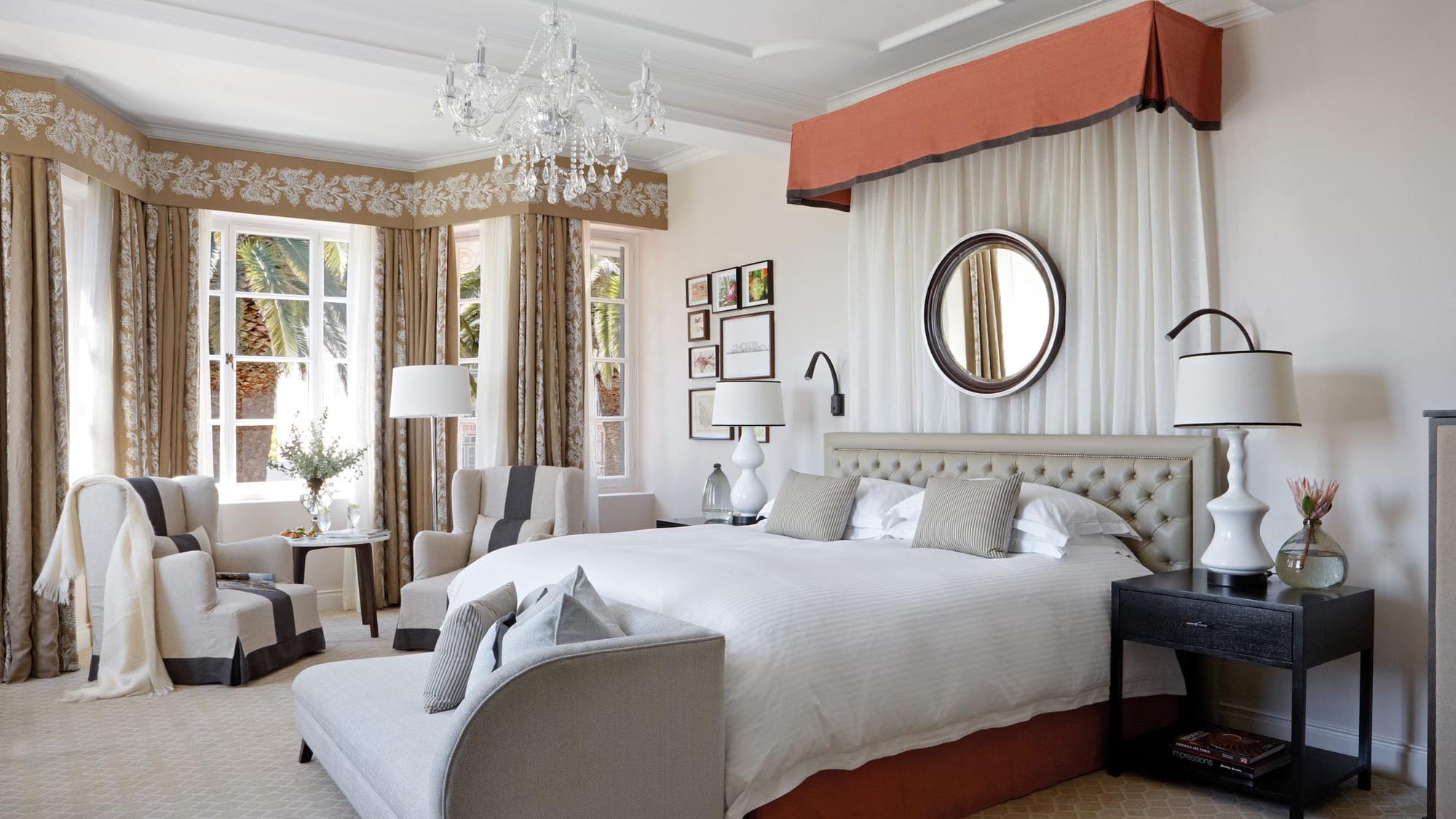
Mt Nelson Hotel Deluxe Room

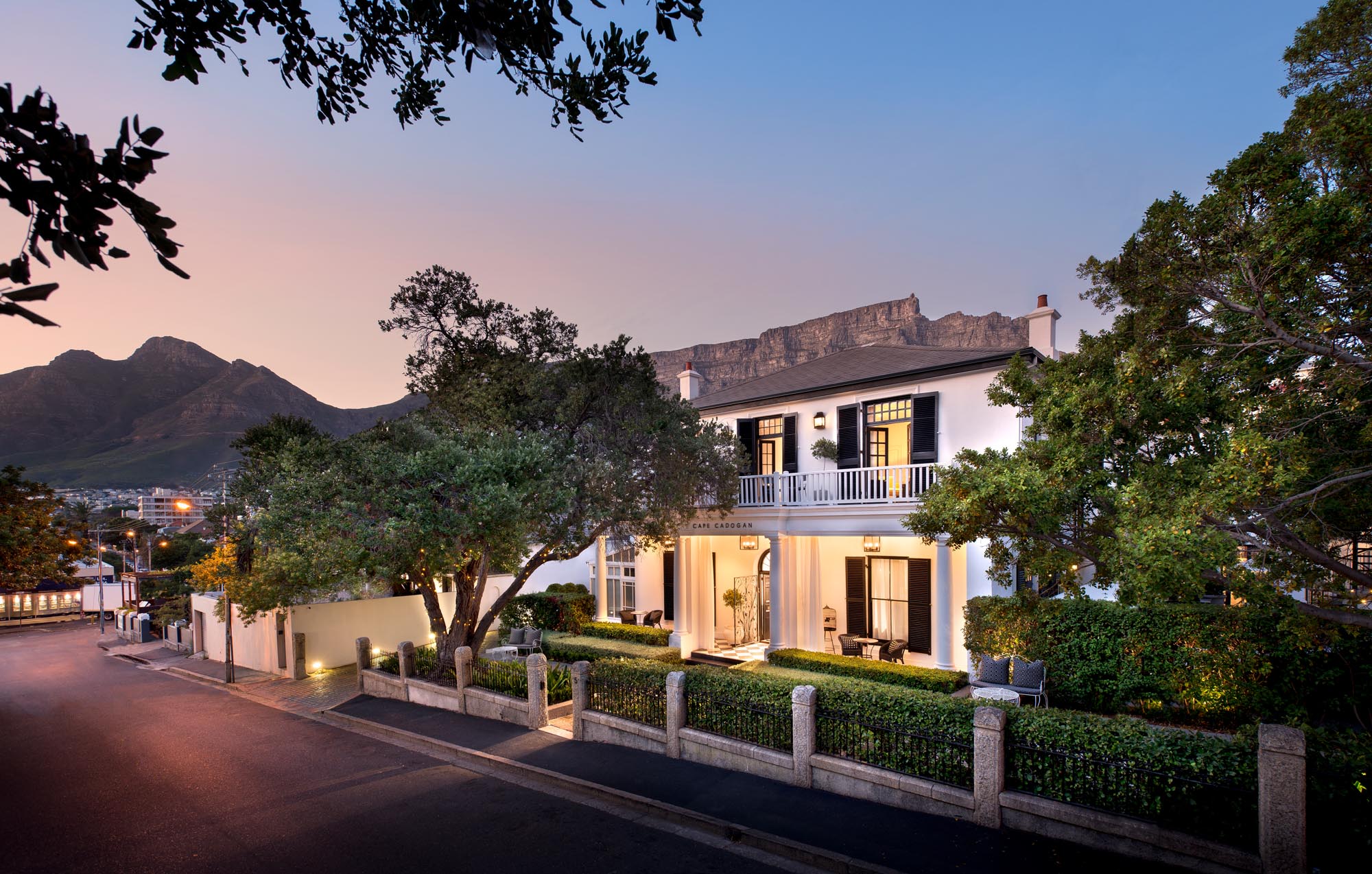
If you prefer a small guest house or boutique hotel with a bit of local color, we have several favorites including Four Rosmead (great for self-drivers), Welgelegen (right off Kloof Street which is a lively area with lots of restaurants, clubs and bars), the Cape Cadogan (also convenient to Kloof Street) and the attractive Glen Avon in Constantia.  Constantia is a leafy, quiet suburb of Cape Town so you’d be away from the congestion of the central business district or the waterfront.  Constantia also has its own wine region with several superb wineries.  In fact it is an excellent base for touring with easy access to places like Kirstenbosch and it is right along the main route to the coast.  


Image

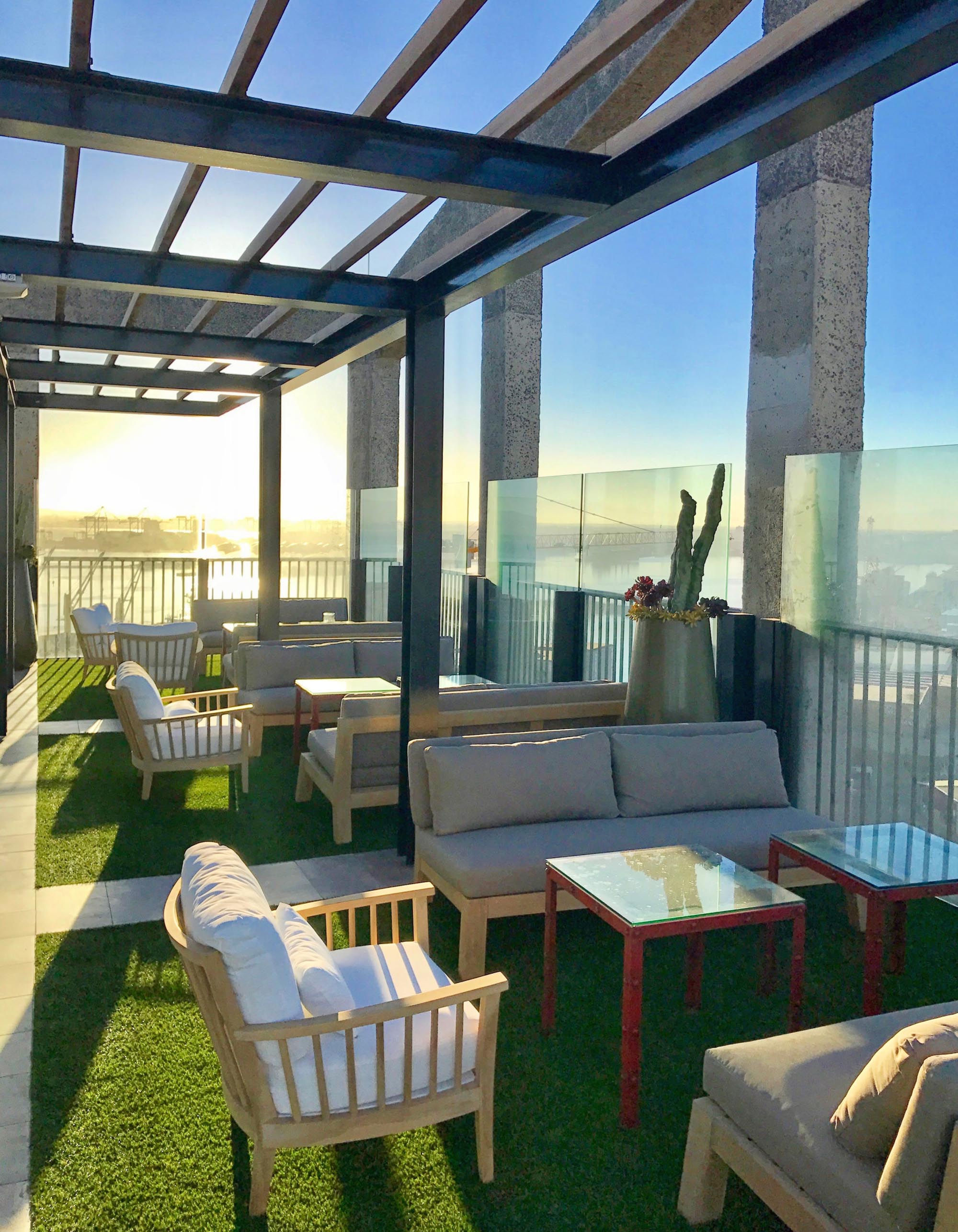
The Silo Rooftop

Yet another attractive option is to get a serviced apartment in the Victoria & Alfred  Waterfront.  It is ‘room only’ but it is of course very easy to make breakfast yourself as the apartments have fully equipped kitchens and can be pre-stocked with food items of your specification.  There are literally dozens of restaurants at the waterfront within a 10-minute walk.  It is an economical and safe choice with strict access control measures.  


Image

Mt Nelson Hotel – Junior Suite

Belmond Mt. Nelson Hotel

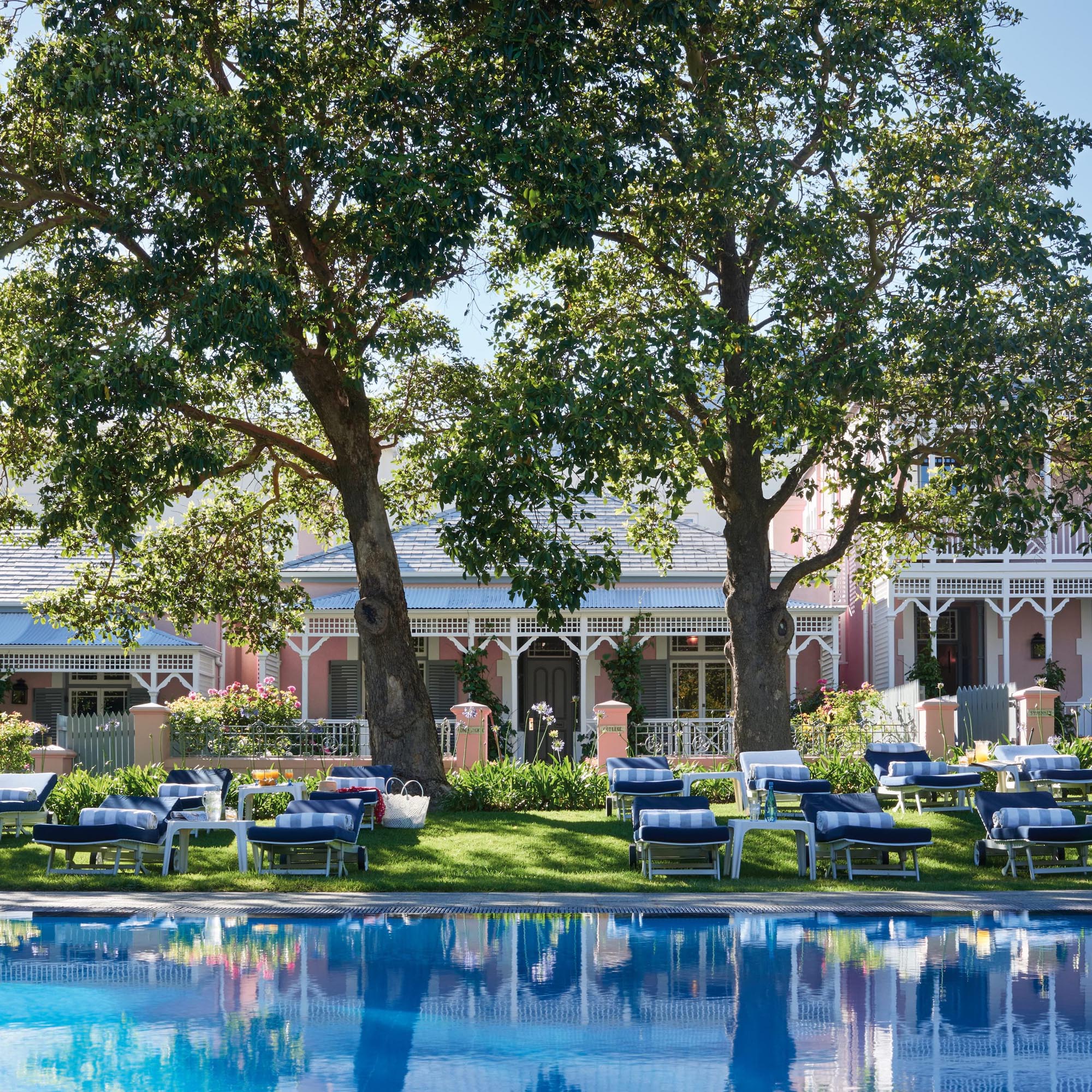
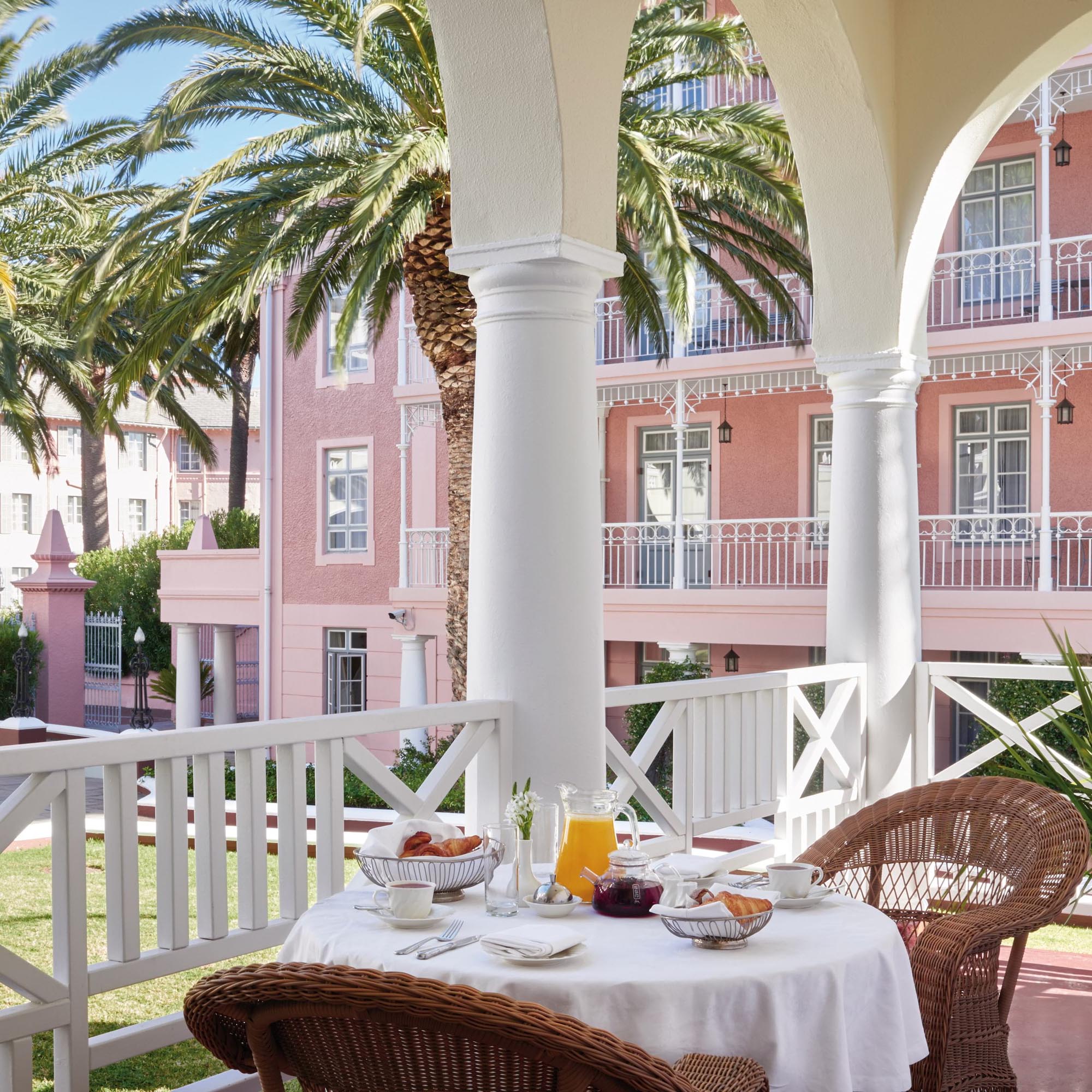
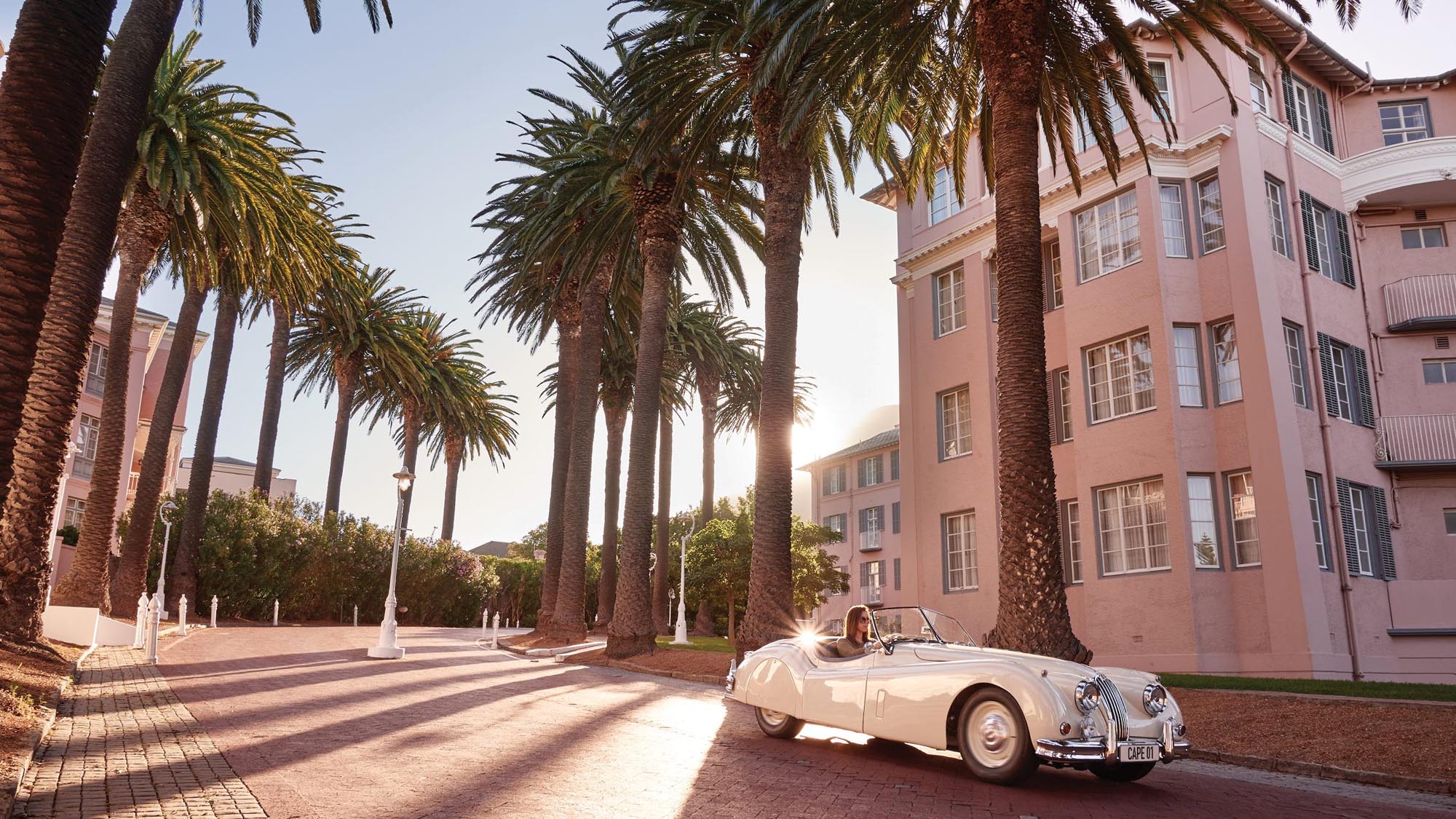
On a recent trip to Cape Town I spent four nights at the Mount Nelson Hotel in Cape Town and it was wonderful, as before. I am personally quite fond of ‘old world’ hotels and the Mt. Nelson is definitely that: completed in the early 1900’s and beautifully maintained since then, it has lost none of its charm even though it has all the modern conveniences including Wifi.  Known locally as the ‘Nellie’ or the ‘Pink Lady’ because of its light pink exterior paint, the property has a great setting with views of Table Mountain from the balconies of some of the rooms.  Be sure to try the high tea one afternoon – it’s the best in Southern Africa.


Image

Mt Nelson Hotel Entrance

The ‘Nellie’ also has a large outdoor pool, and a well-equipped spa and exercise facility – somewhat hidden and a short walk from the main area but worth exploring. The hotel is quiet, secluded and well managed; the beautiful grounds have a simply stunning palm-lined entrance. The  Mt. Nelson is a short walk to various museums and places of interest just off the Company Gardens. Breakfasts are excellent with literally dozens of options in addition to the usual full English breakfast offerings.  For winter visitors (often the case for travelers from the USA as that is prime safari time), there’s a ‘stay for 4 nights, pay for 3’ offer which will take the sting out of the not-so-great weather.


Image

The Silo Rooftop Dining

Silo Hotel

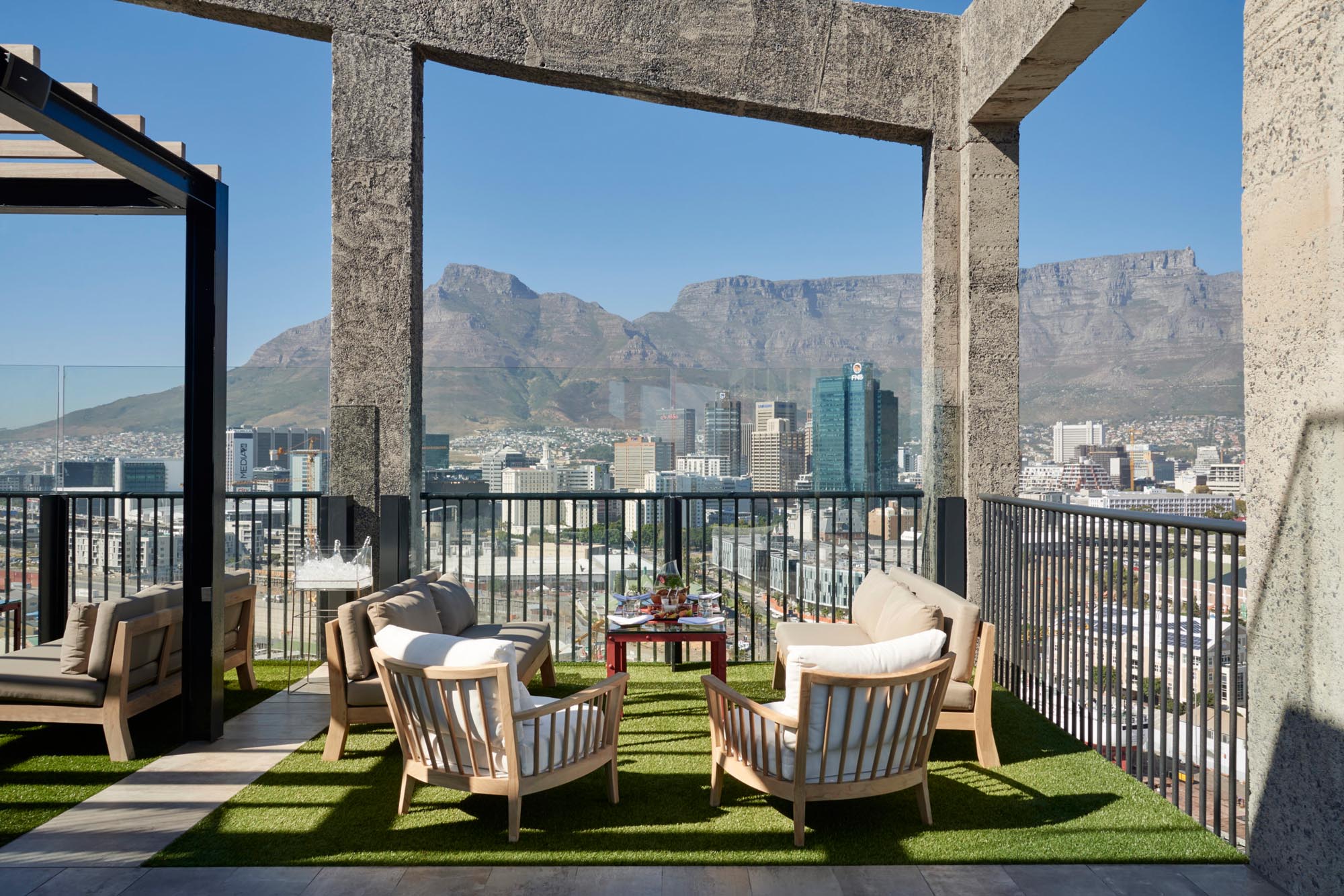
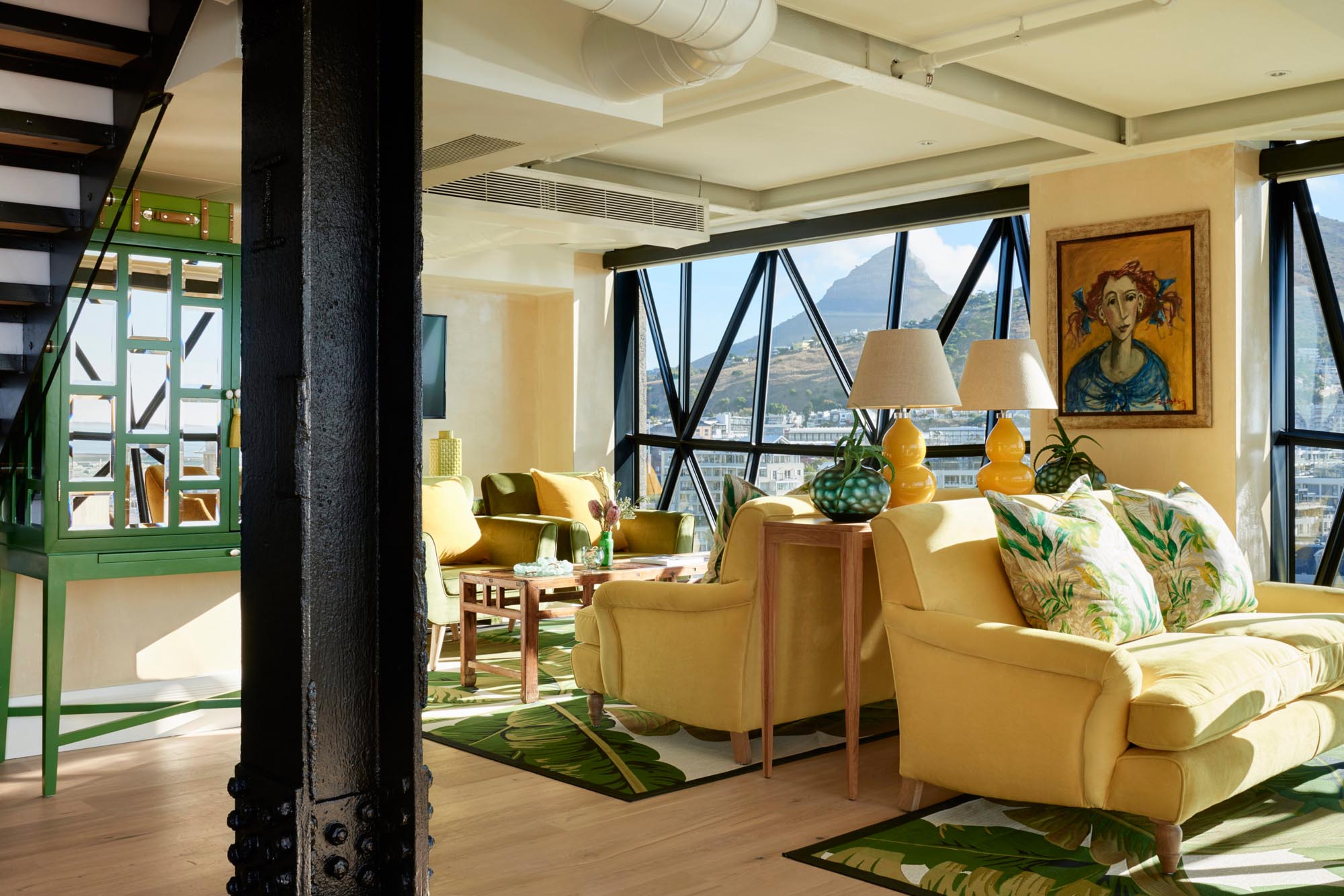
Awesome is an overworked word nowadays but it fits the Silo Hotel like a glove.  Over the course of a 2-night stay there some months ago, we had the most incredible time and found it to be like nothing we had ever experienced before.  The Silo is indeed awesome in the old-fashioned sense of the word:  from concept to design, location, views, and the impressive Zeitz Museum Of Contemporary Art Africa (MOCAA).

Legendary Lodge


Image

The Silo Family Suite

We stayed on the 7th floor in a family duplex suite decorated in a luscious lime green and we had spectacular views of the harbor, the V & A Waterfront, Signal Hill and Table Mountain – a perfect location.  We did not want to leave the suite!  On Friday evening, we invited some friends from Cape Town to join us for drinks on the Rooftop and a delicious dinner at The Granary Café. We couldn’t resist ending the evening with champagne and chocolates in our marvellous suite – the Silo simply puts you in a celebratory mood!


Image

Riverwalk

Glen Avon, Constantia

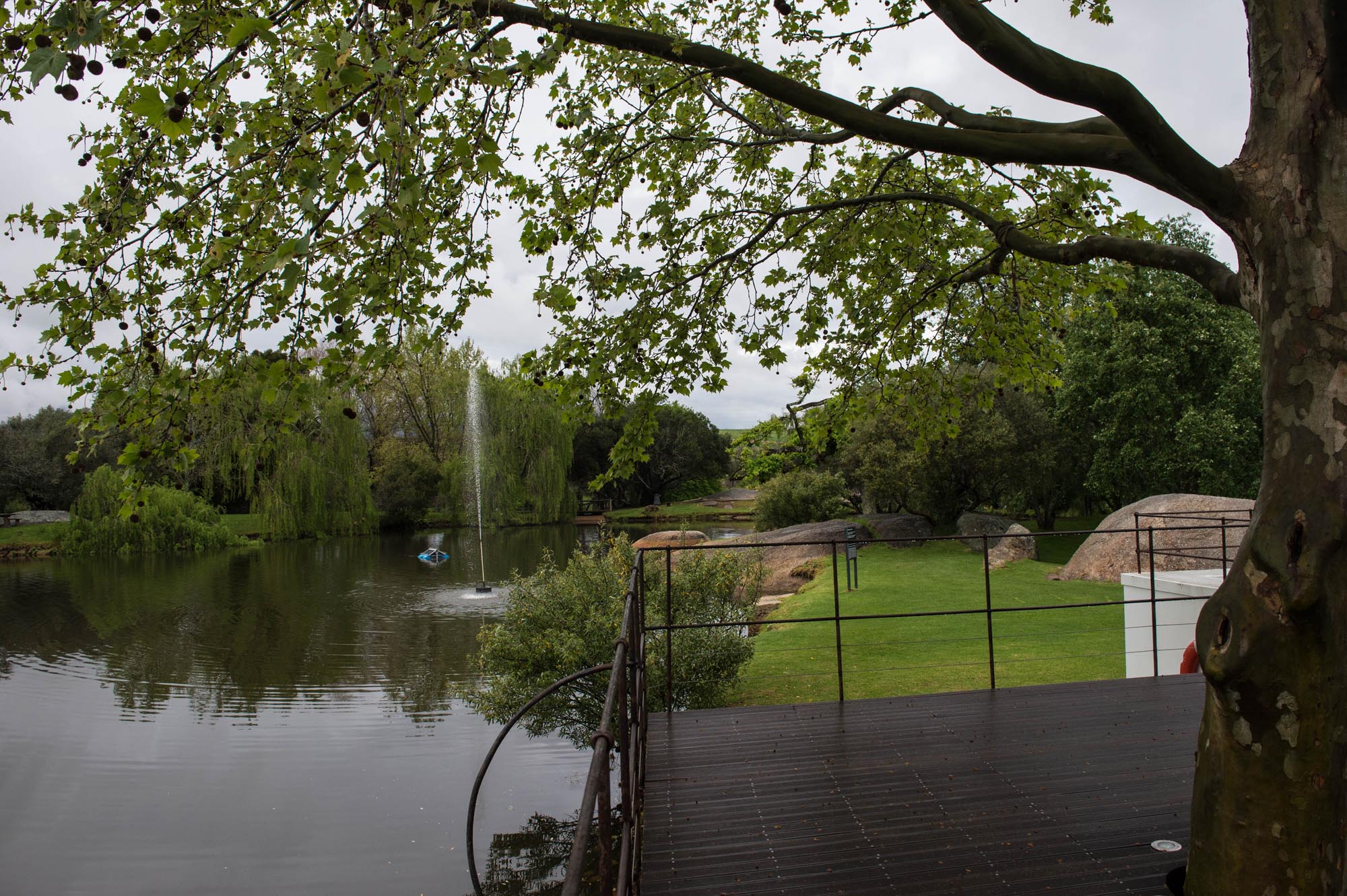
On the same trip, we had a most enjoyable time at Glen Avon,  a small 5-star boutique hotel in the Constantia winelands.   It felt very private and the staff was exceptionally friendly and accommodating.  If you enjoy an ‘away from it all’ location where you can relax by the pool-side, read a book, take in the birdlife and scenic beauty and perhaps go for a walk, this would be the ideal spot.   

The three-course dinner at Glen Avon on our first night there was perfectly done and presented,  rivalled by breakfast the following morning – served outside with a beautiful view over the gardens – which was fantastic.  

Kathy and I went for a run before dinner and ended up on the Grootboskloof Riverwalk – a great opportunity to get an up close and personal feel for the charming neighborhood surrounding the hotel.

Villa Maua

Sanctuary Retreats


Image

Cape Cadogan – Guest Breakfast Area

Cape Cadogan & More Quarters

Yet another small boutique hotel in Cape Town to consider, is the Cape Cadogan.  We’ve stayed at the property a couple of times and really liked what we saw and experienced.  Primarily, we recommend it because of location, being right off Kloof street which is choc-a-bloc with local restaurants, clubs, boutiques and small stores.


Image

Cape Cadogan – Classic Bedroom Interior

At the V & A Waterfront most other visitors you will see are also from out of town, while the Kloof Street neighborhood is frequented by lots of Capetonians.  Also, you’d be walking distance from several interesting sights including the Company Gardens where several major museums are located, the Houses of Parliament, St. George’s Cathedral and GreenMarket Square.


Image

More Quarters – Luxury Room

We experienced first class hospitality at the Cape Cadogan’s sister property, More Quarters, on a subsequent visit.  The rooms are well planned and spacious.  Breakfast was delicious. The management and staff were wonderful and it shares the same location advantage as the Cape Cadogan.  We returned home with a complimentary jar of Jelly Tots (everybody’s favorite)! So all round a winner:  great accommodation, food and courteous staff.


Image

Ellerman House

Ellerman House

So many accolades have been directed at Ellerman House, that it leaves one searching for something new or insightful to say about this immaculate property.  What the hotel says about itself is true:   you never want to leave! On our most recent visit we stayed in the Ellerman Suite and certainly enjoyed the privacy and the most incredible view of Bantry Bay.  We toured the superb art gallery which takes visitors on a journey that explores the huge social and cultural shift in South Africa from the mid-nineteenth century to present day.  We checked out the wine cellar – one of the best in Cape Town – and enjoyed a walk-through of the two exquisite villas.  As before, our meals were out of this world – we still fondly recall a particularly delicious scallop dish.


Image

Ellerman House

Tackling the Bantry steps on two separate occasions was worth the effort to make it down to the Sea Point Promenade for a couple of our best ever scenic runs.  Memories of these rave runs will remain vibrant in our minds until we can make it back to Ellerman House, to tackle those steps one more time, and to again experience the singular joys of spending more time in this finest of establishments.


Image

The Silo Superior Suite

In next week’s blog, we take a closer look at a very special African mammal, the African Painted Dog.  We’ll include  some of our favorite photographs and highlight a few of the best places in Africa where these rare, endangered predators can be found.

More Info

Email bert@fisheaglesafaris.com

Email jason@fisheaglesafaris.com

@fisheaglesafarishouston

#FishEagleSafaris

YOU MIGHT ALSO BE INTERESTED IN

Destinations
Zambia

10th September 2021

Chindeni and the Bushcamp Company, Zambia

By late July we found ourselves at Chindeni, a small Bushcamp Company property

Read more
Botswana
Destinations
Okavango Delta

3rd October 2022

Camp Okavango, Botswana

Camp Okavango is in the heart of the permanent part of the Delta. In this idyllic setting there are no vehicles, and it is just a short walk

Read more
Area
Destinations
Nyerere National Park
Ruaha
Tanzania

14th October 2023

From My Safari Notebook: Wildlife Photography

Birds in flight and wildlife photographers have an uneasy relationship. Things go wrong as often as they go right. Getting focus-lock on a moving subject

Read more

SUBSCRIBE TO OUR NEWSLETTER

READERS FAVOURITES

Destinations
Zambia

10th September 2021

Chindeni and the Bushcamp Company, Zambia

By late July we found ourselves at Chindeni, a small Bushcamp Company property

Read more
Botswana
Destinations

4th August 2022

On Safari At Belmond Eagle Island Lodge, Okavango Delta

What is the ‘secret sauce’ for an unforgettable few days on safari in Botswana? It starts with the animals, of course. The elephants, lions, giraffes, hippos

Read more
Destinations
India

27th May 2023

India

India’s tiger, mammals and birds.

Read more

Hiking Table Mountain, Cape Town

8th January 2021

Hiking Table Mountain, Cape Town


Image

Hiking Table Mountain, Cape Town

Starting as a child with my family and later with my wife and our two young boys, I spent many a summer holiday in Cape Town.  For us up-country visitors, a cable car ride to the summit of Table Mountain was something we did on every visit to Cape Town, an annual pilgrimage of sorts.  It was never a question of if, just when.  We’d try to pick a good day with not too much wind or cloud cover, park close to the base station and fall in line for tickets.


Image

Somehow, despite all those trips up and down, it never occurred to us to hike up the mountain.  Sure, we’d walk around once we reached the top, explore a few of the trails and peer down some scary looking cliffs, or stare out at Robben Island in the distance.   In hindsight, I do recall looking down from the cable car a few times and seeing hikers making their way up one of the trails.  Specifically the one which I now know to be India Venster.   I do remember being somewhat bemused by seeing people climbing Table Mountain.   The cable car was convenient, safe and fast.  Why walk when you can ride…


Image

Fast forward four decades, and I’m the one on the trail, slowly making my way, one step at a time,  to the top.  Of course, the only thing hiking the mountain and taking the cable car have in common is that they both get you to the summit, or the base.  Nothing else.  Hiking up the mountain takes a little longer,  but not so much – lately.  The combined waiting time for tickets (one line) and the actual ride (another line) often exceeds two to three hours.  More than enough time for a reasonably fit person to hike up Platteklip Gorge which is the fastest route up the mountain.


Image

Hiking the mountain has many other rewards, beyond just making it to the top.  Number one being the views.  Weather permitting, all of the hikes have amazing views – some more so than others.  I have yet to hike India Venster but I am told that its views of the city bowl, Lion’s Head, Signal Hill, and the ocean in the background, are among the best of any of the routes.


Image

That should be reason enough.  But there’s more.  It is only when you’re out there on foot that you discover the full extent of the biodiversity of the mountain.  On some of the routes like Skeleton Gorge you’ll be walking within a typical afro-montane forest, seemingly in a different world, yet just a stone’s throw from the heart of the city.  Pretty much anywhere on the mountain you’ll discover plants or flowers you’ve never seen before.


Image

Chances are that they will be endemic to the area,  simply because more than  1,500 of the 2,200 or so plants found in the greater Table Mountain complex do not occur anywhere else in the world.    On my first Table Mountain hike the most notable plant I became acquainted with was the blister bush, or mountain celery.  Stay clear!  If you brush up against its leaves (particularly bruised ones) and then get exposed to sunlight, you will likely develop some painful blisters in a day or two. Our guide Lauren Medcalf has a particular interest in botany and she was keen  to point out some fascinating fynbos species ranging from delicate daisies and ericas to lilies, proteas in abundance and many more.

One more benefit of hiking the mountain:  bragging rights.  Climb Table Mountain and you’ve conquered one of the world’s seven official new wonders of nature, the only one to be located in an urban area.


Image

Do not underestimate the mountain though.  It is notorious for rapid, unexpected and sometimes dramatic changes in weather.  So go prepared with some warm clothing and extra water, and go with a qualified, experienced mountain guide.  None of the routes up to the summit are easy and they require a decent level of fitness. With some preparation and the right frame of mind most people should be able to hike Platteklip Gorge; it is pretty much the equivalent of an hour and a half or so of climbing steps; some a little bit irregular but nothing much more than that.  I found Skeleton Gorge to be more strenuous, due to the considerable distance and elevation gain.


Image

My most recent hike (in Dec. 2020) was in fact the Platteklip Gorge route, guided by Lauren Medcalf of Mother City Hikers.  During the summer months much of the hike is in direct sunlight so it is advisable to get an early start to avoid the heat of the day.  We were fortunate to be able to climb on a foggy, misty day, which turned what might otherwise have been a bit of a slog into a mystical, magical experience.


Image

From the parking lot, we walked up on the western side of the trail, ascending briefly to a scenic cliff overlook (we had to imagine the view, due to the fog…) and then traversed some flat terrain until we got to the ‘official’ start of the trail.

Platteklip Gorge is the most popular hike on the front side of Table Mountain, and it can be done by most people who are reasonably fit and mobile.  No special skills or climbing ability needed.  It takes a while to find your rhythm but soon enough, you’ll feel your pulse rate increase, you’ll start to perspire and before you know it, you’re halfway there.


Image

The hike follows a well laid out switchback path with mostly rock steps and it winds its way ever upwards, increasing in elevation by about 1,000 feet or so.  The gorge narrows towards the top, where there are some prominent rocks for a photograph or two.  At the summit, you’re barely 15 minutes from the cable car terminus building.


Image

Other than a few runners and other hikers passing us, there were very few people on the summit of Table Mountain that day.  This was partially due to the foggy conditions, but mostly because of the Covid situation.   We took a quick ride down on the cable car; for the first time ever in my experience we were given the choice to have the car rotate or not.  Must be as a result of the three of us being the only passengers in the car which ordinarily takes as many as 60 persons.


Image

Lauren was also the guide on my previous Table Mountain hike (in March 2020) when we made the climb up Skeleton Gorge and down Nursery Ravine.  That time, we started the hike in the beautiful Kirstenbosch National Botanical Gardens, having paid the regular entry fee.  From there the climb goes up the back of Table Mountain. The first half is shaded and much of it is inside a forested ravine, with shrub and moss-covered slopes, shrouded mostly in shadows.  Along the way, there are a few moderately challenging rock scrambles and a couple of conveniently placed ladders to negotiate.  Take it easy and it’s all doable.


Image

As we got closer to the top, we started to experience some spectacular views over the city and Table Bay – and then we were there.  At the top of the mountain, standing on a rock, experiencing the joy and sense of achievement that come with completing a strenuous hike.  All in all, it was a tough climb, made less so by stopping a couple of times for some snacks and drinks.  Eventually, we enjoyed a light lunch break on the sandy “beach” at the (then empty) Hely-Hutchinson water reservoir. It’s one of five reservoirs on the mountain which supplies the city of Cape Town with fresh drinking water.


Image

I consider myself fortunate to have been introduced to Lauren Medcalf by a mutual acquaintance, Terry MacBean of Wilro Cape.  Lauren is the owner and founder of Mother City Hikers, the company which we and several of our Safari Pros colleagues recommend for our guests who want to climb the mountain, or just do some hiking in Cape Town.  Lauren has all the attributes of a great mountain hiking guide:  passion, competence, experience and the people skills to make the outing fun and exciting for hikers of any skill level.   She is knowledgeable, well-prepared, authoritative when needed, yet friendly and caring at the same time.


Image

Here are some extracts from an interview with Lauren from December 2020:

How and when did Mother City Hikers come about?  What was the impetus/inspiration that led to it?  What was it that got you personally interested in hiking and exploring nature in the first place? 

Mother City Hikers started almost 11 years ago! I was often out on Table Mountain (TM) exploring and enjoying my days as when I first arrived from the USA I worked in a restaurant in the evening so I had my days free. I had a wonderful hiking buddy who knew so many of the trails, and he loved all the different fynbos species. His name was Brian Georgeson – a ship’s captain. He passed away a year ago at the age of 75 but we hiked together for the last 10 years of his life. Brian took me on many of the lesser known routes and we would often see people on any/all of the trails who needed some guidance, assistance, food/water/sunscreen, etc. We would help them in whatever way we could and be on our way. I really felt the need to get people off the most common routes with loads of others and get them on the lesser known and more peaceful paths. I wanted to take the guesswork out of it all for others. There is so much you need to know in order to ‘do’ TM right. I wanted to be the one with the knowledge and have the others relax and enjoy it all.

What was it that got you personally interested in hiking and exploring nature in the first place? 

I grew up in the flatlands of America so there wasn’t much hiking. But I can remember hiking a few times with my family and my Grandfather. Those memories of exploring and enjoying nature have stayed with me for life. I met my South African husband in Colorado where we lived in the mountains of Aspen. Living there for 4 years before coming to South Africa really cemented my love for nature and wilderness areas.

What would you suggest for a first time hiker of average ability, maybe on a one time ever visit to Cape Town?  

This is a tricky one as it depends on what they are looking for. There are so many routes to choose from. I would say that most people want to get to the ‘top’ or ‘flat’ part of TM so that lessens the amount of routes to choose from if you are going near the Cableway area. There are no ‘easy’ ways to get to the top so the person really has to want to hike up. If they are up for a less strenuous hike just to get out into nature and learn about the mountain more I would highly recommend our walk on the Pipe Track which goes about 1/3 of the way to the top on the 12 Apostles side of TM. This is a +/-3 hour, out and back route that really shows the beauty of our mountain and there are hardly any others out there!

Or for someone looking for a more challenging hike?  

India Venster is a really excellent and varied hike with some good challenge to it. Although it is short-distance wise, it’s our most technical hike we guide our clients on. If that kind of adventure isn’t your thing and you’re looking for a challenge I would suggest hiking Tranquility Cracks. This is a super scenic and quiet route hiking up and down the 12 Apostles side of TM.

What is your most commonly requested hike and why do you think it is popular?  

Lions Head! It is so nice but oh so busy with many, many hikers on it. The reasons people choose it is because someone they know that has been here has told them about it. Also it was included in ‘top 20 short hikes in the world’ by National Geographic in 2014 and 2015 so has gained a lot of notoriety through that.

Any hiking options that are not too strenuous and would be enjoyed by people with limited physical ability? 

See Pipe Track blurb above. OR the Maclears Beacon walk which goes from the upper Cableway Station (you take cableway up and down mountain and hike at the top) all the way over the the actual highest point on TM (5km/3 mile round trip)

Do you have any personal favorite spots in and around Table Mountain or elsewhere on the Peninsula? 

I absolutely adore a hike up Woody Ravine and down Kasteelspoort on the 12 Apostles side of TM. The views and hike are just gorgeous. A special trip every now and again into Orange Kloof which is a restricted area (need a permit which is not super easy to get-needs to be done in advance as there are only 12 permits per day). I LOVE hiking in Cape Point Nature Reserve as the hiking is gentle and there are some beautiful rock pools and tidal pools to swim in after the hikes too. The opportunity to see more wildlife here is greater than anywhere else on the Cape Peninsula too. The other spot I love to hike is in Jonkershoek in Stellenbosch which has something for all ability levels and also waterfalls and rock pools to enjoy.

What about families with children? 

I recommend the Pipe Track for families, Silvermine Nature Reserve (which is just past Constantia/half way over to Noordhoek), and Newlands Forest. I think allowing kids to be kids and allowing them to have fun along the way is key. It depends on their age and ability level but there really is something for everyone here.


Image

In our blog next week, we will take a look at the remarkable bio-diversity and landscapes of Tsavo, including the tuskers of southern Tsavo East and a couple of outstanding natural features of Tsavo West, the Shetani Lava Flow and Mzima Springs.

More Info

Email bert@fisheaglesafaris.com

Email jason@fisheaglesafaris.com

@fisheaglesafarishouston

#FishEagleSafaris

YOU MIGHT ALSO BE INTERESTED IN

Destinations
Zambia

10th September 2021

Chindeni and the Bushcamp Company, Zambia

By late July we found ourselves at Chindeni, a small Bushcamp Company property

Read more
Botswana
Destinations
Okavango Delta

3rd October 2022

Camp Okavango, Botswana

Camp Okavango is in the heart of the permanent part of the Delta. In this idyllic setting there are no vehicles, and it is just a short walk

Read more
Area
Destinations
Nyerere National Park
Ruaha
Tanzania

14th October 2023

From My Safari Notebook: Wildlife Photography

Birds in flight and wildlife photographers have an uneasy relationship. Things go wrong as often as they go right. Getting focus-lock on a moving subject

Read more

SUBSCRIBE TO OUR NEWSLETTER

READERS FAVOURITES

Destinations
Zambia

10th September 2021

Chindeni and the Bushcamp Company, Zambia

By late July we found ourselves at Chindeni, a small Bushcamp Company property

Read more
Botswana
Destinations

4th August 2022

On Safari At Belmond Eagle Island Lodge, Okavango Delta

What is the ‘secret sauce’ for an unforgettable few days on safari in Botswana? It starts with the animals, of course. The elephants, lions, giraffes, hippos

Read more
Destinations
India

27th May 2023
India

India’s tiger, mammals and birds.

Read more
  • Page 1
  • Page 2
  • Go to Next Page »

Footer

Design

  • About
  • Destinations
  • Blogs
  • FAQS
  • Team
  • Contact
All Rights Reserved ©Fish Eagle Safaris 2022 | Terms & Conditions | Privacy Policy
Designed & Developed by B Online

SUBSCRIBE TO OUR NEWSLETTER

SIGN-UP TO OUR NEWSLETTER

Subscribe Form

Footer Widget Header

Related Blogs