• Skip to primary navigation
  • Skip to main content
  • Skip to footer

Fish Eagle Safaris

Fish Eagle safaris

Contact

Logo
  • About
  • Destinations
  • Blogs
  • Newsletter
  • FAQS
  • Team
  • search
  • Contact
  • About
  • Destinations
  • Blogs
  • FAQS
  • Team
  • Contact

Botswana

East or Southern Africa: your choice

8th February 2026

East or Southern Africa:  your choice

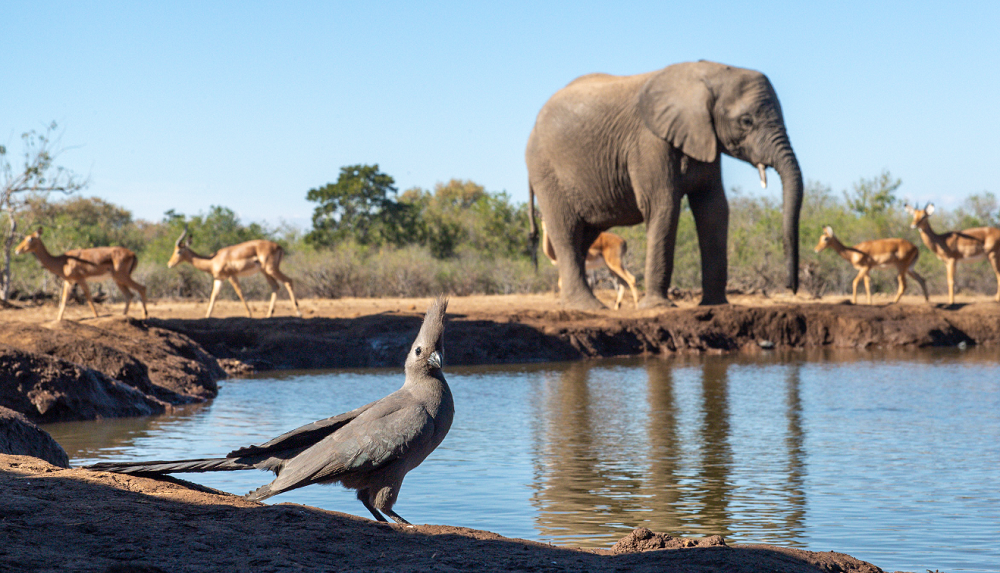
Choosing between East and Southern Africa for a safari is hardly ever an open and shut case, or a definitive ‘yes or no’ for one or the other. Time of the year is the best place to start. The best time for a southern Africa trip is from about April-May through September. From October onwards it can get uncomfortably hot in countries like Botswana and Zimbabwe, and the summer rains (what there is of it) start to fall around November onwards, peaking in Jan/Feb/March. 

On the topic of high temperatures, fortunately more and more Botswana, Zimbabwe and Zambia operators are beginning to acknowledge that heat is an issue and are installing eco-friendly ‘Evening Breeze’ evaporative coolers which cool down tent interiors to the point where guests can look forward to a good night’s sleep.

Likewise for East Africa (Kenya & Tanzania), the best time to travel is from June through October (roughly speaking the migration months), with the long rains falling from March through May and the short rains in November. January and February are also worth considering as they are both relatively dry months with a lot less visitor traffic than during the traditional migration season. January and February are also the best months for visiting the southern Serengeti in Tanzania, where the wildebeest herds are congregated for the calving season. In my opinion, this is one of the best times of any to visit Tanzania, combining the central and southern Serengeti.  

The choice between traveling to East Africa versus Southern Africa often comes down to the responses to a few of these questions:  
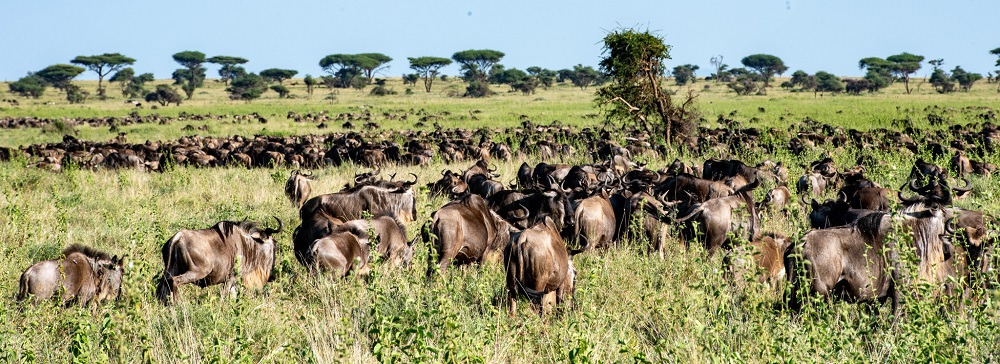
Wildebeest migration, yes or no?

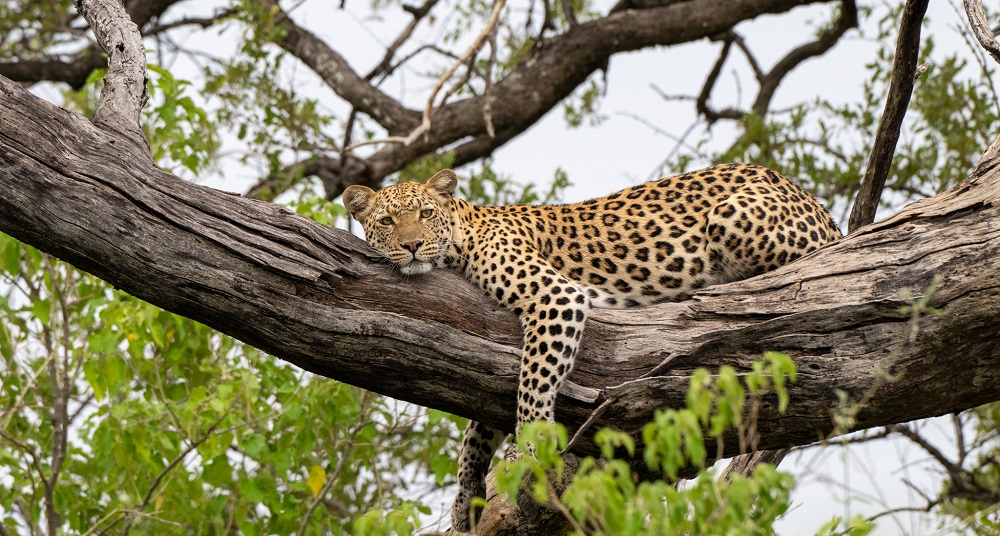
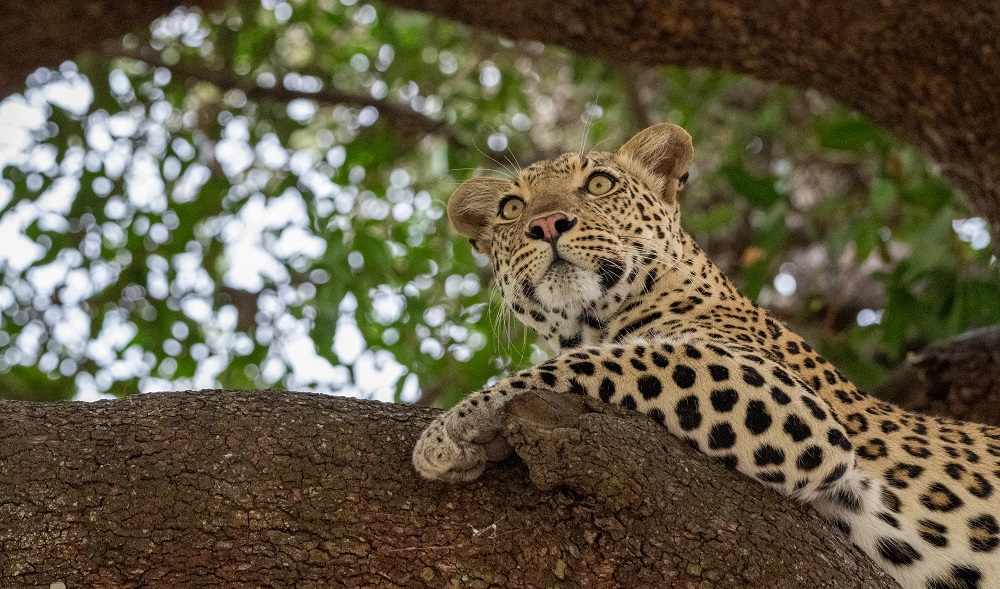
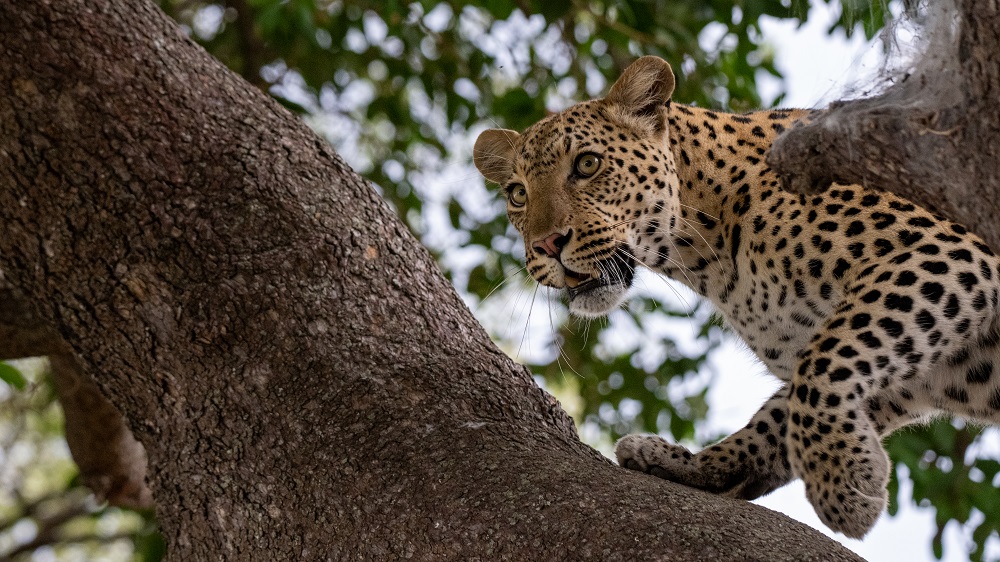
If you definitely want to witness or at least put yourself in an ideal spot for the annual zebra and wildebeest migration, then Tanzania’s northern Serengeti or Kenya’s Masai Mara are the best bets, from about July through October. That being said, we are not huge fans of the traditional high season ‘migration madness’ which often results in overcrowded conditions in the northern Serengeti and parts of the Masai Mara. A much better option is to travel to Tanzania in February-March, when the wildebeest herds are massed together in the southern Serengeti’s short grass plains in the greater Ndutu area for the calving season. Not nearly as many other vehicles around as in the north during the migration season, and awesome game viewing with the mixed herds of zebras and wildebeest often massing together and providing spectacular photographic opportunities. Predators are as active as they can be and it is not unusual at all to see more than one cat in a tree (both lions and leopards) on a single game drive.  
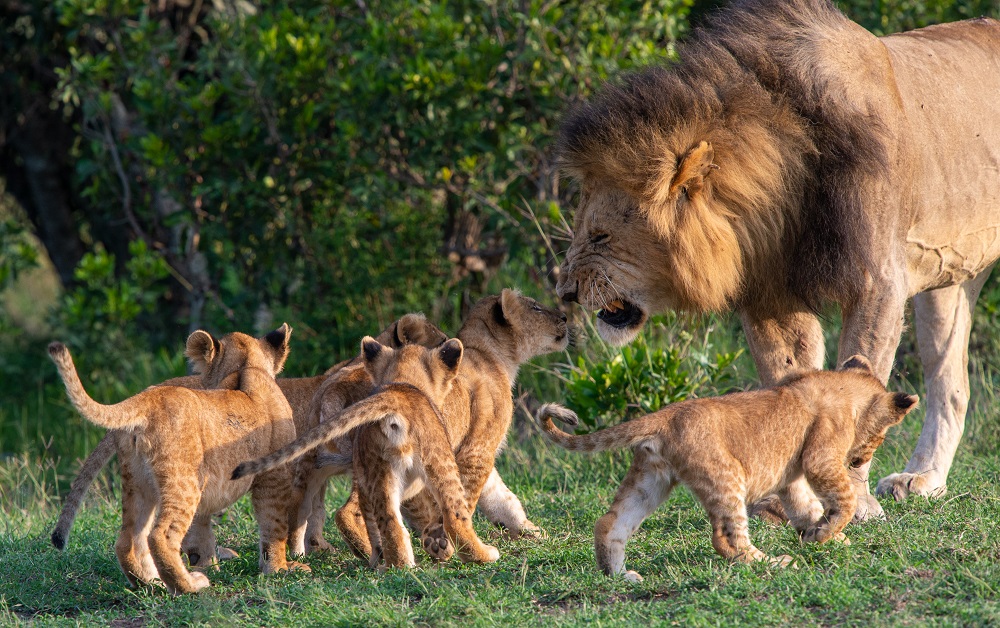
First safari?

If yes then my top suggestions are Kenya or South Africa. Simply because both of these countries have so much diversity of wildlife, scenery, activities and cultural experiences. Also, the tourism infrastructure in Kenya and South Africa are second to none. There are easy flight or road connections to just about every major area. Primarily though, it is about the abundance of wildlife in areas such as the greater Kruger Park in South Africa and the Masai Mara in Kenya. On a 10-day safari in Kenya you will see as many as 40+ different species of mammals, including the ‘Big Five’ – and in several places there it is not unusual to see as many as six or seven different large mammals at the same time. In South Africa various private game reserves like the Sabi Sands and Timbavati are renowned for their big cat sightings – notably leopards – and they are likewise Big Five destinations. Which means that over the course of a 3-night stay you are likely to see lions, leopards, buffalos, elephants and rhinos. Together with the other signature African plains game species like giraffes, zebra, various antelope and others. 

Active safari?

If yes then Southern Africa is the best choice as it has a much wider range of ‘out of the vehicle’ activities compared with most of East Africa. These range from walking to hiking and even canoeing and horseback riding just to name a few. Nothing beats a Zimbabwean ‘full pro’ guide pulling over the vehicle mid game drive to take you on foot and up close to some of these large mammals. Something like this happens organically in areas like Hwange National Park or in the Mana Pools all the time. Likewise in Zambia where the concept of ‘foot safaris’ first took hold and was popularized. This doesn’t imply that there are no active safari options in East Africa. Incorporating them into an East Africa trip just takes a bit more forethought and planning and they are rarely spontaneous events. 

Interaction with primates?

If you want to see gorillas and chimpanzees then Rwanda and Uganda are the ticket and a visit to either of these countries can quite easily combine with a more traditional East African safari. For a ‘primate specific’ trip Uganda is head and shoulders the best single destination, as visitors can combine chimp treks in Kibale with gorilla trekking in Bwindi Impenetrable Park. Over the years, we have personally observed the Kibale chimpanzee experience improve from being a ‘hit and miss’ event to now being much more reliable. We are hearing the same thing from other tour operators. 
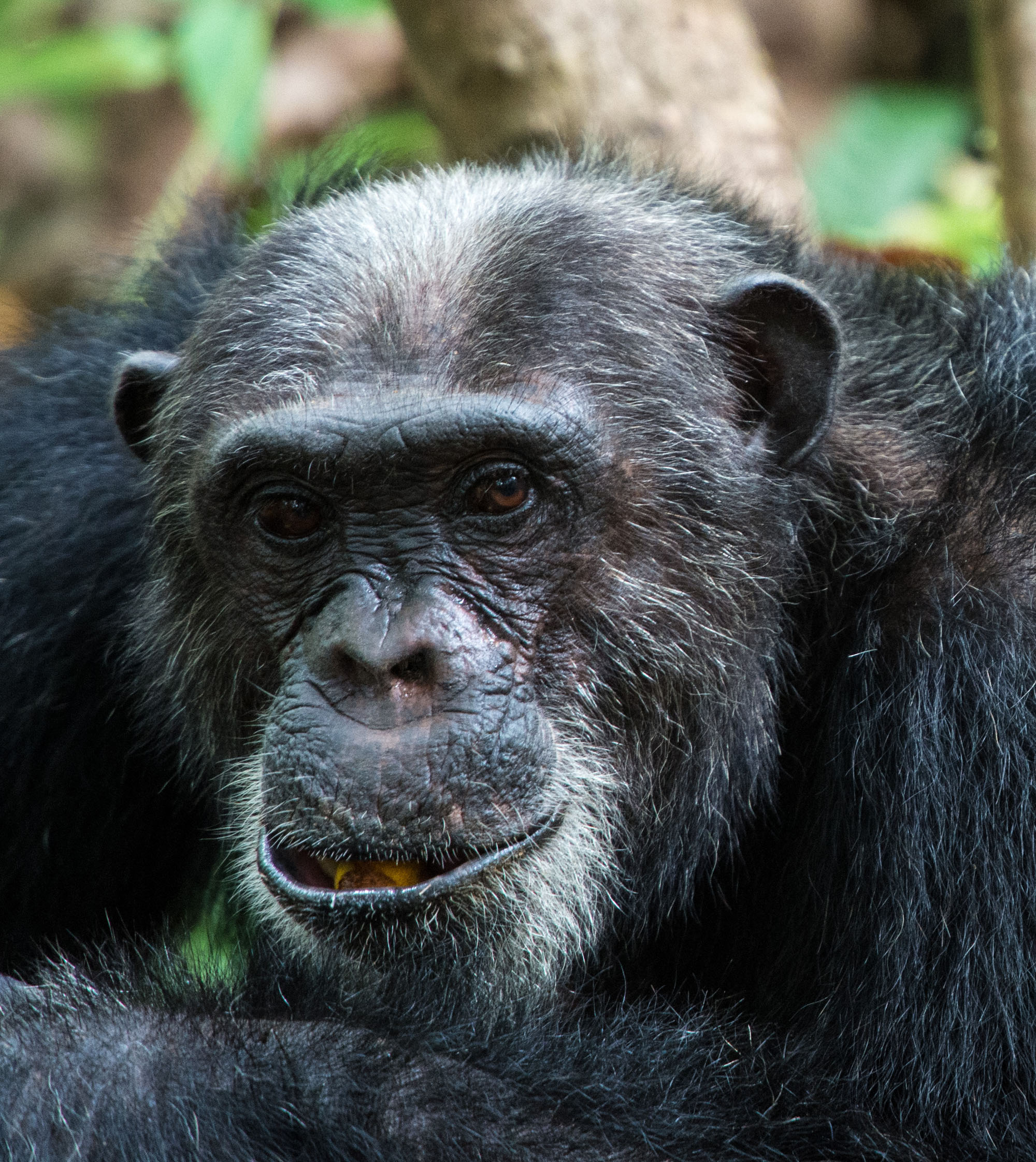
A dark horse for chimpanzees is Greystoke Mahale Camp in the remote Mahale Mountains National Park in western Tanzania. The Mahale Mountains chimpanzees have been studied by Japanese scientists for more than 50 years now and a visit to Greystoke opens up an entire new world of chimpanzee behavior to guests. Some of it is simply astonishing, such as the fact that a propensity towards ‘evil,’ as we would describe it, seems to be an inborn trait in some of the chimps. Not learned behavior. We’re talking lethal aggression, murder, infanticide and gang-warfare. The fact that Greystoke Camp sits right on one of Africa’s most amazing lakes – Lake Tanganyika – adds another entire dimension to a trip to that spot. Greystoke and the Mahale Mountains can and should ideally be combined with a few days at another western Tanzania park – Katavi – for wildlife viewing. In the dry season it is superb and the wildlife sightings there can reach epic levels, such as when hundreds of hippos are jammed together in relatively small muddy pools, awaiting the first rains.  

If you’re considering either Southern or East Africa and are having a hard time deciding which it should be, by all means give us a call and leave a message with our service any time – you will get a call back. 713-467-5222 or 1-800-513-5222. Or contact Jason by email at jason@fisheaglesafaris.com.  
YOU MIGHT ALSO BE INTERESTED IN
Destinations
Zambia

10th September 2021

Chindeni and the Bushcamp Company, Zambia

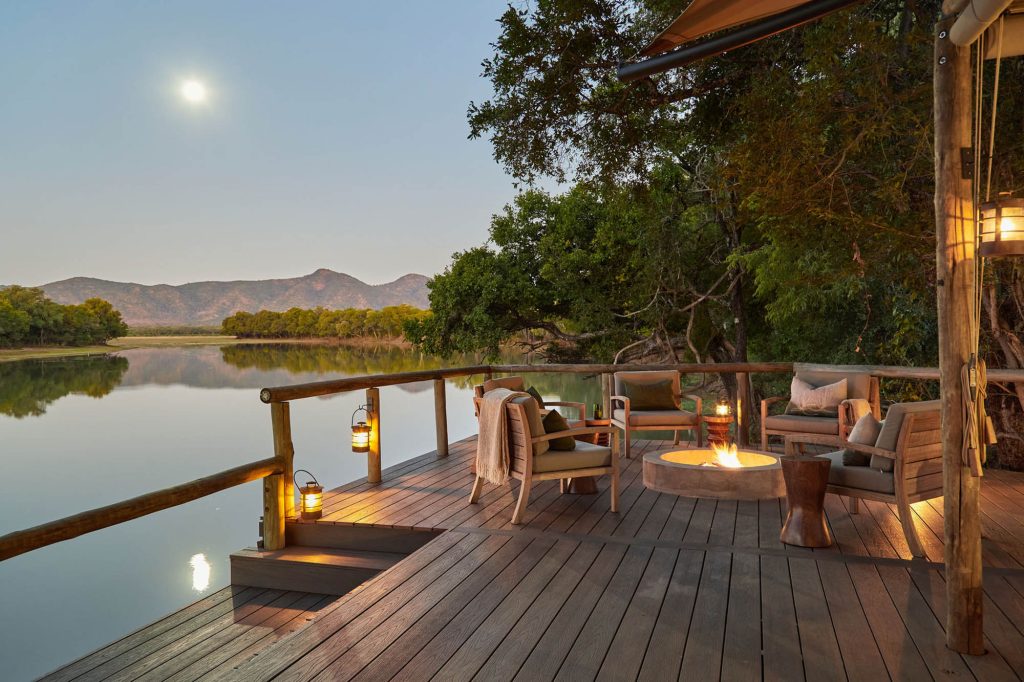
By late July we found ourselves at Chindeni, a small Bushcamp Company property
Read more
Botswana
Destinations
Okavango Delta

3rd October 2022

Camp Okavango, Botswana

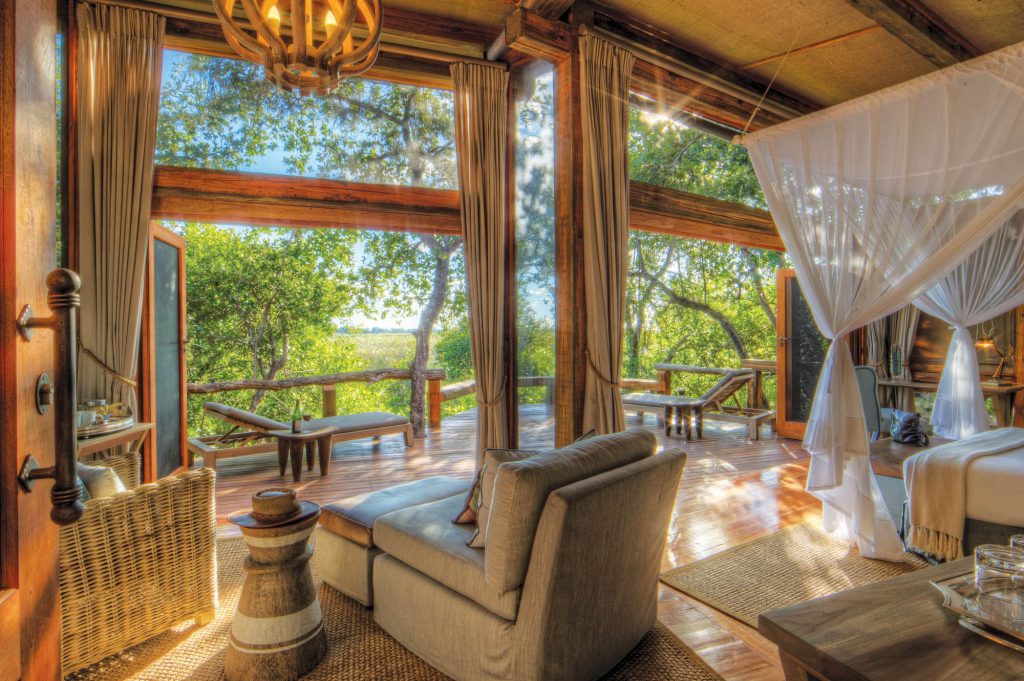
Camp Okavango is in the heart of the permanent part of the Delta. In this idyllic setting there are no vehicles, and it is just a short walk
Read more
Area
Destinations
Nyerere National Park
Ruaha
Tanzania

14th October 2023

From My Safari Notebook: Wildlife Photography

Birds in flight and wildlife photographers have an uneasy relationship. Things go wrong as often as they go right. Getting focus-lock on a moving subject

Read more

SUBSCRIBE TO OUR NEWSLETTER

READERS FAVOURITES
Destinations
India

27th May 2023

India

India’s tiger, mammals and birds.

Read more
Botswana
Destinations

4th August 2022

On Safari At Belmond Eagle Island Lodge, Okavango Delta

What is the ‘secret sauce’ for an unforgettable few days on safari in Botswana? It starts with the animals, of course. The elephants, lions, giraffes, hippos

Read more
Destinations
Zambia

10th September 2021

Chindeni and the Bushcamp Company, Zambia

By late July we found ourselves at Chindeni, a small Bushcamp Company property

Read more

A Classic Combo: Cape Town, Kruger Park and Victoria Falls

7th February 2026

A Classic Combo: Cape Town, Kruger Park and Victoria Falls

There’s more than one way to combine South Africa’s Cape Town and greater Kruger Park area and Victoria Falls (Zimbabwe or Zambia) in one trip. It’s usually a good idea to start in Cape Town – a perfect spot to get over jet lag and adjust to the new time zone before heading further north – but not always. If your Africa trip starts in August – for example – your best bet would be to spend some time on safari in the greater Kruger park area first. Next up? A couple of nights in Vic Falls with hopefully a few extra days on safari in Hwange in Zimbabwe (simply awesome elephant sightings in a reserve which has 45,000-plus of these fascinating behemoths), or in Zambia or northern Botswana’s Chobe or Okavango Delta. Then – and only then – by early September, set your sights on South Africa’s “Mother City,” Cape Town. 

Cape Town in winter

The wild card in this trip is always Cape Town and for one reason only: weather. The southwestern Cape Province (unlike all of the southern African interior all the way up to Victoria Falls and beyond) has a winter rainfall climate. Which is great for the wine grapes but not for the unsuspecting traveler waking up to gale force winds. It’s not always that bad but intermittent rain, cold and wind are par for the course in June, July and August. Call it Cape Town’s dirty little secret or just a quirk of geography – but beware of the tour operator who doesn’t mention this mixed in with all the usual Cape Town superlatives. 

Successfully integrating Cape Town and Victoria Falls into a Southern Africa trip is tricky but possible. The two best months for it are undoubtedly May and September. Before or after the often miserable Cape winter months. 

Which means that the safari portion of the trip is best planned for the August-September timeframe. Late in the dry season and before the worst heat sets in from mid-September through October and November, with the bulk of the interior rainy weather happening from December through March. 

August-September or May?

August and September are peak season safari months from a pricing perspective, so you will end up paying a good 20% or more compared with traveling in May. Which might just make the month of May the single best month to include Victoria Falls and Cape Town, with some time spent on safari. To make the most of a May trip,  start in Cape Town where you’ll have a good shot at some decent weather to perhaps hike to the summit of Table Mountain on a nice day (ask us about that), with some of the best views in Africa yours for the taking. Even if you do cheat a bit and use the cable car up and down. 

Another plus for May? The Zambezi is still in high flow stage in May, making the view of the Falls from the Zimbabwe side an incredible spectacle. With enough foam and spray to add lots of drama and romance. Sometimes so much foam and spray that a short 15-minute flight over the Falls becomes just short of a necessity to get any idea of the true grandeur of the entire Falls environment.

Northern Botswana in May from a safari point of view has many pluses and few negatives. Not quite as many travelers as in July, August and September, lower prices, and yet the crown jewel of Botswana – the Okavango Delta – just short of its best. With the annual flood already pushing deep into the central and eastern part of the Delta you will be able to see its glistening tentacles reach into far flung depressions and seasonal flood plains. 

The game viewing in May is likewise generally good to excellent with the animals in good condition with plenty of food available. Photographic conditions are excellent with plenty of pleasing green backgrounds to be found everywhere.

It becomes a matter of picking the right properties for that time of the year and of course that’s where we come in. We’ve traveled to pretty much every property worth considering in various seasons and we keep going back. We also have supremely knowledgeable local partners who go to great lengths to help us pick the perfect combination of camps for a specific set of guests. No cookie cutter proposals or itineraries, ever. 

Really the only downside in May is the chance of having some dense vegetation and tall grass in a few areas, depending on the timing of the last substantial rain, prior to one’s visit. There are lots of areas which are good year-round so it is not of overriding importance. It just means that later in the season visibility is better everywhere and more animals are drawn to remaining sources of water.

For specific camp recommendations and combinations for a May or September trip to Southern Africa – or any other time for that matter – feel free to reach out to one of our team members by leaving a message with our answering service at 800-513-5222 or emailing bert@fisheaglesafaris.com.  

YOU MIGHT ALSO BE INTERESTED IN

Destinations
Zambia

10th September 2021

Chindeni and the Bushcamp Company, Zambia

By late July we found ourselves at Chindeni, a small Bushcamp Company property

Read more
Botswana
Destinations
Okavango Delta

3rd October 2022

Camp Okavango, Botswana

Camp Okavango is in the heart of the permanent part of the Delta. In this idyllic setting there are no vehicles, and it is just a short walk

Read more
Area
Destinations
Nyerere National Park
Ruaha
Tanzania

14th October 2023

From My Safari Notebook: Wildlife Photography

Birds in flight and wildlife photographers have an uneasy relationship. Things go wrong as often as they go right. Getting focus-lock on a moving subject

Read more

SUBSCRIBE TO OUR NEWSLETTER

READERS FAVOURITES
Destinations
India

27th May 2023

India

India’s tiger, mammals and birds.

Read more
Botswana
Destinations

4th August 2022

On Safari At Belmond Eagle Island Lodge, Okavango Delta

What is the ‘secret sauce’ for an unforgettable few days on safari in Botswana? It starts with the animals, of course. The elephants, lions, giraffes, hippos

Read more
Destinations
Zambia

10th September 2021

Chindeni and the Bushcamp Company, Zambia

By late July we found ourselves at Chindeni, a small Bushcamp Company property

Read more

Botswana’s Okavango Delta & Central Kalahari – Part 2

13th June 2025

Botswana’s Okavango Delta & Central Kalahari – Part 2

Fish Eagle Safaris’ Lyndon Duplessis recently visited several Botswana properties on an educational trip; here is the second part of his report. Part one (reporting on Gomoti Plains, Kwando 4 Rivers and Dinaka), can be found HERE).

Maxa

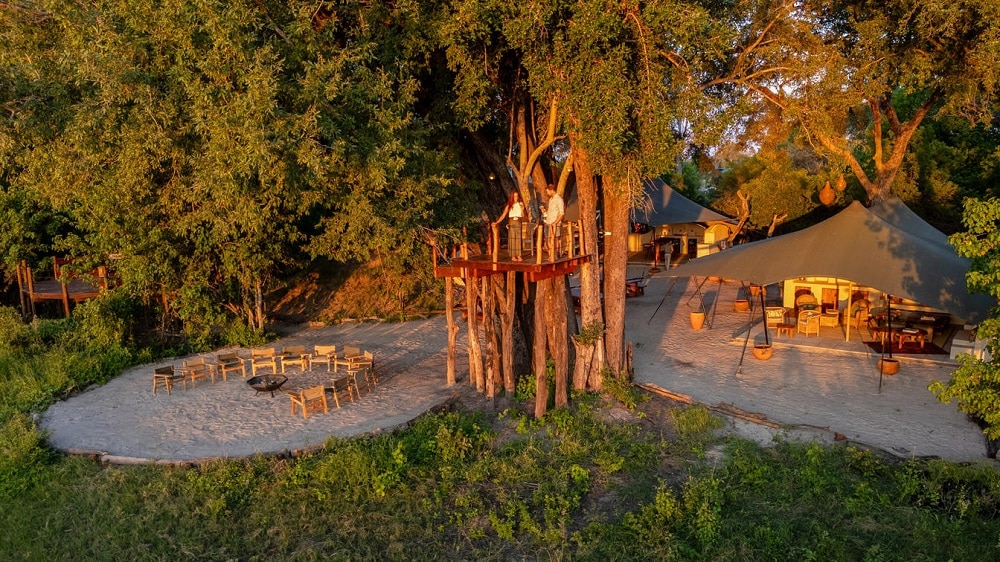
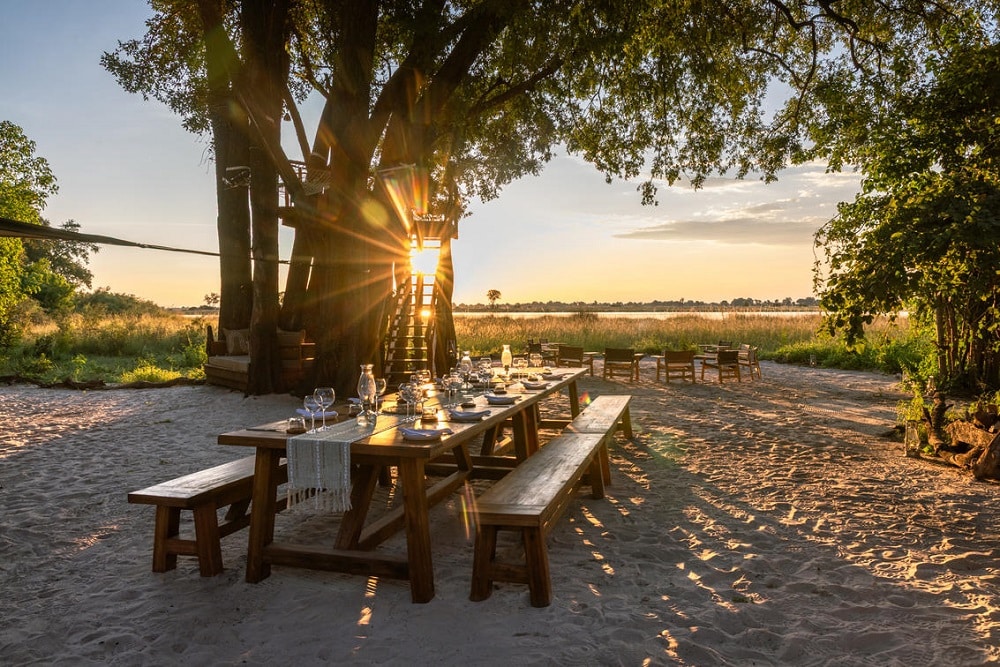
We were the first group to visit the newly opened Maxa Camp located in the northeastern Okavango Delta. It has a brilliant location right next to the eponymous Maxa Lagoon. I was immediately struck by the simple beauty of the camp. There is almost a beach vibe being on the lagoon with sand pathways to get to all the rooms. In fact I was barefoot for quite a few portions of my stay.

This camp is the brainchild of three friends and business partners that have taken a very active hand in both the construction and the day-to-day operations of the camp. Our group was fortunate to meet two of the three at the camp, Michael and Danny, and the third, Shane, while we were in Maun. You can bet one or likely two of them will be there when you visit and it is a good thing because you can feel the enthusiasm for this camp whenever you speak with them. All three are also accomplished guides and are trying to run the camp slightly differently than the traditional ‘two-activity per day’ model. Such as by embarking on a long adventure that takes up the morning and goes into the afternoon and then maybe relax and enjoy the camp location and take in a sunset. We experienced this ourselves when we got to take an afternoon and sunset swim in the Okavango Delta which was truly a one-of-a-kind experience.

The wildlife was not as prevalent as some of the earlier or later camps but it is likely to improve over time as the animals become more accustomed to seeing vehicles and canoes/mokoros. This camp is more of an adventure camp right now so I would recommend taking that canoe trip, making a day of it, and then coming back to camp to enjoy some of the finest food I had while on safari.

Shinde

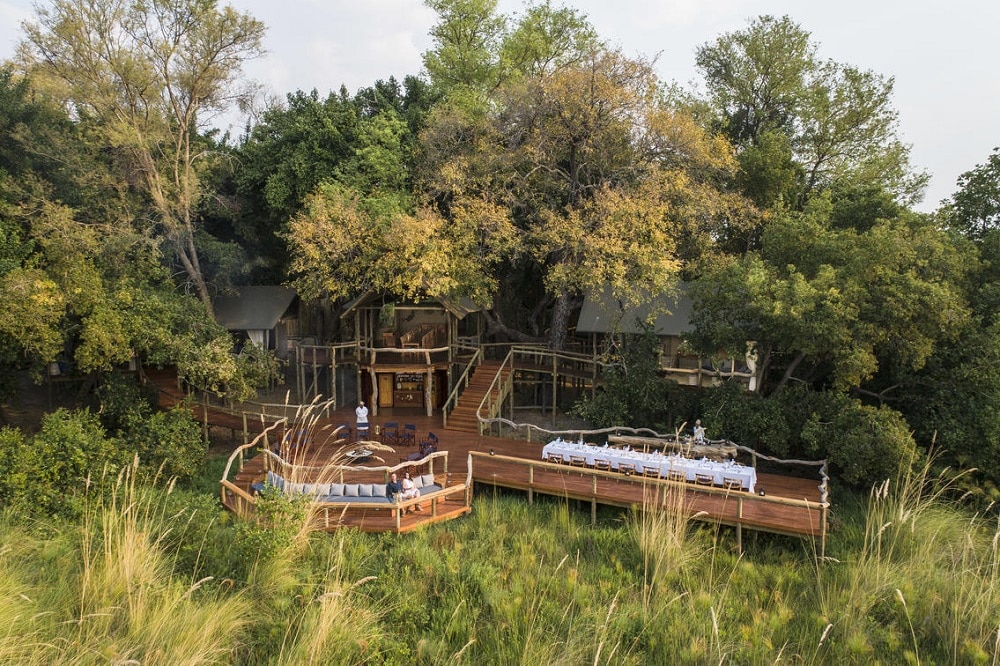
The first thing that popped out to me about Shinde was the location. The camp has been around for years so the trees in the immediate vicinity of the camp are all huge and create a great shady atmosphere. The camp sits right at the edge of a flowing portion of the Delta, making it really quite picturesque. The animals are some of the most calm you will ever see having grown accustomed to vehicles long, long ago. And there is plenty of wildlife. Here you have many of the various antelope species such as lechwe and impala, as well as zebras and all manner of plains game. With this come the predators that follow them. In particular, the area by the nearby airstrip was really good to us. We spotted the resident leopard and her cub on the first night and later on when we returned to head to Shinde Footsteps (more on that later), we witnessed the same leopard drag a recently killed lechwe quite some distance. Suffice it to say the game viewing was excellent.

Water activities are available here although since our time was somewhat limited we stuck to game drives. Again the Ker and Downey staff went above and beyond including a sunrise breakfast by 4 Pans, one of the very productive game areas near camp.

Kanana

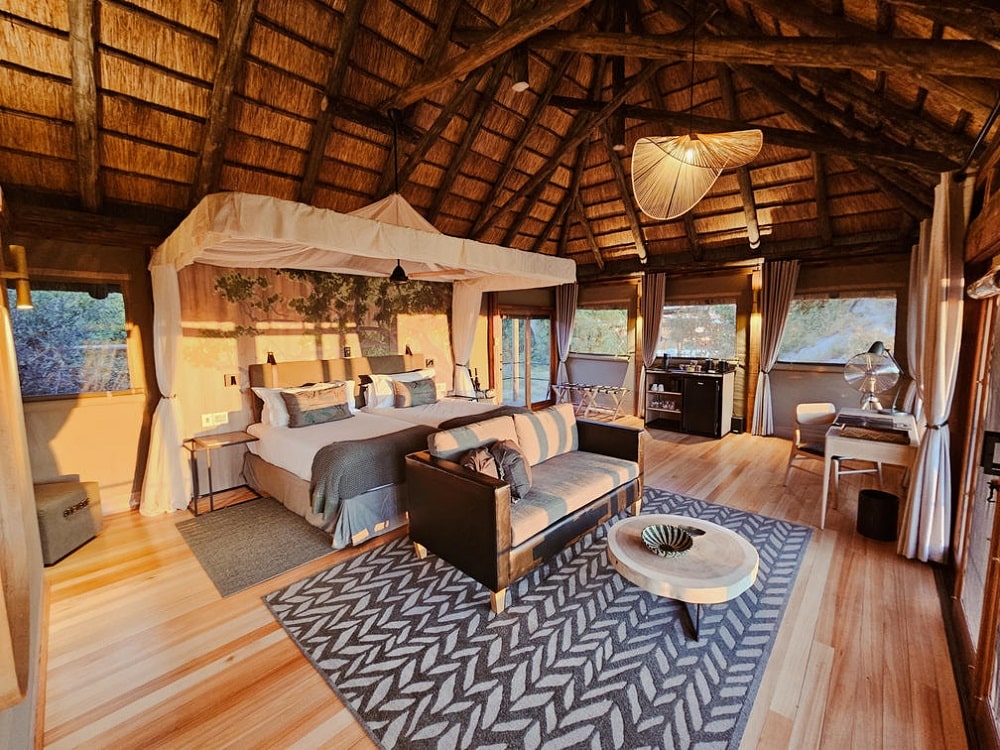
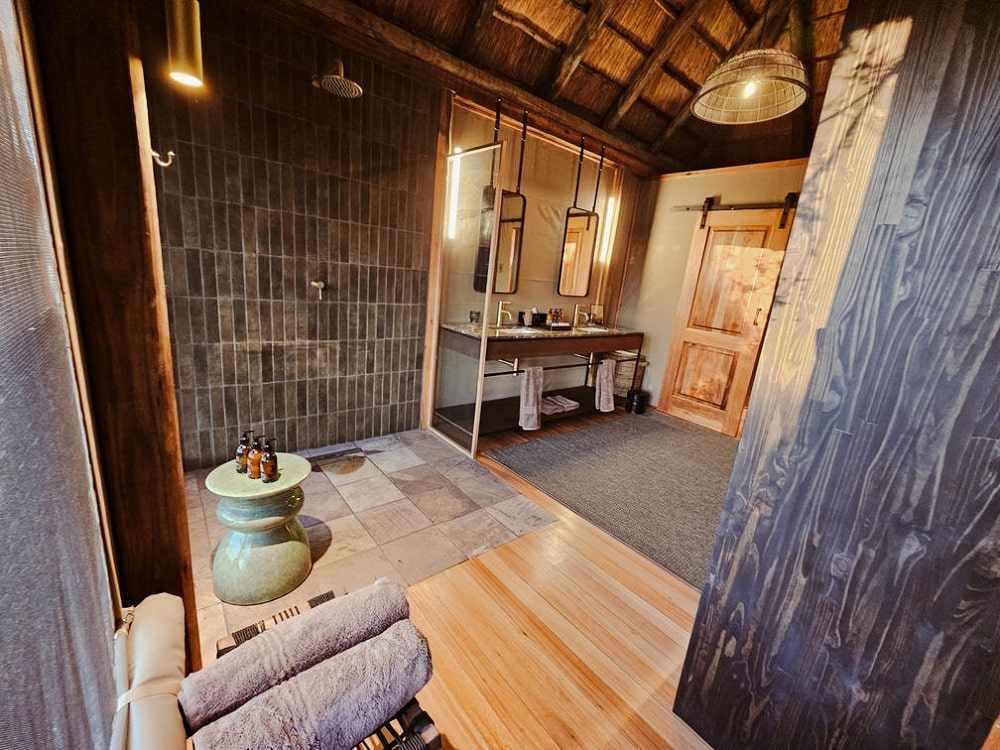
This camp was originally in the itinerary for our trip but due to some unforeseen flooding in Maun earlier in the year, delays caused the reopening to be pushed back just beyond our scheduled arrival. Which is a real pity because this camp looks like it will soon become the crown jewel for Ker and Downey Botswana. The area is gorgeous, dotted with islands and floodplains as far as the eye can see. Even though the camp was not yet ready for guests we got to see a lot of the main area which had been completed, as well as a finished room. We even got to assist very slightly with some tiling on the bar in the main area. What an undertaking to get everything ready in time for the first guests to arrive! All in all it looks like it is going to be a fantastic combination of spacious and luxurious tents along with a beautiful main area all in a very game-rich and diverse location.

Shinde Footsteps

We returned to Shinde Airstrip to then make the drive (probably at least an hour) to Footsteps. Initially it was nice to see some of the wildlife areas we got to spend more time at when we stayed at Shinde but after a while it was very much a transfer. The rains have been strong this year so there were some areas where we needed to cross high water. It made the drive interesting but also a bit longer than you might think. Eventually helicopter transfers from Shinde airstrip might become preferable. Shinde Footsteps is very remote and very exclusive with only four tents in total. It is ideal for small groups of 6 to 8 who want exclusive use of a property. The amount of giraffes in the area was really stunning and the general wildlife viewing was quite good even though we only had a few game drives. The camp is right next to a body of water and it makes for an iconic Delta setting. If you are there early in the season do beware of the bugs and don’t forget to put on some repellent.

If you are up for a last-minute trip to Botswana or thinking ahead for 2026 or even 2027, by all means reach out to Lyndon at lyndon@fisheaglesafaris.com. He’d be happy to respond by email or arrange a Zoom meeting for you to be introduced to a couple of the members of our team. There’s nothing we like more than talking about Africa and finding out more about exactly what kind of a trip you might have in mind. We can also be reached by phone at 713-467-5222 or 1-800-513-5222 any time of the day and weekends. Please leave a message with the answering service and one of us will get back to you promptly. 

Ultimate big game safari: Mokete and Chitabe

For the ultimate big game safari in Botswana the combination of Mokete and Chitabe is unbeatable. The sheer volume of lion and buffalo at Mokete and the diversity of predators and general game at Chitabe make it the obvious choice for a six to eight night wildlife viewing safari that will exceed just about anybody’s expectations, particularly late in the dry season.  

We all know the wildlife in the late dry season is exceptional in Botswana, but we also know what the heat can be like in late September through October, and into early November. It can make things decidedly uncomfortable inside the tents in the afternoons and evenings. Which have led operators like ourselves to take much of northern Botswana completely out of consideration for trips from about mid-September onwards. At least until now.  

With the addition of an advanced evaporative cooler system at Chitabe and Chitabe Lediba, Wilderness now has a beautiful camp to match the extraordinary out of camp experience. Chitabe has the most advanced evap-cooler system in Botswana – even better than traditional basic airconditioning. The evap-cooler is much better than aircon for “tent” type structures. The cold air which the evap-cooler generates pushes the warm out, keeping it at the desired temp all day/night. Also there are vents everywhere – bedroom, lounge and bathroom, not just one vent, so this makes a massive difference to keeping the whole room cool. 

With effective in-room cooling systems now in place at Chitabe and at Mokete, guests can experience one of the best wildlife and camp experiences in Botswana, regardless of the heat at the end of the dry season. We have an attractive offer in place for an 8-night/9 day safari incorporating the two properties. The wildlife viewing and photography opportunities at the two camps are about as good as it gets:

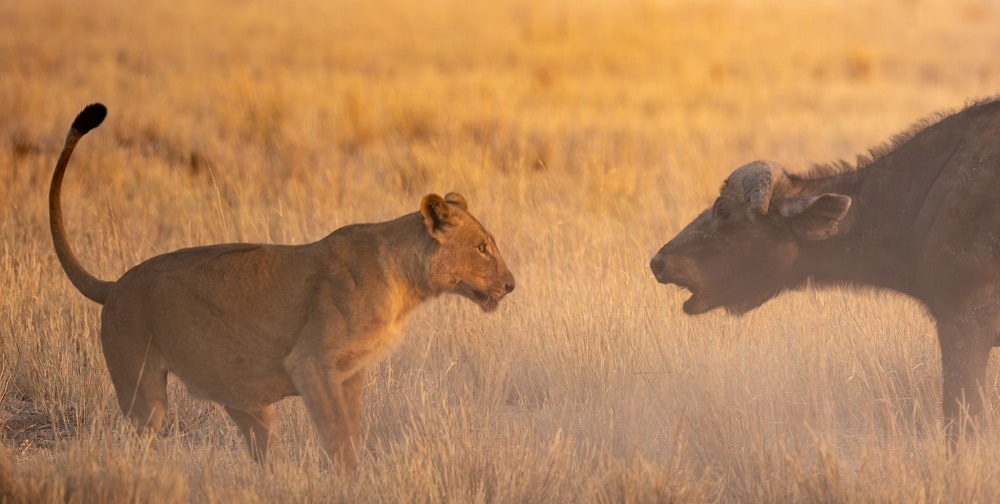
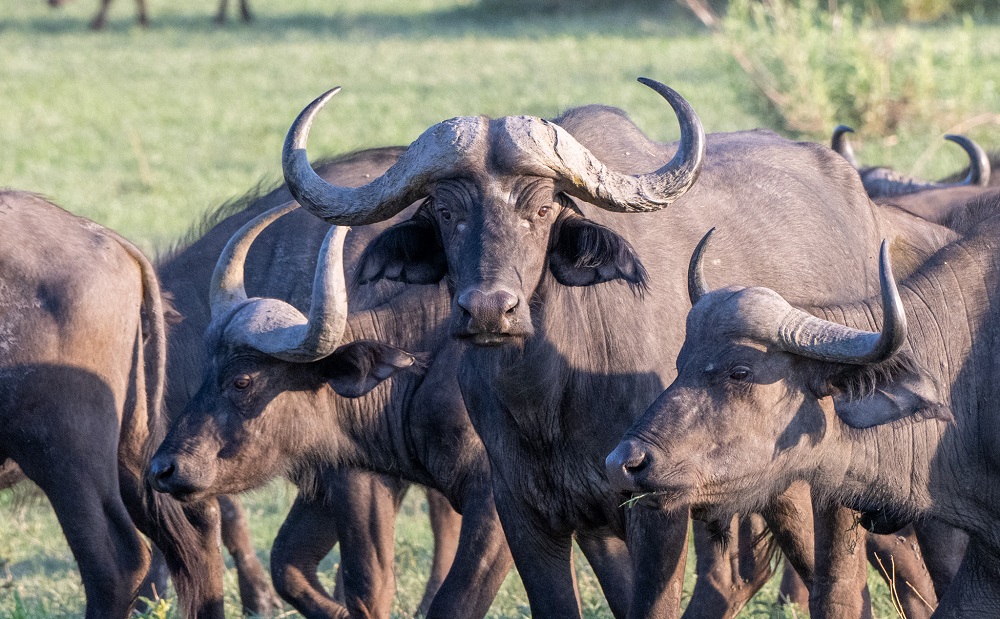
  • Mega herds of buffalo being constantly harassed by lions at Mokete. This is one of the few places in Africa where you stand a realistic chance of observing lion-buffalo interaction, rather than it being a completely ‘chance’ occurrence.
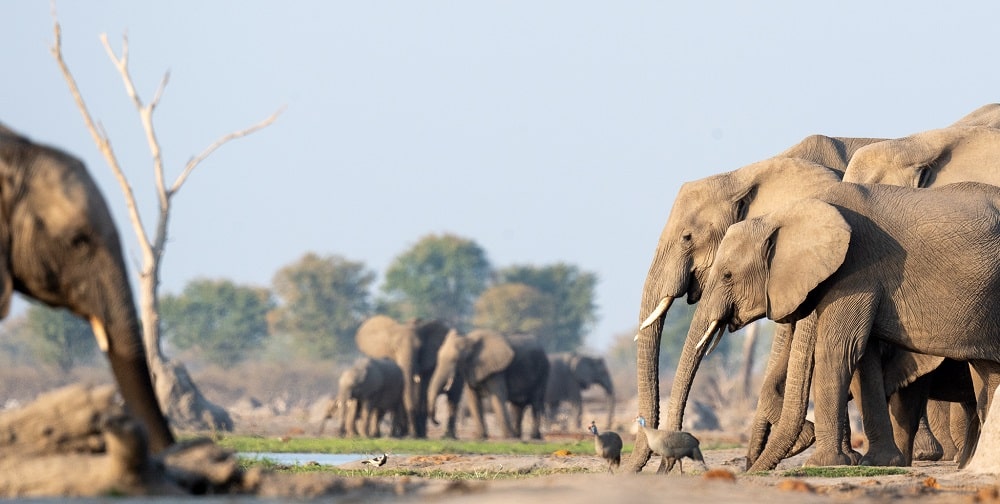
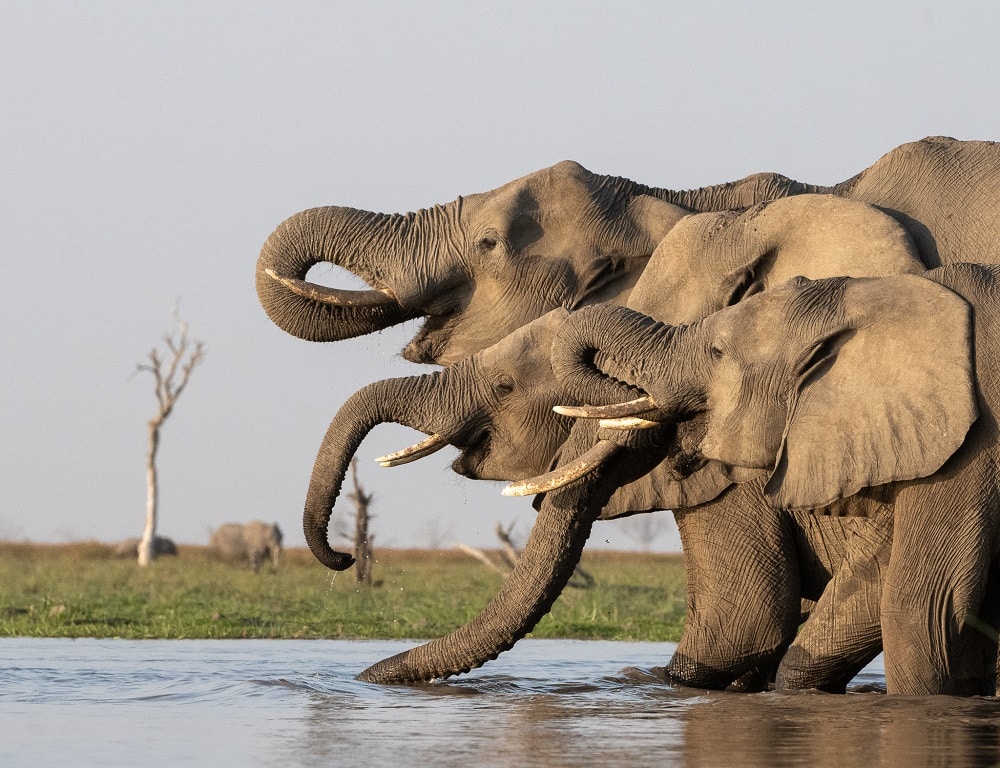
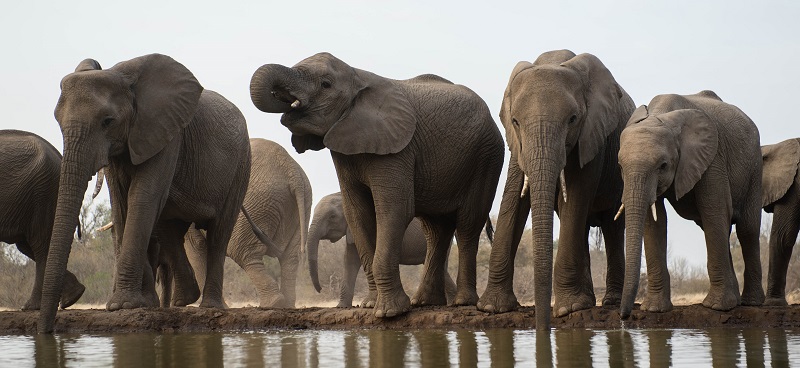
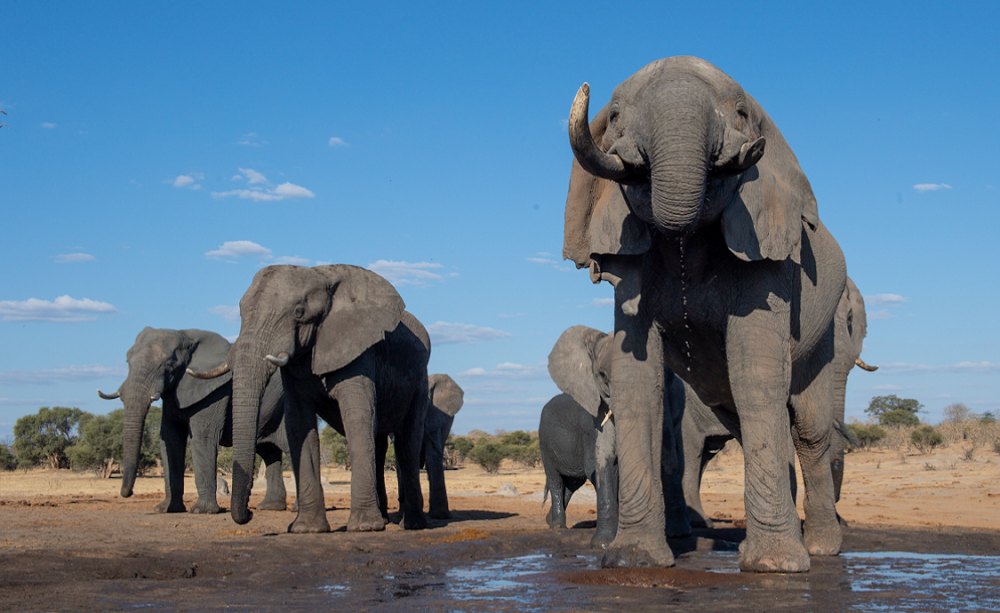
  • Observing large herds of elephants emerge from a mopane forest to slake their thirst at water holes on the edge of the Mababe depression from the comfort of a sunken hide which was built at the perfect spot for afternoon photography.  
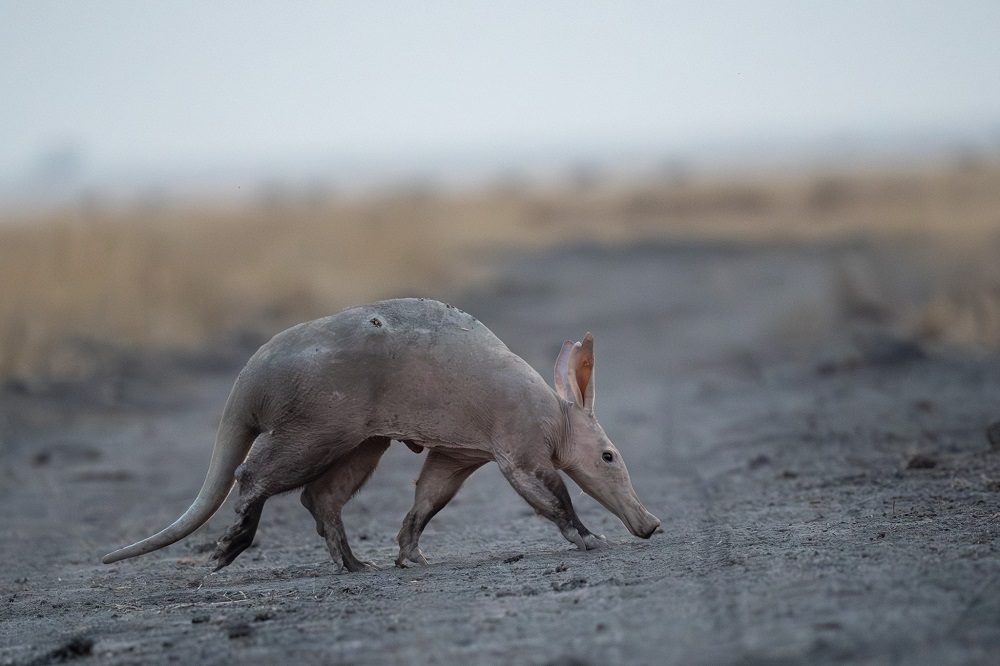
  • Walking with an aardvark in an open plain not far from Mokete Camp in the late afternoon, just before sunset. A unique opportunity to observe and photograph this rarely seen and altogether peculiar animal in decent light. 
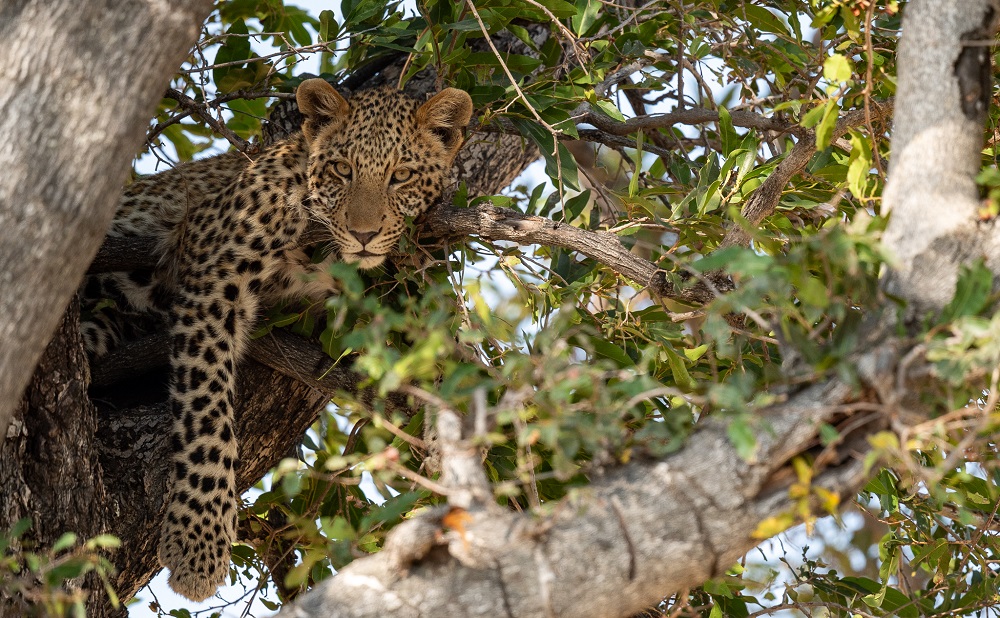
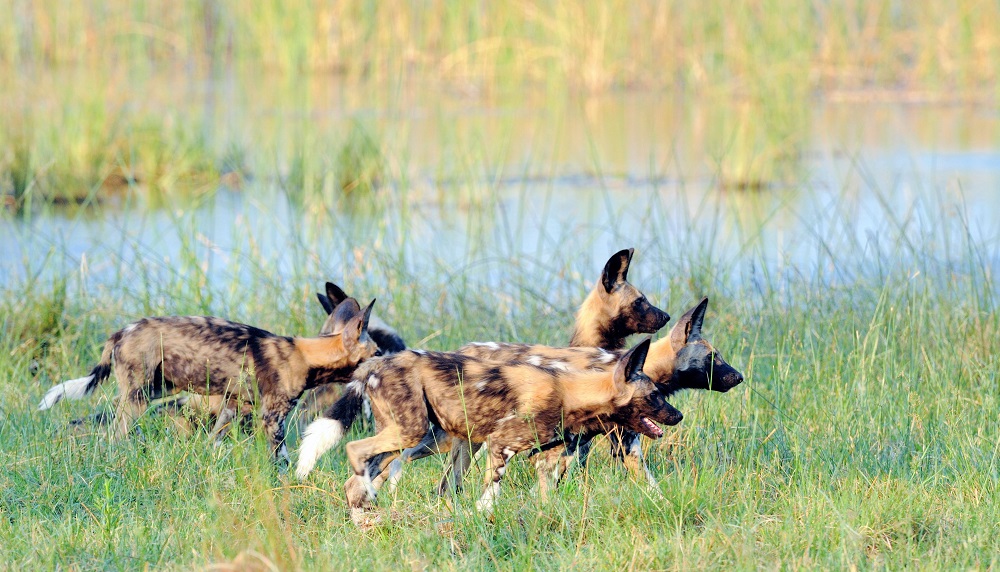
  • Observe and photograph lions, cheetahs, leopards, African painted dogs and more at Chitabe, sometimes just minutes away from camp. No need for long, bumpy drives – the camp is in the epicenter of the best wildlife area. Chitabe is renowned for interaction between predator species – and no better time to see it than late in the dry season. 

For more information about traveling to Botswana from mid-September through mid-November, email Lyndon at lyndon@fisheaglesafaris.com or call and leave a message with our answering service at 1-800-513-5222 or 713-467-5222.

Camp photos courtesy Maxa, Shinde, Kanana, Shinde Footsteps and Wilderness Destinations

YOU MIGHT ALSO BE INTERESTED IN

Destinations
Zambia

10th September 2021

Chindeni and the Bushcamp Company, Zambia

By late July we found ourselves at Chindeni, a small Bushcamp Company property

Read more
Botswana
Destinations
Okavango Delta

3rd October 2022

Camp Okavango, Botswana

Camp Okavango is in the heart of the permanent part of the Delta. In this idyllic setting there are no vehicles, and it is just a short walk

Read more
Area
Destinations
Nyerere National Park
Ruaha
Tanzania

14th October 2023

From My Safari Notebook: Wildlife Photography

Birds in flight and wildlife photographers have an uneasy relationship. Things go wrong as often as they go right. Getting focus-lock on a moving subject

Read more

SUBSCRIBE TO OUR NEWSLETTER

READERS FAVOURITES

Destinations
India

27th May 2023

India

India’s tiger, mammals and birds.

Read more
Botswana
Destinations

4th August 2022

On Safari At Belmond Eagle Island Lodge, Okavango Delta

What is the ‘secret sauce’ for an unforgettable few days on safari in Botswana? It starts with the animals, of course. The elephants, lions, giraffes, hippos

Read more
Destinations
Zambia

10th September 2021

Chindeni and the Bushcamp Company, Zambia

By late July we found ourselves at Chindeni, a small Bushcamp Company property
Read more

A Few of Our Favorite Elephant Destinations

20th January 2025

A Few of Our Favorite Elephant Destinations

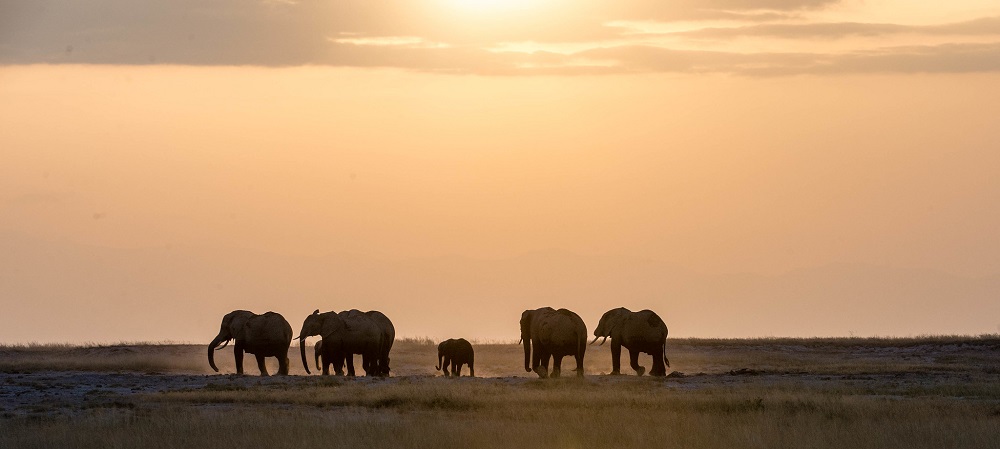
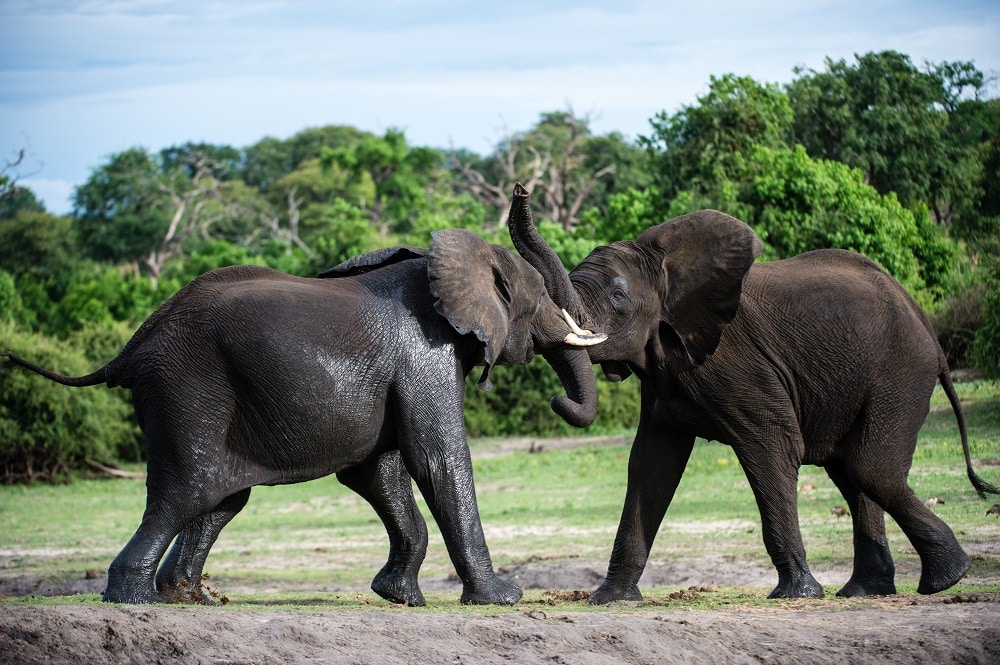
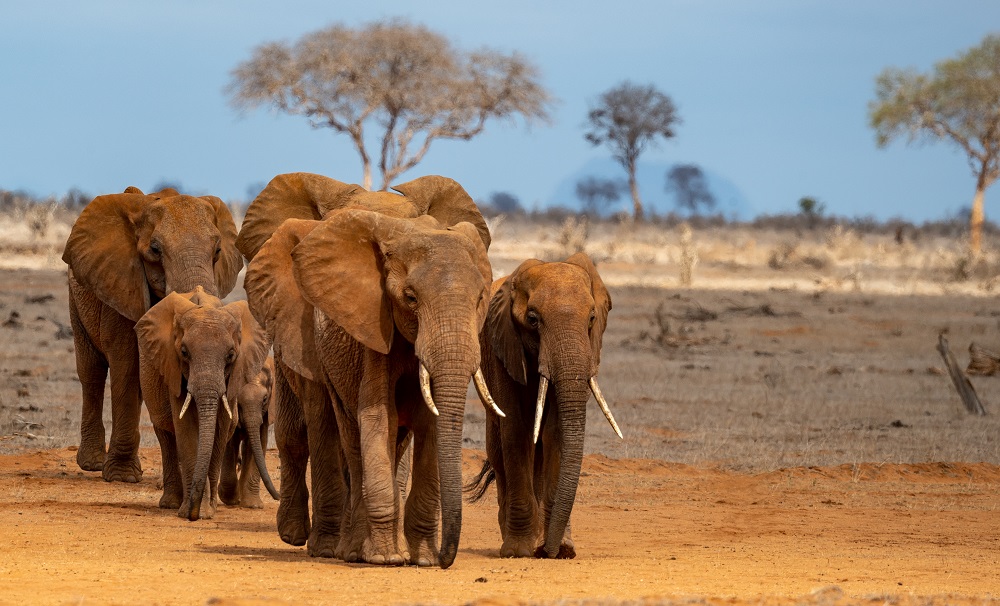
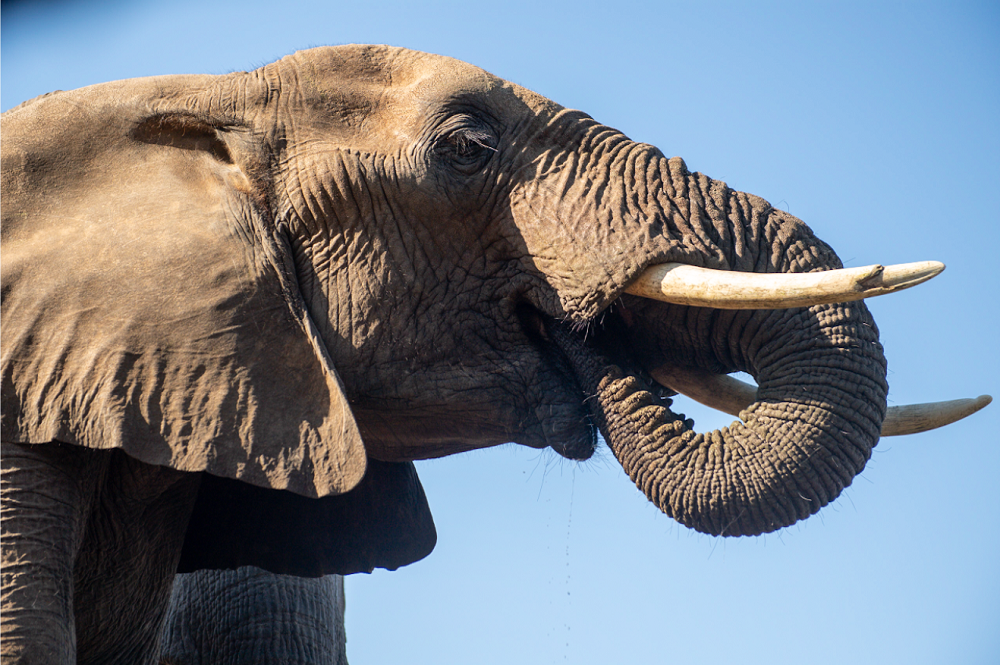
Over the last thirty years plus since Fish Eagle Safaris came into being, our team members have been fortunate to observe thousands of elephants. Even so, there is not one among us who will ever tire or become bored of finding and observing these amazing beasts. They are at the heart of a successful safari and like so many other passionate wildlife enthusiasts, we can and do watch them for hours on end. There are elephants in many areas of eastern and Southern Africa, but these five locations are standouts:

Amboseli National Park 

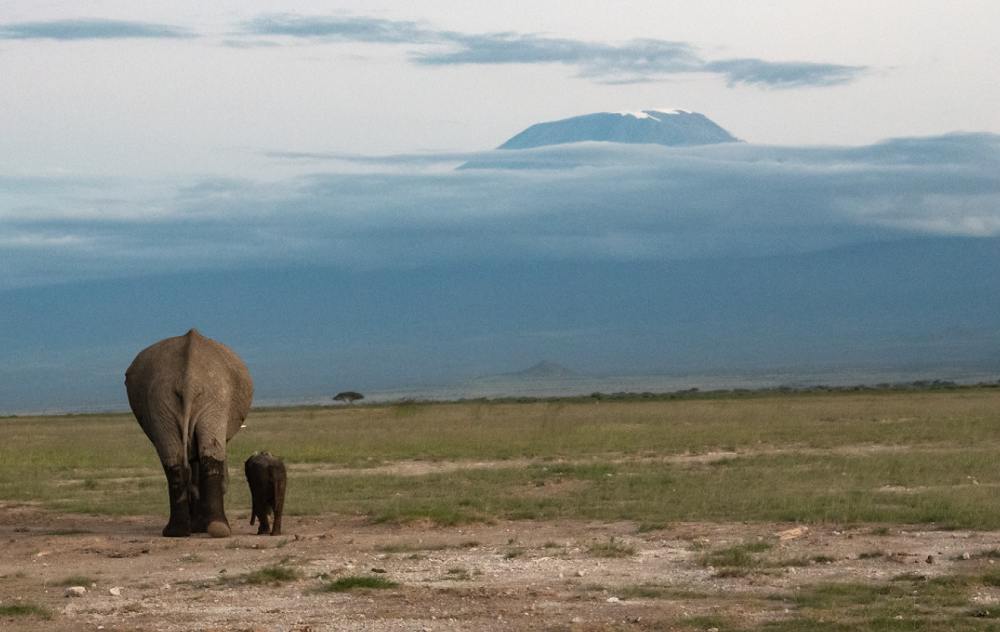
Two things elevate the elephants of Amboseli National Park into superstar status. The one is the fact that they – alone among all the many thousands of African elephants – are the only ones which live and breathe in the rain shadow of Mt Kilimanjaro. With a little bit of luck and skill – and a guide who will already be primed to do this – you too can take a photo putting the elephants between you and the mountain. It’s not too difficult and the results are stellar. 

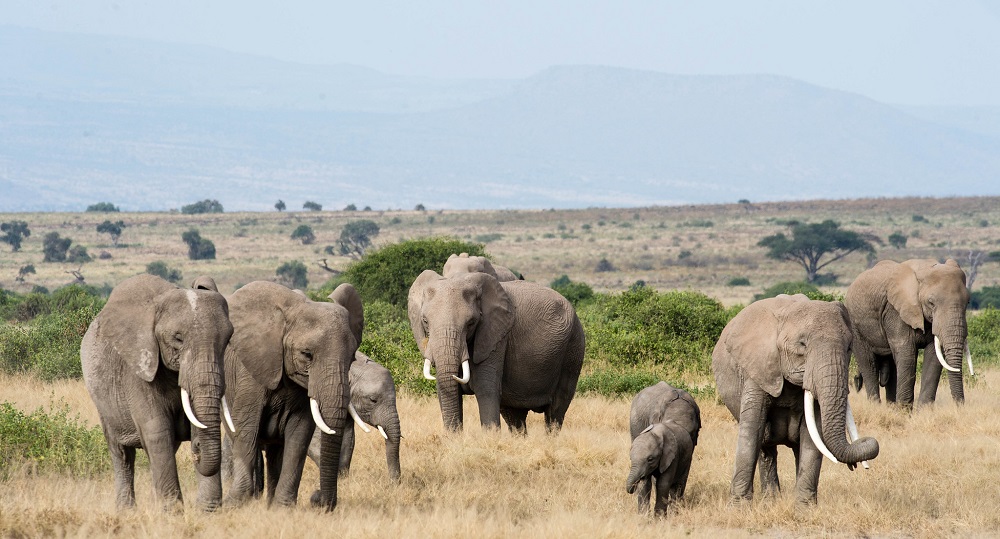
What is the other thing about Amboseli elephants which makes them special? Their white tusks. But don’t all elephants have white tusks? Indeed they do but if there were a dental whiteness standard for elephants as there is for human teeth, then the Amboseli tuskers would be practically off the charts on the bright side. The reason? Observe Amboseli’s elephants for a day or two and you’ll quickly figure it out. They are continuously moving between the woodlands and the swamps. In the swamps they practically submerge themselves while rooting around for edible plants. In the process undergoing a repeated and ongoing tusk cleanup, more effective than any giant elephant toothbrush ever could be. 

Chobe National Park, Botswana

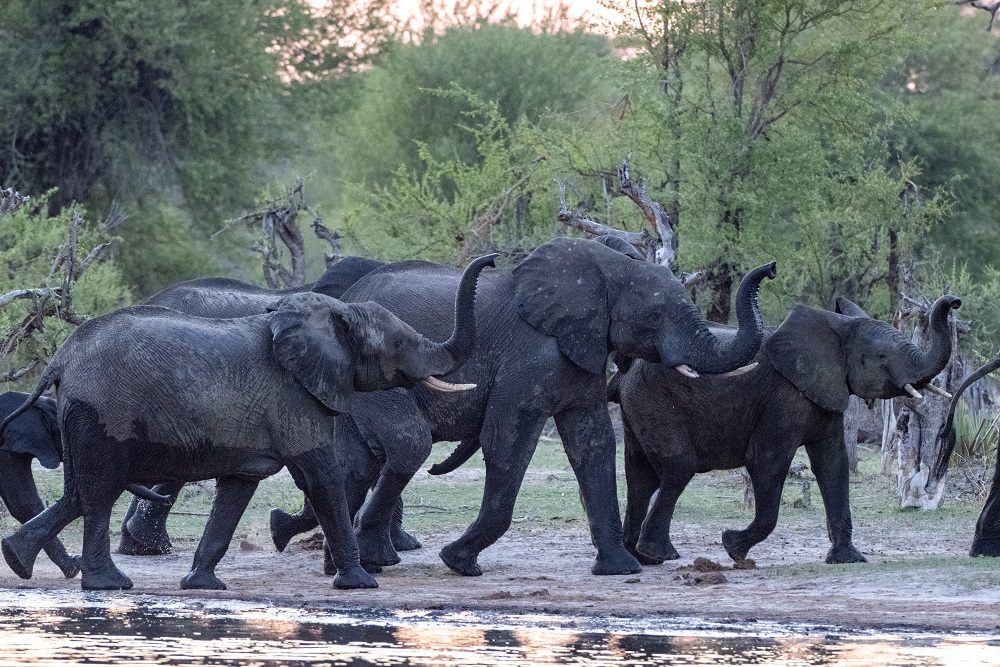
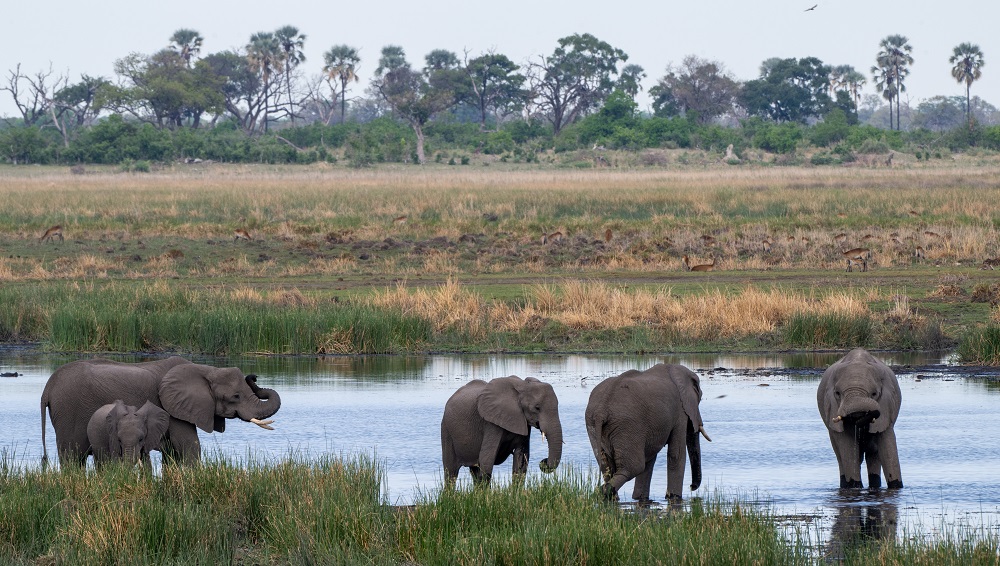
Botswana is a reliably good elephant destination and specifically so along the Chobe and Linyanti River, as well as along the Selinda Spillway and Savuti Channel. In those places, elephants gather in their hundreds and sometimes thousands during the dry season as they are dependent on water, having to drink at least once every couple of days or so. By June and through October, this is where they can be seen moving to the water, drinking from it and often getting into it. A Chobe and Linyanti highlight is to see small groups of elephants swimming to nearby islands or simply splashing around. Ideally visitors to the area should spend a good amount of time in the water themselves. On a boat, of course. 

The stable platform provided by a boat or skiff is ideal for photography in a spot which is invariably chockablock with subjects: not only the elephants  but also as many as three or four species of kingfishers; and several ducks, geese, egrets, cormorants, herons, bee-eaters and storks. Plus an abundance of hippos and Nile crocodiles. 

Tsavo East, Kenya 

If I had to pick just one favorite spot in all of Kenya with its incredible diversity it would have to be Galdessa Camp on the Galana River, in Tsavo East. At the very base of the intriguing Yatta plateau – the remnant of the world’s longest lava flow – Galdessa is a simply magical spot. Spend half an hour gazing out over the usually tranquil Galana River, and you’ll almost certainly see some interesting birds and mammals in or close to it. Stick around a little longer and an elephant trunk is likely to be extended up and over the edge of the embankment, silently imploring you to roll a tasty doum palm fruit in its general direction. Several elephants habitually swing by the property to avail themselves of these free treats. 

The undisputed #1 activity from Galana – which is operated by Sheldrick Wildlife Trust – is a half day trip to the Voi Reintegration unit. This is where your fondest elephant dreams come true. Where you come face-to-face with several subadult elephant orphans being readied for release back into the wilderness. Observe their camaraderie, their unbridled joie de vivre, and reflect how every one of them initially made it to the Sheldrick elephant as orphans. Hungry, lonely, lost little souls, somehow separated from their mothers. Seeing them happy and content, feeding, drinking and playing with the other members of their peer group (they are usually released back into the wilderness together) is one of the most heartwarming, most inspirational, simply magical Africa experiences out there.

Mashatu, SE Botswana

Listen to a group of travelers talking about their upcoming trip to Botswana and you’ll hear them mention the Okavango Delta, Chobe, Moremi. Maybe Kalahari. What you won’t hear is Mashatu. Which is a pity as Mashatu is one of Botswana’s best destinations for elephants – and the big cats. Unquestionably, Mashatu private game reserve in the Tuli block in southeastern Botswana is a hugely underrated safari destination. 

Over the course of several visits over the years we have experienced some amazing sightings at Mashatu, several revolving around elephants. The undisputed highlights were a couple of sessions at Mashatu’s Matebole elephant hide. Elephant aficionado heaven. Observe as one, two, a few and then an entire herd of elephants walk right into your field of view, just a few meters away. Put aside the telephoto lens – this is wide angle stuff. Youngsters pushing each other around, big bulls scaring everyone, tiny babies not knowing what their trunks are for. At the height of the dry season it can be an intense experience with even the observers sensing the desperation, sympathizing with the survival instincts so starkly on display there. 

While one can never get tired of watching elephants and elephant behavior, Mashatu has plenty of other things to see and do. Spend three or four nights there and you’re likely to see lots of plains game species as well as lions and leopards, and perhaps even cheetahs. They are not always present, but when they are, they are relatively easily seen being diurnal cats which roam around, hunt and kill during the day.  

Mashatu lends itself to foot safaris, which can be done in lieu of a game drive at no additional cost, or which can be added as an extra activity at nominal additional cost. At additional cost (not a lot) you can prebook a photographic session in the elephant hide, or embark on a mountain bike safari. If you’re a proficient horseback rider, you may wish to saddle up and go out into the wilderness on a horseback safari.

Hwange National Park, Zimbabwe

With more than 45,000 elephants resident in greater Hwange National Park, with some seasonal movements mostly within the park, Hwange is solidly in the top three best elephant destinations in Africa. Several of our most memorable elephant viewing experiences occurred at waterholes in Hwange, among others on outings from four Imvelo properties – Jozibanini, Camelthorn, Nehimba and Bomani – and from three Wilderness camps namely Davison’s, Little Makalolo and Linkwasha. In another blog post which can be found here, you can read more about Hwange and what makes it special, beyond the elephants.

On a safari some years ago, Kathy and I were sitting just outside the vehicle on the side of the Makalolo Pan in southern Hwange late one afternoon, observing one after another herd of elephants coming to the water. It was early November and still bone dry, with no early rain having fallen. As a result, the stream of elephants coming to the waterhole was practically never-ending. Herd after herd after herd emerged from the edge of the woodland, the youngsters running ahead in boisterous fashion, all intent on quenching what is usually a substantial thirst in the dry season. We would watch as the elephants initially focused – almost exclusively – on just getting in as much water as fast as they could. Trunkful after trunkful, their huge heads and tusks would go up and down, sometimes in tandem with the other elephants around. Which was the cue for us to press the shutter release buttons on our cameras.  Getting a bit of synchronicity into a wildlife photo can be appealing.  

And then the unexpected happened. On that afternoon, Kathy and I each had a camera focused on the elephants. When the shutter release sound on her camera suddenly stopped, I wondered what was going on and looked to my right, where she was seated. She was looking directly at me, wide-eyed and used a small head movement to prompt me to look behind her. I immediately realized what was happening. A huge herd of elephants was in the process of approaching the waterhole from the side where we were parked. They split left and right of the vehicle, streaming past on our right and left, very close by. Hence the interrupted photography. We looked at our Wilderness guide who gave us a thumbs up sign, indicating that all was fine and that we were in no danger.  

For a few minutes there, we sat in awe of the huge beasts softly trundling past us in the direction of the water. Almost without a sound – the massive pads on their feet muffling the sounds of their footsteps – they glided right by us with no more than the occasional cautionary glance. In the late afternoon light they were beautifully lit and we could see the finest details on their massive heads and trunks, their gleaming tusks and finely rippled, charcoal grey hides. It was awesome in the old-fashioned sense of the word. I like to think that there was nothing we could have done to have improved on the experience. It was as perfect as an encounter with wild animals could be: the elephants were not displaced or distressed in any way, not scared or disturbed. Which is of course how one ideally wants every interaction with wild animals to go. Spellbinding and fascinating, yet not intrusive or disruptive.  

There are a myriad of safari options where one or more of these elephant havens can be included in a thoughtful and practical way. Particularly for a first safari but certainly not exclusively so – we think it is essential to include a really great elephant experience: Amboseli, the Chobe-Linyanti-Selinda corridor, Tsavo East, Mashatu and Hwange all fit the bill. So email Bert at bert@fisheaglesafaris.com to help you figure out a plan for your next trip to do just that. Or call us at
Fish Eagle Safaris Inc. at 1-800-513-5222 or 713-467-5222 any time; we will get back to you promptly. 

YOU MIGHT ALSO BE INTERESTED IN

Destinations
Zambia

10th September 2021

Chindeni and the Bushcamp Company, Zambia

By late July we found ourselves at Chindeni, a small Bushcamp Company property
Read more
Botswana
Destinations
Okavango Delta

3rd October 2022

Camp Okavango, Botswana

Camp Okavango is in the heart of the permanent part of the Delta. In this idyllic setting there are no vehicles, and it is just a short walk

Read more
Area
Destinations
Nyerere National Park
Ruaha
Tanzania

14th October 2023

From My Safari Notebook: Wildlife Photography

Birds in flight and wildlife photographers have an uneasy relationship. Things go wrong as often as they go right. Getting focus-lock on a moving subject

Read more

SUBSCRIBE TO OUR NEWSLETTER

READERS FAVOURITES

Destinations
India

27th May 2023

India

India’s tiger, mammals and birds.

Read more
Botswana
Destinations

4th August 2022

On Safari At Belmond Eagle Island Lodge, Okavango Delta

What is the ‘secret sauce’ for an unforgettable few days on safari in Botswana? It starts with the animals, of course. The elephants, lions, giraffes, hippos

Read more
Destinations
Zambia

10th September 2021

Chindeni and the Bushcamp Company, Zambia

By late July we found ourselves at Chindeni, a small Bushcamp Company property
Read more

A Grand Finale: Great Plains Conservation’s Selinda Explorers and Zarafa Camps

18th January 2025

A Grand Finale: Great Plains Conservation’s Selinda Explorers and Zarafa Camps

Big cats high on your list of animals to see on your next or first safari? Then I might suggest that you include the massive Selinda Concession in far northern Botswana in your trip itinerary. When designing an African safari, one always hopes that it will end on a highlight. We spent the last three nights of our early December 2024 safari in two Great Plains Conservation properties – Selinda Explorers and Zarafa Camp. While this was not actually the original plan – the sequence had to be changed due to a booking glitch – we could not have scripted the grand finale any better.  

Selinda Explorers Camp

By helicopter it took around 40 minutes to cover the approximately 80 miles from Tawana to Selinda Explorers camp, a tiny tented camp tucked into a riverine forest along the (then) dry Selinda channel. When we stepped out of the helicopter on what was another scorching hot day in northern Botswana, we had seen a lot on our trip to that point. But we had seen neither leopards nor cheetahs. So for those last three nights, our objective was two-fold: find these two (often) elusive members of the big cat family and try to see 111 different bird species in 72 hours. Which qualifies one for membership of Great Plains’ 111 club and scores you a nice cap in the process.

Selinda Explorers feels and is remote. For me personally it is the ideal iteration of a safari property. A truly classic tented camp, Selinda Explorer has three custom designed canvas guest tents and one 2-bedroom family tent. The main area consists of two inviting lounge and dining tents, with the entire camp exuding an atmosphere of warmth and genuine hospitality. A long day out in safari? This place, its people, and the manner in which they treat their guests will have you revived and re-energized in no time whatsoever. 

With our guide Esefa behind the wheel, our afternoon drive took us in a westerly direction along the mostly dry Selinda spillway. I don’t believe we were ever out of sight of what turned out to be an abundance of general game including zebra, kudu, tsessebe, buffalo, giraffe and more. And we started to set a good foundation with the bird list with many woodland species. 

Our dinner that night at Selinda Explorers was, I think, the most fun and enjoyable of any of our meals on safari. With just the six of us tucked in around a beautifully set table, it was as private as it could be and it felt like and sounded like we were in Africa. An approaching thunderstorm added a note of excitement as rain was on everyone’s mind. We would gladly have been drenched to the bone to see some relief for the wildlife and the environment. 

As it turned out the thunderstorm and rain held off until the wee hours of the next morning, and not without some concern on my part as to being safe from lightning. But first, it was time to just enjoy the delicious dinner prepared by the Great Plains chef. Dinners on safari are an opportunity to look back upon the day, recount some interesting or memorable sightings and to appreciate just how special it is to spend another night on safari.  

Zarafa Camp

For the last two nights of our Botswana safari, Great Plains Conservation upgraded our party to their Zarafa camp, a deluxe Relais and Chateaux property located in a great spot overlooking the Zibadianja Lagoon. Even after just one night, we had already grown quite fond of Selinda Explorers but the area was still in the grip of a heat wave, so the prospect of airconditioning in the sleeping areas at Zarafa made it an offer we couldn’t turn down. 

Highlights of our stay at Zarafa included extraordinarily good big cat viewing, starting with a male leopard on the way in, shortly to be followed by what turned out to be our only cheetah sighting of the entire trip. But first, the leopard sighting. It was an enthralling experience, from beginning to end. To start with, it was a miraculous effort by Esefa to spot the leopard in the first instance, as obscured as it was in a big tree, a good 30 meters or more off the road. Once we approached closer, the leopard twice relocated and each time we got a better view. Initially on a branch in the tree with a decent background (meaning not completely backlit) and then it climbed down. Walking straight towards our vehicle in really good light, the leopard then took a look at a nearby tree and, just meters away from us, clambered straight up. It was so close that we could hear the leopard’s claws scratching on the tree bark.  

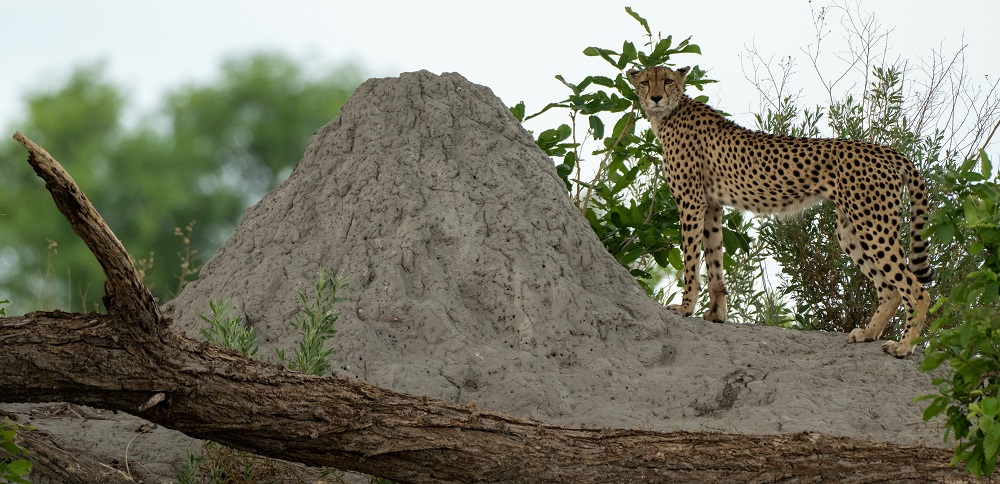
About 40 minutes after we had been admiring the leopard, we were looking at spots of a different kind, this time watching a sleek cheetah as it made its way across an open area, not far from the Selinda airstrip. The cheetah was not quite as obliging in terms of providing us with photo opportunities, but it didn’t really matter. It was a cheetah and for several persons in our group, the first one they had ever seen. Over the next couple of days we were to enjoy another fascinating sighting of a female leopard who had dragged her baby impala prey into a tree. Also, we were fortunate to bump into 10 more lions, among others, two of the best looking males we’ve seen in a long time, the so-called Army Boys. A big cat bonanza if ever there was one. 

Over the course of three days in the Selinda area we racked up 120 different bird species: with extensive wetlands as well as mixed woodland, riverine forest, open floodplain and acacia thickets, the area has significant habitat diversity which is what it takes to support such an abundance of species. Cracking the 111 species mark would not have happened without our guide Esefa’s enthusiasm and expertise. I think he liked chasing the 111 bird target as much as we did!

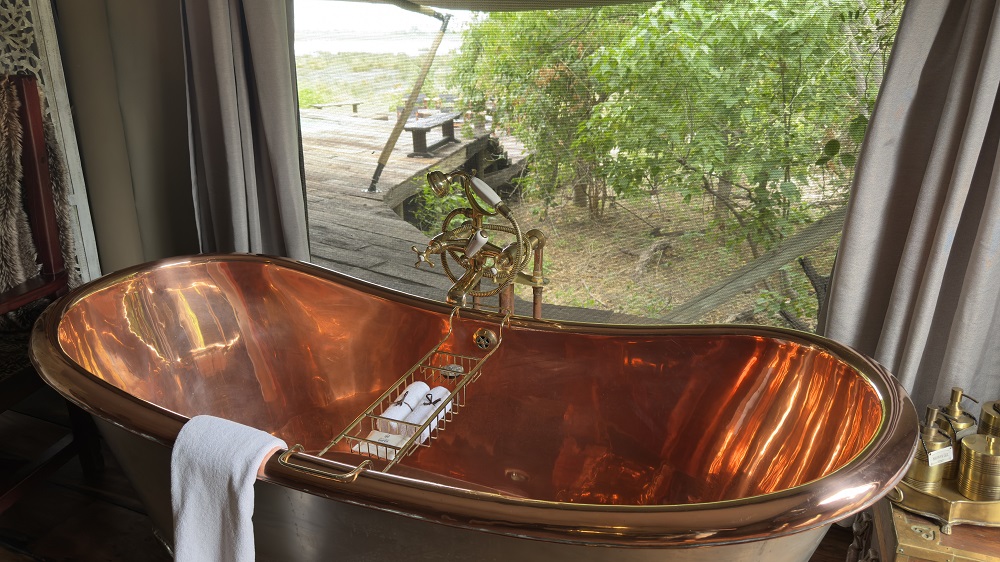
Zarafa is a property which delivers a superior wilderness experience on many levels. The under-canvas tented rooms are massive and make a few days on safari about as much fun as can be imagined. Chill out in the plunge pool on a hot day, soak away a dusty day on safari in the large tub or take a quick shower indoors or outdoors – my best advice is to do them all. The four huge guest suites consist of a lounge area which flows to a beautiful bedroom and an open layout indoor bathroom with a gas fireplace, shower and claw-foot bath. A hand-crafted Zanzibar door at the entrance sets the right tone: this is not a run-of-the-mill tent by any stretch of the imagination.  

Being on safari at a deluxe property like Zarafa is synonymous with being pampered and we certainly were. Get ready for the full treatment: delicious, elaborate and expertly prepared meals, served with panache and elegance. Select a fine wine – bubbly if you prefer – from the sizable private wine cellar, or request your favorite cocktails with or without alcohol. Spend a bit of time at the outdoor gym with expansive views over the Zibadianja lagoon.  

Even so, and despite the luxury surroundings, Zarafa is very much in the wilderness and you don’t have to go on a game drive to experience it. One of the best spots in the area is the large deck right in front of camp, overlooking the massive Zibadianja lagoon. At the time of our visit the lagoon was mostly dry, but the remaining water attracted many herds of elephants, which would slowly move into the water from out of the woodlands, quench their thirst and then just as peacefully as they arrived, wander off in another direction. At times there were close to a hundred elephants or more at the same time. Peering through a telescope on the deck, it was possible to pick out the matriarch – the one who keeps things together for the herd – and to take a closer look at the tiny baby elephants, usually seen just a few meters away from an adult female, and often shielded between several of them. 

On the morning on which we had to say our reluctant goodbyes at Zarafa, Kathy and I decided to go and have a quick look at the gym – on the extreme left hand side of the camp – and to take a few pictures from there. What we had not reckoned on or planned for was an ‘elephant delay’ which occurred when a solitary bull elephant quietly made his way right up to the gym as we were looking in a different direction. We knew better than to try to dart across in front of him. So we just waited for a few minutes, giving him some space. With one eye on us and very much aware of our presence, the bull elephant moved past the gym from our left to our right and walked away, using the same path which we had used to get to the gym. We sighed a small sigh of relief, looked at each other with raised eyebrows and walked in the steps of the elephant, back to the lodge. Our safari was over.  

Our colleague Lyndon has visited several Great Plains properties recently so he is well equipped to answer any questions you may have about combining some of Great Plains’ Reserve Collection or Explorers camps in your safari itinerary. Great Plains have a range of first-class properties in Kenya, Zimbabwe and Botswana. Lyndon can be reached at lyndon@fisheaglesafaris.com or by calling and leaving a message at 713-467-5222 or 1-800-513-5222.

YOU MIGHT ALSO BE INTERESTED IN

Destinations
Zambia

10th September 2021

Chindeni and the Bushcamp Company, Zambia

By late July we found ourselves at Chindeni, a small Bushcamp Company property
Read more
Botswana
Destinations
Okavango Delta

3rd October 2022

Camp Okavango, Botswana

Camp Okavango is in the heart of the permanent part of the Delta. In this idyllic setting there are no vehicles, and it is just a short walk

Read more
Area
Destinations
Nyerere National Park
Ruaha
Tanzania

14th October 2023

From My Safari Notebook: Wildlife Photography

Birds in flight and wildlife photographers have an uneasy relationship. Things go wrong as often as they go right. Getting focus-lock on a moving subject

Read more

SUBSCRIBE TO OUR NEWSLETTER

READERS FAVOURITES

Destinations
India

27th May 2023

India

India’s tiger, mammals and birds.

Read more
Botswana
Destinations

4th August 2022

On Safari At Belmond Eagle Island Lodge, Okavango Delta

What is the ‘secret sauce’ for an unforgettable few days on safari in Botswana? It starts with the animals, of course. The elephants, lions, giraffes, hippos

Read more
Destinations
Zambia

10th September 2021

Chindeni and the Bushcamp Company, Zambia

By late July we found ourselves at Chindeni, a small Bushcamp Company property
Read more

A Visit to Tawana Camp, Moremi

17th January 2025

A Visit to Tawana Camp, Moremi

Over a splendid alfresco dinner in late 2024 at Natural Selection’s new Moremi jewel – Tawana – the conversation ranged from painted dogs to lion on lion conflict to our trip bird list. It was unseasonably hot (in the grip of a heatwave) so we talked about that and about the lack of rain. All standard safari dinner conversation fodder. Until we started to talk about cork. 

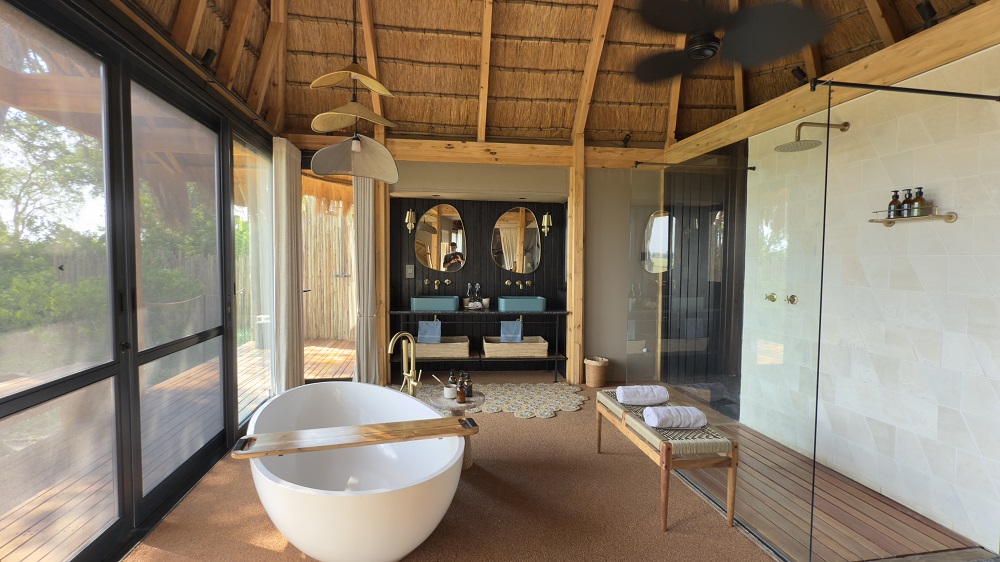
Earlier during our stay I had noticed the extensive cork flooring which is a distinct feature of the huge Tawana rooms and massive common areas. The textured – seamless – cork floors are attractive, essentially slip-free and they feel good when walking around barefoot in your room. Which I wouldn’t ordinarily do, but with slightly spongy, soft cork underfoot, I had to try. 

It turns out that the cork flooring had a story. We were fortunate to have been joined for dinner by Tawana co-owner Hennie Rawlinson and his talented daughter Jenna. While talking about some of the design features of the lodge (which has the same architect as Natural Selection’s fascinating Shipwreck Lodge in the Skeleton Coast National Park in Namibia), Hennie mentioned that  the finely textured cork was applied to the floor in slurry form, somewhat like cement. And, as it turned out, the lodge construction process had a ‘cork delay’ due to construction having to be halted for several weeks. Their South African cork sources had run dry. Additional cork had to be imported from Portugal to complete the process. 

When I make it back to Tawana – which I definitely plan to do some day soon – I’ll no doubt inadvertently wonder about the cork underfoot. South African pinotage or Portuguese port? Tawana happens to have a particularly impressive wine cellar so guests have ample opportunities to help accumulate the next batch of cork. They’re going to need it folks, so do your best.

Getting there

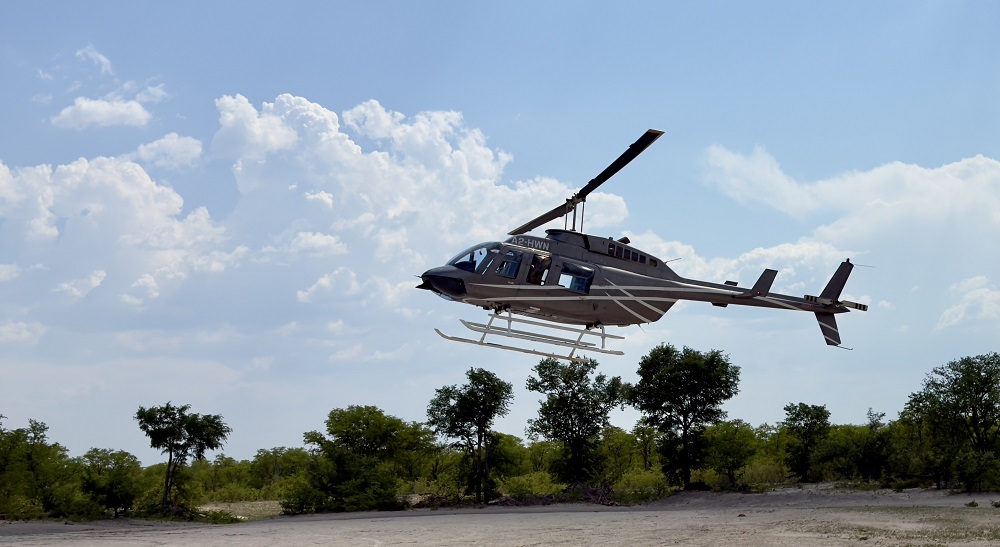
One of the guests in our party had Priority Pass access, which got us into the Mack Air private lounge at Kasane Airport. Thank you Carole! For once, we weren’t fussed about the possibility of a delay. Cookies, coffee, sandwiches, samosas, chips – need I say more? As it turned out Mack Air was right on time as we had come to expect from them by then. From Kasane to Khwai Private airstrip took about 50 uneventful minutes in a Cessna Caravan. We did have to cool our heels in a shady spot at the airstrip waiting for a helicopter from Helicopter Horizons to show up. It was flaming hot outside – right around 100 F – so there were some smiles when we started to hear the familiar sound of helicopter blades beating the air into submission. It took just about 40 minutes or so in the Bell Longranger helicopter to reach Tawana. There’s no such thing as a quiet helicopter but with each of us wearing a proper headset, we could listen in to some of the pilot’s communication with air traffic control. Flying relatively low over the terrain, we did spot some elephants en route and there was a herd of them close to the camp on our approach. A big plus point for me when evaluating any safari property? Big animals close to camp on arrival. Check. What gets an even higher score? Big animals on arrival at camp preventing you from getting to your room. Of course. 

The camp experience

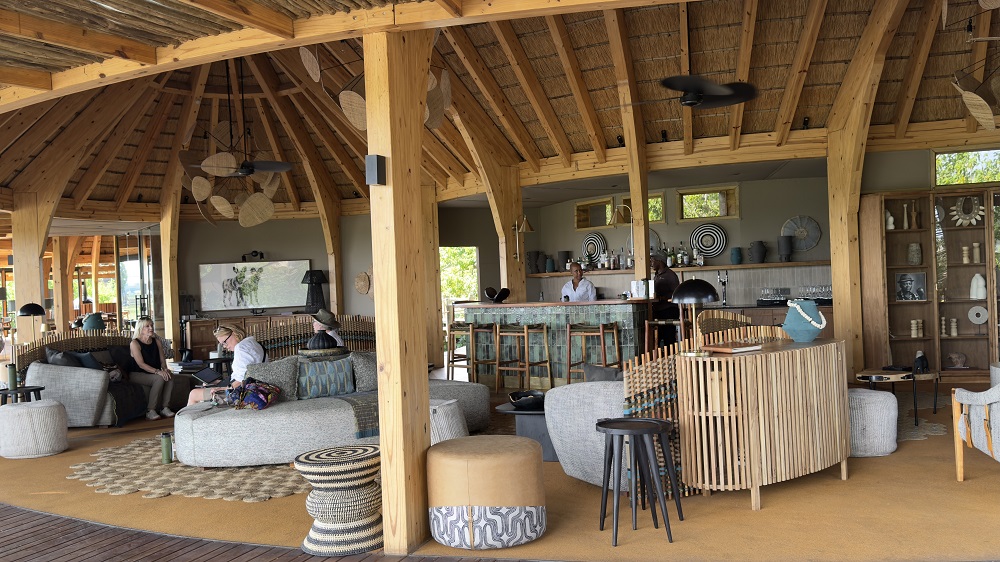
Tawana is a deluxe property, simply stunning all round with eight huge rooms, an air-conditioned gym and boutique, an air-conditioned wine cellar and there is a small locker in the main area for each room to leave some items behind, instead of lugging them to your room and back every day.  

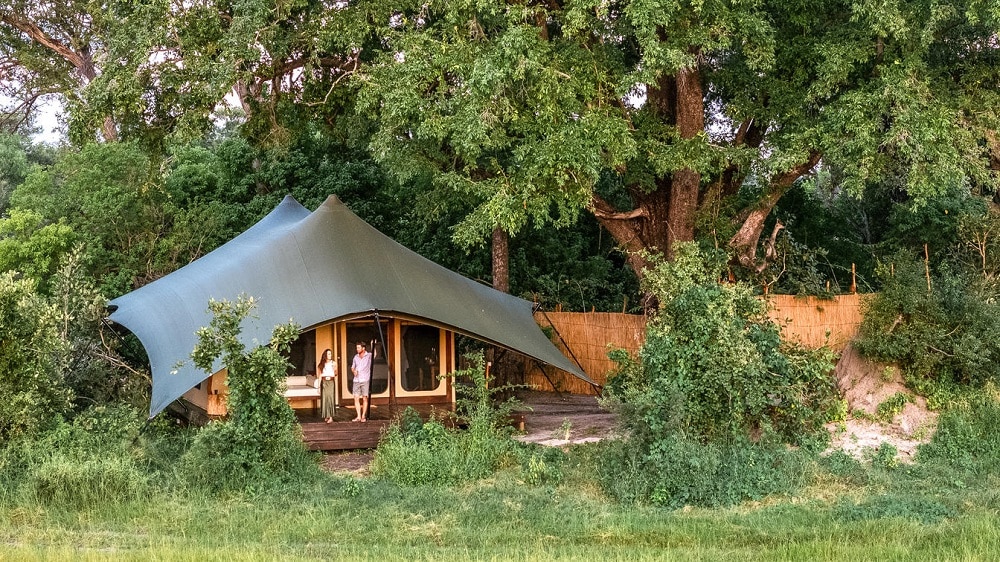
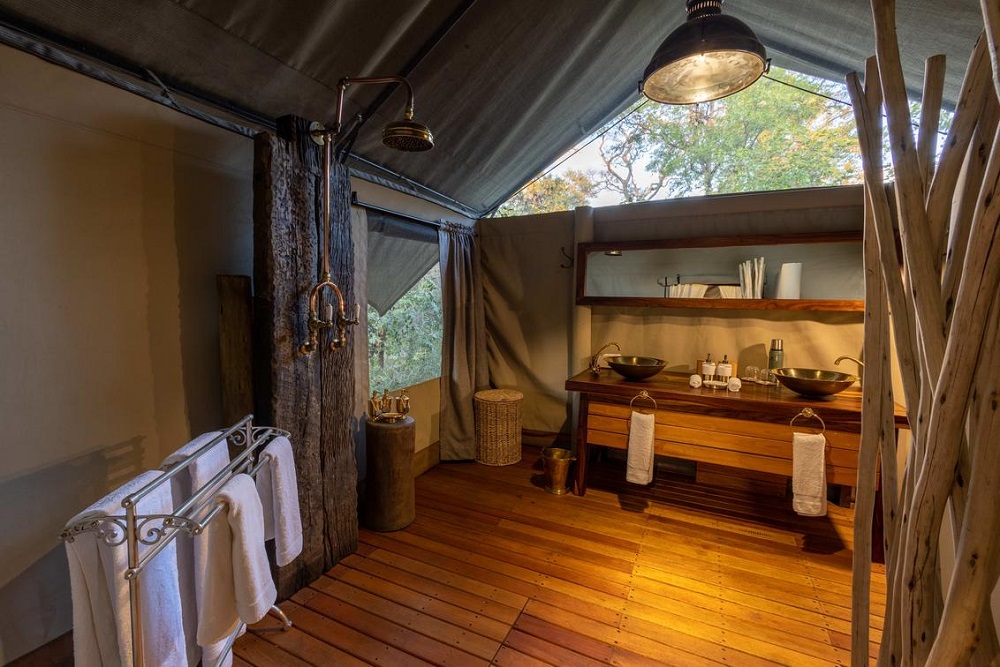
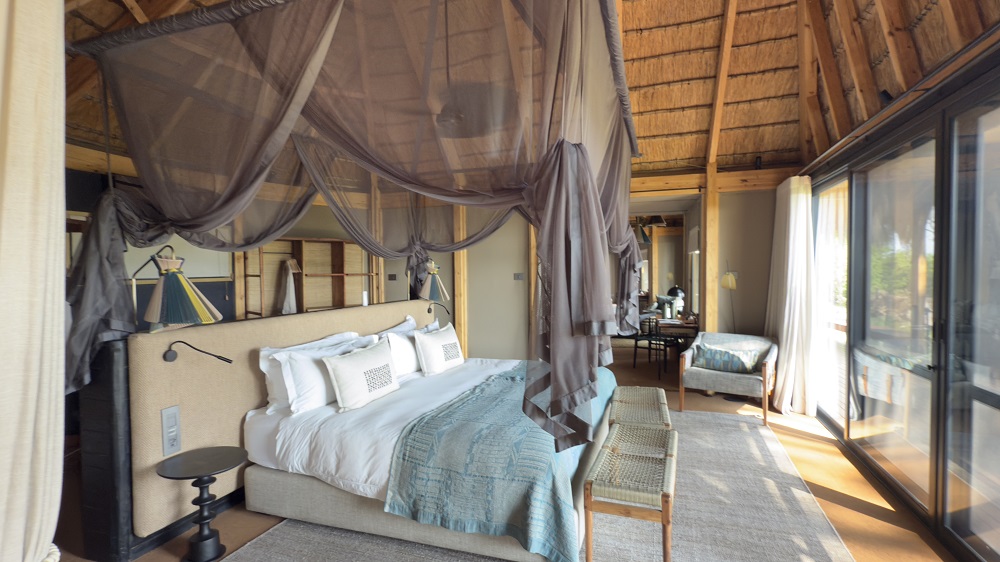
The rooms at Tawana are huge and there’s plenty of outside decking to boot,  with a good-sized outside plunge pool, an inside shower and bath, and a proper outside shower with a view. From a distance, the exterior views of the suites are reminiscent of the local thatched Batawana huts. The suites are set in the shade of several huge ebony and sausage trees which help to create a cool, calm environment. Some of the trees are also home to a troop of chacma baboons. If there’s any kind of disturbance at night – such as leopards prowling around – the baboons can be quite noisy and disruptive. So to be sure, have some earplugs ready to shut out any unwarranted baboon noise.  

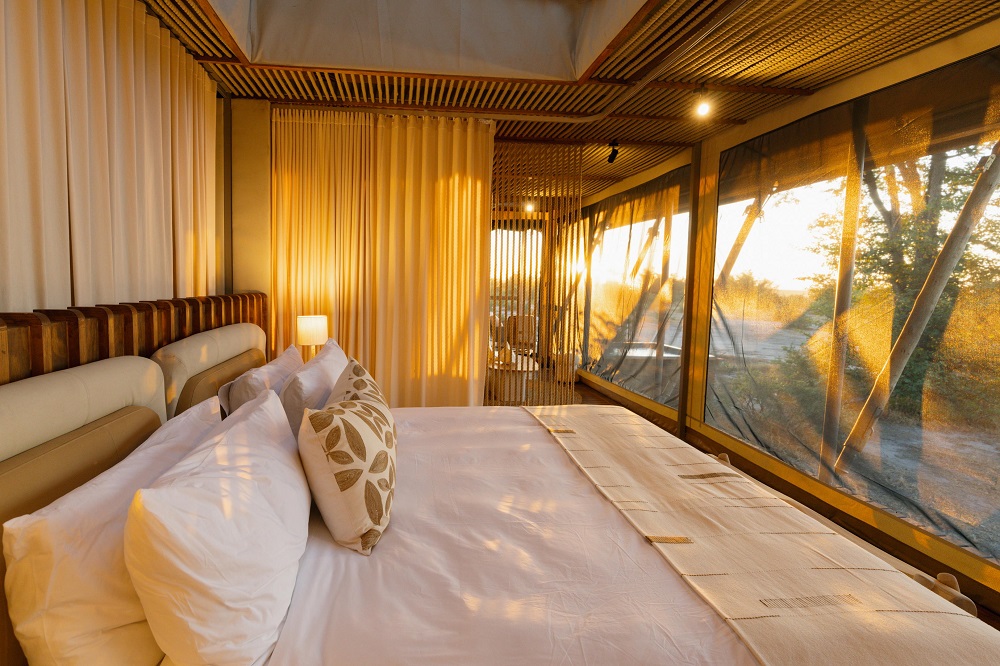
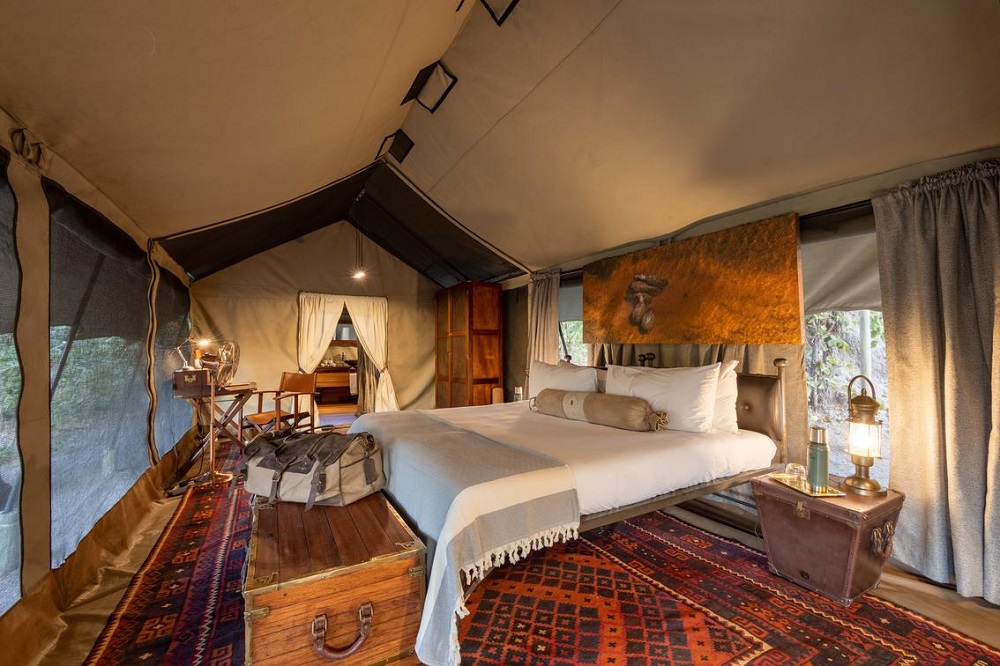
Each room at Tawana has an air cooling unit in the main bedroom portion of the room, right over the bed. The two family rooms have a unit in each bedroom. While it doesn’t cool down the entire room (it would be impractical in a tented environment), the solar operated cooling unit creates ideal sleeping conditions, particularly when the mosquito net is in place, further insulating the space above the bed. In a country like Botswana which has a long hot season – essentially from October through the end of March – having effective air cooling in the sleeping area in a tent makes it possible to take an afternoon nap on a hot summer day. And of course to sleep comfortably at night.  

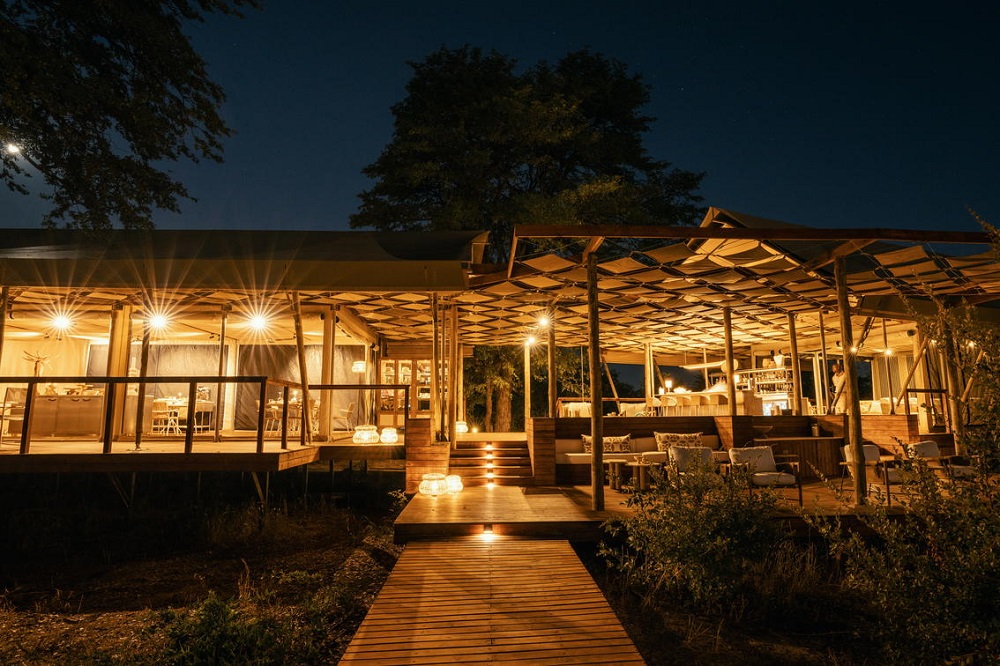
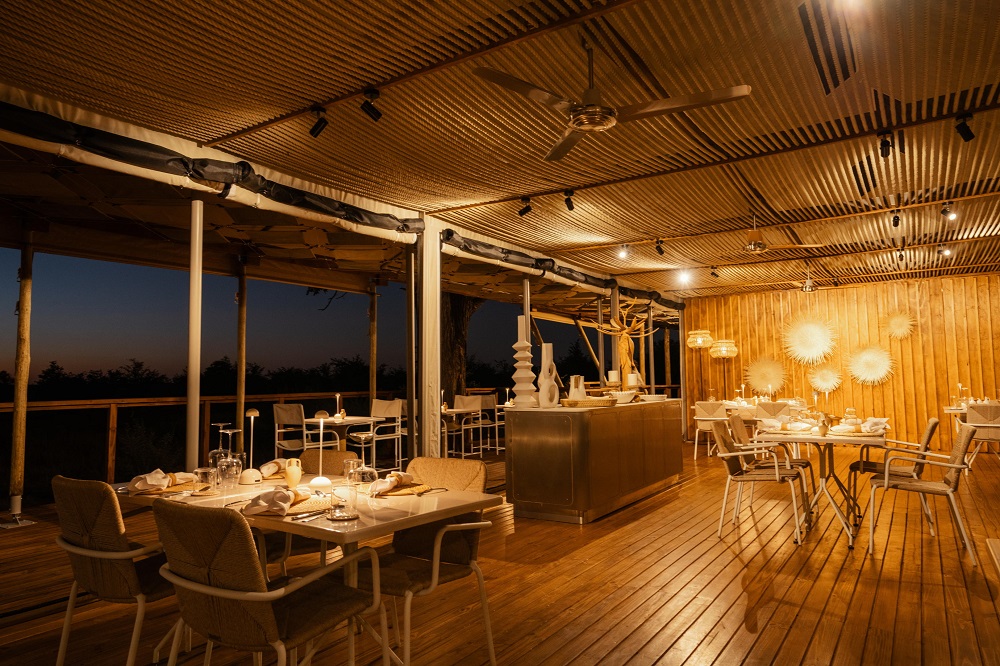
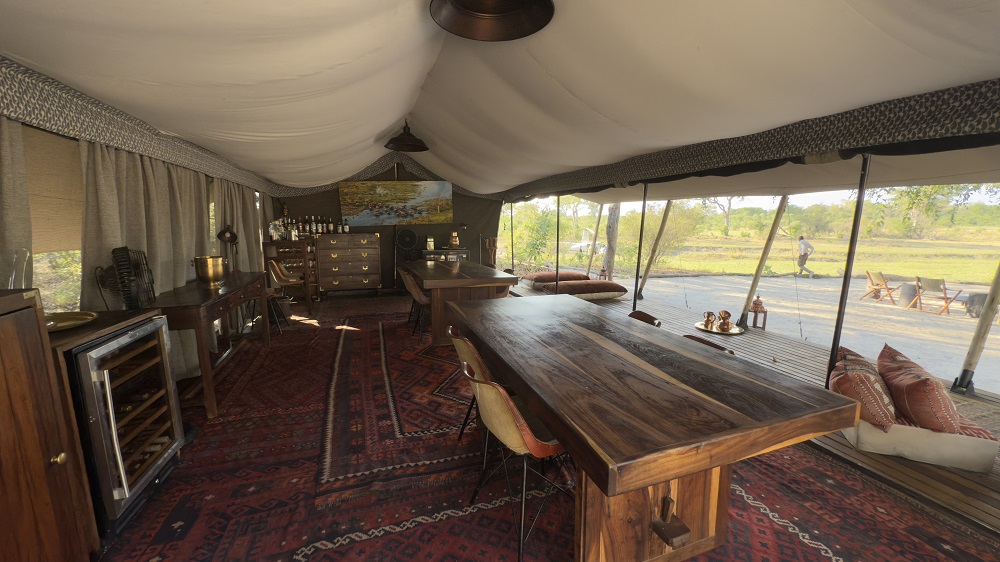
The ultra-spacious communal areas in the camp include an elegant lounge and indoor and outdoor dining spaces. Our party made good use of the walk-in wine cellar and the wood-fired pizza oven, creating our own delicious pizzas one afternoon. The hospitality at Tawana was simply the best. My vegetarian food requirement was handled deftly, which is not always the case with a plant-based preference. Several members of our party took advantage of the spa and wellness treatments and supported the gift shop. Kathy and I took a walk down to the other side of the camp to check out the 52-foot lap pool and the well-equipped gym.

Game viewing in the Moremi

The game viewing in the Tawana area was excellent and with our capable guide Jonas in charge, we experienced many thrilling encounters, notably with lions and African painted dogs. Setting out on a track which meandered alongside the Gomoti river, we were soon reminded why seasoned African travellers speak so highly of the Moremi Game Reserve. Stretching across nearly 1,900 square miles, the Moremi is a magical corner of Botswana renowned for its high concentration of antelope, predators and large herbivores. 

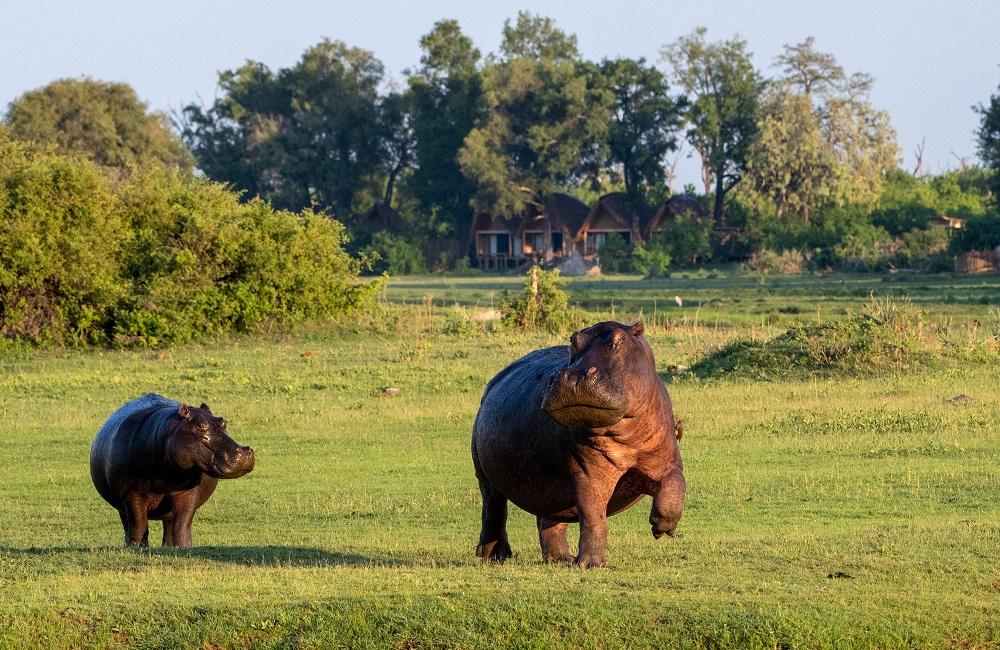
Drought conditions at the time – subsequently broken by good rain having fallen – created ideal conditions for wildlife activity and interaction along the Gomoti river. We were not just observing mammals and birds, we were seeing them dealing with and reacting to a situation which constituted an existential threat. The many hippo families in the Gomoti river, for example, had to extend their usual ‘night-time only’ grazing habits right into the daylight hours. Simply because palatable grass sources were scarce close to the river, and they had to walk miles and miles every day just to find enough forage to stay alive. From our very first game drive and for the duration of our stay there, seeing so many hippos out of the water in daylight was a reminder of the harsh reality of surviving in nature.  

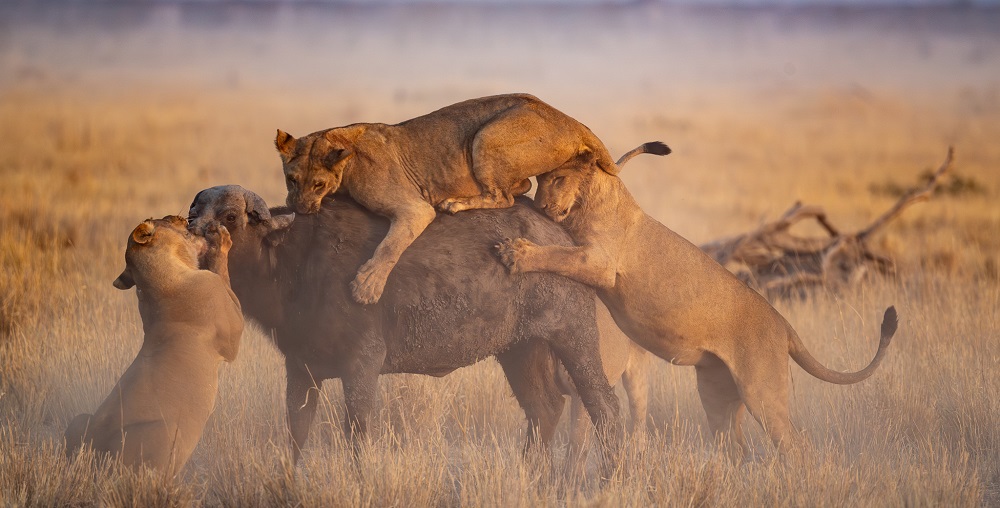
On two different occasions, we spent time with a large pride of lions (both males and females and several youngsters) and were fortunate to photograph them in good afternoon light. The following afternoon Jonas took us out in search of a coalition of four cheetahs, which had been spotted in the area the previous day. We didn’t find the cheetahs but it didn’t really matter as we came across a large pack of 27 African painted dogs with several puppies around 6 to 8 weeks old. In what was a first for all of us, three or four of the painted dogs were interacting with a young crocodile. Repeatedly darting right up to the inert crocodile, only to swerve away and retreat. Seemingly in an attempt to get the crocodile to turn tail, in which case the painted dogs may have attacked it.  

Yet another exciting encounter came the next day when a territorial fracas between two prides of lions erupted into an intruder female lion pursuing and driving off another female. What made it all worse, from our perspective, was watching the reaction of the four subadult offspring of the retreating, defeated lioness. They ran off into the distance and watched the scene unfold, clearly anxious and sensing that this did not bode well for them. 

Seeing that he’s just visited Tawana, do get in touch with Bert at bert@fisheaglesafaris.com for up to date information about Tawana and the many other Natural Selection Safaris properties which we can book for you in Botswana. Natural Selections now have an enviable portfolio of safari properties in South Africa, Botswana and Namibia and we know just how to combine some of them in the best possible way. There are some attractive shoulder season offers as well as long-stay incentives. If you prefer, leave us a message at 1-800-513-5222 and we’ll get back to you promptly.  

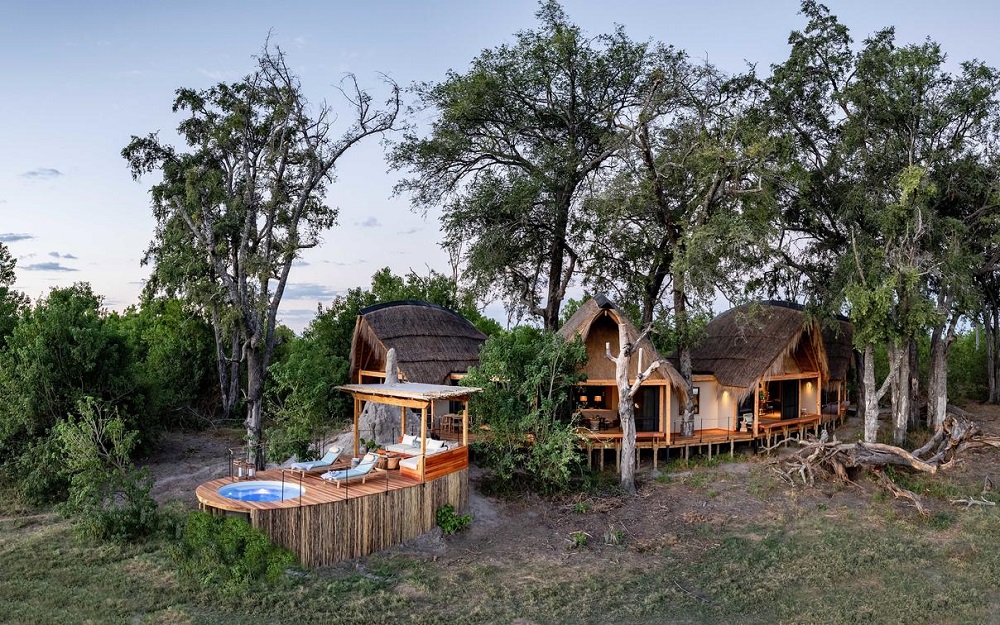
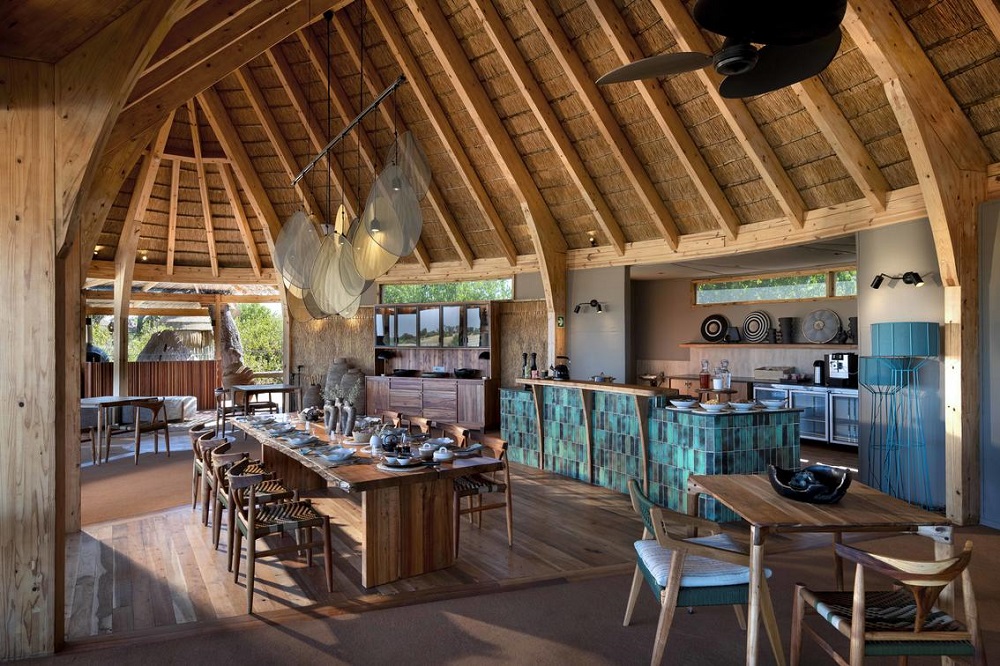
Tawana dining area and exterior suite photos courtesy Tawana

YOU MIGHT ALSO BE INTERESTED IN

Destinations
Zambia

10th September 2021

Chindeni and the Bushcamp Company, Zambia

By late July we found ourselves at Chindeni, a small Bushcamp Company property

Read more
Botswana
Destinations
Okavango Delta

3rd October 2022

Camp Okavango, Botswana

Camp Okavango is in the heart of the permanent part of the Delta. In this idyllic setting there are no vehicles, and it is just a short walk

Read more
Area
Destinations
Nyerere National Park
Ruaha
Tanzania

14th October 2023

From My Safari Notebook: Wildlife Photography

Birds in flight and wildlife photographers have an uneasy relationship. Things go wrong as often as they go right. Getting focus-lock on a moving subject

Read more

SUBSCRIBE TO OUR NEWSLETTER

READERS FAVOURITES

Destinations
India

27th May 2023

India

India’s tiger, mammals and birds.

Read more
Botswana
Destinations

4th August 2022

On Safari At Belmond Eagle Island Lodge, Okavango Delta

What is the ‘secret sauce’ for an unforgettable few days on safari in Botswana? It starts with the animals, of course. The elephants, lions, giraffes, hippos

Read more
Destinations
Zambia

10th September 2021

Chindeni and the Bushcamp Company, Zambia

By late July we found ourselves at Chindeni, a small Bushcamp Company property

Read more
  • Page 1
  • Page 2
  • Go to Next Page »

Footer

Design

  • About
  • Destinations
  • Blogs
  • FAQS
  • Team
  • Contact
All Rights Reserved ©Fish Eagle Safaris 2022 | Terms & Conditions | Privacy Policy
Designed & Developed by B Online

SUBSCRIBE TO OUR NEWSLETTER

SIGN-UP TO OUR NEWSLETTER

Subscribe Form

Footer Widget Header

Related Blogs