• Skip to primary navigation
  • Skip to main content
  • Skip to footer

Fish Eagle Safaris

Fish Eagle safaris

Contact

Logo
  • About
  • Destinations
  • Blogs
  • Newsletter
  • FAQS
  • Team
  • search
  • Contact
  • About
  • Destinations
  • Blogs
  • FAQS
  • Team
  • Contact

Kalahari

Exceptionally Good Botswana Green Season Game Viewing

3rd April 2026

Exceptionally Good Botswana Green Season Game Viewing

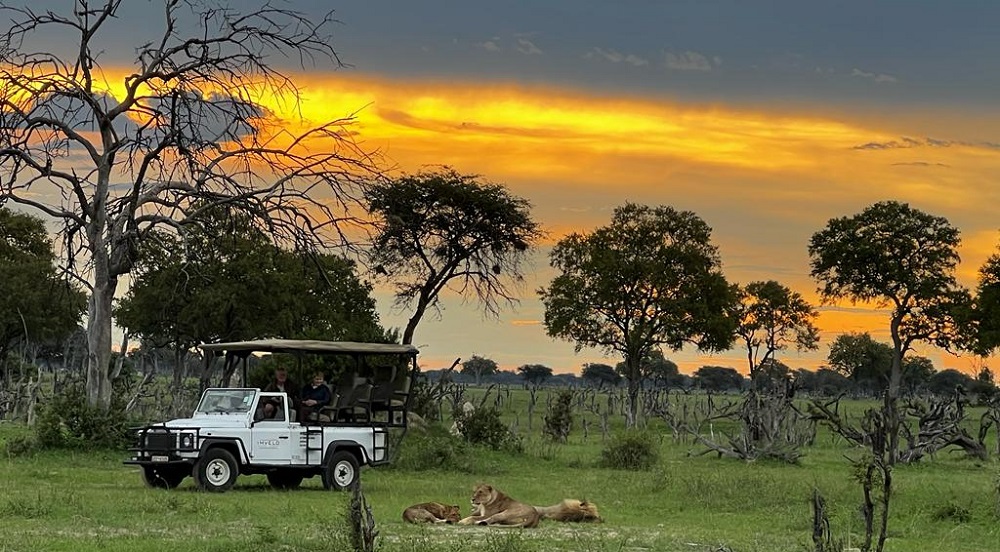
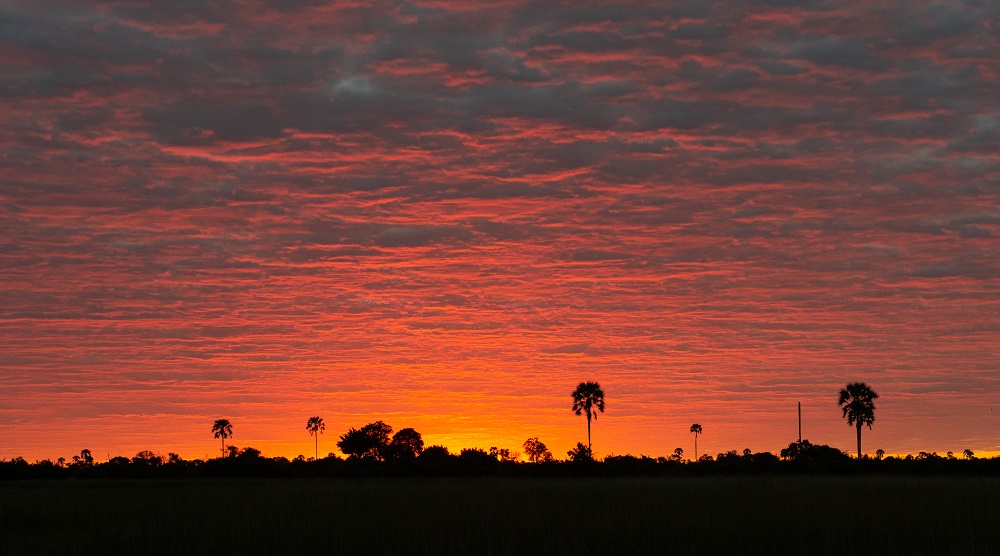
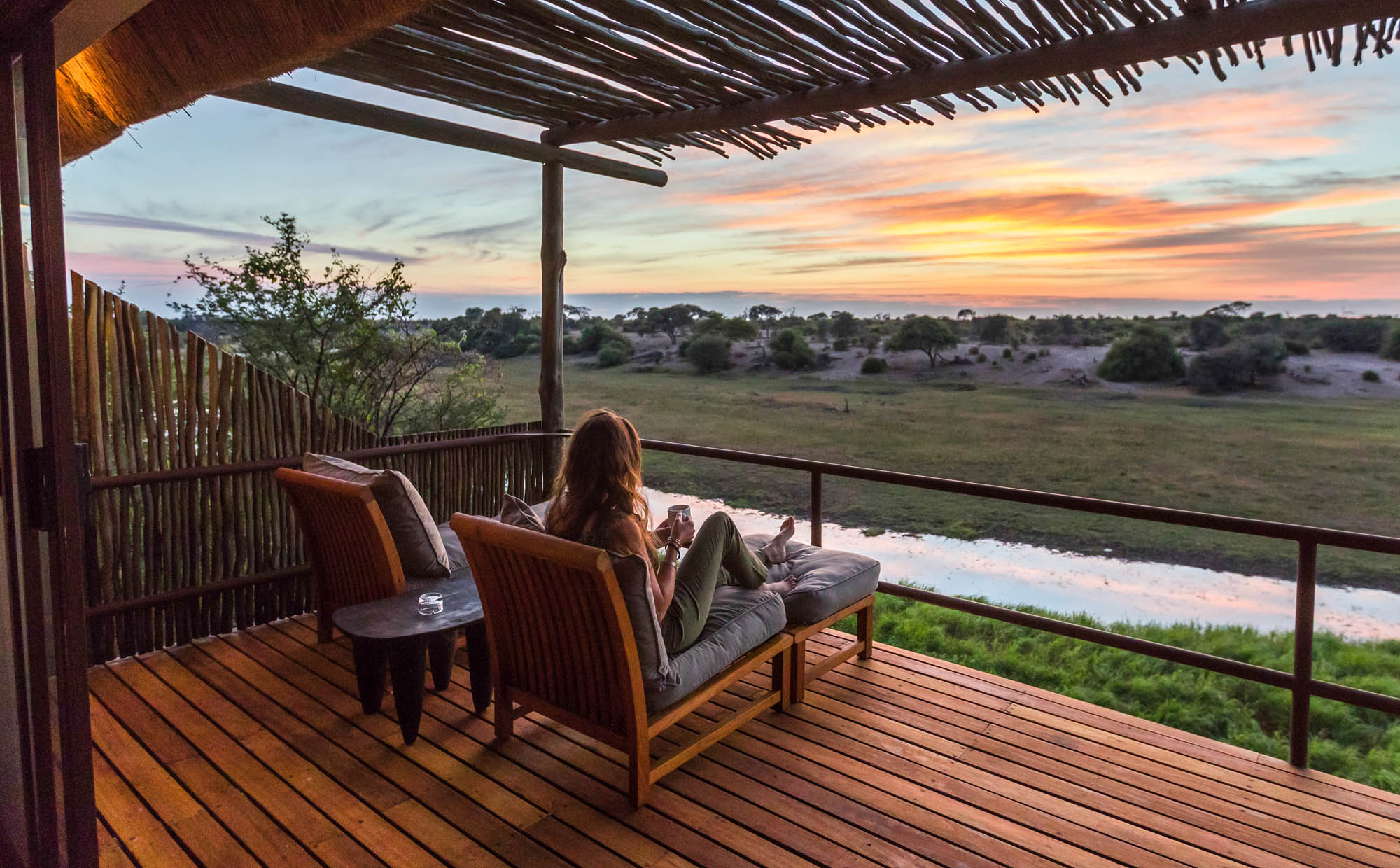
This year, just like in 2025 and the years before that, a handful of intrepid travelers followed our recommendation to embark on a green (low) season trip to Northern Botswana. There’s more than just one good reason for it. Right at the top – taking advantage of the considerably lower rates which can be as much as 50% below high season pricing. Beyond that, having fewer other travelers and vehicles around, observing lots of baby animals with predators on the prowl and a wealth of colorful birds in breeding plumage. Not enough? How about experiencing the most gorgeous of sunsets, with clouds adding an extra layer of complexity and drama to what is already a pretty spectacular daily event.  

Irrespective of the time of the year, a visit to Northern Botswana will take you right into the remote African bush, far from the rush and stress of daily life. A place where you can connect with nature at its most primal level, in a calm and safe setting. About as far away as you can get from our media-saturated, hyper-connected daily existence. 

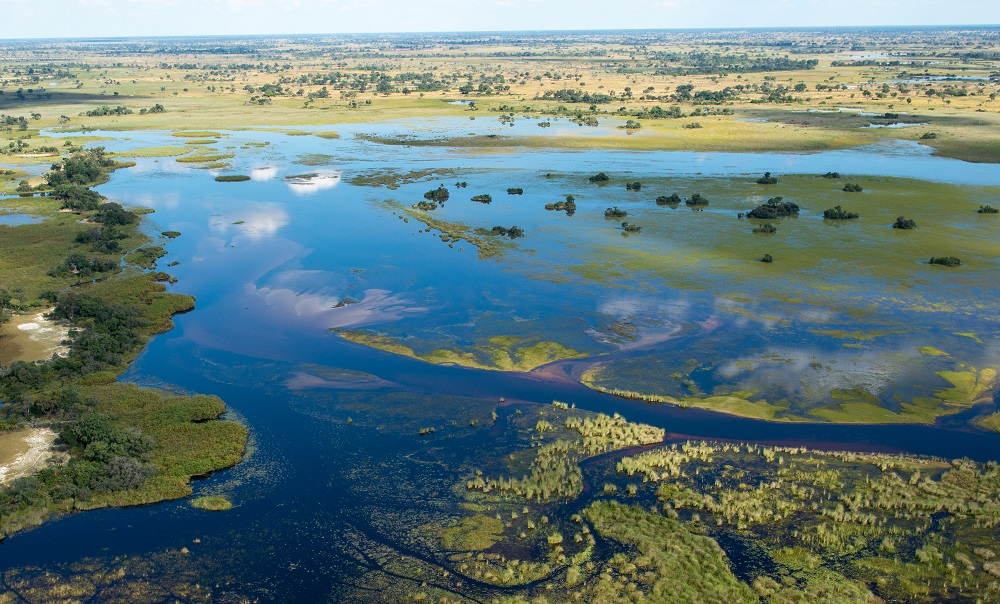
This season, to be sure, we were a little apprehensive about what lay ahead for our guests. Much of Southern Africa and notably northern Botswana had been receiving consistently good and well above average rainfall, resulting in some localized flooding such as in the Khwai area of Botswana. From the Makgadikgadi pans in the Kalahari to the floodplains of the Okavango Delta, the landscapes had turned green and lush, with stronger than usual inflow of water into the Delta expanding marshes and creating high water conditions resulting in re-opening and re-channeling waterways in sometimes unpredictable ways.  

While abundant rainfall is hugely beneficial in the long-term in the way of improving wildlife survival rates for the seasons to come, it is not always convenient for guests. Airstrips, roads and bridges are impacted, the size of  game drive areas temporarily shrink and some of the larger mammals like elephants and buffalo disperse. More predictably, vehicles get stuck or game drives have to be cut short in the event of a heavy downpour.

As it turned out, we need not have worried. There was seemingly little if any impact on the guest experience in Botswana. This became abundantly clear as we started getting the first reports back about guest experiences in March. Here are a few from Fish Eagle Safaris guests for whom we had designed trips making use of Kwando, Natural Selection and Brave Africa properties. 

A Kwando Safaris trip

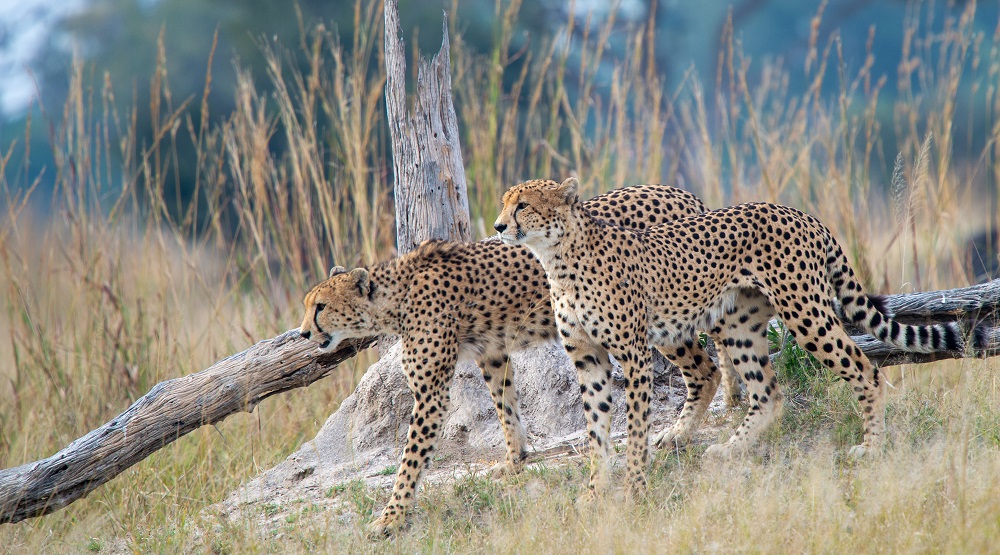
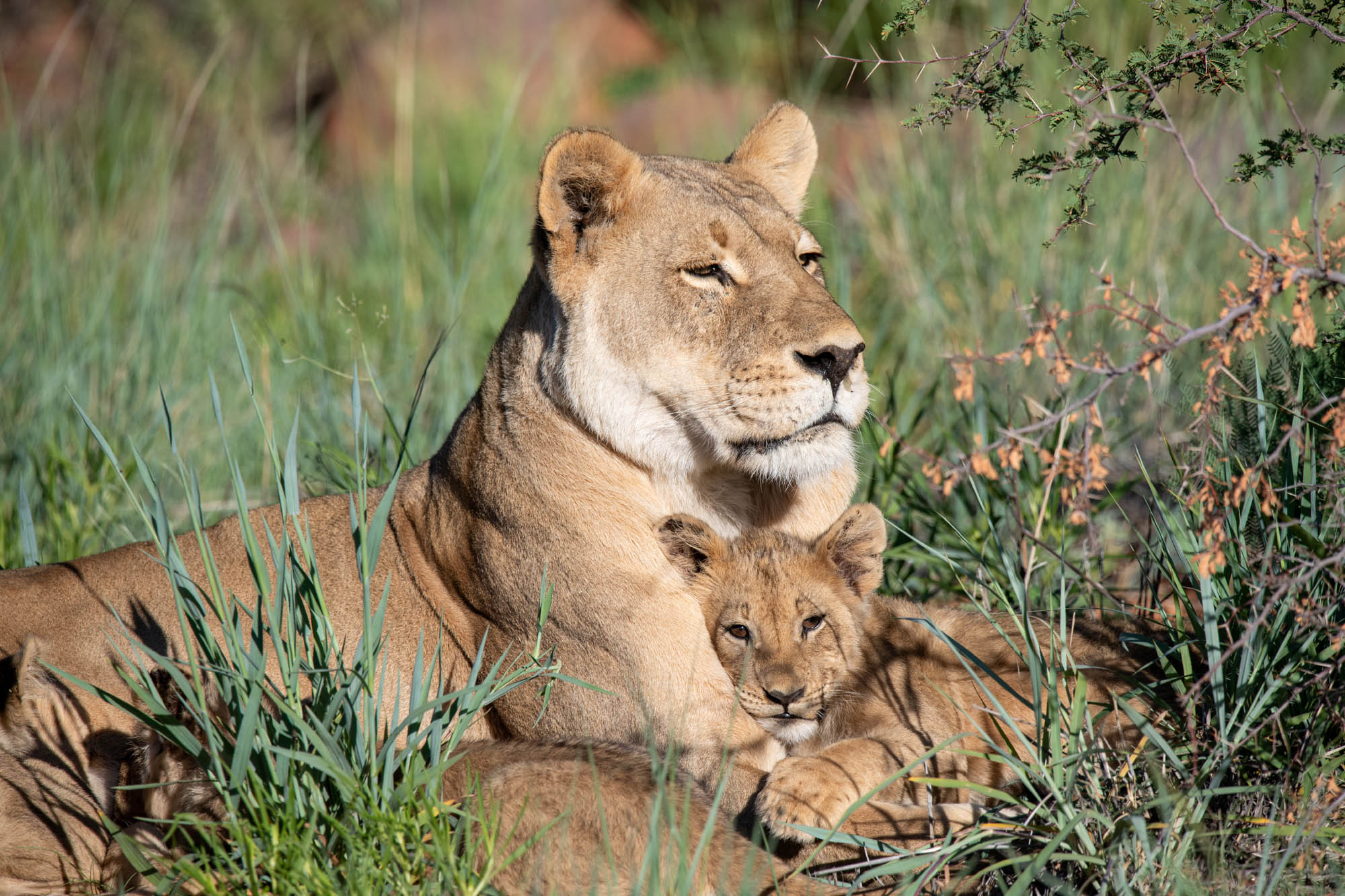
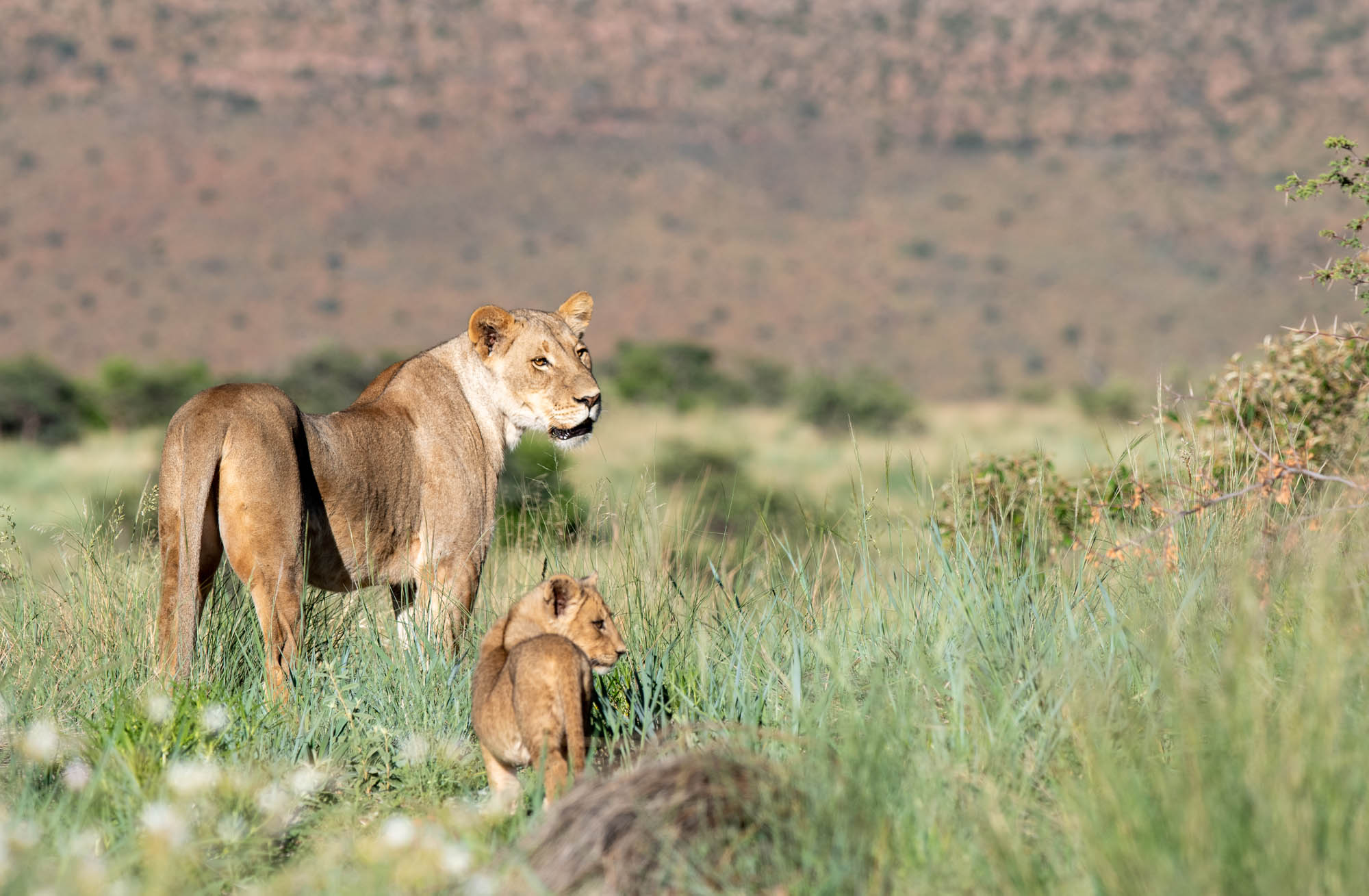
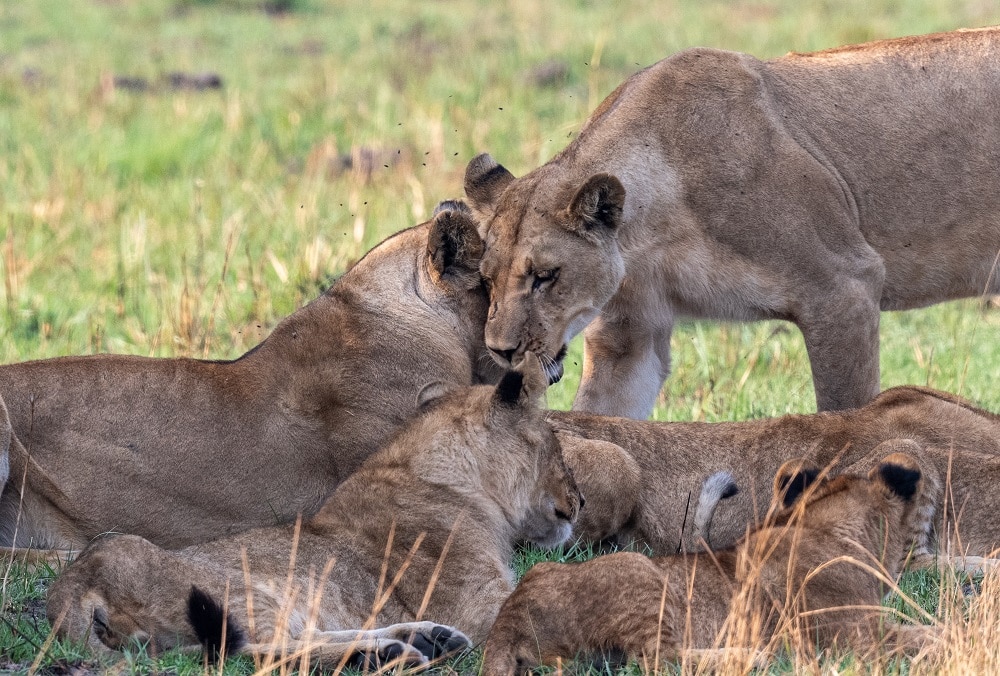
The guests started their trip at Lagoon Camp where they participated in game drives and a walking safari. They mentioned that they were hosted by Mr. T, who they described as very knowledgeable and passionate about his work. During their activities they saw hippos, a lioness with cubs, African painted dogs, elephants and giraffes. They were especially pleased to see a cheetah that had killed an impala and was feeding on it. They also commented that the staff were very friendly and that they thoroughly enjoyed the food and overall hospitality at the camp.

At Mma Dinare their guide and tracker were Skills and TT. The guests had an incredible sighting where they witnessed nine lions bringing down a buffalo. In addition to this highlight, they also saw leopards, giraffes, elephants and various antelope species during their game drives and mokoro excursions. They mentioned that the food was great and that Mma Dinare ended up being their favorite camp of the trip.

At 4 Rivers the guests said they had a great stay. During their time there they witnessed lions feeding on an impala and also saw hyenas, elephants and a variety of birdlife including an owl. They once again mentioned that the staff were very friendly, the food was excellent, and they thoroughly enjoyed their time at the camp.
A Natural Selection Safaris experience

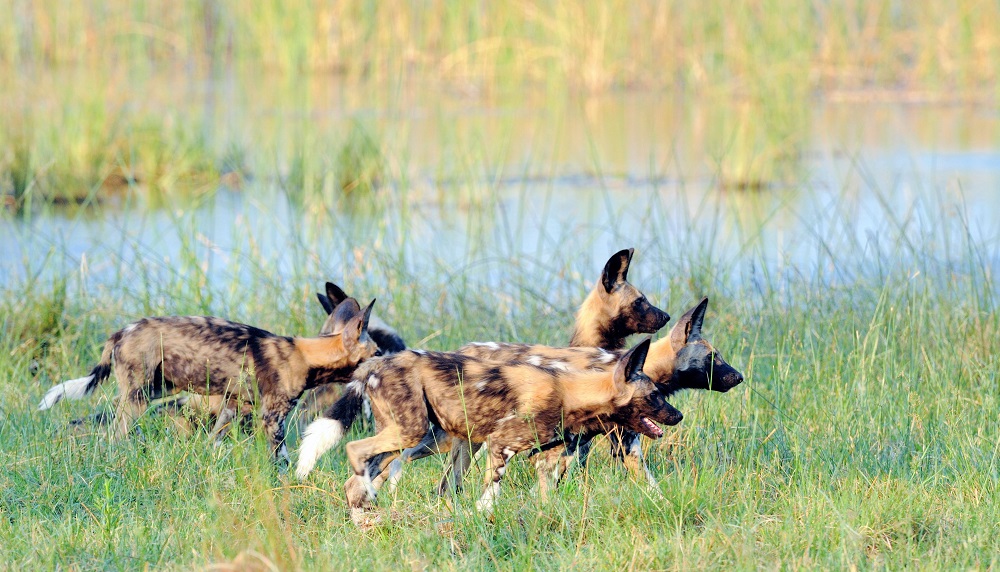
The guests had a wonderful stay at Duke’s Camp, where they enjoyed both game drives and mokoro excursions. They were fortunate to see an impressive range of wildlife including lions, red lechwe, kudu, impala, giraffe, elephants and African painted dogs. They described the camp as very beautiful, with great food and exceptionally friendly and accommodating staff, making their stay very enjoyable.

At Mokolwane Camp, they found the camp to be calm and more basic in style, however they were highly impressed with the quality of game viewing, noting it as the strongest of all three properties visited. During their drives, they witnessed a pack of ten African painted dogs hunting and successfully killing an impala, as well as lions playing with their cubs, a leopard in a tree, and sightings of giraffes, elephants, antelope, birds and buffalo. They also praised the delicious food and attentive care from the staff.

At Little Sable, they experienced a water-rich environment and enjoyed both game drives and a boat cruise. During these activities, they saw hippos, zebras, and a variety of birdlife. They spoke positively about the camp overall, highlighting the good staff, food, and service. They also particularly enjoyed the Khwai Ranger experience, mentioning that it was well positioned within their itinerary and added great value to their trip.

On safari with Brave Africa

The guests shared that they spent six nights with Brave Africa Safaris, which they described as a truly lovely experience. They participated in game drives and were fortunate to witness a pack of 17 African painted dogs bringing down an impala, followed by four hyenas attempting unsuccessfully to steal the kill. Additional sightings included cheetahs, leopards, buffalo, elephants, antelopes and approximately 120 bird species, which they found very impressive. They particularly enjoyed their final evening, where they sang and danced with the staff during a delightful soirée. The clients praised the food, accommodation and overall experience, noting that everything was excellent. They also expressed appreciation for arranging a helicopter transfer instead of flying with Mack Air, highlighting it as a smooth and enjoyable experience. Overall, they thoroughly enjoyed their safari.

For visitors looking for absolutely the best value, a Botswana green season safari has that and much more:  

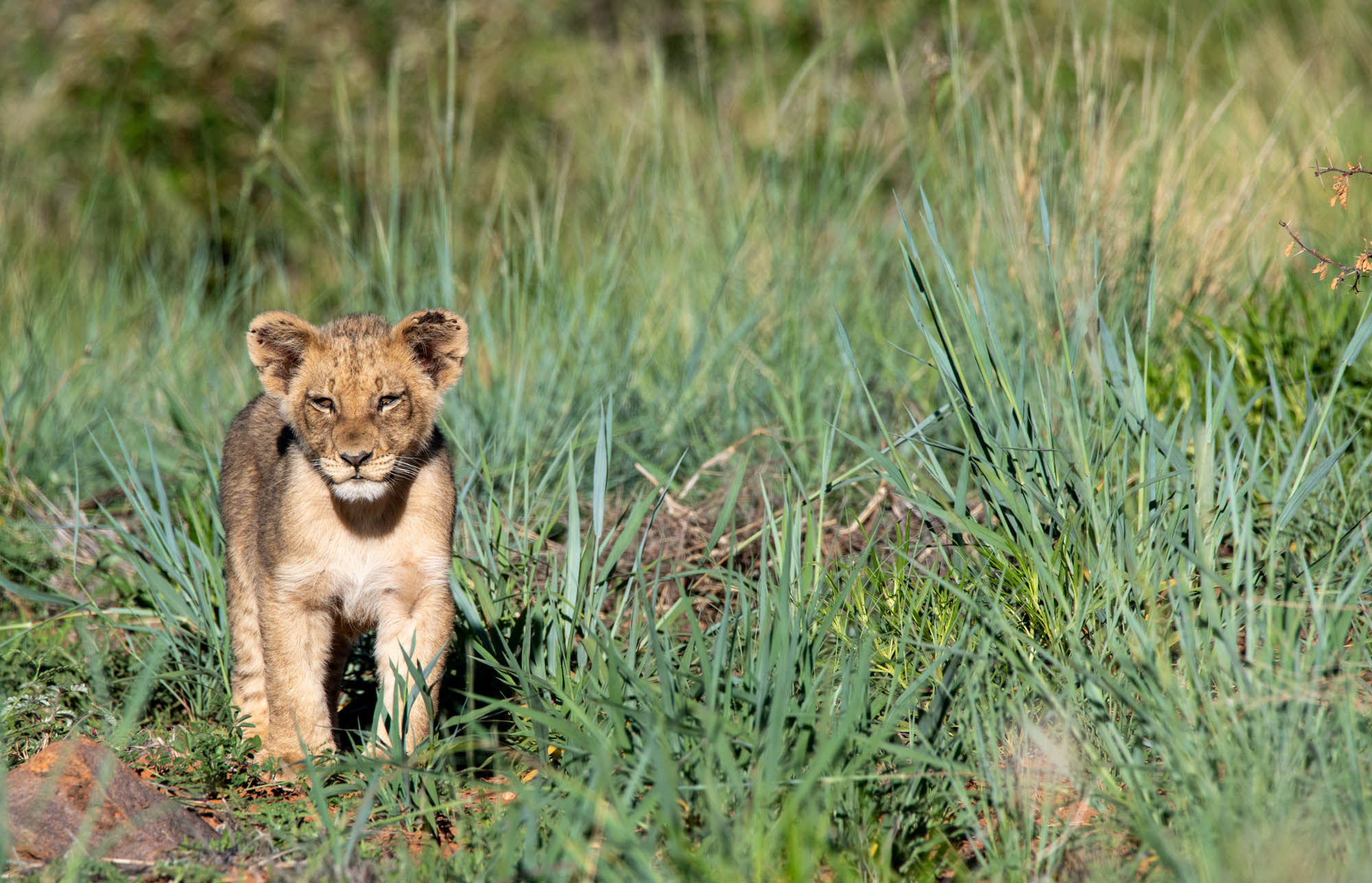
  • Coming right after the short calving season when thousands of new impala lambs see the light of day for the first time, the months of January through March are all about “babies and predators” with vulnerable young animals attracting attention from lions, leopards, and cheetahs. On the bench – African painted dogs, spotted hyenas and blackbacked jackals. Even chacma baboons will occasionally grab a hapless baby impala. 
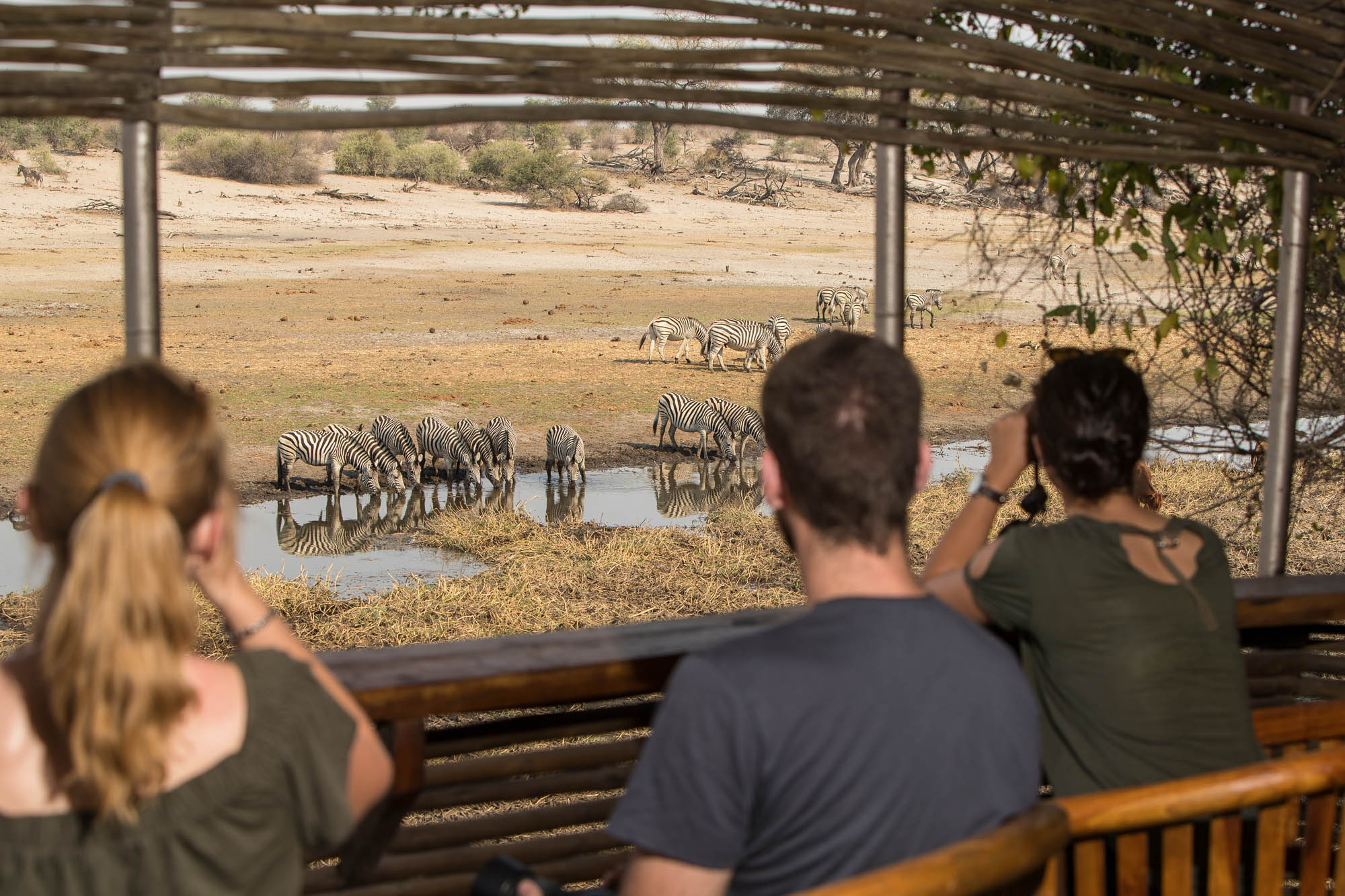
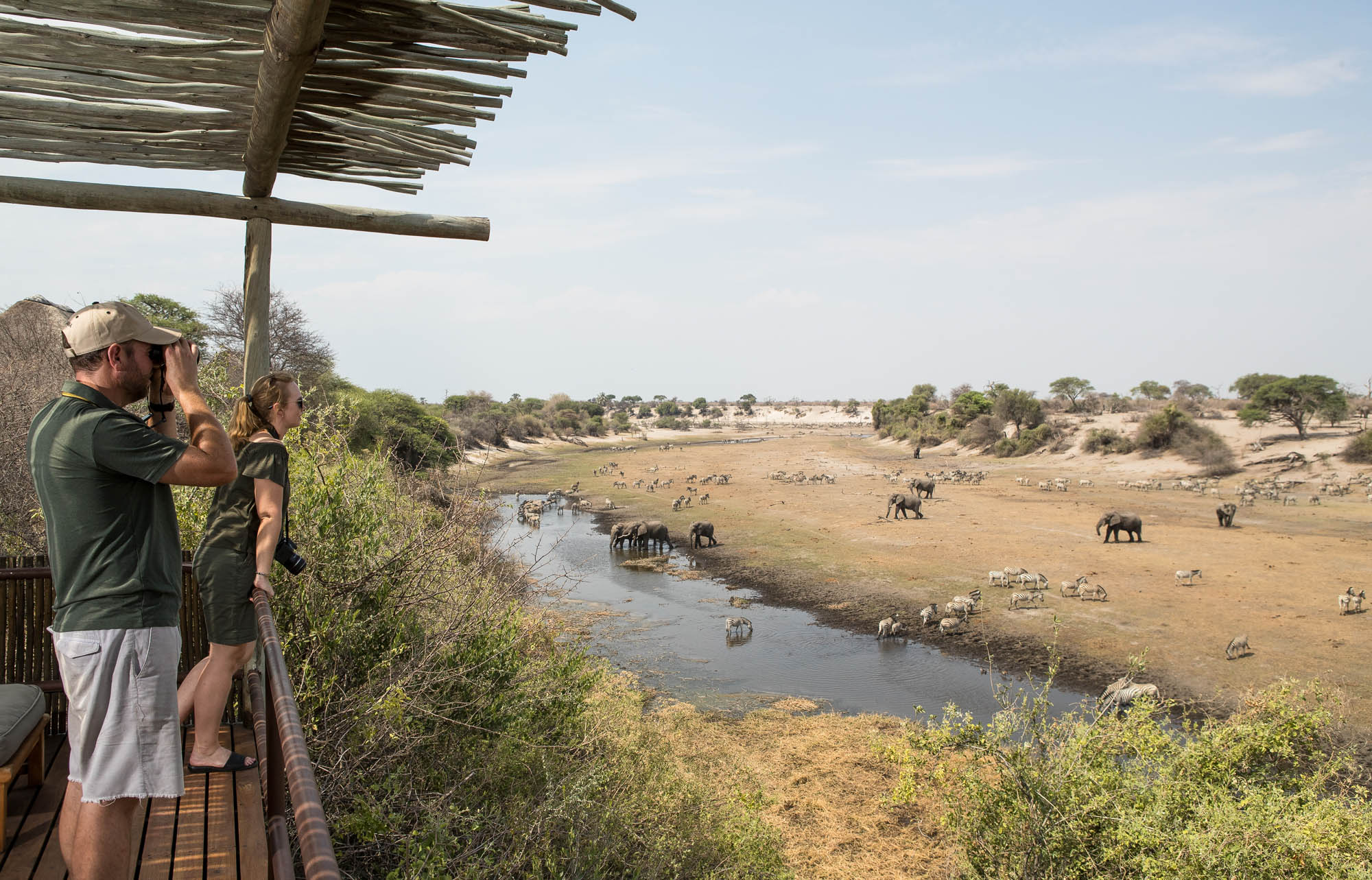
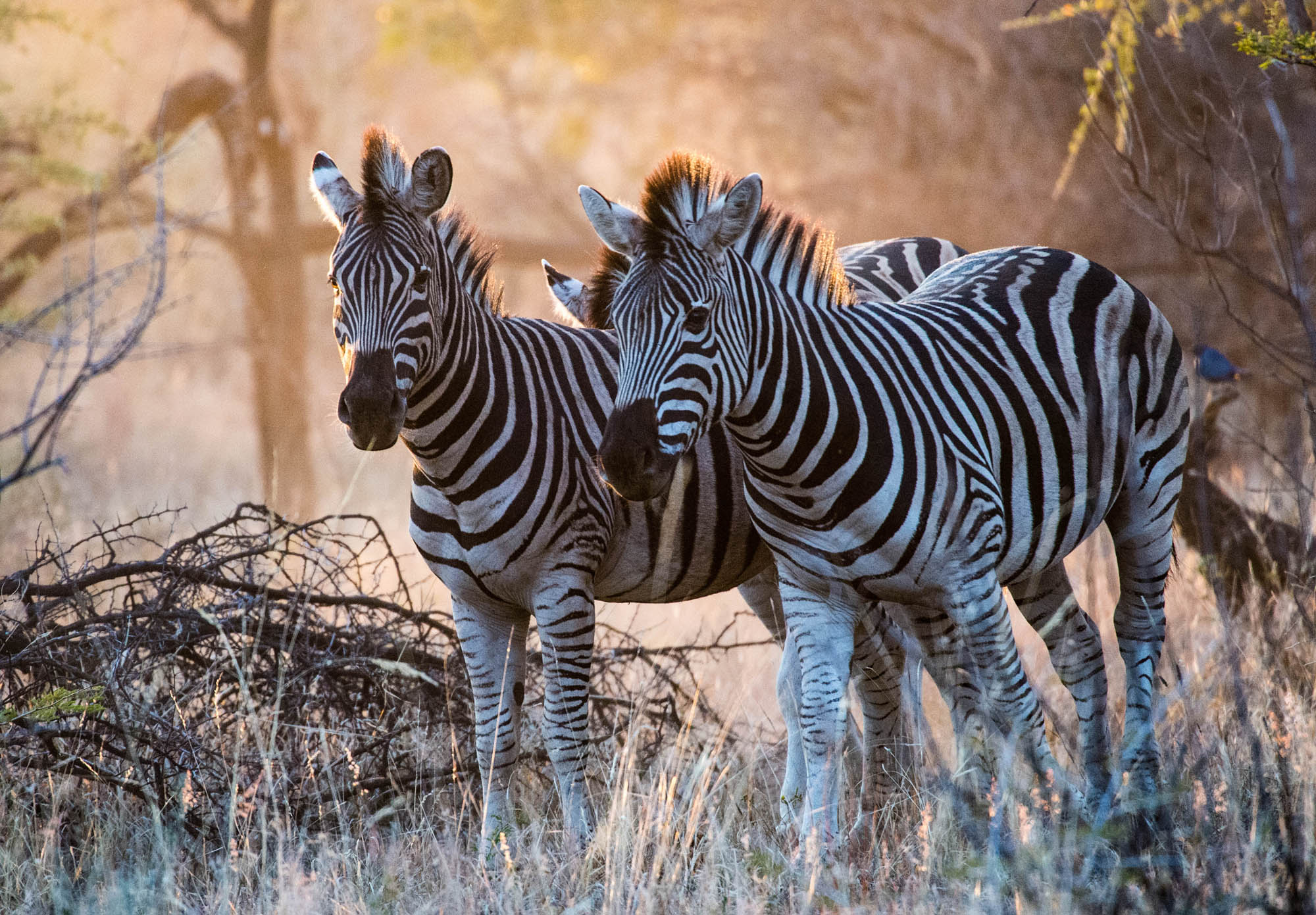
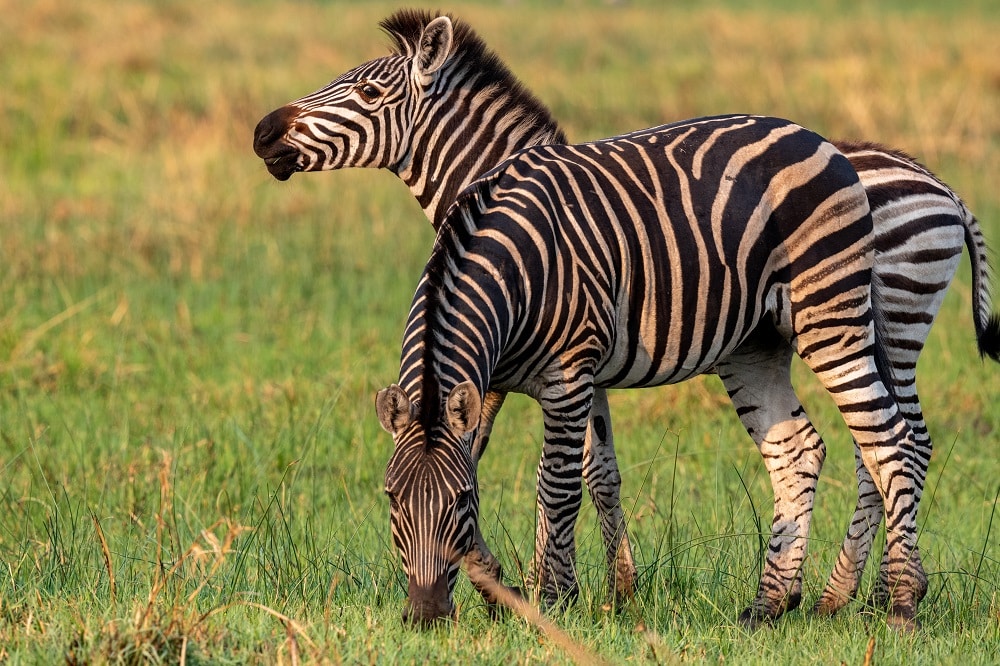
  • The zebra migration: while the Okavango Delta is lush and green in the late summer months, Kalahari areas like Nxai Pan and Makgadikgadi experience an influx of thousands of zebras, offering spectacular sightings away from the usual crowds.
  • Optimal photography: the Green Season is synonymous with epically dramatic sunsets, with afternoon thunderstorms creating drama and stunning ‘storm’ light conditions. Even when the skies are clear the vibrant emerald backdrops make colors pop in a way the desiccated, brown dry season cannot match.

So dust off your lenses, send in the big camera for service – or upgrade your smartphone for the one with the most advanced new photography features. And then call us at 1-800-513-5222 or email me at bert@fisheaglesafaris.com or Lyndon at lyndon@fisheaglesafaris.com, to help you arrange your first or your next trip to Botswana.  

YOU MIGHT ALSO BE INTERESTED IN
Destinations
Zambia

10th September 2021

Chindeni and the Bushcamp Company, Zambia

By late July we found ourselves at Chindeni, a small Bushcamp Company property
Read more
Botswana
Destinations
Okavango Delta

3rd October 2022

Camp Okavango, Botswana

Camp Okavango is in the heart of the permanent part of the Delta. In this idyllic setting there are no vehicles, and it is just a short walk
Read more
Area
Destinations
Nyerere National Park
Ruaha
Tanzania

14th October 2023

From My Safari Notebook: Wildlife Photography

Birds in flight and wildlife photographers have an uneasy relationship. Things go wrong as often as they go right. Getting focus-lock on a moving subject

Read more

SUBSCRIBE TO OUR NEWSLETTER

READERS FAVOURITES
Destinations
India

27th May 2023

India

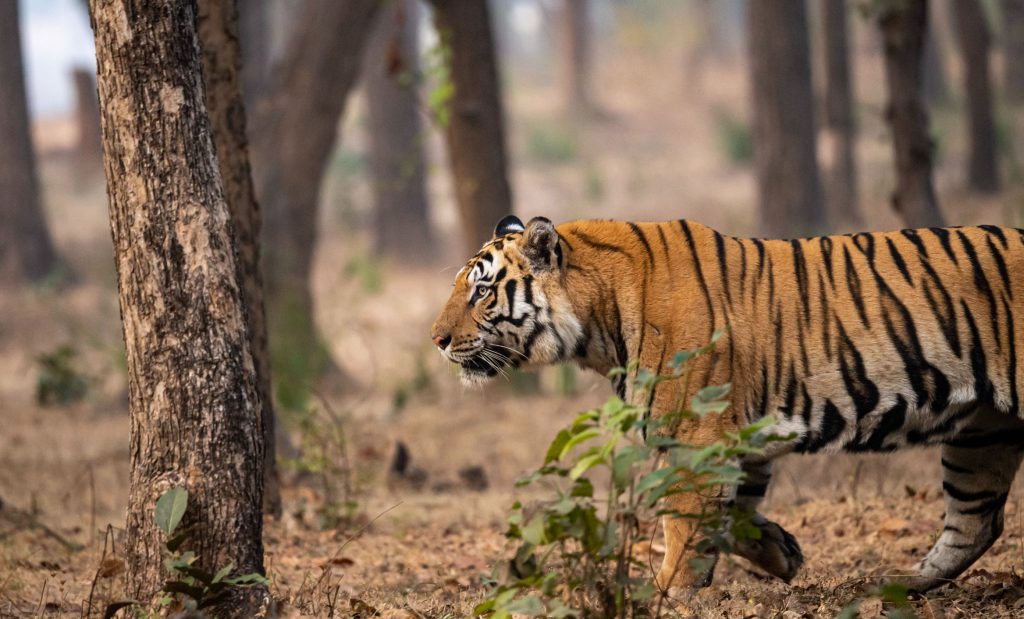
India’s tiger, mammals and birds.

Read more
Botswana
Destinations

4th August 2022

On Safari At Belmond Eagle Island Lodge, Okavango Delta

What is the ‘secret sauce’ for an unforgettable few days on safari in Botswana? It starts with the animals, of course. The elephants, lions, giraffes, hippos

Read more
Destinations
Zambia

10th September 2021

Chindeni and the Bushcamp Company, Zambia

By late July we found ourselves at Chindeni, a small Bushcamp Company property

Read more

Botswana’s Okavango Delta & Central Kalahari – March 2025 – Part 1

24th May 2025

Botswana’s Okavango Delta & Central Kalahari – March 2025 – Part 1 

Fish Eagle Safaris’ Lyndon Duplessis recently visited several Botswana properties on an educational trip; here is his report:

“March is typically as early in the year as you can head to Botswana and still have a really good experience. The rainy season is just about over (but you’re still likely to experience a few thunderstorms and showers), the grass is green and the animals look healthy. That same grass, if the rains were particularly good, can be a bit on the tall side and that was definitely the case this year. Botswana received a copious amount of rain. Ask anyone in Botswana and they will say that is a good thing. Their currency, the Pula, literally means rain. And they say “pula,” their version of cheers, when they toast a drink. Having said that, it does present some challenges. That nice looking green grass can obscure some of the smaller mammals and make them more difficult to see. The abundance of water – everywhere – tends to disperse the animals who might otherwise have to gather around remaining sources during the dryer months. The good news? All the animals are still around, you just have to work a bit harder to see them and get a little bit lucky. During the course of a full length safari (6 to 9 nights), we like your odds and this trip backed up that sentiment.

Gomoti Plains

My first stop was Machaba Safaris’ Gomoti Plains Camp. I had heard a lot of good things about this camp and the area that it was in. The part of the Okavango Delta the camp is located in has become a hotbed for animal sightings and action in general. It did not disappoint during my all too brief 2-night stay. The camp itself is classic level with plenty of comfort and space but nothing over the top. The staff to guest ratio felt very high to me and everyone was friendly and helpful. Our guide Carl was excellent and the food was delicious.

At one point on a drive my allergies started acting up due to the grass but luckily I had some allergy medication I took which cleared them up in a timely manner. If you are headed to Botswana early in the year this is definitely something you should bring with you. As well as a buff and some eyewear to protect your face from any grass seeds the vehicle kicks up.

The wildlife viewing was a bit tough to come by but we did, thanks to our guide, get some good views of lions. Once during the day hiding under some thick bushes and then again during an after dinner night drive. In fact we saw a large pride of at least 10 lions on the move and hunting. We kept up briefly but they seemingly vanished into the tall grass. General plains game species such as giraffes, zebras and various antelopes were not hard to find.  

One interesting tidbit I overheard was that a couple of the guests were visiting this camp for the 5th time. I think that is no accident and a very good indicator of the quality of service and the amount of animals in the area. Our guide said as the year moves on the animals flock to the river and become very easy to observe.

Kwando 4 Rivers

If two nights at Gomoti were too short a stay then the one night I got to spend at Kwando 4 Rivers was really quite tragic. But it can be difficult to balance seeing new camps with a tight schedule, so in this case, I had to settle for what I could get. I really like the location of this camp with the large main area overlooking permanent water. There is no boating here but mokoro can be done year round. The rooms were impressive and very spacious.

The grass here was even taller than at Gomoti so when we heard that a lion had been spotted a little ways away – but we had to go off road most of the way to get there before sunset – we knew it was going to be an adventure. It was bumpy and the grass was flying everywhere. The occasional log or channel of water slowed us down from time to time but we got there and got to see two female lions with 6 cubs on a kill and then the cubs started suckling from the mothers. Just a fantastic sighting. The only bad news was that we had to make the whole trek back to camp before we ran out of daylight. Oh well – it was very much worth the effort.

A couple of things that Kwando does that not everyone else does; they have a guide and a spotter on their game drives and they have communal dinners. We like both and feel like they add to the safari experience.

Dinaka

It was now time for my trip with Ker and Downey Botswana to start. First up, after meeting all of my fellow travel companions at the airport, was Dinaka Camp, located just about a 25-minute flight from Maun on a large private conservancy north of the Central Kalahari Game Reserve. I was anxious to get a look.

Just like the rest of northern Botswana there had been good rains earlier in the year so the landscape was not what you might expect of the Kalahari. Trees, grass, plants and flowers were everywhere looking very healthy and vibrant. There was a great abundance of butterflies and the plains animals looked to be in great shape. We got to see some action right out of the gate on our evening game drive near the airstrip. As we approached there were lions chasing a small herd of zebras in a cloud of dust. No kill but great to experience that excitement so early in our stay.

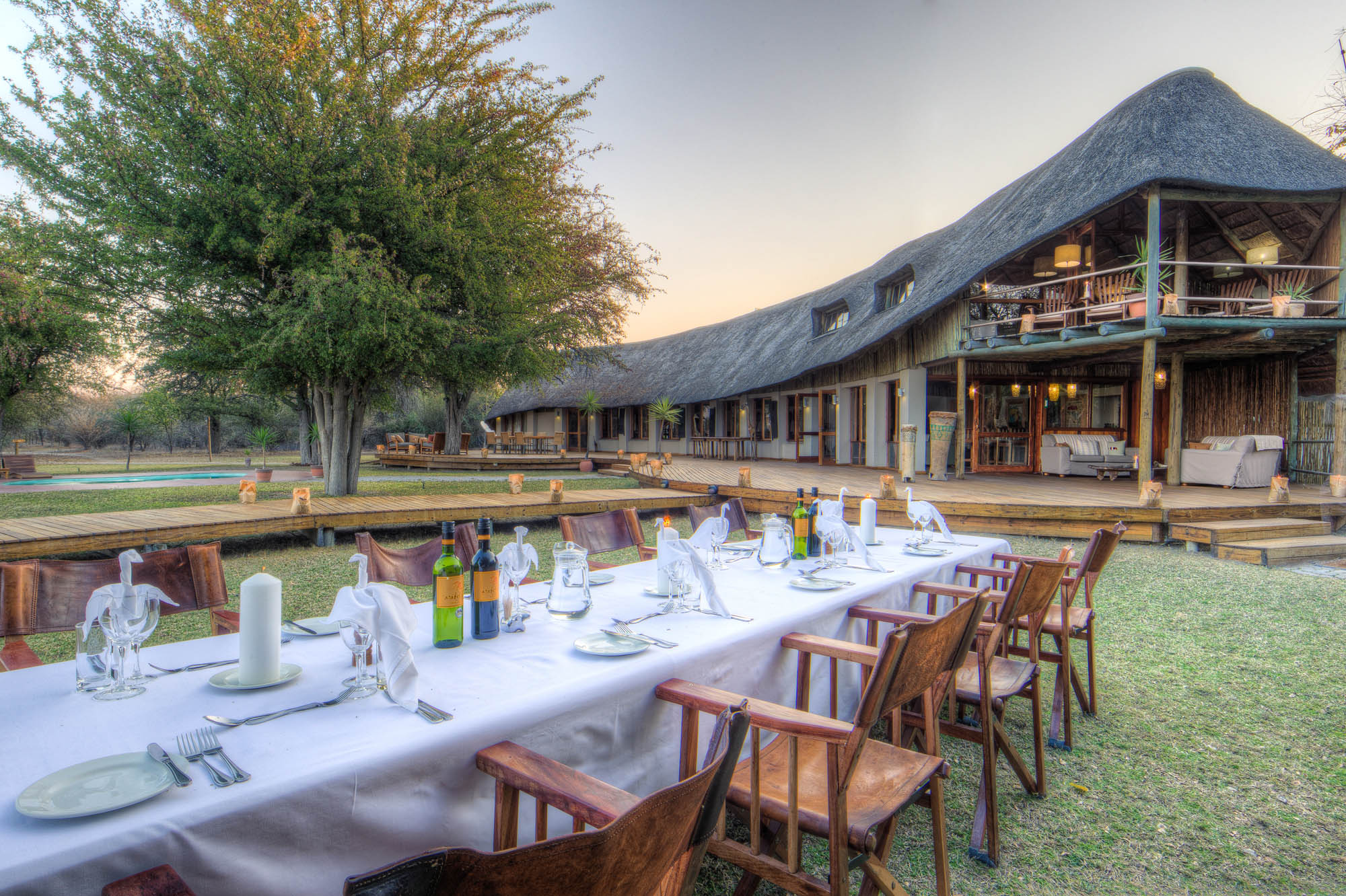
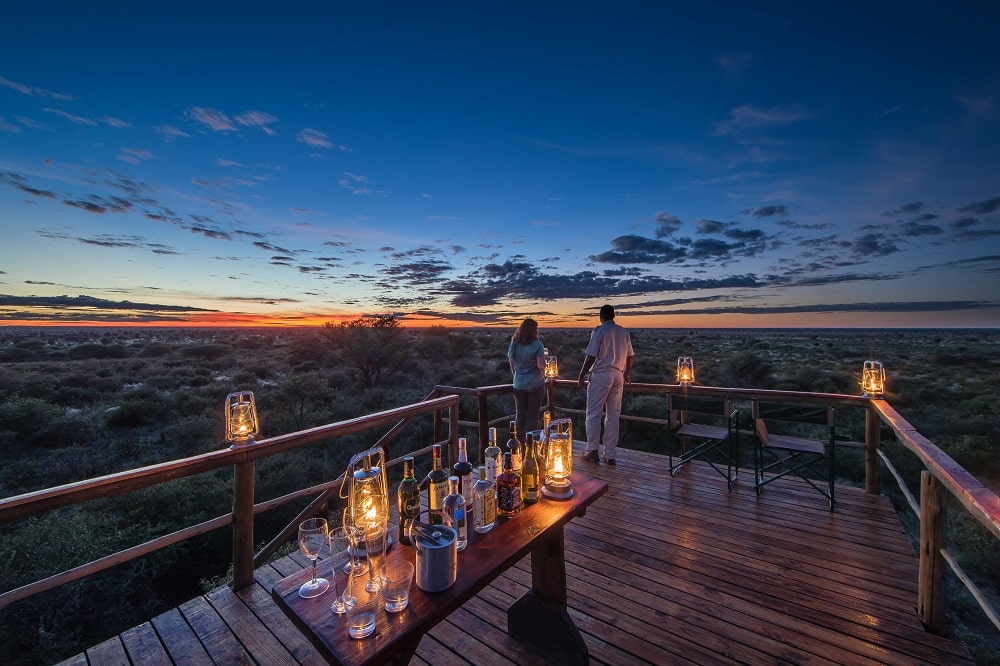
That evening we drove to a stargazing deck for our sundowner. From there you can see how expansive the conservancy is as you are surrounded by it. The sunset from there was also superb and of course you have a mobile bar and all the snacks you can shake a stick at. Not a bad start. A bit of a curiosity on the night drive back to camp – our vehicle spotted a Kalahari mole rat. We were told it was an extremely rare sighting. Now you know.  

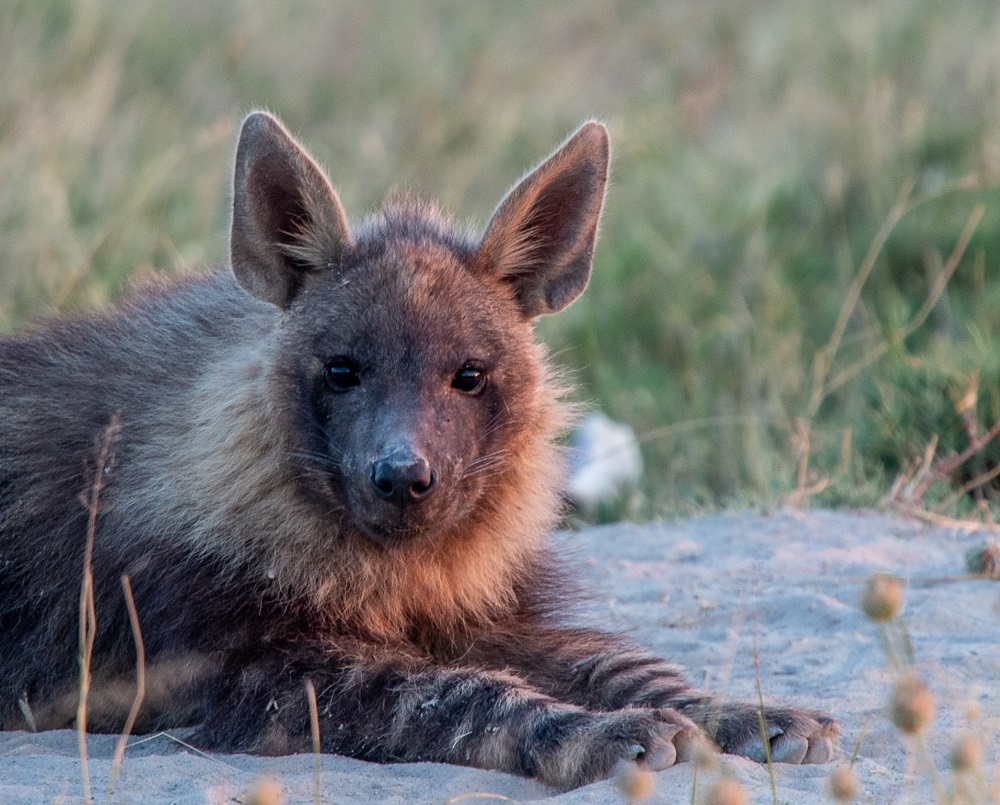
We stayed around the campfire after dinner taking advantage of the lit watering hole by the main area. Over the course of the night we saw a leopard, followed by a brown hyena, finally followed by a quick moving honey badger. Well worth a late night.

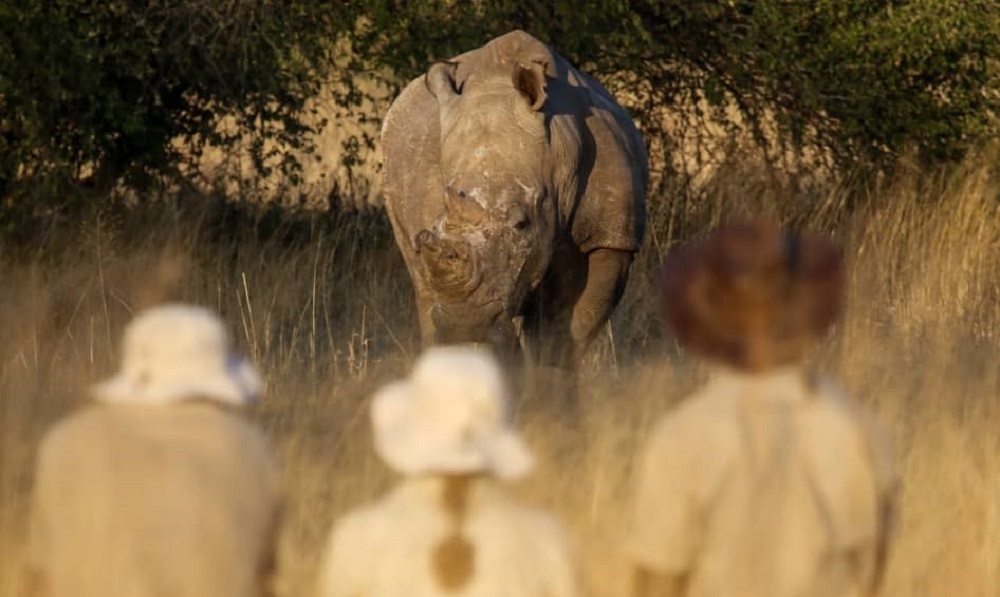
Some additional highlights at Dinaka include seeing the 4 or 5 white rhino which are located on the property. Our guides did a wonderful job tracking them through the tall grass. It actually looks like a motorcycle drove through the grass where they had been. The camp also has numerous hides located across the property which offer wonderful photographic opportunities. The second night we got to experience some lions roaring right next to our vehicle. And the staff was wonderful and quite talented as far as singing goes. I think this camp really jumped off the page for me and I would highly recommend you check it out.”

If you are up for a last-minute trip to Botswana or thinking ahead for 2026 or even 2027, by all means reach out to Lyndon at lyndon@fisheaglesafaris.com. He’d be happy to respond by email or arrange a Zoom meeting for you to be introduced to a couple of the members of our team. There’s nothing we like more than talking about Africa and finding out more about exactly what kind of a trip you might have in mind. We can also be reached by phone at 713-467-5222 or 1-800-513-5222 any time of the day and weekends. Please leave a message with the answering service and one of us will get back to you promptly. 

Lodge photos courtesy Gomoti Plains and Danaka

YOU MIGHT ALSO BE INTERESTED IN

Destinations
Zambia

10th September 2021

Chindeni and the Bushcamp Company, Zambia

By late July we found ourselves at Chindeni, a small Bushcamp Company property

Read more
Botswana
Destinations
Okavango Delta

3rd October 2022

Camp Okavango, Botswana

Camp Okavango is in the heart of the permanent part of the Delta. In this idyllic setting there are no vehicles, and it is just a short walk

Read more
Area
Destinations
Nyerere National Park
Ruaha
Tanzania

14th October 2023

From My Safari Notebook: Wildlife Photography

Birds in flight and wildlife photographers have an uneasy relationship. Things go wrong as often as they go right. Getting focus-lock on a moving subject

Read more

SUBSCRIBE TO OUR NEWSLETTER

READERS FAVOURITES
Destinations
India

27th May 2023

India

India’s tiger, mammals and birds.

Read more
Botswana
Destinations

4th August 2022

On Safari At Belmond Eagle Island Lodge, Okavango Delta

What is the ‘secret sauce’ for an unforgettable few days on safari in Botswana? It starts with the animals, of course. The elephants, lions, giraffes, hippos

Read more
Destinations
Zambia

10th September 2021

Chindeni and the Bushcamp Company, Zambia

By late July we found ourselves at Chindeni, a small Bushcamp Company property
Read more

Zimbabwe & Botswana special offers – low-demand season 2023-2024

12th October 2023

Zimbabwe & Botswana low-demand season special offers – 2023/2024

We’ve got several special offers available for the coming low-demand season in both Zimbabwe and Botswana. The specials are available for a range of properties in both countries, from December (in some instances November 2023) through to March and April 2024. For a few camps the discounts extend right until the end of May. 

Zimbabwe

The best all around deals are available for the Imvelo Safaris camps in Hwange – namely Camelthorn, Bomani, Nehimba and Jozibanini. Here’s the lowdown:  

*Stay three nights/Pay two nights.
*Stay seven nights/Pay five nights.
*Children 18 and under stay free when sharing with an adult. Up to two children per adult. 
*No single supplement. 
*A free private vehicle will be included for groups of four or more.

Add a couple of nights in Victoria Falls, put it all together and you’re looking at a nine night/ten day fly-in safari at a price of around $5,200 per person sharing, with three nights at Nehimba and four at Bomani, and two nights at Pioneers Lodge in Victoria Falls.  

This price is valid for 1 January 2024 to 30 April 2024, and from 1 December 2024 to 31 December 2024. The rates will be extended to 31 May 2024 at Camelthorn and Nehimba, and to 31 July 2024 at Jozibanini.

What is included:

*2 nights in Victoria Falls on bed & breakfast basis
*7 nights on safari at two safari camps in central and southern Hwange
*All meals, soft drinks, beers, wines & local spirits on safari
*Bed & breakfast accommodation in Victoria Falls
*Laundry included at safari camps
*All road transfers and two scheduled light air transfers from and back to Victoria Falls  
*A sundowner cruise on the Zambezi
*A private guided tour of Victoria Falls
*Twice daily game viewing activities at both safari properties
*A Ngamo community experience, a Community Rhino Conservation Initiative (CRCI) talk and rhino viewing at Bomani and Camelthorn

Excluded:

*Gratuities
*Hwange National Park entry fee of $20.00 per person per day 
*Rhino Conservation and Community Levy – $150 per person
*Commercial flights from the USA to and back from VFA (Victoria Falls, Zimbabwe).

Safari notes:

*The CRCI rhino sanctuary has become an incredible guest experience at Bomani and Camelthorn and is available year-round.
*Mack Air has economical charter flight rates into and out of Hwange year-round (including the low demand season), which makes getting around a lot easier and more affordable than private charters.

About Hwange

Hwange National park is Zimbabwe’s premier wildlife destination. This huge national park is one of the most important elephant sanctuaries in Africa, with as many as 40,000 elephants resident in the greater Hwange area. We always include at least one Hwange property (mostly tented but not exclusively so) in an itinerary, often two. In addition to the elephants, Hwange has good populations of buffalo, giraffe, eland (largest antelope in Africa), zebra, wildebeest, and a variety of predators including lions, cheetahs, leopards and African painted dogs.

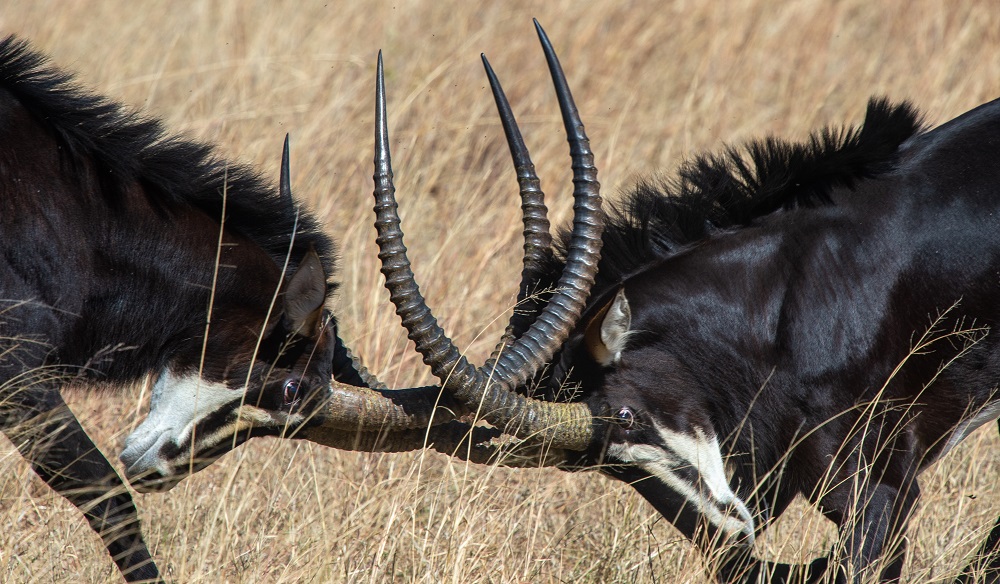
The safari experience in Hwange is very much like in South Africa, Botswana or for that matter Kenya. One difference: Zimbabwe has a couple of very special antelope not generally seen elsewhere, namely the majestic sable antelope and the equally attractive roan antelope. Plus literally thousands of impala and various other smaller mammals. The birdlife is superb with many birds of prey and colorful bee-eaters, rollers, shrikes, and dozens of other birds. Hwange is also an exceptionally good place for walking safaris, under the safe and capable supervision of a professional Zimbabwe guide.

Botswana in summer

There are few destinations in Southern Africa with quite the same appeal as Botswana in the low-demand season from December through the end of March. Even in years of good rainfall – not likely to be the case this coming summer – the precipitation is relatively low, hardly ever more than four inches average per month.  Most importantly, no part of the region is subject to the torrential rainfall which all too frequently affects the South African lowveld area (including much of the Kruger Park), from January through March, caused by tropical cyclones.  

With some rain – and the cooling effect of the cloudy weather – northern Botswana and the Kalahari (though still warm to hot in the afternoons) are much more pleasant than in the months of October and November. With even limited rainfall, the dry, dusty veld conditions seemingly change overnight, bursting with bright green vegetation, flowers and rich colors.

Conditions are ideal for photography. Beautifully soft morning and afternoon light. Crisp, clean air with minimal haze, and absolutely gorgeous sunrises and sunsets, almost always with some clouds around for added drama and color. I took some of my best ever leopard photographs in the Jao concession in Northern Botswana in March some years ago. Likewise in the Kwara area and at Duba in the northern Okavango Delta on two other February/March trips. Leopards, cheetahs, African painted dogs, giraffes, zebras – in perfect light, game drive after game drive.    

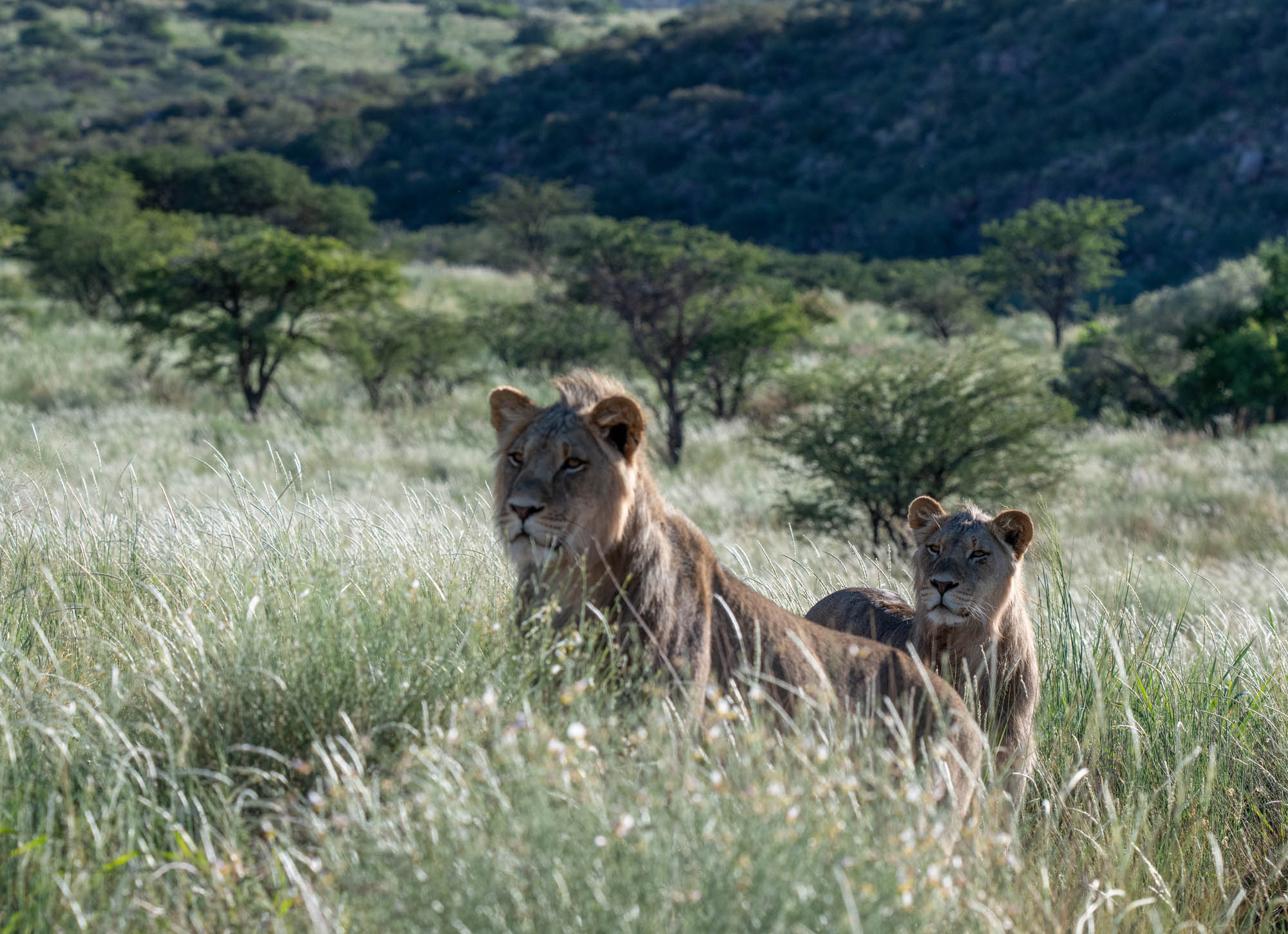
Include a few days in the Kalahari at Nxai Pan and discover an area simply teeming with life during the summer months when thousands of zebras migrate onto the open pans, in search of the fresh, emerging vegetation. Never too far behind? The impressive black-maned lions of the Kalahari and cheetahs clambering onto anthills or tree stumps on the lookout for springbok, steenbok or impala. In the summer months, there’s usually good numbers of big-tusked elephant bulls around, scattered groups of buffaloes and a variety of antelopes and abundant giraffes in the woodlands. On previous low-demand season trips to Northern Botswana we’ve gotten lucky with African painted dogs on several occasions, and there’s always a chance of seeing brown hyenas and African honey badgers.  

One of the best low-demand season offers for Botswana – available from January to March 2024 – is a “stay 8 nights, pay for 6 nights” deal from Desert & Delta at a price of less than $5,000 per person, including all internal charter flights from and back to Maun. The offer includes a 3-night stay at Leroo La Tau camp in the Kalahari. It is possible to include Chobe Game Lodge as well. This is what we would recommend:

*Two nights at Camp Okavango or Xugana Island Lodge. These typical Okavango Delta water camps offer the ultimate in relaxation in the heart of the Delta with unmatched walking, mokoro and boating activities.
*Three nights at Camp Moremi or Camp Xakanaxa. Here, on the edge of the Moremi Game reserve, guests can enjoy the perfect combination of prolific game viewing and motorized boat excursions into the Delta’s papyrus-choked channels exploring beautiful lagoons, small palm-fringed islands and patches of floodplain.
*Three nights at Leroo La Tau inclusive of a Nxai Pan day trip, a cultural experience and excellent photography opportunities along the Boteti River Valley.

This coming summer may be one of the best opportunities in many years to visit Botswana during the low demand season. With fewer travelers in the region, visitors will enjoy what is already a remote wilderness area, even more. For more details, please call our Houston office at 1-800-513-5222 during normal business hours, Monday to Friday, or email me at bert@fisheaglesafaris.com.

YOU MIGHT ALSO BE INTERESTED IN

Destinations
Zambia

10th September 2021

Chindeni and the Bushcamp Company, Zambia

By late July we found ourselves at Chindeni, a small Bushcamp Company property
Read more
Botswana
Destinations
Okavango Delta

3rd October 2022

Camp Okavango, Botswana

Camp Okavango is in the heart of the permanent part of the Delta. In this idyllic setting there are no vehicles, and it is just a short walk

Read more
Area
Destinations
Nyerere National Park
Ruaha
Tanzania

14th October 2023

From My Safari Notebook: Wildlife Photography

Birds in flight and wildlife photographers have an uneasy relationship. Things go wrong as often as they go right. Getting focus-lock on a moving subject

Read more

SUBSCRIBE TO OUR NEWSLETTER

READERS FAVOURITES

Destinations
India

27th May 2023

India

India’s tiger, mammals and birds.

Read more
Botswana
Destinations

4th August 2022

On Safari At Belmond Eagle Island Lodge, Okavango Delta

What is the ‘secret sauce’ for an unforgettable few days on safari in Botswana? It starts with the animals, of course. The elephants, lions, giraffes, hippos

Read more
Destinations
Zambia

10th September 2021

Chindeni and the Bushcamp Company, Zambia

By late July we found ourselves at Chindeni, a small Bushcamp Company property
Read more

Leroo La Tau and the Botswana Zebra Migration

15th October 2021

Leroo La Tau and the Botswana Zebra Migration


Image

Photo by Desert & Delta Safaris

Leroo La Tau and the Botswana Zebra Migration

Ask any African wildlife photographer about their favorite animal to photograph and you might be surprised to see how high zebras rank.  These peculiar white and black striped mammals are among the most recognizable and most photographed of African animals.  Get a few of them together in the same frame, add some action and maybe some dust for added drama – and let the fun begin.


Image

Photo by Desert & Delta Safaris

Few places in Africa are quite as well located as Leroo La Tau in central Botswana, to realize one’s ultimate zebra photography scenario.  The appeal of this Kalahari camp is closely intertwined with the enigmatic Boteti River which flows right below the camp.   As many as 30,000 zebras annually migrate between the Makgadikgadi Pans and the Okavango Delta, many passing through this area. In the dry season from about June through November the  Boteti is one of the only permanent water sources on their way, and acts like a magnet for thirsty zebras.


Image

Photo by Desert & Delta Safaris

Leroo La Tau is built on cliffs some thirty feet above the banks of the Boteti,  offering a vantage point over  the river and the Makgadikgadi Pans to the east.  The best place in camp to make the most of the zebra migration – and to capture photographs of all the other animals and birds attracted to the water – is the camp’s enclosed hide, from where you have an eye-level view across the Boteti.  A bunch of zebras all lining up to drink at the same time, two young stallions standing up on their hind legs, biting and kicking – the photo opportunities come hard and fast. 


Image

Photo by Desert & Delta Safaris

The Boteti River is the main outflow of the Okavango Delta, collecting the water that flows past Maun and from there it meanders about 150 miles to Lake Xau on the extreme south-western edge of the great Makgadikgadi salt pans.  While it is currently flowing, that wasn’t always the case.  For a period of about 20 years, ending in 2009, the Boteti had largely dried up,  with just a few waterholes in the riverbed which offered refuge to a small pod of landlocked hippos, together with some crocodiles which became completely terrestrial, making dens in riverbank ‘caves’ downriver from the lodge.


Image

For now, the river again provides a lifeline for the wide range of wildlife which inhabit the arid Makgadikgadi national park and is a critical link in the spectacular zebra migration.  From December through March – essentially the wet months in the Kalahari – the  zebras seek out the nutritious grasses surrounding the Makgadikgadi Pans.  During this time there is a shallow layer of water over the salt pans, which attract a large number of migrating birds such as flamingoes.  All the more reason to spend some time around the pans then.


Image

Photo by Desert & Delta Safaris

Around March or so – depending on the timing of the rain – the zebras edge towards the western edge of Makgadikgadi Pans National Park before setting off towards the Okavango Delta and  Moremi Game Reserve.  Their next stop:  the Boteti – and Leroo La Tau.   

On our most recent visit in July, we reached the camp after a flight of about 40 minutes (just slightly longer than the average Botswana light air transfer), followed by a 20-minute drive from the airstrip to the camp.  


Image

Photo by Desert & Delta Safaris

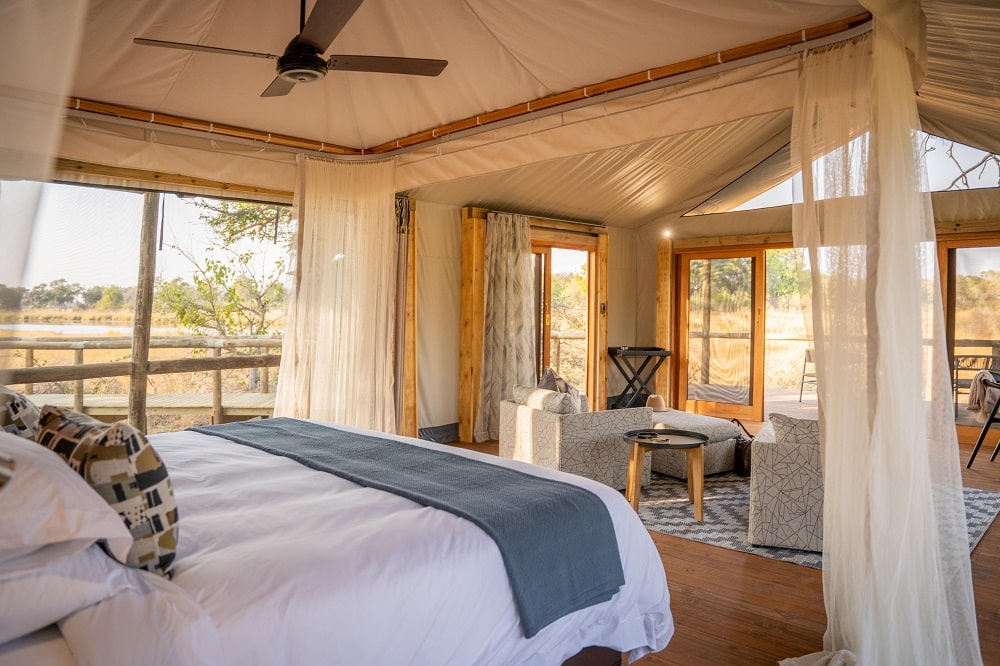
We found the main area to be very appealing.  It is two stories high and has a well-placed fire pit right on the river.  The lodge features twelve luxurious thatched and glass-fronted suites with en-suite bathrooms, each unit raised on a wooden platform overlooking the Boteti River Valley below. The rooms are well spread out, spacious and have killer views over the river.  The main lounge and dining area, with its inviting wooden and thatch finish, is a great spot to spend some time relaxing at  the bar or enjoying the excellent food offerings. Alternatively you can lounge around the swimming pool or enjoy the views from the game-viewing hide built into the bank of the river.


Image

On a previous trip, we visited Leroo La Tau during the ‘Green Season’ which runs from December to March, when game-viewing isn’t quite as productive as it is during the dry months.   Even so, we enjoyed some good sightings of kudu, lion and elephant, amongst others.  In fact, we had some great views of a black-maned Kalahari lion in his prime. 


Image

Photo by Desert & Delta Safaris

After dinner at Leroo La Tau on that visit, members of the staff entertained guests with a singing and dancing performance. This does not happen every night, so we were quite pleased to be treated to several traditional songs, done in a sweetly harmonious fashion. I think we were all struck by the wonderful attitude of the staff at this camp, everybody smiling all the time!

Prospective visitors would do well to schedule three nights here, and to take a full day trip (with picnic lunch) to Nxai Pan, among others to check out the beautiful Baines’ Baobabs site.  The excursion starts in the early morning with a picnic lunch to be enjoyed while out exploring the salt pans.

Legendary Lodge


Image

Photo by Desert & Delta Safaris

In addition to game drives – and depending on the water level –  boating trips on the Boteti are also provided. Optional cultural excursions can be arranged to Khumaga Village as well as the previously mentioned day trips to Nxai Pan and Baines Baobabs (for guests staying a minimum of three nights). For those looking for a truly unique experience, the camp can arrange a sleep out under the stars on the Makgadikgadi Salt Pans.

YOU MIGHT ALSO BE INTERESTED IN

Destinations
Zambia

10th September 2021

Chindeni and the Bushcamp Company, Zambia

By late July we found ourselves at Chindeni, a small Bushcamp Company property
Read more
Botswana
Destinations
Okavango Delta

3rd October 2022

Camp Okavango, Botswana

Camp Okavango is in the heart of the permanent part of the Delta. In this idyllic setting there are no vehicles, and it is just a short walk

Read more
Area
Destinations
Nyerere National Park
Ruaha
Tanzania

14th October 2023

From My Safari Notebook: Wildlife Photography

Birds in flight and wildlife photographers have an uneasy relationship. Things go wrong as often as they go right. Getting focus-lock on a moving subject

Read more

SUBSCRIBE TO OUR NEWSLETTER

READERS FAVOURITES

Destinations
Zambia

10th September 2021

Chindeni and the Bushcamp Company, Zambia

By late July we found ourselves at Chindeni, a small Bushcamp Company property
Read more
Botswana
Destinations

4th August 2022

On Safari At Belmond Eagle Island Lodge, Okavango Delta

What is the ‘secret sauce’ for an unforgettable few days on safari in Botswana? It starts with the animals, of course. The elephants, lions, giraffes, hippos

Read more
Destinations
India

27th May 2023

India

India’s tiger, mammals and birds.

Read more

Tswalu Kalahari Reserve Part 2

5th March 2021

Tswalu Kalahari Reserve Part 2


Image

Tswalu Kalahari Reserve Part 2

In Setswana, Tswalu means a ‘new beginning’ and under the stewardship of the Oppenheimer family, the aim is to deliver exactly that: a fresh era of hope for the people and wildlife of one of South Africa’s last great wilderness areas. 

The family took over responsibility for the reserve in 1998, continuing the vision of the late Stephen Boler, whose dream it was to return the area to its former state. Since then, their commitment to conservation has seen indigenous species re-introduced, and real strides made towards the restoration of the Kalahari,  undoing many years of neglect.


Image

Tswalu is conservation-in-progress. Damage caused by unsustainable farming endeavours is slowly receding, with fences and structures having been removed, and natural processes allowed to run their course.  

The results have been truly spectacular as we – and our guests – have been fortunate to observe over the last several years.  Each visit reveals a new facet of the Kalahari experience, adds to our knowledge of animal behavior and adaptation, and makes us even more fond of this special place.


Image

Cheetahs ahead

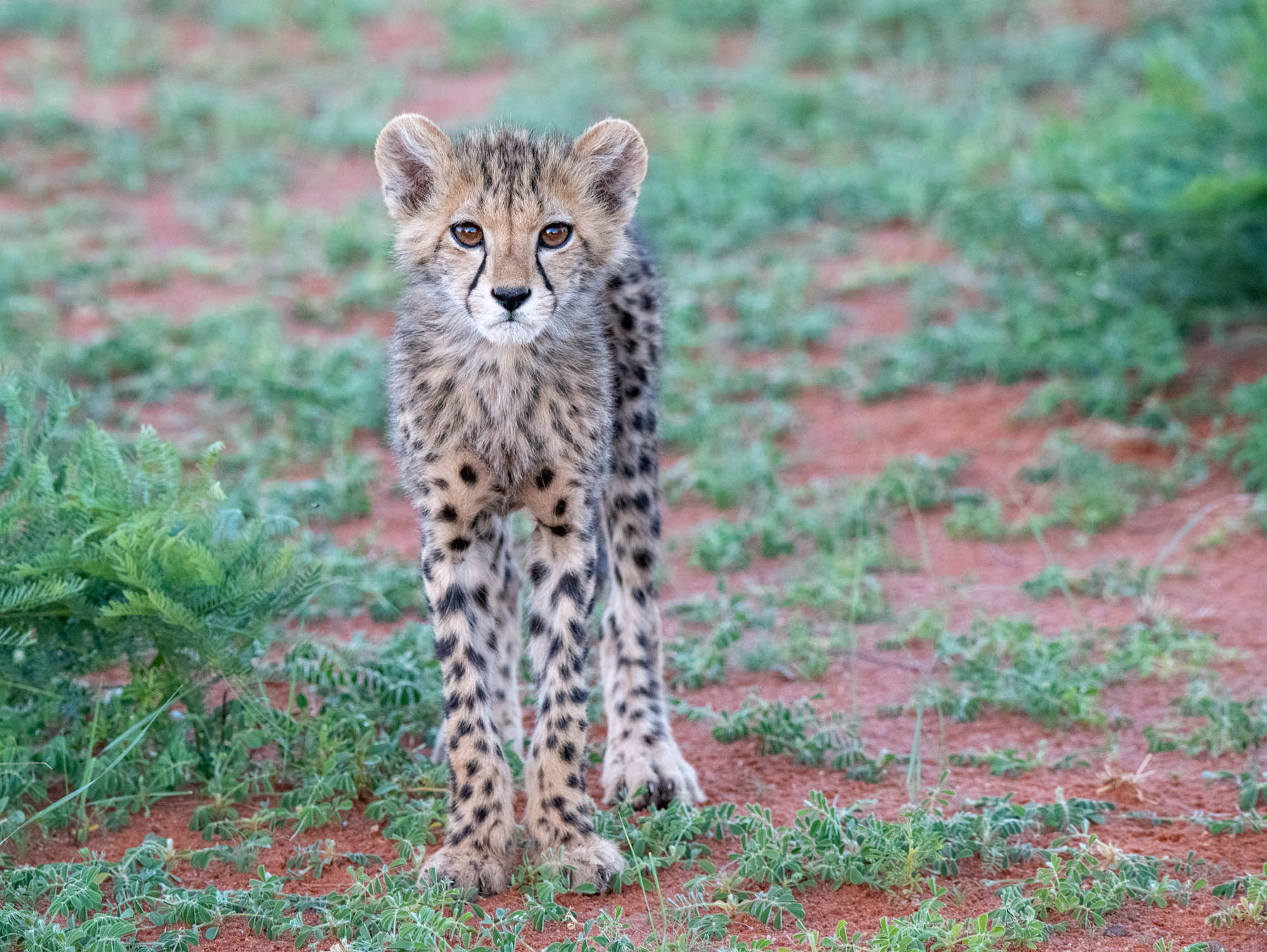
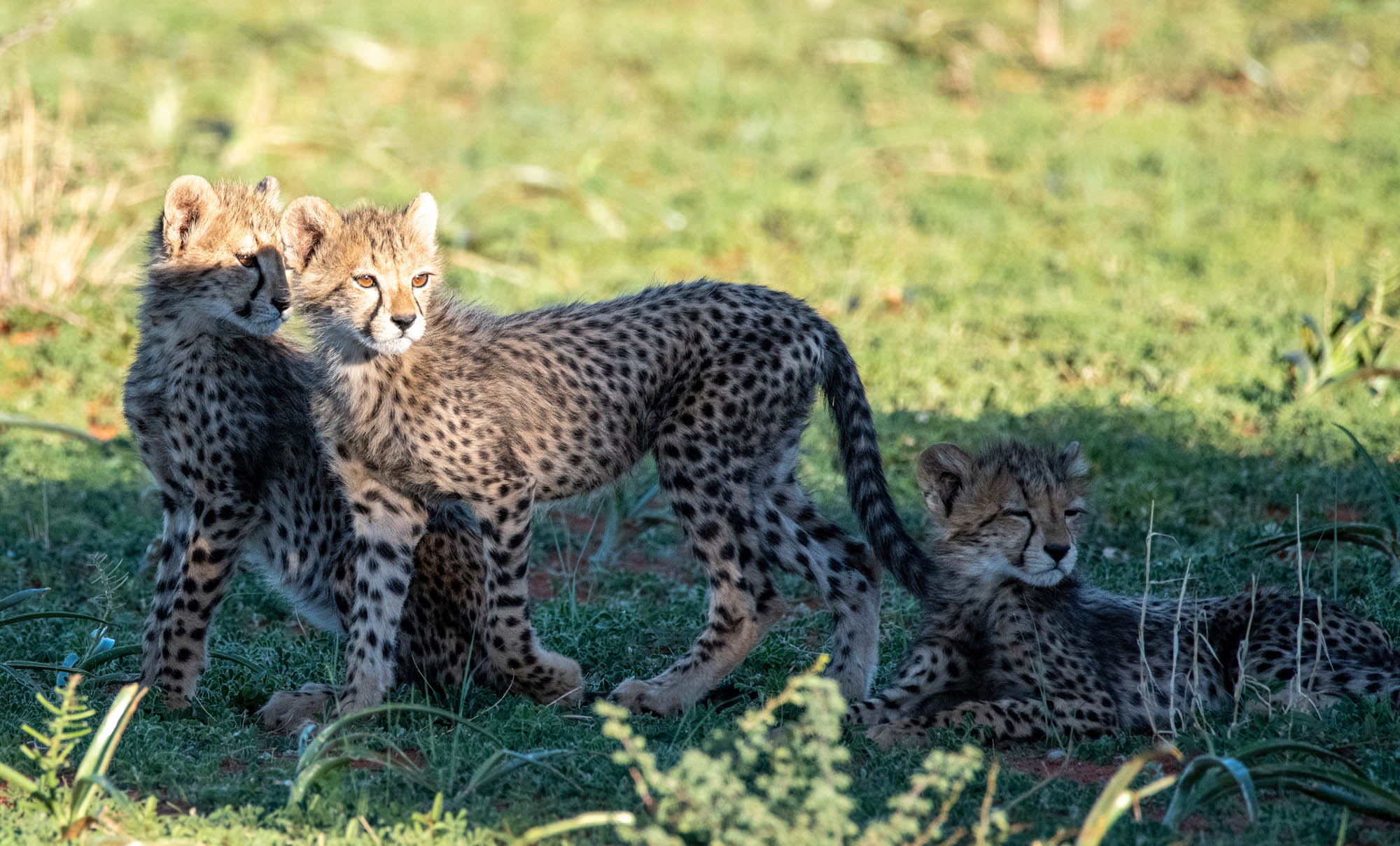
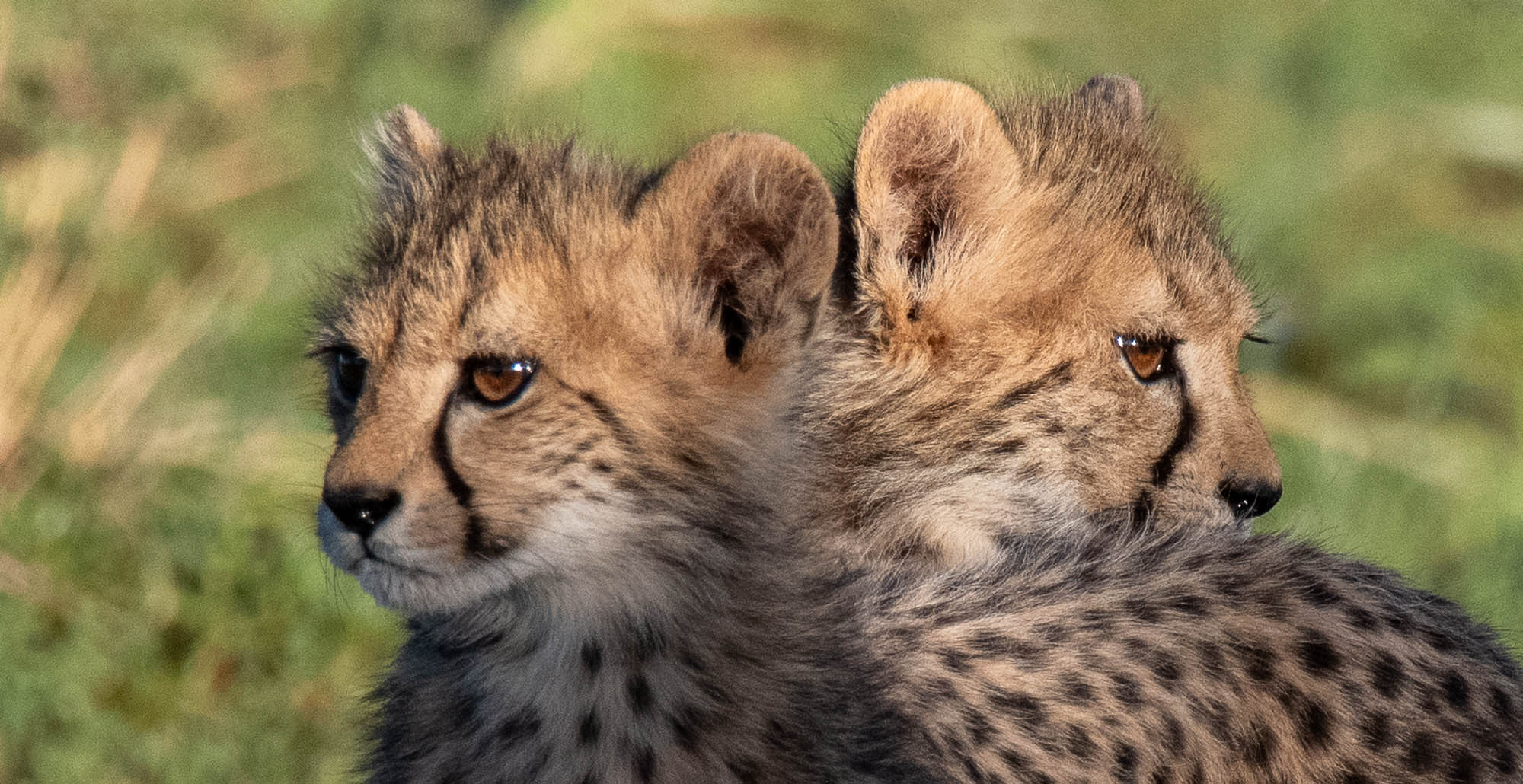
After a bit of down-time on our second day at Tswalu, we resumed our search for the Kalahari wildlife around 5:00 pm. Not long after, we found ourselves tracking a small family group of cheetahs. A female and three young cubs around three  months old. Initially, they proved difficult to locate, so our tracker William jumped out of the car to try to locate them on foot, while our guide Barry took us along a more distant road, checking to see if the cheetahs had crossed over it, at any point.  

Sanctuary Retreats


Image

Not long after, William radioed us that he had located the cheetahs, walking towards a line of dunes.  The female was constantly moving, having spotted William on foot, so the developing scenario was difficult to photograph. The female just would not settle down long enough for us to get a good photograph of her and the cubs, together.  Even so, I succeeded in making a few decent captures because the cubs were curious about our presence, and came  right up to the vehicle to check us out.  


Image

We discover a bat-eared fox den

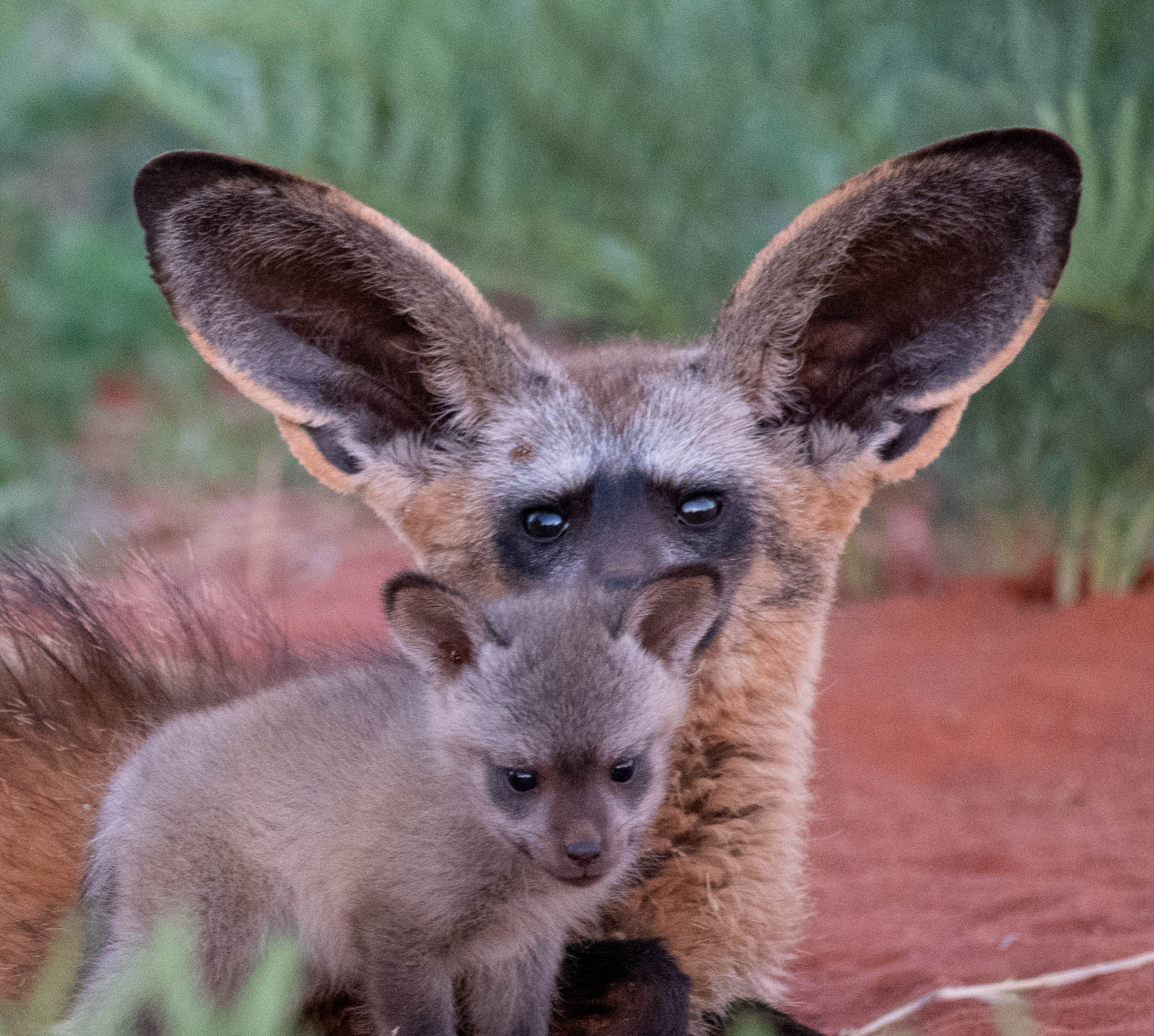
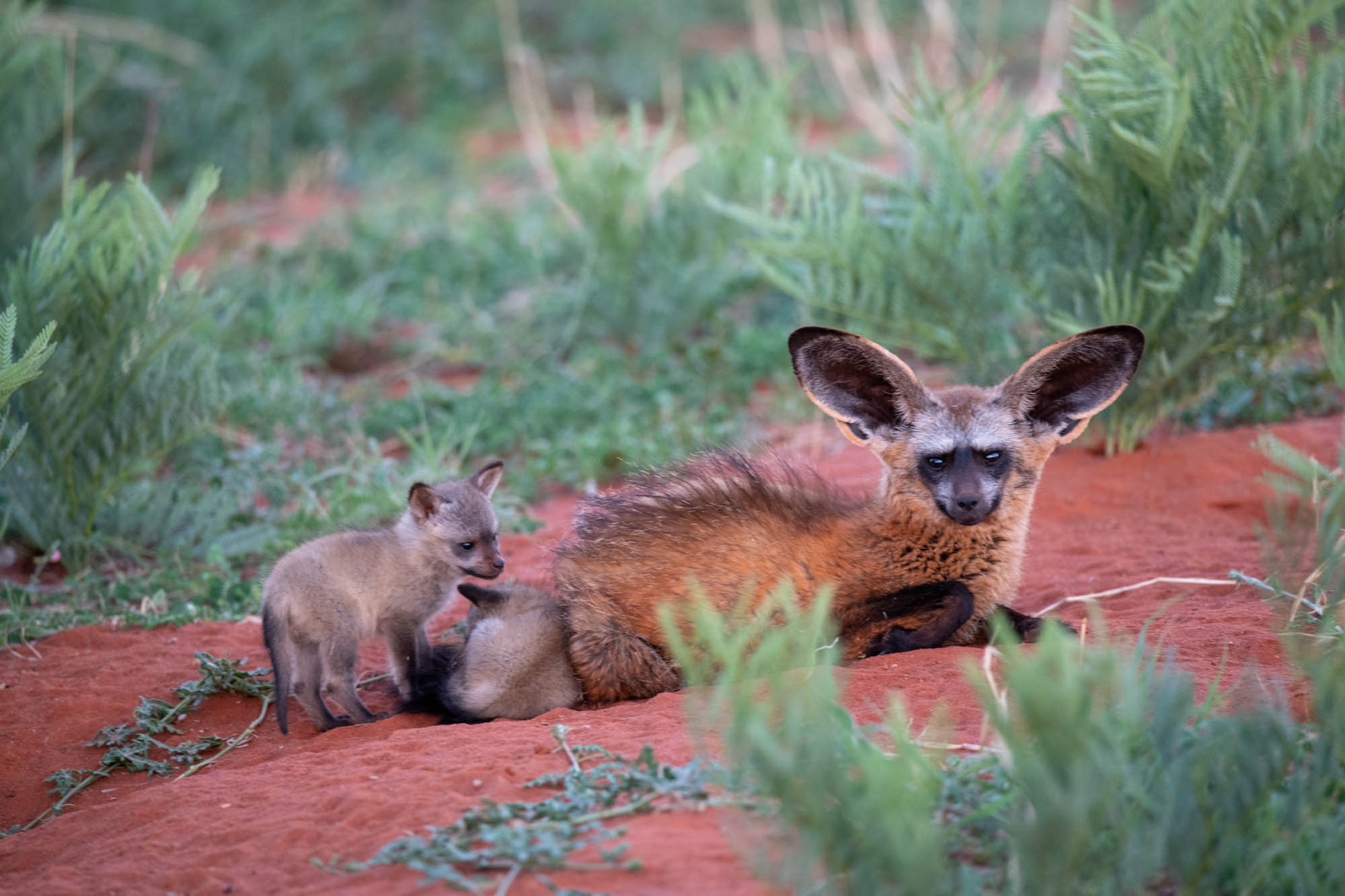
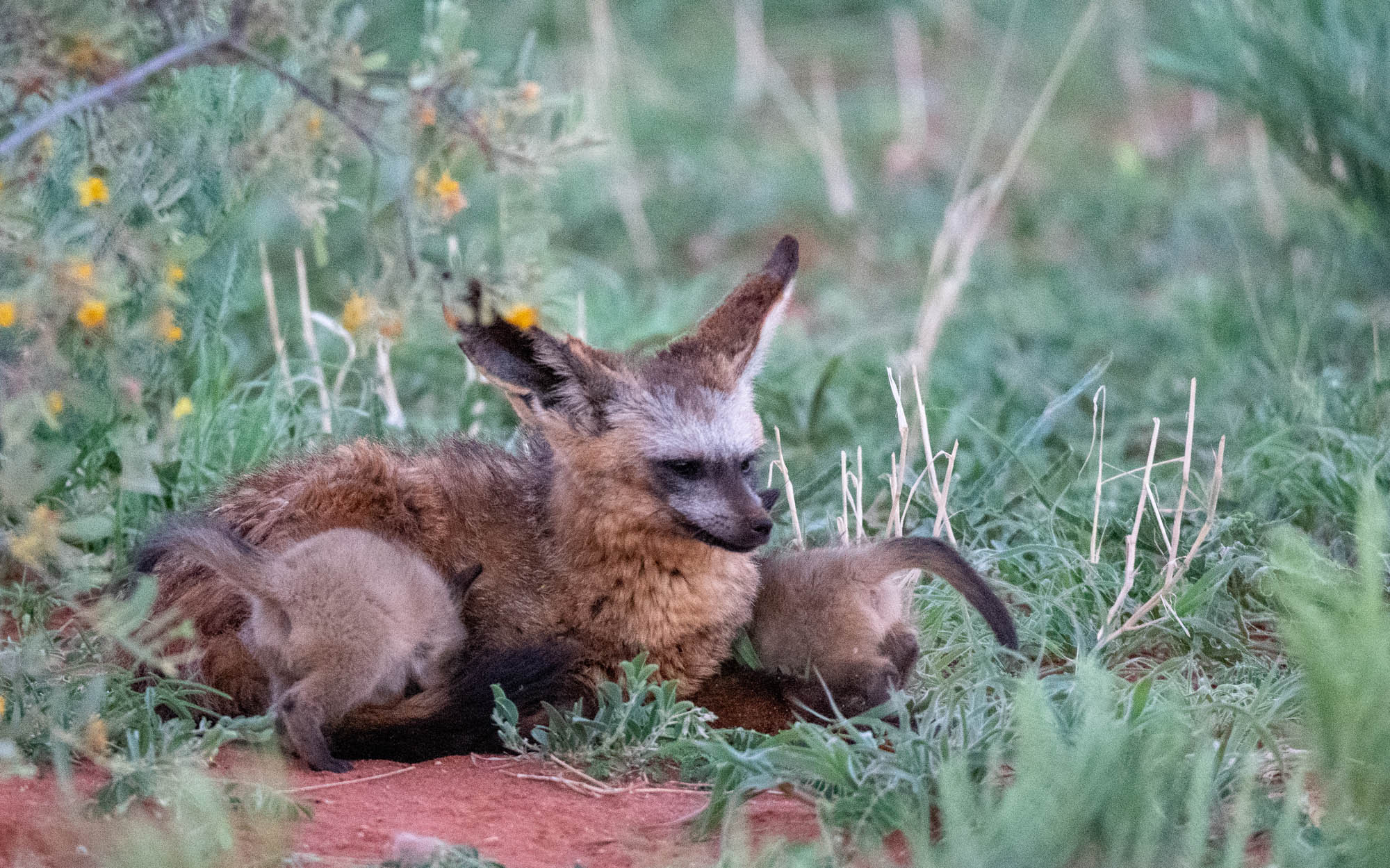
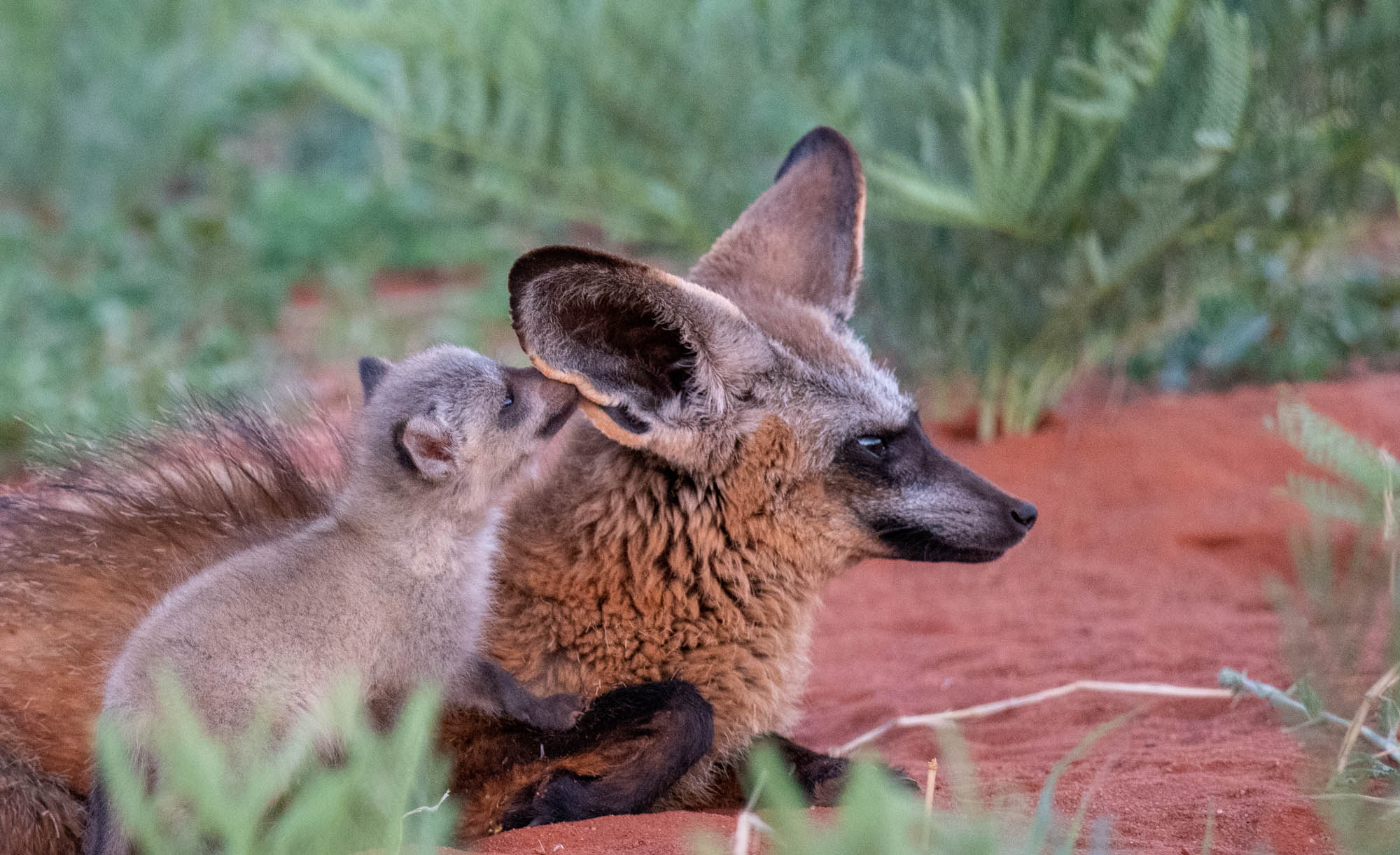
Our last sighting of the day was just as memorable.  Just as the sun was going down, we spotted a pair of bat-eared foxes with their three tiny pups – barely a few weeks old. The light wasn’t great but we nonetheless got some good looks and captured a few pics of the tiny pups.   They looked very doglike with tiny ears and short little snouts, nothing like their long-eared and long-nosed  parents.  Soon after, it was time to take a break for sundowners on the crest of a dune.  From where we were parked, we had the most amazing views over the Kalahari landscapes, aglow in the late afternoon light.  It was one of the few places we’d ever been to, from where one can observe a noticeable curvature of the earth.


Image

The following day, again in the late afternoon, we returned to the bat-eared fox den site.  This time around, I was able to get the shots I had missed the previous day. Well lit, sharp photos of the female bat-eared fox with first one and then two of her little pups with her. Priceless.


Image

Of meerkats and black rhinos

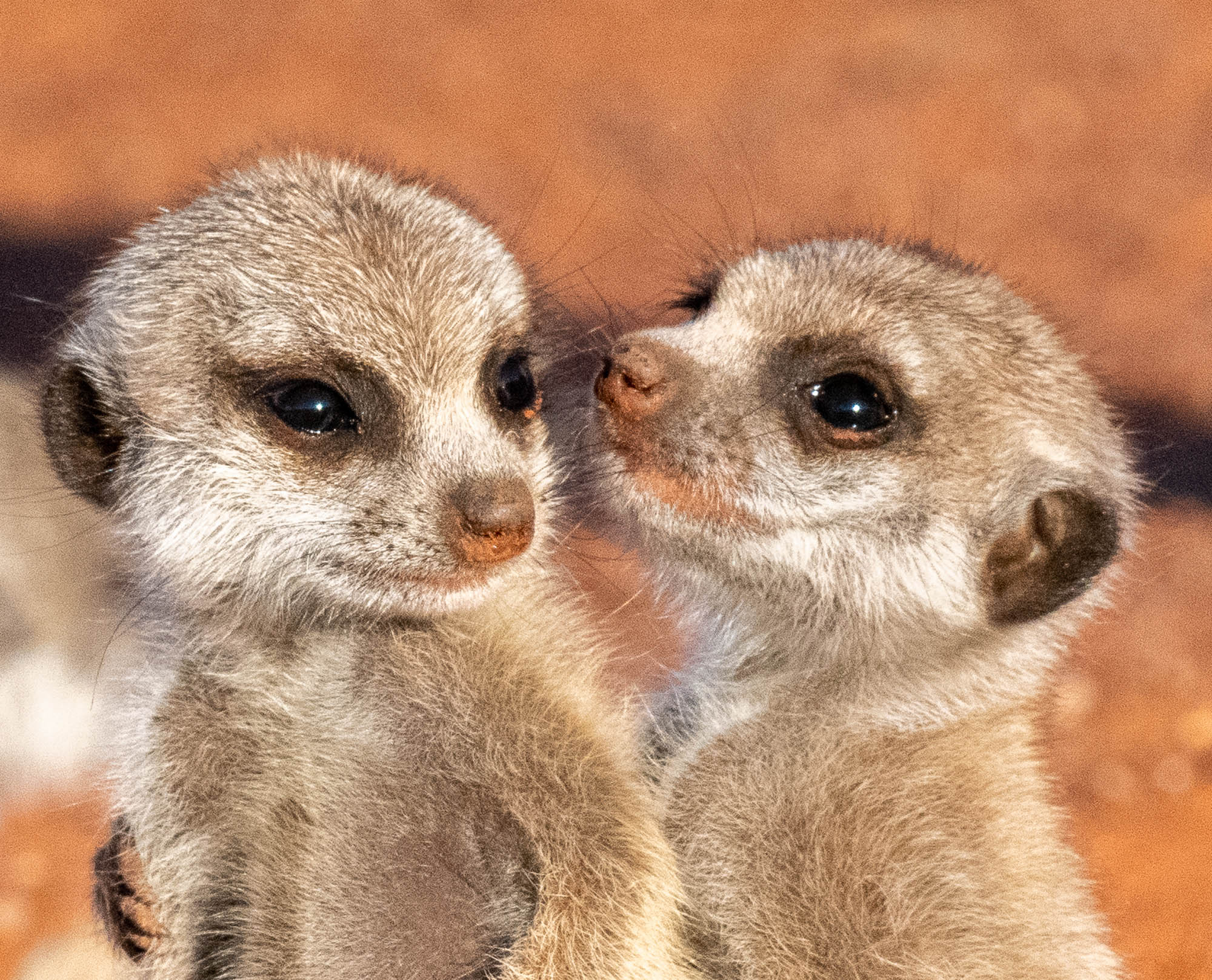
The following morning our objective was to station ourselves at a habituated meerkat den as they woke up and emerged from the den at first light.

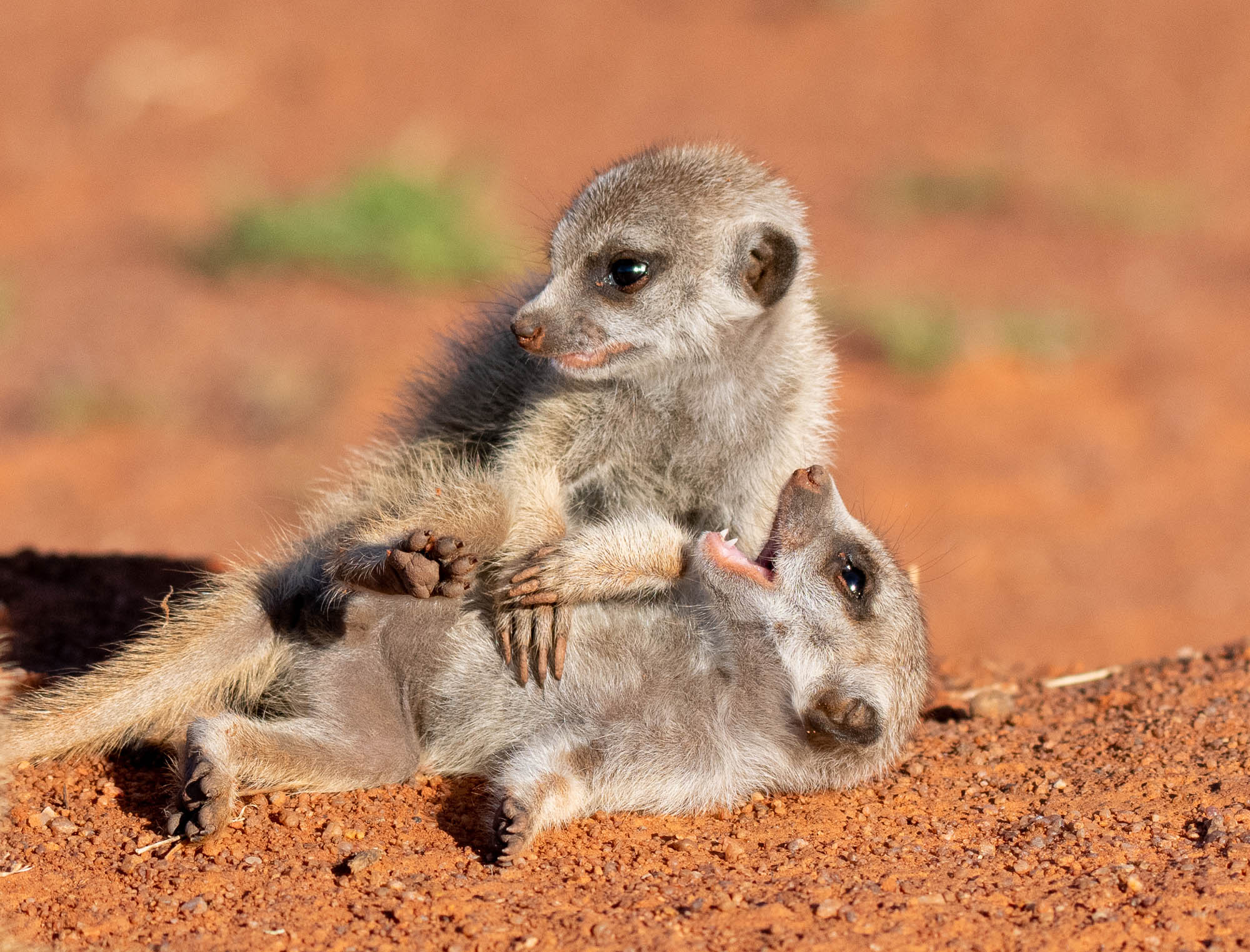
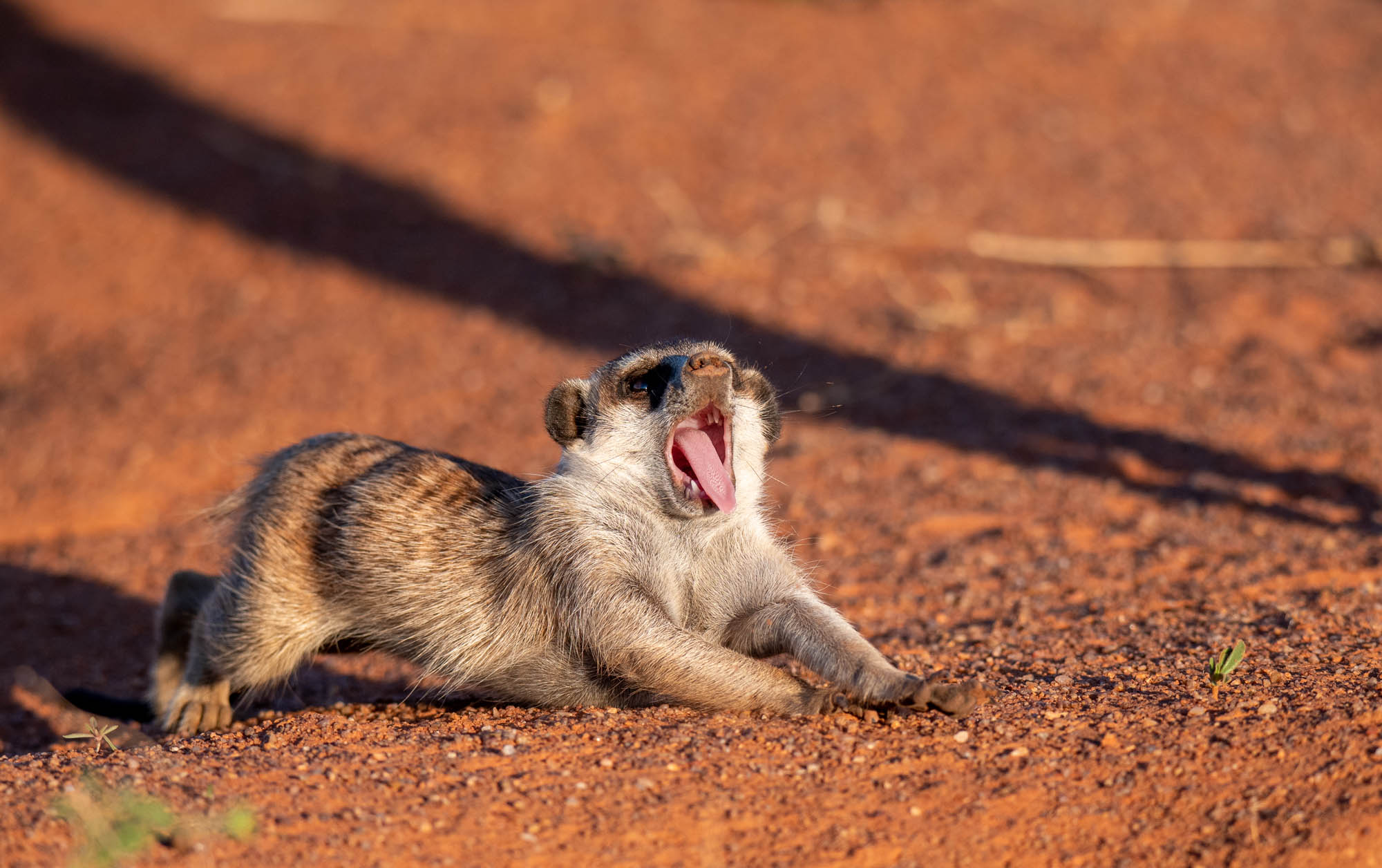
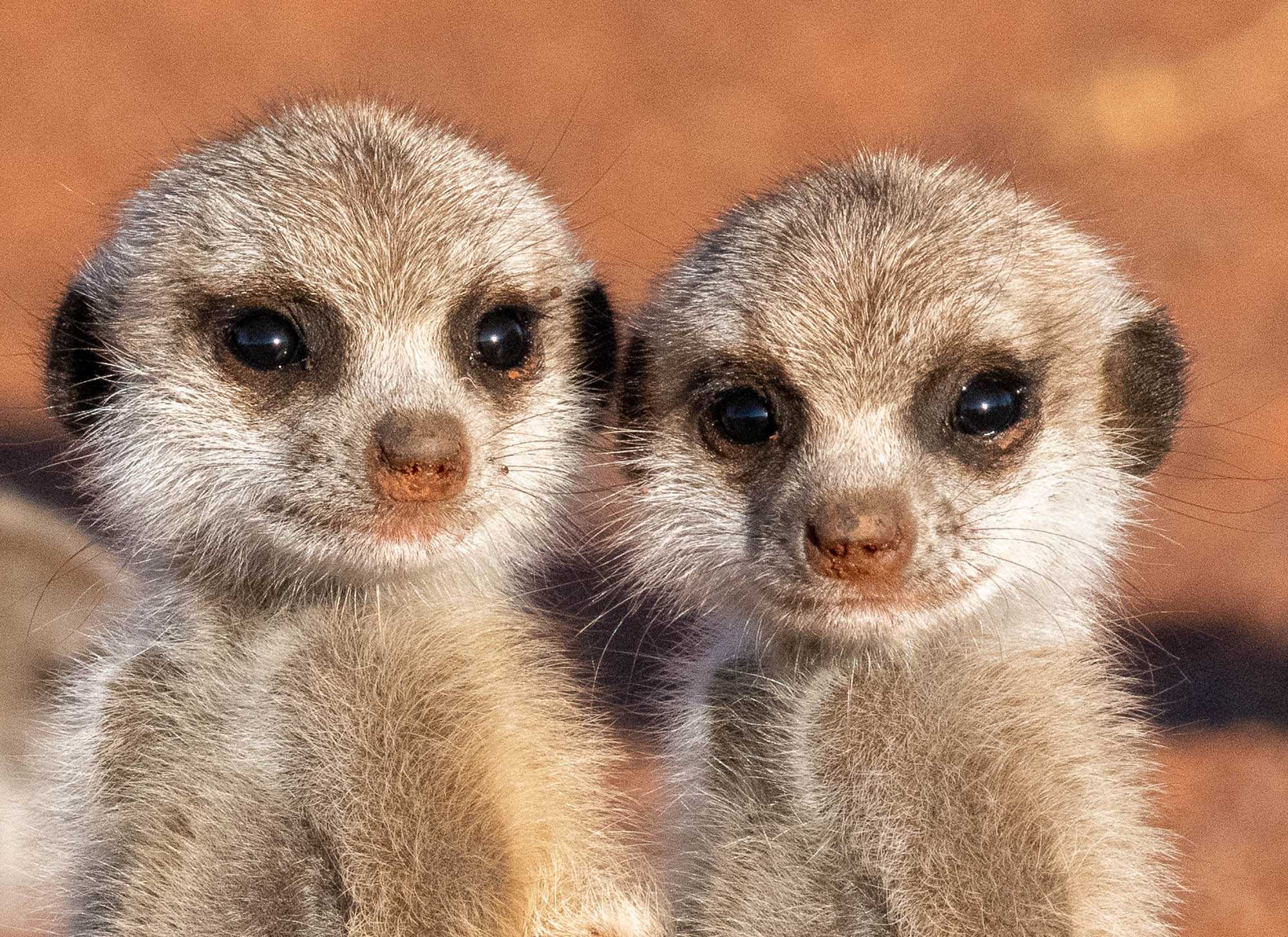
A few minutes before any sun rays actually hit the spot, the first two of the seven adult meerkats in the downsized ‘Rockstar’ colony of 7 adults and 5 babies, peered out from the burrow.   Soon enough the entire family was there.  At least initially a sentinel could be seen keeping a sharp lookout to see if conditions were safe.


Image

For the first thirty minutes or so the entire group was clustered around the main den site, waking up and stretching their muscles, clearly just happy to be alive for another day.

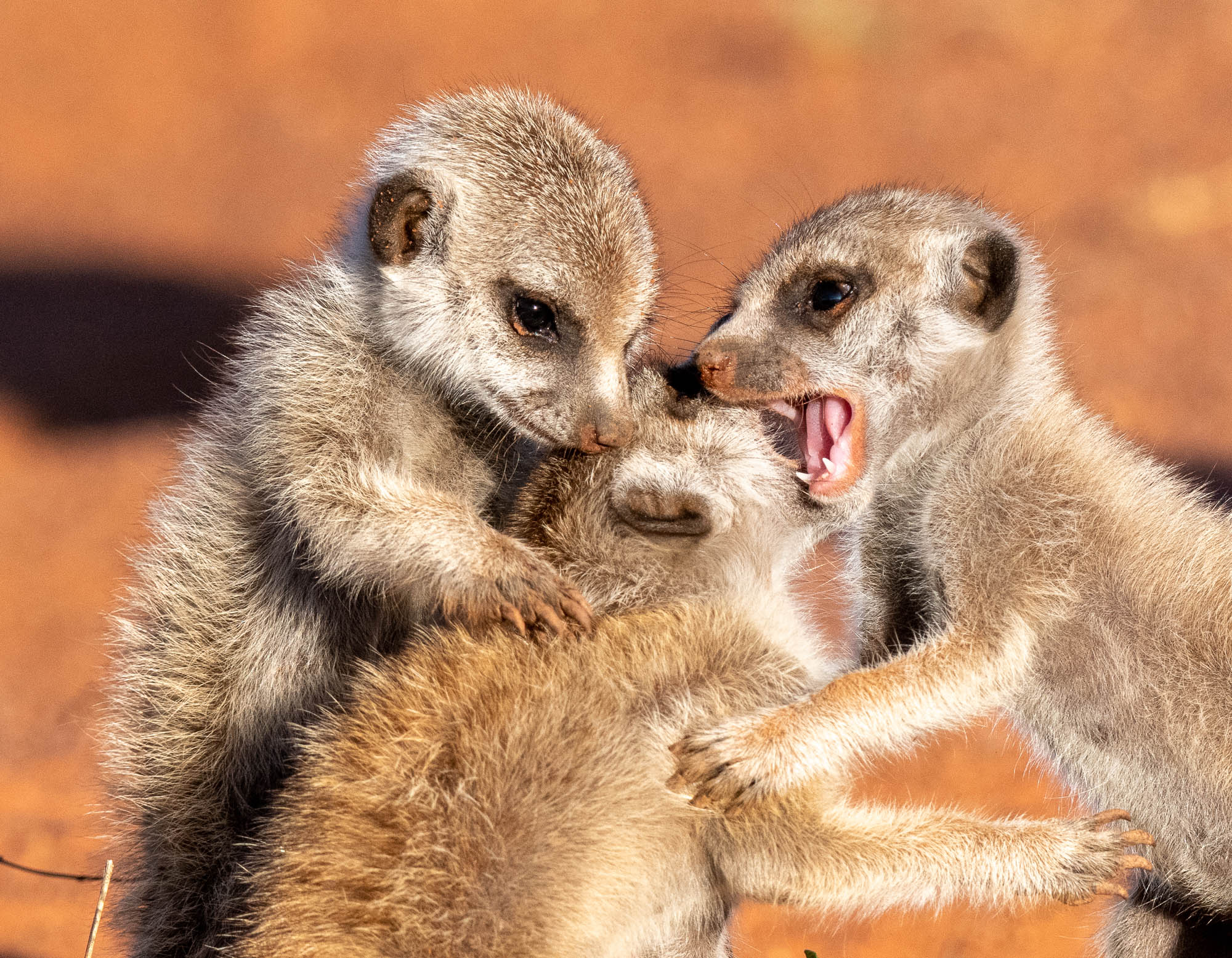
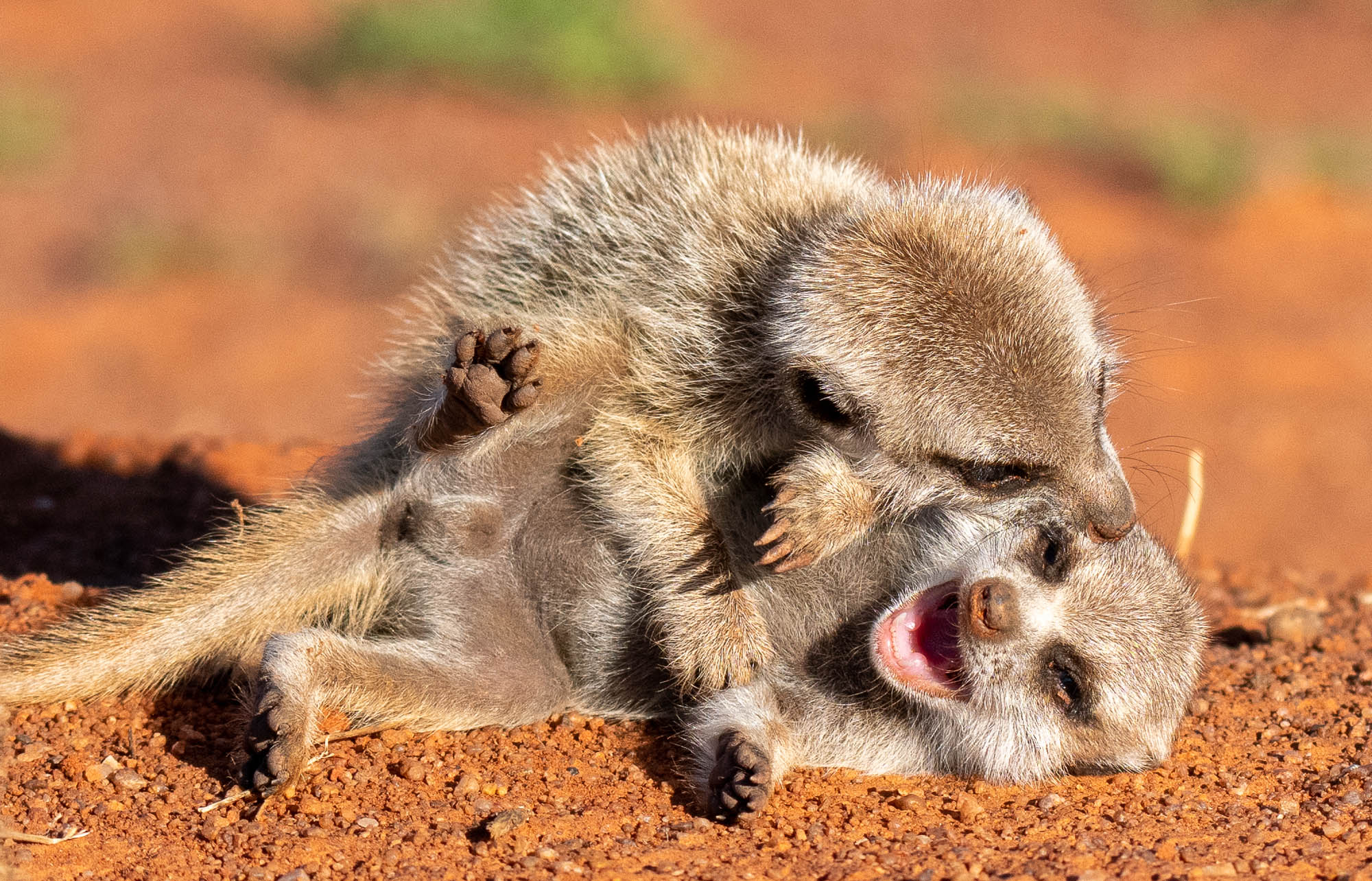
Increasingly, the meerkats started to interact, several of them grooming some of the youngsters and the babies eventually starting to mock fight and bowl each other over.


Image

Eventually the meerkats started to drift away from the den and move into the open veld. Darting from one spot to the next,  they were off to find some food. With good rain having fallen fairly recently, there was an abundance of insects to be found and devoured. Their joie de vivre was on full display: finally, conditions had taken a turn for the better, after a severe and long-lasting drought.


Image

Back at the lodge, we had to make good on a desire we had expressed earlier, which was to go for a run with our guide Barry.  It ended up being a 7km run on a sandy path, taking a circular route starting from the camp. Was it hot and heavy-going? Yes.  Could I bail out and jump on the vehicle following us?  Not under any circumstances, having requested the run myself, to get some exercise.

In the afternoon we drove about one hour southwest towards a more heavily wooded area (with lots of blackthorn acacia trees) where we would stand a chance to see a black rhino.


Image

We spent the next couple of hours or so patrolling various tracks around the area but came up empty-handed.  No sign of a black rhino.  Or any rhino for that matter.  We had pretty much resigned ourselves to not seeing these magnificent animals – at least not on this trip to Tswalu –  when our capable tracker William spotted some rhino tracks.  “These tracks are very fresh,” he said.


Image

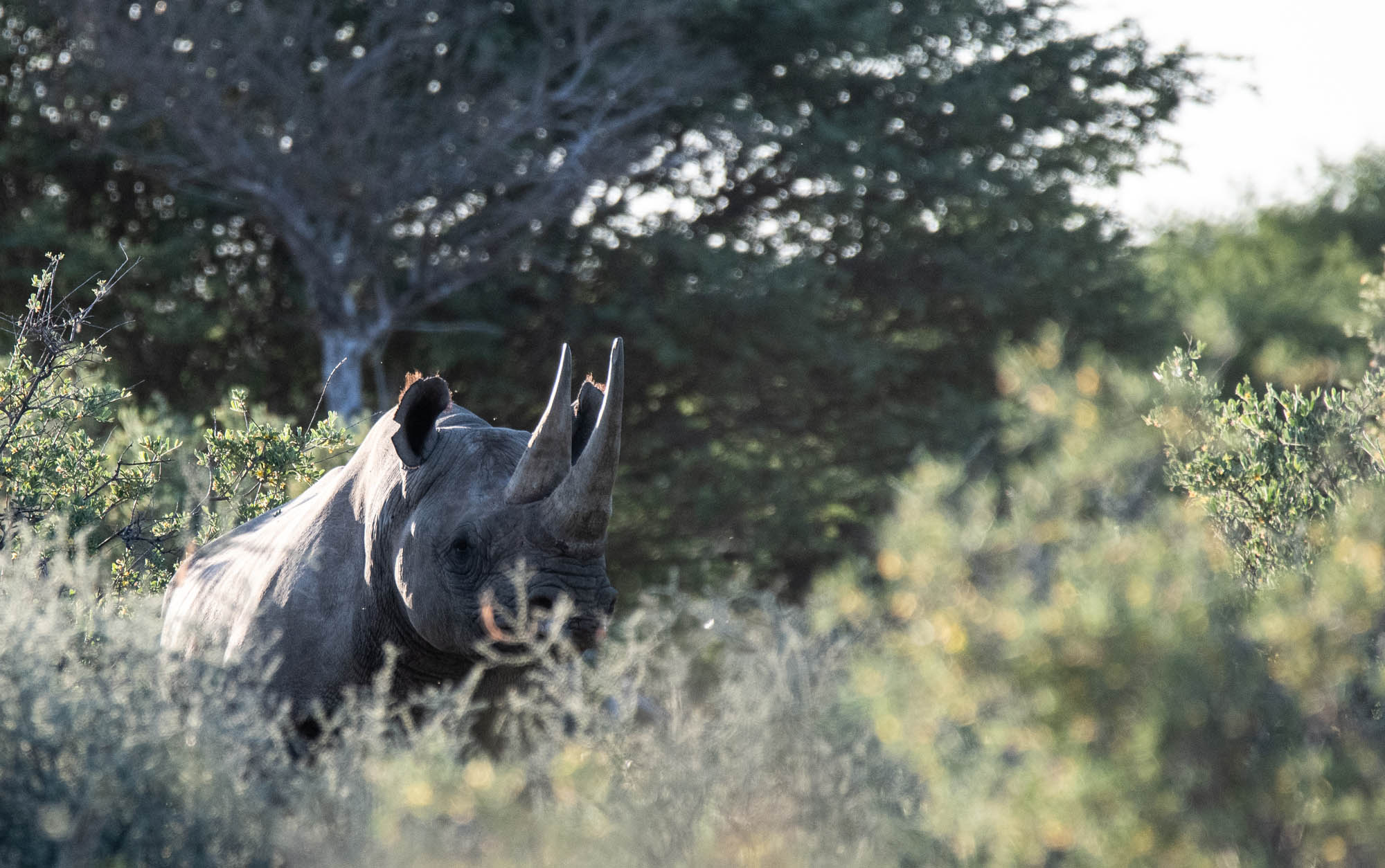
That definitely got my attention and sure enough, just minutes later – bingo – there was a female black rhino with a sub-adult calf staring at us from a somewhat elevated spot. The rhinos were partially obscured and clearly not sure where the potential threat may be coming from.  We had a brief opportunity for a few photographs and then the female black rhino and calf moved away, kicking up some Kalahari dust. It was the perfect ending to a magical three days in the Kalahari.


Image

In our blog post next Friday we will look at a few Arusha-area hotels, namely Ngare Sero Lodge, Legendary Lodge and Villa Maua.  Any one of these would be a good choice to spend a day or two prior to, or after a safari or climbing Mt. Kilimanjaro.

More Info

Email bert@fisheaglesafaris.com

Email jason@fisheaglesafaris.com

@fisheaglesafarishouston

#FishEagleSafaris

YOU MIGHT ALSO BE INTERESTED IN

Destinations
Zambia

10th September 2021

Chindeni and the Bushcamp Company, Zambia

By late July we found ourselves at Chindeni, a small Bushcamp Company property
Read more
Botswana
Destinations
Okavango Delta

3rd October 2022

Camp Okavango, Botswana

Camp Okavango is in the heart of the permanent part of the Delta. In this idyllic setting there are no vehicles, and it is just a short walk

Read more
Area
Destinations
Nyerere National Park
Ruaha
Tanzania

14th October 2023

From My Safari Notebook: Wildlife Photography

Birds in flight and wildlife photographers have an uneasy relationship. Things go wrong as often as they go right. Getting focus-lock on a moving subject

Read more

SUBSCRIBE TO OUR NEWSLETTER

READERS FAVOURITES

Destinations
Zambia

10th September 2021

Chindeni and the Bushcamp Company, Zambia

By late July we found ourselves at Chindeni, a small Bushcamp Company property
Read more
Botswana
Destinations

4th August 2022

On Safari At Belmond Eagle Island Lodge, Okavango Delta

What is the ‘secret sauce’ for an unforgettable few days on safari in Botswana? It starts with the animals, of course. The elephants, lions, giraffes, hippos

Read more
Destinations
India

27th May 2023

India

India’s tiger, mammals and birds.

Read more

Tswalu Kalahari Reserve Part 1

26th February 2021

Tswalu Kalahari Reserve Part 1


Image

Tswalu Kalahari Reserve Part 1

An African photographic safari is likely one of the most intriguing, multi-layered vacation experiences imaginable. It starts with the place. Often remote, sometimes romantic, occasionally jaw-droppingly awesome.

Then there’s the people. They’re invariably passionate about wildlife conservation, about the community within which they operate and about providing their guests with an experience which they may cherish for the rest of their lives. They’re fun to be around, never boring and their skills are remarkable.


Image

The top guides are accomplished all round naturalists, effective communicators, conversationalists and diplomats. Some are expert bird-watchers, or professional photographers.  Qualified walking guides can bring down a charging elephant with one shot. They avoid getting guests into a situation which may require such drastic action of course…

The mammals, birds and other creatures which are to be found around the camps and beyond, often steal the show. Finding and seeing them and learning more about their behavior and relationships are after all why most of us go on safari. 


Image

Motse

When you visit a top African safari property like Tswalu Kalahari Reserve in South Africa’s northern Cape province, it becomes easy to see how place, people, guiding and wildlife conservation can converge to create a unique and deeply satisfying experience.

Tswalu has a certain style and visitors are introduced to it even before they arrive in camp. The last leg of the journey there – from either Cape Town or Johannesburg – is usually as a passenger in Tswalu‘s stylish, high performance Pilatus PC-12. This sleek, pressurized turboprop gets you to Tswalu at a brisk 325 miles per hour, at a cruising altitude of 30,000 feet.

Sanctuary Retreats


Image

Descending into the hill and dune-studded woodland Kalahari, its singular visual appeal becomes obvious even before the Pilatus touches down with a brief squeal as the rubber tires meet the asphalt runway.  The impact of the red sand dunes, deep blue skies and golden grass is unavoidable:  there’s nowhere else like it.  Add the unmistakable look of the Korannaberg Mountains visible in the background and you know immediately where you are.

Arrival formalities are deftly dealt with at the reception center which has been more or less taken over by a giant Sociable Weaver colony. These cheeky-looking birds are all over the place, checking out new arrivals.


Image

Motse

The Place

We found the new iteration of Tswalu to be much to our liking.  The interiors were lighter with the textured walls painted in shades of grey and neutral, sand colors.  The traditional thatched roofs had been retained. Overall the effect was pleasing, cool, and classic.  There was nothing jarring or out of place.


Image

Motse

We also approve of the enlarged outside patio area where a large natural wood deck overlooks two pools and a water hole. Extending the overhead cover (natural wood  poles) now provides shade on practically the entire veranda, where we enjoyed several of our meals.  Kathy made use of the larger infinity pool and a smaller pool below while I was trying to capture some images of male masked weavers, constructing nests in an acacia tree close to the pool.


Image

Motse

The  rooms were just as spacious as we remembered them from our first visit.  And they were still 100% effectively air-conditioned, with good lighting, an inviting outdoor relaxation area, and a clear view over the water hole, from our room. And stocked with a tasty range of snacks including dried fruit and traditional dried beef sausage.


Image

The People

By the time we went out on our first game drive, we had already met Barry Peiser who would be our private guide for the next three days.  Barry – a prolific photographer –  clearly enjoys offering advice and tips on wildlife and landscape photography.  His favorite time of year at Tswalu is winter, as this allows him to spend the whole day out on the reserve with guests. The cooler conditions mean that animals don’t rest from the heat as much as they do in summer, and there’s more opportunity for photography.


Image

Between Barry and our expert tracker William Gaotswenwe, we had the ideal team to venture out in search of cheetah, lion, aardvark, sable antelope, pangolin, honey badger and caracal.  William is renowned for  never missing a clue or a sign left in the wild by an animal. Quiet and focused, when William signals with a raised hand from the tracker seat for the guide to stop the vehicle, nobody argues. Just a cursory glance at fresh tracks left in the red Kalahari sand, and he knows exactly where to go, or which direction to take.


Image

A Kalahari night drive

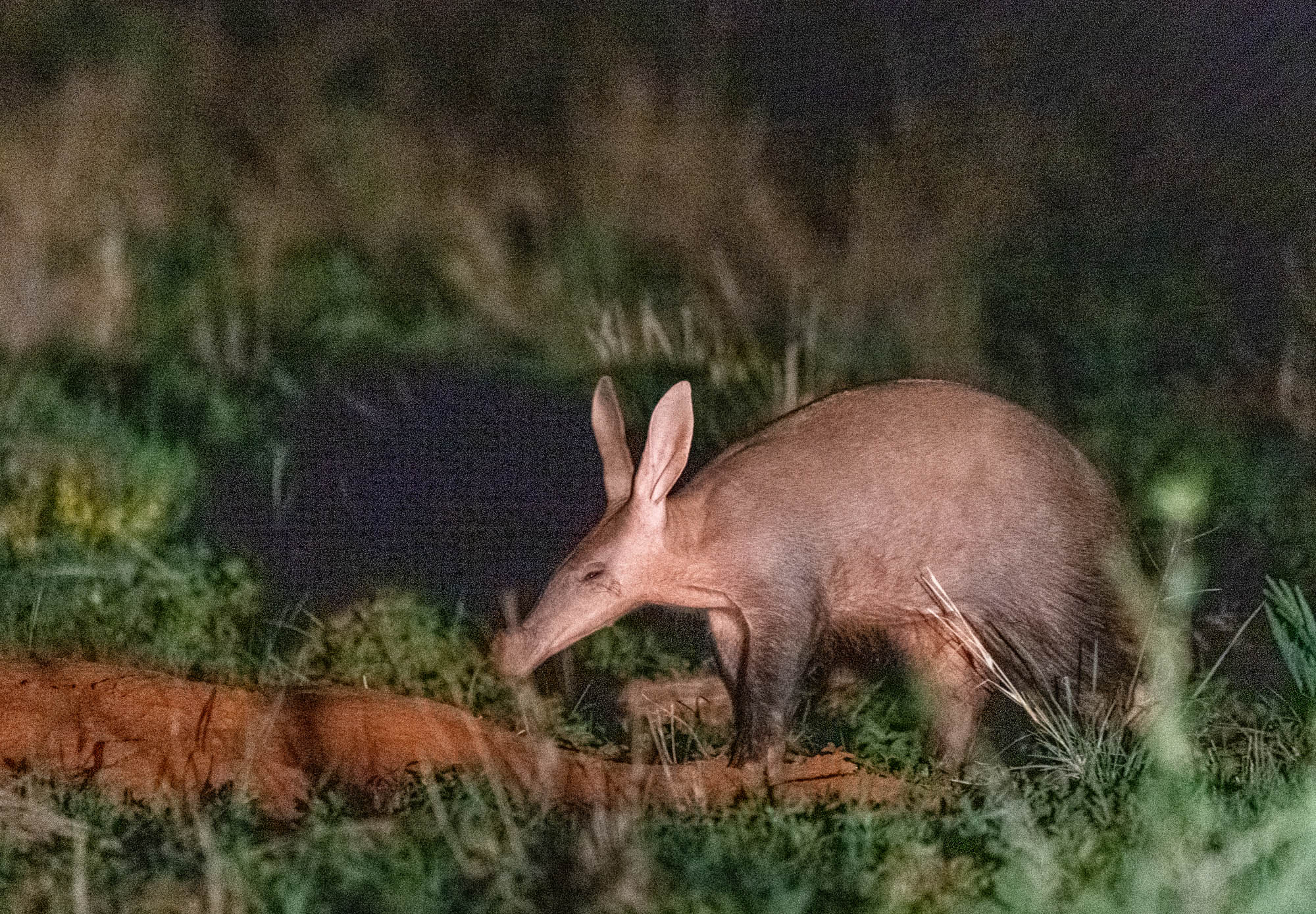
Over the next few days we always seemed to be in just the right position and I was able to capture some of my best ever images of the Kalahari wildlife.  Things started off with a bang on our very first night drive when we had a great sighting of an aardvark out in the open, just walking around, checking out potential feeding sites.  I made a rookie mistake by using a shutter speed which was just slightly too low to stop the motion and get a good, sharp image.  I will blame it on working with relatively new equipment (second trip with the Nikon D-850), but really should have nailed it.  Rule #1 in wildlife photography is to get a sharp image; anything blurry is pretty much useless, unless of course it is an intended effect.  So when you are in an ultra low-light situation, don’t worry about graininess or noise, that can be fixed (to a degree) in post-processing.  Your overriding aim should always be to get a sharp image.


Image

During the course of the night, we saw several other Kalahari specials including bat-eared foxes, springhares, scrub hares, an African wild cat, several large spotted genet, many dwarf field mice, and various gecko species.


Image

Lion Pride Squabbles

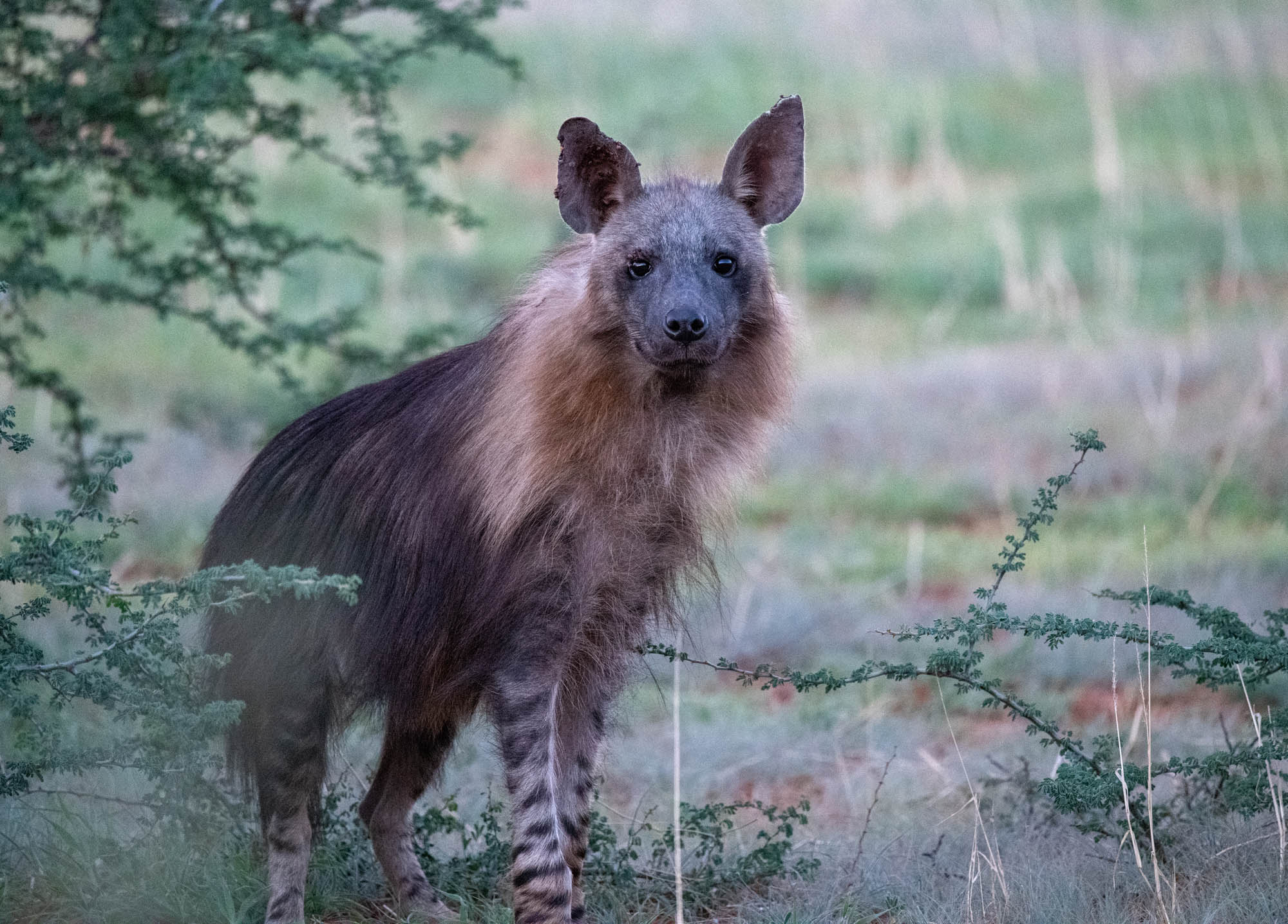
The following day we were out early for a game drive, the specific mission being to find the southern lion pride   Which we duly did, but only after we had enjoyed some great views of a brown hyena.  Somewhat uncharacteristically, it stopped and looked straight into the camera for a few seconds, before loping off.  I think if I had missed that shot (considering what had happened the previous night with the aardvark), I would have been ready to sell my camera.  The brown hyenas are unusual, rarely seen animals.  They are mostly nocturnal, becoming crepuscular (being out around sunrise and sunset) when it is cold.


Image

We crossed the public road into the southern sector of Tswalu, where the search for the lions would begin in earnest.   With master tracker William and guide Barry reading the tea leaves – tracks left by the lions along the road – we soon found them walking towards a rocky ridge.

There were three adult females with 6 cubs, followed at a distance by two young males just reaching maturity. Not known to us – at least not initially – was that we had stepped into a family squabble. The older female lion – who by now had given birth to a new set of cubs – was trying to emancipate the two young males, the older brothers. They would have none of it. At least not yet. 


Image

The two young males had become the innocent ‘victims’  of instinct, which rules lion behavior. Due to their size and power they had become a threat to their mother’s new set of  young cubs.  Instinctively, she had become extremely wary of letting them approach closely. At one stage when they got too close she rushed up to them snarling and with claws flying, forcibly letting them know that they were no longer welcome to the pride. It was time for them to go out on their own and find their own  way in the world.


Image

This is not an easy task and in fact the life of a young emerging male lion is fraught with perils including starvation, attack by territorial males and other predators. They are at their most vulnerable at this stage of their lives, having the ability but not yet the truly developed skills to hunt successfully.  

Eventually the two young males settled down a respectable distance away from their mother who then resumed feeding her three babies.  We mentally wished them the best of luck as we returned to camp.


Image

In our blog post next Friday we remain at Tswalu to take a closer look at some more special desert animals including Bat-eared Foxes and Suricates (meerkats), and we travel to a distant part of the reserve in search of Black Rhino.

More Info

Email bert@fisheaglesafaris.com

Email jason@fisheaglesafaris.com

@fisheaglesafarishouston

#FishEagleSafaris

YOU MIGHT ALSO BE INTERESTED IN

Destinations
Zambia

10th September 2021

Chindeni and the Bushcamp Company, Zambia

By late July we found ourselves at Chindeni, a small Bushcamp Company property
Read more
Botswana
Destinations
Okavango Delta

3rd October 2022

Camp Okavango, Botswana

Camp Okavango is in the heart of the permanent part of the Delta. In this idyllic setting there are no vehicles, and it is just a short walk

Read more
Area
Destinations
Nyerere National Park
Ruaha
Tanzania

14th October 2023

From My Safari Notebook: Wildlife Photography

Birds in flight and wildlife photographers have an uneasy relationship. Things go wrong as often as they go right. Getting focus-lock on a moving subject

Read more

SUBSCRIBE TO OUR NEWSLETTER

READERS FAVOURITES

Destinations
Zambia

10th September 2021

Chindeni and the Bushcamp Company, Zambia

By late July we found ourselves at Chindeni, a small Bushcamp Company property
Read more
Botswana
Destinations

4th August 2022

On Safari At Belmond Eagle Island Lodge, Okavango Delta

What is the ‘secret sauce’ for an unforgettable few days on safari in Botswana? It starts with the animals, of course. The elephants, lions, giraffes, hippos

Read more
Destinations
India

27th May 2023
India

India’s tiger, mammals and birds.

Read more
  • Page 1
  • Page 2
  • Go to Next Page »

Footer

Design

  • About
  • Destinations
  • Blogs
  • FAQS
  • Team
  • Contact
All Rights Reserved ©Fish Eagle Safaris 2022 | Terms & Conditions | Privacy Policy
Designed & Developed by B Online

SUBSCRIBE TO OUR NEWSLETTER

SIGN-UP TO OUR NEWSLETTER

Subscribe Form

Footer Widget Header

Related Blogs