• Skip to primary navigation
  • Skip to main content
  • Skip to footer

Fish Eagle Safaris

Fish Eagle safaris

Contact

Logo
  • About
  • Destinations
  • Blogs
  • Newsletter
  • FAQS
  • Team
  • search
  • Contact
  • About
  • Destinations
  • Blogs
  • FAQS
  • Team
  • Contact

Tswalu

Tswalu Kalahari: the Loapi Experience

29th July 2026

A Summer Winter in Africa: Part 6

Tswalu Kalahari: the Loapi experience

It was quiet in our open safari vehicle driving south out of Loapi Camp in Tswalu Kalahari on a cold morning in late June. It was also early and the four of us (guide Michaela, tracker Piet and Kathy and I) were still easing into a new day. Finishing up a mug of coffee to go, tugging on a hoodie to cut the bite of the Kalahari winter chill. Inserting a freshly charged battery in a camera.

As we drove along the red sandy track, the rising sun not quite cresting some hills on our left, our eyes adjusting to the steadily growing influx of light, we promptly fell under the spell of the Kalahari. Entranced by the soft dawn light, blue Korannaberg Mountains in the background and verdant expanse of acacia bush, sun-scorched grass and shepherd trees rippling away to the very limit of human sight. 

I think every one of us on the vehicle realized the near impossibility of being more away, more alone, more private than that. Just us and the wilderness at a perfect moment in time. Nothing and everything at the same time. 

Almost as if on cue, the fidgeting stopped. Conversation became superfluous. Nobody looked at each other. Yet we all sensed what had happened. The calmness and beauty of the surroundings had permeated our very core. Almost as if we had become one with nature. If it weren’t for the soft whining of the Landcruiser engine, the modern fabrics and our tech-laden devices, we might as well have been back in the late Pleistocene epoch some 20,000 years ago, when this part of Southern Africa transitioned from wetland to dry savanna.  

Achieving that feeling of being immersed in the environment, finding that place of peace and privacy and realizing that off-the-map experience is what we strive to include in every one of our customized Africa itineraries. To one degree or another. In a high adrenaline ‘Big Five’ wildlife setting it is not always achievable but in areas like Samara in the Great Karoo and at Tswalu in the northern Cape Kalahari, it is there, always. Waiting for you around every corner.

Wildlife at Tswalu 

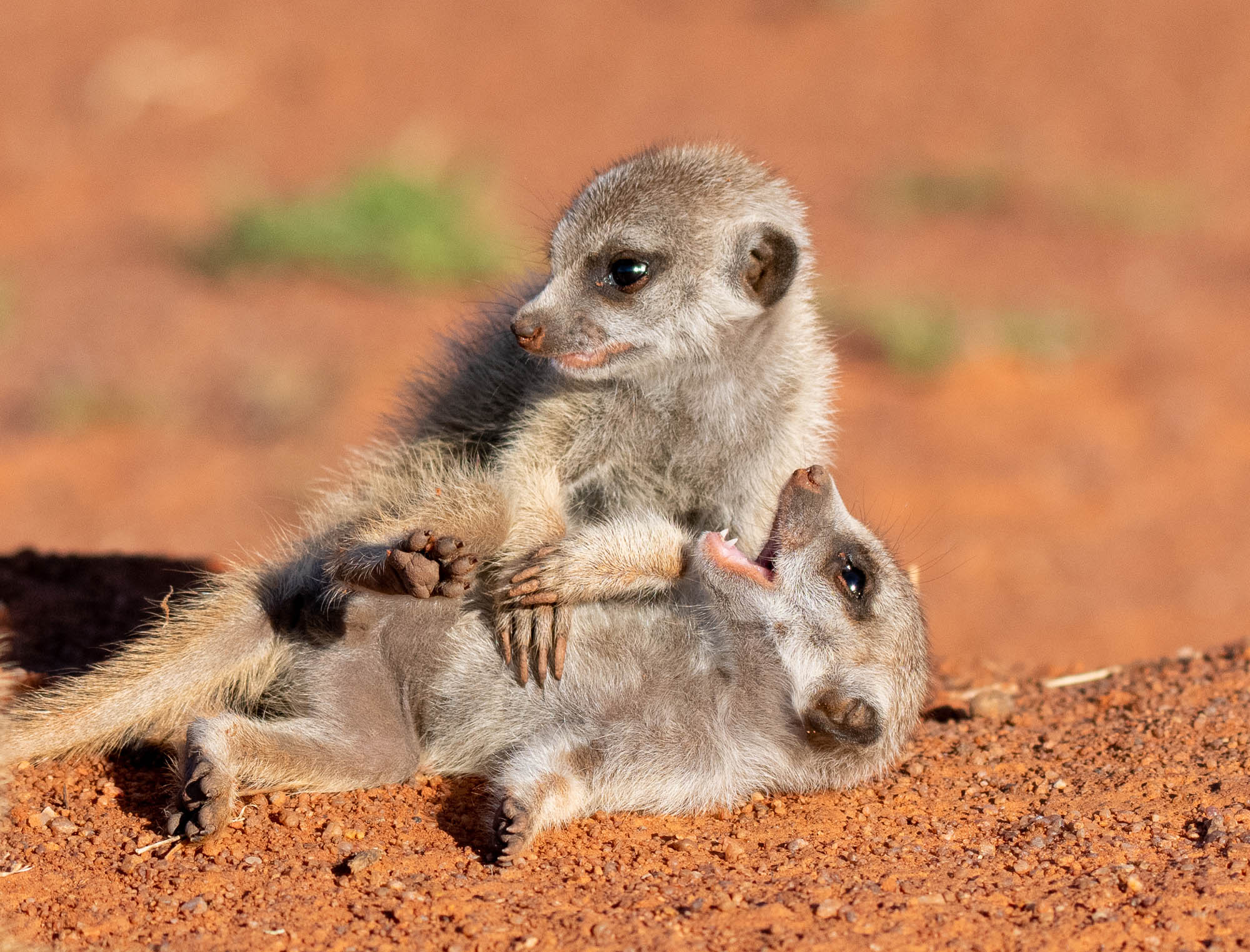
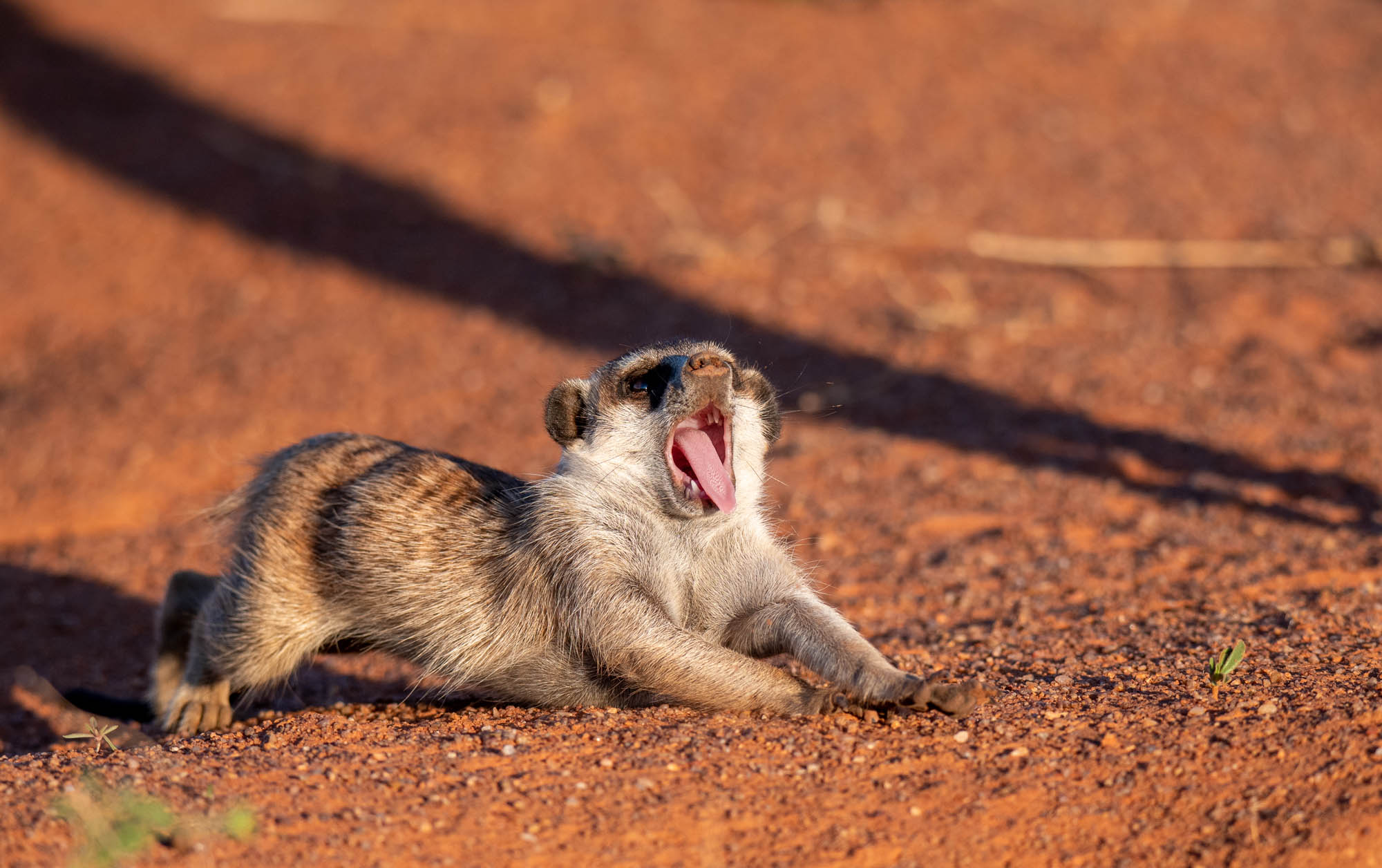
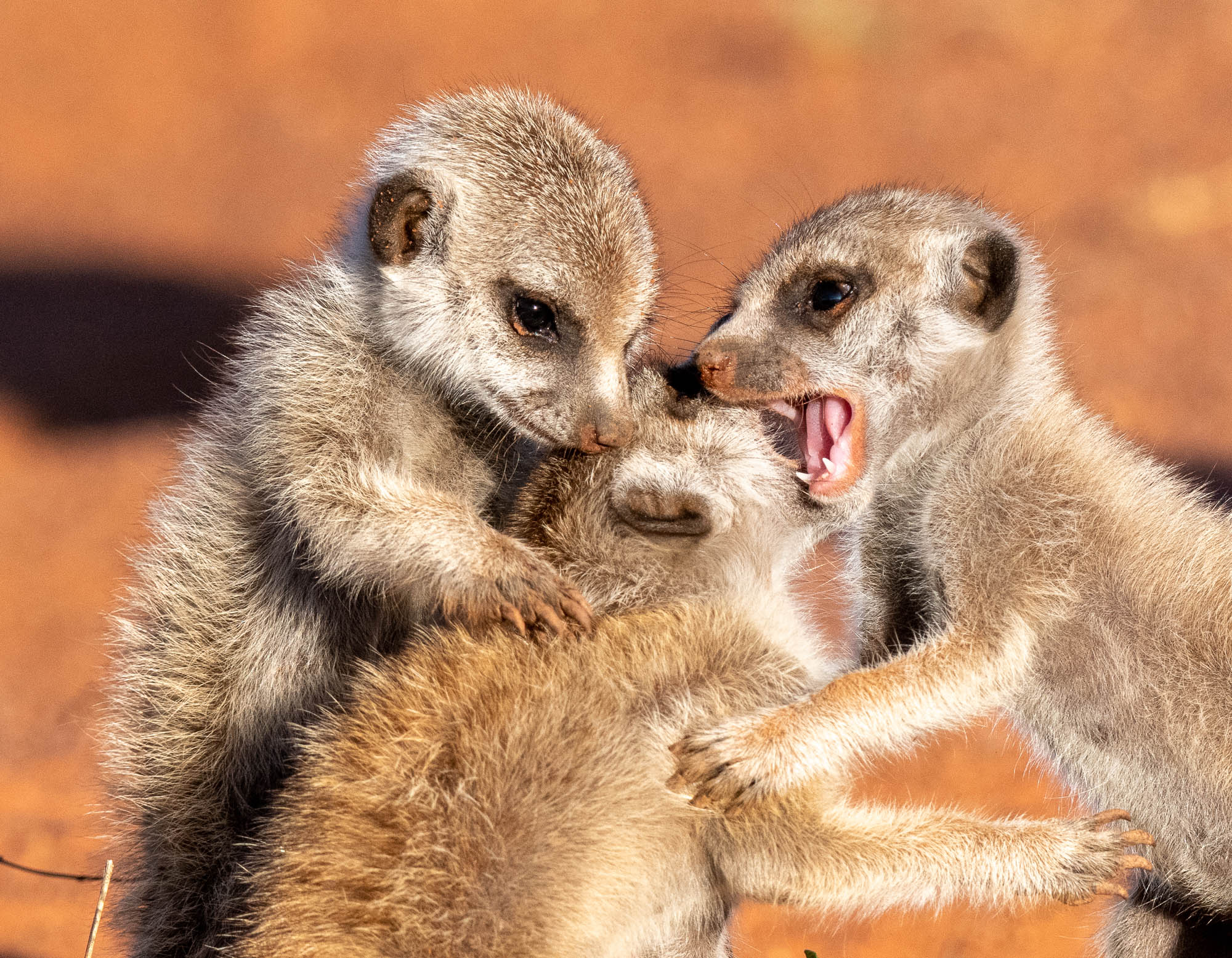
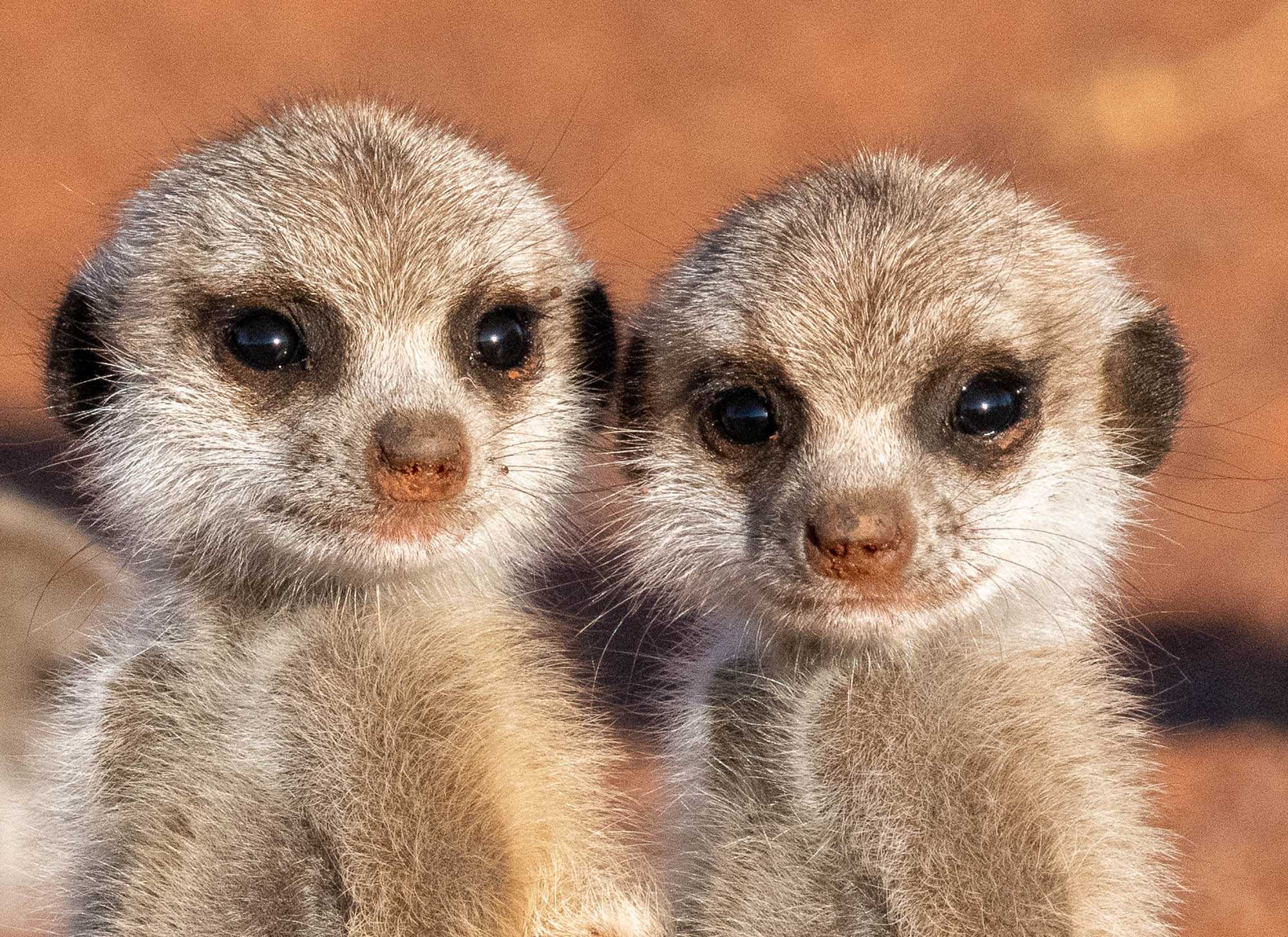
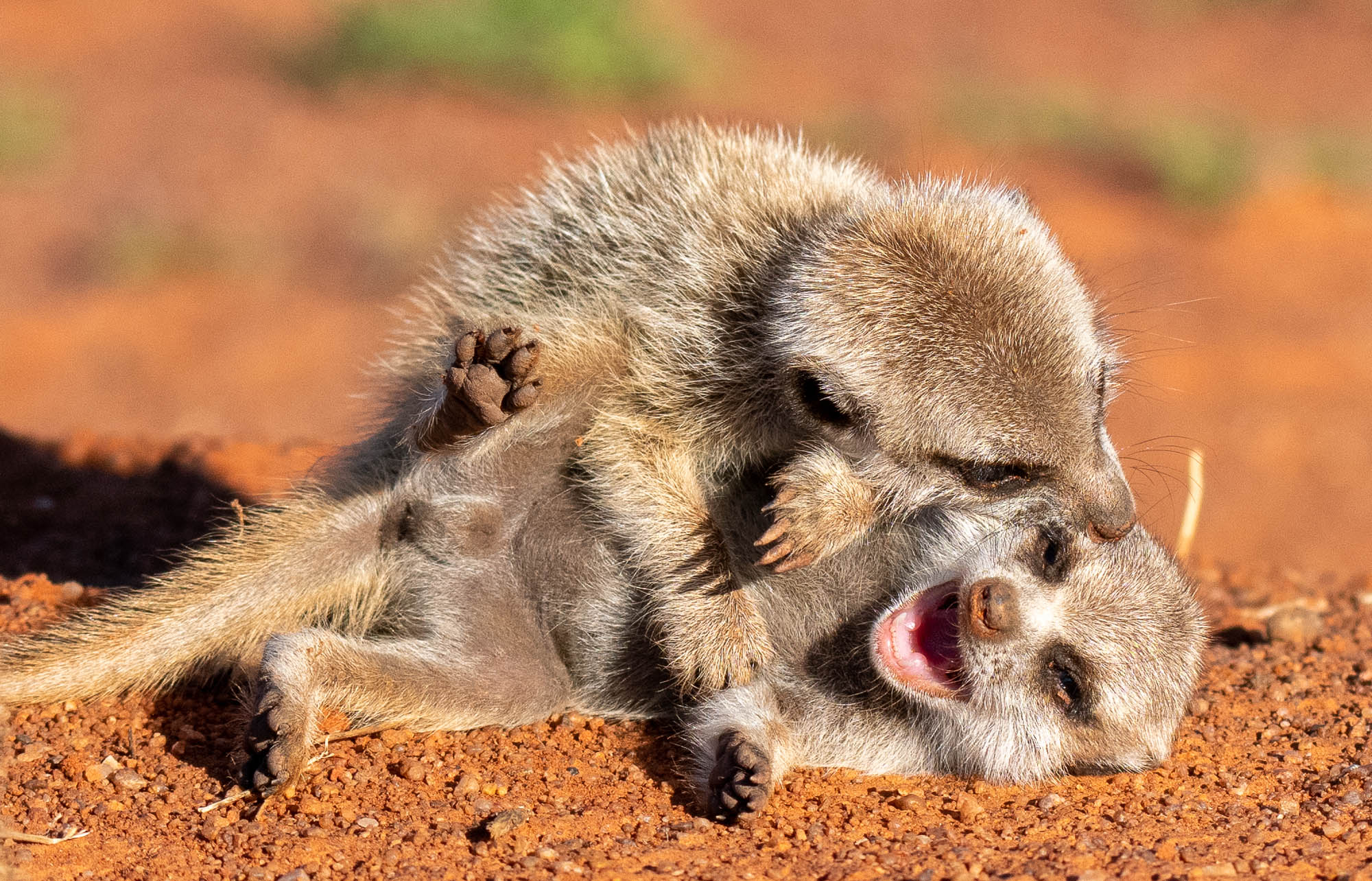
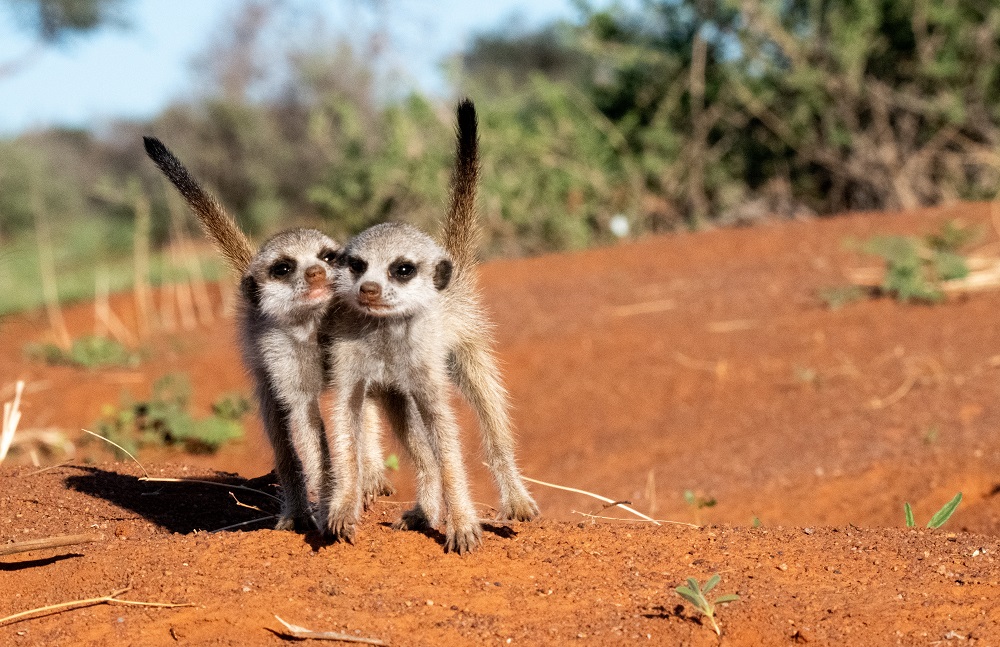
For the first 40 minutes or so on that morning drive, there was hardly an animal in sight but it did not matter. Clearly they were cold too and staying in thick cover. Then we started to see them. First giraffes, then mountain zebras, gemsbok, kudu and springbok. We were particularly thrilled to come across a non-habituated family of meerkats which stared at us from a distance in their own inimitable way, standing straight up on their hind legs. 

The previous day our afternoon game drive had started with a bang. Barely out of camp we bumped into two beautiful white rhino bulls, strutting around a salt lick,  their impressive horns perfectly intact. A major consideration nowadays with so many other South African reserves dehorning their rhinos. 

Twice during our short stay at Tswalu we came across lions. While different, the two experiences were equally fascinating and fulfilling from a wildlife viewing perspective. On the first afternoon we followed up on a pride of lions which had brought down an eland early that morning. We found all of the lions, and what was left of the eland. Not much, to be sure. Several of the lions continued feeding, either by themselves, and notably, an impressively maned male which uncharacteristically allowed a young cub to continue feeding in tandem. 

Our final morning drive delivered yet another excellent lion sighting when we followed the tracks and then eventually came across two female lions in hunting mode. They were checking the dense acacia thickets along a narrow track, poking their noses into the undergrowth to locate or flush one of the many antelopes hidden away there. Watching them walk right by our vehicle was a visual treat. Passing right by us with hardly a sidelong glance, their powerful back muscles rippled under the tawny coats. At around 4.5 years old, the two sisters were in their prime, projecting total confidence and competence. Clearly at the top of their game, each having left three cubs in a safe area while making this hunting sortie. 

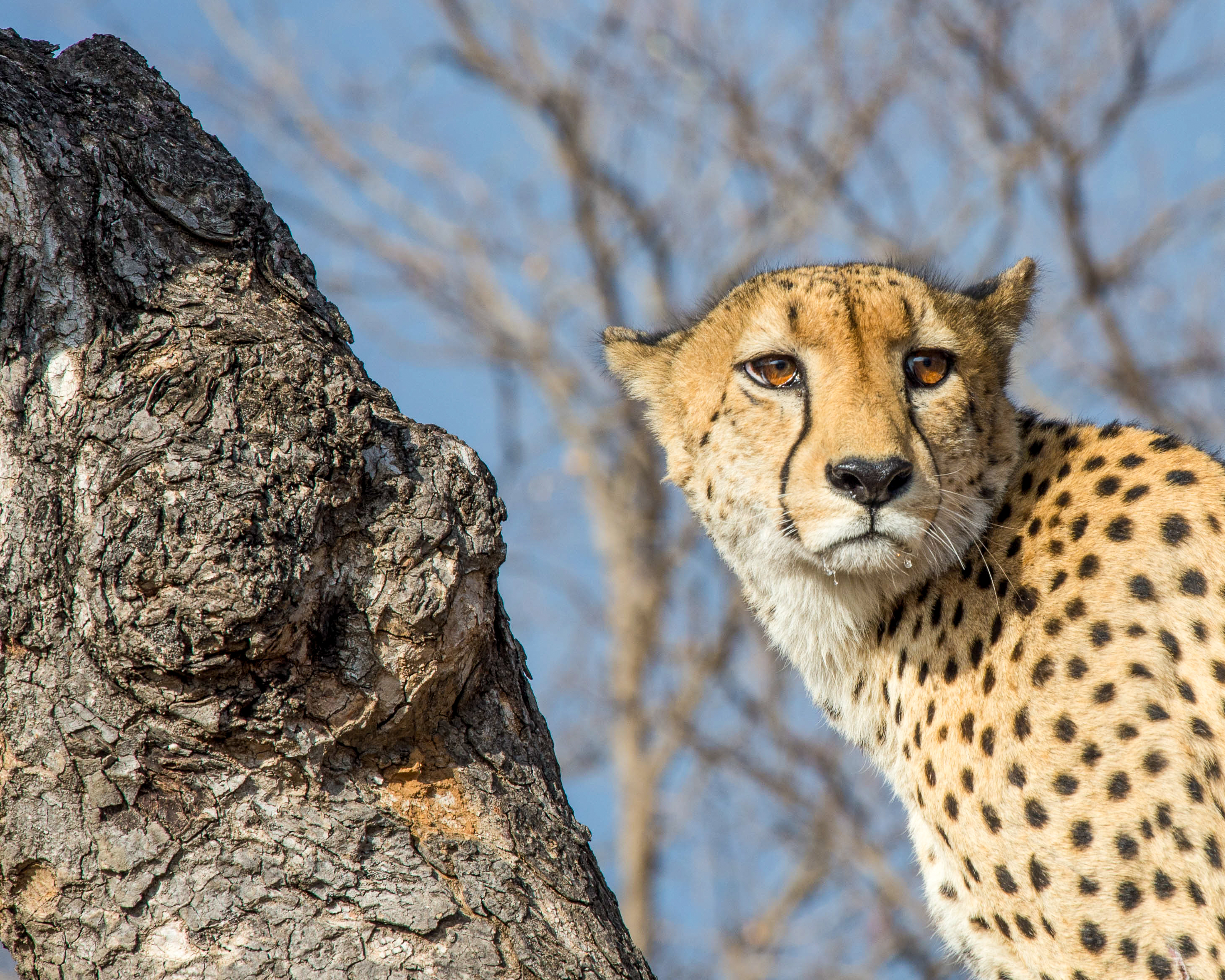
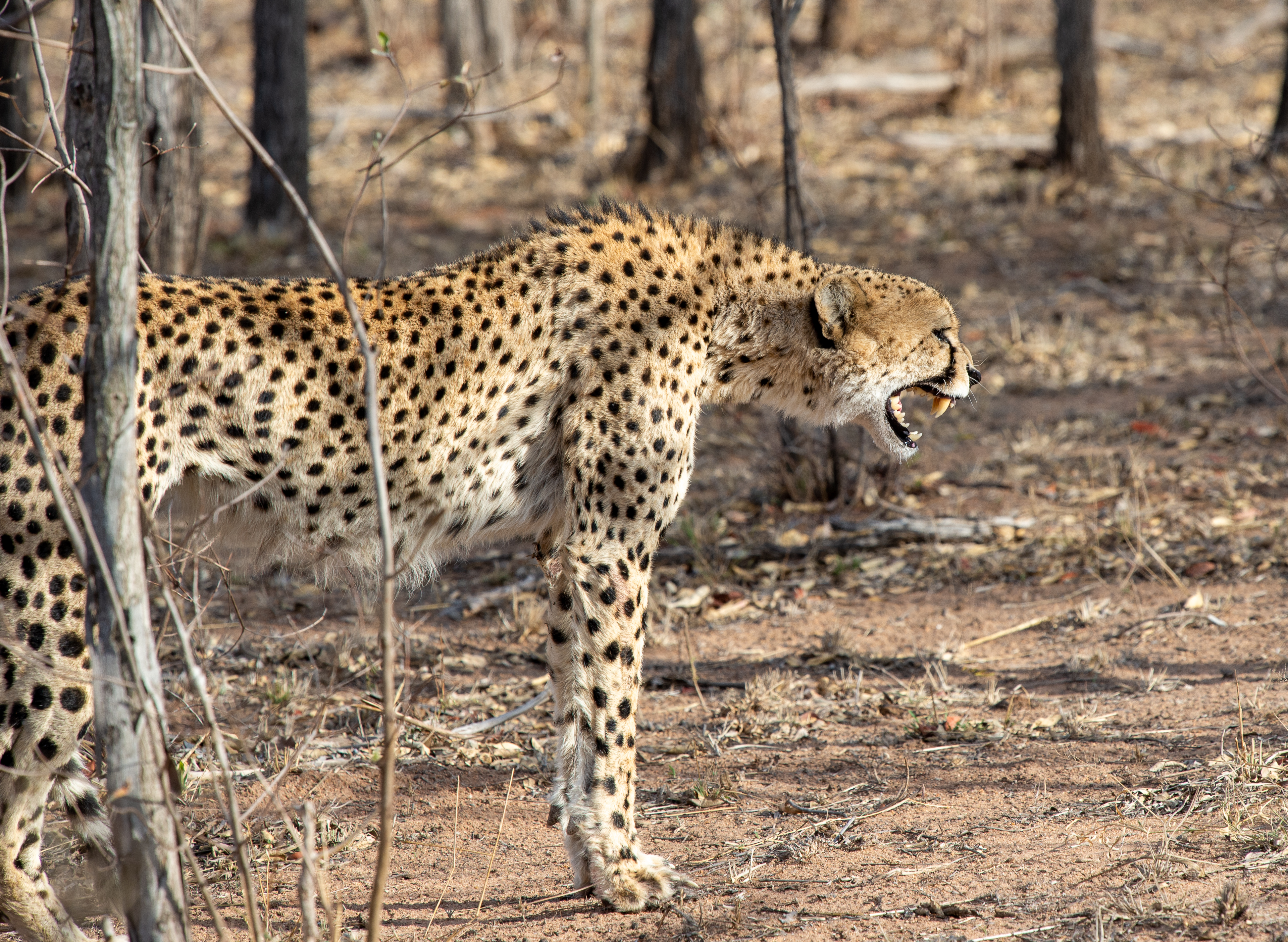
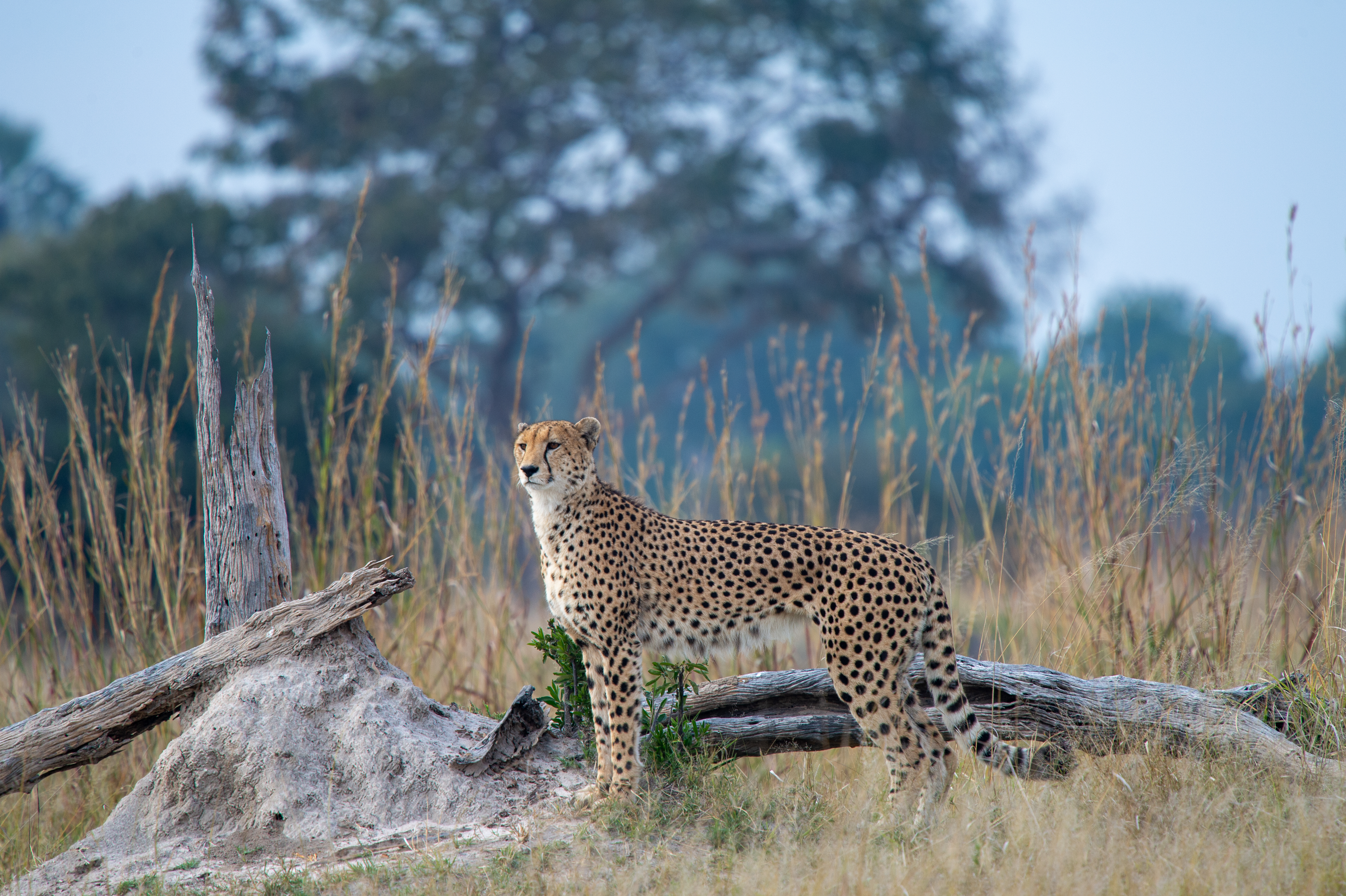
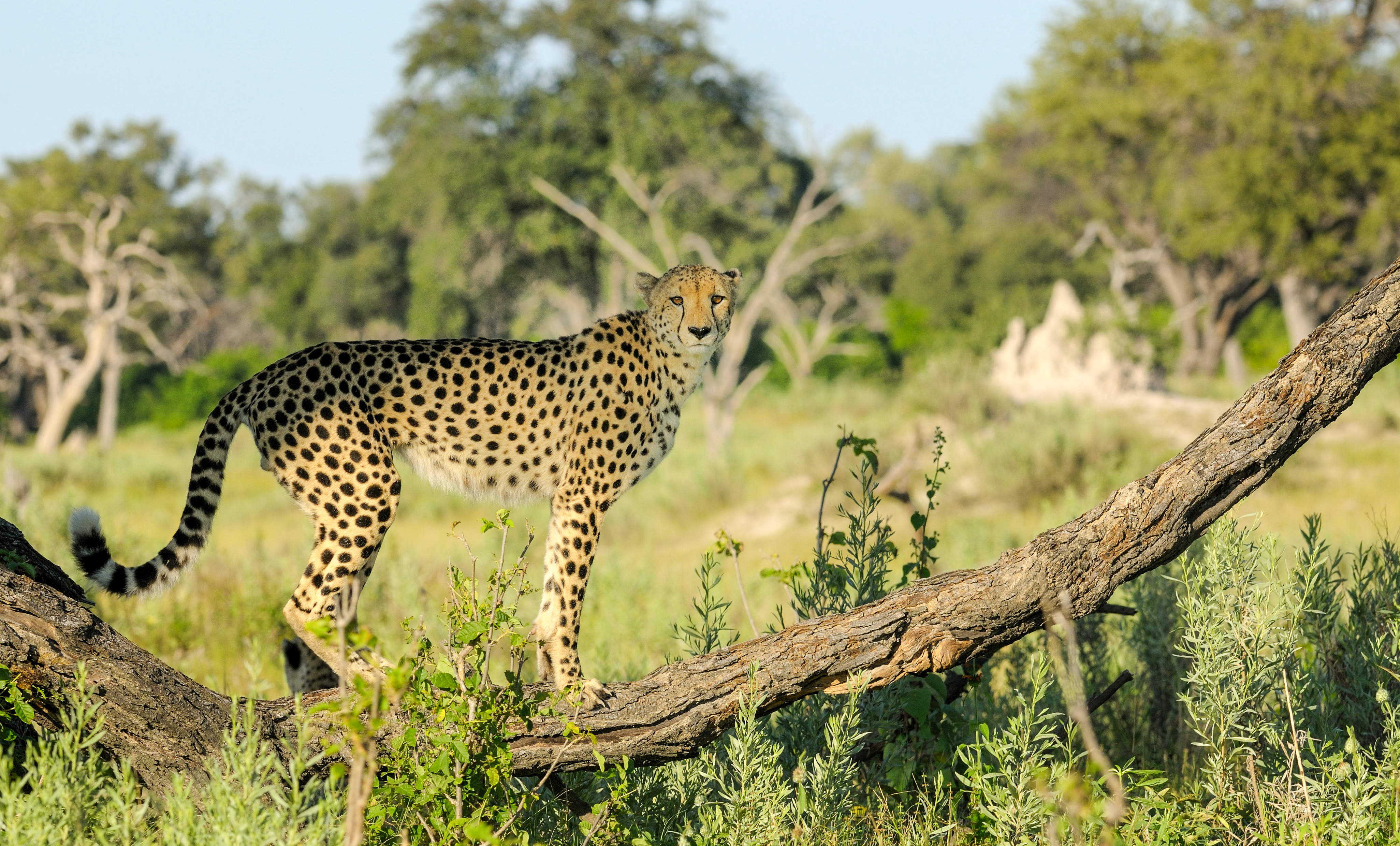
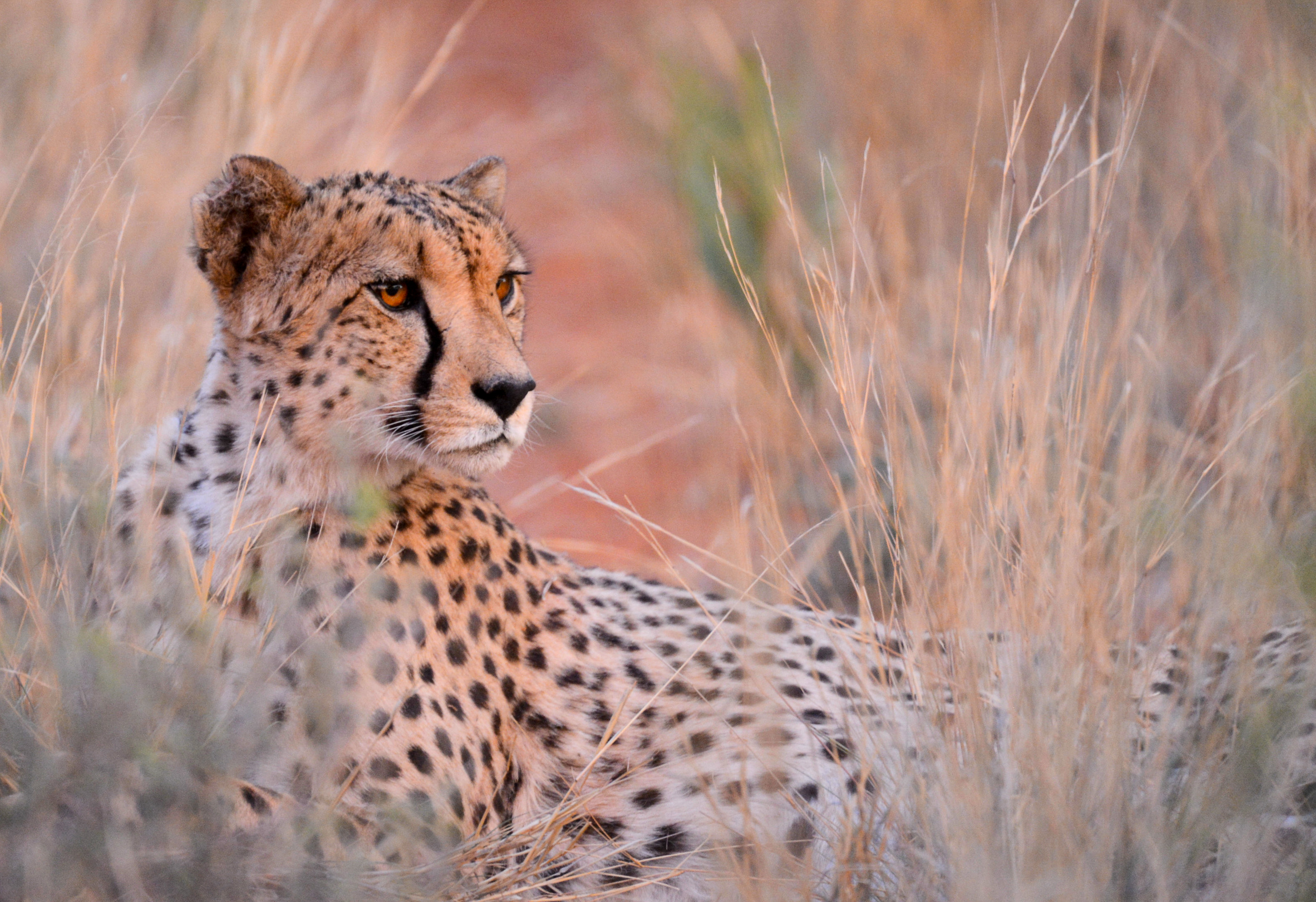
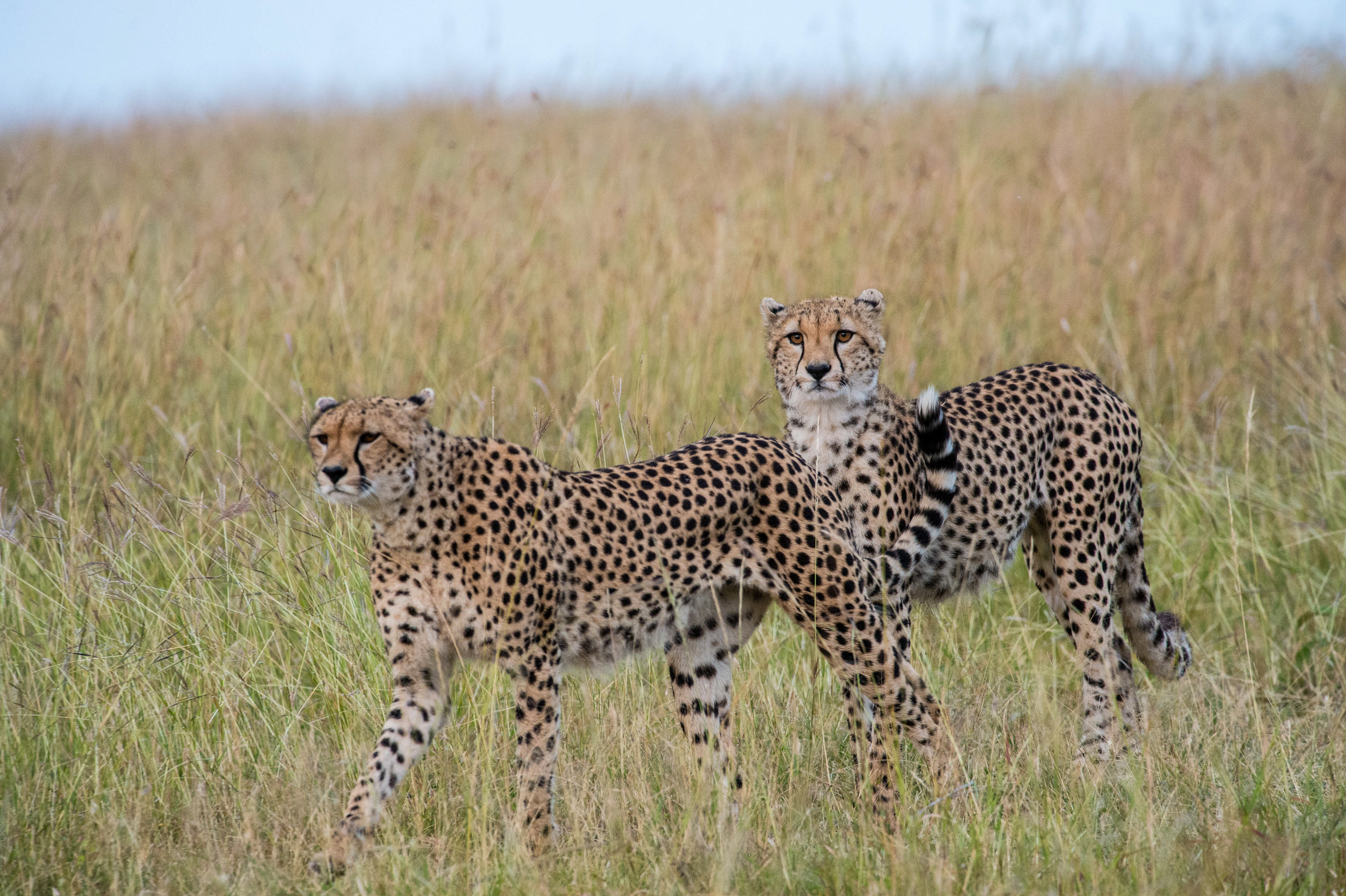
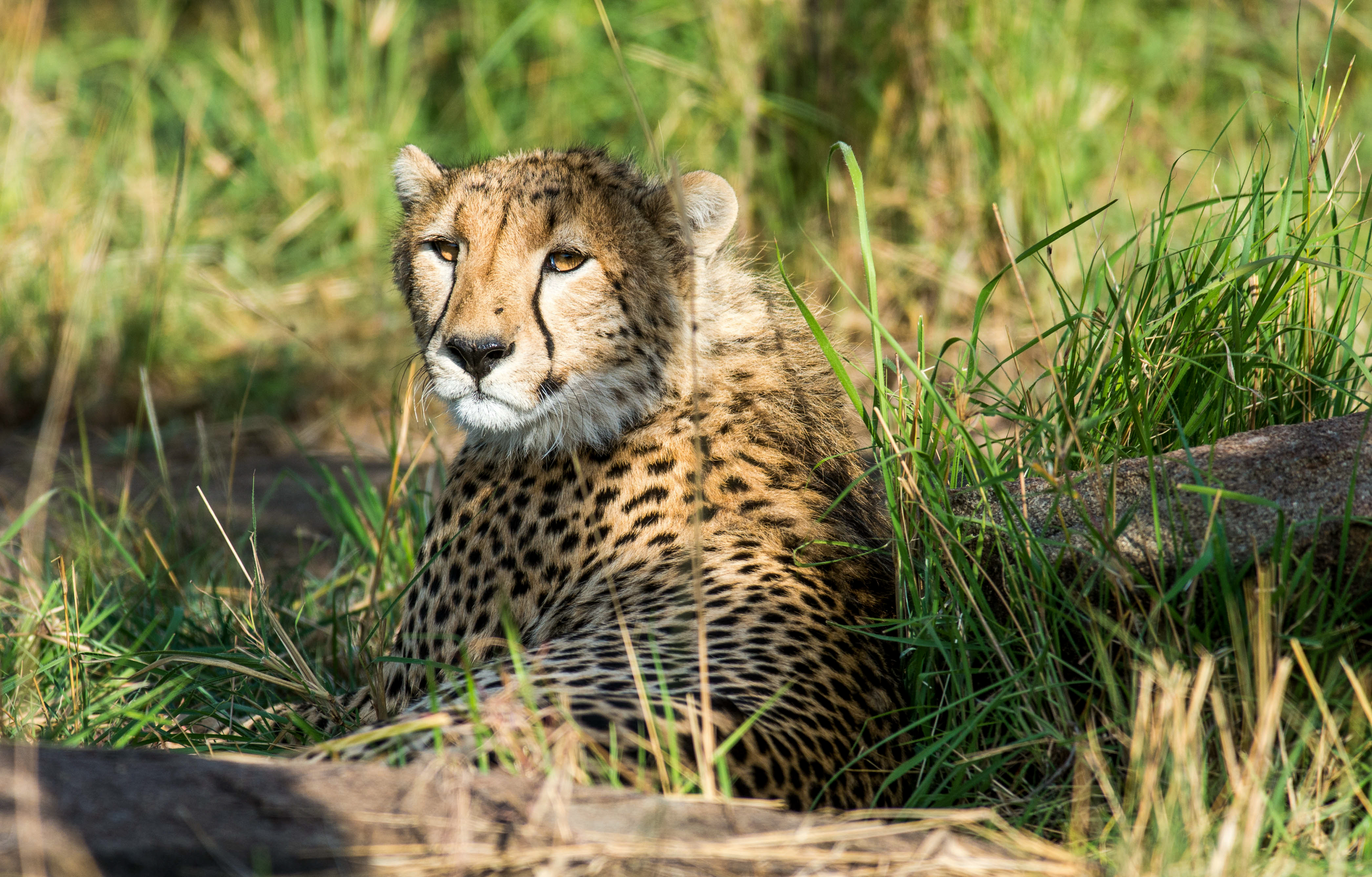
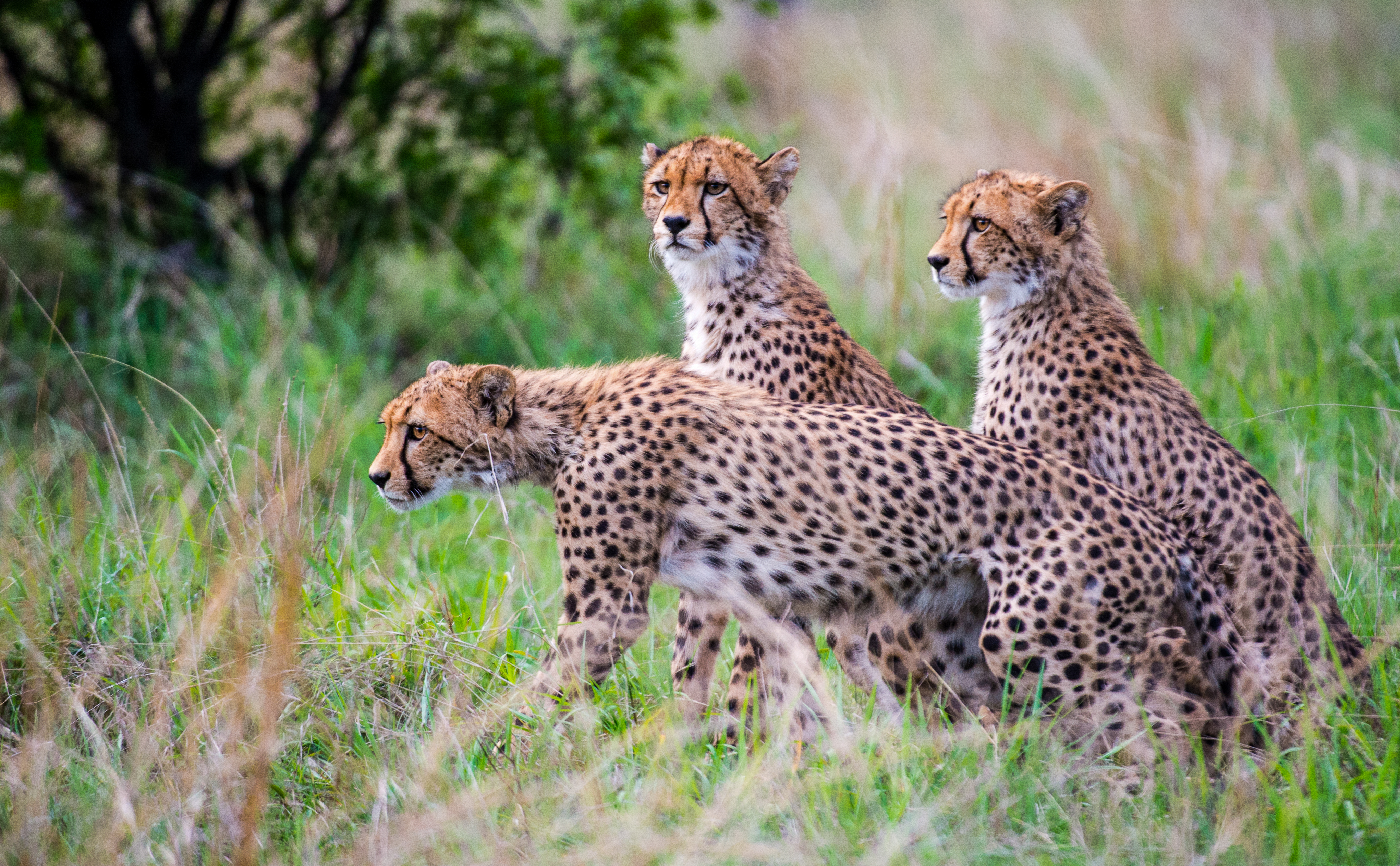
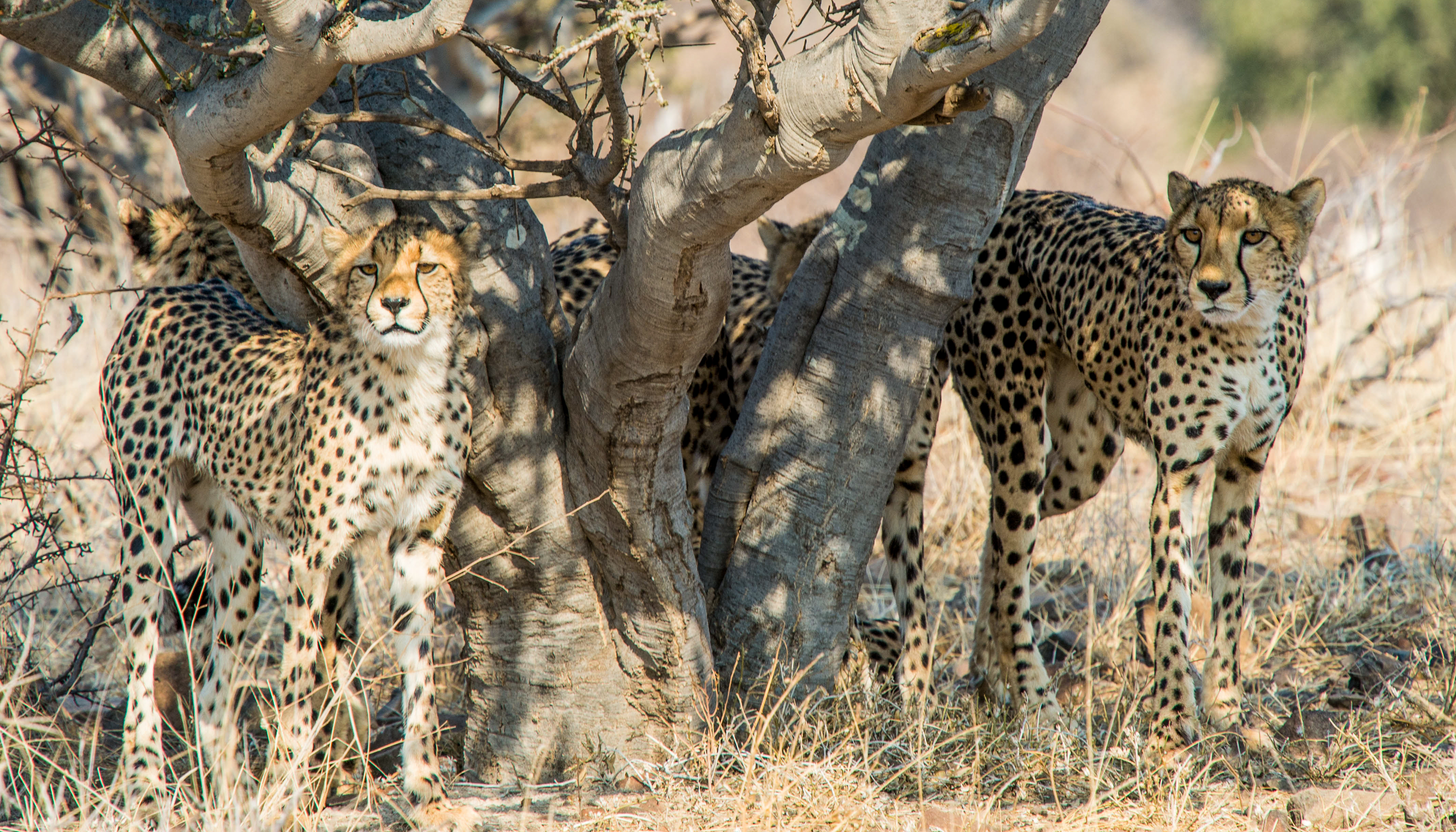
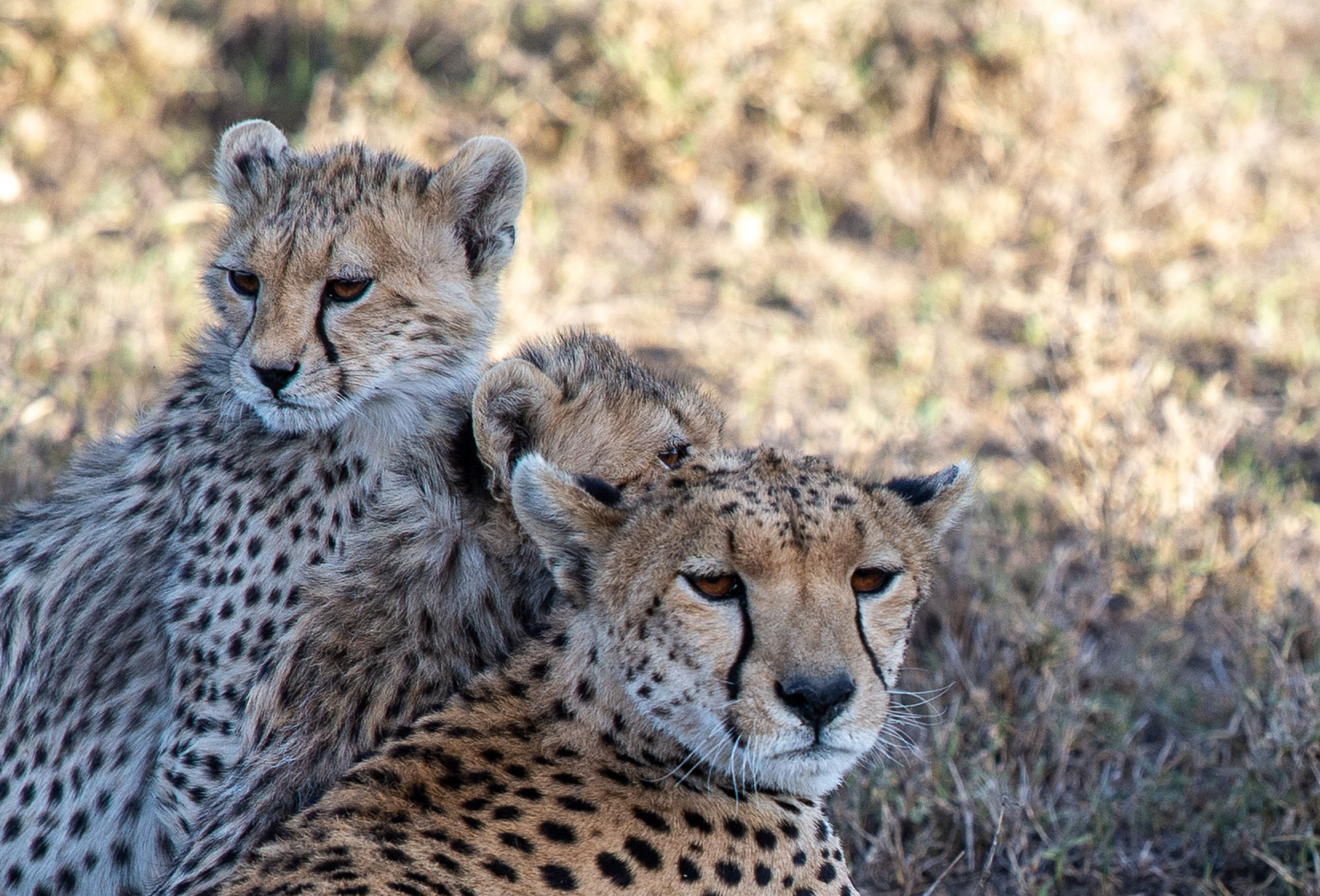
Another highlight was spending some time with a female cheetah and her three sub-adult cubs. Initially lying down in the shade, they eventually got up and relocated, providing me with a brief yet useful opportunity to get a few more low level photographs. 

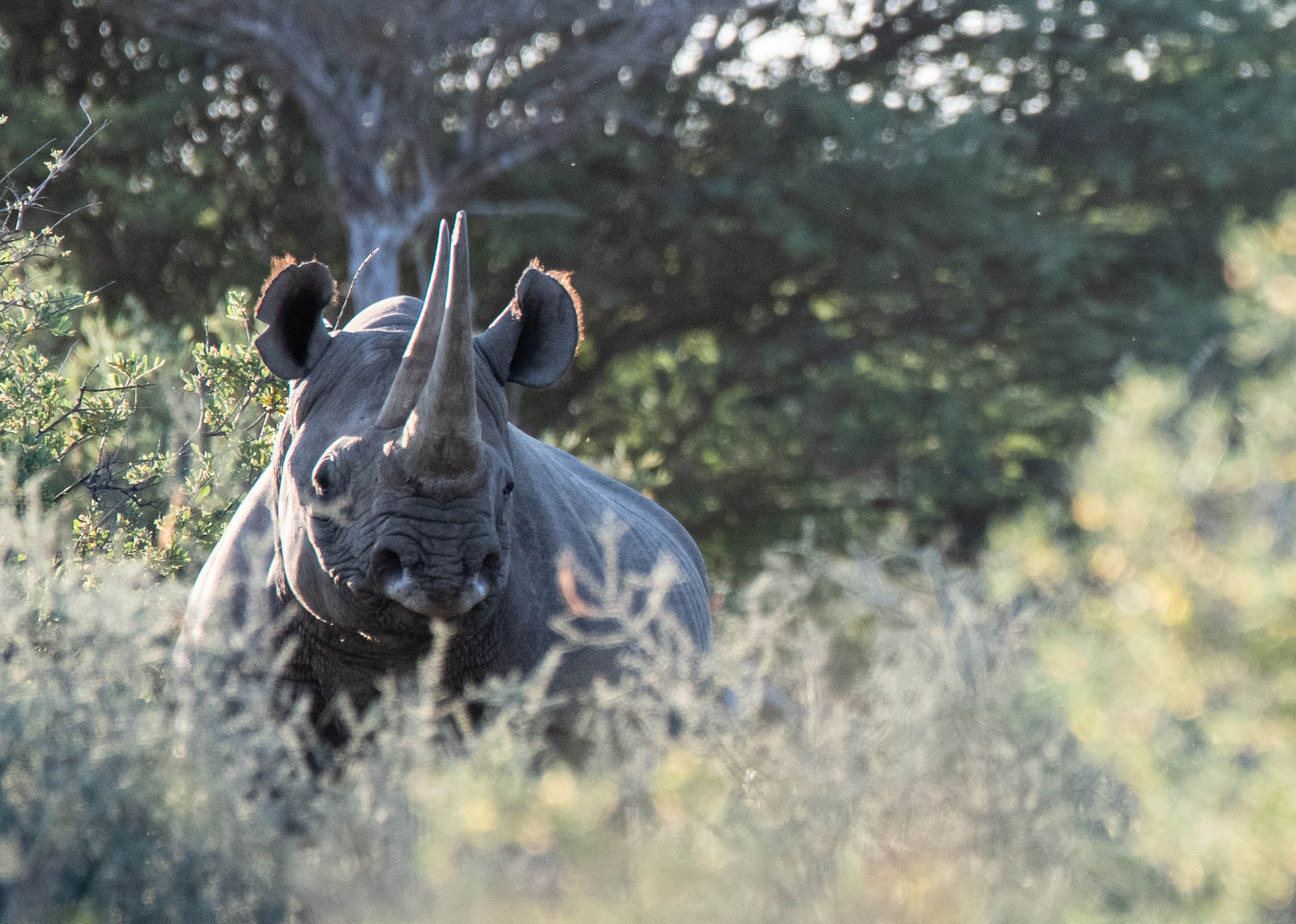
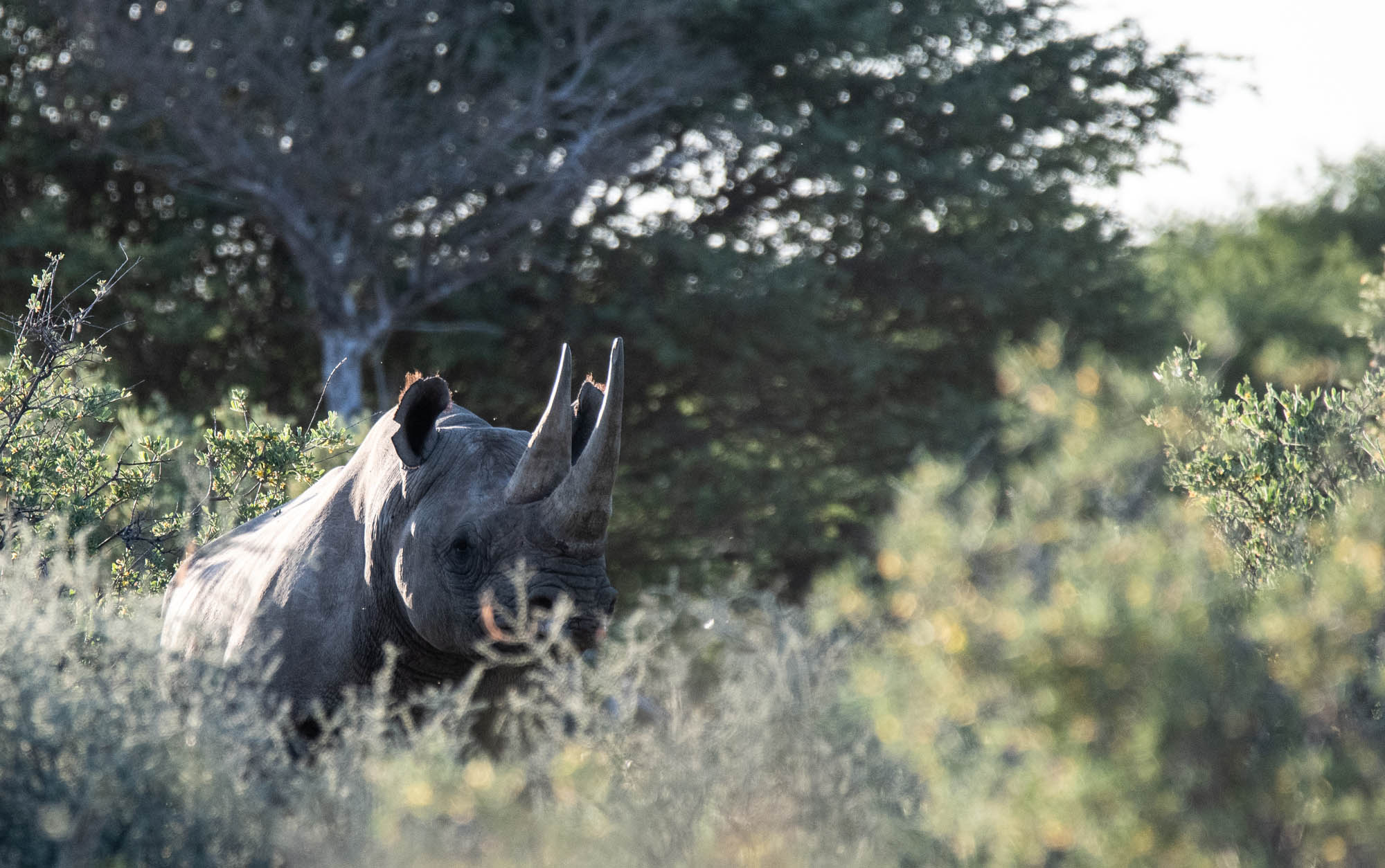
On previous trips to Tswalu we had also come across an aardvark, one of the property’s signature mammals. This time around they were much more difficult to find and observe, due to the rank vegetation prevalent at the time, following an exceptionally good rainy season. The same was true of black rhino.  
My best advice to future Tswalu guests is to spend a minimum of four nights there. It’s a massive reserve and to give yourself a realistic chance to find elusive species like black rhinos and largely nocturnal ones like aardvark, you will need time and patience. Due to the immense size of the reserve (118,000 hectares, equivalent to 292,000 acres) the animals at Tswalu are widely spread out. It’s not unusual for the guides to target only one signature species per outing. While it’s entirely possible to have several amazing sightings on one game drive, there are bound to be slow ones when the desired ‘signature’ sighting doesn’t materialize. Set your expectations accordingly. Fortunately all guests at Tswalu automatically get a private vehicle and guide so you can remain entirely flexible in terms of timing and duration of game drives, inclusion of night drives, a meerkat experience, horseback riding and more. 

Guiding and hospitality at Loapi

Tswalu is renowned for its consistently excellent hospitality with a high ratio of staff to guests, first class accommodation options and sophisticated food and beverage offerings. The guiding cadre is likewise top tier with a guiding stint at Tswalu being highly sought after. 

On our third visit to the property we spent a couple of nights at one of their deluxe Loapi units, essentially a mini private camp within a camp. Complete with a kitchen, coffee machine, milk frother, refrigerator, dishwasher, bar with stools, table for 4, a wet bar with wine fridge filled with wine and soft drinks, various spirits and mixers, an outdoor dining area, outdoor sala with heated splash pool, indoor and outdoor fireplace, private study with desk, living room with couch and chairs, guest toilet, separately air conditioned master bedroom with recessed daybed with window, a boomer-proof safe, two bedside tables and a chair, a bathroom with two sinks, walk-in shower and outdoor shower, and a dressing room with an ottoman, as well as a separate toilet. 

We hardly had enough time to look at, never mind experience all of these features and enhancements so I’m reluctant to be critical in any way. The one thing I would have liked to see either inside or outside the room is a standalone tub. In this setting and in a property of this quality, it seems like a no-brainer. I suspect that water conservation may have played a role in the decision to go with inside and outside showers only. 

The four one-bedroom and two two-bedroom Loapi suites each have a dedicated team of four staff members assisting guests. A professional guide and tracker team, a professional chef and an homathi (house manager). Our private chef Mathew prepared several sterling meals including a delicious oxtail and a fantastic breakfast on our day of departure. Our homathi Dries was as personable and delightful a person as one could wish to meet.  

Our Tswalu guide Michaela impressed us from the word go with her confidence and joie de vivre. She and tracker Piet made a formidable team and between them we didn’t miss a thing. Lion tracks, rhinos dragging their lower lips, ultra-distant kudus against the skyline, finding cheetahs in the thickets, the tiniest of birds – we got them all. It would not surprise us in the least to see Michaela take on a leadership role in her field. 

New developments at Tswalu 

We were fortunate to be shown around Tswalu’s original and best known lodge – the Motse – by ebullient GM Pietro Addis. At the time the Motse was just days away from reopening after a major, top-to-bottom architectural refashioning. Most graciously, despite being wanted in more than just one meeting at that very minute, Pietro focused on us to the exclusion of everything else. He gave us the insider’s view on every facet of the renovation from the state-of-the-art new workout equipment in the gym to the maps which once graced the canopy of the four poster beds. They’re gone.  

Over the preceding six months the camp’s main areas, shared outside spaces and rooms have been attractively and thoughtfully renovated and enhanced. Returning guests don’t have to worry: the Motse is still the classic safari camp which they’ve been visiting all these years. It’s just a little bit lighter all round with white tones inside and out. Some of the spaces in the main lounge and dining area have been reconfigured in a practical and we think most pleasing way. The front entrance also now works a lot better than before. Even more so than previously, the main area and the rooms harmonize beautifully with the surrounding Kalahari landscape.

Tswalu also completed a soft refurbishment of its exclusive-use Tarkuni homestead in April this year. The updates include redesigned open-plan lounge and dining areas, a new mezzanine lounge, and a refined outdoor retreat space. The five en-suite bedrooms and bathrooms were also updated with new linens, curtains, and tactile, natural materials. 

A fine dining experience at Boscia House

On our last night at Tswalu, at the conclusion of our afternoon game drive, Michaela dropped us off at a small homestead, with several prominent Boscia (shepherd’s trees) in the vicinity. Boscia House is a restored, century-old frontier farmhouse, formerly home to Michelin-starred chef Jan Hendrik van der Westhuizen’s Klein JAN dining experience. In its new, evolving iteration Boscia House is a quaint, peaceful setting for a multi-course dinner with expert local wine pairings. Dining here is a culinary adventure from start to finish. The seven-course tasting menu which we enjoyed incorporated several local ingredients, some of which are foraged, and it illustrates a deep respect for the area’s heritage foods and local culture. Tswalu’s guests get to enjoy one complimentary dinner at Boscia House during their stay, adding a unique dimension to a safari of a lifetime in the northern Cape Kalahari. 

Here are some notes about the courses in the order they were served, the wine pairing and a few photos. 

Brioche bread with marmite butter, rolled in biltong dust

This uber-South African flavor-bomb, served on a skewer in the style of a lollipop, appealed to the 7-year old small-town boy in me with the unmistakable slightly earthy, somewhat salty hint of Marmite blending beautifully with locally made butter in a brioche crumb square, rolled in fine biltong dust. Biltong being the ubiquitous South African dried meat snack. Food doesn’t get any more nostalgic than that, or more playful. The taste sensation of that single canape was worth coming all this way.   

Mopane worm and lemon butter with amagwinya 

Amagwinya (locally known as vetkoek which can be loosely translated as ‘fat cake’) is a humble South African comfort food. In many other parts of Africa, India and elsewhere similar ‘fried dough’ iterations serve as the basis of hundreds of varieties of delectable street food. On this evening at Boscia it was elevated into a mini work of art with the addition of a smear of aromatic-infused mopane worm paste and a dab of bright lemon butter. Like practically everything on the menu it was unusual, innovative and absolutely palate-pleasing.  

Spekboom gazpacho with frozen apple, melon, cucumber and goat cheese 

This highly visual, even theatrical take on a cold soup was my personal favorite of all the courses served. Mostly because of the textural variety and the totally unexpected yet exhilarating temperature contrast and interplay between the extremely thinly sliced frozen apple and melon with the other ingredients. In an ensemble with spekboom (a crisp, citrusy local succulent) and an exquisite local goat cheese, this gazpacho is the stuff of culinary dreams.  

Potato with leek, corn and mesquite bean

By this point in the meal, I was not surprised to experience the novel way in which such relatively humble ingredients – potato and corn – were transformed into a stunning mid-course dish. Again, the textural diversity was superb and the mesquite beans added a distinctly smoky, slightly sweet and nutty flavor.  

Ostrich medallions with baby corn, vanilla, saffron, cabbage 

Game meat (such as kudu, gemsbok loin or ostrich) is often the centerpiece of the main course at Boscia. The ostrich medallions on this night were perfectly seared and incredibly lean yet tender as can be. Paired with some savory cabbage it created a show-stopping main course which was satisfying and not at all heavy, as can sometimes be the case with game. 

Sago pudding with rooibos, soetkoekie and orange 

The dessert course at Boscia was a heritage-laden sago pudding; something which might have been served by one’s grandmother around a traditional coal stove in South Africa in years gone by. This particular sago pudding with cinnamon, tiny orange slices and crumbled cookie, was totally dreamy without being overly sugary or cloying. Just the right level of cinnamon and sweetness with a hint of rooibos tea, rekindling the familial warmth and kinship of the family dining table.  

Mesquite tree coffee with coconut sugar and an infused raisin.  

Kathy and I don’t habitually experiment much beyond decaf Americano and cappuccino so we had to be gently cajoled into ending the wonderful meal with a shot of mesquite tree coffee. Hearing that it was naturally caffeine-free helped. Just as well that we set our initial misgivings aside. The naturally sweet, nutty, and slightly caramelized flavors of the roasted mesquite pods were satisfyingly coffee-like while being completely new to our palate. It was served on a tiny bed of coconut sugar ‘Kalahari sand’ with an infused raisin as a faux springbok pellet, on the side. Storytelling and local culture intertwined in an entertaining and playful manner – the ideal end to our delightful dinner at Boscia House.   

The accompanying wine selection included the following:

  • Lowerland Vaalkameel 2024
  • Jan White Blend 2025
  • Koedoe Cabernet Sauvignon 2023
  • Jan Red Blend 2023
  • Die Mas Chardonnay 2023
  • Prins Ben Muratie Cape Ruby
  • Orange River Cellars Hanepoot

Planning a Tswalu Kalahari visit

We had not seen the Kalahari looking this good in a very long time. It did not come as a surprise, with as much as twice the average summer rainfall having been recorded in the northern Cape Kalahari this year. It augurs well for Tswalu for the remainder of this year and likely well into 2027, even if the next rainy season falls short of expectations. So if you want to experience the Kalahari at its best, this fall or next winter may be particularly good opportunities to head there.  

Beyond its fascinating mix of wildlife, superb accommodation, expert guiding, and as much privacy as you can imagine – and not forgetting its culinary prowess – Tswalu is also a visionary conservation project. Over the course of the past 31 years it has become the very model of ecological restoration in South Africa, protecting diverse habitats and fauna and flora, including many rare and endangered species. 

Email Bert at bert@fisheaglesafaris.com to find out more about traveling to Tswalu to experience its remarkable diversity and unique experiences and to become involved in the ongoing scientific research supported by the Oppenheimer family and Tswalu Foundation. 

Tswalu property photos provided by Tswalu.

YOU MIGHT ALSO BE INTERESTED IN
Destinations
Zambia

10th September 2021

Chindeni and the Bushcamp Company, Zambia

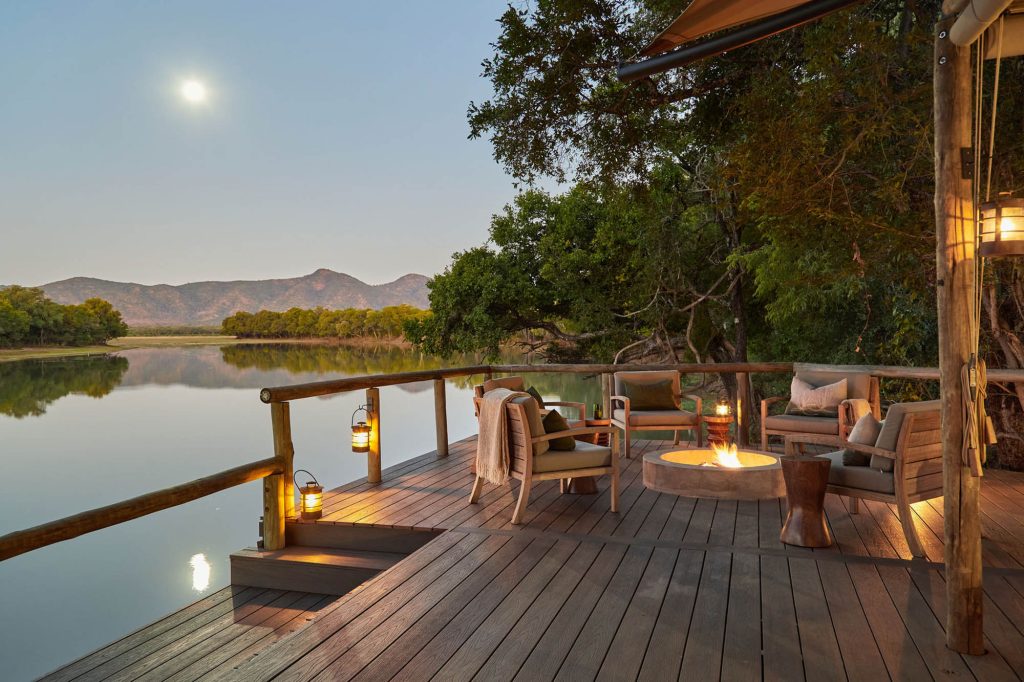
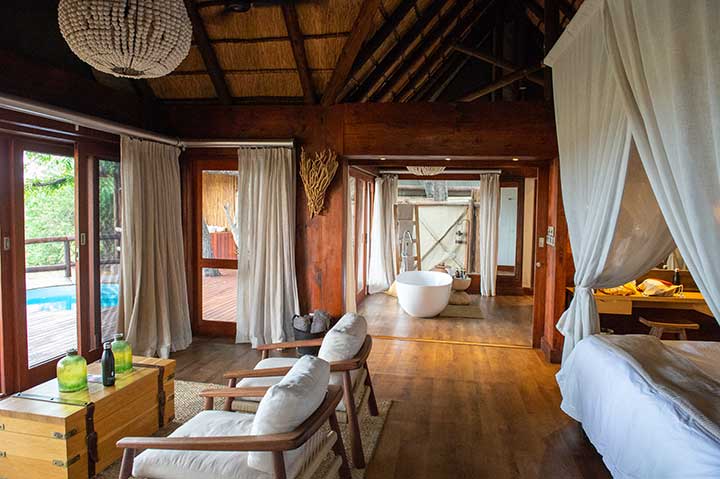
By late July we found ourselves at Chindeni, a small Bushcamp Company property
Read more
Botswana
Destinations
Okavango Delta

3rd October 2022

Camp Okavango, Botswana

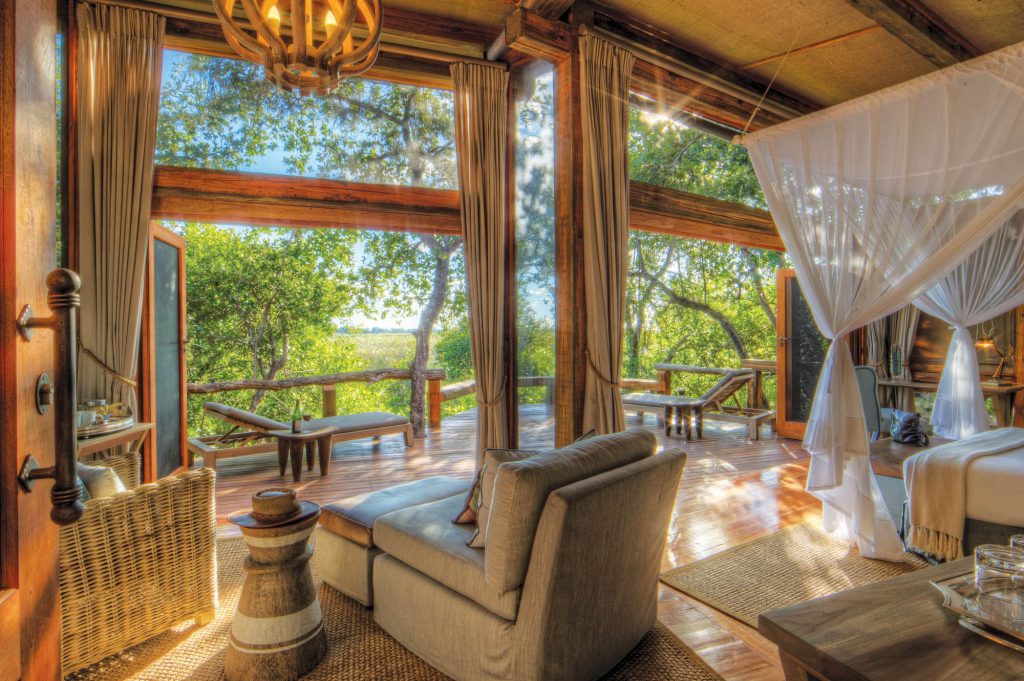
Camp Okavango is in the heart of the permanent part of the Delta. In this idyllic setting there are no vehicles, and it is just a short walk
Read more
Area
Destinations
Nyerere National Park
Ruaha
Tanzania

14th October 2023

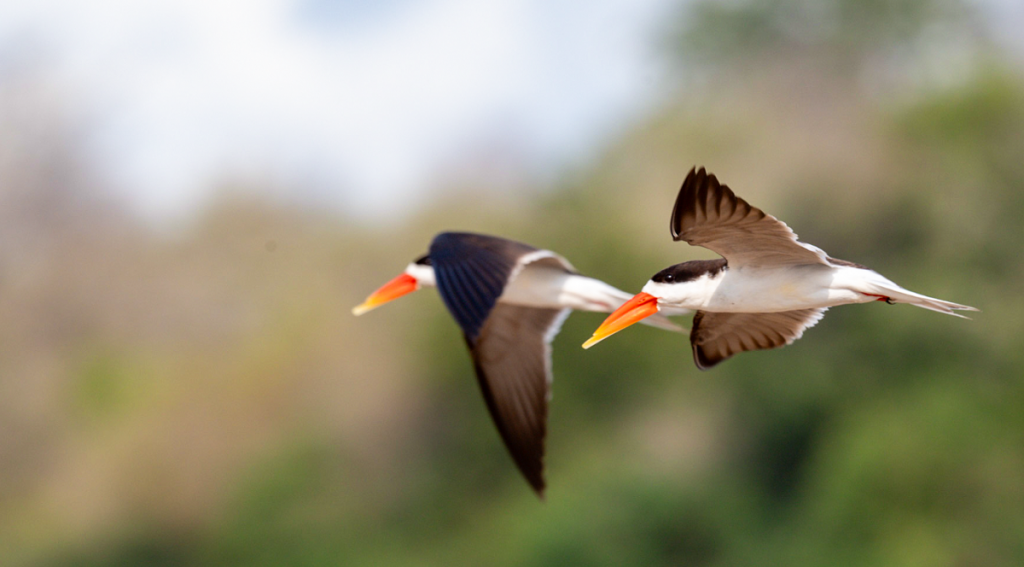
From My Safari Notebook: Wildlife Photography

Birds in flight and wildlife photographers have an uneasy relationship. Things go wrong as often as they go right. Getting focus-lock on a moving subject

Read more

SUBSCRIBE TO OUR NEWSLETTER

READERS FAVOURITES
Destinations
India

27th May 2023

India

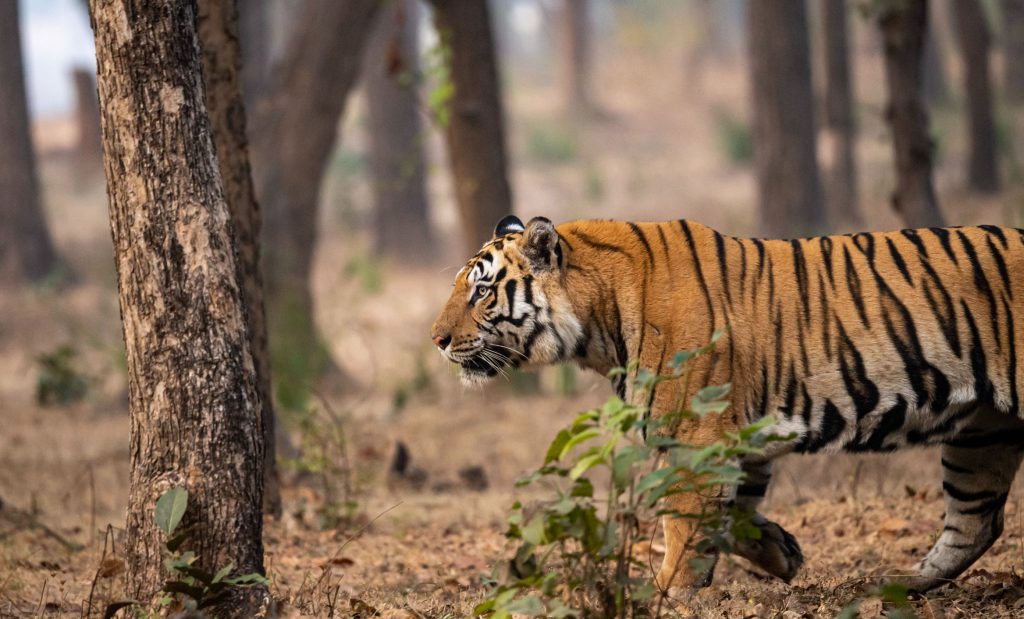
India’s tiger, mammals and birds.

Read more
Botswana
Destinations

4th August 2022

On Safari At Belmond Eagle Island Lodge, Okavango Delta

What is the ‘secret sauce’ for an unforgettable few days on safari in Botswana? It starts with the animals, of course. The elephants, lions, giraffes, hippos

Read more
Destinations
Zambia

10th September 2021

Chindeni and the Bushcamp Company, Zambia

By late July we found ourselves at Chindeni, a small Bushcamp Company property

Read more

Tswalu Kalahari Reserve Part 2

5th March 2021

Tswalu Kalahari Reserve Part 2


Image

Tswalu Kalahari Reserve Part 2

In Setswana, Tswalu means a ‘new beginning’ and under the stewardship of the Oppenheimer family, the aim is to deliver exactly that: a fresh era of hope for the people and wildlife of one of South Africa’s last great wilderness areas. 

The family took over responsibility for the reserve in 1998, continuing the vision of the late Stephen Boler, whose dream it was to return the area to its former state. Since then, their commitment to conservation has seen indigenous species re-introduced, and real strides made towards the restoration of the Kalahari,  undoing many years of neglect.


Image

Tswalu is conservation-in-progress. Damage caused by unsustainable farming endeavours is slowly receding, with fences and structures having been removed, and natural processes allowed to run their course.  

The results have been truly spectacular as we – and our guests – have been fortunate to observe over the last several years.  Each visit reveals a new facet of the Kalahari experience, adds to our knowledge of animal behavior and adaptation, and makes us even more fond of this special place.


Image

Cheetahs ahead

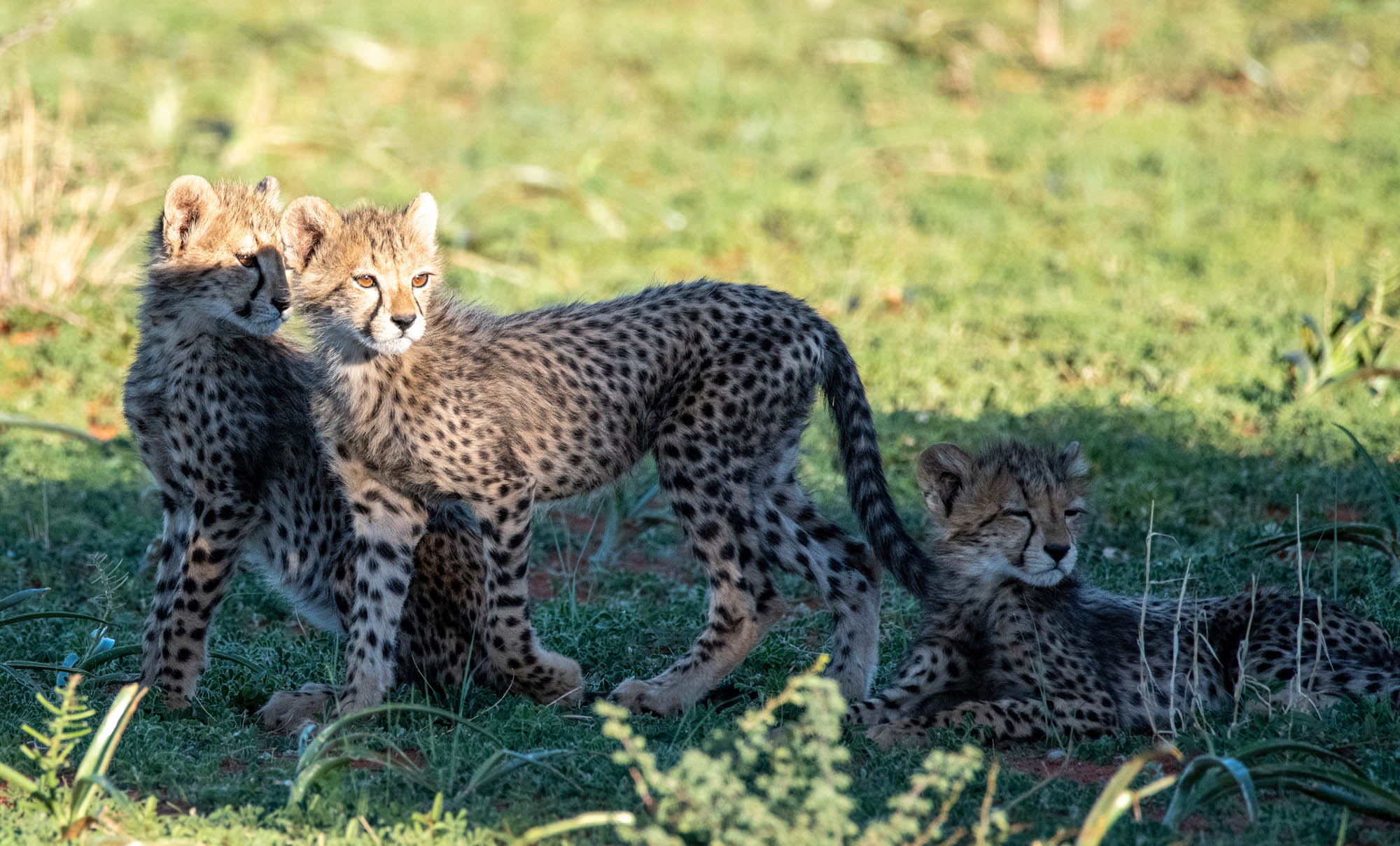
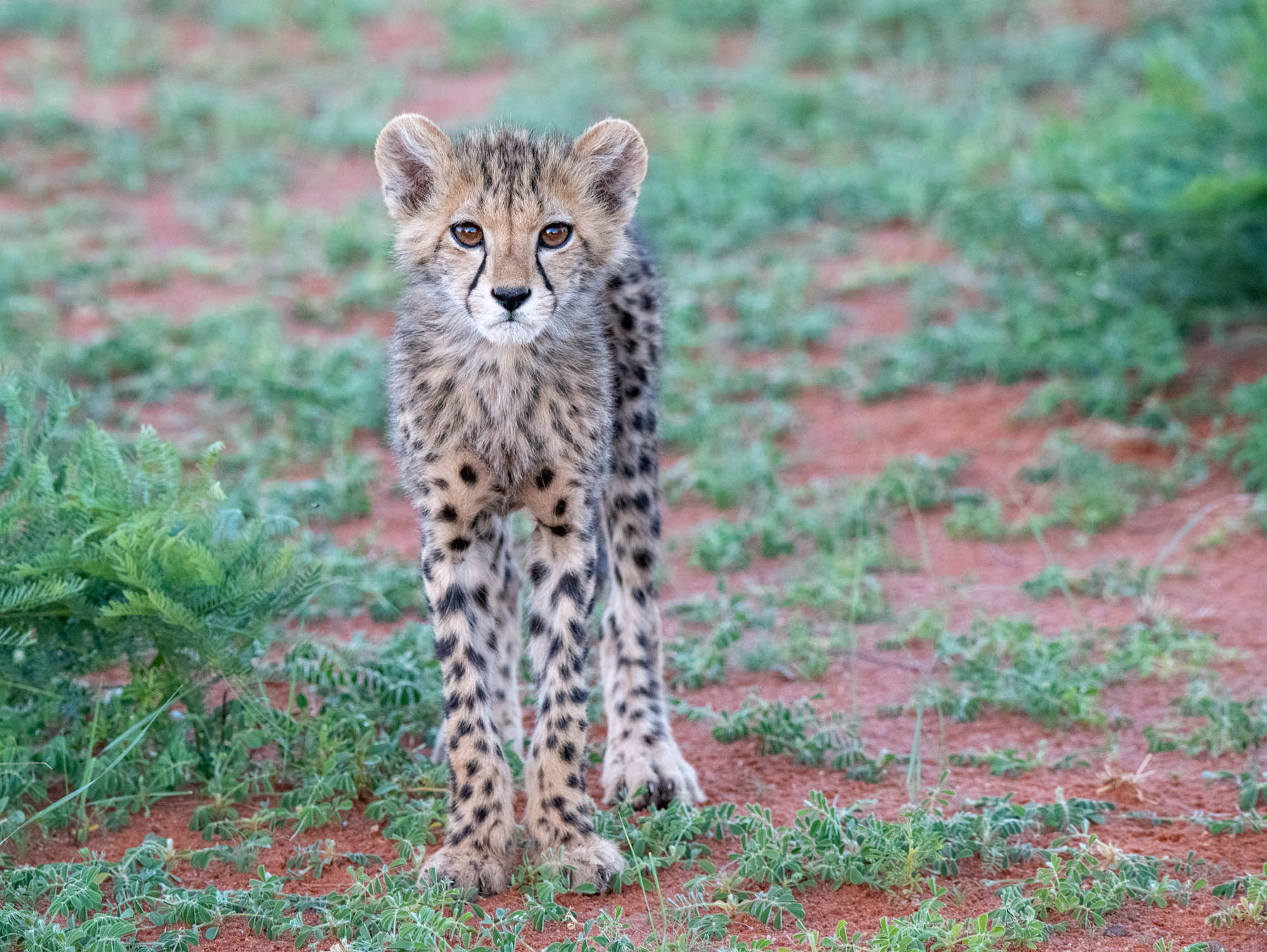
After a bit of down-time on our second day at Tswalu, we resumed our search for the Kalahari wildlife around 5:00 pm. Not long after, we found ourselves tracking a small family group of cheetahs. A female and three young cubs around three  months old. Initially, they proved difficult to locate, so our tracker William jumped out of the car to try to locate them on foot, while our guide Barry took us along a more distant road, checking to see if the cheetahs had crossed over it, at any point.  

Sanctuary Retreats


Image

Not long after, William radioed us that he had located the cheetahs, walking towards a line of dunes.  The female was constantly moving, having spotted William on foot, so the developing scenario was difficult to photograph. The female just would not settle down long enough for us to get a good photograph of her and the cubs, together.  Even so, I succeeded in making a few decent captures because the cubs were curious about our presence, and came  right up to the vehicle to check us out.  


Image

We discover a bat-eared fox den

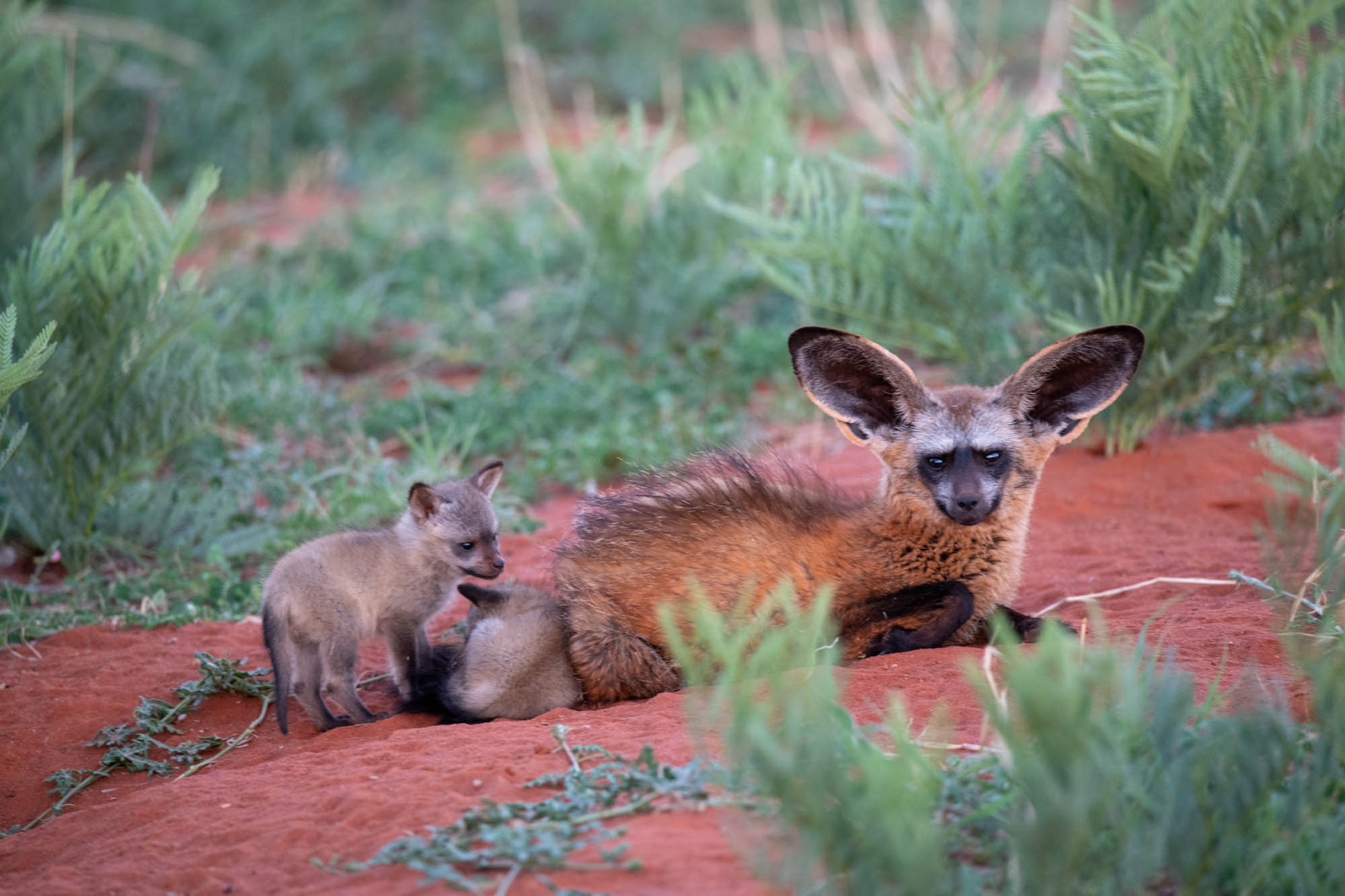
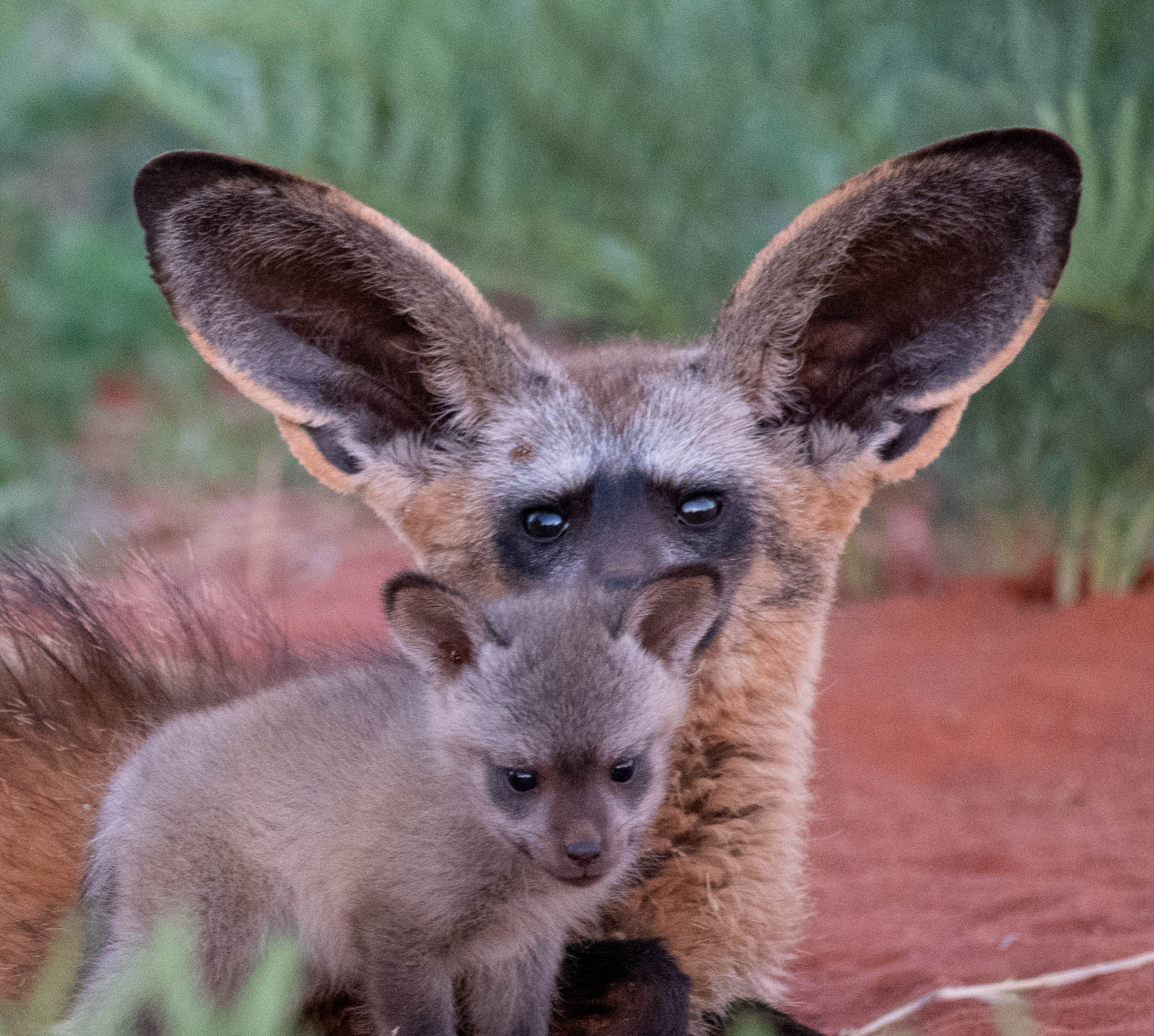
Our last sighting of the day was just as memorable.  Just as the sun was going down, we spotted a pair of bat-eared foxes with their three tiny pups – barely a few weeks old. The light wasn’t great but we nonetheless got some good looks and captured a few pics of the tiny pups.   They looked very doglike with tiny ears and short little snouts, nothing like their long-eared and long-nosed  parents.  Soon after, it was time to take a break for sundowners on the crest of a dune.  From where we were parked, we had the most amazing views over the Kalahari landscapes, aglow in the late afternoon light.  It was one of the few places we’d ever been to, from where one can observe a noticeable curvature of the earth.


Image

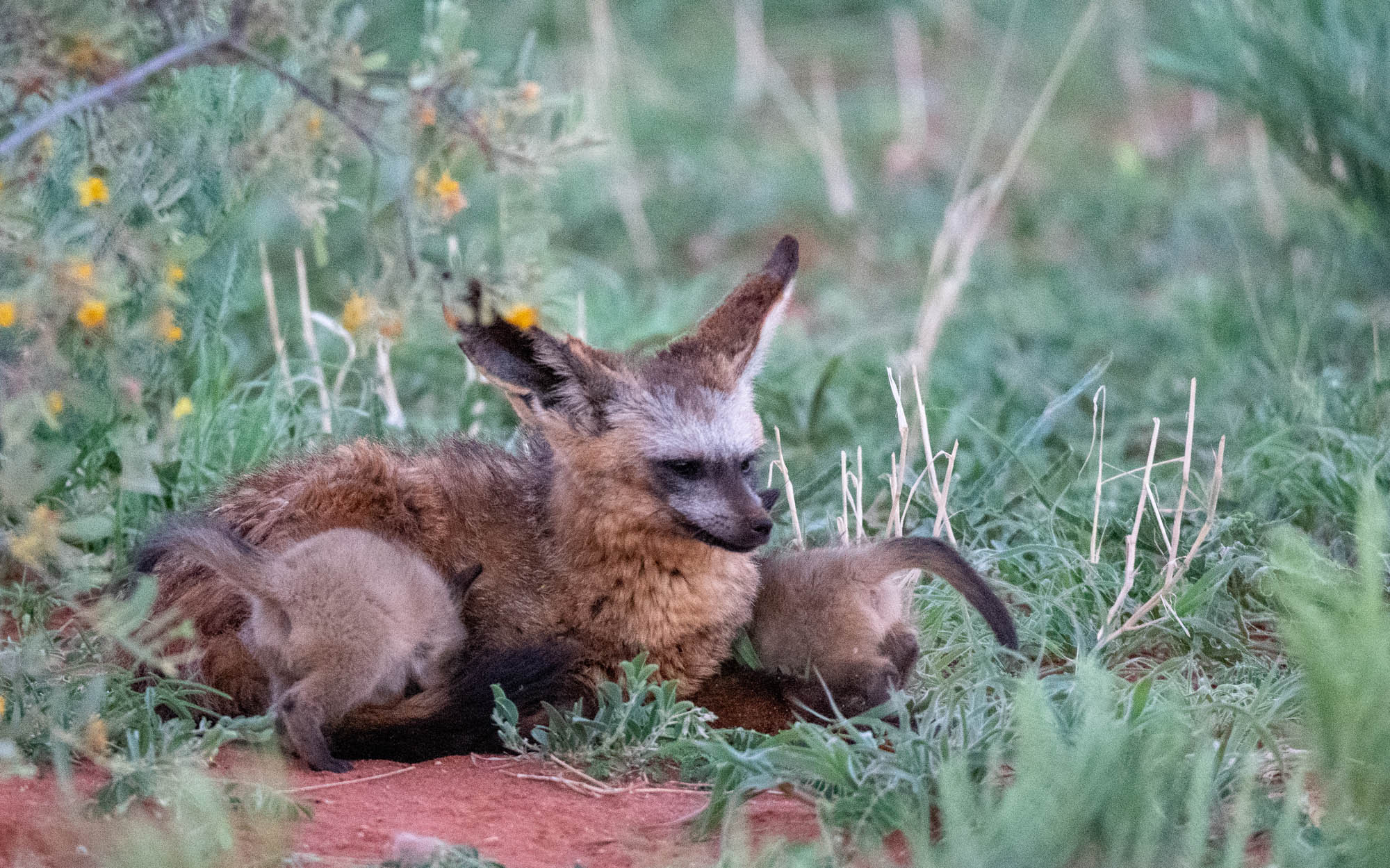
The following day, again in the late afternoon, we returned to the bat-eared fox den site.  This time around, I was able to get the shots I had missed the previous day. Well lit, sharp photos of the female bat-eared fox with first one and then two of her little pups with her. Priceless.


Image

Of meerkats and black rhinos

The following morning our objective was to station ourselves at a habituated meerkat den as they woke up and emerged from the den at first light.

A few minutes before any sun rays actually hit the spot, the first two of the seven adult meerkats in the downsized ‘Rockstar’ colony of 7 adults and 5 babies, peered out from the burrow.   Soon enough the entire family was there.  At least initially a sentinel could be seen keeping a sharp lookout to see if conditions were safe.


Image

For the first thirty minutes or so the entire group was clustered around the main den site, waking up and stretching their muscles, clearly just happy to be alive for another day.

Increasingly, the meerkats started to interact, several of them grooming some of the youngsters and the babies eventually starting to mock fight and bowl each other over.


Image

Eventually the meerkats started to drift away from the den and move into the open veld. Darting from one spot to the next,  they were off to find some food. With good rain having fallen fairly recently, there was an abundance of insects to be found and devoured. Their joie de vivre was on full display: finally, conditions had taken a turn for the better, after a severe and long-lasting drought.


Image

Back at the lodge, we had to make good on a desire we had expressed earlier, which was to go for a run with our guide Barry.  It ended up being a 7km run on a sandy path, taking a circular route starting from the camp. Was it hot and heavy-going? Yes.  Could I bail out and jump on the vehicle following us?  Not under any circumstances, having requested the run myself, to get some exercise.

In the afternoon we drove about one hour southwest towards a more heavily wooded area (with lots of blackthorn acacia trees) where we would stand a chance to see a black rhino.


Image

We spent the next couple of hours or so patrolling various tracks around the area but came up empty-handed.  No sign of a black rhino.  Or any rhino for that matter.  We had pretty much resigned ourselves to not seeing these magnificent animals – at least not on this trip to Tswalu –  when our capable tracker William spotted some rhino tracks.  “These tracks are very fresh,” he said.


Image

That definitely got my attention and sure enough, just minutes later – bingo – there was a female black rhino with a sub-adult calf staring at us from a somewhat elevated spot. The rhinos were partially obscured and clearly not sure where the potential threat may be coming from.  We had a brief opportunity for a few photographs and then the female black rhino and calf moved away, kicking up some Kalahari dust. It was the perfect ending to a magical three days in the Kalahari.


Image

In our blog post next Friday we will look at a few Arusha-area hotels, namely Ngare Sero Lodge, Legendary Lodge and Villa Maua.  Any one of these would be a good choice to spend a day or two prior to, or after a safari or climbing Mt. Kilimanjaro.

More Info

Email bert@fisheaglesafaris.com

Email jason@fisheaglesafaris.com

@fisheaglesafarishouston

#FishEagleSafaris

YOU MIGHT ALSO BE INTERESTED IN

Destinations
Zambia

10th September 2021

Chindeni and the Bushcamp Company, Zambia

By late July we found ourselves at Chindeni, a small Bushcamp Company property

Read more
Botswana
Destinations
Okavango Delta

3rd October 2022

Camp Okavango, Botswana

Camp Okavango is in the heart of the permanent part of the Delta. In this idyllic setting there are no vehicles, and it is just a short walk

Read more
Area
Destinations
Nyerere National Park
Ruaha
Tanzania

14th October 2023

From My Safari Notebook: Wildlife Photography

Birds in flight and wildlife photographers have an uneasy relationship. Things go wrong as often as they go right. Getting focus-lock on a moving subject

Read more

SUBSCRIBE TO OUR NEWSLETTER

READERS FAVOURITES
Destinations
Zambia

10th September 2021

Chindeni and the Bushcamp Company, Zambia

By late July we found ourselves at Chindeni, a small Bushcamp Company property
Read more
Botswana
Destinations

4th August 2022

On Safari At Belmond Eagle Island Lodge, Okavango Delta

What is the ‘secret sauce’ for an unforgettable few days on safari in Botswana? It starts with the animals, of course. The elephants, lions, giraffes, hippos

Read more
Destinations
India

27th May 2023

India

India’s tiger, mammals and birds.

Read more

Cheetahs, cheetahs, cheetahs

9th October 2020

Cheetahs, cheetahs, cheetahs


Image

Cheetahs, cheetahs, cheetahs

For many visitors to Africa, seeing the big cats is #1 on their wish list.  Nobody wants to go home only to have to say ‘no’ to the inevitable question about having seen lions.  Even though the total number of lions in Africa have dropped alarmingly over the last few decades – largely due to habitat loss – they are still relatively easily seen in most wilderness areas.  Lions are also prolific breeders under the right conditions – with enough prey animals around – so they bounce back quickly and predictably after setbacks such as prolonged droughts.  Which means that on your next – or first – trip to Africa, you will almost definitely bump into lions if you spend a few days in practically any major game reserve or national park.  In Southern or East Africa.  So, did you see lions?  Yes.


Image

Other big cats are less frequently seen.  Leopards are supremely adaptable creatures and they are common in almost any non-urban African habitat except true deserts.  What makes them difficult to find and observe is their naturally elusive, shy and mostly nocturnal nature.  They are mostly solitary and stealthy creatures of the night. That is when they are out and about in search of prey such as unsuspecting smaller antelope, monkeys, baboons and the like.  Consequently, visitors see them mostly very early in the mornings or in the late afternoon, when they start to get active after resting up.  In areas where they are habituated to the presence of vehicles, such as the Sabi Sand reserve in South Africa, in parts of the Masai Mara and the Serengeti, in private concessions in Northern Botswana and at Mashatu in south-eastern Botswana, they are more readily seen as they don’t conceal themselves at the first sign of vehicles, movement or humans.  


Image

The other big African cat – the cheetah – is in a different league altogether.  It has a relatively tiny total population of about 7,000 in comparison with lions (approximately 25,000) and leopards (approximately 700,000).  Despite being as sparsely distributed as they are, cheetahs are quite visible where present, due to their diurnal nature and preferred habitat.  Cheetahs are adapted to hunt during the day which reduces competition from the nocturnal big cats, notably lions.  Cheetahs also prefer open terrain where they can use their amazing speed to its best advantage.  And they will often clamber onto anthills or stumps or other elevated spots to check out the area for potential prey – or danger.  Open terrain, broad daylight, a spotted cat perched on top of an anthill?  Bingo!  For me personally, a cheetah sighting is a highlight of any Africa trip.  They are just so rare, so beautiful and so special that even a brief glimpse of one of them will make your day.  

Here are some photos we took of cheetahs in six different areas in Southern and East Africa where they are regularly seen.  The captions summarize the back story about each photo and how it came to be.


Image

Selinda, Northern Botswana

This cheetah was part of a coalition of two brothers which used to move up and down along the Linyanti River in northern Botswana, spending weeks or sometimes months in an area.  For no apparent reason, they would then move along to a neighboring concession.  Less competition from lions or hyenas, more prey animals?  Who knows.  The reasons are hardly ever readily apparent.  The day on which we bumped into this particular cheetah and his brother, marked the first sighting of cheetahs on a game drive from Selinda, in several weeks.  So essentially, we got lucky. Being in the right habitat and spending enough time scanning open terrain along the Linyanti floodplain, just improved our luck somewhat.  We would get even luckier later that day, when we saw the cheetah coalition hunt and bring down an impala.  My advice to anyone wanting to see a cheetah kill?  Bring your best patience game as cheetahs take their time sizing up the area, the conditions and whatever their instinct dictates.  It took the brothers the better part of four hours to finally attempt a charge.  They were successful though.  Cheetahs are the most efficient of the big cats in terms of hunting success, bringing down about 40% to 50% of prey, as a percentage of total attempts.  By comparison leopards are successful about 30% to 40% of the time.  Lions bring up the rear in a significant way, being successful less than 20% of the time.  


Image

Tswalu, South Africa

Tswalu in the northern Cape Kalahari in South Africa is better known as one of the best places in Africa to see pangolins and aardvarks, but it is no slouch for some of the big cats, notably lions and cheetahs.  On our most recent visit to Tswalu (we will be returning this November) Kathy had set aside one afternoon to do some horseback riding.  We were at the stables and she was just about to set off into the veld with one of Tswalu’s beautiful steeds, when word came on the radio that a couple of cheetahs had been spotted.  Kathy and I looked at each other and there was no disagreement:  the horses would have to wait for another day.  It was a longish drive to get to the cheetahs, with the light fading fast by the time we pulled up to them.  Even so, the decision was the right one.  Looking in our direction in the gathering gloom, the cheetah’s ordinarily yellow eyes shone almost red.  The sighting would be brief but eminently memorable. 


Image

Masai Mara, Kenya

When I first saw these cheetahs on a game drive out of Mara Explorer Camp, one of the cheetahs had jumped on top of a game drive vehicle from Mara Intrepids.  I do not like to see behavior like that: it should have been prevented by the Mara Intrepids driver-guide.  The guides in the area are all aware of the propensity of some of the cheetahs to try to use the vehicle as an observation post.  And the guides know to avoid an incident, by staying clear of ‘known perpetrators’.  It is potentially dangerous for the guests and for the cheetahs.  Getting bitten or getting run over, respectively.  Too risky all round.  We left the scene, deciding to rather return early the next morning.  It made all the difference.  We had the cheetahs to ourselves for the better part of an hour, observing them walking around and getting onto anthills – not vehicles.  The way it should be.  


Image

Serengeti Plains, Tanzania

Tanzania’s Serengeti Plains and its northernmost extension, the Masai Mara in Kenya, are likely Africa’s single best repository of cheetahs.  This is their habitat par excellence.  Open, rolling grassy plains with rocky outcrops, patches of woodland and riverine thickets, and plenty of prey in the form of Thomson’s gazelles and impala.  Irrespective of the status of the annual wildebeest migration, the Serengeti and the Mara are great for the big cats, who have territories to defend and who do not move around with the wildebeest and the zebras.  In fact, on the day we saw this cheetah on a game drive out of Nomad Tanzania’s Lamai Serengeti Camp, we experienced a rare big cat trifecta:  lions, leopards and a cheetah.  All in one game drive, not during the migration season.  Other parts of the Serengeti where we have experienced above-average cheetah sightings include the southern Serengeti (Kusini camp) and the western Seronera area (Namiri Plains camp). 


Image

Hwange, Zimbabwe

Since we regularly started visiting Hwange National Park in north-western Zimbabwe in the 1990’s, we’ve come to recognize it as a good and reliable area for cheetah sightings.  Just like elsewhere in Africa, the Hwange cheetahs move around and can’t always be seen in the same spots.  So if you’re keen on seeing cheetahs on a trip to Zimbabwe, we would suggest including two different camps, such as Somalisa or The Hide or Khulu Bush Camp, combined with Little Makalolo or Linkwasha or Camelthorn.  And give yourself plenty of time to find the cheetahs; five to six nights in the area would be ideal.  This trio of young cheetahs were following their mother around and getting a lesson in patience.  She wanted them to stay back and stay low while she approached some antelope.  It was not to be.  They kept showing themselves and following too closely behind her.  Which naturally spooked the antelope. All in a day of growing up.  


Image

Mashatu, Botswana

Mashatu Game Reserve in far south-eastern Botswana is currently one of the best big cat destinations in Southern Africa.   Spend three or better yet four nights there and you will most likely get to see lions, leopards and cheetahs.  And not furtive ‘drive-by’ sightings either.  On a recent September visit to the area, we had multiple good sightings of both lions and leopards, and notched up two different cheetah sightings in the course of a 3-night stay at Mashatu Tented Camp.  What makes Mashatu a particularly good bet for cheetahs – and other big cats – is the fact that off-road driving is allowed which means that you can get quite close to these magnificent cats.  For photographers this is a major advantage over many other areas where vehicles are not permitted off-road.  Also, compared with most other good big-cat destinations, the Mashatu properties namely Mashatu Lodge, Mashatu Tented Camp and Euphorbia are moderately priced – at about half the cost of camps of similar quality in northern Botswana.  We recommend combining a 3-night WalkMashatu foot safari with a few days at one of the Mashatu camps, to make the most of the area.  


Image

In our blog post next Friday, we will focus on one of the most popular and also instantly recognizable African mammals, the Giraffe.  There will be photographs, of course, as well as some information about places where they can be seen.  We will also review the various species you are likely to encounter in Southern and East Africa, and their conservation status.  

More Info

Email bert@fisheaglesafaris.com

Email jason@fisheaglesafaris.com

@fisheaglesafarishouston

#FishEagleSafaris

YOU MIGHT ALSO BE INTERESTED IN

Destinations
Zambia

10th September 2021

Chindeni and the Bushcamp Company, Zambia

By late July we found ourselves at Chindeni, a small Bushcamp Company property
Read more
Botswana
Destinations
Okavango Delta

3rd October 2022

Camp Okavango, Botswana

Camp Okavango is in the heart of the permanent part of the Delta. In this idyllic setting there are no vehicles, and it is just a short walk

Read more
Area
Destinations
Nyerere National Park
Ruaha
Tanzania

14th October 2023

From My Safari Notebook: Wildlife Photography

Birds in flight and wildlife photographers have an uneasy relationship. Things go wrong as often as they go right. Getting focus-lock on a moving subject

Read more

SUBSCRIBE TO OUR NEWSLETTER

READERS FAVOURITES

Destinations
Zambia

10th September 2021

Chindeni and the Bushcamp Company, Zambia

By late July we found ourselves at Chindeni, a small Bushcamp Company property
Read more
Botswana
Destinations

4th August 2022

On Safari At Belmond Eagle Island Lodge, Okavango Delta

What is the ‘secret sauce’ for an unforgettable few days on safari in Botswana? It starts with the animals, of course. The elephants, lions, giraffes, hippos

Read more
Destinations
India

27th May 2023

India

India’s tiger, mammals and birds.

Read more

Footer

Design

  • About
  • Destinations
  • Blogs
  • FAQS
  • Team
  • Contact
All Rights Reserved ©Fish Eagle Safaris 2022 | Terms & Conditions | Privacy Policy
Designed & Developed by B Online

SUBSCRIBE TO OUR NEWSLETTER

SIGN-UP TO OUR NEWSLETTER

Subscribe Form

Footer Widget Header

Related Blogs