• Skip to primary navigation
  • Skip to main content
  • Skip to footer

Fish Eagle Safaris

Fish Eagle safaris

Contact

Logo
  • About
  • Destinations
  • Blogs
  • Newsletter
  • FAQS
  • Team
  • search
  • Contact
  • About
  • Destinations
  • Blogs
  • FAQS
  • Team
  • Contact

Destinations

A Classic Combo: Cape Town, Kruger Park and Victoria Falls

7th February 2026

A Classic Combo: Cape Town, Kruger Park and Victoria Falls

There’s more than one way to combine South Africa’s Cape Town and greater Kruger Park area and Victoria Falls (Zimbabwe or Zambia) in one trip. It’s usually a good idea to start in Cape Town – a perfect spot to get over jet lag and adjust to the new time zone before heading further north – but not always. If your Africa trip starts in August – for example – your best bet would be to spend some time on safari in the greater Kruger park area first. Next up? A couple of nights in Vic Falls with hopefully a few extra days on safari in Hwange in Zimbabwe (simply awesome elephant sightings in a reserve which has 45,000-plus of these fascinating behemoths), or in Zambia or northern Botswana’s Chobe or Okavango Delta. Then – and only then – by early September, set your sights on South Africa’s “Mother City,” Cape Town. 

Cape Town in winter

The wild card in this trip is always Cape Town and for one reason only: weather. The southwestern Cape Province (unlike all of the southern African interior all the way up to Victoria Falls and beyond) has a winter rainfall climate. Which is great for the wine grapes but not for the unsuspecting traveler waking up to gale force winds. It’s not always that bad but intermittent rain, cold and wind are par for the course in June, July and August. Call it Cape Town’s dirty little secret or just a quirk of geography – but beware of the tour operator who doesn’t mention this mixed in with all the usual Cape Town superlatives. 

Successfully integrating Cape Town and Victoria Falls into a Southern Africa trip is tricky but possible. The two best months for it are undoubtedly May and September. Before or after the often miserable Cape winter months. 

Which means that the safari portion of the trip is best planned for the August-September timeframe. Late in the dry season and before the worst heat sets in from mid-September through October and November, with the bulk of the interior rainy weather happening from December through March. 

August-September or May?

August and September are peak season safari months from a pricing perspective, so you will end up paying a good 20% or more compared with traveling in May. Which might just make the month of May the single best month to include Victoria Falls and Cape Town, with some time spent on safari. To make the most of a May trip,  start in Cape Town where you’ll have a good shot at some decent weather to perhaps hike to the summit of Table Mountain on a nice day (ask us about that), with some of the best views in Africa yours for the taking. Even if you do cheat a bit and use the cable car up and down. 

Another plus for May? The Zambezi is still in high flow stage in May, making the view of the Falls from the Zimbabwe side an incredible spectacle. With enough foam and spray to add lots of drama and romance. Sometimes so much foam and spray that a short 15-minute flight over the Falls becomes just short of a necessity to get any idea of the true grandeur of the entire Falls environment.

Northern Botswana in May from a safari point of view has many pluses and few negatives. Not quite as many travelers as in July, August and September, lower prices, and yet the crown jewel of Botswana – the Okavango Delta – just short of its best. With the annual flood already pushing deep into the central and eastern part of the Delta you will be able to see its glistening tentacles reach into far flung depressions and seasonal flood plains. 

The game viewing in May is likewise generally good to excellent with the animals in good condition with plenty of food available. Photographic conditions are excellent with plenty of pleasing green backgrounds to be found everywhere.

It becomes a matter of picking the right properties for that time of the year and of course that’s where we come in. We’ve traveled to pretty much every property worth considering in various seasons and we keep going back. We also have supremely knowledgeable local partners who go to great lengths to help us pick the perfect combination of camps for a specific set of guests. No cookie cutter proposals or itineraries, ever. 

Really the only downside in May is the chance of having some dense vegetation and tall grass in a few areas, depending on the timing of the last substantial rain, prior to one’s visit. There are lots of areas which are good year-round so it is not of overriding importance. It just means that later in the season visibility is better everywhere and more animals are drawn to remaining sources of water.

For specific camp recommendations and combinations for a May or September trip to Southern Africa – or any other time for that matter – feel free to reach out to one of our team members by leaving a message with our answering service at 800-513-5222 or emailing bert@fisheaglesafaris.com.  

YOU MIGHT ALSO BE INTERESTED IN

Destinations
Zambia

10th September 2021

Chindeni and the Bushcamp Company, Zambia

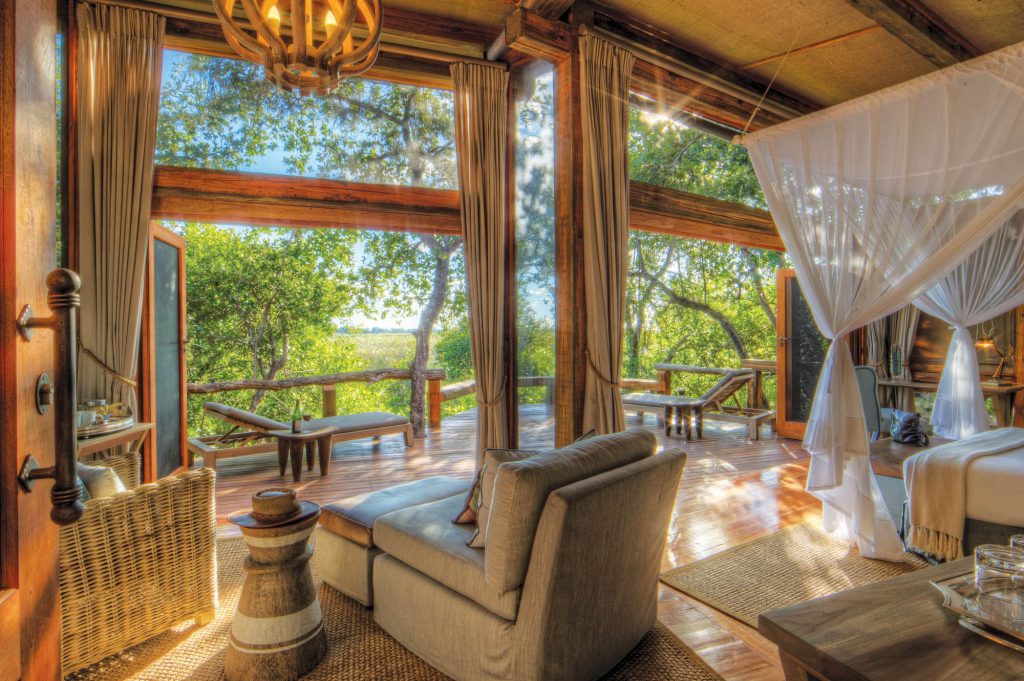
By late July we found ourselves at Chindeni, a small Bushcamp Company property
Read more
Botswana
Destinations
Okavango Delta

3rd October 2022

Camp Okavango, Botswana

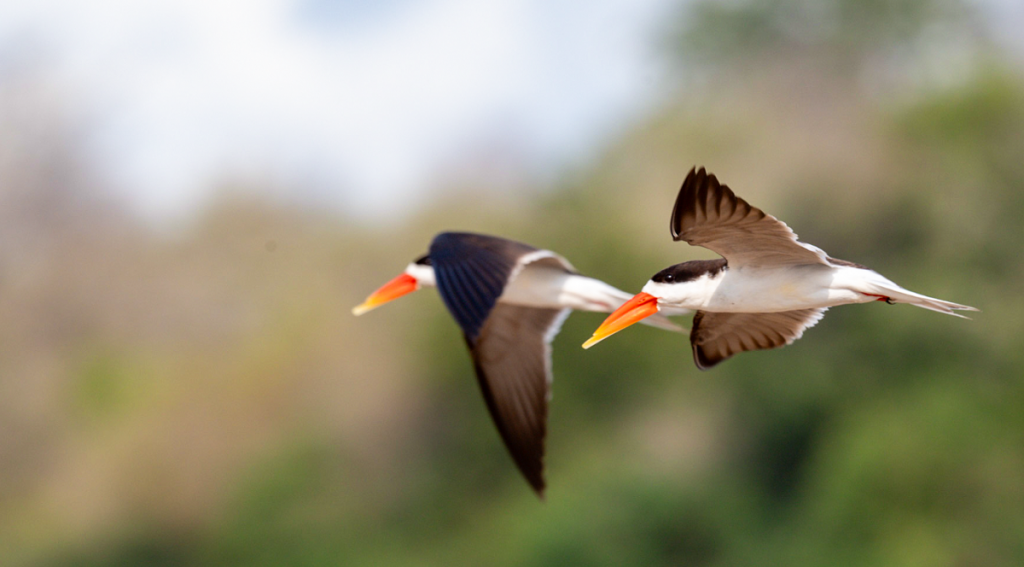
Camp Okavango is in the heart of the permanent part of the Delta. In this idyllic setting there are no vehicles, and it is just a short walk
Read more
Area
Destinations
Nyerere National Park
Ruaha
Tanzania

14th October 2023

From My Safari Notebook: Wildlife Photography

Birds in flight and wildlife photographers have an uneasy relationship. Things go wrong as often as they go right. Getting focus-lock on a moving subject

Read more

SUBSCRIBE TO OUR NEWSLETTER

READERS FAVOURITES
Destinations
India

27th May 2023

India

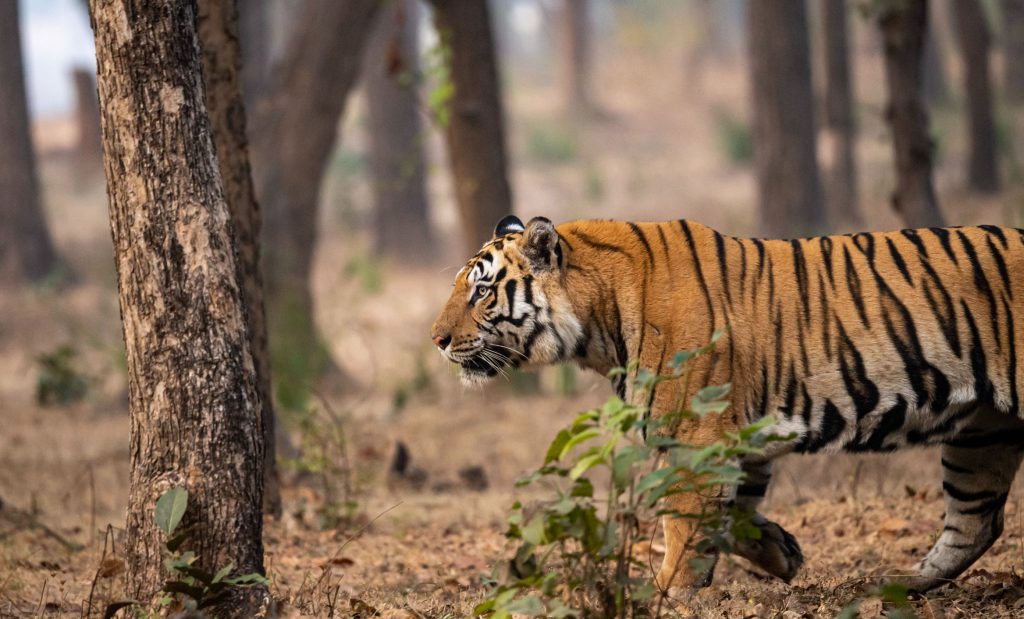
India’s tiger, mammals and birds.

Read more
Botswana
Destinations

4th August 2022

On Safari At Belmond Eagle Island Lodge, Okavango Delta

What is the ‘secret sauce’ for an unforgettable few days on safari in Botswana? It starts with the animals, of course. The elephants, lions, giraffes, hippos

Read more
Destinations
Zambia

10th September 2021

Chindeni and the Bushcamp Company, Zambia

By late July we found ourselves at Chindeni, a small Bushcamp Company property

Read more

A Visit to Tembo Plains, Zimbabwe

6th February 2026

A Visit to Tembo Plains, Zimbabwe

By Lyndon Duplessis 

In November of 2025 I was privileged to make my first visit to Tembo Plains. Located in the Sapi Reserve just east of Mana Pools National Park, this destination proved a worthwhile and meaningful stay of my safari.

To truly appreciate Sapi, you must understand its history. For years, this area was a hunting concession, leaving the wildlife skittish and the ecosystem out of balance. However, under the leadership of Great Plains Conservation, the area has and will continue to be rehabilitated. Already, Great Plains have gone above and beyond and in the nearly 10 years that they have managed the area through their Sapi Restoration Initiative they have made a massive impact. 

One of their recent crowning achievements was a successful reintroduction of a pack of African painted dogs. This highlight is worthy of massive praise but it is really the totality of their plan that makes one appreciate the industry that we work in. The development of basic infrastructure, a strategic wildlife management plan, wildlife monitoring teams (which we were lucky enough to visit with), and flora and fauna surveys among others.

Our arrival

The flight from Hwange to Chikwenya Airstrip was probably a bit over an hour and a half but it was scenic. It doesn’t take too long before you start to see the Zambezi turn into Lake Kariba and then, if you know where to look, the dam wall itself. After that the river returns, narrow at first and then all of a sudden wide with the classic floodplains and sandy islands continuing for miles. Almost always visible from the air: the Zambian Escarpment in the background and giant winterthorn forests covering portions of the flood plains.

Nearby the airstrip is a giant baobab to greet you. The tree is known as Chikwenya baobab and it served as the burial place of Chief Chikwenya, a famous chief from the mid-20th century. The famously slow-growing tree is impressive and likely 1,200 years old give or take a few centuries. When we first visited there were some elephants camped out so we were not able to get too close but we would return to the area later and explore it in more detail.

The camp gave us a huge welcome with singing and dancing. At some point many of our group joined in. The main area is huge with great views over a large floodplain just east of camp that is often dotted with animals. The rooms are also very spacious as is the case with all Great Plains Reserve Collection properties. One of the great perks of staying at this level of camp is having access to a 100-600mm zoom lens and camera. Each tent gets one as well as a pair of binocs. Irrespective of how many photographs you take, Great Plains will save them to a memory stick that you can take with you. Other than that you have a small pool on your front deck, indoor and outdoor showers, a bathtub, and a friendly room butler to take care of any other needs or wants that you might have.

Our first morning game drive

It is always nice to get some tough sightings ticked off early on during a safari so there is no pressure on you or your guide to deliver as your time inevitably comes close to an end. It was just our luck but on the very first game drive of the morning on our first full day at camp we hit the proverbial hat trick. First up was a pair of lions, likely a mating pair, just taking a breather. In fact the female possibly was finished with the whole affair as at one point she got up and walked off a substantial distance before the male, who was preoccupied with us, looked up and clearly got a shock when he noticed her absence. He immediately got up and trotted after her. Later on during our stay we managed to find him again, alone. I think we all saw that coming.

After this we drove along for a short distance before being blessed with a gorgeous leopard sighting as he crossed the road right in front of the vehicle. What timing! He stalked up a ridge and found his way up a tree. Which provided us with the opportunity to get a few photographs and to stick around a little longer before giving another vehicle a heads up. Once leopards get up in a tree they can be almost impossible to pinpoint.

Finally, we headed west towards the border of the reserve and got to spend some time with a rather large pack of wild dogs. They looked like they had just had a successful hunt, bellies full and taking a well-deserved nap. These animals are really easy on the eyes in this blogger’s opinion. And if you catch them in action get ready for a treat because they can move. Not for the faint of heart.

Most of the time November can be brutally hot, and while it certainly wasn’t cool, the area was overcast for the majority of our stay and in fact the rain would come shortly after our departure. It was nice, therefore, to get out onto the river in the evening. This time of year the southern carmine bee-eaters are nesting in the banks of the Zambezi and it is absolutely fascinating watching them come and go over and over and over again. Having a nice long zoom lens is mandatory if you want to even attempt to get some quality photos. And patience. Lots of patience and lots of trial and error. 

I took some time to appreciate how every bird must know exactly which little hole is their nest. The guides know where the nests are located but due to the Kariba Dam’s schedule of holding and then releasing water for the production of electricity the banks of the river erode more quickly than they would under normal conditions. This means that some colonies lose their nests as a section of the bank falls into the water. It appeared that 2025 was an especially tough year in this regard.

After spending some time with the birds (and a rather large and nonplussed croc) we headed further upstream to a low lying sand island in the middle of the river. Here we enjoyed our sundowners and snacks as the guides prepared the food and drink and kept a close eye on any hippo pods that might be off in the distance. What a magnificent sunset!

Bush dinner to remember

Upon returning to camp we heard some lions roaring in the distance and the guides rounded everyone up to see if we could go find them. Little did we know this was simply a ploy to get us to our bush dinner destination on the floodplain in front of camp. Still not sure how they got the lions to cooperate so thoroughly… The food was excellent and of course the service standards were top notch. Lucky us we had a full moon (or close enough) which added an extra layer of magic.

We were all sad to leave at the end of our stay and I look forward to the next time I get to visit Sapi. It really is a special place filled with some special people and I would be happy to talk with you more about my experience and assist in arranging a trip so that you can experience it for yourself.

Following Lyndon’s visit to Tembo Plains, he is ready to answer any questions you may have about the area and how it can best be combined with other Zimbabwe reserves such as Hwange or Matusadona. Please email Lyndon at lyndon@fisheaglesafris.com. Or if you prefer, call us at 1-800-513-5222 and leave a message with our answering service – one of the team will get back to you promptly. 

Property and sunset photos courtesy Great Plains Conservation

YOU MIGHT ALSO BE INTERESTED IN

Destinations
Zambia

10th September 2021

Chindeni and the Bushcamp Company, Zambia

By late July we found ourselves at Chindeni, a small Bushcamp Company property

Read more
Botswana
Destinations
Okavango Delta

3rd October 2022

Camp Okavango, Botswana

Camp Okavango is in the heart of the permanent part of the Delta. In this idyllic setting there are no vehicles, and it is just a short walk

Read more
Area
Destinations
Nyerere National Park
Ruaha
Tanzania

14th October 2023

From My Safari Notebook: Wildlife Photography

Birds in flight and wildlife photographers have an uneasy relationship. Things go wrong as often as they go right. Getting focus-lock on a moving subject

Read more

SUBSCRIBE TO OUR NEWSLETTER

READERS FAVOURITES
Destinations
India

27th May 2023

India

India’s tiger, mammals and birds.

Read more
Botswana
Destinations

4th August 2022

On Safari At Belmond Eagle Island Lodge, Okavango Delta

What is the ‘secret sauce’ for an unforgettable few days on safari in Botswana? It starts with the animals, of course. The elephants, lions, giraffes, hippos

Read more
Destinations
Zambia

10th September 2021

Chindeni and the Bushcamp Company, Zambia

By late July we found ourselves at Chindeni, a small Bushcamp Company property

Read more

Zambia’s South Luangwa National Park – in the Hot Dry Season

5th February 2026

Zambia’s South Luangwa National Park – in the Hot Dry Season

The South Luangwa region of Zambia in late October is not for everyone. Even before arriving in Zambia I knew that it was going to be hot and dry and so it was. Just more so. A lot more so. The first clue was a bumpy descent into Mfuwe Airstrip on a 29-seater Proflight British Aerospace Jetstream 41 aircraft on a late morning flight from Lusaka. A more reliable indication of what lay ahead was the pilot informing us that the temperature on the ground was 38C. In Texas that would be a cool 97F.

Of course you don’t have to visit Zambia in October. Any time from May through the end of August would be better to avoid the worst of the heat. Together with a few other tour operators I was on the equivalent of what the British would call a busman’s holiday. Doing for pleasure what you ordinarily do for work. Which is why we found ourselves in ‘the valley’ in late October. We do not usually recommend the area for our North American guests at that time of the year. Upon asking around it appears that British and at least some European visitors are not quite as averse to the extreme temperatures as we are. To each his own.  

This last October trip was my fifth visit to the area and together with several other Zambia trips done by members of our team, we now have a pretty good idea of what makes South Luangwa National Park – and by extension all of Zambia – a worthwhile candidate as a safari holiday destination.

Wild unspoiled rivers

The Luangwa River dominates the south Luangwa National Park. Not surprisingly, the majority of the camps in the park are either right on the river or not far from it. In the dry season the river is a veritable lifeline, its steadily diminishing water sustaining many species of mammals, reptiles and birds, until the first rains show up in November. 

Elsewhere in the country major rivers like the Kafue in the west and the mighty Zambezi which flows west to east along Zambia’s border with Zimbabwe to the south, are just as important and just as impressive. 

Whether the Luangwa is at its lowest flow ever – as it was last October – or the Zambezi is at flood stage as we’ve seen it previously – rivers and safaris are like peanut butter and jelly. Beyond their life-sustaining value to surrounding communities, rivers attract wildlife, provide opportunities for activities like boating and canoeing, fishing and even photography. We’ve taken some of our best photographs on safari from the stable platform of a boat or pontoon. And some of our finest moments on safari in Zambia have been in and along rivers. Enjoying a leisurely lunch drifting down the Zambezi on an outing from Chiawa a few years ago and twice (not just once) being prevented from walking straight to our rooms at Lower Zambezi camps due to elephants by the jetty. That’s Zambia. That’s Africa. 

Unique mammal species

Look closely at the first giraffe you come across in the South Luangwa NP. It’s not your garden variety plains or Burchell’s giraffe. Being slightly smaller in stature with smaller, more compact dark patches, having an overall darker appearance and a more recurved upper mouth makes it a Thornicroft’s giraffe, an endemic subspecies. Matter of fact the South Luangwa National Park came into existence in 1947 for the specific purpose of safeguarding the then dwindling number of Thornicroft’s giraffes. 

Another unique species to the valley is the handsome Cookson’s wildebeest. An endemic subspecies found mostly just there. It’s a noticeably lighter gray/brown color than the regular blue wildebeest and it’s also larger with bigger horns. 

Elsewhere in Zambia the Kafue lechwe – a subspecies of the common or lechwe – are still easily seen on the Busanga Plains but their numbers have been steadily declining due to habitat loss and human encroachment. Competition with cattle for food and contamination of their drinking water by surrounding human communities are putting further stress on the animals. 

For first time visitors to Africa – or guests who may have spent time elsewhere in Africa on safari – any of the major Zambia national parks would deliver a first-class wildlife viewing experience. Combining two or even three of them is even better, such as Lower Zambezi and South Luangwa, or South Luangwa and Kafue.  

High density of hippos

If you’re keen to see hippos in the wilderness, then Zambia will be your jam. In the South Luangwa, all along the Zambezi, in the Kafue and other rivers and dams, they’re present pretty much everywhere, often in great abundance. Towards the end of the dry season – such as when we were there last October – there are sometimes hundreds of them jammed together in rapidly shrinking hippo pools, testing their own and each other’s limits as they hunker down and wait for the rains. With their watery homes rapidly disappearing around them and having to walk many kilometers each night in search of food, they are stressed and cranky. So treat them with the utmost respect and keep your distance at all times.

An abundance of predators 

Practically the second mammal which we saw in the south Luangwa this time around (last October) was African painted dogs on my very first game drive from Chichele Presidential Lodge in the South Luangwa area. Within the next couple of days we added leopards and lions, hyenas and jackals – and a sighting of a different pack of painted dogs.  

Every one of our Zambia visits over the years have been notable for excellent big cat and other predator sightings. A standout sighting on the very first trip – on a night drive from Kaingo – was a lion charging a leopard. The leopard had inadvertently been lit up by our tracker’s spotlight. Fortunately the leopard escaped by scampering up a tree. On that same trip we had several other leopard sightings in the South Luangwa and Lower Zambezi areas, and good lion sightings in Kafue. Noticeable on night drives in the South Luangwa is that the guides immediately start to look for leopards when seeing hyenas. The hyenas having cottoned on to the fact that the leopards often drag prey around and that they can either be coerced to or accidentally drop or abandon the hard-won carcass. 

A  visit to Musekese Camp in Kafue a few years ago left us astonished at the number of leopards present in the area around the camp and we were fortunate to see several of them. It felt very much like the Sabi Sand Reserve in South Africa, just without any other vehicles around.  

Yet another memorable predator sighting took place in the Lower Zambezi on a game drive from Kutali. On that occasion we experienced – in all of its rather grim reality – a pack of African painted dogs killing and devouring an unfortunate chacma baboon. The dogs were hunting and we were following them as they were running and occasionally jumping  through a grassy floodplain, their eyes fixed on a small group of impalas in the distance. A young male baboon inadvertently got in the way and opportunistically three of the dogs dispatched him in a matter of minutes, right in front of our eyes and with me shooting multiple never-to-be-published photographs.

Limited number of vehicles 

We’ve personally had several days go by on safari in Zambia without seeing any other vehicles, specifically in the Kafue National Park. In some parts of the South Luangwa National Park such as in the Mfuwe area, this is not always the case as there are several lodges in the area. Even so, it is unusual to see more than a handful of vehicles, even around predator sightings. Most of the time it’s just you, the guide, the wilderness and wildlife.  

Range of properties 

There was a time when Zambia did not have the same variety of accommodation options as other Southern Africa safari destinations, such as South Africa and Botswana. That is no longer the case. On the basis of what I have personally seen over the last few years, I now rate the range and diversity of Zambia’s safari properties to be every bit as good as anywhere else. Nowadays, the range of Zambian accommodation options stretches from basic bush camps all the way to the most sublime deluxe lodges. The choice is yours: an authentic wilderness experience in a remote, tiny bush camp or a few days of being pampered in a deluxe lodge – and everything in between.  

This variety was on full display during our recent trip. Classic bush camps, some with as few as three rooms, larger ‘proper’ brick & mortar lodges along the Luangwa, a quaint old-fashioned camp with several comfortable ‘rondavel’ style rooms, midrange tented camps and deluxe air-conditioned lodges with every luxury one can imagine. That’s just in the South Luangwa: further afield there are just as many options. The Lower Zambezi has an equally stunning array of properties ranging from fairly basic, small tented camps (in gorgeous locations on the edge of the most atmospheric albida forests) to deluxe tented and hybrid lodges on the Zambezi, with all the luxury anyone could want, including air conditioning.  

The Kafue area – while massive – does not have quite as many properties to choose from, but the range is impressive, nonetheless. It’s all there from rustic bush camps to deluxe tented properties, even a lodge with rooms in the style of elevated  bird’s nests, on the edge of the Busanga Plains.  

Top quality guiding

Zambia and its southern neighbor Zimbabwe are known for the quality of their guides. We’ve personally experienced some extraordinarily good guiding in Zambia, particularly on ‘out of the vehicle’ excursions when the guides can demonstrate the breadth and depth of their experience and knowledge. Zambia is where ‘foot’ safaris first became popular so they are almost always on the list of available activities. If you’re so inclined and have the time and opportunity, by all means go on a walk. Being on foot in big game terrain changes everything.

If you’re considering a Zambia trip, or would like to get a little more information about the trips which we do there, please contact Lyndon at lyndon@fisheaglesafaris.com. Or call us at 713-467-5222 and leave a message with our answering service – we will call you back promptly. 

Property photos courtesy Chiawa, Chisa, Classic Zambia and Bushcamp Company.

YOU MIGHT ALSO BE INTERESTED IN

Destinations
Zambia

10th September 2021

Chindeni and the Bushcamp Company, Zambia

By late July we found ourselves at Chindeni, a small Bushcamp Company property

Read more
Botswana
Destinations
Okavango Delta

3rd October 2022

Camp Okavango, Botswana

Camp Okavango is in the heart of the permanent part of the Delta. In this idyllic setting there are no vehicles, and it is just a short walk

Read more
Area
Destinations
Nyerere National Park
Ruaha
Tanzania

14th October 2023

From My Safari Notebook: Wildlife Photography

Birds in flight and wildlife photographers have an uneasy relationship. Things go wrong as often as they go right. Getting focus-lock on a moving subject

Read more

SUBSCRIBE TO OUR NEWSLETTER

READERS FAVOURITES

Destinations
India

27th May 2023

India

India’s tiger, mammals and birds.

Read more
Botswana
Destinations

4th August 2022

On Safari At Belmond Eagle Island Lodge, Okavango Delta

What is the ‘secret sauce’ for an unforgettable few days on safari in Botswana? It starts with the animals, of course. The elephants, lions, giraffes, hippos

Read more
Destinations
Zambia

10th September 2021

Chindeni and the Bushcamp Company, Zambia

By late July we found ourselves at Chindeni, a small Bushcamp Company property

Read more

Madagascar’s Magical Masoala Peninsula

4th February 2026

Madagascar’s Magical Masoala Peninsula

Last August Kathy and I made our way back to Madagascar, a country which by now we feel very comfortable traveling in, despite its persistent shortcomings in the way of dilapidated everything and – shall we say – general mal-administration. Madagascar can be challenging and even exasperating at times, but perseverance and curiosity are amply rewarded. Stay a while, make an effort to get to a couple of the more remote areas and you will soon find out, as we have every time, that Madagascar is a massive jewel box of nature with many endemic pearls and even a few diamonds right out there for the taking. It may be a particularly striking lemur, a rare or beautiful bird or a fully grown chameleon which fits into a shot glass, with room to spare. For a keen naturalist or really anyone who appreciates all living creatures, Madagascar is a lavish buffet of natural wonders – but without the Ritz price tag. 

Our trip to Andasibe-Mantadia and the Masoala Peninsula last summer – for example – on a mostly fully inclusive basis except for a couple of meals, some drinks and commercial flights to Tana – had a price tag of about $750 per person per day. Staying in best available lodging and with extensive personal guiding, two charter flights and a string of included activities. A recent November 2025 customized trip which we put together for just two persons traveling – also with guided activities included throughout and making use of mid-level accommodation – was priced at just under $450 per person per day. 

Can you picture yourself observing weird and wonderful creatures, being kayaked down or wading in a crystal-clear mountain stream, or hiking in a forest which will leave you breathless in more ways than one? If yes, then a Madagascar trip should really be on your list of places to see and things to do. And maybe more specifically  – the Masoala Peninsula. 

First impressions and day-to-day activities

After an interesting and not unduly stressful transfer from Tana (more about that below), we spent a quiet first afternoon exploring the main Masoala Forest Lodge and our tented room. Literally just meters off the beach, its #1 feature is the mesmerizing and near omnipresent sound of the waves. Speaking only for myself, that made our tent at Masoala the easiest place ever to take a nap – and to get a good night’s sleep. If your sleep hygiene requires both darkness and no or little ambient sound – dare I say noise – the best you can do is one for two. So bring some effective earplugs. There are several Madagascar scops owls in the forest around the lodge and sometimes they are louder than the waves at night. A bonus for some, but not everyone. Don’t forget the earplugs. You know ‘who’ you are. 

We practically immediately found our favorite spot close to the lodge when we were invited to our first afternoon tea (hot or iced) on the sea deck. With the surf noisily surging and sometimes crashing into and over and around the rocks right alongside and under the deck, and the beautiful ocean vistas stretching out left and right, this spot is just perfect. Don’t feel bad about simply wanting to linger there doing nothing. Everyone does. 

To be sure, it can be a minor adventure to get to the sea deck, depending on the status of the tide. Low tide? No problem. At high tide, you try to judge the pattern and interval between incoming waves and make a quick dash along the edge of the beach to the base of the ramp leading to the deck. Not feeling particularly agile or adventurous? There’s a short, easy detour trail through the forest which will also get you to the deck, without having to impersonate King Canute.  

The food at Masoala was consistently excellent and often flat-out superb. More about that later. The snacks – not so much. The plantain chips and roasted peanuts were fine, but by day three they were getting old and I don’t mean stale. A little more variety would have been great.  

There was always an interesting cocktail of the day which was also offered sans alcohol, for those of us who prefer alcohol-free beverages. I’m not expecting a zero alcohol Madagascar beer to be produced any time soon. Madagascar is not known for setting or following trends. 

Some of us with a bit of Madagascar history renewed our affection for a locally made soft drink: YouZou. Very tasty. Unlike the situation a few years ago when Coca-Cola products were not available in Madagascar at all, you can now again indulge in your favorite fizzy cola drink. Just don’t ask for Diet Coke – it appears not to be available anywhere in Madagascar. Worth trying is World Cola, the locally-produced Madagascar version of regular Coke. World Cola is less expensive and slightly less sweet than traditional Coca-Cola. A winner.

At sunset many of the guests, a couple of camp hosts, and sometimes a visitor or two, gather around a beach bonfire for drinks. Even if drinks are not your thing you wouldn’t want to miss this. For one thing, this is where we were first introduced to the co-owner Maria Bester. She and her husband Pierre have been operating Masoala Forest Lodge with a team of local Malagasy and expat staff members for many years. Maria is a delightful person with the sunniest of dispositions and a deeply-seated passion for all things Madagascar and Masoala. Ask her about driving from Germany to Cape Town, South Africa – solo.  

Camp manager Kate Grehl – who was in charge of food and catering among others – was also often around and she was right at the legal limit of being fun, personable and easy to talk to. At around the cocktail hour some of the resident white-fronted brown lemurs resident in the forest tend to come quite close to the lodge on the way to their nighttime sleeping sites. We were fortunate to see several of these pretty lemurs early one evening.  

Mornings, breakfasts and more activities at Masoala

Early mornings are blissful in the Masoala Peninsula. Waking up to the sound of waves gently crashing maybe 30 feet away from your pillow was nothing short of Robinson Crusoe-esque. For a moment there it was just us, a deserted beach and some bird calls punctuating the white noise. Every morning for an entire week. 

We think that pending a couple of room modifications which we believe are in the pipeline, Masoala Forest Lodge will be a strong contender to join our short Groundhog Day list of properties. Places where you could wake up every day for the rest of your life – and be happy. 

Breakfast – accompanied by some strong local coffee – was excellent by any standard. Served on the sea deck – of course – you’re presented with a huge range of options with multiple variations of crepes, eggs and more. An ingenious numbering system – you write down a number for every component of your meal – ensures you get exactly what you want without anything being lost in translation or misinterpretation. There was no number for decaf coffee; I don’t think it officially exists in Madagascar. Also I will bet a dollar that you’ll soon have the #’s for crepes and croissants memorized. 

One morning there I opted for an excellent omelette and lingered on the sea deck at our most favored table, a specific one with a great view over the surf rushing in and the calm ocean in the background. To be sure, to claim this prime spot, get there early. Everyone figures this out. Over more than just two good sized mugs of excellent locally-sourced coffee, the breakfast turned into my most chill work session ever, answering a few emails and getting these notes started. Thanks to a strong and reliable WiFi connection – Starlink of course – you’re never further away from family, friends and colleagues than your cellphone. At least that is the case in the main area. Of course, nothing prevents you from totally disconnecting for a few days. It’s just good to have the option and not having to fret about satellite issues or generally dodgy internet reception like we used to. 

That morning, most of the other camp guests  made an excursion with Maria and our guide Pascal Ellison to the nearby village of Ambodiforaha, which is walking distance from the lodge. The village is known for its traditional Betsimisaraka culture, with residents often providing performances, crafts, and slice-of-life moments for guests. It was no different this time and the outing turned out to be a memorable visit across the board. En route to the village a stopover at the preschool (which is materially and financially supported by Masoala Forest Lodge) turned out to be quite entertaining with several of the children joining in on some impromptu singing. At an enclosure in the village, the visitors were treated to even more spirited dancing and drumming and they supported the local economy with some crafts shopping. 

On another morning Kathy and I tried snorkeling in the area right in front of camp. I bailed out rather quickly due to less than ideal visibility but Kathy and camp manager Jessie Jordan went a little deeper towards a buoy and saw some colorful fish and starfish. Kathy was thrilled to also spot a giant sand dollar – massive even by Texas standards – at around six inches in diameter. To be sure, water conditions were not ideal due to some local rainfall which results in increased turbidity associated with fresh river water flowing into the ocean. Jessie is also the camp’s artist-in-residence, and her stunning paintings and artwork have been widely published, among others in Masoala Forest Lodge’s brilliant pocket identification guides for the coastal and primary forests.  

Other activities and meals at Masoala

We opted for the 7-night Sunday to Sunday stay at Masoala Forest Lodge which I would highly recommend as the best of the package choices which dovetail with the scheduled light air transfers from and back to Tana. There’s just so much to do, experience and learn during a stay at Masoala Forest Lodge that anything less than six full days seems inadequate. If your Masoala stay is part of a first trip to Madagascar and you want to include an additional remote destination in a completely different area then the 4-night stay would suffice. 

Over the course of the week we managed to fit in most of the available activities – but not all. Some of the ones we had time for – in addition to the activities which I’ve already mentioned – were these:

  • An afternoon sunset cruise which involves being boated out into the gentle waves – in a motorized dugout outrigger canoe – heading essentially in a southwesterly direction and then drifting back gently with the sea current pushing us right back to the beach in front of camp just around sunset to enjoy a cool beverage of your choice. It was a perfectly relaxing outing. And yes you have to actually don your life jacket. No lax standards here on personal safety. 
  • On another afternoon activity we went for a quiet traditional canoe ride of around an hour or so along the Tampolo river. It’s a truly serene setting with pure clean mountain water and thick vegetation lining both banks. Lots of bird calls, but not many birds. There’s tough birding and then there’s forest birding… 
  • I tried my luck one afternoon on a fishing outing just offshore from the lodge and a bit further along the coast. While the trip in an outrigger dugout canoe into the ocean, beyond the worst swells, was a novel experience, we did not get any bites so no fish. My Malagasy language proficiency is essentially zero (and this was the local Betsimisaraka dialect) so the skipper and I resorted to time tested yes and no nods and head shakes and a few rudimentary hand signals. On a fishing trip without fish that’s all we really needed. Again, water conditions were not ideal.  
  • Towards the end of our stay we set out on a kayak outing along a mangrove river, a pristine and untouched destination. The initial 15-minute or so boat  ride from the lodge to the river mouth was quite spectacular, passing by hidden coves and rocky outcrops interspersed with small sandy beaches. The river itself proved to be a formidable navigational challenge as the guides had to maneuver their kayaks between rocks, half-submerged trees and lots of other plants. Meanwhile we were taking in the beautiful green scenery along the river. At the end of the outing, after some snacks back at the river mouth (hello again my old friends plantain chips and peanuts), we slowly walked back to the lodge. The trail winds through coastal forest and along the beach for a distance of about 3 miles. All-round I thought it was one of the best excursions available. 

Meals at Masoala Forest Lodge are a combination of traditional Malagasy and European-style menus. Over the course of a week there, we certainly had our share of fresh fish and shellfish (and excellent they were too!), as well as some beef, rice, fresh fruit and a good selection of vegetables and salads. The lodge has its own salad and herb garden. My vegetarian diet was provided for in a most creative and tasty way. 

A typical lunch would consist of coconut-crusted prawns (or vegetables) with rice and a vegetable relish. Served with either a sweet-and-sour, peanut or spicy dressing. With a delicious dessert to follow.  

One evening we enjoyed a perfectly wonderful traditional Malagasy meal with an array of local dishes including fish, samosas, rice of course, and several side dishes including beans. For dessert: a vanilla coconut pudding.  

Fresh coconut was available in several forms, from drinking coconut water straight out of its natural source, to the coconut flesh itself, all the way to a rich coconut cream.  

The unicorn of lemurs – on a night walk in Masoala 

If you’ve been on safari with me ever, you’ll know that I’m not a night drive or night walk kind of a person. If only because nighttime is not great for photography. It’s simply a matter of not having the right equipment or training or experience for night photography which is in the same category as forest birding. Tough, challenging, unforgiving. . .

Fortunately on our first night at Masoala Forest Lodge, I reluctantly donned my waterproof shell, slung my binoculars around my neck and stuck my iPhone in a pocket. I would have felt really bad to disappoint our guide Pascal who was just raring to show us all kinds of interesting things. And boy did he! As an aside, it is worth keeping in mind that eight of the ten lemur species in Masoala are nocturnal, so a night walk (ideally as many as you can fit in) is an essential part of the Masoala Forest Lodge experience. 

In about an hour of trudging around in the dark forest interior that evening, we all but cleaned up on the local endemic lemurs. Masoala sportive lemurs, Masoala mouse lemur, Masoala woolly lemur, plus a sleeping Malagasy malachite kingfisher, a giant leaf-tailed gecko, and we heard the unmistakable call of a Madagascar scops owl. It was a successful night walk by any measure. 

Then, in the blink of an eye, the night walk took on epic status when Pascal spotted an aye aye lemur. This rarely seen creature is in the stratosphere of wildlife sightings due to its limited distribution, decimated numbers due to habitat loss and of course its strictly nocturnal behavior.  

The aye aye was feeding on the nuts of a Canarium tree. It was quite high up in the tree but easily identifiable by its whitish face, extraordinarily long bushy tail and its almost bizarrely long nails. We spent a good 15 minutes watching it move around the tree, often upside down and several times hanging by its hind legs. Altogether a most amazing sighting. Note to future visitors: this is where your good quality binoculars and your experience and adroitness using them under all conditions, change everything. With the naked eye at night an aye aye is a dark furry animal. Seen through a pair of quality binocs, it is an enigma materialized, the unicorn of lemurs. 

The following day we experienced yet another good night walk. With more, and in some cases even better sightings of mouse lemurs, sportive lemurs, woolly lemurs and a new species for us: a Madagascar dwarf lemur. Our excellent guide Pascal also managed to find some leaf-tailed geckos and several species of – naturally – area–endemic frogs and moths. 

The primary rainforest and the redfronted lemurs

Three times during our stay I joined a small party of guests on a morning outing to the primary forest in Masoala, mostly in search of the extraordinarily striking and rare red-ruffed lemurs which are present there in relatively good numbers. Both half and full-day primary rainforest hikes are available. The duration of the two options is 4-5 hours and around 6 hours+, respectively. Strap on your best water-resistant hiking boots, wear long pants and take a rain jacket of sorts as the area is subject to occasional showers pretty much year-round, just more so in the higher rainfall months.  

Our first hike was pretty typical. At 8:30 am we departed for the forest. From the beach in front of the lodge, it is an adventurous 10-15 minute boat ride, with several good bird species to be observed along the way, to a sandy, rock strewn beach. Best to travel to this point in shoes you don’t mind wading in. Once on the beach you can take five and get most of the sand off your feet before getting your hiking socks and boots on. 

From there it takes maybe 15 minutes or so to the actual trailhead. The hike is heavy-going from the get go, and we would recommend it only for persons with good mobility and at least average stamina. The trail is steep in places with lots of steps up and down, some slippery loose rocks, roots, and many muddy wet spots. There’s also a couple of stream crossings which may look intimidating after some rain but are actually pretty easy to negotiate if you take your time and test stepping stones before committing. Personally I think carrying a walking stick for this hike is an excellent idea particularly for us older, veteran wildlife enthusiasts. 

Eventually we made it to around 1,000 meters above sea level. We all love forests and this one ranks among the most beautiful I’ve seen anywhere. On this first hike we did manage a couple of sightings of the signature Masoala lemur species, the red-ruffed lemurs. They were high up in the canopy. High high: I would estimate 15 to 25 meters, or about 50 to 80 feet. Our first views of these pretty red lemurs – again making use of the binocs – were great, but photographic conditions were far from ideal. All in all it was a worthwhile outing just to experience the amazing Masoala forest environment. It was impossible not to be impressed by the giant hardwood trees and the majestic tree ferns.

Our second hike into the rainforest was initially slow with intermittent rain. The humidity was super high and one guest who had glasses on could barely see out of them due to the incessant fogging. Take a few pairs of contact lenses; doing so saved my photographic bacon on this trip. A bit later that morning the sky cleared up and with it came better interior forest visibility. Just then, Pascal heard the alarm calls of what turned out to be a group of three red-ruffed lemurs. It was touch and go getting them framed but I eventually managed to capture some decent photos of one of the lemurs. We also had some good close up views of a pygmy flycatcher and pretty useful views of another local special, Bernier’s vanga. We were also lucky to find and photograph a couple of the tiny Brookesia chameleons and a giant millipede.  

A third trip into the rainforest turned out to be the one during which I finally got lucky and captured some good shots of the critically endangered red-ruffed lemurs. They were still high up in the trees but in an opening and for once they were looking at us. Bingo. So my best advice for getting a few half decent red-ruffed lemur shots is to be patient, be prepared to return to the forest more than just once and take a long lens of at least 400mm. Birding highlights on this outing included the stunning blue vanga and a gorgeous velvet asity with its telltale green brow. High on the list for our return trip to Masoala? The helmet vanga, of course.  

Getting there 

Getting to Masoala from Antananarivo is not as difficult as one might assume. Our trip started with a 7: 30 am departure out of Tana’s Ivato Airport, making use of the domestic terminal, previously the main airport building. We were more than comfortable in a Cessna 208 (Caravan) outfitted in VIP configuration with just six seats. There are scheduled charter flights on Sundays and Wednesdays between Ivato and Maraonsetra. The 90-minute flight is followed by a 40-minute road transfer to the jetty at Maraonsetra and a approximately 2-hour boat transfer across Antongil Bay. Masoala Forest Lodge packages typically include these transfers for 3, 4, 7, 10 or 11-night stays.  

On the day, we detoured via Ile Sainte Marie to Maraonsetra. The duration was 1 hr 40 minutes to Ile Ste Marie and 1 hr 15 minutes to Maraonsetra. The unexpected detour via Ile Ste Marie was a last minute change to pick up a stranded traveler whose Air Madagascar flight to Tana had been canceled. It turned out to be a bonus for us as we had stunning views of the island (known for whale watching) as we were coming in to land and again after taking off. 

After some formalities and a last bathroom stop in Maraonsetra, we boarded the Blue Fin, a sturdy 12 passenger motorized craft which plies the route from Maraonsetra to Masoala twice a week on Wednesday and Sunday. The trip, which typically lasts from about 90 minutes to 2 hours depending on the current and the tides, was mildly interesting with some good views of Nosy Mangabe island on the way out. There were some fair size swells so if you are prone to seasickness, don’t forget your Dramamine. On the return journey, we had to transfer from the Blue Fin into a smaller boat with a more shallow draft on the approach into Maroantsetra harbor. The tide was low, with exposed – and submerged – sand banks everywhere. Thank goodness for experienced and careful skippers!  

In conclusion

Superficially, Masoala Forest Lodge is a fun, exciting holiday destination with tons of diversity but beneath the surface one finds its true purpose: conservation. Deforestation and habitat fragmentation have reached epidemic proportions all over Madagascar. Masoala Forest Lodge established and is busy reforesting a private forest which acts as a buffer for Masaola Forest itself. It’s a great example of private enterprise stepping up to help counteract the seemingly inexorable path towards greater habitat loss. The purpose at the core of the lodge’s existence is to develop a sustainable ecotourism model that helps demonstrate a value to government and local people of intact natural ecosystems.  

While we think everybody should try to visit Masoala at the first best opportunity, we would be foolish to actually recommend that. To make the most of the trip to Masoala entails taking at least one and better yet several hikes into the primary forests, for the red-ruffed lemurs. It is not an easy hike and may be just a bit too much to handle for mobility-challenged guests. While there are so many other worthwhile and fun things to do, see and experience at Masoala Forest Lodge, seeing (or not seeing) the red-ruffed lemurs is of primary importance for many visitors. While we were at Masoala Forest Lodge – to illustrate the point – another group of four or so guests who had planned on spending a week there, abruptly left after their second day. The reason being that due to an unanticipated mobility issue one of the guests could not even consider the hike into the primary forest. 

Please note: four of the seven rooms at Masoala Forest Lodge are located literally on the beach, just meters away from the ocean’s edge and lulling (or not) wave sounds. The other three tents are set slightly further back in the forest, but each one has private, direct access to the beach. As far as we know there are plans afoot to change the current split-level construction of the rooms. Currently the bedrooms are one level up from separate bathrooms (with shower and toilet) with a flight of stairs to get from one to the other.  

For recommendations and suggestions for Madagascar please email Bert at bert@fisheaglesafaris.com or call and leave a message at 1-800-513-5222 any time of the day or night. Bert would be happy to discuss all things Madagascar with you, whether it’s Masoala Forest Lodge or Anjajavy or Tsara Komba, Miavana, the Andasibe-Mantadia area, Ranomafana National Park, Montagne D’Arbre, the great south road, Berenty or Anakao or the intriguing small patch of spiny forest near Kirindy in the southwest. Catch a glimpse of the amazing long-tailed ground roller there and you may become a birder for life. 

Canoeing, scops owl, sea deck, food, bonfire, tent exterior, Ambodiforaha village shots, snorkeling, kayaking, leaf-tailed gecko, Masoala mouse lemur, Beechcraft airplane and Masoala tent interor courtesy Dana Allen. First kayaking and forest walk photos courtesy Louis Jasper. Brookesia chameleon courtesy Hans Pumpel.

YOU MIGHT ALSO BE INTERESTED IN

Destinations
Zambia

10th September 2021

Chindeni and the Bushcamp Company, Zambia

By late July we found ourselves at Chindeni, a small Bushcamp Company property

Read more
Botswana
Destinations
Okavango Delta

3rd October 2022

Camp Okavango, Botswana

Camp Okavango is in the heart of the permanent part of the Delta. In this idyllic setting there are no vehicles, and it is just a short walk

Read more
Area
Destinations
Nyerere National Park
Ruaha
Tanzania

14th October 2023

From My Safari Notebook: Wildlife Photography

Birds in flight and wildlife photographers have an uneasy relationship. Things go wrong as often as they go right. Getting focus-lock on a moving subject

Read more

SUBSCRIBE TO OUR NEWSLETTER

READERS FAVOURITES

Destinations
India

27th May 2023

India

India’s tiger, mammals and birds.

Read more
Botswana
Destinations

4th August 2022

On Safari At Belmond Eagle Island Lodge, Okavango Delta

What is the ‘secret sauce’ for an unforgettable few days on safari in Botswana? It starts with the animals, of course. The elephants, lions, giraffes, hippos

Read more
Destinations
Zambia

10th September 2021

Chindeni and the Bushcamp Company, Zambia

By late July we found ourselves at Chindeni, a small Bushcamp Company property

Read more

South Africa Trip Experiences: Katie & Jason

3rd November 2025

South Africa Trip Experiences: Katie & Jason

Fish Eagle Safaris Katie and Jason visited South Africa in the summer to spend some time with family (primarily for their son Kai to meet his great-grandmother Lida) and for Katie to experience her first safari. Here are their impressions.

Walker’s Plains Camp – The right mix

By Jason Duplessis

In 2025, Fish Eagle Safaris sent quite a few guests into the Timbavati area, a massive private reserve adjacent to the central portion of Kruger Park, with no fences between the park and the reserve. A good number of Fish Eagle Safaris clients visited Walker’s Plains Camp and the feedback has been excellent. Over the course of a short visit at the property, Katie and I learned why it has been such a successful property and it has reiterated to us what is really important to our clients.

From the moment we arrived we were welcomed with smiling faces and an amazing view over the plain at the back of the property. Overlooking a small pool, there are a few different locations where small groups can relax during the day and view wildlife that comes to the waterhole about 100 yards away from camp. The property has a low electric fence which keeps dangerous animals out and allows safe passage between the main area and your room – even at night. This allows the camp staff an opportunity to not have to stay up as late as the last guest in camp.

We were shown to our room which happened to be the family unit at the end of the property, not too far from the main area. The rooms were large, clean and comfortable with all of the amenities that you might need including a minibar and a bottle of wine or two. The rooms had a similar view over the waterhole with large sliding glass doors. We kept ours shut as it was still quite cold in the mornings and evenings, but in warmer months I could see myself stargazing on the patio in the evening.

All of these things are great, of course, but they’re somewhat standard in the safari world. Comfortable rooms and friendly staff are a vital part of the right mix that goes into a successful safari property. Over many years now, we’ve found that one of the key parts of that mix comes from having a great guide or guide/tracker team. Which was exactly how it turned out with our guide Millie and tracker Walter. They seemed to work together like peas and carrots. Millie would be sharing some information with the guests and without as much as a sound she would know that Walter had spotted something. A little bit of humor, a lot of kindness and a ton of knowledge. We really felt like we were in the right hands at Walker’s Plains Camp.

So if you’re looking for a surprisingly well priced safari in one of South Africa’s best safari areas, you really can’t go wrong with Walker’s Plains Camp. And if you’re interested in combining this property with one of many other such places with the right mix of hospitality, comfort and great guiding, let us know and we’ll put together the right trip for you.  

For more information about a South Africa trip incorporating Walker’s Plains Camp, please contact Jason at jason@fisheaglesafaris.com or leave a message with our answering service at 1-800-513-5222.

Property photos courtesy Walker’s Plains Camp

YOU MIGHT ALSO BE INTERESTED IN

Destinations
Zambia

10th September 2021

Chindeni and the Bushcamp Company, Zambia

By late July we found ourselves at Chindeni, a small Bushcamp Company property

Read more
Botswana
Destinations
Okavango Delta

3rd October 2022

Camp Okavango, Botswana

Camp Okavango is in the heart of the permanent part of the Delta. In this idyllic setting there are no vehicles, and it is just a short walk

Read more
Area
Destinations
Nyerere National Park
Ruaha
Tanzania

14th October 2023

From My Safari Notebook: Wildlife Photography

Birds in flight and wildlife photographers have an uneasy relationship. Things go wrong as often as they go right. Getting focus-lock on a moving subject

Read more

SUBSCRIBE TO OUR NEWSLETTER

READERS FAVOURITES

Destinations
India

27th May 2023

India

India’s tiger, mammals and birds.

Read more
Botswana
Destinations

4th August 2022

On Safari At Belmond Eagle Island Lodge, Okavango Delta

What is the ‘secret sauce’ for an unforgettable few days on safari in Botswana? It starts with the animals, of course. The elephants, lions, giraffes, hippos

Read more
Destinations
Zambia

10th September 2021

Chindeni and the Bushcamp Company, Zambia

By late July we found ourselves at Chindeni, a small Bushcamp Company property

Read more

Bert’s Top 5 Africa Trips

2nd November 2025

Bert’s Top 5 Africa Trips

Having spent many winter vacations as a young boy on safari with my family in South Africa’s Kruger Park, I look back on those early years of exploring the bush with a considerable degree of nostalgia and lots of fond memories. Then, as now, everyone back in camp always had the same question: ‘Did you see any lions?’ Not surprisingly all of us kids quickly became enamored of big cats. Every lion sighting was a major event. We would talk about a leopard sighting for a week. Cheetahs? They would render us speechless – just making big eyes at each other with wide grins lighting up our young faces. 

More than 60 years have come and gone since those early adventures but essentially nothing has changed. Cheetahs are still my favorite big cat, I still love elephants and still find value and beauty in all natural things including the ever fascinating birds. 

The horizons have shifted though. A major step was a first visit to Kenya where the non-hunting safari model had its origin in the 1950’s. Then Tanzania, Rwanda and Uganda and even the Republic of Congo. The 12-year-old me would have been amazed. 

Madagascar opened yet another window to the wonders of nature. My first ringtailed lemur was sublime and I still can’t get enough of these fascinating arboreal primates. The two newest additions to my lemur life list were red ruffed lemur and the long-fingered aya-aye. The one a stunning rarity, the other an enigma. India was a revelation on so many levels. My first tiger sighting had a profound impact on me. Never in my wildest dreams had I anticipated finding a big cat which is even more majestic, more magical, than its African counterparts. My feeling of awe in the presence of a Bengal tiger has only grown stronger and more pronounced with each subsequent sighting of a ‘striped water god.’

This article, though, is about my favorite Africa trips so we will leave Madagascar and India for another time.

My favorite Africa destination is often the one I visited last. Over the years a few combinations of areas and properties have proven to be particularly appealing to me and other members of our team. Here are my top five in no particular order. 

Kenya:  a true classic

I like to think of Kenya as a safari destination as one would about an older model Rolls Royce automobile. It may have a few dings and 150,000 miles on the odometer but it’s rock solid and as dependable as the sun coming up tomorrow. Your Kenya trip – like ours before – is going to be fun, you’re going to see lots of animals without having to drive all day and you may very well be astonished with the incredible diversity on display. So many different animals and birds, so many beautiful vistas and landscapes, such rich culture and fascinating people. Plus a tried and tested tourism infrastructure which makes it one of the easiest of safari destinations to get around. 

For a trip of around 12 days or so, it’s hard to go wrong with a combination of Amboseli (for its elephants and the chance to see Kilimanjaro in the background), a conservancy like Lewa or Ol Pejeta (notably for rhinos and a few superb endemic mammals like reticulated giraffes) and ending with a few days in a private conservancy to the north of the Masai Mara. For some of the best game viewing in all of Africa with as many as seven different large mammals regularly seen at the same time. 

Unlike Southern Africa – which has significantly colder winter mornings and much hotter – sometimes broiling – summer afternoons, winter and summer days in much of Kenya are quite similar due to its proximity to the equator. Which makes Kenya a true year-round destination.  

I think a Kenya mega-trip which we did in early November 2023 rivals a Mashatu (Botswana) and Sabi Sand combination a year or two before that, as the two best safaris I’ve ever been on in terms of diversity and total numbers of mammals and sheer brilliance of sightings, guiding and overall impact. That particular Kenya trip had one really unique inclusion which was a few days spent at Galdessa, a Sheldrick camp set in an idyllic spot on the Galana River in Tsavo East. Galdessa and Ithumba are two of Sheldrick’s reintroduction units, where young elephants from their Nairobi orphan nursery spend a few more years before they are reintroduced into the wilderness in a peer group. These properties can be booked on an exclusive-use basis only so they really work best for a family or a group of friends from six to 10 or so. For visitors who are really fascinated by elephants and who want to support the wonderful work of the Sheldrick Foundation, a couple of days or so at one of these locations may very well be the experience of a lifetime.  

On every trip to Kenya we discover yet another place or activity which slips under the radar on so many ‘run of the mill’ itineraries. Most recently we spent a couple of enthralling days at Laikipia Wilderness observing a rare black leopard hunting in the early evening – on top of several other astonishingly good ‘regular’ leopard sightings. Another time we found a super tusker elephant (with more than 100 pounds of ivory left and right) with a research team from the Tsavo Trust on an outing from Satao, a Tsavo East camp which is as old school as it gets. We’ve also started to spend some time on Kenya’s Indian Ocean Coast at places like Diani Beach and the Vipingo Beach area. Of the resorts we’ve visited, Kinondo Kwetu and Cardamom House were standouts. 

Tanzania’s wildebeest calving season

Whenever I browse through my photo albums in search of big cat photos  to illustrate a blog post or an article, I invariably come across photos which I’ve taken on one of several southern Serengeti trips which we’ve done during the calving season around February. Upon reflection, my southern Serengeti photos are among my best ever taken and there’s always something really extraordinary to be captured. Like one young leopard male who had three carcasses in ‘his’ tree in the Kusini area of the Serengeti, where Nomad Tanzania will be opening a camp soon. Or multiple lions taking to the trees around Lake Ndutu, some with stuffed bellies looking not at all comfortable, but clearly determined to be up there with the other members of the pride. The wildebeest themselves – with all their hundreds and thousands of babies stringing along – are of course the star attraction. I particularly like to see them mixed in with zebras (or maybe it’s the other way around) when the the glossy dark brown wildebeest and the vividly black and white zebras would just about combust with brilliance when they alternately blend and separate and create a nonstop series of dramatic photo ops. You just have to be there.  

I think my best advice for a calving season trip would be to spend 12 days to two weeks in Tanzania and split your time between the southern and central Serengeti. The south for the zebra and wildebeest clearly (and whatever else is around), and the central Serengeti for its superb resident wildlife, including more big cats. In the central Seronera area we recommend the more remote eastern properties such as Namiri Plains and Olmara. A great area for cheetahs – and by all means do a day outing to the Gol Kopjes, about as typical as it gets in the way of beautiful rolling hills with isolated inselbergs providing some contrast and points of interest. And big rocks for the lions to clamber onto!

To be sure, we’ve had our issues with Tanzania over the years, ranging from tsetse flies at certain times of the year, to inept or even incompetent visa handling and related immigration procedures. Best time to go: February – the height of the calving season – or a month or two earlier or later.

Botswana’s Okavango Delta

My colleagues remind me every now and then of something which I said a while ago, trying to illustrate just how remote and sparsely populated much of Botswana is. “In some (other) safari destinations, if you sit on a chair at night and look out into the darkness, you are going to see some lights in the distance. A village or town or informal settlement, a road or power lines or some other visual marker of human presence. Not so in Botswana. With few exceptions (such as maybe Chobe) you won’t see a thing. At night, there’s nothing there except the stars and the moon, maybe a satellite or two and a jet sliding by at 35,000 feet.” Those may not have been my exact words, but you get the drift. In the northern Botswana private concessions you have absolutely reached the end of the road. And it feels like it.  

Every now and then I break up with northern Botswana when the daily rate at one or two of the deluxe properties there reach another absurd amount. A few months later I would return and discover several camps which we had either overlooked earlier, or which are new to an area. This happened on my most recent visit when we spent time at Natural Selection Safaris’ Mokolwane Camp and also a couple of Machaba properties – Machaba and Monachira. On this trip, just like every northern Botswana trip, I re-discovered the singular appeal of the area – and specifically the private concessions. 

Quite often, you’ll be driving along a sandy road, occasionally driving into and through water – depending on the time of the year and the status of the annual flood. You’ll soon start to notice that many of the roads skirt the treeline which marks the border of high ground. All around you may be small palm-fringed islands, pretty lagoons replete with hippos, stands of papyrus and reeds, and sizable golden grassy floodplains broken up with patches of riverine forests, stands of leadwood trees, mopane forest and groves of Kalahari apple-leaf. Every now and then there will be a  conspicuous wild fig tree, sausage tree, baobab or jackalberry.

All of this makes for what is probably the most stunning setting for game-viewing anywhere in Africa. With the right selection of camps – for specific times of the year – you will find one after another absorbing wildlife sightings and be able to drive off-road where it makes sense to get closer to perhaps one of the smaller cats such as a leopard in a tree. Our last few Okavango Delta trips have delivered simply extraordinary game viewing at different times of the year. Lions, leopards, cheetahs, African painted dogs, hyenas, many elephants, superb buffalo sightings, various animals on the hunt, a hundred plus different birds in 48 hours, great morning and late afternoon light, and hardly ever more than a couple or so other vehicles to be seen.  

We work with exceedingly knowledgeable and resourceful destination management companies in Botswana – and elsewhere – who are constantly out there looking for the best deals and opportunities to provide value for our guests. It’s a fact that northern Botswana is expensive in the high season but don’t let that stop you from considering the area at all. There’s no steep dropoff in the experience in the shoulder season months and even the low-demand or green season holds fantastic appeal. Just spend a few days longer in fewer areas and you’ll be rewarded amply.  

At certain times of the year it makes sense to combine the Okavango Delta with the Linyanti area or Chobe ‘proper’ – maybe consider a houseboat cruise on the Chobe River – and in the summer months the Kalahari is at its best. Northern Botswana is easily combined with Victoria Falls and greater Zimbabwe – we stand ready to provide you with more information and recommendations. 

Zimbabwe east and west

I flat out adore elephants and can watch them for hours doing their thing which is mostly eating, occasionally finding water and of course being social. Elephants are animated and fun, with the youngsters often acting out just like naughty kids. They’re also social beings with the matriarchs in charge of tightly knit small breeding herds. Anywhere elephants congregate – notably around water in the dry season – their behavior becomes even more intense and more fascinating. And hardly anywhere reaches the fever pitch scenario that plays out in Hwange National Park in Zimbabwe in the dry season. Here thirsty, sometimes desperate elephants have to walk for miles and miles – often shepherding young babies – to reach a crowded water point where a few big bullies tend to at least try to dominate. The result: a wildlife experience which rivals the wildebeest migration for impact. It is often spellbinding, always fascinating and never ever dull. When there is a lull in between elephant herds coming to the water a solitary sable antelope might move in quickly or if you’re really lucky, a trio of skittish roan antelope.   

I have a long list of ‘favorite’ Hwange properties and my recommendation for any particular itinerary depends on the time of the year, whether we can get some long-stay discounts or perhaps a private vehicle at no additional cost, or on guests’ personal preference. If I absolutely had to pick just a couple of camps where I would love to hang out for a while, I’d have to say Little Makalolo and Jozibanini. I’m intrigued by Imvelo’s new Tum-Tum treehouse tented camp – and it is firmly on the soon to visit list. 

Hwange’s 40,000-plus elephants is reason enough to head to Zimbabwe on safari but don’t stop there. My best Zimbabwe trips have included at least one or two other national parks, such as Matusadona National Park on Lake Kariba and the atmospheric Mana Pools area along the Zambezi. On the edge of Lake Kariba at a camp such as Bumi Hills you’ll be able to do some boating safaris and try your hand at tiger fishing – a nice change of pace from bumpy game drives. And no dust. Then again, a late afternoon game drive into the Matusadona Park might very well provide you with some of your best views of elephants ever. With the Matusadona range creating the perfect backdrop, the golden light coming across the lake turns the elephants into movable paintings, the red dust on their hides causing them to glow like paper lanterns. 

Much has been written about Mana Pools, a near-legendary national park which lies along the lower Zambezi in far northeastern Zimbabwe. Renowned for its game-viewing (elephants, big cats, buffalo, plains game, African painted dog, hippo & crocodile), the area is highly atmospheric and for many seasoned safari goers, Mana Pools is the holy grail. Several of the safari camps there have stunning views across the Zambezi with the Zambia escarpment visible in the background. Driving through one of the beautiful Faidherbia albida forests, you’ll experience the unmistakable blue Mana Pools light filtering through the trees, the dust and dappled forest sunlight creating a scene that I have not seen anywhere else in Africa. The albida forests have little to no undergrowth which makes them ideal for walking – even in the warmer months – due to the shade cover of the trees. Walk there in the dry season and you won’t be alone. The albida seed pods are like candy for the elephants and they vie with baboons and antelopes to pick up the tasty, protein-laden snacks.  

Of course the Zambezi is a major presence in Mana Pools, so be sure to book one more day there than you think you might need to do some boating and perhaps canoeing. Or to try your hand at tiger fishing which is excellent there. The stable platform of a good-sized aluminum skiff provides the ideal vantage point for photographing any number of birds and mammals in and around the water, from elephants and hippo to crocodiles, carmine bee-eaters and African finfoot. The extensive floodplains along the Zambezi – covered with albida forests and stands of croton trees (which provide good cover for a variety of species during the warm parts of the day) form a giant safari hotspot, particularly in the dry season. Because of the good road network around safari camps like Ruckomechi and Little Ruckomechi, we have them at the top of our list of Mana Pools camps, but there are several other superb properties in the area in the Machaba, African Bush Camp and Great Plains stables. 

Mashatu and the Greater Kruger park

There are not many true ‘best kept secrets’ left in the safari arena, but I think Mashatu Game Reserve in southeastern Botswana does qualify. While it’s been around for many years, it is easily overlooked among the array of good Okavango Delta, Moremi and Chobe properties. It is also not that easy to reach and to combine it with other safari areas such as northern Botswana or the greater Kruger Park area often involves an overnight stay in Johannesburg. All of which has had a negative impact on the number of people traveling to this flat-out amazing area.  

Mashatu’s #1 claim to fame is being one of just a handful of safari destinations where one can reasonably expect to see three of the big cats, namely lions, leopards and cheetahs. Which has happened to us several times at Mashatu. On a September trip a few years ago – when Mashatu was the first stop on a safari which also included the Sabi Sand Reserve in the Kruger Park area – we had three different cheetah sightings in addition to multiple lion and leopard sightings. It was phenomenal. Add to that some of the best elephant sightings in Southern Africa with breeding herds which are as relaxed as they come and which often walk right by the open vehicles. The general game viewing at Mashatu can be superb too with particularly high numbers of giraffes, plenty of eland, kudu, impalas, steenbok, blackbacked jackals and striped hyena with a chance of  brown hyena as well. 

There are several more compelling reasons to include Mashatu on your next Africa trip. The setting is very different from the northeastern South African bushveld with rocky hills and several dramatic drop-offs and vistas making it particularly appealing for hiking. Nothing better than starting a Mashatu trip with a three night hike staying at three different small bush camps, and then stepping it up in terms of accommodation and facilities at one of Mashatu’s camps and lodges. Several of which are family-friendly to boot. Another plus: the option to spend a morning or afternoon or even more than one, in a blind such as Mashatu’s well-known Mathebola or elephant hide. Get ready for some close-ups! I rank Mashatu right up there as one of the top three best Africa destinations for wildlife photography. Finally, Mashatu offers a range of light adventure activities including foot safaris, mountain biking and horseback safaris – so bring your boots or helmet and head out into the bush.  

While Mashatu is a stunning reserve worth visiting as a stand-alone destination, it is best combined with South Africa’s greater Kruger Park area, specifically to add buffalos and rhinos to the list of ‘Big Five’ mammals to be seen. The last time we did just that, we added not only those two animals, but also African painted dog and pangolin at MalaMala in the Sabi Sand Reserve. That was a trip for the ages, and it’s an excellent choice any time from May through October and early November.  

The Sabi Sand Game Reserve alongside the southern part of Kruger Park is known for its phenomenal leopard sightings, with the thick brush providing perfect cover for them. Beyond that, there are good numbers of lions as well and an excellent chance to see the rare, spectacular African painted dogs. We do have our favorite properties in the area, headed up by MalaMala which is a standout because of the considerable stretch of the Sand River which runs through the property. Game drives are done on the western side of the river, an area which acts as a magnet to many species of animals which move closer to water during the dry season. Other Sabi Sand properties which we like to include in itineraries are Kirkmans, Sabi Sabi, Leopard Hill and Savanna. They are all special in their own way. Of course the Sabi Sand Reserve isn’t the only game in town in the way of private game reserves adjacent to the Kruger Park. The Timbavati Reserve is another major player where camps like Walkers Plains Camp, Kambaku River Sands and Kings Camp offer an excellent wildlife experience at a somewhat lower price point.  

Bert is always happy to talk about his past and future trips.  He will be returning from a Zambia and Malawi trip soon so by all means contact him at bert@fisheaglesafaris.com to ask about those two countries, or to get the ball rolling for your own visit to one of his favorite destinations. 

YOU MIGHT ALSO BE INTERESTED IN

Destinations
Zambia

10th September 2021

Chindeni and the Bushcamp Company, Zambia

By late July we found ourselves at Chindeni, a small Bushcamp Company property

Read more
Botswana
Destinations
Okavango Delta

3rd October 2022

Camp Okavango, Botswana

Camp Okavango is in the heart of the permanent part of the Delta. In this idyllic setting there are no vehicles, and it is just a short walk

Read more
Area
Destinations
Nyerere National Park
Ruaha
Tanzania

14th October 2023

From My Safari Notebook: Wildlife Photography

Birds in flight and wildlife photographers have an uneasy relationship. Things go wrong as often as they go right. Getting focus-lock on a moving subject

Read more

SUBSCRIBE TO OUR NEWSLETTER

READERS FAVOURITES

Destinations
India

27th May 2023

India

India’s tiger, mammals and birds.

Read more
Botswana
Destinations

4th August 2022

On Safari At Belmond Eagle Island Lodge, Okavango Delta

What is the ‘secret sauce’ for an unforgettable few days on safari in Botswana? It starts with the animals, of course. The elephants, lions, giraffes, hippos

Read more
Destinations
Zambia

10th September 2021

Chindeni and the Bushcamp Company, Zambia

By late July we found ourselves at Chindeni, a small Bushcamp Company property

Read more
  • « Go to Previous Page
  • Page 1
  • Page 2
  • Page 3
  • Page 4
  • Interim pages omitted …
  • Page 28
  • Go to Next Page »

Footer

Design

  • About
  • Destinations
  • Blogs
  • FAQS
  • Team
  • Contact
All Rights Reserved ©Fish Eagle Safaris 2022 | Terms & Conditions | Privacy Policy
Designed & Developed by B Online

SUBSCRIBE TO OUR NEWSLETTER

SIGN-UP TO OUR NEWSLETTER

Subscribe Form

Footer Widget Header

Related Blogs