• Skip to primary navigation
  • Skip to main content
  • Skip to footer

Fish Eagle Safaris

Fish Eagle safaris

Contact

Logo
  • About
  • Destinations
  • Blogs
  • Newsletter
  • FAQS
  • Team
  • search
  • Contact
  • About
  • Destinations
  • Blogs
  • FAQS
  • Team
  • Contact

Okavango Delta

In Search of Leopards

29th October 2020

In Search of Leopards


Image

In Search of Leopards

What is the only regret that many African safari travelers go home with?  Not seeing a leopard.  I know of several repeat visitors to Africa who have struck out on leopards more than just once.  Three, four trips even and including some known leopard haunts and – nothing.  Some animals are more equal than others, and among the much celebrated ‘Big Five’ mammals – lions, leopards, rhinos, elephants and buffaloes – leopards are clearly a standout.

Image

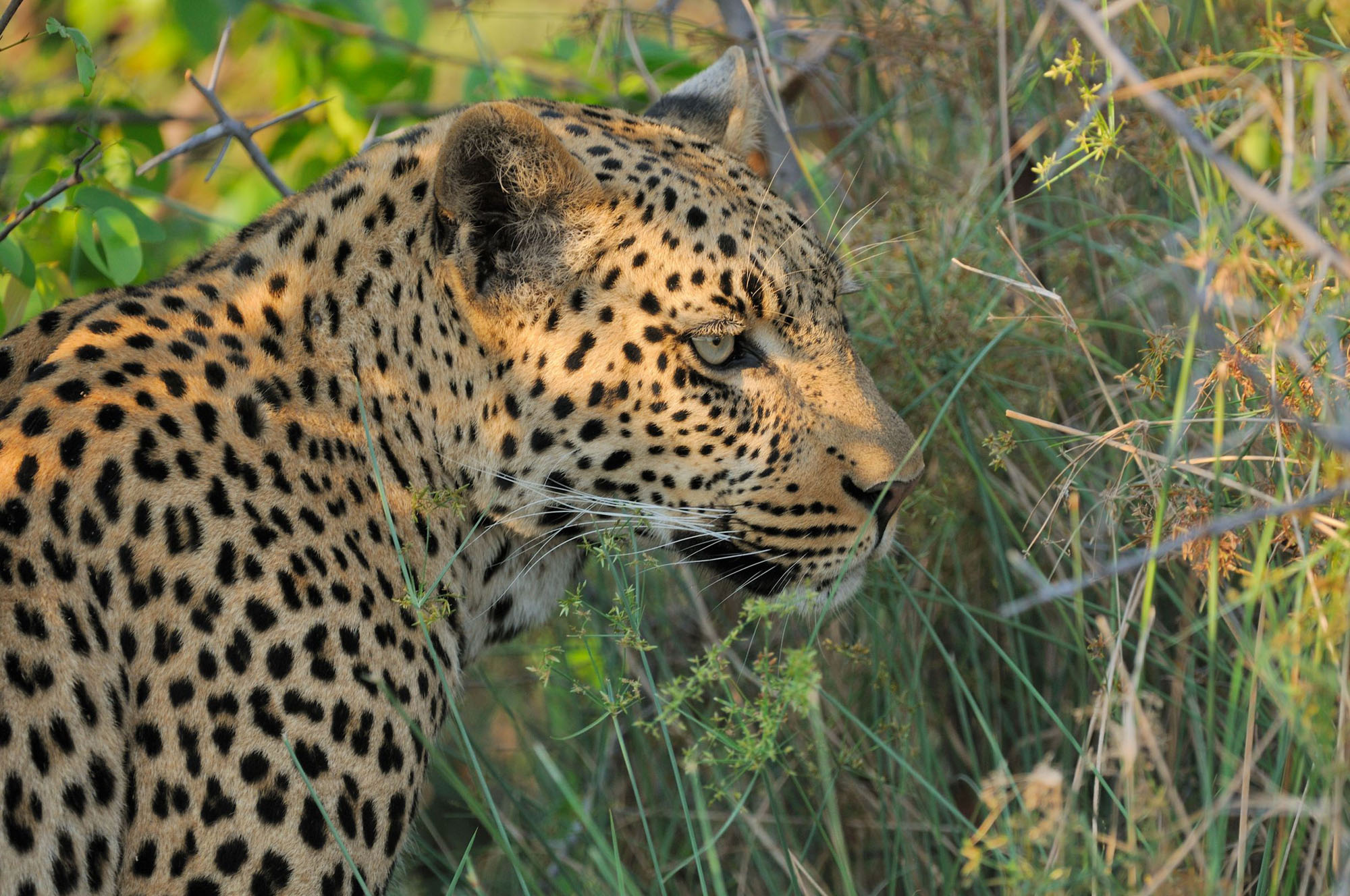
Not because they are rare – in fact they are more abundant than any of the African big cats – but because they are naturally evasive, skulking and mostly nocturnal.  Other than in a handful of places across Africa, leopards are rarely observed beyond perhaps a quick glimpse, a flash of spots disappearing into the green.

Image

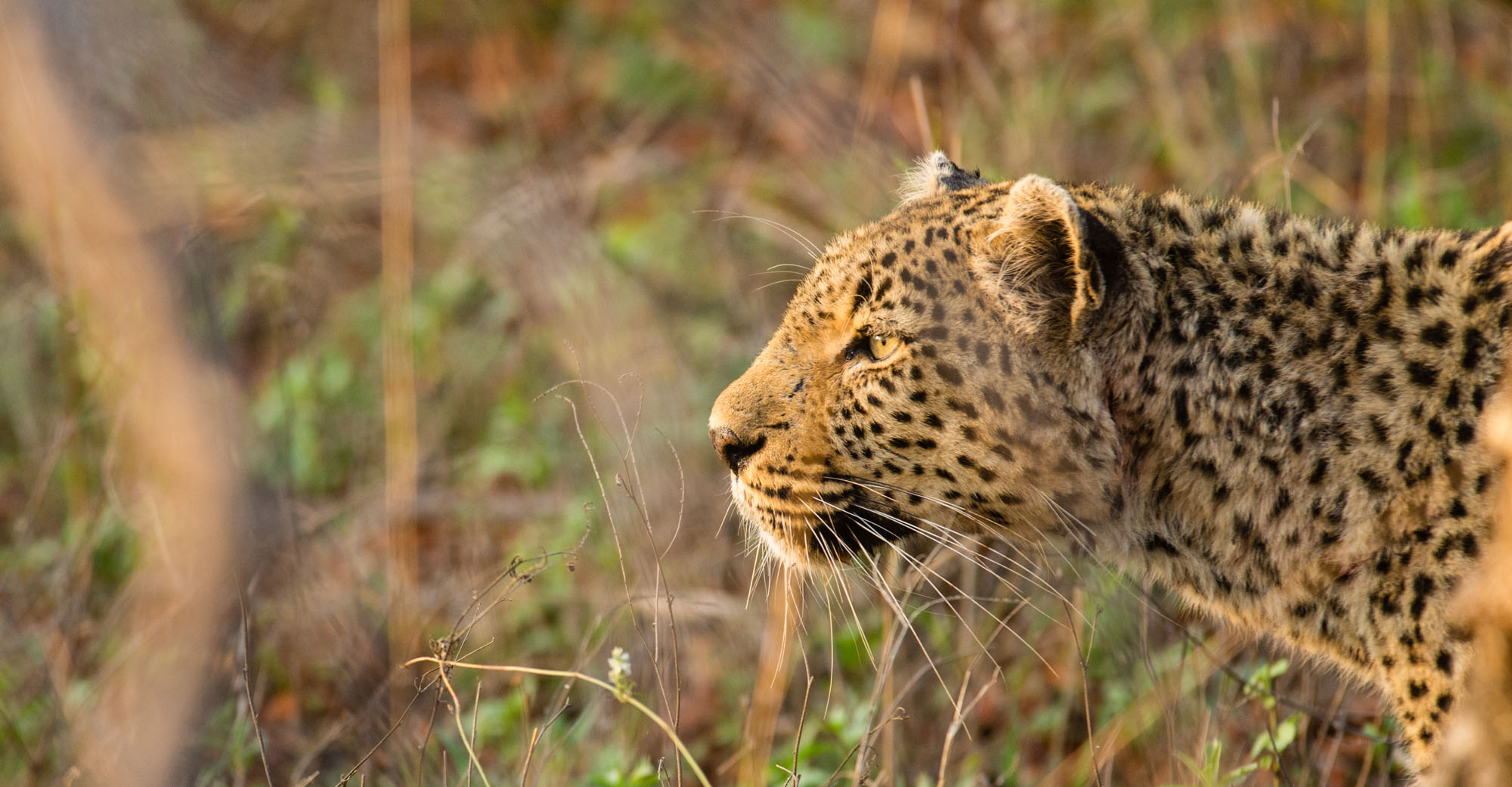
When you do get lucky with a leopard sighting, it is always fodder for camp-fire talk, something to casually mention over dinner back in camp.  The reaction being a predictable mix of envy and admiration. Suddenly, you’re the most interesting person in the room. There will be an invitation to provide more details and the conversation will probably meander into reminiscing about old but not forgotten leopard sightings.  Memories of this sleek, beautiful cat – pound for pound the most powerful of any of its kind – barely fade with time.

Image

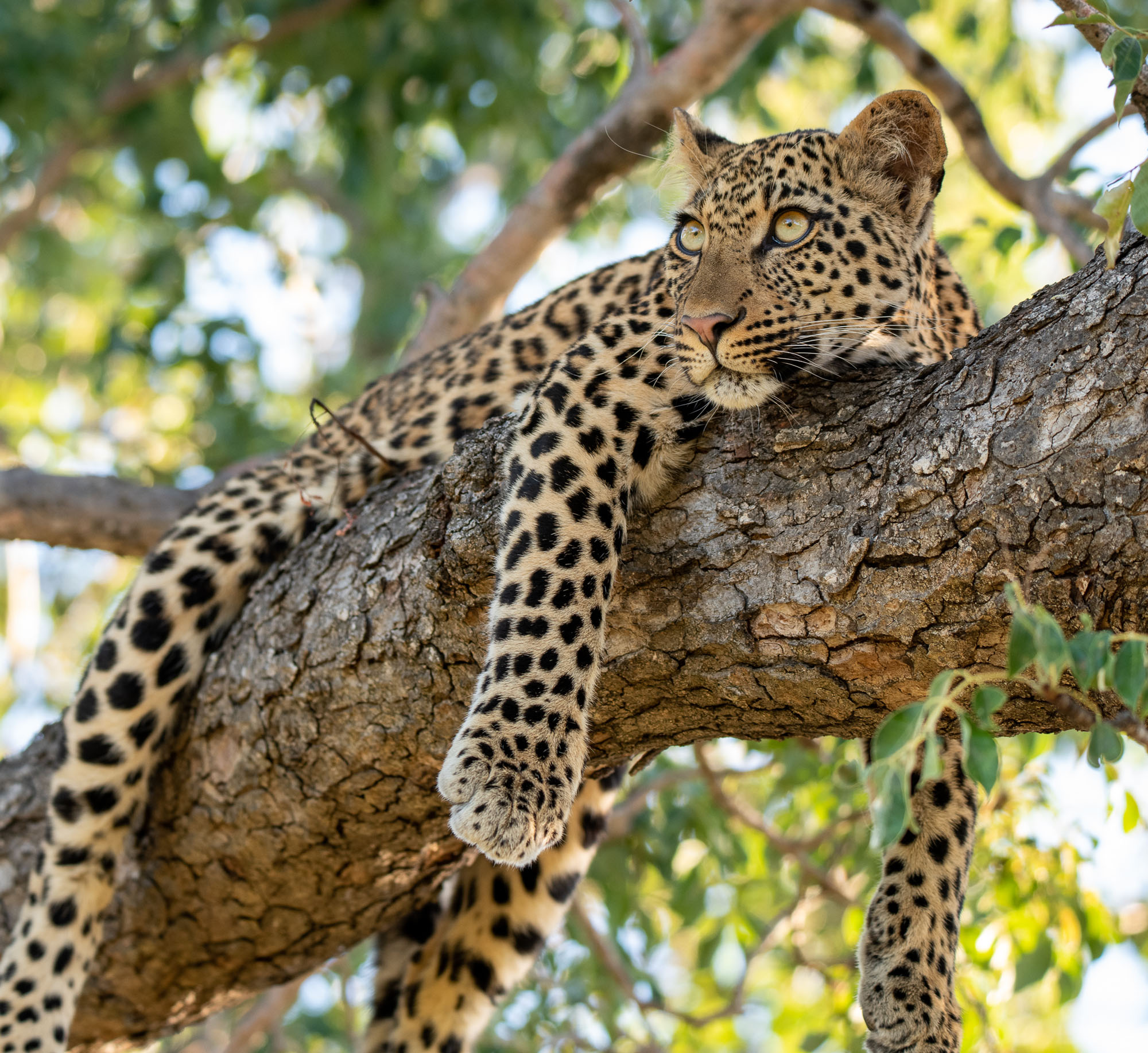
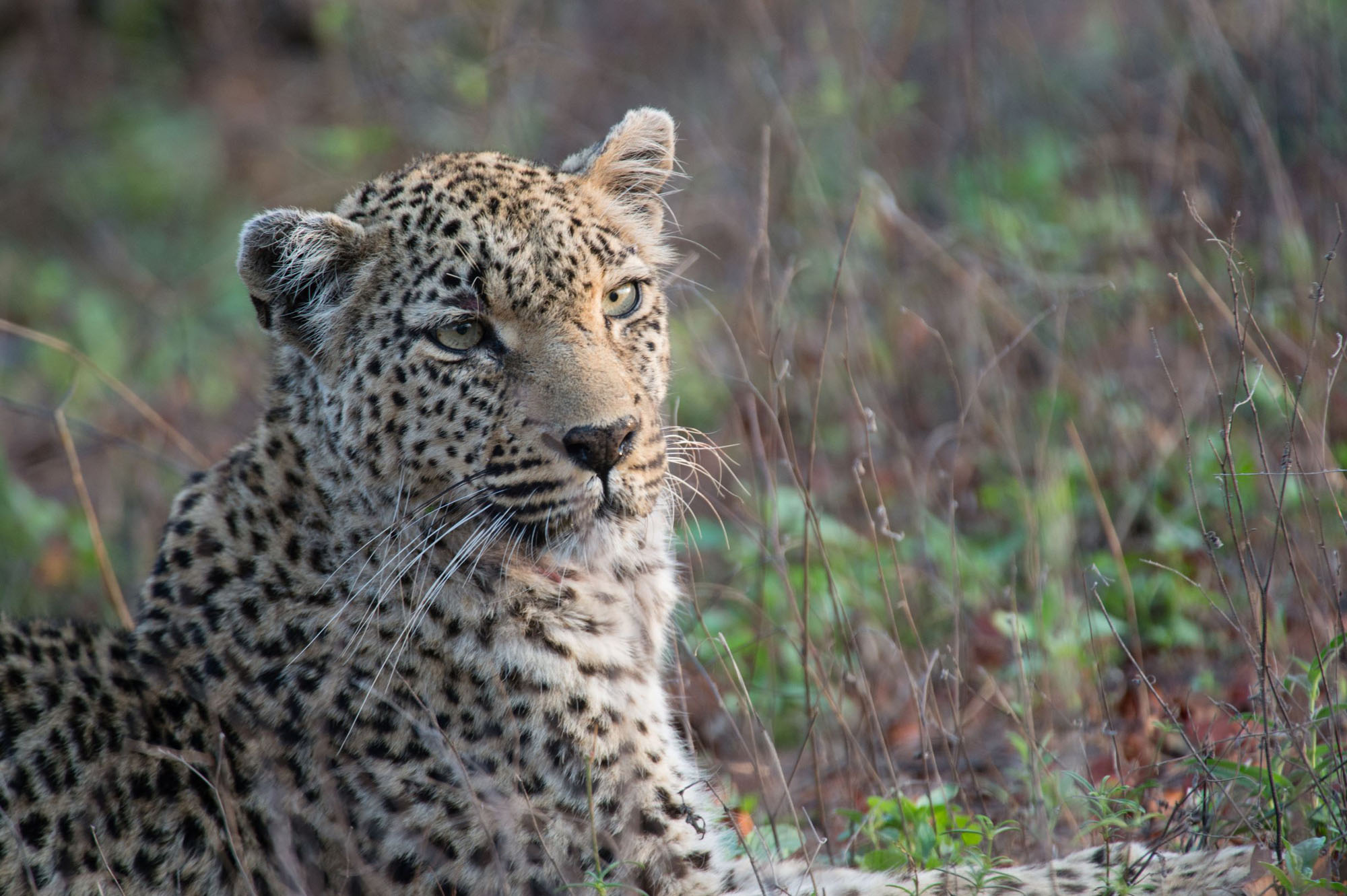
Prod any safari aficionado a bit and they will tell you about seeing a leopard practically run up a tree in Samburu in Kenya, the warm body of a good sized impala firmly clamped in its jaws.  Or the time they saw a leopard stalk and kill a careless blackbacked jackal in Etosha National Park in Namibia, in the middle of the day.  There are lots of good leopard stories out there.  And almost just as many places and opportunities to experience this most memorable of animals, and start working on your own stories.  Here are some notes on a few of these special places, with some of our favorite leopard photographs.

Image

Hunda Island, Okavango Delta Botswana

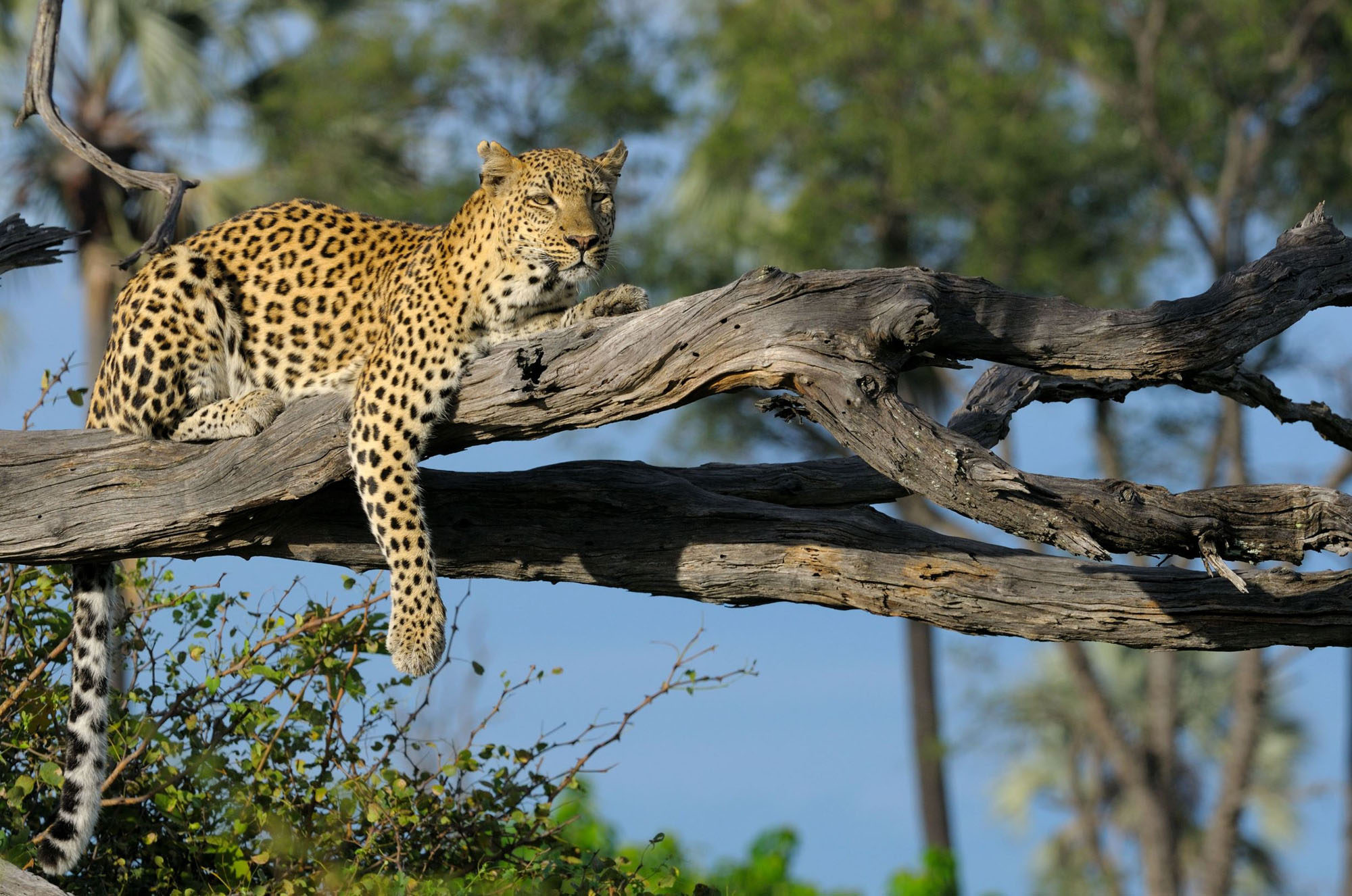
Hunda Island is a large, well-wooded island in the Jao concession in the western part of the Okavango Delta.  The Jao concession is exactly what one might anticipate the Okavango Delta looking like, even before you’ve ever been there.  A stunningly beautiful mosaic of small, palm-fringed islands, meandering channels and pretty lagoons with sizable stands of reeds and papyrus.  When the annual flood is in, large expanses of the Jao floodplain become inundated, creating a water wonderland like no other. Hunda Island is a few feet higher than the surrounding plains, so it stays dry year round.  There is no lack of trees though and plenty of game including impalas, baboons, hares, warthogs and rodents.  Leopard food, all. Some of the leopards to be seen on Hunda Island are quite relaxed – as the guides will say – being habituated to the presence of vehicles.  Which means they can see and smell you – but they don’t care.

Image

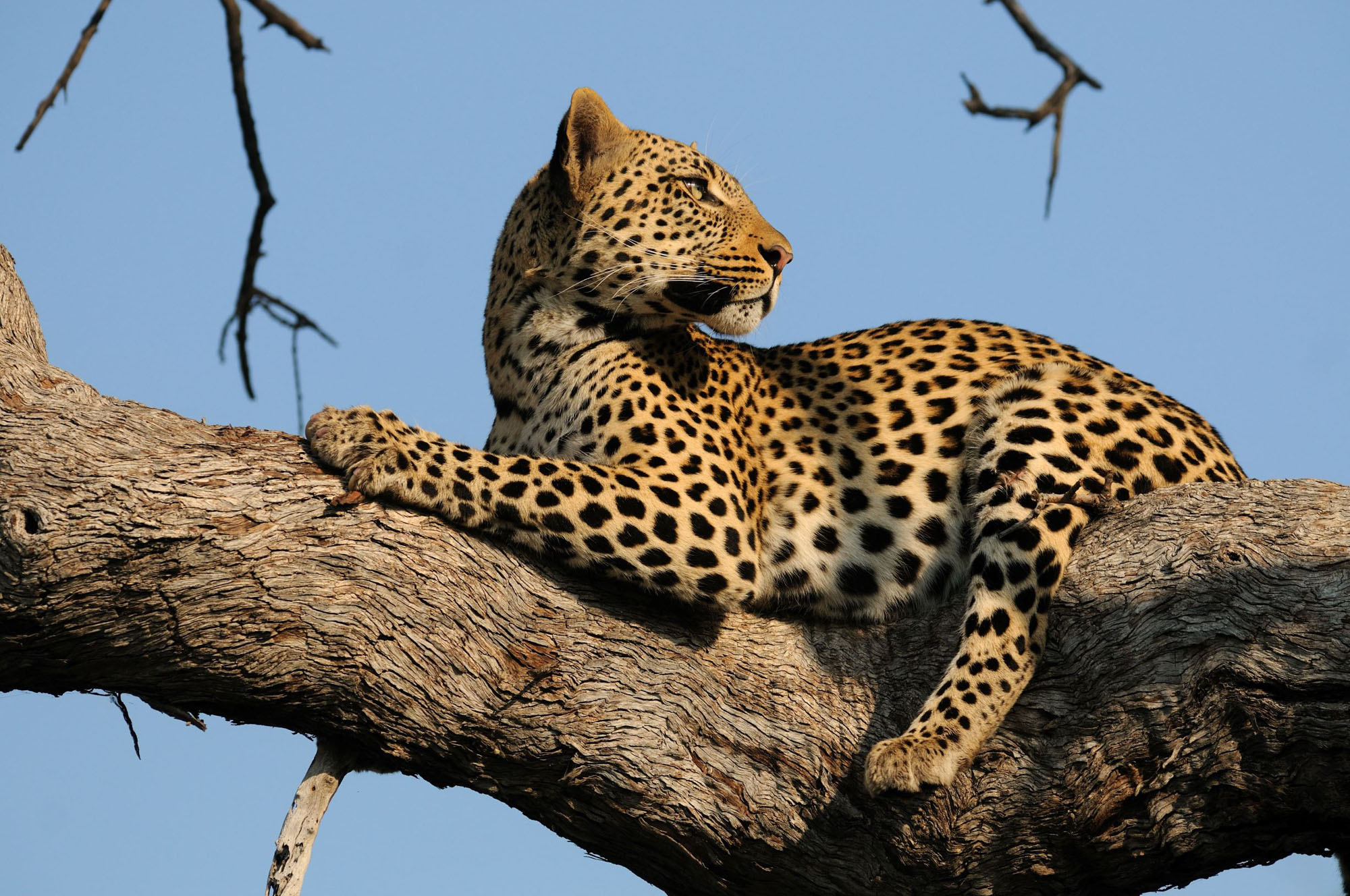
More than once, I’ve seen a leopard in a tree on Hunda Island.  Which is a photographer’s potential dream shot – and also his or her biggest challenge.  The issue being the dreaded ‘bright sky’ background which messes up the exposure, resulting in either an underexposed (dark) leopard or a totally blown out, overly bright sky background.  On the day that I managed to get this shot of a leopard in a tree on Hunda Island, this very same animal had been in another tree just minutes earlier, with ‘just sky’ in the background.  With zero chance of getting a nicely balanced exposure.  I was beyond myself.  Only to have the leopard calmly clamber down that tree, and into another one, with – halleluja – green foliage in the background.  Leopard in a tree shot?  Check.  My advice is to be patient and to stick around.  Things change, and often for the better.  If you’re really keen on getting some great leopard shots, spend more time on Hunda Island (like four nights instead of three) and stay at Tubu or Little Tubu camp.  They are right on Hunda Island and you won’t be wasting time getting there.

Image

MalaMala Game Reserve, Sabi Sand Reserve, South Africa

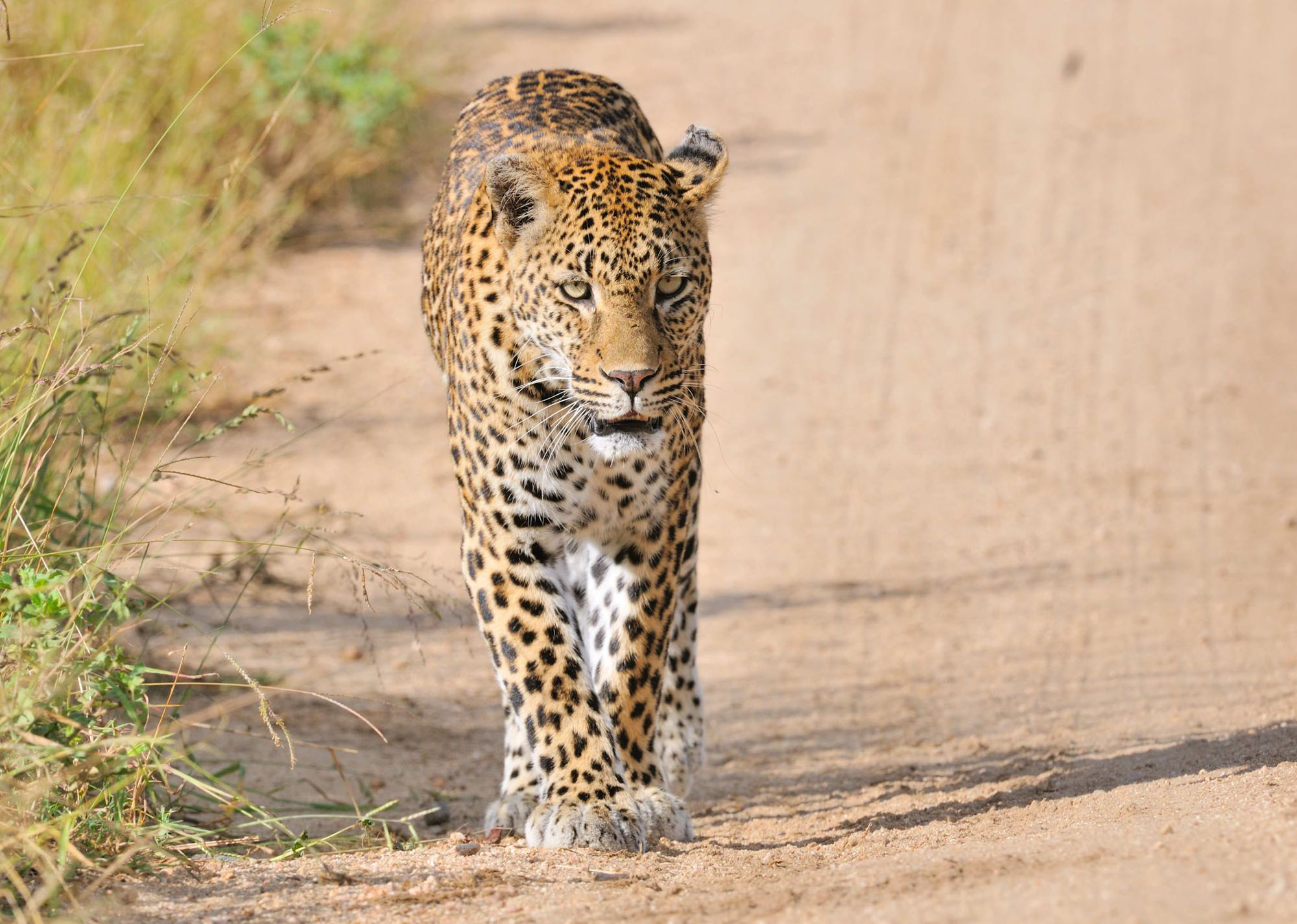
I always think of MalaMala as a place where leopards can be seen strolling down a track at 11 in the morning.  It is that kind of a place.  The consistency with which leopards are seen at MalaMala is simply astonishing.  Practically not a day goes by without a leopard sighting, week in and week out.  There were a total of 1,216 sightings in 2019,  an average of 3.3 sightings per day.  Leopard sightings are measured on a per day basis, so if the Island Female is seen on the morning drive and again in the afternoon, that is counted as one sighting. The record high number for different leopards being seen at MalaMala on one day is no less than fifteen.  So if you absolutely, positively ‘have’ to see some leopards on your next or first Africa trip, MalaMala needs to be on your itinerary. You can thank me later.

Image

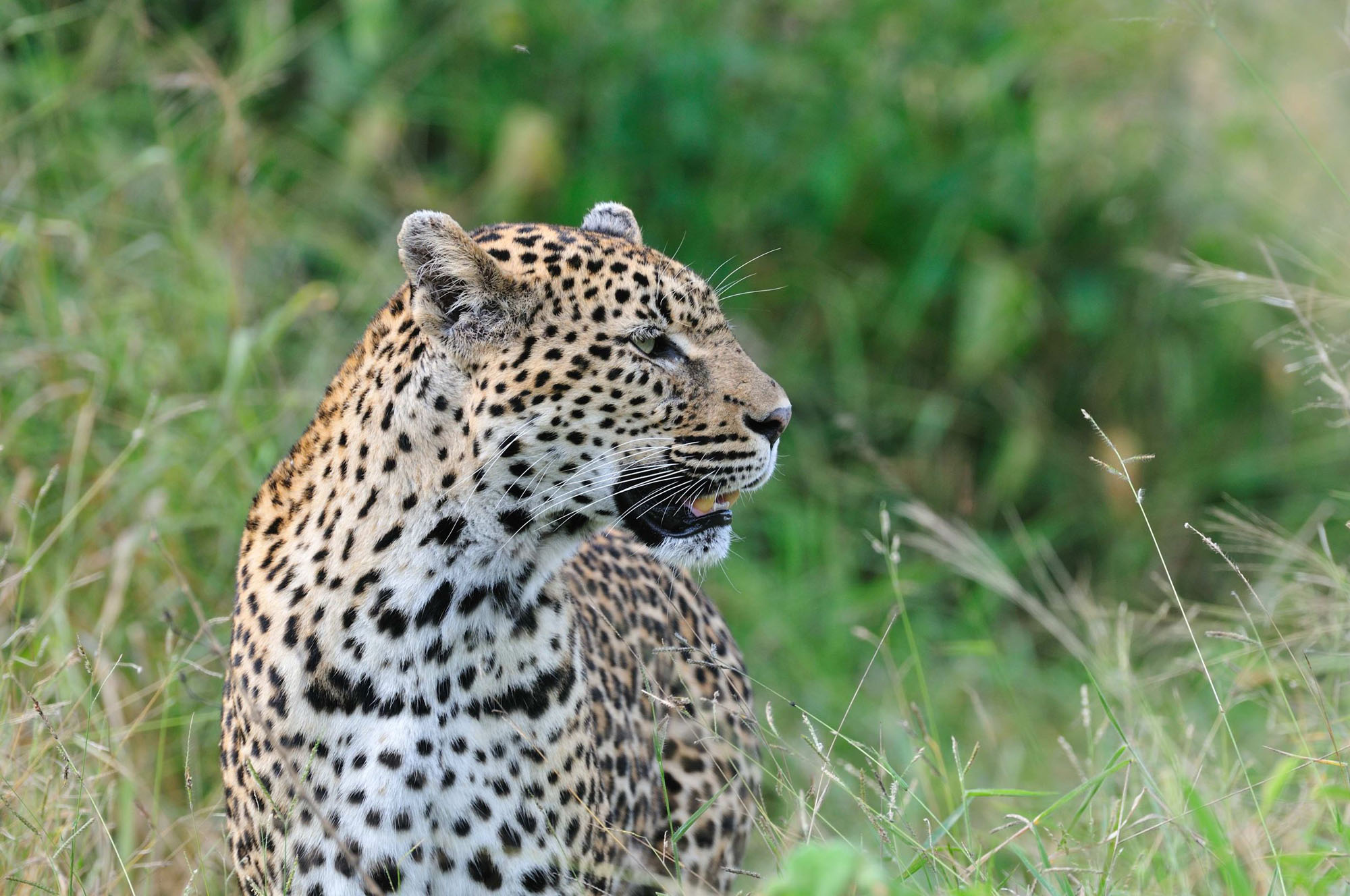
If you’ve been there recently or are planning a trip, names like the Piccadilly Female, the aforementioned Island Female, the Nkoveni Female, the Split Rock Male or the Maxim’s Male may either be familiar to you, or soon will be.   The most widely accepted method of leopard identification is by using spot patterns.  A spot pattern refers to the uppermost row of spots on the leopard’s cheeks, above the upper line of whiskers. Probably best to get a good close-up shot of the leopard first, and check the spots later…

Image

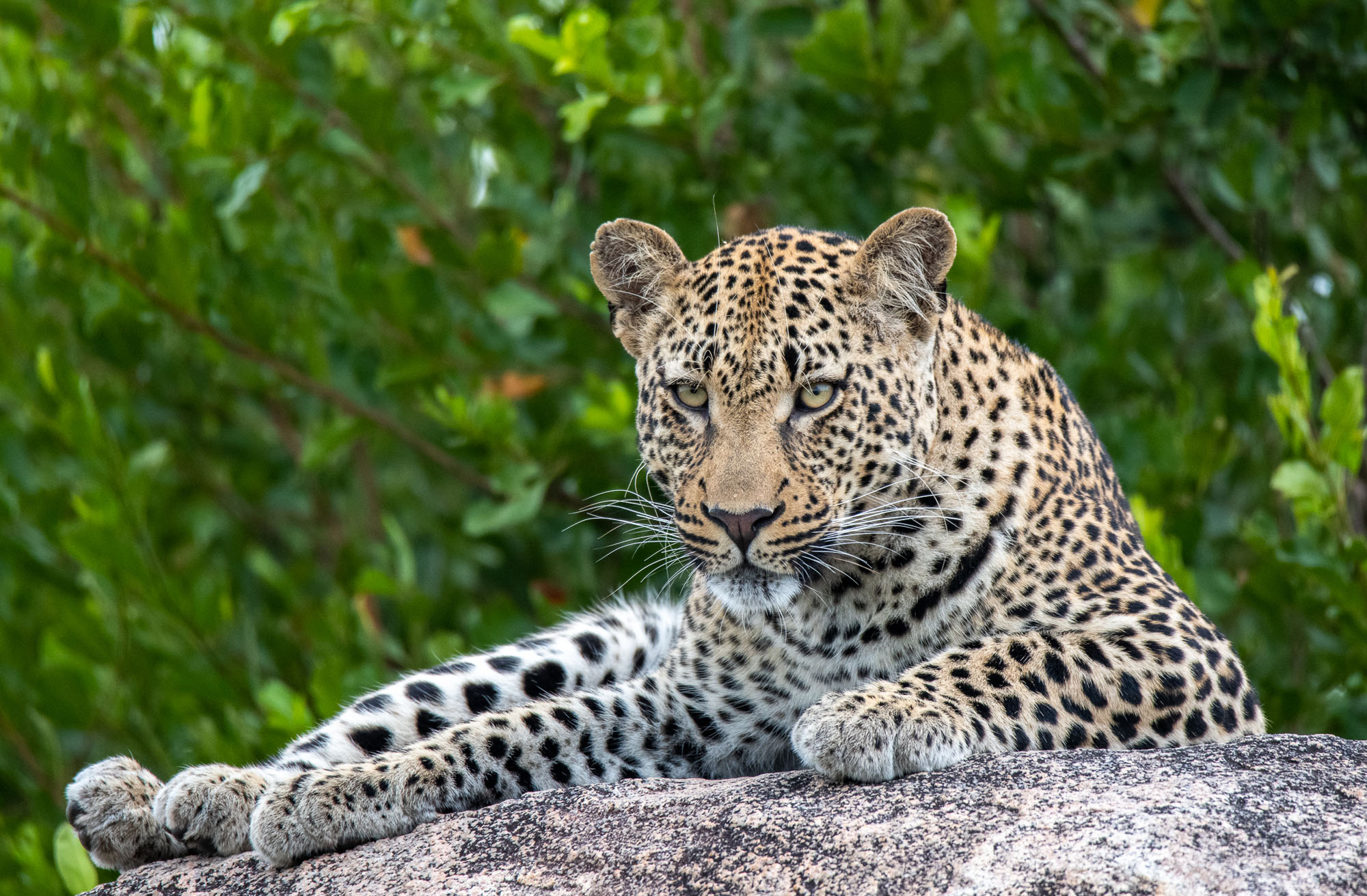
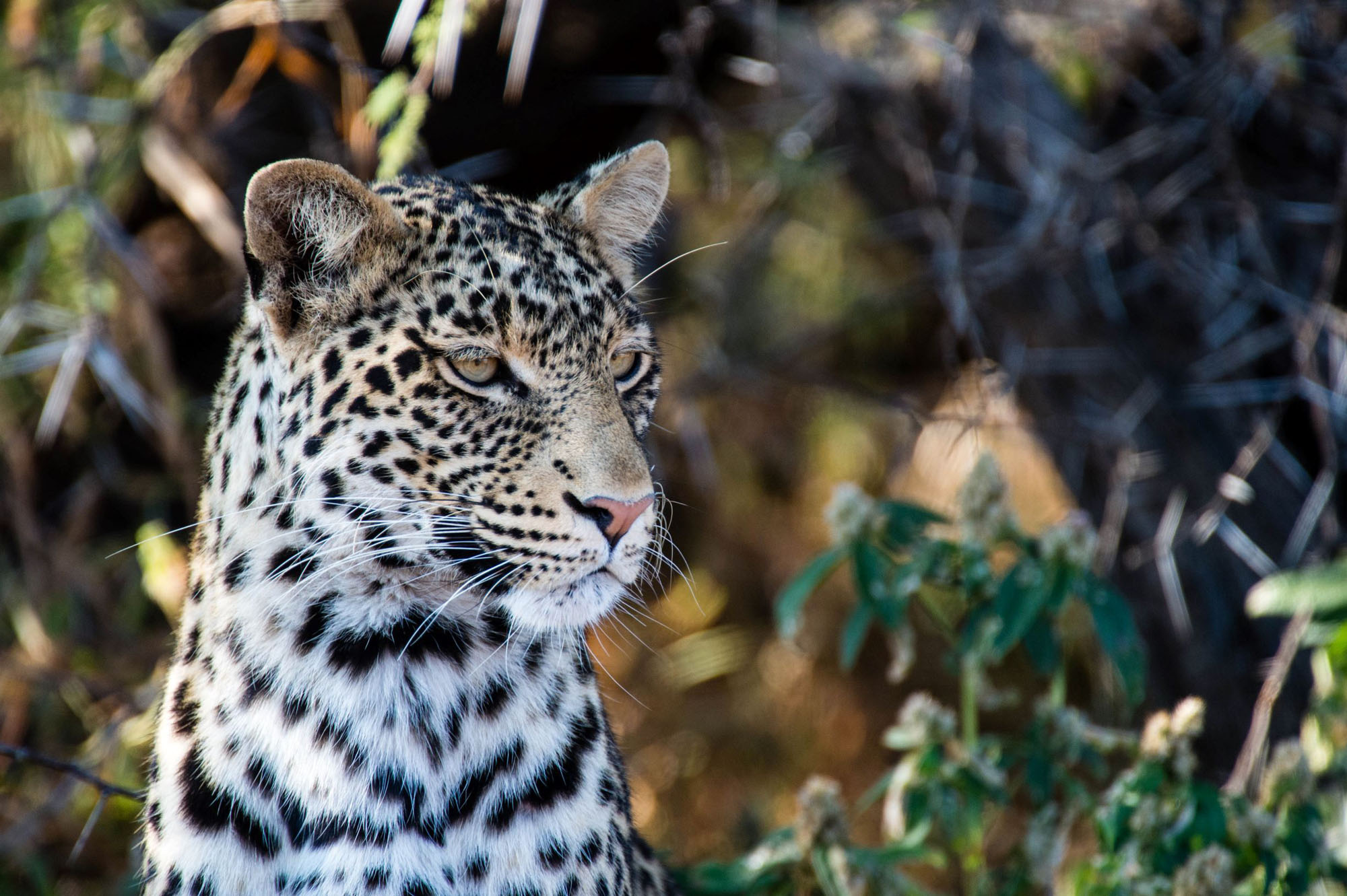
This photo of a young male leopard was taken on our most recent trip to MalaMala in June last year.  What made it special was that we spent nearly an hour observing him walking around, patrolling the area and checking for the scent or signs of any intruders into his territory.  He was completely relaxed and did not so much as look at the vehicle, despite walking right by it on a couple of occasions.  Eventually, he selected one of his favorite spots on a flat rock and stretched out.  We were one of only two vehicles to enjoy this sighting, the first vehicle leaving the scene within minutes of us arriving.

Image

Mashatu, south-eastern Botswana

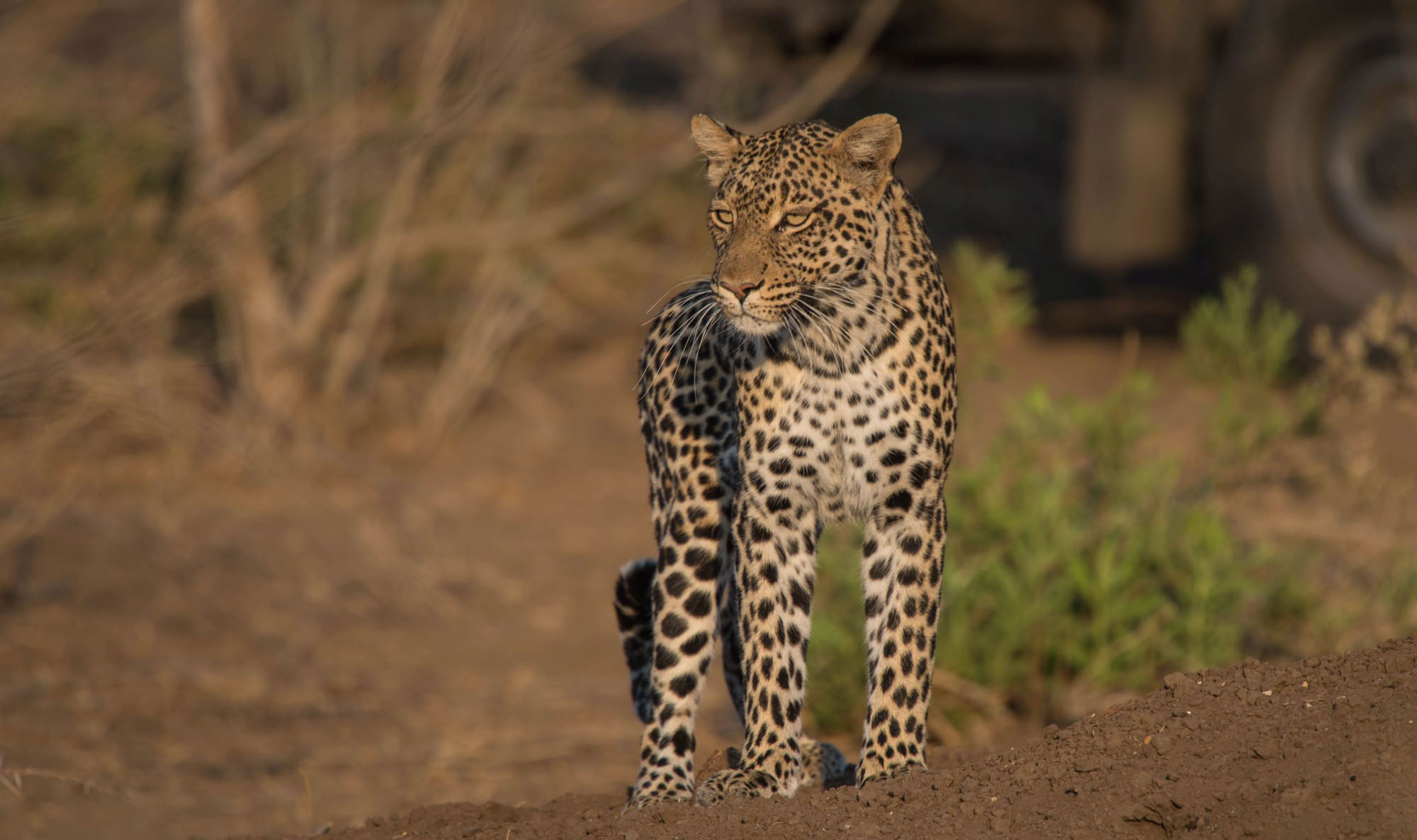
Likely the most underrated of any Southern African wildlife sanctuary, Botswana’s Mashatu Game Reserve delivers big cat sighting after big cat sighting to match any other wildlife area in Africa.  With no exceptions.  Lions, cheetahs, leopards.  All three can currently be seen there consistently.  On a recent September trip, we enjoyed two different cheetah sightings and three different leopard sightings in the course of a relatively short stay at Mashatu Tented Camp.  Unlike the true ‘bushveld’ regions of Southern Africa, Mashatu is relatively arid with less in the way of impenetrable thickets and dense riverine bush.  While there’s plenty of cover for leopards in the way of mopane scrub, woodland, craggy terrain and rocky outcrops, visibility is generally quite good and I’ve had more unobstructed views of leopards and other cats here, than practically anywhere else.  Except perhaps for the Serengeti/Mara complex in East Africa.

Image

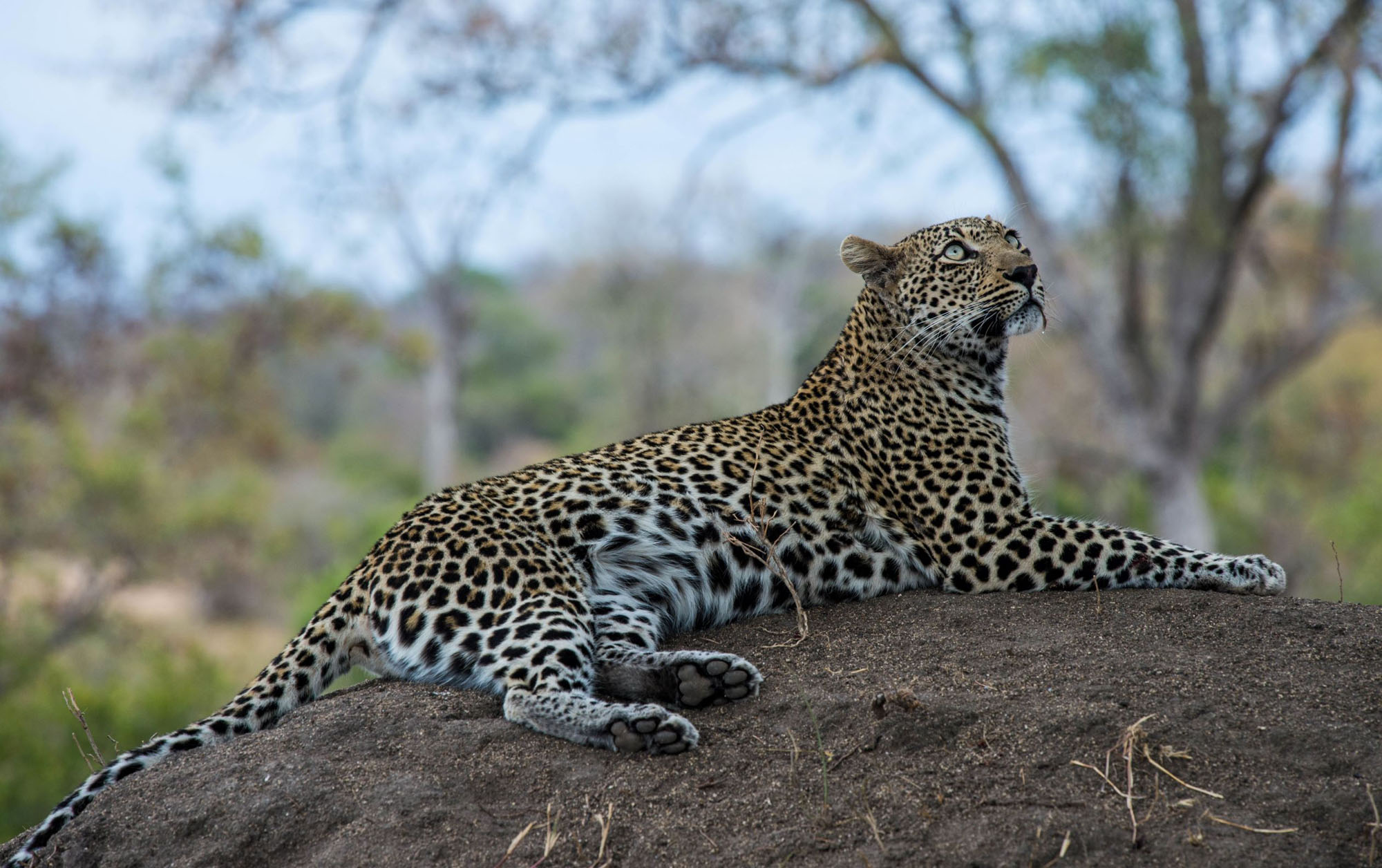
This photo of a leopard at Mashatu was the culmination of a guiding clinic, of sorts.  Initially, our guide – and tracker – had spotted some fresh leopard tracks in one of the dry ephemeral rivers in the reserve.  Following the tracks down into a gully, we had every expectation of bumping into the leopard. Soon.  It was nowhere to be seen.  The tracks had petered out in a gravelly patch.  We circled around a bit and just when I had pretty much given up on the sighting, the guides heard the alarm call of a helmeted guineafowl.  Looping around a few bushes, we approached the loudly protesting bird which was practically pointing at a nearby bush.  If a bird could point.  Sure enough, not seconds later, a leopard emerged from the bush. It gave us the barest of glances and calmly crossed the dry riverbed, prompting a torrent of machine gun-like shutter clicks from my Nikon D4 at nine frames per second.  Success!

Image

Mombo Camp, Chief’s Island Botswana

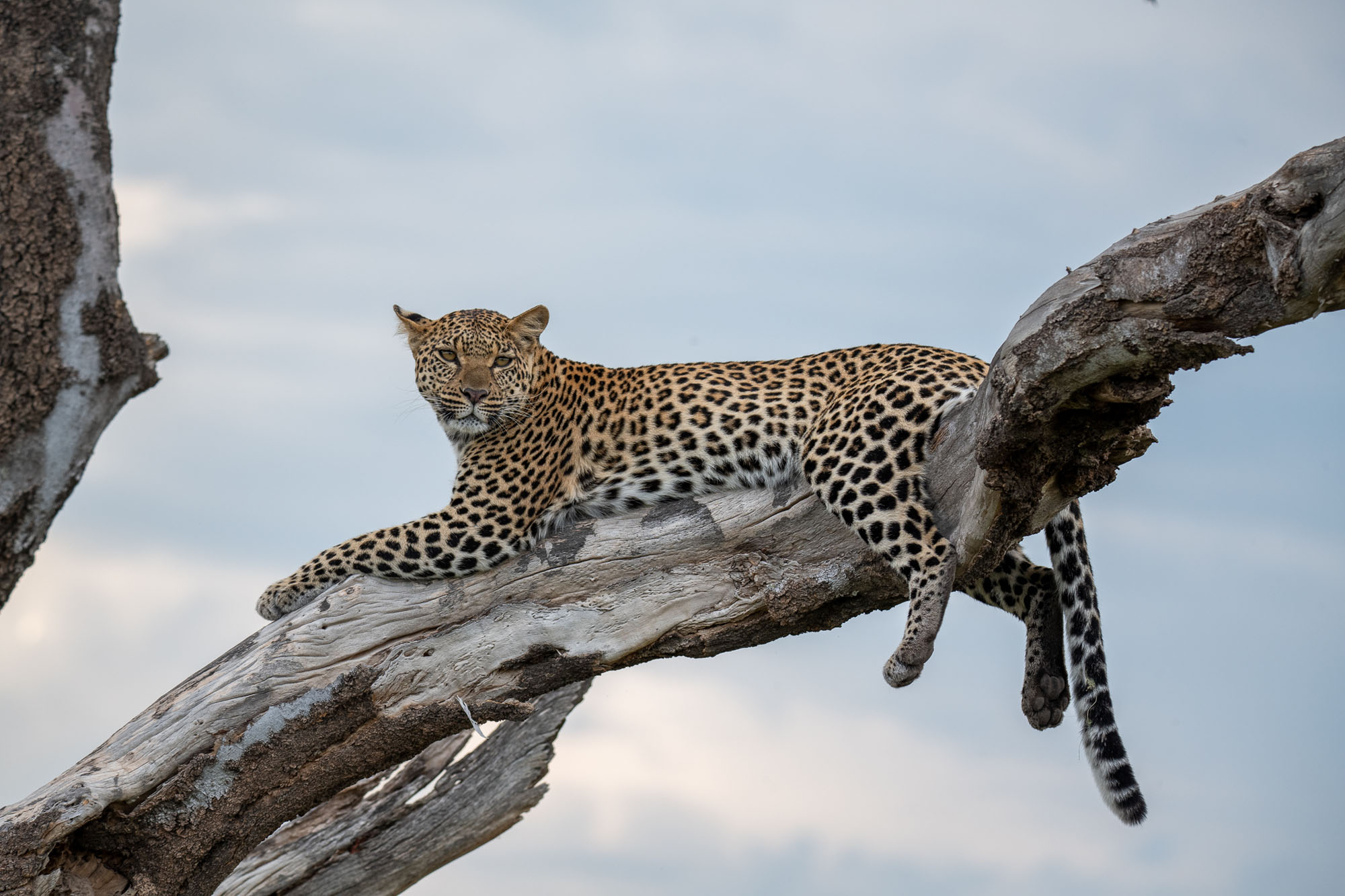
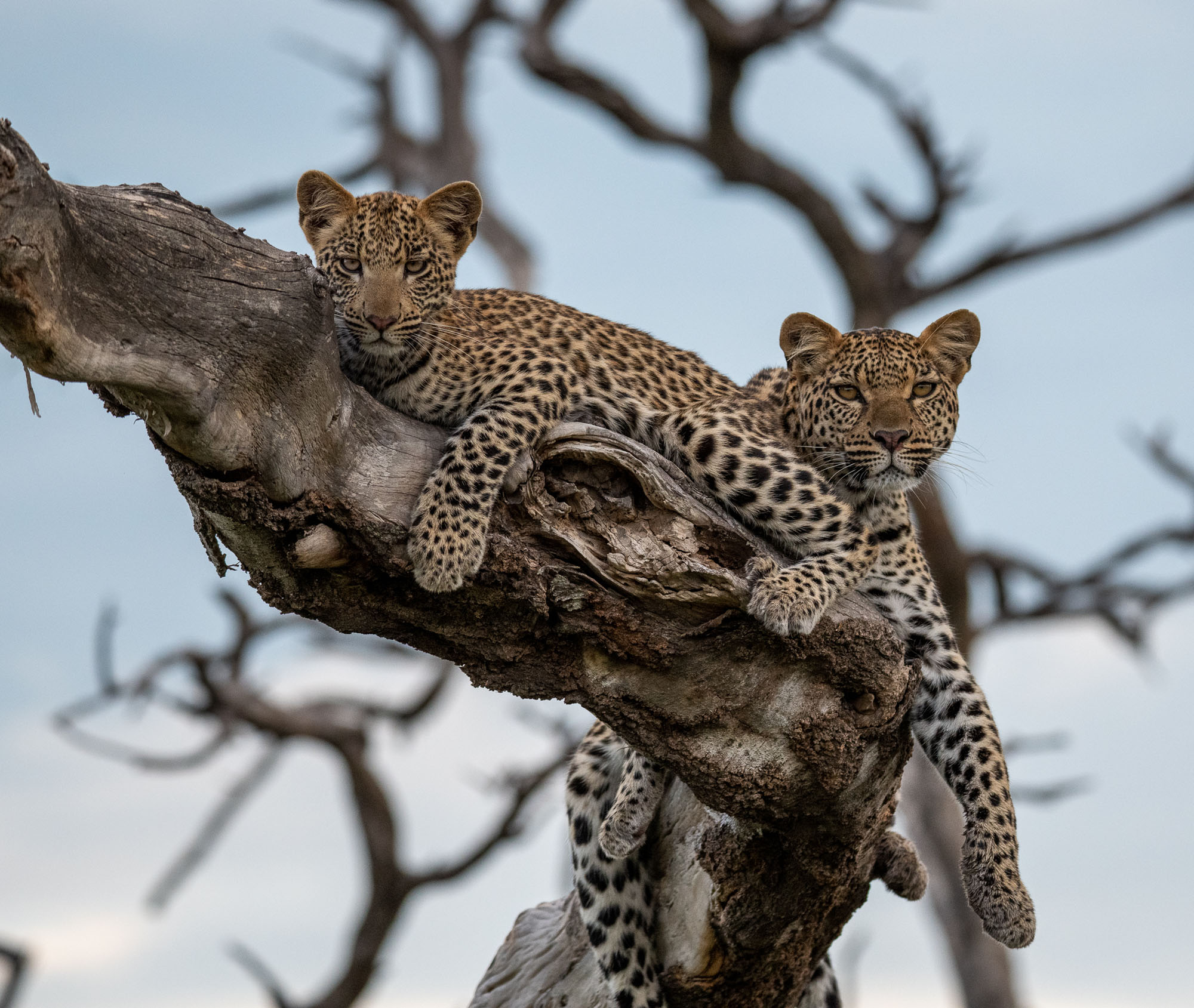
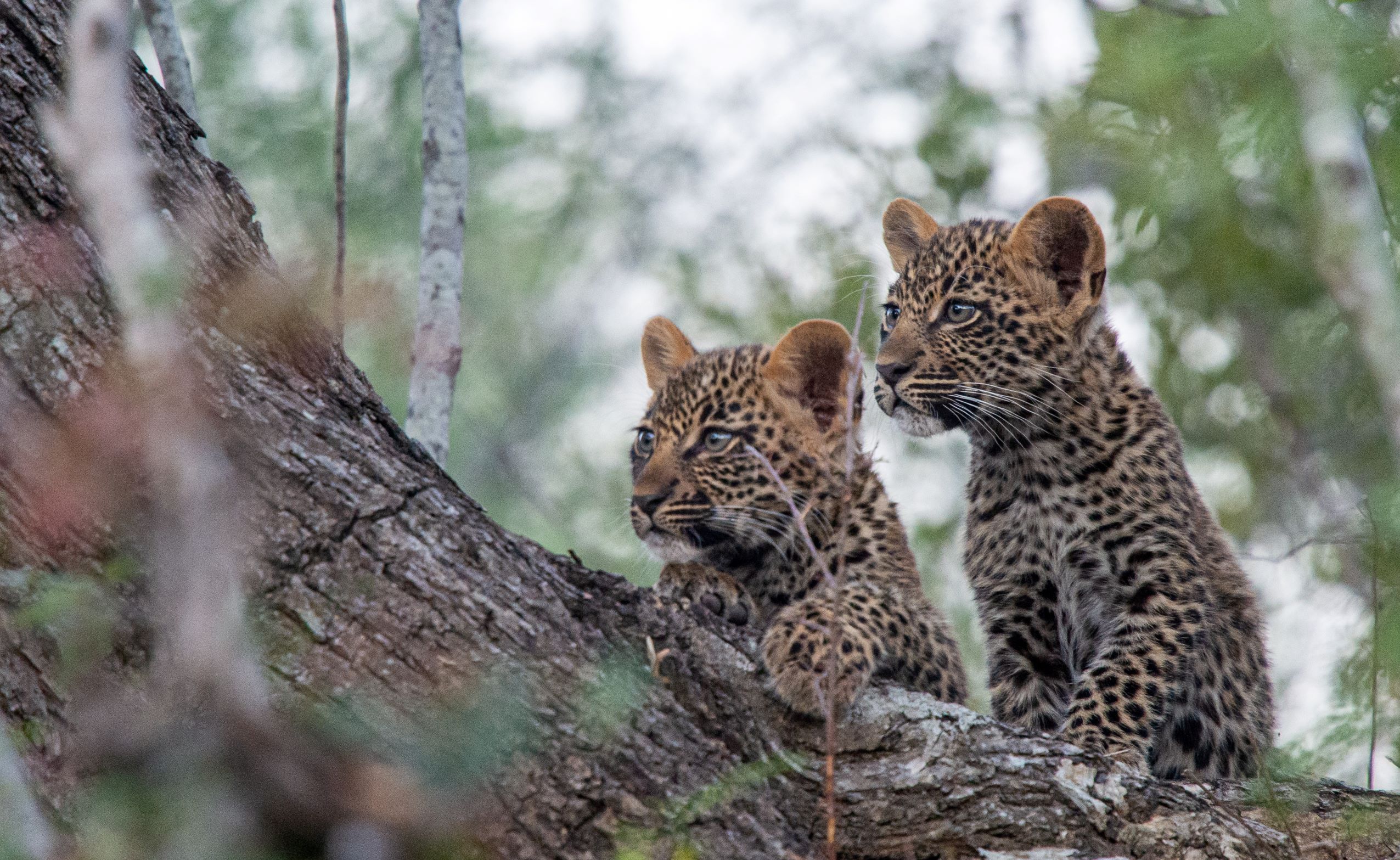
Wilderness Safaris’ Mombo Camp has gained a worldwide reputation and recognition for all-round excellence.  Hospitality, guiding, game-viewing, atmosphere, food – there are no shortcomings. On first arriving at the Mombo airstrip many years ago, we were given the choice of proceeding to a cheetah kill or a Martial Eagle which had just taken down an impala. Of course we did both, and they were both phenomenal.  The photos, much to my regret, were lost in a subsequent hard drive failure.  I know.  Back up on the cloud…  The following day we experienced the first of many leopard sightings at Mombo, a streak which remains unbroken over the course of several return visits.  As recently as March 2020 we were on a fantastic sighting of a female leopard in a tree – with her cub – within fifteen minutes on our first game drive.  So Mombo.

Image

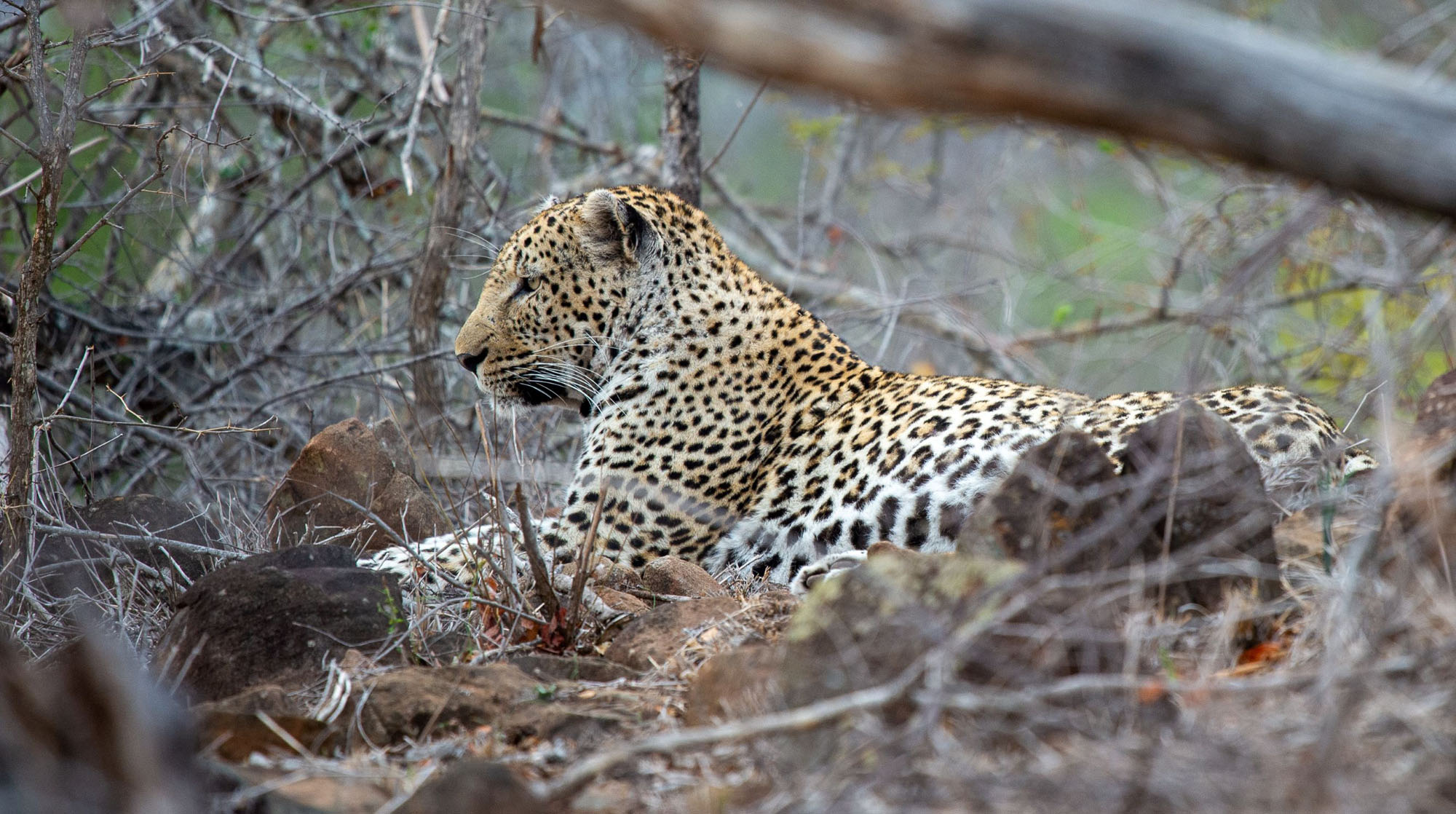
One of the most legendary of Mombo leopards was Legadima, which Kathy and I were fortunate to see more than once.  She was truly a ‘movie star’ leopard, featured in Dereck and Beverly Joubert’s ‘Eye of the Leopard’.  It followed every step of her life, as the cub of Tortilis, from just eight days to three years old.  Two of Legadima’s cubs namely Pula and Maru then became Mombo favorites, as did Phefu, the daughter of Maru.  Currently a young male leopard named Tladi – the son of Phefu – is being seen all around Mombo, walking on the boardwalk and clambering onto the roofs of the guest tents.  At just 14 months Tladi successfully hunted a full-grown kudu – quite an achievement for such a young predator.  The Legadima legacy lives on.

Image

Kaingo Camp, South Luangwa Zambia

Zambia’s South Luangwa National Park is known as good leopard habitat, and there’s no reason not to anticipate seeing one or more at practically any of the camps in the reserve, over the course of 3 days or so.  Some South Luangwa camps do have an edge though, as does Shenton Safaris’ Kaingo Camp.  It definitely belongs in the top echelon of safari properties where you are likely to see and properly photograph a leopard.  On our first visit to the camp we witnessed an extraordinary spectacle one evening when we were out on a night drive, checking for predator action in some open floodplain terrain, along the South Luangwa River.

Image

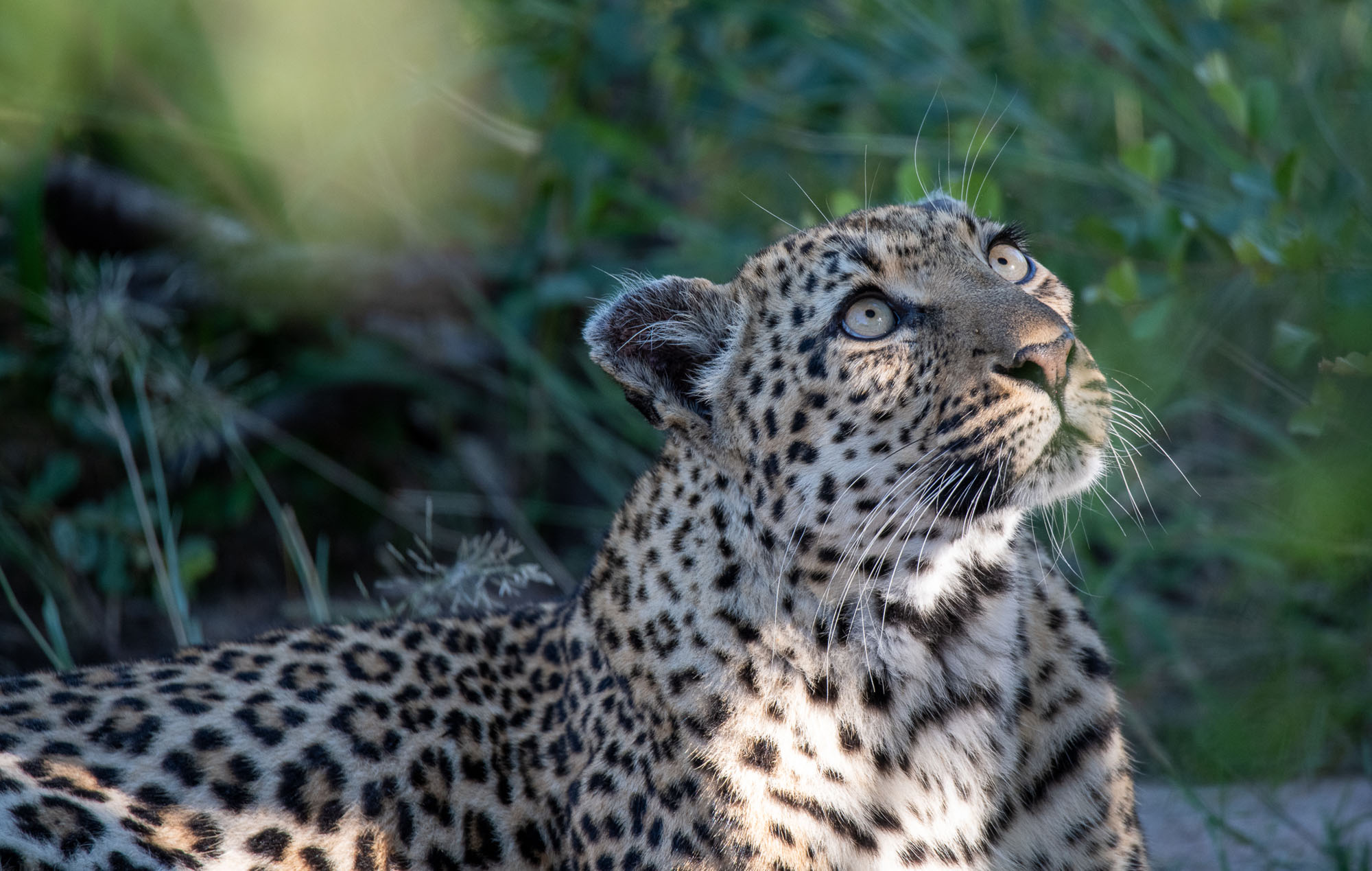
It wasn’t long before we had the spotlight on a big male leopard walking into the arena, as it were, checking around for what might be available for dinner.  And then, just minutes later, from stage left, a female lion dashed into the picture, going straight for the leopard.  To her instant regret, our guide had inadvertently lit up one predator for another. She later told us that she would have felt awful if the lion had been successful in getting to the leopard.  In the end the leopard made a successful getaway, scampering to the safety of some nearby trees.

Image

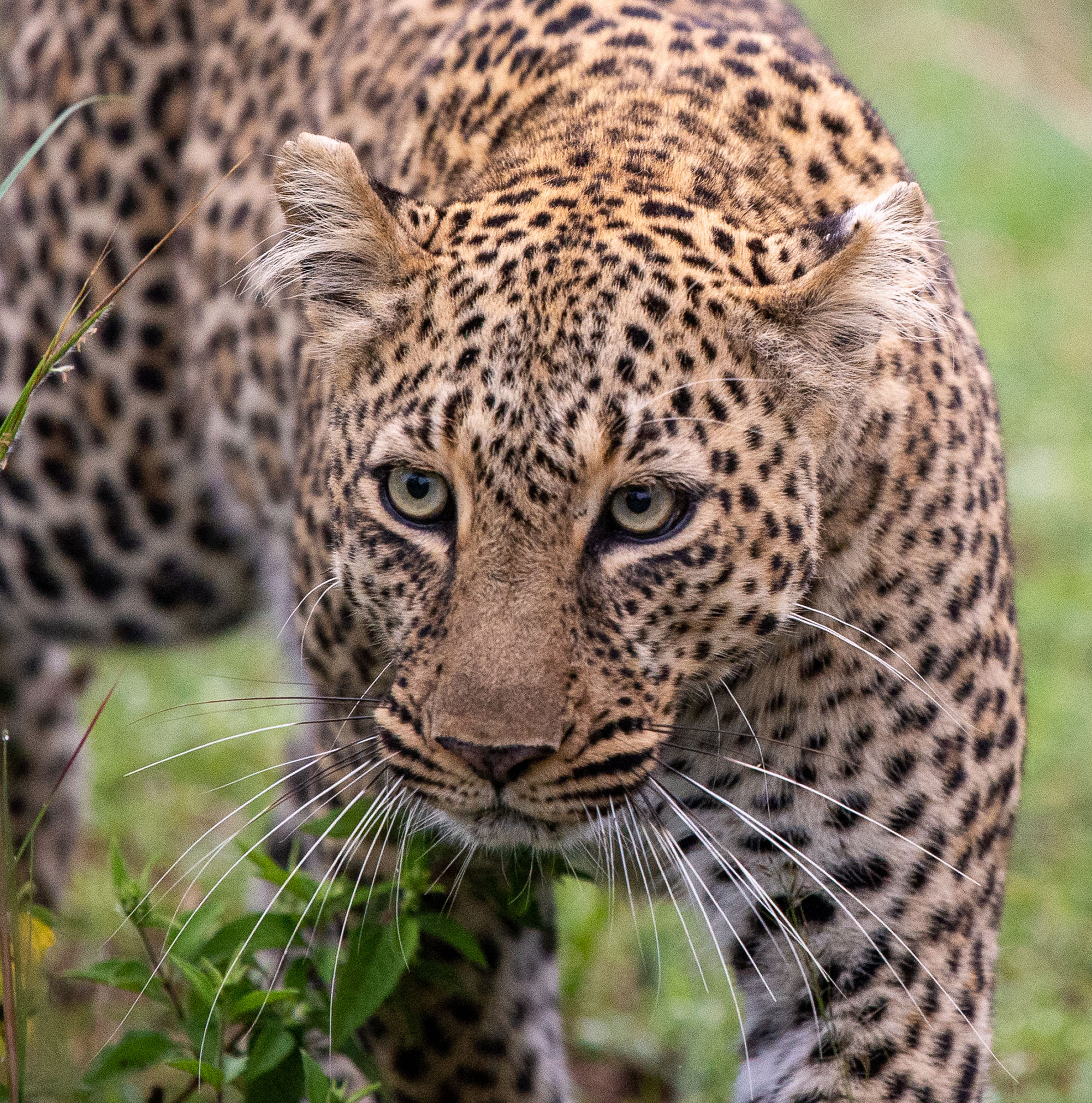
Another interesting phenomenon which we first observed at Kaingo involved hyenas and leopards.  In this part of Zambia – and likely elsewhere – hyenas often follow leopards around at night, instinctively realizing that they may benefit if and when the leopard makes a kill.  Either by appropriating the carcass for themselves – which we have witnessed on Hunda Island – or by scavenging for leftovers.  So on every subsequent night drive, whenever we would see or hear hyenas, we’d be thinking and looking around for leopards.  More often than not, that is how it turned out.

Image

Kaingo is exceptionally well attuned to the needs of serious photographers, from the way the vehicles are equipped to the abundance of photographic hides, the kind of advice you get and the ability of the guides to anticipate behavior and movement and get you in the right position for a pro shot, time after time.

Image

Kirkmans Kamp, Sabi Sand Reserve

AndBeyond’s Kirkmans Kamp and its younger, deluxe sibling Tengile, are leopard mainstays.  On three different visits here the professional guides at both camps have found leopards for us every time without fail.  And not just your common, garden variety of leopard sightings.  We’re talking leopards in trees, leopards just a few hundred meters from lions, and most recently a ‘leopard alert’ where I was cautioned to stay in my room early one morning, waiting for a leopard to walk out of camp.  We’re talking adrenaline-pumping, action-packed sightings which add 200 shots to your photo count in a hurry.

Image

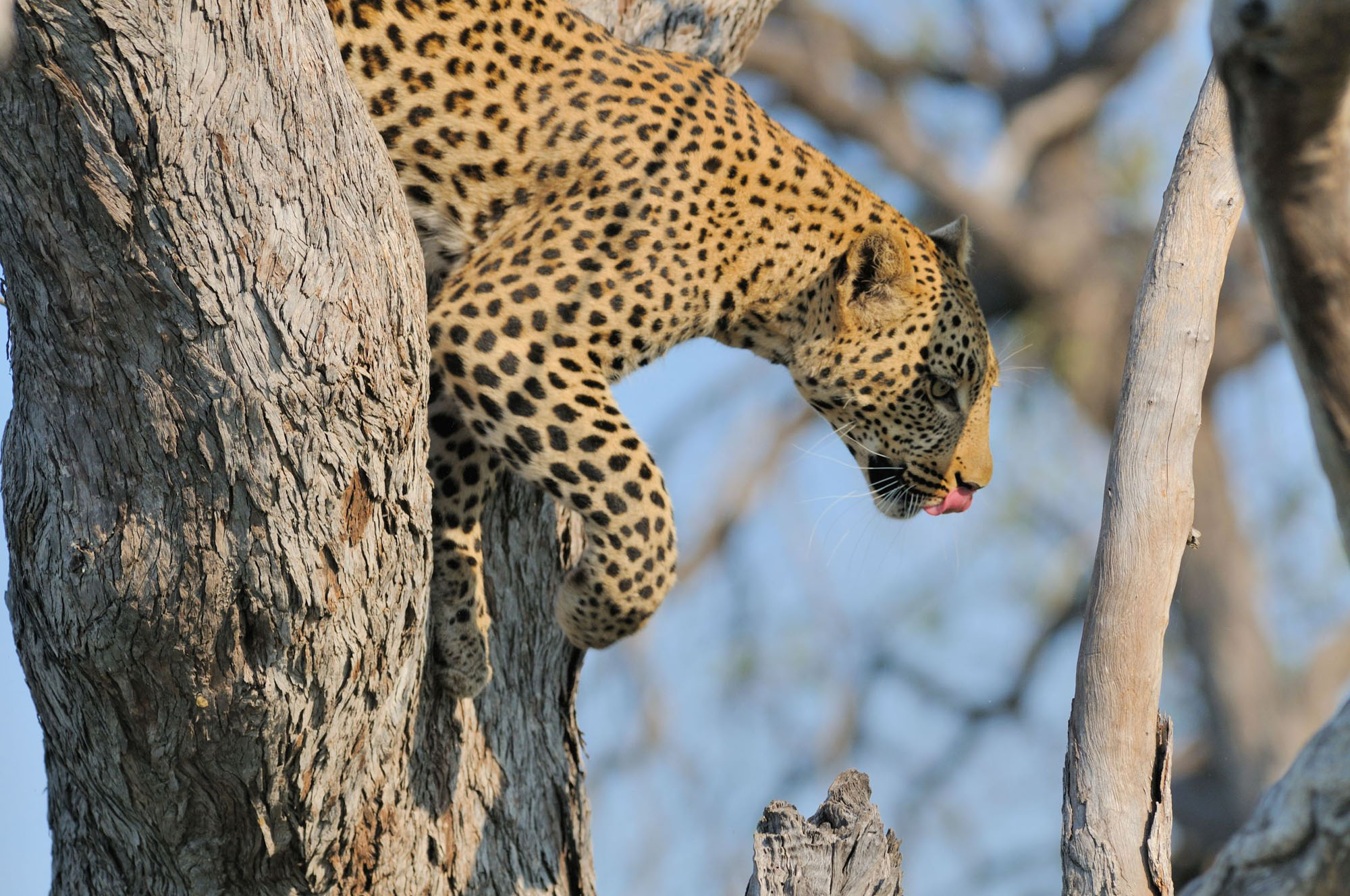
Despite some back-lighting issues, I managed to get a couple of decent exposures of the leopard that had walked into and then out of the camp, a little while later.  It had climbed into a tree to survey the area.  For whatever reason it was not happy about having the vehicle to the side of the tree, and snarled at us a couple of times.  Uncharacteristic behavior for a leopard, in my experience.  

In our blog post next Friday we will take a look at the where, why and when of chimpanzee trekking in Uganda, Rwanda and Tanzania.

More Info

Email bert@fisheaglesafaris.com

Email jason@fisheaglesafaris.com

@fisheaglesafarishouston

#FishEagleSafaris

YOU MIGHT ALSO BE INTERESTED IN

Destinations
Zambia

10th September 2021

Chindeni and the Bushcamp Company, Zambia

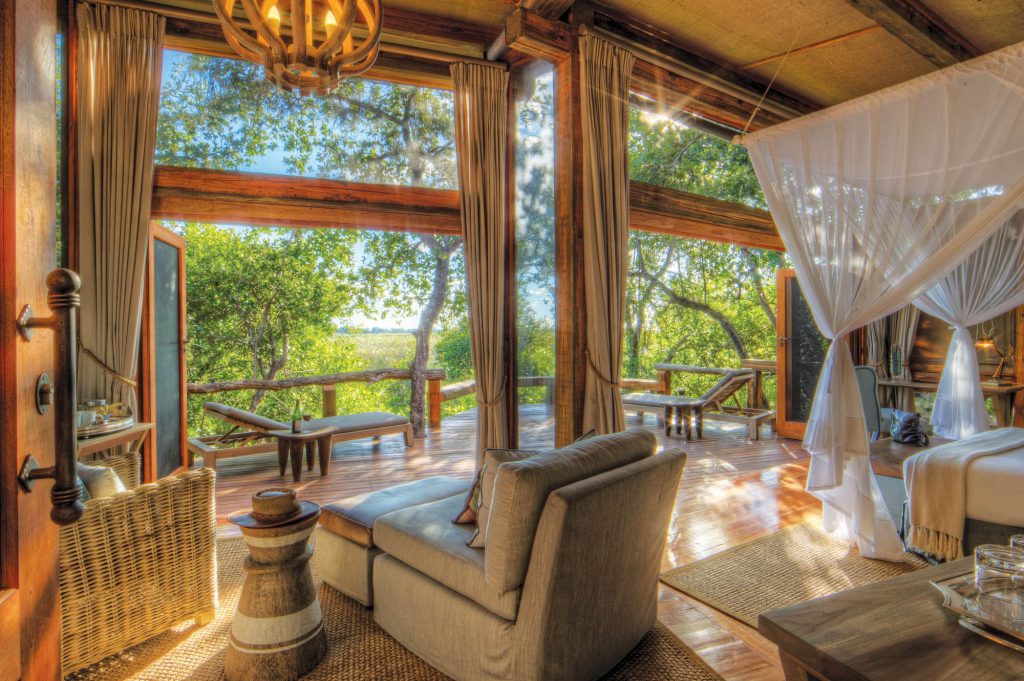
By late July we found ourselves at Chindeni, a small Bushcamp Company property
Read more
Botswana
Destinations
Okavango Delta

3rd October 2022

Camp Okavango, Botswana

Camp Okavango is in the heart of the permanent part of the Delta. In this idyllic setting there are no vehicles, and it is just a short walk
Read more
Area
Destinations
Nyerere National Park
Ruaha
Tanzania

14th October 2023

From My Safari Notebook: Wildlife Photography

Birds in flight and wildlife photographers have an uneasy relationship. Things go wrong as often as they go right. Getting focus-lock on a moving subject

Read more

SUBSCRIBE TO OUR NEWSLETTER

READERS FAVOURITES

Destinations
Zambia

10th September 2021

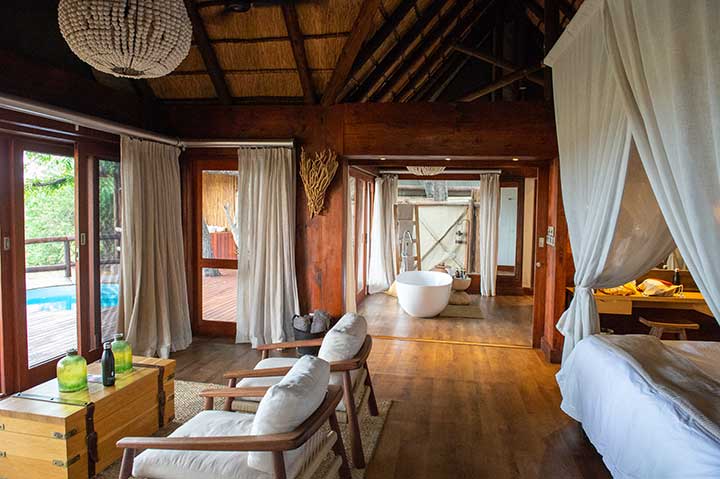
Chindeni and the Bushcamp Company, Zambia

By late July we found ourselves at Chindeni, a small Bushcamp Company property
Read more
Botswana
Destinations

4th August 2022

On Safari At Belmond Eagle Island Lodge, Okavango Delta

What is the ‘secret sauce’ for an unforgettable few days on safari in Botswana? It starts with the animals, of course. The elephants, lions, giraffes, hippos
Read more
Destinations
India

27th May 2023

India

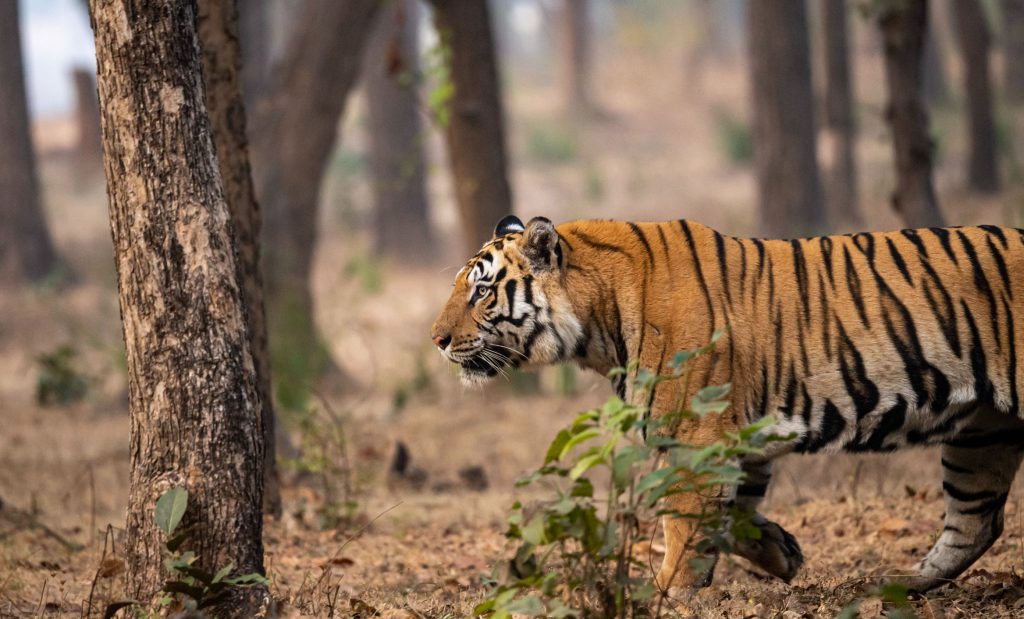
India’s tiger, mammals and birds.

Read more

Seeing and photographing Giraffes on safari in Africa

14th October 2020

Seeing and photographing Giraffes on safari in Africa


Image

Seeing and photographing Giraffes on safari in Africa

As long-time safari planners and regular African travelers, giraffes are often on our minds, or in front of our camera lenses.  Other than perhaps elephants, it is the one mammal that we get the  most questions about.  Everybody wants to see giraffes on safari.   Just like the big cats, these quintessential African mammals are high on everyone’s must see list. It is easy to see why.  They are simply spectacular in so many ways.  There’s the sheer size of them, their stilt-like elongated necks and unmistakable ‘horned’ heads literally towering above the landscape and everything else.  There’s the way they feed, drink, stare at you and run.  Pretty much everything about a giraffe is weird and worth a second look.


Image

Linyanti floodplain, Botswana

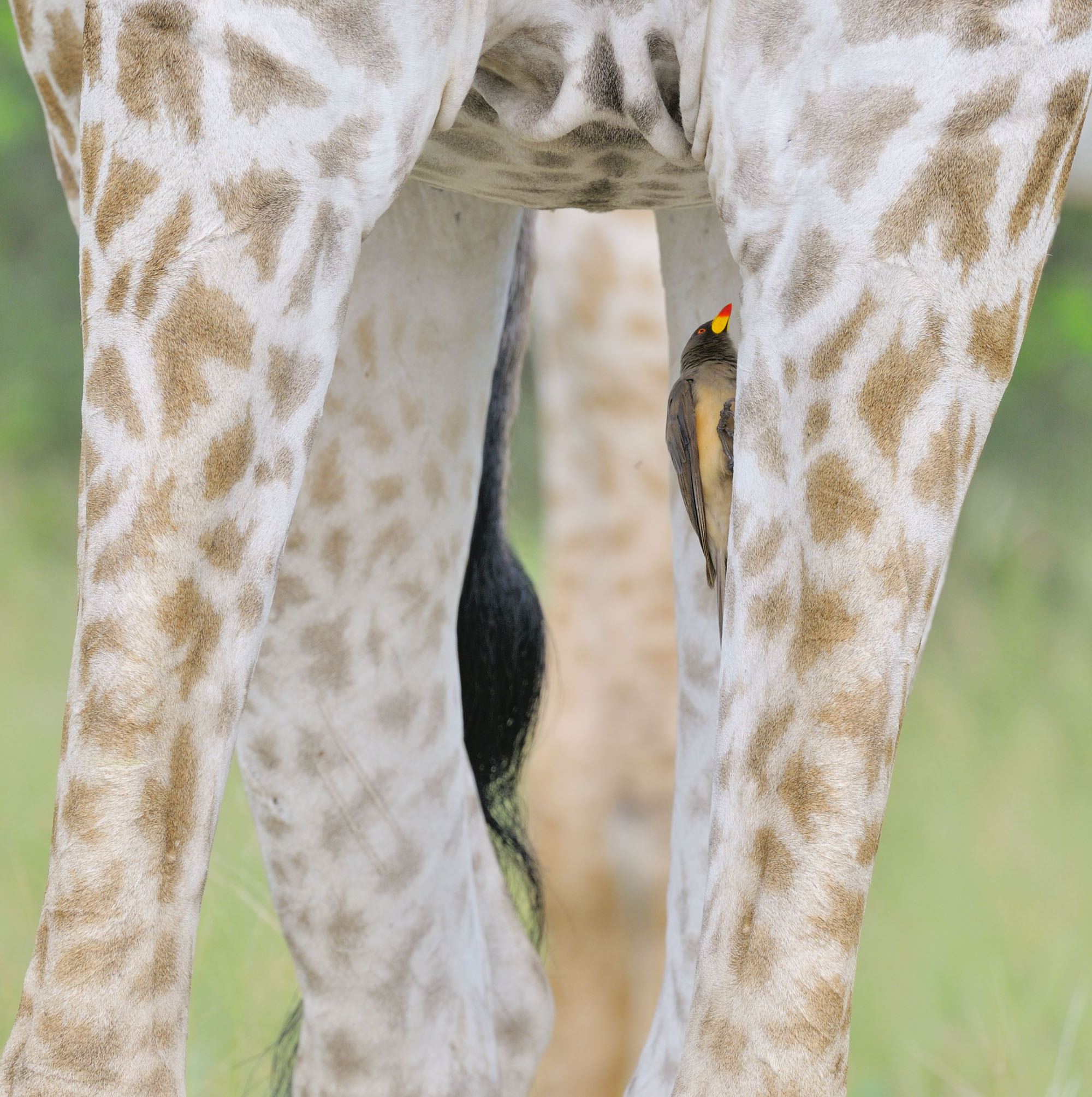
This photo, taken in the Linyanti area in Northern Botswana, illustrates a couple of things about giraffes and about getting useful images of them.  Be ready with the right lens.  If all you have available is a big telephoto lens, this is all you might get.  A portion of a giraffe.  Legs.  Or a head, maybe a neck and head.  So either shoot them at a good distance where they can fill the frame or use a shorter zoom lens to frame them properly.  On this day I was fortunate to have a yellow-billed oxpecker bail me out of the tight photo spot.  These birds have a symbiotic relationship with giraffes, helping them to get rid of disease-carrying ticks, food for the birds.  Even ill-equipped photographers can be the beneficiaries of symbiosis, with a bit of luck. 


Image

Kwara concession, Okavango Delta

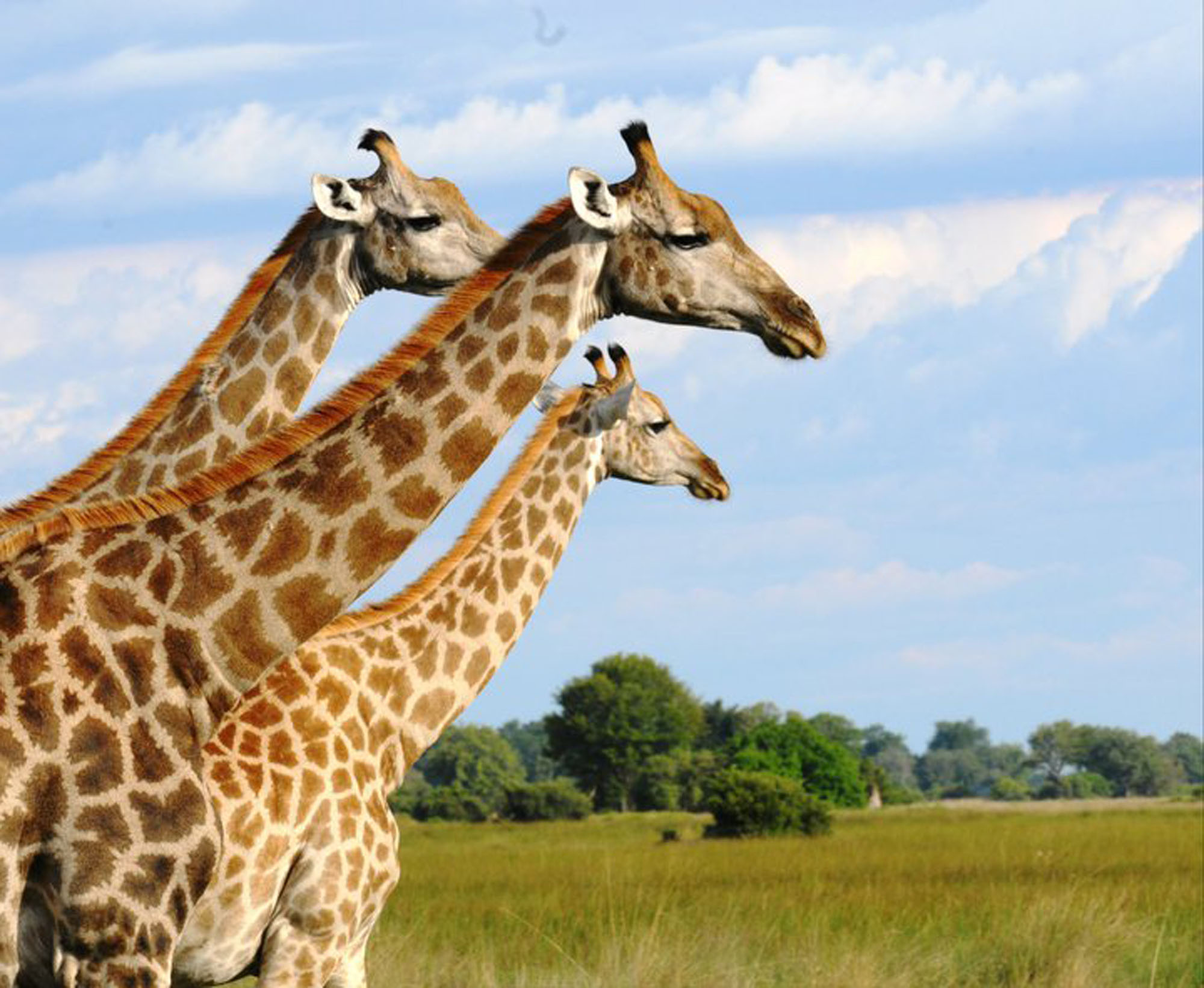
When it is not possible to get the entire giraffe – or more than one – inside the frame, consider grouping together a few giraffe necks, heads or upper bodies.  Sometimes, you can get lucky and three giraffes will be facing in the same direction, with a nice cloudy background.  It doesn’t happen all the time but keep looking for such an opportunity to present itself.  Some years ago in the Kwara concession in Botswana’s Okavango Delta, I did just that, got lucky and succeeded in getting a visually pleasing shot of these three giraffes.


Image

Kwandwe Game Reserve, Eastern Cape

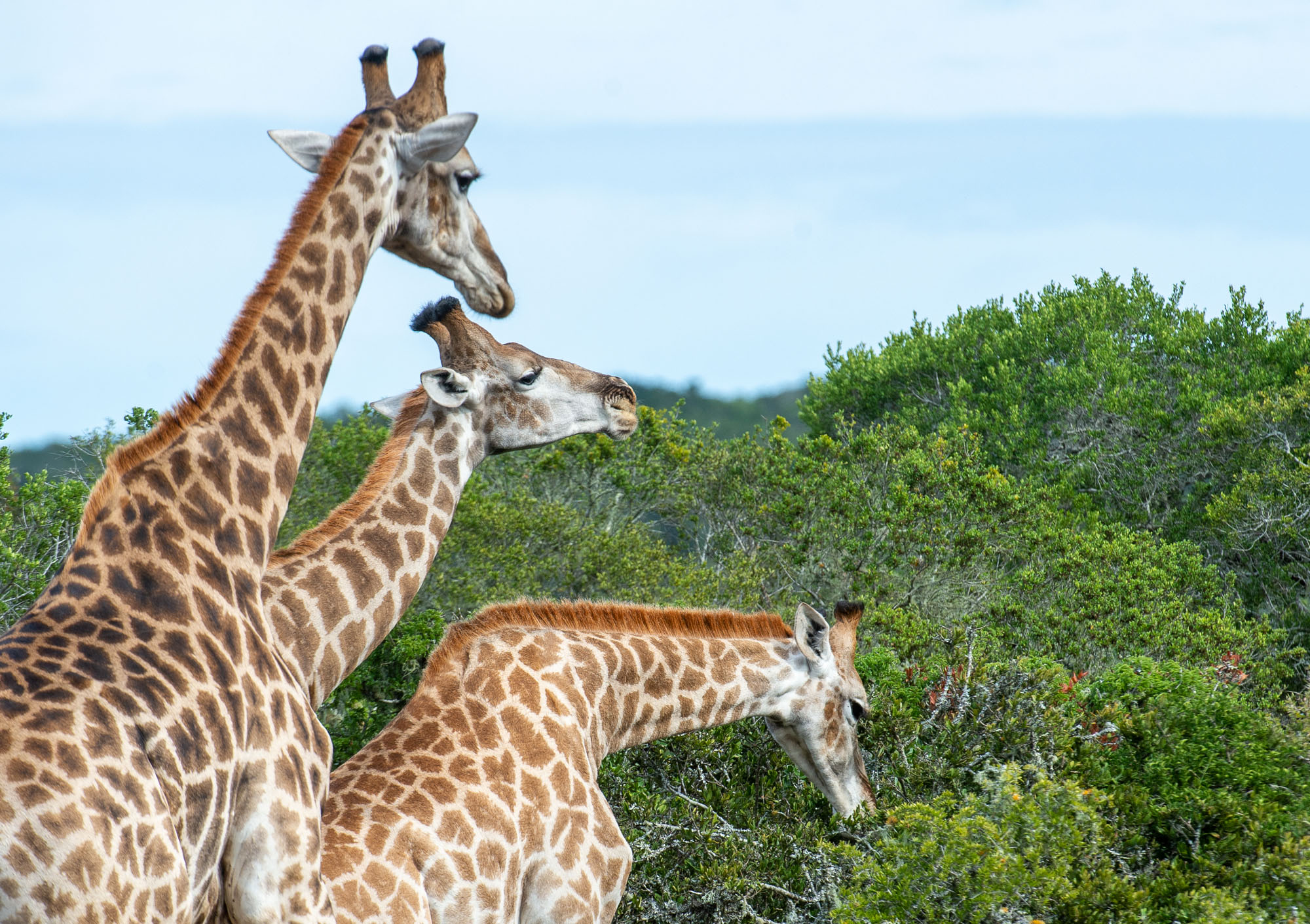
I captured this photograph of three plains giraffes feeding at Kwandwe in the Eastern Cape Province of South Africa.  It is another example of framing more than one giraffe in the same photograph, by isolating their necks and heads.  The more giraffes, the better.  Four necks may even be better than three; I’ve just not come across a suitable opportunity to try that!


Image

Samburu region, Kenya

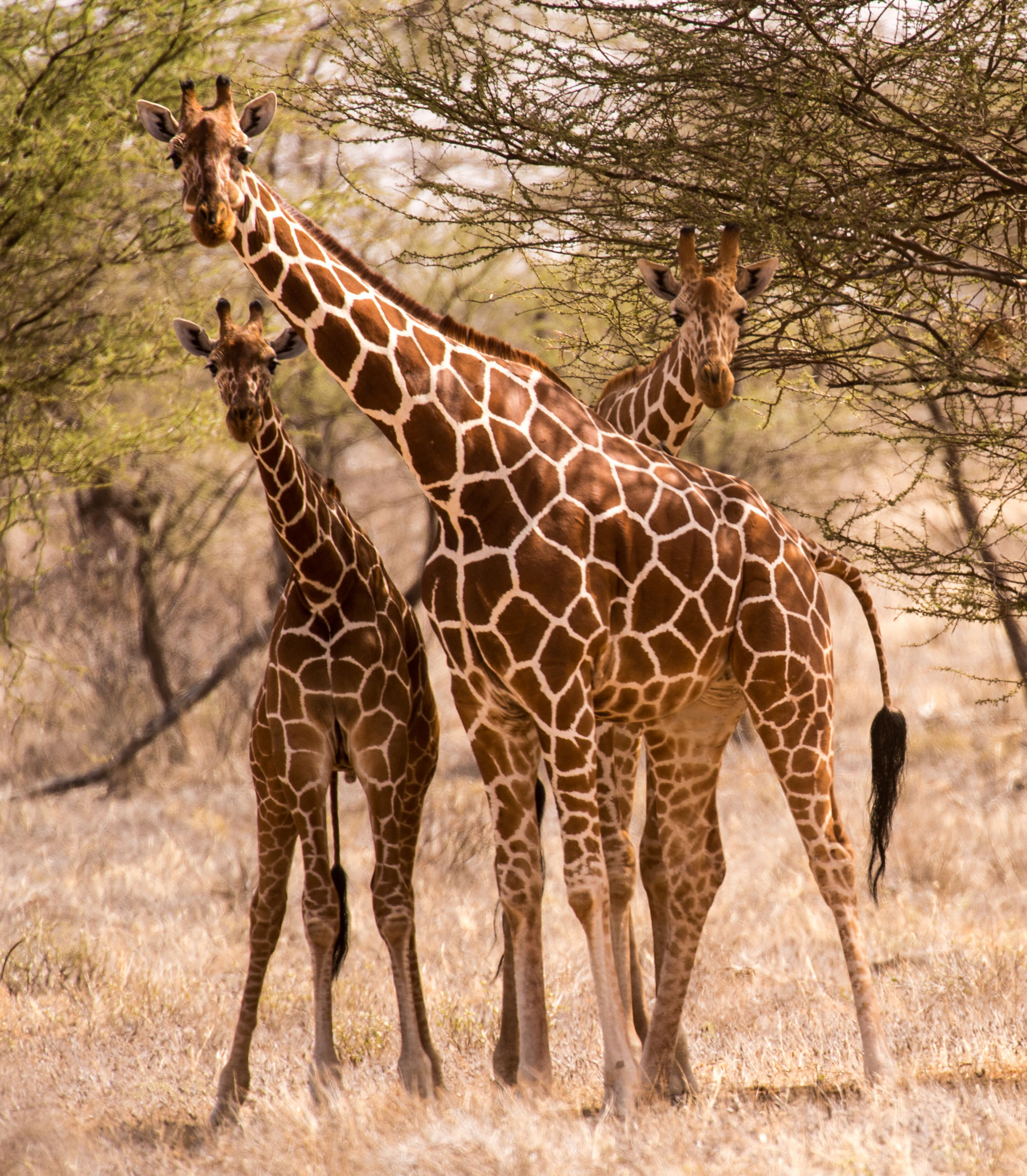
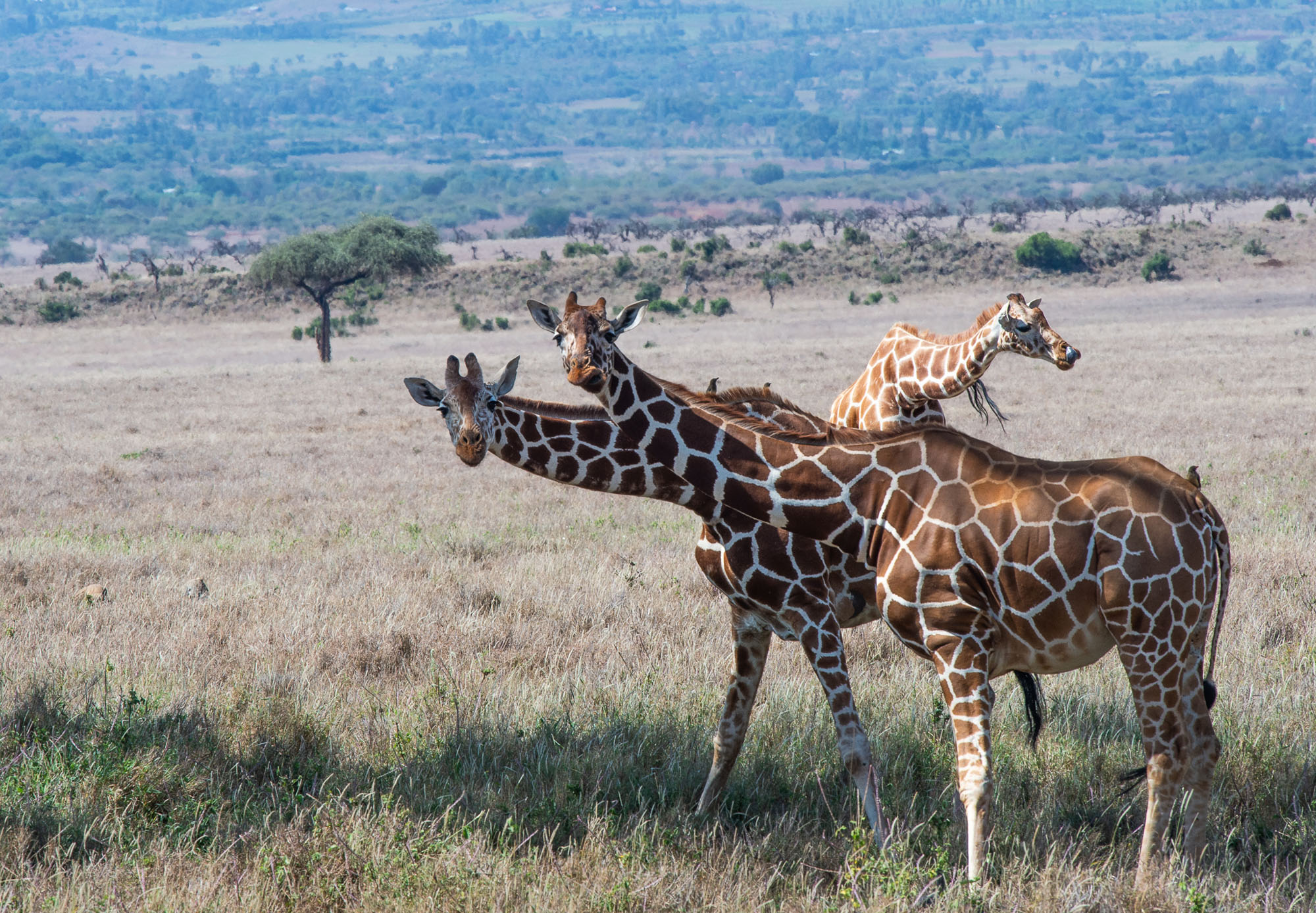
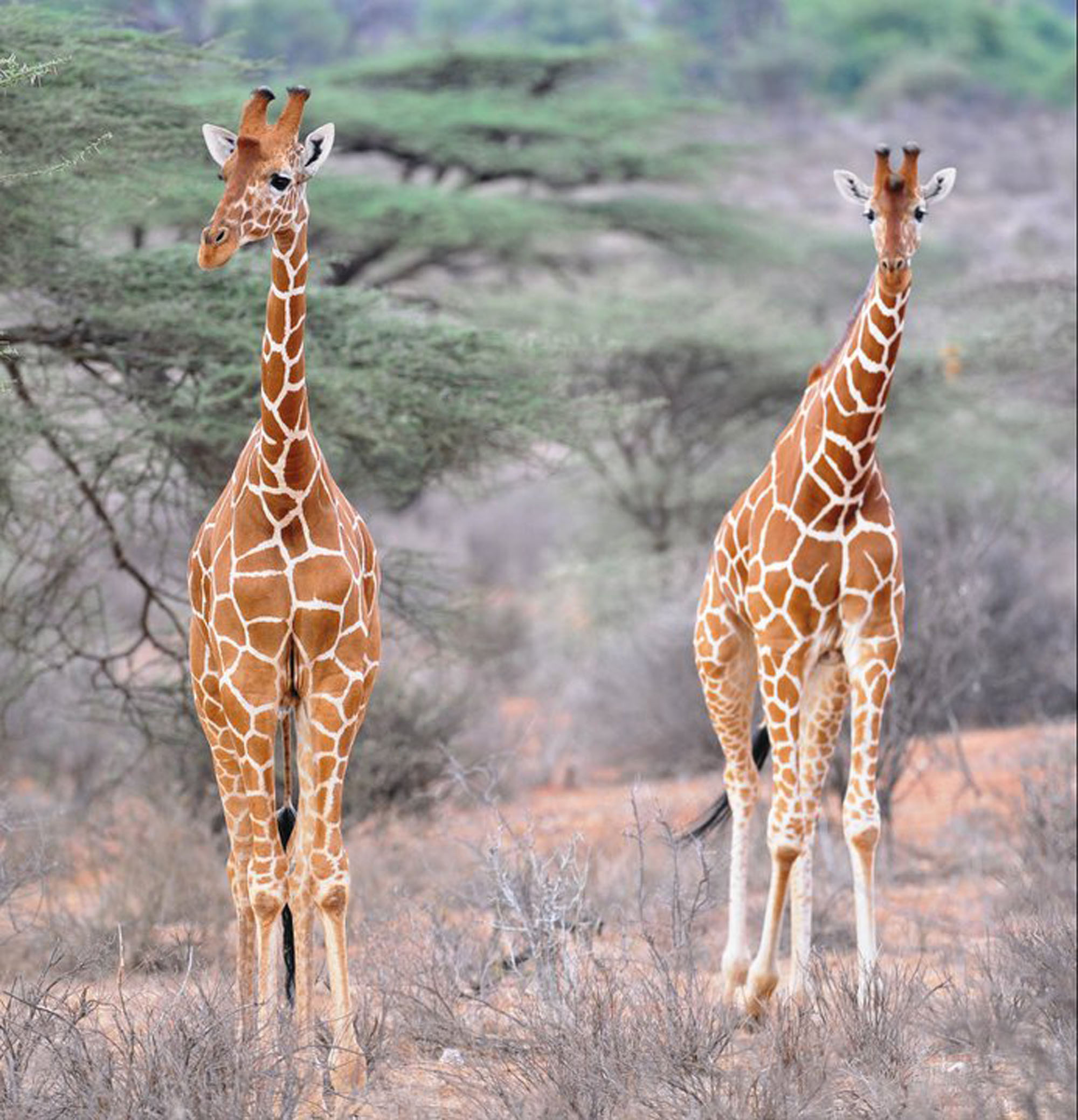
There are several species of giraffe in Africa.  The three photos above have been of the most common of these, the Southern giraffe.  In north-eastern Kenya one finds what I consider to be the most handsome of the giraffe species, the Reticulated giraffe.  This photo of a few of them was taken in Samburu, a mostly stark, arid area where a good number of these endangered animals co-exist with a couple of other northern Kenyan endemics such as Grevy’s zebra and Beisa oryx. I’ve always described the Reticulated giraffe as the oil painting of giraffes, compared with the more washed out – ‘watercolor’ – Southern giraffe.  If you’ve seen Reticulated giraffes in nature, I think you will agree.  Their spots are a vivid, dark burnt orange which make the white stripes stand out even more.  Another good place to find and observe Reticulated giraffes is the Lewa Wildlife Conservancy. 


Image

Lewa Wildlife Conservancy, Kenya

Taken in the Lewa Conservancy in northern Kenya, this photo of three Reticulated giraffes also illustrates their striking color pattern.  And my penchant for trying to get  several giraffe necks and heads in the same photo…


Image

Lake Nakuru National Park, Kenya

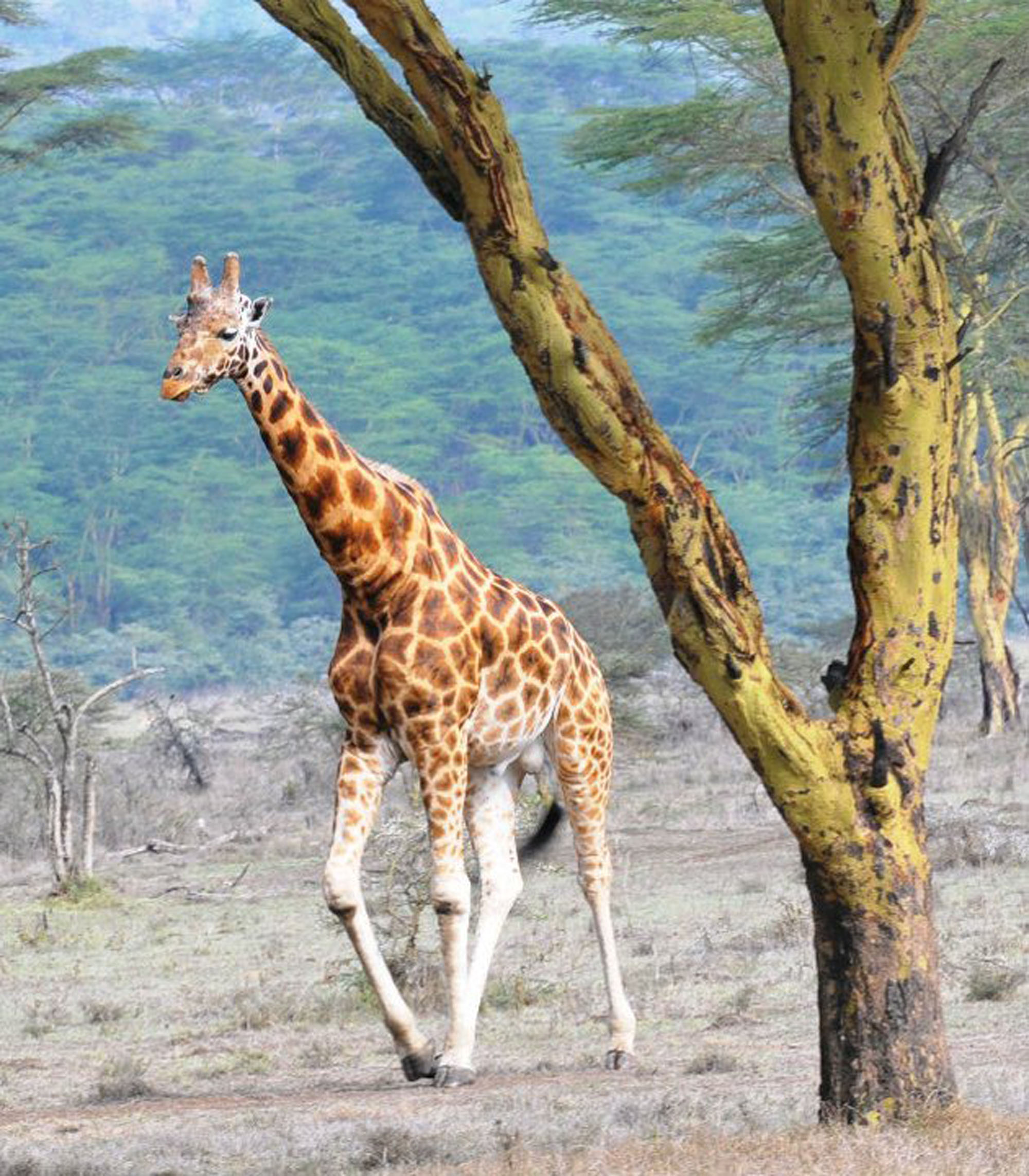
There is considerable disagreement among scientists as to the specific number of giraffe species.  Some maintain that there’s only one ‘giraffe’ with several subspecies.  Others contend that there are as many as eight distinct species.  A giraffe that is widely considered to be a subspecies is the Rothschild’s or Nubian giraffe.  I photographed this one walking in a yellow-barked acacia forest on the edge of Lake Nakuru in Kenya.  Full species or not, it is certainly a handsome beast with its characteristic white ‘sox’.


Image

Giraffe Center, Nairobi

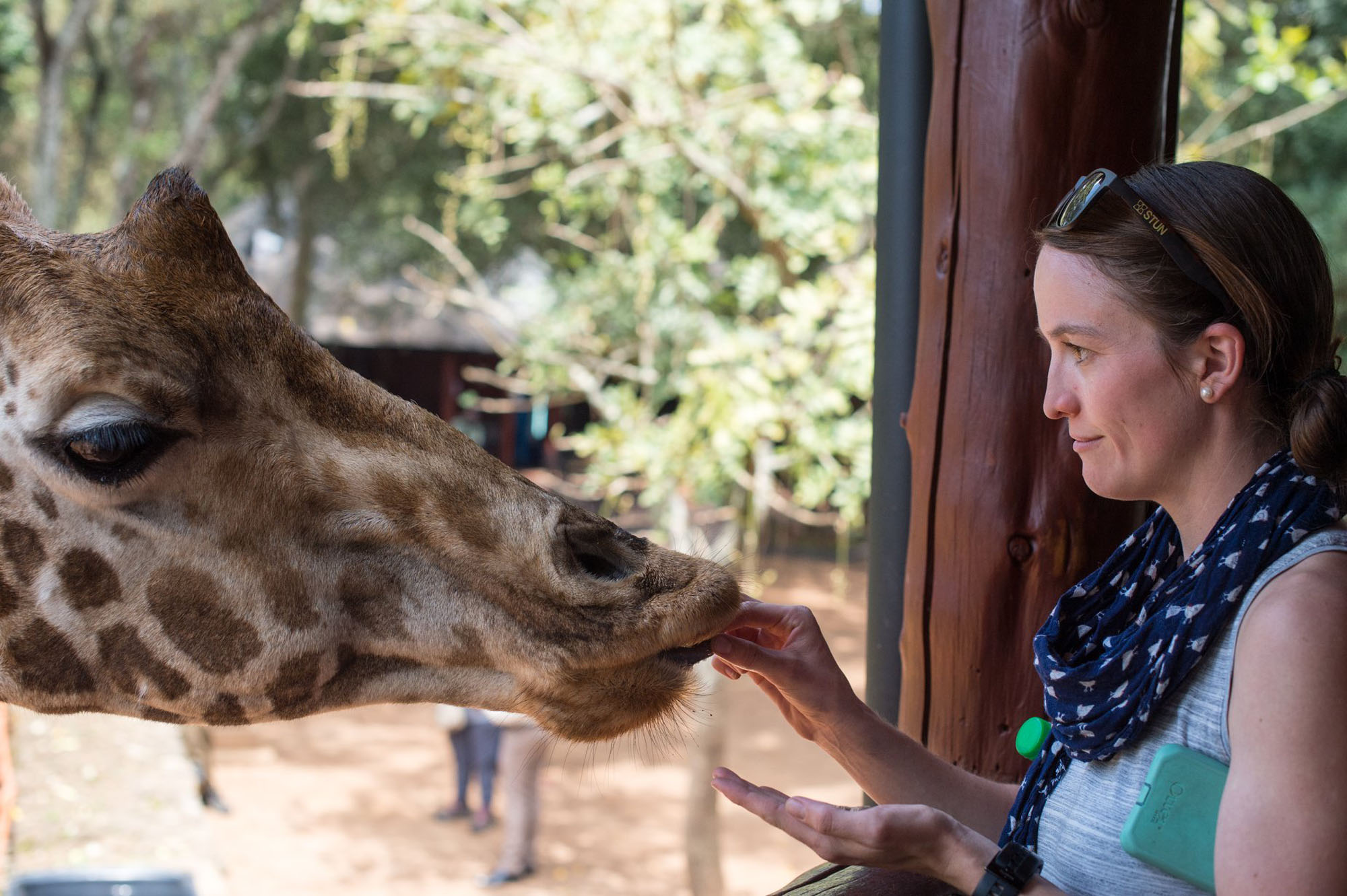
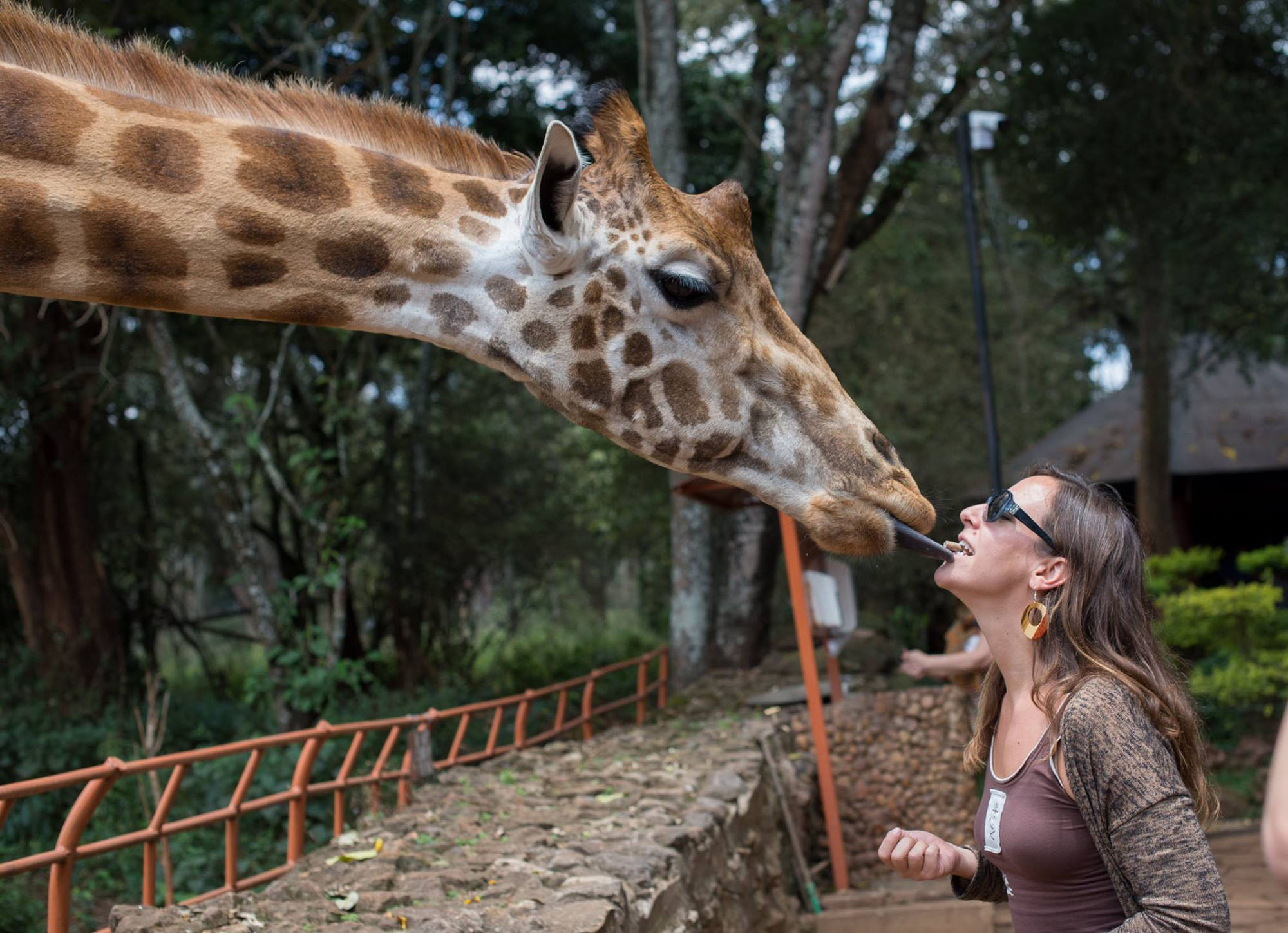
There are several Rothschild’s giraffes at the popular Giraffe Center in Nairobi, Kenya.  The Giraffe Center is operated by the African Fund for Endangered Wildlife, to educate Kenyan youth about the country’s wildlife and environment and to provide visitors an opportunity to come into close contact with the giraffes. ‘Armed’ with a handful of giraffe pellets, visitors walk up a ramp to a balcony from where they can feed the giraffes at eye-level.  The giraffes know the game.  Whenever there are visitors, there are giraffes ready to stick out their crazy long tongues to retrieve a treat and be photographed.  All for a good cause.  Funds raised by the Giraffe Center have helped with efforts to re-establish the endangered Rothschild giraffe in several wilderness areas elsewhere in Kenya.


Image

Royal Malewane, Thornybush Reserve – South Africa

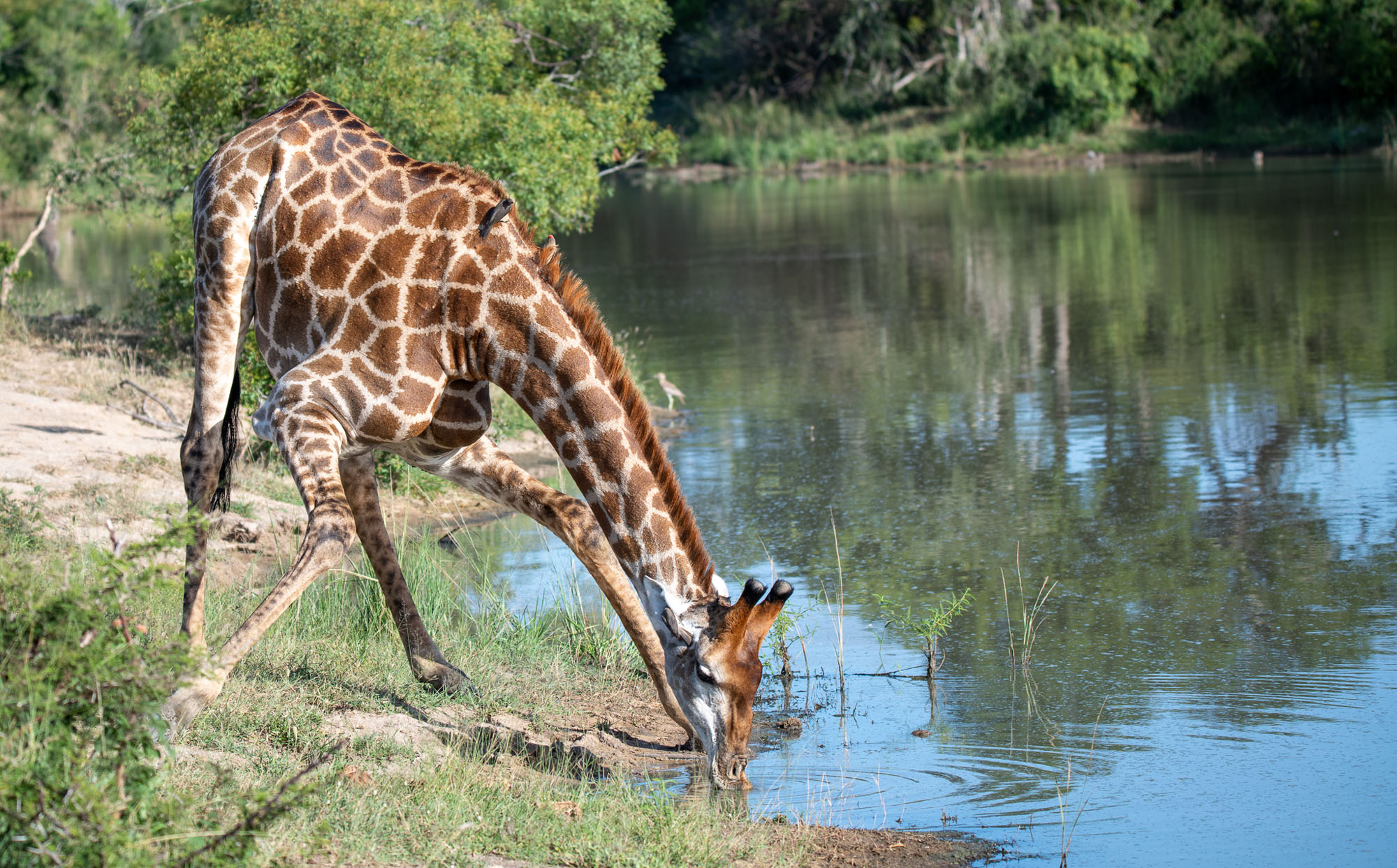
A giraffe drinking is quite a sight to behold.  This photo which I took on a game drive from Royal Malewane in South Africa illustrates the peculiar posture which a giraffe has to adopt in order to get its mouth down low enough to drink water from a pond or river.  The exact mechanism by which a giraffe gets enough water in its mouth and up its massively long neck, isn’t entirely clear. What is clear is that  giraffes are vulnerable to predation when they are drinking and they are always careful to look around for lions, before assuming the position.


Image

Skeleton Coast area, Namibia

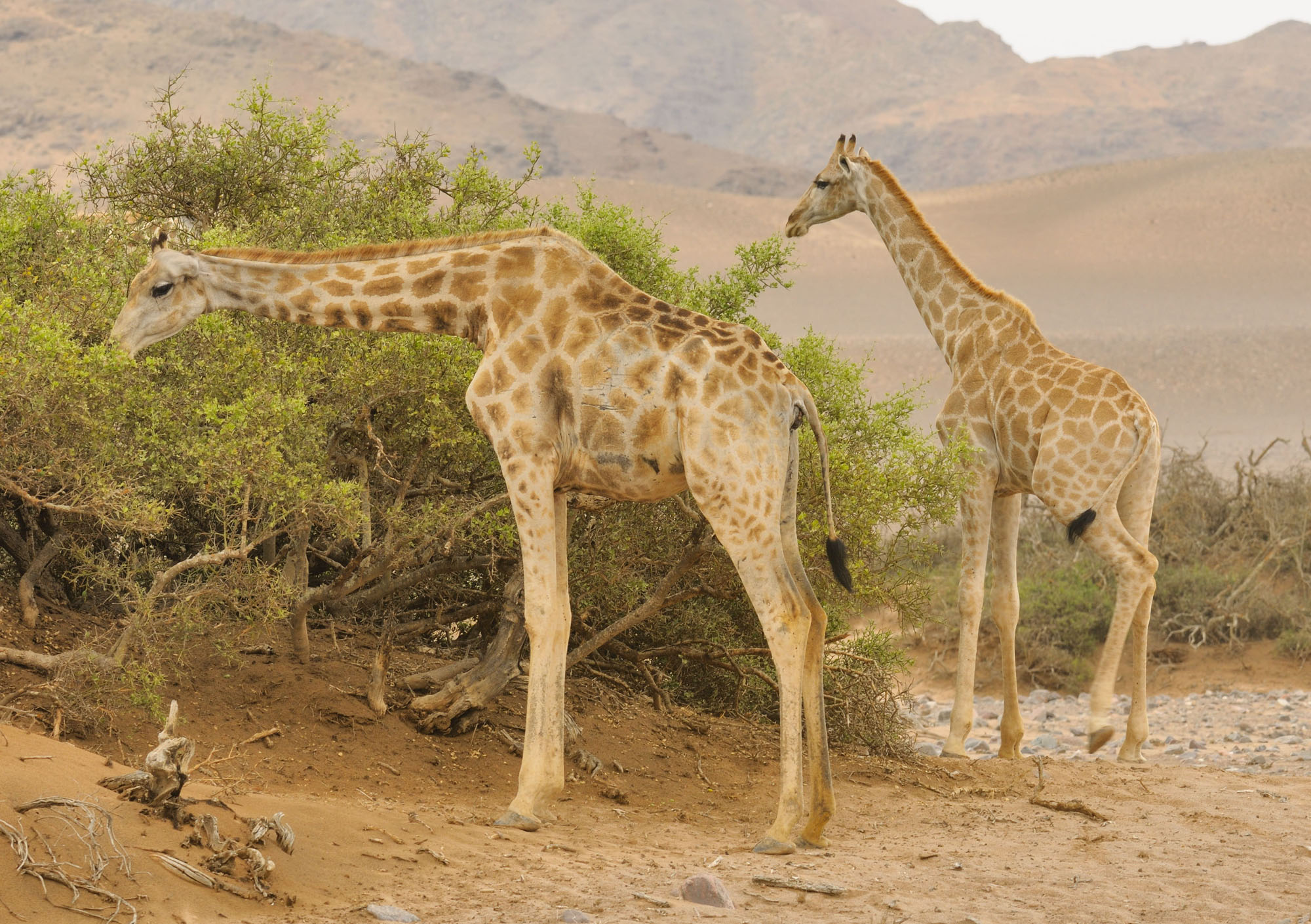
A little known fact about giraffes is just how adaptable they are. As a result giraffes are widely distributed in most habitats throughout Africa, even in some areas which are inhospitable to many life-forms. On two separate visits to Namibia’s Skeleton Coast we saw several groups of desert-adapted Angolan giraffe, a sub-species concentrated around ephemeral or seasonal rivers such as the Hoarusib, Huab and Hoanib.  Wherever you see groves of acacia albida (Ana) and acacia erioloba (Camelthorn) trees, you can expect to find these giraffes.  This photo was taken on a game drive out of Wilderness Safaris’ Hoanib Skeleton Coast Camp.


Image

Okavango Delta, Botswana

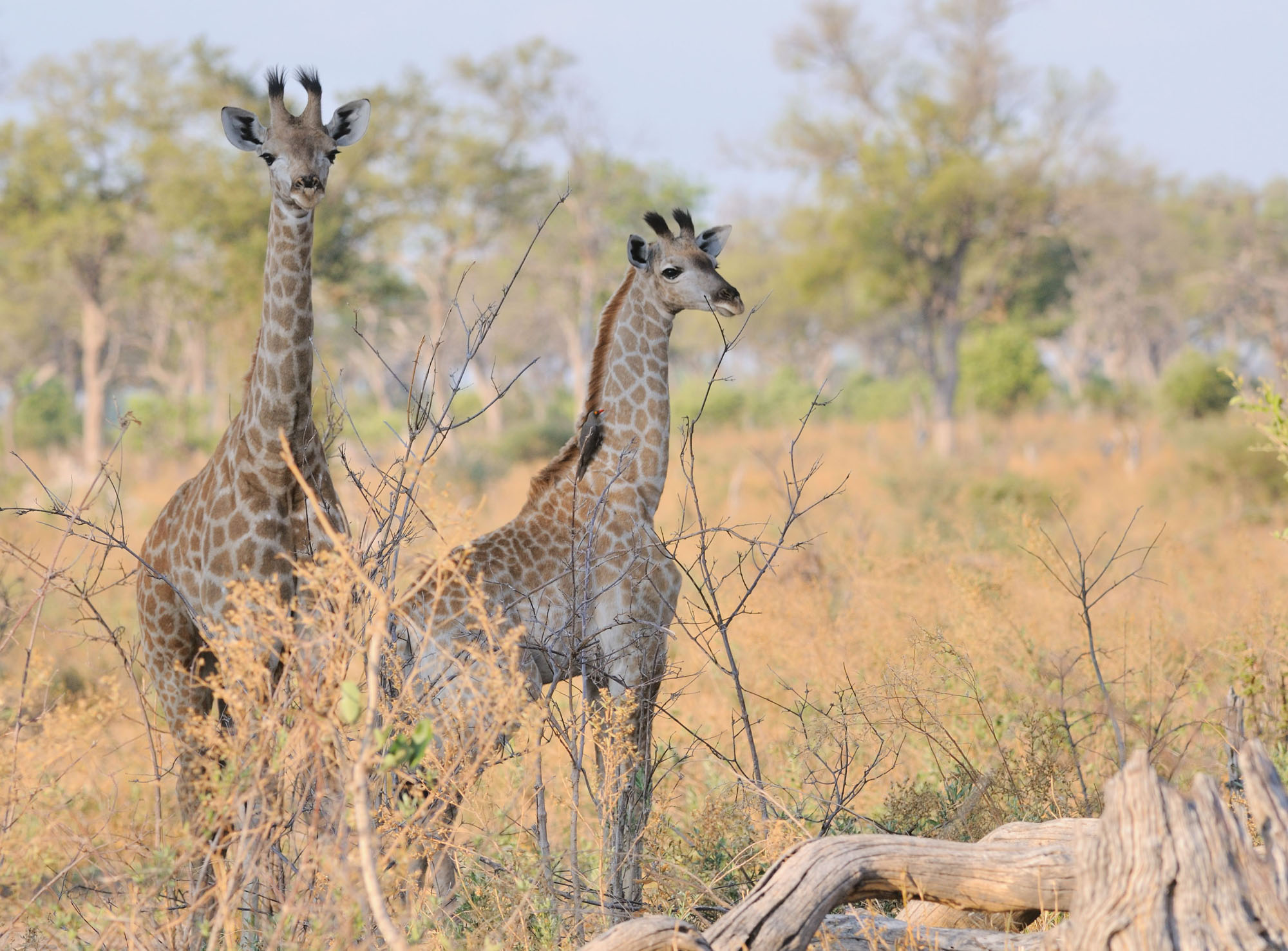
Baby giraffes are cute.  Like most other animals.  These two youngsters were photographed on a game drive out of Wilderness Safaris’ Abu Camp in Botswana’s Okavango Delta.  Even at a young age, giraffes adopt the typical habits of the species like being inquisitive and observant.  They can see you long before you can see them, and they fully utilize their special advantage,  always looking and staring.  When safari guides are out on game drives searching for predators, they make a point of checking out where the giraffes are looking.  If giraffes are standing still and staring consistently in the same direction, it is always a good indication that a predator is around.


Image

Samburu, Kenya

Giraffes are relatively common in many areas in Africa.  We always expect to see some – and sometimes many – in places like Mashatu in south-eastern Botswana, in Zimbabwe’s Hwange National Park, pretty much all over northern Botswana, the north-eastern lowveld of South Africa including all but the far northern part of Kruger Park, and in most East African parks and game reserves.  While it is still fairly easy to see giraffes on a trip to Africa, it is a disturbing reality that giraffe numbers have decreased by 30% over the last three decades, with about  110,000 remaining.  Even though giraffes as a species are not endangered, they are considered threatened and the situation could get worse, if current trends persist.  Mostly, their numbers are dropping because of habitat loss, which happens when woodlands are converted into farms and ranches. Trophy hunting and poaching also play a role in their steady demise.  Some of the species – or subspecies – such as the Reticulated Giraffe are in fact endangered, with their numbers down more than 90% compared with earlier times.  These Reticulated giraffes photographed in Samburu in northern Kenya are nowadays found mostly in a few wildlife sanctuaries, with less than 10,000 of them surviving.

In our blog post next week, we will take a look at Africa’s signature mammal:  the African elephant.  With plenty of photographs and a few of our most indelible memories of interacting with these behemoths in all parts of Africa over the years.  

More Info

Email bert@fisheaglesafaris.com

Email jason@fisheaglesafaris.com

@fisheaglesafarishouston

#FishEagleSafaris

YOU MIGHT ALSO BE INTERESTED IN

Destinations
Zambia

10th September 2021

Chindeni and the Bushcamp Company, Zambia

By late July we found ourselves at Chindeni, a small Bushcamp Company property

Read more
Botswana
Destinations
Okavango Delta

3rd October 2022

Camp Okavango, Botswana

Camp Okavango is in the heart of the permanent part of the Delta. In this idyllic setting there are no vehicles, and it is just a short walk

Read more
Area
Destinations
Nyerere National Park
Ruaha
Tanzania

14th October 2023

From My Safari Notebook: Wildlife Photography

Birds in flight and wildlife photographers have an uneasy relationship. Things go wrong as often as they go right. Getting focus-lock on a moving subject

Read more

SUBSCRIBE TO OUR NEWSLETTER

READERS FAVOURITES

Destinations
Zambia

10th September 2021

Chindeni and the Bushcamp Company, Zambia

By late July we found ourselves at Chindeni, a small Bushcamp Company property

Read more
Botswana
Destinations

4th August 2022

On Safari At Belmond Eagle Island Lodge, Okavango Delta

What is the ‘secret sauce’ for an unforgettable few days on safari in Botswana? It starts with the animals, of course. The elephants, lions, giraffes, hippos
Read more
Destinations
India

27th May 2023

India

India’s tiger, mammals and birds.

Read more

A Visit to Northern Botswana Continued

3rd September 2020

A Visit to Northern Botswana Continued


Image

A Visit to Northern Botswana Continued

JAO CAMP, OKAVANGO DELTA

Having taken my farewell of the Kalahari for a while, I was driven back to Maun where I got back on a small plane for the half hour flight or so, to Jao in the western part of the Okavango Delta.   What more is there to be said about Jao other than that it is perfect. Since way back to when we first visited it in 2000, not long after it was opened, Jao has been on our ‘Groundhog Day’ list – a place where you can wake up every morning for the rest of your life and be happy.

The rooms are gorgeous: massive, romantic, dramatic, the stuff of dreams.  The same adjectives can be applied to the rest of the property:  the main lounge and bar area, the outside seating areas, the library, and extending right out to the gym and spa.   Even the dingiest of camps can look romantic at night, but Jao passes the daylight test with flying colors. Does it still look good in the unflattering glare of the midday sun? Definitely yes. Which puts it in very select company.


Image

Dinner was predictably excellent on the night I was there.  Even the most jaded of travelers will long remember nightfall at Jao.  The sensational views of the sun setting over the Delta, the soft pink glow lasting for what seems to be hours as the birds go silent, the reed frogs start up to their metallic clinks, and the last few baboon noises dying away as they settle down in the trees.

On an afternoon boating outing I caught (and released) a decent-sized tiger fish, much to my surprise and much to the delight of the guide, who was even happier about it than me.  Even if I hadn’t caught a thing, it would have been a great afternoon.  Being in a small aluminum skiff exploring the bywaters and lagoons of the Okavango Delta can easily push you into a Walter Mitty moment.  There you are, expertly piloting the craft along the deceptively serene-looking waterways, taking just the right line to smoothly glide around a tight corner.   Fortunately, the imaginary helmsman doesn’t have to concern himself with the myriad of unseen obstacles lurking below the surface.  Shallow sand-banks, hidden tree stumps and sometimes – a misplaced hippopotamus.  Those ones that are supposed to be in deeper water…


Image

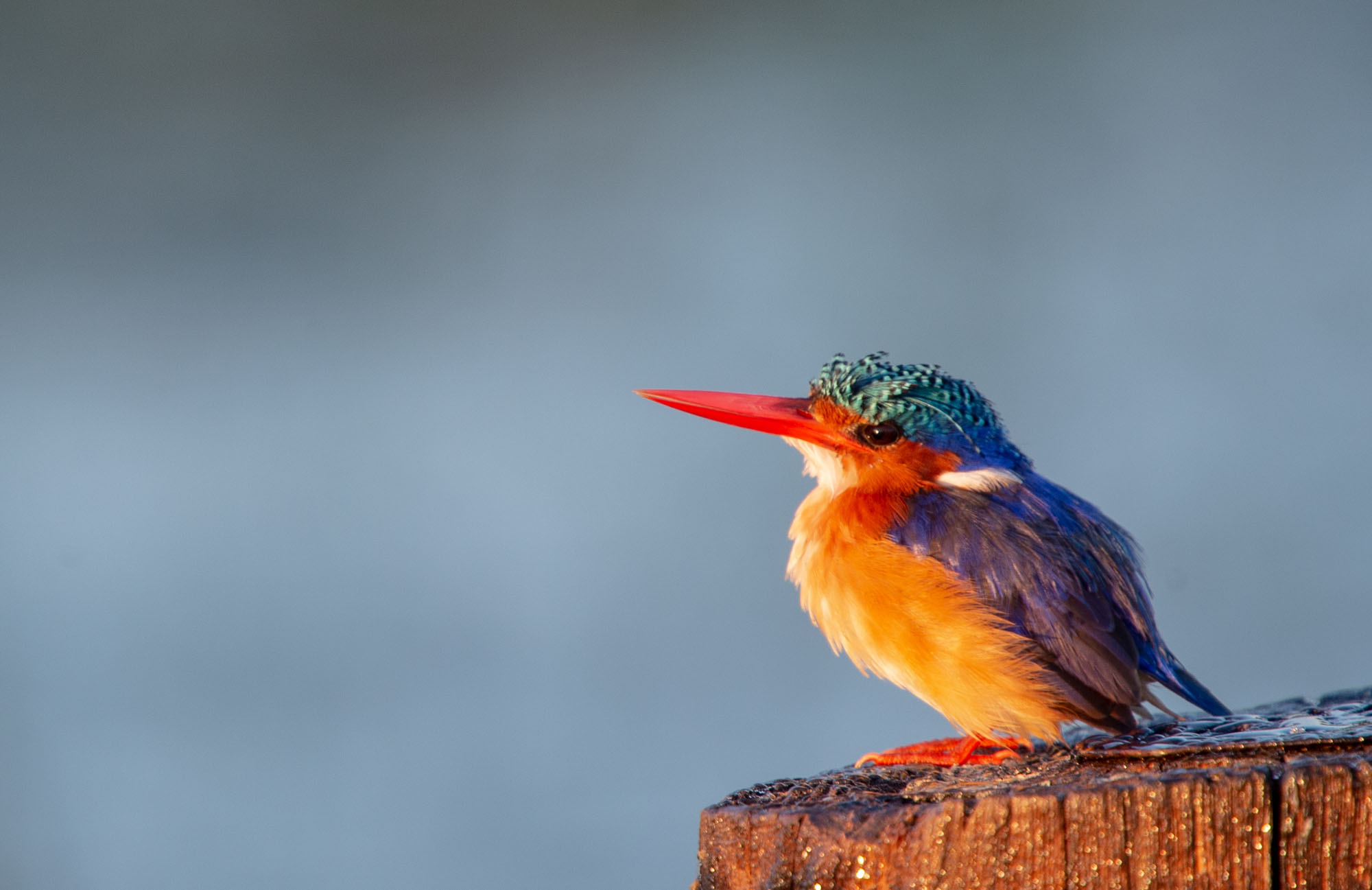
Our morning game drive at Jao  was fairly uneventful except that I got a couple of  nice bird photos including a Plainbacked Pipit and a Malachite Kingfisher in superb morning light.  To be sure, there were lots of elephants around and some general plains game.  Ordinarily, we’d advise guests at Jao to take a day outing to nearby Hunda Island, if they are keen to see predators such as leopards and lions, among others. 

Upon my return to Jao, there was a surprise waiting for me: a 20-minute helicopter flight over the Delta with Helicopter Horizons, courtesy of Wilderness Safaris.  What a treat and what a special experience!  This was fast turning into the ‘helicopter trip’.  Great to start working on a new skill, aerial photography.


Image

PELO CAMP, OKAVANGO DELTA

En route to Pelo Camp – which would be a new property for me – I did a site inspection at Kwetsani which is now even more impressive than before. Pretty much the ideal – classic – Okavango Delta experience with rooms that are well beyond the standard of a normal, run-of-the-mill classic camp. One thing which will always be the same at Kwetsani is the time tested views over the large floodplain in front of camp, where there’s almost always some birds and animals around. Then it was on to Pelo which I liked right away.  Quite small, with only 5 rooms, tucked away on a well-vegetated island right in the heart of the Delta, Pelo is all about experiencing a typical Okavango Delta water camp with boating, mokoro outings and walking on the islands.  Pelo has a particularly nice communal area, intimate and inviting. The afternoon boat trip was rather quiet but the other boat saw a breeding herd of 50-plus elephants.  As always it’s a matter of time and place. 


Image

We enjoyed a boma dinner outside with an entertaining singing and dancing performance from the staff.  Great memories!

On my last morning at Pelo, I took my best photos yet of a Pel’s Fishing Owl, a rarely seen nocturnal bird.  Prior to my visit, I had been alerted to the fact that there was a female Pel’s raising a chick outside tent number four.   Emerging from tent #4 that morning, there it was:  staring me down as it was bringing some food (it looked like a piece of fish) for the baby.  I managed quite a few exposures in good light. Simply an amazing bird!  Later that morning I enjoyed yet another enjoyable and interesting boat ride.  There were lots of colorful birds to be seen, with African Fish Eagles being visible practically every few hundred meters.  We also had great looks at a few decent sized Nile crocodiles.


Image

SABLE ALLEY CAMP, KHWAI

After a good breakfast it was back to the airstrip for a flight to the Khwai area, where I would  spend the next two nights at Sable Alley.  The main area is about as good as it gets in Botswana, with a huge open-design deck and dining room, overlooking a pond.  The camp also has a beautiful pool.   The tented rooms – spread out along a boardwalk in a wetland habitat, were well planned and executed.  Spacious, with a large veranda and a usable bench, excellent ventilation, and superior indoor lighting – the best of any camps I’ve been to lately.  Add to that a comfortable bed and bedding, separate toilet, ample storage space, an effective waterfall shower head as well as scaldingly hot water, and an outdoor shower on a raised wooden deck.


Image

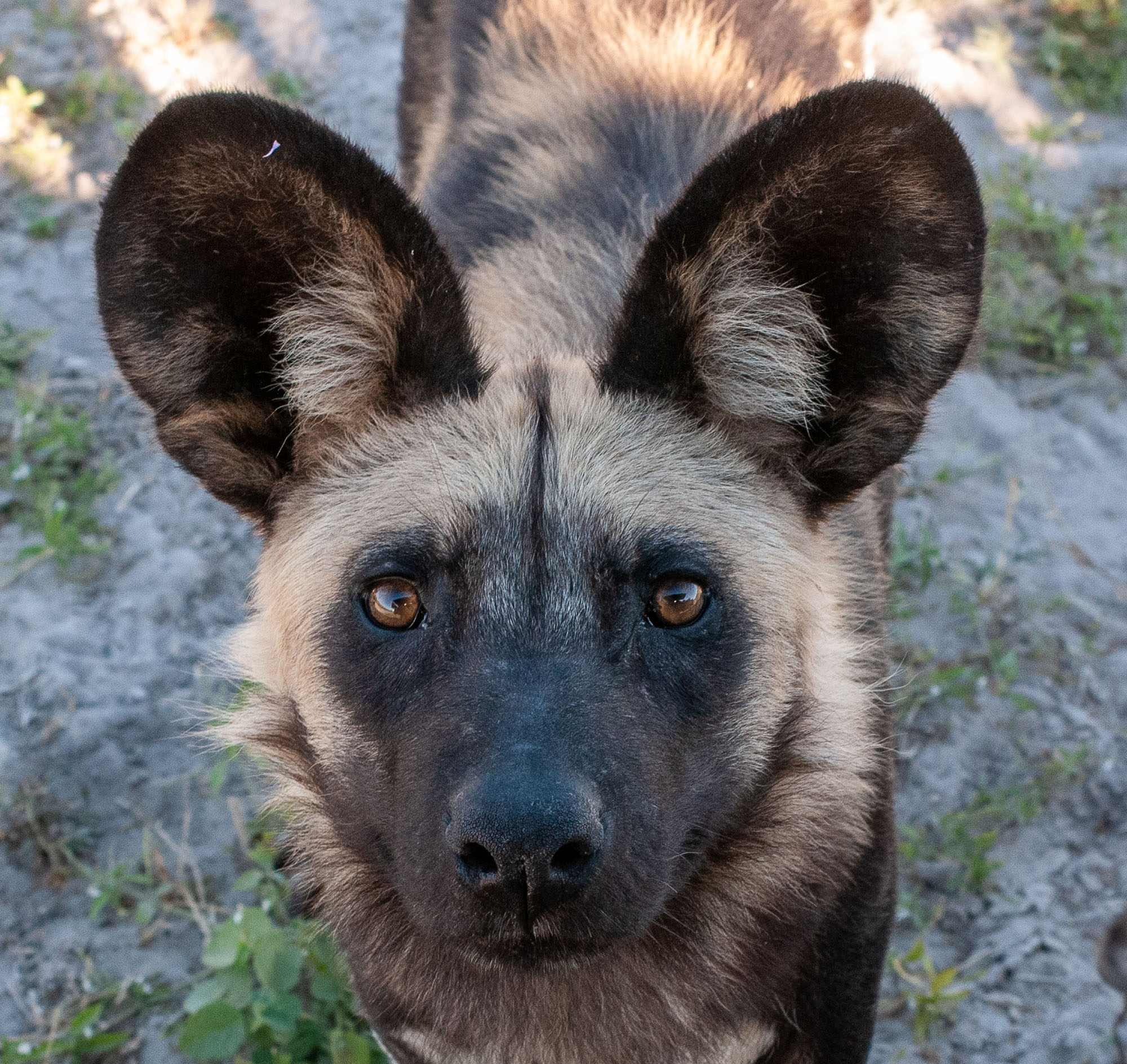
Our afternoon game drive with guide Tony and trainee Teenage turned out to be surprisingly good despite conditions not being ideal. There were several small groups of elephant, some seen quite close up, and we had some good views of kudu and impala. The most notable sighting was a couple of sub adult African Painted Dogs at a suspected denning site. We watched them for a while before they loped into the bush. According to our guide Tony the alpha female had already given birth to a litter of pups; it remained to be seen how many pups there were, and if the pack would raise them in that location.

We returned to camp for a quick shower, drinks and excellent dinner.


Image

Our Sunday morning game drive was on the quiet side although first time visitors to Africa would’ve been quite happy to see as many elephants as we did. It was noticeable that the elephants in the concession have a lot of ‘attitude’ compared with elephants in most other areas. Likely a holdover from the days in which hunting was allowed in the area, resulting in the elephants being a bit wary and giving  vehicles and people a wider berth than one might anticipate. We came across several small groups of up to 10 or so elephants with several young ones including a couple of tiny babies.  Clearly the elephants are doing well.

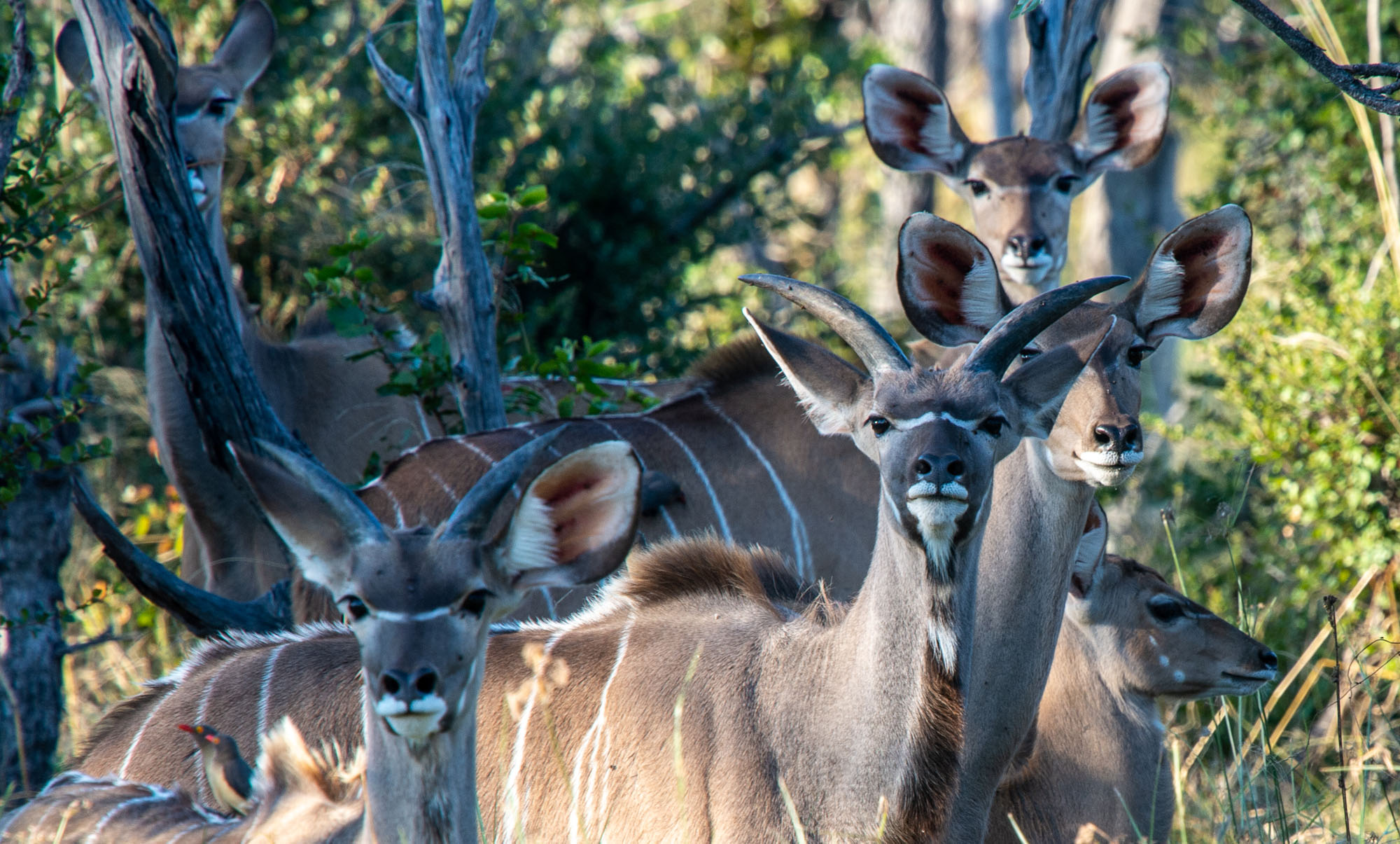
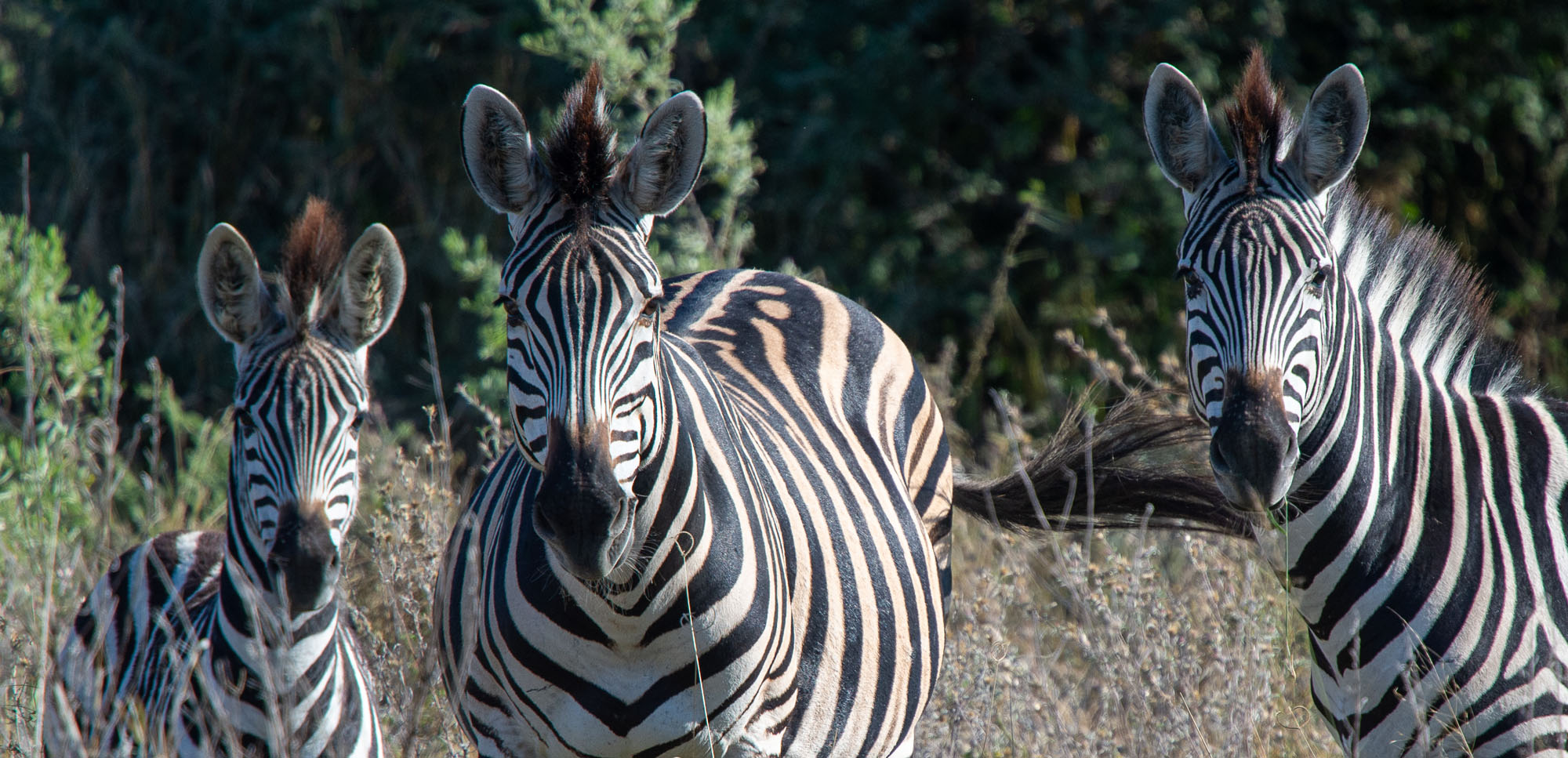
Later on during the drive we came across zebra, kudu, some giraffe, and plenty of impala. Fantastic birds.  In line with my previous experiences in this area, it is best visited in the dry season from July through October.


Image

That afternoon I relocated to Hyena Pan, which looked like quite an interesting spot, again likely to be a much better bet in the dry season than when we were there.  Located on the edge of a water hole, the camp is rustic but perfectly comfortable, with a cozy common area and large dining room. Our guide there – Daniel – was one of the best to date on the trip:  energetic and enthusiastic. We drove about 40 minutes in the Khwai village direction, mostly through non-productive mopane forest.  Once we reached the more open area and riverine bush strips of the NG 18 concession, we started to see plenty of game.  Initially a mating pair of lions and then a group of four painted dogs which we followed for a while.  They kept moving so photography was hit and miss; lots of excitement though.  The evening was rounded off with a  good buffet meal with beef stroganoff as the main attraction.


Image

CHITABE CAMP, MOREMI

Late this morning I was on a flight to Chitabe, a Wilderness Safaris classic property in the far south-eastern part of the Okavango Delta. Almost immediately I started seeing giraffes, zebras and  elephants –  clearly there was an abundance of general game all over the area.  Since my visit the main area at Chitabe has been rebuilt.  The rooms were superb:  plenty of space, good lighting, huge mosquito nets, hot water bottles at night, a tea and coffee station, sufficient charging points.

On the afternoon game drive we had yet more views of elephants, zebras, giraffes and a large pride of lions.  We enjoyed sundowners at a small, peaceful lake.  The excellent dinner that evening was served family style.


Image

I was up at 05:30 am the next morning for a light breakfast, embarking on the game drive just after six.  The drive presented our best views yet of spotted hyenas at their den, producing a few nice shots in good morning light. Then we got word about a pack of African painted dogs, and found 20 of them resting up and snoozing in the shade of a vehicle on the edge of the Chitabe airstrip. The light and vantage point was not great but I managed a few photographs.

Then it was back to camp where a huge elephant bull was barring the front entrance, at least for a while. Following on a tasty brunch, we enjoyed an impromptu drumming performance by one of the staff members.  By 2:30 pm I was back at the airport,  with multiple elephant,  zebra, kudu, impala and giraffe sightings en route.  Indicative of the wealth of game in the Chitabe area, I had to assist the guide in chasing impala, warthogs and giraffe from the airstrip to make it safe for the incoming aircraft, who would take us on to our next camp.

Chitabe certainly lived up to expectations and indeed exceeded them. The rooms are great and now that the rebuild of the main area has been completed it will likely rival just about any other northern Botswana camp for supremacy in delivering a big game experience.


Image

VUMBURA PLAINS, OKAVANGO DELTA

Just after 3:00 pm I was on the way to Vumbura Plains in the northern part of the Okavango Delta. A bit later than planned, due to an unexplained flight delay.  Once in camp – it is a rather lengthy and bumpy drive from the airstrip to the camp – I spent the next hour or so looking around the recently rebuilt main building.  It was quite impressive with clean, elegant lines, open to the environment and awash in natural light, with ample seating options in an expansive dining area.  Even if you spend several days at Vumbura Plains, you would rarely enjoy a meal in the same spot twice.


Image

After a quick introduction, we walked down the boardwalk to room number one. There were no apparent changes to the room which I had seen for the first time some years previously. Spacious, lots of natural light, decent interior lighting, an impressive indoor shower with a view as well as outdoor shower. A bathtub was oddly lacking – one would expect to see it in a deluxe property like Vumbura Plains; in fact an outdoor tub would be a nice touch.  After a delightful dinner with the camp manager it was off to bed, early.

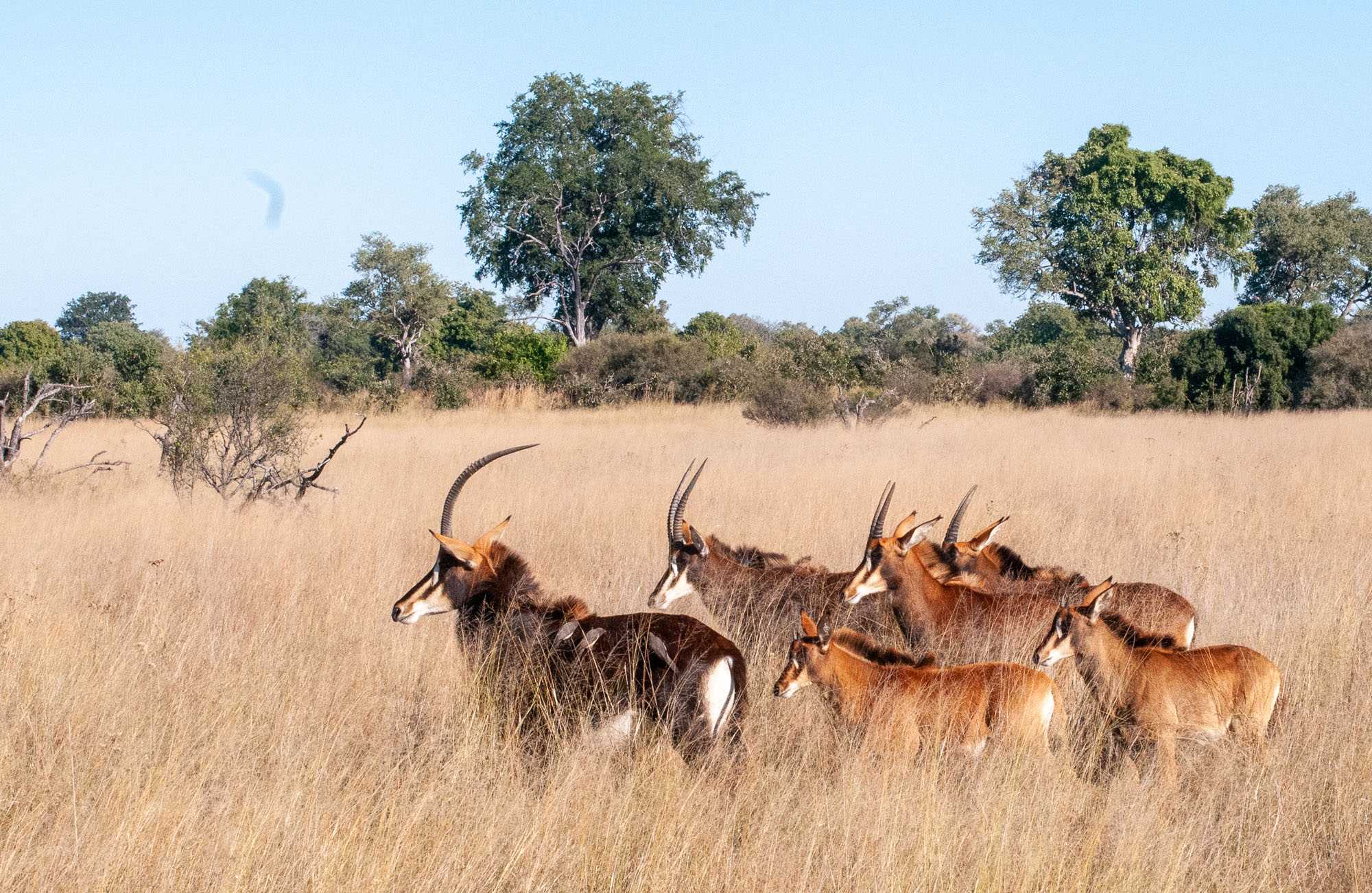
After an early breakfast it was time to saddle up for the morning game drive with my guide Ron. Initially it was slow but after about an hour we found four beautiful young male lions, not quite into their prime but not far from it either. Next was a herd of about nine or so sable antelope.  These rarely seen and sparsely distributed antelope are fond of fairly tall grass, often seen in relatively thickly vegetated woodland such as in Hwange National Park in Zimbabwe.


Image

This particular group was as approachable as any Sable I’ve ever encountered, the two females allowing us to approach them quite closely. The light was still fairly good and I captured a few decent images. The dominant male sable was not at all cooperative. It was as if he knew that he was the one that we ‘really’ wanted to see, playing hide and seek with us for 30 minutes.  He proceeded to deliberately and seemingly determinedly walk from one thicket to another without as much as stopping even once, to give us a good look.  The sighting was a big plus in my book as Sable antelope was the one species I had specifically mentioned when asked by Ron – at the outset of the game drive – whether there was something particular I wanted to see. Being able to deliver on a very tricky animal such as this one counts a lot.


Image

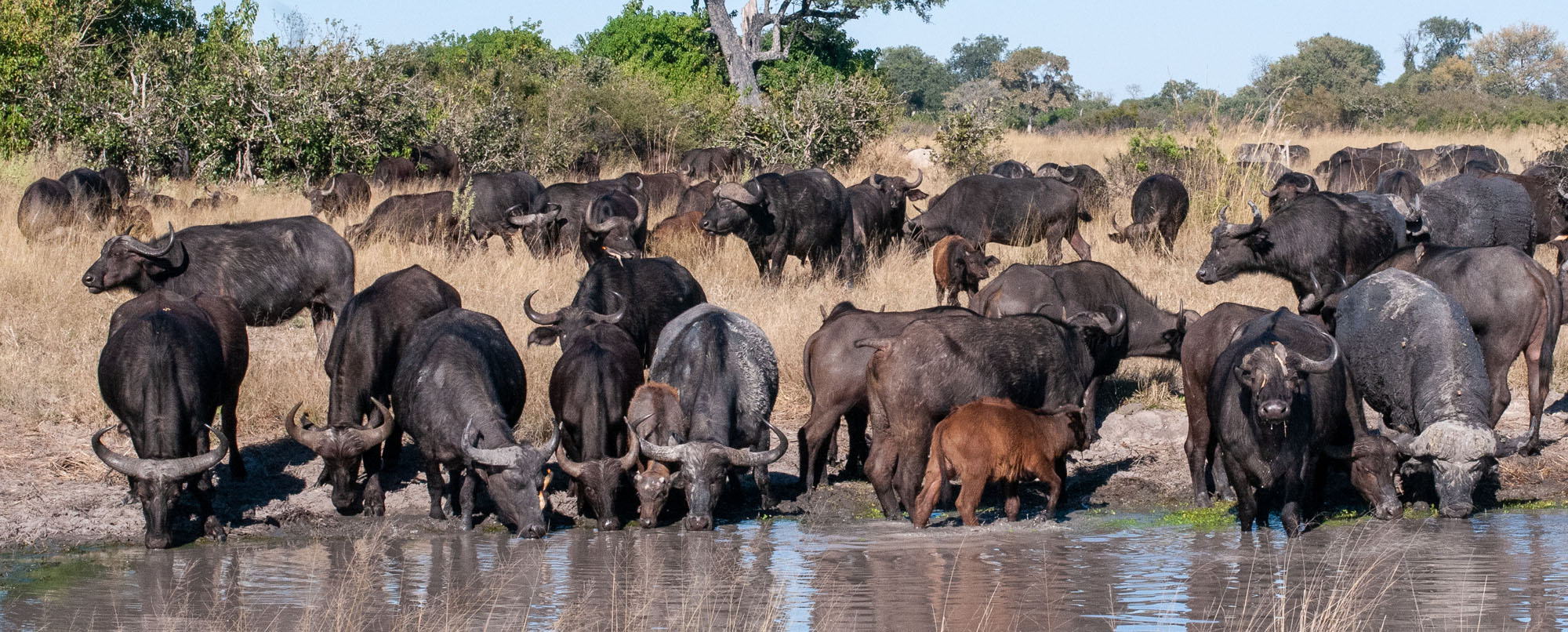
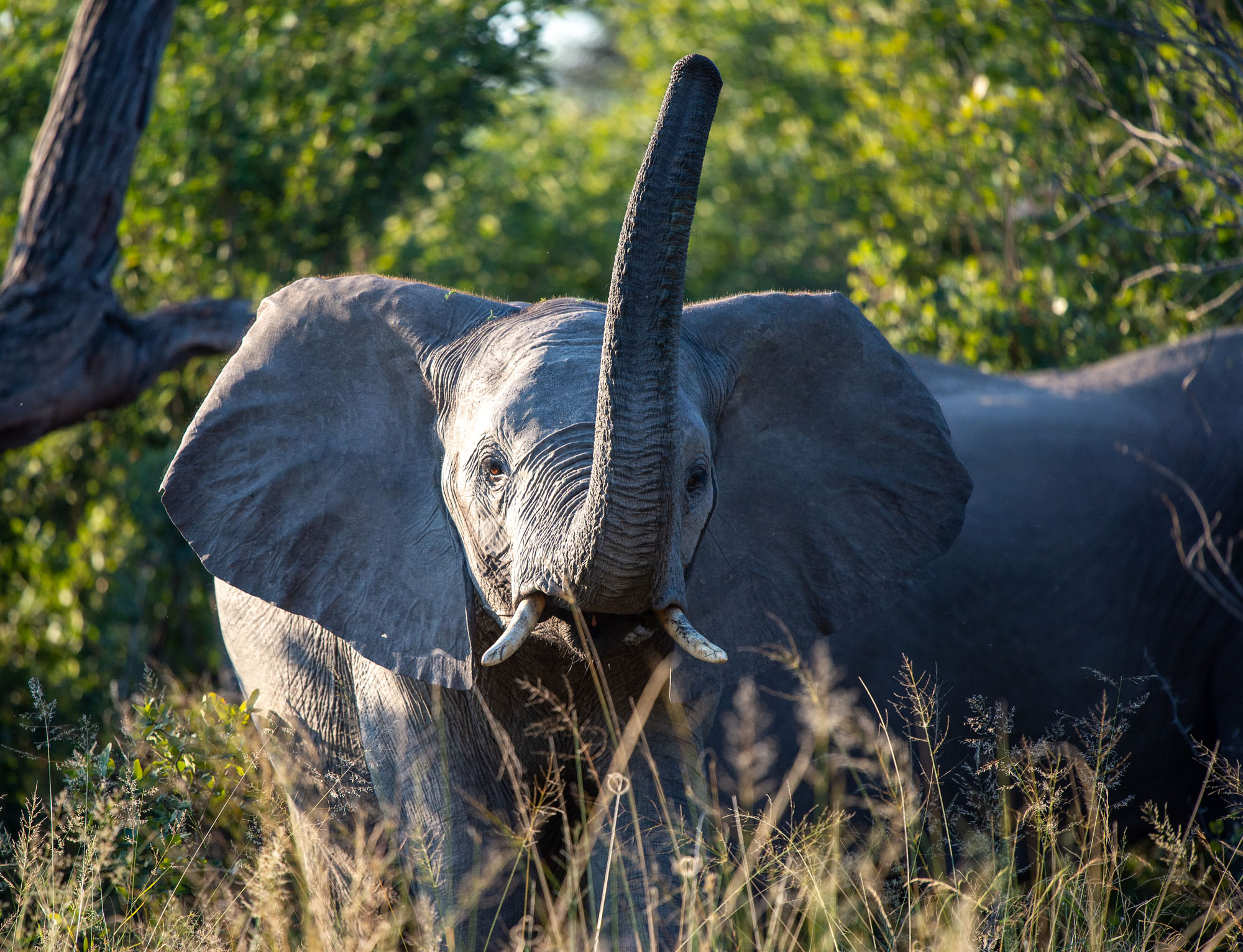
The game drive got even better with sightings of a large herd of buffalo at the waterhole and then an equally large herd of fifty plus elephants stampeding through the woodland. Their irate trumpeting and a dust cloud announcing their whereabouts, from afar. They were apparently entering a new or dangerous area and all of the older females were trumpeting and running around.  Towards the final stage of the stampede, three of the females – including what appeared to be the matriarch female – started to approach the vehicle in somewhat of a threatening pose.  We were ready to decamp at a moment’s notice, but in the end it was not necessary.  Plenty of adrenalin though.  


Image

CAPTURE AFRICA, KHWAI REGION

Due to a flying mix up my planned 11:25 a.m. departure from Vumbura did not take place, but it was deftly replaced by a helicopter flight of about 20 minutes or so direct to Khwai River Lodge, where I was picked up by Brian Gibson of Capture Africa. An hour or so later we were at Capture Africa‘s private campsite on the Khwai River

Capture Africa specializes in high-quality private mobile tented safaris mostly in the Khwai, Moremi and Okavango Delta areas, but they can set up private mobile campsites and provide support services literally anywhere in Botswana.

Adding a few days of “real“ camping to a mostly lodge-based itinerary adds an extra layer of authenticity and adventure to a trip; for many people this is as close as they may ever come to the bush.


Image

That afternoon, from our exceedingly comfortable camping site we saw an elephant walk along the floodplain, splashing its way through the shallow water and down the river. It was a pleasant change to what I had been doing seemingly nonstop the preceding few days, which was finding the wildlife out on game drives.  Having them come to you is infinitely more rewarding and relaxing.  

Brian Gibson – who heads up Capture Africa – is clearly passionate about the wilderness.  He is a highly experienced guide himself and it was quite a revelation spending a day or so in his company, trying to absorb his pithy advice and in-depth knowledge of the area and its wildlife as well as its people. On a drive with Brian the next day we got lucky with African painted dogs on the move – the thrill of the chase! – and we enjoyed a great lion sighting as well.  The Khwai region is clearly a productive game-viewing environment, however the number of vehicles per sighting was notably higher than most of the other areas we visited on this trip.


Image

Our party of four people enjoyed a particularly splendid meal at Capture Africa’s mobile tented camp that night, spending another hour or so around the campfire afterwards.  It was just us, a  brilliant sky, and what must have been close to 4,500 stars above.   That being the maximum number visible to the human eye, which can only detect stars brighter than magnitude 6 to 6.5.  Just as noticeably, there was practically no man-made ambient light, no noises and no disturbances.  Not that it was totally quiet.   If you knew what you were listening to, there was what sounded like a lost – or lonely – jackal, a few hungry hyenas  and a couple of African scops owls advertising their presence with their chirp-like calls.  The African bush at night.


Image

EBONY CAMP, LINYANTI

This morning I flew from Khwai to the Linyanti floodplain for an overnight at Ebony camp, African Bush Camps’ family option, adjacent  to the similar but slightly larger Linyanti Bush camp.  Room number 10 at Ebony Camp is the designated family room.

Either camp would be an ideal safari choice for visitors, particularly from about June/July through October and early November, in the dry season. At that time of the year the floodplain attracts good numbers of elephant, buffalo and other big game species including predators.

At the time of our visit in mid-May the surrounding bush was still quite thick which made game viewing challenging. Even so, we saw several small herds of elephants, hippos in the river and a coalition of three male lions. As well as some giraffe, waterbuck, impala and exceptionally good birdlife.


Image

The camp is clearly well-managed and I found the staff to be friendly and approachable. It would be nice to have the tent door zippers replaced with regular doors. Only two of the rooms (honeymoon room and family room) have bathtubs. The other rooms have showers with hot water available at all times.

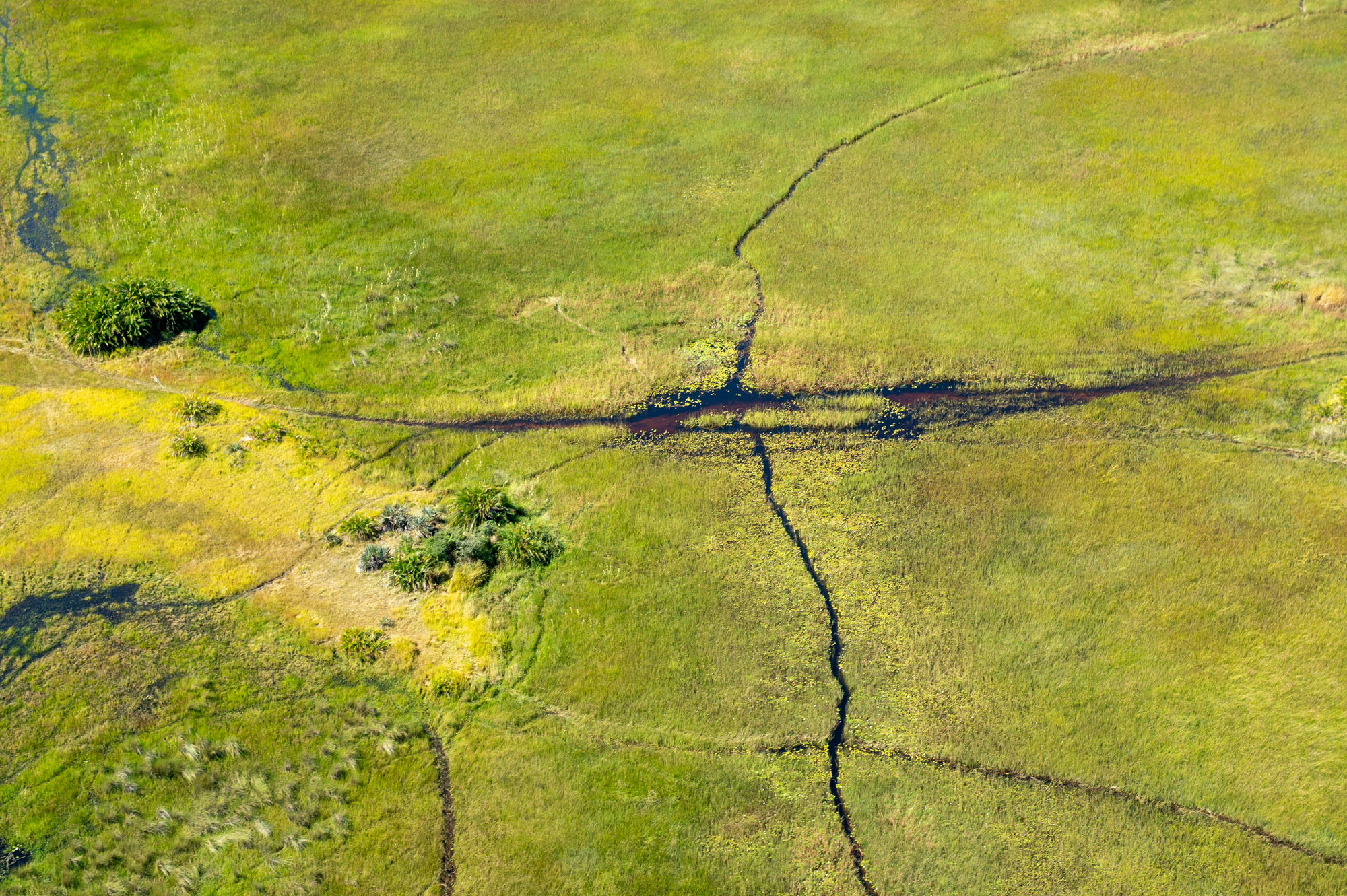
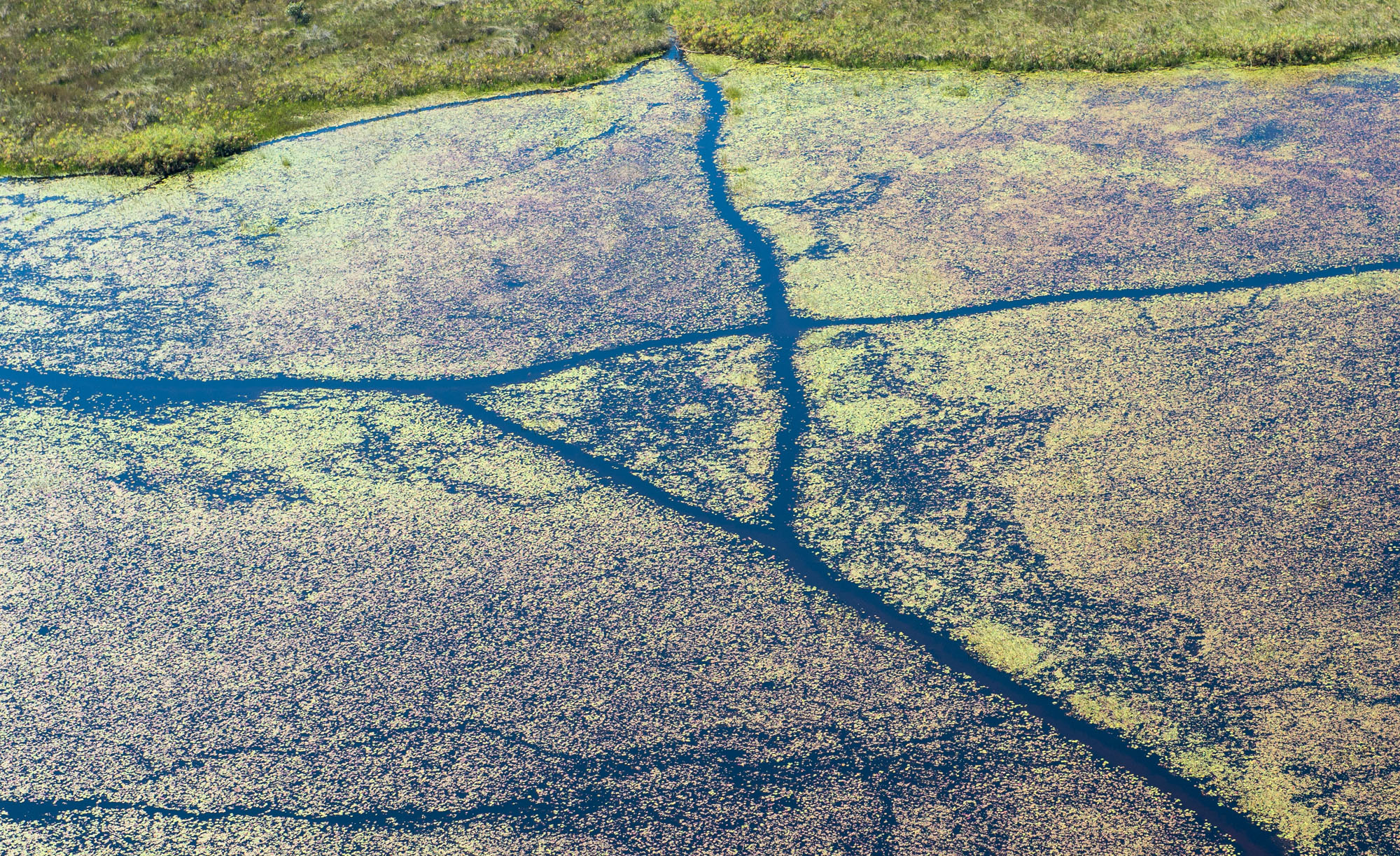
The grand finale of my Botswana trip was yet another helicopter ride, this time to check out the Linyanti River and its denizens which included several pods of hippopotamus, giraffes drinking, a few crocodiles.  From the air, there was a dearth of any signs of human encroachment.  There are so few places left in the wilderness which are truly remote and this is one of them.

My next stop would be South Africa, for a return visit to the Kruger Park and Sabi Sand reserve.  Details to follow in our blog post to be published next Friday.

More Info

Email bert@fisheaglesafaris.com

Email jason@fisheaglesafaris.com

@fisheaglesafarishouston

#FishEagleSafaris

YOU MIGHT ALSO BE INTERESTED IN

Destinations
Zambia

10th September 2021

Chindeni and the Bushcamp Company, Zambia

By late July we found ourselves at Chindeni, a small Bushcamp Company property

Read more
Botswana
Destinations
Okavango Delta

3rd October 2022

Camp Okavango, Botswana

Camp Okavango is in the heart of the permanent part of the Delta. In this idyllic setting there are no vehicles, and it is just a short walk

Read more
Area
Destinations
Nyerere National Park
Ruaha
Tanzania

14th October 2023

From My Safari Notebook: Wildlife Photography

Birds in flight and wildlife photographers have an uneasy relationship. Things go wrong as often as they go right. Getting focus-lock on a moving subject

Read more

SUBSCRIBE TO OUR NEWSLETTER

READERS FAVOURITES

Destinations
Zambia

10th September 2021

Chindeni and the Bushcamp Company, Zambia

By late July we found ourselves at Chindeni, a small Bushcamp Company property

Read more
Botswana
Destinations

4th August 2022

On Safari At Belmond Eagle Island Lodge, Okavango Delta

What is the ‘secret sauce’ for an unforgettable few days on safari in Botswana? It starts with the animals, of course. The elephants, lions, giraffes, hippos
Read more
Destinations
India

27th May 2023

India

India’s tiger, mammals and birds.

Read more
  • « Go to Previous Page
  • Page 1
  • Page 2
  • Page 3

Footer

Design

  • About
  • Destinations
  • Blogs
  • FAQS
  • Team
  • Contact
All Rights Reserved ©Fish Eagle Safaris 2022 | Terms & Conditions | Privacy Policy
Designed & Developed by B Online

SUBSCRIBE TO OUR NEWSLETTER

SIGN-UP TO OUR NEWSLETTER

Subscribe Form

Footer Widget Header

Related Blogs