A Return to Tsavo
A return to Tsavo
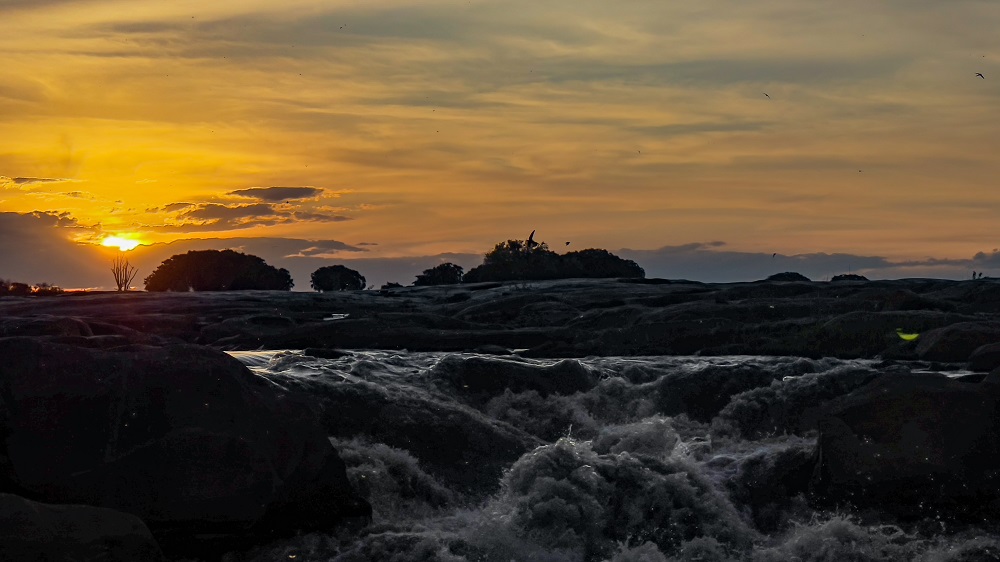
We’ve had some of our best ever safari experiences in Tsavo. Spotting leopards along the Galana River in the gloam of the early evening at the base of the Yatta Plateau. Interacting with orphan elephants being readied for release back into the wilderness at Sheldrick’s Ithumba and Voi units. Getting up close to KM-2, a super tusker with more than 100 pounds of ivory on each side. Watching dozens of elephants and hundreds of oryx and other antelopes at the end of their tether, in the teeth of a long drought, marching towards a water hole as if their lives depended on it. Which of course it did.
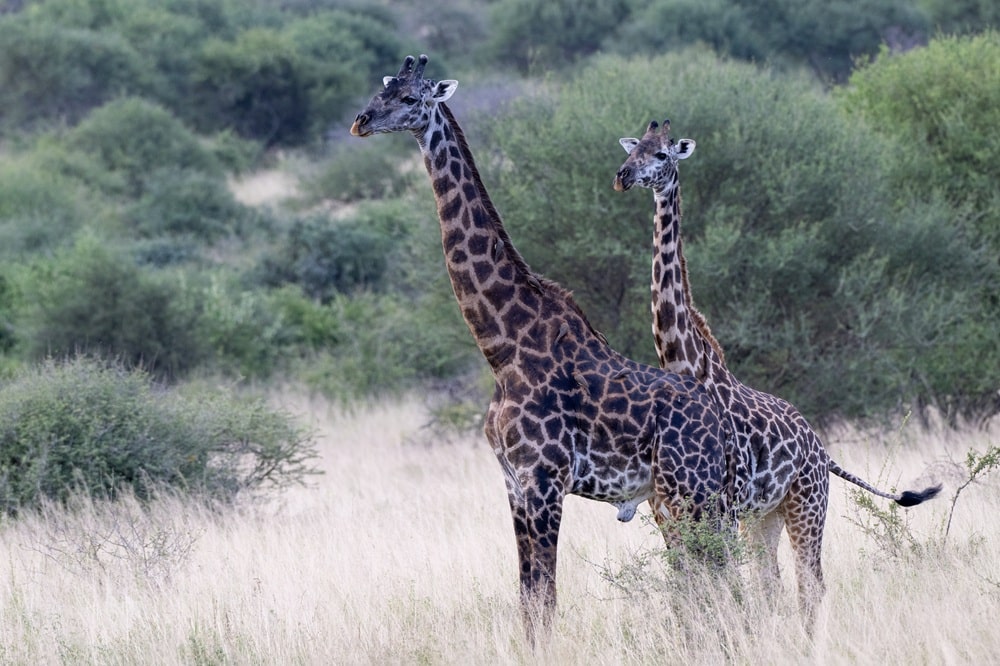
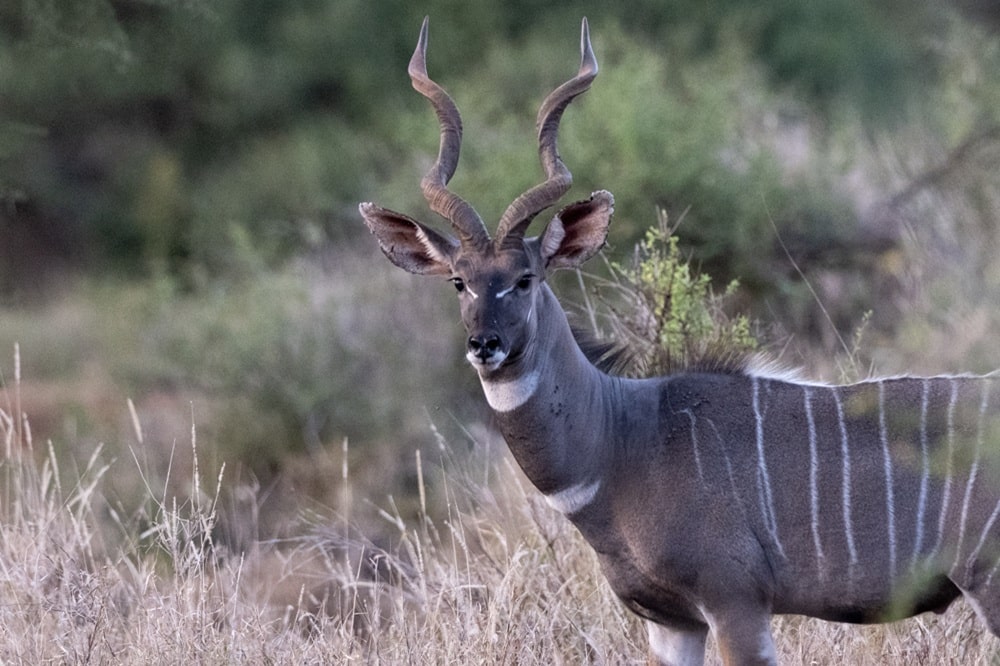

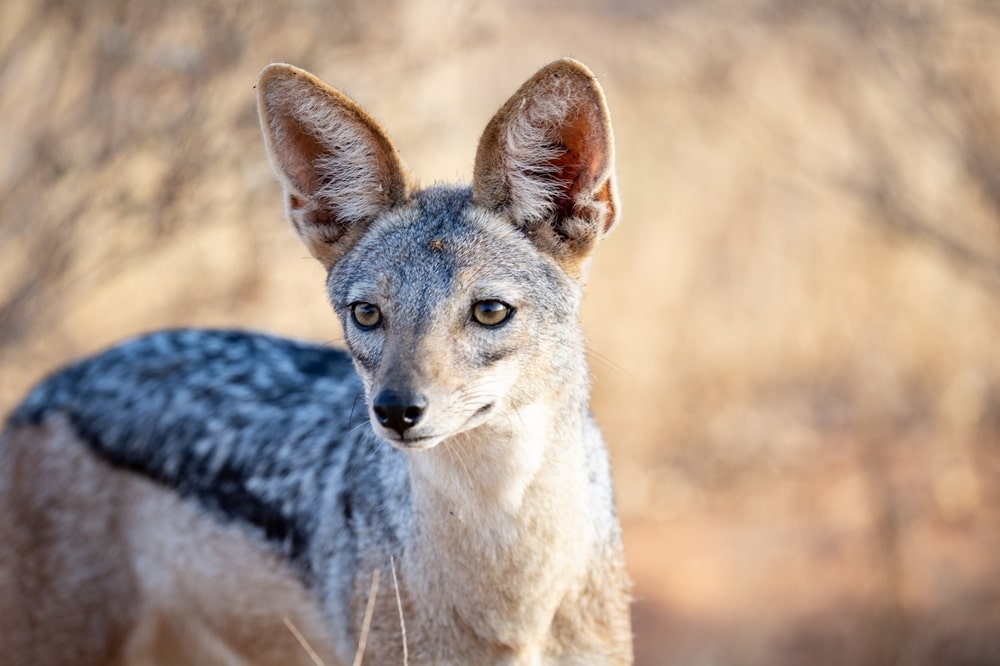

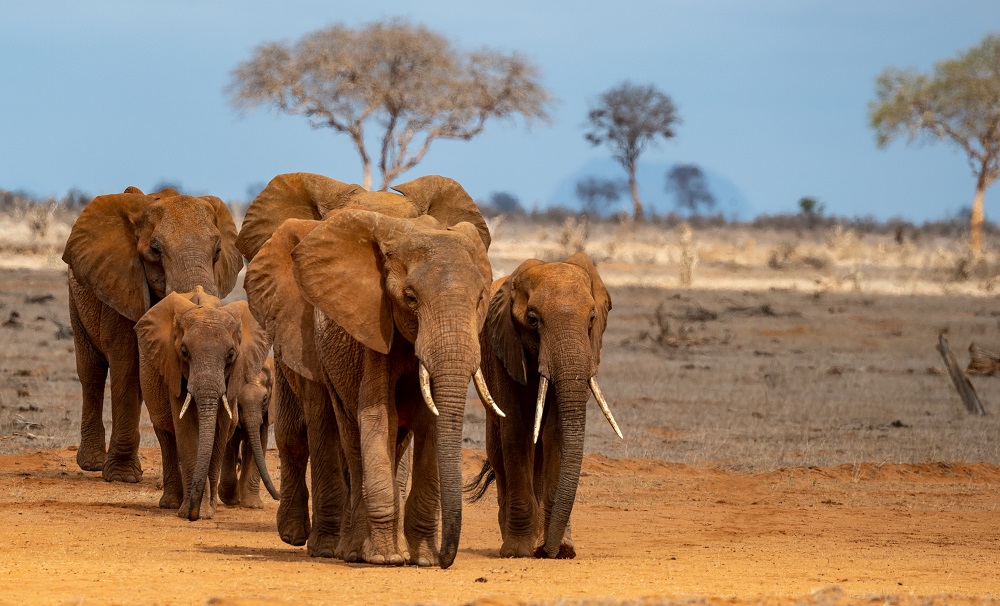
So it was with great anticipation that we entered Tsavo East National Park, just a few miles from Voi town, in late May. Tsavo East is wild and rugged, and truly massive. It is also the most diverse – in terms of wildlife species – of any of the Kenyan parks. Most characteristic of Tsavo mammals are their red, dusty coats: from zebras to elephants to warthogs, all the animals seem to be coated with more than just one layer of the brick red Tsavo dust.
Rather unexpectedly, considering we arrived early in the afternoon when many animals are resting, we started racking up mammal species at a rapid rate. Zebras, the Galana subspecies of giraffe, great views of a small group of gerenuk, Coke’s hartebeest, Peter’s gazelle, hippopotamus, impala, lots of elephants and a herd of buffaloes.


Later that afternoon we went on a game drive and had some excellent views of elephants in good light and three female lions beneath a Boscia tree. They had brought down an oryx close to a water hole and were resting up under the tree.
The following day produced yet more elephants, some great birding, lots of general game including many giraffes and a couple more female lions along the roadside.


Satao camp
Satao is about as old school a safari camp as you can imagine. Walking into the camp for the third time was no less special than the first visit. It is unmistakably wild and palpably right on the edge of the wilderness. Big bull elephants at the waterhole right in front of camp, a herd of waterbuck nervously glancing in our direction and small herds of impala wandering around the camp. Most memorably, on a previous visit, we had one hippo chasing another one through camp. I did say Satao is wild.
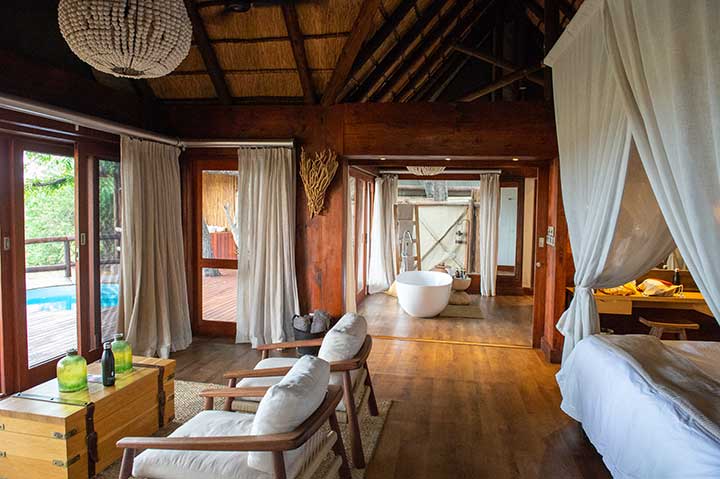
While Satao purposefully retains its 1970’s safari atmosphere, it hasn’t lost touch with the demands of modern travelers. Your tent has electricity, charging points, hot and cold water and a flush toilet.
There’s also an elevated lookout tower over the waterhole, an inviting outside dining area where buffet lunches are served, and a split lounge and dining area.
While the cooking at Satao doesn’t aspire to be Cordon Bleu, we’ve always enjoyed the wide variety of well-prepared dishes. This time was no exception. As always a highlight was the tableside charcoal-grilled kabobs. Your choice of beef, chicken, lamb and vegetable. Be there on a Wednesday or Saturday. If your preference runs to decaf coffee, it will be instant.
The five somewhat larger suites at Satao have everything you need on safari including a comfortable king size bed, shower with consistently good water pressure, flush toilet, adequate storage space and decent lighting. The 15 standard rooms are quite comfortable too – just smaller.

Elephants, zebras and lions
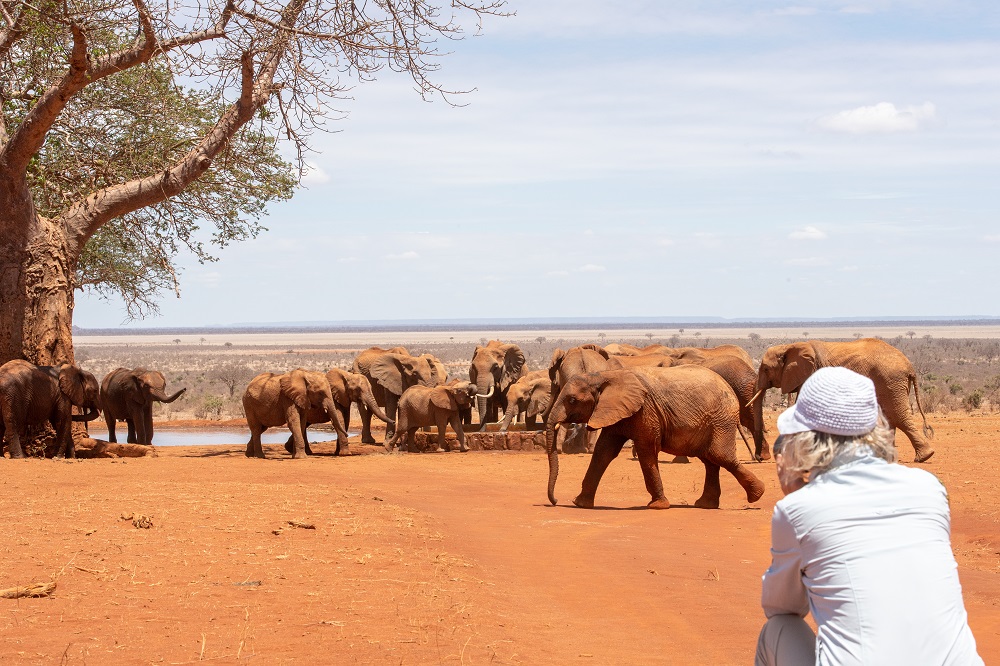
We send our guests to Tsavo East primarily for two reasons: its ‘old Africa’ atmosphere and of course, the elephants. One morning we watched a large family of elephants make their way to a waterhole near Aruba Lodge. The elephant to car ratio was around 40 to 1 – so essentially it was just us and the elephants, the beautiful open woodland creating as perfect a setting as one could wish for.
Tsavo elephants have an attitude and more than just once, it looked like a couple of the young bulls wanted to join us in the car. Between them, Tsavo East and West have around 24,000 elephants. No well thought out African safari should be without a signature elephant experience and Tsavo East is a great place for just that.
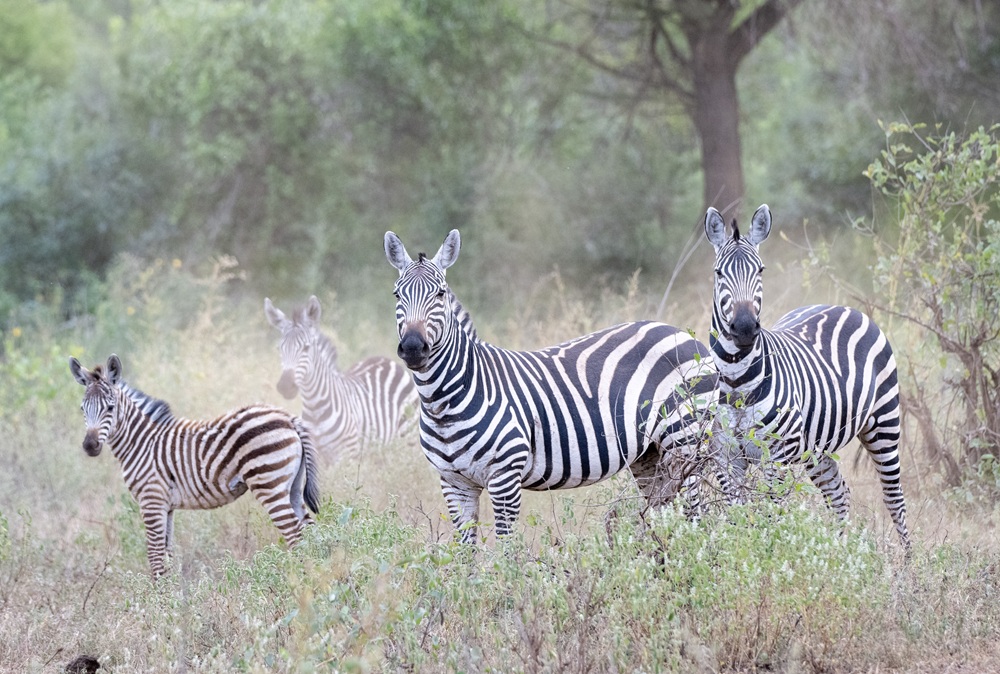
Zebras make great photographs – particularly when there’s more than just one face in the photo. Even better? When the dust adds drama. On a game drive from Severin Camp in Tsavo West, when a hard running warthog spooked a small herd of zebras, we went two for two. Striped faces staring at us from behind a veil of Tsavo dust.
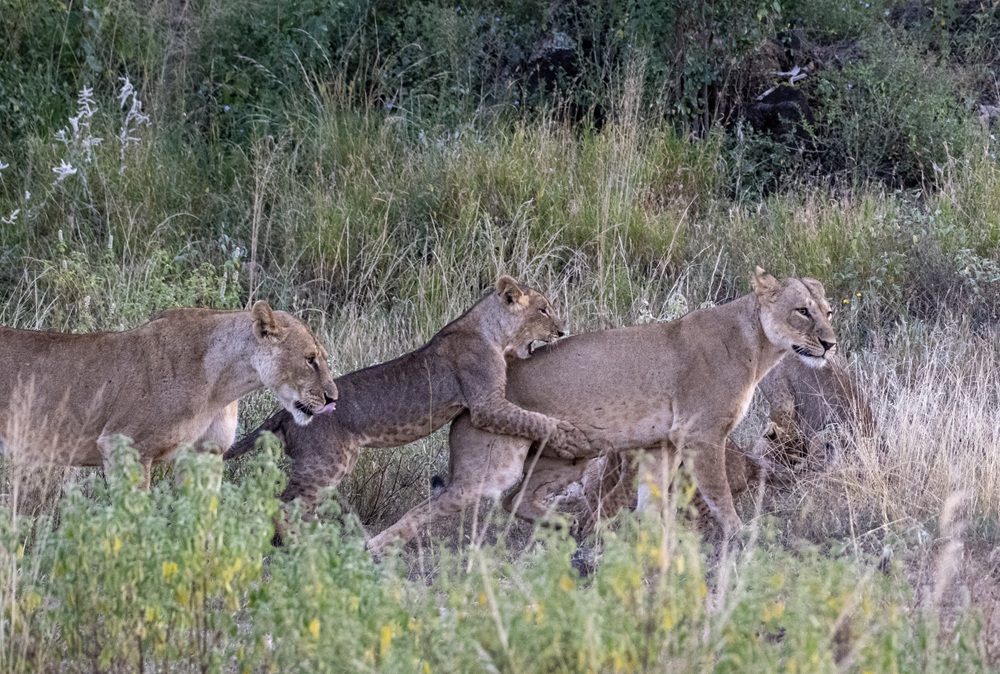
And then there were the lions. On our first couple of days we had seen a group of three female lions under a tree, two other females also resting up by the roadside and a solitary male far in the distance at the top of a hill in the Lumo Conservancy. All interesting sightings, to be sure. But hardly remarkable.
That changed one morning in Tsavo West. We had been hearing several lions calling pretty much all throughout the night, seemingly from quite close to camp. Predictably, we were the first car out of camp the next morning to go and look for them. Two other small parties of European guests stayed back in camp for breakfast. They will never know what they missed.
Not 10 minutes out of camp it was bingo. We hit the jackpot. There they were, in the soft pre-sunrise light at the base of a rocky outcrop in a nice clearing. So many lions we didn’t know where to start looking. Once the dust had settled a bit, we figured out there were one male, two females and 9 young cubs as well as one slightly older cub.


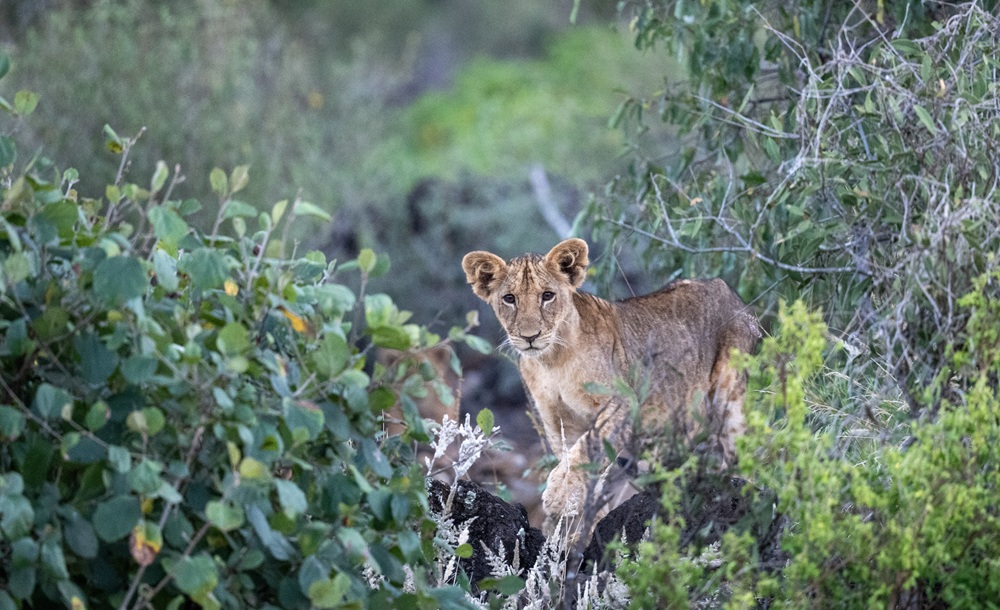


We spent the better part of an hour observing them – initially with one other vehicle around – and then just us. And the lions. In the space of that hour we observed and recorded just about the full lion repertoire. Females in hunting mode, cubs playing, all but the smallest cubs climbing into a tree, tender displays of affection, soft contact calls, a mini-charge from the male and a vociferous display of territorial roaring. We were truly spellbound. And had it all to ourselves until the raucous territorial roaring finally dragged the European crew away from their third cup of coffee.

Severin Safari Lodge, Tsavo West
We had been looking forward to visiting Severin Safari Lodge as we occasionally include it on Kenya itineraries as an overnight stop for guests en route to Lewa or Ol Pejeta. In the main we liked what we saw and experienced there including good food (best bread of the trip) with several options for each of the 3-course plated meals (except for breakfast which is a buffet with eggs to order). Unfortunately our stay was impacted negatively by not having hot water in our room for the two consecutive nights without the lodge management being able to fix or even cogently explain the problem. A ‘to go’ breakfast box also missed the mark by a wide margin.
Severin put us up in their Mawenzi suite which would be a good choice for anyone. It has a large, very comfortable bedroom with decent lighting and storage space, a comfortable bed with a mosquito net, a minibar (only reloads are charged), a tea/coffee station and an upstairs deck with two loungers. The ideal siesta spot.
Severin also has a pool and gym tent. The camp’s two waterholes – which are within view from the dining room and from several of the rooms – are clearly an asset. Even though it was barely the start of the dry season, they attracted a steady stream of animals which included zebras, impalas and elephants.
We will continue to use Severin but some guests may opt for the Serena Kilaguni instead. The Serena is a much larger property but it is very well run. So no worries about lukewarm water in your room or subpar breakfast boxes.


We have visited Tsavo several times over the last few years and we’ve narrowed down our choice of properties in the area – and how best to combine them with other Kenyan destinations. Please contact Bert at bert@fisheaglesafaris.com for more information and for recommendations about the best time to visit Tsavo, getting there and including a couple of signature experiences such as a sleepout in a black rhino sanctuary.

Property photos provided by the respective properties.
YOU MIGHT ALSO BE INTERESTED IN
10th September 2021
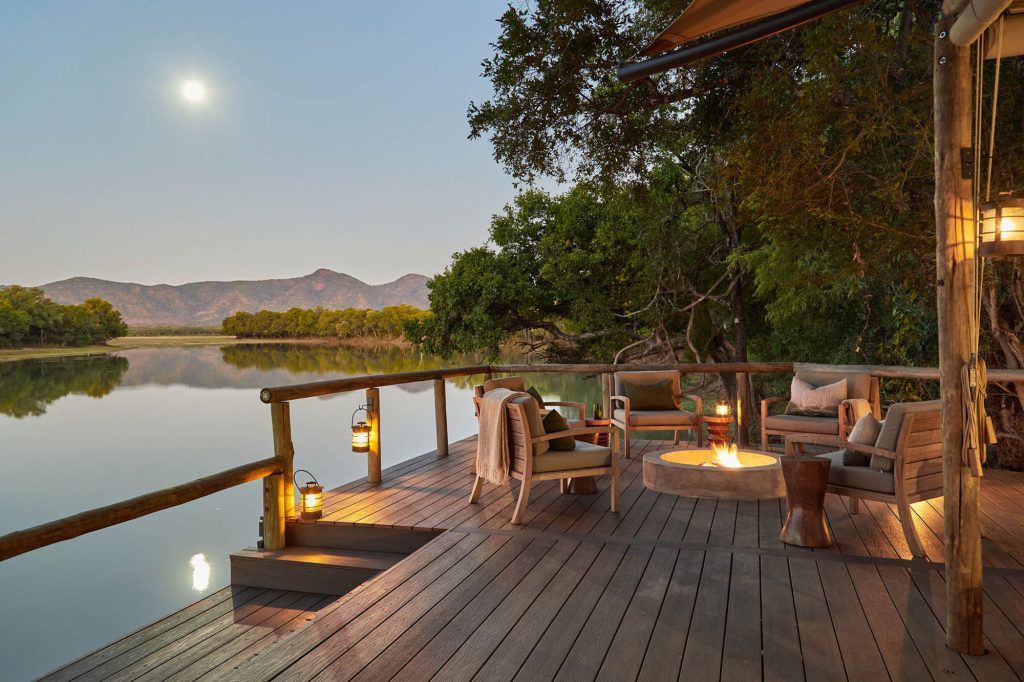
Chindeni and the Bushcamp Company, Zambia
By late July we found ourselves at Chindeni, a small Bushcamp Company property
3rd October 2022
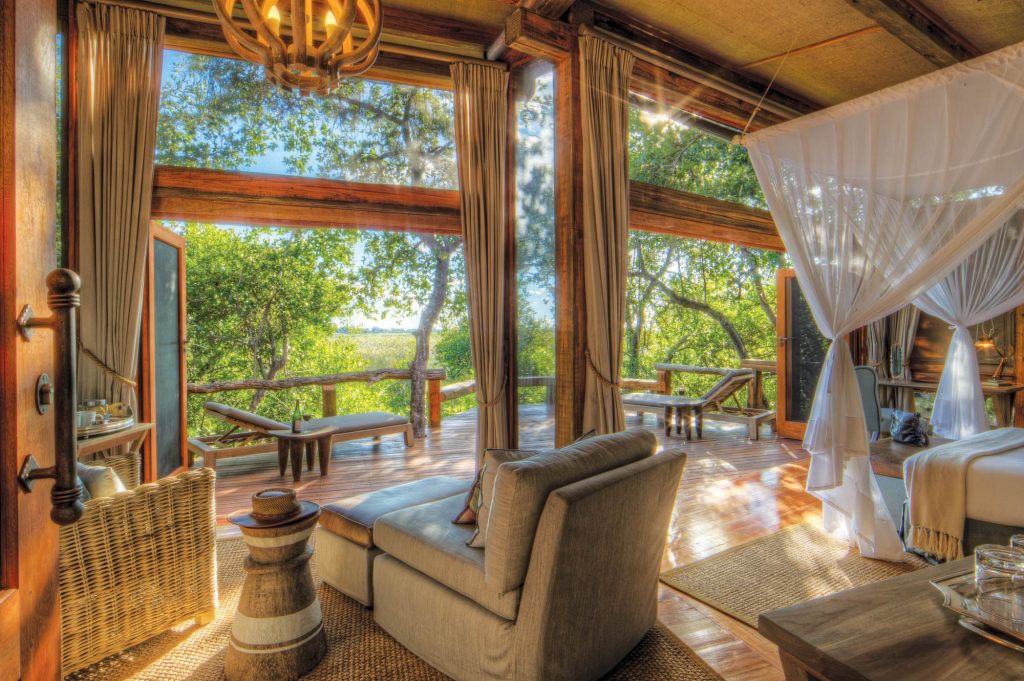
Camp Okavango, Botswana
Camp Okavango is in the heart of the permanent part of the Delta. In this idyllic setting there are no vehicles, and it is just a short walk
14th October 2023
From My Safari Notebook: Wildlife Photography
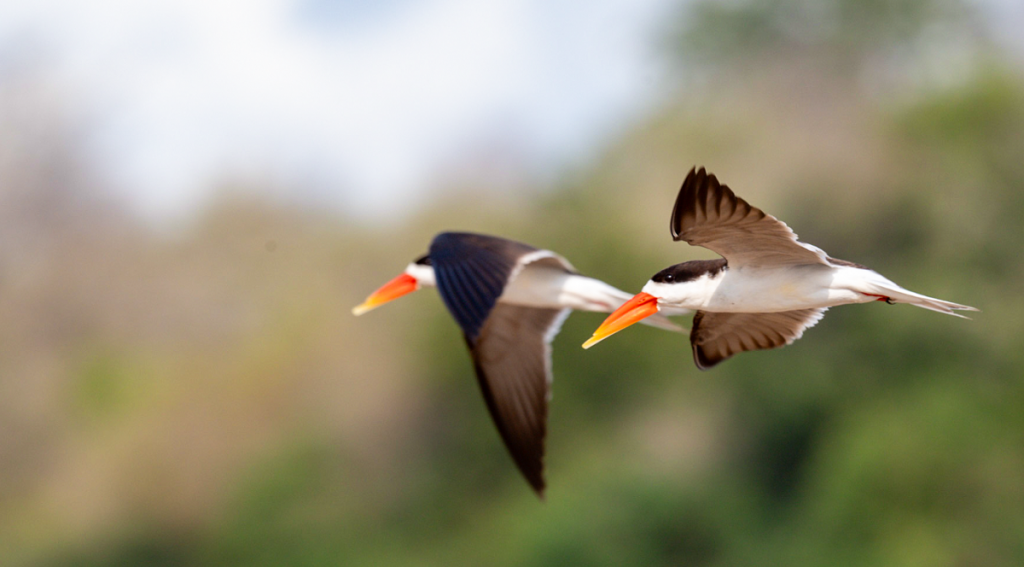
Birds in flight and wildlife photographers have an uneasy relationship. Things go wrong as often as they go right. Getting focus-lock on a moving subject

SUBSCRIBE TO OUR NEWSLETTER
READERS FAVOURITES
4th August 2022
On Safari At Belmond Eagle Island Lodge, Okavango Delta
What is the ‘secret sauce’ for an unforgettable few days on safari in Botswana? It starts with the animals, of course. The elephants, lions, giraffes, hippos
10th September 2021
Chindeni and the Bushcamp Company, Zambia
By late July we found ourselves at Chindeni, a small Bushcamp Company property