What to See and Do in Cape Town and the Winelands
Our Fish Eagle Safaris team have been visiting South Africa’s Southwestern Cape area for decades. Here are our personal favorites, must do’ s and recommendations.
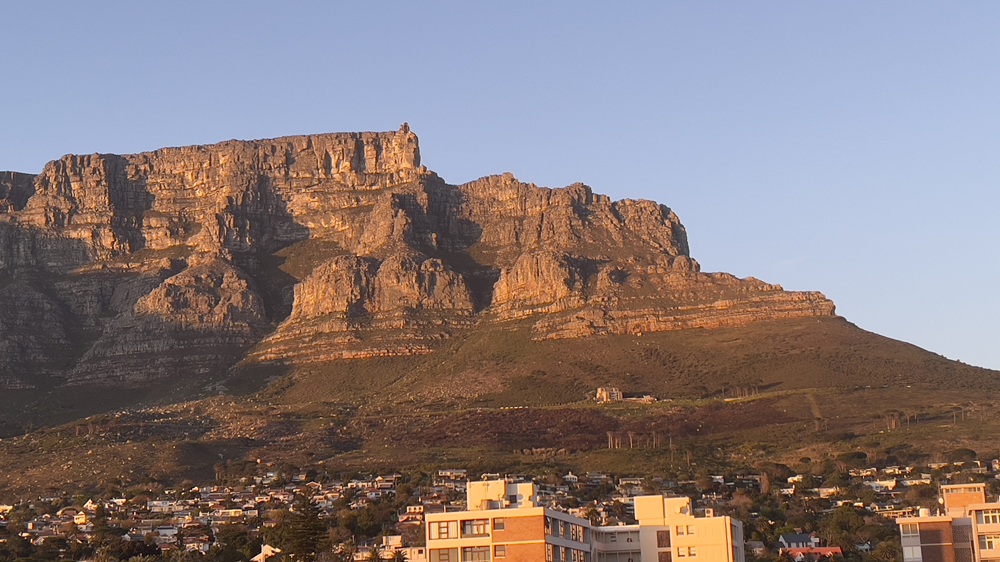
Cape Town is one of the world’s great cities. Beyond its obvious scenic grandeur with Table Mountain and Table Bay being two of Africa’s natural wonders, the city offers a multi-layered trove of experiences, sights, history, culture, food & beverage offerings, markets, explorations and events.
Over the course of a 3-night stay in the Mother City, it’s a matter of where do you start and what do you leave out. In our opinion, the two ‘must do’s’ for a Cape Town stay are a cable car ride (or hike) to the summit of Table Mountain and a visit to Kirstenbosch National Botanical Gardens. For the remainder, it depends on one’s particular interests and preferences.
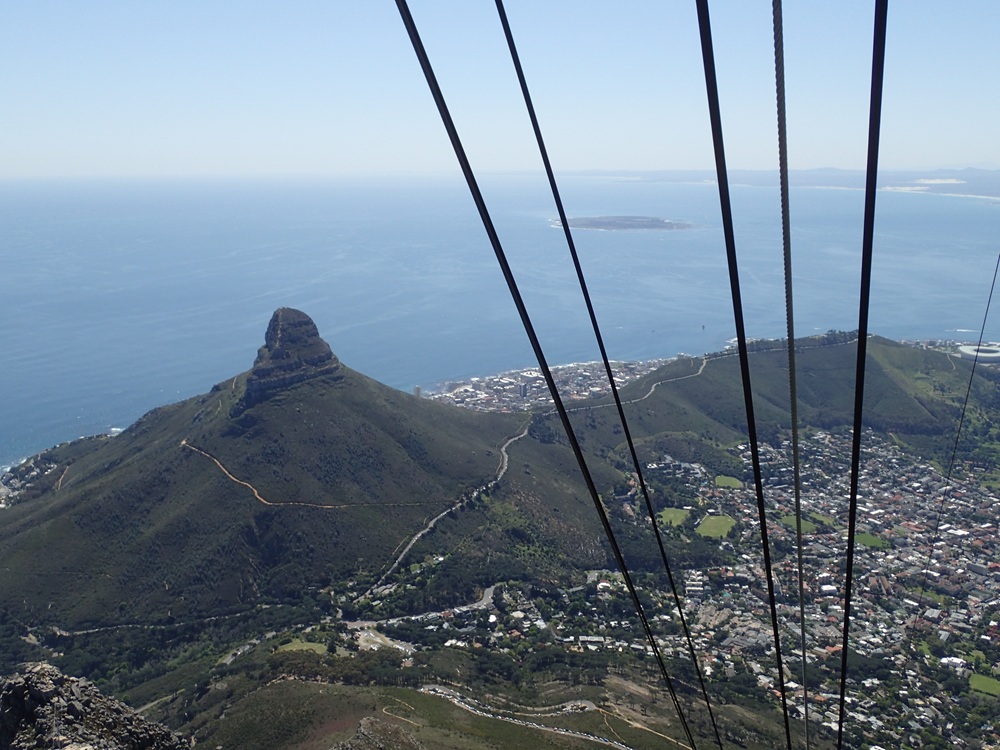
Table Mountain
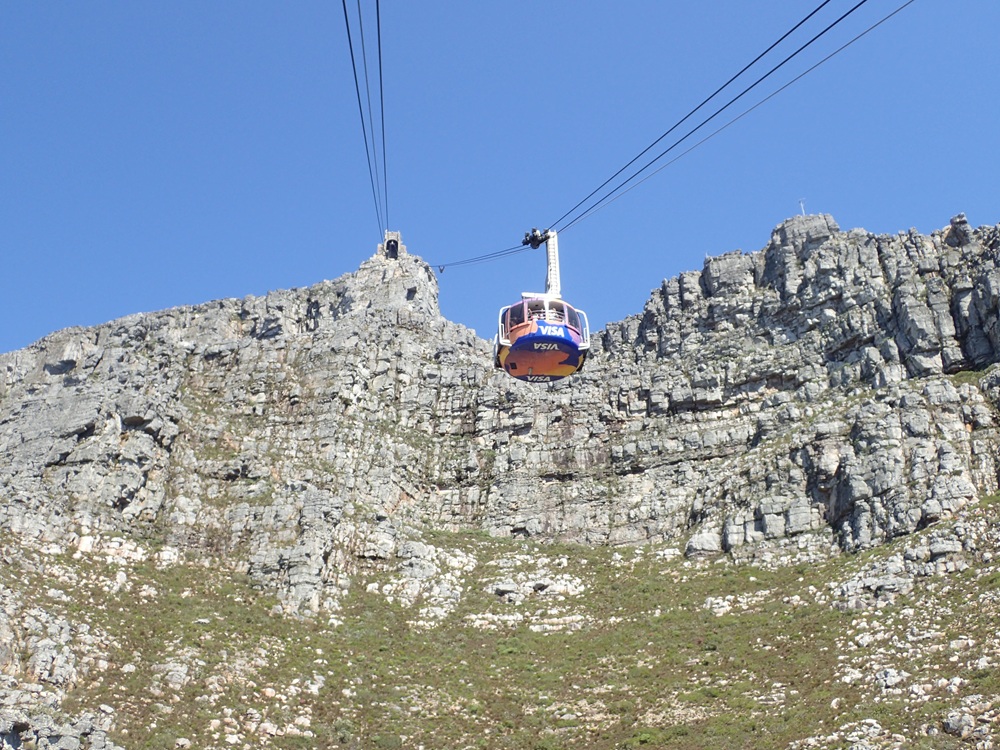
Take the cable car ride to the summit of Table Mountain at the first, best opportunity. Don’t schedule it for your last day. Cape Town weather is notoriously fickle and the cable car does not operate in high wind or dense cloud cover. So get up there whenever the mountain is ‘open’ and the cable car is operating.
Early mornings are best to avoid the crowds. Be sure to have a ‘Fast Track’ ticket if you’re visiting in peak season. It allows you to skip the general boarding line, where it is not unusual to spend 1 to 3 hours waiting.
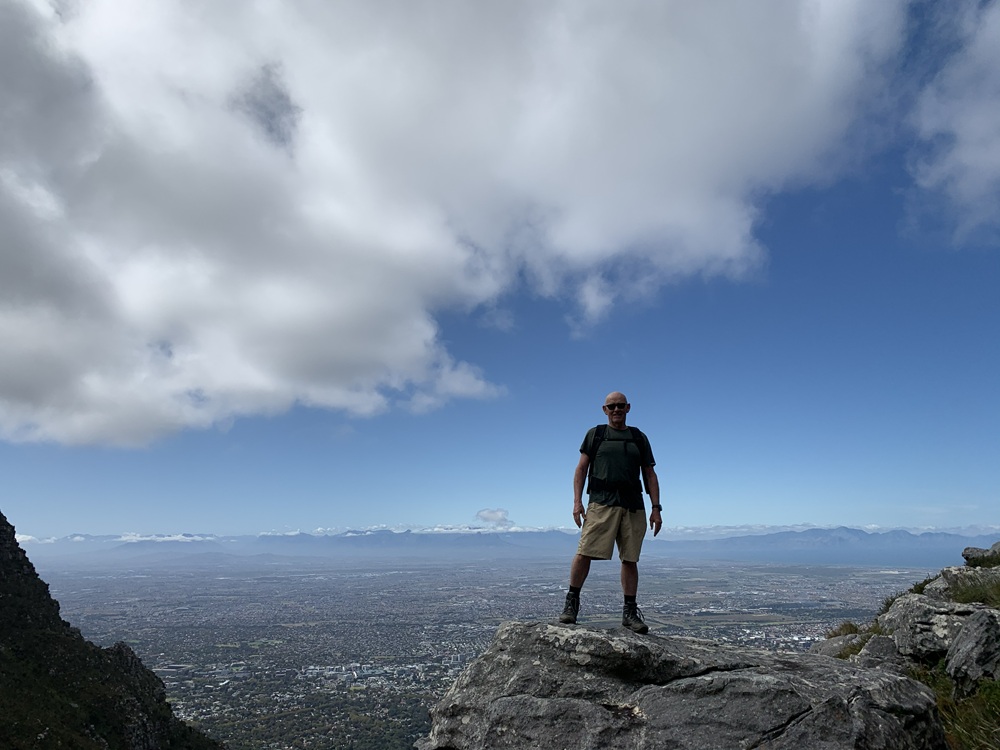
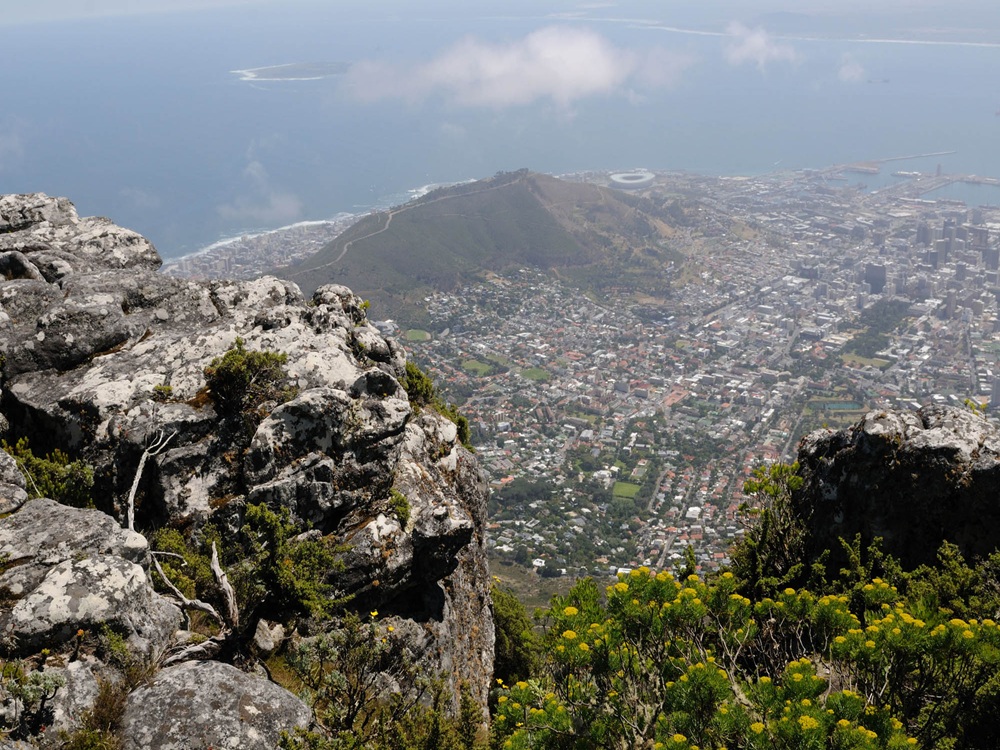
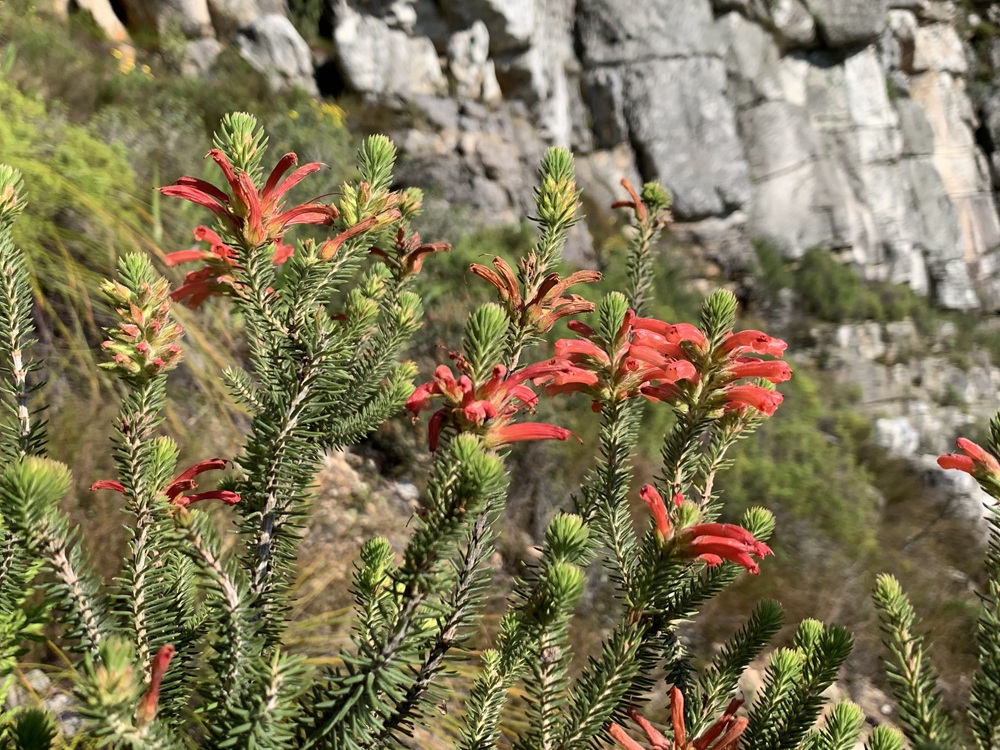
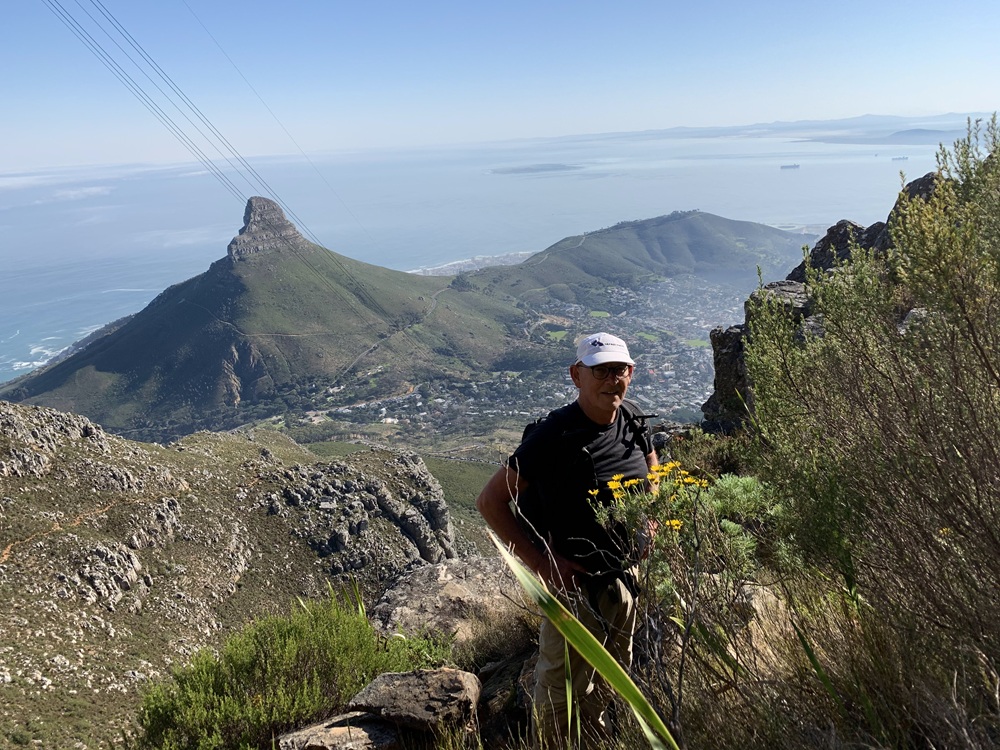
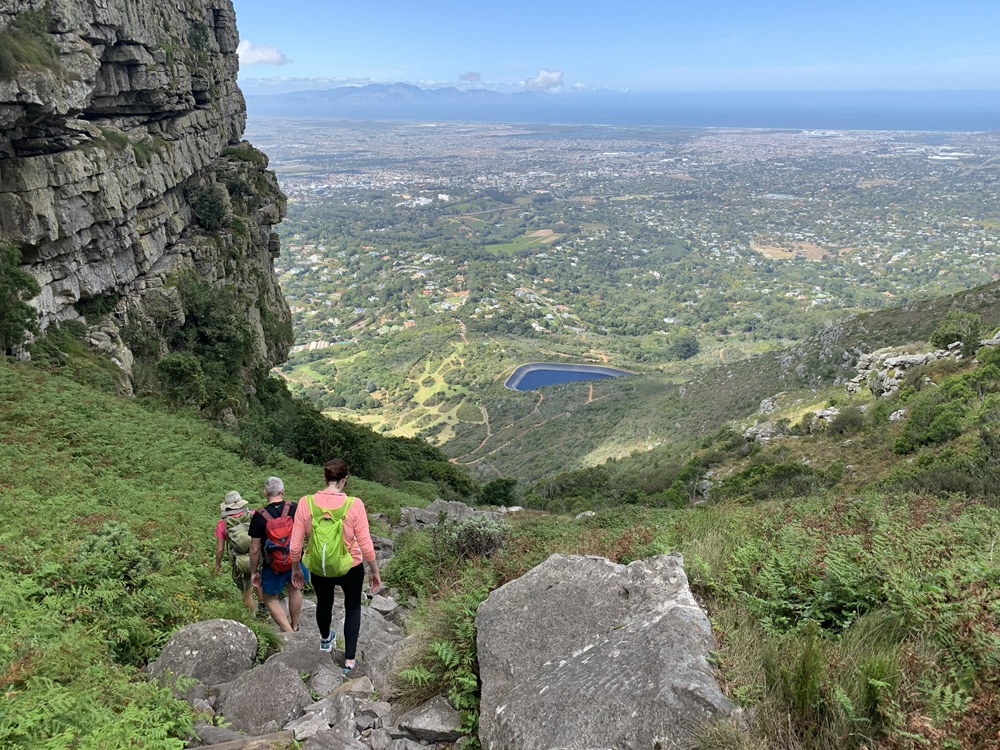
If you have the time and are fit (enough) for a hike up Table Mountain, by all means do it. It’s an exhilarating, if somewhat physically taxing experience. My personal favorite route is the Skeleton Gorge ascent, which originates in Kirstenbosch Gardens, as does another spectacular route, Nursery Ravine.
The Skeleton Gorge route winds through some awesome Afro-montane microhabitats, before reaching more open fynbos scenery towards the top. It’s another 45 to 90 minute hike along the plateau to the upper cable car station. So depending on the pace of the hikers, it could take a solid 5 hours total. Many hikers omit the cable car altogether, taking Skeleton Gorge up and Nursery Ravine down.
The shortest, quickest hike up Table Mountain is Platteklip. There’s quite a bit of fairly monotonous stepping up – and up – but if you don’t have a lot of time and just want to get up the mountain, it’s the obvious choice. A more interesting – and scenic – route is India Venster but it has a few tricky sections where hikers have to negotiate some staples and short ladders.
Kirstenbosch National Botanical Garden
Kirstenboch is one of the great botanical gardens of the world, a national treasure, and Capetonians are rightfully proud and also protective of this sprawling expanse of gardens and associated structures, sheltered below the eastern slopes of Table Mountain.
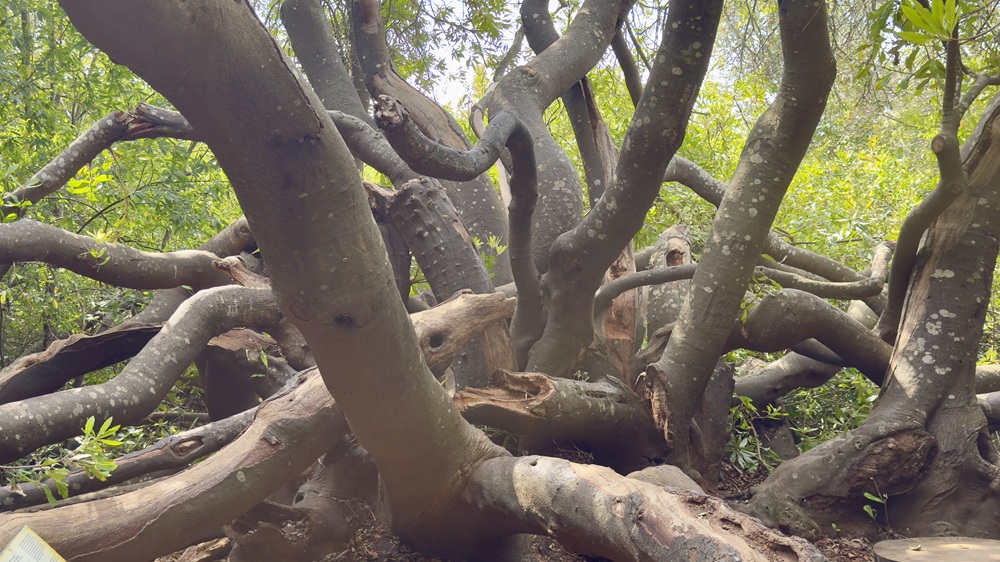
It’s a beautifully located collection of gardens and micro-habitats, fountains, aquifers, herbariums, performances, food service and entertainment options. Set aside a couple of hours, step inside and you’ll discover its true appeal, its seemingly neverending reservoir of small surprises and hidden secrets, some just waiting to be seen and others revealing themselves only occasionally to lucky passersby.

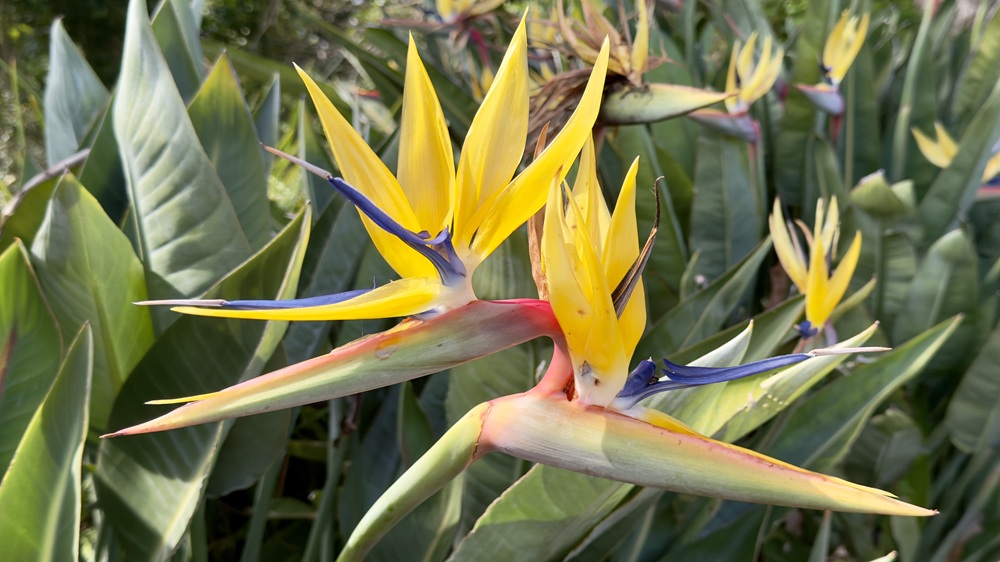
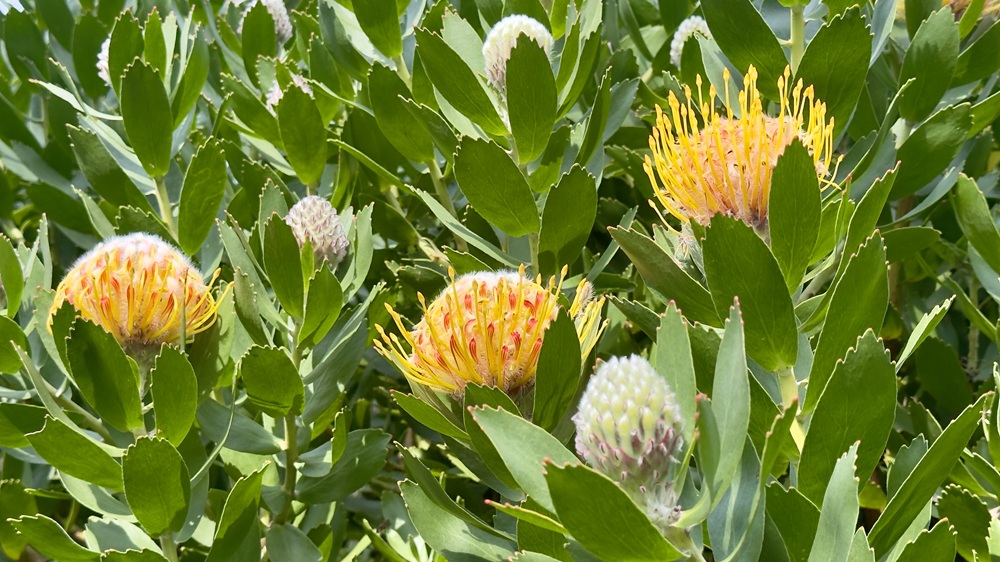
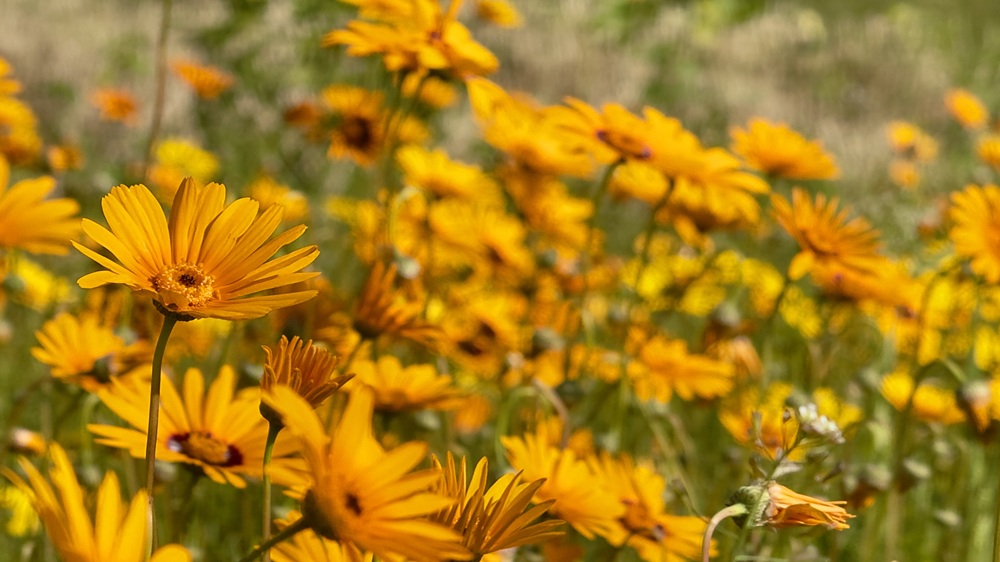
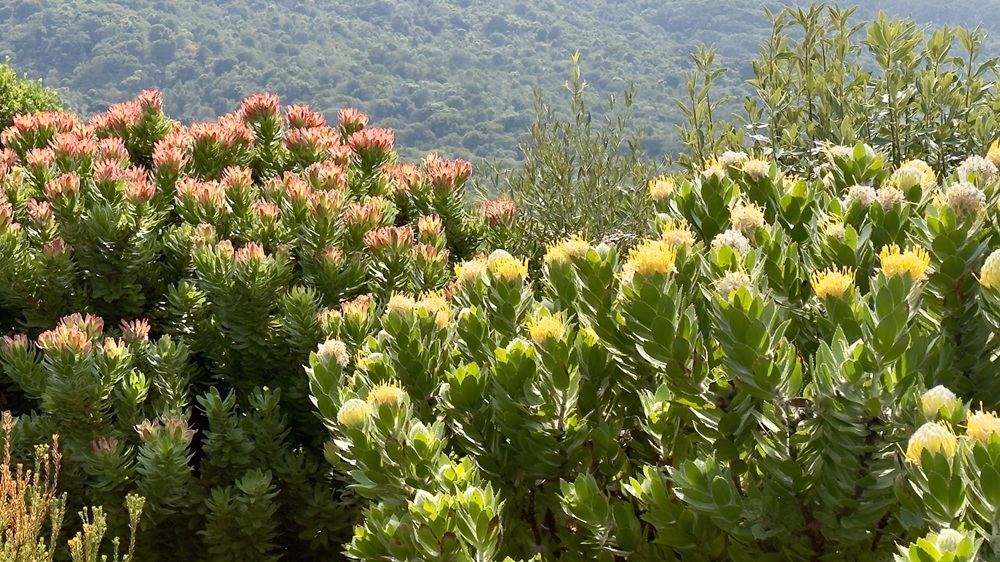
One day it might be a sighting of a spotted eagle owl (always watch for a clutch of other visitors staring up into a tree), the next time a gorgeous protea cynaroides in full bloom, a stand of vibrantly colorful daisies, a group of kids dressed up for a midsummer night’s party, or a profusion of the special Nelson Mandela ‘gold’ variety of the Strelitzia plants in full bloom. Kirstenbosch is more than 100 years old but it is always new, always fresh, clean and family-friendly to boot.
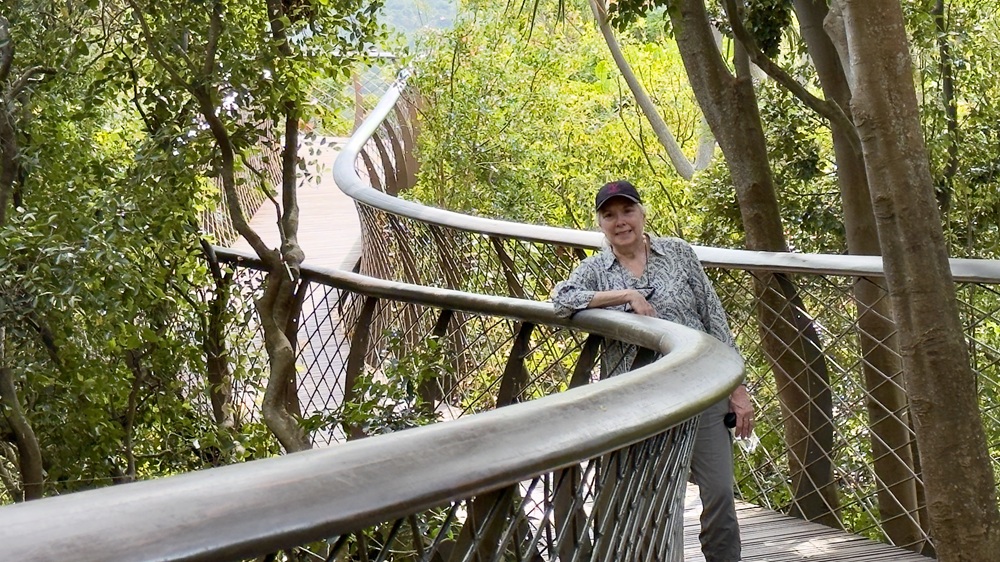
A two to three hour self-guided walk is a perfectly good introduction to Kirstenbosch. Don’t miss the Boomslang Canopy Walk, cycad forest with dinosaur sculptures, and the protea garden.
Cape Town has a near endless list of other things to do and see. Here are a few more which we think are worth the effort
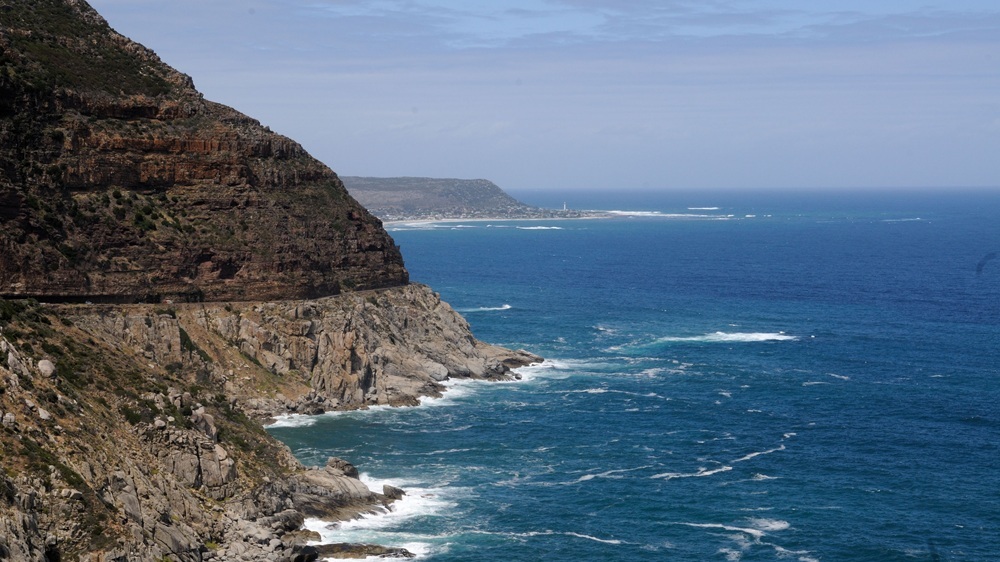
- Embark on a guided Peninsula tour including Hout Bay, Chapman’s Peak Drive, Kommetjie, Cape of Good Hope Nature Reserve (take the funicular to lookout point), and the African penguins at Boulders Beach.
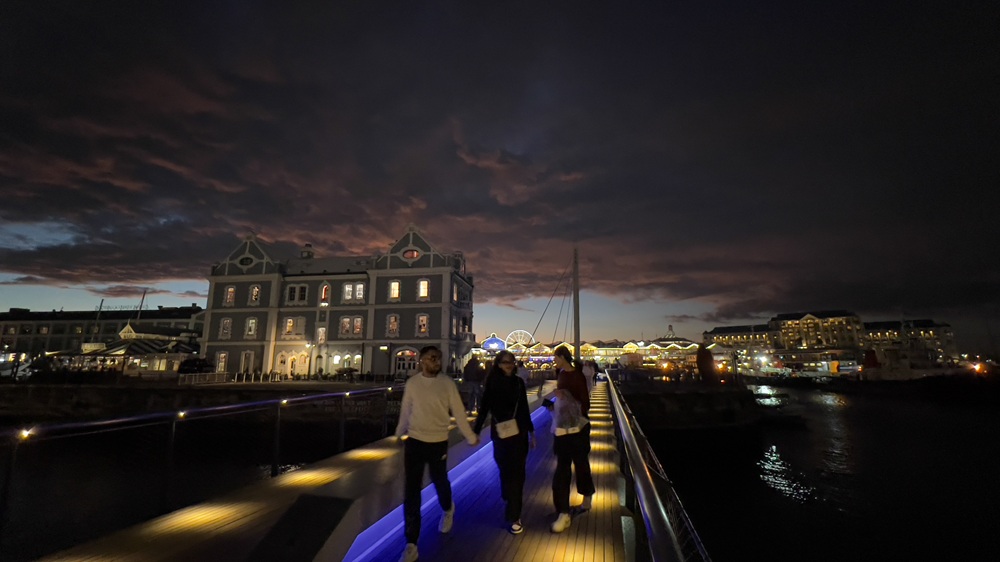
- Visit the Victoria & Alfred Waterfront – for interesting walks along the breakwater, the working harbor and the many restaurants, pubs, shops and nearby attractions like the Two Oceans Aquarium.
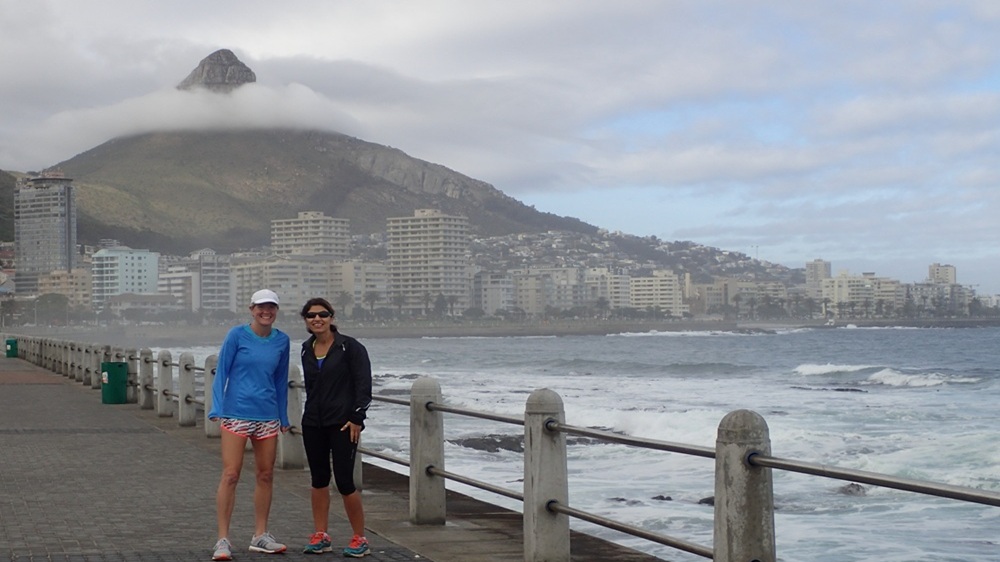
- Take a stroll or a run on the Sea Point Promenade. It’s just over 4 miles long, starting at the Green Point lighthouse and ending at Bantry Bay. It’s about as spectacular a walk as there is with the Atlantic Ocean waves breaking right alongside it for long stretches, with small coves, beaches and tidal pools tucked in along the way. One of the best people watching spots in the entire city.
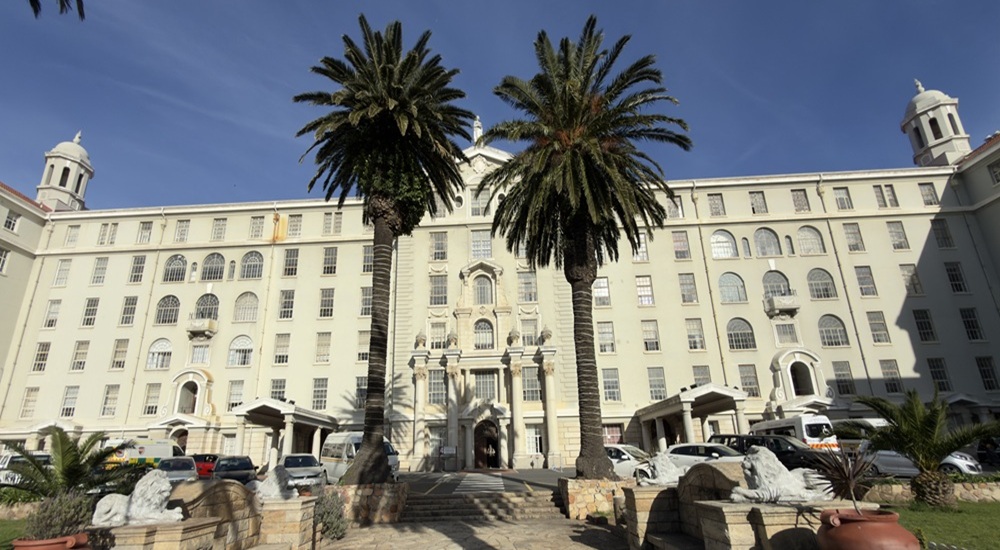
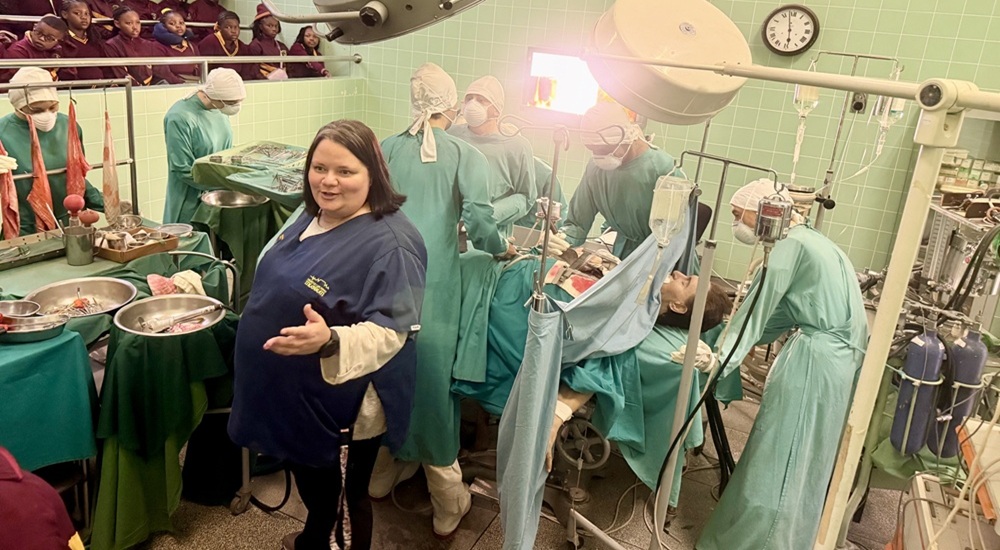
- Visit Groote Schuur Hospital’s ‘Heart of Cape Town’ Museum for a guided tour (weekdays at 9am, 11am, 1pm). Advance booking required. Groote Schuur is where Dr. Christiaan Barnard performed the world’s first heart transplant in December 1967. The museum tour, which focuses on what happened prior to and on that fateful day, succeeds admirably in bringing to life the surgery and the instantaneous fame and notoriety attached to Chris Barnard from the moment Denise Darvall’s heart started pumping in the chest cavity of Louis Washkansky. Don’t get your venues crossed up: the museum is not at the Christiaan Barnard Memorial Hospital in town.
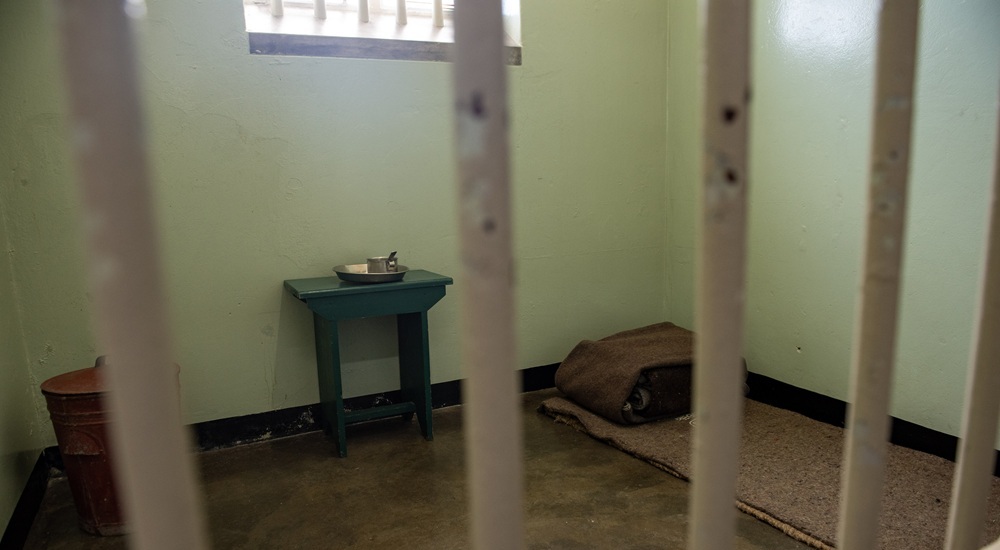
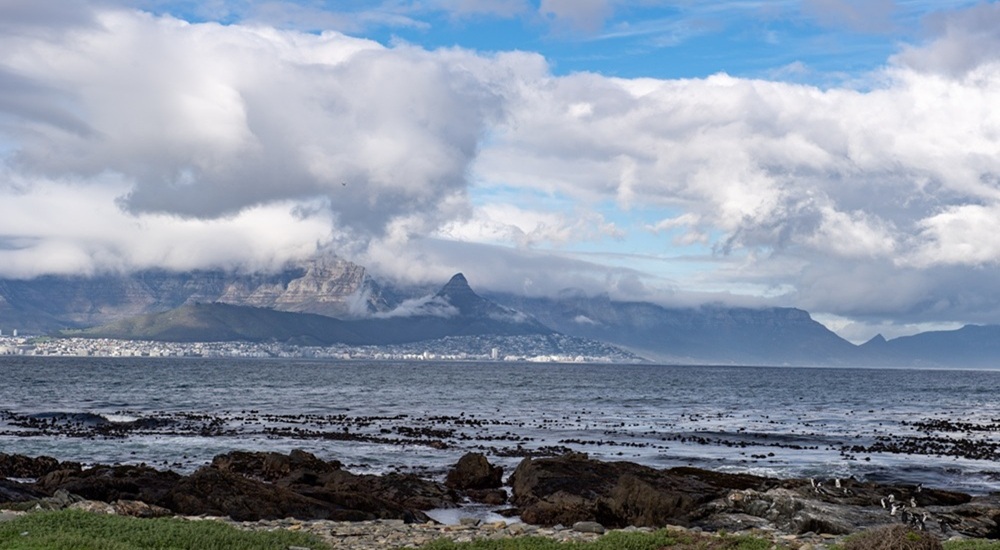
- Visit Robben Island by ferry boat. Walking in the footsteps of Nelson Mandela is – for many people who come to Cape Town specifically for this purpose – a pilgrimage of sorts. Indeed, coming face-to-face with the tiny cell where (later) President Mandela was incarcerated for 18 years, is a sobering event. While this is ordinarily a worthwhile trip, we have misgivings about the way in which the public tour is conducted. The most glaring deficiency is the overly large groups of visitors being crammed into large buses for a less than satisfactory tour of the island. We strongly recommend that visitors consider a private, rather than public tour.
- Stroll the Company’s Garden area – a historic green oasis in the heart of Cape Town – within sight of several worthwhile museums and the Houses of Parliament. Enjoy the botanical curiosities, the squirrels and a morning cup of coffee at the Company Garden’s Restaurant.
- Visit the Zeitz MOCAA Museum (Silo Hotel); Irma Stern Museum, Iziko South African (Natural History) Museum, SA National Gallery, SA Jewish Museum, and District Six Museum.

- Take a tour on the Hop-on Hop-off City Sightseeing Bus. The tour connects the V&A Waterfront, downtown, Long Street, and the Table Mountain Cableway. There are extensions available to Clifton, Camps Bay, Hout Bay and Kirstenbosch, as well as to the Constantia Valley to visit wine estates.
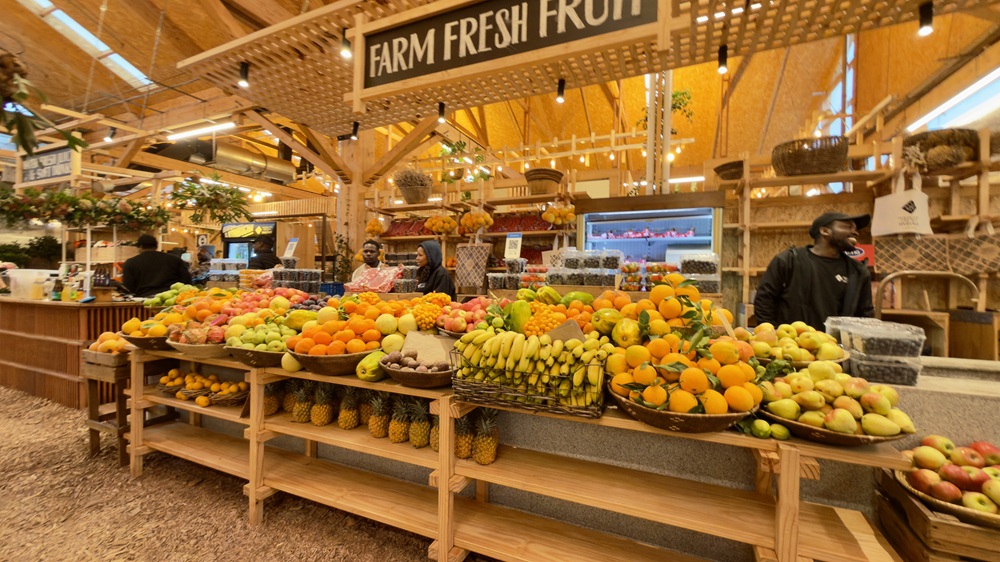
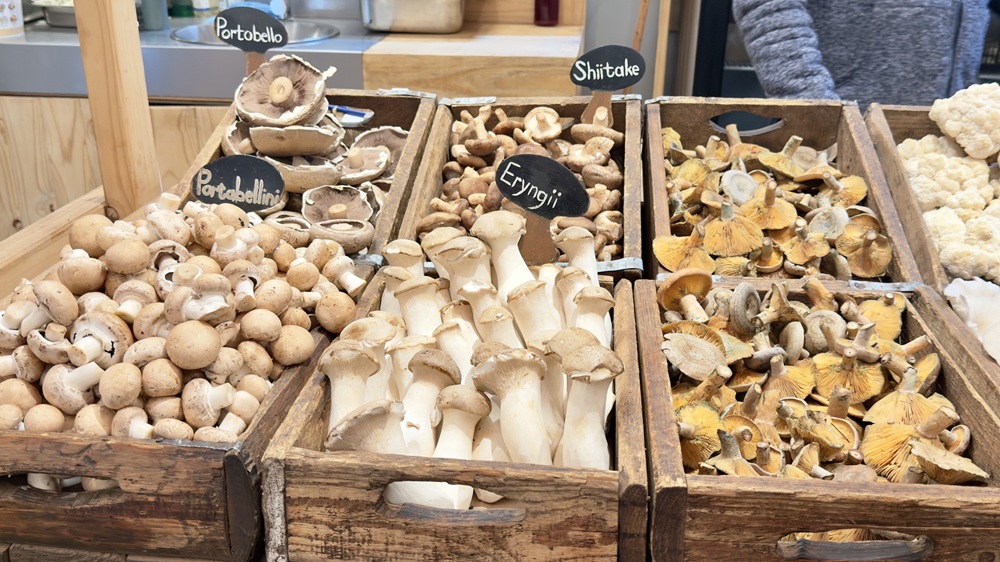
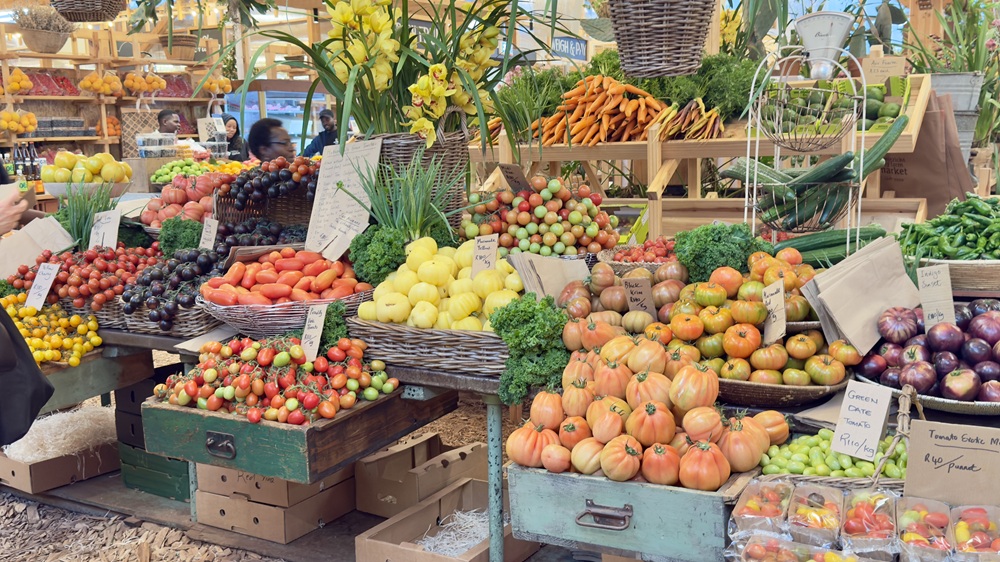
- Browse the city’s various markets. Most recently, we spent an hour or so at the newly relocated Oranjezicht Organic Market in Granger Bay. It has a stunning variety of prepared foods, so come hungry. It’s also a great spot to buy fresh fruit and vegetables – if you don’t mind paying a bit of a premium. This market takes place Saturday and Sunday, along with Wednesday afternoon/evening. Another good one is the Biscuit Mill Market in Woodstock on Saturday and Sunday mornings. It can get quite busy but has nice food and local goods.
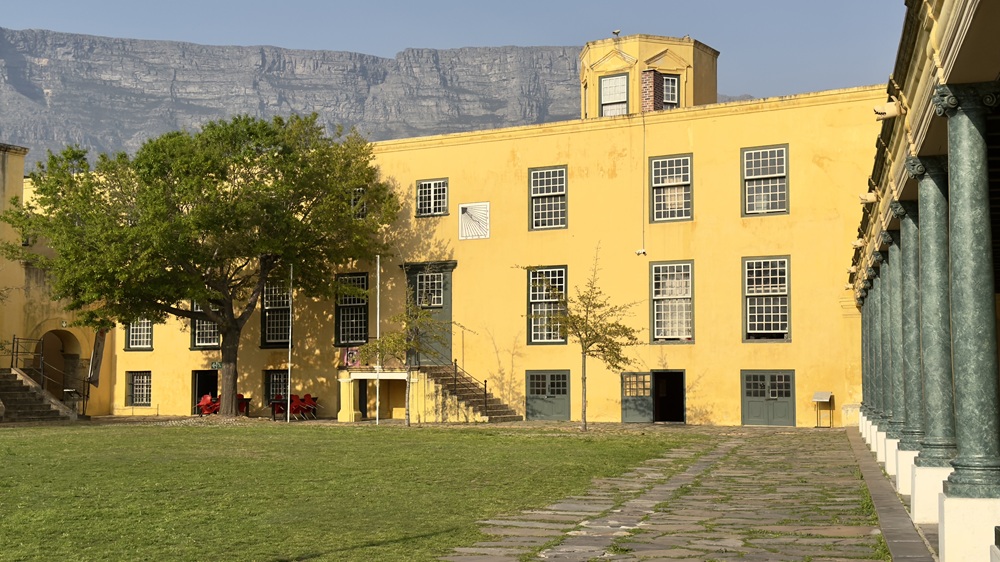
- Visit the historic Castle of Good Hope Museum; be sure to take in the key ceremony (late morning) and take a peek at the William Fehr art collection inside the building, as well as the Cape Military Museum. On our most recent visit we stumbled upon the Camissa Museum. This is definitely a hidden gem – a unique, thought-provoking exhibition space that focuses on the origins and diverse identities of the people of the Cape. We think it would be worth spending at least half an hour or more there, browsing the thousands of items in this astonishingly dense private collection.

- Take a guided walking tour of the The Bo-Kaap area for its colorful homes and Cape Malay cooking. Mornings are best for getting good side-light on the various shades of turquoise, pink, lime green, orange, blue and purple homes. A good place for lunch is the Bo-Kaap Kombuis.
- Make some time for Cape Town’s beaches such as Clifton, Muizenberg and Camps Bay, particularly in the warmer summer months from October through April.

Outside the City
The Cape Winelands are packed with incredible wine farms and restaurants, many of which are child-friendly. The top three are Babylonstoren, Boschendal and Spier. They’re all worth a visit but try to avoid weekends, particularly during the traditional summer holiday season. Stellenbosch and Franschoek – the two premier wine towns – both have main streets which are a treat to walk through.
A full-day guided Winelands tour usually includes both of these towns, with two to perhaps three wine tastings paired with one or two nearby attractions such as the Huguenot Museum in Franschoek, the Franschoek Car Museum, the Afrikaans Language Museum and the Dylan Lewis Sculpture Garden.
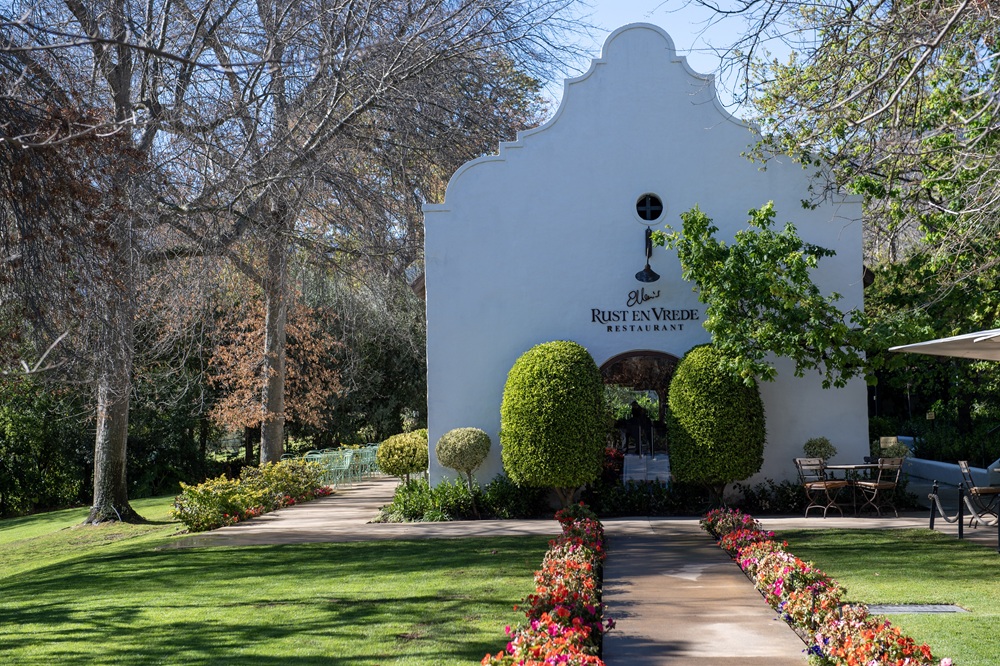
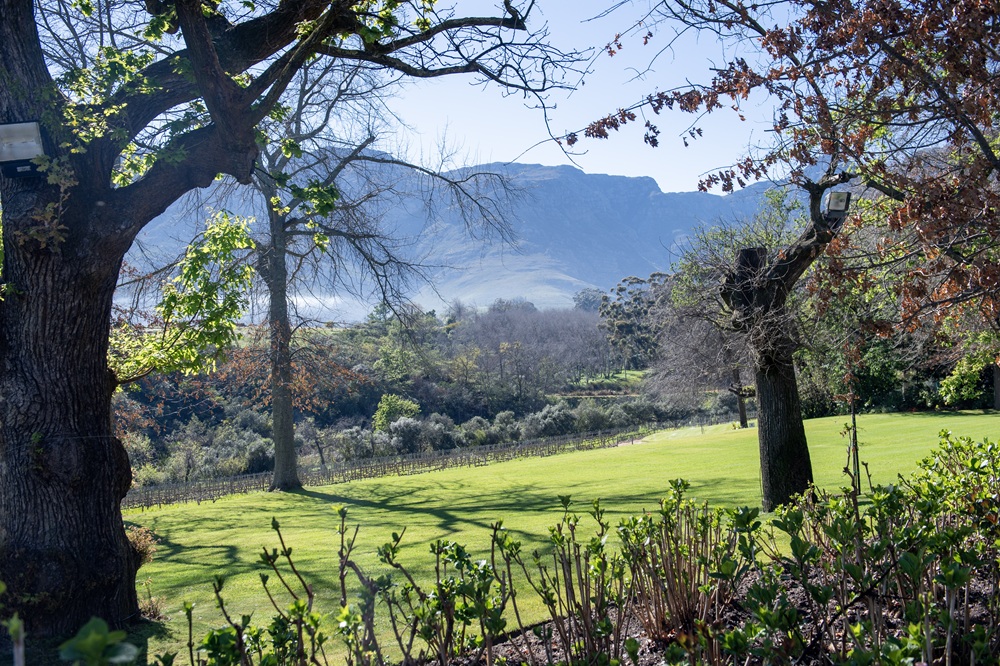
This August, we visited the renowned Rust en Vrede Estate in the Stellenbosch region. At about US$8 per person, their public tasting on the day included a French-style syrah, a full-bodied cabernet sauvignon and their celebrated Rust en Vrede Estate blend. The wines were presented expertly by a member of the knowledgeable estate staff on a large patio in the shade of gorgeous old oak trees. The views were free of charge and priceless.
On the drive between Paarl and Franschoek, there is a 10-minute roadside photo stop at the entrance of the Groot Drakenstein Prison (formerly Victor Verster), the exact spot where Nelson Mandela took his historic first few steps on his “Walk to Freedom” upon his release in 1990.
If you don’t have the time or inclination to go all the way to Franschoek and Stellenbosch, the much closer Constantia Valley is an ideal alternative. It has several superb wineries such as Constantia Glen and Groot Constantia, the latter being the oldest winery in the Cape. While in the area, be sure to leave some time for the Norval Foundation Art Gallery, opposite the US Embassy.
Contact Bert at bert@fisheaglesafaris.com about including a few days in Cape Town at the start of a Southern Africa safari. Bert and Kathy were in Cape Town just a few weeks ago and would love to share their experiences and observations. If you’d prefer to have one of us get in touch with you, please leave a message with our answering service at 1-800-513-5222 or 713-467-5222. Someone will call you back promptly.

YOU MIGHT ALSO BE INTERESTED IN
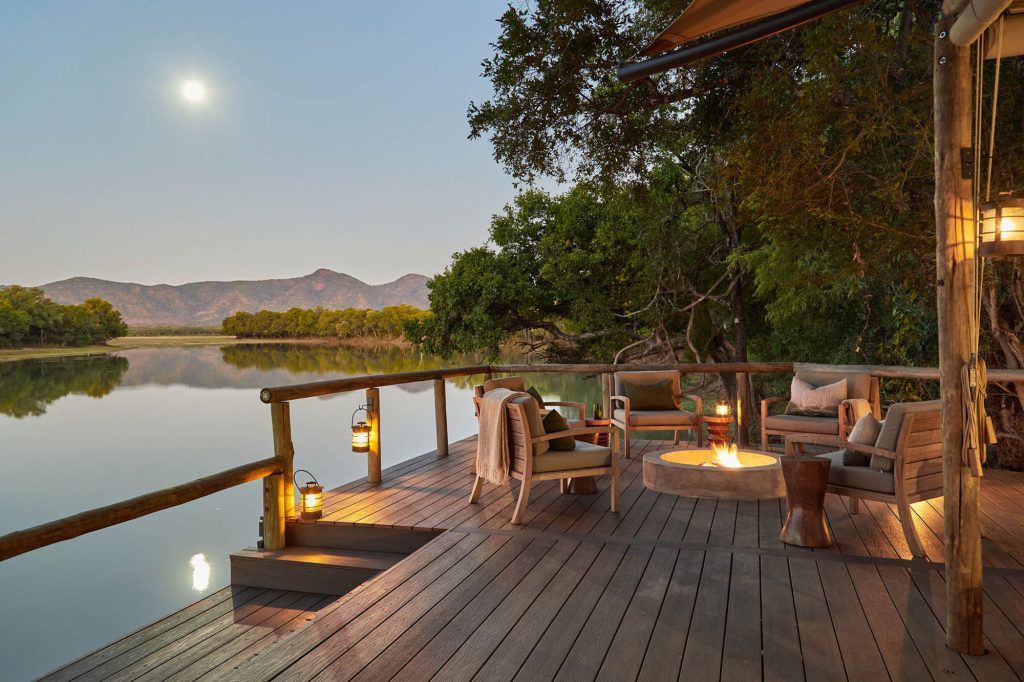
10th September 2021
Chindeni and the Bushcamp Company, Zambia
By late July we found ourselves at Chindeni, a small Bushcamp Company property
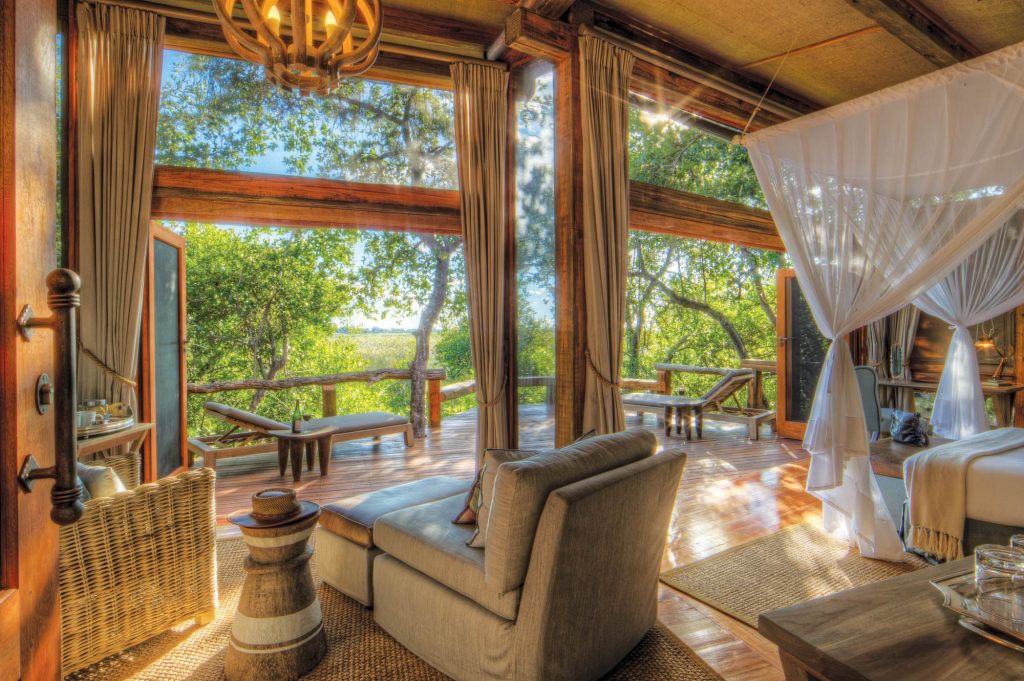
3rd October 2022
Camp Okavango, Botswana
Camp Okavango is in the heart of the permanent part of the Delta. In this idyllic setting there are no vehicles, and it is just a short walk
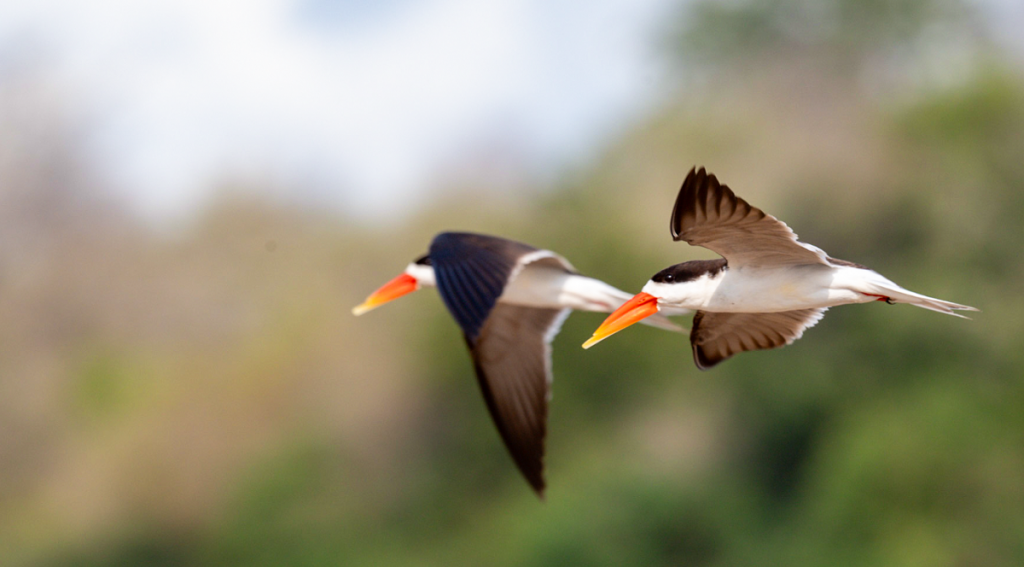
14th October 2023
From My Safari Notebook: Wildlife Photography
Birds in flight and wildlife photographers have an uneasy relationship. Things go wrong as often as they go right. Getting focus-lock on a moving subject

SUBSCRIBE TO OUR NEWSLETTER

READERS FAVOURITES
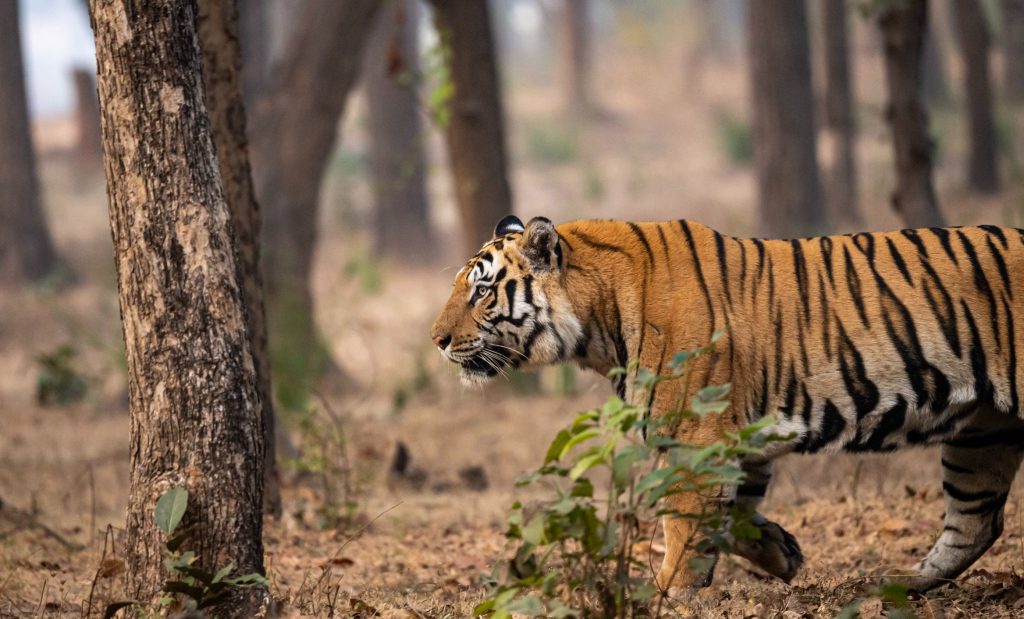
4th August 2022
On Safari At Belmond Eagle Island Lodge, Okavango Delta
What is the ‘secret sauce’ for an unforgettable few days on safari in Botswana? It starts with the animals, of course. The elephants, lions, giraffes, hippos
10th September 2021
Chindeni and the Bushcamp Company, Zambia
By late July we found ourselves at Chindeni, a small Bushcamp Company property