The Leopards of Laikipia Wilderness
Hardly ten days after it happened, I am still trying to process the experience of seeing a rare black leopard – Giza – practically launch itself across a small dirt track in a private conservancy in north-central Kenya, straight at a hapless Gunther’s dikdik, then moments afterwards lifting up its head with the tiny antelope hanging from its jaws, lifeless. It’s rare to see a leopard kill, let alone a black leopard kill.

This event took place in near total darkness, dimly illuminated only by the light of the moon (a day away from being full) and red-filtered spotlights trained on it by the specialist guides from Laikipia Wilderness Camp, where Kathy and I spent a couple of nights in early September.
Even more remarkable was that we had seen Giza the previous night as well. As we were to learn during the course of our visit, Giza enters the Laikipia Wilderness conservancy most evenings after dark, to hunt (mostly dikdiks of which there are seemingly thousands in the area, but also impala), and if successful she takes the carcass into the adjacent Mpala ranch where she currently has two cubs secured in a rocky outcrop.

For those of you considering visiting this camp in Laikipia in search of a black leopard, my best advice would be to plan on spending at least four or five nights – even a week. The black leopard situation is fluid at all times and may change literally overnight. To improve your chances, you can pay extra for a Black Leopard Private Vehicle or Black Leopard Shared Vehicle so that you will be given a priority slot at a black leopard sighting. To be sure, none of this guarantees a black leopard sighting as Giza is a wild animal.
What guests at Laikipia Wilderness can look forward to with more certainty than seeing Giza hunting dikdiks, is a comfortable stay in a cozy tented camp and superb hospitality from a team of young managers and hosts, as well as a squad of talented chefs. The food was exceptionally good and the desserts absolutely impossible to turn down. Lunch on day one set the scene: choice of a vegetarian or chicken roll with a beetroot and grapefruit salad as well as a tomato, olive, onion and feta cheese salad. With focaccia bread on the side. Dinner was delicious with a perfectly cooked fillet of beef with peppercorn sauce, Yorkshire pudding, mashed potato, green beans and sautéed cauliflower. The vegetarian option was a mushroom Wellington. Dessert was the chef’s take on a South African classic – malva pudding.


On our recent visit we had the best time ever with camp managers Louis and Sophie and hosts Amelia and Duke. Our guiding team of Patrick and Stephen were enthusiastic, didn’t miss a thing (we were the only vehicle with an unobstructed view of the black leopard kill) and they quickly picked up on our birding interest, helping us to rack up some 50 or so species without really going out of our way.
First impressions of the camp were favorable: there was a good staff dynamic, the property had a real ‘home away from home’ feel with several friendly (albeit a bit dusty) dogs around. There is a spacious elevated lounge and dining area with a large verandah. Be sure to plan some time just sitting there – maybe with a cup of tea or something – looking out over the rugged Laikipia landscape. We often had elephants visible in the far background.
The tents (there are 7) are fairly basic but quite comfortable with a good sized (brick enclosed) bathroom with a shower and flush toilet. The double bed had soft cushions and there is a small covered patio with two comfortable wicker chairs.


Clearly Laikipia Wilderness comes into its own with the activities. Our very first afternoon game drive set the scene. It was nothing short of phenomenal with sightings of a striped hyena, shortly followed by an extraordinary sighting of three leopards (two of which were a mating pair). More than once the two adult leopards were less than ten feet from us. Even while mating.
Our afternoon drive morphed into a night drive. Minutes after spotting a common genet we experienced the ultimate sighting of our entire trip: Giza, the black leopard referred to earlier. On the first night we observed her hunting, rapidly slinking through the grass, stopping briefly once or twice to smell something.

General wildlife viewing in the conservancy was pretty good too with exceptionally good numbers of elephants around, lots of Burchell’s and a few Grevy’s zebra, plenty of reticulated giraffe, some Cape buffalo, impala, Beisa oryx, eland, spotted hyena and jackal. On our very last drive on the morning of our departure back to the USA, we came across two young leopard cubs tussling over the remains of a carcass. Our guides were as excited as we were to observe the two youngsters as it was the first time that they had seen them too! The guides were aware of the young leopards’ presence, but this was the first ‘public’ viewing. It augurs well for the future of the conservancy. There’s a new generation of leopards in the process of being habituated so future guests can enjoy the same sense of awe and appreciation which we experienced at Laikipia Wilderness during our stay. I think it was most fitting that the last few photos on my card were of leopards; they are clearly at the heart of the Laikipia Wilderness experience.
About photographing Giza: I’ve always known that night photography is not my forte and this visit reconfirmed it. Despite giving it considerable effort, I came up with exactly zero good or even decent photographs. A moving pitch black object in a mostly dark environment is a wildlife photographer’s nightmare. Next time, I will take a different camera and a shorter, faster lens.

For information on how to best include a few days at Laikipia Wilderness on your next – or first – Kenya trip, call us at 1-800-513-5222 or email Bert at bert@fisheaglesafaris.com.

Header photo courtesy Laikipia Wilderness Camp
YOU MIGHT ALSO BE INTERESTED IN
10th September 2021
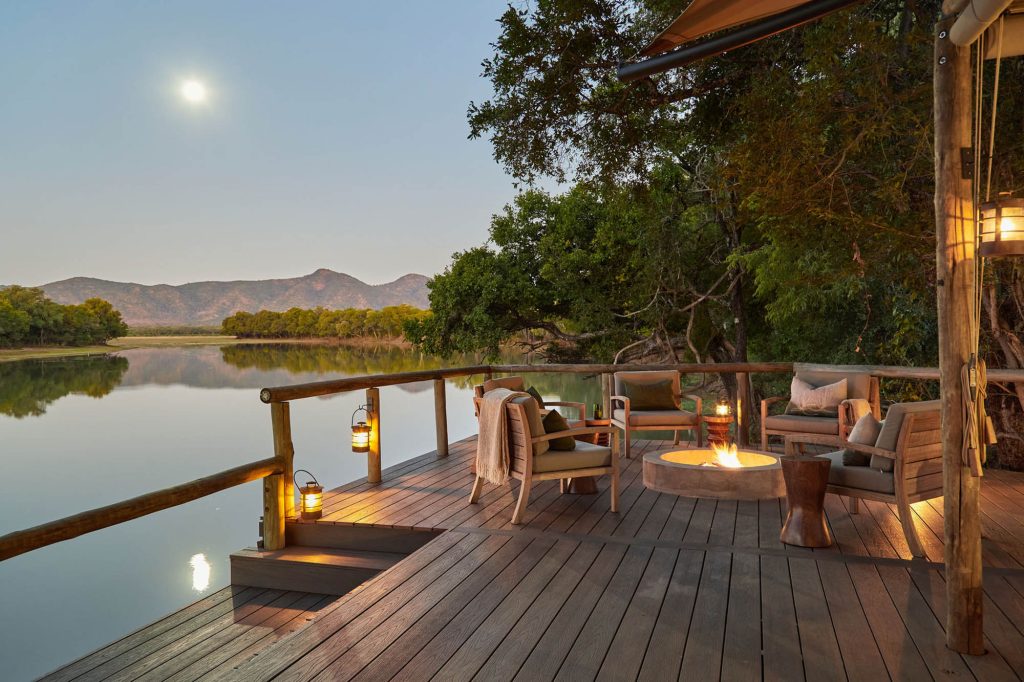
Chindeni and the Bushcamp Company, Zambia
By late July we found ourselves at Chindeni, a small Bushcamp Company property
3rd October 2022
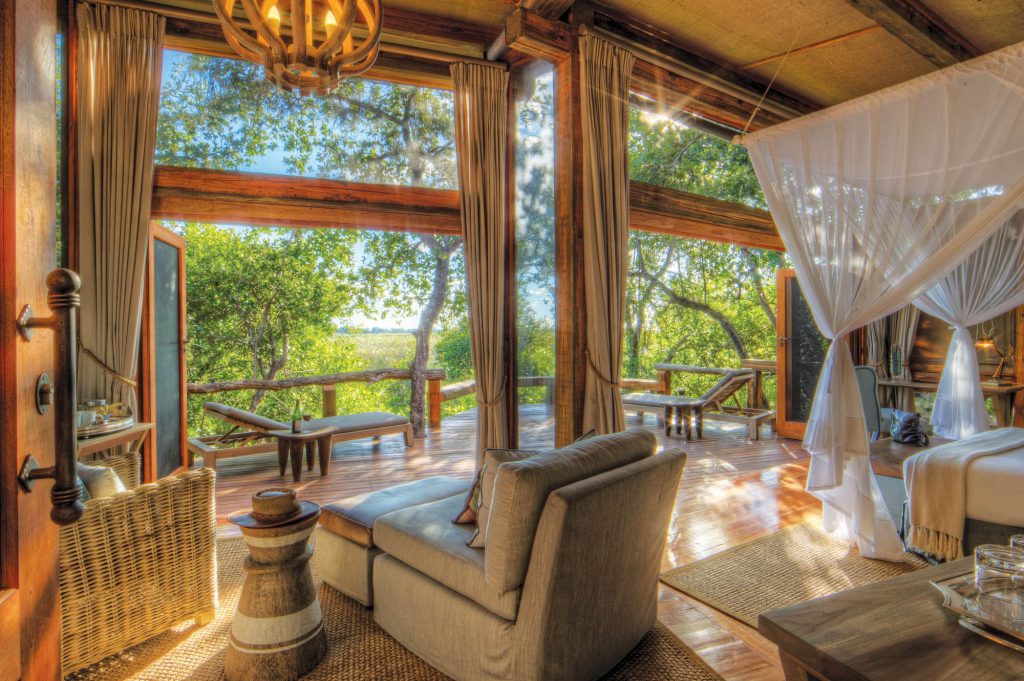
Camp Okavango, Botswana
Camp Okavango is in the heart of the permanent part of the Delta. In this idyllic setting there are no vehicles, and it is just a short walk
14th October 2023
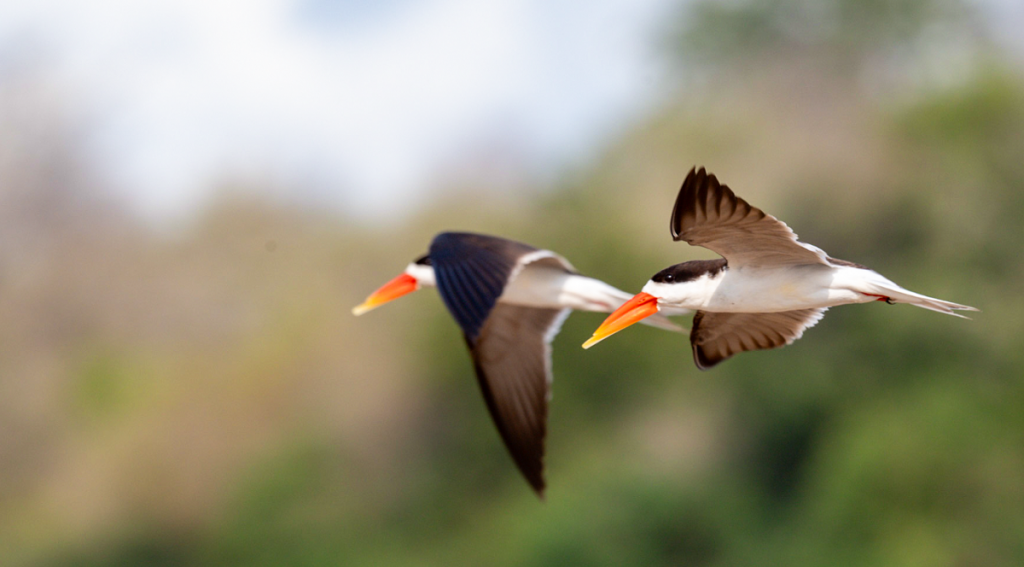
From My Safari Notebook: Wildlife Photography
Birds in flight and wildlife photographers have an uneasy relationship. Things go wrong as often as they go right. Getting focus-lock on a moving subject

SUBSCRIBE TO OUR NEWSLETTER
READERS FAVOURITES
4th August 2022
On Safari At Belmond Eagle Island Lodge, Okavango Delta
What is the ‘secret sauce’ for an unforgettable few days on safari in Botswana? It starts with the animals, of course. The elephants, lions, giraffes, hippos
10th September 2021
Chindeni and the Bushcamp Company, Zambia
By late July we found ourselves at Chindeni, a small Bushcamp Company property