Revisiting South Africa’s Eastern Cape Reserves: Part 3 - Sensational Shamwari
Over the course of two days at Shamwari Game Reserve Kathy and I were on a tight schedule (several site inspections, dinner with their director of marketing and visiting the conservation center), yet we still managed to see practically all the bigger mammals and much else besides. Shamwari is a private game reserve which is approaching its 35th year as a pioneer of wildlife management and eco-tourism in the Greater Addo area.
Shamwari’s current range of properties include the following:
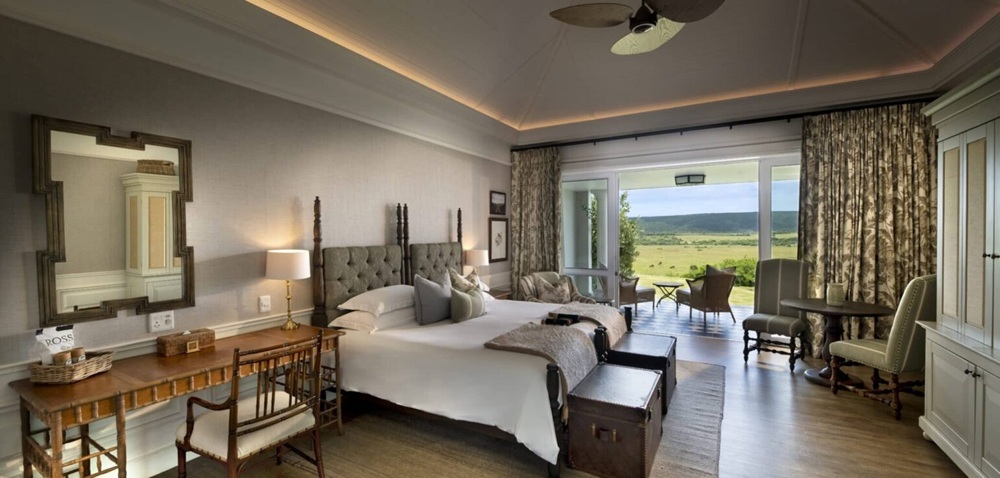
Long Lee Manor: A restored Edwardian manor house offering a classic lodge safari experience. Long Lee Manor has 18 luxury suites, vast sweeping lawns, a rim-flow pool, and a semi-formal garden overlooking open plains where wildlife can often be observed. On our recent trip, we were based in Long Lee Manor.
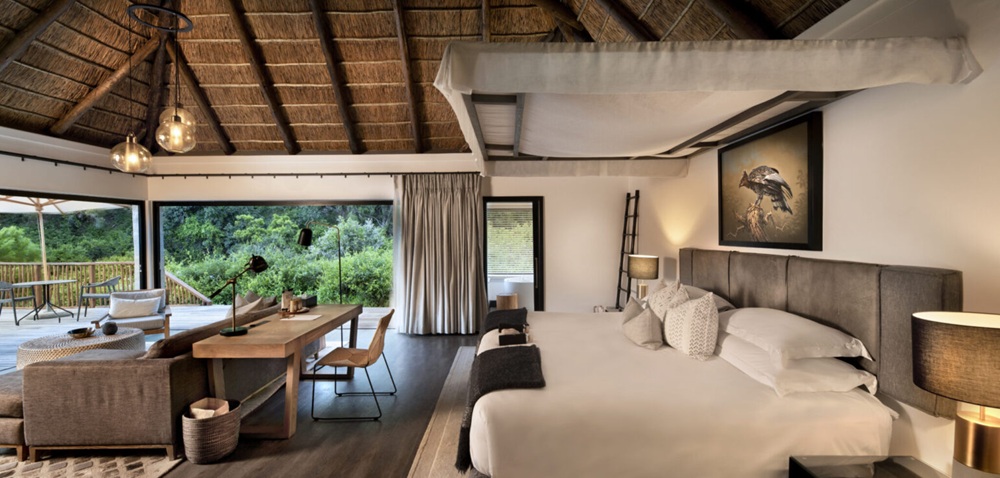
Eagles Crag: This unique property is nestled deep within a secluded valley surrounded by steep cliffs. Eagles Crag has nine exclusive glass-and-stone suites with private plunge pools, verdant views, and an emphasis on privacy and relaxation. It is positioned as Shamwari’s adult couples option, catering for honeymooners and other couples in search of a special and very private experience in a heavily forested setting.
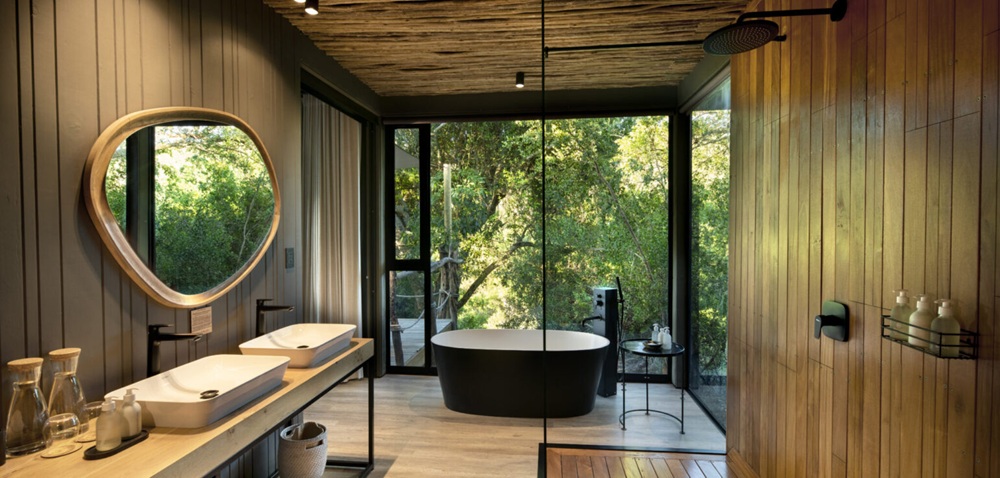
Bayethe Tented Lodge: An intimate luxury tented camp tucked into dense vegetation along a riverbed. Bayethe’s 12 canvas-tented suites each have a private plunge pool, offering an authentic “back-to-nature” safari experience.
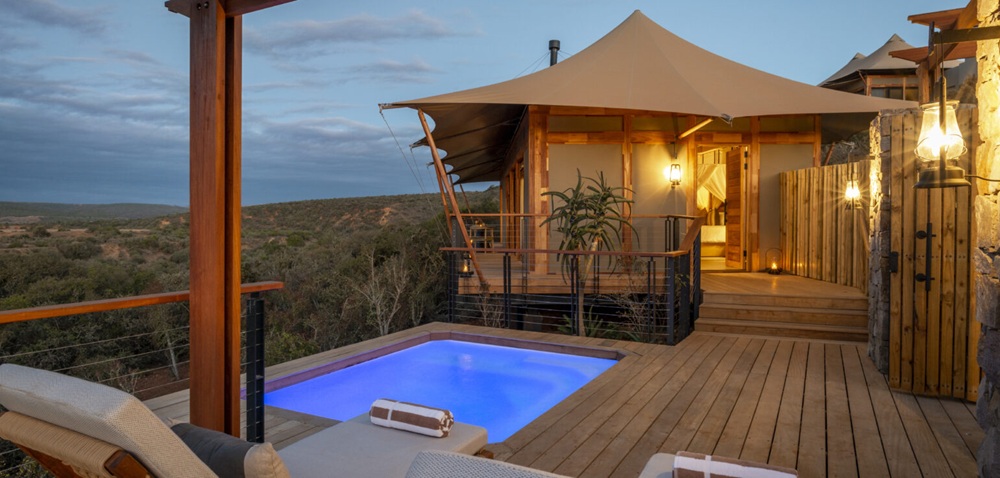
Sindile: Shamwari’s flagship tented camp, this luxury property is elevated on a ridge with panoramic valley views. The lodge consists of nine glass-fronted luxury tents featuring private plunge pools, fireplace lounges and eco-friendly solar-powered architecture.
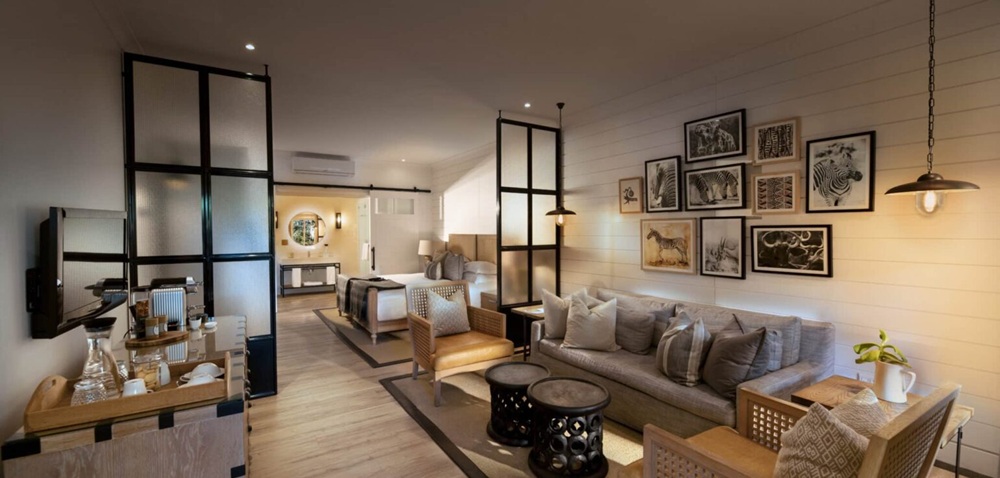
Riverdene Family Lodge: Designed specifically for families with children. Riverdene has nine interleading suites, a fenced perimeter, a dedicated – extraordinary – Kids on Safari adventure playground, a pool, and tailored child-friendly wildlife programs. We were particularly impressed with the kids playground with its dedicated school room and arts and crafts. Likewise with the huge jungle gym, forts, a zipline, climbing wall, and lookout tower.
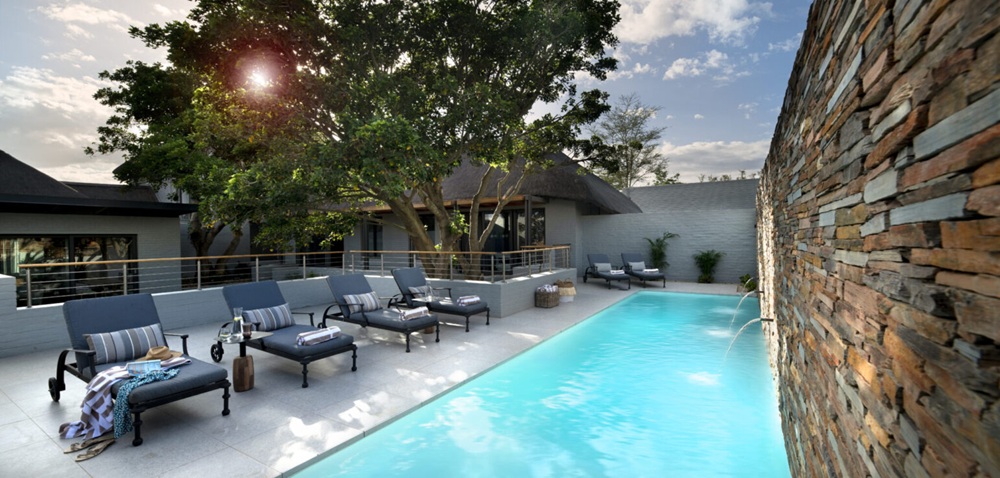
Sarili Private Lodge: An exclusive-use, five-bedroom modern villa overlooking the Bushman’s River. Ideal for multi-generational families or small private groups seeking dedicated staff, a personal chef, and a private game vehicle. When checking out Sarili on our recent site inspection we found it to be modern, colorful, with absolutely everything you could want for a superb stay. Sarili has a small pool, a covered play area and a gym and spa.
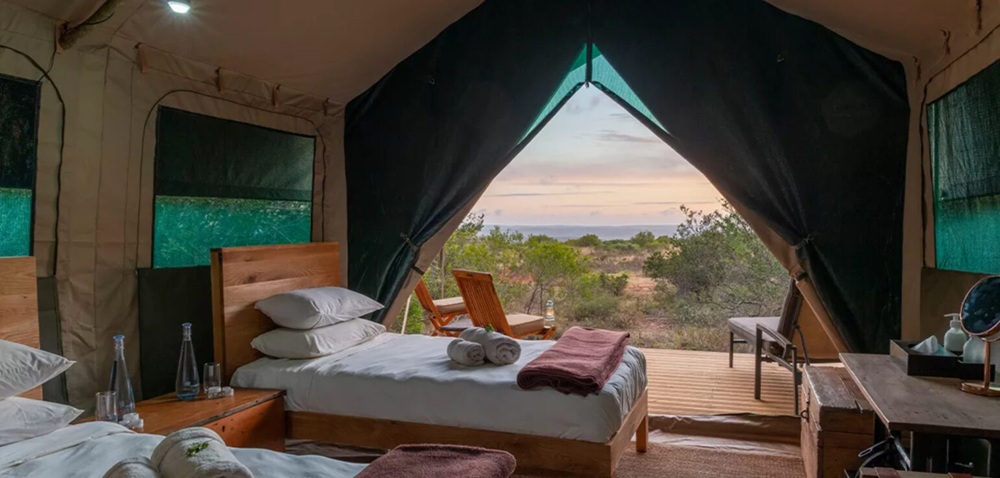
Explorer Camp (Seasonal): A minimalist, eco-friendly walking safari camp open during warmer months. Guests stay in mobile canvas tents and focus on guided walking safaris rather than traditional vehicle game drives.
Guiding and wildlife at Shamwari
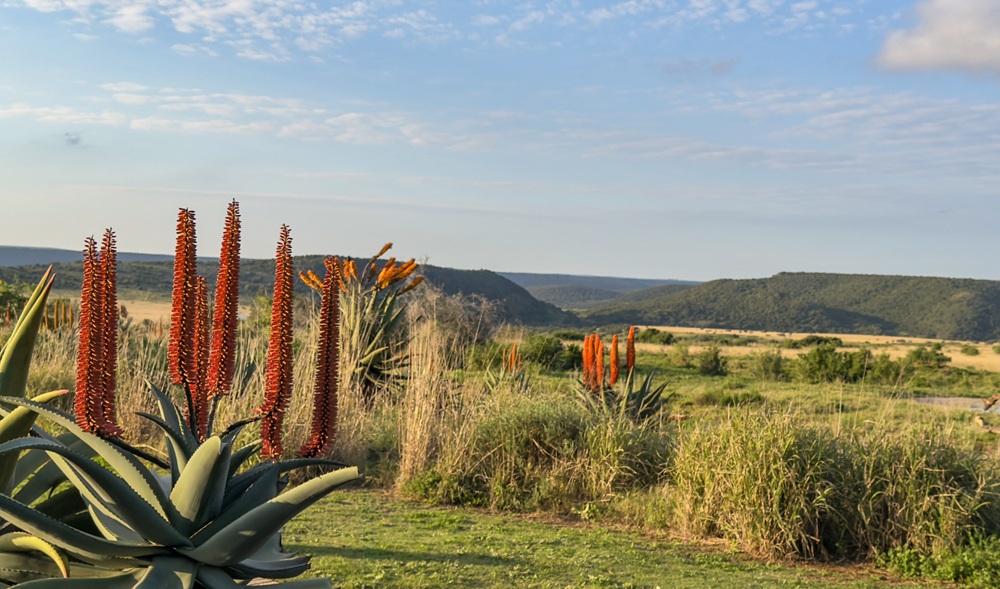
Here’s what surprised me about Shamwari on my first trip some years ago and which impressed me again on our recent visit: the abundance of wildlife (easily seen), the simply amazing natural beauty of the area and its diversity.
Kathy and I were fortunate to have Maurice McDowell as our guide in Shamwari. At the time Mo (as everyone knows him) was operating out of Long Lee Manor but he is now stationed at Eagles Crag. Mo has all the attributes of a good guide: personable, highly knowledgeable, friendly and enthusiastic, and he wants you to have fun and experience everything the area has to offer. I don’t think Kathy and I have ever experienced a guide with more of a personal connection with the wildlife than Mo. He literally greets them by name, every time.
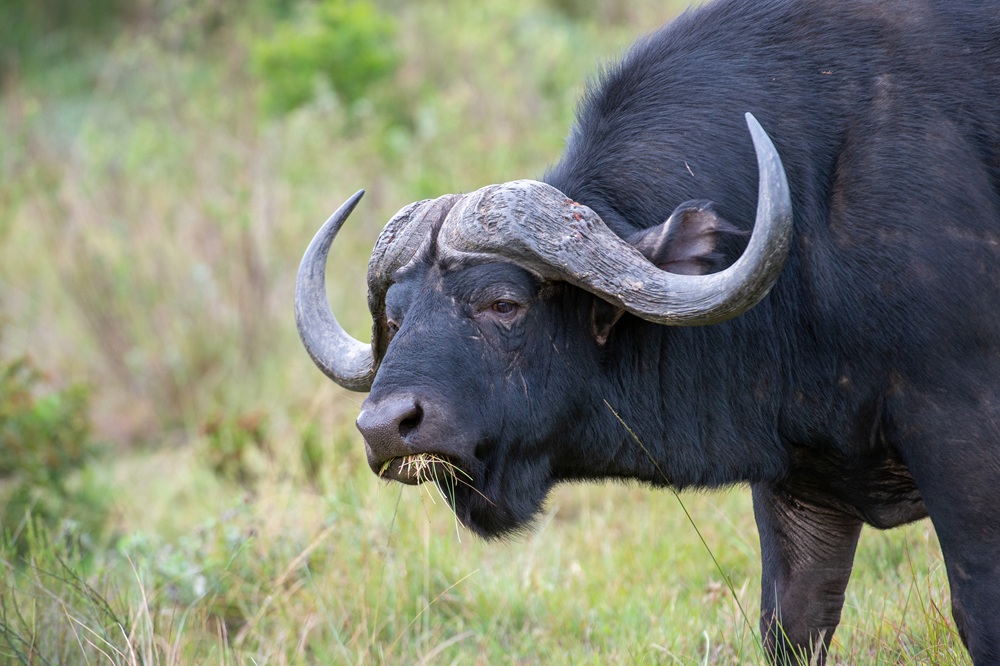
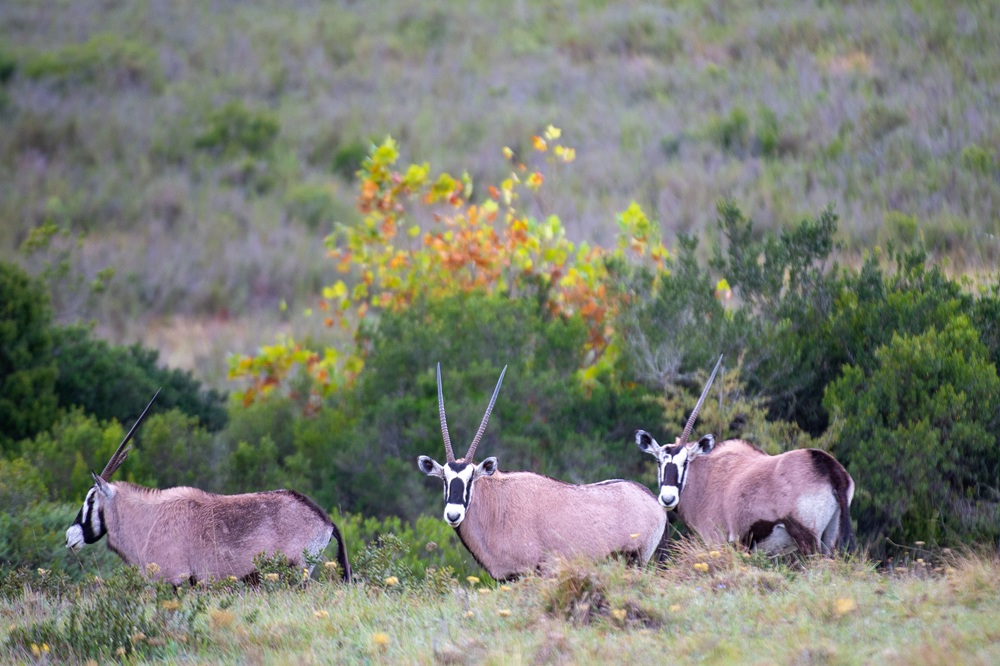
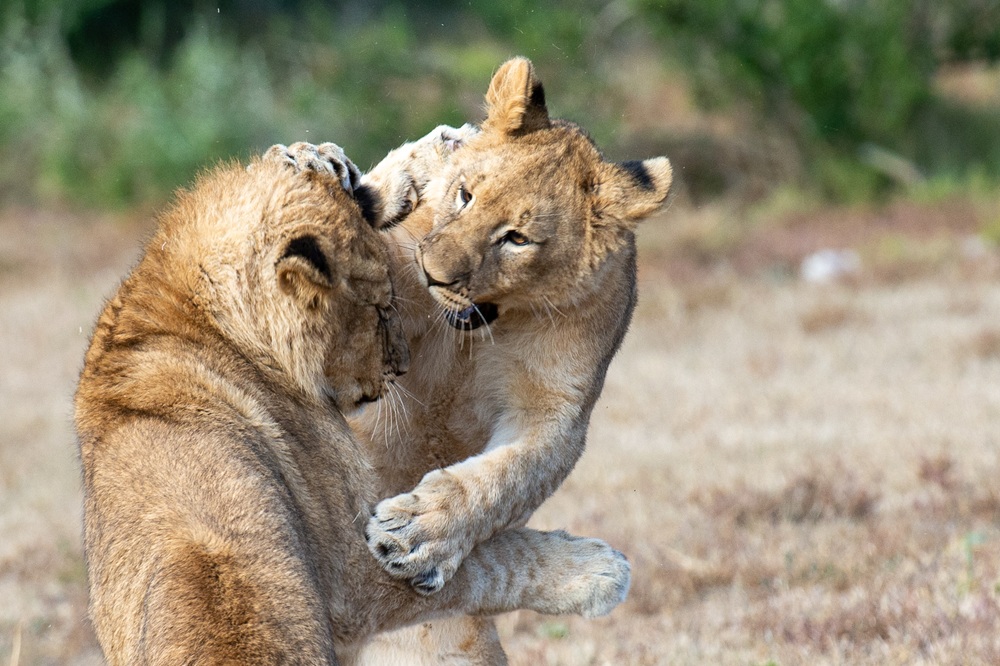
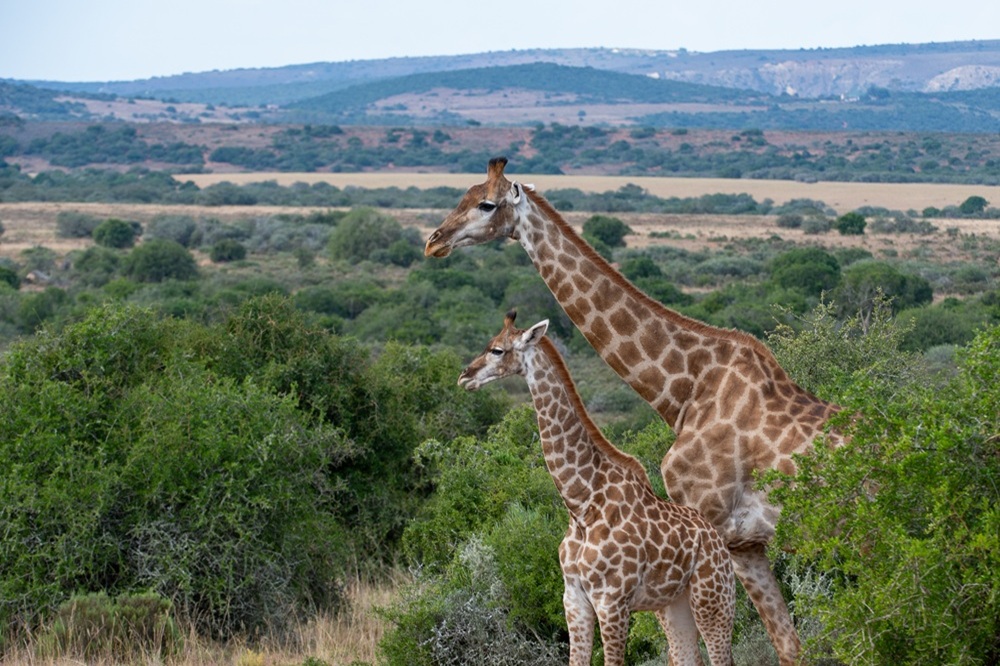
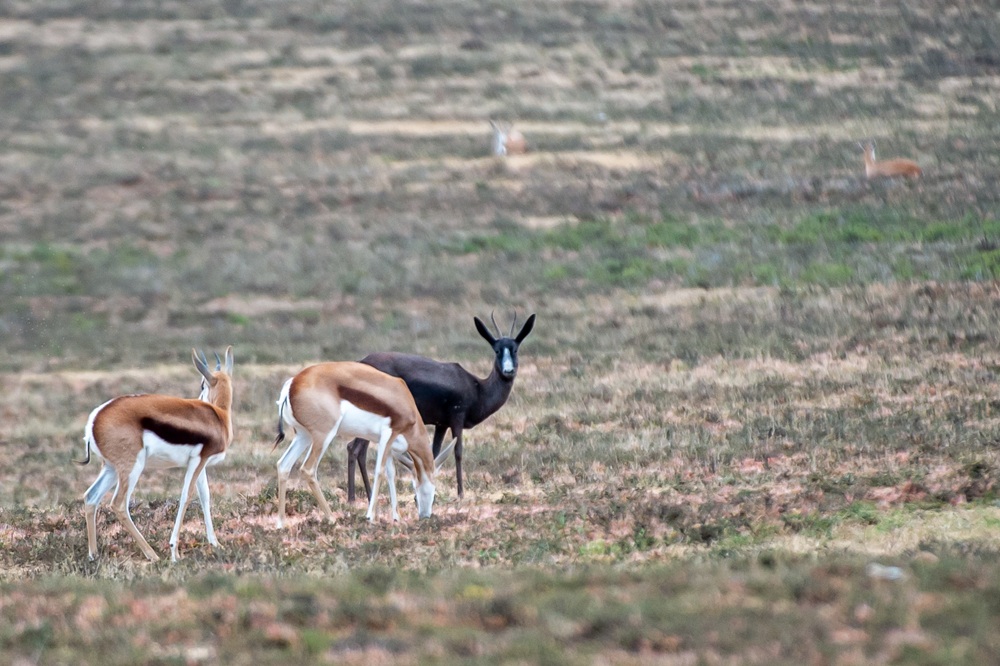
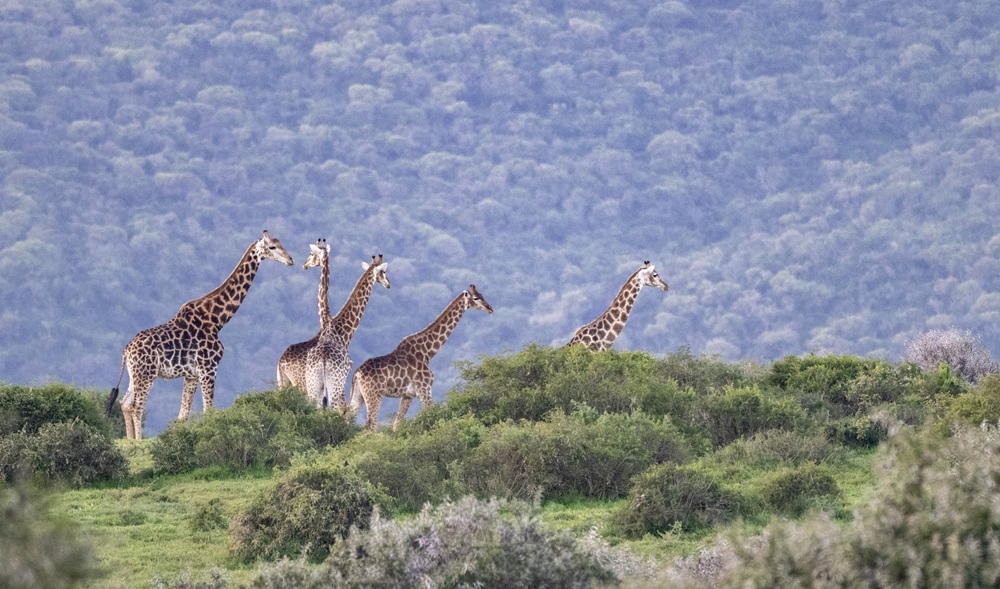
Over the course of two days at Shamwari we saw as many as 15 different species ranging from elephants to Cape buffalo, lions, black and several groups of white rhinos, multiple giraffes, impala, kudu, blesbok, Burchell’s zebra, black wildebeest, springbok, waterbuck, gemsbok, warthog and hippo.
Wildlife highlights:
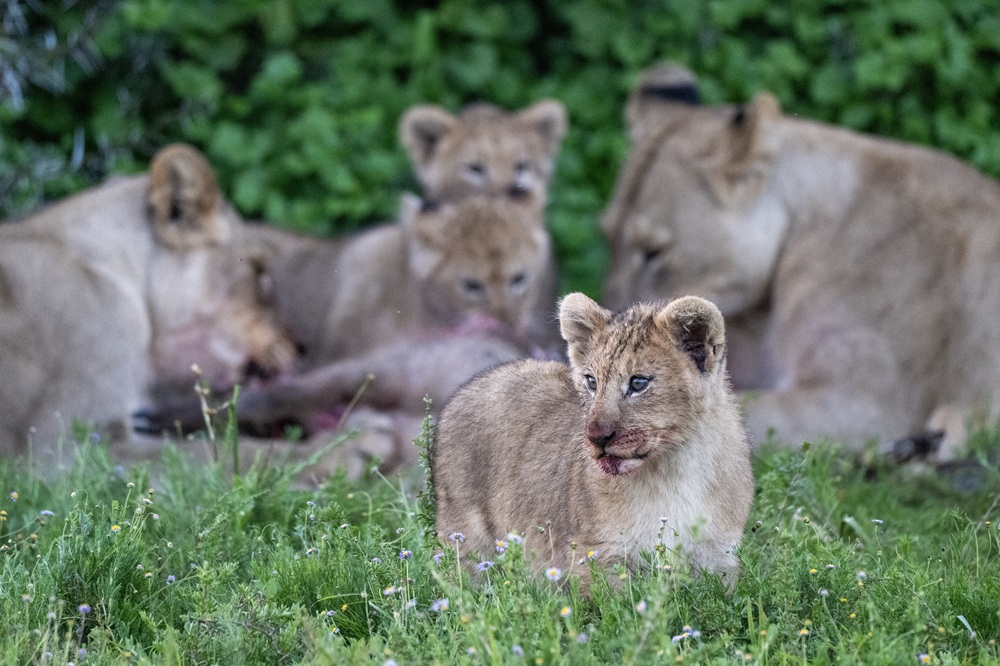
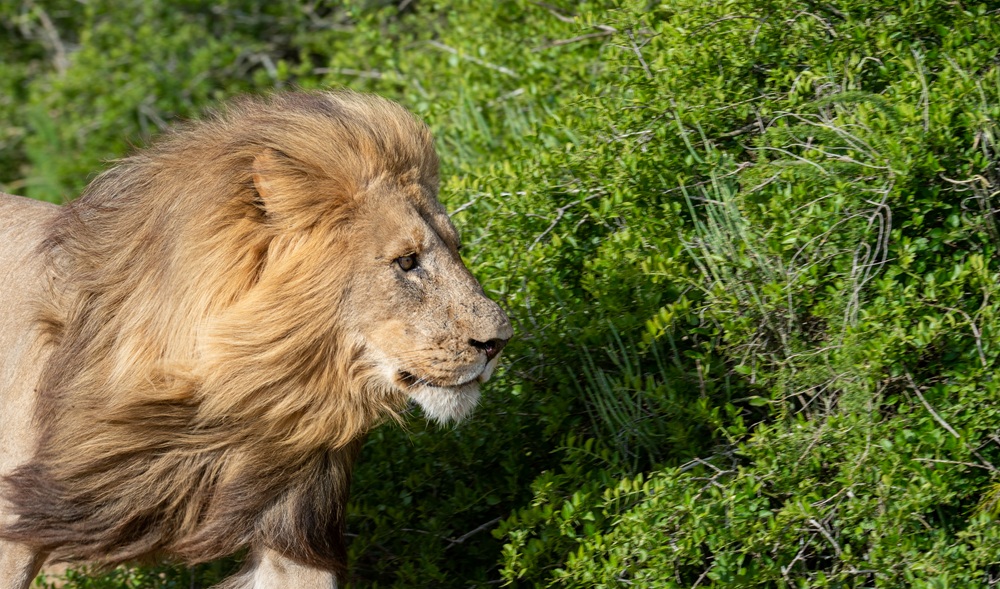
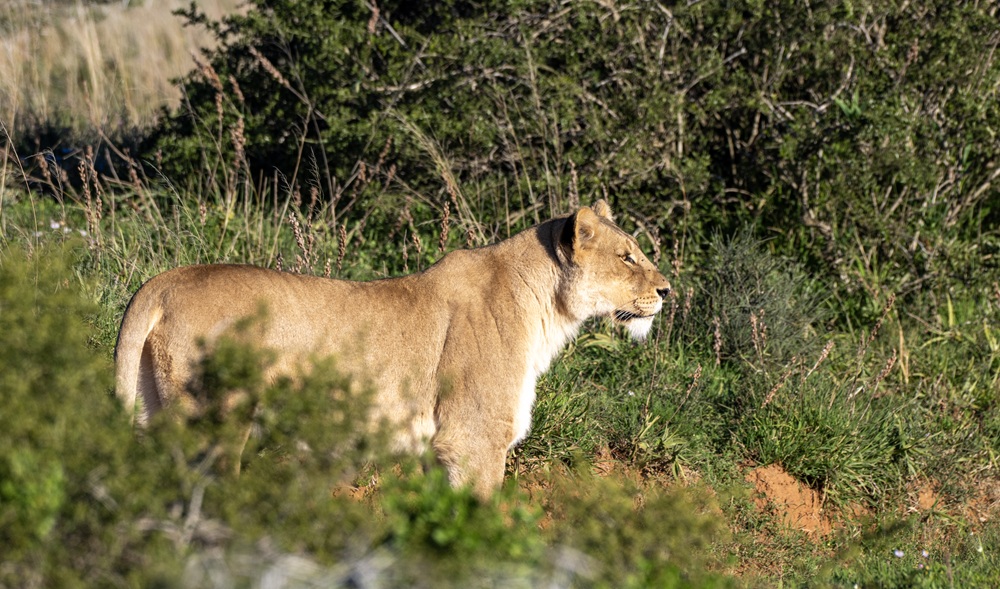
- On our very first game drive Mo found a female lion with her adult daughter with three young cubs about 3 months old. They were all tucking into a freshly killed warthog. One youngster was particularly boisterous and more daring than the others. A future dominant male in the making, we thought.
- Barely five minutes away another family of lions was on the hunt. A female (sister of the female with the three young cubs) with her four youngsters of just over a year old. Two young males and two females – from a different father.
- Strolling through the acacia bush, a giraffe accidentally got quite close to them but it was ultimately spooked and evacuated the area at speed, when a couple of the young lions rushed towards it prematurely.
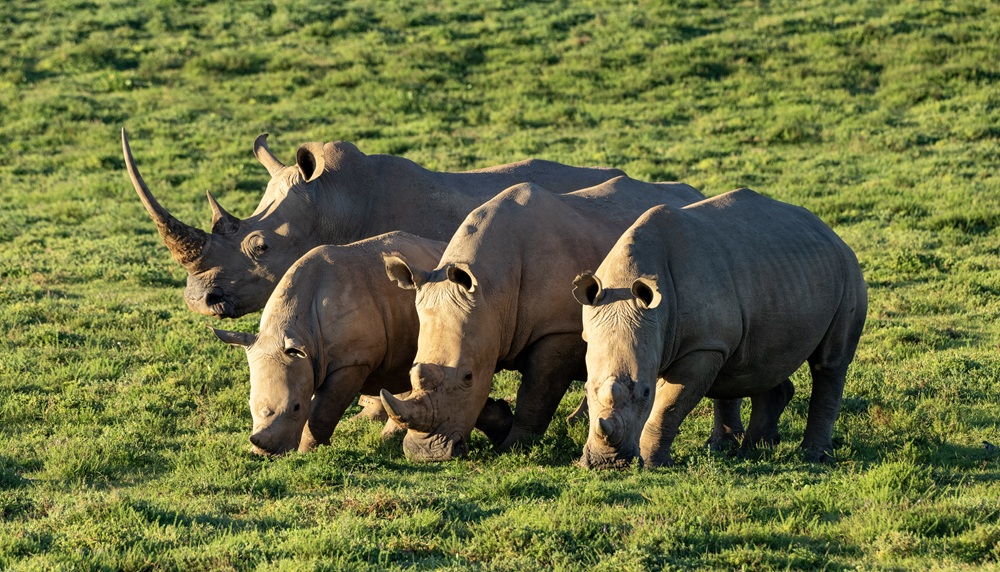
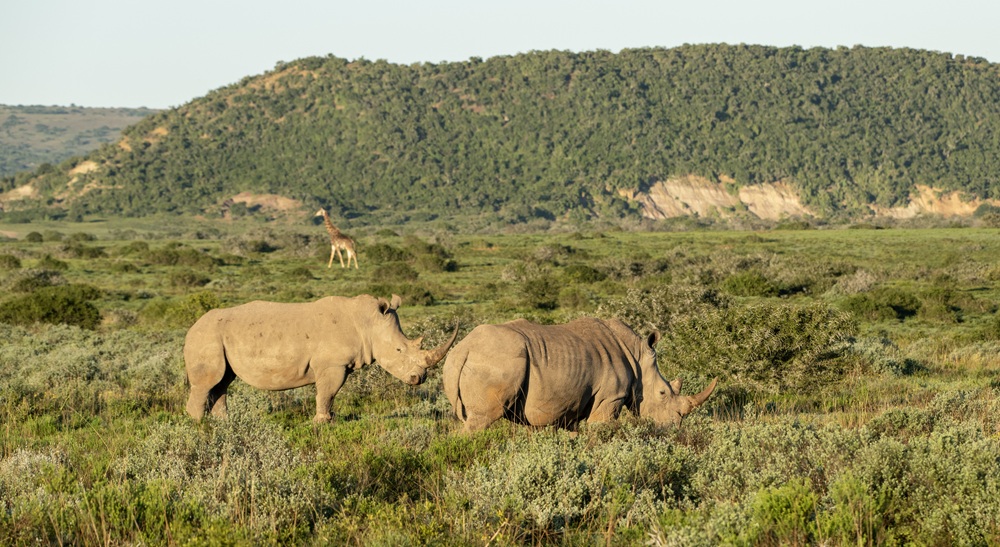
- The following morning we enjoyed good views of four white rhinos in good light. On the same drive, there were lots of zebras, kudus, warthogs, springboks, impalas, blesbok, wildebeest and a couple of common duikers.
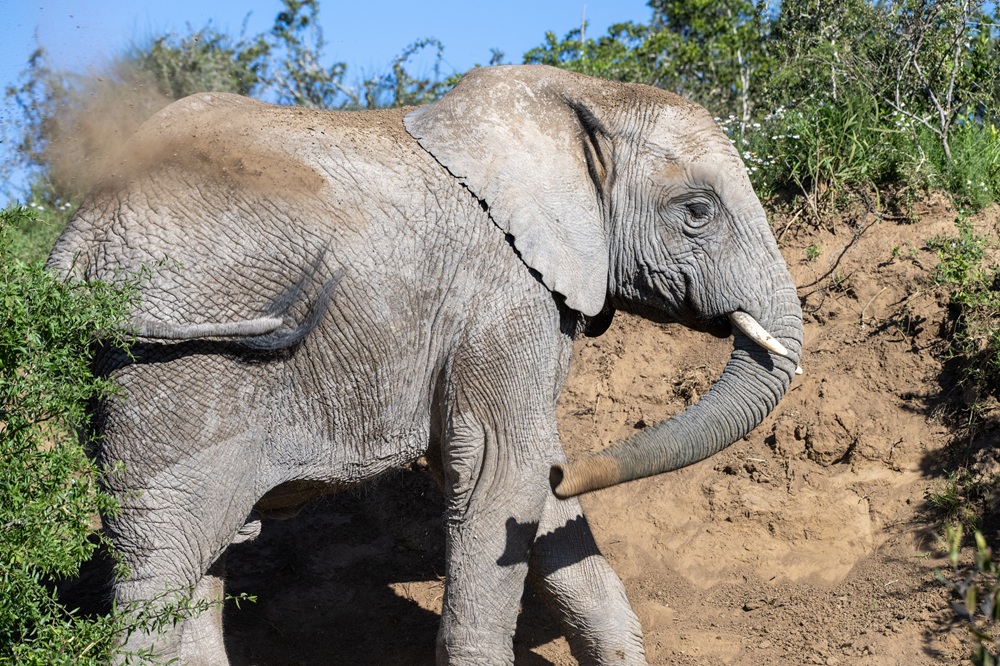
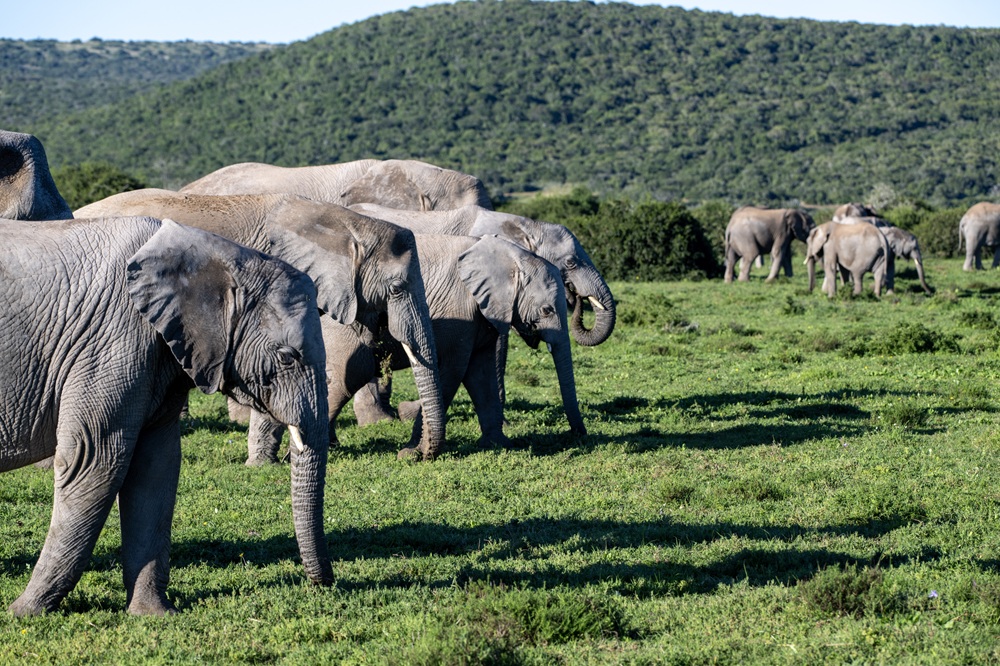
- The afternoon game drive was all about elephants. A nice-sized herd started to move from an open grassy area to the river to drink and from there up a steep bank into a forest. The Shamwari elephants were exceedingly relaxed to the point where they walked right by our vehicle at essentially arms length. A unique experience. Truly gentle giants.
- Later that afternoon we picked up the pride of five lions again, walking on one of the roads. The adult female and four sub-adults of around 18 months old were hunting and we observed them putting a charge into a family of warthogs.
Shamwari Wildlife Rehabilitation Center
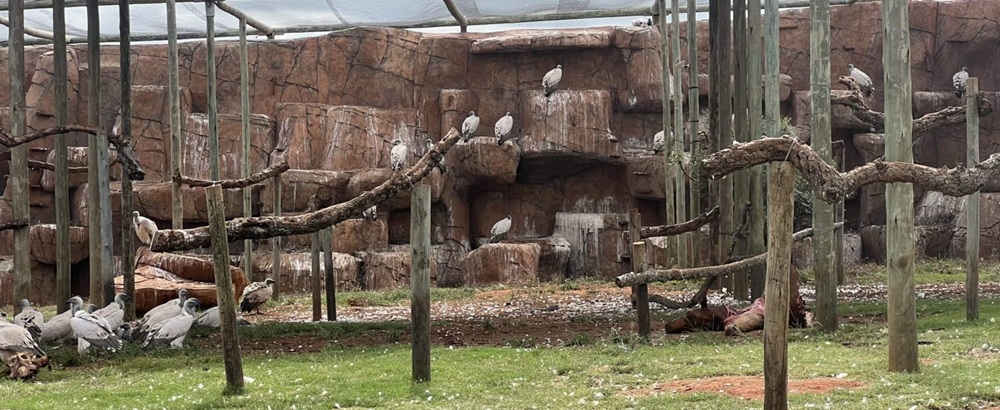
Lisa Strauss, the supervisor and manager of the Wildlife Rehabilitation Center, provided us with fascinating information about their hands-off rehabilitation process where animals do not closely associate with humans. The staff members essentially stay out of sight so that the animals do not associate humans with food. Showing us around, Lisa gave us the back stories of several of the Center’s (then) current inhabitants, including a young black and white rhino, a meerkat colony, and two caracals. We also observed the Cape Vulture breeding facility. For literally anyone, visiting Shamwari the Wildlife Rehabilitation Center would make a worthwhile stop between game drives.
Why select the Eastern Cape?
The Eastern Cape safari destinations are a great fit for travelers looking to add an extra ‘Big 5’ destination to a trip to South Africa. Many South African visitors end up with itineraries consisting of 8 to 10 nights on safari and just one or two nights at airport hotels. Which is fine if you like an intensive, immersive experience, but trips like those can be exhausting!
Guests looking for a few nights in Cape Town, maybe a road trip up the Garden Route followed by 3 to 4 nights at a property like Shamwari or Kwandwe, will be pleasantly surprised at the diversity of landscapes and wildlife.
If visitors want more time on safari, the Eastern Cape can also be combined with the private game reserves on the edge of Kruger Park like Sabi Sands, Manyeleti and Timbavati, with great effect. The introduction of three flights per week on Airlink from Port Elizabeth to Nelspruit will make this seamless and convenient. We would recommend visiting the Eastern Cape before going to Kruger Park.
The entire Eastern Cape safari area is malaria-free which makes it an attractive proposition for all travelers not particularly keen to deal with malaria prophylaxis. And even more so for families with very young children, or someone for whom taking anti-malaria medication may be contraindicated because of a pregnancy or other reason.
Fences
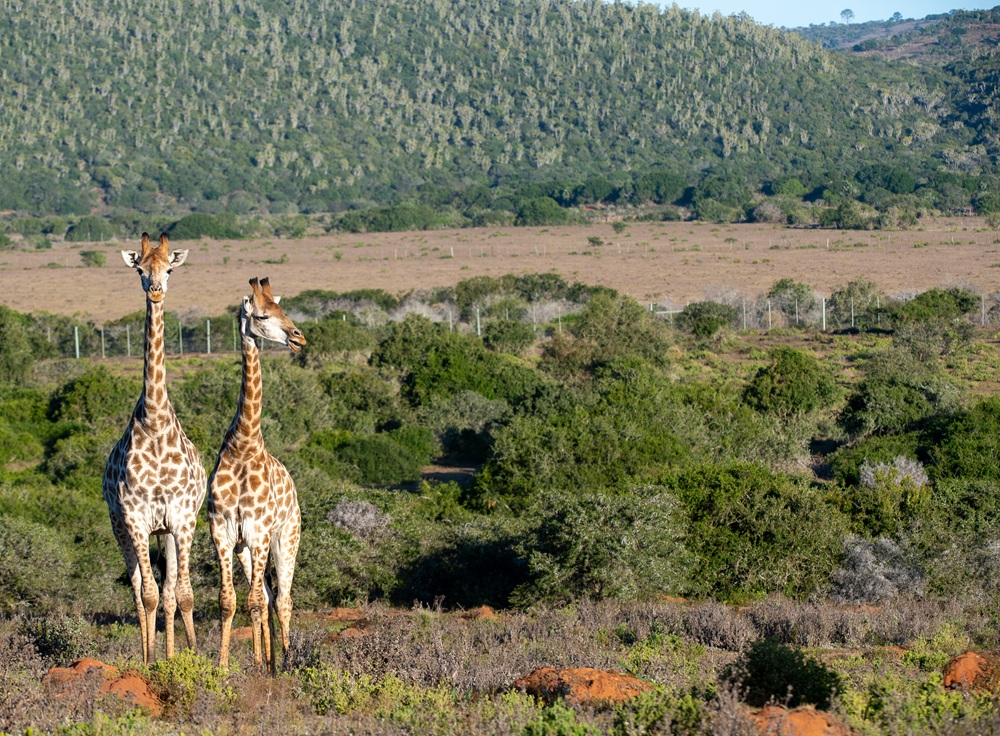
In closing, a few words about fences. Shamwari and in fact all of the Eastern Cape reserves operate in a mixed-use setting, where fences are an unavoidable reality and necessity. Shamwari is huge and the presence of a fence was never an issue or hindrance on my particular visit. At worst it is a reminder that wildlife thrive in areas which are rich in resources such as water and palatable vegetation. Which means land that can usually be occupied by people as well.
So when you do see a fence in the Eastern Cape, think of survival and cohabitation – without a few strategically placed fences it would be near impossible to safely contain and conserve wildlife species in this area.
Please reach out to one of our team members to help with planning an Eastern Cape safari. We can be reached at bert@fisheaglesafaris.com, lyndon@fisheaglesafaris.com or jason@fisheaglesafaris.com. Or by phone at 1 800 513-5222 or 713-467-5222.
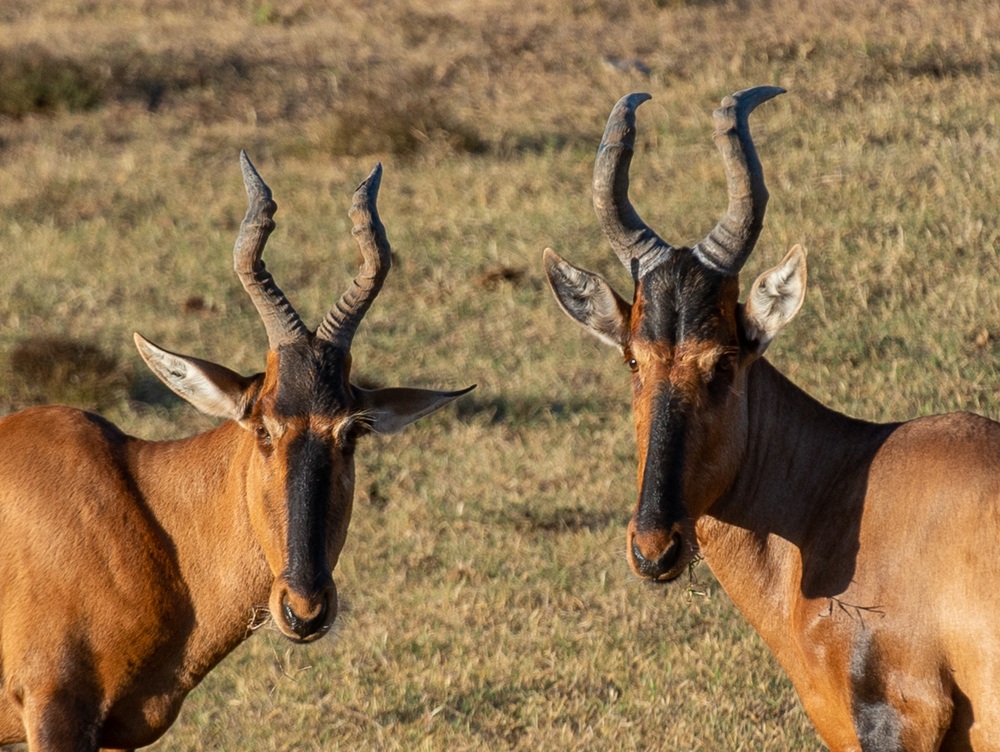
Shamwari property and Cape vulture breeding facility photos courtesy Shamwari
YOU MIGHT ALSO BE INTERESTED IN
10th September 2021
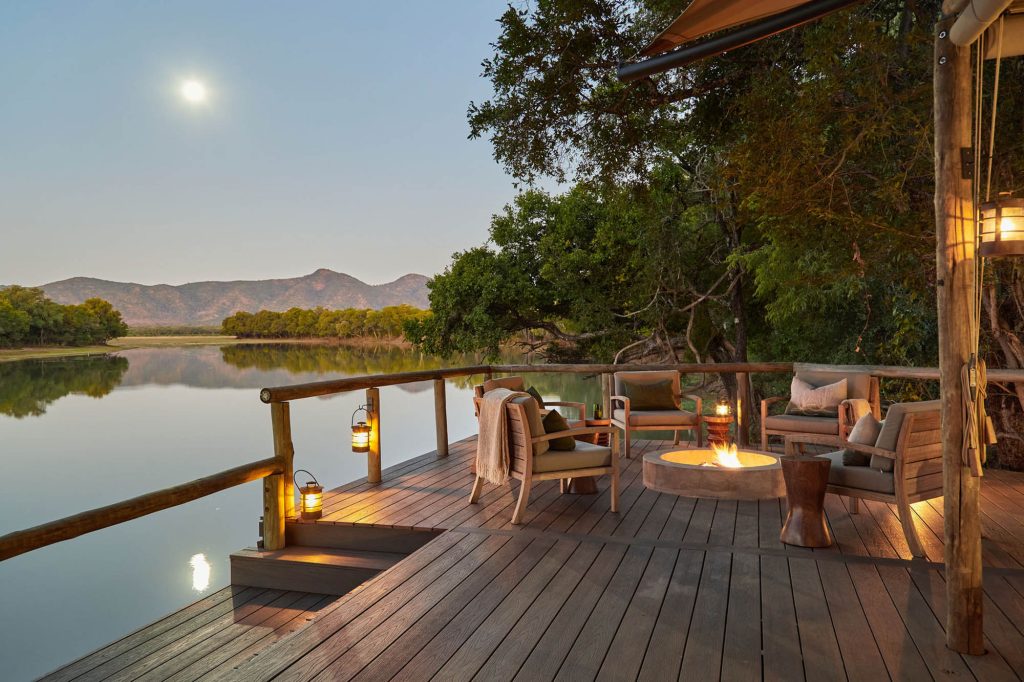
Chindeni and the Bushcamp Company, Zambia
By late July we found ourselves at Chindeni, a small Bushcamp Company property
3rd October 2022
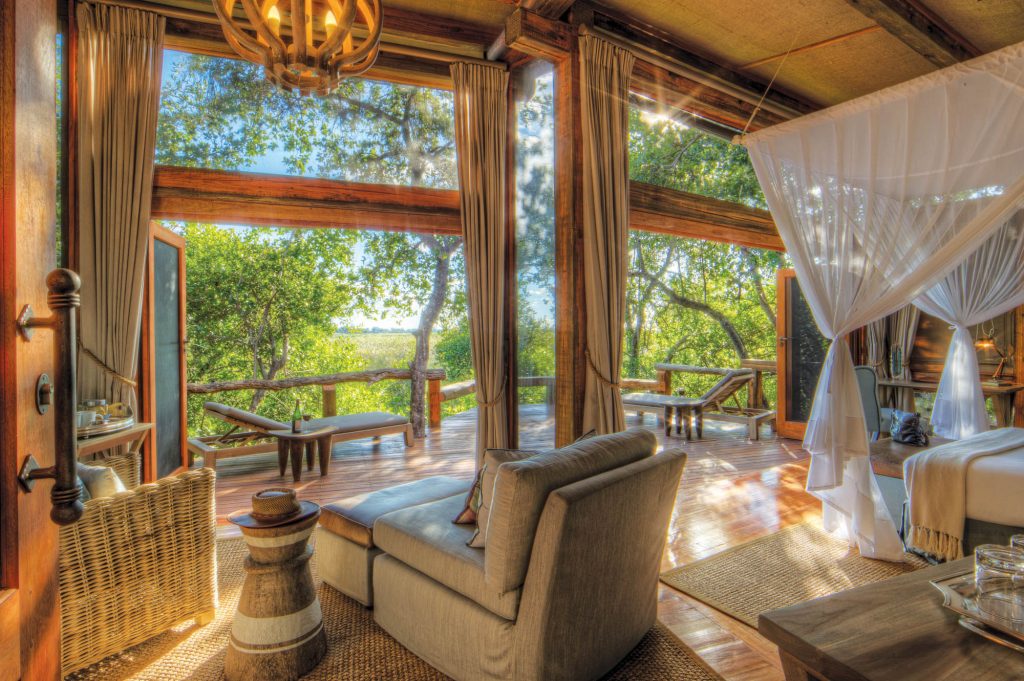
Camp Okavango, Botswana
Camp Okavango is in the heart of the permanent part of the Delta. In this idyllic setting there are no vehicles, and it is just a short walk
14th October 2023
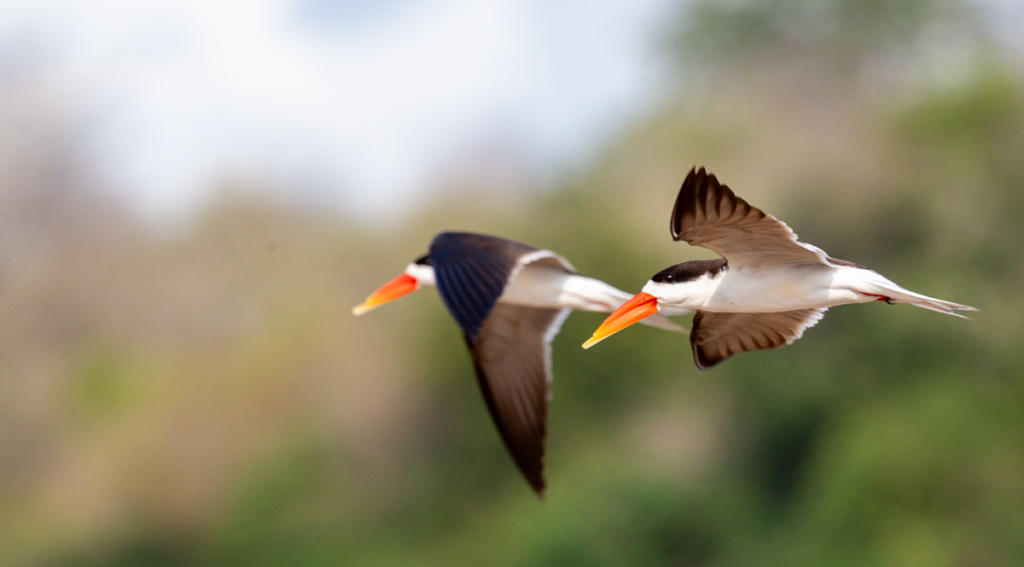
From My Safari Notebook: Wildlife Photography
Birds in flight and wildlife photographers have an uneasy relationship. Things go wrong as often as they go right. Getting focus-lock on a moving subject

SUBSCRIBE TO OUR NEWSLETTER
READERS FAVOURITES
4th August 2022
On Safari At Belmond Eagle Island Lodge, Okavango Delta
What is the ‘secret sauce’ for an unforgettable few days on safari in Botswana? It starts with the animals, of course. The elephants, lions, giraffes, hippos
10th September 2021
Chindeni and the Bushcamp Company, Zambia
By late July we found ourselves at Chindeni, a small Bushcamp Company property