• Skip to primary navigation
  • Skip to main content
  • Skip to footer

Fish Eagle Safaris

Fish Eagle safaris

Contact

Logo
  • About
  • Destinations
  • Blogs
  • Newsletter
  • FAQS
  • Team
  • search
  • Contact
  • About
  • Destinations
  • Blogs
  • FAQS
  • Team
  • Contact

Mana Pools

A Visit to Tembo Plains, Zimbabwe

6th February 2026

A Visit to Tembo Plains, Zimbabwe

By Lyndon Duplessis 

In November of 2025 I was privileged to make my first visit to Tembo Plains. Located in the Sapi Reserve just east of Mana Pools National Park, this destination proved a worthwhile and meaningful stay of my safari.

To truly appreciate Sapi, you must understand its history. For years, this area was a hunting concession, leaving the wildlife skittish and the ecosystem out of balance. However, under the leadership of Great Plains Conservation, the area has and will continue to be rehabilitated. Already, Great Plains have gone above and beyond and in the nearly 10 years that they have managed the area through their Sapi Restoration Initiative they have made a massive impact. 

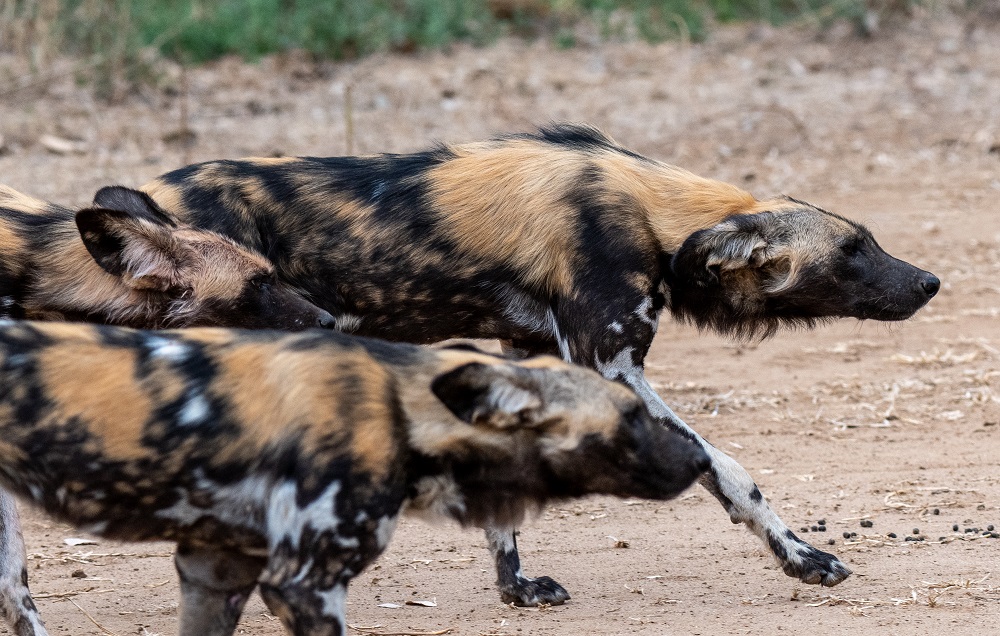
One of their recent crowning achievements was a successful reintroduction of a pack of African painted dogs. This highlight is worthy of massive praise but it is really the totality of their plan that makes one appreciate the industry that we work in. The development of basic infrastructure, a strategic wildlife management plan, wildlife monitoring teams (which we were lucky enough to visit with), and flora and fauna surveys among others.

Our arrival

The flight from Hwange to Chikwenya Airstrip was probably a bit over an hour and a half but it was scenic. It doesn’t take too long before you start to see the Zambezi turn into Lake Kariba and then, if you know where to look, the dam wall itself. After that the river returns, narrow at first and then all of a sudden wide with the classic floodplains and sandy islands continuing for miles. Almost always visible from the air: the Zambian Escarpment in the background and giant winterthorn forests covering portions of the flood plains.

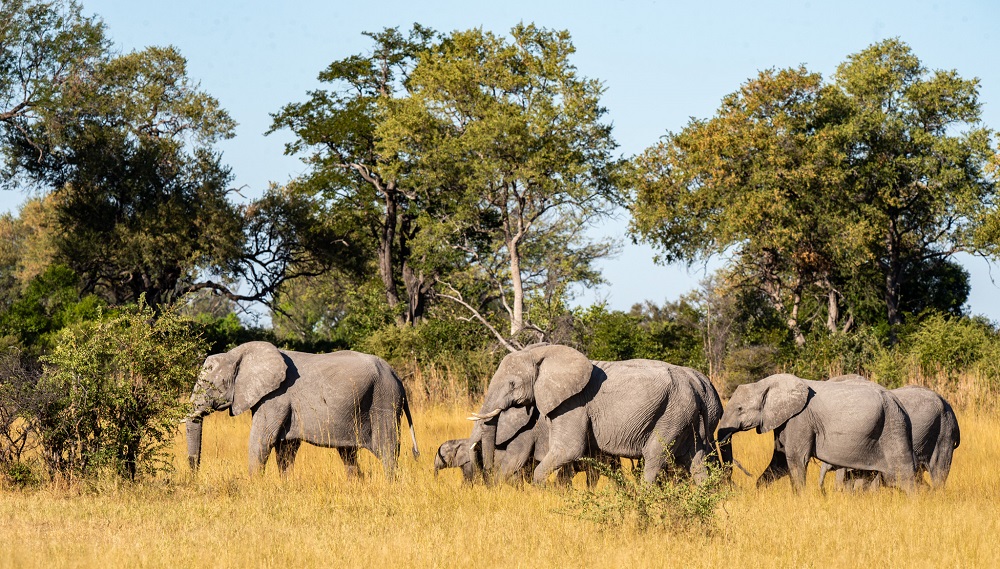
Nearby the airstrip is a giant baobab to greet you. The tree is known as Chikwenya baobab and it served as the burial place of Chief Chikwenya, a famous chief from the mid-20th century. The famously slow-growing tree is impressive and likely 1,200 years old give or take a few centuries. When we first visited there were some elephants camped out so we were not able to get too close but we would return to the area later and explore it in more detail.

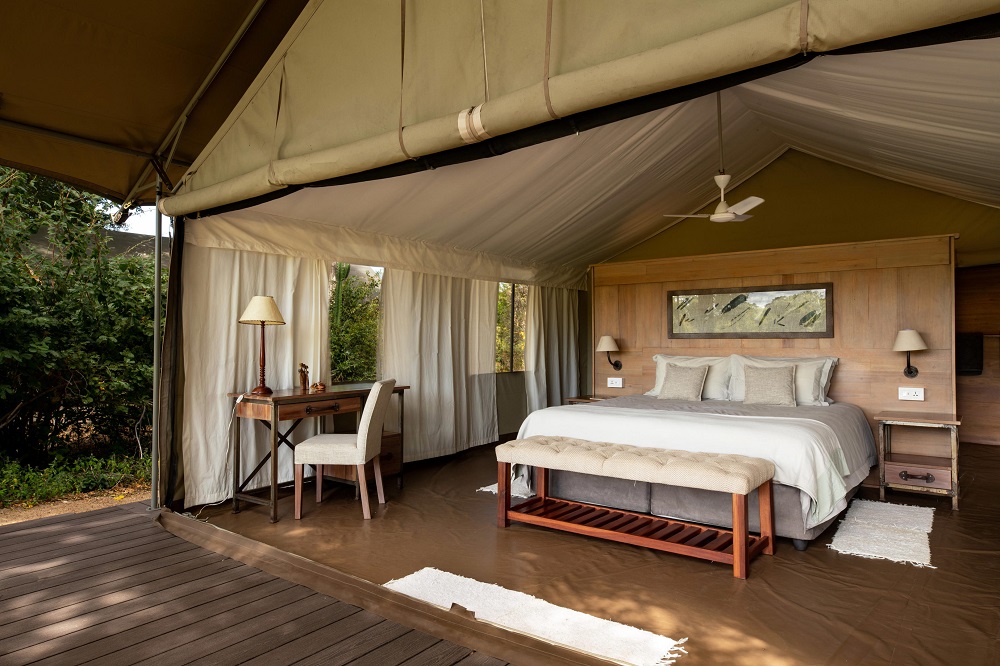
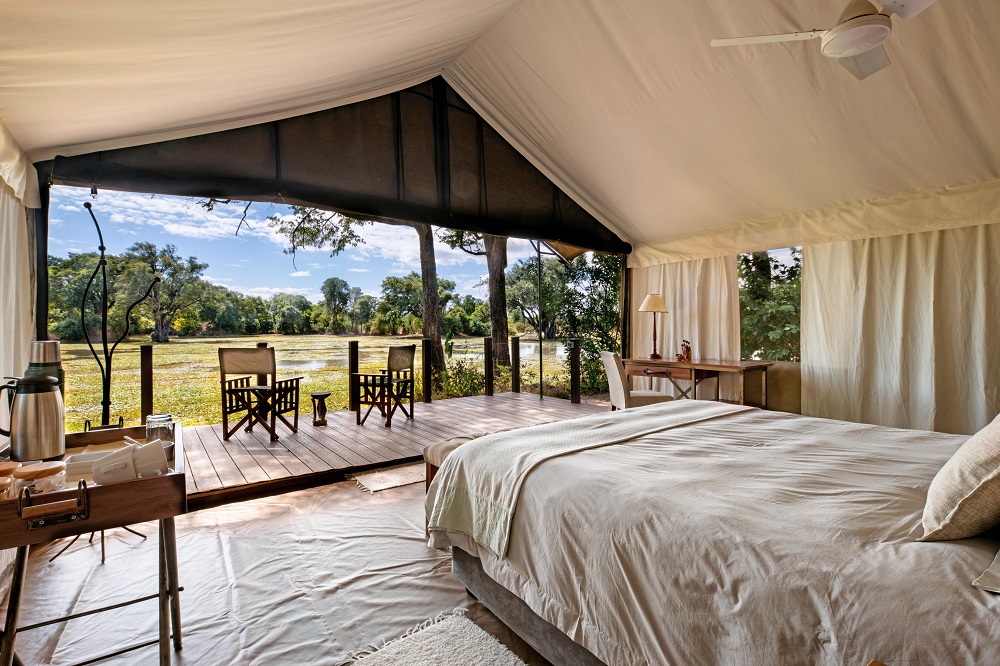
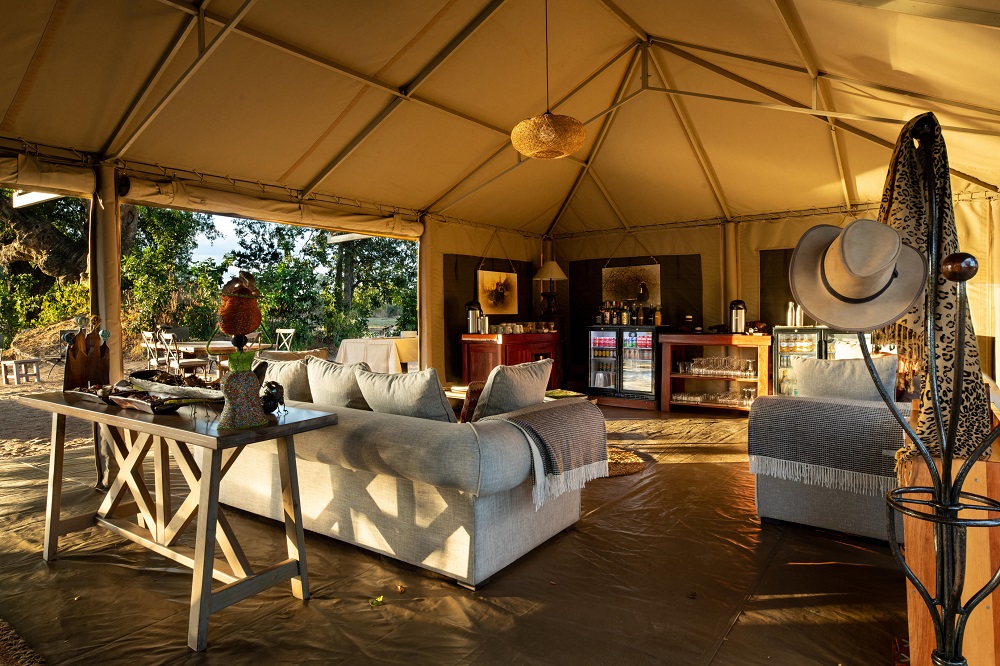
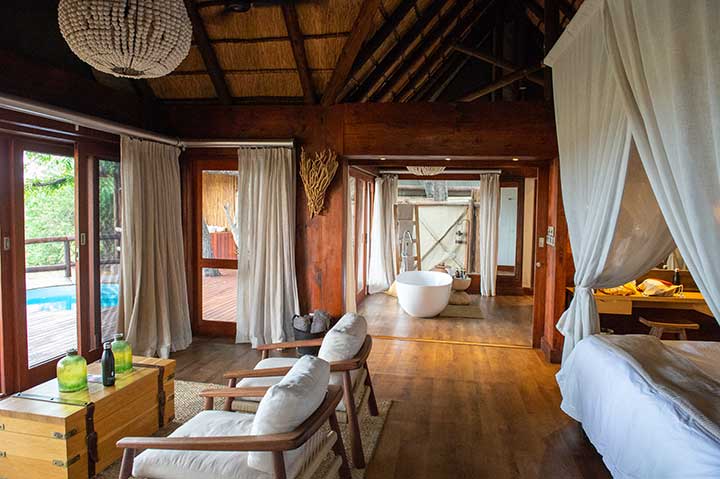
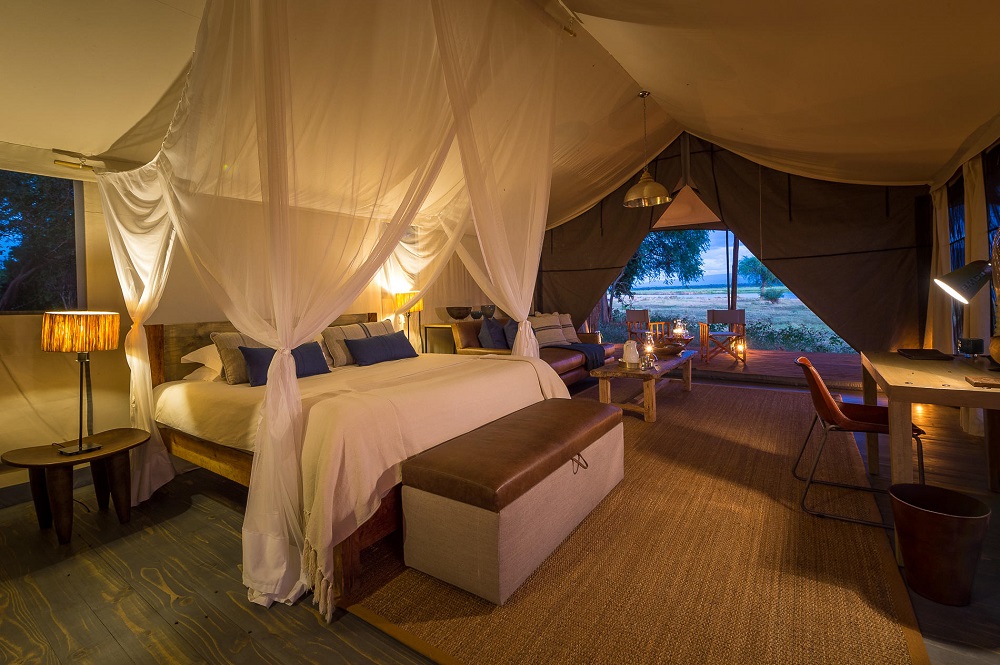
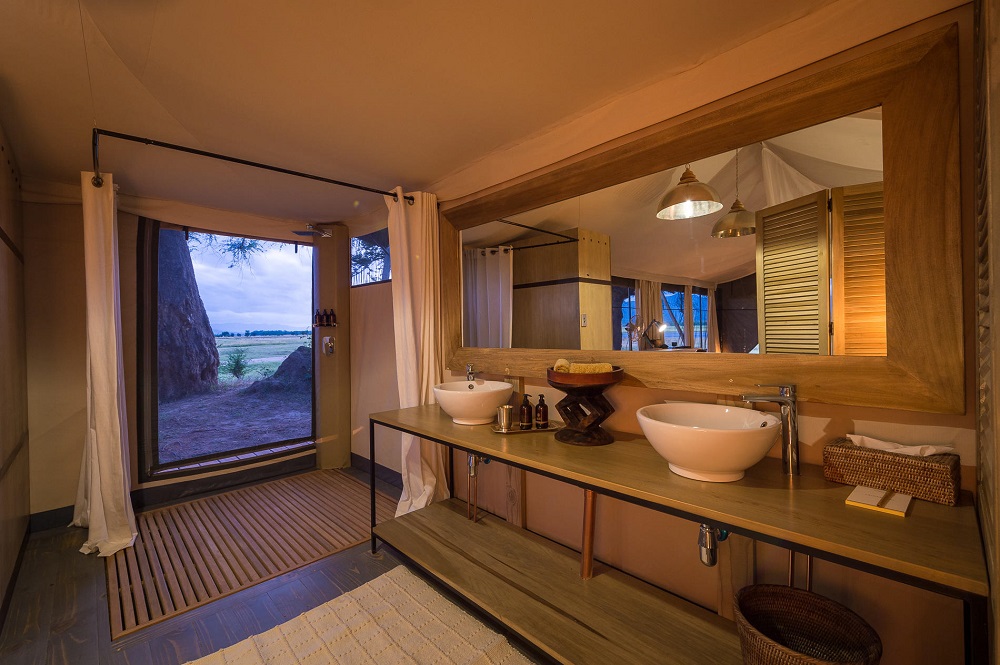
The camp gave us a huge welcome with singing and dancing. At some point many of our group joined in. The main area is huge with great views over a large floodplain just east of camp that is often dotted with animals. The rooms are also very spacious as is the case with all Great Plains Reserve Collection properties. One of the great perks of staying at this level of camp is having access to a 100-600mm zoom lens and camera. Each tent gets one as well as a pair of binocs. Irrespective of how many photographs you take, Great Plains will save them to a memory stick that you can take with you. Other than that you have a small pool on your front deck, indoor and outdoor showers, a bathtub, and a friendly room butler to take care of any other needs or wants that you might have.

Our first morning game drive

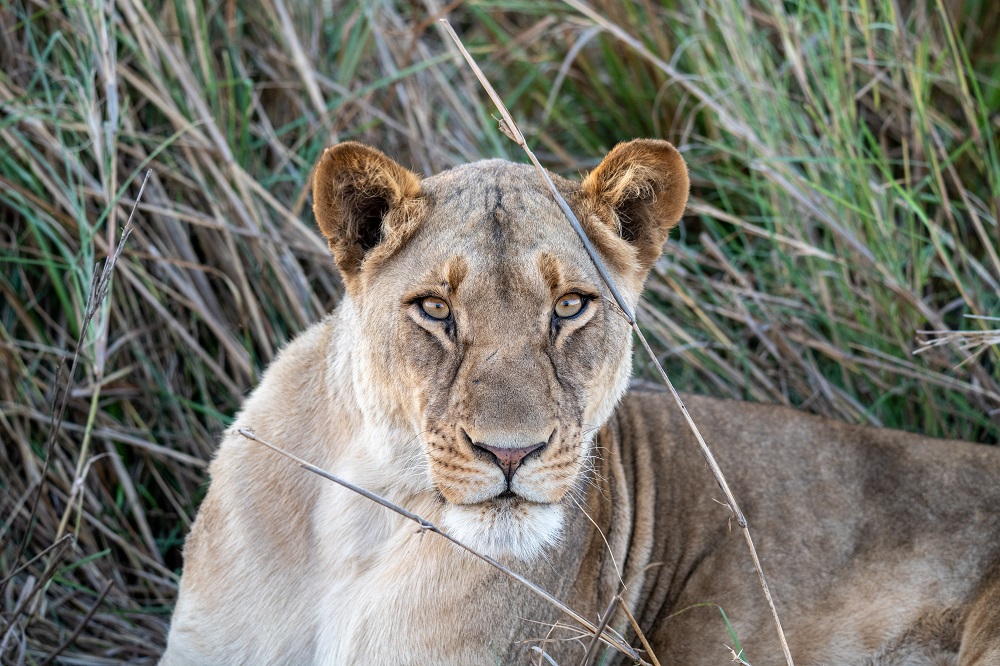
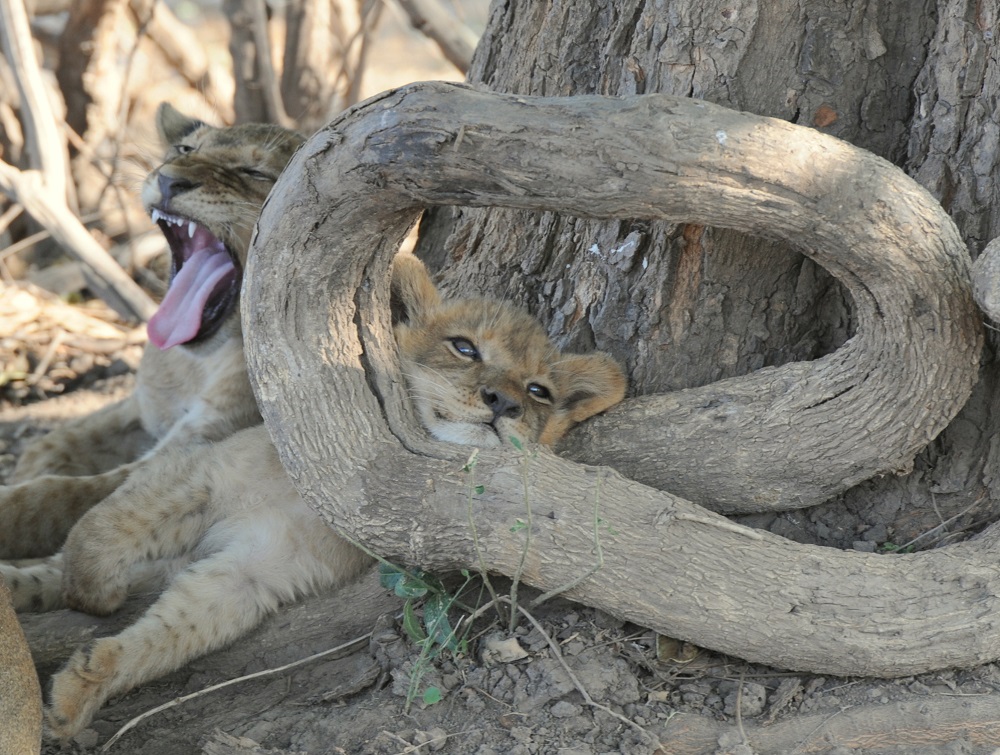
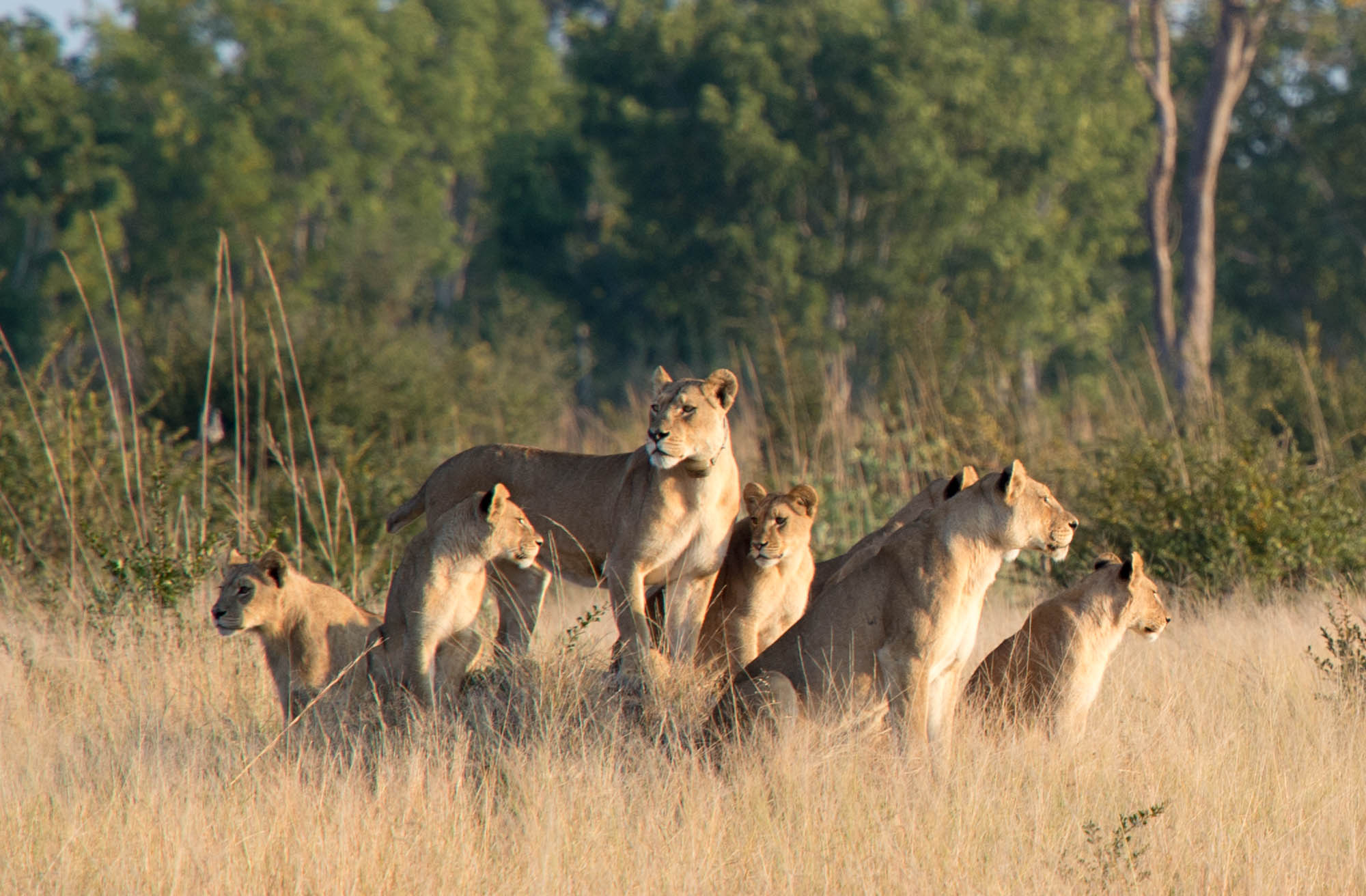
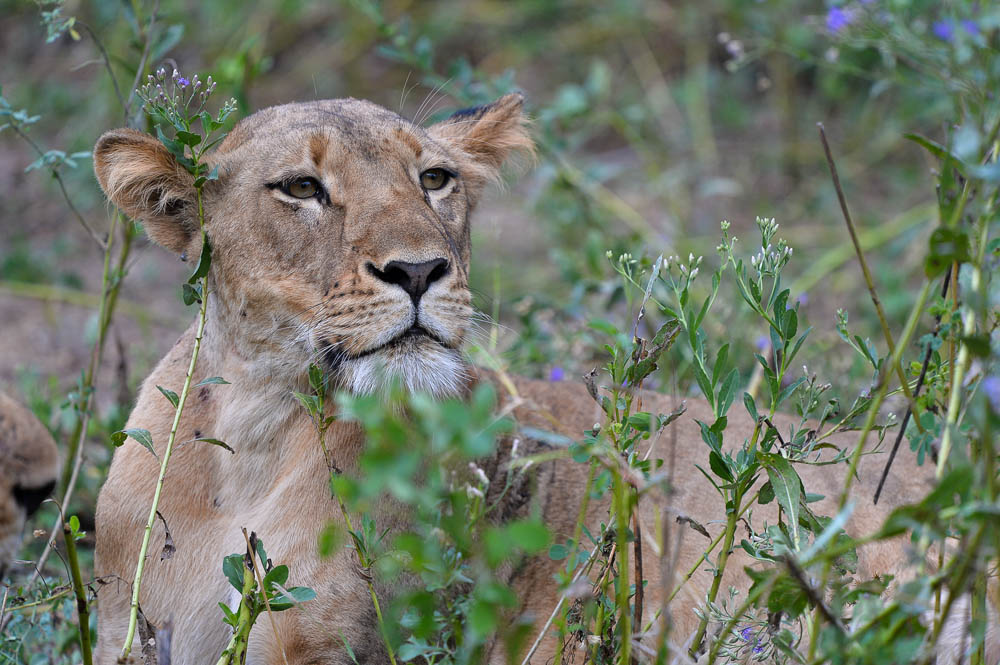
It is always nice to get some tough sightings ticked off early on during a safari so there is no pressure on you or your guide to deliver as your time inevitably comes close to an end. It was just our luck but on the very first game drive of the morning on our first full day at camp we hit the proverbial hat trick. First up was a pair of lions, likely a mating pair, just taking a breather. In fact the female possibly was finished with the whole affair as at one point she got up and walked off a substantial distance before the male, who was preoccupied with us, looked up and clearly got a shock when he noticed her absence. He immediately got up and trotted after her. Later on during our stay we managed to find him again, alone. I think we all saw that coming.

After this we drove along for a short distance before being blessed with a gorgeous leopard sighting as he crossed the road right in front of the vehicle. What timing! He stalked up a ridge and found his way up a tree. Which provided us with the opportunity to get a few photographs and to stick around a little longer before giving another vehicle a heads up. Once leopards get up in a tree they can be almost impossible to pinpoint.

Finally, we headed west towards the border of the reserve and got to spend some time with a rather large pack of wild dogs. They looked like they had just had a successful hunt, bellies full and taking a well-deserved nap. These animals are really easy on the eyes in this blogger’s opinion. And if you catch them in action get ready for a treat because they can move. Not for the faint of heart.

Most of the time November can be brutally hot, and while it certainly wasn’t cool, the area was overcast for the majority of our stay and in fact the rain would come shortly after our departure. It was nice, therefore, to get out onto the river in the evening. This time of year the southern carmine bee-eaters are nesting in the banks of the Zambezi and it is absolutely fascinating watching them come and go over and over and over again. Having a nice long zoom lens is mandatory if you want to even attempt to get some quality photos. And patience. Lots of patience and lots of trial and error. 

I took some time to appreciate how every bird must know exactly which little hole is their nest. The guides know where the nests are located but due to the Kariba Dam’s schedule of holding and then releasing water for the production of electricity the banks of the river erode more quickly than they would under normal conditions. This means that some colonies lose their nests as a section of the bank falls into the water. It appeared that 2025 was an especially tough year in this regard.

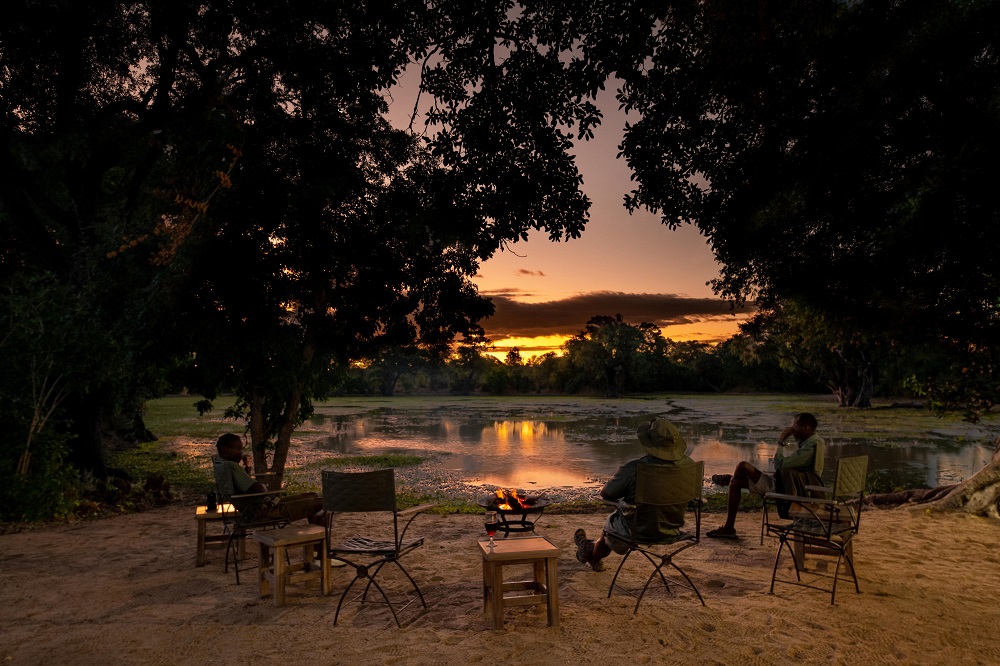
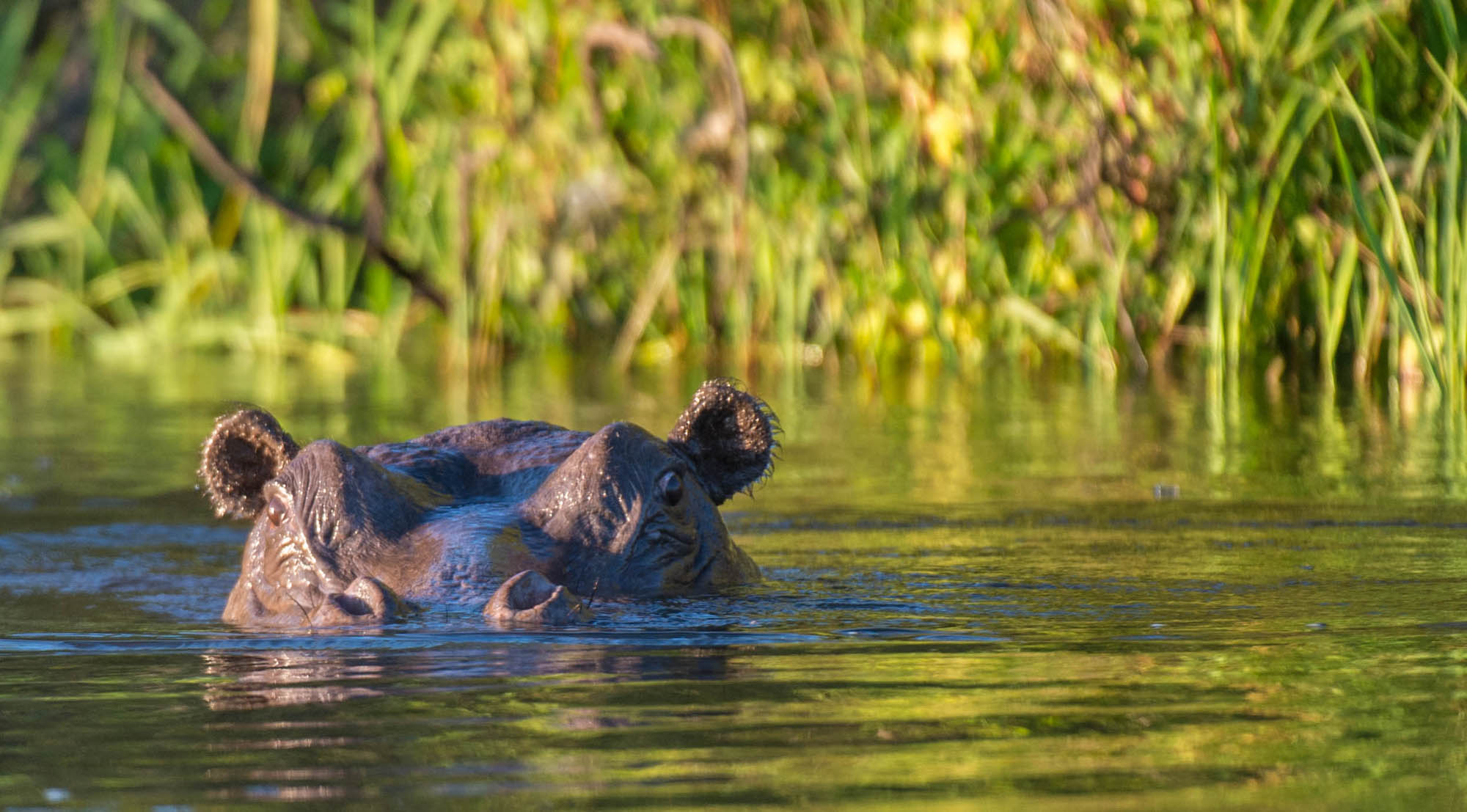
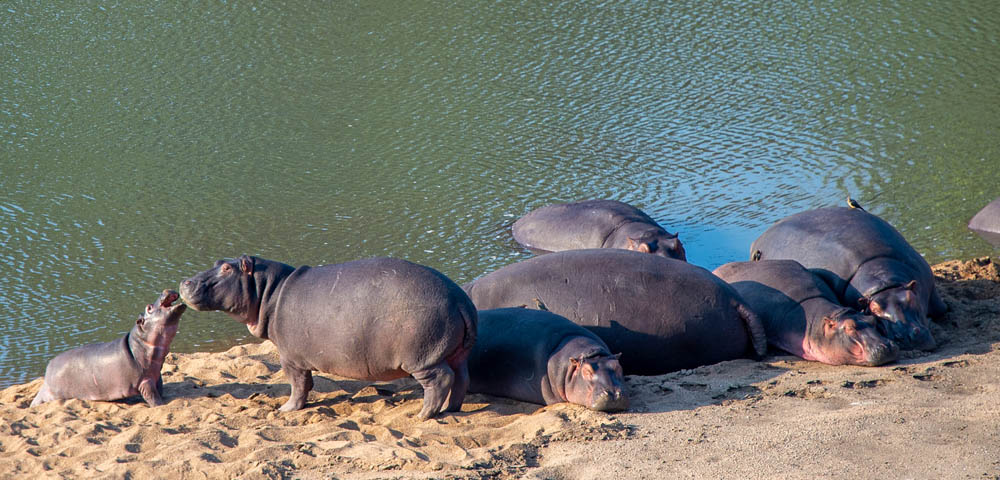
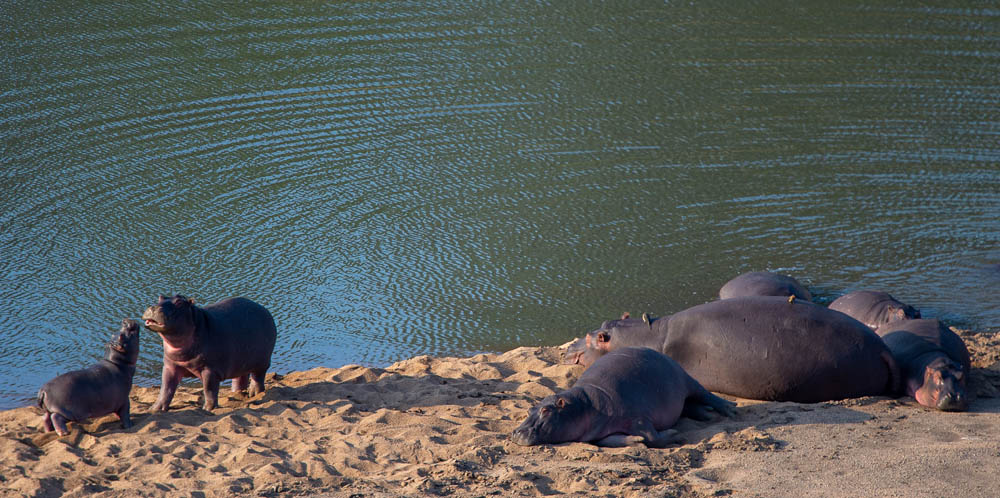
After spending some time with the birds (and a rather large and nonplussed croc) we headed further upstream to a low lying sand island in the middle of the river. Here we enjoyed our sundowners and snacks as the guides prepared the food and drink and kept a close eye on any hippo pods that might be off in the distance. What a magnificent sunset!

Bush dinner to remember

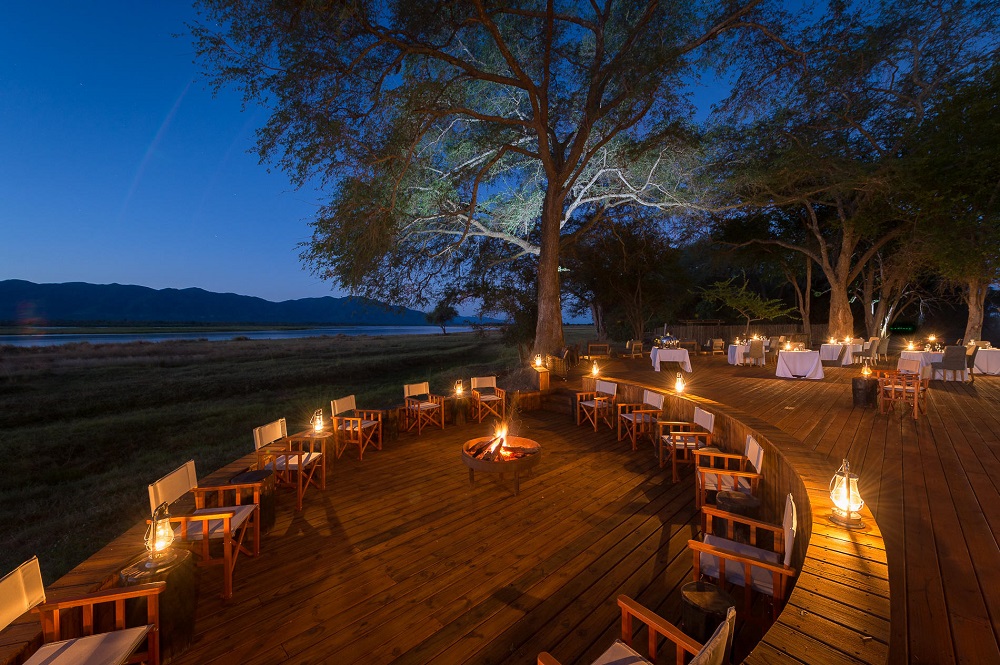
Upon returning to camp we heard some lions roaring in the distance and the guides rounded everyone up to see if we could go find them. Little did we know this was simply a ploy to get us to our bush dinner destination on the floodplain in front of camp. Still not sure how they got the lions to cooperate so thoroughly… The food was excellent and of course the service standards were top notch. Lucky us we had a full moon (or close enough) which added an extra layer of magic.

We were all sad to leave at the end of our stay and I look forward to the next time I get to visit Sapi. It really is a special place filled with some special people and I would be happy to talk with you more about my experience and assist in arranging a trip so that you can experience it for yourself.

Following Lyndon’s visit to Tembo Plains, he is ready to answer any questions you may have about the area and how it can best be combined with other Zimbabwe reserves such as Hwange or Matusadona. Please email Lyndon at lyndon@fisheaglesafris.com. Or if you prefer, call us at 1-800-513-5222 and leave a message with our answering service – one of the team will get back to you promptly. 

Property and sunset photos courtesy Great Plains Conservation

YOU MIGHT ALSO BE INTERESTED IN
Destinations
Zambia

10th September 2021

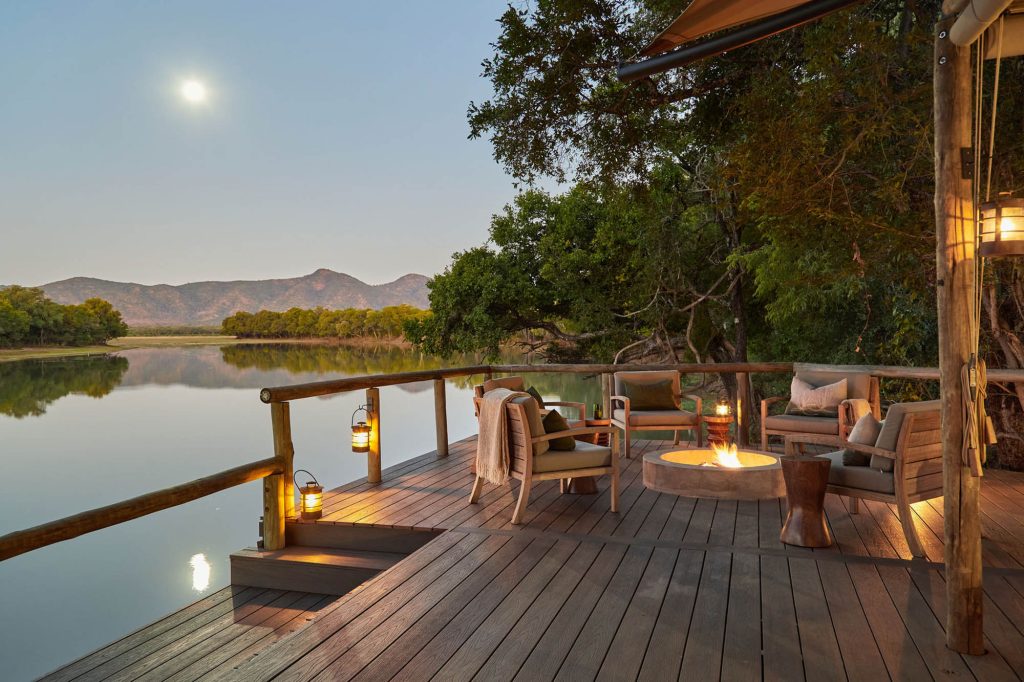
Chindeni and the Bushcamp Company, Zambia

By late July we found ourselves at Chindeni, a small Bushcamp Company property
Read more
Botswana
Destinations
Okavango Delta

3rd October 2022

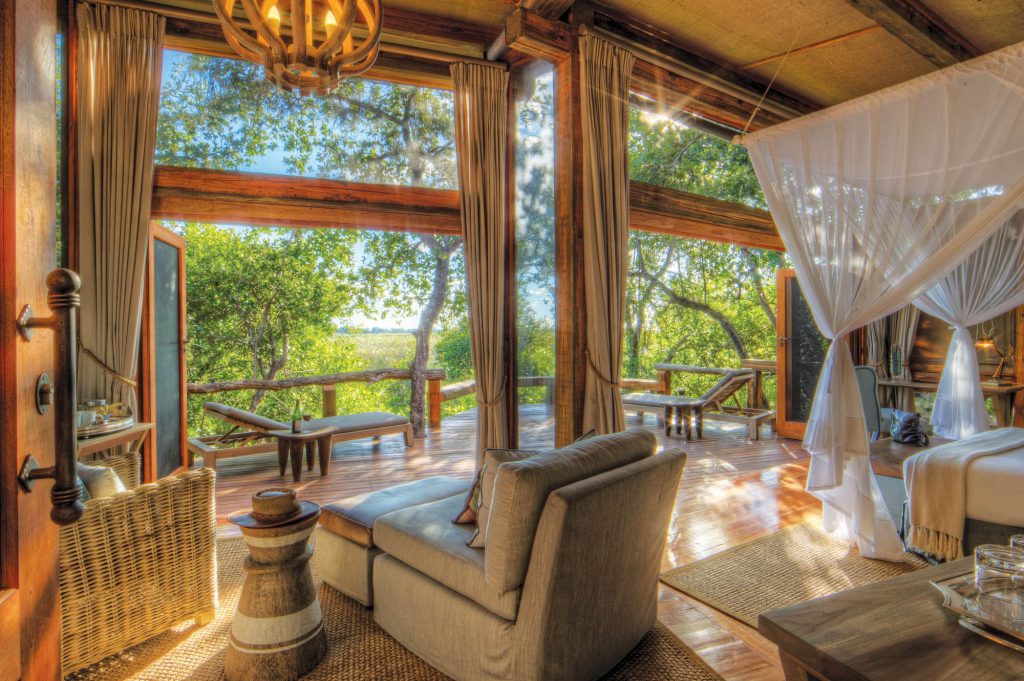
Camp Okavango, Botswana

Camp Okavango is in the heart of the permanent part of the Delta. In this idyllic setting there are no vehicles, and it is just a short walk
Read more
Area
Destinations
Nyerere National Park
Ruaha
Tanzania

14th October 2023

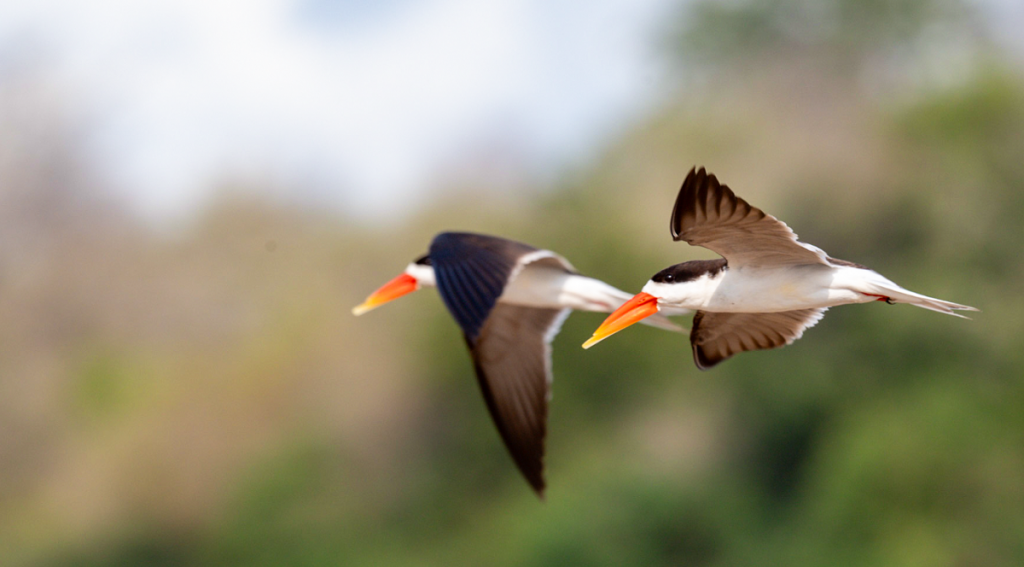
From My Safari Notebook: Wildlife Photography

Birds in flight and wildlife photographers have an uneasy relationship. Things go wrong as often as they go right. Getting focus-lock on a moving subject

Read more

SUBSCRIBE TO OUR NEWSLETTER

READERS FAVOURITES
Destinations
India

27th May 2023

India

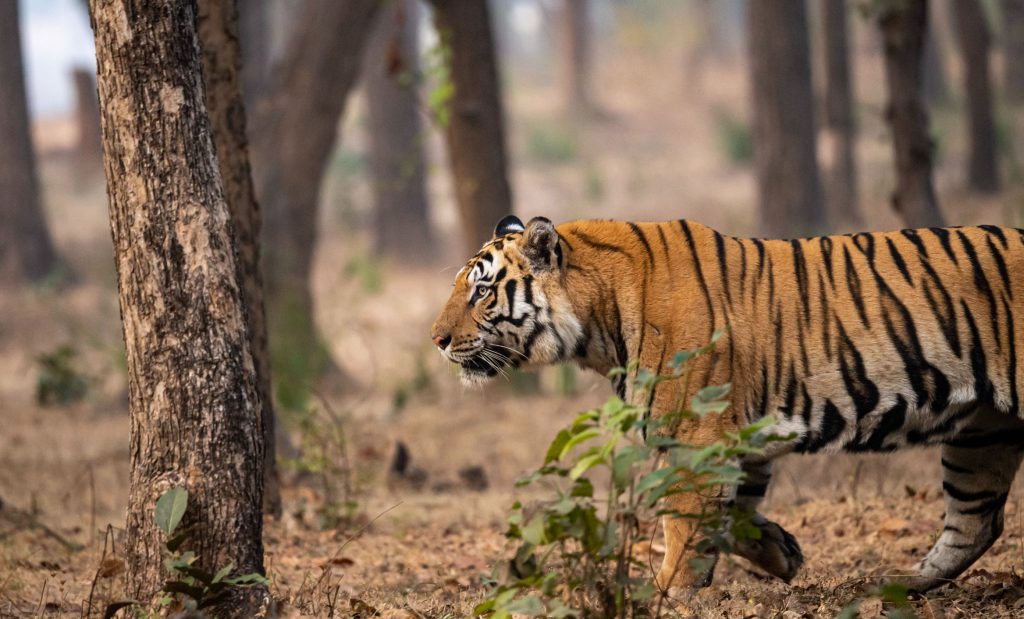
India’s tiger, mammals and birds.

Read more
Botswana
Destinations

4th August 2022

On Safari At Belmond Eagle Island Lodge, Okavango Delta

What is the ‘secret sauce’ for an unforgettable few days on safari in Botswana? It starts with the animals, of course. The elephants, lions, giraffes, hippos

Read more
Destinations
Zambia

10th September 2021

Chindeni and the Bushcamp Company, Zambia

By late July we found ourselves at Chindeni, a small Bushcamp Company property

Read more

Lyndon Revisits Mana Pools, Zimbabwe

25th August 2024

Lyndon Revisits Mana Pools, Zimbabwe

Mana Pools is a near-legendary national park which lies along the lower Zambezi River in far northeastern Zimbabwe. Renowned for its game viewing (elephants, big cats, buffalo, plains game & African painted dog), the area is highly atmospheric and for many seasoned safari goers, Mana Pools is the holy grail. Being on the Zambezi and with the Zambian escarpment visible in the background across the river, the setting is very special too. Over the years, all of our team members have traveled to Mana Pools, checking out several of the properties in the area including Ruckomechi and Little Ruckomechi, Chikwenya (in its former and current iteration), John’s Camp, Vundu, Kanga and Nyamatusi. On his recent May trip with Christine, Lyndon visited two relatively new properties in Mana Pools, namely Mana River Camp and Ingwe Pan Camp. He also revisited Ruckomechi.  

Ruckomechi Camp

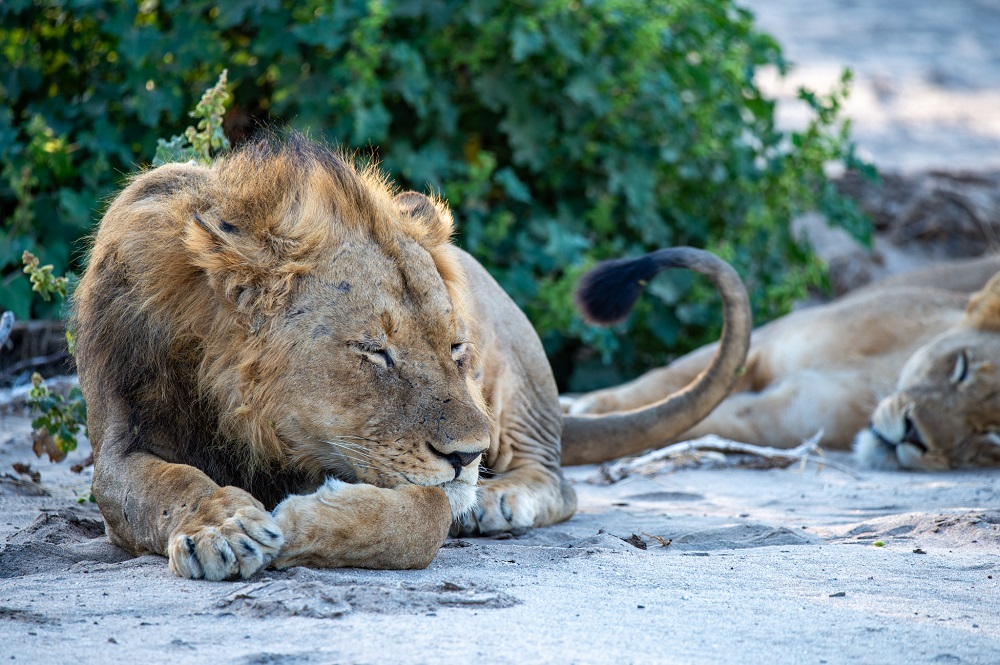
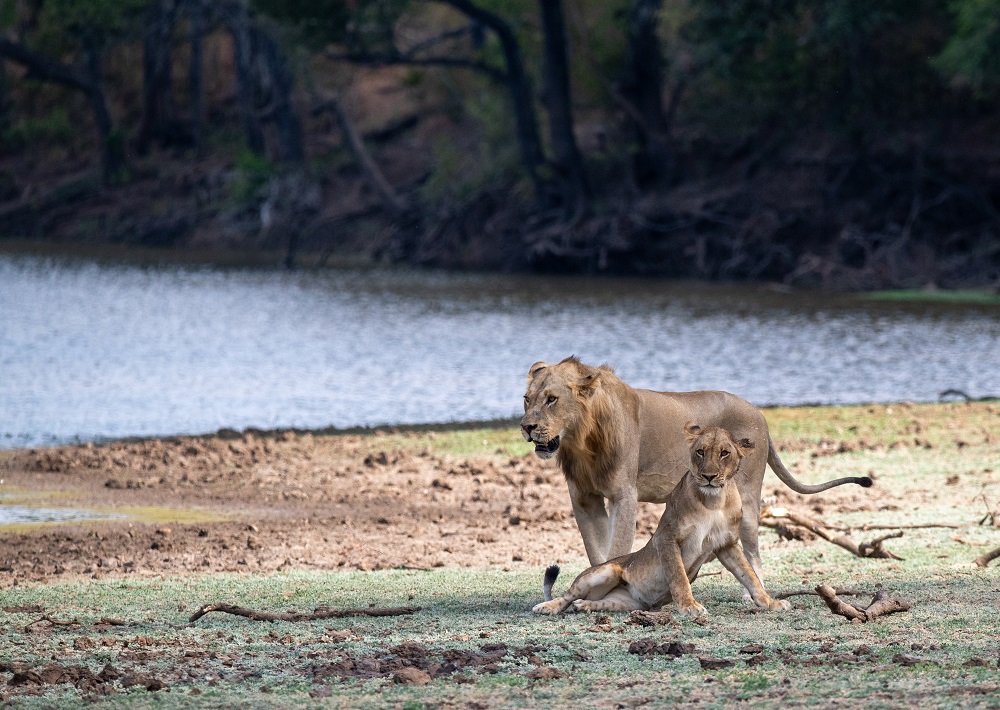
We had an afternoon light air flight from Matusadona to Mana Pools and a short game drive on arrival. The flight was short, about 30 minutes, and scenic. The Kariba Dam was clearly visible from the air. Looking at it from 6,000 feet I couldn’t help but wonder how it has managed to keep all of that water at bay since 1959. Quite an engineering marvel. Our game drive was productive and after going multiple game drives without a cat sighting we spotted two lions not 10 minutes from the airstrip. It was a mating pair, a young male and female. They were exhausted and after observing them for a few minutes we let them be.

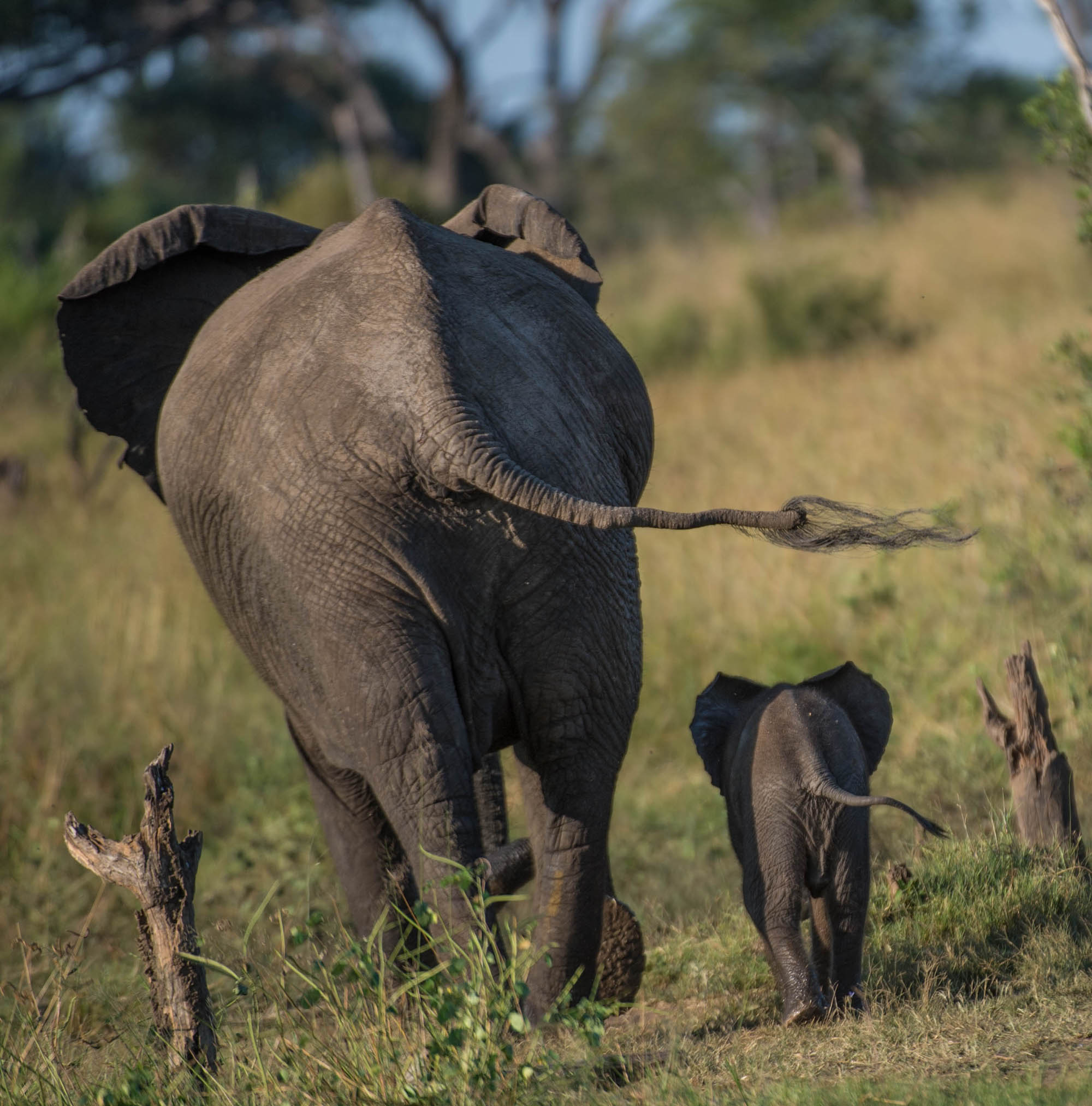
Just a bit later we found the brother of the male lion we had just seen. And he put on an absolute show giving us a roaring exhibition for the ages! If lions could be opera singers this guy was one of The Three Tenors. We heard him and his brothers roaring all night from the camp. Our sundowner was late due to our start time and our guide Faidon prepared it for us while we sat in the vehicle after the sun had already gone down. As he was preparing the drinks and snacks some elephants ran by us in a hurry responding to a call from one of their babies. Faidon is an impressive person having spent 42 years with African Parks before deciding to become a guide. 42 years! And he is so enthusiastic about wildlife.

Our activity ended with some spotlighting and we were very fortunate to see several genet cats and a serval, only the second one spotted by the camp so far this year. On our way back to camp we spotted the business end of a porcupine and also had to turn around and take a different route because the mating pair of lions had decided to take a nap in the middle of the road. Best not to disturb them…

Ruckomechi is perched very scenically on the river with the Zambezi escarpment in the background and surrounded by several very tall and shady trees. Hippos can be heard at night. During our dinner we had a couple of elephants walk right past the front of the camp. They tend to move around the area often, so escorts to and back from guest tents are mandatory when the sun is not up. Dinner was roasted chicken and garlic with rice and veggies served with rice. The soup was a tasty mixture of tomato, celery, and apple and dessert was a ginger tart. Everything was good.

As I discussed with my wife, the rooms are right out of goldilocks and the three bears. Just right. Just the right size, just the right amount of decoration and luxury, not too much and not too little. Everything that you need and maybe only a few things you don’t as well. It had been a very good start in Mana Pools.

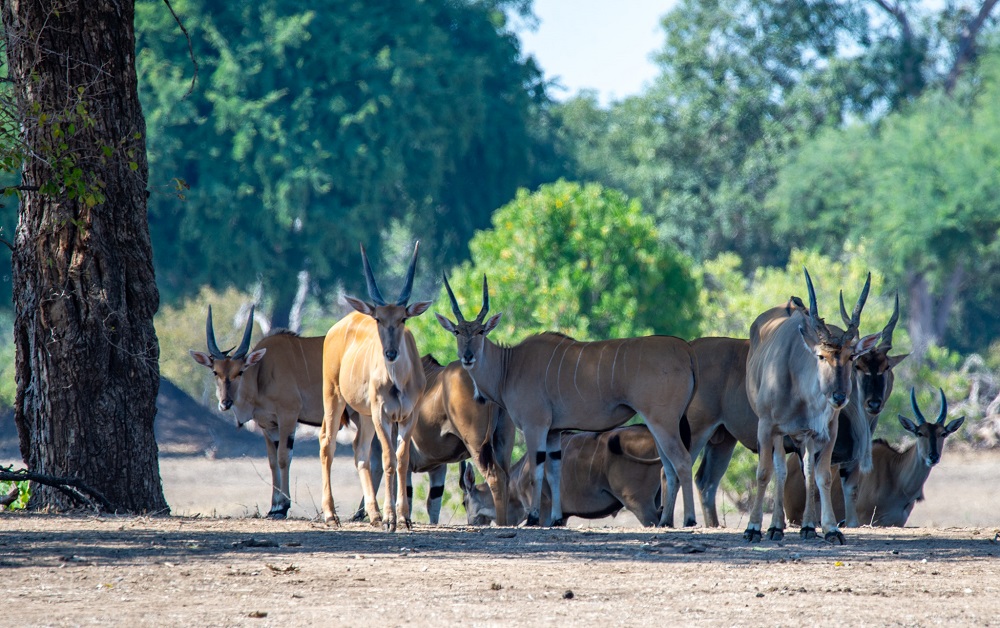
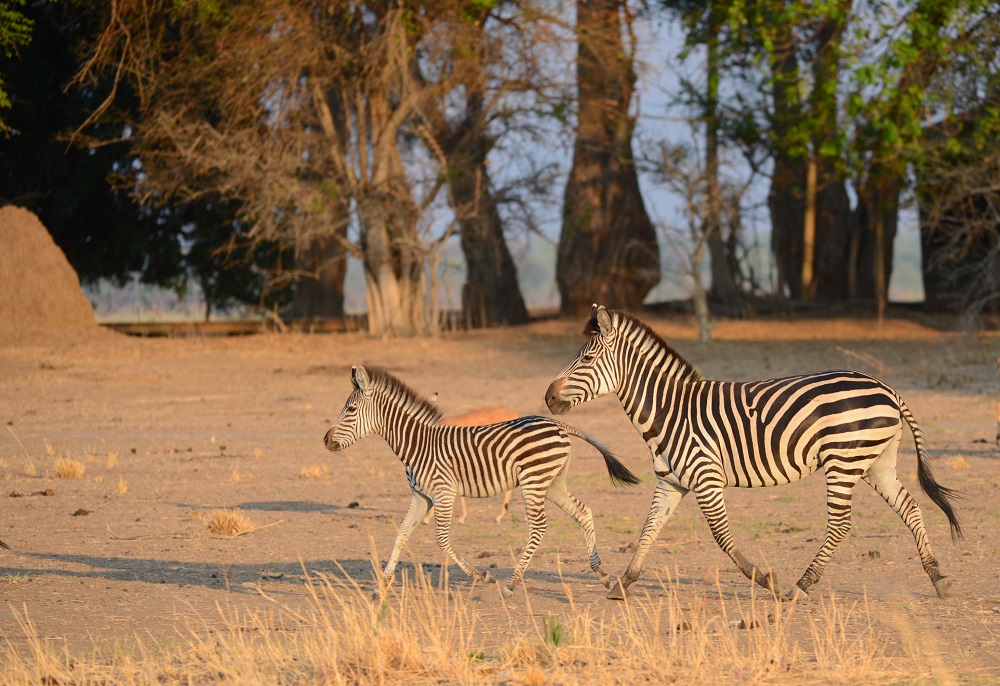
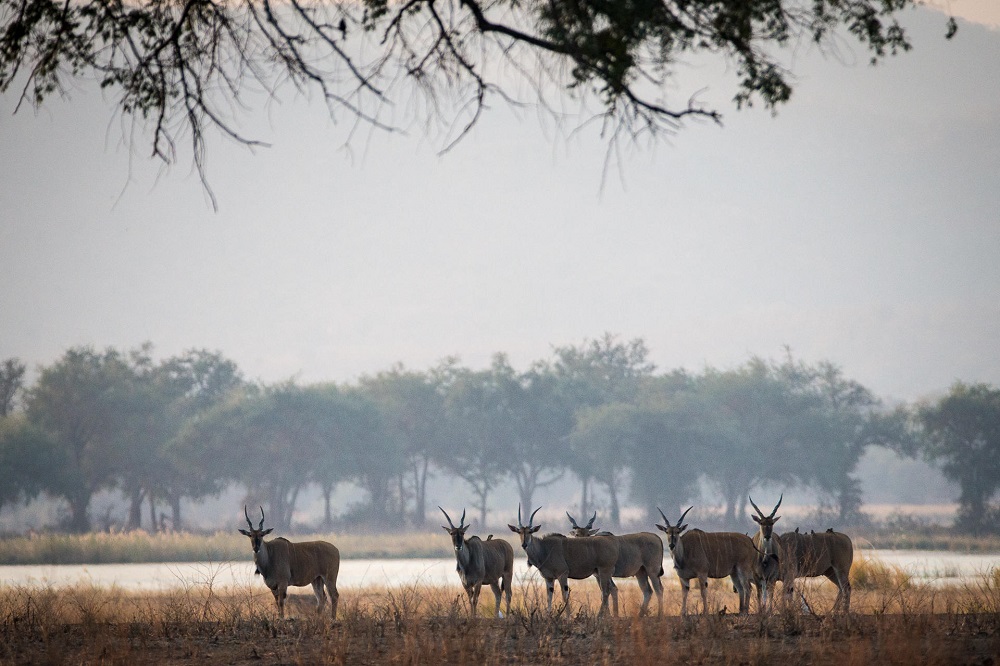
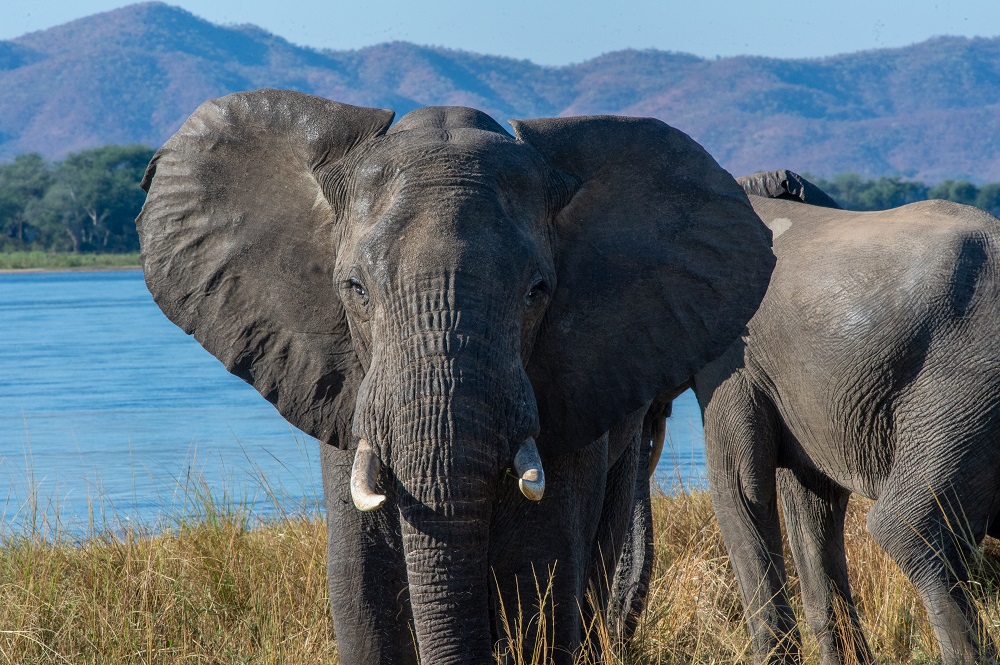
The following day we did a couple more game drives and while they were not quite as productive as our initial one, they still delivered. Of course, we saw all the general plains game and a good amount of elephants and additionally we saw the lions a few more times. We were able to observe a small herd of eland and later a lone gigantic eland bull at a very close range, a rarity as they are usually shy and will run from vehicles. We briefly spotted the elusive honey badger as it ran across the road on its way somewhere in a hurry. During the afternoon we had a family of elephants walk through camp right by the tents, including ours.

*Camp photos courtesy Wilderness Ruckomechi

Mana River Camp

After our two nights at Ruckomechi we were scheduled to take a boat transfer down river to Mana River Camp. Pick up was 7 in the morning so we had a normal wake up routine and headed out to the beautiful main area to take in the views and enjoy some breakfast while we waited. After a short time we heard a boat engine and got ready to take the short drive to the ‘dock’ area. But then the sound disappeared, and we were left waiting for another half hour to 45 minutes. Eventually we saw a boat drifting downriver, powerless. The captain was actually rowing. Our transfer boat had broken down. Ruckomechi quickly reacted and sent a boat of their own to tow in the vessel and we were told another boat would come but it would not arrive for another 45 minutes. No big deal and our guide decided we had time to go for a quick game drive. Good thing we did because we managed to spot a couple big male lions! This kind of quick thinking is one of the reasons we love Africa. Things might go wrong but the people are resourceful and we can sleep better knowing that we and our clients are in good hands.

Once our new boat arrived we were radioed and headed over from our game drive to the dock. This boat was a bit smaller and had no roof but I think it must have been a bit quicker too. We zigzagged a bit down the river, the captain sticking to the deeper water as best he could. Soft drinks and bottled water were provided for us. It was quite an enjoyable voyage although we were heading directly into the sun and were moving too quickly to confidently wear hats. So we definitely received a little sun. In all, the transfer probably took an hour. We were dropped off and met our new guide, Richard, who was waiting for us at the designated pick up spot. After a quick trip to the National Parks office we were off on a drive in search of some lions that had just been spotted with a fresh kill.

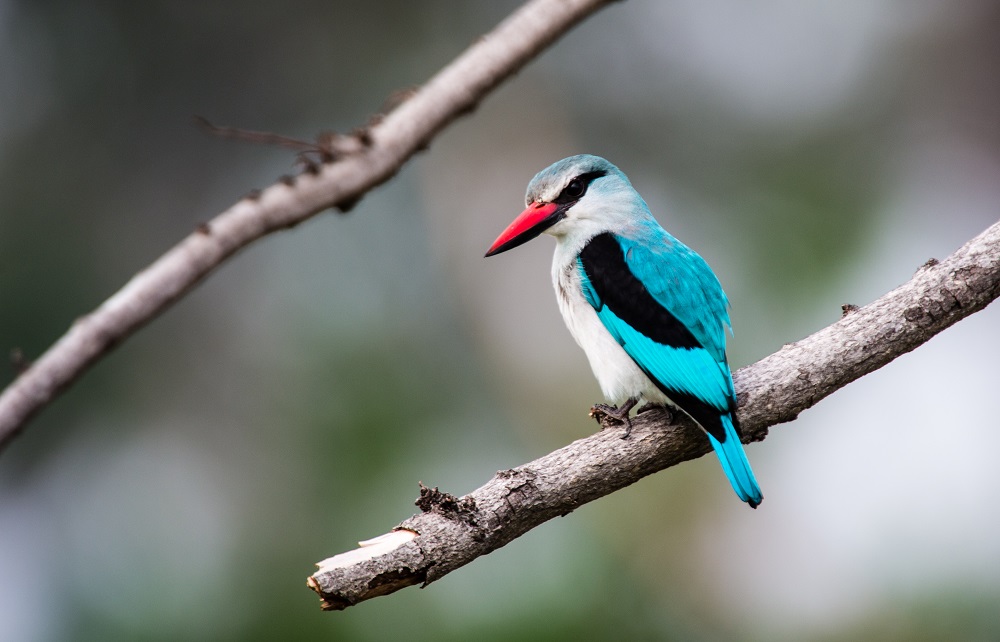
En route we had a fantastic up-close viewing of a woodland kingfisher, quite a colorful and handsome bird. Richard said he had never been this close and was excited about the picture he was able to take. You know it’s good stuff when the guide takes out their personal camera.

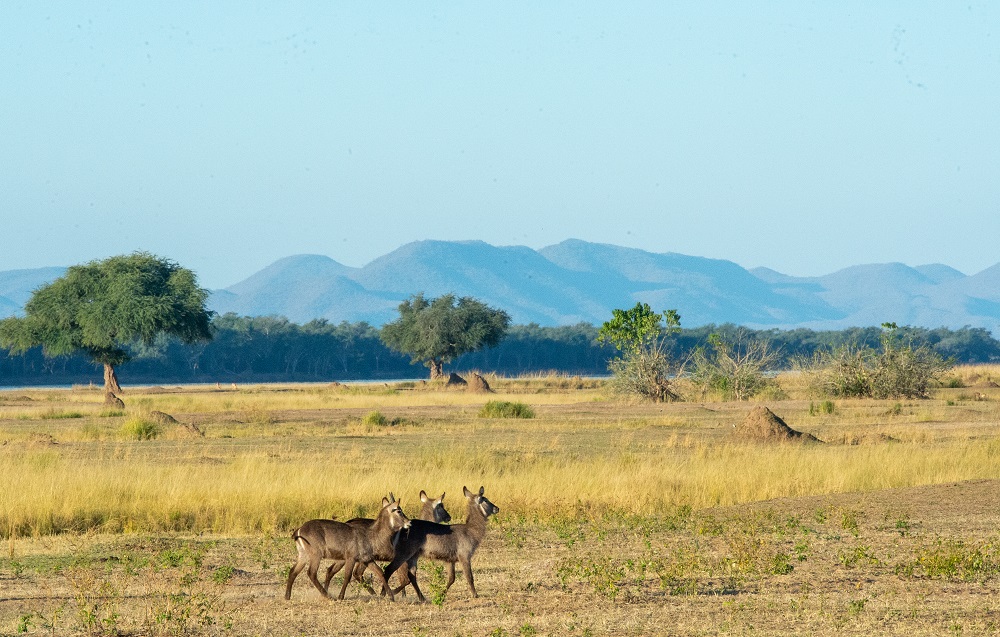
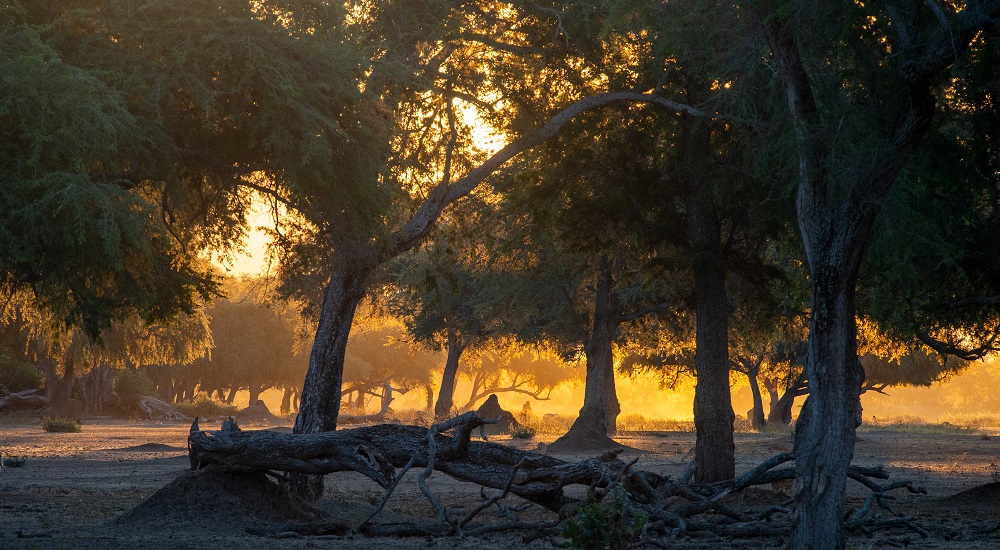
The setting in Mana Pools could be described as quintessential Africa. It looks just like you picture it. Or at least how I do. Tall trees sprinkled in amongst open spaces and short grass. Sandy dirt roads that wind up and down and across dried up streams where you are thankful that the guide has a land cruiser. Green leaves and long dead and dried up stumps. A picturesque floodplain with a mountain range on the other side. In a setting like this it can be fun to simply be a passenger and be driven along for a while at times. Animals are present but there are quiet stretches that remain enjoyable.

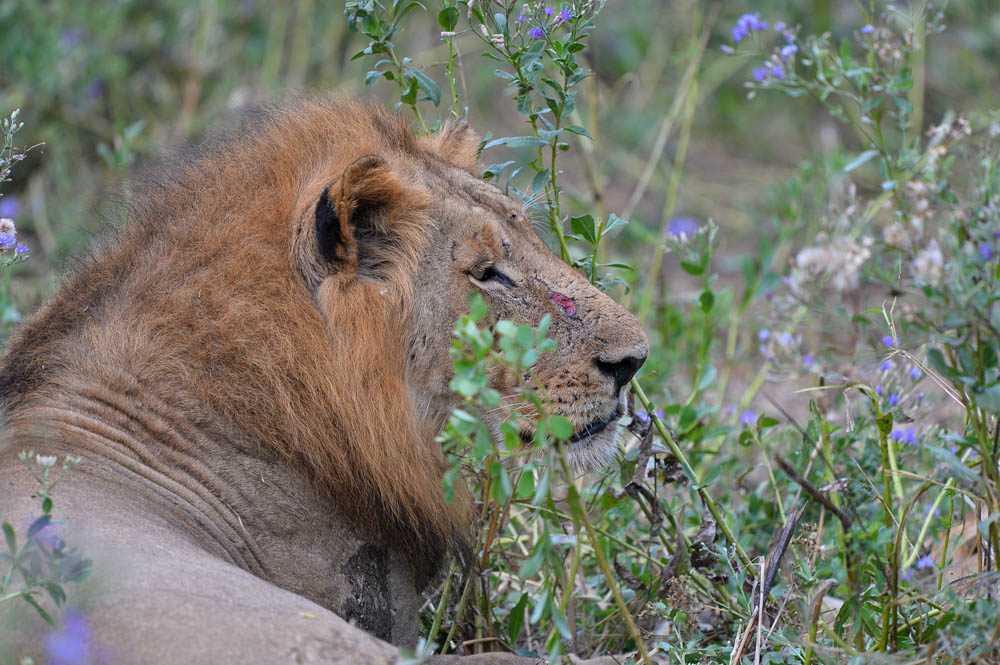
After driving for a while, we arrived at the scene where the lions had taken down what looked like a big eland. The lions were as full as I have ever seen, the males comically so. There is a hierarchy when feeding and the large males eat first and can really gorge themselves. One in particular looked like if he had laid down on a hill he would have rolled to the bottom. It was around noon and hot outside and they were all panting heavily. I think we have all been out for dinner and had some regrets about eating too much… We spent some time observing them before heading back to camp.

Mana River Camp is an adventure level camp so it is rustic but has all the basics that you need in the bush. Electricity, check; running water, check; comfortable bed, check; good food, check; and most importantly friendly and thoughtful service, and high-level guiding. Check and check. The location is pretty special too with the camp about 12-15 feet up overlooking a nearby island right on the Zambezi. There are plenty of large trees here to help shade the tents and keep the temperature bearable. All the rooms have a standing fan as well. There is WiFi but it has been inconsistent so I wouldn’t count on joining any Zoom meetings from here. Not that you will want to.

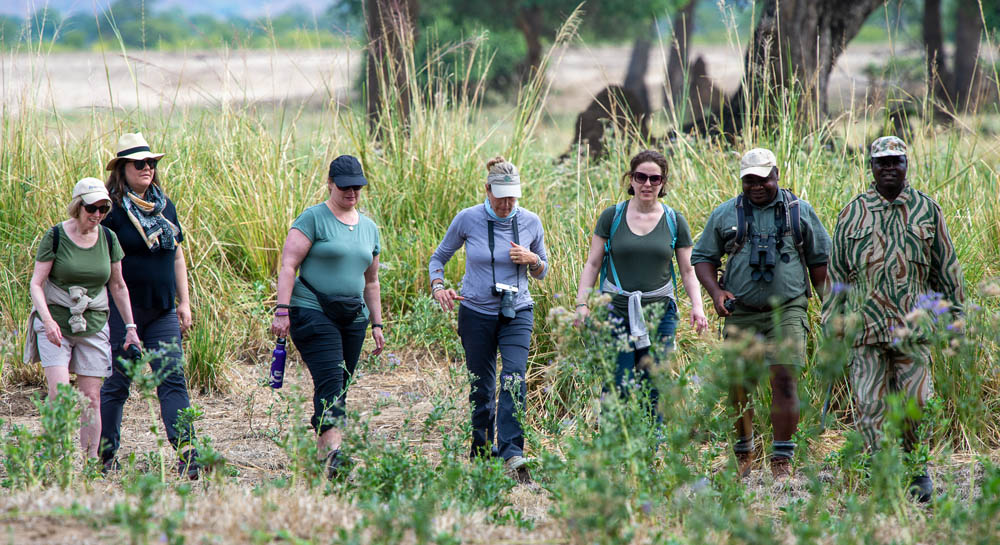
Activities here and in Mana Pools generally include game drives, walking, canoeing, and fishing. Often game drives will be mixed with walking as the guides love to drive for a while and then either go for a walk where they know there will be animals or when they see for example an elephant in the distance or something of interest. The walks can be very rewarding and a welcomed change of pace from sitting in the vehicle. You will be given instructions about following in a single file line, watch your step, listen to the guide’s instructions at all times, and of course the golden rule of the bush – whatever happens, don’t run. The walking guides here are the best in the business. It takes a long time – as much as five to seven years – to become qualified. In fact you need to go on hundreds of walks with other pro guides before you can lead them. And before you do that you need to be fully certified and trained with a rifle which the lead guides carry with them on all walks.

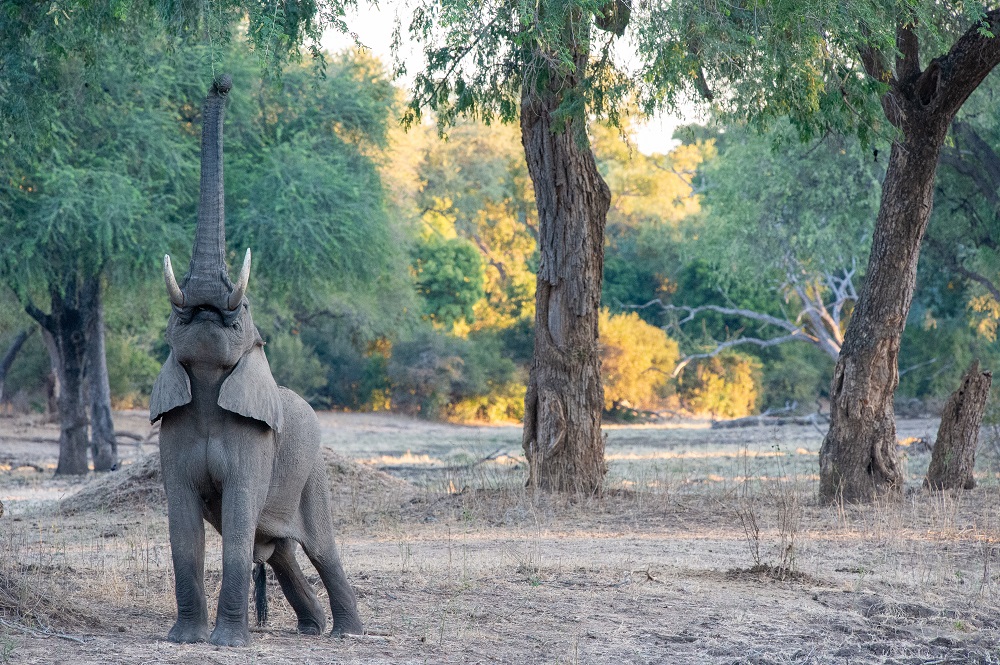
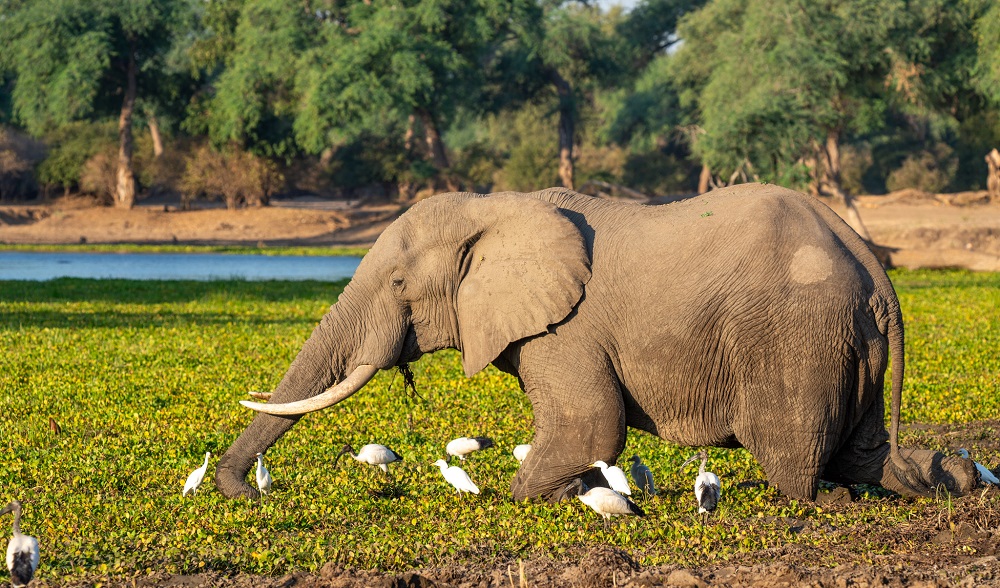
Our evening game drive involved such an instance where we did a drive and got out of the vehicle multiple times. Once in order to get a closer and lower to the ground view of a bunch of vultures that were feeding on the remains of a dead hippo. We followed the guide and listened when he said to duck a bit here and there to try not to disturb the birds. Later we drove to one of the four actual Mana Pools for which the park received its name. In the distance a large male elephant was walking towards us. We got out and our guide expertly positioned us to see the elephant cross us and enter the water. And with the sun behind us as well. Hopefully I got a couple good photographs. Richard is very attuned with the needs of photographers and even though I would still consider myself a novice in this regard I am confident even seasoned photographers would be in good hands.

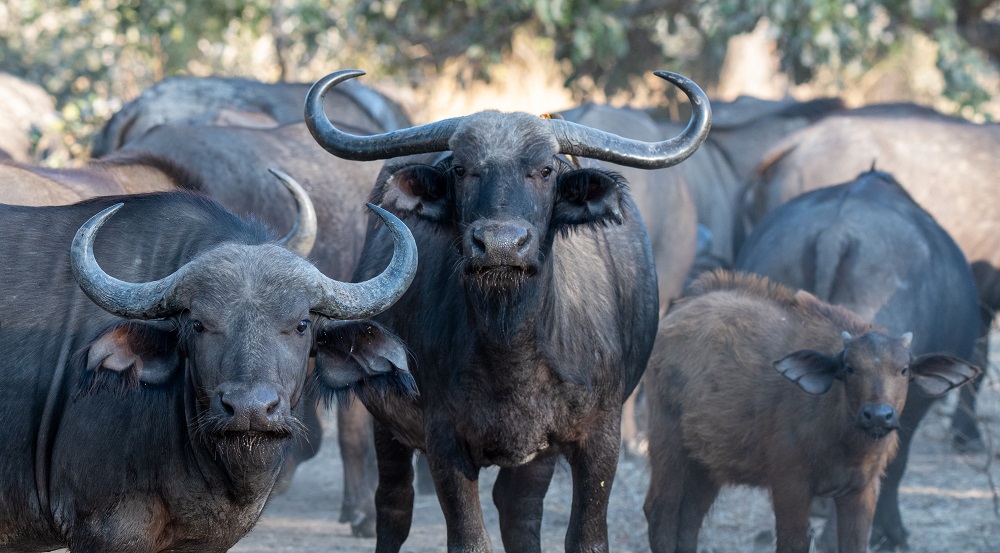
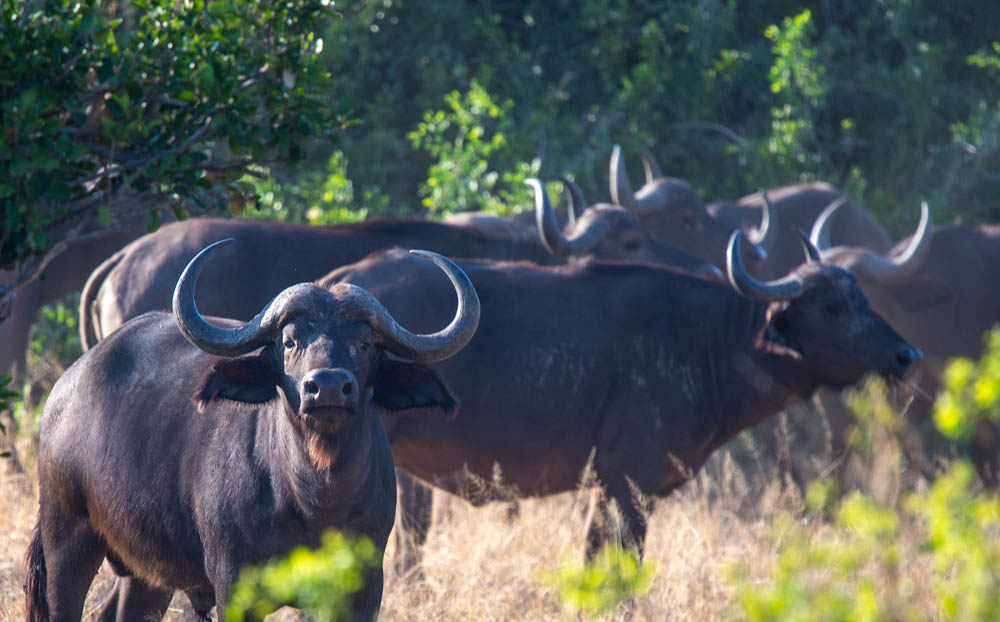
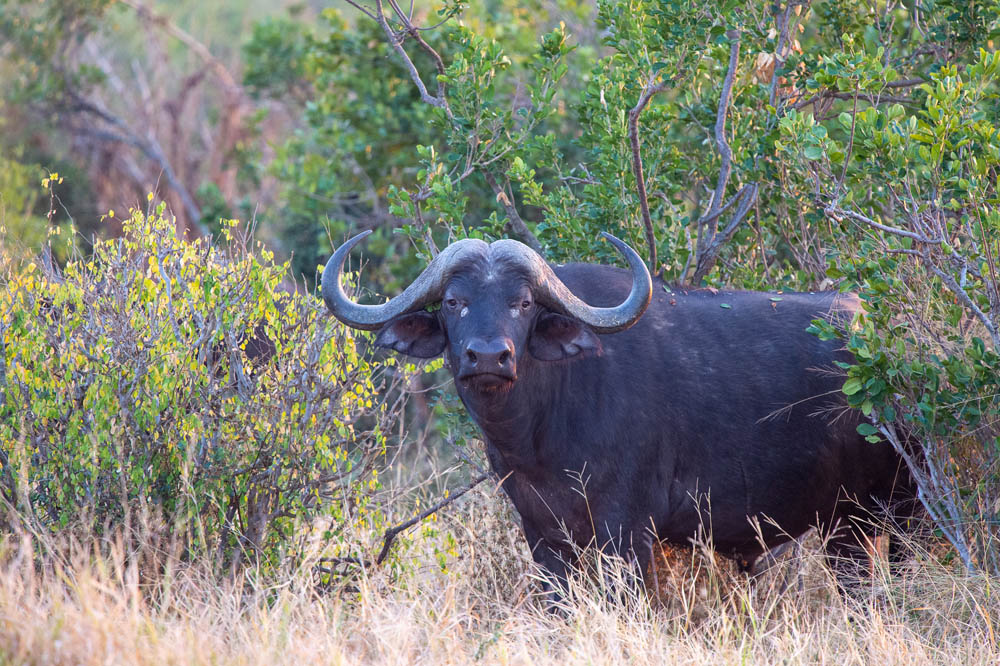
The following day we had a walk for the ages. In the morning we headed out to find the team members who monitor access to the painted dog den sites to prevent too much stress on the animals. When we caught up with them they were in their vehicle tracking the collared members of the pack. It was apparent the dogs were on the hunt and we followed the vehicle for some time before managing to spot one of them briefly at a bit of a distance. Afterwards we went for a walk of about an hour and a half during which we saw elephants, buffaloes, and finally four lions! I had never seen lions while on foot so that was quite the thrill. It can be very rewarding to see so many animals in that kind of setting. Even while on the vehicle we noticed that there are not too many other vehicles driving around. You do see the occasional car from another camp or even a self drive group but for the most part it feels very remote.

The season in Mana Pools generally begins at the start of May so at the time of our visit it was still early in the dry season. It will be slowly cooling down through June and July and much of the wildlife will be flocking to the floodplains as food and water run out further away from the river. This year is expected to be rough as there has been quite a severe drought. Conditions in May were already more like they are in June and July in most years due to the impending drought. It should be a dramatic scene as we move on through the dry season.

For our evening activity we chose to fish. Canoeing is a popular activity here and in Mana Pools in general as well. With the water level in the river being so low I didn’t think it would be as enjoyable. The fishing activity took place essentially in camp just at the other side and towards the back. We fished from a raised bank directly into the Zambezi about 12 feet below. We almost instantly received bites and before long we had both our first catch, mine a tiger fish and Christine a large catfish. Before it was all over I also managed to snag a large catfish. The activity was a blast and I would definitely recommend trying to mix in a fishing activity during your time here. It can be a relaxing way to enjoy the area in between game drives and walks.  

Editor’s note: the camp actually kept the tiger and Christine’s catfish. We assume they ate the catfish and prepared the tiger for us. My goodness was that thing bony.  That is what everyone says about them and I can now fully confirm. The camp manager, Shepherd, said that the usual preparation involves boiling it and letting the bones separate. Then they take the meat and fry them into meatballs. This way they don’t have to deal with all the bones.

Ingwe Pan Camp

The next morning we did a transfer/game drive to Ingwe Pan. Nothing too notable as far as animals en route but you can definitely tell the difference between the camps near the river and on the floodplain, such as Ingwe. As one moves further away from the river the forest becomes quite a bit thicker and the bushes cover up most of the gaps that you would typically find by the water. It is not usually until the end of June and July that a lot of the leaves on this vegetation will fall off making it much easier to spot animals.

Ingwe Pan camp is located in front of a pan with a constant supply of water so once all the other pans in the area dry up, it becomes  the only source of water around. Even by mid May –  with other sources of water still available – the pan was a productive location for game viewing. Elephants visited the water every day that we were there and actually walked directly in front of our tent on both days. Often you require a guide escort to get to your tent even during the middle of the day. Thrilling to witness the animals at such a close proximity! The main area has a really fantastic view of the entire pan and plenty of seats to take it all in. Meals are eaten here and the service staff is also super friendly so it is a nice area to spend some time in between activities. The rooms are spacious and well lit with indoor and outdoor showers and a fan above the bed for when it gets warm. I would rate them as quite comfortable, luxurious even.

*Images courtesy Ingwe Pan

Ingwe has a small concession but is unable to conduct night game drives with spotlights as of this writing. Our guide AB took us out for a game drive in the evening and we were able to see numerous elephants at the surrounding pans as well as a good amount of plains game. For our sundowner we went to a seasonal riverbed and enjoyed the view as well as the slightly cooler temperatures thanks to the sandy ground. AB is an excellent guide and made our experience with Ingwe two for two in that regard.  He is very engaging and I could listen to him talk about wildlife for hours.

The meals at Ingwe were the best we had on safari this trip. There had been some really good meals but by the end of our stay there was no doubt.

After our first game drive the following drives were unfortunately a bit quiet but as I mentioned earlier, I believe the game viewing will pick up significantly as we get further into the winter. One of the highlights was actually seeing the drag marks that a leopard had made after killing something near one of the pans. There were hyena tracks following and we did not get to track them to the end but can only imagine what occurred. When we had to leave for the airstrip and head back to Victoria Falls we did catch a pretty good glance at a big male leopard who came out of the bush on one side before crossing the airstrip and heading into the bush on the other side. All about five minutes before our plane arrived. What a stroke of luck!

Lyndon is ready to answer any questions you may have about visiting the Mana Pools area of Zimbabwe, as well as Hwange, Matusadona National Park and Victoria Falls. He can be reached at lyndon@fisheaglesafaris.com or by calling our office any time (irrespective of your time zone) at 1-800-513-5222. One of us will call you back.  

YOU MIGHT ALSO BE INTERESTED IN

Destinations
Zambia

10th September 2021

Chindeni and the Bushcamp Company, Zambia

By late July we found ourselves at Chindeni, a small Bushcamp Company property

Read more
Botswana
Destinations
Okavango Delta

3rd October 2022

Camp Okavango, Botswana

Camp Okavango is in the heart of the permanent part of the Delta. In this idyllic setting there are no vehicles, and it is just a short walk

Read more
Area
Destinations
Nyerere National Park
Ruaha
Tanzania

14th October 2023

From My Safari Notebook: Wildlife Photography

Birds in flight and wildlife photographers have an uneasy relationship. Things go wrong as often as they go right. Getting focus-lock on a moving subject

Read more

SUBSCRIBE TO OUR NEWSLETTER

READERS FAVOURITES
Destinations
India

27th May 2023

India

India’s tiger, mammals and birds.

Read more
Botswana
Destinations

4th August 2022

On Safari At Belmond Eagle Island Lodge, Okavango Delta

What is the ‘secret sauce’ for an unforgettable few days on safari in Botswana? It starts with the animals, of course. The elephants, lions, giraffes, hippos

Read more
Destinations
Zambia

10th September 2021

Chindeni and the Bushcamp Company, Zambia

By late July we found ourselves at Chindeni, a small Bushcamp Company property
Read more

Zimbabwe ‘Fly Free’ Offer – Now Until 15 Nov 2024

6th April 2024

Zimbabwe ‘Fly Free’ Offer – Now Until 15 Nov 2024

There are only a handful of places in Africa which rival Mana Pools National Park in far northeastern Zimbabwe for sheer safari star power. Starting with a near perfect setting with several camps overlooking the floodplain leading down to the massive Zambezi. In the dry season the floodplain acts like a magnet for wildlife and there’s almost always something to see. Pack your binoculars. In the background? The looming Zambian escarpment, a series of craggy hills which look impossibly appropriate to the scene. Almost as if a primeval techie had photoshopped nature. It doesn’t take first-time visitors long to realize that there is something wonderfully ethereal about Mana Pools’ winterthorn (Faidherbia albida) forests. The near magical blue light which suffuses the interior of the forests transforms an already spectacular setting into something totally next level.

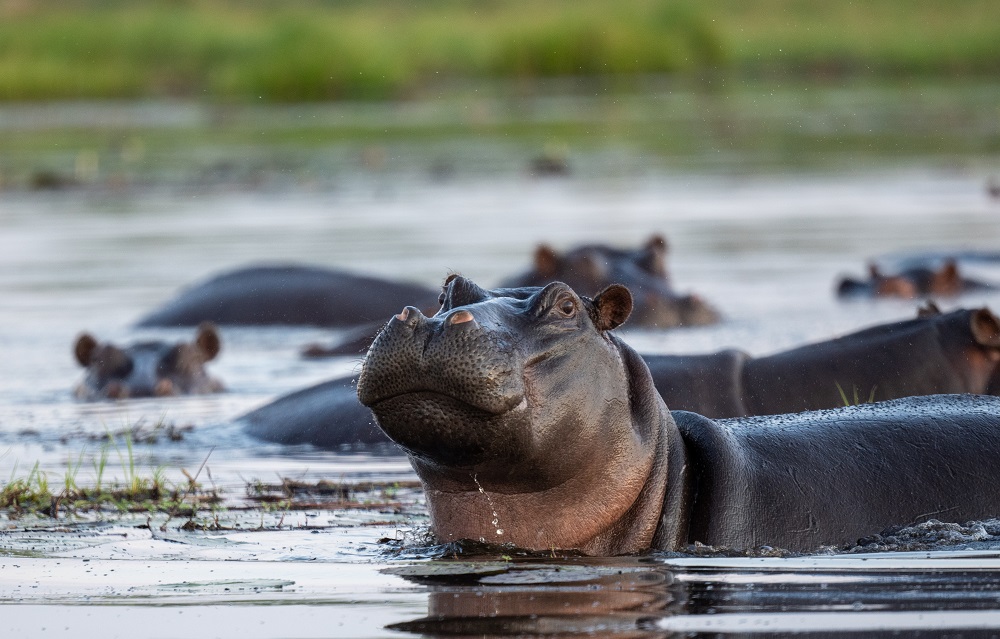
There’s a lot more, starting with above average to sometimes scintillating game viewing, given the presence of elephants, lions, leopards, African painted dogs, eland, waterbuck and zebra. Plus of course rafts of hippo in the Zambezi and some fine specimens of Nile crocodiles. Trolling unseen below the surface, an abundance of tiger fish, ready to grab your spoon or lure, should you be up for the challenge to take on these notoriously difficult to catch fighting fish. A hint: the tigers can be closer to the shore than you think, particularly if there’s a nice current visible. A more important hint: don’t venture too close to the edge. The tigers won’t, but the crocs may consider you fair game. 

Mix in foot safaris (Mana Pools is practically synonymous with getting out of the vehicle) and the place is heaven on earth for visitors in search of a classic Africa experience. 

If you’re still considering a summer getaway to Africa this year, you may find that Kenya and Tanzania – and all of the best camps in the private game reserves adjacent to Kruger Park in South Africa – are pretty much ‘sold out.’ You may balk at the eye-wateringly high prices of some of the northern Botswana properties. Don’t give up. Spain is not the answer. There’s still plenty of space available in Mana Pools, so give us a call at 800-513-5222 or email me at bert@fisheaglesafaris.com to talk about a safari which is going to be excellent, and which will cost you half the price of a comparable Botswana trip. Mix in a few days in Hwange National Park (nowhere better for elephants) and you’ll come back with awesome photographs and even better memories and tales to tell. Upping the value even more? Free charter flights from Harare to Mana Pools, from Mana Pools to Hwange and from Hwange to Victoria Falls, provided you add on a couple of nights at Toka Leya, a superb lodge on the Zambezi, just far enough away – upstream – from Victoria Falls. This offer is available from now until 15 Nov 2024. Itineraries need to include a minimum of either six or eight nights in specific safari camps in Zimbabwe. Details available on request.  

Better game viewing earlier in the season 

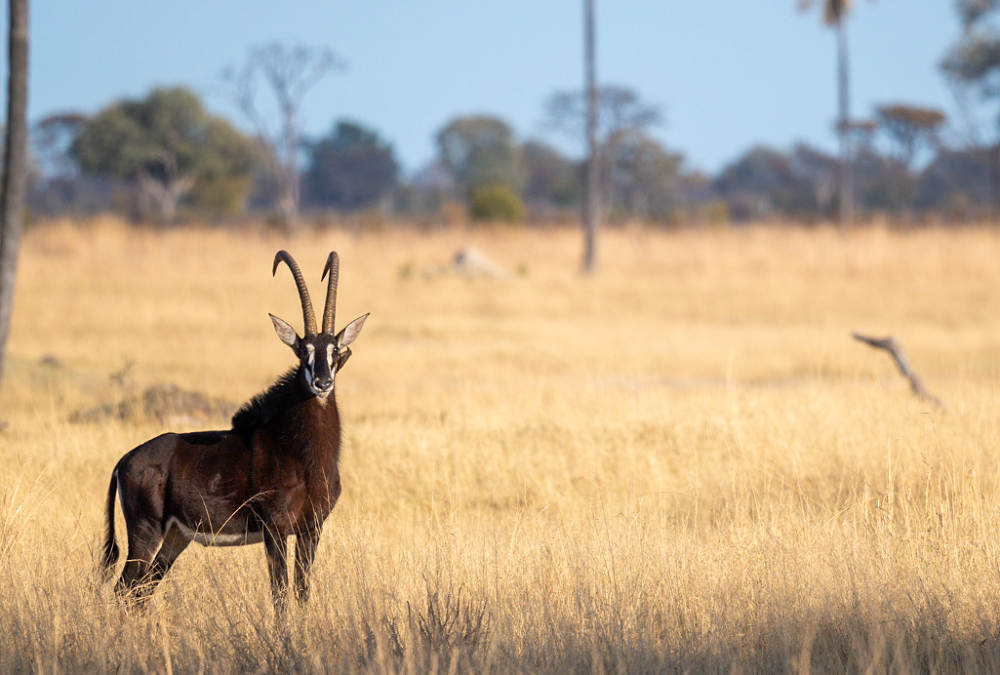
The greater part of the prime game viewing area in Zimbabwe has experienced well below average rainfall this season which means that dry-season conditions have already set in. Mid- to late May will be like mid-July to early August in a ‘regular’ year. Less vegetation with more animals concentrated around remaining sources of water such as pumped water holes in Hwange and the floodplains of the Zambezi. The dry season is notorious for delivering the best predator activity, particularly with lions but also leopards making use of the opportunity to ambush herbivores when they come to drink. In Hwange and elsewhere there will be throngs of elephants and other mammals including buffalos, giraffes and some rarely seen antelopes like sable and roan, coming to the pumped water holes, pretty much day and night.  

Significant drought conditions later in the season 

Later in the dry season – as drought conditions worsen and food becomes scarce – some of the scenes around the water holes may be intense and even harrowing. Unless there is late rain, many of the large herbivores – notably the elephants – will start to struggle and the weaker ones will succumb as the daily trek between sources of food (woodland forest) and the water holes becomes just too much. In the long run, a reduction in the overall number of elephants in particular, will be beneficial for the environment. Regrettably, it will be a harsh and tough process to witness.   

The vital role played by safari visitors

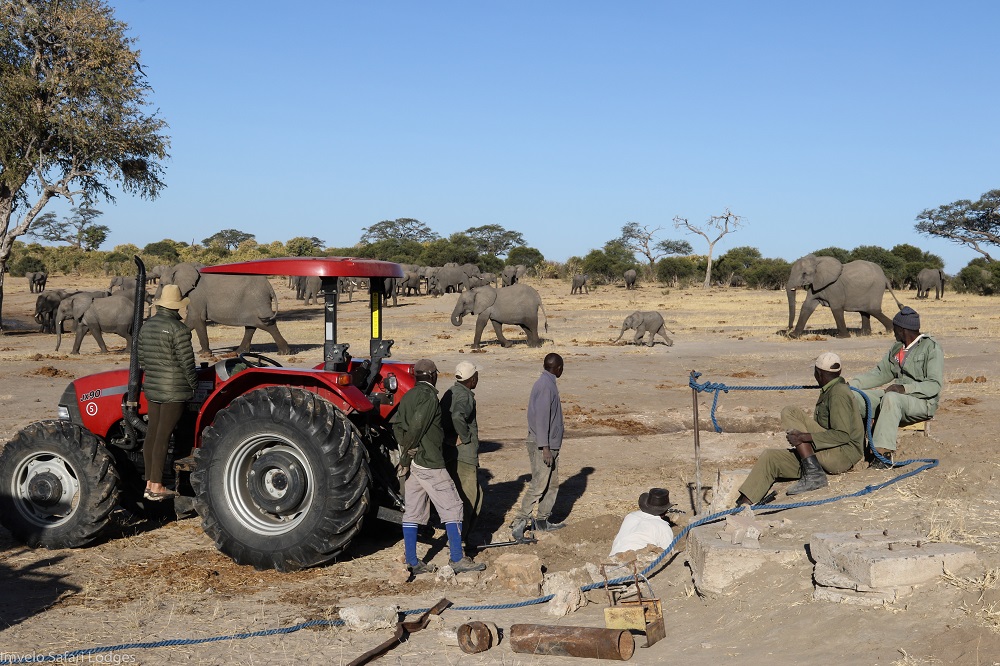
Prospective visitors can take comfort in knowing that tourism dollars are hugely important in terms of sustaining the wildlife and the communities around the safari areas. As many as one out of every ten jobs in Africa is created and sustained by tourism. On average, one person employed in the Zimbabwe tourism industry supports as many as 10 dependents. The funds generated by tourism support vital wildlife safety nets like pumped water holes in Hwange. Right now, companies like Imvelo Safaris are going flat out re-drilling boreholes to maximize their efficiency and spending money on new pumps and equipment. Money which largely comes from American and other foreign visitors.   

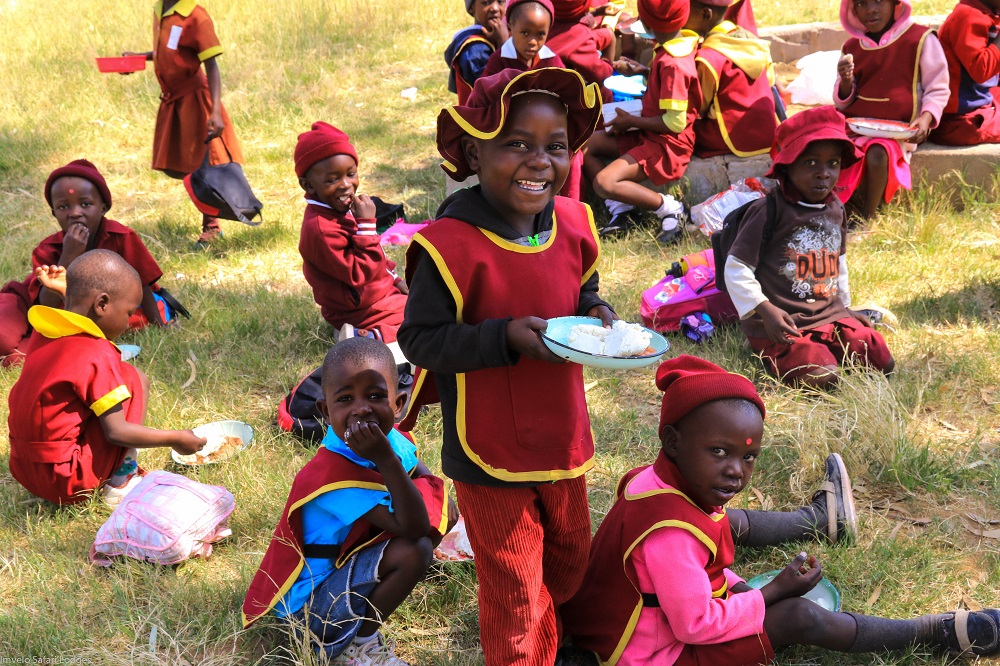
Imvelo Safaris are also drilling three new boreholes at three villages specifically to sustain irrigated vegetable gardens to keep people fed during the coming months. They are also ramping up their school feeding program. Little or no corn in the fields means no fresh corn for breakfast, creating a need for more funds to provide the children with a square meal. In Zimbabwe, the second school term opens at the  beginning of May. Every additional visitor will make a difference. This year, more so than in a long time. Every dollar spent or donated in the Zimbabwe safari destinations this year will provide a vital, much needed boost to the local economy, the people and the wildlife.  

Two other ways in which the people of Zimbabwe can be supported is by making a microloan to a local entrepreneur on Kiva at kiva.org, or by directly supporting the conservation and community efforts of Mark Butcher and his team at Imvelo Safaris. Imvelo’s guests have sponsored a school meal program that has provided over 4 million school meals to dozens of schools in just the past 10 years. They’ve also built teacher cottages, constructed classroom blocks, established a health clinic at Ngamo and annually they arrange a massive ‘Smile and See’ project treating thousands of dental and optical patients free of charge, with the help of a visiting team of dentists and eye doctors. Donations to all Imvelo Trust projects may be made on this site: https://www.hwangecommunityrhino.com/how-to-donate.

Incredible value

A safari of equal quality, using a similar mix of classic category tented camps in Zimbabwe is roughly half the price of a northern Botswana trip of the same duration during high season. With hardly any dropoff in terms of game viewing and diversity of habitats and activities. Not to mention equal or better professional guiding in Zimbabwe and more varied scenery. Victoria Falls being at its best through the end of May and into June, when the river is in high flow stage. The setting of the Mana Pools camps on the southern edge of the Zambezi with the massive river in front and the pretty Zambian escarpment in the background? One of the best in all of Africa. Travel before the end of May and you can take advantage of low shoulder season pricing, with rates at some of the camps being as much as 50% lower than high season prices. Include three free flights (Harare to Mana Pools, Mana Pools to Hwange and Hwange to Victoria Falls) and you’re looking at a savings of up to $1,500 per person. 

YOU MIGHT ALSO BE INTERESTED IN

Destinations
Zambia

10th September 2021

Chindeni and the Bushcamp Company, Zambia

By late July we found ourselves at Chindeni, a small Bushcamp Company property
Read more
Botswana
Destinations
Okavango Delta

3rd October 2022

Camp Okavango, Botswana

Camp Okavango is in the heart of the permanent part of the Delta. In this idyllic setting there are no vehicles, and it is just a short walk

Read more
Area
Destinations
Nyerere National Park
Ruaha
Tanzania

14th October 2023

From My Safari Notebook: Wildlife Photography

Birds in flight and wildlife photographers have an uneasy relationship. Things go wrong as often as they go right. Getting focus-lock on a moving subject

Read more

SUBSCRIBE TO OUR NEWSLETTER

READERS FAVOURITES

Destinations
India

27th May 2023

India

India’s tiger, mammals and birds.

Read more
Botswana
Destinations

4th August 2022

On Safari At Belmond Eagle Island Lodge, Okavango Delta

What is the ‘secret sauce’ for an unforgettable few days on safari in Botswana? It starts with the animals, of course. The elephants, lions, giraffes, hippos

Read more
Destinations
Zambia

10th September 2021

Chindeni and the Bushcamp Company, Zambia

By late July we found ourselves at Chindeni, a small Bushcamp Company property
Read more

Why Zimbabwe should be on your Africa shortlist

24th June 2021

Why Zimbabwe should be on your Africa shortlist


Image

Why Zimbabwe should be on your Africa shortlist

I first visited Zimbabwe – when I was a senior in college – to attend a tiger fishing tournament at Charara, on Lake Kariba in 1974.  At the time Zimbabwe was still known as Rhodesia – it would gain its independence from Great Britain several years later, in 1980.  The Zimbabwe of the mid-1970’s was a very different place on many levels to what it is today.  Some things never change though and what appealed to me about Zimbabwe at the time, still holds true.  The friendliest people, ‘from the heart’ hospitality and spectacular natural beauty and wildlife, in the most African of settings imaginable.


Image

We first started sending our guests to Zimbabwe in the early 1990’s and I don’t think anybody has returned from there who has not had their expectations met or exceeded.  Now, 30 years later, we still rate Zimbabwe highly as an excellent ‘value for money’ destination.  I always say that it offers pretty much what Botswana does, at half the price, in the high season.  It is also an attractive proposition for the shoulder season (April & May and November).  Even so, November can be quite hot with afternoon temperatures rising well in the 90’s F.


Image

Right now,  Zimbabwe is an ideal safari destination because of its safety and diversity.  It is practically the only Southern Africa destination which is at Level 2 (extra caution) on the US State Department travel advisory status.  And it is getting easier to reach:  Qatar Airlines is set to launch four weekly flights from Doha into Harare, likely starting on August 6 2021.  This Boeing Dreamliner service will be via Lusaka, Zambia and will make it much easier than before to include Mana Pools in a Zimbabwe itinerary.


Image

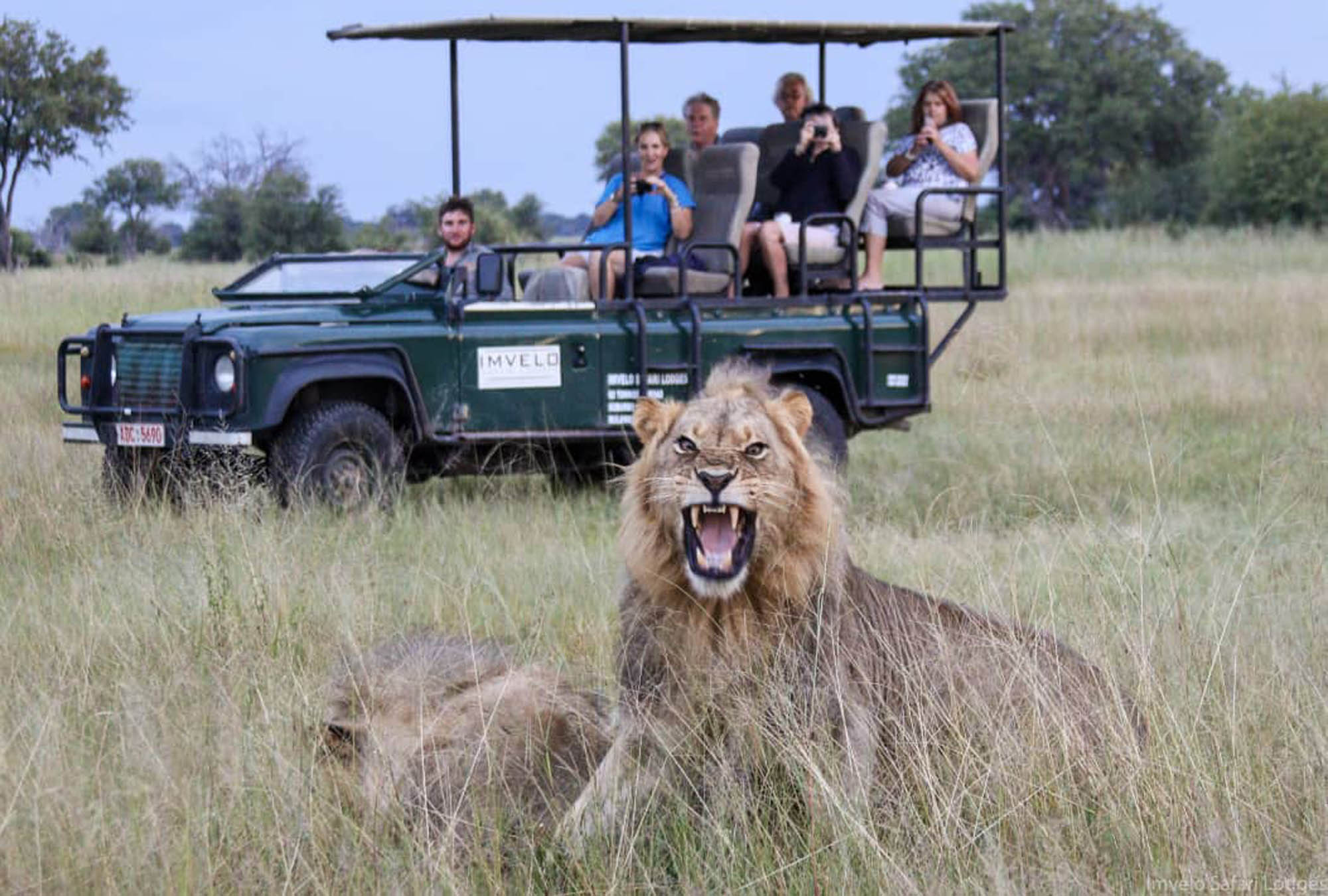
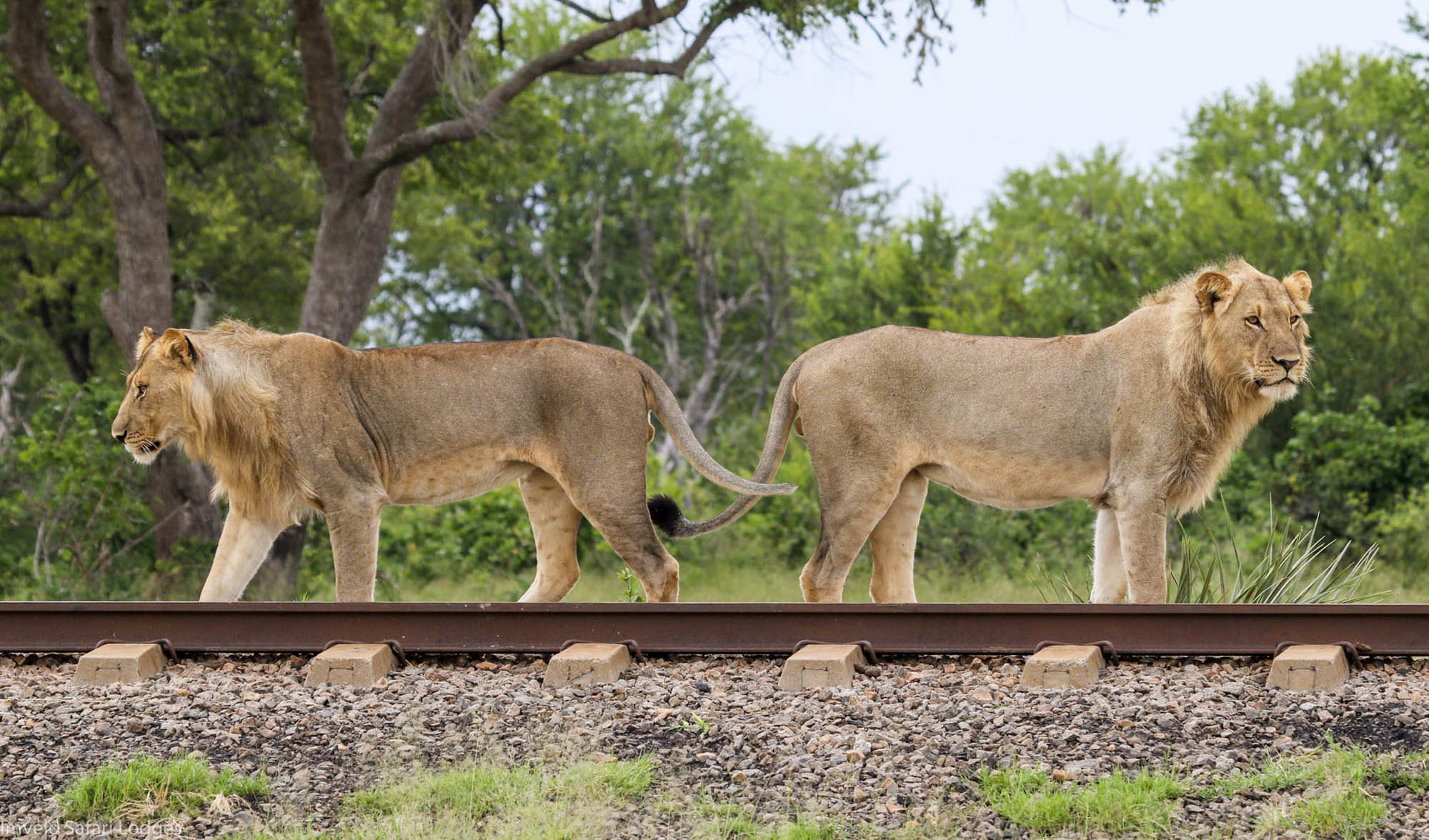
Imvelo Safari Lodges – Lions on Ngamo Plains March 2021

Another strong advantage which Zimbabwe has over many other safari destinations, is that it is ideal for a ‘one country’ trip, with plenty of diversity, making it possible to put together a trip of 10 days or so with an unbeatable mix of wildlife viewing, adventure activities, cultural interaction and scenery.


Image

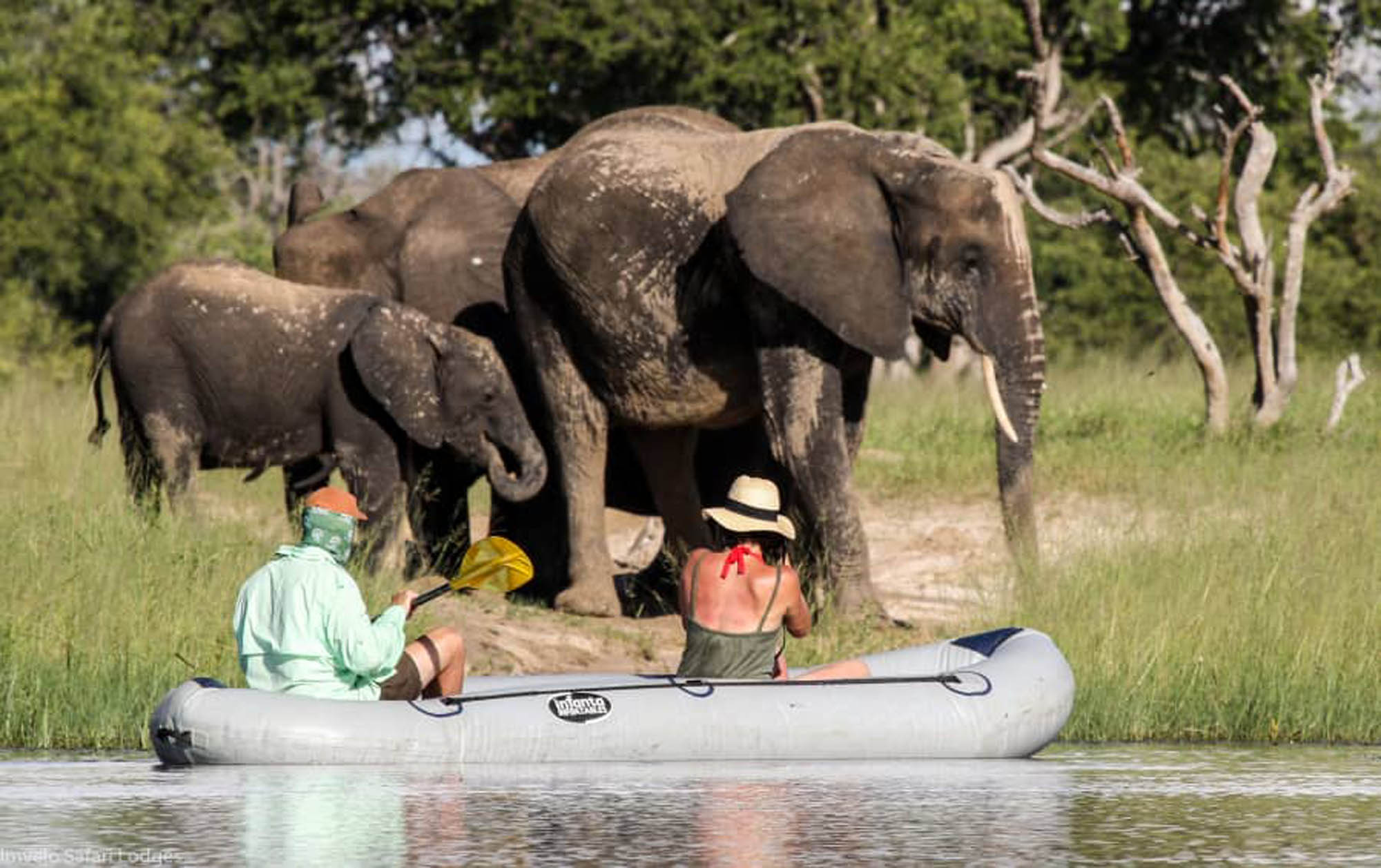
Imvelo Safari Lodges – canoeing on the Bomani concession

Many visitors start or end in Victoria Falls.  Usually just for a day or two at the beginning of the trip – to acclimate, see the Falls and perhaps do an interesting late afternoon sundowner boat-trip on the Zambezi.  The Falls are an awesome sight in March, April and May particularly but always nice to see – any time of the year – from the main falls on the Zimbabwe side.


Image

Hwange National park is Zimbabwe’s premier wildlife destination.  This huge national park is one of the most important elephant sanctuaries in Africa, with as many as 30,000 elephants resident in the greater Hwange area.  We always include at least one Hwange property (mostly tented but not exclusively so) in an itinerary, sometimes two.  In addition to the elephants, Hwange has good populations of buffalo, giraffe, eland (largest antelope in Africa), zebra, wildebeest, and a good variety of predators including lions, cheetahs, leopards and also African painted dogs.

Ellerman House


Image

So the safari experience there is very much like in South Africa, Botswana or for that matter Kenya.  Zimbabwe has a couple of very special antelope not generally seen elsewhere in Southern Africa, namely the majestic Sable antelope and the equally interesting Roan antelope.  Plus literally thousands of impala and various other smaller mammals.  The birdlife is superb with many birds of prey and colorful bee-eaters, rollers, shrikes, and dozens of other families of birds.  It is also an exceptionally good place for walking safaris, under the safe and capable supervision of a professional Zimbabwe guide.


Image

Imvelo Safari Lodges – Lions on the Hwange railroad tracks

Mana Pools in far north-eastern Zimbabwe is a near-legendary national park which lies along the lower Zambezi River in far north-eastern Zimbabwe.  Renowned for its game-viewing (elephants, big cats, buffalo, plains game & African painted dog), the area is highly atmospheric and for many seasoned safari goers, Mana Pools is the holy grail.  Being on the Zambezi and with the Zambian escarpment visible in the background (across the river), the setting is very special too.  Including Mana Pools makes a trip a bit more expensive on a per diem basis, due to the relatively high cost of flying there.  The introduction of international flights into Harare will help to offset that.  Mana Pools is known as an ideal park for foot safaris.


Image

Lake Kariba and particularly the Matusadona National Park on the southern shore of the lake, is yet another attractive option for inclusion in a Zimbabwe itinerary.  A very diverse area (in terms of habitat and activities), Lake Kariba will enhance almost any Zimbabwe trip.  Beautiful views over the lake (one of the biggest man-made lakes in Africa), boat safaris (a pleasant change from bumping around in the vehicle), fishing – for tiger fish, a fierce freshwater fighting fish, on catch & release basis – and walking are all possible.  I have taken some of my best ever photographs in Matusadona National Park because of the vast expanse of floodplain around the lake, where elephants and other animals are often seen in the open, with a nice clean mountain or water backdrop.

Legendary Lodge


Image

Last but not least, it’s worth considering spending some time in the Matobos in south-western Zimbabwe.  If you definitely want to see rhinos in the wild, then this is the place to include on your itinerary, before moving on to Hwange.  Scenically it is unbeatable with rocky outcrops reminiscent of South-eastern Utah.  It also has a couple of worthwhile cultural experiences, namely a visit to one or two San (‘Bushmen’) cave painting sites and a visit to the grave-site of Cecil John Rhodes.  This area – which Rhodes referred to as ‘World’s View’ is spectacular, particularly at sunset.


Image

In our blog post next week we will take a look at a couple of Zimbabwe safari camps which we rate very highly, and have elevated to our ‘Groundhog Day’ list.  Little Makalolo in Hwange and Chikwenya in Mana Pools.

More Info

Email bert@fisheaglesafaris.com

Email jason@fisheaglesafaris.com

@fisheaglesafarishouston

#FishEagleSafaris

YOU MIGHT ALSO BE INTERESTED IN

Destinations
Zambia

10th September 2021

Chindeni and the Bushcamp Company, Zambia

By late July we found ourselves at Chindeni, a small Bushcamp Company property
Read more
Botswana
Destinations
Okavango Delta

3rd October 2022

Camp Okavango, Botswana

Camp Okavango is in the heart of the permanent part of the Delta. In this idyllic setting there are no vehicles, and it is just a short walk

Read more
Area
Destinations
Nyerere National Park
Ruaha
Tanzania

14th October 2023

From My Safari Notebook: Wildlife Photography

Birds in flight and wildlife photographers have an uneasy relationship. Things go wrong as often as they go right. Getting focus-lock on a moving subject

Read more

SUBSCRIBE TO OUR NEWSLETTER

READERS FAVOURITES

Destinations
Zambia

10th September 2021

Chindeni and the Bushcamp Company, Zambia

By late July we found ourselves at Chindeni, a small Bushcamp Company property
Read more
Botswana
Destinations

4th August 2022

On Safari At Belmond Eagle Island Lodge, Okavango Delta

What is the ‘secret sauce’ for an unforgettable few days on safari in Botswana? It starts with the animals, of course. The elephants, lions, giraffes, hippos

Read more
Destinations
India

27th May 2023

India

India’s tiger, mammals and birds.

Read more

Lower Zambezi, Mana Pools & Gonarezhou ANABEZI LODGE, LOWER ZAMBEZI

28th May 2020

Lower Zambezi, Mana Pools & Gonarezhou
ANABEZI LODGE, LOWER ZAMBEZI


Image

Lower Zambezi, Mana Pools & Gonarezhou

ANABEZI LODGE, LOWER ZAMBEZI

Over dinner some years ago at the River Club upstream from Vic Falls, I was gently chided about a comment I had made about the Zambezi River.  “It is the Zambezi.  Not the Zambezi River”.  I stand corrected.   Either way, the Zambezi is Africa.    Elephants drink from it, swim across it and are inescapably part of its allure.  It is home to thousands of hippos and crocodiles, and what can be more African than that.  Tiger fish live in it, as do giant catfish known as Vundu.  African Fish Eagles patrol its banks, their unmistakable, plaintive call often heard well before the birds are seen.  People as diverse as the Lozi, Tonga, Shona, Chena and Nsenga rely on this ‘river of life’ for food, transportation and irrigation.  The Zambezi is mighty, powerful  and  mysterious.  It even has its own river god, Nyami Nyami.  And of course it carves its way through and enhances some of Africa’s most spectacular places such as Victoria Falls, Mana Pools and the Lower Zambezi.


Image

So it was good to be back on this most African of rivers, on what was a return trip to the Lower Zambezi region of Zambia last May.  To get there, my fellow travelers and I flew from Lusaka Airport to Jeki Airstrip, from where it took about an hour by road to the camp where we’d be spending the next couple of days:  Anabezi.  I had heard much about the property in advance and I am happy to report that the actual experience was even better than the anticipated one.


Image

For one thing, my room was massive, as was everything in it from the king size bed with mosquito net canopy, the large tub (and plenty of hot water always available), a lounge area, outside deck and both inside and outside showers.  Best of all was the view over the Zambezi.

The Zambezi is central to what Anabezi is all about and over the course of our stay, it featured prominently in the activities on offer.  Right off the bat we did a late afternoon boating trip on the river, enjoying some nice views of hippos, various birds and the pretty scenery.  Sundowner drinks were served on an island –  a fun variation on the theme.  Dinner did not disappoint either with a tasty dish of peri-peri rock lobster tails being the main course.


Image

The undisputed highlight of the day was a leopard which walked by in clear view, in front of camp.  At least one first-time visitor to Africa got super-lucky to see a leopard on her first day in Zambia!

The following day we enjoyed a game drive and walk, taking in the beautiful, striking terrain with simply spectacular stands of trees in sandy areas, with a side-channel of the Zambezi flowing by.  Game-viewing was impressive with good looks of lions, buffaloes, hippo, waterbuck, kudu, impala and some great birds.


Image

Our walk with our Anabezi guide John was highly informative, fun, even engrossing.  On a site inspection at nearby Amanzi camp we could see that it was a slightly scaled down version of Anabezi with arguably an even better location (of the main area), which is elevated well above the Zambezi with fantastic down-river views.  The rooms at Amanzi are similar to the ones at Anabezi except they don’t have plunge pools or bathtubs.  Amanzi only has 4 rooms with rooms 3 and 4 being quite close to each other, ideal for a family or similar group.


Image

We enjoyed yet another splendid meal on this day, with grilled kabobs, salads, and grilled beef patties. After high tea at around 3:30 pm, we departed on a canoe safari (in several sturdy Canadian canoes), drifting downstream for about 5 kilometers (3 miles), the entire trip taking about 90 minutes.  I would highly recommend this activity for all camp visitors:  it is a serene, peaceful outing, drifting by a stunningly beautiful shoreline, with plenty of hippo ‘onlookers’ who kept their distance as we kept ours. As we completed our canoe trip we were greeted at the river bank by our guide for a game drive and sundowners.


Image

Sundowners that evening were followed by an excellent dinner consisting of fire-roasted chicken with lemon and herbs, served with french fries and a mixed salad, followed by a lovely dessert.

Should you consider adding or including Anabezi on your next or first trip to the Lower Zambezi?  For sure.  Just along the boardwalk – even without leaving camp – I saw a leopard, lions, buffaloes, hippo and elephant, over the course of just 2 days.  So great game-viewing, friendly and accommodating staff (one of whom even ran with me on a nearby airstrip), beautiful rooms and as diverse an array of activities as anybody could want on safari.


Image

KAYILA CAMP, LOWER ZAMBEZI

From Anabezi, we traveled upstream on the Zambezi for about 2 and a half hours, to Kayila Lodge which was just then opening in a beautiful spot high over the Zambezi, just outside the Lower Zambezi National Park.  The camp has a classic thatched safari design, with solid brick and mortar construction with high roof clearance, in each of the four huge chalets.  The chalet I was in – #1 – has a bath and indoor shower and a great balcony as well as two queen beds.


Image

Our afternoon game drive out of Kayila delivered plenty of elephants, kudu, impala and also some Cape buffaloes and duiker.  The birdlife in the area is prolific.  In addition to game drives, Kayila also has boating, catch-and-release fishing and walking safaris.  One would do well to spend a couple of nights at Kayila first, and then do the boat transfer on the Zambezi to either Anabezi or Amanzi


Image

JOHN’S CAMP, MANA POOLS

From the jetty at Mana Pools, it was a short trip of about 25 minutes to John’s Camp, a small (6-tented) bush camp on the edge of the Zambezi floodplain.

The camp made a good first impression with all of the staff including camp manager Milo meeting us on arrival.  John’s camp has quite a reputation which is clearly well-earned and not in a boring way.  At John’s Camp, when you hear a bell being rung, it doesn’t mean that lunch or dinner is ready.  It means that there are lions in camp. If you are in your room you are instructed to stay there until told the coast is clear.  Lunch was splendid – as were the other meals here which included some super tasty sushi (what a surprise here in the bush!) and a traditional South African ‘braai’ or barbecue.


Image

The comfortable rooms at John’s camp were quite simple yet functional with en suite flush toilet and bucket shower.  There was a more than ample supply of hot water when needed.  The room also had a small vanity, a dresser cube, and two twin beds or a double bed on a sisal natural rug.  Best of all (at least from room #5), I had amazing views over the Zambezi floodplain and the Zambia escarpment in the background.


Image

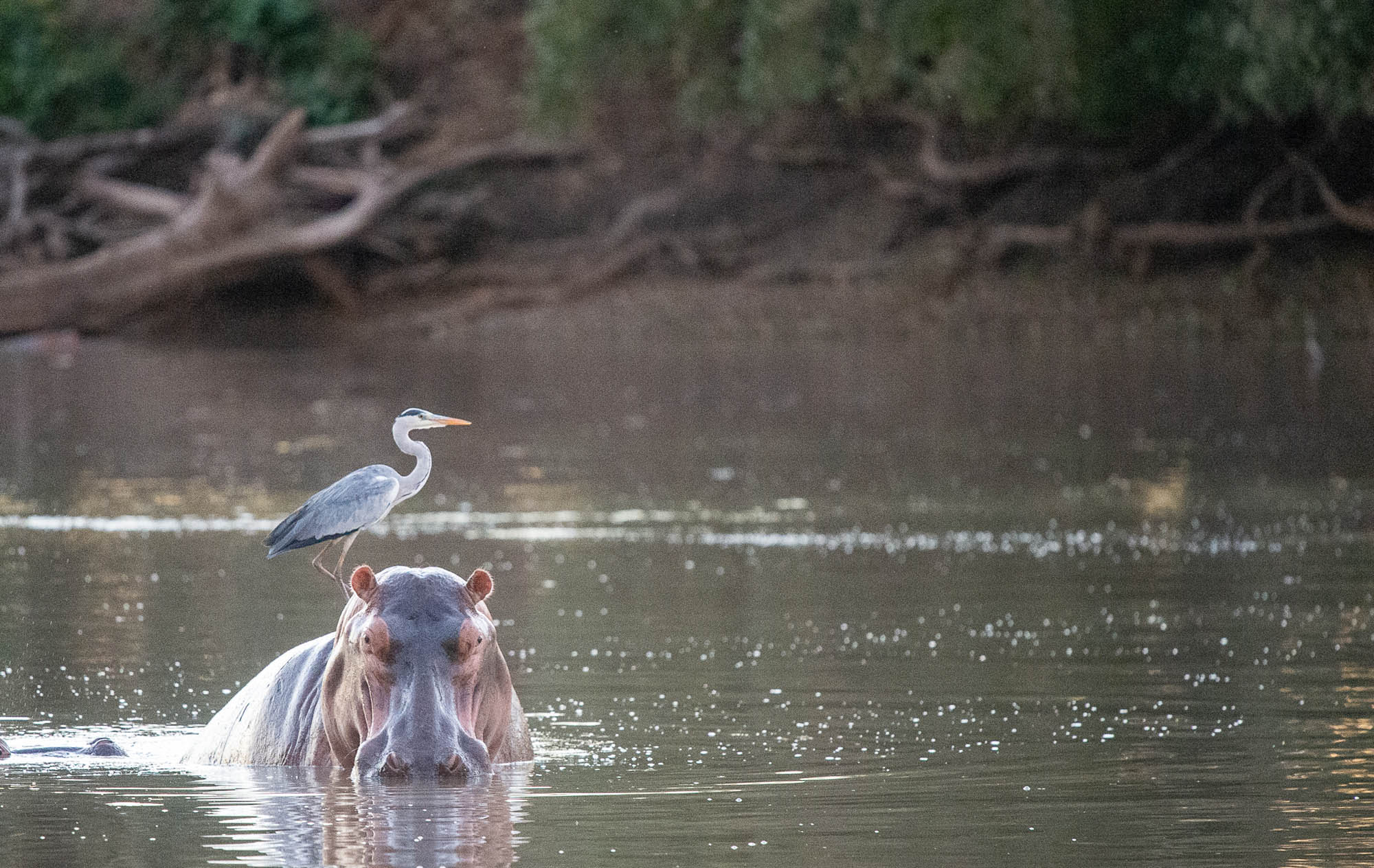
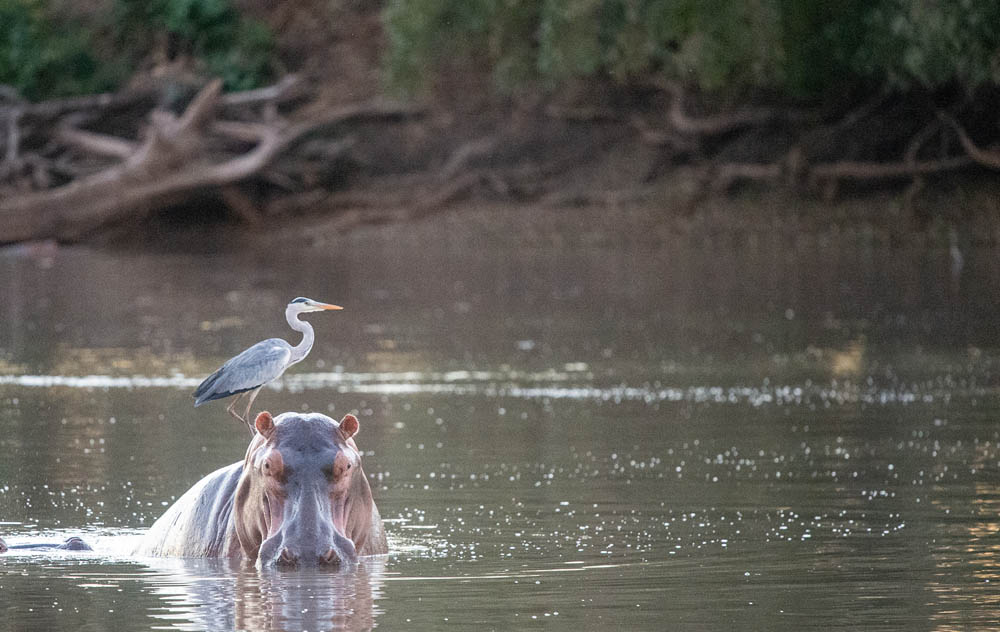
A late afternoon game drive was rather quiet and uneventful for Mana Pools, but that is how it goes on safari.  The animals move around in real time and are not always present on command.  We did enjoy an excellent sundowner stop at Long Pool where I was lucky to snap a photo of a heron taking a ride on the back of a hippo.

That evening, after yet another enjoyable dinner, we took a look at John’s Camp’s 5-meter high star-bed, where two people can sleep out under the stars in a mosquito-net enclosed platform with two mattresses next to each other, and a trap door which closes for safety.


Image

GONAREZHOU NATIONAL PARK – CHILO GORGE LODGE

Who should be pencilling in a visit to Gonarezhou in their planner, for the next time they make it to Southern Africa?  Curious, adventurous travelers who want to take a step back, away from the over-traveled safari spots which feature in way too many humdrum itineraries.  In Gonarezhou you will find the Africa of old, with plenty of wildlife but thankfully not many other visitors.  There will be the odd morning or afternoon where wildlife sightings might not be prolific, but when you do find something, it will likely be yours and yours alone.  Over the course of more than two days of driving around Gonarezhou early in the dry season, I can’t recall seeing even one other vehicle.  Take your time and spend several days there and you will be rewarded in many ways.  Looking back on our time there, some of my most vivid memories are of just how quiet and peaceful it was with no ambient noise or signs of civilization.  Yet with an undertone of excitement and a sense of adventure as we were wandering into spots where few other visitors had ever been to before, and interacting with wildlife not totally habituated to the presence of vehicles and people. Gonarezhou lions are going to look at you in a different way than a Serengeti pride who sees dozens of vehicles on any given day, year round.  And Gonarezhou elephants may even take a more active interest in you, depending on the circumstances.


Image

From John’s Camp we transferred by road to the Mana West airstrip for a private charter flight of about 1 hr 40 minutes to Chilo Gorge Lodge, alongside the Gonarezhou National Park.

The lodge is beautifully located on the edge of a magnificent gorge in the Save River in far southwestern Zimbabwe.  From the camp deck, there is an expansive view of the cliffs on the other side of the river, forests left and right, and a massive sandy beach stretching a mile or more downstream.  The deck overlooking the Save River is unquestionably the heart of the property; it is where most of the delicious meals are served and where guests gather for drinks, conversation or simply to enjoy the peaceful surroundings, any time of the day.  Across the river is where you will find the little-known and lightly explored Gonarezhou National Park which we would be exploring the following day.


Image

I spent the night in a spacious and well-equipped room with a shower and separate toilet and plenty of space.  Best of all was the amazing view over the Save River to the left of camp.  What a spot to catch up on one’s notes or look through your photographs of the day!  My room might not be suitable for everyone as I had to negotiate lots of steps getting there and back.

Our afternoon activity was a village visit and palm wine demonstration.  The village visit was done in a ‘drive-through’ fashion, observing the daily goings-on in this remarkable village of about 6,000 people, tucked into the forest, with very little to zero forest destruction.


Image

The next morning we set out on a long drive to Gonarezhou National Park, Zimbabwe’s second largest national park.  Along the way we crossed over the wide Runde River by boat.  Gonarezhou was impressive from the word go.  Beautiful scenery with lots of huge baobab trees, many of which were protected from elephants with wire or rocks around them.

By midday, we reached a simply spectacular lookout point at Chilojo Cliffs.  The cliffs are a series of massive sandstone precipices facing mostly east, towards the Runde River.  A bit later, we had lunch at the Ivory Trail Adventure camp, with a table set under the tree canopy, with again awesome views of the Chilojo Cliffs, this time from ‘river level’ up.


Image

The Ivory Trail is an adventurous combination of a foot and vehicle safari, exploring various spots in Gonarezhou.  Generally speaking the mornings are spent walking and the afternoon driving.  Our next stop – where we would spend the night – was Chilo Tented Camp (Makore Camp) which has 4 tents plus an auxiliary.

One thing to know about Gonarezhou is that the animals are still on the skittish side, although one can anticipate this changing, as more visitors add this rugged, remote place to their Zimbabwe trip itineraries.  Over a couple of days in the area, we experienced good all-round game-viewing with one large herd of buffalo,  several small groups of zebra, waterbuck, kudu, impala and a solitary female lion.  We also enjoyed several elephant sightings – some by themselves and a memorable breeding herd of about 10 to 12 elephants.  They at first seemed to be inquisitive, lifting their heads in our direction, with their trunks testing the air.  With practically no warning, two females then charged in the direction of the vehicle.  This was no mock charge – they were serious.  We retreated down the road quite safely,  impressed with the feistiness of the Gonarezhou elephants!


Image

Having spent the night at Chilo Tented Camp, we made our way back to Chilo Gorge the following morning.  Along the way we experienced an exceptionally good sighting of a buffalo herd in great morning light.  Also zebras, impala, kudu, and several herds of elephants.

At Chilo Gorge, we observed the antics of a pod of hippo in the Save River below camp, before heading off by air to Bulawayo; our next stop would be the Matoppos National Park, to be covered in our next blog installment…

More Info

Email bert@fisheaglesafaris.com

Email jason@fisheaglesafaris.com

@fisheaglesafarishouston

#FishEagleSafaris

YOU MIGHT ALSO BE INTERESTED IN

Destinations
Zambia

10th September 2021

Chindeni and the Bushcamp Company, Zambia

By late July we found ourselves at Chindeni, a small Bushcamp Company property
Read more
Botswana
Destinations
Okavango Delta

3rd October 2022

Camp Okavango, Botswana

Camp Okavango is in the heart of the permanent part of the Delta. In this idyllic setting there are no vehicles, and it is just a short walk

Read more
Area
Destinations
Nyerere National Park
Ruaha
Tanzania

14th October 2023

From My Safari Notebook: Wildlife Photography

Birds in flight and wildlife photographers have an uneasy relationship. Things go wrong as often as they go right. Getting focus-lock on a moving subject

Read more

SUBSCRIBE TO OUR NEWSLETTER

READERS FAVOURITES

Destinations
Zambia

10th September 2021

Chindeni and the Bushcamp Company, Zambia

By late July we found ourselves at Chindeni, a small Bushcamp Company property
Read more
Botswana
Destinations

4th August 2022

On Safari At Belmond Eagle Island Lodge, Okavango Delta

What is the ‘secret sauce’ for an unforgettable few days on safari in Botswana? It starts with the animals, of course. The elephants, lions, giraffes, hippos

Read more
Destinations
India

27th May 2023
India

India’s tiger, mammals and birds.

Read more

Footer

Design

  • About
  • Destinations
  • Blogs
  • FAQS
  • Team
  • Contact
All Rights Reserved ©Fish Eagle Safaris 2022 | Terms & Conditions | Privacy Policy
Designed & Developed by B Online

SUBSCRIBE TO OUR NEWSLETTER

SIGN-UP TO OUR NEWSLETTER

Subscribe Form

Footer Widget Header

Related Blogs