• Skip to primary navigation
  • Skip to main content
  • Skip to footer

Fish Eagle Safaris

Fish Eagle safaris

Contact

Logo
  • About
  • Destinations
  • Blogs
  • Newsletter
  • FAQS
  • Team
  • search
  • Contact
  • About
  • Destinations
  • Blogs
  • FAQS
  • Team
  • Contact

Kafue

Zambia’s South Luangwa National Park – in the Hot Dry Season

5th February 2026

Zambia’s South Luangwa National Park – in the Hot Dry Season

The South Luangwa region of Zambia in late October is not for everyone. Even before arriving in Zambia I knew that it was going to be hot and dry and so it was. Just more so. A lot more so. The first clue was a bumpy descent into Mfuwe Airstrip on a 29-seater Proflight British Aerospace Jetstream 41 aircraft on a late morning flight from Lusaka. A more reliable indication of what lay ahead was the pilot informing us that the temperature on the ground was 38C. In Texas that would be a cool 97F.

Of course you don’t have to visit Zambia in October. Any time from May through the end of August would be better to avoid the worst of the heat. Together with a few other tour operators I was on the equivalent of what the British would call a busman’s holiday. Doing for pleasure what you ordinarily do for work. Which is why we found ourselves in ‘the valley’ in late October. We do not usually recommend the area for our North American guests at that time of the year. Upon asking around it appears that British and at least some European visitors are not quite as averse to the extreme temperatures as we are. To each his own.  

This last October trip was my fifth visit to the area and together with several other Zambia trips done by members of our team, we now have a pretty good idea of what makes South Luangwa National Park – and by extension all of Zambia – a worthwhile candidate as a safari holiday destination.

Wild unspoiled rivers

The Luangwa River dominates the south Luangwa National Park. Not surprisingly, the majority of the camps in the park are either right on the river or not far from it. In the dry season the river is a veritable lifeline, its steadily diminishing water sustaining many species of mammals, reptiles and birds, until the first rains show up in November. 

Elsewhere in the country major rivers like the Kafue in the west and the mighty Zambezi which flows west to east along Zambia’s border with Zimbabwe to the south, are just as important and just as impressive. 

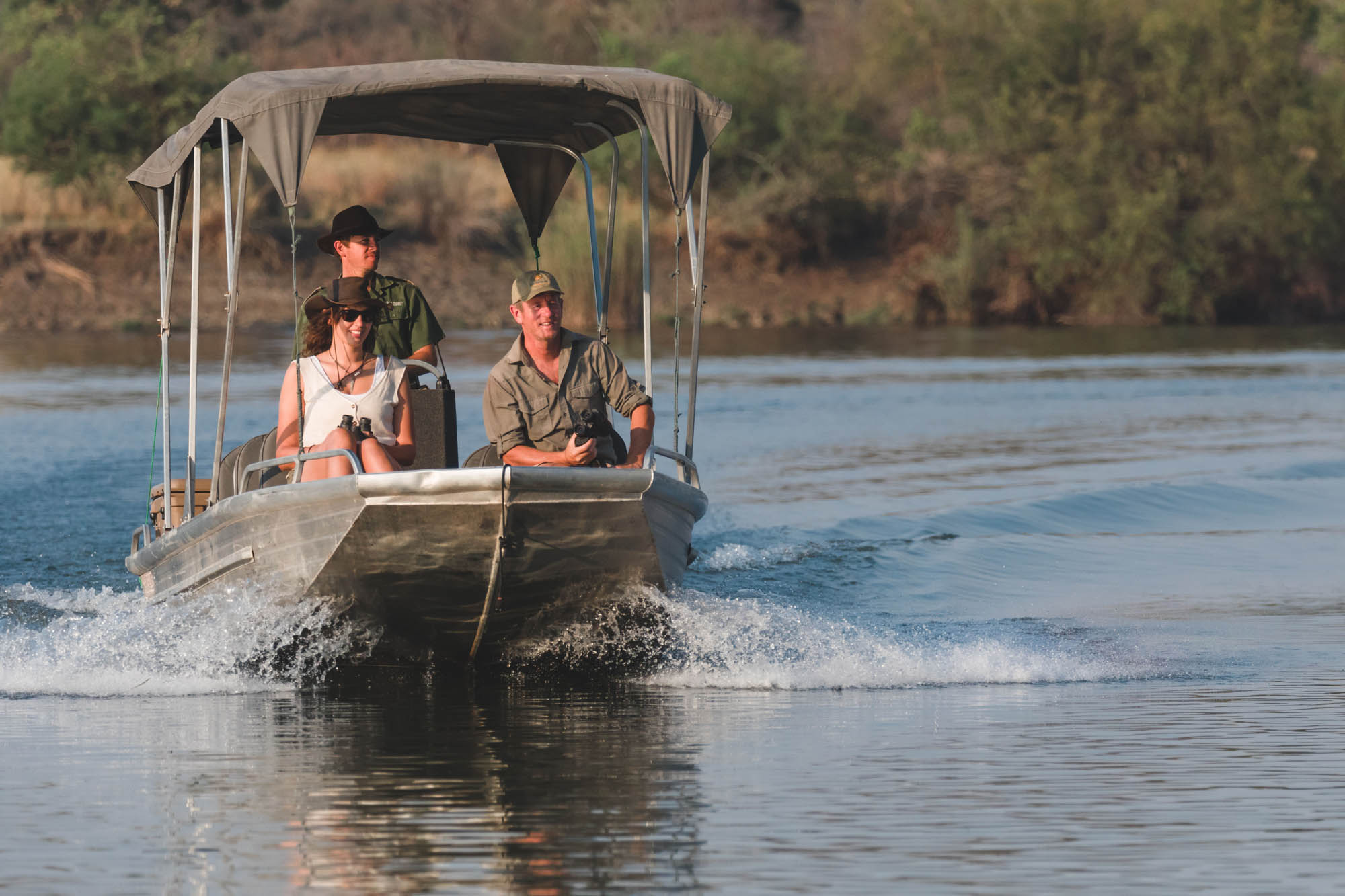
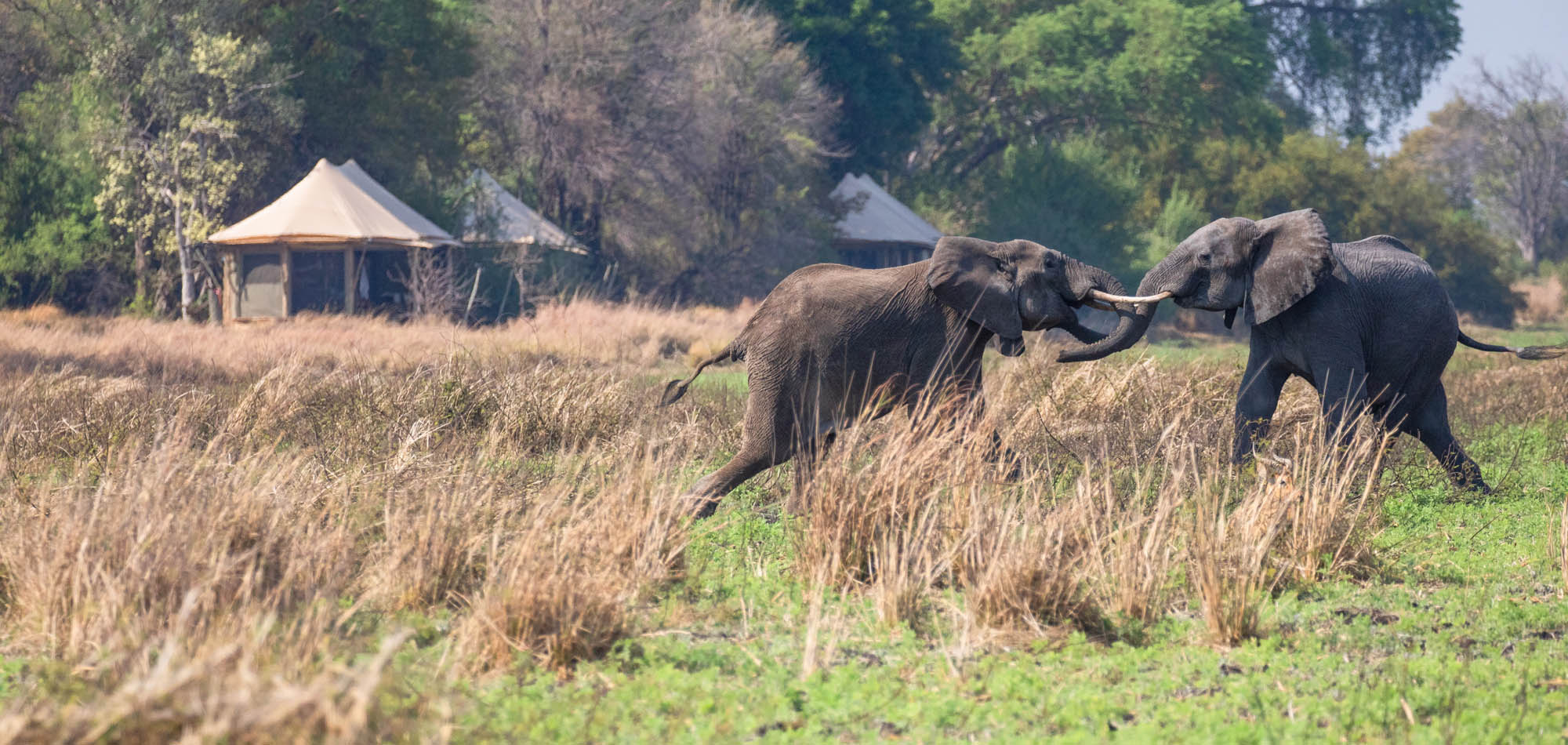
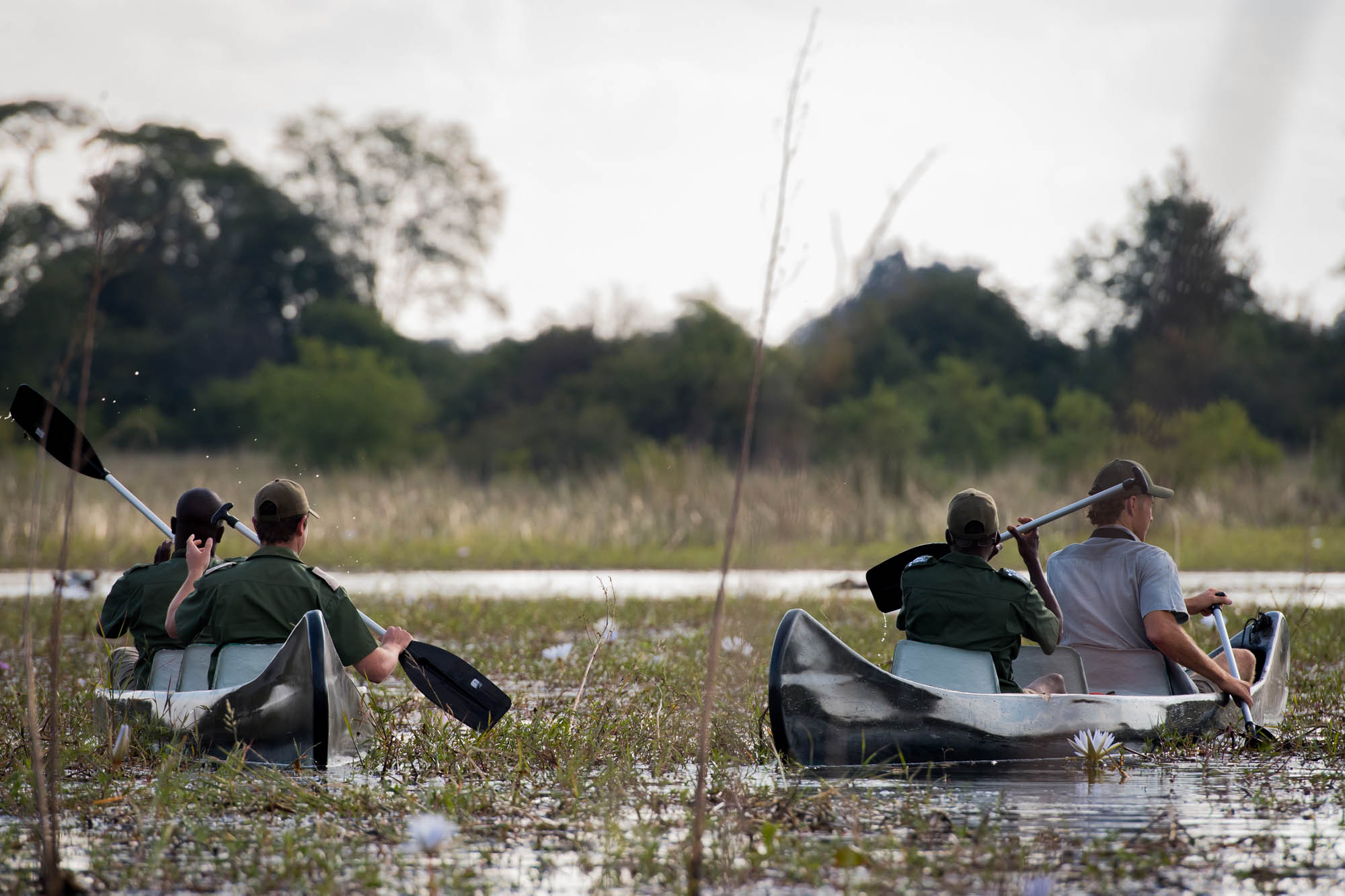
Whether the Luangwa is at its lowest flow ever – as it was last October – or the Zambezi is at flood stage as we’ve seen it previously – rivers and safaris are like peanut butter and jelly. Beyond their life-sustaining value to surrounding communities, rivers attract wildlife, provide opportunities for activities like boating and canoeing, fishing and even photography. We’ve taken some of our best photographs on safari from the stable platform of a boat or pontoon. And some of our finest moments on safari in Zambia have been in and along rivers. Enjoying a leisurely lunch drifting down the Zambezi on an outing from Chiawa a few years ago and twice (not just once) being prevented from walking straight to our rooms at Lower Zambezi camps due to elephants by the jetty. That’s Zambia. That’s Africa. 

Unique mammal species

Look closely at the first giraffe you come across in the South Luangwa NP. It’s not your garden variety plains or Burchell’s giraffe. Being slightly smaller in stature with smaller, more compact dark patches, having an overall darker appearance and a more recurved upper mouth makes it a Thornicroft’s giraffe, an endemic subspecies. Matter of fact the South Luangwa National Park came into existence in 1947 for the specific purpose of safeguarding the then dwindling number of Thornicroft’s giraffes. 

Another unique species to the valley is the handsome Cookson’s wildebeest. An endemic subspecies found mostly just there. It’s a noticeably lighter gray/brown color than the regular blue wildebeest and it’s also larger with bigger horns. 

Elsewhere in Zambia the Kafue lechwe – a subspecies of the common or lechwe – are still easily seen on the Busanga Plains but their numbers have been steadily declining due to habitat loss and human encroachment. Competition with cattle for food and contamination of their drinking water by surrounding human communities are putting further stress on the animals. 

For first time visitors to Africa – or guests who may have spent time elsewhere in Africa on safari – any of the major Zambia national parks would deliver a first-class wildlife viewing experience. Combining two or even three of them is even better, such as Lower Zambezi and South Luangwa, or South Luangwa and Kafue.  

High density of hippos

If you’re keen to see hippos in the wilderness, then Zambia will be your jam. In the South Luangwa, all along the Zambezi, in the Kafue and other rivers and dams, they’re present pretty much everywhere, often in great abundance. Towards the end of the dry season – such as when we were there last October – there are sometimes hundreds of them jammed together in rapidly shrinking hippo pools, testing their own and each other’s limits as they hunker down and wait for the rains. With their watery homes rapidly disappearing around them and having to walk many kilometers each night in search of food, they are stressed and cranky. So treat them with the utmost respect and keep your distance at all times.

An abundance of predators 

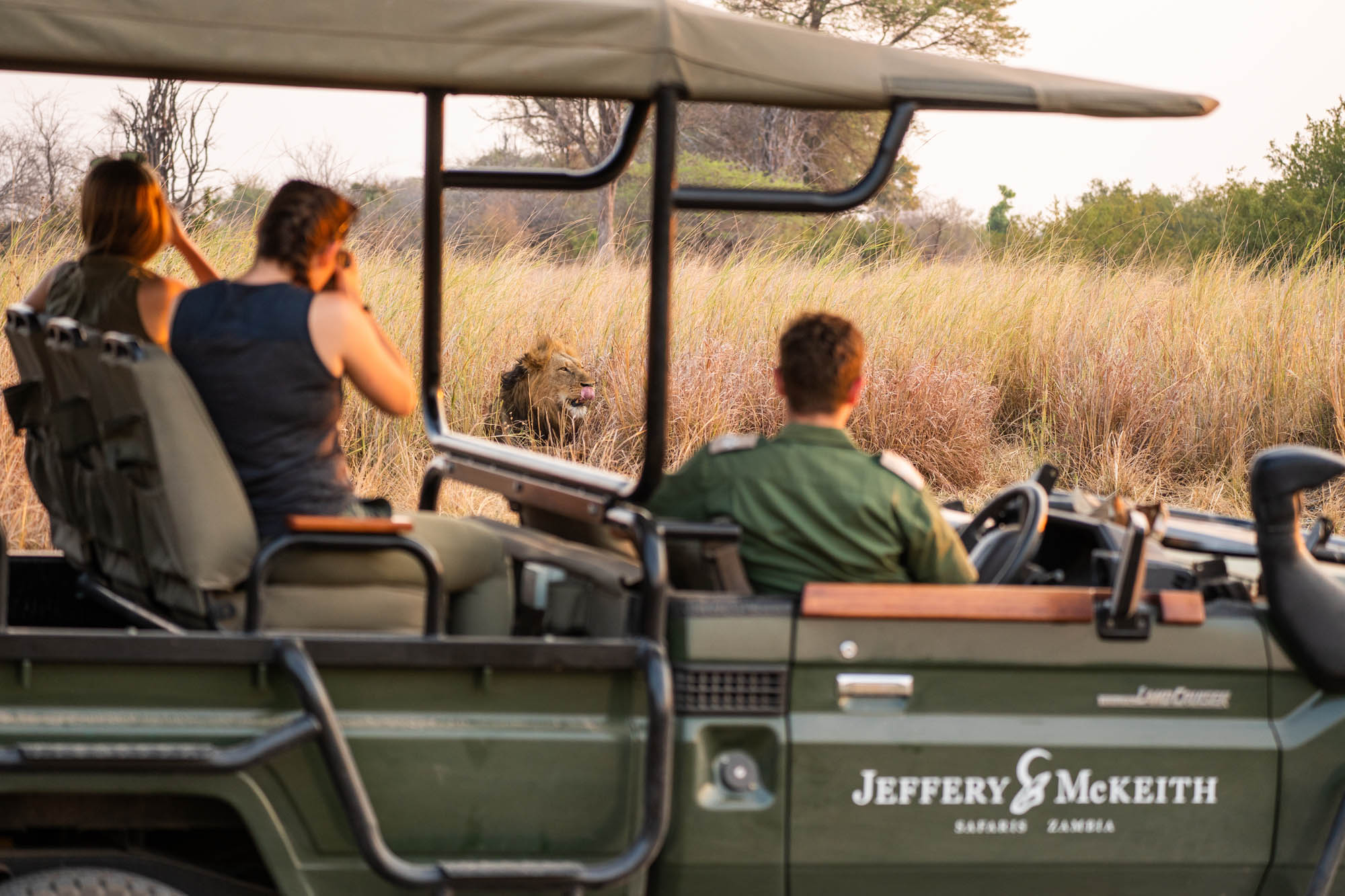
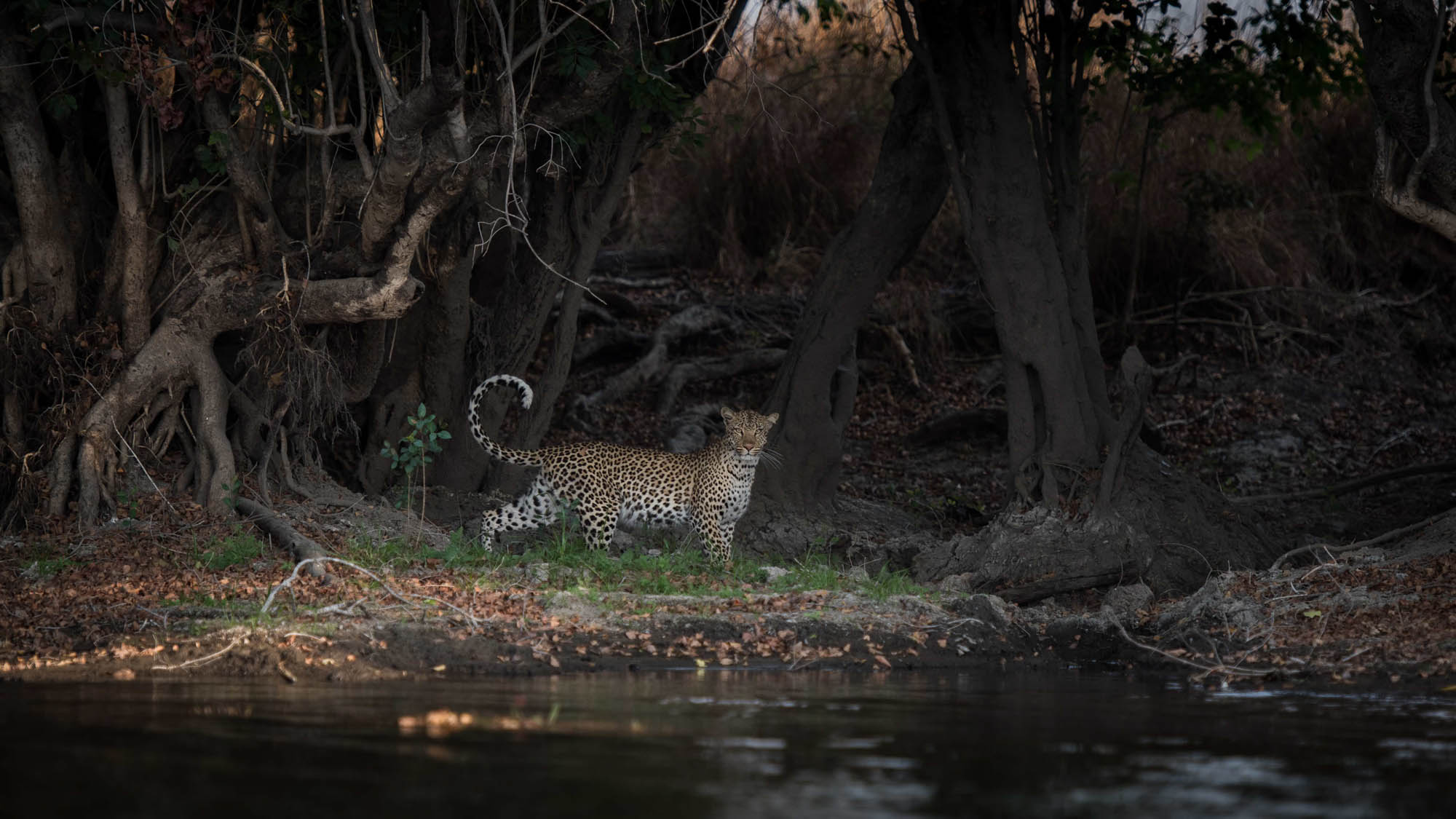
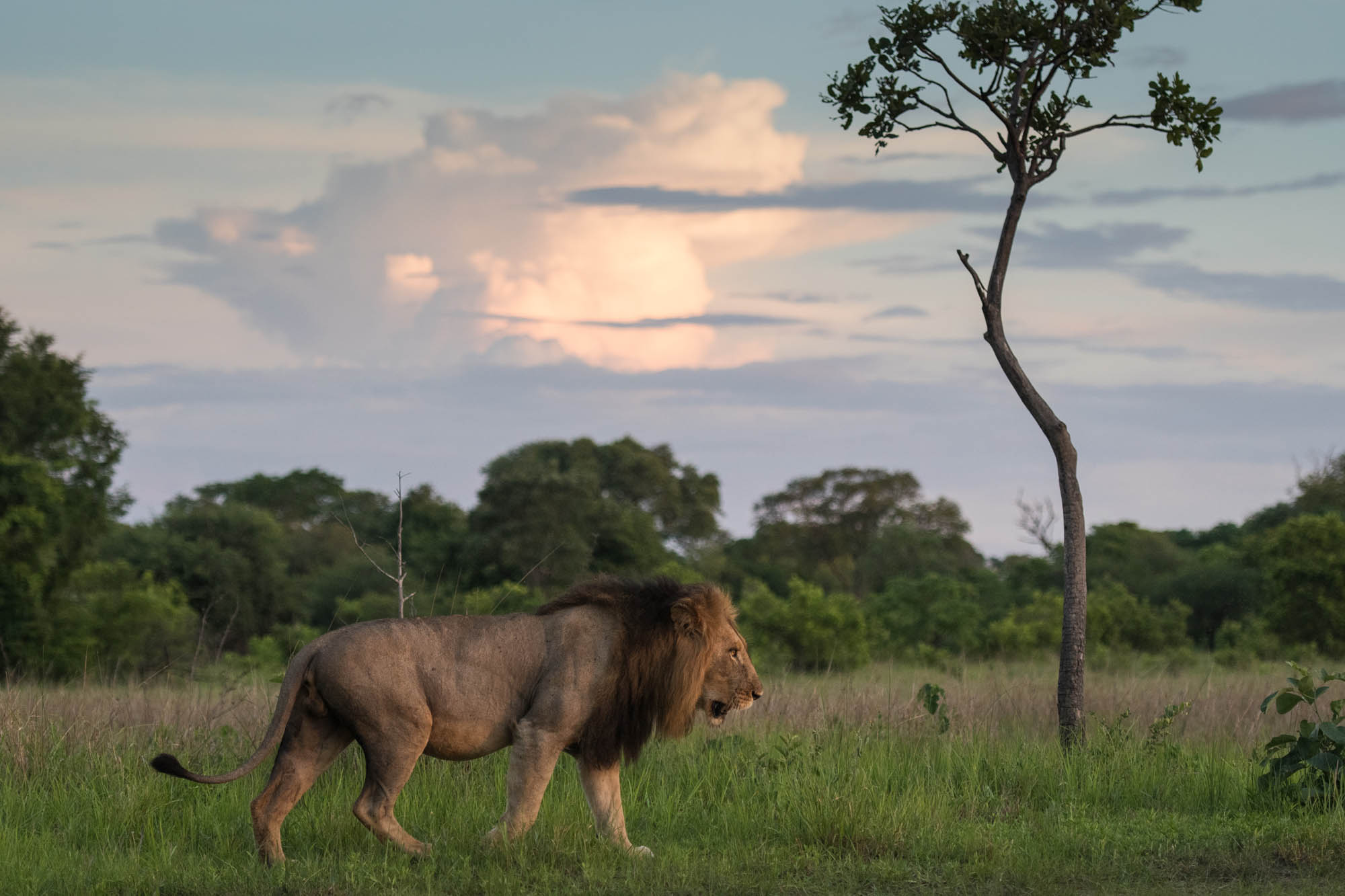
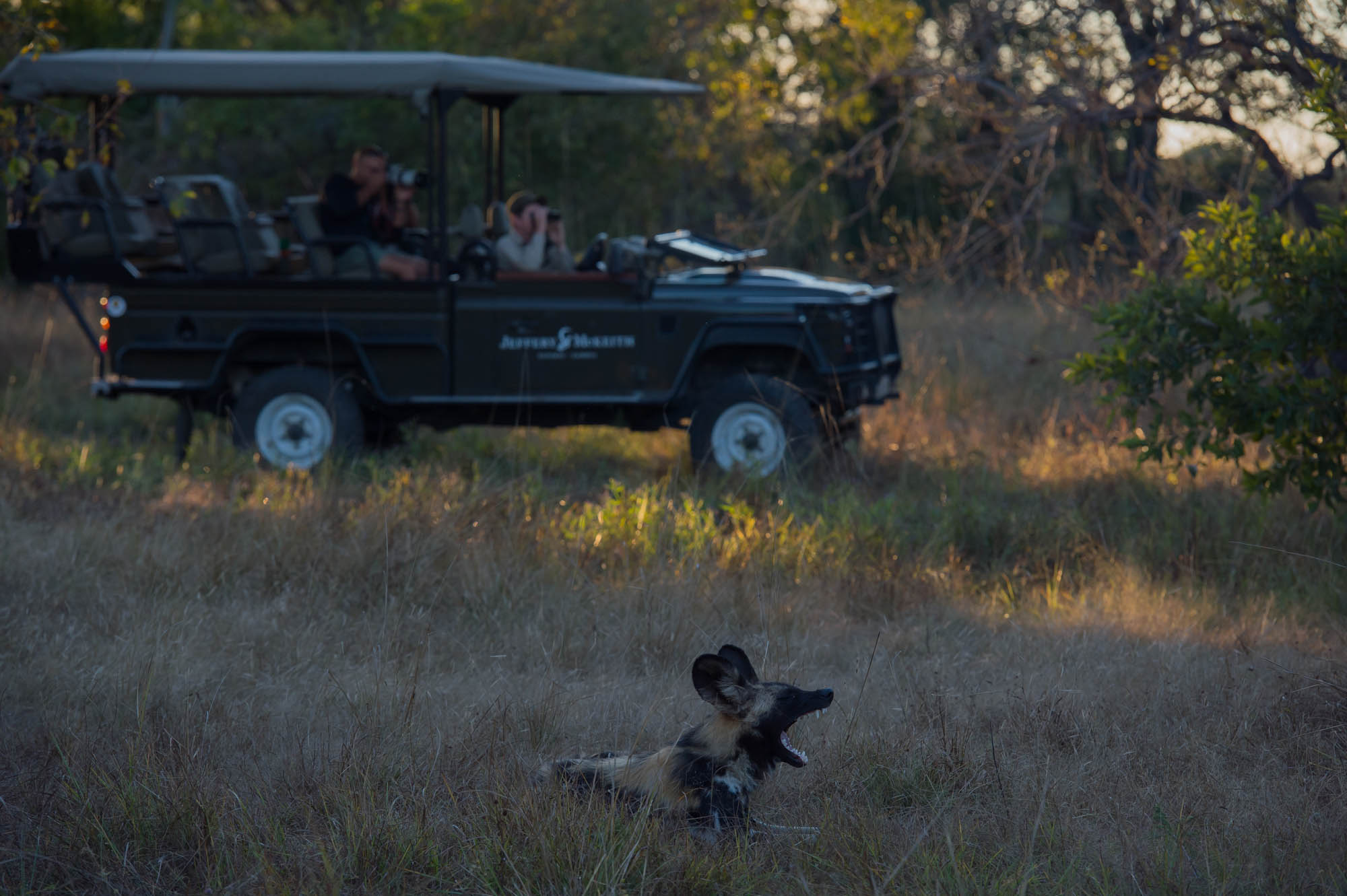
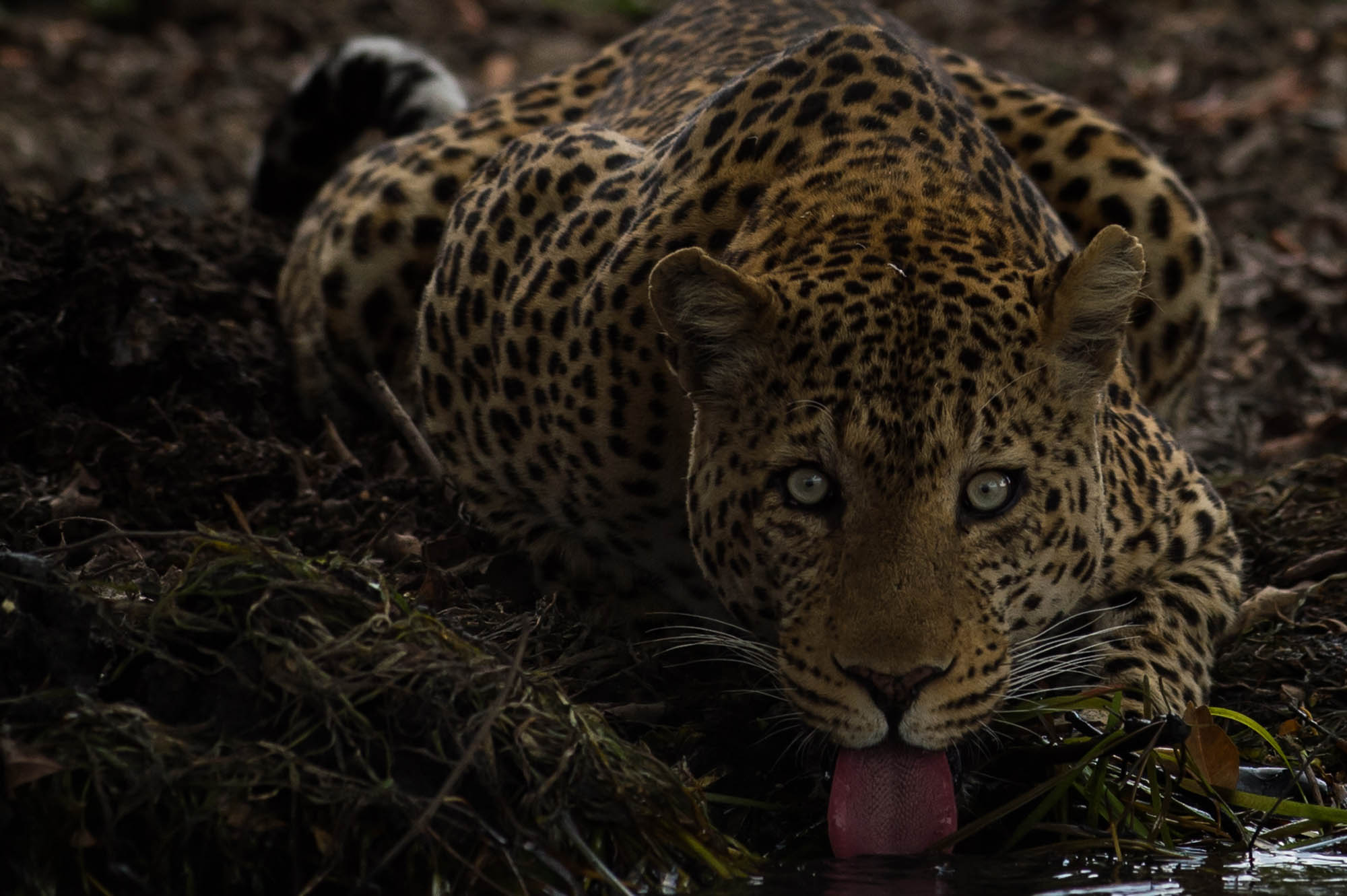
Practically the second mammal which we saw in the south Luangwa this time around (last October) was African painted dogs on my very first game drive from Chichele Presidential Lodge in the South Luangwa area. Within the next couple of days we added leopards and lions, hyenas and jackals – and a sighting of a different pack of painted dogs.  

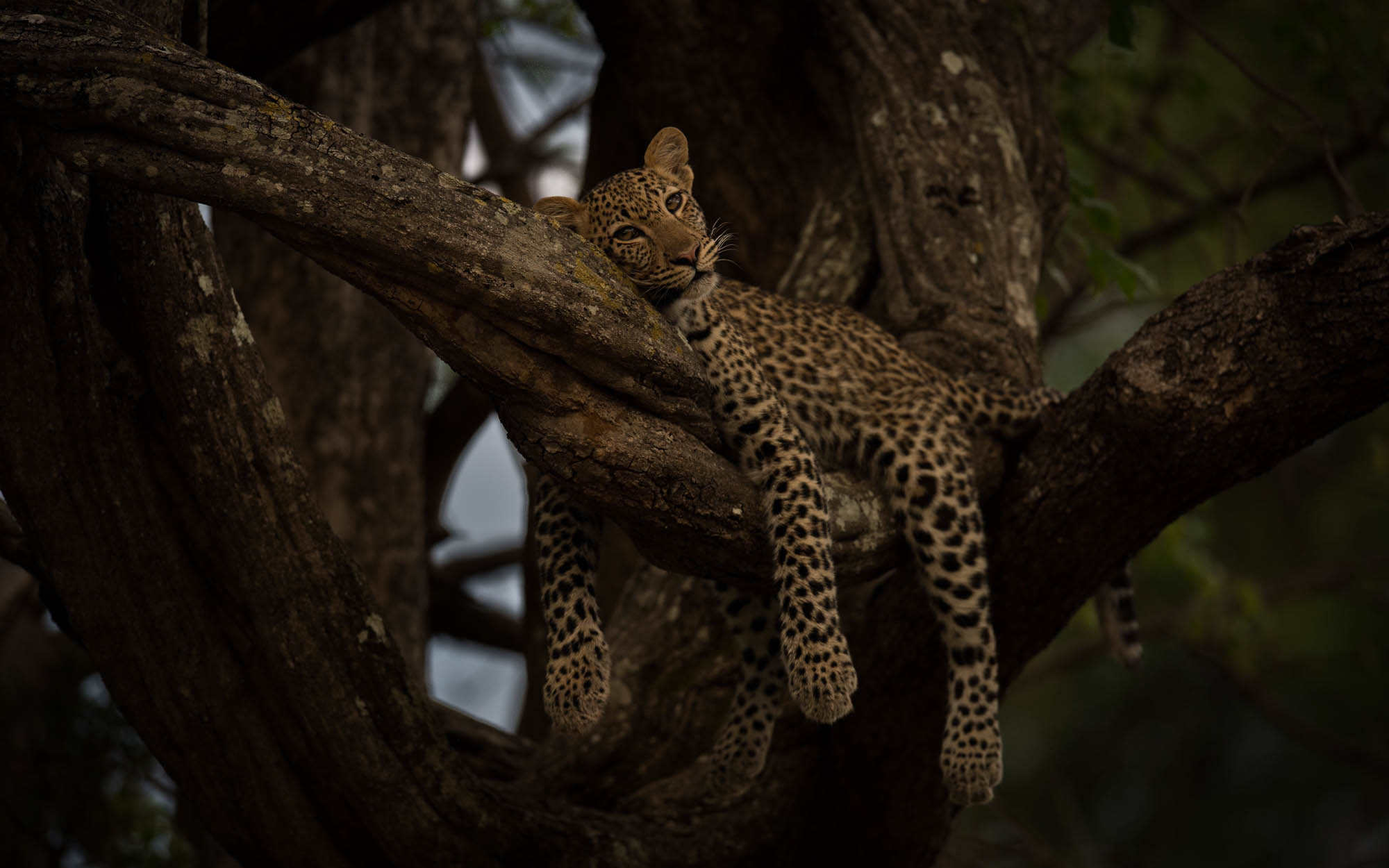
Every one of our Zambia visits over the years have been notable for excellent big cat and other predator sightings. A standout sighting on the very first trip – on a night drive from Kaingo – was a lion charging a leopard. The leopard had inadvertently been lit up by our tracker’s spotlight. Fortunately the leopard escaped by scampering up a tree. On that same trip we had several other leopard sightings in the South Luangwa and Lower Zambezi areas, and good lion sightings in Kafue. Noticeable on night drives in the South Luangwa is that the guides immediately start to look for leopards when seeing hyenas. The hyenas having cottoned on to the fact that the leopards often drag prey around and that they can either be coerced to or accidentally drop or abandon the hard-won carcass. 

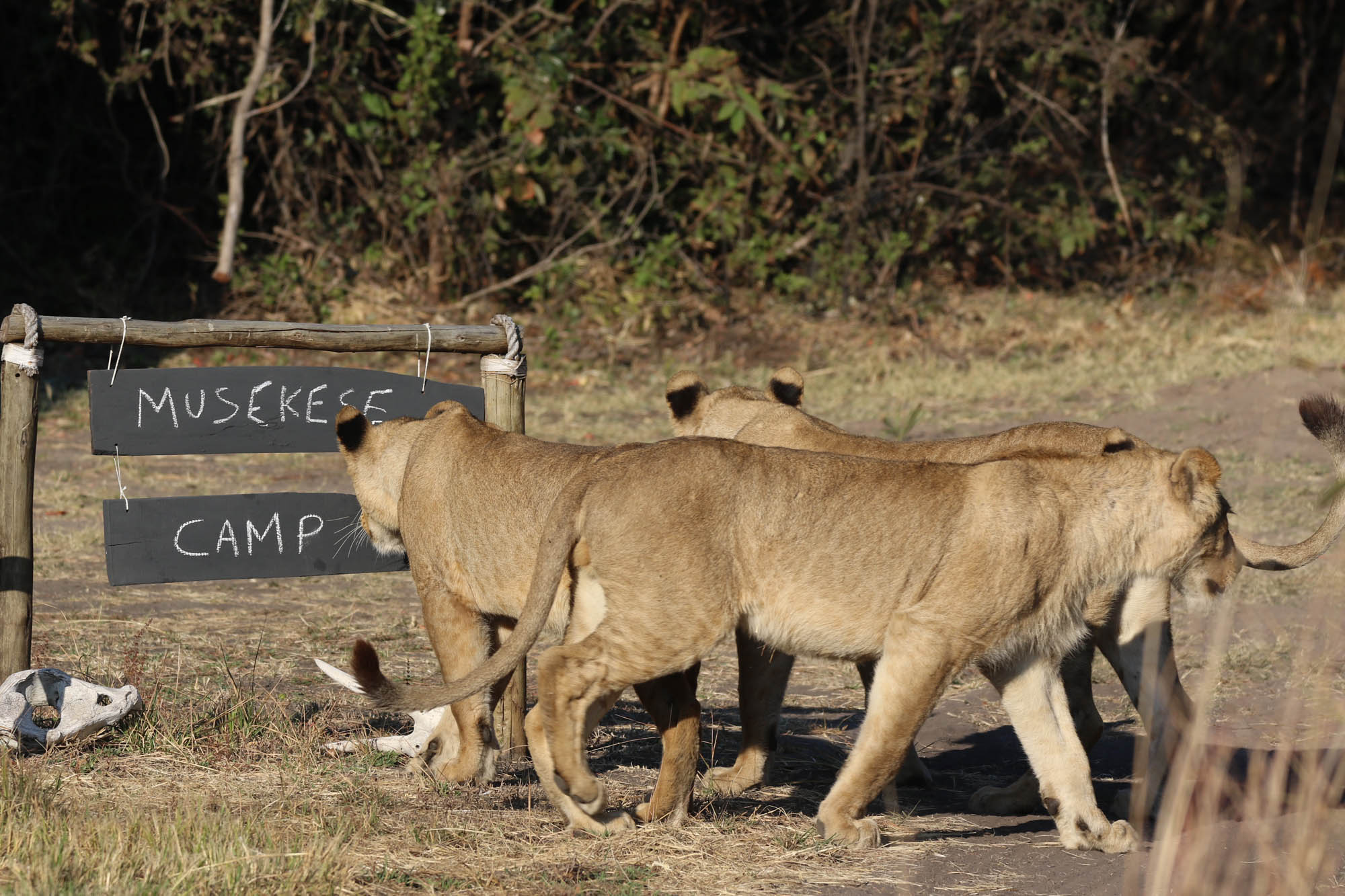
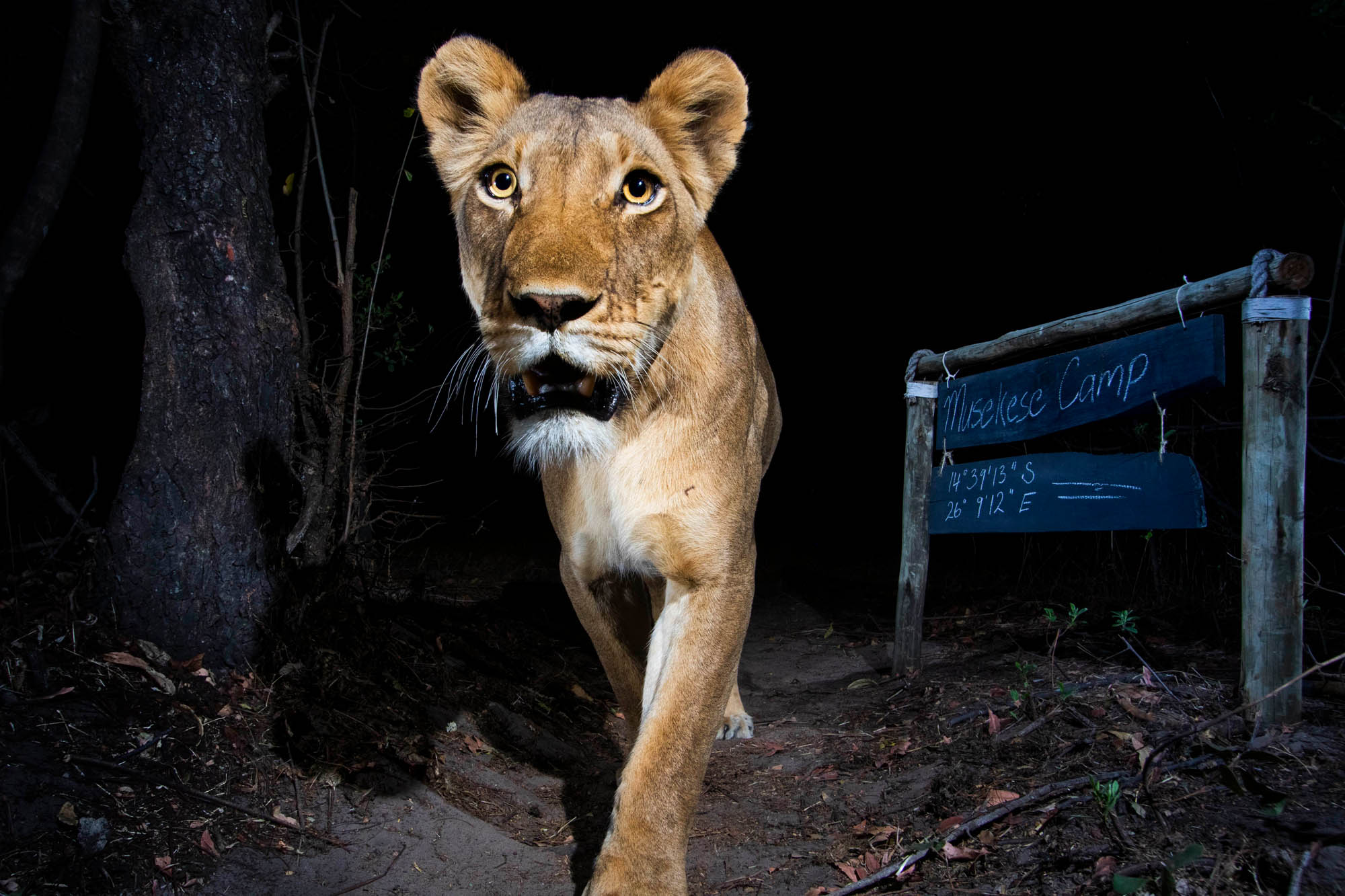
A  visit to Musekese Camp in Kafue a few years ago left us astonished at the number of leopards present in the area around the camp and we were fortunate to see several of them. It felt very much like the Sabi Sand Reserve in South Africa, just without any other vehicles around.  

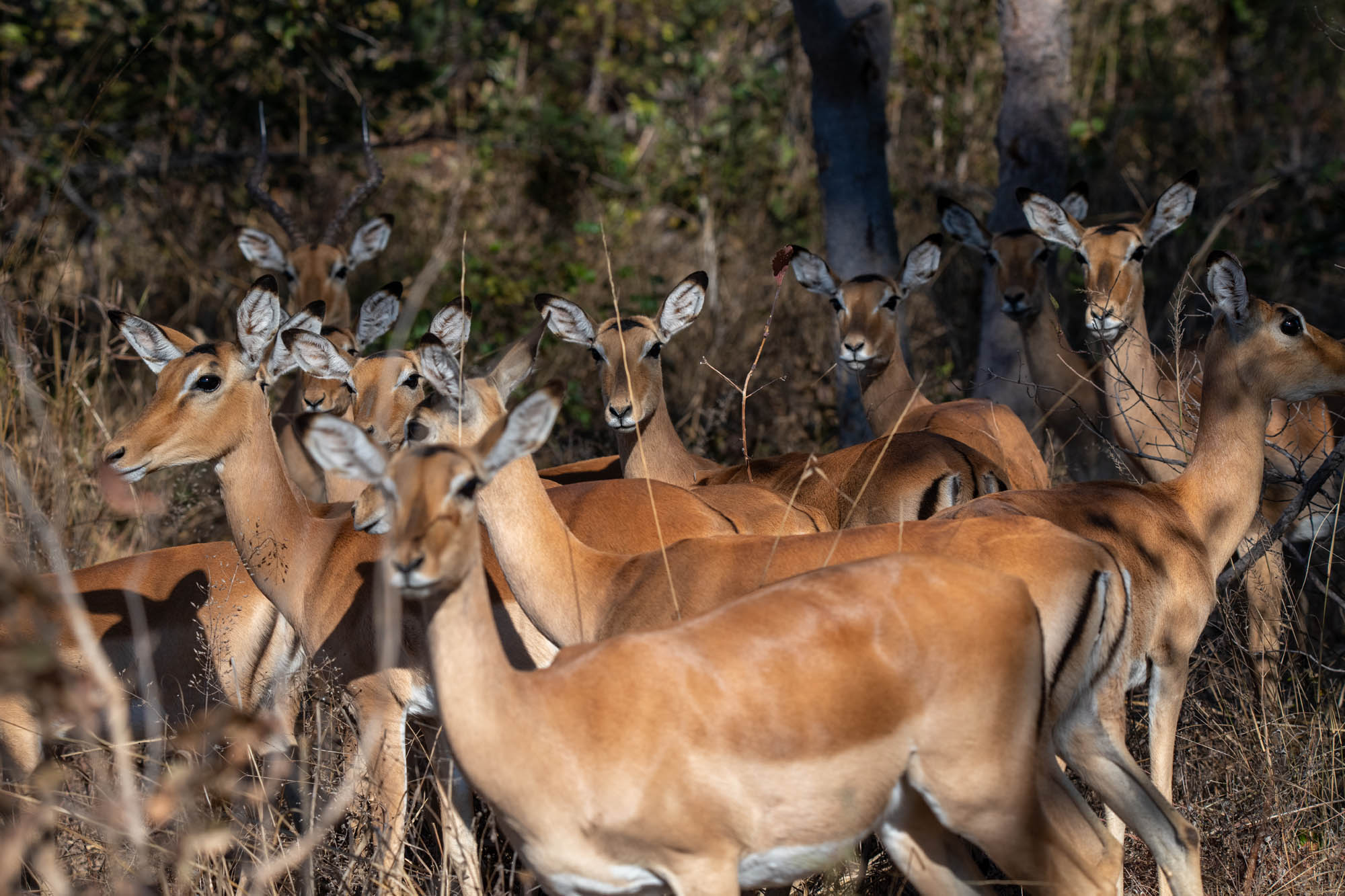
Yet another memorable predator sighting took place in the Lower Zambezi on a game drive from Kutali. On that occasion we experienced – in all of its rather grim reality – a pack of African painted dogs killing and devouring an unfortunate chacma baboon. The dogs were hunting and we were following them as they were running and occasionally jumping  through a grassy floodplain, their eyes fixed on a small group of impalas in the distance. A young male baboon inadvertently got in the way and opportunistically three of the dogs dispatched him in a matter of minutes, right in front of our eyes and with me shooting multiple never-to-be-published photographs.

Limited number of vehicles 

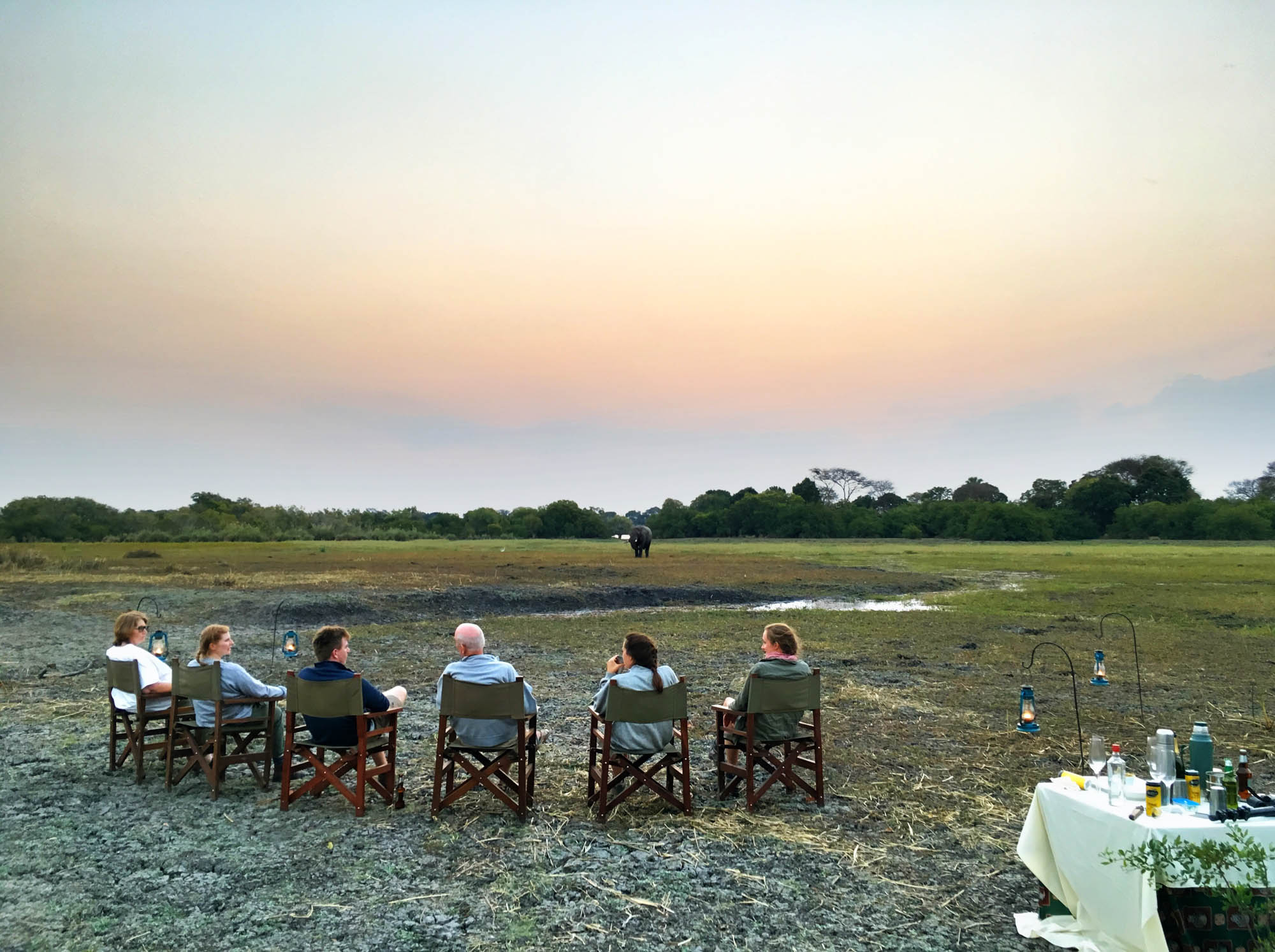
We’ve personally had several days go by on safari in Zambia without seeing any other vehicles, specifically in the Kafue National Park. In some parts of the South Luangwa National Park such as in the Mfuwe area, this is not always the case as there are several lodges in the area. Even so, it is unusual to see more than a handful of vehicles, even around predator sightings. Most of the time it’s just you, the guide, the wilderness and wildlife.  

Range of properties 

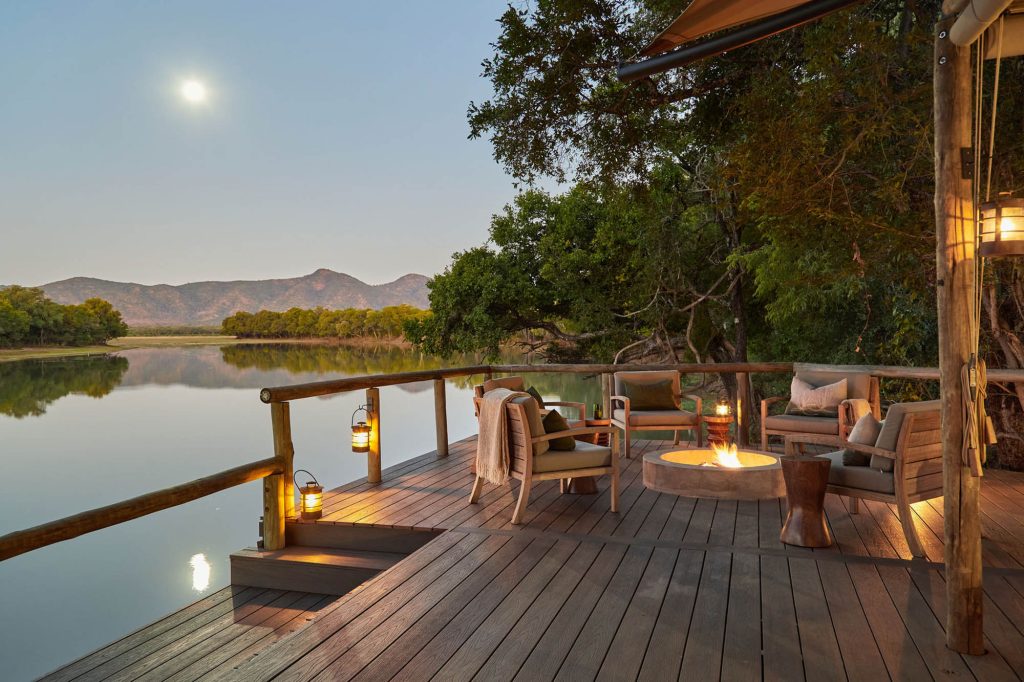
There was a time when Zambia did not have the same variety of accommodation options as other Southern Africa safari destinations, such as South Africa and Botswana. That is no longer the case. On the basis of what I have personally seen over the last few years, I now rate the range and diversity of Zambia’s safari properties to be every bit as good as anywhere else. Nowadays, the range of Zambian accommodation options stretches from basic bush camps all the way to the most sublime deluxe lodges. The choice is yours: an authentic wilderness experience in a remote, tiny bush camp or a few days of being pampered in a deluxe lodge – and everything in between.  

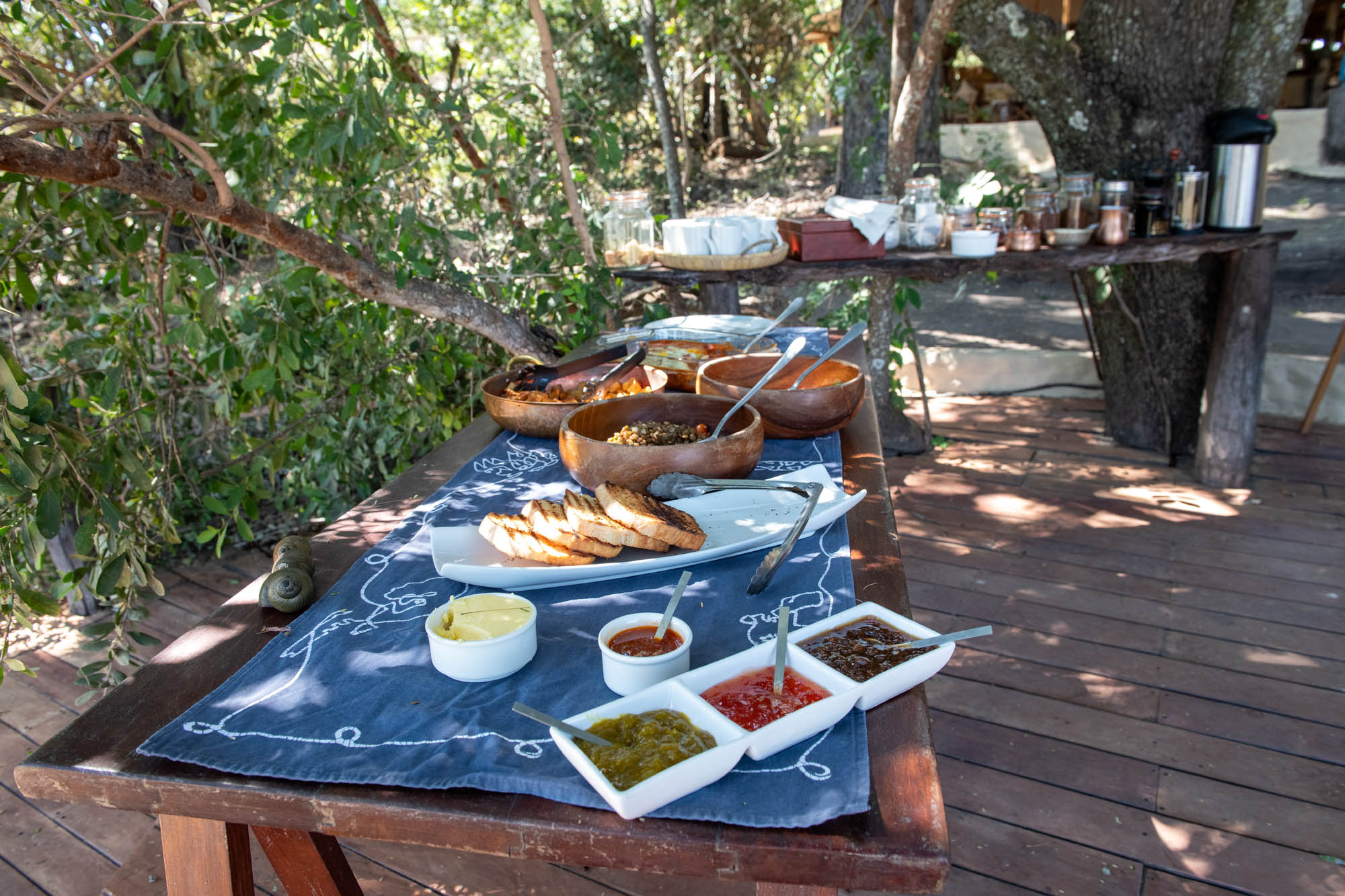
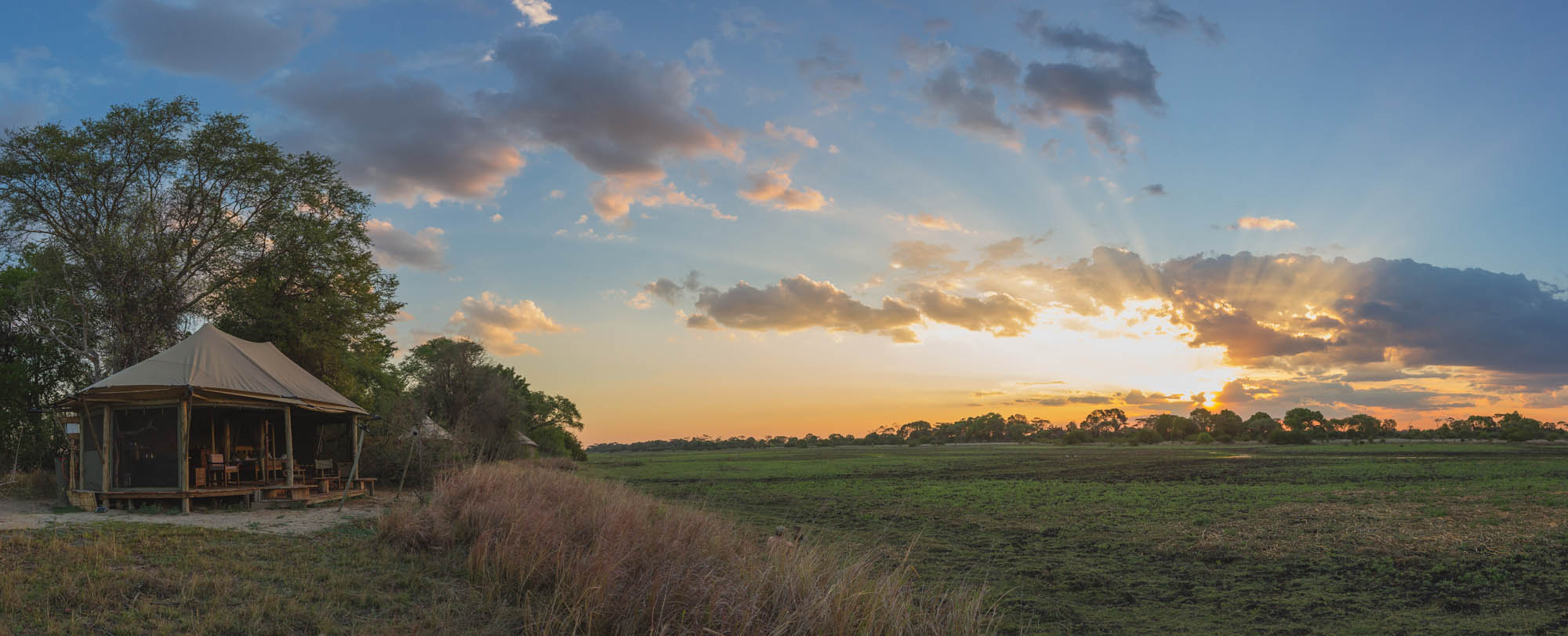
This variety was on full display during our recent trip. Classic bush camps, some with as few as three rooms, larger ‘proper’ brick & mortar lodges along the Luangwa, a quaint old-fashioned camp with several comfortable ‘rondavel’ style rooms, midrange tented camps and deluxe air-conditioned lodges with every luxury one can imagine. That’s just in the South Luangwa: further afield there are just as many options. The Lower Zambezi has an equally stunning array of properties ranging from fairly basic, small tented camps (in gorgeous locations on the edge of the most atmospheric albida forests) to deluxe tented and hybrid lodges on the Zambezi, with all the luxury anyone could want, including air conditioning.  

The Kafue area – while massive – does not have quite as many properties to choose from, but the range is impressive, nonetheless. It’s all there from rustic bush camps to deluxe tented properties, even a lodge with rooms in the style of elevated  bird’s nests, on the edge of the Busanga Plains.  

Top quality guiding

Zambia and its southern neighbor Zimbabwe are known for the quality of their guides. We’ve personally experienced some extraordinarily good guiding in Zambia, particularly on ‘out of the vehicle’ excursions when the guides can demonstrate the breadth and depth of their experience and knowledge. Zambia is where ‘foot’ safaris first became popular so they are almost always on the list of available activities. If you’re so inclined and have the time and opportunity, by all means go on a walk. Being on foot in big game terrain changes everything.

If you’re considering a Zambia trip, or would like to get a little more information about the trips which we do there, please contact Lyndon at lyndon@fisheaglesafaris.com. Or call us at 713-467-5222 and leave a message with our answering service – we will call you back promptly. 

Property photos courtesy Chiawa, Chisa, Classic Zambia and Bushcamp Company.

YOU MIGHT ALSO BE INTERESTED IN
Destinations
Zambia

10th September 2021

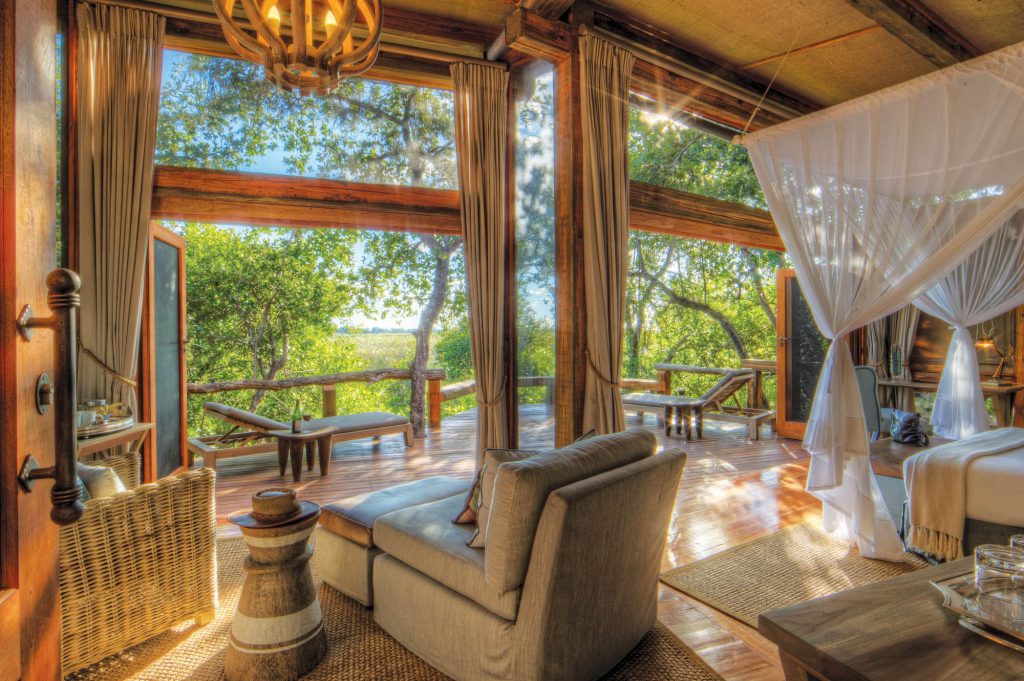
Chindeni and the Bushcamp Company, Zambia

By late July we found ourselves at Chindeni, a small Bushcamp Company property
Read more
Botswana
Destinations
Okavango Delta

3rd October 2022

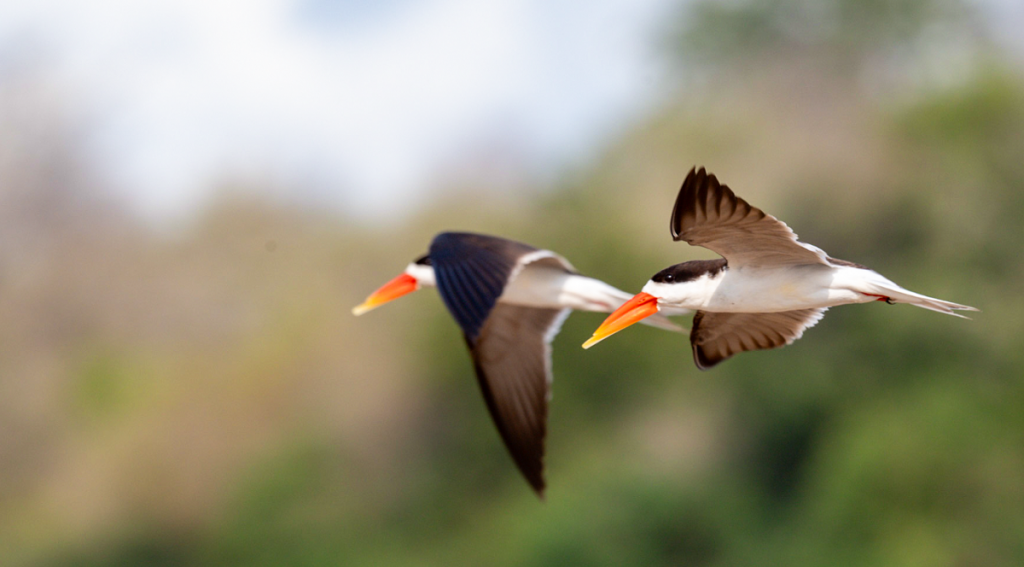
Camp Okavango, Botswana

Camp Okavango is in the heart of the permanent part of the Delta. In this idyllic setting there are no vehicles, and it is just a short walk
Read more
Area
Destinations
Nyerere National Park
Ruaha
Tanzania

14th October 2023

From My Safari Notebook: Wildlife Photography

Birds in flight and wildlife photographers have an uneasy relationship. Things go wrong as often as they go right. Getting focus-lock on a moving subject

Read more

SUBSCRIBE TO OUR NEWSLETTER

READERS FAVOURITES
Destinations
India

27th May 2023

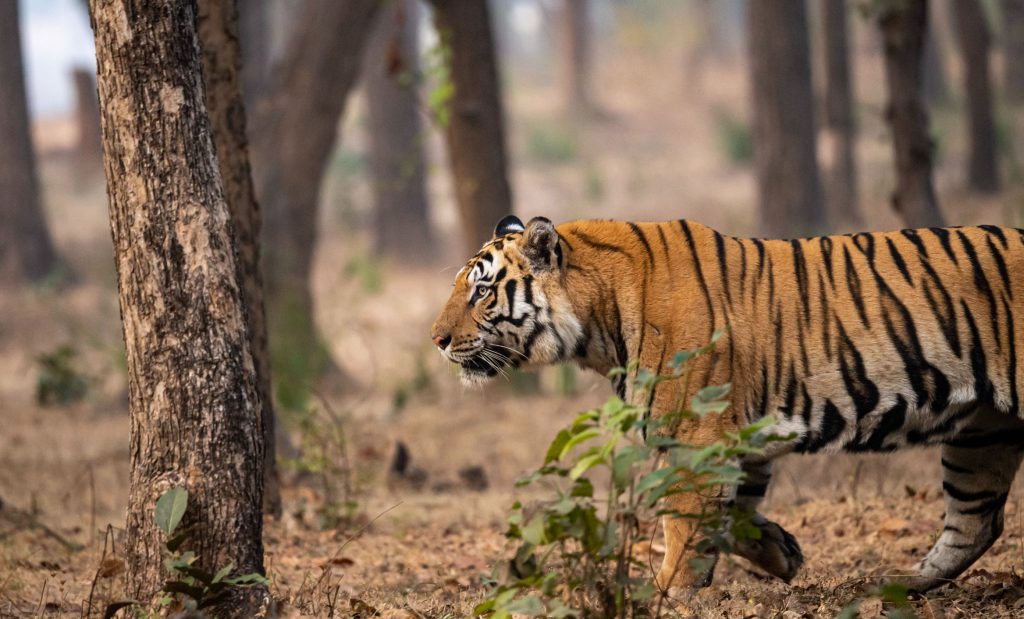
India

India’s tiger, mammals and birds.

Read more
Botswana
Destinations

4th August 2022

On Safari At Belmond Eagle Island Lodge, Okavango Delta

What is the ‘secret sauce’ for an unforgettable few days on safari in Botswana? It starts with the animals, of course. The elephants, lions, giraffes, hippos

Read more
Destinations
Zambia

10th September 2021

Chindeni and the Bushcamp Company, Zambia

By late July we found ourselves at Chindeni, a small Bushcamp Company property

Read more

‘There’s a leopard behind the bar!’ Musekese Camp, Kafue

16th September 2021

‘There’s a leopard behind the bar!’
Musekese Camp, Kafue


Image

Photo by Jeffery & McKeith Safaris

‘There’s a leopard behind the bar!’
Musekese Camp, Kafue

Zambia’s Kafue region is one of the last real ‘best kept secrets’ in the African photographic safari arena.  This is the place you’ve never heard about but need to go and visit.  Soon.

In the Kafue, the experience of being in Africa transcends the clicking of the camera, or even the sheer visual impact of raw nature in all its glory. It is a place where – on my second visit – I felt as much a part of the African environment as I am a denizen of the asphalt jungle of Houston. City slicker or not, in the Kafue I was connected to Africa at a primal, even visceral level. Even though it was just in my mind, I was at home here, thousands of miles from where I live.


Image

Photo by Jeffery & McKeith Safaris

Africa will do that to you, if you will let it. Take your time over the experience. Don’t rush from camp to camp.  Make time to just do nothing other than looking and listening. Of course in these remote parts of Africa – Kafue being the perfect example – you are often hearing hardly anything, just one level of silence piled onto another one. Is there anything out there? Of course there is, but not something nearly as jarring as the rude sounds of ‘civilization’. Concentrate and you will experience an almost overpowering sense of quiet and peace, interrupted only by the gentle and soothing sounds of nature.


Image

Yet another reason to travel to the Kafue?  Talk to any of the Zambia guides elsewhere in the country and you will find out that the Kafue is where they all want to go when they have a break.  They don’t have to be told that this vast national park – twice the size of South Africa’s Kruger National Park – attracts only about one percent of the number of people visiting the Kruger Park, on an annual basis.  The Zambian guides already know that the Kafue is extremely lightly traveled and that several days may elapse without coming across even one other vehicle.  


Image

Photo by Jeffery & McKeith Safaris

Musekese Bush Camp

By late July we were right in the heart of the Kafue region, at a crossing point on the Kafue river close to Lufupa Airstrip.  It was a relatively brief boat ride from there upstream and across the river, for a final drive to Musekese Bush Camp, a beautifully located bush retreat, hidden away in a copse of trees on a high spot, overlooking a portion of the 8-kilometer long Eden lagoon which is connected to the Kafue River.   You can also call it a swamp or more correctly, a  dambo.  A dambo is a seasonally waterlogged, grass-covered depression that is close to the source of a river or stream.

Visiting Musekese is like stepping into the Africa of old where 2021 still feels like 1921.  For the duration of our three days there, it was just us, a couple of other guests, and the guides.  We never saw nor heard another vehicle.    It felt like our private patch of wilderness – to enjoy and explore.  


Image

Photo by Jeffery & McKeith Safaris

It didn’t take any of us long to realize that Musekese is a very special place.  It starts with the co-owners Phil Jeffery and Tyrone McKeith.   Conservationists and professional safari guides by training and experience, they are who you want to be with, on safari.  Passionate about conservation above all, their sense of purpose and dedication is evident almost as soon as you meet them.  What makes it so much fun to be in camp with Phil and Tyrone – beyond benefiting from their expertise on game drives and other activities – is their enthusiasm and energy and their sheer joy in sharing this patch of paradise with everyone lucky enough to find themselves there.


Image

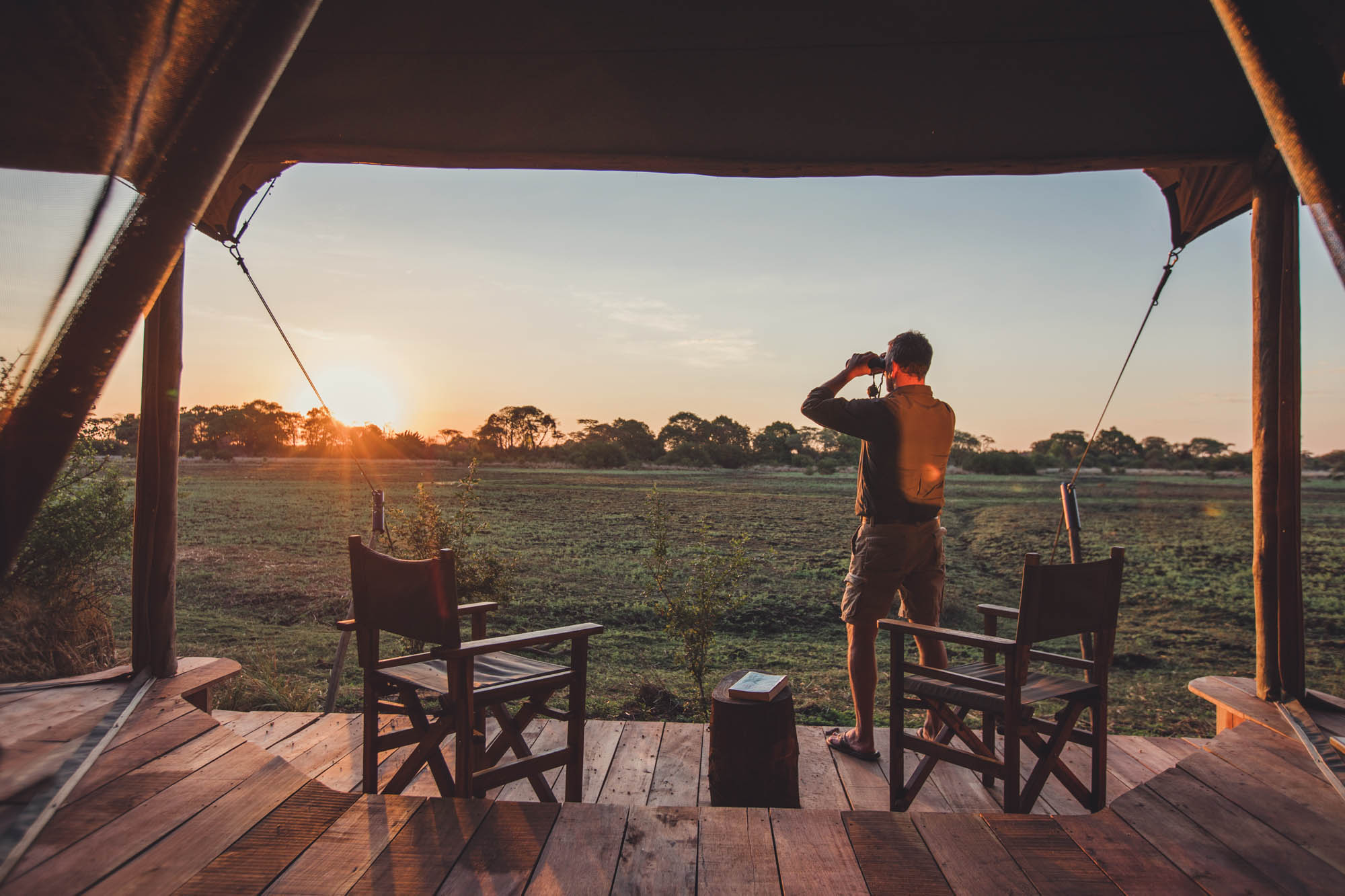
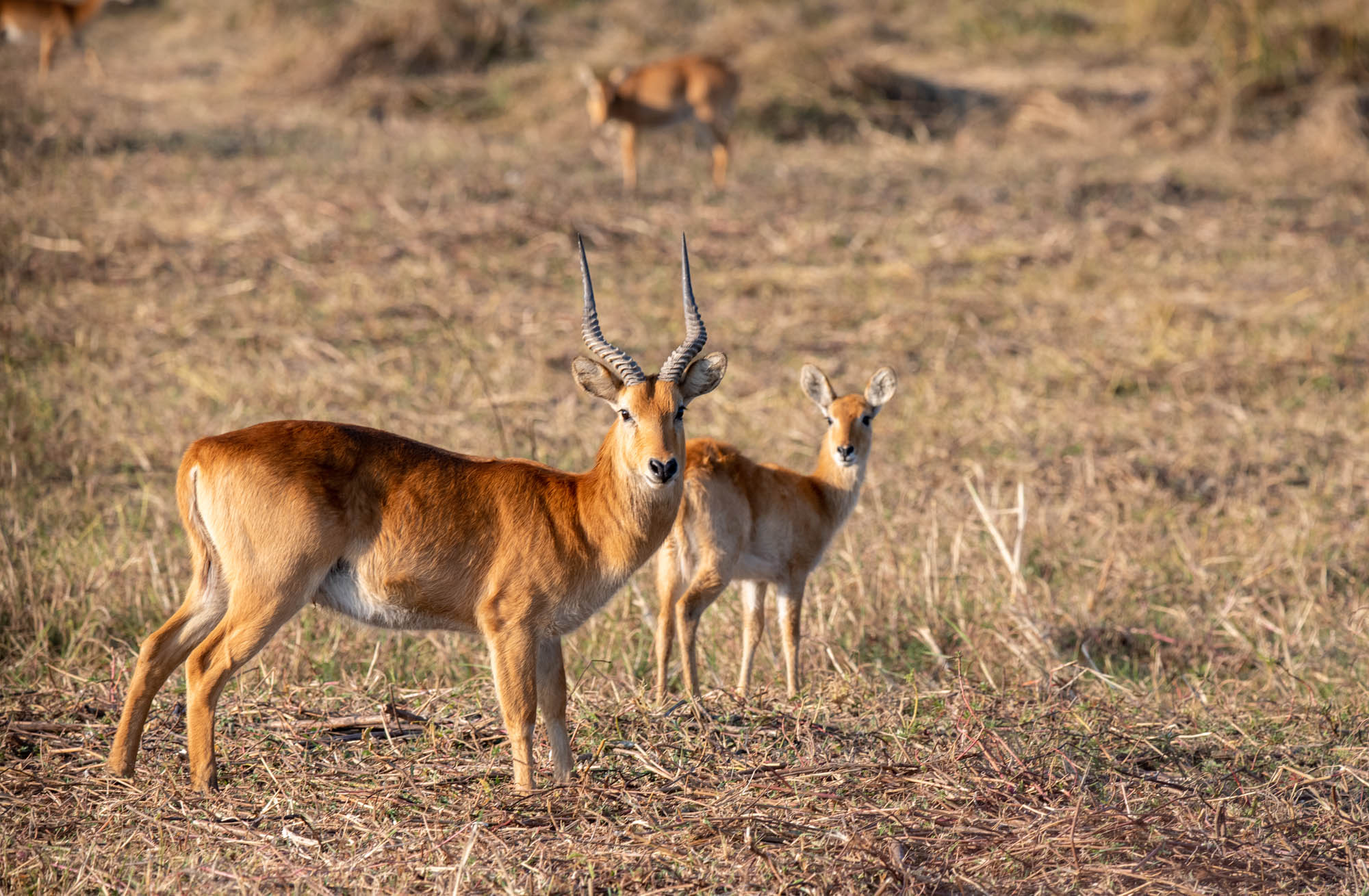
I had hardly been in my tent (#4) for 10 minutes before I sat down in a small director’s chair in the inviting front deck portion of the roomy tent. It was quiet – yet busy – with many puku and impala spread out in the open grassy expanse in front of the camp, together with some waterbuck and lots of birds.  I immediately felt at ease and connected with the wilderness.  Remote?  Exclusive?  Words that are bandied about almost recklessly in the safari business but very much applicable to Musekese.


Image

Photo by Jeffery & McKeith Safaris

On arrival a bit earlier, we had observed a female lion drawing the attention of several  antelopes, as she was walking into the grass cover on the other side of the lagoon.  I also saw a breeding herd of about 15 or so elephants walking by and crossing the lagoon in the direction of the Kafue River.  Clearly this place has a lot of animals.  An unusual sighting (as we were driving into camp)  was a group of four large bushpigs, running out of the lagoon and into the bush.  With my binoculars trained on the animals, I could clearly see their distinctive white manes. 

A little later, we enjoyed a most pleasant lunch consisting of fresh pita bread, hummus, salads, relishes, pork meatballs and vegetable fritters.  Nicely presented in an al fresco setting, overlooking the dambo.  Then it was time for a short siesta.  


Image

Our afternoon game drive took us along the edge of the beautiful lagoon, with wildlife visible in every direction.  There were elephants, puku, impala, waterbuck and prolific birdlife.  I got out of the car for a low-level elephant shot – which worked quite well photographically and which also – inadvertently – added a little punch to the experience when the elephant took exception to having a lens pointed in his direction.  Our quarry that afternoon was leopards and as we were looking around for them, we found – lions.  First a male and then two females with four cubs around 8 months old.  Shortly afterwards,  we came across a part of yet another pride of lions, this time a solitary female with cubs, right by the road.


Image

Photo by Jeffery & McKeith Safaris

There’s a leopard behind the bar

Back in camp a while later, just as the soup had been served, someone walked up, held his hand up to get our attention and said, ‘There’s a leopard behind the bar!’  I was expecting him to announce the remainder of the dinner courses, as is the usual custom in many safari camps. Announcing a leopard? So much better! We scurried up to the bar only to learn that the leopard had already walked away, and was now underneath tent # 1.  Tell me you’re in a lively camp without telling me that you are in a lively camp…

Legendary Lodge


Image

Photo by Jeffery & McKeith Safaris

Trundling back to the dinner table, we finished what was yet another great meal at Musekese, this time fish and chips with carrot cake as dessert.  The consistently good food at Musekese adds yet another level of enjoyment to its winning trifecta:  location, guiding, and hospitality.  The rooms were ideal: a good size, airy, with nice views, private and tucked right into a forest. I imagine that even on the hottest of days they would offer some respite. My only real beef was the inadequate interior lighting. 


Image

Photo by Jeffery & McKeith Safaris

The following day, our morning game drive was initially on the quiet side but then was instantly salvaged with a rare sighting of two female leopards interacting, on the edge of the tall grass bordering on the lagoon, quite close to camp.  The first leopard we saw was marking territory in an overt display of dominance.  The second one was more furtive and clearly the interloper:  more hesitant but also scent-marking in at least one spot.  Eventually both of them disappeared into the thick cover.  All the leopards in the Musekese core study area have designations like MSF-5 or MSM-8. This refers to the gender and the sequence in which they were first seen and positively identified.  Hence MSF-5 is Musekese Female #5, and so on. Their behavior and distribution and relationships are intensively studied and recorded. Phil identified both of the females for us on the basis of mostly their facial features. 

Villa Maua

Sanctuary Retreats


Image

Photo by Jeffery & McKeith Safaris

Lunch around noon hit the spot with a delicious tomato & poached egg main dish, roast potatoes, green vegetables and freshly baked bread.  

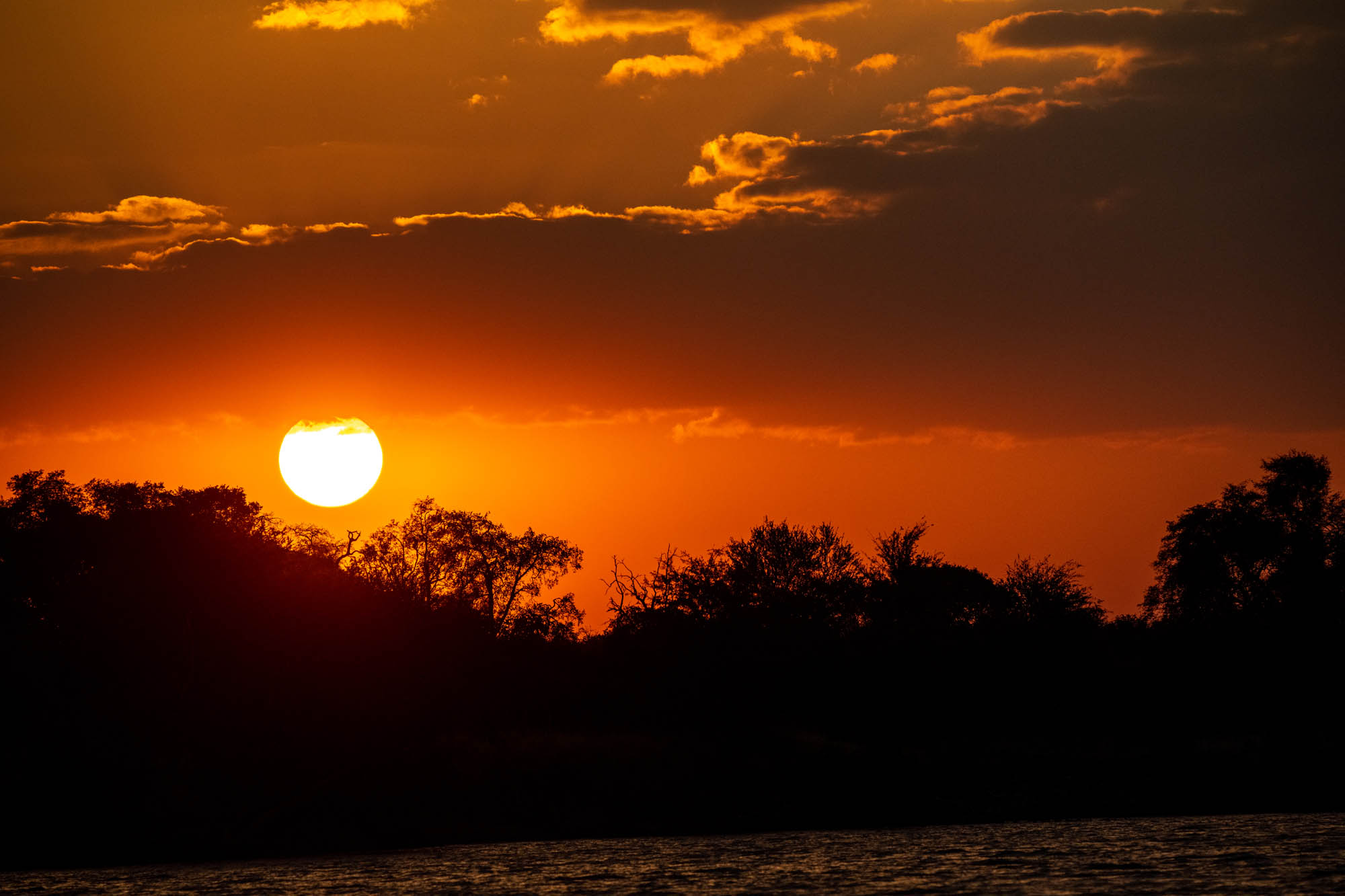
That afternoon we went boating on the Kafue River.  I had forgotten just how impressed I was – on my earlier visit to the region – with the beauty and sheer magnificence of this amazing ‘Zambia only’ river.  It is massive and majestic, and the forested areas abutting it around Musekese are simply gorgeous. Beyond beautiful. Even though it was quite windy and cold, we got some pretty decent looks at a wide variety of birds including African Skimmers.  And of course there were hippos. Lots of them.  And crocodiles.  Drifting down the Kafue as the sun was setting felt unreal. Was this a movie set and would someone suddenly appear behind us, shouting ‘action!’ from a bullhorn? I wouldn’t have been surprised. Fortunately the dramatic scenes surrounding us were all too real – and ours to enjoy in solitude and peace.


Image

Ntemwa-Busanga Camp

On our last morning at Musekese, we drove to the northern part of the Busanga Plains and made a quick stop at Musekese’s sister property, Ntemwa-Busanga.  The camp consists of four unabashedly rustic thatched huts, in authentic bush camp style, with bucket showers and proper flushing toilets.  If you’ve always wanted to spend some time in an authentic Zambian bush camp in an adventurous setting, this is your place.  The camp has a comfortable, compact lounge and dining room area, elevated well above the ground and overlooking the plains.  It is well-located to make the most of the diverse Busanga Plains.  From Ntemwa-Busanga you can explore a multitude of habitats, from riverine thickets in the south, the tree-lined edges and the productive, flooded grasslands in the center and the variety of wildlife that inhabit them.  Several of the regional Busanga specials such as roan antelope and sable antelope are common sightings in this area. I already have Ntemwa-Busanga on my list of properties to visit in future, so watch this spot. 


Image

Photo by Jeffery & McKeith Safaris

Wildlife in the core Musekese conservation area

Currently, there are 20 individual leopards in the core study area.   Leopards have been detected across the majority of the study area – a good indication of a healthy and growing population of these sometimes elusive cats.   

The Lumbeya pack had originally been the only African Painted dog pack known to frequent the core area, but a new painted dog pack had taken up residence subsequently and there are now three known packs utilizing the core area for denning this season.


Image

Photo by Jeffery & McKeith Safaris

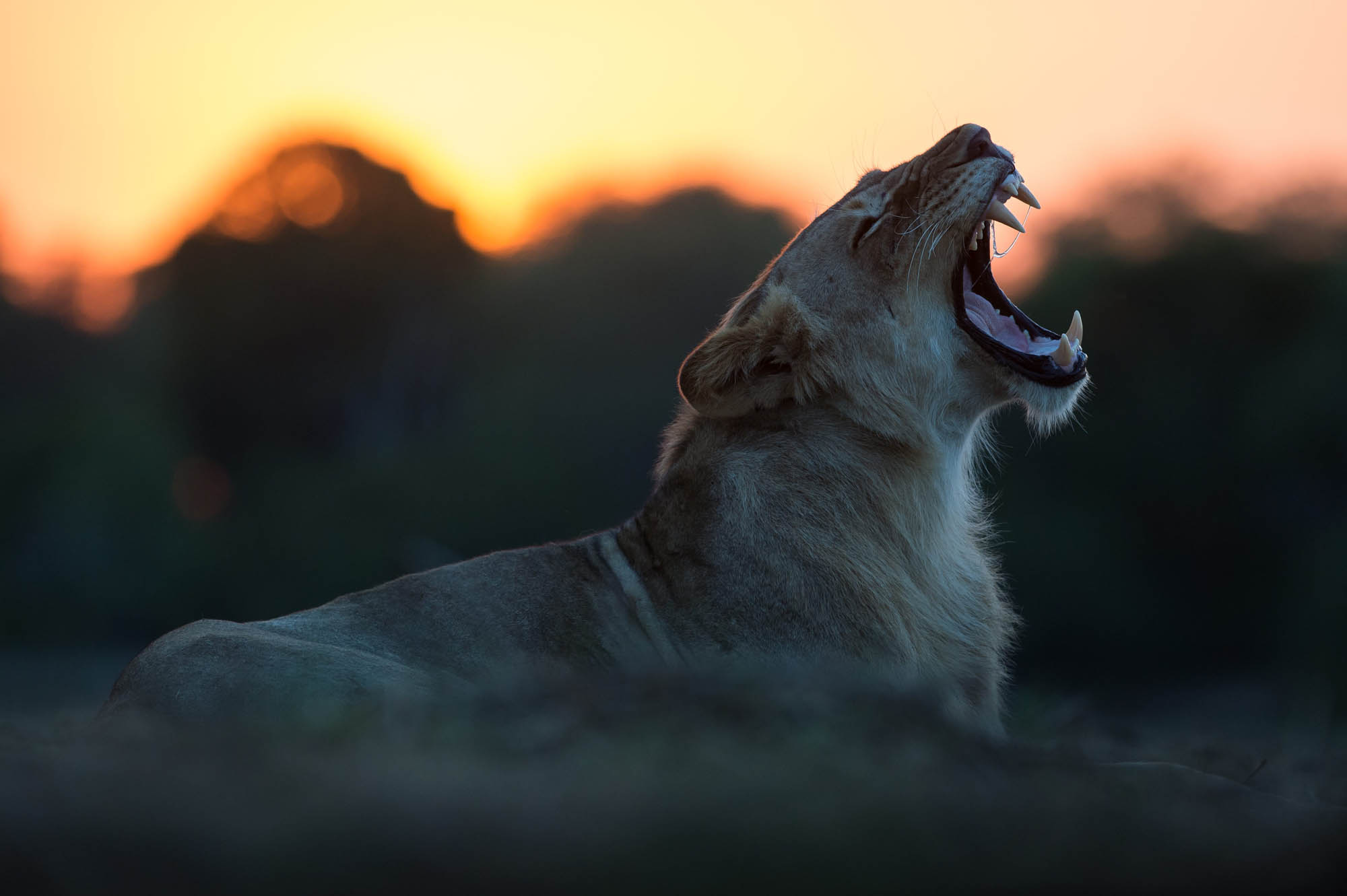
There are 16 known lions across two resident prides in the study area around Musekese.  Four of the seven cubs of the Musekese lion pride survived the rains and are growing into healthy sub-adults with three females and one male, while both female cubs of the SCZ pride survived the prolonged rains. All adult lions are in good condition.  The research team has identified two new adult male lions and detected the presence of others within the study area.  

Cheetahs were detected originally mostly based on their tracks, with only one direct sighting.  Lately, cheetah sightings have increased and two newly identified sub-adults have been recorded.  

Preliminary camera trap study results have indicated the presence of other carnivores in the area, including hyena, caracal, serval and African wild cat.


Image

Photo by Jeffery & McKeith Safaris

The Musekese Conservation Initiative

Before dinner on our last evening,  Phil talked to us about the Musekese Conservation Initiative and shared some photographs and personal experiences.  This dedicated conservation project works to protect core areas of the Musekese and Lumbeya sectors in Kafue National Park  in conjunction with the Department of National Parks and Wildlife.  Phil and Tyrone, the founders of Musekese Conservation, have a long history of working in Kafue NP in various capacities including guiding and camp management. They have spent many years building relationships with the Department of National Parks and Wildlife, with tourism operators and local communities based on the core principles of commitment, trust and respect.


Image

Photo by Jeffery & McKeith Safaris

All this has positioned them ideally to achieve their current goals:

  • Identify, recruit and train a minimum of 5 full time anti-poaching teams and to equip them with the necessary skills and tools to effectively stop illegal poaching of wildlife in core areas of KNP.
  • Establish baseline population data for indicator species within the core area to identify trends enabling more effective monitoring.  Also to determine the effectiveness of interventions.

Since its inception in 2014, Musekese Conservation has spent more than 4,900 days on patrol; have covered more than 6,500 km by foot, recovered 137 traps and snares, traveled 8,500km by vehicle, recovered 9 firearms, recovered more than 1500kg of illegal bushmeat, and covered nearly 60km by boat and bicycle. 


Image

Photo by Jeffery & McKeith Safaris

Getting There

It has never been easier or more affordable to fly to the Kafue with flexible departure times available every day of the week from and to Lusaka.

BY AIR

  • Lusaka to Lufupa Airstrip (or vice versa) – flight time approx. 1 hour 15 minute
  • Flying to and from all other Zambia destinations from Lufupa Airstrip is also possible with competitive charter flight rates available – Livingstone, Kalabo, Jeki, Mfuwe, etc.
  • Lufupa Airstrip is across the Kafue River from Musekese Camp.  The transfer takes approx. 30 mins and includes a small drive to the river bank, a short boat cruise along and across the Kafue River, and another short drive into camp.


Image

Photo by Jeffery & McKeith Safaris

BY ROAD

  • Musekese Camp is reachable by road.
     
  • Lusaka to Musekese Camp can take approx. 5 to 6 hours, with 3 on a good asphalt road and 2 on a graded bush-road when inside the park towards camp.

We recommend combining Musekese with an additional camp in the Kafue, in the Busanga Plains, as well as with a property in the Lower Zambezi such as Tusk & Mane.  Time and budget permitting, it is also possible to add a few days in the South Luangwa National Park.  Call or email us for recommended trip itineraries and cost estimates.

More Info

Email bert@fisheaglesafaris.com

Email jason@fisheaglesafaris.com

@fisheaglesafarishouston

#FishEagleSafaris

YOU MIGHT ALSO BE INTERESTED IN

Destinations
Zambia

10th September 2021

Chindeni and the Bushcamp Company, Zambia

By late July we found ourselves at Chindeni, a small Bushcamp Company property

Read more
Botswana
Destinations
Okavango Delta

3rd October 2022

Camp Okavango, Botswana

Camp Okavango is in the heart of the permanent part of the Delta. In this idyllic setting there are no vehicles, and it is just a short walk

Read more
Area
Destinations
Nyerere National Park
Ruaha
Tanzania

14th October 2023

From My Safari Notebook: Wildlife Photography

Birds in flight and wildlife photographers have an uneasy relationship. Things go wrong as often as they go right. Getting focus-lock on a moving subject

Read more

SUBSCRIBE TO OUR NEWSLETTER

READERS FAVOURITES
Destinations
Zambia

10th September 2021

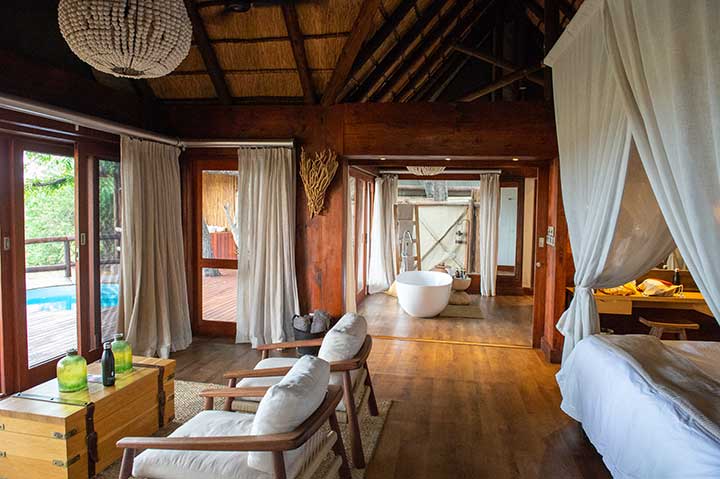
Chindeni and the Bushcamp Company, Zambia

By late July we found ourselves at Chindeni, a small Bushcamp Company property
Read more
Botswana
Destinations

4th August 2022

On Safari At Belmond Eagle Island Lodge, Okavango Delta

What is the ‘secret sauce’ for an unforgettable few days on safari in Botswana? It starts with the animals, of course. The elephants, lions, giraffes, hippos

Read more
Destinations
India

27th May 2023

India

India’s tiger, mammals and birds.

Read more

Footer

Design

  • About
  • Destinations
  • Blogs
  • FAQS
  • Team
  • Contact
All Rights Reserved ©Fish Eagle Safaris 2022 | Terms & Conditions | Privacy Policy
Designed & Developed by B Online

SUBSCRIBE TO OUR NEWSLETTER

SIGN-UP TO OUR NEWSLETTER

Subscribe Form

Footer Widget Header

Related Blogs