Taking the Ferry to Robben Island, Cape Town
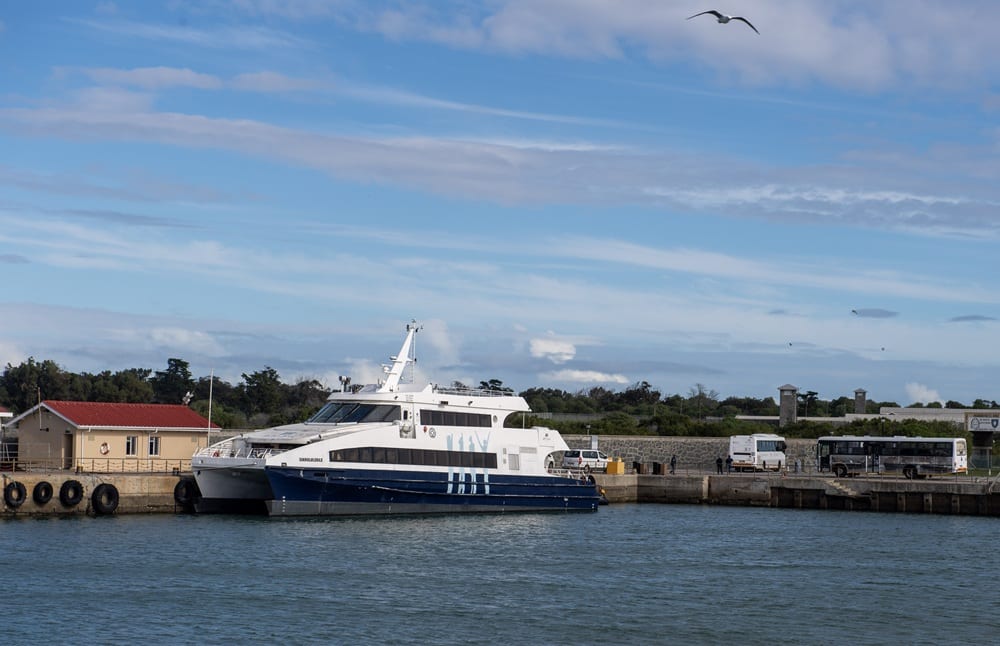
Taking the ferry to Robben Island, Cape Town
Taking a ferry from Cape Town to the Robben Island Maximum Security Complex rekindles memories – at least for South African born visitors – of a tumultuous time in the country’s history when Nelson Mandela was released from prison in February 1990. Four years later he would become South Africa’s first democratically elected leader.
For Mr. Mandela to walk out of prison in a reconciliatory mood, having been incarcerated by the South African government for 27 years, underscores what a remarkable man he was. His autobiography – A Long Walk to Freedom – covers his early years in a rural part of the Eastern Cape, his legal career and the long struggle against apartheid. It has fascinating yet stark, sobering details about his 18-year stay in the Robben Island Maximum Security Prison. Mandela’s memoir reads like a novel. At 700+ pages it’s quite the tome but if you’re not distracted by any movies you can read it in one sitting flying from Atlanta to Joburg. Or vice versa.
The Robben Island excursion starts at the docks in Cape Town Harbor at the Nelson Mandela Gateway, just steps away from the Clock Tower. After a thorough security check, anywhere from 150 to 280 persons (depending on the day) board one of the two ferries operated by the Robben Island Museum. In the low season (May through August) there are usually three departures per day (9 am, 11 am and 1 pm), subject to weather conditions. In summer an additional fourth departure is added. The current price for a round trip ticket which includes a guided tour on a 52-seater bus and a guided walking tour of the Maximum Security Prison is ZAR600 or about $45 for foreign nationals.
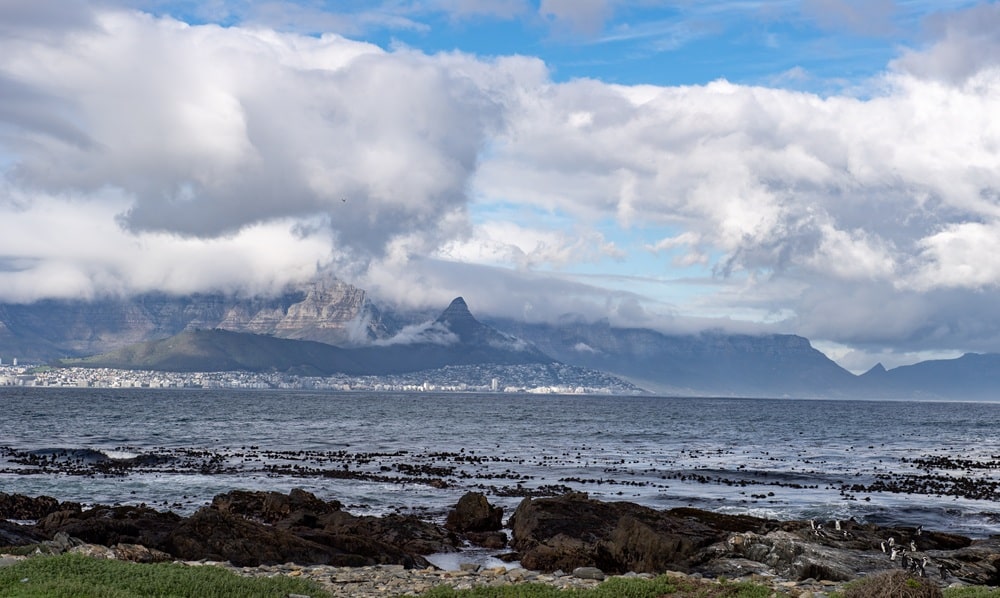
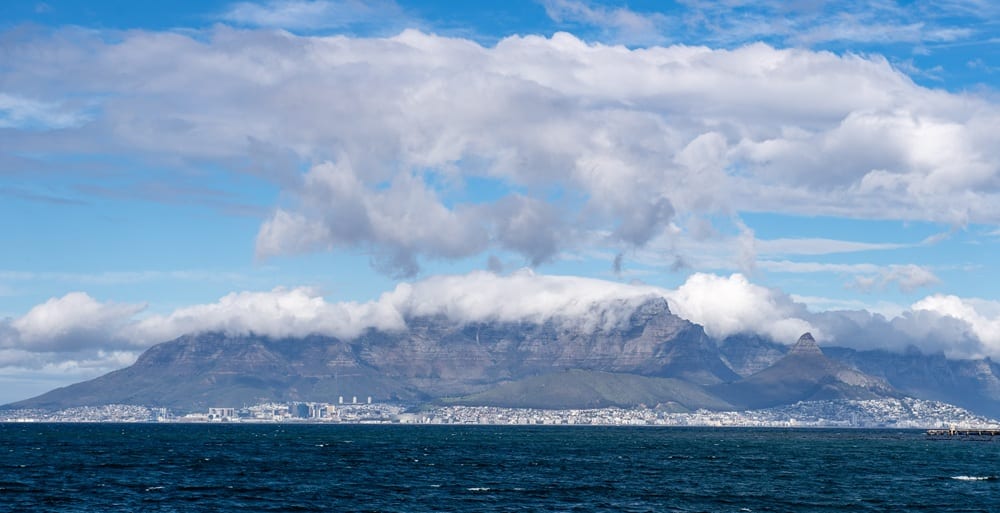
The 45-minute cruise from the harbor to the Robben Island jetty is worth the price of admission – if only for the stupendous views towards the city and Table Mountain in the background. So don’t forget to look back towards the city on your way out. You’ll get a second shot at taking that perfect, classic shot of Table Mountain and the city bowl – as well as Lions Head – on the way back.
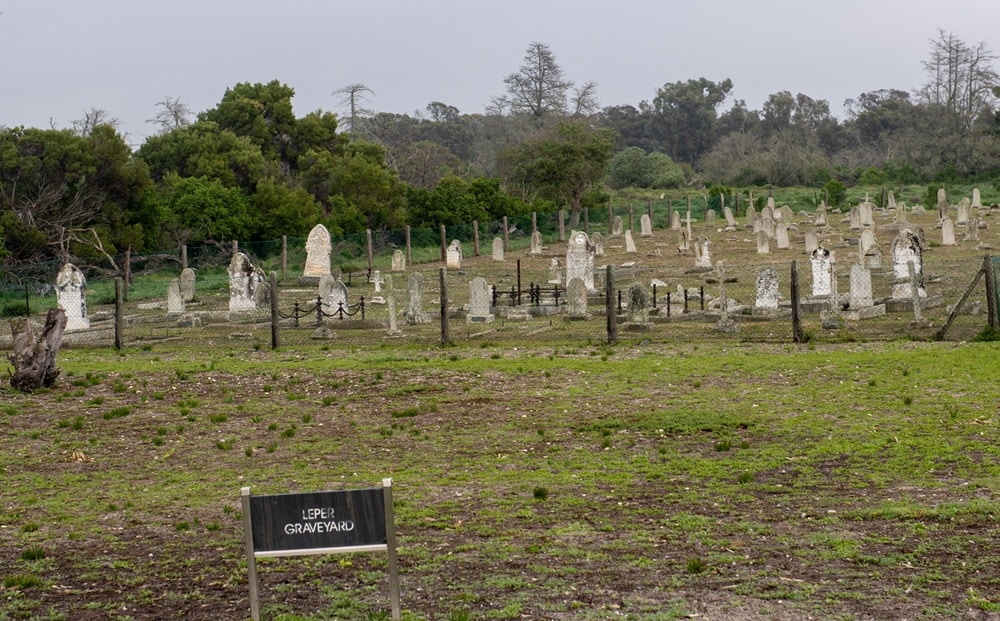
Once on the island, we were given a short briefing and then boarded three large buses for the first part of what ended up being a 2-hour tour. The bus tour route includes the graveyard of people who died from leprosy, the lime quarry, Robert Sobukwe’s house, the bluestone quarry, the army and navy bunkers and the Maximum Security Prison. At each stop the tour guide provided brief background information.
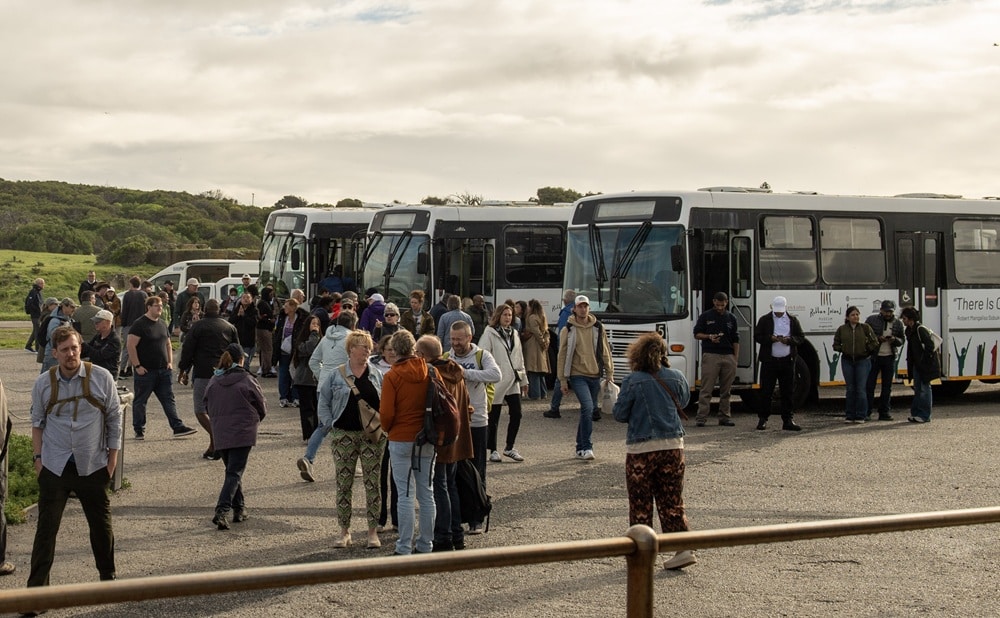
With the exception of a 10-minute stop to buy some drinks or snacks and to use the restroom, there are no opportunities to disembark from the bus during the first part of the tour. While photography is allowed, it is awkward if not downright impossible to get more than a few snapshots during the bus ride.
Every seat on the bus, which has a 2-3 seating layout, was taken. If you want to give yourself at least half a chance to take a few photographs, shoot for a window seat on either side.
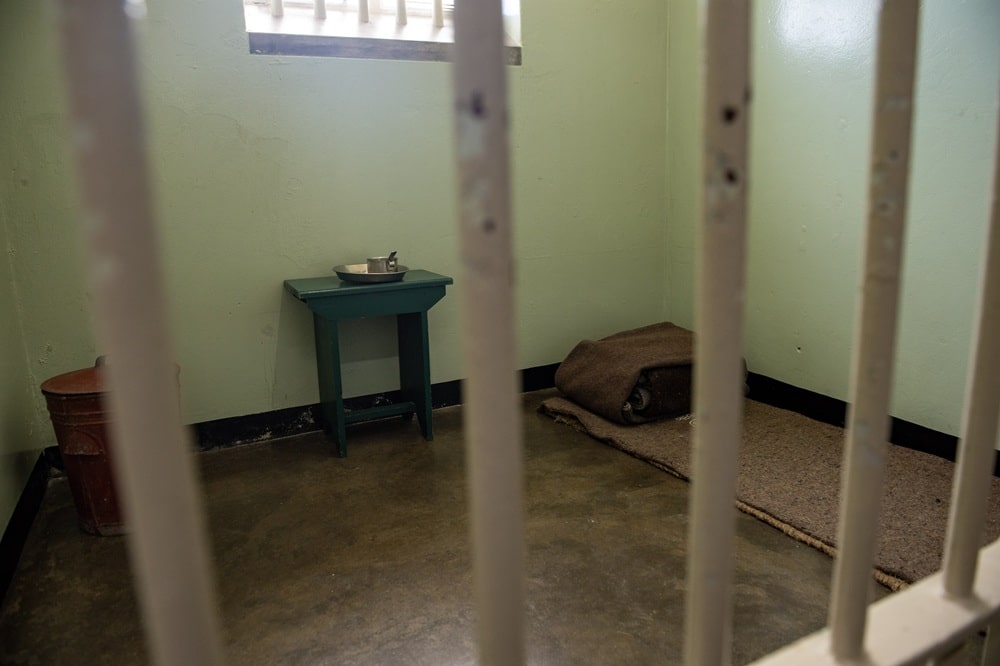
The visit to Robben Island culminates with a look at the tiny cell where Mandela spent 18 years essentially in isolation. There he secretly wrote – mostly late at night – several chapters of his autobiography, A Long Walk to Freedom. Edited with the help of fellow political prisoners like Walter Sisulu and Ahmed Kathrada, the manuscript was buried in the prison garden, wrapped in plastic, until it was eventually smuggled out of the facility.
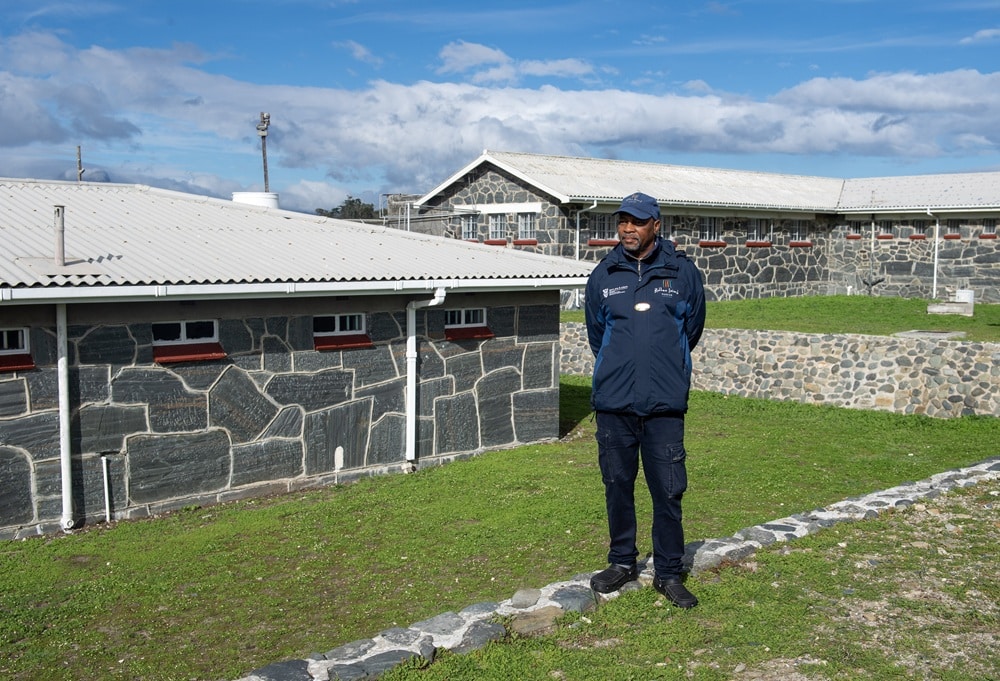
The second part of the tour – which is also the most interesting – is guided and narrated by a former inmate of Robben Island. In our instance someone who had spent six years there, having been convicted of sabotage. Which – as he told us – took the form of arson. He and a few of his friends thought it would be a good idea to torch their neighborhood rent collection office, thus destroying all records of who owed what.
Unfortunately the guide had to essentially shout out the sometimes fascinating information he was trying to impart, due to the unwieldy group size of at least 50 persons. I can’t help but think that the entire Robben Island experience would be much better and more meaningful if the group sizes could be reduced.
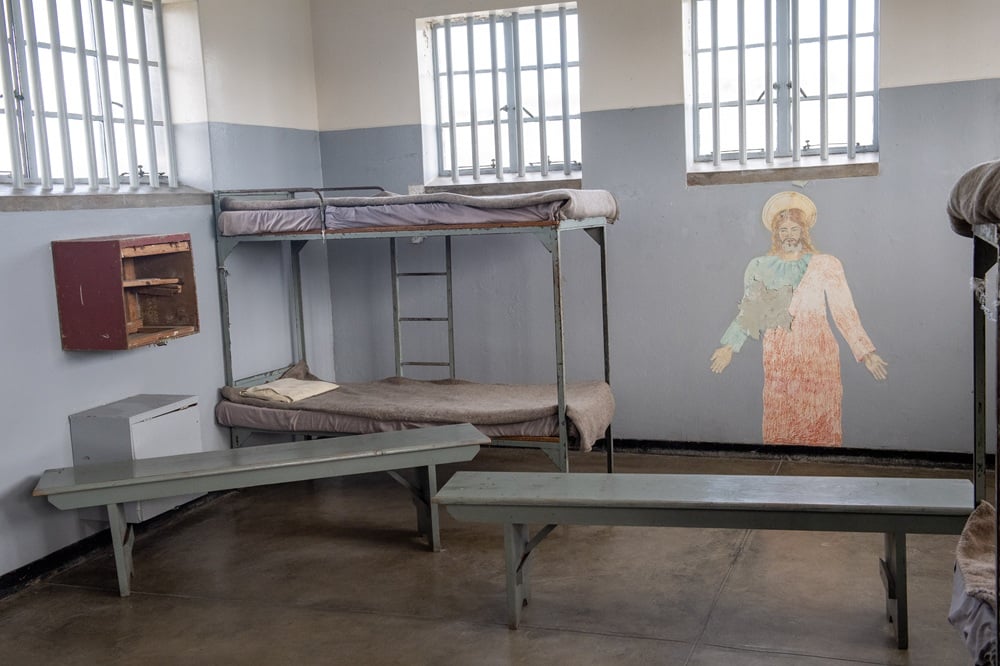
Being inside one of the erstwhile prison’s large, depressingly institutional cell blocks, was the closest I personally came to imagining what the experience might have been like in real life. Yet it was a fleeting moment, the size of the crowd obliterating any possibility of proper interaction with the guide. An opportunity missed.
The ferry trip back to the harbor was a little more adventurous with the ocean swell having increased to about two meters by then. There was an occasional squeal from a few youngsters (a French-speaking school group) but fortunately no one was affected too badly. The approximately 11 km (7 mile) trip back took just about 45 minutes and the total elapsed time for the entire excursion ended up being just shy of 4.5 hours.
Public or private visit?
A visit to Robben Island is of course not about the bricks and mortar, the ferry ride itself, or the temperature on the day. Just like a visit to the Genocide Museum in Kigali, it is meant to be a reality check. A statement about a time when, and a place where, the human rights and political ambitions of thousands – even millions – of people were officially trampled and willfully oppressed. At great moral and material cost to both perpetrators and victims. And with sometimes horrific consequences including tragic loss of life and limb, banishment and imprisonment under unnecessarily harsh conditions.
Seen from that perspective some visitors will no doubt overlook some of the glaring shortcomings of the public tour, as it currently unfolds.
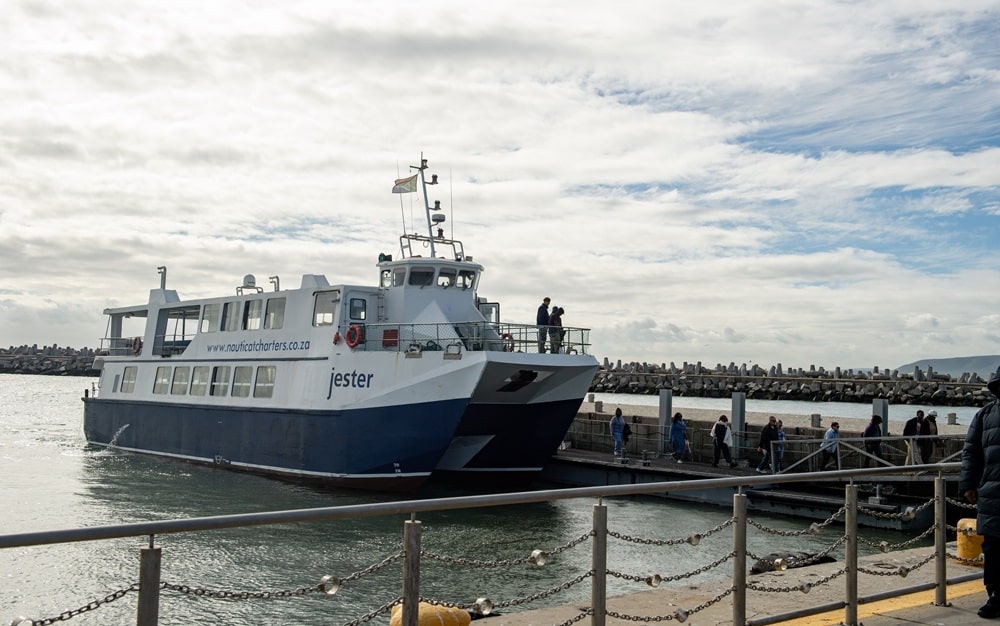
Our view is that guests should rather book a private tour of Robben Island. You will board the regular ferry (accompanied by your Cape Town guide), do the crossing, and will then be met on the island by a private vehicle and guide who will do the tour with you. At the end of the tour it’s back to Cape Town on the scheduled ferry. The cost will be considerably higher, in the region of $300 per person, but it will be a meaningful and memorable experience. There will be ample opportunities for one-on-one interaction with your knowledgeable Robben Island guides and for proper photographs to commemorate the experience.
A few practical hints
- Book early. Particularly during the South African summer months and over the year-end holiday season, tickets sell out well in advance.
- At the Nelson Mandela Museum boarding point (close to the clock tower) you’ll need to produce a photo ID and your digital ticket for scanning.
- Cape Town weather is unpredictable so always pack a water resistant jacket. Maximum temperatures hover around mid 50’s to low 60’s F in winter. There’s bound to be a wind chill effect.
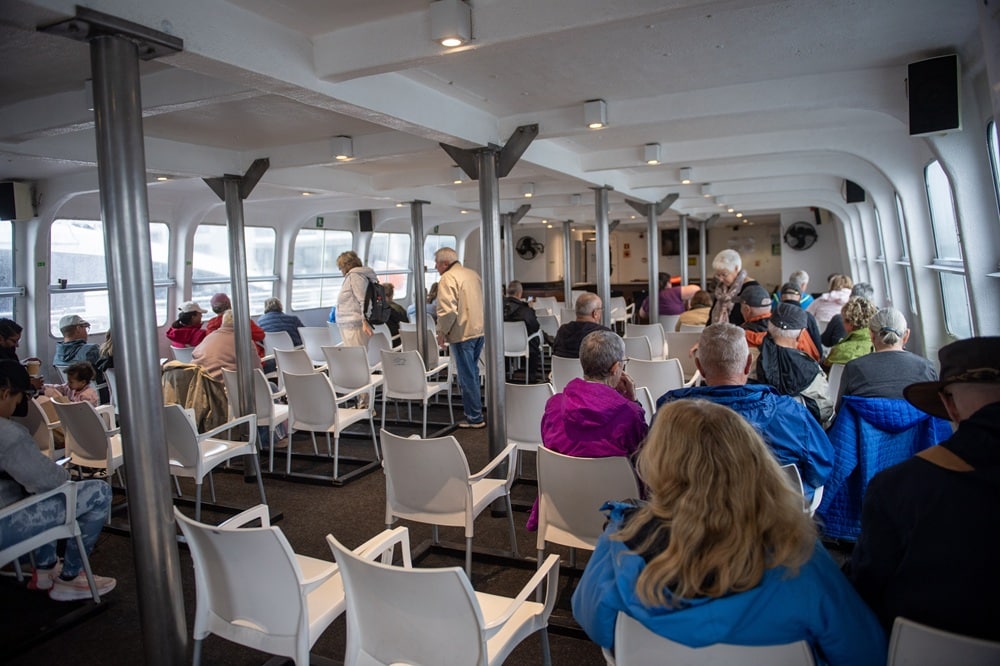
- Upper deck seating on the ferry has better views (and no windows) so make your way up there and – if they’re not wet from rain – select a seat closest to the railings for the best unobstructed views.
- The ocean swell of just less than 2 meters which we experienced is about average for the Cape Town waters. It can get worse. So if you’re prone to seasickness take your Dramamine in good time.
- The restrooms on the ferry (downstairs) are perfectly fine as are the ones close to the jetty, once you arrive on the island. It is probably best to schedule a pit stop prior to boarding the 45-minute bus ride. Reason being that the restroom stop which is scheduled towards the end of the bus ride is brief and both the men’s and women’s facilities each have just two stalls.
Bert can answer any questions you may have about visiting Robben Island. Please call our office at 713-467-5222 or 1-800-513-5222 and leave a message or email Bert at bert@fisheaglesafaris.com for more information.
YOU MIGHT ALSO BE INTERESTED IN
10th September 2021
Chindeni and the Bushcamp Company, Zambia
By late July we found ourselves at Chindeni, a small Bushcamp Company property
3rd October 2022
Camp Okavango, Botswana
Camp Okavango is in the heart of the permanent part of the Delta. In this idyllic setting there are no vehicles, and it is just a short walk
14th October 2023
From My Safari Notebook: Wildlife Photography
Birds in flight and wildlife photographers have an uneasy relationship. Things go wrong as often as they go right. Getting focus-lock on a moving subject

SUBSCRIBE TO OUR NEWSLETTER

READERS FAVOURITES
4th August 2022
On Safari At Belmond Eagle Island Lodge, Okavango Delta
What is the ‘secret sauce’ for an unforgettable few days on safari in Botswana? It starts with the animals, of course. The elephants, lions, giraffes, hippos
10th September 2021
Chindeni and the Bushcamp Company, Zambia
By late July we found ourselves at Chindeni, a small Bushcamp Company property