The Great Migration in Northern Tanzania: Yes or No?
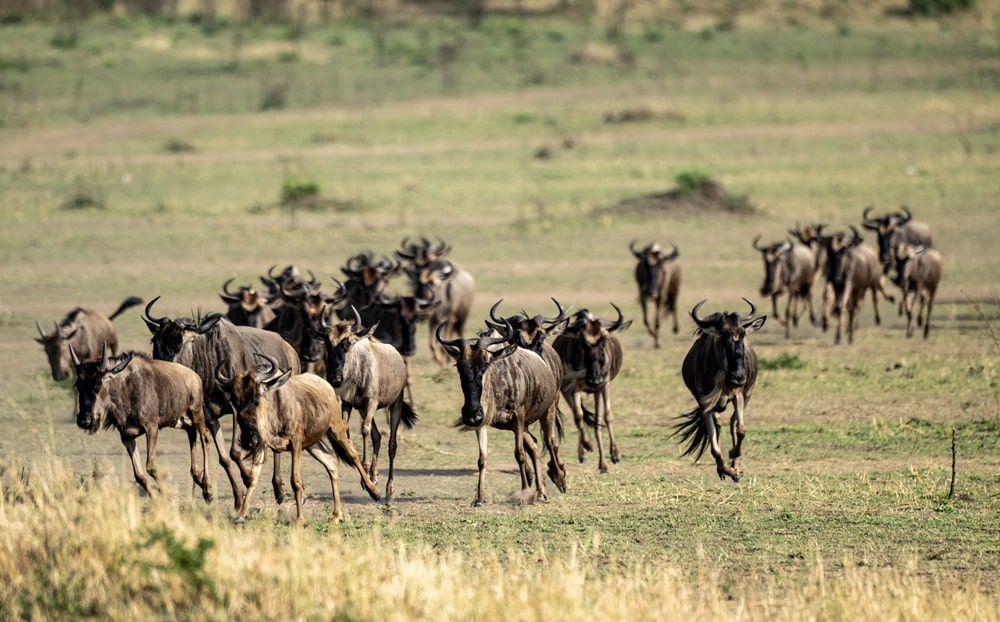
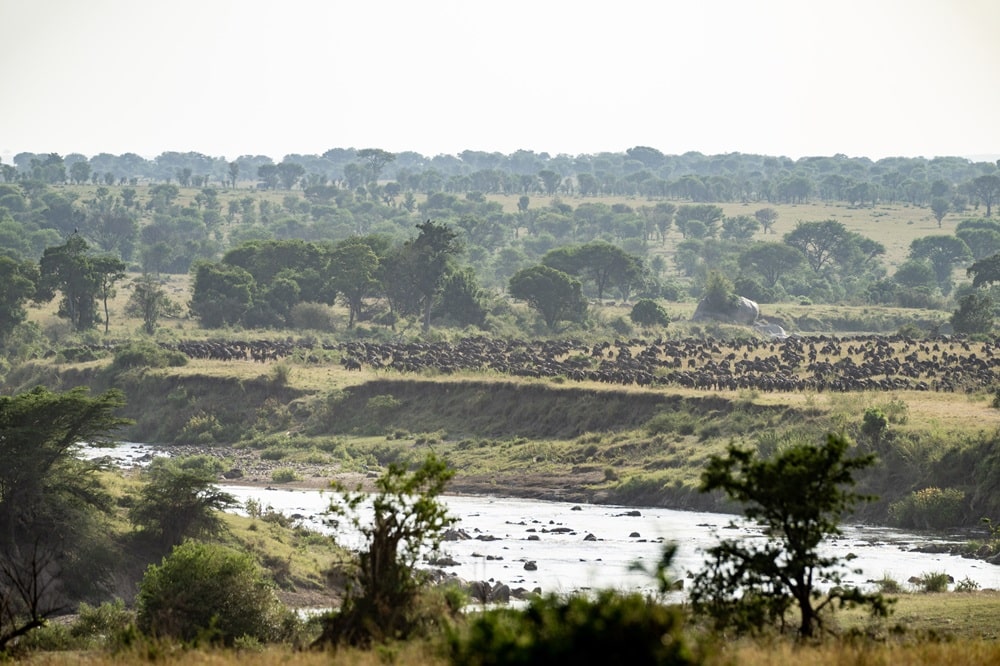
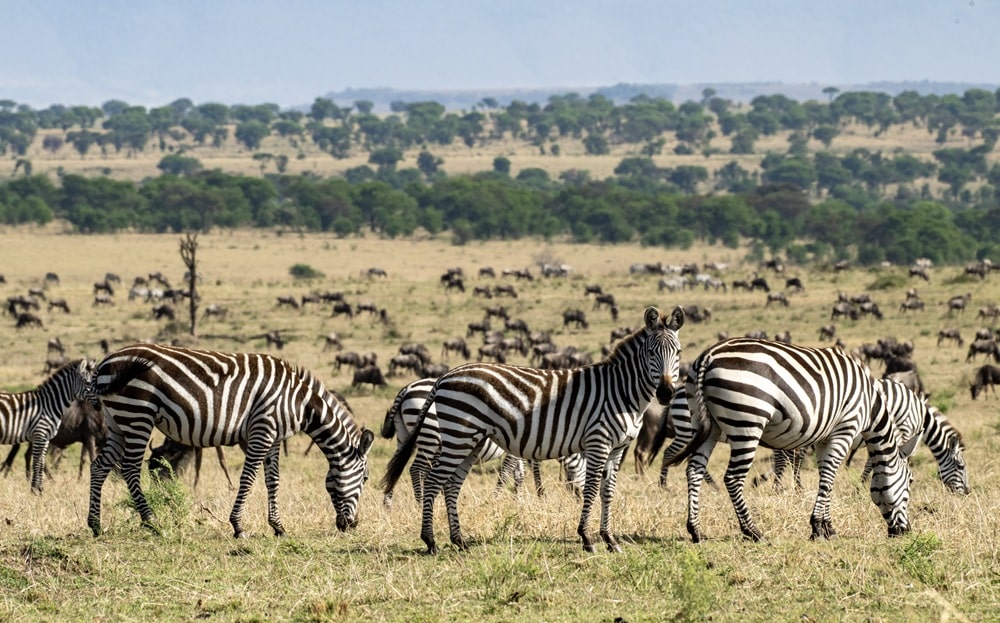
For the first time ever, we found ourselves in the epicenter of the great zebra and wildebeest migration in late August in far northern Tanzania earlier this year.
For almost a full week, staying at four different camps in the greater Kogatende area, we crisscrossed the beautiful open plains and woodland of the Serengeti National Park, abutting the Mara River.
Our objective was twofold: firstly to ascertain just how realistic a notion it was to experience a river crossing over the course of a few days in the area.
Secondly, whether we thought it was worthwhile to run the gauntlet of the inevitable and very much predictable congestion of vehicles and people we would encounter in the area.
In short, our conclusion was a qualified yes to the ‘should I or shouldn’t I go’ quandary. If you absolutely cannot even contemplate experiencing the melee of dozens of safari vehicles jockeying for a prime spot on the banks of the Mara River, then no. Pick somewhere else, such as the southern Serengeti in February, for the calving season. An awesome experience with all the drama of the migration but largely without the crowds.
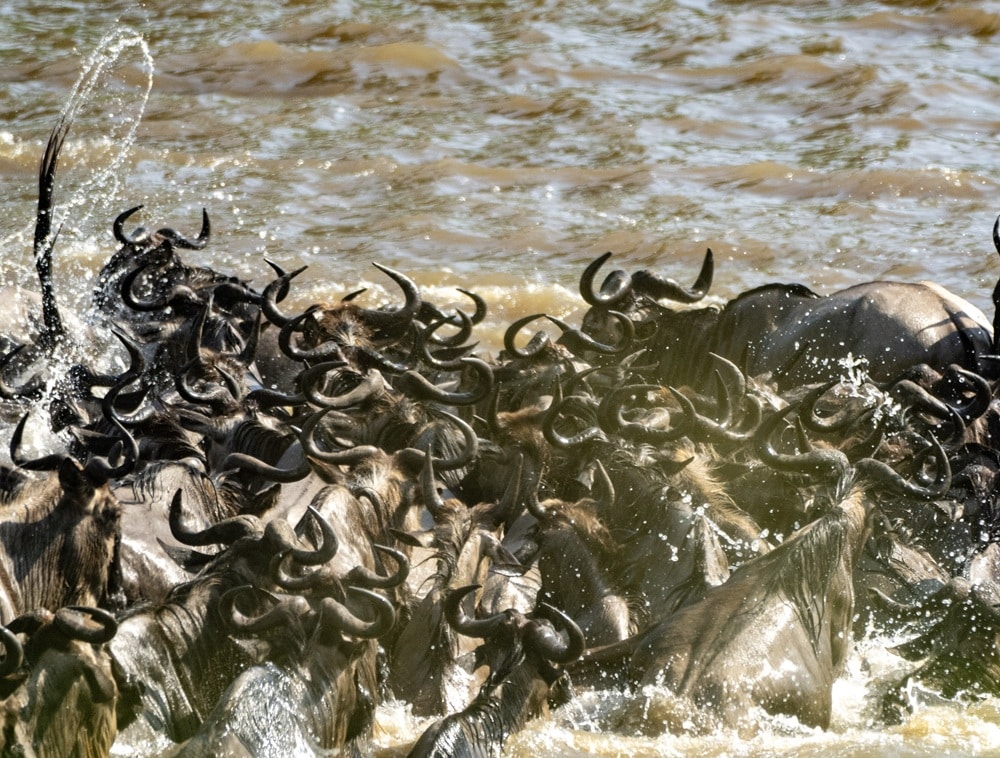
If you are dead set on putting yourself in the right spot for a realistic chance of observing thousands of wildebeest plunging down a river bank helter-skelter, launching themselves into the hazardous Mara River, then far northern Tanzania is the place to be.
If the migration spectacle is your heart’s desire, it is not a pipe dream. Spend several days with a qualified, experienced guide in far northern Tanzania from July through September and you’d stand an excellent chance of realizing the dream of witnessing an actual river crossing.
Making it a good experience overall is a matter of picking the right company and specific camps. Unfortunately there are many opportunistic, unethical and sometimes even unqualified operators cruising the shallow waters of the migration experience. To be avoided at all costs.
There are also a handful of conservation-minded companies who pay more than lip service to the concept of sustainable, ethical wildlife viewing practices. Their guides are the ones who won’t hesitate to pull out of an overly crowded, uncontrolled situation such as when a glut of vehicles block the animals from their natural migration routes.
Rather, they will seek out a different crossing point away from the worst congested spots which are known to all involved. They will maintain a respectful distance from the edge of the river, keeping the way clear for the herds to instinctively follow ancestral paths, seemingly oblivious to the dangers of steep banks, rocks, strong currents or the menacing presence of gigantic Nile crocodiles.
Serengeti Bushtops
As anticipated, our Serengeti Bushtops experience was first class all the way. Bushtops don’t just say you can have it your way, they deliver. From what you’d like to eat or drink at whatever hour to your choice of activities, they are supremely flexible and accommodating. Just like our first experience with them in the Masai Mara some time ago, their Serengeti team was totally focused on our comfort and preferences.
Even though we arrived hours later than expected, our guide Deus and tracker Abraham were clearly not fussed. They were just happy to see us. After a tedious and frustrating day of bush flying, they turned everything around with their welcome reception at Kogatende airstrip.
Just for us, they had rolled out a white tablecloth laden with a selection of beverages including coffee and tea, some delicious cookies and several fried snacks. We knew right away that we were in good hands.
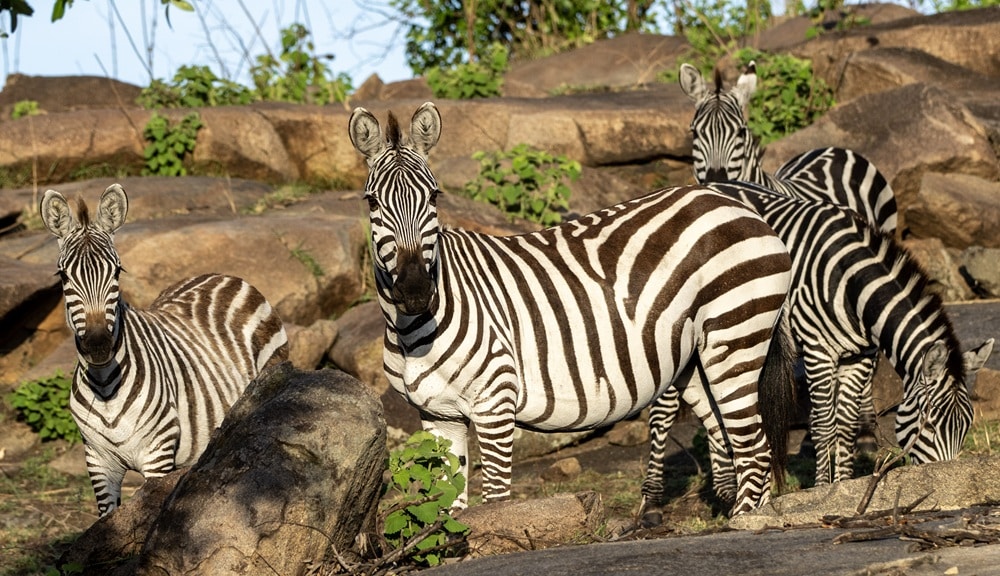
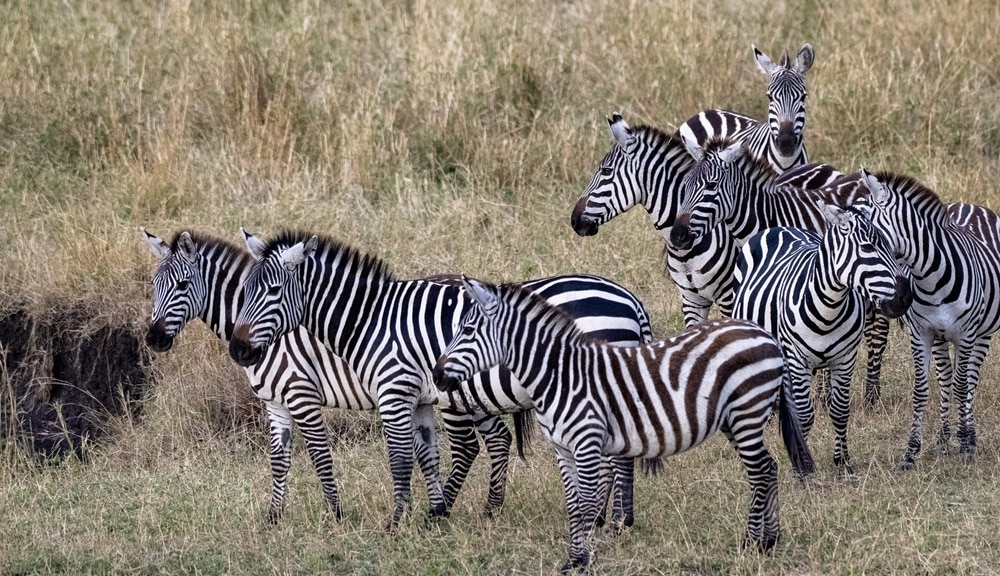
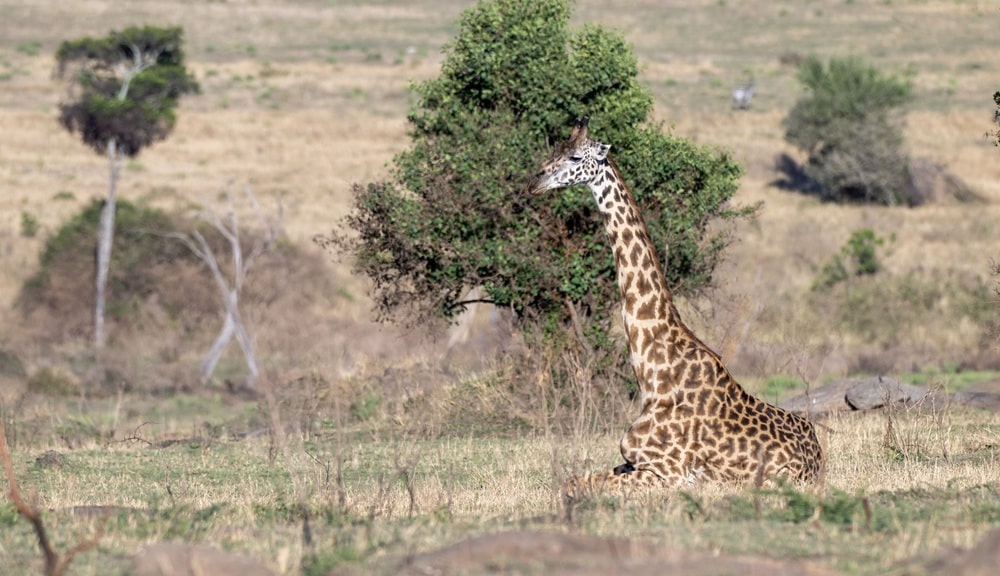
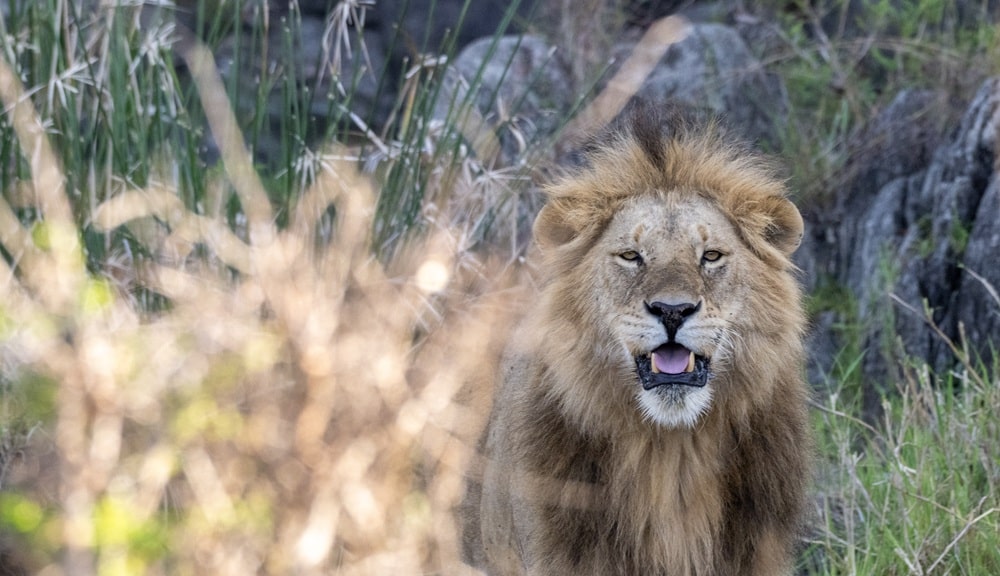
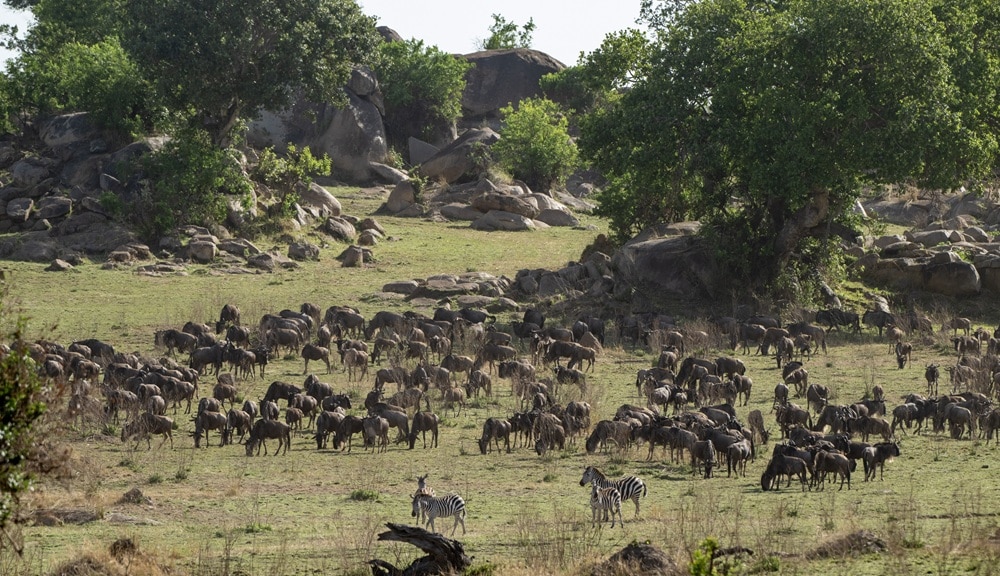
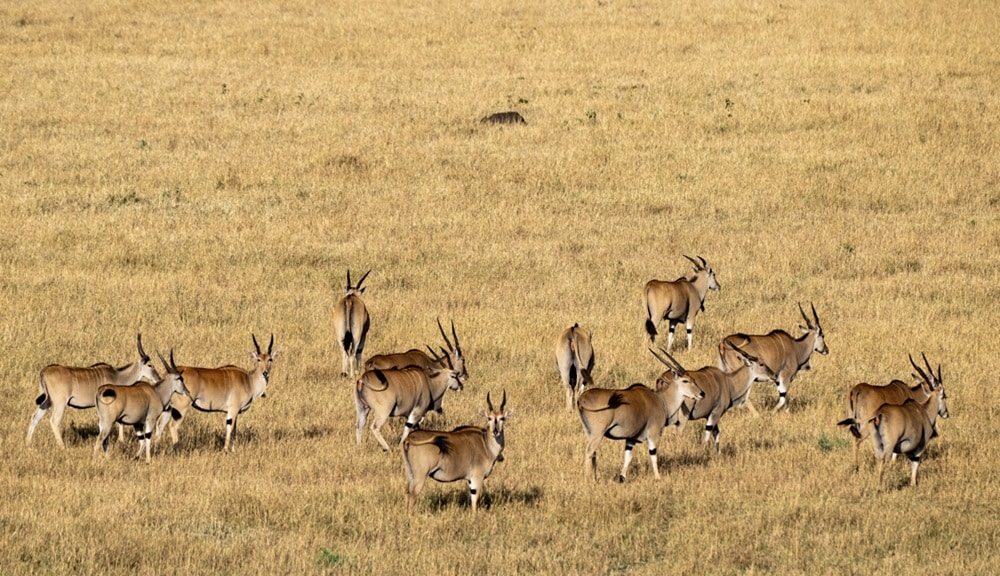
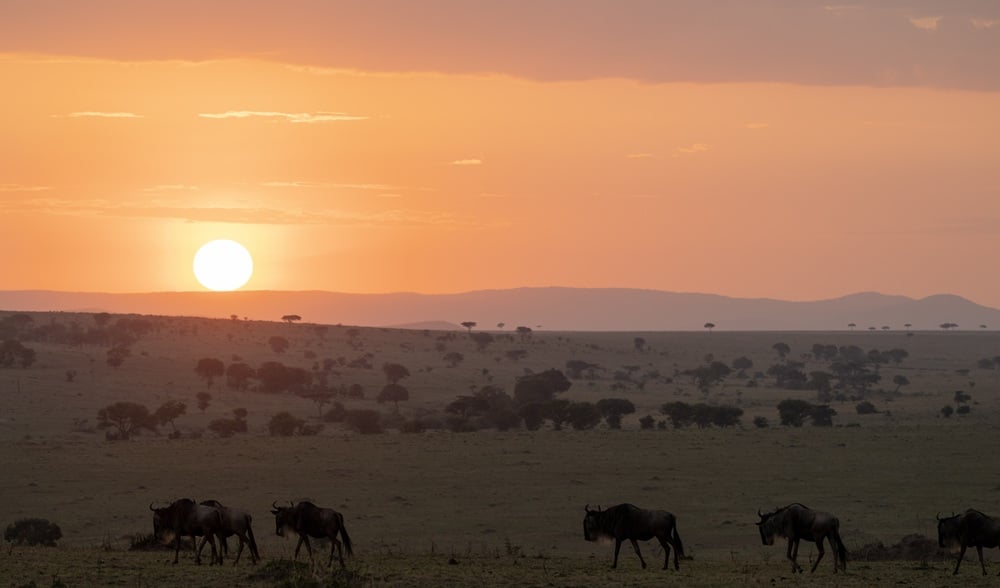
It was a 45-minute drive to camp. Almost immediately we found ourselves in a migration setting with small groups of zebras and many hundreds of wildebeest visible in every direction, moving towards the Mara River.
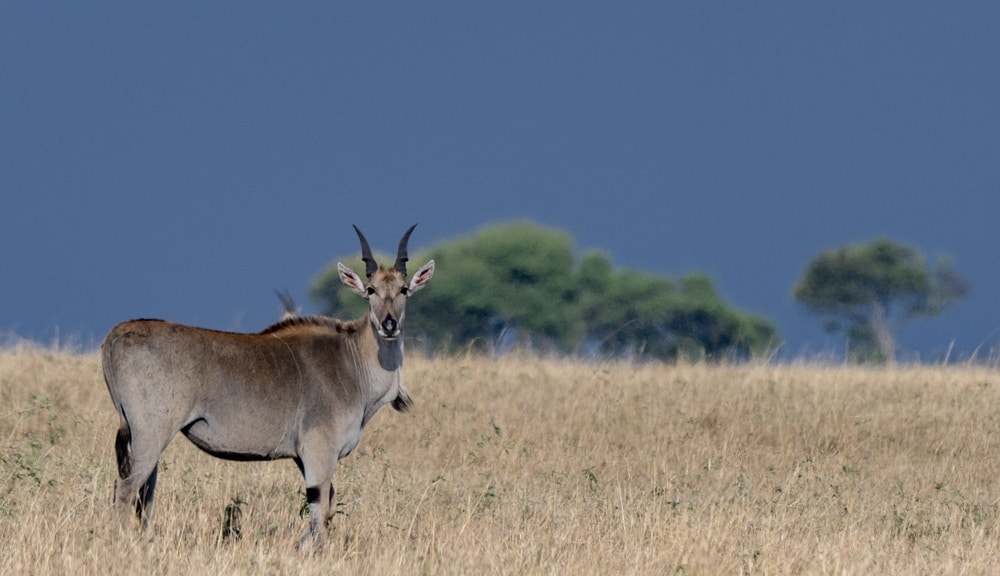
We were also seeing oribi, eland, impala, topi and giraffes and spotted a solitary elephant. A little bit later: three male lions in a rocky area not far from camp. Bingo! There were groups of wildebeest moving in every direction.
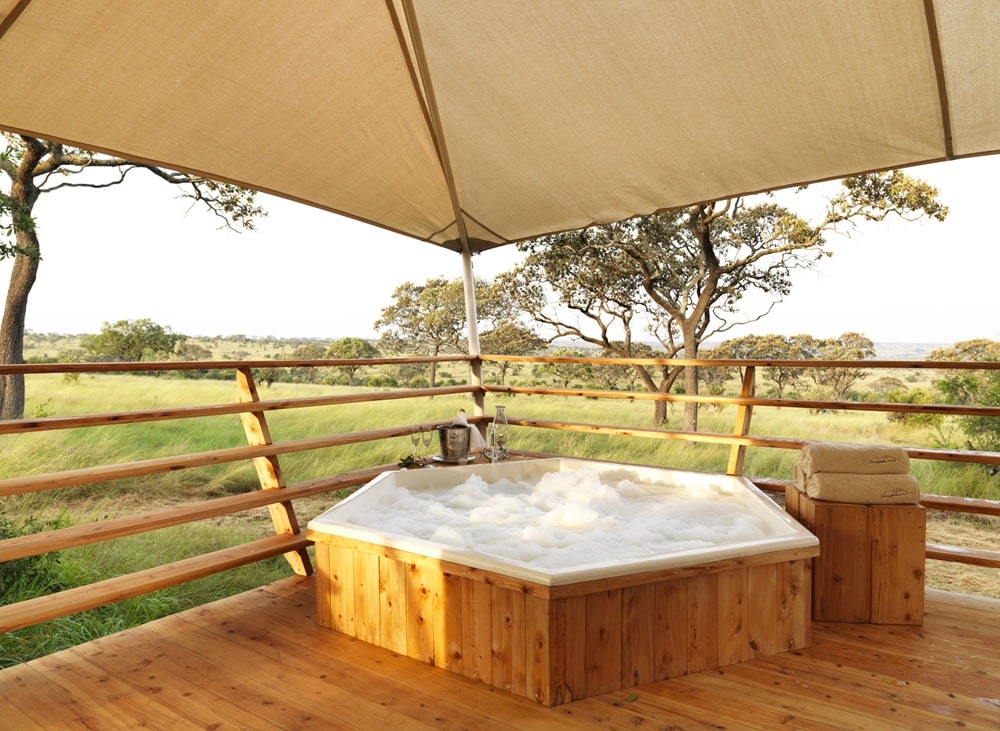
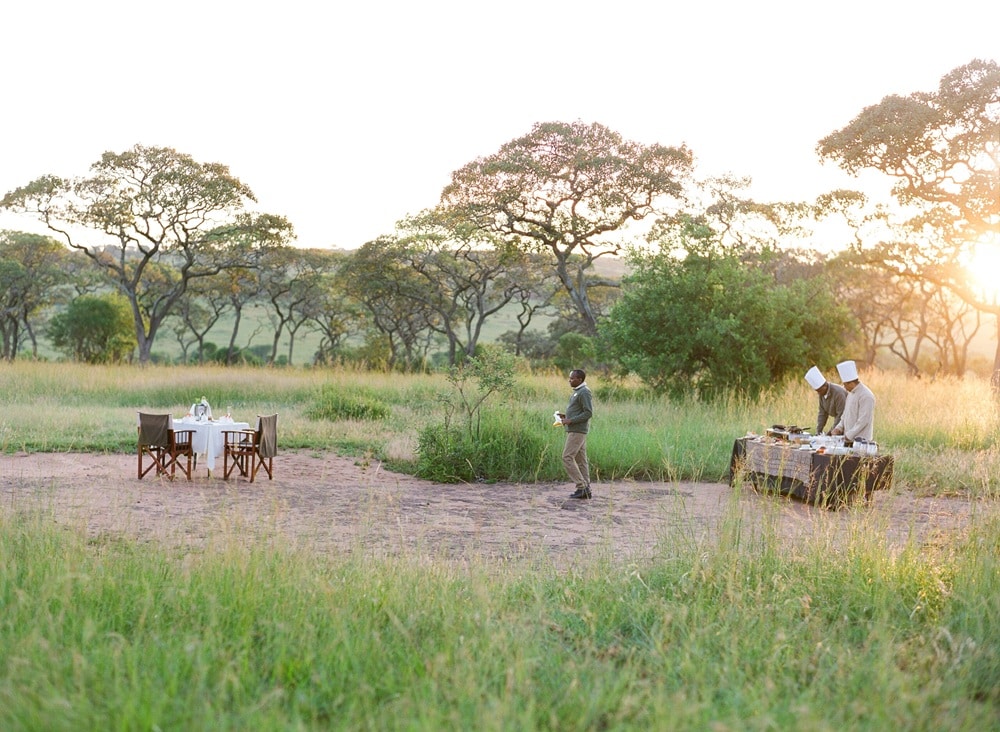
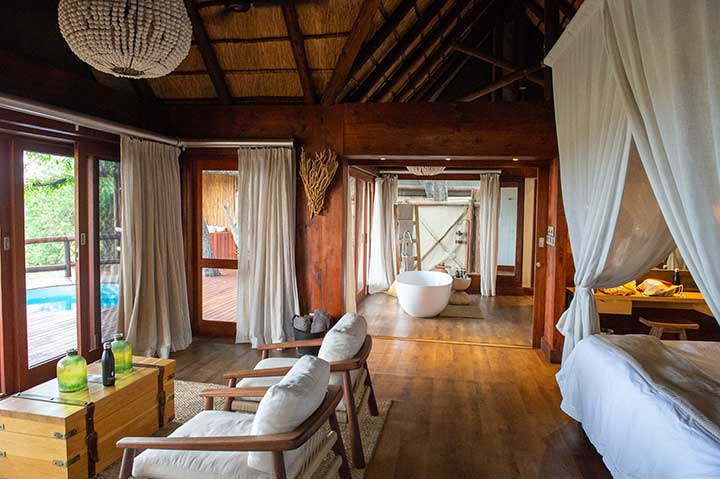
Our large, comfortable Serengeti Bushtops room sat on an elevated deck. There was an indoor shower and outdoor hot tub and it was clear that considerable thought had gone into the design.
From the comfort of our viewing deck at Bushtops, after settling in, we observed a nice group of wildebeest moving through the woodland. In typical fashion they would inexplicably slow down and bunch together, only to rush forward suddenly in single file. In a matter of minutes, hundreds of them streamed by. We didn’t really have to go and look for the migration. It had found us.
A signature feature of Serengeti Bushtops is restaurant-style dining with a full menu with multiple dishes available at any time. There are no set dining schedules. Feel like breakfast for dinner? No problem.
Our two dinner choices were both excellent: I opted for a chickpea curry and Kathy enjoyed Zanzibar shrimp with coconut rice. We shared a perfectly prepared lemon tart for dessert.
Getting to Bushtops ended up being more involved than we had anticipated. From Arusha to Kogatende in far northern Serengeti took 3.5 hours on Coastal, with intermediate stops in Seronera (long layover), Grumeti and Lamai. So four takeoffs and four landings in total. If you’re prone to travel sickness, be sure to take the necessary prophylactics.
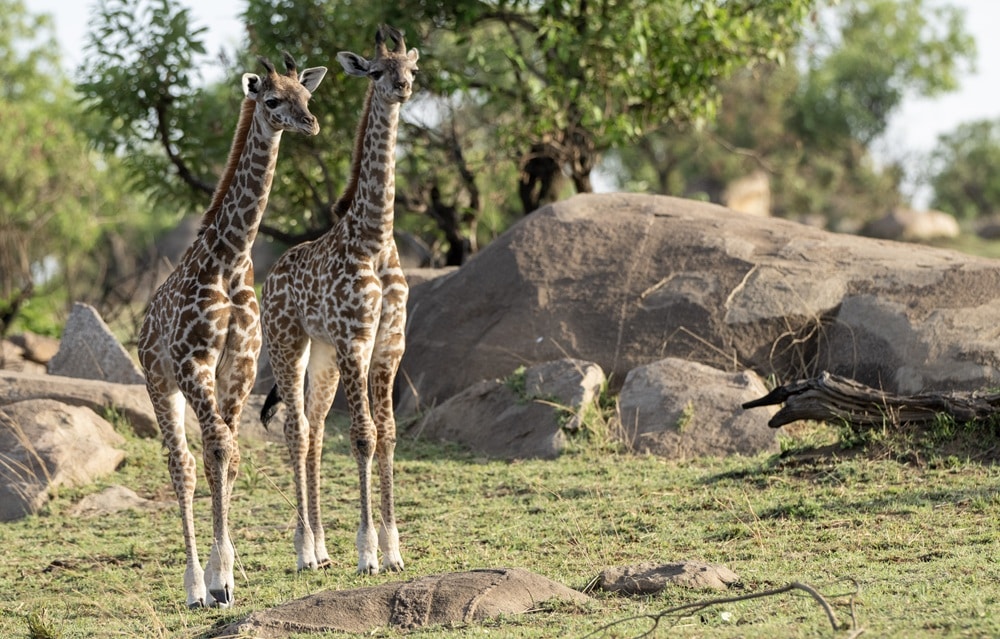
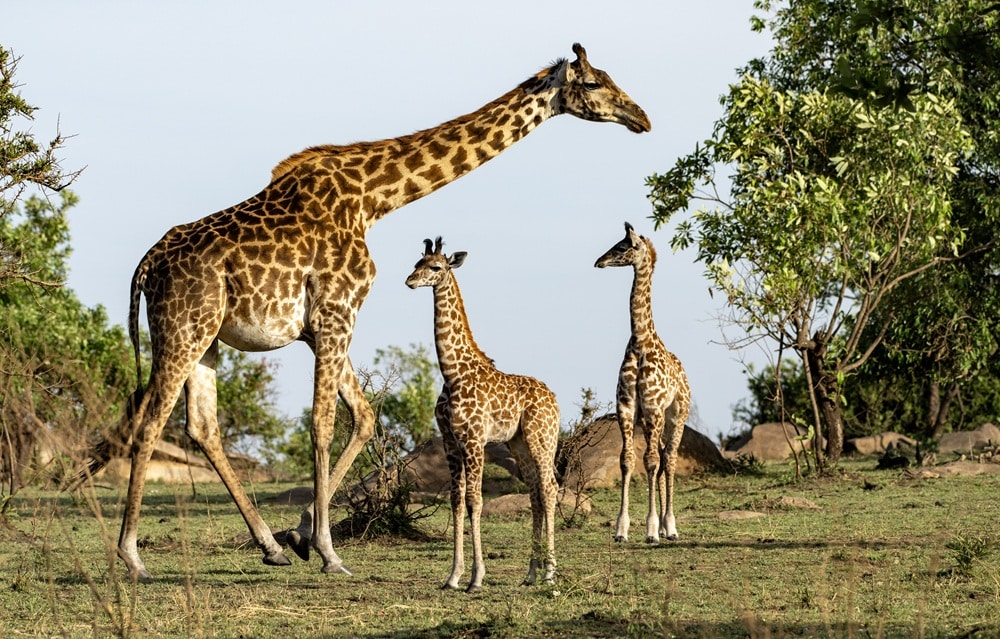
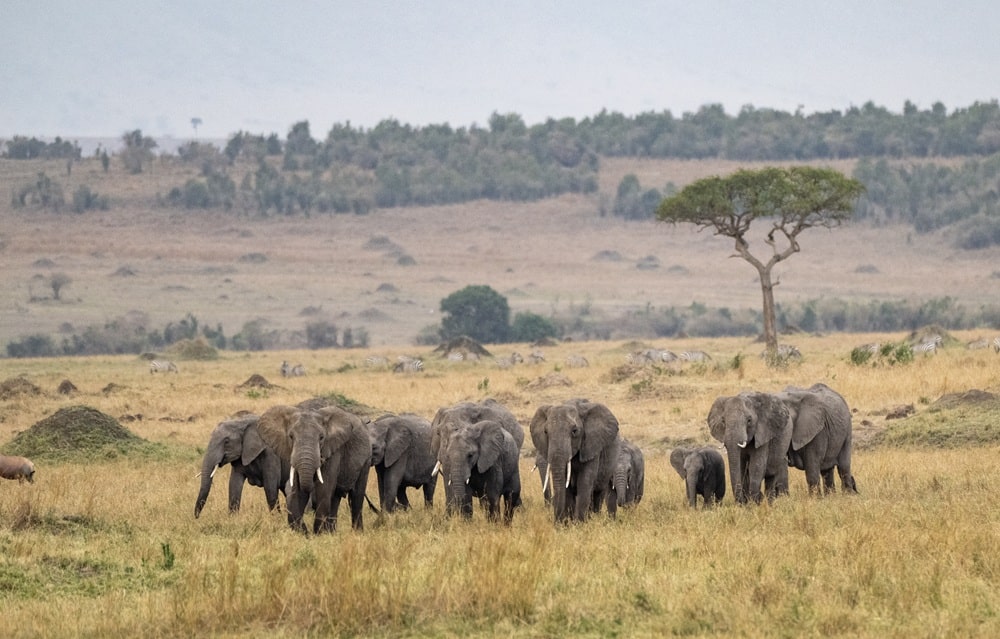
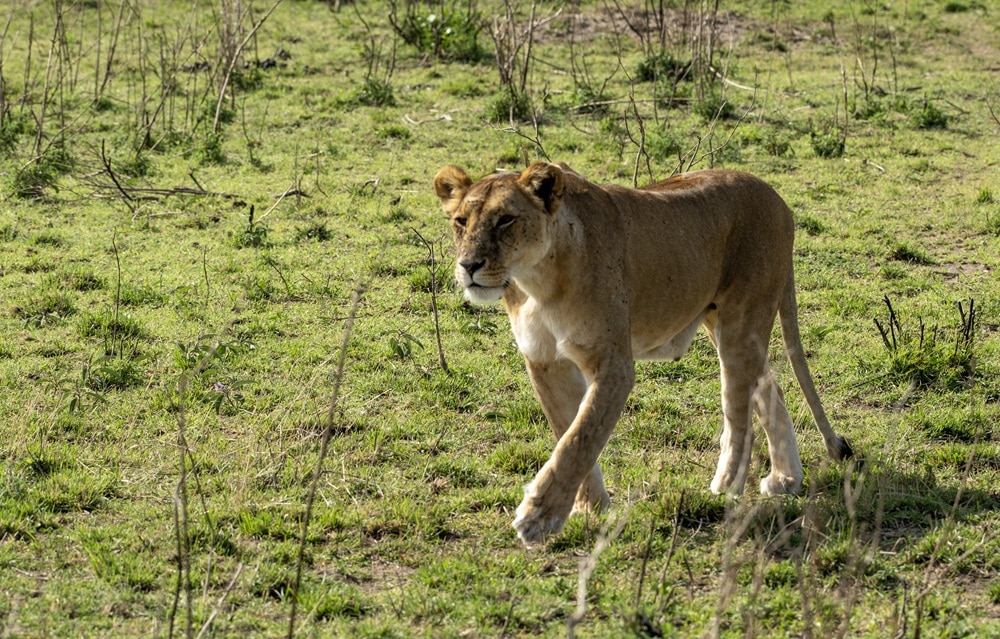
Our morning game drive from Bushtops took us in the direction of the Mara River, which we crossed into the Lamai wedge. We’ve always considered the wedge to be an exceptionally good gameviewing area and we were not disappointed. Right away, we ran into several good sized breeding herds of elephants. A welcome surprise was finding a pride of 10 lions along a natural drainage line. There were many giraffes with young in the area as well.
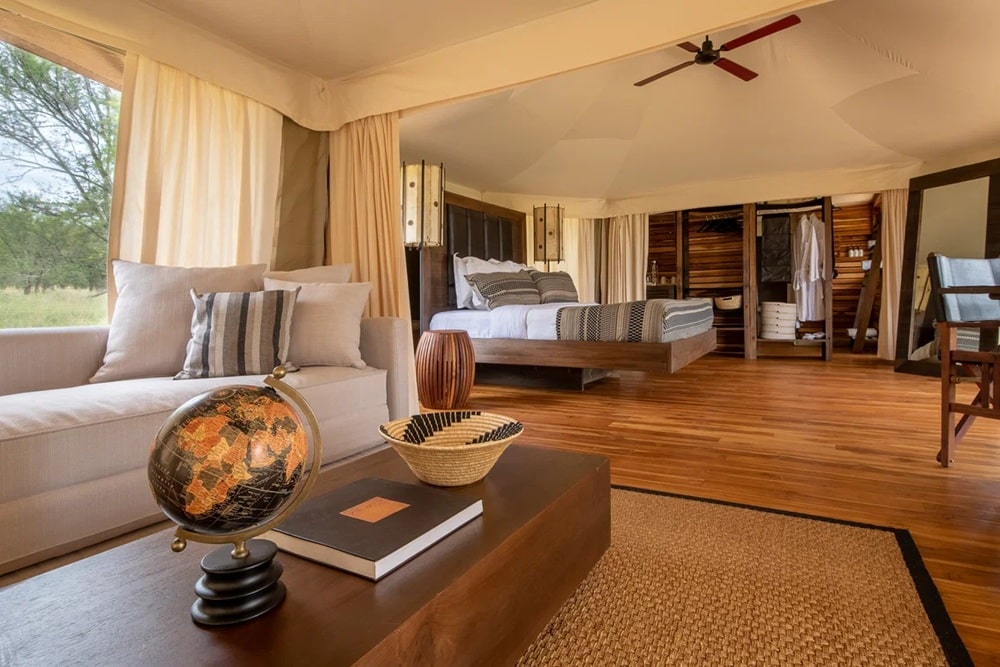
Kantabile Safaris – Aurari Camp
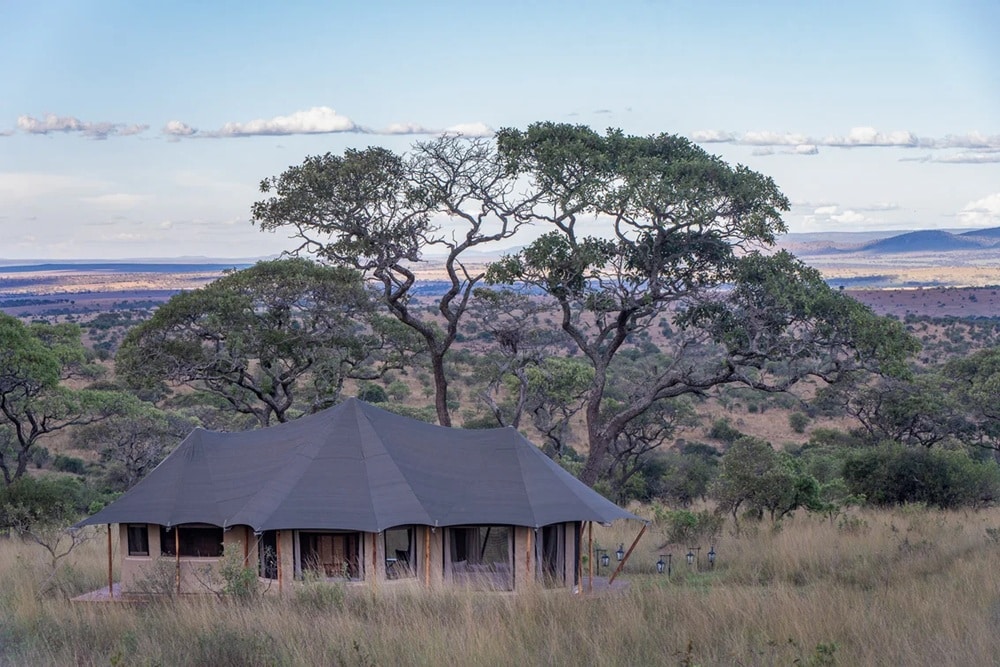
Aurari Camp is located in the same general area as Bushtops in the northern Serengeti with a beautiful view over open plains in front of camp.
The small main area and the five guest tents were tastefully decorated and quite elegant. Aurari had a serene, peaceful feel to it, with highly attentive staff. The company’s focus on sustainability was clearly evident, right down to not serving Coke Zero because it’s not available in Tanzania in glass bottles. I was a little bit annoyed but at the same time impressed with their dedication.
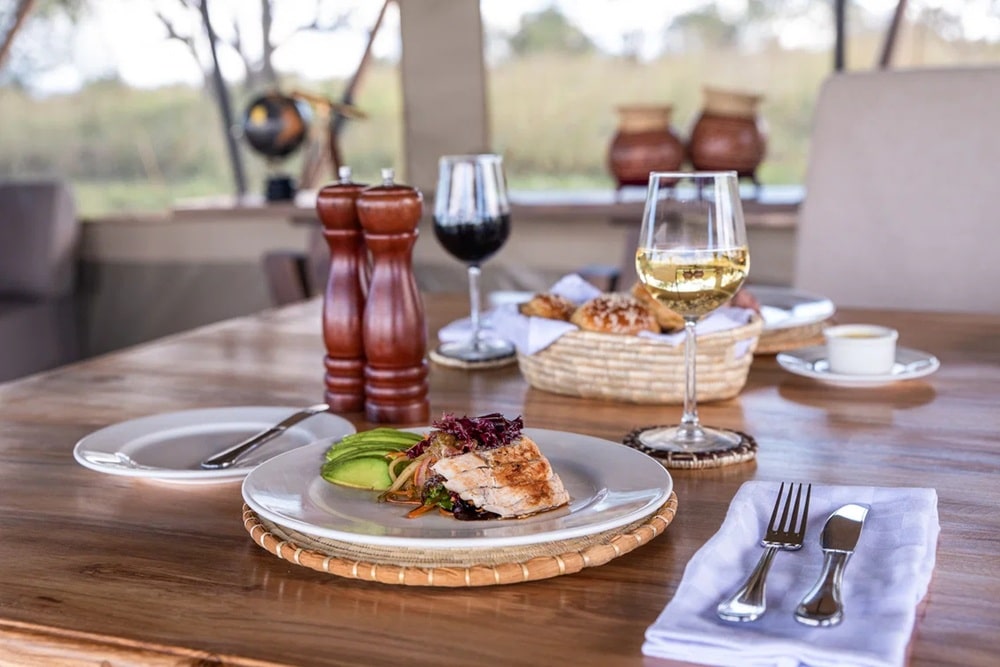
We enjoyed a delicious lunch with a calamari starter, chicken with a salad and an excellent dessert. The food at Aurari turned out to be superb throughout. A couple of nice touches included a bush dinner under the stars and a bush breakfast. Just for the two of us.
The following morning, with our guide Godwin leading the way, we came upon a pair of adult male lions – likely brothers – closing in on a mortally wounded buffalo. It appeared that they had attacked the buffalo earlier that morning. It had wounds on its back and was practically immobile with just three legs working properly. Nobody had to say it out loud. The buffalo’s days were numbered.
Laba Laba Migration Camp North
The previous afternoon’s lion versus buffalo saga came to an abrupt end the following morning. En route from Aurari to Laba Laba Migration camp we saw the carcass of the doomed buffalo. The two lions responsible for its demise were resting up nearby. We were not surprised.
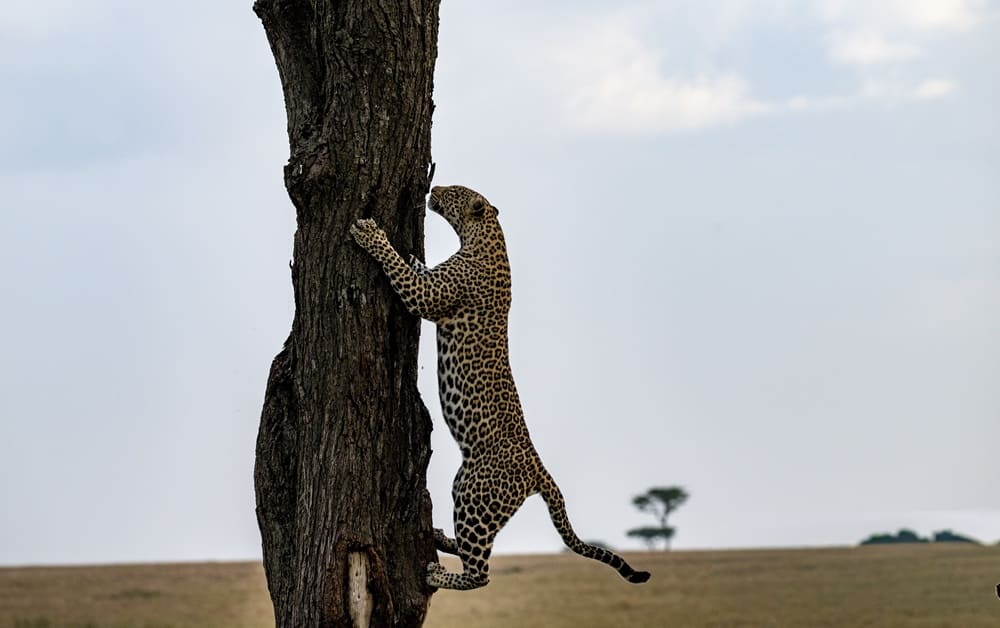
Our highly experienced Laba Laba guide Chacha was engaging and enthusiastic, with the sunniest of dispositions. When he learnt that we were keen to see a leopard or cheetah it was game on. That very afternoon we ended up watching a leopard clambering into a tree along the Kenya border. Mission halfway accomplished.
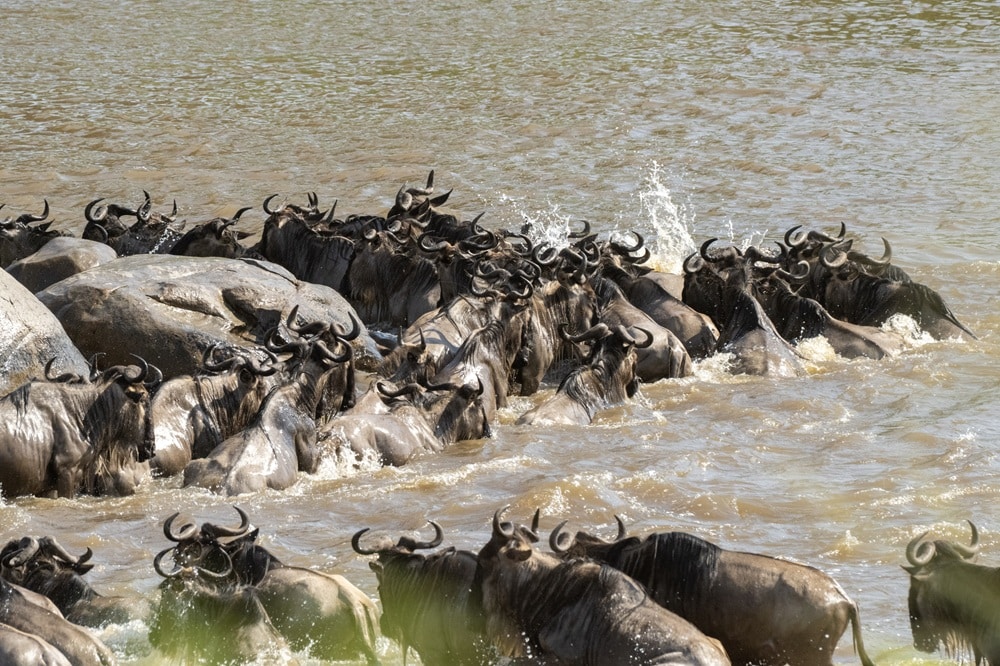
The following morning Kathy and I finally saw a good-sized wildebeest crossing. Not thousands but at least hundreds of them crossing the Mara River into the Lamai wedge. Massing together as they risked literally everything just to reach the other side of the river.
As we watched, fascinated to see this happening right in front of us, the presence of lots of other vehicles somehow mattered less. It reminded me of the barely controlled chaos surrounding tiger viewing in India. It’s messy and far from ideal but with huge potential upside.
To see a crossing involves getting to a popular (for wildebeest and people) crossing point early. Which means no later than 8 or 9 am as the area gets a lot more traffic once the hot air balloon crowd shows up.
For as long as it takes, your guide then eyeballs the sometimes dozens of loosely grouped wildebeest herds hanging around the south bank of the Mara River. Using all of their accumulated skills and experience, the guides try to figure out which group is likely to cross the river first. The good guides anticipate best and get their clients positioned properly and in good time.
While there is a degree of frustration caused by the presence of too many vehicles, it’s a sobering thought that their very presence ensures the continuation of the migration phenomenon. Without the tourism revenue there is no Serengeti National Park. Without this annual ‘migration madness’ there are just more farms and cattle and goats and people.
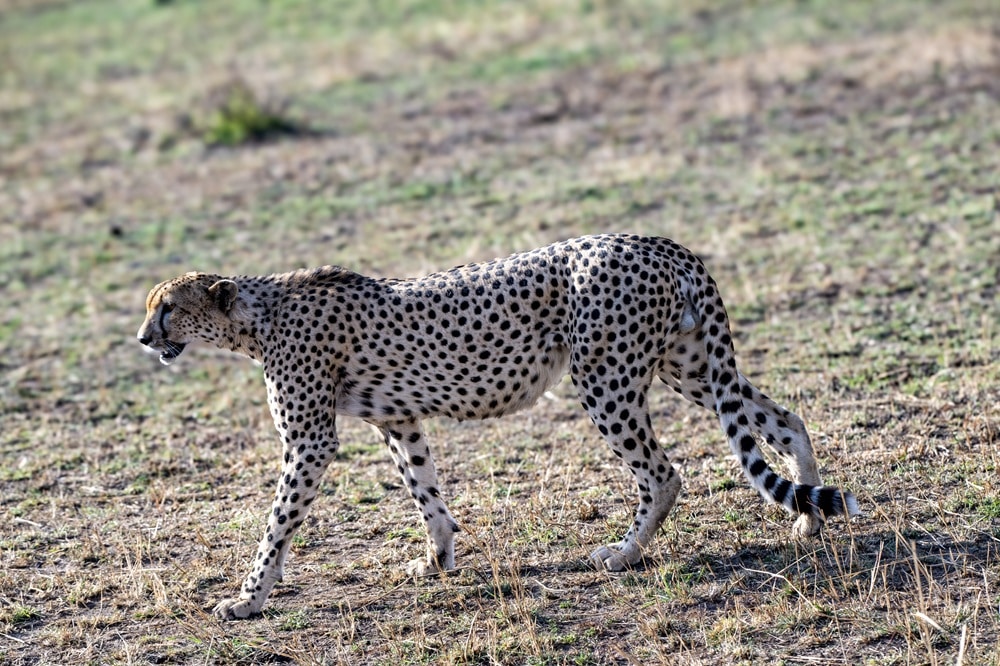
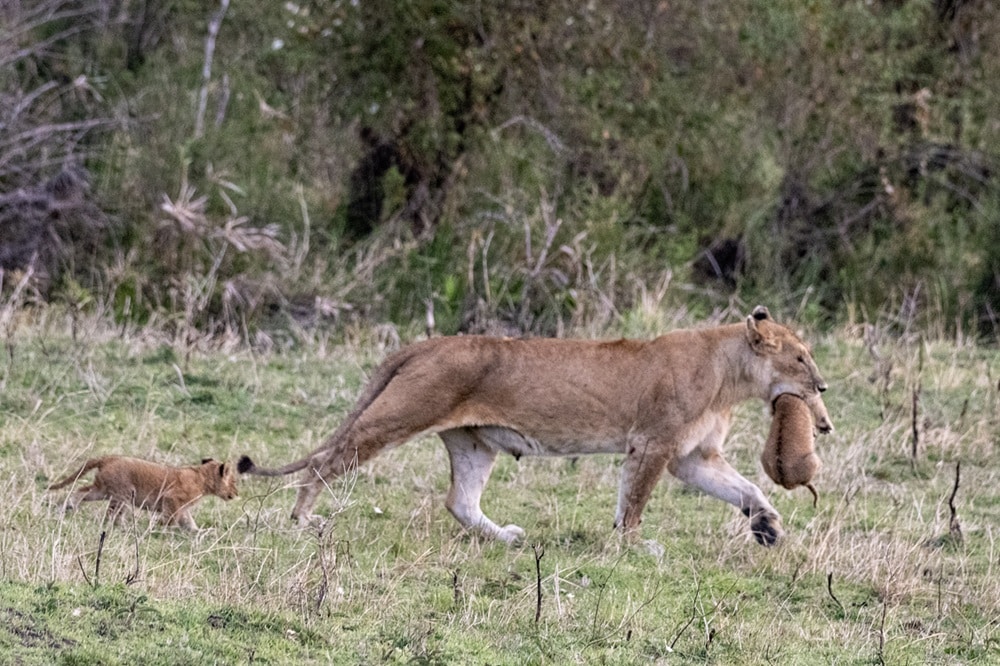
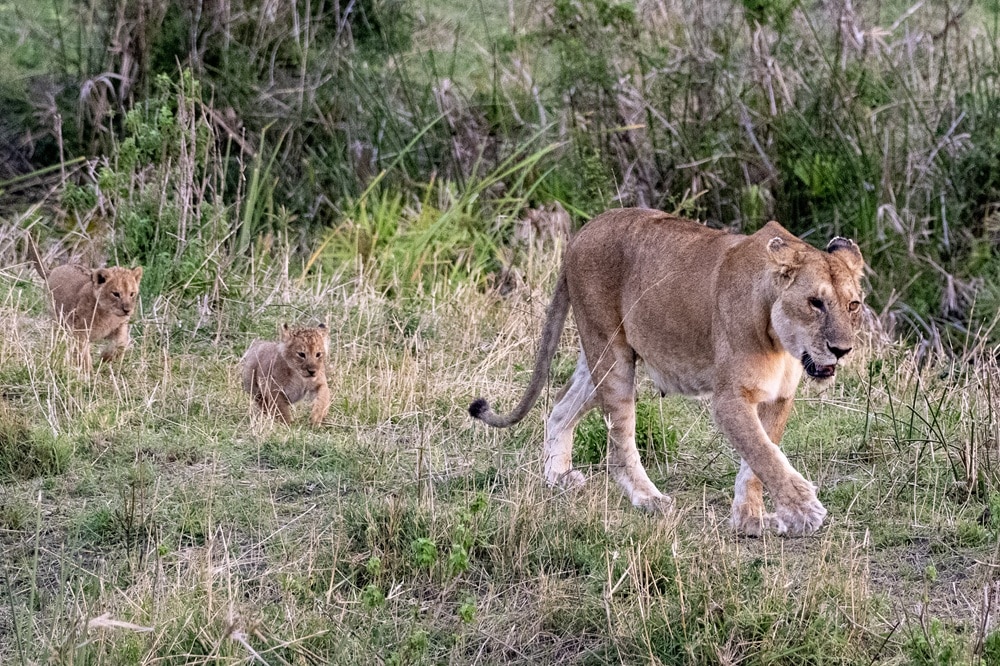
That afternoon Chacha helped us find a solitary cheetah, shortly followed by a female lion with two tiny cubs, barely two weeks old. She carried one in her mouth and the other one trailed behind as they walked away along the edge of a stream.
The Laba Laba mobile tent experience rivals and exceeds many permanent camps. From a private vehicle and guide for each party to gourmet cuisine, fine wines and other beverages and a high degree of personal service, nothing is left to chance. There’s even a dedicated gym tent.
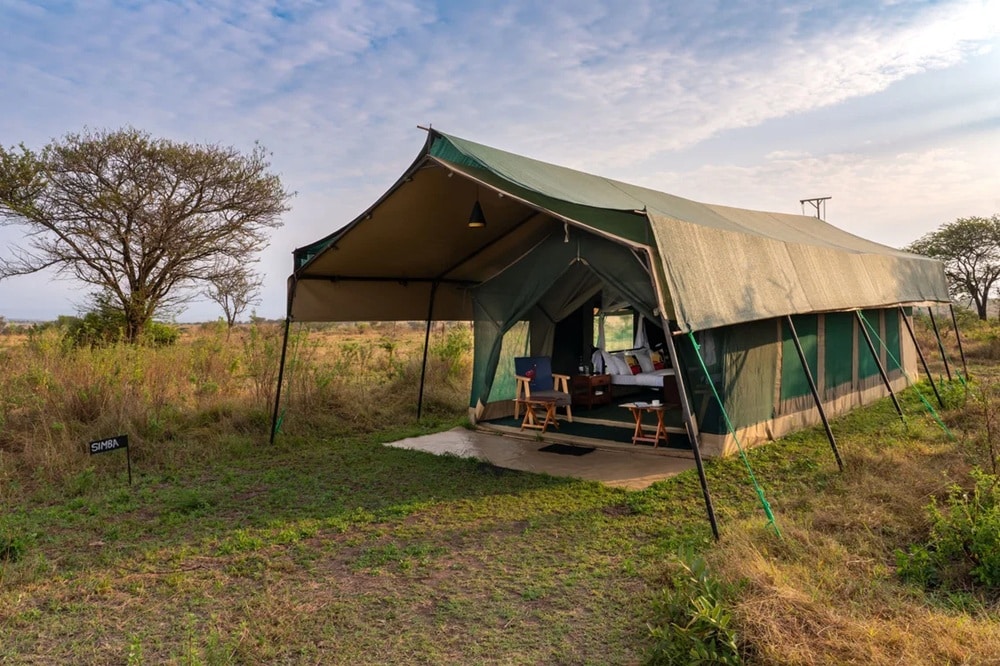
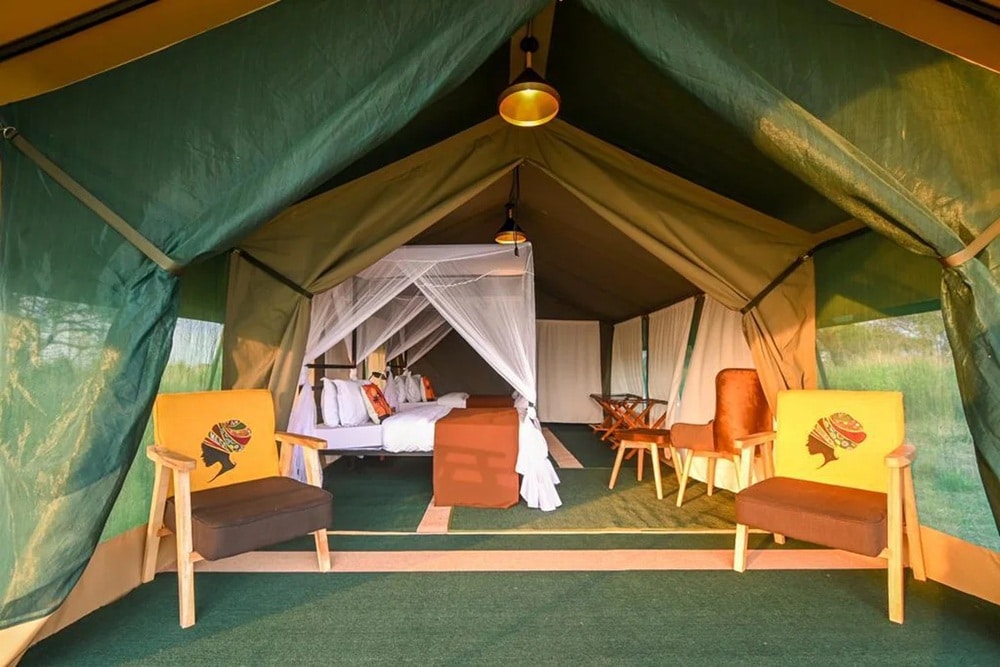
Nasikia Migration Camp
Our last stop in the Serengeti was Nasikia Migration Camp. It was a typical mobile tented camp with everything you need, and nothing you don’t. A tent with a comfortable double bed, an enclosed en-suite bathroom with tap water and bottled drinkable water. A separate shower with hot water on demand and a flush toilet. There were 12 tents total inclusive of two family rooms.
We were impressed with some of the small touches at the Nasikia camp: good quality ‘to go’ cups, tissues readily available and a trash receptacle in the game drive vehicle. Picking your own mix for the lunch box on all day outings seemed like a great idea.
Unfortunately the food itself and particularly the presentation, left something to be desired. The goat stew which was one of the two dinner mains options (the other one being a pasta dish) was our least favorite dish of the entire trip.
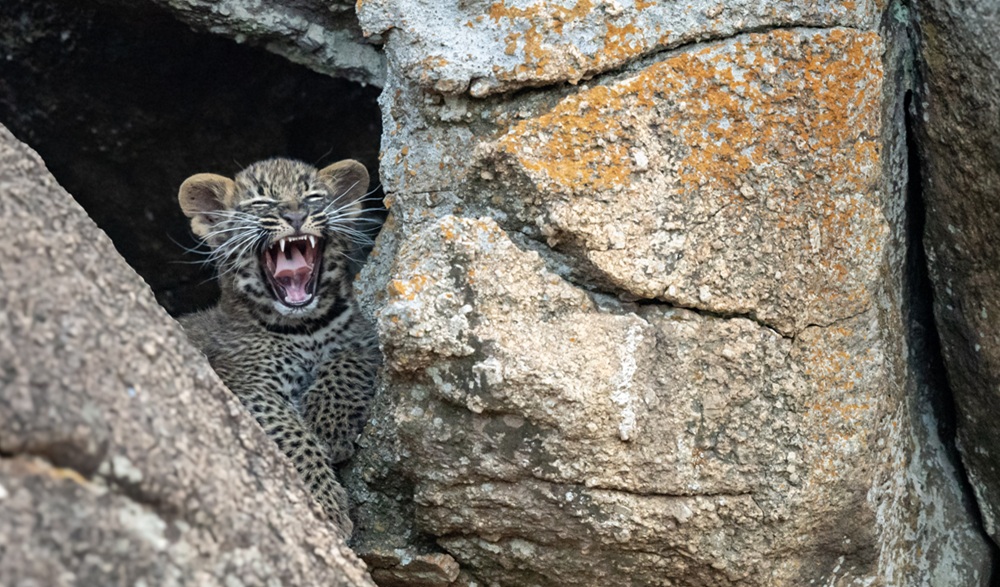
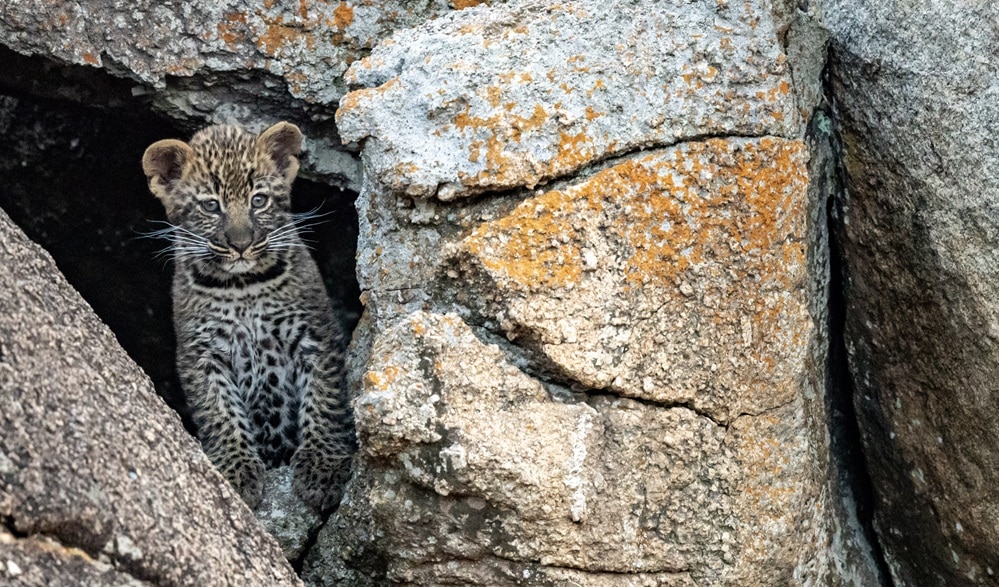
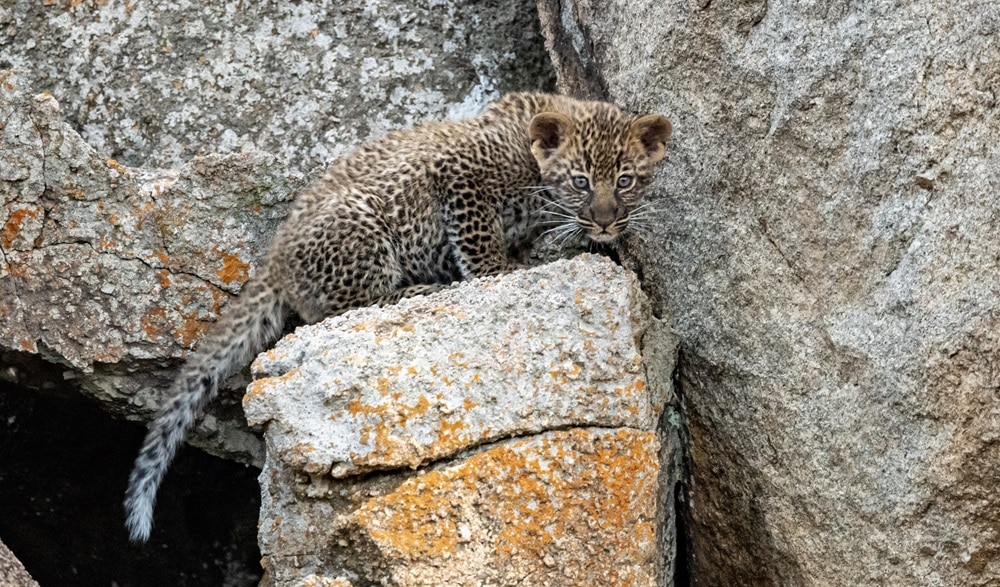
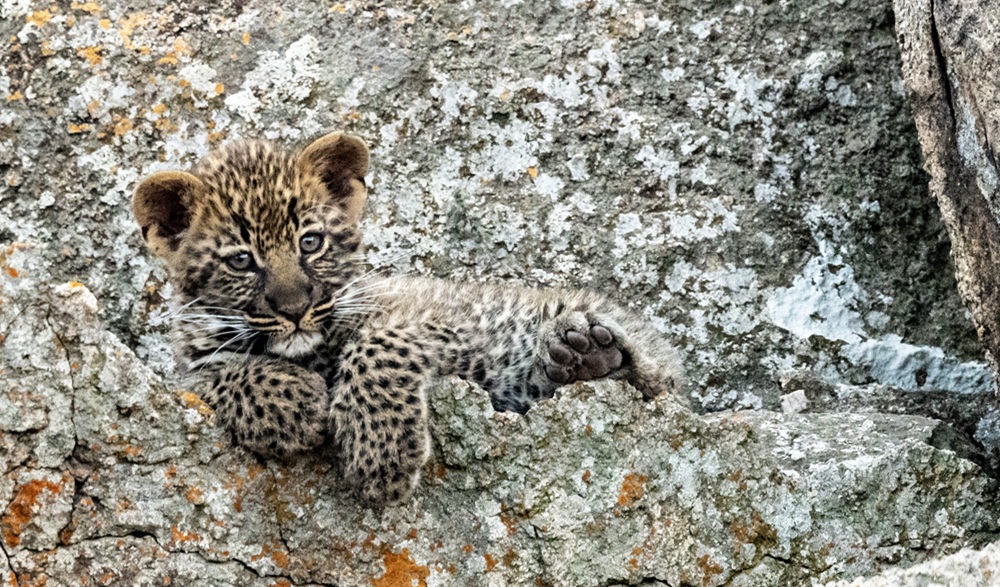
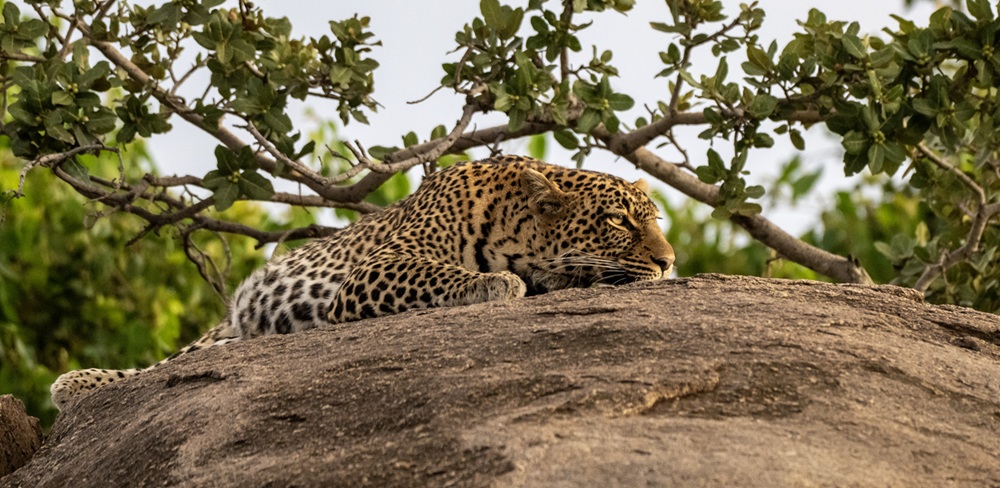
Our afternoon game drive was an expedition to find leopards. It involved systematically scouring hundreds of rocks, crevices and bushes in a particular area where a mother and baby leopard were known to be present.
With the help of guests on another vehicle – who improbably spotted the female in a dense thicket – we found them. It was quite late and the light was all but gone. Even so I managed to capture a series of good photos of the baby leopard waking up from a nap, yawning, stretching and simply doing its leopard thing.
Even if I were not intent on capturing the scene on film, I think the experience would have been a satisfying, even fascinating one. Contemplating the future of that little leopard as the sun was setting all around us. Its day starting as ours was coming to an end.
Bert has recently visited all of these and other Serengeti camps so feel free to reach out to him at bert@fisheaglesafaris.com for more information about the properties and how they could be combined into a seamless Tanzania safari experience. You can also call our 24/7 answering service and leave a message. One of us will get back to you promptly.
Property photos courtesy Bushtops, Kantabile Safaris, Laba Laba and Nasikia (Mohammed Sufian and Osse Sinare).
YOU MIGHT ALSO BE INTERESTED IN
10th September 2021
Chindeni and the Bushcamp Company, Zambia
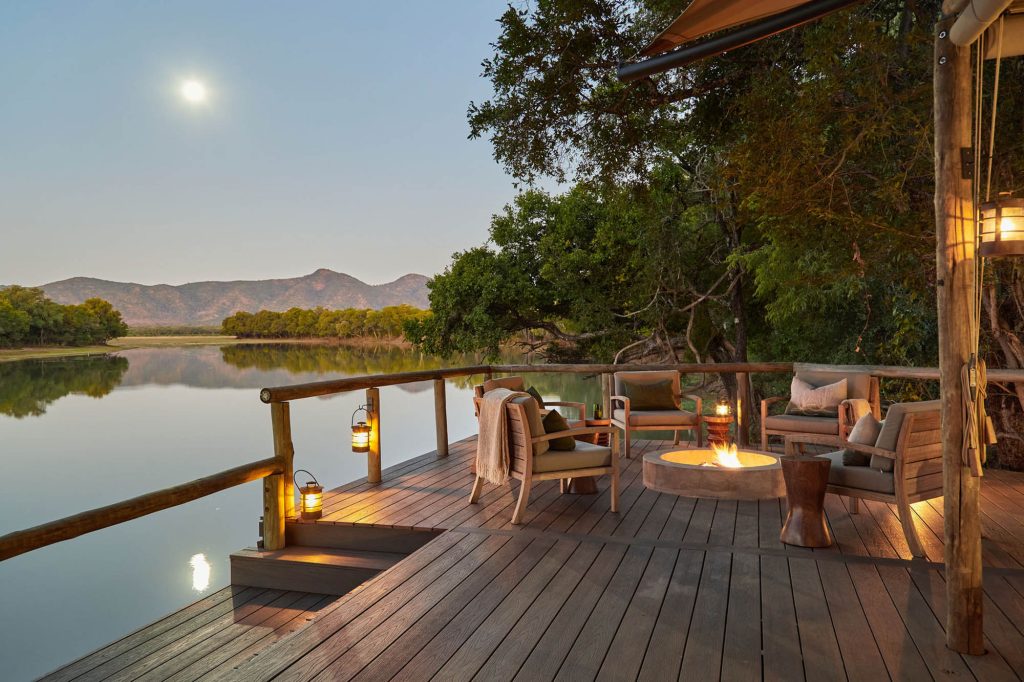
By late July we found ourselves at Chindeni, a small Bushcamp Company property
3rd October 2022
Camp Okavango, Botswana
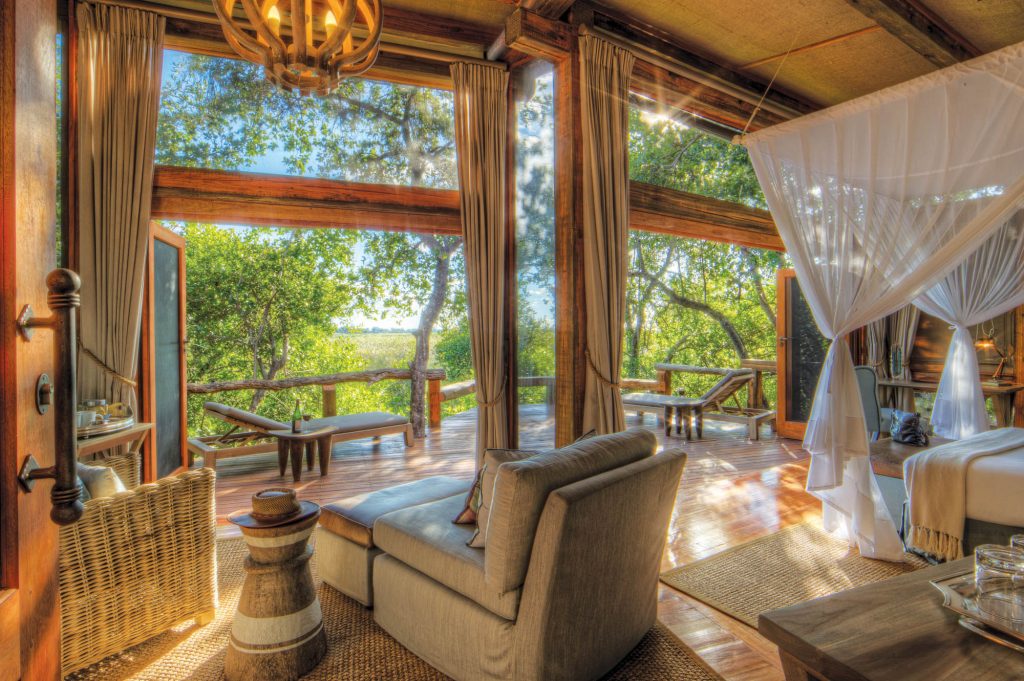
Camp Okavango is in the heart of the permanent part of the Delta. In this idyllic setting there are no vehicles, and it is just a short walk
14th October 2023
From My Safari Notebook: Wildlife Photography
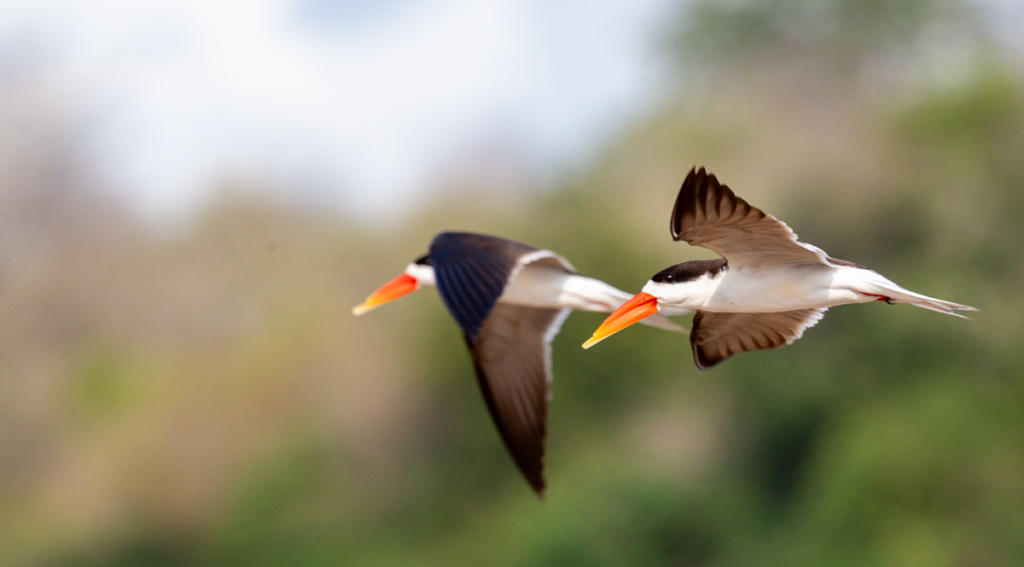
Birds in flight and wildlife photographers have an uneasy relationship. Things go wrong as often as they go right. Getting focus-lock on a moving subject

SUBSCRIBE TO OUR NEWSLETTER
READERS FAVOURITES
4th August 2022
On Safari At Belmond Eagle Island Lodge, Okavango Delta
What is the ‘secret sauce’ for an unforgettable few days on safari in Botswana? It starts with the animals, of course. The elephants, lions, giraffes, hippos
10th September 2021
Chindeni and the Bushcamp Company, Zambia
By late July we found ourselves at Chindeni, a small Bushcamp Company property